Category Archives: Kindness

The Unbroken Backbone: The Role of Oromo Women in the Struggle for Liberation

For decades, the story of the Oromo liberation struggle has been told as a chronicle of resistance against a sprawling empire. But within that narrative, there is a deeper, more powerful current—one that has flowed quietly yet inexorably beneath the surface. This is the story of Oromo women, who have not merely supported the movement, but have stood as its very backbone: its fighters, its strategists, its memory keepers, and its soul.
A Struggle on Three Fronts
The Oromo people have been engaged in a struggle for liberation since their colonization by the Abyssinian Empire, which evolved into modern-day Ethiopia. However, Oromo women face a unique and intersecting burden. They are not only fighting against what scholar Madeline Bass describes as the “settler colonial state rulers of Ethiopia” and “global anti-Blackness,” but they must also contend with “cisheteropatriarchy”—a struggle against patriarchal oppression that is uniquely Oromo in its application.
This triple oppression means that Oromo women have always had to fight for the liberation of their nation while simultaneously battling for their own dignity and rights within their own communities. As one source notes, “the Abyssinian system oppresses Oromo people, and women in particular.” The state of oppression is deep in general, but Oromo women face even greater difficulty.
Pillars of the Movement: From the Battlefield to the Ballot
Within the Oromo Liberation Front (OLF/ABO), Oromo women have served as “utubaa cimaa”—strong pillars—whose contributions have shaped every facet of the liberation movement. Their involvement has been both visible and behind-the-scenes.
· On the Battlefield: Many Oromo women have joined the Oromo Liberation Army (OLA), the armed wing of the OLF, taking up arms to defend their people and land. Women like Aradoolaa Abdalla, who joined the OLA in 1985 and participated in ten major battles in western Oromia, rose through the ranks to become a platoon commander because of her bravery. Women have participated in every sector—military, medical, and communication—as combatants and supporters.
· In Political Organizing: Beyond the battlefield, Oromo women have been active in political movements for decades, serving as leaders, organizers, and advocates within the OLF and other nationalist groups. They have organized protests and worked tirelessly to inform other women of their rights.
The Unbreakable Spirit of Siinqee
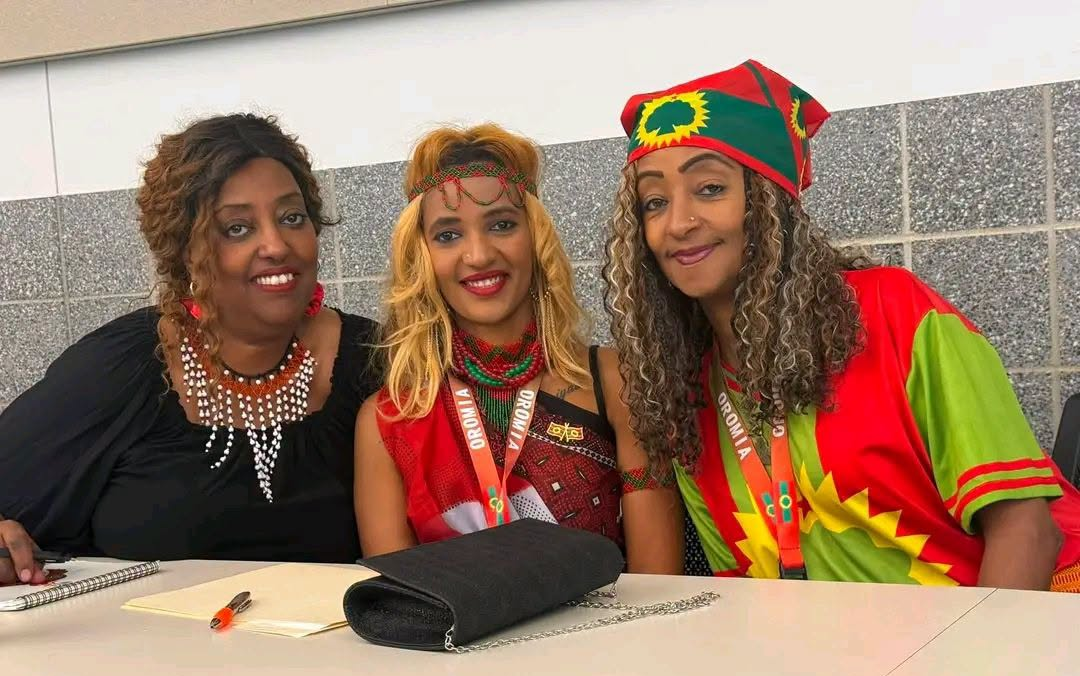
One cannot speak of Oromo women’s resistance without understanding Siinqee. It is not merely a wooden stick; it is a profound cultural and spiritual institution. A Siinqee is a ritual stick given to an Oromo woman by her mother on her wedding day. Once a woman holds this stick, she commands respect from everyone in the community.
More than a symbol, Siinqee is a lived practice of mutual protection, a “covenant of resistance against all forms of oppression.” Women use the power of Siinqee to exercise their rights, control their own economy, and participate in solidarity activities. This tradition, which predates Western feminist thought, represents an Oromo philosophy of womanhood and solidarity that has been passed down through generations.
Martyrs and Heroes: The Price of Freedom
The contribution of Oromo women has come at a devastating cost. The liberation struggle has demanded sacrifices that extend far beyond the battlefield, imposing a heavy burden on the families left behind.
One of the most iconic figures in this struggle is Martha Kuwee Kumsa, an Oromo journalist and scholar whose story embodies the spirit of resistance. In 1980, during the Ethiopian Red Terror, she was arrested and detained without charges for nine years after writing an article that called for Oromo women to defy power structures and reclaim their cultural heritage. She was tortured and held until 1989, after which she escaped to Kenya and later Canada. Her activism is deeply rooted in Siinqee feminism—an Oromo philosophy that predates Western feminist thought and is a lived practice of mutual protection and solidarity. Today, she is a professor in Canada and continues to write and advocate on feminist and political issues.
Countless other women have paid the ultimate price—some were killed in battle, others were publicly executed. The story of Agarii Tulluu, who was hanged alongside her two brothers in a market, is just one of many tragic tales. The mothers, wives, and sisters of fallen fighters carry a grief that “does not fade from their minds,” enduring a wound that cannot be measured.
The Hiriira: A Modern Cry for Recognition
The struggle of Oromo women is not confined to the hills of Oromia; it has gone global. In September 2020, Oromo women marched through the streets of Berlin, Germany, in a protest march called a Hiriira—an Oromo word for a parade, demonstration, or queue. They were demanding recognition for their struggle.
This march was more than a protest; it was a powerful act of spatial and historical reckoning. It served as a case study into the entanglements between settler colonial Ethiopia, Germany’s post-empire, and the forces of oppression that link them. By marching through Berlin, Oromo women were mapping their liberation across borders, using a “Black and Blackened way of knowing space with a particularly Oromo perspective” known as geography guraacha. The women wore Oromo cultural garb, distinct to different regions of Oromia, turning the streets of a European capital into a living map of their homeland and their resistance.
Architects of a New Nation
The role of Oromo women extends beyond the struggle for liberation into the vision for what comes after. There is a growing consensus within the movement that the liberation of Oromia cannot be separated from the liberation of Oromo women. Any future Oromo state must be built with women’s full and equal participation from the ground up.
As one advocate powerfully stated, the aim is to ensure that Oromo women are “not just participants but architects of the next chapter.” From the battlefield to the political arena, from the cultural institution of Siinqee to the global stage of the Hiriira, Oromo women have proven that they are not waiting for liberation to be given to them—they are building it with their own hands, one courageous step at a time.
—
This feature article draws on academic research, historical accounts, and journalistic reports to highlight the indispensable role of Oromo women in their people’s long struggle for freedom and dignity.

Jaallan Utubaa Qabsoo: The Pillars of Oromo Liberation and Their Global Reach
Honouring the Builders and Champions of the Oromo Struggle, and the Global Structure of the ABO
By Dhabessa Wakjira
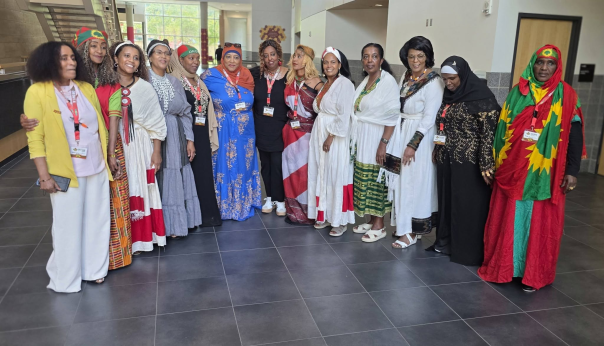
In every liberation movement, there are those who carry the torch not for personal glory, but for the collective destiny of their people. They are the architects of consciousness, the builders of institutions, and the guardians of memory. They are Jaallan Utubaa Qabsoo—the beloved pillars of the struggle—and Jaallan Qabsoo—the beloved champions who have emerged from every corner of Oromia and the diaspora to advance the cause of Oromo liberation.
This is a tribute to them. And this is an exploration of the structure that unites them: the Adda Bilisummaa Oromoo (ABO) —the Oromo Liberation Front—and its global reach across nations.
The Pillars: Who Are the Utubaa Qabsoo?
The term Utubaa Qabsoo—pillars of the struggle—is not a title given lightly. It is earned through sacrifice, through decades of commitment, and through an unwavering dedication to the Oromo people’s right to self-determination . These are the individuals who, in the darkest hours, refused to let the flame of liberation die.
One such pillar was Cawwaaqaa Yaaddessaa, a renowned Oromo singer and artist whose music became the soundtrack of the resistance. Through his songs, he chronicled the pain and the hope of the Oromo people, composing works that stirred the hearts of a generation . His compositions—such as “Eemmoo yaa guraale hoo dangashe”—became anthems of defiance, performed even when political gatherings were banned . He served as a pillar of the struggle through his art, demonstrating that cultural expression is a weapon of resistance as powerful as any gun .
Another pillar is Ustaaz Raayyaa Abbaa Maccaa, who transitioned from the armed struggle within the ABO to become a teacher of Islamic faith and a composer of spiritual songs (manzuumaa) that reinforced Oromo identity and resilience . He was part of the ABO in its early years, receiving military training at the 24th training camp in Harawaacaa, and fought in numerous battles . Even after being captured and imprisoned for a long time, he never abandoned the struggle; he continued to strengthen the Oromo people through his teachings and songs . His story is a testament to the fact that the pillars of the struggle exist not only on the battlefield but also in the realms of faith, culture, and education .
Baaroo Tumsaa stands as another foundational pillar. He is remembered as a key figure in building the Oromo movement in the 1970s, working to organize youth and establish the infrastructure that would eventually lead to the formal founding of the ABO . He played a crucial role in the Macha-Tulama Self-Help Association and was instrumental in consolidating Oromo nationalism into a political force . His legacy is one of organization and vision, reminding us that liberation is built not just on passion but on structure.
The Champions: Jaallan Qabsoo and the Spirit of Resistance
Beyond the foundational pillars, there are the Jaallan Qabsoo—the beloved champions of the struggle. These are the fighters, the activists, the community organizers, and the everyday people who have taken up the mantle of resistance in their own ways .
The Qeerroo youth movement is perhaps the most powerful contemporary embodiment of this spirit. In traditional Oromo culture, the term means “bachelor” or “youth,” but within the political movement, it symbolizes the Oromo struggle for increased political freedom and greater ethnic representation . The Qeerroo have emerged as a dynamic and fearless force, challenging the state and demanding justice .
The champions are also found in the Oromo Liberation Army (OLA) —known in Oromo as Waraana Bilisummaa Oromoo (WBO) —the armed wing of the struggle . The OLA was formed in 1974 and has continued its armed resistance against successive Ethiopian regimes . Under the leadership of figures like Jaal Marroo (Kumsa Diriba), the OLA remains active in the Oromia Region, representing those who refused to disarm following the 2018 peace deal, skeptical of the government’s intentions .
The champions are also found in the diaspora—in Washington, D.C., Berlin, and other cities around the world, where the ABO maintains offices and radio stations that broadcast in Oromo and Amharic, keeping the spirit of resistance alive far from the homeland .
The ABO: Structure and Global Reach
The Adda Bilisummaa Oromoo (ABO) —or the Oromo Liberation Front (OLF)—is the political organization that unites these pillars and champions. It was founded in 1973 with the goal of promoting self-determination and independence for the Oromo people . Its structure has evolved over the decades, but its core mission remains unchanged: the total liberation of Oromia from what it characterizes as Ethiopian colonialism .
The ABO’s structure extends far beyond the borders of Oromia and Ethiopia. It has a significant diaspora presence, with offices in Washington, D.C., and Berlin . These offices serve as hubs for organizing, advocacy, and communication . They also operate radio stations that broadcast in both Amharic and Oromo, ensuring that the organization’s message reaches Oromo communities worldwide .
This global reach is critical. The ABO’s international structure allows it to advocate for the Oromo cause on the world stage, to build solidarity with other movements, and to sustain the struggle even when political space is closed inside Ethiopia . In a November 2025 position statement, the OLF declared that “the current regime has deliberately closed the political arena and obstructed the lawful activities of the Oromo Liberation Front” . In the face of such obstacles, the diaspora structure becomes even more vital as a space for organizing and resistance.
The Legacy of the Western Front: A Day of Sacrifice
The pillars and champions of the ABO are not abstract figures. They are real people who have paid the ultimate price for their commitment. The Western Front of the armed struggle serves as a powerful reminder of this sacrifice.
On April 15, 1980, the ABO appointed a new chairman in Shinnigga, marking a strategic decision to expand the armed struggle into the Western Front . The organization sent 17 commanders to ignite the resistance in the West. Their names—Daawud Ibsaa, Abbaa Caalaa Lataa, Jaal Tottoobaa Waaqwayyaa, and others—are etched in Oromo memory .
Tragically, these commanders were betrayed and poisoned by collaborators of the Derg regime in December 1981. Their deaths were a devastating blow to the movement . But their memory did not die. In 1985, the ABO leadership formally designated April 15 as Oromo Martyrs’ Day—a day to commemorate all those who have fallen in the struggle for Oromo liberation .
Today, April 15 is observed in the forests of Oromia and in diaspora communities around the world. It is a day of remembrance, of reflection, and of renewed commitment to the cause for which these pillars and champions gave their lives .
Unity, Truth, and the Path Forward
The struggle of the ABO has always been a struggle of self-reliance and truth. As senior ABO leader Jaal Abdii Raggaasaa emphasized in a recent consultative meeting with members: “If we are people of truth, our people will never abandon us under any circumstances. But if we are people of falsehood, even if we hold something, we will lose it” .
The leadership has also stressed that the work of building Oromia extends beyond Ethiopia’s borders . It is a task that belongs to Oromo people everywhere—in the villages of Oromia, in the refugee camps of Kenya, in the community centers of Europe and North America, and in the offices of the ABO in Washington and Berlin .
The unity of these diverse actors—the pillars, the champions, the diaspora, and the grassroots organizers—is the foundation of the Oromo liberation struggle. As another official, Jaal Yaasoo Kabbabaa Hordofa, declared: “OLF is the center of Oromo peace” . The organization calls on all Oromos to strengthen their resolve, to seize the opportunities that arise—such as the upcoming 7th round elections—and to never retreat into silence .
Conclusion: A Living Legacy
The story of the Oromo liberation struggle is not a history lesson; it is a living, breathing movement. It is embodied in the songs of Cawwaaqaa Yaaddessaa, the teachings of Ustaaz Raayyaa Abbaa Maccaa, the organizing of Baaroo Tumsaa, the sacrifice of the 17 commanders of the Western Front, and the tireless work of the ABO’s global network .
Jaallan Utubaa Qabsoo—the beloved pillars—have built the foundation. Jaallan Qabsoo—the beloved champions—continue to build upon it. And the ABO—in its structure, its global reach, and its unwavering commitment to the Oromo people—remains the vessel through which this struggle will achieve its destiny.
ABO haa waaru!
Injifannoon Ummata Oromoo!
This feature article is dedicated to all the pillars and champions of the Oromo liberation struggle—past, present, and future.

The Tenth Anniversary of the Grand Oromo Rally: A Defining Moment in the Struggle for Justice
Remembering August 6, 2016, and Its Enduring Legacy for Unity, Identity, and Transformation
By Daandii Ragabaa
When a people understand their history correctly, they are able to learn from past mistakes, draw strength from previous achievements, and chart a clearer course for the future. History is not merely a record of what has passed—it is a compass for what lies ahead. It is a teacher, a witness, and a foundation upon which the dreams of generations are built.
For this reason, the commemoration of the Grand Oromo Rally of August 6, 2016, occupies a significant and sacred place in the history of the Oromo struggle. It is not simply a date on a calendar. It is a milestone, a turning point, and a testament to the power of collective action. As the tenth anniversary approaches, it is time to reflect deeply on what that day meant, what it achieved, and what it continues to teach us today.
A Day That Shook the Nation
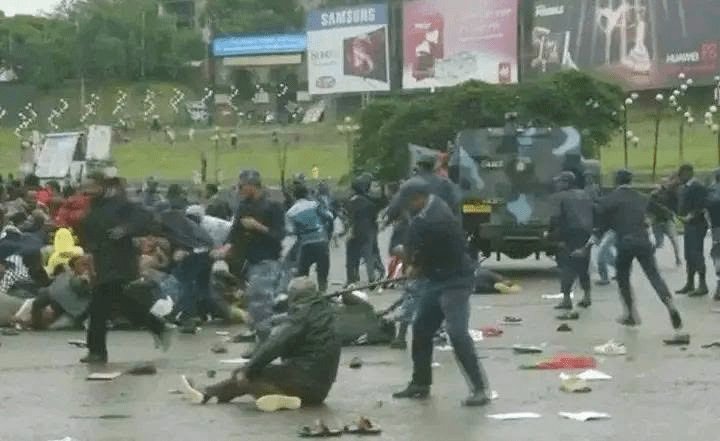
The Grand Oromo Rally of August 2016 was not a spontaneous outburst of anger. It was the culmination of years of sustained public mobilization—a peaceful yet powerful resistance against decades of systemic oppression, marginalization, and denial of basic rights. It was one of the largest and most widely recognized demonstrations ever organized across Oromia, drawing participation from every corner of the region.
What made this rally extraordinary was its sheer scale and simultaneity. On that day, Oromo people from all walks of life—young and old, men and women, urban and rural, educated and uneducated—rose together as one. They filled the streets not with weapons, but with voices. They carried not arms, but banners of justice. They demanded not revenge, but recognition.
The world watched. International media covered the events. Global human rights organizations took notice. The Oromo people, long silenced and ignored, had made their voices heard in a way that could no longer be dismissed. The rally became one of the most significant events to attract international attention to the Oromo cause.
More Than a Protest: A Turning Point in History
Although different perspectives exist regarding its causes, results, processes, and consequences, the Grand Oromo Rally is widely regarded as a defining event in both the political history of the Oromo movement and the modern political history of Ethiopia.
It was a moment when the Oromo people declared, with unmistakable clarity, that they would no longer accept invisibility. They would no longer accept the theft of their land. They would no longer accept the denial of their language, culture, and identity. They would no longer accept a political system that treated them as second-class citizens in their own homeland.
The events of that day laid an important foundation for the political changes that unfolded in 2018. The rally was a catalyst—a spark that ignited a broader movement for reform across the country. It demonstrated that when a people are united and determined, even the most entrenched systems of power can be challenged. It showed that peaceful resistance, when organized and sustained, can produce real change.
The Tenth Anniversary: More Than Remembrance
The tenth anniversary of the Grand Oromo Rally is more than a remembrance of a historical event. It is an opportunity—a vital and necessary opportunity—to learn from history, to recognize that today’s achievements were not attained easily, and to appreciate the value of unity and collective strength.
This commemoration serves multiple purposes:
First, it reinforces social cohesion. When a people gather to remember a shared struggle, they affirm their bonds to one another. They recognize that they are part of something larger than themselves.
Second, it educates younger generations. Many of those who will mark this anniversary were too young to participate in the events of 2016—or were not yet born. They must learn what happened, why it happened, and what it means for their future. The history of the Oromo struggle must not be forgotten, distorted, or erased.
Third, it creates space for constructive dialogue. Commemorations should not be occasions for division or recrimination. They should be opportunities for thoughtful discussion about addressing present and future challenges, for examining both achievements and shortcomings, and for building a peaceful, inclusive, and prosperous future.
The Power of Collective Participation
One of the defining characteristics of the Grand Oromo Rally was the remarkable level of collective public participation in confronting oppression. Regardless of age, gender, social status, or place of residence, Oromo people united at the same moment and participated in the historic protest with determination, shared purpose, and a strong sense of solidarity.
The enduring lesson from that experience is clear: unity is our greatest strength.
Standing together around common goals and shared interests, strengthening collective unity, building public trust, and fostering strong social bonds are essential for overcoming complex challenges. The rally taught us that dialogue and coordination play indispensable roles in achieving change.
However, sustaining unity requires effort. It requires respecting differences of opinion. It requires listening to one another. It requires maintaining continuous dialogue. Unity does not mean everyone must hold identical views. True unity means respecting differing opinions while working together toward common objectives. It means recognizing that agreement on common goals can coexist with different views regarding the methods of achieving them.
Lessons for the Present and Future
Political and social circumstances inevitably change over time. What worked yesterday may not work tomorrow. The challenges of today are not identical to those of 2016. Yet the lessons of that historic rally remain as relevant as ever.
Remembering our history helps us to avoid repeating past mistakes while preserving and building upon our strengths. It reminds us that:
- Difficult challenges are most effectively resolved through dialogue and mutual understanding.
- Agreement on common objectives can coexist with different views on methods.
- Differences of opinion should never be mistaken for hostility.
- Current generations must study the past through evidence-based research and objective historical inquiry.
The tenth anniversary is not an invitation to dwell in the past but to draw wisdom from it. It is a chance to critically examine both achievements and shortcomings, and to engage in thoughtful discussions about building a peaceful, inclusive, politically stable, and socially prosperous future.
Strengthening Identity and Social Solidarity
By remembering historic events such as the Grand Oromo Rally, the Oromo people strengthen both their collective identity and their social solidarity. Such remembrance plays a vital role in:
- Learning from history
- Honouring those who made sacrifices
- Preventing the repetition of past mistakes
- Passing historical knowledge to future generations
These commemorations should be inclusive of people with diverse viewpoints. They should promote mutual respect, reconciliation, and lasting peace within society. Although we may hold different political perspectives, sharing a common historical experience reminds us that unity remains essential both today and in addressing our common challenges in the future.
To sustain this spirit, it is important to continue commemorating collective events such as the Grand Rally every year. Annual commemoration ensures that the memory remains alive, that the lessons remain fresh, and that the unity forged in struggle remains strong.
A Call to Remember, Reflect, and Renew
As we approach the tenth anniversary of August 6, 2016, let us remember what that day meant. Let us honour those who stood firm in the face of oppression. Let us recognize the sacrifices that were made—the lives lost, the freedoms curtailed, the dreams deferred. Let us also celebrate what was achieved: a renewed sense of identity, a strengthened movement for justice, and a foundation for the political transformation that followed.
The commemoration of the Grand Oromo Rally should not merely be an occasion to remember the event. It should be an opportunity to draw lessons that strengthen unity, mutual trust, respect, and dialogue in order to address today’s and tomorrow’s challenges through peaceful means.
Above all, the greatest lesson it offers is the importance of working together toward shared goals and common interests, respecting differences of opinion, and learning from history to build a better future for all.
Conclusion: A Legacy for Generations
The Grand Oromo Rally of August 6, 2016, stands as one of the most remarkable demonstrations of broad-based Oromo public participation in history. It is remembered as an important foundation for the political transformation that followed in 2018. Its tenth anniversary is not just a date to mark on the calendar—it is a moment to reflect, to renew, and to recommit.
Therefore, commemorating the Grand Oromo Rally annually plays a vital role in strengthening Oromo identity, social cohesion, and unity while ensuring that an accurate understanding of history is passed on to future generations. It is through such remembrance that we honour the past, navigate the present, and build a future worthy of the sacrifices made.
The memory of August 6, 2016, lives on.
The spirit of unity endures.
The struggle for justice continues.
Oromo Qeerroo Union—forever united!
Gamtaa Qeerroo Oromoo—the strength of the people!
#Silencing_the_Gun_Among_Brothers
#Oromo_Qeerroo_Union
#Gamtaa_Qeerroo_Oromoo
August 6, 2026

ፊንፊኔ፦ የህልውና ጉዳይ እንጂ ተራ ጥያቄ አይደለም
የ150 ዓመት ቁስል፣ የ7ሺ ህይወት መስዋዕትነት፣ እና ዛሬው ወሳኝ ጊዜ
ጸሐፊ፦ ዳንዲ ረገባ
ለኦሮሞ ህዝብ ፊንፊኔ ተራ የፖለቲካ ጉዳይ አይደለም። የከተማ ድንበር ጉዳይ አይደለም። የበጀት ድርሻ ወይም የአስተዳደር ክልል ጉዳይ አይደለም።
የህልውና ጉዳይ ነው።
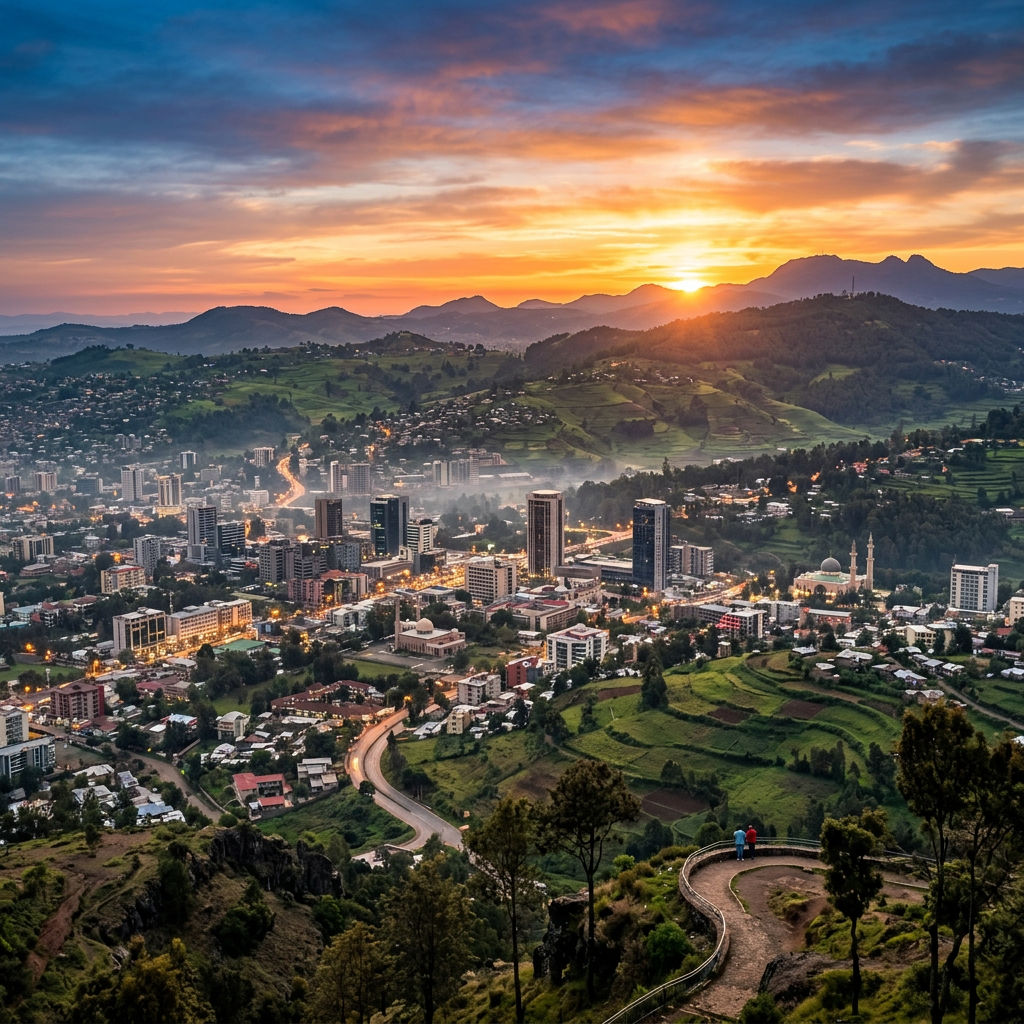
ፊንፊኔ የኦሮሞ ህዝብ መታወቂያ፣ ክብር እና የወደፊት ተስፋ የተጠቃለለባት ከተማ ናት። እሷ ልብ ናት። እሷ ነፍስ ናት። እሷ መሠረት ናት። እናም ይህችን ልብ ለማውጣት የሚደረግ ማንኛውም ሙከራ፣ የህዝቡን ህልውና ራሱን ለማጥፋት የሚደረግ ጥረት ነው።
የታሪክ ጠባሳው፦ ከ150 ዓመት በላይ የፈወስ ቁስል
ዛሬ ፊንፊኔ ላይ የምናየው ቀውስ አዲስ አይደለም። የ150 ዓመት ዕድሜ ያለው የታሪክ ጠባሳ አካል ነው።
የአፄ ሚኒሊክ ሰራዊት ወደ ደቡብ ሲዘምት፣ ኦሮሞን ከመሬቱ አስወግዶ፣ መሬቱን በግዳጅ በመያዝ፣ እና የኦሮሞን ባህላዊ፣ ፖለቲካዊ እና ኢኮኖሚያዊ ስርዓት በማፈራረስ ላይ ነበር። ያ የመጀመሪያው ስብራት ነበር—በህዝብ፣ በመሬት እና በማንነት መካከል የተፈጠረ ጥልቅ ስብራት።
ይህ ስብራት አልተፈወሰም። ተሸፍኗል፣ ችላ ተብሏል፣ የተካደ ነው—ነገር ግን አልተፈወሰም። እና በየትውልዱ፣ ቁስሉ እንደገና ይከፈታል።
ቄሮ፦ ስብራቱን ለመጠገን የተነሳ ትውልድ
ከ150 ዓመታት በኋላ፣ አዲስ የኦሮሞ ትውልድ—የቄሮ ትውልድ—ጮክ ብሎ እና በማይሻር መልኩ ተነሳ።
ይህ ትውልድ ታሪኩን አውቆ ነበር። ስብራቱን ተሰምቶት ነበር። እና ህመሙን የበለጠ ለመሸከም ፈቃደኛ አልሆነም።
በዚያም ቄሮ ተነሳ—ለፍትህ፣ ለእውቅና፣ እና የተሰበረውን ለመጠገን። ለዚህ ትግል ከ7,000 በላይ ወጣቶች ህይወታቸውን ሰጥተዋል። 7,000 ህልሞች። 7,000 የወደፊት ጊዜዎች። 7,000 ነፍሳት በፍትህ መሠዊያ ላይ።
የቄሮ ንቅናቄ ለውጥ ብቻ አልነበረም—ትንሳኤ ነበር። ኦሮሞ ህዝብ ከእንግዲህ ዝም እንደማይል፣ ከእንግዲህ እንደማይጠብቅ፣ እና ከእንግዲህ እንደማይሸነፍ ለዓለም ያሳወቀ ትንሳኤ ነበር።
የተሰጠው ቃል እና የተሰበረው እምነት
የቄሮን ድል ተንተርሶ፣ የኢህአዴግ ክንፍ የሆነው ብልጽግና ፓርቲ ስልጣን ያዘ። ወደ ስልጣን ሲመጣ፣ ለኦሮሞ ህዝብ ቃል ገባ፦ ጥያቄዎቹን አንድ በአንድ ቆጥሮ እመልሳለሁ።
ከእነዚህ ጥያቄዎች ዋናው ምን ነበር? የመሬት ባለቤትነት ማረጋገጥ። ፊንፊኔ የኦሮሚያ አካል መሆኗን ማረጋገጥ። የተዘረፈው መመለሱን ማረጋገጥ። የተሰበረው መጠገኑን ማረጋገጥ።
ለስምንት ዓመታት፣ ኦሮሞ ህዝብ ጠበቀ። በቃሉ አመነ። ፍትህ በመጨረሻ እንደሚደርስ ተስፋ አደረገ።
ነገር ግን በስምንት ዓመታት ውስጥ፣ ያ ቃል ክህደት ሆነ።
ዛሬው ክህደት፦ ፊንፊኔን ለመንጠቅ የሚደረግ ሙከራ
ብልጽግና ፓርቲ አሁን “ምክክር” በሚባል ሂደት ፊንፊኔን ከኦሮሚያ ለመንጠቅ የመጨረሻ ውሳኔ ላይ ደርሷል።
የዚህ “ምክክር” መደምደሚያ ግልጽ ነው፦ ፊንፊኔ የኦሮሚያ አይደለችም።
ይህ የአስተዳደር ለውጥ አይደለም። ይህ የፖሊሲ ማስተካከያ አይደለም። ይህ የኦሮሞ ህዝብ ላይ የሚደርስ ቀጥተኛ ጥቃት ነው።
ብልጽግና ፓርቲ የቄሮን ንቅናቄ ድል ተንተርሶ ስልጣን የያዘ ፓርቲ፣ አሁን ኦሮሞን ለሁለተኛ ጊዜ ለመስበር እየሞከረ ነው።
የመጀመሪያው ስብራት በሚኒሊክ ሰራዊት ነበር።
ሁለተኛው ስብራት በብልጽግና ፓርቲ እየተሞከረ ነው።
ዓላማው አንድ ነው፦ ኦሮሞን መሬቱን ማጥፋት፣ ማንነቱን መሰረዝ፣ እና ድምጹን ማፈን።
የመቋቋም ተፈጥሮአዊ መብት
ግን እዚህ ላይ ብልጽግና እና አጋሮቹ ሊረዱት ያቃታቸው እውነት አለ።
የኦሮሞ ህዝብ ራሱን የመከላከል ተፈጥሮአዊ መብት አለው።
ይህ መብት በሕግ የተሰጠ አይደለም—በሰብአዊነት የተሰጠ ነው። ይህ መብት በሰነድ የተረጋገጠ አይደለም—በህልውና የተረጋገጠ ነው።
ማንኛውም ህዝብ፣ ህልውናው ሲጠቃ፣ ራሱን የመከላከል መብት አለው። የኦሮሞ ህዝብ ከምንም ህዝብ ያነሰ አይደለም።
የፊንፊኔ ጉዳይ የመተዋወቅ ጉዳይ አይደለም—የህልውና ጉዳይ ነው። እና ህልውና የማይደራደር ነው።
የሚበራው ይበራል
ብልጽግና ፓርቲ የውሳኔ ሰነዶችን ሊያዘጋጅ ይችላል። ምክክር ሊጠራ ይችላል። ህጎችን ሊያወጣ ይችላል። ድንበሮችን እንደገና መሳል ይችላል።
ነገር ግን ወረቀት ላይ የሚጻፈው ነገር በህዝብ ልብ ውስጥ ያለውን እውነት ሊለውጥ አይችልም።
እና እውነቱ ይህ ነው፦ ፊንፊኔ የኦሮሚያ ዋና ከተማ ናት። ዘላለም የኦሮሚያ አካል ትሆናለች።
እንደ ጠዋት ፀሀይ ከምስራቅ እንደምትወጣ፣ እንደ ወንዝ ወደ ባህር እንደሚፈስ፣ እንደ ተራራ ሥሩን እንደማይተው—ፊንፊኔ የኦሮሚያ አካል ናት። ይህ በሰነድ የሚሰጥ አይደለም፤ በታሪክ የተረጋገጠ ነው። በህግ የሚሰጥ አይደለም፤ በደም የተረጋገጠ ነው።
የሚበራው ይበራል እንጂ።
ጊዜያዊ ስልጣን ሊደበቅ ይችላል፣ ነገር ግን ፀሀይ ሁልጊዜ ታበራለች። የውሸት ድሎች ሊኖሩ ይችላሉ፣ ነገር ግን እውነት ሁልጊዜ ትወጣለች። ፊንፊኔ የኦሮሚያ ዋና ከተማ ሆና ትቀጥላለች—ምክንያቱም ህዝቡ እንደዚያ ስለሚያውቀው፣ ምክንያቱም ታሪክ እንደዚያ ስለሚመሰክር፣ እና ምክንያቱም ፍትህ እንደዚያ ስለሚጠይቅ።
ለህዝቡ የመጨረሻ መልዕክት
ለኦሮሞ ህዝብ በሙሉ፦
ታሪካችሁ ይታወቃል። ህመማችሁ ይታወቃል። ትግላችሁ ይታወቃል። የቄሮ ጀግኖች ህይወታቸው በከንቱ አልሞተም። መስዋዕትነታቸው እንደ ተስፋ ዘር በመሬት ላይ ተተክሏል። እና ያ ዘር አሁን እያበቀለ ነው።
ለአምባገነኖች አሳሳቢ ቃል፦
የኦሮሞን ህዝብ መንፈስ ሊያፈርሱ አይችሉም። የኦሮሞን ህልም ሊያጠፉ አይችሉም። የኦሮሞን ፍትህ ጥማት ሊያረኩ አይችሉም። ያህል ጊዜ ሞክራችሁ፣ ያህል ጊዜ ተሸንፋችኋል። እናም ዛሬም እንደገና ትሸነፋላችሁ።
ፊንፊኔ የኦሮሚያ ናት። ዘላለም የኦሮሚያ ትሆናለች። ይህ የማይለወጥ እውነት ነው—በደም የተጻፈ፣ በታሪክ የታተመ፣ እና በህዝቡ ፈቃድ የታሸገ።
የሚበራው ይበራል እንጂ። ፊንፊኔ የኦሮሚያ ዋና ከተማ ሆኖ ይቀጥላል!
ኦሮሚያ ትነግር!
ፊንፊኔ የኦሮሚያ ናት!
ዘላለም የኦሮሚያ ትሆናለች!

Beyond the Title: A Social Worker’s Journey of Service and Liberation

By Dhabessa Wakjira
Introduction: More Than a Profession
There are moments in life when a career becomes a calling—when the work you do ceases to be simply a job and transforms into an expression of who you are. For me, that moment came when I realised that being a Social Worker is not just about earning a degree or holding a title. It is a profound commitment to serve with compassion, to advocate for justice, and to stand beside those who need support the most.
I am Dhabessa Wakjira, and I am proud to be a Social Worker in the making.
The Heart of Social Work
What does it truly mean to be a Social Worker? It means waking up each day with a purpose that extends beyond personal gain. It means choosing to be a voice for the voiceless, a shield for the vulnerable, and a bridge for those who feel isolated from the world around them.
Social Work is rooted in the belief that every person matters—regardless of their background, their struggles, or their circumstances. It is a profession that:
- Gives hope to the vulnerable and marginalised
- Empowers individuals and families to find their strength
- Protects children’s rights and ensures their safety
- Strengthens communities from within
- Reminds people that they are seen, heard, and valued
Every life touched, every voice heard, every child protected, and every family empowered is a step toward a better society. These are not just words on a page—they are the daily realities of those who choose this path.
Who I Am
Allow me to reintroduce myself.
My name is Dhabessa Wakjira, and I carry my identity with pride. I am an Oromo, and I am a Social Worker. These two truths are not separate—they are woven together into the fabric of who I am and what I stand for.
In my work and in my life, I choose:
- Empathy over judgment — Understanding that every person carries a story I have not lived
- Service over status — Recognising that true worth lies not in titles but in impact
- Impact over recognition — Knowing that the change I help create matters more than the credit I receive
These are not abstract ideals. They are the compass that guides my daily actions.
What I Do
As a Social Worker, I am called to:
- Empower — Helping individuals and communities discover their own strength and capacity for change
- Protect — Safeguarding the rights and well-being of children, families, and vulnerable groups
- Support — Walking alongside people in their times of greatest need
- Educate — Sharing knowledge that equips others to advocate for themselves
- Mobilise — Bringing communities together to address shared challenges
- Care — Offering compassion and humanity in every interaction
- Organise — Creating systems and structures that uplift rather than oppress
- Collaborate — Building partnerships that amplify the impact of service
- Serve — Placing the needs of others at the centre of my work
Each of these actions is a deliberate choice—a commitment to creating positive change, one person, one family, and one community at a time.
The Intersection of Identity and Purpose
There is a phrase that I carry close to my heart: “Oromo Freedom Fighter isn’t just what I do—it’s who I am.”
For me, this is not a contradiction to my work as a Social Worker—it is an extension of it. The fight for Oromo liberation and the fight for social justice are intertwined. When I advocate for the rights of children, families, and communities, I am also contributing to the broader struggle for freedom, dignity, and self-determination.
Social Work is, at its core, about addressing the systems and structures that perpetuate inequality and suffering. It is about recognising that individual struggles are often rooted in larger historical and political realities. To be an Oromo Social Worker is to understand that the path to healing requires not only individual support but also collective liberation.
The Journey Ahead
I am still a Social Worker in the making—and that is a truth I embrace. Every day brings new lessons, new challenges, and new opportunities to grow. I am learning to hold space for the pain of others while also tending to my own. I am learning to navigate systems that are often broken while never losing sight of the humanity they are meant to serve.
I am learning that change is slow, and that patience is a form of strength. I am learning that even when progress feels invisible, every act of compassion plants a seed that will one day bloom.
A Call to the World
To anyone who reads this, I offer this reflection: Social Work is not a profession reserved for the few. It is a way of being that we can all embody—in our families, in our neighbourhoods, in our daily encounters with strangers. You do not need a degree to choose kindness. You do not need a title to stand up for what is right.
But for those who do choose this path—who answer the call to serve—know that you are part of something greater than yourself. You are part of a legacy of compassion, resistance, and hope that stretches across generations and continents.
Conclusion: Here’s to Change
Here’s to creating positive change, one person, one family, and one community at a time. 💜
Here’s to the vulnerable who teach us resilience. Here’s to the families who trust us with their stories. Here’s to the children whose futures we are fighting to protect. Here’s to the Oromo people and to all peoples who continue to struggle for freedom and dignity.
I am Dhabessa Wakjira. I am a Social Worker in the making. I am an Oromo Freedom Fighter. And I believe—with every fibre of my being—that a more just world is possible.
“The best way to find yourself is to lose yourself in the service of others.” — Mahatma Gandhi

A Response from Within: Correcting the Narrative on Ethiopia’s National Dialogue

A four-year participant challenges the critique that the National Dialogue began with the “wrong first question,” offering a detailed defence of the process and an invitation for critics to join the table.
ADDIS ABABA, ETHIOPIA — In the ongoing public debate over Ethiopia’s National Dialogue, one critique has stood out: that the process began with the wrong question, focusing on divisions rather than shared aspirations. Mr Kebour Ghenna articulated this view in a widely discussed reflection, arguing that the Dialogue should have begun by asking, “What future do Ethiopians wish to build together?” rather than “What divides Ethiopians?”
Now, a direct participant in the Dialogue has responded. Mr Zenayeneh Girma, who has served for four years as a representative of Civil Society Organisations (CSOs) in the National Dialogue process, has offered a corrective perspective—one grounded in direct participation rather than external observation.
“The evidence contradicts your central claim that the Dialogue began with the ‘wrong first question,'” Zenayeneh wrote, respectfully challenging Kebour’s thesis.
A Painstaking Process
Zenayeneh begins by correcting what he describes as a factual error. The National Dialogue did not begin by collecting grievances alone. It began by collecting issues from across the country—over 10,000 specific concerns raised in consultations across all woredas .
These were systematically aggregated into 2,000 themes, then distilled into 8 major national agenda pillars . These pillars cover nation-building and identity; state structure and form of government; the status of federal cities; religious affairs; institution building and the rule of law; social and economic issues; corruption and good governance; and peacebuilding and national reconciliation .
“This was not a hurried exercise but a painstaking process designed to ensure every voice—no matter how remote or marginalised—was heard,” Zenayeneh states.
He challenges Kebour’s suggestion that only divisions were documented. “In every consultation, participants were asked what future they desired for their communities and Ethiopia collectively. The 8 pillars emerged not from ‘what divides us’ but from what Ethiopians chose to discuss as urgent national questions—including the most difficult and deadlocked ones.”
Unprecedented Inclusivity
Zenayeneh argues that the Ethiopian process is unprecedented in its inclusivity. For the first time in the country’s history, Ethiopians from all regions, ethnicities, religions, and political affiliations—including diaspora communities—were brought together to question issues once considered “untouchable”: the flag, federalism, the status of Addis Ababa, the constitutional order, corruption, and institutional reform .
“This is not ‘organising disagreement.’ This is building a foundation for consensus,” he writes.
A Call for Participation, Not Observation
One of Zenayeneh’s most pointed observations is directed at the role of intellectuals who critique the process from outside. “You critique from outside while refusing to enter,” he writes, directly addressing Kebour.
As a prominent intellectual, Zenayeneh notes, Kebour could have contributed expertise to advisory panels. Instead, he has consistently critiqued from a distance. “Observing by ‘sitting outside’ and then writing based on hearsay is an easy task. Building a process that engages 4,000+ communities across a vast, diverse country is not.”
Zenayeneh acknowledges that some opposition figures remain outside the process—some by choice, others by circumstance. But the Commission has extended invitations repeatedly. “A dialogue that waits for everyone to agree to participate may wait forever. The process must move forward while continuing outreach.”
What History Will Remember
Zenayeneh concludes with a prediction about what history will actually remember: a moment when Ethiopians—for the first time—sat together across all divides and spoke honestly about their deepest political questions. It will remember a Commission that organised not just grievances but aspirations, not just complaints but solutions.
“The Dialogue is not perfect. But perfection is not the standard—participation is. And by that measure, Ethiopia has achieved something unprecedented.”
His message to intellectuals and critics is clear: “Instead of theorising from outside, consider contributing your expertise. The nation needs thinkers like you inside the room—not just observers outside it.”
Conclusion
Zenayeneh’s response offers a powerful counter-narrative to critiques of Ethiopia’s National Dialogue. It defends the process as painstaking, inclusive, and historic. It acknowledges imperfections while arguing that participation—not perfection—is the standard by which the Dialogue should be judged.
“Thank you for keeping the debate alive,” Zenayeneh writes. “But please, let us not allow perfect to become the enemy of progress.”
This feature news is based on the response of Mr Zenayeneh Girma to Kebour Ghenna, published on July 31, 2026.

Swedish Football Dream Turns to Mystery as 20 Ethiopian Youth Players Go Missing After Gothia Cup

GOTHENBURG, Sweden – What was supposed to be a triumphant return home for Ethiopia’s young football ambassadors has instead become a quiet international mystery. Swedish authorities have confirmed that approximately 20 members of an Ethiopian youth football delegation are unaccounted for, having vanished on the final day of the prestigious Gothia Cup in Gothenburg.
The players, part of a delegation that had traveled to Sweden to compete in the world’s largest youth football tournament, did not board their scheduled flight back to Addis Ababa. According to police, the group left the school where they were housed during the tournament and simply did not return.
“They were present at the closing ceremonies, but when the time came to gather for transport to the airport, the group was noticeably absent,” a local police spokesperson stated.
In a development that has puzzled investigators, Swedish authorities have stated that there are currently no signs of foul play or human trafficking. Instead, the police believe the disappearance appears to have been voluntary.
“We are not currently looking at this as a criminal case related to abduction,” the police added. “The indications we have suggest that the individuals chose to leave their accommodation and remain in Sweden of their own accord.”
The Gothia Cup, which hosts over 1,700 teams from around the globe, is often a platform for young athletes to showcase their talent on an international stage. However, it has historically also been a known avenue for migration attempts; previous years have seen similar incidents where athletes have sought asylum in Sweden after their participation in the tournament.
The missing individuals have now been listed internationally as missing persons after failing to return to their home country as planned. The Ethiopian embassy in Stockholm has been notified of the incident and is coordinating with Swedish migration authorities to ascertain the whereabouts of the missing group.
This incident raises fresh questions about the security protocols surrounding large youth sporting events and the vulnerabilities of international delegations traveling to high-income countries. While the players are considered missing, police stress that no crime is currently suspected, focusing their efforts instead on locating the group to ensure their welfare.

“A Warning from the Grave”: Dr. Negasso Gidada’s 2014 Prophecy on the Addis Ababa Master Plan – and Why It Was Ignored

As Ethiopia reels from the aftermath of the 2014 Oromo protests, a newly surfaced document reveals that one of the Constitution’s architects had foreseen the catastrophe – and offered a roadmap to avoid it. His advice went unheeded.
By Our Staff Reporter
In May 2014, just weeks after violent protests erupted across Oromia over the “10th Addis Ababa Integrated Development Master Plan,” Dr. Negasso Gidada – a key intellectual and co-architect of Ethiopia’s 1995 Constitution – sat down to write a sobering analysis. He titled it: “A Tragic Consequence of the ‘10th Addis Ababa Integrated Development Master Plan’: A Warning for the Future.”
The document, now circulating widely, reads like a dispatch from a man who saw the storm coming. In it, Dr. Negasso dissects the historical grievances, constitutional failures, and political miscalculations that ignited the unrest – and warns that if the root causes were not addressed, the federal system itself could unravel.
Nearly a decade later, his words carry a haunting resonance. The protests that began in Adaamaa University on April 29, 2014, spread to dozens of towns, leaving dozens dead, property destroyed, and ethnic tensions inflamed. The government’s response – a mix of repression and belated appeasement – did little to quell the anger. And, as Dr. Negasso predicted, the underlying issues remain unresolved.
A City Built on Conquest, a Constitution Unfulfilled
Dr. Negasso begins by grounding the crisis in history. Addis Ababa, founded in 1887 by Emperor Menelik and Empress Taitu around the hot spring of Finfinnee, was established on land that belonged to the Oromo of Shawa. He cites British envoy Harris, who in 1844 witnessed King Sahle Sellasie’s forces – armed with European guns – “destroy the Oromo life and resources,” burning homes, capturing women, and slaughtering men. The Oromo of Gulalle, he notes, still remember leaders like Tufa Mona and Birraatuu Goolee who died in those wars.
This historical memory, he argues, is not ancient grievance – it is living pain. And it has been compounded by three modern failures:
1. The Constitution of 1995, which promised Oromia a “special interest” in Addis Ababa (Article 49/5) but never defined it in law.
2. The 2003/2004 decision to move Oromia’s capital to Adaamaa, which sparked student protests and led to mass expulsions and imprisonments.
3. The broken promises of 2005, when OPDO, after losing the election, re-declared Finfinnee as the capital and vowed to build Oromo cultural centres and language schools in the city’s ten districts – none of which materialised.
“Nine years have passed,” Dr. Negasso wrote, “and nothing from the decisions and promises were implemented.”
The Master Plan: A Spark on Dry Tinder
When the “Integrated Master Plan” – which proposed integrating surrounding Oromo towns into Addis Ababa – was publicly announced in March 2014, it struck at this accumulated trauma. The plan was presented as a development initiative, but for Oromo farmers on the city’s fringes, it meant eviction. For Oromo intellectuals, it meant the erasure of their territorial rights. For the youth, it was the final straw.
“Here lies the root cause of the current incident and the tragic consequence,” Dr. Negasso wrote.
The protests were swift and fierce. They began at Adaamaa University, then spread to Haroo Maayaa, Dire Dawa, Bale, Guji, and beyond. By the time Dr. Negasso penned his note, the death toll was mounting – two students killed in a TV room explosion at Haroo Maayaa, others thrown into rivers, and reports of mutilation and ethnic violence. Security forces responded with live fire, and the government issued statements defending the plan while blaming “outside forces.”
A Constitutional Crisis in Plain Sight
Dr. Negasso’s most incisive contribution is his legal analysis. He walks through the Constitution article by article, showing how both the ruling party and nationalist forces were undermining it.
He quotes Article 49/5: “The special interest of the State of Oromia in Addis Ababa… shall be respected. Particulars shall be determined by law.” That law, he notes, has never been enacted.
He cites Article 40/4, which guarantees peasants the right to land and protection from eviction – a right routinely violated in the suburbs of Addis.
And he warns that if the Constitution is not respected, the federal system could collapse into ethnic conflict. “The end result could also mean the disintegration of Ethiopia which no one of us wants to see.”
What He Prescribed – and What Was Ignored
Dr. Negasso did not merely diagnose; he offered a cure. His recommendations were clear:
· Apologise for the failures: the unfulfilled constitutional provision, the broken promises, the violence by security forces.
· Investigate human rights violations by both state and individual actors, and bring perpetrators to justice.
· Immediately implement Article 49/5 – define Oromia’s special interest, demarcate the boundary, and affirm the jurisdiction of surrounding towns.
· Stop hate propaganda from both “Ethiopianist” and “Oromummaa” camps.
· Launch a national dialogue on the Constitution, the national question, land policy, federalism, and the role of the media.
“We can only try to mend the damage by taking corrective measures based on what we have learnt from the mistakes done,” he wrote.
The Unheeded Warning
Dr. Negasso concluded his note with a plea: “If we want to live together and save our people and country, we should either respect the Constitution as it is or create a situation in which it could be amended and ratified by the people through a referendum.”
The TPLF-led government did neither. The master plan was shelved – but the underlying issues were never resolved. The protests of 2014 would echo in the 2015 elections, and again in the 2016–2018 Oromo uprisings that ultimately reshaped the country’s political landscape.
Dr. Negasso Gidada passed away in 2019. But his note from May 2014 remains a haunting artifact – a warning written in ink, delivered from the grave, and largely ignored by those who had the power to act.
Today, as Ethiopia navigates yet another national dialogue, his words serve as a stark reminder: tragedy is not inevitable, but it is the price of constitutional neglect.
—
This feature is based on Dr. Negasso Gidada’s unpublished note dated May 2014, titled “A Tragic Consequence of the ‘10th Addis Ababa Integrated Development Master Plan’: A Warning for the Future.”

Constitutional Legitimacy and Federalism in Ethiopia: A Trap in the Making?
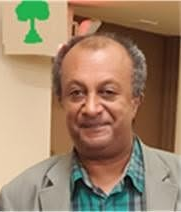
With constitutional amendments on the table and a national dialogue that critics call structurally rigged, Ethiopia stands at a crossroads that could determine the fate of its multinational federation
By Prof Asfaw Beyene
There is absolute consensus among Ethiopians on one fundamental truth: the country is bleeding, and a genuinely inclusive, transparent, and democratic dialogue is the only viable exit from the abyss . However, when the very architecture of a peace-building process is engineered to marginalise the country’s largest demographic constituency and dismantle its constitutional foundations, the process ceases to be a dialogue. It becomes a structural trap .
As the Ethiopian National Dialogue Conference commenced on July 15, 2026, the stakes could not be higher. The federal government is preparing a sweeping constitutional reform package that could redefine Ethiopia’s federal structure, with proposals that include amending Article 39—the constitutional provision that enshrines the right of nations, nationalities, and peoples to self-determination, including secession—and replacing ethnicity-based regional boundaries with geography-based ones .
These are not mere policy adjustments; they are existential threats to the constitutional order that has governed Ethiopia since 1995. As Asfaw Beyene’s analysis argues, the national dialogue may be heading toward a “barred trap” from which there is no easy escape .
The Mathematics of Disenfranchisement
At the heart of the controversy lies the decision-making framework of the National Dialogue Commission. According to the Commission’s documented multi-tier decision-making system, the ultimate power to pass or reject national agendas is vested in a Regional Representatives Assembly composed of 211 members .
Every region and city administration is granted exactly 14 representatives, alongside 15 representatives handpicked by the federal government. The result? Oromia, a region home to an estimated 40 million people—roughly 35% to 40% of the Ethiopian population—is granted the exact same voting power (14 seats) as city administrations like Dire Dawa or Harari, which have populations of approximately 500,000 .
Mathematically, Oromia is granted a mere 6.6% of the voting power in the assembly that will decide the fate of the country. This is not equality; it is the systematic erasure of the Oromo voice .
The Danger of Dismantling Federalism
“The outcome of dismantling federalism can be separation, not unity.”
Many constitutional democracies require broad consensus before fundamental constitutional changes take effect. Some do not allow even supermajority voices for constitutional amendment; they require unanimous vote .
In Germany’s Basic Law, the law that establishes Germany’s federalism cannot be amended at all, even by a unanimous vote. In Canada, unanimous provincial consent is required for certain constitutional amendments under the unanimity formula. These systems protect federalism at such high cost because they are aware the alternative would be separation and independence .
They recognize that constitutions should not be altered solely based on the political preferences of a temporary governing majority because they provoke a counter remedy: secession . Ethiopia’s elections did not provide even a majority vote to the ruling party; elections were not organized in many parts of the country for security reasons .
Article 39: A Constitutional Prerequisite, Not a Mere Provision
Article 39 of the Ethiopian constitution must be understood not merely as a constitutional provision, but as a prerequisite upon which the constitutional order itself rests. Recognition of the right to self-determination, including the possibility of secession under Article 39, establishes the foundational boundaries within which the state exists .
Because this principle defines the relationship between the state, its territory, and the peoples composing it, any amendment that would fundamentally alter or remove this guarantee must logically require unanimous consent of a duly established representative body—not a majority vote .
Article 39 is not, by itself, a sufficient condition to unite a country. But it is a prerequisite that establishes the boundaries and consent-based framework through which the country’s territorial and constitutional existence is maintained. An attempt to remove or fundamentally alter this prerequisite would forfeit the very foundation that gives the constitutional system some legitimacy .
The Eritrean precedent is instructive. When Haile Selassie dismantled Eritrea’s legally mandated autonomy and unilaterally dissolved the Eritrea-Ethiopian Federation, followed by full annexation of Eritrea in 1962, this action prompted an armed national movement, triggering the 30-year Eritrean War of Independence .
The Referendum Question
Where a legally recognized political actor has formally advanced a referendum proposal pursuant to the existing constitutional framework, and where the governing law provides a mechanism for a referendum under applicable circumstances, the constitutional process cannot be circumvented through a preemptive amendment designed to render that referendum unnecessary or ineffective .
Article 39 of the Constitution provides a clear procedure for secession: when a demand for secession has been approved by a two-thirds majority of the members of the Legislative Council of the Nation, Nationality or People concerned; and when the Federal Government has organized a referendum which must take place within three years from the time it received the concerned council’s decision for secession .
The referendum proposal submitted by the OLF for independent Oromia constitutes a pending constitutional process that must be addressed according to the law in force at the time it was initiated. Allowing a subsequent amendment to override, extinguish, or bypass a properly raised referendum petition would undermine constitutional certainty, procedural fairness, and the principle that constitutional change must follow established legal procedures .
The View from the Regions
Regional reactions to the proposed constitutional reforms are mixed. Oromia and Somali regions favor preserving the current model, while Amhara and parts of the Southern Nations, Nationalities, and Peoples’ Region (SNNPR) show growing support for change .
Mulatu Gemechu, vice chairman of the Oromo Federalist Congress (OFC), has argued that the amendment process lacks legitimacy: “One cannot just pop out of a commission and decide to amend [the Constitution]. I was there when it was created. Every element of the Constitution was put in intentionally” .
Dejen Mezgebe, chairman of the Tigray Independence Party, has warned that “this amendment proposal is dangerous, especially for Tigray, which currently has no official or legal representation in federal institutions. Any amendment before Tigray returns to the constitutional order would create a generational crisis” .
Conclusion: A Trap or a Solution?
The constitution amendment is widely seen as a trap to get rid of the Oromo regional state, which is a prerequisite for the secessionist referendum. The Constitution was created through a long, inclusive process of deliberation among all nations and nationalities—a process that reflected the free will of the peoples of Ethiopia . It is impossible to remove the right of secession from the Constitution without violating the foundations of the constitutional order and federalism .
How can the people whose constitutional rights the dialogue is supposed to address be structurally cheated out of their representation? You cannot legally bind a nation to a contract in which its signature was forged .
Instead of ending the tragic wars currently ravaging the country, including the ongoing conflict in Oromia, this manufactured consensus will inevitably exacerbate ethnic polarisation and institutionalise conflict for generations .
“A constitutional amendment cannot be used as a procedural shortcut to defeat a lawful petition or to prevent the electorate from exercising a right that has already been invoked under the existing constitutional order.”

Bonnie Holcomb: The Mother of Oromo Studies
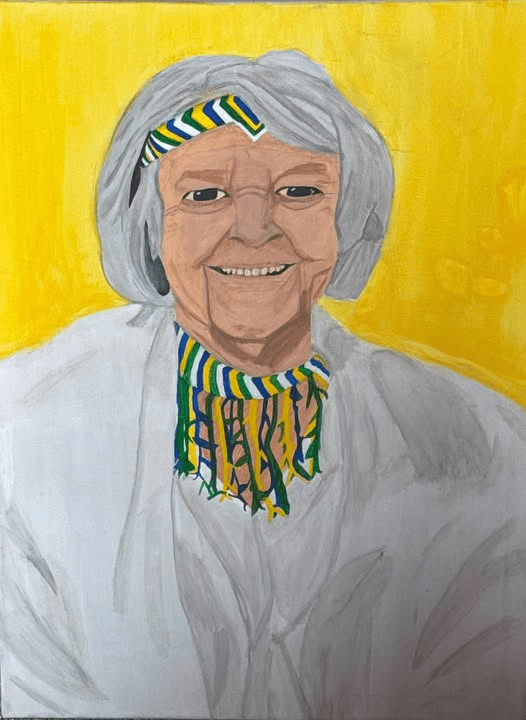
A lifetime of scholarship, sacrifice, and service in the pursuit of Oromo dignity and truth
MINNEAPOLIS, MINNESOTA — For forty years, one name has stood at the centre of Oromo scholarship, guiding the field from its exiled beginnings to global academic recognition. Bonnie Holcomb, co-founder of the Oromo Studies Association (OSA) and Editor-in-Chief of its Journal, has dedicated her life to ensuring that Oromo history, culture, and identity are studied on their own terms.
This year, as the OSA marks its 40th anniversary , the community celebrates not just an organisation, but the extraordinary vision and persistence of one woman—affectionately known as “The Mother of OSA” . In recognition of her lifetime service, a portrait of Holcomb was commissioned from a 15-year-old artist, Qabbanne, reflecting the intergenerational impact of her work .
The Founding of a Movement
The year was 1986 . In exile, scattered across meeting rooms in the diaspora, a small group of Oromo and non-Oromo scholars gathered with a radical idea: to build an independent academic home for the study of a people whose history, culture, and very existence had been systematically erased from mainstream scholarship . They would create a space where knowledge about the Oromo could be produced not by outsiders, but on its own terms .
Bonnie Holcomb was among them.
The OSA was born in direct response to a brutal crackdown—a void in which Oromo heritage was not merely absent from academia and state narratives, but actively suppressed . Those campaigning for greater recognition of the Oromo people were being murdered, tortured, jailed, or driven into exile . The founding of the OSA was an act of intellectual resistance: a refusal to accept erasure and a determination to tell stories that had been silenced .
The Invention of Ethiopia and Other Landmarks
In 1990, Holcomb, alongside fellow founder Sisai Ibssa, co-authored The Invention of Ethiopia: The Making of a Dependent Colonial State in North Africa . The book was a landmark work, offering a radical critique of how Ethiopian history had been represented and exposing a broader set of readers to Oromo history and ethnicity in the Horn of Africa . At its heart was a concern with inequality and a fundamental challenge to dominant state narratives .
The 1990s marked a productive period for Oromo studies, with diaspora intellectuals becoming key actors in the field . The Journal of Oromo Studies (JOS), launched in 1993, grew into the premier peer-reviewed publication for interdisciplinary scholarship on the Oromo people .
A Long and Difficult Road
Holcomb has described the journey as “a long and sometimes a difficult road to reveal evidence and build knowledge which shift the narrative in the region and globally” . This is not hyperbole. For decades, Oromo scholarship faced suppression, neglect, and active hostility. The OSA and its Journal have been more than academic endeavours; they have been an act of intellectual resistance—a refusal to accept the erasure of a people’s history and a determination to tell stories that had been silenced .
Despite these obstacles, the OSA has grown into a global scholarly community spanning continents and disciplines . In a landmark achievement, the Journal of Oromo Studies was recently indexed in Scopus, the gold standard of academic databases—placing it alongside publications from Springer, Elsevier, and Cambridge University Press . Holcomb’s message to contributors and advisors on this achievement reflected both pride and humility: “This publication, and the indexing in Scopus, are notable achievements, all. We have come a long way together” .
The Mother of OSA
The affectionate title “The Mother of OSA” is a testament to Holcomb’s foundational role and her ongoing commitment to the community . She has served as a Board Director and co-chair of the organising team for the 2026 annual conference, continuing to guide the organisation she helped build . Her work has been recognised with an OSA lifetime achievement award .
The theme for the 2026 conference, “Oromo on the Global Landscape: Honoring Asmarom Legesse as OSA Turns 40” , honours another visionary scholar whose work shaped Oromo studies . Asmarom Legesse, author of the landmark Gada: Three Approaches to the Study of African Society (1973), passed away in early 2026 . The conference will take place from July 31 to August 2, 2026, in Minneapolis .
Passing the Torch
In a touching tribute to Holcomb’s legacy, a portrait of her was commissioned from a 15-year-old artist, Qabbanne . This act is itself symbolic: it reflects the intergenerational impact of Holcomb’s work and the future she has invested in. As the OSA enters its fifth decade, the question is whether the next generation will carry the torch forward . Holcomb’s message to the community is also a call to action:
“Please remember that it is the Oromo Studies Association that has conceived, designed, hosted, nurtured, upheld and published the research and scholarship represented in JOS. I urge you all to continue to support OSA, and by extension, its Journal, with donations, membership in OSA and engagement as well as submissions” .
Conclusion
Four decades ago, a small group of exiled scholars dared to imagine a world in which Oromo knowledge was recognised as a contribution to the full breadth of human civilization . Today, that vision is reality . Bonnie Holcomb has been central to that journey. Her legacy is not just the Journal, the conferences, or the Scopus indexing—it is the community of scholars, activists, and artists who continue the work.
As Holcomb wrote, with a warmth that reflects decades of dedication: “Congratulations, one and all” .
The celebration is earned. The legacy is enduring. And the future—if the community continues to support it—is bright.
“Bonnie Holcomb is more than a scholar; she is the architect of a field and the mother of a movement.”





 Advocacy for Oromia