Category Archives: Oromo diaspora

The Hour of Need: Forging a Resilient Future for Oromia and Its People

By Maatii Sabaa
The air in Oromia is heavy with a sense of urgency. Across the region and its surrounding areas, a silent tremor of concern is reverberating through the hearts of its people. We are witnessing a pivotal moment in our history, a time fraught with challenges that test the very fabric of our society. The question is no longer if we will act, but when—and how boldly.
As we look at the current state of affairs, it is impossible to ignore the profound anxieties that grip our communities. The safety net that once held our families together is fraying under the weight of economic strain, environmental upheaval, and political instability. We are, to put it plainly, standing on the precipice of a great ordeal. The need for a unified, robust, and relentless response—a determined stand against the tide of adversity—has never been more critical.
This is not merely a time for sorrow; it is a time for strategy. The path forward is not found in despair, but in the deliberate construction of a new paradigm. We must build a fortress of resilience, brick by brick, institution by institution. It is through the creation of resilient systems—in agriculture, education, and governance—that we can effectively combat the crises that threaten to overwhelm us. We need a “fala/ gaachanaa” (shield) that is not just reactive but proactive, designed to protect the most vulnerable and secure the borders of our collective future.
Yet, the ultimate shield for Oromia is not made of steel or stone; it is made of the mind and spirit of its youth. The young men and women of this generation are the architects of tomorrow. To leave them untrained, unmotivated, or disconnected is to invite disaster. Our imperative is clear: we must educate, energize, and organize the Oromo youth.
This is more than a call to action; it is a call to transformation. We must transform our schools into crucibles of critical thinking, our communities into hubs of entrepreneurial energy, and our political spaces into arenas of constructive dialogue. By doing so, we ensure that our youth do not become victims of circumstance, but rather, become the standard-bearers of a proud heritage. They must become the vanguard that carries the torch of Oromia forward, ready to stand as “gaachana” (champions) for their land and their people.
It is a saddening truth that the heritage of the Oromo people—a legacy of resilience, democracy, and cultural richness—is at risk of being eroded. We are custodians of a “Dhaloota qaroo” (a heritage of value), a distinct identity that has survived for millennia. To protect this inheritance is to diversify it; to bring in new voices, new ideas, and new energy. We must ensure that the narrative of our people is written not by our oppressors, but by our own hands, in our own words.
The time for deliberation is over. The foundations of a new era must be laid today. It is not enough to hope for a brighter tomorrow; we must labor for it. Starting today, we must commit to the arduous but noble task of rebuilding. Starting today, we must bridge the divides that separate us. Starting today, we must empower the next generation to take the helm.
The challenges are great, but the spirit of Oromia is greater. Let us meet this moment with the courage it demands. The hour of need is upon us, but it is also an hour of opportunity. Let us rise, unite, and forge a destiny worthy of the sacrifices of our ancestors and the dreams of our children.
The time to start is now.

Legal Foundations of Finfinne’s Special Status: A Review of Federal and Regional Laws
Examining the Constitutional and Statutory Provisions Recognizing Oromia’s Special Interest in the Capital
By Dhabessa Wakjira
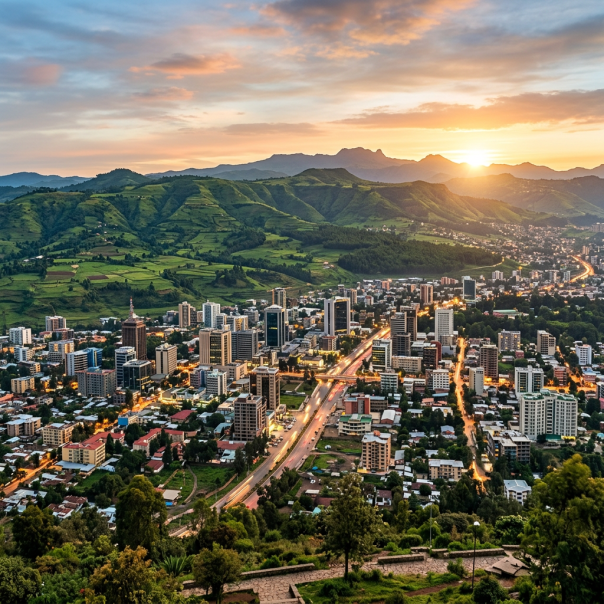
(Melbourne-11 August 2026) The question of Finfinne—the city known internationally as Addis Ababa—is not merely a matter of political debate or historical narrative. It is also a matter of law. Over the past four decades, a series of federal and regional legal instruments have recognized and codified the unique relationship between the Oromo people and their ancestral capital.
From the transitional period following the fall of the Derg to the present day, Ethiopian law has acknowledged that Finfinne, by virtue of its location within the State of Oromia, gives rise to a “special interest” for Oromia—an interest that encompasses social services, natural resources, and joint administrative matters . This legal framework, while contested in its implementation, provides a constitutional foundation for the Oromo people’s claim to their historical capital.
Federal Legal Instruments: The Constitutional and Statutory Framework
A. Proclamation No. 7/1984: Establishing National Regional Self-Governments
The legal recognition of Oromia’s special interest in Finfinne predates the 1995 Constitution. In the transitional period following the fall of the Derg regime, the Transitional Government of Ethiopia enacted Proclamation No. 7/1984 to establish National Regional Self-Governments.
Article 3(1) of this proclamation identified the Oromo people as one of the nations, nationalities, and peoples entitled to establish a regional self-government, designated as “Region 4.” Critically, Article 3(4) of the proclamation stated that the “special national interests and political rights of Oromo” over Harari (Region 13) and Addis Ababa (Region 14) would be protected .
This provision represented the first formal legal acknowledgment of Oromia’s special claim over the capital following the collapse of the unitary state. It recognized that the city’s location within Oromia created a unique relationship that could not be ignored, even as the city was designated as a separate administrative entity.
B. The FDRE Constitution, Article 49(5): The Constitutional Recognition
The most significant legal recognition of Oromia’s special interest in Finfinne is enshrined in the Federal Democratic Republic of Ethiopia Constitution, adopted in 1995.
Article 49(5) states:
“The special interest of the State of Oromia in Addis Ababa, regarding the provision of social services or the utilization of natural resources and other similar matters, as well as joint administrative matters arising from the location of Addis Ababa within the State of Oromia, shall be respected. Particulars shall be determined by law.”
This provision was the product of extensive debate during the Constitutional Assembly. The legislative history reveals that the Oromo representatives argued for the inclusion of this clause on several grounds:
- Geographical reality: Finfinne is located within the State of Oromia.
- Historical connection: The city was established on Oromo land and is the heart of Oromia.
- Practical necessity: The city’s expansion affects surrounding Oromo farming communities.
- Constitutional identity: The city serves as Oromia’s capital and is deeply connected to Oromo identity .
The clause was approved with 507 votes in favour and only 6 against, demonstrating broad consensus on the principle of Oromia’s special interest.
C. Addis Ababa City Administration Charter Proclamation No. 87/1989
The first charter for the Addis Ababa City Administration, Proclamation No. 87/1989, provided detailed provisions on the relationship between the city and Oromia.
Article 33 of this proclamation established four key elements of Oromia’s special interest:
- Boundary Determination: The city’s boundary shall be delimited jointly by the City Administration and the Oromia Regional Government.
- Seat of Government: The Oromia Regional Government has the right to establish its seat in Addis Ababa.
- Access to Services: Social services provided by the City Administration to Addis Ababa residents shall also be accessible to residents of neighbouring Oromia communities, who shall be entitled to benefit from those services on an equal footing.
- Consultation on Development: The City Administration shall undertake development activities affecting Oromia only in consultation and agreement with the Oromia Regional Government.
This charter represented a significant legal acknowledgment of the practical interdependence between the city and its surrounding region .
D. Amended City Charter Proclamation No. 311/1995 and No. 361/1995
Subsequent amendments to the City Charter, including Proclamation No. 311/1995 and Proclamation No. 361/1995, modified the framework for the relationship between the city and Oromia.
Article 62 of these proclamations, concerning the relationship between the City Administration and the Oromia Regional Government, provided that:
- The City Administration shall maintain a relationship based on fruitful cooperation with Oromia.
- In accordance with Article 49(5) of the Constitution, Oromia’s interest shall be respected. The particulars shall be determined by agreement between the City Administration and the Regional Government or by a law enacted by the House of Peoples’ Representatives.
Article 5 of these proclamations, concerning the city’s boundaries, departed from the earlier charter. It provided that the boundary shall be delimited by agreement between the City Administration and Oromia or pursuant to the decision of the Federal Government—a provision that allowed for federal determination of boundaries without necessarily requiring the consent of the Oromia Regional Government .
This shift represented a legal narrowing of Oromia’s special interest compared to the 1989 charter, a development that has been a source of ongoing tension.
Regional Legal Instruments: The Oromia Constitutional Framework
A. The Oromia Transitional Constitution (1984)
The first constitution of the Oromia National Regional State, enacted in 1984 through Proclamation No. 2/1985, established the fundamental identity of the region.
This historic document, adopted by the newly established Oromia Council following popular elections, declared:
- Article 55: The name of the region shall be Oromia.
- Article 57: The working language of the region shall be Afaan Oromoo, written in the Latin script.
- Article 58: The capital city of the region shall be Finfinne.
This constitution represented the first formal assertion of Oromo self-governance and affirmed Finfinne as the heart of Oromia.
B. The Oromia Constitution (1987)
The second Oromia Constitution, enacted through Proclamation No. 1/1987, reaffirmed the region’s identity and capital following the transition to a civilian government.
Article 6 of this constitution confirmed that Finfinne is the capital city of the Oromia Regional State, maintaining the continuity of the region’s constitutional identity.
C. The Amended Oromia Constitution (1994) and Proclamation No. 94/1997
The third Oromia Constitution, enacted through Proclamation No. 46/1994 following the political reforms of 1993, introduced a significant change: Article 6 declared that the capital of Oromia would be Adama.
This change was made following Proclamation No. 35/1992, which had designated Adama as Oromia’s capital effective July 1992. However, this decision was met with widespread public opposition and protest.
Following the 1997 elections, the Oromia Regional Government, responding to popular demand, returned its seat to Finfinne without preconditions. Subsequently, Proclamation No. 94/1997, adopted by the Oromia Council, amended the constitution to restore Finfinne as the capital of Oromia.
Article 2(3) of this proclamation formally declared that the capital of Oromia shall be Finfinne, reversing the 1994 amendment. This decision reflected the deep historical and cultural connection between the Oromo people and their ancestral capital .
The Ongoing Debate: Implementation and Contestation
While the legal framework recognizing Oromia’s special interest in Finfinne is well-established, its implementation has been a source of persistent tension.
The Special Interest Council
The draft proclamation on Oromia’s special interest in Addis Ababa contemplates the establishment of a Joint Council composed of delegates from both the City Government and Oromia Regional State . However, legal experts have noted shortcomings in the draft, including the postponement of determining key details such as the number of members, structure, mandates, and tenure—matters that should be clearly defined in the establishing legislation .
The 2014 Master Plan Controversy
The 2014 Addis Ababa Integrated Development Master Plan, which proposed expanding the city’s boundaries by 1.1 million hectares into surrounding Oromia districts, ignited widespread protests and led to hundreds of deaths. Critics argued that the plan was centrally imposed without prior consultation or participation of the Oromia Regional Government, in violation of constitutional principles .
The Failure to Fully Implement Article 49(5)
Legal commentators have noted that the concept of “special interest” was intended to imply a form of ownership and the immunity of the Oromo people from eviction from the city . However, successive federal governments have been accused of failing to implement the constitutional provision meaningfully, instead pursuing policies that marginalize Oromo communities in and around the capital .
Conclusion: A Legal Framework Awaiting Implementation
The legal instruments examined in this article reveal a consistent pattern: from the transitional period to the present day, Ethiopian law has recognized Oromia’s special interest in Finfinne. The FDRE Constitution, the City Charters, and the Oromia Constitutions all acknowledge the unique relationship between the city and the region that surrounds it.
However, legal recognition alone is insufficient. The gap between the law on paper and its implementation in practice has been a source of ongoing tension and conflict. The failure to fully implement Article 49(5), the controversies over boundary expansions, and the inadequate representation of Oromo interests in the governance of the capital have all contributed to the perception that Oromia’s constitutional rights are being violated.
The path forward lies in the genuine implementation of the constitutional and legal framework—through joint administrative mechanisms, meaningful consultation, and the protection of Oromo communities affected by the city’s expansion. As one legal commentator has noted: “The concept of special interest entered the Ethiopian legal lexicon to ensure that the Oromo people, whose land was taken to establish the capital, would not be excluded from the benefits of the city’s existence” . Fulfilling this vision requires not only legal recognition but also political will.
Injifannoon Ummata Oromoo!
Finfinne haa jabaattu!
Seerri haa raawwatamu!
This feature article is based on a review of federal and regional legal instruments and is dedicated to all those who seek the full implementation of Oromia’s constitutional rights in Finfinne.

For the Cause of Finfinne: Entering Finfinne Itself Is Better Than Entering the Forest
A Reflection on Strategy, Presence, and the Path Forward for Oromo Liberation
By Dhabessa Wakjira
In the long and arduous struggle for Oromo liberation, the question of strategy has always been central. For decades, the Oromo people have employed various methods of resistance—armed struggle in the forests, political advocacy in the diaspora, and mass protests in the streets. Each has its place and its purpose. But there is a principle that deserves careful consideration:
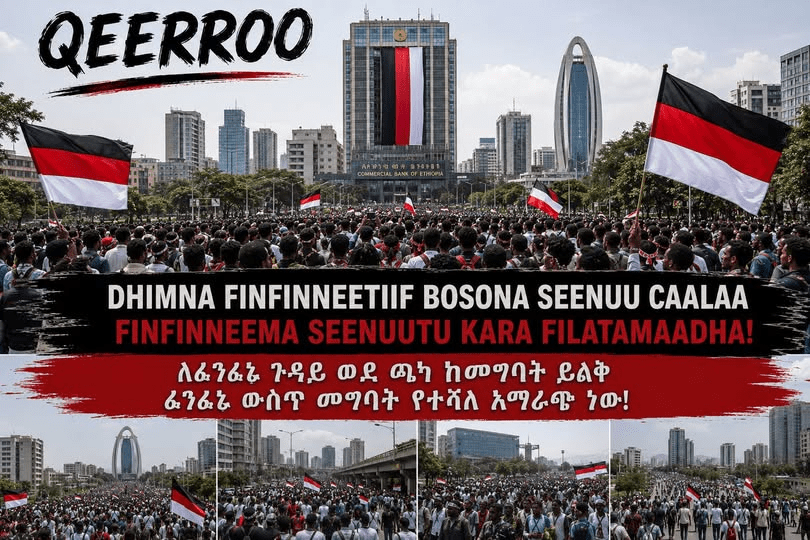
“Dhimma Finfinneetiif bosona seenuu caalaa Finfinneedhuma seenuutu karaa filatamaadha.”
“For the cause of Finfinne, entering Finfinne itself is better than entering the forest.”
This is not a dismissal of armed struggle or the sacrifices made by those who have fought in the forests. It is a strategic reflection on the nature of the struggle for Finfinne and the most effective means of achieving justice for the Oromo people’s ancestral capital.
The Significance of Finfinne
Finfinne—the city known internationally as Addis Ababa—is not just any city. It is the historical and spiritual heart of the Oromo people. It is the place where the Oromo people lived for generations before the expansion of the Ethiopian Empire. It is the site of their cultural heritage, the cradle of their language, and the symbol of their historical presence in the region.
For the Oromo people, Finfinne is not a bargaining chip. It is not a political football to be kicked around by competing interests. It is their ancestral homeland, and their connection to it is inseparable from their identity.
The struggle for Finfinne is therefore not just a political struggle—it is a struggle for the very soul of the Oromo nation. It is a struggle for recognition, for justice, and for the restoration of a people’s connection to their land.
The Forest and the City: Two Strategies
Historically, the Oromo liberation movement has employed two primary strategies: armed struggle in the forests and political organizing in the cities. Both have their strengths and limitations.
The Forest Strategy
Armed struggle has been a vital part of the Oromo resistance. The Oromo Liberation Army (WBO) has fought bravely against successive Ethiopian regimes, and their sacrifices have inspired generations. The forest has been a sanctuary for those who could not operate openly, a place where resistance could be sustained even in the darkest times.
However, the forest strategy has limitations. It is physically demanding, resource-intensive, and often results in heavy casualties. It can also be geographically remote from the centers of political power, limiting its direct impact on urban populations and decision-makers.
The City Strategy
The city strategy—entering Finfinne itself—offers a different approach. It recognizes that the struggle for Finfinne cannot be won solely in the forests. It must be waged in the city itself, among its residents, in its institutions, and in its political life.
Entering Finfinne means:
- Building a presence in the city’s political and civic institutions
- Organizing communities within the city
- Advocating for Oromo rights in the urban space
- Challenging the narrative that denies Oromo history
- Demanding recognition of Finfinne’s Oromo heritage
- Participating in governance to shape the city’s future
This strategy recognizes that Finfinne is not just a piece of land to be claimed from the outside—it is a living city with millions of residents, a complex political landscape, and a role as Ethiopia’s capital. Engaging with the city directly is essential for achieving justice.
Why Entering Finfinne Matters
1. Presence Is Power
In politics, presence is power. If the Oromo people are absent from Finfinne’s political and civic life, their voice will not be heard. Entering Finfinne means being present where decisions are made, where policies are shaped, and where the future of the city is determined.
2. The City Is the Symbol
Finfinne is not just a city—it is a symbol. It is the symbol of Oromo dispossession and the symbol of Oromo resistance. To enter Finfinne is to reclaim that symbol. It is to assert that the Oromo people have a rightful place in their ancestral capital.
3. The City Is the Center of Power
Finfinne is the seat of the Ethiopian government, the African Union, and numerous diplomatic missions. It is the center of political and economic power in Ethiopia. To influence the future of Finfinne, the Oromo people must be present at the center of that power.
4. The City Is a Space for Organizing
Finfinne is home to millions of people, including a significant Oromo population. It is a space for organizing, for building alliances, and for creating a movement that can effect change from within. By entering Finfinne, the Oromo people can build a movement that is rooted in the city itself.
5. The City Is the Future
The future of Finfinne will be shaped by those who are present in the city. If the Oromo people are absent, others will shape that future. Entering Finfinne ensures that the Oromo people have a say in what that future looks like.
The Path Forward
The principle that “entering Finfinne is better than entering the forest” is not a rejection of armed struggle. It is a call to recognize that the struggle for Finfinne must be waged on multiple fronts. It must include:
- Political organizing in the city
- Advocacy for Oromo rights in national and international forums
- Legal action to challenge unjust policies
- Cultural preservation to maintain Oromo heritage in the city
- Economic empowerment to build Oromo prosperity
- Public awareness to educate residents about Finfinne’s history
- Participation in governance to shape the city’s future
This multi-front approach recognizes that the struggle for Finfinne is not just about the past—it is about the present and the future. It is about ensuring that the Oromo people have a rightful place in their ancestral capital and that the city reflects the diversity and history of the Oromo nation.
A Call to Action
The time has come for the Oromo people to enter Finfinne—not as visitors, but as participants. Not as outsiders, but as rightful inhabitants. Not as supplicants, but as citizens with equal rights.
Entering Finfinne means:
- Registering to vote in the city’s elections
- Participating in civic organizations that shape the city’s life
- Advocating for Oromo rights in the city’s institutions
- Building businesses that create jobs and prosperity
- Educating residents about Finfinne’s Oromo history
- Demanding recognition of Oromo heritage in the city’s public spaces
This is not an easy path. It requires patience, persistence, and courage. But it is a path that offers a real chance for lasting change.
Conclusion: A New Chapter in the Struggle
The Oromo people have fought for Finfinne for generations. They have sacrificed their lives, their freedom, and their dreams. They have entered the forests, faced the guns, and endured the prisons. But the struggle is not over.
“Dhimma Finfinneetiif bosona seenuu caalaa Finfinneedhuma seenuutu karaa filatamaadha.”
“For the cause of Finfinne, entering Finfinne itself is better than entering the forest.”
This is a call to a new chapter in the struggle—a chapter of presence, participation, and engagement. A chapter where the Oromo people enter the city they love and claim their rightful place in it.
Let us enter Finfinne. Let us build a future where the Oromo people are recognized, respected, and empowered in their ancestral capital. Let us create a city that reflects the beauty, diversity, and resilience of the Oromo nation.
Finfinne is Oromo.
Entering Finfinne is the path forward.
The struggle continues.
Injifannoon Ummata Oromoo!
Finfinne haa jabaattu!
Finfinnee haa seennu!
This feature article is dedicated to all those who have fought for Finfinne and to those who will continue the struggle in the city itself—the heart of the Oromo nation.

A Vision for the Future: Dereje Mamuye Welcomes Guests at the Grand Opening of Godo Housing and Smart Real Estate
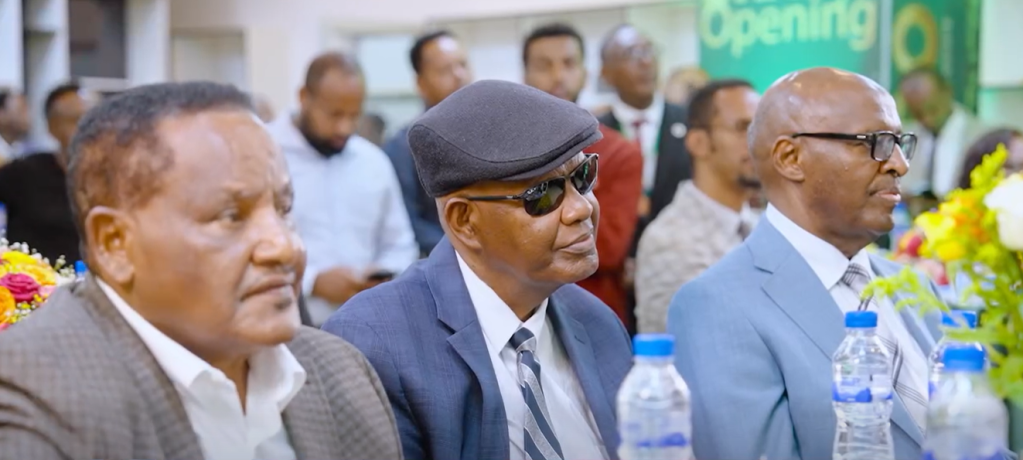
African Holding Group Founder and CEO Celebrates a New Era of Innovation and Development
By Maatii Sabaa
In a moment of celebration and vision, Dereje Mamuye, the Founder and CEO of African Holding Group, delivered a warm welcome message at the special inauguration ceremony of Godo Housing and Smart Real Estate. The event, which marked a significant milestone in the company’s journey, was a testament to the power of vision, innovation, and commitment to building a better future.
The ceremony was not just a celebration of a new development; it was a celebration of the spirit of enterprise that drives progress and transforms communities. As Mamuye addressed the gathered dignitaries, partners, and community members, his message resonated with hope, determination, and a deep sense of purpose.

A Leader’s Vision: Dereje Mamuye and African Holding Group
Dereje Mamuye is a prominent entrepreneur and visionary leader whose work has had a significant impact on the business landscape. As the Founder and CEO of African Holding Group, he has been at the forefront of driving innovation and development across various sectors.
African Holding Group is known for its commitment to excellence and its focus on creating value for communities. Under Mamuye’s leadership, the company has grown to become a major player in the industry, with a reputation for integrity, quality, and innovation. His vision is rooted in the belief that business can be a force for good—a tool for creating jobs, building communities, and empowering individuals.
Mamuye’s journey is an inspiration to many. His rise from humble beginnings to becoming a successful entrepreneur is a testament to the power of hard work, determination, and a clear vision. He is a role model for young people, showing that with dedication and perseverance, anything is possible.
Godo Housing and Smart Real Estate: A Milestone in Development
The inauguration of Godo Housing and Smart Real Estate represents a significant achievement in the field of real estate and housing. The project embodies the principles of innovation, sustainability, and community-centered design.
Godo Housing is not just a development; it is a vision for the future of housing. The project incorporates smart technology, sustainable design, and a focus on creating communities where people can thrive. By combining modern technology with thoughtful design, Godo Housing is setting a new standard for real estate development.
The project was a collaborative effort, reflecting the power of partnerships and the shared commitment to building a better future. The support of partners, investors, and community members was essential in bringing this vision to life.
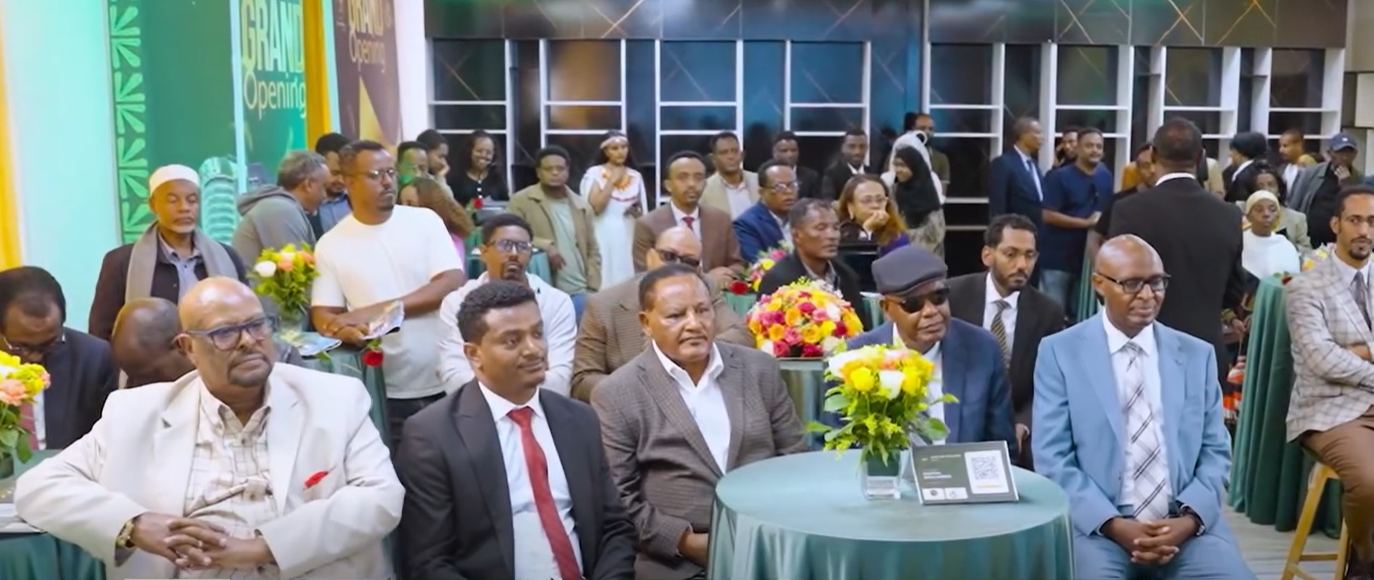
A Message of Welcome and Gratitude
In his welcome address, Dereje Mamuye expressed his heartfelt gratitude to all those who contributed to the success of the project. He welcomed guests with warmth and humility, emphasizing the importance of community and collaboration.
“Today marks a significant milestone in our journey,” Mamuye said. “We are grateful to all those who have supported us along the way. This project is a testament to what can be achieved when we work together with vision and determination.”
Mamuye’s message was one of hope and optimism. He spoke of the potential of the project to transform lives and communities, and he expressed his confidence in the future.
Innovation and Sustainability: The Future of Real Estate
The Godo Housing and Smart Real Estate project is a model for the future of real estate development. It incorporates a range of innovative features, including:
- Smart Technology: The integration of smart technology to enhance convenience, efficiency, and security.
- Sustainability: Environmentally friendly design and construction practices that reduce the environmental impact.
- Community Focus: A focus on creating communities where people can live, work, and thrive.
- Quality Design: Thoughtful design that prioritizes comfort, functionality, and aesthetics.
These features reflect the vision of the project’s creators and their commitment to creating spaces that meet the needs of modern life.
A Greeting of Welcome
In his address, Dereje Mamuye extended a warm welcome to all the guests. He offered his thanks for their presence and support for this important milestone. This welcome message was a true reflection of the spirit of the event.
A Celebration of Partnership
The inauguration ceremony was also a celebration of the partnerships that made the project possible. Mamuye acknowledged the contributions of investors, partners, and community members, emphasizing that the success of the project was a collective achievement.
“We are grateful for the trust and confidence that our partners have placed in us,” Mamuye said. “It is through collaboration and shared vision that we can achieve great things.”
The event was attended by a distinguished group of guests, including business leaders, government officials, and community members. The diverse attendance reflected the broad support for the project and its potential to have a positive impact.
The Legacy of Dereje Mamuye
Dereje Mamuye is not just a businessman; he is a visionary leader who is committed to making a difference. His work has inspired many, and his legacy will continue to grow as he builds on his achievements.
His commitment to giving back to the community is a core part of his philosophy. He believes that true success is measured not only by financial achievement but by the positive impact one has on the lives of others. This philosophy is reflected in the projects he undertakes and the values he upholds.
Conclusion: A Bright Future Ahead
The inauguration of Godo Housing and Smart Real Estate marks the beginning of a new chapter in the story of African Holding Group and its visionary leader, Dereje Mamuye. The project is a testament to what can be achieved when vision, innovation, and commitment come together.
As the company continues to grow and innovate, it will undoubtedly continue to make a positive impact on communities and inspire others to pursue their dreams. The welcome message of Dereje Mamuye is a reminder that the journey of building a better future is one that we must all undertake together.
Injifannoon Ummata Oromoo!
Godo Housing haa jabaattu!
African Holding Group haa jabaattu!
This feature article is dedicated to Dereje Mamuye, the African Holding Group, and all those who are working to build a better future through innovation, vision, and commitment.

The Lion Who Fell Fighting: Remembering Jaal Lammeessaa Boruu (1943–1992)
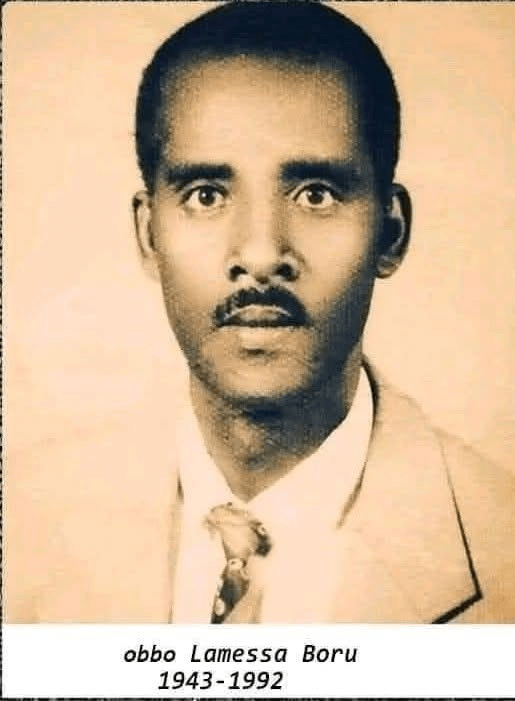
By Daandii Ragabaa (Adapted into a feature story based on various sources)
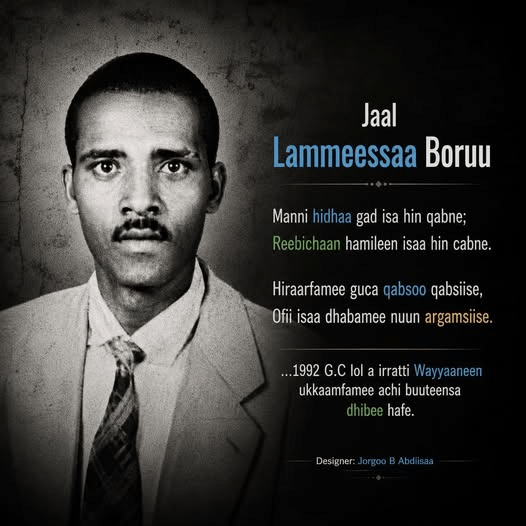
His name means “Lion” in Oromo. And like a lion, Jaal Lammeessaa Boruu lived with courage, fought with conviction, and died with his boots on—somewhere in the forests of western Oromia, in 1992. Three decades later, his grave remains unknown. But his story, carried by oral tradition and fragmentary records, refuses to be buried.
A Humble Beginning in Wallagga
Jaal Lammeessaa Boruu was born in 1943 in Billo, a town in the Bonayya district of East Wallagga, within the Waamaa region. According to those who knew him, he grew up in a typical Oromo farming community, at a time when the imperial government of Haile Selassie exercised firm control over the land and its people.
As a young man, he left his birthplace and moved to Finfinnee (Addis Ababa), where he lived for about 15 years as an adolescent. There, he entered school. But his education was interrupted by a different calling.
The Soldier with the Striking Physique
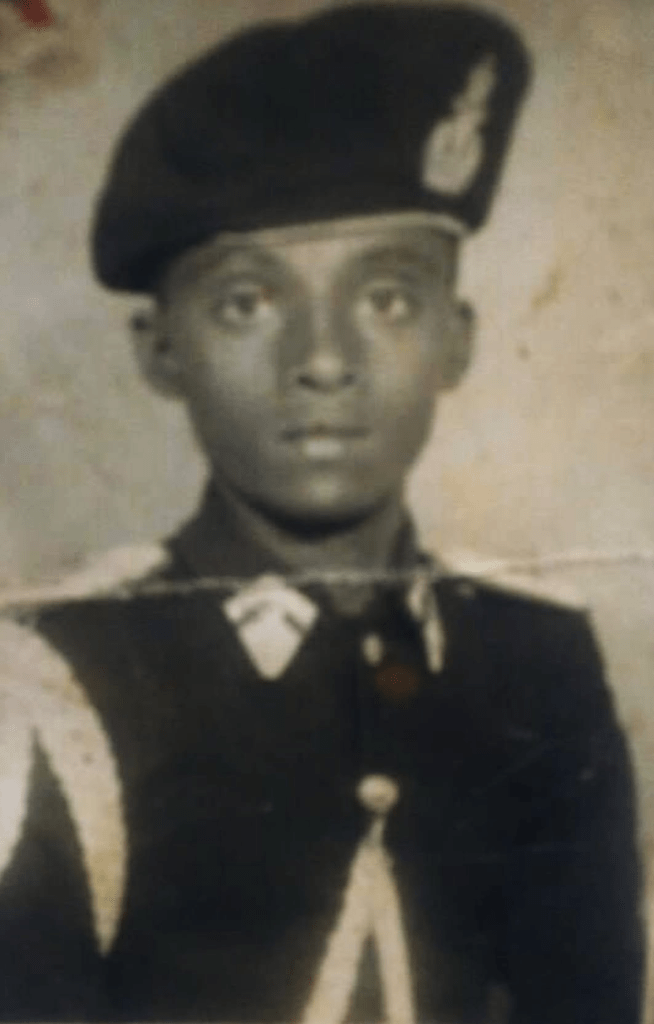
Contemporary accounts describe Jaal Lammeessaa as tall and physically impressive. It was this very stature that drew the attention of military recruiters. Under the imperial regime, he was selected to join a special unit known as “Kubur-Zabanya” and “Faxino-Darash” (likely special police or commando forces). Within the latter, he became known as “Faxino-Daraash Shalaqaa” and served under the command of General Tadesse Birru.
He proved to be an exceptional soldier. His superiors reportedly praised his dedication, and he rose to become a respected non-commissioned officer.
Joining the Machaa Tulema Association
The Machaa Tulema Association was founded as a development and civic organization, but it quickly became a political vehicle for Oromo nationalism. General Tadesse Birru was one of its key leaders. When the association began recruiting members, Jaal Lammeessaa was among those selected.
Initially, the organization’s goal was to work within the system—to address Oromo grievances through legal means. But as General Tadesse and others concluded that the imperial regime had no intention of recognizing Oromo rights, they shifted toward a more radical path. Jaal Lammeessaa became a trusted operative within the association’s secret military wing.
The Failed Plot Against Emperor Haile Selassie
On October 23 (Ethiopian calendar), the Emperor’s birthday, a plot was hatched to assassinate Haile Selassie during the annual celebrations at the site known as “Addabaaba’ii Minlik” (Menelik Square). General Tadesse Birru assigned four commandos to carry out the attack, selecting them for their courage and loyalty.
The four were:
· Lammeessaa Boruu (from the Faxino-Darash unit)
· Camadaa Sobbooqaa
· H/Mariyam Diimaa (from Kubur-Zabanya)
· Fixumaa Hiikisaa
They prepared extensively. But the plot was betrayed. Informants within the government learned of the plan just before it could be executed. The commandos were arrested.
When Jaal Lammeessaa was searched, a bomb intended for the Emperor was found on him. He was tortured severely. According to surviving members of the Machaa Tulema Association, his ribs were broken, and he suffered long-term disability from the interrogation. Despite the brutality, he refused to betray the organization’s deeper secrets—though under extreme duress, some information was extracted.
First Imprisonment and Release
Following the failed plot, General Tadesse and several others were sentenced to death. Jaal Lammeessaa received a five-year prison sentence. After serving his term, he was released. Upon release, he immediately rejoined his former commander, General Tadesse Birru, who had been transferred to Galamso in eastern Oromia. There, they continued to discuss the struggle for Oromo self-determination.
The Cinema Bombing and Second Arrest
As the Machaa Tulema Association continued its activities, the regime grew more determined to crush it. On December 10, 1959 (Ethiopian calendar), a bomb exploded inside a cinema in Addis Ababa where the film Zorba the Greek was being shown. Thirty-six people were wounded.
The government immediately blamed the Machaa Tulema Association. Propaganda claimed that a member named Maammoo Mazaamir had planted the bomb. The incident was used as a pretext for a massive crackdown. Jaal Lammeessaa was arrested again—this time as part of a sweeping roundup of Oromo nationalists.
He was among nine senior Machaa Tulema figures sentenced to long prison terms, while General Tadesse Birru and Maammoo Mazaamir received death sentences (later commuted or carried out, depending on the account).
Life Under the Derg and the Fourth Arrest
Jaal Lammeessaa spent more than 12 years in prison under the Derg regime that overthrew Haile Selassie in 1974. He was held in police stations and military camps, subjected to repeated interrogations. Yet even in detention, he remained committed to the Oromo cause.
After the Derg fell in 1991, Jaal Lammeessaa was released. He joined the Oromo Liberation Front (ABO – a reference to the OLF) and became a member of its central committee, working in the economic department. He lived in Wajjira Gullaallee, continuing his activism.
The Final Battle and Disappearance
In 1992, following a split within the transitional government of Ethiopia (the “Ce’umsaa” or transitional period), Jaal Lammeessaa and other Oromo fighters moved toward western Oromia. They joined ongoing armed confrontations against government forces (referred to as “Wayyaanee” – a term for the Ethiopian military or allied militias).
According to the source, Jaal Lammeessaa Boruu fell in battle near the Jimma Horroo area in Wallagga region. He was killed in armed combat. His body was never recovered, and to this day, the exact location and circumstances of his death remain unknown.
Legacy: The Unknown Grave, the Known Sacrifice
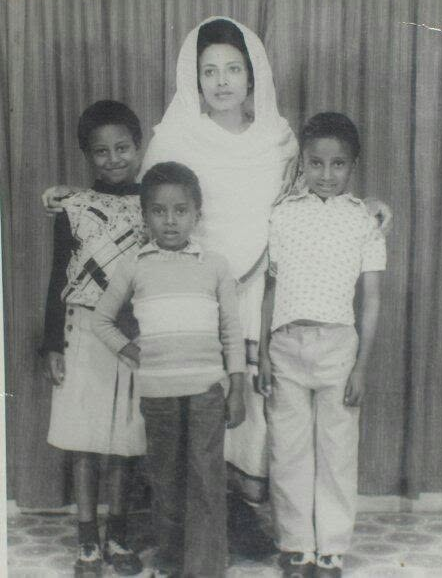
Jaal Lammeessaa Boruu was 49 years old when he died. He left behind three children: Mosisa Lamessa Boru, Lense Lemessa Boru and Tsegaye Lemessa Bouru. He is remembered as a devoted fighter who gave his entire adult life to the Oromo national struggle. From the imperial era through the Derg and into the transitional government, he never wavered.
The biography ends with a poetic refrain:
“The fighter may fall. He may pass away. But Jaal Lammeessaa’s blood was not shed in vain. He has grown for us the plant of freedom.”
His grave may be lost to history. But for those who keep his memory, Jaal Lammeessaa Boruu remains one of the lions of Oromo resistance—a man who turned his back on personal safety and government favor, and chose instead the uncertain path of the forest and the battlefield.
—
*This feature story is based exclusively on various sources of the Oromo-language biography written by Daandii Ragabaa. It is presented as a journalistic adaptation of that source and does not constitute an endorsement of armed struggle or any political organization. The factual claims rest with the original author.
Finfinne: The Living Sacrifice of the Oromo People for Identity, Dignity, and Oromummaa

The Land Where Ancestors Poured Their Blood — and Where the Struggle Continues
By Daandii Ragabaa
There are places that are more than geography. There are places that are memory, identity, and the very soul of a people. Finfinne—the city known internationally as Addis Ababa—is such a place for the Oromo people. It is not merely a capital city; it is the historical heart of Oromia, the ancestral homeland of the Oromo nation, and the site of an ongoing struggle for recognition, dignity, and justice.
Throughout history, the Oromo people have paid a heavy price to defend their connection to Finfinne. They have sacrificed their lives, their freedom, and their dreams—all for the sake of their identity, their dignity, and their Oromummaa (Oromo identity). The land itself is soaked with the blood of ancestors who refused to surrender their heritage.
Tufa Aredo, Jara Jarra, and Jara Tuturu —these names are not merely historical figures. They are living witnesses to the sacrifice that the Oromo people have made for Finfinne. Their stories are etched into the memory of the Oromo nation, a testament to the unwavering commitment of a people who refuse to be erased from their own homeland.
Finfinne: Not Just a City, But a Sacred Trust
For the Oromo people, Finfinne is not a piece of real estate to be negotiated or bartered. It is the place where their ancestors lived, loved, prayed, and died. It is the site of their cultural heritage, the cradle of their language, and the symbol of their historical presence in the region.
Long before the expansion of the Ethiopian Empire under Menelik II, the area known as Finfinnee was inhabited by the Oromo people. The city’s very name is Oromo—meaning “place of hot springs.” This is not a coincidence; it is a testament to the Oromo people’s deep and enduring connection to the land.
But this connection has been contested. The establishment of the city and the subsequent displacement of the Oromo people were acts of dispossession that have never been fully acknowledged or addressed. For generations, the Oromo people have been told that they are not the rightful owners of Finfinne, that their history is a myth, and that their claims are illegitimate.
Yet the Oromo people have never accepted this narrative. They have continued to assert their identity, to demand recognition, and to sacrifice for their homeland.
The Sacrifice of Tufa Aredo, Jara Jarra, and Jara Tuturu
Among the countless Oromo martyrs who have given their lives for Finfinne, the names of Tufa Aredo, Jara Jarra, and Jara Tuturu stand out as symbols of resistance, courage, and unwavering commitment to Oromummaa.
These individuals were not merely victims of oppression; they were active participants in the struggle to defend Oromo identity and land. They understood that Finfinne was not just a city—it was the heart of their nation, the embodiment of their history, and the foundation of their future.
Their sacrifices were not in vain. Their memory inspires a new generation of Oromo youth who continue to demand justice and recognition. Their names are spoken with reverence in Oromo homes, in cultural gatherings, and in the stories passed down from elders to children.
They are the living witnesses—even in death—to the truth that Finfinne is Oromo land, and the Oromo people will never abandon it.
The Historical Context: A Legacy of Dispossession
To understand the significance of the Oromo people’s sacrifice for Finfinne, one must understand the history of dispossession that the Oromo people have endured.
In the late 19th century, the expansion of the Ethiopian Empire under Menelik II brought the Oromo people under the control of a new political order. The establishment of Finfinne as the capital of the empire was accompanied by the displacement of Oromo communities, the confiscation of Oromo land, and the systematic erasure of Oromo identity.
This dispossession was not accidental; it was a deliberate policy of the empire to consolidate control over the region and to marginalize the Oromo people. The Oromo people were excluded from political power, denied access to their own resources, and subjected to cultural and linguistic oppression.
Despite these challenges, the Oromo people have never surrendered their identity. They have continued to speak their language, practice their culture, and assert their rights. And they have continued to sacrifice—in ways both great and small—for their connection to Finfinne.
The Struggle Continues: A New Generation Rises
Today, a new generation of Oromo youth is carrying forward the legacy of Tufa Aredo, Jara Jarra, Jara Tuturu, and countless others who came before them.
They are the Qeerroo—the young people who have taken to the streets to demand justice, who have faced tear gas and bullets, who have been imprisoned and tortured, and who have refused to be silenced. They are the cultural activists who are reviving Oromo language, music, and art. They are the intellectuals who are documenting Oromo history and challenging the narratives that have been used to marginalize their people.
They are the ones who remind the world that Finfinne is Oromo, that Oromummaa is not a political slogan but a deep and abiding identity, and that the struggle for justice will continue until the Oromo people are fully recognized and respected.
The Meaning of Sacrifice in Oromo Culture
In Oromo culture, sacrifice is not a burden—it is a sacred duty. The Oromo people understand that freedom and dignity are not given; they are won. They understand that the land is not just a resource—it is a sacred trust passed down from ancestors to future generations.
The sacrifice of Tufa Aredo, Jara Jarra, and Jara Tuturu is a reflection of this cultural value. Their willingness to give their lives for Finfinne is not an act of desperation; it is an act of profound love and commitment to their people, their culture, and their homeland.
It is the same spirit that animated the Oromo resistance against the Derg regime, the same spirit that fueled the Qeerroo movement, and the same spirit that continues to inspire Oromo activism around the world.
A Message to the World
The Oromo people’s connection to Finfinne is not a matter of political convenience; it is a matter of historical truth and moral justice. The Oromo people have lived on this land for generations, and their connection to it is inseparable from their identity.
The world must recognize that the Oromo people’s claim to Finfinne is not an act of aggression or a threat to others. It is a demand for justice, a recognition of historical truth, and an affirmation of a people’s right to their own land.
The world must also recognize that the Oromo people’s struggle for Finfinne is part of a broader struggle for human rights, self-determination, and dignity—a struggle that is shared by indigenous peoples everywhere.
Conclusion: The Land Lives On
The sacrifice of the Oromo people for Finfinne is not a story of defeat; it is a story of resilience, courage, and enduring hope. Though Tufa Aredo, Jara Jarra, and Jara Tuturu have passed from this world, their spirit lives on in the hearts of the Oromo people.
Their sacrifice is a reminder that Finfinne is not just a city—it is a symbol of the Oromo people’s indomitable spirit, their refusal to be erased, and their unwavering commitment to justice.
As the Oromo saying goes: “Biyya abbaa keessaa hin ba’inu” —”One does not abandon the land of one’s father.”
The Oromo people have not abandoned Finfinne, and they never will.
Finfinne is Oromo.
The sacrifice of the ancestors is not forgotten.
The struggle for justice continues.
Oromummaa lives on.
Injifannoon Ummata Oromoo!
Finfinne haa jabaattu!
Tufa Aredo, Jara Jarra, fi Jara Tuturu haa barabaraan jabaatan!
This feature article is dedicated to Tufa Aredo, Jara Jarra, Jara Tuturu, and all the Oromo martyrs who have given their lives for Finfinne and for the dignity and identity of the Oromo people.
The Question of Finfinne and Dirree Dhawaa: Toward a Balanced and Sustainable Solution
Navigating History, Constitutional Rights, and the Complex Realities of Governance
By Jafer Ali
The question of Finfinne—the city known internationally as Addis Ababa—and its surrounding areas, including Dirree Dhawaa, has long been one of the most contentious and emotionally charged issues in Ethiopian political discourse. For the Oromo people, Finfinne is not merely a city; it is the heart of their ancestral homeland, a symbol of their historical presence, and a constitutional matter that has yet to be resolved. For others, it is the capital of Ethiopia, the seat of the federal government, and a city that belongs to all Ethiopians.
The debate has intensified as the national dialogue process unfolds, and the question of how to resolve the status of Finfinne and Dirree Dhawaa has become central to discussions about the future of Ethiopia’s federal system, ethnic relations, and governance structure.
This article seeks to explore the key questions surrounding Finfinne and Dirree Dhawaa, examining the constitutional, historical, political, and practical dimensions of the issue. It argues that a sustainable solution must move beyond simplistic claims of ownership and instead focus on a framework of mutual consent, shared benefit, and constitutional fidelity.
The Key Questions
The debate over Finfinne and Dirree Dhawaa can be distilled into two fundamental questions:
1. What does the Constitution say?
The Ethiopian Constitution, adopted in 1995, establishes the federal structure of the country and recognizes the rights of nations, nationalities, and peoples. Article 49(5) specifically recognizes Oromia’s “special interest” in Finfinne regarding social services, natural resources, and joint administrative matters arising from the city’s location within the State of Oromia.
This constitutional provision has been the subject of intense debate. For Oromo advocates, it represents a legal acknowledgment of the city’s historical and geographical connection to Oromia—a connection that has never been fully implemented. For others, the provision is a compromise that balances the city’s role as the federal capital with the rights of the surrounding region.
2. What does the people demand?
The Oromo people’s demand regarding Finfinne and Dirree Dhawaa is clear and consistent: the city is Oromo land, and its rightful owners are the Oromo people. The demand is often framed as a call for the city to be placed under the administrative jurisdiction of the Oromia Regional Government or for the Oromo people to have greater control over the city’s governance and resources.
This demand is rooted in a historical narrative that the city was established on Oromo land through conquest and dispossession, and that the Oromo people have never consented to the city’s status as a separately administered entity.
The Need for a Balanced Approach
The challenge of resolving the status of Finfinne and Dirree Dhawaa lies in reconciling these two perspectives. On one hand, the Oromo people’s historical and constitutional claims cannot be ignored. On the other hand, the city’s role as the federal capital, its international significance, and the presence of diverse communities cannot be dismissed.
A balanced approach must consider the following dimensions:
1. The Constitutional Dimension
The Constitution provides a starting point for resolving the issue. Article 49(5) recognizes Oromia’s special interest in Finfinne, but the provision has never been fully implemented. A sustainable solution must begin by implementing this constitutional provision through joint administrative mechanisms, resource-sharing agreements, and coordinated governance frameworks.
However, any implementation must respect the city’s role as the federal capital and the rights of all its residents. The Constitution does not provide for the city to be placed under Oromia’s exclusive administrative control. Rather, it envisions a framework of cooperation and shared responsibility.
2. The Historical Dimension
The Oromo people’s historical connection to Finfinne is a fact that must be acknowledged. The area known as Finfinnee was inhabited by Oromo people before the expansion of the Ethiopian Empire, and the city’s name itself is Oromo, meaning “place of hot springs.”
But historical claims alone cannot determine the city’s future. The city has evolved over the past century into a multi-ethnic metropolis that is home to people from across Ethiopia. The current residents—Oromo, Amhara, Gurage, Tigrayan, and others—have legitimate claims to the city as their home. A just solution must respect both the historical rights of the Oromo people and the contemporary rights of all residents.
3. The Political Dimension
The status of Finfinne and Dirree Dhawaa is a political question that requires political solutions. It cannot be resolved through unilateral declarations or zero-sum demands. It requires negotiation, compromise, and good-faith dialogue between the federal government, the Oromia regional government, and other stakeholders.
The political dimension also includes considerations of power, representation, and resource allocation. Any solution must ensure that the Oromo people have a meaningful voice in the governance of the city while also ensuring that all residents are treated equally and fairly.
4. The Practical Dimension
Finfinne is not just a symbol; it is a functioning city with millions of residents, extensive infrastructure, and a critical role in Ethiopia’s economy and international relations. The city is home to the African Union headquarters, numerous diplomatic missions, and major economic enterprises.
Any change in the city’s governance must consider the practical implications for its residents, businesses, and international partners. Disruption to the city’s administration could have far-reaching consequences that extend beyond Oromia.
The Complexities of the Dirree Dhawaa Question
While the focus has often been on Finfinne, the question of Dirree Dhawaa is equally significant. Dirree Dhawaa is a symbol of Oromo resistance—a site where the Oromo people have gathered to demand their rights and have faced repression from state forces.
The status of Dirree Dhawaa is closely linked to the broader question of Oromo land rights and the expansion of the capital. The area is located within Oromia and has been the focus of protests and resistance. A sustainable solution for Finfinne must also address the concerns of communities in Dirree Dhawaa and other surrounding areas.
The Risk of Unilateral Decisions
The debate over Finfinne and Dirree Dhawaa is not without risk. Unilateral decisions—whether by the federal government or the Oromia regional government—could have serious consequences. As history has shown, when the boundaries of the capital were previously redrawn, it led to widespread protests, conflict, and political instability.
The controversy over the 2014 Finfinne Integrated Development Master Plan highlighted these risks. The proposed expansion of the capital into surrounding Oromia districts led to widespread protests that spread throughout Oromia and eventually led to the cancellation of the plan. The experience demonstrated that decisions made in the capital directly affect neighboring Oromo communities, and that meaningful consultation and participation are essential.
The Need for Comprehensive Analysis
Before any decision is made on the status of Finfinne and Dirree Dhawaa, a comprehensive analysis is needed. This analysis should consider:
- The interests of all residents: The rights and needs of all residents of the city must be respected.
- The interests of the Oromo people: The historical and constitutional claims of the Oromo people must be acknowledged.
- The interests of the federal government: The city’s role as the federal capital must be protected.
- The interests of the Oromia regional government: The region’s constitutional rights and interests must be respected.
- The interests of the broader Ethiopian people: The solution must serve the long-term stability and unity of the country.
A Possible Framework for Resolution
A sustainable resolution to the status of Finfinne and Dirree Dhawaa must be based on mutual consent, shared benefit, and constitutional fidelity. A possible framework could include:
1. Implementation of Constitutional Provisions
Oromia’s special interest in Finfinne, as recognized in Article 49(5), should be implemented through joint administrative mechanisms that ensure meaningful Oromo participation in decisions affecting the city and surrounding communities. This could include joint committees, shared decision-making structures, and resource-sharing agreements.
2. Recognition of Historical Rights
The Oromo people’s historical connection to Finfinne and Dirree Dhawaa should be recognized through cultural institutions, public acknowledgment, and educational programs that celebrate the city’s diverse history.
3. Fair Development and Consultation
Urban expansion and development should be planned with meaningful consultation with affected communities, ensuring fair compensation, environmental protection, and shared benefits.
4. Inclusive Governance
All residents of Finfinne—regardless of ethnicity—should have equal rights to participation, public services, and legal protection. The city’s governance should reflect its diversity and ensure that all voices are heard.
5. Shared Prosperity
The economic benefits of the capital’s growth should be shared with surrounding communities, creating a virtuous cycle of development rather than a pattern of exploitation.
The Role of Dialogue and Mutual Consent
Ultimately, the solution to the status of Finfinne and Dirree Dhawaa must be based on dialogue and mutual consent. The federal government and the Oromia regional government must engage in good-faith negotiations to find a mutually acceptable governance framework.
The national dialogue process provides an opportunity to address this issue in a comprehensive and inclusive manner. However, the dialogue must be genuine, transparent, and committed to finding a solution that serves the interests of all parties.
Conclusion: Toward a Just and Sustainable Future
The question of Finfinne and Dirree Dhawaa is one of the most complex and consequential issues facing Ethiopia today. It touches on history, identity, constitutional rights, governance, and the future of the nation.
A sustainable solution cannot be based on unilateral declarations, zero-sum demands, or the denial of legitimate rights. It requires a commitment to dialogue, constitutional fidelity, and the recognition that the interests of all parties—the Oromo people, the residents of the city, the federal government, and the broader Ethiopian people—must be balanced.
The status of Finfinne and Dirree Dhawaa is not just a question of ownership—it is a question of justice, governance, and the future of Ethiopia itself.
Injifannoon Ummata Oromoo!
Finfinne haa jabaattu!
Nagaan haa bulaa!
This feature article is dedicated to all those who are committed to finding a just, constitutional, and sustainable solution to the status of Finfinne and Dirree Dhawaa.

Irreechaa: The Oromo Thanksgiving — A Celebration of Creation, Renewal, and Gratitude
Honouring Waaqa Through Ancient Rituals of Rain, Peace, and Fertility
By Dhabessa Wakjira
In the heart of the Oromo nation, a sacred tradition unfolds each year—a celebration that connects the living to their creator, their ancestors, and the natural world that sustains them. Irreechaa is more than a cultural festival; it is the spiritual heartbeat of the Oromo people, a profound expression of thanksgiving to Waaqa (God) for the gift of life, the renewal of the seasons, and the promise of abundance.
As the Oromo people gather at sacred sites—atop mountains, along riverbanks, and around the shores of lakes—they carry bunches of fresh grass and flowers, symbols of creation and gratitude. They sing, they pray, and they reaffirm their faith in the one universal creator. This is Irreechaa: the Oromo Thanksgiving Day.
The Oromo Belief in One God: Waaqa Tokko
The Oromo people are one of the indigenous peoples of East Africa, with a rich cultural heritage that stretches back millennia. Central to their worldview is a profound and unwavering belief in monotheism—the belief in one God, whom they call Waaqa.
The Oromo are not fetishists. They do not worship the forces of nature; rather, they see in them the manifestations of Waaqa’s power and wisdom. The Oromo people hold this faith so deeply that any expression of doubt regarding the unity of God is met with strong protest. For the Oromo, there is and will always be but one God—Waaqa Tokko—the unique, universal creator and master of all existence.
This belief is the foundation upon which the Irreechaa ceremony is built. It is a celebration not of nature itself, but of the creator whose wisdom and power are revealed through nature’s beauty, fertility, and renewal.
The Gadaa System and Qaalluu Institution: The Framework of Irreechaa
To fully understand Irreechaa, one must understand the broader cultural and political systems of the Oromo people, particularly the Gadaa system and the Qaalluu institution.
The Gadaa system is a millennia-old democratic governance structure based on generational age sets, egalitarian principles, and rotating leadership. It has been recognized by UNESCO as part of the Intangible Cultural Heritage of Humanity. The Qaalluu institution, on the other hand, is the spiritual authority that maintains harmony between society, nature, and the spiritual realm.
Irreechaa is intimately connected to both. The Qaalluus (spiritual leaders) and the Abbaa Malkaas (lineal chiefs of the areas) are at the top hierarchies of the ritual. The Qaalluus give instructions and directives regarding the location and timing of the ritual, ensuring that it is conducted in accordance with ancient traditions.
The Philosophy of Irreechaa: Life, Death, and Resurrection
Irreechaa is not merely a ritual; it is a comprehensive philosophical worldview that reflects the Oromo people’s understanding of existence.
The ceremony embodies a profound admiration for the miraculous spiritual powers of Waaqa and the living secret of generation. The ever-greenness and productivity of plants, the regeneration of life, the replacement of the old by the new, and the death and resurrection of fruits are seen as manifestations of Waaqa’s wisdom.
According to this belief, all is accomplished by the will of Waaqa.
The cycle of seasons—the death of vegetation in the dry season and its resurrection with the rains—is likened to the cycle of life itself. It reflects a philosophy of life after death, of renewal, and of hope.
Historically, this worldview is believed to have originated from the ancient Cushitic people living along the Nile Valley. While the Oromo Waaqeffannaa is not identical to the religious practices of these ancient peoples, it shares a common origin in the Nile Valley Cushitic civilization.
The Two Major Irreechaa Celebrations
The Irreechaa ritual ceremony is conducted at different places and times, governed by its own system and portrayed by its own ritual practices. By and large, it takes place at two major areas:
1. Irreechaa Tulluu — The Mountain Celebration
Irreechaa Tulluu is the ritual ceremony conducted at the top of mountains. It is performed at the beginning of the spring season, usually in the month of March.
For three months prior, the land has endured the harshness of the dry season (bona) . Both people and cattle suffer from drought, shortage of water, and scarcity of grasses. It is during this time of hardship that the Oromo people gather on the mountain tops to pray to Waaqa to send rain, to bring relief, and to restore life to the land.
The mountain tops are solitary places characterized by moisture conducive for praying. This ritual ceremonial practice is said to have closely related to the worship practiced by ancient settlers of peoples of the Nile Valley.
2. Irreechaa Malkaa — The Riverbank Celebration
Irreechaa Malkaa is celebrated immediately after the end of the rainy season, in the middle of September (Fulbaana). It is a time of transition—when the darkness and fog of the rainy season give way to the brightness of spring (Birraa) .
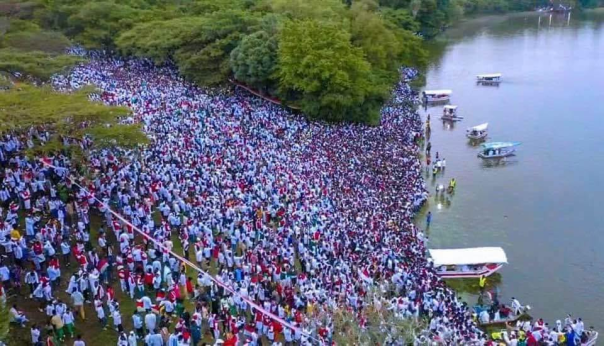
This ritual ceremony is accomplished not only along the banks of rivers but also around lakes and their vicinities. The most famous of these celebrations takes place at Hora Arsadi, near Bishoftu town, a site of profound historical and cultural significance.
This Irreechaa holiday is sometimes known as Ayyaana Birraa (the Birraa holiday). It is the time when relatives, families, and clans, separated by rivers and floods during the rainy season, are able to meet and reconnect.
The Significance of Hora Arsadi
Hora Arsadi, the iconic site of Irreechaa Malkaa, is located adjacent to Bishoftu town, not far from Oda Nabe—one of the Oromo religious, political, and historical centers of ancient times.
The name “Hora Arsadi” is derived from a man named Arsadi, who is said to have belonged to the Liban lineage. The site is a sacred space, where the Oromo people gather annually to give thanks, to pray, and to renew their connection to Waaqa and to each other.
At this site, the Abbaa Malkaas and the Abbaa Gadaas have vital participatory roles. Communities carrying bunches of lovely grasses and flowers in their hands—symbols of creation and abundance—praise, bless, and pray to Waaqa.
The Rituals of Irreechaa
The Irreechaa ceremony is a rich tapestry of song, dance, prayer, and community fellowship.
Carrying the Bunch of Grasses and Flowers
Participants hold in their hands fresh grass and flowers—symbols of the creation they are praising. This act embodies the essence of Irreechaa: “Uumamaan uumaa raajjeeffanna” —we pray and admire the creator having creations in hands.
After the thanksgiving songs are sung, the bunches of flowers and grasses are laid over, symbolizing the offering of gratitude to Waaqa.
The Songs of Irreechaa
The songs of Irreechaa are deeply moving and spiritually charged. The women, decorated in Caaccuu (beads) cultural suits and holding Siiqqee (cultural slender sticks), sing the melody:
“Maareyoo! Maareyoo…!”
The men, holding Harooressa (male sticks), respond with:
“Irrechoo yaa irrecha malkaa roobaafi nagaa…”
This call and response is a prayer for rain, peace, and fertility—for the well-being of the community and the promise of abundance.
The Return Home
After the prayers, all participants return to their villages, accompanying the Abbaa Malkaa and their clan leaders. The journey back is marked by joy, fellowship, and the reaffirmation of community bonds.
Children and Youth Celebrations
Children with peer groups sing seasonal and love songs. This is the season when young people select their partners, give and receive gifts, and express their best wishes to one another through cultural songs. It is a time of hope, renewal, and the celebration of life.
The Cultural and Spiritual Meaning of Irreechaa
Irreechaa embodies the core values of Oromo culture and spirituality:
1. Gratitude to the Creator
The ceremony is an act of thanksgiving, acknowledging that all life and abundance come from Waaqa.
2. Renewal and Hope
Irreechaa marks the transition from hardship to hope, from the scarcity of the dry season to the abundance of spring.
3. Community and Unity
The celebration brings together families, clans, and communities, reinforcing the bonds of kinship and solidarity.
4. Connection to Nature
The use of fresh grass and flowers symbolizes the Oromo people’s deep connection to the natural world and their role as stewards of creation.
5. Peace and Reconciliation
Irreechaa is also a time for reconciliation—for mending relationships, resolving conflicts, and fostering peace within the community.
Irreechaa in the Modern Era
Today, Irreechaa has grown beyond its traditional boundaries. The annual celebration at Hora Arsadi now draws hundreds of thousands of Oromo people from across Ethiopia and the diaspora. It has become a powerful expression of Oromo identity, unity, and cultural pride.
The ceremony has also garnered international recognition. It serves as a reminder of the Oromo people’s rich cultural heritage and their enduring connection to their land, their faith, and their traditions.
In the diaspora, Oromo communities in cities like Minneapolis, Seattle, Melbourne, and Toronto have also begun to celebrate Irreechaa, ensuring that the tradition continues across borders. These celebrations preserve cultural identity, connect younger generations to their heritage, and create spaces for community bonding.
A Call to Preserve and Celebrate
As the Oromo people continue to navigate the challenges of the modern world, Irreechaa remains a source of strength, hope, and identity. It is a reminder of who they are, where they come from, and the values that unite them as a people.
Irreechaa is more than a holiday—it is a way of life. It is a philosophy of gratitude, a celebration of creation, and a reaffirmation of faith in the one universal creator.
As the participants gather at Hora Arsadi and other sacred sites, they carry not just bunches of grass and flowers, but the hopes, prayers, and dreams of an entire nation.
Irreechoo yaa irrecha malkaa roobaafi nagaa!
Injifannoon Ummata Oromoo!
Irreechaa haa jabaattu!
Waaqa haa galatannu!
This feature article is dedicated to the Oromo people—past, present, and future—who carry the spirit of Irreechaa in their hearts, and to the generations yet to come who will continue this sacred tradition.

Finfinne: A Question of Law, Governance, and Political Will
Moving Beyond History to Constitutional and Administrative Solutions
By Birhanu Lenjiso (PhD)
The debate surrounding Finfinne—the city known internationally as Addis Ababa—has long been entangled in competing historical narratives, emotional appeals, and identity politics. But at its core, the question of Finfinne’s status is not primarily historical or geographical. It is a question of law, governance, and political will.
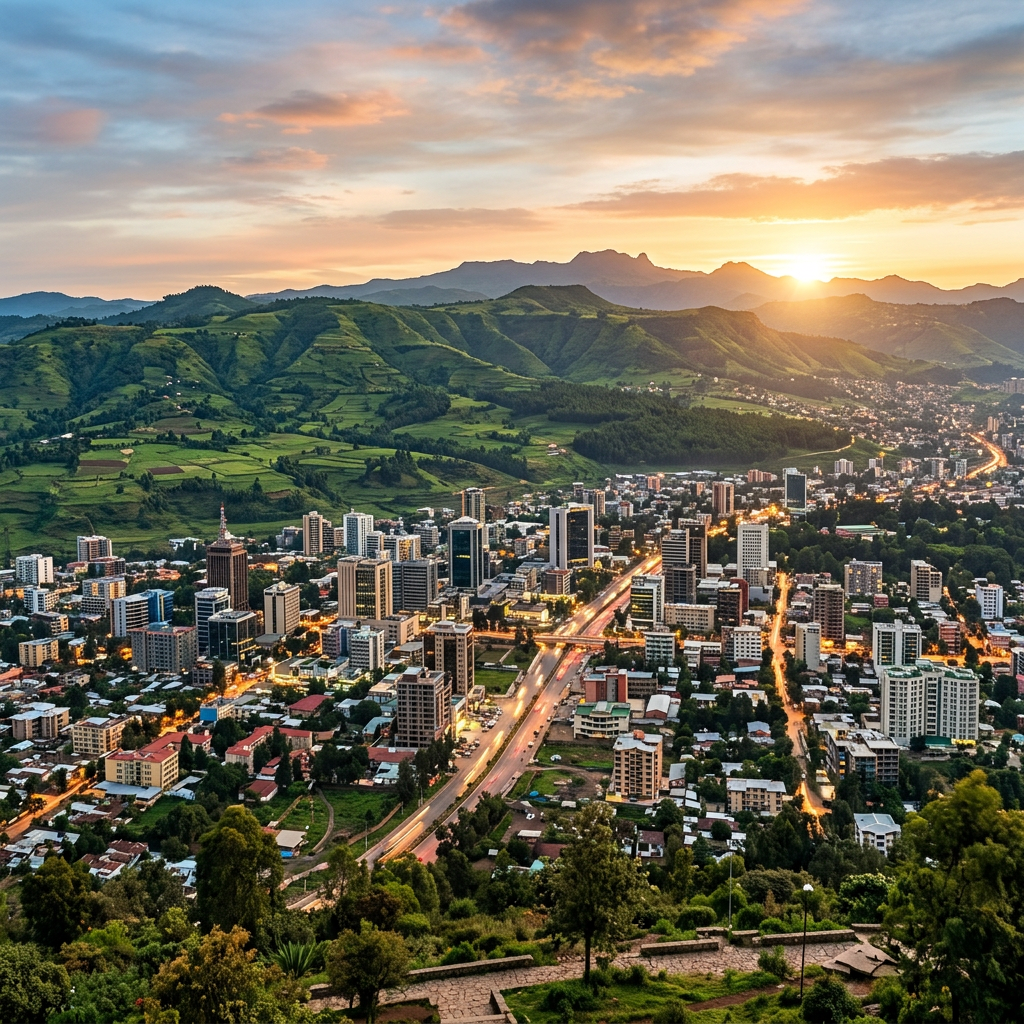
Finfinne is the capital of the Federal Democratic Republic of Ethiopia. It serves as the seat of the federal government. But it is also a city located within the boundaries of Oromia, and this geographical reality carries constitutional implications that cannot be ignored. The distinction between the city’s role as a federal capital and its regional location must be clearly understood if we are to find a sustainable solution.
The Constitutional Framework: A City Within Oromia
Finfinne did not become the capital of Ethiopia because it lacked an owner. It became the capital because the Oromo people—the rightful owners of the land—consented to its role as the seat of the federal government. This consent was formalized in the Ethiopian Constitution, which recognized Oromia’s “special interest” in the city concerning social services, natural resources, and joint administrative matters.
This constitutional recognition is not a declaration of Oromo ownership in the exclusive sense. Rather, it acknowledges a practical reality: the city is located within Oromia, and its daily functioning and development depend on resources, infrastructure, and cooperation from surrounding Oromo communities.
Two distinct dimensions must be clearly distinguished:
- The city’s regional status — its location within Oromia and its relationship with the surrounding communities.
- The city’s federal status — its role as the capital of Ethiopia and the seat of the federal government.
Both dimensions are legitimate and must be respected. The challenge is to find a governance framework that honours both.
The Oromo Position: A Clear and Legitimate Demand
The Oromo people’s demand regarding Finfinne is clear and straightforward: Finfinne should remain the capital of Ethiopia, but its administration should be placed under the jurisdiction of Oromia.
This demand is rooted in the following considerations:
- Geographical Reality: Finfinne is surrounded by Oromia and is an integral part of the Oromo homeland.
- Historical Connection: The area known as Finfinnee has been inhabited by Oromo people for generations and holds deep cultural significance.
- Constitutional Recognition: The Constitution recognizes Oromia’s special interest in the city, a provision that has never been fully implemented.
- Practical Necessity: The city’s development and the well-being of surrounding communities are interconnected and require coordinated governance.
The Oromo position is not a rejection of Finfinne’s role as the federal capital. It is a demand for constitutional implementation, administrative justice, and practical cooperation.
The Importance of Legal and Administrative Clarity
The debate over Finfinne should not be reduced to competing historical claims or identity-based appeals. While history and geography provide important context, the core question is one of law and governance.
What is the legal status of Finfinne?
How should its relationship with Oromia be governed?
How can the constitutional provisions regarding Oromia’s special interest be implemented?
These are the questions that demand answers. Repeatedly invoking historical grievances or geographical arguments without addressing the legal and administrative dimensions does not move the debate forward. It only complicates the process and deepens divisions.
Separating History, Law, Politics, and Identity
To make progress on the Finfinne question, we must develop the discipline of separating different dimensions of the issue:
- History: The historical connection between the Oromo people and the land on which Finfinne was built is a fact. It is not a question—it is a reality that must be acknowledged.
- Geography: The city is located within Oromia. This is a geographical fact, not a political claim. It has implications for governance, resource sharing, and administrative cooperation.
- Constitutional Law: The Constitution recognizes Oromia’s special interest in Finfinne. This is a legal provision that requires implementation. How this implementation should occur is a matter of legal interpretation and political negotiation.
- Politics: The demand for administrative control over Finfinne is a political question. It is subject to debate, negotiation, and compromise. It is not a historical or geographical inevitability—it is a matter of political will and constitutional interpretation.
- Identity: Finfinne holds deep cultural and symbolic meaning for the Oromo people. This identity dimension must be respected, but it should not dominate the legal and administrative discussions.
By separating these dimensions, we can engage in a more productive and less emotionally charged debate.
The Need for a Framework Agreement
The Finfinne question will not be resolved through unilateral declarations or zero-sum demands. It requires a framework agreement that addresses the following key issues:
- Constitutional Implementation: How can Oromia’s special interest in Finfinne be implemented in practice? What joint administrative mechanisms are needed?
- Administrative Relations: How should the federal government, the Oromia regional government, and the city administration coordinate their activities?
- Resource Sharing: How should the city’s resources—including land, water, and infrastructure—be managed in a way that benefits both the city and surrounding communities?
- Development Planning: How can urban expansion and development be planned in a way that respects the rights and interests of affected communities?
- Citizen Participation: How can all residents of Finfinne—regardless of ethnicity—participate in the governance of the city?
Such an agreement must be based on mutual respect, constitutional fidelity, and a commitment to justice.
The Danger of Historical Simplification
One of the greatest obstacles to resolving the Finfinne question is the tendency to reduce complex issues to simplistic historical claims.
Those who argue that Finfinne is simply “Oromo land” or that it is simply “Ethiopian capital” are missing the point. The city is both. It is the capital of Ethiopia and the historical heart of Oromia. These two truths are not contradictory—they are complementary.
The challenge is to create governance arrangements that honour both truths. This requires moving beyond historical claims and engaging in practical, constitutional discussions.
A Call for Pragmatism and Cooperation
The Finfinne question has been debated for decades. It has been the source of conflict, protest, and political tension. It has divided communities and strained relationships. But it does not have to be a source of endless conflict.
A sustainable solution requires:
- Acknowledgment of Historical Facts: The Oromo people’s historical connection to Finfinne must be acknowledged. This is not a concession—it is an acknowledgment of reality.
- Respect for Constitutional Provisions: Oromia’s special interest in the city, as recognized in the Constitution, must be implemented. The Constitution is not a suggestion—it is the supreme law of the land.
- Political Will: The federal government and the Oromia regional government must engage in good-faith negotiations to find a mutually acceptable governance framework.
- Focus on Practical Solutions: The debate should focus on practical questions of governance, resource sharing, and administrative coordination—not on abstract claims of ownership or identity.
Conclusion: A Path Forward
The Finfinne question is ultimately a question of law and governance. It is about how the city should be administered, how resources should be shared, and how the relationship between the city and surrounding communities should be governed.
The Oromo people’s demand—that Finfinne remain the capital of Ethiopia while its administration is placed under Oromia—is a legitimate political claim. It is rooted in constitutional provisions, historical realities, and practical considerations. It deserves to be taken seriously.
But the resolution of this question will not come from historical debates or identity-based appeals. It will come from good-faith negotiations, constitutional implementation, and a commitment to justice.
Let us focus on the law.
Let us focus on governance.
Let us focus on practical solutions.
Let us build a future where Finfinne serves as a city for all Ethiopians while honouring its historical and constitutional relationship with Oromia.
Injifannoon Ummata Oromoo!
Finfinne haa jabaattu!
Oromia fi Finfinne walitti haa qabatan!
This feature article is based on the reflections of Dr. Birhanu Lenjiso and is dedicated to all those who are committed to finding a just, constitutional, and lasting solution to the question of Finfinne.

A Historical Reflection on the Betrayal of Abiishee Garbaa: Lessons for the Oromo Struggle Today
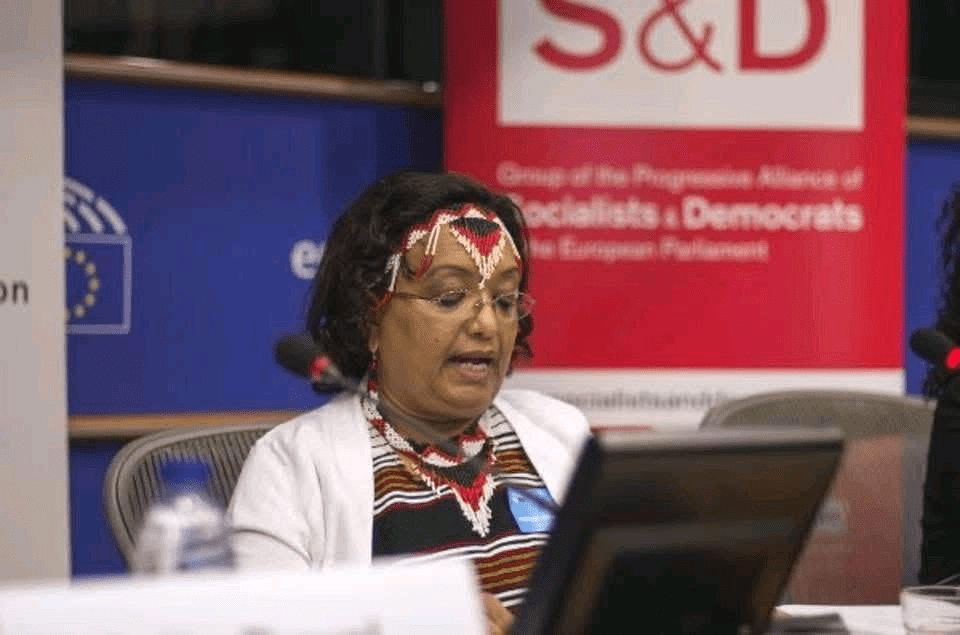
How Deception, Diplomacy, and Divide-and-Rule Tactics Defeated a Leader—and What the Oromo Liberation Army Must Learn
By Dinknesh Dheeressaa
As I observe the events unfolding in our midst today, I am reminded of a painful chapter in Oromo history—the story of Abiishee Garbaa, a leader whose fate was sealed not by the strength of his enemies on the battlefield, but by their cunning, deception, and manipulation of Oromo unity.
This is not merely a tale of the past. It is a mirror held up to the present. The same tactics that brought down Abiishee Garbaa are being employed today against the Oromo people and their liberation struggle. The question we must ask ourselves is: Have we learned the lessons of history?
The Historical Context: Abiishee Garbaa and the Gojjam Invasion
According to the authoritative book “Seenaa Abiishee Garbaa fi Gootota Oromoo Biroo” by Ginbaar Nagaraa Kumsaa (2013), the story of Abiishee Garbaa is one of betrayal, deception, and the tragic fragmentation of Oromo unity .
In the years 1854/55, following the death of Garbaa Huruubaa—the ruler of Horro and Abiishee’s father—the region fell into political turmoil. No new leader had been appointed to rule Horro, and this power vacuum was exploited by the Gojjam forces. They crossed the Mormor River through Amuru and launched a devastating campaign against the Horro people .
Abiishee, compelled to defend his people and claim his father’s legacy, mobilized his forces. He gathered the Qondaaltota (warriors) of Horro and successfully repelled the Gojjam invaders. Despite multiple attempts, the Gojjam forces could not defeat Abiishee in direct military confrontation .
But they did not need to.
The Tactics of Deception: Divide, Bribe, and Betray
Unable to defeat Abiishee through conventional warfare, the Gojjam forces turned to a different strategy: division and deception.
They exploited internal rifts within the Horro leadership. One of Abiishee’s own commanders, Soorii Galaa, who had opposed Abiishee’s leadership, defected to the enemy. Soorii Galaa fled to Gojjam, where he was received and employed. He then conspired to betray his people, using his insider knowledge to undermine Oromo resistance .
This pattern is all too familiar. As the Oromo proverb says: “Soogiddaan soogidda cabsu” —”Salt breaks salt.” The enemy does not always need to destroy you from the outside. Often, they find someone from within to do the work for them.
The Gojjam forces used a combination of modern weaponry, espionage, bribery, and deception. They pitted Oromo leaders against each other, spreading rumours, creating alliances based on false promises, and exploiting personal ambitions and grievances to shatter the unity of the Oromo people .
The Role of Qadiidaa Wannabee: False Diplomacy and Betrayal
The most infamous act of deception was the role of Qadiidaa Wannabee. Unable to defeat Abiishee through force, the Gojjam forces enlisted Qadiidaa to lure Abiishee into a trap through the promise of peace. Qadiidaa went to Abiishee, swore oaths of friendship, and assured him that the Gojjam forces were sincere in their desire for reconciliation .
Abiishee, believing in the promise of peace, agreed to meet the Gojjam forces at a location they had prepared. He set out without his weapons—unarmed, trusting in the word of Qadiidaa.
But it was a trap.
As Abiishee entered the camp of the Gojjam forces, the Amhara forces, who had been lying in wait, surrounded him. Soorii Galaa—the defector—served as the translator. Abiishee was disarmed and taken captive .
The Humiliation and Tragic End
Abiishee was not given a warrior’s death. Instead, he was subjected to unspeakable humiliation. He was bound with heavy wooden yokes—the same yokes used to bind oxen. He was paraded and forced to walk to Gojjam. Stripped of his dignity, his clothing, and his freedom, he was led like an animal before his enemies.
According to the account, when Abiishee realized the depth of the deception and the humiliation he had been forced to endure, his grief and rage were so overwhelming that he chewed off his own fingers in despair .
This tragic ending is a searing reminder: when unity is broken, when trust is misplaced, when the enemy’s diplomacy is a mask for violence, the price is catastrophic.
The Relevance of History: The Oromo Liberation Army Today
The story of Abiishee Garbaa is not just a historical curiosity. It is a lesson for the Oromo Liberation Army (WBO) today. As the armed wing of the Oromo struggle, the WBO faces challenges that echo the past:
1. The Danger of Deception and False Diplomacy
Today, the Ethiopian government and its allies are skilled in the same tactics that defeated Abiishee. They offer peace, dialogue, and reconciliation—but often, these are merely tools for disarmament and control. The legacy of Qadiidaa Wannabee lives on. Abiishee’s mistake was trusting the word of an enemy who offered peace while preparing to destroy him.
The WBO must remain vigilant. Not every hand extended in peace is sincere. Some are reaching for a weapon.
2. The Need for Unity
Abiishee’s downfall was accelerated by division within his own leadership. The defection of Soorii Galaa and the internal conflicts among the Horro commanders fractured their resistance. The enemy exploited these divisions masterfully.
The WBO must guard against internal fragmentation. The Oromo struggle is a collective effort, and unity is its greatest strength. As the Oromo saying goes: “Tokkummaan jabina” —”Unity is strength.”
3. The Power of Knowledge and Preparation
Abiishee’s defeat was also a failure of intelligence and preparation. He underestimated his enemies, overestimated their sincerity, and failed to anticipate the trap they had set.
The WBO must prioritize intelligence, strategy, and preparation. The enemy is often more cunning than they appear. Knowledge of history, awareness of tactics, and readiness for deception are essential weapons in the struggle.
The Broader Lesson: History Must Not Be Forgotten
The story of Abiishee Garbaa is part of the larger history of Oromo resistance—a history that has been systematically suppressed and erased. As one historian notes, studies focusing on the history of Oromo heroes like Abiishee Garbaa are relatively scarce, and the historical narratives have often been shaped by external perspectives .
Recovering and teaching Oromo history is therefore a political act. It is an act of resistance against the erasure of Oromo identity and memory. It is a way of ensuring that the mistakes of the past are not repeated.
The book “Seenaa Abiishee Garbaa fi Gootota Oromoo Biroo” is one such effort to reclaim that history. By telling the stories of Oromo heroes, it provides the younger generation with the knowledge they need to continue the struggle with wisdom and determination.
A Call to Action: Learn from the Past, Build for the Future
The story of Abiishee Garbaa is a cautionary tale. It reminds us that the struggle for Oromo liberation is not only a battle against external enemies but also against internal divisions and naivety.
Today, the Oromo Liberation Army and the broader Oromo movement face challenges that require wisdom, unity, and vigilance. The Ethiopian government continues to use the same tactics of divide-and-rule that were employed against Abiishee. False diplomacy, offers of peace, and political manipulation are still weapons in their arsenal.
The lesson is clear: the enemy does not always come with guns. Sometimes they come with promises.
The WBO and all Oromo people must learn from the mistakes of the past. They must:
- Study history to understand the tactics of their enemies.
- Remain united and guard against internal division.
- Be vigilant in the face of false diplomacy.
- Prepare strategically for both political and military challenges.
Conclusion: Honouring the Memory of Abiishee Garbaa
Abiishee Garbaa was a leader who fought bravely to defend his people and his land. He was defeated not by a stronger enemy on the battlefield, but by betrayal, division, and deception. His story is a tragedy—but it is also a lesson.
As Dinknesh Dheeressaa reminds us: “The wounds of history are not just memories; they are warnings. They tell us what we must not do again.”
The Oromo struggle has been marked by many such tragedies. But each tragedy has also produced heroes, martyrs, and lessons. If we honour the memory of Abiishee Garbaa, we must do so by learning from his story—by ensuring that the same mistakes are not repeated.
Let us learn from the past so that the future may be free.
Injifannoon Ummata Oromoo!
Seenaa haa barannu!
WBO haa jabaattu!
This feature article is based on the reflections of Dinknesh Dheeressaa and is dedicated to all those who continue to struggle for Oromo liberation and who seek wisdom from the lessons of history.