Category Archives: Election

A Response from Within: Correcting the Narrative on Ethiopia’s National Dialogue

A four-year participant challenges the critique that the National Dialogue began with the “wrong first question,” offering a detailed defence of the process and an invitation for critics to join the table.
ADDIS ABABA, ETHIOPIA — In the ongoing public debate over Ethiopia’s National Dialogue, one critique has stood out: that the process began with the wrong question, focusing on divisions rather than shared aspirations. Mr Kebour Ghenna articulated this view in a widely discussed reflection, arguing that the Dialogue should have begun by asking, “What future do Ethiopians wish to build together?” rather than “What divides Ethiopians?”
Now, a direct participant in the Dialogue has responded. Mr Zenayeneh Girma, who has served for four years as a representative of Civil Society Organisations (CSOs) in the National Dialogue process, has offered a corrective perspective—one grounded in direct participation rather than external observation.
“The evidence contradicts your central claim that the Dialogue began with the ‘wrong first question,'” Zenayeneh wrote, respectfully challenging Kebour’s thesis.
A Painstaking Process
Zenayeneh begins by correcting what he describes as a factual error. The National Dialogue did not begin by collecting grievances alone. It began by collecting issues from across the country—over 10,000 specific concerns raised in consultations across all woredas .
These were systematically aggregated into 2,000 themes, then distilled into 8 major national agenda pillars . These pillars cover nation-building and identity; state structure and form of government; the status of federal cities; religious affairs; institution building and the rule of law; social and economic issues; corruption and good governance; and peacebuilding and national reconciliation .
“This was not a hurried exercise but a painstaking process designed to ensure every voice—no matter how remote or marginalised—was heard,” Zenayeneh states.
He challenges Kebour’s suggestion that only divisions were documented. “In every consultation, participants were asked what future they desired for their communities and Ethiopia collectively. The 8 pillars emerged not from ‘what divides us’ but from what Ethiopians chose to discuss as urgent national questions—including the most difficult and deadlocked ones.”
Unprecedented Inclusivity
Zenayeneh argues that the Ethiopian process is unprecedented in its inclusivity. For the first time in the country’s history, Ethiopians from all regions, ethnicities, religions, and political affiliations—including diaspora communities—were brought together to question issues once considered “untouchable”: the flag, federalism, the status of Addis Ababa, the constitutional order, corruption, and institutional reform .
“This is not ‘organising disagreement.’ This is building a foundation for consensus,” he writes.
A Call for Participation, Not Observation
One of Zenayeneh’s most pointed observations is directed at the role of intellectuals who critique the process from outside. “You critique from outside while refusing to enter,” he writes, directly addressing Kebour.
As a prominent intellectual, Zenayeneh notes, Kebour could have contributed expertise to advisory panels. Instead, he has consistently critiqued from a distance. “Observing by ‘sitting outside’ and then writing based on hearsay is an easy task. Building a process that engages 4,000+ communities across a vast, diverse country is not.”
Zenayeneh acknowledges that some opposition figures remain outside the process—some by choice, others by circumstance. But the Commission has extended invitations repeatedly. “A dialogue that waits for everyone to agree to participate may wait forever. The process must move forward while continuing outreach.”
What History Will Remember
Zenayeneh concludes with a prediction about what history will actually remember: a moment when Ethiopians—for the first time—sat together across all divides and spoke honestly about their deepest political questions. It will remember a Commission that organised not just grievances but aspirations, not just complaints but solutions.
“The Dialogue is not perfect. But perfection is not the standard—participation is. And by that measure, Ethiopia has achieved something unprecedented.”
His message to intellectuals and critics is clear: “Instead of theorising from outside, consider contributing your expertise. The nation needs thinkers like you inside the room—not just observers outside it.”
Conclusion
Zenayeneh’s response offers a powerful counter-narrative to critiques of Ethiopia’s National Dialogue. It defends the process as painstaking, inclusive, and historic. It acknowledges imperfections while arguing that participation—not perfection—is the standard by which the Dialogue should be judged.
“Thank you for keeping the debate alive,” Zenayeneh writes. “But please, let us not allow perfect to become the enemy of progress.”
This feature news is based on the response of Mr Zenayeneh Girma to Kebour Ghenna, published on July 31, 2026.

“A Warning from the Grave”: Dr. Negasso Gidada’s 2014 Prophecy on the Addis Ababa Master Plan – and Why It Was Ignored

As Ethiopia reels from the aftermath of the 2014 Oromo protests, a newly surfaced document reveals that one of the Constitution’s architects had foreseen the catastrophe – and offered a roadmap to avoid it. His advice went unheeded.
By Our Staff Reporter
In May 2014, just weeks after violent protests erupted across Oromia over the “10th Addis Ababa Integrated Development Master Plan,” Dr. Negasso Gidada – a key intellectual and co-architect of Ethiopia’s 1995 Constitution – sat down to write a sobering analysis. He titled it: “A Tragic Consequence of the ‘10th Addis Ababa Integrated Development Master Plan’: A Warning for the Future.”
The document, now circulating widely, reads like a dispatch from a man who saw the storm coming. In it, Dr. Negasso dissects the historical grievances, constitutional failures, and political miscalculations that ignited the unrest – and warns that if the root causes were not addressed, the federal system itself could unravel.
Nearly a decade later, his words carry a haunting resonance. The protests that began in Adaamaa University on April 29, 2014, spread to dozens of towns, leaving dozens dead, property destroyed, and ethnic tensions inflamed. The government’s response – a mix of repression and belated appeasement – did little to quell the anger. And, as Dr. Negasso predicted, the underlying issues remain unresolved.
A City Built on Conquest, a Constitution Unfulfilled
Dr. Negasso begins by grounding the crisis in history. Addis Ababa, founded in 1887 by Emperor Menelik and Empress Taitu around the hot spring of Finfinnee, was established on land that belonged to the Oromo of Shawa. He cites British envoy Harris, who in 1844 witnessed King Sahle Sellasie’s forces – armed with European guns – “destroy the Oromo life and resources,” burning homes, capturing women, and slaughtering men. The Oromo of Gulalle, he notes, still remember leaders like Tufa Mona and Birraatuu Goolee who died in those wars.
This historical memory, he argues, is not ancient grievance – it is living pain. And it has been compounded by three modern failures:
1. The Constitution of 1995, which promised Oromia a “special interest” in Addis Ababa (Article 49/5) but never defined it in law.
2. The 2003/2004 decision to move Oromia’s capital to Adaamaa, which sparked student protests and led to mass expulsions and imprisonments.
3. The broken promises of 2005, when OPDO, after losing the election, re-declared Finfinnee as the capital and vowed to build Oromo cultural centres and language schools in the city’s ten districts – none of which materialised.
“Nine years have passed,” Dr. Negasso wrote, “and nothing from the decisions and promises were implemented.”
The Master Plan: A Spark on Dry Tinder
When the “Integrated Master Plan” – which proposed integrating surrounding Oromo towns into Addis Ababa – was publicly announced in March 2014, it struck at this accumulated trauma. The plan was presented as a development initiative, but for Oromo farmers on the city’s fringes, it meant eviction. For Oromo intellectuals, it meant the erasure of their territorial rights. For the youth, it was the final straw.
“Here lies the root cause of the current incident and the tragic consequence,” Dr. Negasso wrote.
The protests were swift and fierce. They began at Adaamaa University, then spread to Haroo Maayaa, Dire Dawa, Bale, Guji, and beyond. By the time Dr. Negasso penned his note, the death toll was mounting – two students killed in a TV room explosion at Haroo Maayaa, others thrown into rivers, and reports of mutilation and ethnic violence. Security forces responded with live fire, and the government issued statements defending the plan while blaming “outside forces.”
A Constitutional Crisis in Plain Sight
Dr. Negasso’s most incisive contribution is his legal analysis. He walks through the Constitution article by article, showing how both the ruling party and nationalist forces were undermining it.
He quotes Article 49/5: “The special interest of the State of Oromia in Addis Ababa… shall be respected. Particulars shall be determined by law.” That law, he notes, has never been enacted.
He cites Article 40/4, which guarantees peasants the right to land and protection from eviction – a right routinely violated in the suburbs of Addis.
And he warns that if the Constitution is not respected, the federal system could collapse into ethnic conflict. “The end result could also mean the disintegration of Ethiopia which no one of us wants to see.”
What He Prescribed – and What Was Ignored
Dr. Negasso did not merely diagnose; he offered a cure. His recommendations were clear:
· Apologise for the failures: the unfulfilled constitutional provision, the broken promises, the violence by security forces.
· Investigate human rights violations by both state and individual actors, and bring perpetrators to justice.
· Immediately implement Article 49/5 – define Oromia’s special interest, demarcate the boundary, and affirm the jurisdiction of surrounding towns.
· Stop hate propaganda from both “Ethiopianist” and “Oromummaa” camps.
· Launch a national dialogue on the Constitution, the national question, land policy, federalism, and the role of the media.
“We can only try to mend the damage by taking corrective measures based on what we have learnt from the mistakes done,” he wrote.
The Unheeded Warning
Dr. Negasso concluded his note with a plea: “If we want to live together and save our people and country, we should either respect the Constitution as it is or create a situation in which it could be amended and ratified by the people through a referendum.”
The TPLF-led government did neither. The master plan was shelved – but the underlying issues were never resolved. The protests of 2014 would echo in the 2015 elections, and again in the 2016–2018 Oromo uprisings that ultimately reshaped the country’s political landscape.
Dr. Negasso Gidada passed away in 2019. But his note from May 2014 remains a haunting artifact – a warning written in ink, delivered from the grave, and largely ignored by those who had the power to act.
Today, as Ethiopia navigates yet another national dialogue, his words serve as a stark reminder: tragedy is not inevitable, but it is the price of constitutional neglect.
—
This feature is based on Dr. Negasso Gidada’s unpublished note dated May 2014, titled “A Tragic Consequence of the ‘10th Addis Ababa Integrated Development Master Plan’: A Warning for the Future.”

Constitutional Legitimacy and Federalism in Ethiopia: A Trap in the Making?
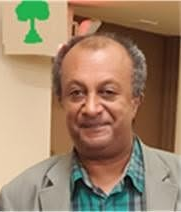
With constitutional amendments on the table and a national dialogue that critics call structurally rigged, Ethiopia stands at a crossroads that could determine the fate of its multinational federation
By Prof Asfaw Beyene
There is absolute consensus among Ethiopians on one fundamental truth: the country is bleeding, and a genuinely inclusive, transparent, and democratic dialogue is the only viable exit from the abyss . However, when the very architecture of a peace-building process is engineered to marginalise the country’s largest demographic constituency and dismantle its constitutional foundations, the process ceases to be a dialogue. It becomes a structural trap .
As the Ethiopian National Dialogue Conference commenced on July 15, 2026, the stakes could not be higher. The federal government is preparing a sweeping constitutional reform package that could redefine Ethiopia’s federal structure, with proposals that include amending Article 39—the constitutional provision that enshrines the right of nations, nationalities, and peoples to self-determination, including secession—and replacing ethnicity-based regional boundaries with geography-based ones .
These are not mere policy adjustments; they are existential threats to the constitutional order that has governed Ethiopia since 1995. As Asfaw Beyene’s analysis argues, the national dialogue may be heading toward a “barred trap” from which there is no easy escape .
The Mathematics of Disenfranchisement
At the heart of the controversy lies the decision-making framework of the National Dialogue Commission. According to the Commission’s documented multi-tier decision-making system, the ultimate power to pass or reject national agendas is vested in a Regional Representatives Assembly composed of 211 members .
Every region and city administration is granted exactly 14 representatives, alongside 15 representatives handpicked by the federal government. The result? Oromia, a region home to an estimated 40 million people—roughly 35% to 40% of the Ethiopian population—is granted the exact same voting power (14 seats) as city administrations like Dire Dawa or Harari, which have populations of approximately 500,000 .
Mathematically, Oromia is granted a mere 6.6% of the voting power in the assembly that will decide the fate of the country. This is not equality; it is the systematic erasure of the Oromo voice .
The Danger of Dismantling Federalism
“The outcome of dismantling federalism can be separation, not unity.”
Many constitutional democracies require broad consensus before fundamental constitutional changes take effect. Some do not allow even supermajority voices for constitutional amendment; they require unanimous vote .
In Germany’s Basic Law, the law that establishes Germany’s federalism cannot be amended at all, even by a unanimous vote. In Canada, unanimous provincial consent is required for certain constitutional amendments under the unanimity formula. These systems protect federalism at such high cost because they are aware the alternative would be separation and independence .
They recognize that constitutions should not be altered solely based on the political preferences of a temporary governing majority because they provoke a counter remedy: secession . Ethiopia’s elections did not provide even a majority vote to the ruling party; elections were not organized in many parts of the country for security reasons .
Article 39: A Constitutional Prerequisite, Not a Mere Provision
Article 39 of the Ethiopian constitution must be understood not merely as a constitutional provision, but as a prerequisite upon which the constitutional order itself rests. Recognition of the right to self-determination, including the possibility of secession under Article 39, establishes the foundational boundaries within which the state exists .
Because this principle defines the relationship between the state, its territory, and the peoples composing it, any amendment that would fundamentally alter or remove this guarantee must logically require unanimous consent of a duly established representative body—not a majority vote .
Article 39 is not, by itself, a sufficient condition to unite a country. But it is a prerequisite that establishes the boundaries and consent-based framework through which the country’s territorial and constitutional existence is maintained. An attempt to remove or fundamentally alter this prerequisite would forfeit the very foundation that gives the constitutional system some legitimacy .
The Eritrean precedent is instructive. When Haile Selassie dismantled Eritrea’s legally mandated autonomy and unilaterally dissolved the Eritrea-Ethiopian Federation, followed by full annexation of Eritrea in 1962, this action prompted an armed national movement, triggering the 30-year Eritrean War of Independence .
The Referendum Question
Where a legally recognized political actor has formally advanced a referendum proposal pursuant to the existing constitutional framework, and where the governing law provides a mechanism for a referendum under applicable circumstances, the constitutional process cannot be circumvented through a preemptive amendment designed to render that referendum unnecessary or ineffective .
Article 39 of the Constitution provides a clear procedure for secession: when a demand for secession has been approved by a two-thirds majority of the members of the Legislative Council of the Nation, Nationality or People concerned; and when the Federal Government has organized a referendum which must take place within three years from the time it received the concerned council’s decision for secession .
The referendum proposal submitted by the OLF for independent Oromia constitutes a pending constitutional process that must be addressed according to the law in force at the time it was initiated. Allowing a subsequent amendment to override, extinguish, or bypass a properly raised referendum petition would undermine constitutional certainty, procedural fairness, and the principle that constitutional change must follow established legal procedures .
The View from the Regions
Regional reactions to the proposed constitutional reforms are mixed. Oromia and Somali regions favor preserving the current model, while Amhara and parts of the Southern Nations, Nationalities, and Peoples’ Region (SNNPR) show growing support for change .
Mulatu Gemechu, vice chairman of the Oromo Federalist Congress (OFC), has argued that the amendment process lacks legitimacy: “One cannot just pop out of a commission and decide to amend [the Constitution]. I was there when it was created. Every element of the Constitution was put in intentionally” .
Dejen Mezgebe, chairman of the Tigray Independence Party, has warned that “this amendment proposal is dangerous, especially for Tigray, which currently has no official or legal representation in federal institutions. Any amendment before Tigray returns to the constitutional order would create a generational crisis” .
Conclusion: A Trap or a Solution?
The constitution amendment is widely seen as a trap to get rid of the Oromo regional state, which is a prerequisite for the secessionist referendum. The Constitution was created through a long, inclusive process of deliberation among all nations and nationalities—a process that reflected the free will of the peoples of Ethiopia . It is impossible to remove the right of secession from the Constitution without violating the foundations of the constitutional order and federalism .
How can the people whose constitutional rights the dialogue is supposed to address be structurally cheated out of their representation? You cannot legally bind a nation to a contract in which its signature was forged .
Instead of ending the tragic wars currently ravaging the country, including the ongoing conflict in Oromia, this manufactured consensus will inevitably exacerbate ethnic polarisation and institutionalise conflict for generations .
“A constitutional amendment cannot be used as a procedural shortcut to defeat a lawful petition or to prevent the electorate from exercising a right that has already been invoked under the existing constitutional order.”

A New Chapter for Victoria’s Multicultural Communities: Louise Perry Welcomes Reform and Community Leadership
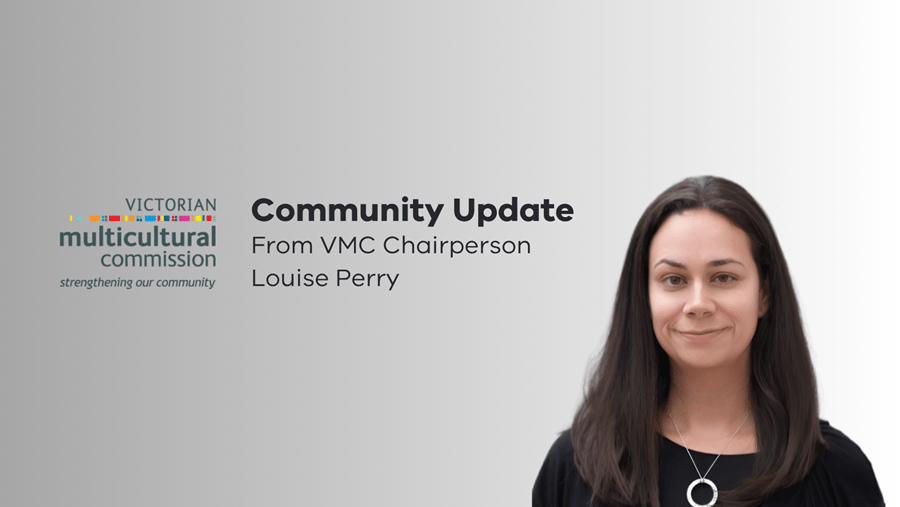
As the VMC transitions to Multicultural Victoria, the new interim Chairperson invites community participation in shaping the state’s diverse future.
MELBOURNE, VICTORIA — In her inaugural address as the interim Chairperson of the Victorian Multicultural Commission (VMC), Louise Perry has struck a tone of optimism and collaboration, heralding a “new era” for Victoria’s multicultural and multifaith communities.
Perry’s appointment marks a critical transitional period for the state, as the Victorian Government introduces legislation to establish Multicultural Victoria, a new statutory body designed to strengthen the way government listens to, engages with, and supports its diverse population.
“It is a privilege to write to you for the first time as Chairperson,” Perry stated. “I am honoured to have the opportunity to serve our multicultural and multifaith communities“.
A Leader with Deep Community Roots
A Victorian woman of Burmese heritage, Perry brings a wealth of experience to the role, including a background in journalism, leadership in community organisations, and a distinguished career in international development and human rights. Her recent role as Deputy Secretary for Fairer Victoria at the Department of Families, Fairness and Housing saw her lead landmark strategies on anti-racism, youth, and gender equality.
“This is an exciting time for multicultural Victoria,” Perry wrote, reflecting on the week’s developments, which saw the introduction of the Bill to amend the Multicultural Victoria Act into Parliament. The proposed legislation seeks to dissolve the VMC and replace it with Multicultural Victoria, a move that aims to modernise how the state engages with its migrant and refugee communities.
Building a More Inclusive Future
The new body is designed to bring together the community engagement functions of the VMC with the policy responsibilities of Multicultural Affairs, creating a more integrated and effective approach. It will be led by a newly created Multicultural Coordinator General, supported by two Deputy Coordinators, one of whom will be dedicated to regional Victoria, and a diverse advisory group.
Perry has emphasised her commitment to building an organisation that reflects the aspirations of the communities it serves, prioritising a “recalibrated and coordinated approach” that promotes cohesion, equity, and inclusion.
“I look forward to working with communities, VMC staff and government as we prepare for legislative changes,” Perry said.
A Call for Community Leadership
As part of the transition, applications are now open for a range of leadership opportunities, including membership of the new Multicultural Community Advisory Group. This is a unique opportunity for community leaders to contribute their experience and insights, ensuring community voices remain central to the future direction of Multicultural Victoria.
Perry encouraged anyone with passion and commitment to shaping Victoria’s multicultural future to consider applying. “I encourage anyone with the passion and commitment for shaping Victoria’s multicultural future to consider applying“. Applications close on Sunday, 9 August.
Looking Ahead
As Perry begins her journey, she has committed to getting out into communities across Victoria, meeting people in person, and learning about their work, aspirations, and the issues that matter most to them.
“Together, we can continue building a Victoria where every community feels heard, valued and connected,” she concluded.
The establishment of Multicultural Victoria is subject to the passage of legislation.

Louise Perry Appointed Interim Chairperson of the Victorian Multicultural Commission

A seasoned leader in human rights and community engagement steps in to guide Victoria’s multicultural sector through a historic transition
MELBOURNE, VICTORIA — As the Victorian Multicultural Commission (VMC) prepares for a significant transformation, Ms Louise Perry has been appointed as interim Chairperson to lead the organisation through a critical transitional period. Her appointment, effective Thursday 16 July, comes as Victoria moves toward the establishment of Multicultural Victoria, a new statutory body that will reshape the state’s approach to multicultural and multifaith affairs .
Perry’s term is interim, extending until Multicultural Victoria is formally established. A Victorian woman of Burmese descent, she brings a wealth of experience spanning journalism, community leadership, international development, human rights, and the Victorian Public Service .
A Career of Service and Advocacy
Louise Perry’s professional journey reflects a deep commitment to social justice and community empowerment. She began her working life as a journalist, developing a keen understanding of storytelling and the power of narrative in shaping public understanding. This foundation led her to leadership roles in community organisations, where she championed the voices of marginalised and underrepresented groups.
Her career later took her into the International Development and Human Rights space, where she worked extensively on issues of justice, equity, and inclusion. This global perspective, combined with her local experience, has equipped her with a nuanced understanding of the challenges and opportunities facing multicultural communities.
Before her appointment to the VMC, Perry served as Deputy Secretary for Fairer Victoria within the Department of Families, Fairness and Housing, where she led landmark work on anti-racism, youth, and gender equality strategies . Her leadership in this role demonstrated her ability to drive systemic change and build partnerships across government and the community sector.
A Vision for Unity and Cohesion
Perry’s appointment comes at a pivotal moment for Victoria’s multicultural and multifaith communities. The transition to Multicultural Victoria represents an opportunity to elevate multicultural affairs across the whole of government, ensuring that diverse voices remain at the centre of policy and service delivery.
“The establishment of Multicultural Victoria presents a unique opportunity for multicultural and multifaith affairs in our state,” Perry said. “I look forward to working with communities, VMC staff and government as we prepare for legislative changes” .
Her leadership is expected to support and uplift Victoria’s multicultural and multifaith communities as champions of unity and cohesion, delivering benefits for all Victorians . The changes she will guide aim to ensure that the new structure is fit for purpose and responsive to the needs of communities .
The Transition to Multicultural Victoria
The establishment of Multicultural Victoria is subject to the passage of legislation . The new body will bring together the functions of the VMC and Multicultural Affairs, creating a unified approach to multicultural policy and community engagement . It will be led by a Multicultural Coordinator General, supported by two Deputy Coordinators General and a Multicultural Community Advisory Group .
The transition reflects a recognition that Victoria’s multicultural communities are not just a part of the state’s identity—they are central to its future. As Perry noted, this is a unique opportunity to strengthen the foundations of multicultural and multifaith affairs.
A Legacy of Leadership
Perry succeeds Vivienne Nguyen AM, who concluded her seven-year tenure as Chairperson on 15 July 2026 . Nguyen’s leadership saw the VMC through the COVID-19 pandemic, flood recovery, and the impacts of international events on multicultural and multifaith communities . Her legacy of community-led engagement and partnership-building has laid the groundwork for the next chapter.
Perry expressed appreciation for Nguyen’s contributions, which she described as “invaluable” and commended the groundwork laid for the future .
Looking Ahead
As Louise Perry steps into her interim role, Victoria’s multicultural and multifaith communities can look forward to a leader with a proven track record of advocacy, collaboration, and systemic change. Her appointment signals continuity and stability during a period of significant transformation.
Applications for leadership positions within Multicultural Victoria—including the Coordinator General, two Deputy Coordinators General, and members of the Multicultural Community Advisory Group—are expected to open shortly. Community members are encouraged to stay informed and participate in shaping the future of multicultural affairs in Victoria.
“The establishment of Multicultural Victoria presents a unique opportunity for multicultural and multifaith affairs in our state. I look forward to working with communities, VMC staff and government as we prepare for legislative changes.”
— Louise Perry, Interim Chairperson, Victorian Multicultural Commission

A Grateful Farewell: Vivienne Nguyen AM Concludes Seven-Year Leadership of the Victorian Multicultural Commission
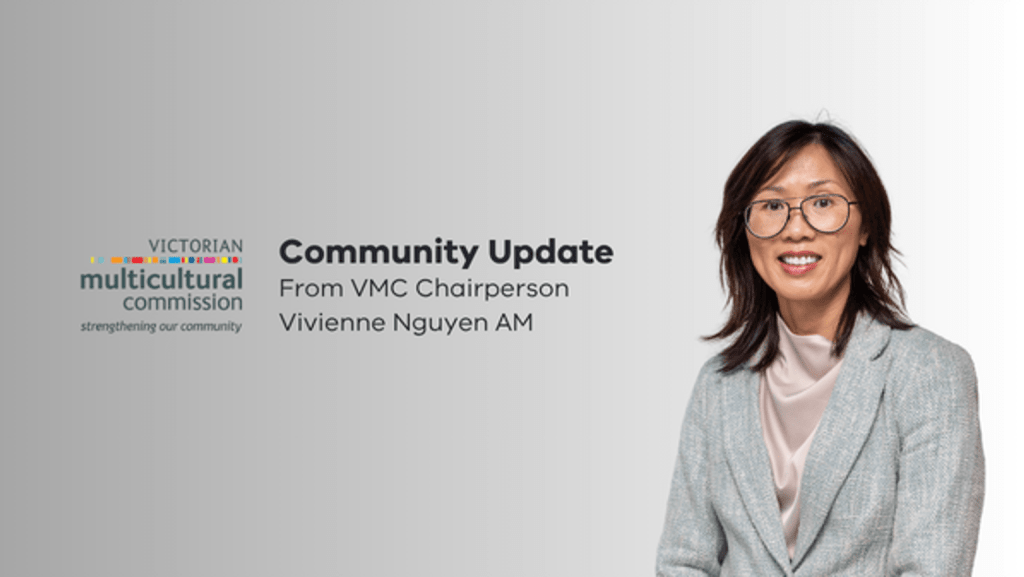
After guiding Victoria’s multicultural communities through pandemic, flood recovery, and social transformation, the VMC Chairperson’s legacy is one of resilience, inclusion, and hope.
MELBOURNE, VICTORIA — Wednesday 15 July 2026 marks the end of an era for Victoria’s multicultural landscape. Vivienne Nguyen AM, Chairperson of the Victorian Multicultural Commission (VMC), has concluded her seven-year tenure, closing a chapter defined by crisis, celebration, and profound community connection .
Since her appointment in 2019, Nguyen has served as a steadfast advocate for Victoria’s culturally, linguistically, and religiously diverse communities. Her leadership spanned some of the state’s most challenging periods, including the COVID-19 pandemic, flood recovery efforts, and the far-reaching impacts of international events on multicultural and multifaith communities . Under her guidance, the VMC ensured that diverse voices remained central to the state’s response and recovery.
A Legacy of Advocacy and Inclusion
“Being in this role has been an honour and a privilege,” Nguyen reflected. “We have shown that we can live and thrive, and we can overcome adversity no matter the shape and size. Diversity is indeed our strength and our asset.”
Nguyen’s journey to this role began long before her appointment. She arrived in Australia as a 12-year-old refugee from Vietnam, a young girl who would grow into one of Victoria’s most passionate advocates for community engagement and cultural diversity . Over more than 25 years, she has been a leader across corporate, community, and government settings, holding executive roles at AMP Asset Management and ANZ Banking Group, where she led their global diversity strategy .
In 2021, she was appointed a Member of the Order of Australia (AM) in recognition of her significant service to multicultural Victoria . Her contributions have also been acknowledged through the Australian Centenary Medal and induction into the Victorian Honour Roll for advocating for women’s leadership and supporting young Vietnamese people .
“Vivienne Nguyen is a true champion of multiculturalism who goes above and beyond,” said Mr Juma Piri Piri, Chairperson of the Refugee Communities Association of Australia, at the time of her AM recognition .
Strengthening the Foundations of Multicultural Victoria
Under Nguyen’s leadership, the VMC convened the Multifaith Advisory Group, contributed to Victoria’s Anti-Racism Taskforce, and delivered flagship initiatives including Cultural Diversity Week . She played a critical role in the Victorian Government’s pandemic response, partnering with community leaders and peak bodies to deliver unique resources for diverse communities .
Minister for Multicultural and Multifaith Victoria Ingrid Stitt expressed gratitude for Nguyen’s contributions. “I want to thank Vivienne for her valuable contributions to the Victorian Multicultural Commission and to Victoria’s multicultural communities since 2019,” Minister Stitt said.
A Transition to a New Chapter
Nguyen’s departure comes as the Victorian Government prepares for the proposed establishment of Multicultural Victoria, a new statutory body that will bring together the functions of the VMC and Multicultural Affairs, subject to the passage of legislation . This body will have a Multicultural Coordinator General and two Deputies, leading community engagement, advocacy, and accountability functions .
Applications for leadership positions within Multicultural Victoria—including the Coordinator General, two Deputy Coordinators General, and members of the Multicultural Community Advisory Group—are expected to open shortly . Community members are encouraged to keep an eye out for these opportunities and share them widely through their networks.
Ms Louise Perry has been appointed as interim Chairperson to support this transitional period, starting Thursday 16 July. Her term will continue until Multicultural Victoria is formally established .
A Victorian woman of Burmese heritage, Perry brings extensive experience in public policy and community engagement. She has served as Deputy Secretary for Fairer Victoria within the Department of Families, Fairness and Housing, where she led landmark anti-racism, youth, and gender equality strategies .
“The establishment of Multicultural Victoria presents a unique opportunity for multicultural and multifaith affairs in our state,” Ms Perry said. “I look forward to working with communities, VMC staff and government as we prepare for legislative changes” .
A Final Farewell
As Nguyen steps down, her legacy continues through the relationships she has built, the communities she has championed, and the foundation she has helped create for the next chapter of multicultural affairs in Victoria.
“Thank you for allowing me the privilege of serving alongside you,” Nguyen said in her farewell message .
While her role as Chairperson has come to an end, her commitment to Victoria’s multicultural communities remains steadfast. The VMC extends its deepest gratitude to Nguyen for her outstanding leadership and unwavering dedication over the past seven years.
“Diversity is indeed our strength and our asset.”
— Vivienne Nguyen AM, Chairperson, Victorian Multicultural Commission

The Two Humiliations of TPLF: A Reflection on Power, Pride, and the Oromo Awakening
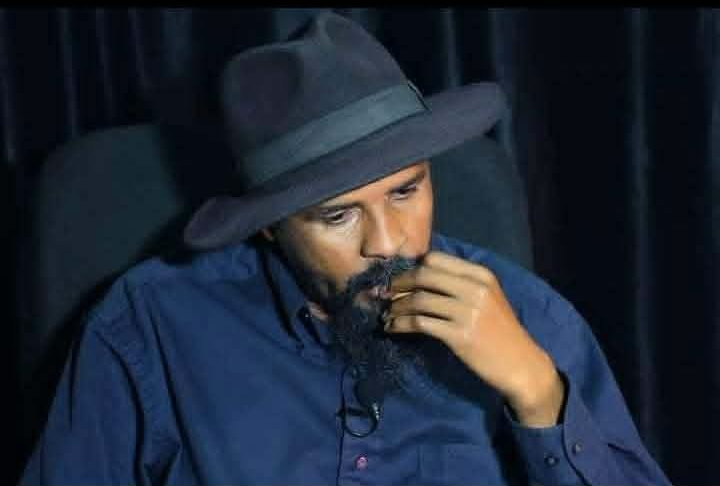
In the shifting sands of Ethiopian politics, the Tigrayan People’s Liberation Front has suffered wounds that time has not healed—and the Oromo people remain the central characters in this unfolding drama
In the annals of Ethiopian political history, few organizations have risen as high or fallen as dramatically as the Tigrayan People’s Liberation Front (TPLF). For nearly three decades, it dominated the political landscape of the Ethiopian Empire, ruling with an iron fist while projecting an image of revolutionary legitimacy. Yet today, the TPLF finds itself nursing wounds that history will not allow it to forget—wounds inflicted not by foreign enemies but by the very people it sought to subjugate.
The reflection of Abba Ebba offers a searing analysis of what he calls the “two humiliations” of the TPLF—humiliations that, in his view, are inextricably linked to the Oromo people and their awakening. These are not merely military defeats but moral and political reckonings that the TPLF has been unable to accept or process.
The First Humiliation: The Fall of Mekelle
“For 27 years, like the saying ‘the hare’s skin cannot cover the elephant,’ the TPLF tried to stretch its hide over an empire too vast for its frame. In the final hour, it was the sons and daughters of Oromo—the Qeerroo and Qarree—who stood before tanks with empty hands and brought down the regime. They made the TPLF retreat to Mekelle, dragging its ill-gotten wealth behind it. This is the first humiliation that remains unhealed to this day.”
The 2018 Oromo protests were not merely a political uprising—they were a seismic shift in the Ethiopian political landscape. The Oromo youth, known as the Qeerroo and Qarree, rose in a wave of popular resistance that the TPLF could not contain. The protests were decentralized, leaderless, and yet remarkably unified in their demands for justice, equality, and an end to the TPLF’s domination .
The TPLF, which had ruled Ethiopia for 27 years, was forced to abandon power and retreat to its northern stronghold of Mekelle. This was not a defeat by a rival military force but a collapse in the face of unarmed civilian resistance. The humiliation was profound and, according to Abba Ebba, has never been truly accepted by the TPLF leadership.
“The TPLF was defeated by the popular wave that ignited from one end of Oromia to the other—a wave that was part of the Oromo liberation struggle. This is an undeniable truth. The Oromo is an elephant; when it tramples, it crushes. The TPLF was forced to swallow this reality, whether it liked it or not.”
The Second Humiliation: The Retreat to Mekelle
The second humiliation followed the first. After initially retreating to Mekelle, the TPLF sought to reassert its influence on the national stage. It formed alliances with various forces—including some within the Amhara political spectrum—and attempted to challenge the Prosperity Party government.
However, this effort ended in another defeat. The TPLF was forced to retreat once again to Mekelle, leaving behind its ambitions and its allies, having consumed itself in the fires it had ignited. This second retreat, Abba Ebba argues, is the other humiliation that remains raw and unprocessed .
“When the TPLF was about to return to Addis Ababa, it found itself burned by the fire it had started. It was forced to retreat to Mekelle—another humiliation that has not faded.”
The Unlearned Lesson
Despite these humiliations, the TPLF has not learned its lesson. Instead, it continues to prepare for a new war, this time under the cover of the Prosperity Party government’s own challenges. After four years of uninterrupted military preparation, the TPLF is once again positioning itself for conflict .
Abba Ebba warns that this preparation is driven by a desire for revenge—a desire to settle scores with the Oromo people who, in the TPLF’s view, are responsible for its humiliations. “Under the cover of the Prosperity Party government, the TPLF is seeking to take revenge on our people for its past humiliations.”
The Unnecessary Price
Abba Ebba poses a pointed question: why must the Oromo people pay the price for the TPLF’s ambitions? Why must Oromia become a battlefield for conflicts that are not of its making?
“The TPLF did not need to travel 600 kilometres into the heart of the country, into the breadbasket of Ethiopia—Oromia. It could have declared Eritrea-style independence when the Derg fell, and it could do so today. All it needs is to settle its accounts and secure the consent of its people.”
The TPLF’s refusal to accept defeat has left the Oromo people caught between multiple threats. On one hand, there is the TPLF’s continued military preparations and its desire for revenge. On the other, there are forces like Fano and other armed groups that have also targeted Oromo communities.
The Oromo Elite’s Responsibility
Abba Ebba also points a finger at the Oromo elite, accusing them of failing to fulfill their responsibilities. The Oromo people, who have paid the heaviest price in the struggle against the Ethiopian Empire, now face a dual threat: the TPLF’s revanchism and the Oromo elite’s failure to protect the gains of the struggle.
“The Oromo elite has failed to protect the historic victory achieved by the Oromo popular struggle. It has also failed to protect the constitutional right to self-determination—the right to democracy, justice, and self-rule—from being undermined.”
This failure, Abba Ebba argues, has allowed the Oromo people to be marginalized and treated with suspicion by their neighbours. The Oromo elite’s failure to step up has left the people vulnerable to manipulation and exclusion.
A Call to Vigilance
Abba Ebba concludes with a call to the Oromo people:
“Our people must prepare themselves for the danger of the approaching war and actively monitor the situation. The war that is being prepared—whether by TPLF or by the Fano forces—poses a threat to the next generation of Oromo. Decisive action must be taken to find a lasting solution.”
He insists that Oromia must not become a doormat for the ambitions of others. “Oromia will not be a doormat for Fano or the TPLF! With its determined sons and daughters, it will stand, honoured and respected, and it will endure forever.”
A Historical Warning
The reflection of Abba Ebba is not merely a commentary on contemporary politics—it is a historical warning. It reminds the Oromo people that the TPLF, despite its humiliations, has not abandoned its ambitions. The two humiliations remain unhealed, and the TPLF continues to seek revenge.
But the reflection also carries a message of hope and resolve. The Oromo people, having risen once, can rise again. The elephant has crushed its enemies before, and it can do so again.
Conclusion
The two humiliations of the TPLF are more than military or political defeats—they are symbolic wounds that the organization has not been able to accept. The TPLF’s refusal to learn from its past has left the Oromo people facing a renewed threat. But the Oromo people, having already demonstrated their power, are not powerless.
As Abba Ebba declares: “Oromia will not be a doormat for Fano or the TPLF! With its determined sons and daughters, it will stand, honoured and respected, and it will endure forever.”
The elephant has crushed its enemies before, and it can do so again.

The Debate Over Finfinne: Citizenship, Nationality, and the Right to Self-Determination
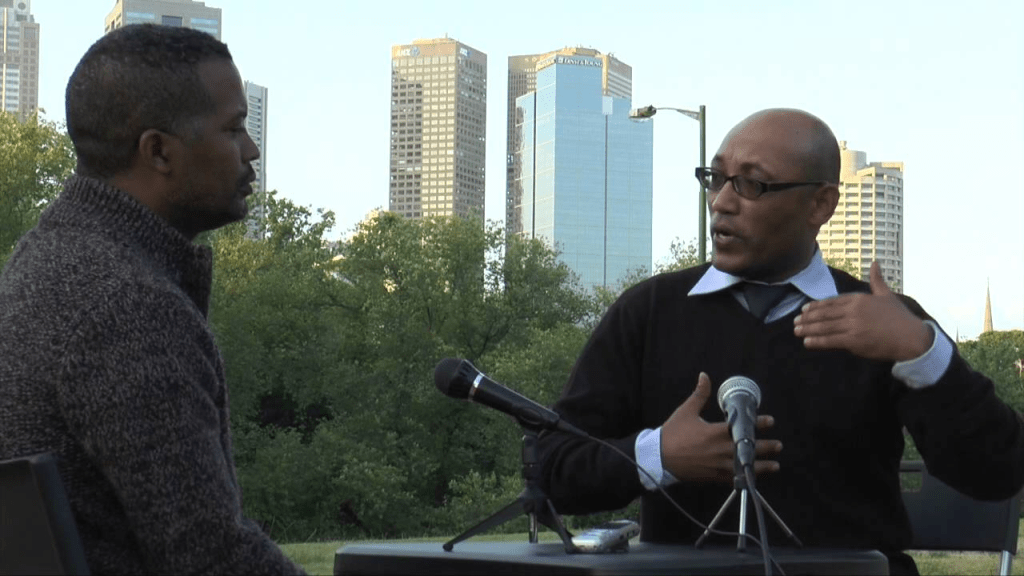
In Ethiopia’s complex federal system, the status of the capital city has become a flashpoint for competing visions of identity, rights, and constitutional interpretation
FINFINNE, ETHIOPIA — A provocative statement by Dr. Tsegaye Ararssa has reignited debate over the status of Finfinne (Addis Ababa) and the rights of its residents, challenging what he describes as “baseless” calls for the city’s self-determination while affirming the constitutional framework that places it within Oromia.
“Finfinne is one of the cities of Oromia” , Dr. Tsegaye asserts, grounding his argument in Ethiopia’s federal constitution and the regional constitution of Oromia . The statement has drawn both support and criticism in a country where the status of the capital city remains a sensitive political issue.
A City of Many Peoples
Finfinne, with its population estimated at between 3 and 4 million, is a microcosm of Ethiopia’s remarkable diversity. People from all regions of the country have made the city their home, bringing with them their languages, cultures, and traditions .
“Their coming is a blessing. Their presence is beautiful. It is beauty itself,” Dr. Tsegaye writes, acknowledging the contributions of migrants who have enriched the capital’s social and cultural fabric.
These residents, he emphasizes, are full rights-bearing citizens of both the country and the region. Their rights are guaranteed under Ethiopia’s constitution (Chapter 3), the Oromia constitution, and other relevant laws. State and regional governments are constitutionally obligated to protect and fulfill these rights .
Residents, Not a Nation
Despite the rich diversity of its population, Dr. Tsegaye draws a sharp legal distinction: “The residents of Finfinne are residents, citizens—not a nation.”
While each individual citizen retains their ethnic identity—with many having ties to their regions of origin—the residents of Finfinne collectively do not constitute a “nation” as defined under Ethiopia’s constitutional framework .
The Ethiopian constitution grants the right to self-determination to “nations, nationalities, and peoples,” defined in Article 39(5) as groups with shared culture, language, identity, and a sense of common history . Residents of Finfinne, however diverse, do not meet these criteria as a collective group.
Individual Rights vs. Collective Rights
Dr. Tsegaye draws a crucial distinction between two types of rights:
Individual rights that accrue to all citizens—including the right to education in one’s language, cultural expression, religious freedom, and preservation of identity—are fully guaranteed to residents of Finfinne .
Collective rights—specifically, the right of a group to self-determination—are reserved for groups that constitute “nations” under Ethiopian law. Such groups must meet the constitutional criteria defined in Article 39(5) .
According to Dr. Tsegaye, residents of Finfinne do not meet this constitutional threshold. They are not a “nation” but rather a diverse collection of individuals from various nations. Therefore, any movement seeking self-determination for the city of Finfinne as a collective entity is constitutionally baseless .
As he states, “If they were to be properly settled according to this criterion, they would be Oromo, and their region would be Oromia.”
The Call for Self-Determination
The debate over Finfinne’s status is not merely academic. In recent years, some voices have called for the city to exercise self-determination, either as an independent federal city or through other arrangements.
Dr. Tsegaye characterizes these calls as “baseless and anti-Oromo” . The phrase “anti-Oromo” likely reflects the perspective that these efforts threaten Oromo rights and the territorial integrity of Oromia.
However, the debate cuts multiple ways. Those advocating for Finfinne’s self-determination argue that the city’s residents have distinct interests that may not be fully represented by either the federal or regional government.
The Constitutional Framework
The Ethiopian constitution is one of the few in Africa that explicitly recognizes the right of nations, nationalities, and peoples to self-determination, including the right to secession .
The constitution also establishes Finfinne (Addis Ababa) as a special city, with its status and boundaries determined by the federal government. This has been a source of tension between the federal government and Oromia, with some Oromo nationalists arguing that the city rightfully belongs to Oromia.
Dr. Tsegaye’s argument is grounded in the constitutional text as he interprets it, but the constitution’s provisions on Finfinne’s status have been subject to multiple interpretations.
A Citizen, Not a Nation
The heart of Dr. Tsegaye’s argument is that Ethiopian citizenship must be distinguished from nationality. All Ethiopians are citizens, but they belong to nations, nationalities, or peoples as defined in the constitution. Residents of Finfinne are citizens first, and their ethnic identity is separate from their status as residents of the capital .
In a country where ethnic federalism is both a constitutional principle and a political reality, the distinction matters. It shapes access to resources, political representation, and even legal status.
His final counsel to residents of Finfinne is clear: “Leave this ‘Addis Ababa should determine its own destiny’ noise, and protect your citizenship rights. It is counsel” .
Conclusion
Dr. Tsegaye Ararssa’s intervention enters a contentious and evolving debate with significant political and legal implications. His emphasis on the constitutional text, the distinction between individual and collective rights, and the specific status of Finfinne as a city within Oromia reflects one interpretation of Ethiopia’s complex federal framework.
Yet the status of Finfinne remains one of the most sensitive and unresolved issues in Ethiopian politics. The debate over whether the city is the capital of Ethiopia, the seat of the Oromo people, or something else entirely continues to shape political discourse.
“The residents of Finfinne are residents, citizens—not a nation.”

The Ya’a Gadaa of Arsii: Restoring the Sacred Assembly at Baldhaa
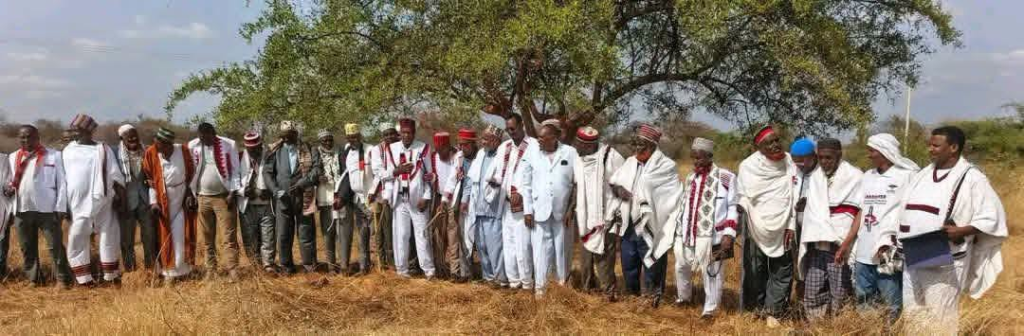
Thousands gather in East Bale Zone to revive the ancient Gadaa traditions and reclaim the cultural heritage of the Oromo people
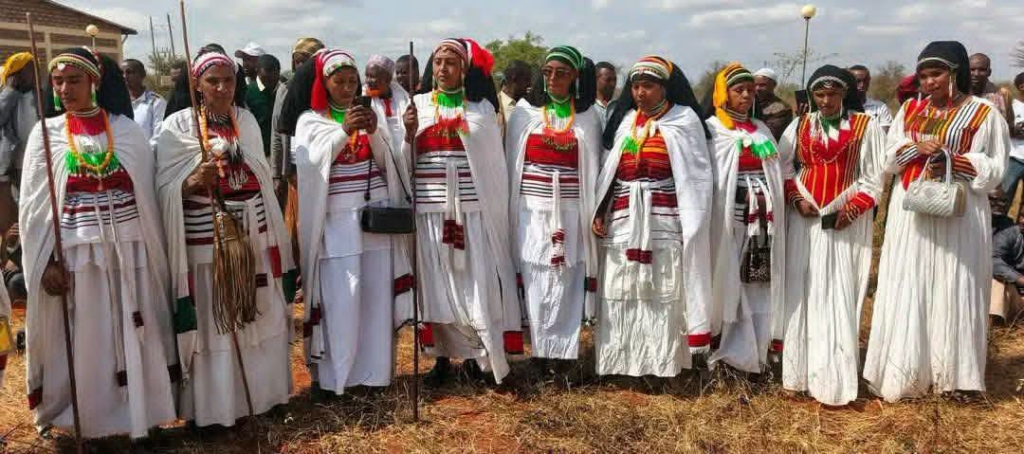
BALEE ZONE, OROMIYA — The ancient grounds of Dhaddacha Baldhaa have come alive with purpose. In a powerful display of cultural resilience, the Ya’a Gadaa (Gadaa Assembly) of Arsii has been formally inaugurated at Dhaddacha Baldhaa in Rayitu district of East Bale Zone. This historic gathering marks a significant milestone in the ongoing efforts to revive and restore the sacred traditions of the Oromo people.
The assembly, which began on Adoolessa 12-14 according to the traditional Oromo calendar, has brought together Abbootii Gadaa (Gadaa leaders), Haadholiin Siinqee (Siinqee women), and members of the broader Oromo community from across the region .
The Significance of the Gadaa System
“Sirni Gadaa Oromoo Hambaa Addunyaa hundagaleessa Uummatni Oromoo addunyaaf gumaachedha.”
The Oromo Gadaa system is a universal heritage that the Oromo people have contributed to the world. The Gadaa system is one of the most sophisticated indigenous governance structures in the world, encompassing political, cultural, economic, social, and other dimensions of life.
The Gadaa system, recognized by UNESCO as an Intangible Cultural Heritage of Humanity, has guided the Oromo people for centuries. It organizes society into generational classes that assume different responsibilities every eight years, ensuring democratic participation and peaceful succession.
“Sirni kun Sirna hundagaleessa hammattoowwan Siyaasaa, Aadaa, diinagdee, hawaasummaafi kanneen biroo of keessatti hammatee dhalootaa dhalootatti darbaa dhufe.”
This system has been passed down through generations, embodying the democratic principles of checks and balances, equality, and participatory governance. It integrates political, judicial, social, economic, cultural, and religious functions, making it a comprehensive framework for Oromo society.
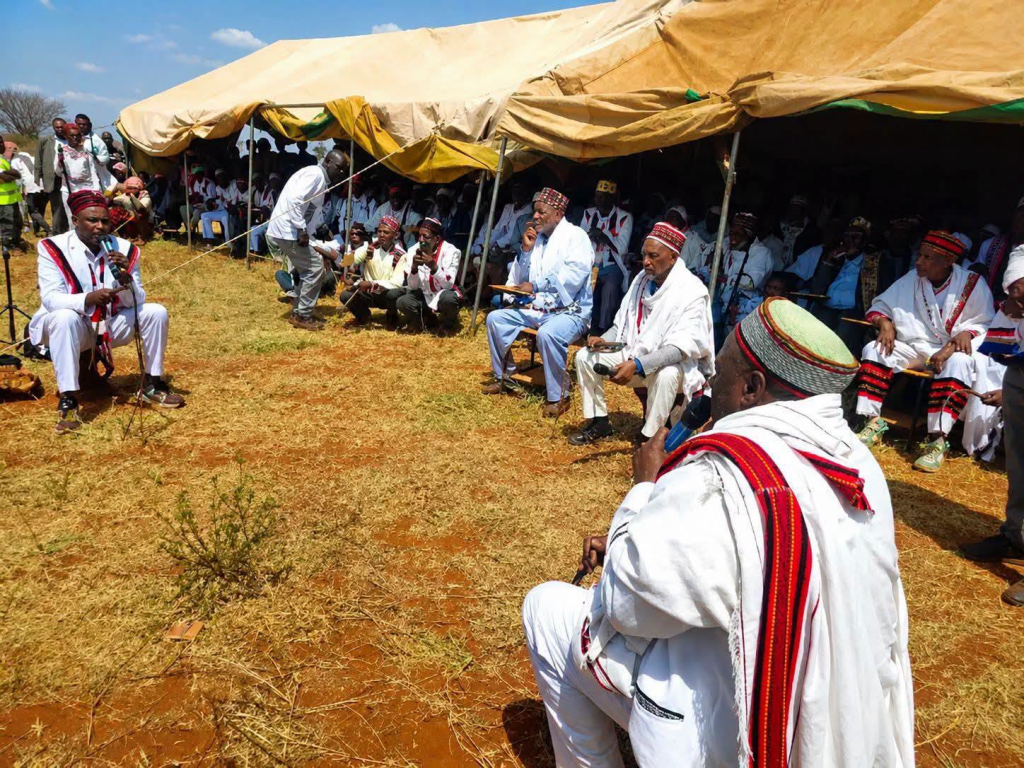
Cultural Revival and Restoration
“Mootummaan Naannoo Oromiyaa Misooma Aadaa uummatichaaaf kenneen hojiilee Haaromsa Aadaa keessaa tokko kan ta’e Aadaa ceesisuun dhalootaa dhalootatti dabarsuun uummaticha fayyadamaa taasisuun Uummata Aadaa isaan boonuufi eenyummaa isaatiin addunyaarratti dorgomaa ta’e uumuuf hojiilee hojjatameen Ardaaleen Jilaa ykn dhaddhachaaleen wiirtuuwwan Gadaa bakka isaanii ganamaatti deebisuuf hojii hojjatameen milkaa’inootni galmaa’aniiru.”
The Oromia Regional Government has given significant attention to cultural development. Among the cultural revival efforts, the restoration of traditional institutions and the transmission of cultural practices from generation to generation have been prioritized.
The revival of the Gadaa system is part of a broader movement to strengthen Oromo identity and enable the people to stand proudly in the world, competing through their culture and identity. The restoration of Dhaddachas (Gadaa class centres) represents a key achievement in this effort.
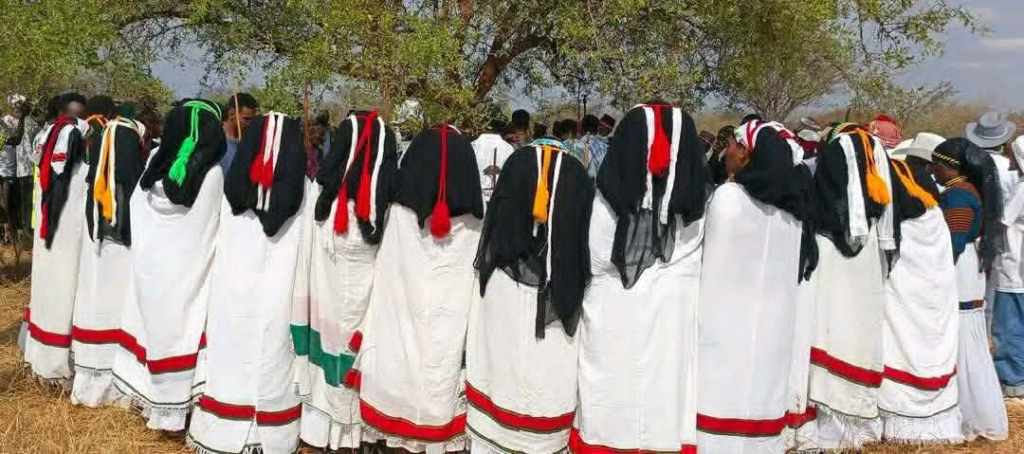
The Gathering at Baldhaa
“Qaama Haaromsa Aadaa kan ta’e Dhaddhachaaleen ykn Ardaaleen Jilaa akka saaqamaniifi bakka isaaniitti deebi’aniif hojiilee hojjatameen dhaddachoota Gadaa Arsii keessaa tokko kan ta’e Dhaddachi Bal’aa Godina Baale Bahaa Aanaa Raayituutti bakka Abbootiin Gadaa, Haadholiin Siinqeefi Uummatni bal’aan argametti gaggeeffamuun eegalee jira.”
The Dhaddacha Baldhaa, one of the Gadaa assembly centers of Arsii, has been formally re-established in Rayitu district of East Bale Zone. The ceremony is being held in the presence of Gadaa leaders, Siinqee women, and the broader Oromo community.
The Ya’a Gadaa at Dhaddacha Baldhaa is not merely a commemoration—it is an act of restoration. The Gadaa system, which faced significant challenges from colonial suppression and modern pressures, is being actively revitalized.
The gathering is a declaration of cultural survival—a statement that the Oromo people will not be erased, their culture will not be forgotten, and their identity will not be denied.
The Path Forward
“Haaromsi Aadaa Oromoo eenyummaafi duudhaa Oromoo cimsuun, aadaa, barnoota, teeknooloojii fi diinagdee waliin tarkaanfachuuf bu’uura ta’aa jira.”
The cultural revival of Oromo traditions is not merely about preserving the past—it is about creating a foundation that enables the Oromo people to move forward in step with education, technology, and economic development.
As the elders gather under the sacred sycamore tree, they are not just remembering the past—they are building the future. The Gadaa system is not a relic of history but a living, breathing system of governance that continues to guide the Oromo people into the 21st century.

Conclusion
“Odaa Robaa, Odduun Roobaaf Nagaya!”
May the Odaa Roobaa be blessed! May the news of Roobaa bring peace!
The Ya’a Gadaa of Arsii at Dhaddacha Baldhaa is a historic gathering—a reaffirmation of Oromo identity, a restoration of sacred traditions, and a declaration of cultural survival. Thousands have gathered, and the message is clear: the Gadaa system lives, the Oromo people endure, and the traditions of the ancestors will never be forgotten.
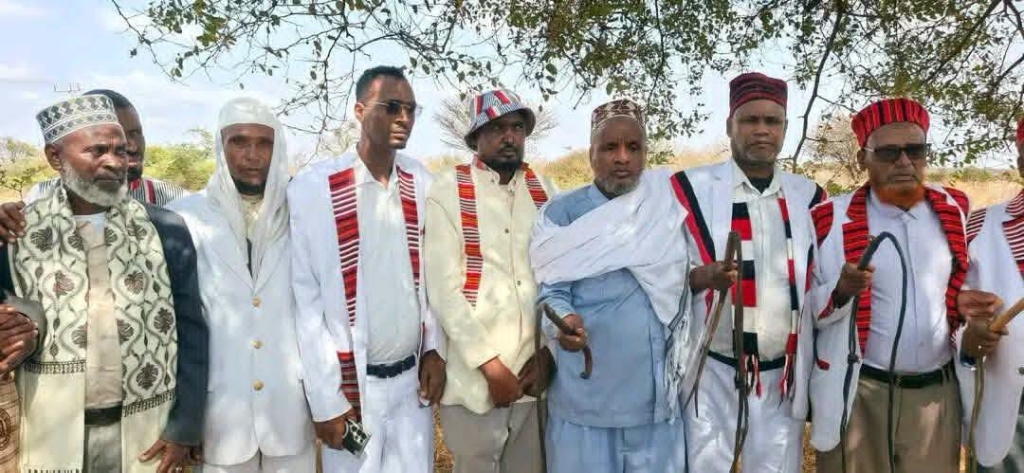
The Ya’a Gadaa at Dhaddacha Baldhaa stands as a testament to the resilience of the Oromo people and the enduring power of the Gadaa system.

Oromo Cultural Renaissance: Reviving Ancient Traditions and Strengthening Identity
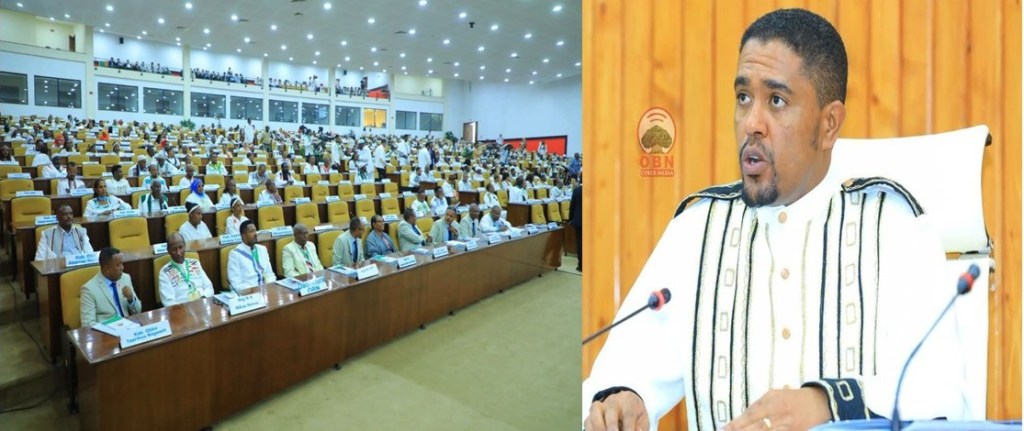
President Shimelis Abdisa outlines the progress and vision of Oromia’s cultural revival, emphasizing the restoration of traditional institutions and the celebration of indigenous heritage.
ADAMA, OROMIYA — In a powerful address to the 11th Regular Session of the 5th Year of the 6th Term of the Oromia Council, President Shimelis Abdisa declared that the Oromia Regional Government is actively pursuing cultural revival initiatives aimed at restoring the traditional morning customs and foundational practices of the Oromo people.
The President’s statement, “Haaromsi Aadaa Oromoo duudhaa ganamaa deebisaa jira” (The Oromo cultural revival is restoring the morning traditions), marks a significant milestone in the ongoing efforts to reclaim and celebrate the indigenous heritage of the Oromo nation.
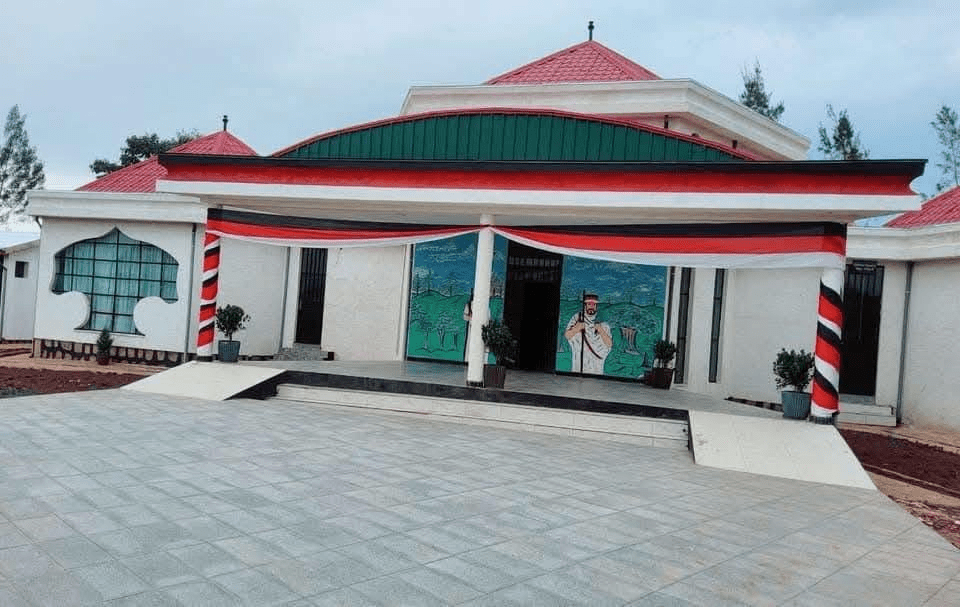
The Revival of Traditional Practices
Reviving Festivals and Ceremonies: According to President Shimelis, the cultural revival initiatives have led to the resurgence of various traditional festivals and ceremonies that had been marginalized for extended periods due to historical suppression and neglect. These include the celebration of Irreechaa, the Oromo thanksgiving festival, which has grown in prominence not only within Oromia but also across the nation and in diaspora communities worldwide.
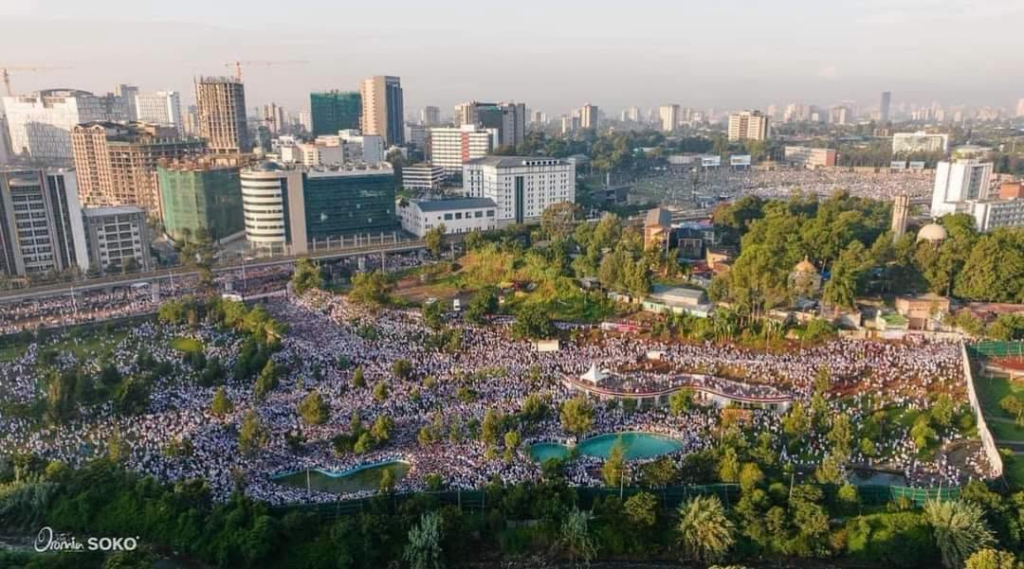
The revival of Irreechaa is viewed as more than a cultural celebration—it is a symbol of Oromo identity and resilience. The festival, which has attracted participants from across the region and beyond, is seen as evidence of the success of these cultural restoration efforts .
Restoration of the Gadaa System: The President also highlighted the peaceful power transfer ceremonies of the Gadaa system among the Karrayyu and Tulama Oromo communities. These ceremonies, conducted according to traditional protocol, demonstrate the enduring democratic principles of the Oromo Gadaa system. The Gadaa system, recognized by UNESCO as an Intangible Cultural Heritage of Humanity, continues to be a living example of indigenous governance and democratic participation.
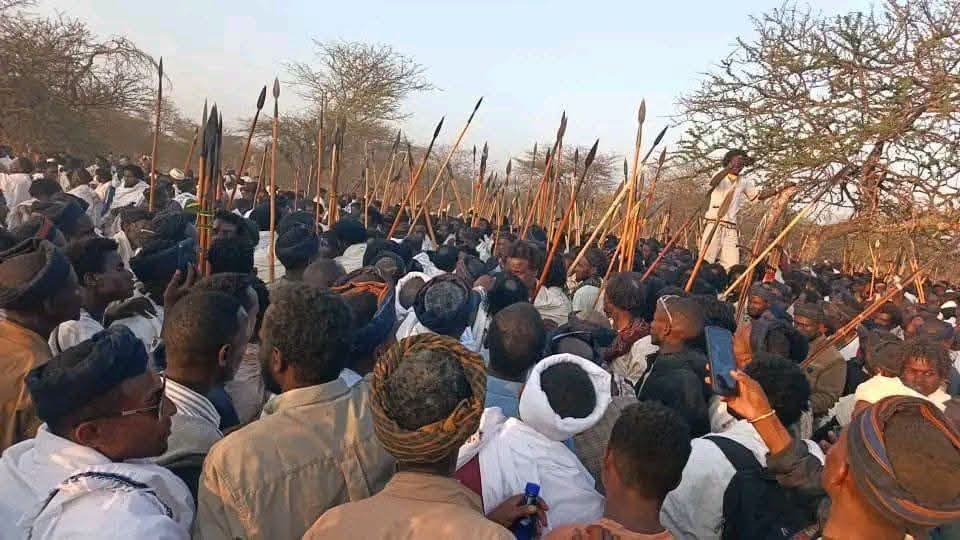
Institutionalising Cultural Governance
Establishment of Traditional Courts: One of the most significant achievements of the cultural revival program has been the establishment of Traditional Courts. According to the President’s report, to date, 7,058 primary Traditional Courts and 373 appellate Traditional Courts have been established across the region. These courts play a vital role in enabling communities to seek justice according to their cultural norms and traditional customs.
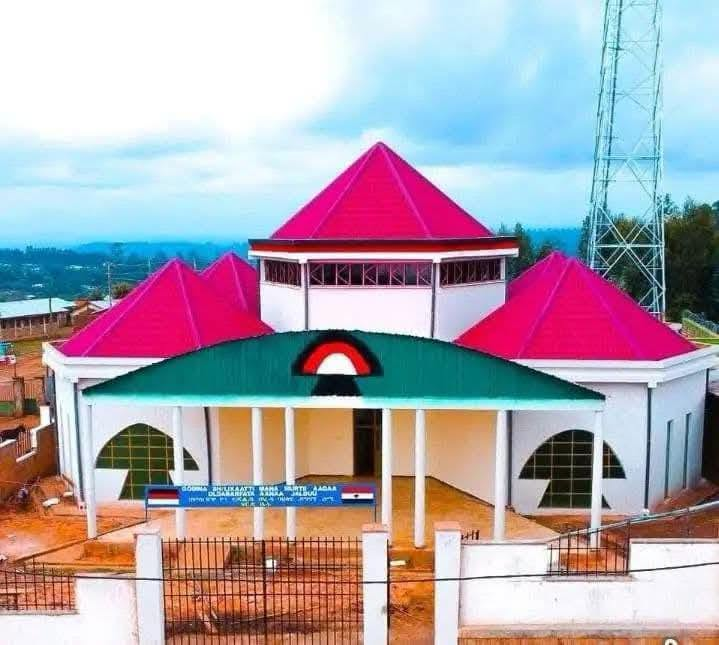
Conflict Resolution: The establishment of these traditional institutions has had a tangible impact on community harmony. The President highlighted that in 2018 alone, over 393 community conflict cases were resolved through these traditional structures. Of these, more than 370 cases were successfully resolved, demonstrating the effectiveness of culturally grounded approaches to peacebuilding and reconciliation .
A Foundation for the Future
Integrating Culture with Modern Development: President Shimelis emphasized that the cultural revival of Oromo traditions is not merely about preserving the past—it is about creating a foundation that enables the Oromo people to move forward in step with education, technology, and economic development. By strengthening cultural identity and traditional governance structures, the community is better positioned to navigate the challenges of modernisation while maintaining its unique heritage.
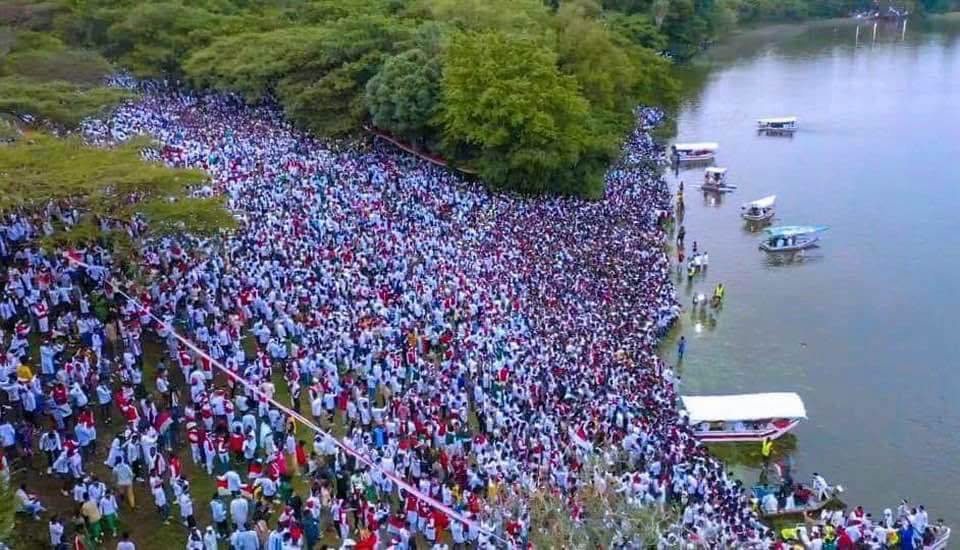
Calls for Continued Progress: Community responses to the President’s address have expressed support for the revival efforts while calling for ongoing progress. Some have raised issues in specific regions that require continued attention, demonstrating the ongoing dialogue between leadership and citizens regarding the implementation of these cultural initiatives.
A Broader Cultural Movement
The Oromo cultural revival is part of a broader movement across Africa to reclaim and celebrate indigenous cultures, languages, and governance systems. By reviving traditional institutions and practices, the Oromo people are reasserting their identity and contributing to the diverse cultural tapestry of the continent.
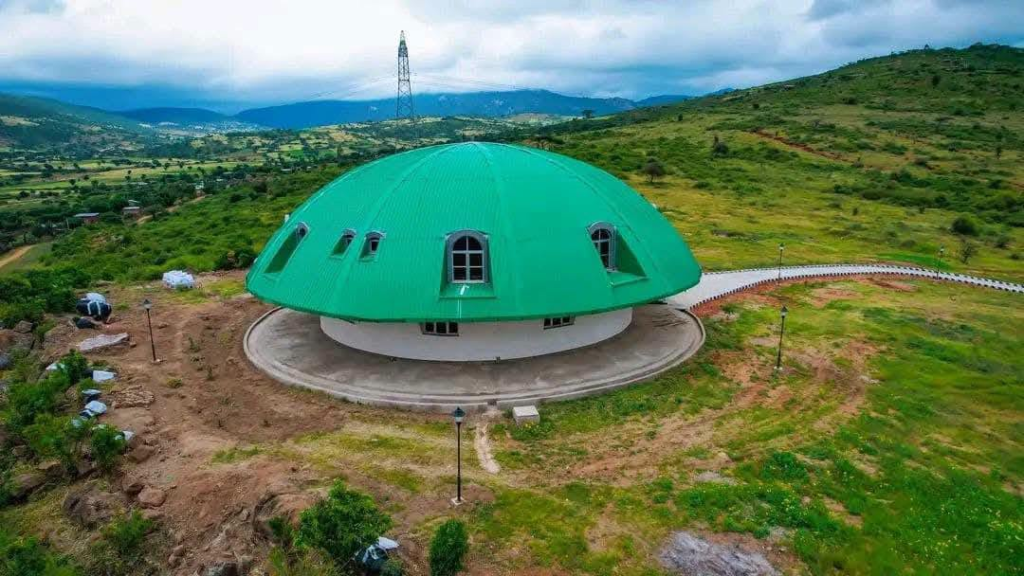
Conclusion
President Shimelis Abdisa’s address to the Oromia Council reaffirms the regional government’s commitment to cultural revival as a cornerstone of Oromo identity and development. The restoration of traditional festivals, the peaceful conduct of Gadaa power transfers, and the establishment of Traditional Courts reflect a concerted effort to strengthen the cultural foundations of the Oromo people.
“Haaromsi Aadaa Oromoo eenyummaafi duudhaa Oromoo cimsuun, aadaa, barnoota, teeknooloojii fi diinagdee waliin tarkaanfachuuf bu’uura ta’aa jira” —The President noted that the cultural revival, by strengthening Oromo identity and traditions, serves as a foundation for advancing alongside education, technology, and economic development .
As the Oromo people continue this journey of cultural renewal, the revival of their traditions stands as a testament to the resilience and enduring spirit of one of Africa’s largest ethnic groups.

Cultural revival is not just about looking back—it’s about building a stronger foundation for the future.





 Advocacy for Oromia