The Two Humiliations of TPLF: A Reflection on Power, Pride, and the Oromo Awakening
In the shifting sands of Ethiopian politics, the Tigrayan People’s Liberation Front has suffered wounds that time has not healed—and the Oromo people remain the central characters in this unfolding drama
In the annals of Ethiopian political history, few organizations have risen as high or fallen as dramatically as the Tigrayan People’s Liberation Front (TPLF). For nearly three decades, it dominated the political landscape of the Ethiopian Empire, ruling with an iron fist while projecting an image of revolutionary legitimacy. Yet today, the TPLF finds itself nursing wounds that history will not allow it to forget—wounds inflicted not by foreign enemies but by the very people it sought to subjugate.
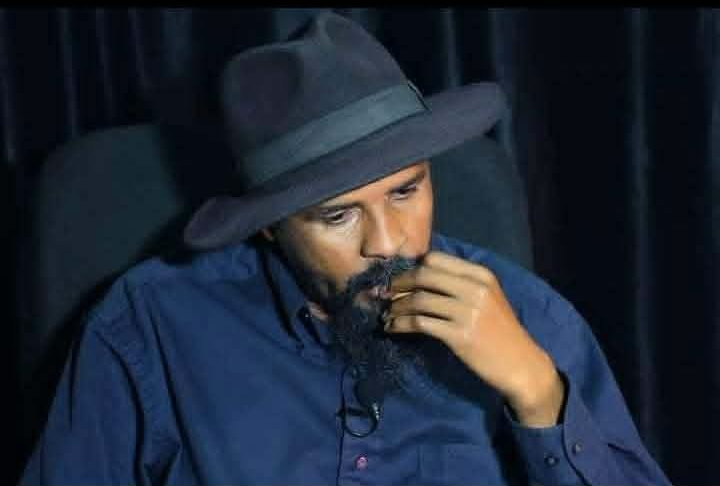
The reflection of Abba Ebba offers a searing analysis of what he calls the “two humiliations” of the TPLF—humiliations that, in his view, are inextricably linked to the Oromo people and their awakening. These are not merely military defeats but moral and political reckonings that the TPLF has been unable to accept or process.
The First Humiliation: The Fall of Mekelle
“For 27 years, like the saying ‘the hare’s skin cannot cover the elephant,’ the TPLF tried to stretch its hide over an empire too vast for its frame. In the final hour, it was the sons and daughters of Oromo—the Qeerroo and Qarree—who stood before tanks with empty hands and brought down the regime. They made the TPLF retreat to Mekelle, dragging its ill-gotten wealth behind it. This is the first humiliation that remains unhealed to this day.”
The 2018 Oromo protests were not merely a political uprising—they were a seismic shift in the Ethiopian political landscape. The Oromo youth, known as the Qeerroo and Qarree, rose in a wave of popular resistance that the TPLF could not contain. The protests were decentralized, leaderless, and yet remarkably unified in their demands for justice, equality, and an end to the TPLF’s domination .
The TPLF, which had ruled Ethiopia for 27 years, was forced to abandon power and retreat to its northern stronghold of Mekelle. This was not a defeat by a rival military force but a collapse in the face of unarmed civilian resistance. The humiliation was profound and, according to Abba Ebba, has never been truly accepted by the TPLF leadership.
“The TPLF was defeated by the popular wave that ignited from one end of Oromia to the other—a wave that was part of the Oromo liberation struggle. This is an undeniable truth. The Oromo is an elephant; when it tramples, it crushes. The TPLF was forced to swallow this reality, whether it liked it or not.”
The Second Humiliation: The Retreat to Mekelle
The second humiliation followed the first. After initially retreating to Mekelle, the TPLF sought to reassert its influence on the national stage. It formed alliances with various forces—including some within the Amhara political spectrum—and attempted to challenge the Prosperity Party government.
However, this effort ended in another defeat. The TPLF was forced to retreat once again to Mekelle, leaving behind its ambitions and its allies, having consumed itself in the fires it had ignited. This second retreat, Abba Ebba argues, is the other humiliation that remains raw and unprocessed .
“When the TPLF was about to return to Addis Ababa, it found itself burned by the fire it had started. It was forced to retreat to Mekelle—another humiliation that has not faded.”
The Unlearned Lesson
Despite these humiliations, the TPLF has not learned its lesson. Instead, it continues to prepare for a new war, this time under the cover of the Prosperity Party government’s own challenges. After four years of uninterrupted military preparation, the TPLF is once again positioning itself for conflict .
Abba Ebba warns that this preparation is driven by a desire for revenge—a desire to settle scores with the Oromo people who, in the TPLF’s view, are responsible for its humiliations. “Under the cover of the Prosperity Party government, the TPLF is seeking to take revenge on our people for its past humiliations.”
The Unnecessary Price
Abba Ebba poses a pointed question: why must the Oromo people pay the price for the TPLF’s ambitions? Why must Oromia become a battlefield for conflicts that are not of its making?
“The TPLF did not need to travel 600 kilometres into the heart of the country, into the breadbasket of Ethiopia—Oromia. It could have declared Eritrea-style independence when the Derg fell, and it could do so today. All it needs is to settle its accounts and secure the consent of its people.”
The TPLF’s refusal to accept defeat has left the Oromo people caught between multiple threats. On one hand, there is the TPLF’s continued military preparations and its desire for revenge. On the other, there are forces like Fano and other armed groups that have also targeted Oromo communities.
The Oromo Elite’s Responsibility
Abba Ebba also points a finger at the Oromo elite, accusing them of failing to fulfill their responsibilities. The Oromo people, who have paid the heaviest price in the struggle against the Ethiopian Empire, now face a dual threat: the TPLF’s revanchism and the Oromo elite’s failure to protect the gains of the struggle.
“The Oromo elite has failed to protect the historic victory achieved by the Oromo popular struggle. It has also failed to protect the constitutional right to self-determination—the right to democracy, justice, and self-rule—from being undermined.”
This failure, Abba Ebba argues, has allowed the Oromo people to be marginalized and treated with suspicion by their neighbours. The Oromo elite’s failure to step up has left the people vulnerable to manipulation and exclusion.
A Call to Vigilance
Abba Ebba concludes with a call to the Oromo people:
“Our people must prepare themselves for the danger of the approaching war and actively monitor the situation. The war that is being prepared—whether by TPLF or by the Fano forces—poses a threat to the next generation of Oromo. Decisive action must be taken to find a lasting solution.”
He insists that Oromia must not become a doormat for the ambitions of others. “Oromia will not be a doormat for Fano or the TPLF! With its determined sons and daughters, it will stand, honoured and respected, and it will endure forever.”
A Historical Warning
The reflection of Abba Ebba is not merely a commentary on contemporary politics—it is a historical warning. It reminds the Oromo people that the TPLF, despite its humiliations, has not abandoned its ambitions. The two humiliations remain unhealed, and the TPLF continues to seek revenge.
But the reflection also carries a message of hope and resolve. The Oromo people, having risen once, can rise again. The elephant has crushed its enemies before, and it can do so again.
Conclusion
The two humiliations of the TPLF are more than military or political defeats—they are symbolic wounds that the organization has not been able to accept. The TPLF’s refusal to learn from its past has left the Oromo people facing a renewed threat. But the Oromo people, having already demonstrated their power, are not powerless.
As Abba Ebba declares: “Oromia will not be a doormat for Fano or the TPLF! With its determined sons and daughters, it will stand, honoured and respected, and it will endure forever.”
The elephant has crushed its enemies before, and it can do so again.

Posted on July 24, 2026, in Aadaa, Afaan, Biography, Bokkkuu, Diaspora, Election, Events, Finfinne, freedom, gadaa, Grief Support, Gumaa, health, Information, Kindness, Language, Media, mental health, News, Obituary, Oromia, Press Release, Promotion, Siinqee, Sirna Oromo. Bookmark the permalink. Leave a comment.






Leave a comment
Comments 0