Category Archives: Press Release
THE OROMO NATION HAVE RIGHTS TO CELEBRATE IRREECHA FREE FROM ATTACK
(A4O, Press Release, 30 Sept 2020) We support the right of the Oromo people in their home state of Oromia to peacefully celebrate one of the most important Oromo cultural holidays, Irreecha, on October 3-4, 2020. Each year, massive crowds gather in Finfinnee and Bishoftuu, Oromia for the Oromo annual festival, Irreechaa.
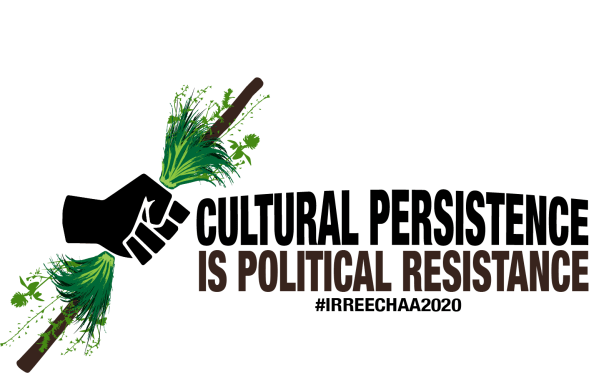
The Irreecha -Oromo Thanksgiving Day, has gone on for many years to celebrate the harvest season. Irreechaa is celebrated as a sign of reciprocating Waaqa in the form of providing praise for what they got in the past and is also a forum of prayer for the future. In the past, it has also been a forum for peaceful political protest and expression. In Oromo culture, both types of peaceful demonstrations are fully permissible.
This year’s festival, on October 3 and 4, occurs against the backdrop of escalating tensions and unrest in Oromia. Both federal and regional officials have stated that they will limit participation and political expression in this longstanding peaceful celebration. What is perhaps most concerning is the increased military-style presence of security forces in Oromia.
Our Appeals
We view the government’s attempts to limit participation in Irreechaa with suspicion. Though, reasonable restrictions on public gatherings may be justified during this pandemic period, the government should show restraint at upcoming festival.
In this forum, the Oromo people have every right to peacefully voice their opposition to the government’s policies and governance. Any effort by the security forces to stop such free speech should be considered a limit on freedom of speech and unacceptable.
We urge caution by Ethiopian security forces and respect for citizen rights to avoid a repeat of 2016 attack and aggression that left hundreds of dead.
The Oromo nation have rights to celebrate Irreechaa free from any repression and attach.
Thanks to God for all the blessing
This festival is a spectacular show of cultural, historical, and natural beautification in their full glory at the height of the season. It has spawned somewhat of a science of knowing just when the blooms will peak at blooms and decline, depending on the wind, rain, and sunshine they get.
Now it is the beginning of 2020 Irreechaa celebrations, the premier holiday of the Oromo people marks the end of the dark-rainy season and the beginning of a blossom harvest season. The event is very important for our nation as it brings the nation together and helps to connect and share experiences in their day to day life.
The theme of this year Irreechaa is “Moving Forward: A Year of Consensus” in which it aims to celebrate Irreechaa as a medium for bringing all Oromias together to promote a process of our tradition group decision-making where the members are willing to work together to find the solution that meets the needs of Oromo people.
Together, we can make our destiny better everywhere.
Yours faithfully,
Dabessa W Gemelal,
Director, Advocacy for Oromia

The Oromian Story: Preserving Voices, Empowering Communities, and Celebrating Culture
Through the voices of elders and the vitality of community, the Oromian Story program ensures that Oromo culture remains a living, breathing force for generations to come
FINFINNE, OROMIA — In the heart of every culture lies a story—a narrative passed down through generations, carried in the voices of elders, and woven into the fabric of daily life. For the Oromo people, this story is not merely a record of the past; it is a dynamic, living force that shapes identity, builds community, and points toward the future.
The Oromian Story program stands as a testament to this truth. By centering the voices of Oromo elders and engaging communities at the grassroots level, the program ensures that Oromo culture remains vibrant, resilient, and relevant in a rapidly changing world.
“The Oromian elders’ voices is a dynamic part of Oromian culture and identity.”
This recognition lies at the heart of the Oromian Story program. Elders are not simply repositories of ancient wisdom—they are active participants in the ongoing creation of culture. Their voices, their memories, and their insights are essential to understanding who the Oromo people are and who they are becoming.
The Power of Elders’ Voices
In Oromo society, elders occupy a position of profound respect and responsibility. They are the keepers of history, the guardians of tradition, and the guides for the younger generation. The Gadaa system, which has governed Oromo society for centuries, is built on a foundation of elder wisdom and intergenerational transmission.
The Oromian Story program recognizes that the preservation of culture depends on the active engagement of elders. When elders share their stories, they are not merely recounting the past—they are shaping the future. They are teaching younger generations about their identity, their values, and their responsibilities.
Maintaining Culture Through Community Involvement
“The Oromian story program presents the maintenance and continued development of Oromo culture at the community level.”
Culture is not something that can be preserved in museums or archives alone. It lives in the daily practices, rituals, and relationships of communities. The Oromian Story program understands this, focusing on community-level activities that keep culture alive and dynamic.
Through community gatherings, storytelling sessions, and cultural events, the program ensures that Oromo culture is not a relic of the past but a living presence in the present. It engages people of all ages in the ongoing work of cultural preservation and innovation.
Supporting New Forms of Cultural Expression
The program supports activities that support new forms of Oromo cultural expression.
Culture is not static—it evolves, adapts, and grows. The Oromian Story program recognizes this, supporting new forms of cultural expression that reflect the creativity and dynamism of the Oromo people.
This might include:
– Contemporary art and music that draws on traditional themes
– Digital storytelling that reaches new audiences
– Literary works that explore Oromo identity in new ways
– Cultural festivals that bring together diverse communities
– Intergenerational projects that bridge the gap between elders and youth
By supporting new forms of cultural expression, the program ensures that Oromo culture remains relevant and vibrant in the modern world.
Increasing Public Awareness of Oromo Culture
The program supports activities that increase public awareness of Oromo culture, including through the presentation and exchange of culture.
One of the greatest challenges facing Oromo culture is the lack of public awareness—both within Ethiopia and internationally. The Oromian Story program addresses this challenge by promoting the presentation and exchange of culture.
Through public events, cultural exchanges, and educational initiatives, the program helps to:
– Educate the broader public about Oromo culture and history
– Foster cross-cultural understanding and dialogue
– Challenge stereotypes and misconceptions
– Celebrate the richness and diversity of Oromo traditions
– Build bridges between Oromo communities and others
Sustainable Development of Community Organisations
The program supports the sustainable development of community organisations involved in cultural activities.
Cultural preservation cannot be achieved without strong, sustainable community organisations. The Oromian Story program invests in the capacity of these organisations, helping them to:
– Develop effective governance and management structures
– Build financial sustainability
– Train staff and volunteers
– Expand their reach and impact
– Collaborate with other organisations and institutions
The Broader Impact
“The program promotes activities that encourage culturally vibrant communities and contribute to the cultural wellbeing of Oromia.”
The impact of the Oromian Story program extends far beyond the preservation of culture. By strengthening cultural identity and community cohesion, the program contributes to:
Social Cohesion: When communities share a strong cultural identity, they are more resilient, more united, and better able to address common challenges.
Youth Engagement: By involving young people in cultural activities, the program helps to build their sense of identity and purpose.
Community Pride: Cultural activities foster a sense of pride and belonging, strengthening communities from within.
Economic Development: Cultural tourism, arts, and crafts can contribute to local economic development.
Peacebuilding: Cultural exchange and dialogue can help to build trust and understanding between communities.
A Vision for the Future
“The Oromian Story program presents the maintenance and continued development of Oromo culture at the community level.”
The vision of the Oromian Story program is a future in which Oromo culture is not merely preserved but is a vibrant, dynamic force in the lives of Oromo people. It is a future in which elders are honored and their wisdom is valued; in which young people are engaged and empowered; in which communities are united and resilient; and in which Oromo culture is celebrated and shared with the world.
Conclusion
The Oromian Story program is a vital initiative for the preservation and development of Oromo culture. By centering the voices of elders, engaging communities, supporting new forms of cultural expression, and investing in community organisations, the program ensures that Oromo culture remains a living, breathing force for generations to come.
“The Oromian elders’ voices is a dynamic part of Oromian culture and identity.”
As the Oromo people continue their journey of cultural revival and self-determination, programs like the Oromian Story will play an essential role in ensuring that the voices of elders are heard, the stories of the past are remembered, and the culture of the Oromo people continues to thrive.
—
In the voices of Oromo elders lies the story of a people—a story of resilience, resistance, and hope. Through the Oromian Story program, that story will continue to be told.






