Daily Archives: September 22, 2026

Irreechaa: The Annual Oromo Thanksgiving and Prayer to Waaqa
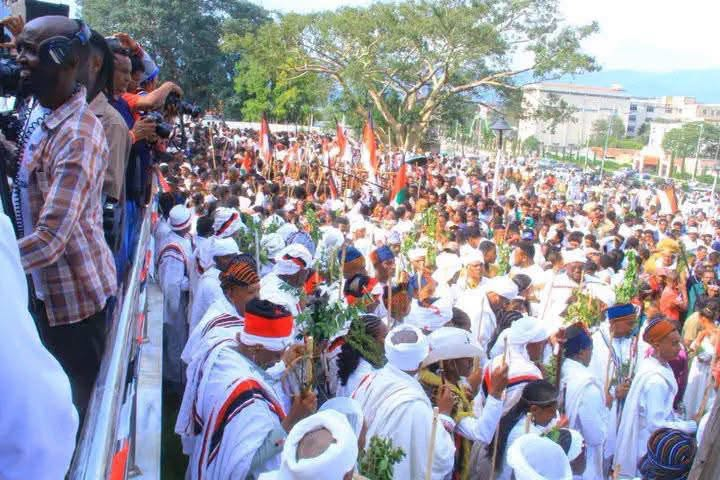
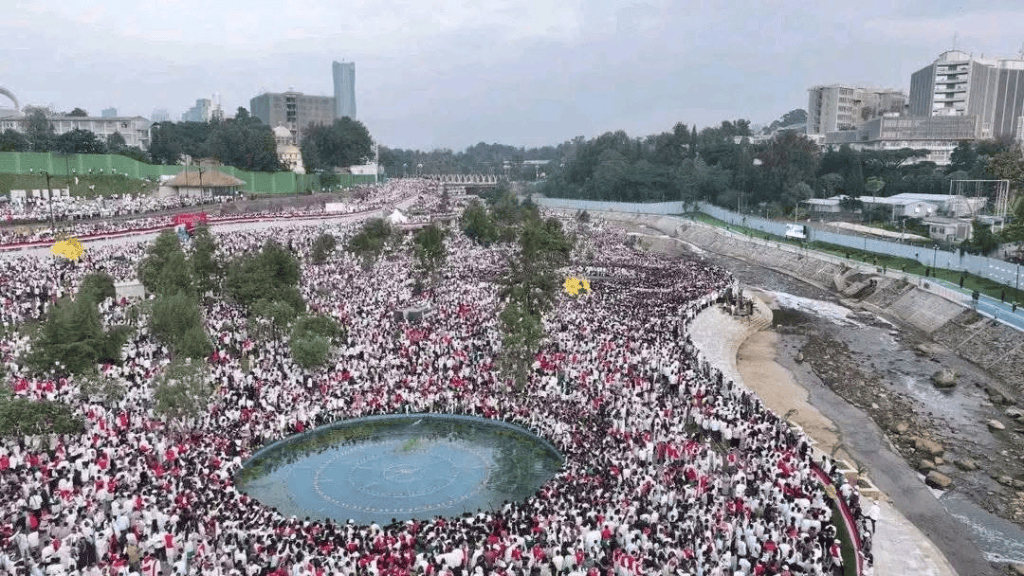
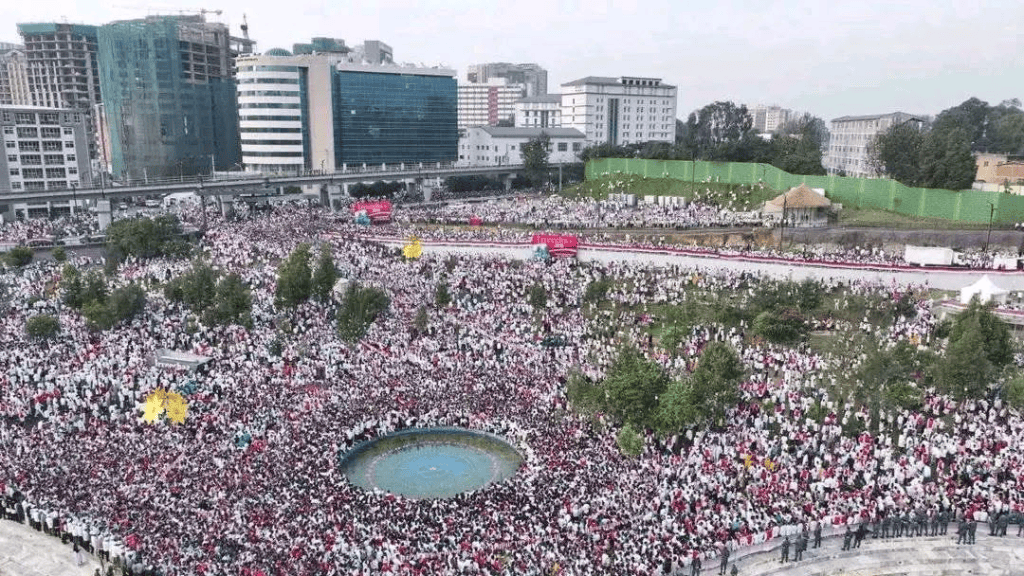
Oromia, Ethiopia — Across the highlands and lowlands of Oromia, and in Oromo communities scattered across the globe, millions gather each year to celebrate Irreechaa — the annual Thanksgiving Day and prayer of the Oromo people. It is a festival of gratitude, renewal, and unity, deeply rooted in the spiritual and cultural life of the Oromo nation.
A Celebration of Gratitude
Irreechaa is celebrated for all things that Waaqaa has done for people — bringing rain, peace, health, fertility, abundance, and the beautiful weather they have obtained. It is a time to pause, reflect, and give thanks for the blessings of the past year.
The festival is not merely a ritual; it is an expression of the Oromo people’s profound connection to the divine and to the natural world. Every drop of rain, every harvest, every moment of peace is recognized as a gift from Waaqaa, and Irreechaa is the community’s collective response of gratitude.
Welcoming the New Season
Moreover, the Oromo people celebrate Irreechaa not only to thank God but also to welcome the new season of plentiful harvests after the dark rainy season. It is a celebration that associates with nature and all creatures — a reminder that humanity is part of a larger web of life, bound to the rhythms of the earth and the skies.
Irreechaa marks the transition from Ganna (the rainy season) to Birraa (the spring) — a time when the land awakens, flowers bloom, and the promise of abundance fills the air. It is a festival of hope, a celebration of renewal, and a welcome to the new year.
Sacred Sites of Ritual
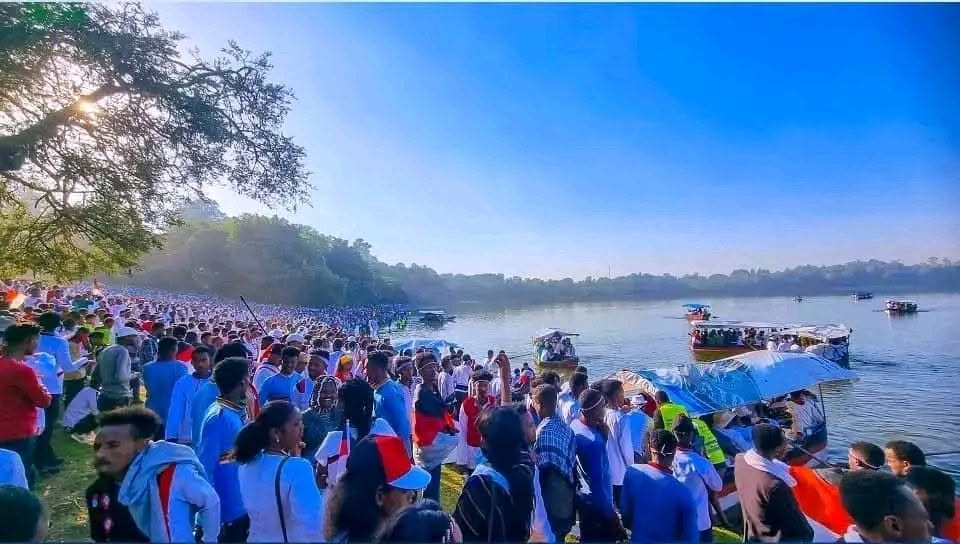
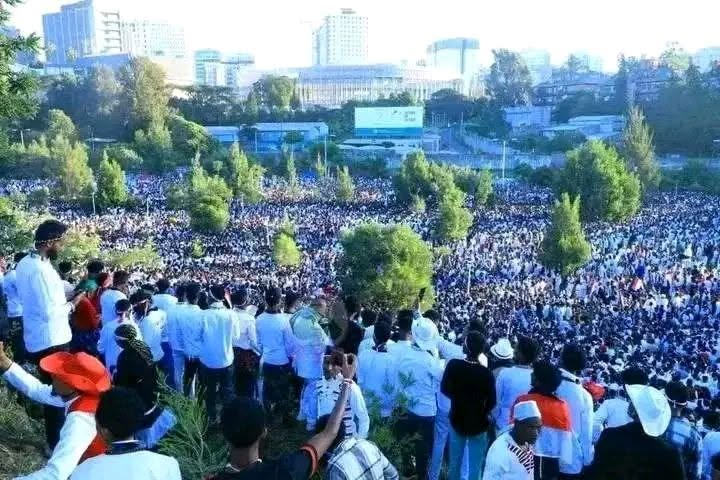
The Irreechaa ritual is conducted at different places; mainly, it takes place in two major areas: Irreechaa Malkaa (at the side of a river) and Irreechaa Tulluu (on a mountain). These two types of Irreechaa are formal and represent the most common sites of ritual among the Oromo people everywhere.
At Irreechaa Malkaa, communities gather at the water’s edge — rivers, lakes, and streams — to dip fresh green grass and flowers into the water, symbolizing purification, renewal, and thanksgiving. The water carries their prayers to Waaqaa, and the grass represents the life and fertility that the community seeks.
At Irreechaa Tulluu, communities ascend mountains and hills to pray and give thanks at higher ground — closer to the heavens, closer to Waaqaa. The mountain symbolizes strength, endurance, and the elevated spirit of a people who have weathered many storms.
Both forms of Irreechaa are sacred, and both are observed with deep reverence, traditional songs, and communal participation.
A Tradition Passed Down Through Generations
Irreechaa has been celebrated by the Oromo for generations. It has survived years of oppression and systemic subjugation, preserved in the hearts of the people and passed down to the present generation. Today, it stands as a testament to the resilience of Oromo culture and the unbreakable spirit of the Oromo nation.
A Festival for All
Irreechaa is not only for the Oromo people. It is a celebration that welcomes all — a festival of peace, unity, and gratitude that transcends boundaries of ethnicity, religion, and geography. The Oromo people, found across the world, are known for celebrating Irreechaa together in a shared and unified manner, and they extend an open invitation to all who wish to join.
A Living Heritage
Irreechaa is more than a festival. It is a living heritage — a bridge between the past and the future, between the human and the divine, between the individual and the community. It is a day of thanksgiving, a day of prayer, and a day of joy.
As the green grass is dipped into the water and the songs rise to the heavens, the Oromo people affirm once again their faith in Waaqaa, their love for their culture, and their hope for the year to come.
Baga Irreechaa! Baga Birraa!
Source: Oromo Cultural Heritage
Gadaa: The Living System That Raises Generations Through Word and Deed
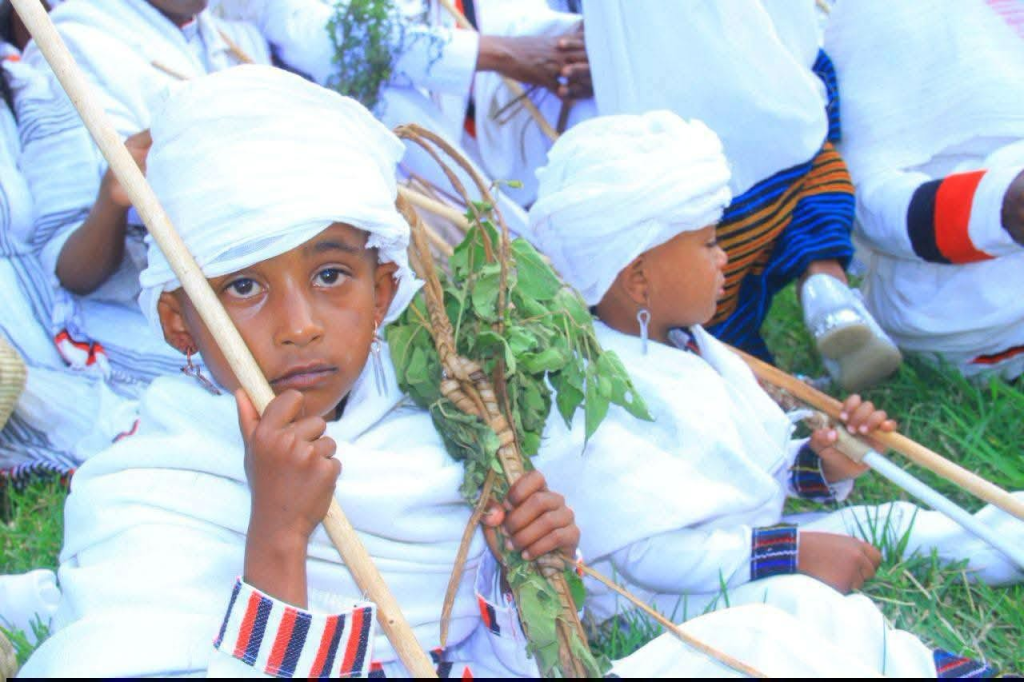
West Shawa, Oromia — In a world where ancient traditions often fade beneath the weight of modernity, the Gadaa system of the Oromo people stands as a testament to endurance, democracy, and cultural resilience. As the Oromo saying goes: “Gadaan sirna ittiin jechaa fi gochaan dhaloota guddisanii dha” — Gadaa is the system through which generations are raised by word and by deed. And today, that system has emerged from the threat of extinction and reached the present generation, unbroken and vibrant.
Sons of Liiban Maccaa Carry the Torch
The sons of Liiban Maccaa — Walisoo, Amayyaa, and Kuttaayee — are actively fulfilling their duties within Gadaa Birmajii, ensuring that the ancient Oromo Gadaa system is passed down from generation to generation, unbroken and undiminished. Their commitment is not merely ceremonial; it is a living covenant with their ancestors and their descendants.
These communities, located across Central Oromia, West Shawa, and Southwest Shawa, have preserved the Gadaa system without interruption. From father to son, from elder to youth, the sacred knowledge and responsibilities of Gadaa are transmitted with reverence and precision.
A Model of Democracy Without Conflict
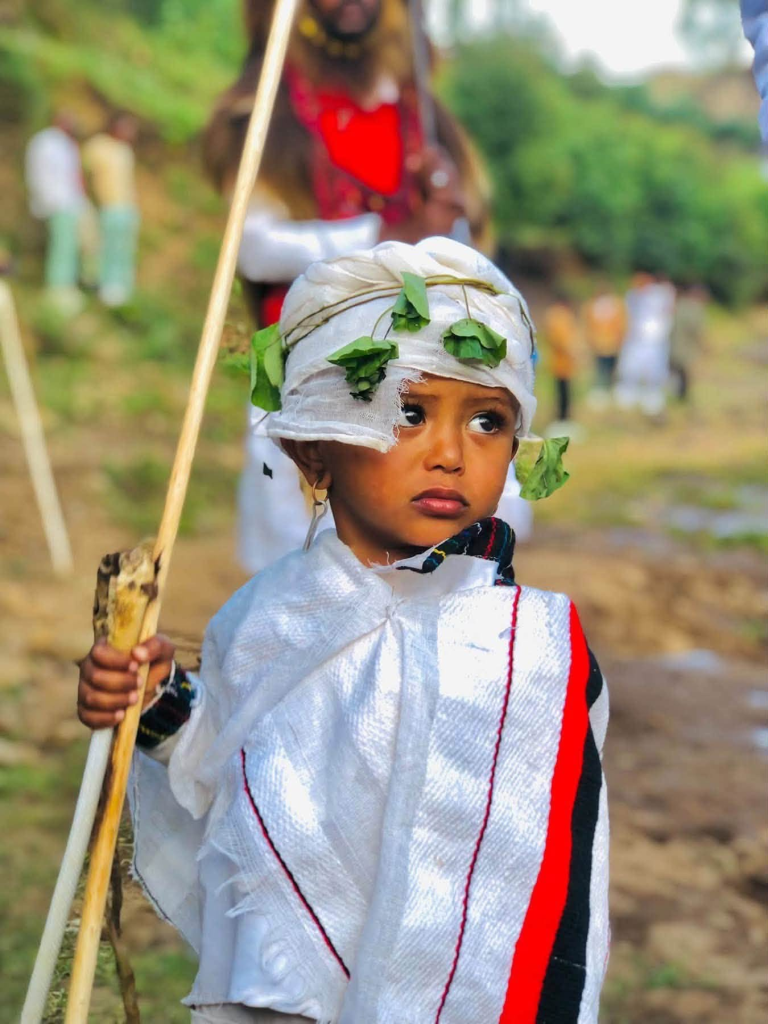
“Gadaan Mallattoo Dimokiraasii Morkii tokko malee Aangoo Waliif dabarsanii kennanidha” — Gadaa is the symbol of democracy, a system in which power is transferred peacefully, without conflict or bloodshed.
This principle lies at the heart of the Gadaa system. Every eight years, leadership transitions from one Gadaa grade to the next — a process rooted in consensus, ritual, and mutual respect. There are no coups, no violence, no contested successions. There is only the orderly, sacred transfer of responsibility from one generation to the next.
It is a democratic tradition that predates many modern political systems, and it continues to function today, guided by the wisdom of elders and the participation of the community.
Preparation for the Transfer of Power
The Sirna Oofkaltii Tumaa Gadaa Birmajii is currently in full preparation across various locations in the West Shawa Zone. Over the coming eight years, those in the Birmajii grade will prepare to receive authority from the Gadaa Roobalee — the outgoing grade — and assume the responsibilities of leadership.
The purpose of this program is clear: “Kaayyoon Sirna Sagantaa Kanaas Gadaan Birmajii Gadaa Roobalee irraa Aangoo fudhachuun Waggoottan 8 itti Aanu Bulchuuf ofkaltii keessa darbaa jiraachuu ibsameera.” The Birmajii Gadaa is preparing to take power from the Roobalee Gadaa and to govern for the next eight years. This preparation is not merely administrative — it is spiritual, cultural, and communal.
The Journey to the River
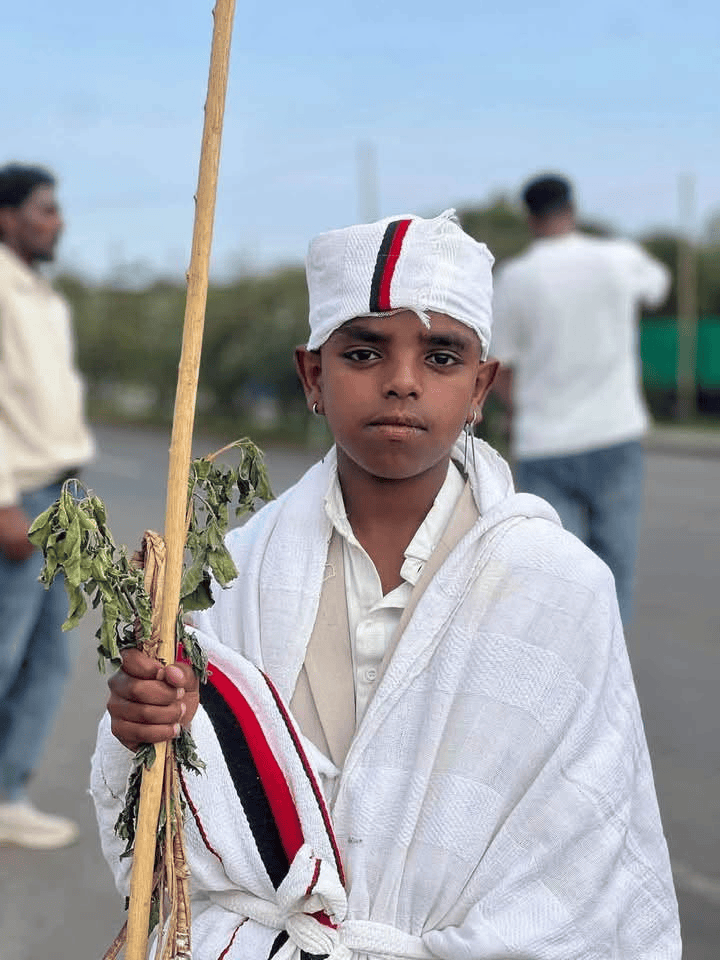
The process has now reached a significant milestone. “Imalli gara malkaa deemuun tumaa ittiin bulmaata waggoota 8 dhufanii adeemsifameera.” The delegation has journeyed to the river, where the laws and rituals that will govern the next eight years have been formally enacted.
The journey to the water — the malkaa — is rich with symbolism. Water represents purification, renewal, and the continuity of life. By enacting the laws at the river’s edge, the community affirms that the Gadaa system is rooted in nature itself, in the eternal rhythms of the earth and the heavens.
A Blessing of Abundance
The message concludes with a powerful blessing: “Gadaan Quufaa Gabbina Oofkalchi Waaq.” May Gadaa bring fullness, abundance, and prosperity. May Waaqa bless the work of those who uphold this sacred tradition.
It is a prayer not only for material prosperity but for spiritual completeness — for a community that is whole, united, and at peace with itself and its Creator.
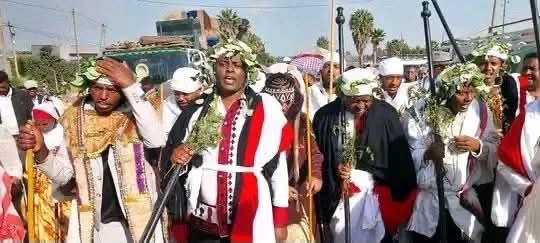
A Heritage That Endures
The Gadaa system is more than a cultural relic. It is a living, breathing institution that continues to shape the lives of millions of Oromo people. It teaches democracy, accountability, environmental stewardship, and respect for elders. It binds generations together in a chain of duty and blessing.
The sons of Liiban Maccaa — Walisoo, Amayyaa, and Kuttaayee — are not merely preserving the past. They are building the future, one ritual at a time, one generation at a time.
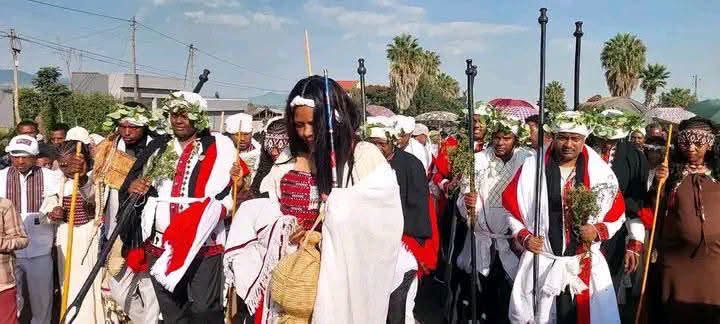
Baga oofkaltan!
Source: Community Report

Gadaa Elders Announce Dates for Irreechaa 2019: A Call for Unity, Gratitude, and Peace
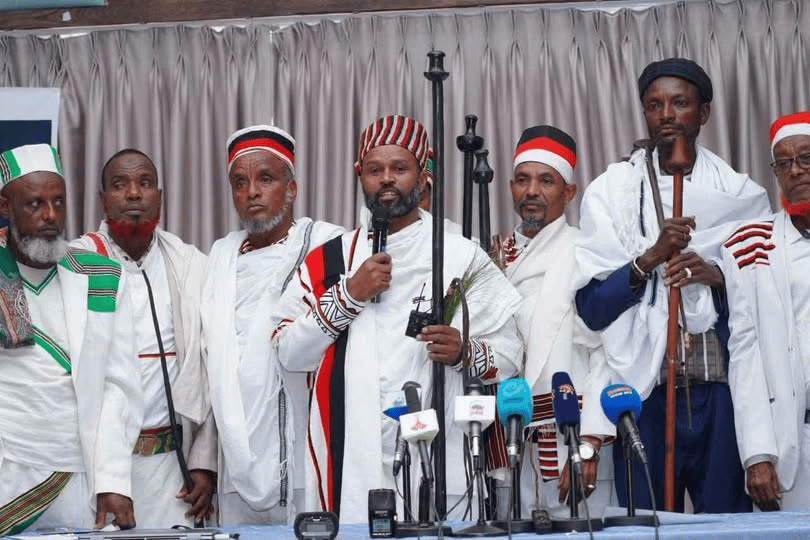
Finfinnee, Oromia — The Assembly of Gadaa Elders of Oromia has officially announced the dates for the celebration of Irreechaa, one of the most sacred and widely observed festivals of the Oromo people. In a statement released to the public, the elders confirmed that Irreechaa at Hora Finfinnee will be celebrated on September 23, while Irreechaa at Hora Harsadee will take place on September 24, 2019.
Irreechaa is a centuries-old thanksgiving festival celebrated at the banks of rivers and lakes, most notably at Hora Finfinnee (Lake Finfinnee) and Hora Harsadee (Lake Harsadee). It marks the end of the rainy season and the beginning of a new year in the Oromo calendar — a time of renewal, reflection, and communal gratitude to Waaqa (God) for blessings received.
A Festival of Thanksgiving and Hope
In their statement, the Gadaa elders emphasized the profound meaning of Irreechaa, describing it as a celebration of thanksgiving, hope, unity, love, reconciliation, and renewal. “Irreechaa is a festival of gratitude, hope, unity, love, reconciliation, and rebirth,” the elders declared. “Therefore, all Oromo people, as well as all nations, nationalities, and peoples of our country and the entire world, are invited to honor Irreechaa together with the Oromo people.”
The invitation extends beyond the Oromo nation itself, reflecting the festival’s universal message of peace and togetherness. Irreechaa has long served as a gathering point for people of all backgrounds — a day when differences are set aside and communities join hands in celebration and prayer.
A Call to Preserve Tradition
The elders also stressed the importance of observing Irreechaa according to its longstanding customs, traditions, and sacred norms (safuu). “Irreechaa at Hora Finfinnee and Hora Harsadee will be celebrated on September 23 and 24, 2019, respectively,” the statement read. “Like other Irreechaa celebrations, it will be observed in accordance with the culture, tradition, and sacred order of Irreechaa.”
The Gadaa system, a traditional democratic governance structure of the Oromo people recognized by UNESCO as intangible cultural heritage, plays a central role in organizing and preserving the festival’s rituals. The elders’ announcement underscores their continued role as custodians of Oromo culture and tradition.
A Warm Invitation to All
In closing, the Assembly of Gadaa Elders extended a heartfelt invitation to all Oromo people to welcome visitors with the warmth and hospitality for which the Oromo are known. “Therefore, we call upon all Oromo people to receive every guest who comes to them with the culture, tradition, and hospitality of our people,” the elders urged.
The message is clear: Irreechaa is not merely a festival — it is a living expression of Oromo identity, faith, and community. As the dates approach, anticipation is building across Oromia and beyond, with preparations underway at Hora Finfinnee and Hora Harsadee.
For the Oromo people, Irreechaa 2019 promises to be a time of collective renewal — a moment to give thanks, seek reconciliation, and reaffirm the bonds that unite them as one people.
Source: Assembly of Gadaa Elders of Oromia

Sons of Liiban Maccaa Carry the Gadaa Birmajii Torch: A Legacy Passed from Generation to Generation
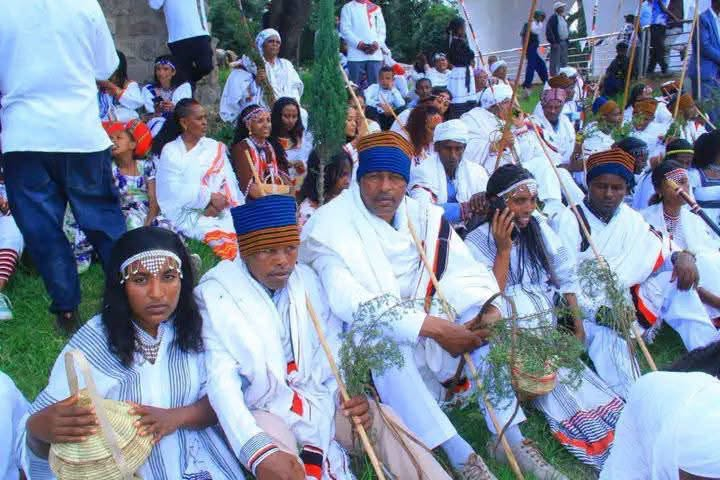
Central Oromia— In the heartlands of Central Oromia, across the highlands of West Shawa and Southwest Shawa, a sacred flame continues to burn. The sons of Liiban Maccaa — Walisoo, Amayyaa and Kuttaayee — are actively fulfilling their duties within Gadaa Birmajii, ensuring that the ancient Oromo Gadaa system is passed down from generation to generation, unbroken and undiminished.
A System That Never Sleeps
The Gadaa system, recognized by UNESCO as an Intangible Cultural Heritage of Humanity, is the traditional democratic, social, and spiritual governance structure of the Oromo people. It organizes society into age sets and generational grades, each with distinct roles, responsibilities, and rights. Among these, the Birmajii grade represents a critical stage — a time when young men prepare for leadership, defend their community, and uphold the sacred norms of Oromo life.
What sets the sons of Liiban Maccaa apart is their unwavering dedication. In Central Oromia, West Shawa, and Southwest Shawa, these communities have preserved the Gadaa system without interruption, carrying it forward across generations with reverence and pride.
The Seven Who Hold the Jila
Among the three sons of Liiban, it is the seven from the Horii lineage of Kuttaayee who hold the Jila Gadaa — the sacred leadership and ritual responsibility of the grade. Their duty is profound and their journey demanding.
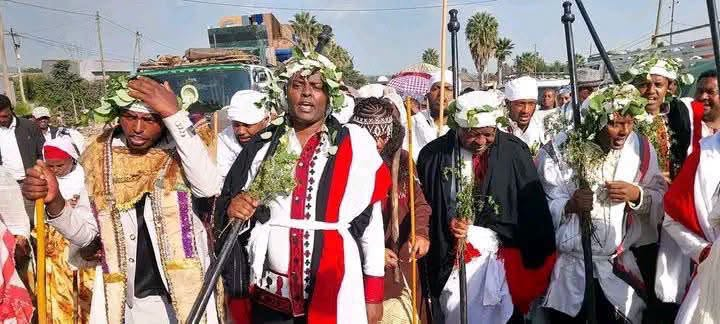
The Gadaa group of Roobalee sets out to receive Baallii (Alangee) — the symbolic transfer of power and responsibility that marks the transition into Birmajii. This transfer is not merely ceremonial; it is a covenant. It binds the incoming generation to the duties of leadership, protection, and service to the community.
Rain, Blessing, and Endurance
In the Oromo worldview, rain is a sign of blessing — a gift from Waaqa (God) that nourishes the land and its people. Yet even when the rains come, the Roobalee do not rest. They sing in the rain, and they do not allow the abundance of milk and prosperity to distract them from their sacred mission.
“The Roobalee sing along with the rain, and the abundance of milk and success has not made us forget our duty,” the report recounts. “Whether in good times or hard times, they have seen it through.”
The message is clear: Birmajii is not a fair-weather calling. It demands endurance, sacrifice, and faithfulness — in seasons of plenty and in seasons of want.
A Call of Honor and Blessing
The words of the community ring with pride and blessing:
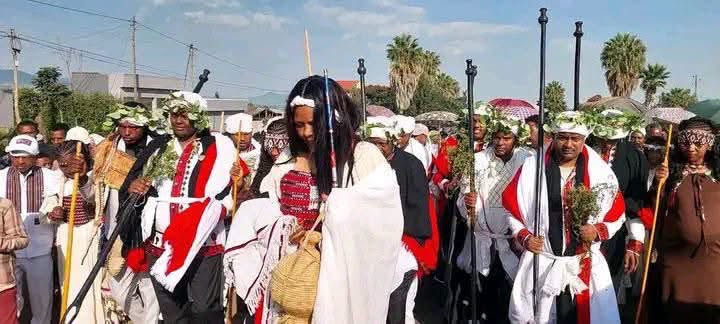
“The Birmajii have taken the Alangee and are preparing to complete their covenant — today they have cut the buttaa. May the news of your deeds reach the ears of those who need to hear it. Congratulations on reaching the fourfold blessing of your fathers and the eightfold blessing of your grandfathers. You have accomplished what was asked of you — and you make us proud.”
The “fourfold blessing of the fathers” and the “eightfold blessing of the grandfathers” speak to the deep ancestral roots of the Gadaa system — a chain of blessing and responsibility that stretches back through time, linking each generation to those who came before.
The closing blessing, “Ginna milkii ciisaa” — a wish for peace, prosperity, and rest — crowns the message with the hope that the labor of the Birmajii will bring abundance and tranquility to the community.
A Living Heritage
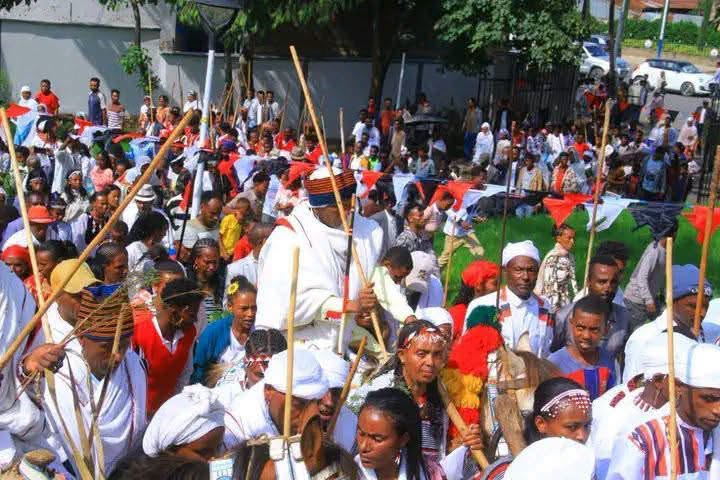
The sons of Liiban Maccaa are not merely preserving a tradition — they are living it. Every ritual, every journey, every song in the rain is an act of cultural survival and spiritual renewal. In a world that often pressures communities to abandon their heritage, these young men stand firm, proving that the Gadaa system remains a vibrant and vital force.
Their story is a reminder that culture is not a museum piece. It is alive — carried in the feet that walk to receive the Alangee, in the voices that sing with the rain, and in the hearts of a generation determined to honor its ancestors.
Baga oofkaltan!