Oromo Diaspora in the UK Protests Against Human Rights Abuses in Oromia
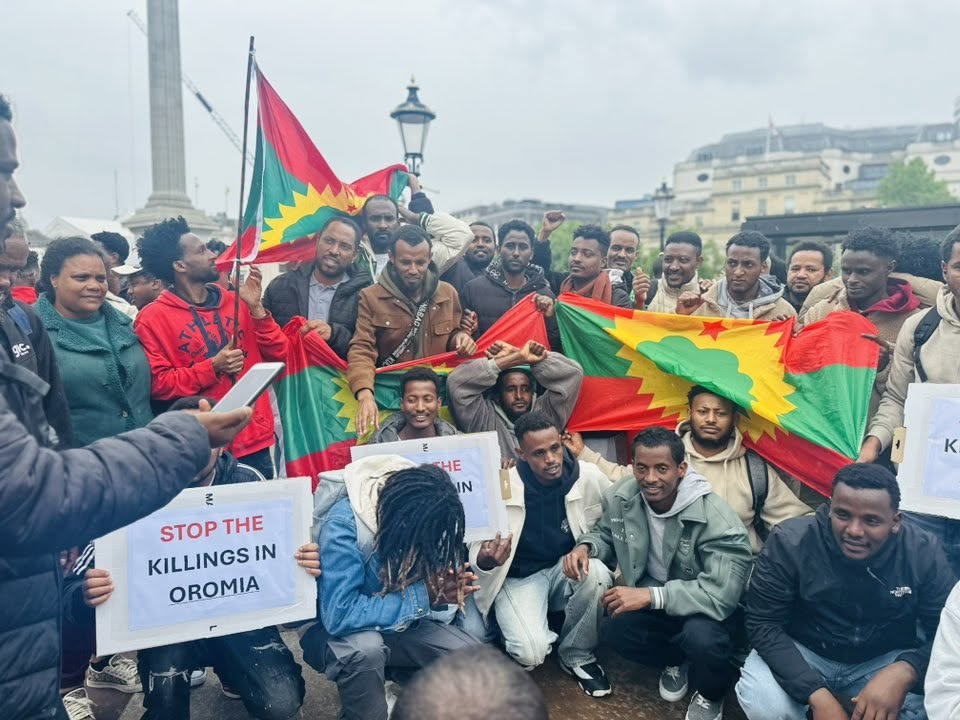
Thousands gather in London to denounce the Prosperity Party government’s actions and demand international intervention
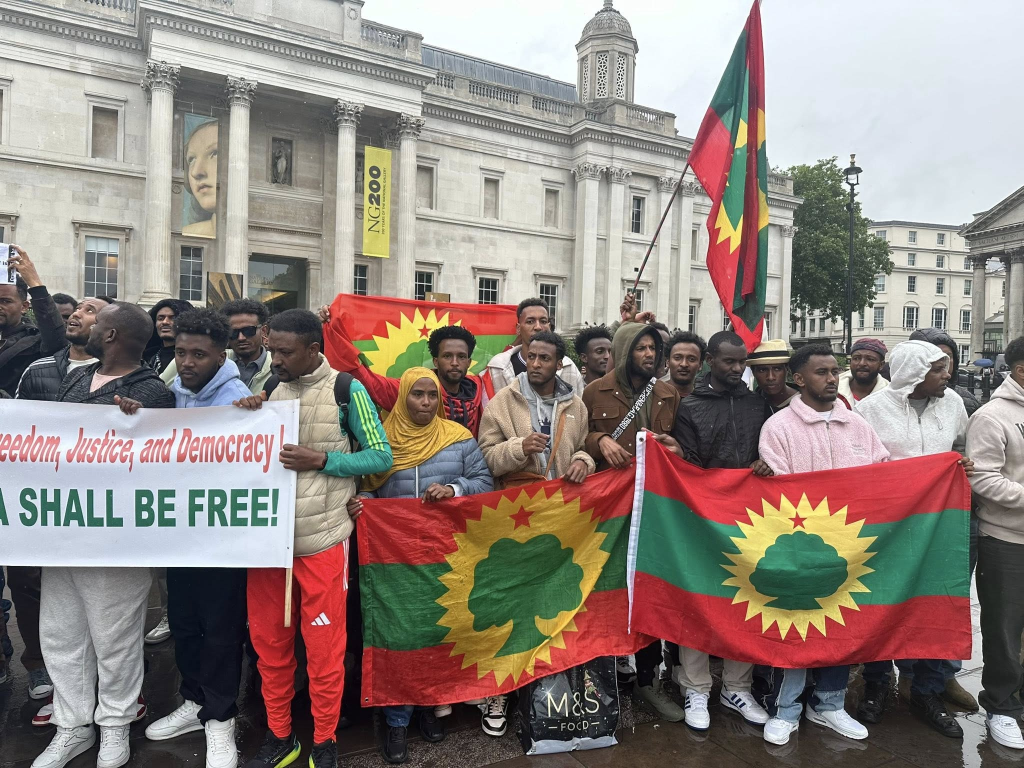
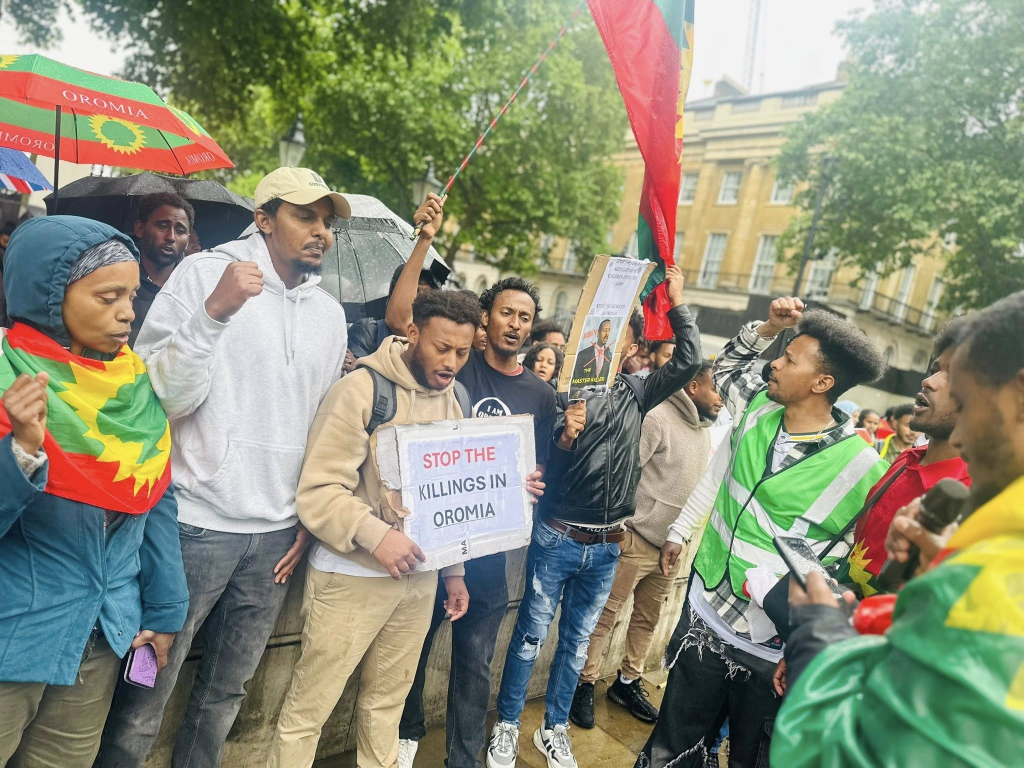
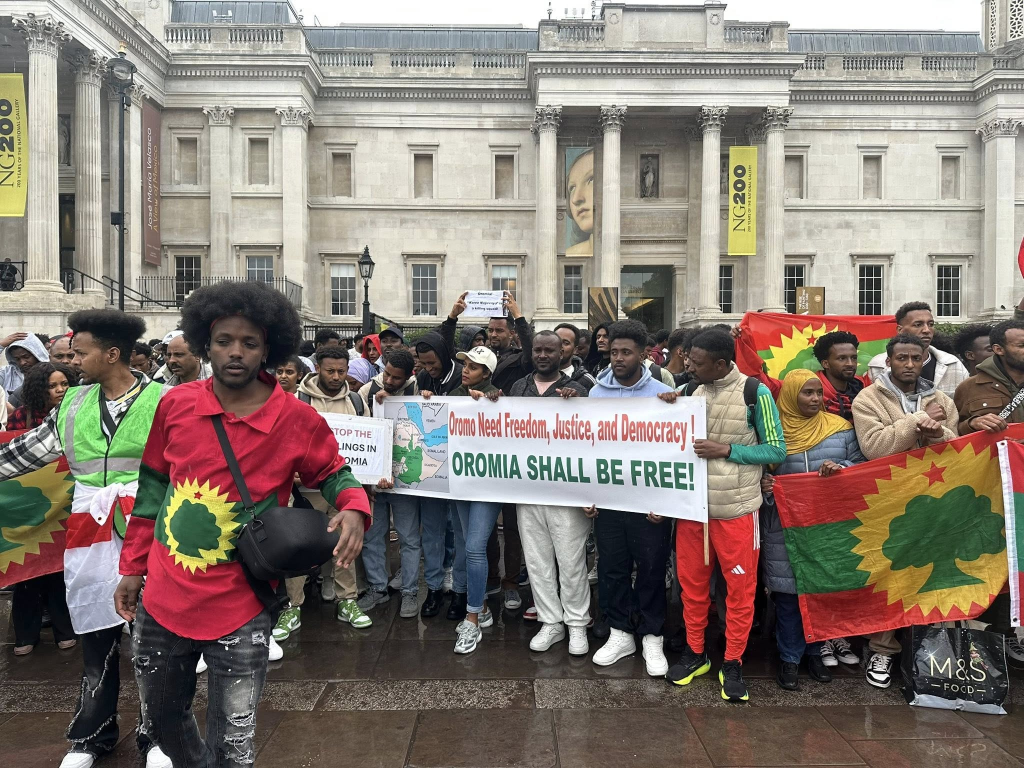
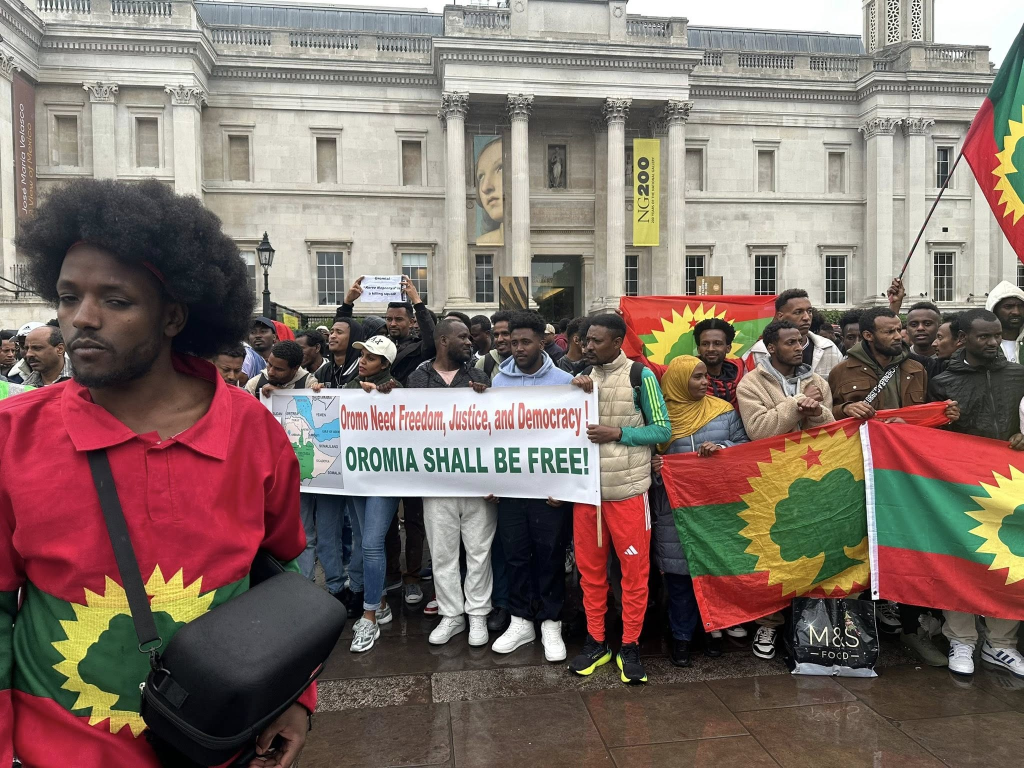
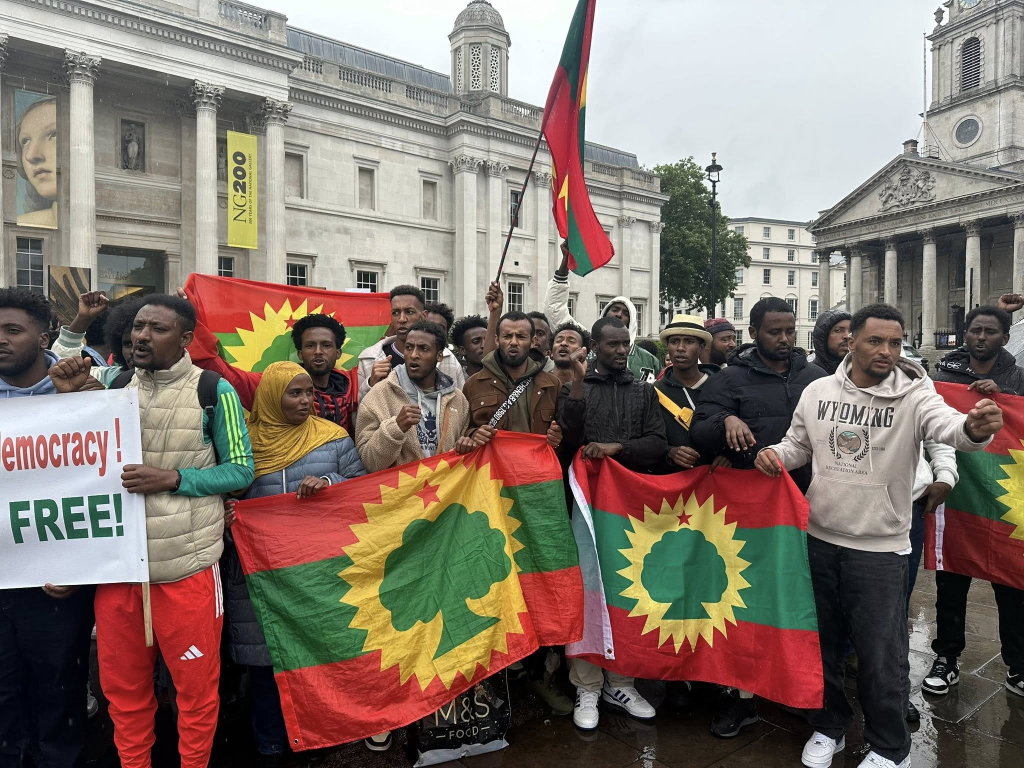
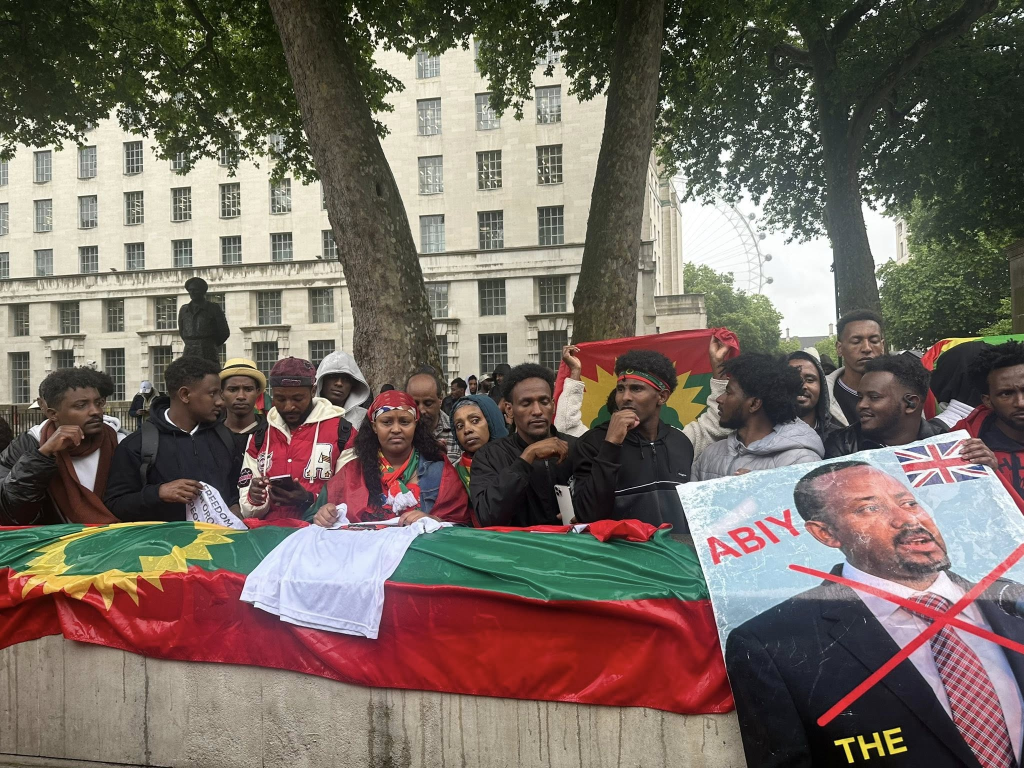
LONDON, UNITED KINGDOM — The Oromo diaspora community in the United Kingdom took to the streets of London on May 27, 2025, in a powerful demonstration against what they described as escalating human rights violations and systematic oppression in Oromia under the Prosperity Party government led by Prime Minister Abiy Ahmed .
Organizers described the protest as an urgent response to conditions in Oromia that have reached a critical threshold, drawing participants from across the UK. The rally demanded immediate international action to halt the violence and protect Oromo civilians.
A Crisis at the Breaking Point
Protest leaders emphasized that human rights abuses in Oromia and across Ethiopia have surpassed acceptable boundaries. They warned that the situation has become so alarming that it can no longer be ignored or dismissed.
The Oromo people, who constitute approximately 35 percent of Ethiopia’s population, have long voiced grievances over political marginalization, economic exploitation, and cultural suppression. The recent escalation of military operations in Oromia has deepened these concerns, with protesters pointing to a deliberate campaign of displacement and violence.
Echoes of the Derg Era
Demonstrators drew stark parallels between the current Prosperity Party government and the Derg regime of Mengistu Hailemariam (1974-1991). They accused the current administration of employing similar tactics: forcibly conscripting youth into the military, deploying them to war zones, and using them as cannon fodder in conflicts across the country .
The comparison resonated deeply with participants, many of whom have personal or family memories of the Derg’s brutal crackdown on Oromo communities. The Red Terror period, which saw systematic killings and disappearances of political opponents, remains seared into the collective memory of the Oromo people.
The Human Toll
Demonstrators painted a stark picture of life under the current government: the Oromo people have no peace and live each day like leaves falling to the ground. The constant state of insecurity has made movement between places “almost impossible” .
Reports from human rights organizations have documented extrajudicial killings, torture, abductions, and rape committed by both government forces and the Oromo Liberation Army (OLA). A joint investigation by Reuters uncovered the operations of a clandestine Security Committee in Oromia that has allegedly ordered extra-judicial killings and illegal detentions .
The impact on civilians has been devastating: over 3.2 million children are reportedly out of school due to the fighting, and aid groups have struggled to distribute supplies, contributing to high malnutrition rates.
A Call to Action
The protesters presented a series of demands to both the Ethiopian government and the international community :
- An immediate halt to what they described as genocide and military operations across Ethiopia
- The cessation of forced conscription of children into the military
- The withdrawal of all forces from Oromia
- An end to the unlawful seizure of Oromo land and property
- The unconditional release of all political prisoners
- Justice for murdered artists and activists, including Haacaaluu Hundeessaa and Battee Urgeessaa
The demonstrators specifically called on the UK government and international financial institutions to suspend all financial and diplomatic support to the Ethiopian government. A formal petition detailing these grievances was submitted to the UK Foreign Office.
The Role of the International Community
Protest leaders emphasized that international actors have a moral and legal obligation to intervene. The Ethiopian government, they argued, has repeatedly failed to protect its citizens and has weaponized state institutions against the Oromo people .
The call for the UK government to exert “necessary pressure” on the Prosperity Party reflects growing frustration among the Oromo diaspora with the international community’s perceived inaction. Despite widespread documentation of human rights abuses, Ethiopia has continued to receive diplomatic and financial support from Western nations.
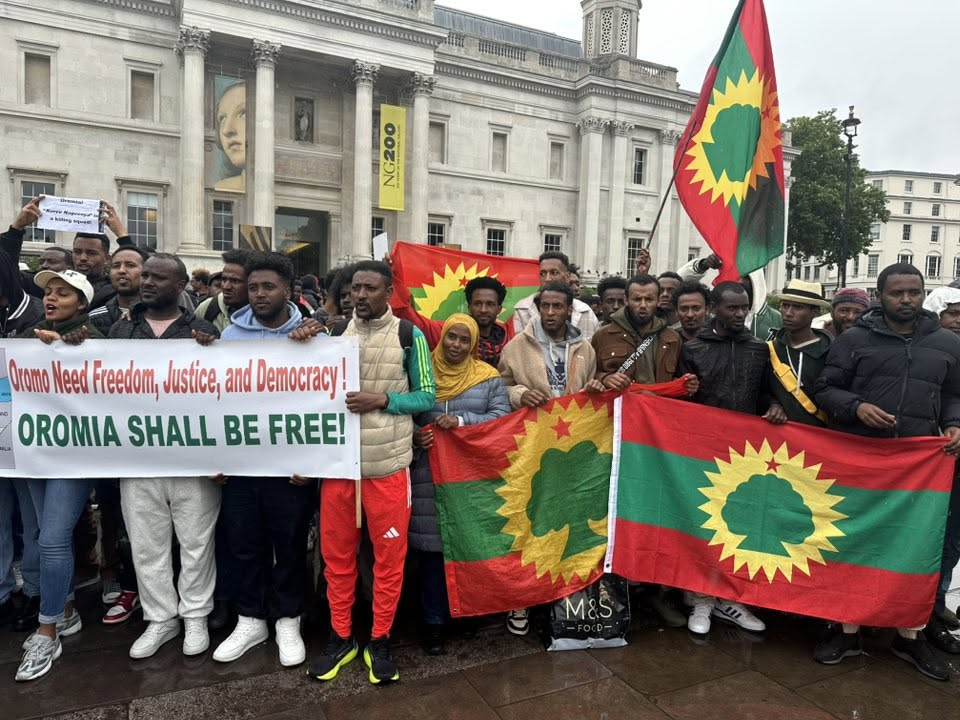
The London protest on May 27, 2025, was part of an ongoing global campaign by the Oromo diaspora to bring attention to systematic human rights abuses in their homeland . The demonstrators’ demands reflect a deep sense of urgency: they have called for an end to the killings, the withdrawal of forces, and international intervention .
The Oromo people continue to live without peace, and the situation in Oromia remains deeply insecure. The international community faces a critical test: whether it will respond with concrete action or allow another chapter of suffering to unfold largely unseen.

Posted on May 27, 2025, in Asylum Seekers, Diaspora, Events, freedom, Grief Support, Information, Language, Media, News, Oromia, Press Release, Promotion. Bookmark the permalink. Leave a comment.






Leave a comment
Comments 0