The Unbroken Spirit: The Story of Obbo Masfin Ittaanaa
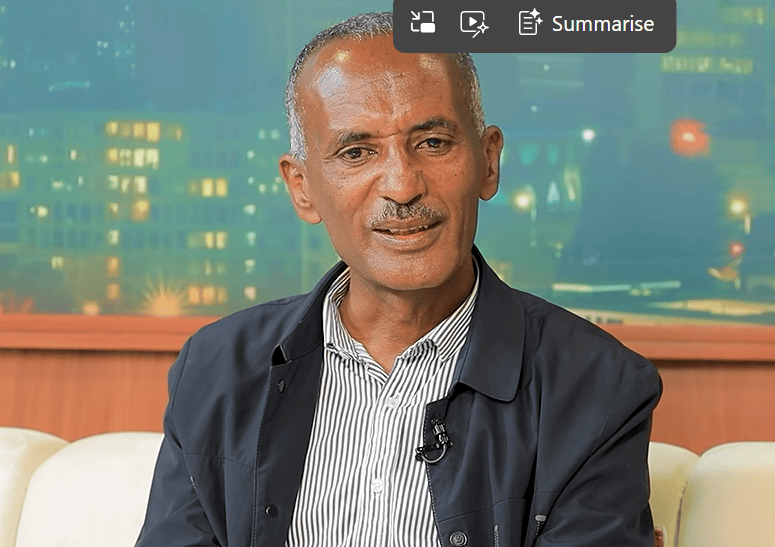
By Dhabessa Wakjira
In the annals of the Oromo struggle, there are names that echo through generations—names that carry the weight of sacrifice, resilience, and unwavering commitment to freedom. One such name is Obbo Masfin Ittaanaa, a man whose life story reads like a testament to the indomitable spirit of the Oromo people.
Twenty Years of Captivity
Obbo Masfiin Ittaanaa is a name that evokes both sorrow and pride. For two decades—twenty long years—he was held in chains across some of Ethiopia’s most notorious detention facilities: Maa’ikalawwii, Karchallee, and Qaallittii. These names are not merely locations on a map; they are synonymous with suffering, with the darkest chapters of the Oromo people’s struggle for self-determination.
Maa’ikalawwii, Karchallee, and Qaallittii—these are the places where countless Oromo sons and daughters have been subjected to unimaginable hardship. They are the places where the Ethiopian state sought to break the spirit of a people by breaking the bodies and minds of their leaders, their activists, their voices.
For Obbo Masfiin Ittaanaa, these facilities were his home for twenty years. Twenty years of separation from his family. Twenty years of deprivation. Twenty years of uncertainty. Twenty years of pain.
Released But Not Free
After two decades of imprisonment, Obbo Masfiin was finally released. The gates of the prison opened, and he walked out—a free man in the eyes of the law, but a man whose body and spirit bore the scars of those twenty years.
The phrase “warra hidhamee booda waggaa 20 booda dhiifamaan bahe”—”after being imprisoned, he was released after twenty years”—captures the stark reality of his ordeal. He was detained, held for two decades, and then released. The words are simple, but the weight they carry is immeasurable.
A Symbol of Resilience
Obbo Masfiin Ittaanaa’s story is not merely one of suffering. It is a story of resilience. The fact that he emerged from those twenty years—that he survived, that he endured, that he did not break—is a testament to the strength of the Oromo spirit.
In Oromo culture, elders like Obbo Masfin are revered not only for their age but for their wisdom, their experience, and their sacrifice. His twenty years in detention have made him a living symbol of the Oromo struggle—a reminder of the price that has been paid, and continues to be paid, for the dream of freedom.
The Places That Testify
Maa’ikalawwii, Karchallee, and Qaallittii are names that every Oromo knows. They are the sites of collective trauma, places where the state’s machinery of repression was unleashed against a people who dared to demand their rights. To be held in one of these facilities is to be marked for life. To be held in all three, over the course of twenty years, is an ordeal that few could survive.
Yet Obbo Masfiin survived. He emerged from those gates not broken, but bearing witness. His very existence is a testimony to what the Oromo people have endured—and to their refusal to be defeated.
A Legacy for the Future
Today, as the Oromo people continue their long journey toward freedom, justice, and dignity, the story of Obbo Masfin Ittaanaa serves as a reminder of the sacrifices that have been made. His twenty years of imprisonment are a debt that can never be fully repaid, but one that must never be forgotten.
For the younger generation—the Qeerroo and Qarree who continue the struggle today—Obbo Masfiin’s story is both a warning and an inspiration. It is a warning about the cost of resistance, and an inspiration about the power of resilience.
Honoring Masfin!
As we reflect on the life and sacrifice of Obbo Masfin Ittaanaa, we honor not only him but all those who have suffered in the struggle for Oromo freedom. We remember the nameless thousands who have passed through Maa’ikalawwii, Karchallee, Qaallittii, and countless other detention facilities. We remember those who never came out.
And we celebrate the fact that Obbo Masfin—after twenty years—walked out of those gates a free man. His freedom is a small victory in a larger struggle, but it is a victory, nonetheless. It is a reminder that no matter how long the night, the dawn will eventually come.
The story of Masfin Ittaanaa with Gammadaa show can be watched at:
This feature news is dedicated to Obbo Masfin Ittaanaa and to all Oromo political prisoners—past, present, and future—whose sacrifices will never be forgotten.

Posted on November 8, 2026, in Aadaa, Afaan, Events, Face of Injustice, family violence, Finfinne, freedom, Grief Support, Gumaa, Information, Irreechaa, Kindness, Language, Media, Moyale, News, Uncategorized. Bookmark the permalink. Leave a comment.






Leave a comment
Comments 0