Daily Archives: July 16, 2026

The Unfinished Struggle: Understanding the Qabsoo Bilisummaa Oromoo
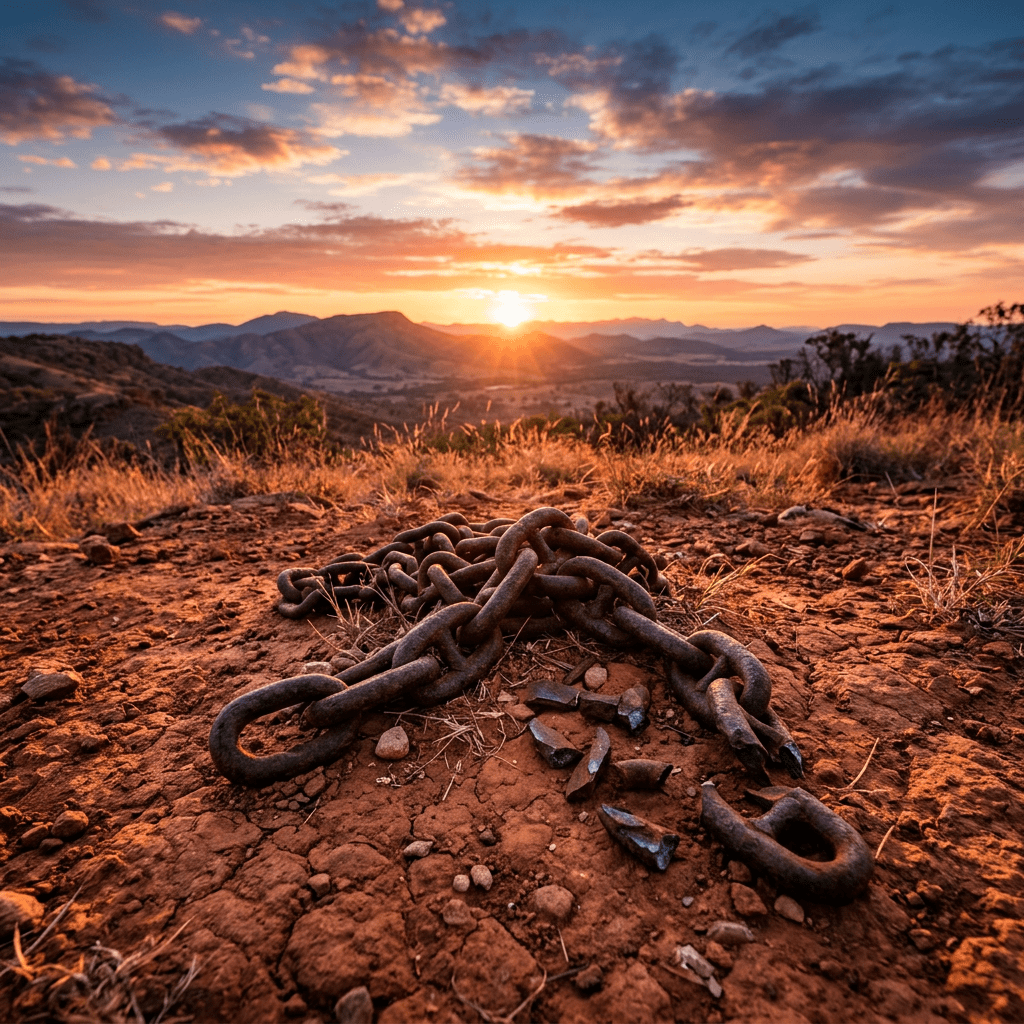
What is the Oromo liberation struggle, and how is it being waged?
—
I. Introduction: A Struggle Defined
The phrase Qabsoo Bilisummaa Oromoo translates from the Oromo language as the “Oromo Liberation Struggle.” At its core, it represents the decades-long political and armed movement by the Oromo people—Ethiopia’s largest ethnic group, comprising approximately a third of the nation’s nearly 130 million people—to achieve self-determination and freedom from what they characterize as internal colonization by successive Ethiopian regimes.
This is not a single organization or a monolithic movement. Rather, Qabsoo Bilisummaa Oromoo encompasses a complex ecosystem of political parties, armed groups, youth movements, diaspora activism, and cultural resistance, all united by a common aspiration: the liberation of the Oromo people and their ancestral homeland, Oromia.
“Qabsoo dhaabatu hin jalqabne, akeeka ijaarameef hamma galmaan ga’uttis hin dhaabatu.”
— Dawud Ibsa Ayana, Chairman of the Oromo Liberation Front (OLF), declaring in June 2025 that “the struggle we started will not stop until the goal we have set is achieved.”
—
II. Historical Roots: The Genesis of a Movement
The modern Oromo liberation struggle traces its origins to the early 1970s, a period of political awakening among Oromo nationalists who sought to challenge what they viewed as “Abyssinian colonial rule” over the Oromo people.
The Founding of the OLF
In 1973, a clandestine group of Oromo nationalists from diverse backgrounds, brought together by figures like Baro Tumsa, established the Oromo Liberation Front (OLF)—known in Oromo as Adda Bilisummaa Oromoo (ABO). The OLF was founded to promote self-determination and independence for the Oromo people inhabiting what is today the Oromia Region and the Oromia Zone in the Amhara Region of Ethiopia.
The OLF’s ideological premise was that the Oromo were subject to internal colonization by the Ethiopian state, and its ultimate goal was secession from Ethiopia and the establishment of a sovereign Oromo nation.
The Armed Wing Emerges
By 1974, the OLF had formed its military wing, the Oromo Liberation Army (OLA)—Waraana Bilisummaa Oromoo (WBO) in Oromo. The armed struggle began in Eastern Oromia, marking the start of a military campaign that would continue, with varying intensity, for decades.
—
III. The Actors: Who Fights for Freedom?
The Qabsoo Bilisummaa Oromoo is waged through multiple channels and by various actors, each with distinct methods and roles.
1. The Oromo Liberation Front (OLF) – Political Vanguard
The OLF remains the primary political organization representing the liberation struggle. After spending 27 years in exile, the OLF returned to Ethiopia in 2018 following a peace agreement with Prime Minister Abiy Ahmed’s government, committing to pursue its goals through peaceful political means.
However, the party has faced significant obstacles. In a November 2025 position statement, the OLF declared that “the current regime has deliberately closed the political arena and obstructed the lawful activities of the Oromo Liberation Front”. The party reported that its regional offices had been closed, its leaders arrested, and its members prevented from engaging with constituents.
Despite these challenges, the OLF continues to operate, maintaining offices in Addis Ababa, Washington D.C., and Berlin, from which it broadcasts radio programs in both Amharic and Oromo.
2. The Oromo Liberation Army (OLA) – Armed Resistance
The OLA is the armed opposition group active in the Oromia Region. It consists primarily of former armed members of the OLF who refused to disarm following the 2018 peace deal, skeptical of the government’s intentions, alongside former youth protesters who became disillusioned with nonviolent resistance.
Today, the OLA operates under the name OLF-OLA (or ABO-WBO in Oromo). While the Ethiopian government considers the OLF a legal political party, it has designated the OLA as a terrorist organization.
The armed conflict has exacted a devastating toll on civilians. Amnesty International reported in March 2026 that OLA fighters had subjected women and girls to sexual violence including rape, gang rape, sexual slavery, summary killings, and destruction of civilian property, acts that may amount to war crimes. Government forces have also been accused of systematic abuses, including extrajudicial killings and forced displacement.
3. Qeerroo – The Youth Movement
Perhaps the most dynamic force in recent years has been the Qeerroo—a youth movement that has emerged as a powerful voice for change. In traditional Oromo culture, the term means “bachelor” or “youth,” but within the political movement, it symbolizes the Oromo struggle for increased political freedom and greater ethnic representation.
The BBC has described Qeerroo as “Ethiopia’s National Youth Movement for Freedom and Democracy,” which calls itself Qeerroo Bilisummaa Oromoo. The movement first emerged in 1991 but gained prominence through the 2016 Oromo protests and again in July 2020 following the assassination of Oromo singer Hacaaluu Hundeessaa.
4. The Diaspora – Global Advocacy
The Oromo diaspora has become an increasingly visible force in the liberation struggle. In September 2020, Oromo women marched through the streets of Berlin, Germany, demanding recognition for their struggle. These protests, called Hiriira in the Oromo language, highlight the transnational nature of the movement and its ability to garner international attention.
As one diaspora organizer put it, the goal is to ensure that “deeggarsii fi tumsi qabsoo bilisummaa akka itti fufiinsa argatu”—that “support and sustenance for the freedom struggle continues to receive continuity.”
—
IV. How the Struggle is Waged: Methods and Tactics
The Qabsoo Bilisummaa Oromoo employs a multifaceted approach to achieve its objectives.
Armed Conflict
The OLA continues to engage in armed confrontations with Ethiopian government forces across Oromia. Clashes have been reported in various zones, including East Wollega, West Wollega, and Kellem Wollega. In August 2025, the OLA orchestrated a prison break in Gida Ayana, freeing over 150 inmates.
However, the armed struggle has not been without controversy. The OLA has been accused of attacking civilians, including a June 2025 attack that killed three civilians in the Arsi zone. Government forces have also been implicated in civilian deaths, with one mother telling Addis Standard that government soldiers fatally shot her toddler in July 2025.
Political Advocacy
The OLF pursues its goals through political channels, participating in elections and issuing statements condemning government actions. In the 2026 elections, the OLF fielded 163 candidates for federal parliament and regional councils. The party has also called for an independent international investigation into killings committed against the Oromo people.
Youth Mobilization and Protests
The Qeerroo movement has mobilized thousands of young Oromos through protests and demonstrations. These protests have sometimes turned violent, with clashes between protesters and security forces. The youth have also used social media and digital platforms as alternative communication channels and sites of political resistance.
Cultural Resistance
The struggle is also waged through cultural expression. Oromo protest songs have served as “weapons of resistance against domination” since the 1960s. The annual Irreecha thanksgiving festival has become a platform for political expression, with attendees using the occasion to hold anti-government protests.
Territorial Claims
The OLF has consistently defended the territorial integrity of Oromia. In July 2025, the party condemned the Somali regional government’s actions as “a blatant attempt to claim Oromo land,” calling it “a declaration of war”. In its November 2025 position statement, the OLF declared that “the territorial integrity of Oromia is non-negotiable”.
—
V. The Human Cost: A People in Crisis
The ongoing conflict has exacted a devastating toll on civilians.
Mass Displacement
Since July 2025, renewed inter-communal violence between Oromo and Somali communities along the regional border has displaced over 288,000 people. The violence has resulted in widespread fatalities and damage to infrastructure.
Humanitarian Crisis
The Ethiopian Human Rights Commission has stated that the “right to life is in a critical condition” in the affected regions. Persistent violence has led to the breakdown of public services and the mass displacement of communities.
Political Repression
The OLF has accused the government of a “systematic campaign of torture,” employing tactics such as extrajudicial killings, forced displacement, and persecution. The party’s offices have been closed, and its leaders have been arrested.
—
VI. The Future: An Unfinished Struggle
The Qabsoo Bilisummaa Oromoo shows no signs of abating. As Dawud Ibsa Ayana, the OLF chairman, declared in 2025: “The struggle we started will not stop until the goal we have set is achieved.”
Challenges Ahead
The movement faces significant challenges:
· Internal divisions: The split between the OLF (political wing) and the OLA (armed wing) has created organizational fragmentation.
· Government opposition: The Ethiopian government continues to view the armed struggle as a terrorist threat and has cracked down on political opposition.
· Humanitarian toll: The continued conflict has displaced hundreds of thousands and caused immense suffering.
· International scrutiny: Allegations of war crimes by both sides have drawn international attention.
A Persistent Hope
Despite these challenges, the movement persists. As one Oromo activist put it: “Addi Bilisummaa Oromoo… Qabsoo Itti Fufa. Bilisummaan Ni Dhufa.” — “The Oromo Liberation Front… The struggle continues. Freedom is coming.”
—
VII. Conclusion: More Than a Struggle
The Qabsoo Bilisummaa Oromoo is more than a political or armed conflict. It is a movement rooted in a people’s desire for self-determination, dignity, and recognition. It encompasses the teenager protesting in the streets of Addis Ababa, the fighter in the mountains of Oromia, the exile in Berlin organizing a march, and the grandmother in a village dreaming of peace.
For nearly five decades, the Oromo people have pursued their liberation through political advocacy, armed resistance, youth mobilization, and cultural expression. The struggle has claimed countless lives, displaced hundreds of thousands, and left deep scars on Ethiopian society.
Yet, as the Oromo saying goes, “Bilisummaan Ni Dhufa”—Freedom is coming. Whether that freedom arrives through peaceful negotiation, political reform, or continued resistance remains the central question of Ethiopia’s most enduring conflict.
—
“The Voice of Oromo Freedom: Strengthening the struggle, awakening the people, proclaiming the goal.”

Beyond the Pitch: The One Powerful Move Every Community Can Make This Year

By Dabessa Wakjira
The roar of the crowd, the electric atmosphere, the shared chants echoing through stadiums and living rooms—the FIFA World Cup 2026™ has once again proven that when people unite around a common passion, magic happens. On the pitch, players execute perfect passes; in the stands, strangers embrace like lifelong friends. Across SBS platforms and community gatherings, Australians from every conceivable background have dissolved their differences in favor of a single, unifying language: the beautiful game.
Yet, as the final whistle blows and the stadium lights dim, a new opportunity is kicking off—one that requires the same level of energy, teamwork, and civic participation to ensure the future of our multicultural nation.
Participation is one of the most powerful ways we contribute to our communities. And right now, the Census 2026 is calling on all of us to get on the field.
The Lineup for Our Future
Just as every player has a role in a winning team, every individual has a part to play in building a representative Australia. The Census 2026 is more than just a bureaucratic formality; it is a powerful snapshot of our nation’s diverse fabric. The data collected within its pages influences decisions that impact our daily lives—where hospitals are built, how schools are funded, where public transport routes run, and how future planning unfolds.
David Hua, Director of Audio and Language Content at the Special Broadcasting Service (SBS), emphasizes the necessity of communal engagement. “Participation is one of the most powerful ways we contribute to our communities,” Hua states. “By taking part and encouraging others to do the same, we help ensure Australia’s diverse communities are represented, recognized and supported.”
Why “Showing Up” Matters
When communities actively participate in the Census, they do more than just check a box. They build the evidence needed for better services and stronger advocacy. Data translates into dollars and policy. It determines whether your suburb gets a new aged-care facility, whether your language group receives translation services at local hospitals, and whether your cultural events receive government support.
Every voice matters. Every response counts. Every community deserves to be seen.
But what if you’re hesitant?
Tackling the Fears
It is completely normal—and understandable—for individuals to feel uncomfortable sharing personal information. This sentiment is particularly prevalent in communities that might have had varied or difficult experiences dealing with governments in the past. Concerns about data security, privacy breaches, and how information will be used are legitimate and should not be dismissed.
This is where community leaders and organizations step in as the ultimate referees.
SBS, through its trusted platforms, is working to ensure that no one is left in the dark. Initiatives like SBS Learn English are designed to equip people with practical ways to talk about the Census. They provide clarity on data security measures, offer step-by-step guides on protecting personal information, and help demystify the process for those who feel excluded by language barriers.
Your Call to Action
This year, we invite you to channel the same spirit that fills the World Cup stadiums into completing your Census form. But don’t stop there—become a champion for your community. Encourage your neighbors, your sports club, your faith group, and your extended family to participate as well.
The 2026 Census isn’t just about counting numbers; it’s about ensuring every story is heard.
By taking part and sharing this vital information with your networks, you are helping to build a stronger, fairer, and more inclusive Australia. Let’s make sure everyone has the opportunity to be counted, supported, and recognized.
The game doesn’t end on the pitch. It continues with us, in our homes, and in our communities.
—
For more information and resources, including support for data security and language assistance, visit the official Census 2026 website or tune into SBS.

The Next 50 Years: Honouring the Past, Building the Future

As we reflect on half a century of the Oromo liberation struggle, we look forward with hope and determination to the generations who will carry our culture, strength, identity, and resilience into the future.
There are moments in the life of a nation when the past and the future converge. When the struggles of previous generations meet the hopes of those yet to come. When the sacrifices of the present become the foundation upon which the dreams of tomorrow are built.
For the Oromo people, this is such a moment.
As we honour the past 50 years of the Oromo freedom struggle, we are called not only to remember—to honour the sacrifices, to celebrate the victories, to mourn the losses—but also to look forward. To imagine what the next 50 years might bring. To prepare the next generation to carry forward the torch of liberation.
The Journey of Half a Century
The Oromo liberation struggle is not a recent phenomenon. It stretches back more than a century to the late 19th century, when the Oromo people fell under the yoke of colonial domination. Yet the past 50 years represent a particularly significant chapter in this long history—a period of organized resistance, of growing political consciousness, of sustained struggle for self-determination.
From the establishment of the Oromo Liberation Front (OLF) in 1973, the Oromo people have waged a principled struggle for their rights.
The past five decades have witnessed:
- The articulation of a clear political vision for Oromo self-determination
- The mobilization of Oromo communities across the globe
- The documentation of Oromo history and culture
- The cultivation of Oromo leadership and political consciousness
- The resilience of the Oromo people in the face of immense challenges
This is not merely a political struggle—it is a struggle for the soul of a people. It is a struggle to reclaim what was taken: land, culture, language, identity, and dignity.
How Far We’ve Come
“As we honour the past 50 years Oromo freedom struggle journey and recognise how far we’ve come…”
The distance traveled is remarkable. Fifty years ago, the Oromo language was suppressed, Oromo identity was denied, and Oromo political expression was criminalized. Today, Afaan Oromo is widely spoken and written, Oromo culture is celebrated, and Oromo voices are heard on the international stage.
The journey has been long and arduous, but the progress is undeniable.
- Political Awareness: Oromo political consciousness has grown exponentially. The Oromo people understand their history, their rights, and their potential more clearly than ever before.
- Cultural Revival: The Oromo language and culture have experienced a renaissance. Afaan Oromo is now taught in schools, used in media, and celebrated in literature and the arts.
- Global Recognition: The Oromo cause is now known and supported internationally. Human rights organizations, governments, and civil society groups around the world have recognized the legitimacy of the Oromo struggle.
- Organizational Strength: The Oromo liberation movement has developed sophisticated organizational structures, political programs, and strategic capabilities.
- Resilience: Despite immense challenges, the Oromo people have demonstrated extraordinary resilience. They have survived repression, displacement, and attempts at cultural erasure.
Looking to the Future
“…we also want to look ahead to the next 50, our future generations of children and young people who carry our culture, strength, identity and resilience into the future Oromia.”
The struggle for Oromo liberation is not a one-generation project. It is a multi-generational endeavor that requires each generation to do its part, to make its sacrifices, and to prepare the next generation to continue the work.
The future of Oromia belongs to the children and young people who are growing up today. They are the inheritors of our culture, the carriers of our strength, the guardians of our identity, and the embodiment of our resilience.
The Responsibility of the Current Generation
We who stand in the present moment have a profound responsibility to the generations yet to come. We must ensure that:
Our culture endures. The Oromo language, traditions, and way of life must be passed on to the next generation. This requires not only preservation but also innovation—adapting our culture to new circumstances while maintaining its essence.
Our strength is sustained. The resilience that has carried the Oromo people through centuries of oppression must be nurtured in the younger generation. They must know their history, understand their rights, and have the courage to claim them.
Our identity is understood. The younger generation must know who they are, where they come from, and what they are fighting for. They must have a clear sense of Oromo identity—not as something to be ashamed of, but as something to be celebrated.
Our resilience is passed on. The capacity to endure hardship, to persist in the face of adversity, and to maintain hope in the darkest of times—this is the legacy we must leave to the next generation.
The Future Oromia
What does the future Oromia look like? What are we working toward?
The future Oromia is one in which:
- The Oromo people are free—free from colonial domination, free from political oppression, free from economic exploitation, and free from cultural suppression.
- The Oromo people are equal—equal to all other peoples, with the same rights, the same opportunities, and the same respect.
- The Oromo people are prosperous—able to develop their resources, pursue their aspirations, and build a better life for themselves and their children.
- The Oromo people are united—not divided by regionalism, not fragmented by factionalism, but united by a common history, a common culture, and a common vision.
- The Oromo people are proud—proud of their identity, their heritage, and their contributions to the world.
- The Oromo people are peaceful—living in peace with their neighbours, contributing to regional stability, and building a just and democratic society.
The Role of Children and Young People
Children and young people are not just the future—they are the present. They are already contributing to the struggle in their own ways.
- They are learning their language and culture, ensuring that they are not lost.
- They are studying their history, understanding the sacrifices of those who came before.
- They are organizing and advocating, making their voices heard in their communities and beyond.
- They are building the institutions and structures that will sustain the struggle into the future.
We must invest in our children and young people. We must educate them, empower them, and support them.
A Call to Action
As we honour the past 50 years of the Oromo struggle and look forward to the next 50, we are called to action:
To the current generation: We must continue the struggle, making the sacrifices necessary to achieve liberation. We must also prepare the next generation, ensuring that they are ready to carry the torch forward.
To the next generation: You are the hope of our people. You carry our culture, strength, identity, and resilience. You are the future Oromia. You must learn from those who came before, build on their achievements, and chart your own path.
To the Oromo community: We must work together, united in our purpose and committed to our cause. We must support our children and young people, investing in their education, their health, and their well-being. We must build institutions that will serve future generations. We must create a society in which Oromo children can thrive.
Conclusion
The next 50 years will be shaped by the choices we make today. If we invest in our children and young people, if we pass on our culture, strength, identity, and resilience, if we continue the struggle with determination and unity, then the future Oromia will be everything we have dreamed of.
The Oromo people have survived the worst that history has thrown at them. They have endured colonisation, suppression, exile, and attempts at cultural genocide. Yet they persist. They continue to struggle. They continue to hope.
“As we honour the past 50 years Oromo freedom struggle journey and recognise how far we’ve come, we also want to look ahead to the next 50, our future generations of children and young people who carry our culture, strength, identity and resilience into the future Oromia.”
The past 50 years have been a journey of struggle and sacrifice, of resilience and hope. The next 50 years will be a journey of rebuilding and renewal, of liberation and flourishing.
May the Oromo children and young people of the future look back on this moment and say: “They prepared the way for us. They gave us the foundation upon which we built our freedom.”
The struggle continues. The future awaits. And the Oromo people will prevail.





 Advocacy for Oromia