What is the significance of Irreechaa Celebrations in Diaspora?
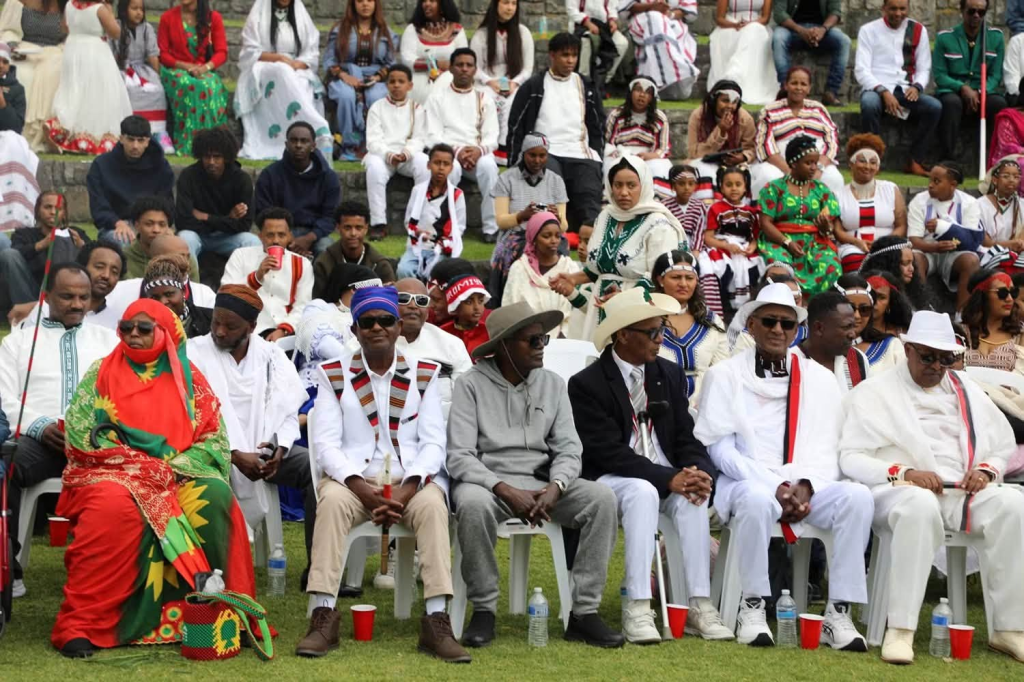
For the Oromo diaspora, Irreechaa serves as a vital cultural anchor—far more than a festival, it is an act of identity preservation, a bridge across generations, and a powerful statement of resilience. It connects Oromos living far from their ancestral homeland to their ancestors, their language, and one another, ensuring that a tradition preserved through centuries of suppression continues to thrive on foreign soil.
🌍 A Home Away from Home
Irreechaa provides a sacred space where the diaspora can recreate the spiritual and communal essence of the homeland. In cities like Melbourne, Toronto, and Minneapolis, the ritual structure remains remarkably intact:
- Traditional Rituals: Participants carry fresh green grass and yellow daisies to the water’s edge, dipping them in as an offering of gratitude—the same act performed by millions at Hora Arsadi and Hora Finfinnee.
- Spiritual Continuity: Elders lead blessings and prayers to Waaqa (God), maintaining the spiritual essence of the festival even in a foreign landscape.
- Processions and Songs: Communities walk together toward water bodies or parks, singing traditional faaruu (songs of praise), with women often walking in front—a practice rooted in the Siinqee institution symbolizing women as sacred agents of peace.
🔗 Forging Unity and Identity
Irreechaa transcends religious and political divisions, functioning as a transreligious symbol of Oromummaa (Oromo identity). As one analysis notes, attendees include Christians, Muslims, non-believers, and Waaqeffatas alike—all united by a shared cultural heritage. This unity is particularly significant for a diaspora that fled political marginalization, as it allows diverse Oromo communities to come together under a single, proud identity.
🛡️ Resilience Through Remembrance
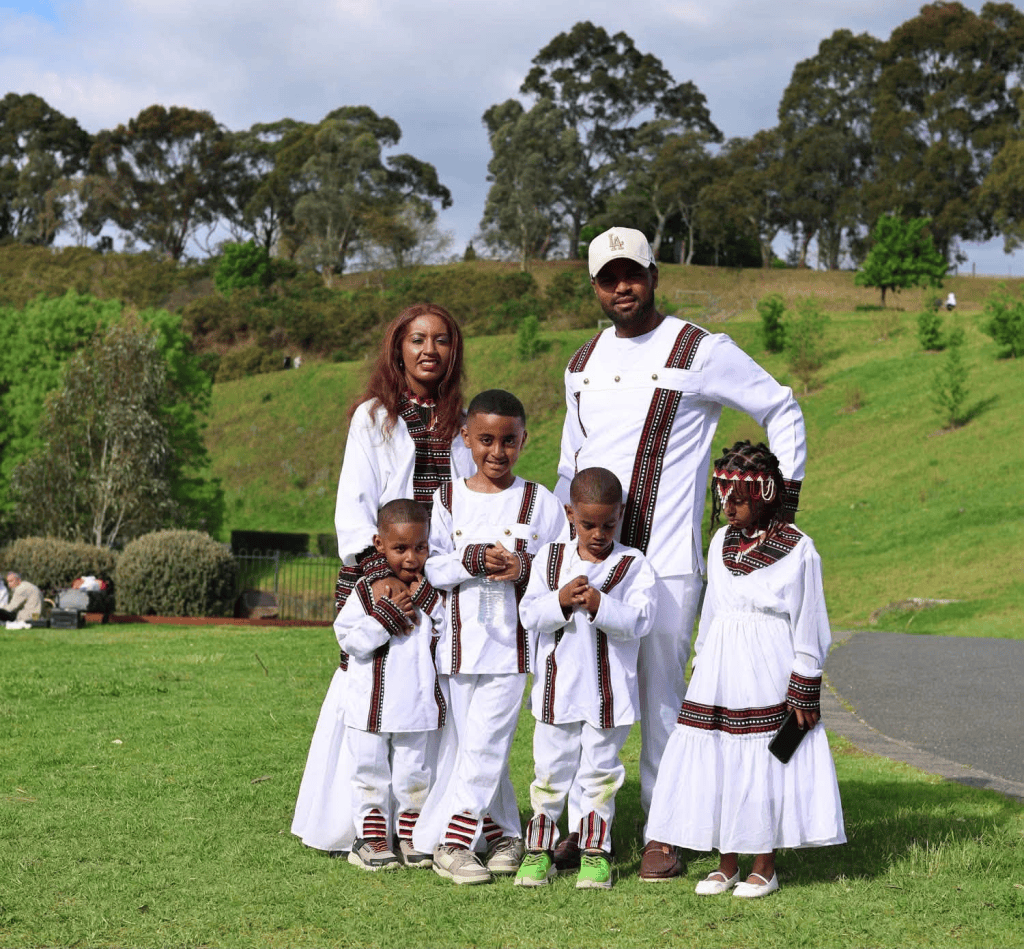
The diaspora celebration carries a profound weight of survival. Irreechaa was historically suppressed and forced underground, making its public, joyful observance abroad an act of cultural resistance. In Minnesota, for instance, the festival is explicitly framed as a symbol of resilience—a tradition that was “looked down upon” for about a century but is now celebrated openly and proudly. For the Melbourne community, it is a “living prayer” that refuses to become a mere memory.
🌱 Passing the Torch to the Next Generation
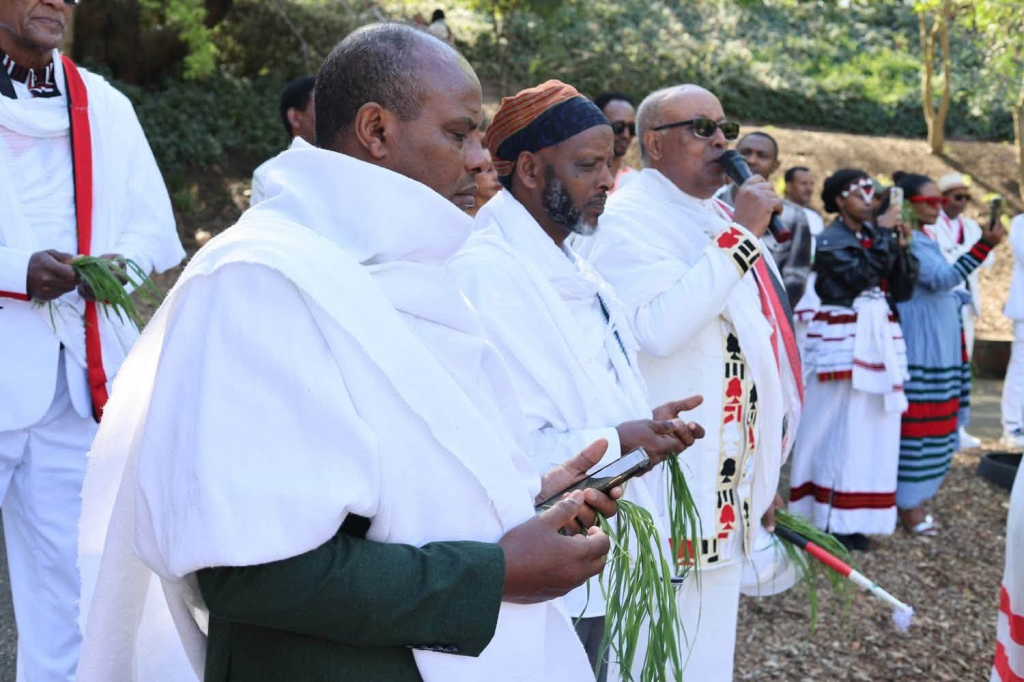
A central mission of diaspora Irreechaa organizations is youth engagement and cultural transmission. In Melbourne, “Irrecha Australia” emphasizes empowering young people to carry traditions forward with pride. In Minnesota, youth are described as a driving force behind the festival’s growing popularity, even teaching non-Oromos about its meaning. By involving children in rituals—from dressing in traditional wandaboo to learning the steps of cultural dances—the diaspora ensures that Irreechaa remains a living tradition, not a distant memory.
🤝 A Bridge to the Wider World
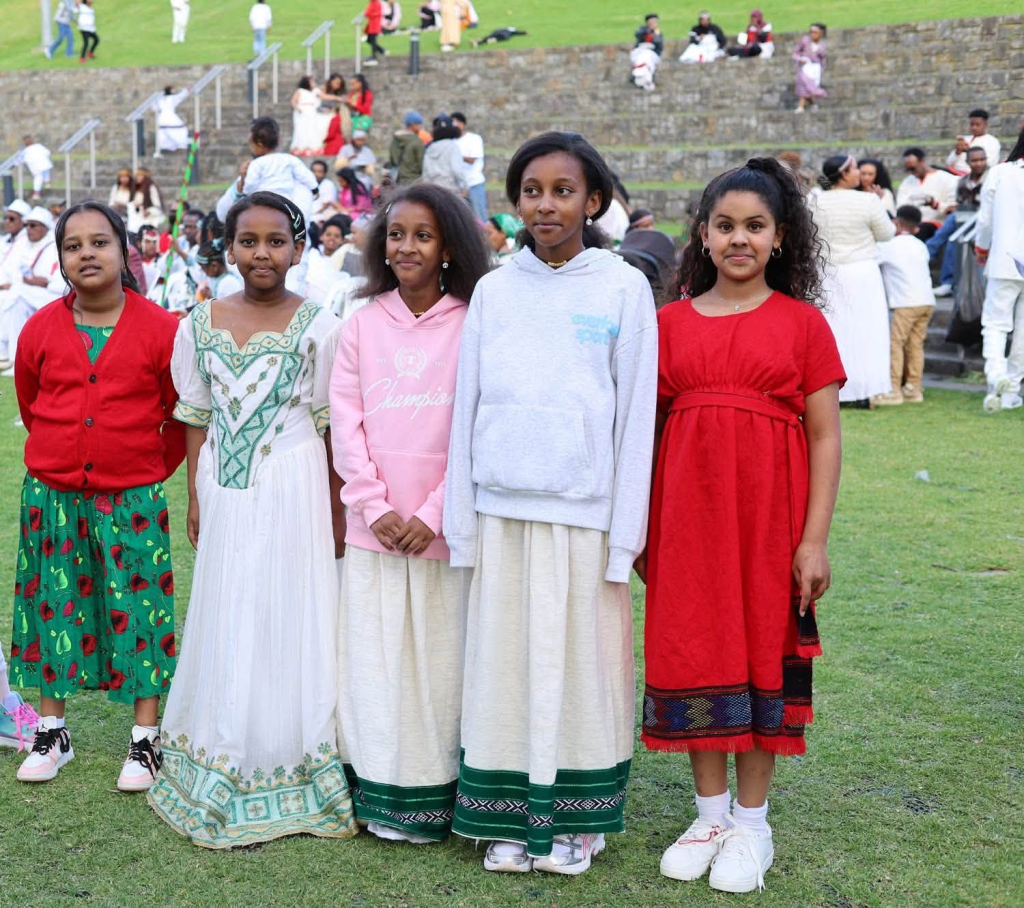
Beyond the Oromo community, diaspora Irreechaa celebrations serve as an open invitation for intercultural exchange. In Toronto, the festival has attracted visitors from Germany and the United States. In Dubai, celebrations have included local Emiratis and other Ethiopian ethnic groups. These events showcase Oromo values of peace, gratitude, and harmony with nature, fostering understanding within the broader multicultural societies where Oromos now live.
In essence, Irreechaa in the diaspora is not a diminished version of the homeland celebration—it is an amplified testament to a people’s unbreakable connection to their roots. It is where identity is renewed, community is strengthened, and the flame of Oromummaa is passed on, undimmed, to the next generation.

Posted on September 30, 2026, in Aadaa, Afaan, AMES, Bokkkuu, Diaspora, Election, Events, family violence, Finfinne, freedom, gadaa, Gumaa, health, Information, Irreechaa, Kindness, Language, Media, News, Oromia, Oromo diaspora, Press Release, Promotion. Bookmark the permalink. Leave a comment.






Leave a comment
Comments 0