Category Archives: Information

Ethiopia’s Tourism Surge: A Story of Growth, Potential, and National Pride
From record-breaking visitor numbers to multi-billion dollar revenues, Ethiopia’s tourism sector is undergoing a remarkable transformation—and the world is taking notice.
Ethiopia is a land of ancient wonders and breathtaking landscapes—the rock-hewn churches of Lalibela, the obelisks of Axum, the castles of Gondar, and the dramatic peaks of the Simien Mountains. For decades, these treasures remained largely unseen by the world, their potential locked away by inadequate infrastructure and limited promotion.
That era is ending.
In a recent address, Ethiopia’s leadership laid out a compelling vision of a nation finally awakening to its tourism potential—and the numbers speak for themselves.
A National Responsibility: Promoting Ethiopia to the World
“From a promotional perspective, much work is expected of us,” the Prime Minister acknowledged. “We know that a lot of promotional work remains, and our friends tell us the same.”
This honest self-assessment is accompanied by a call to action: every Ethiopian citizen has a responsibility not just to work, but to present their country with pride, creativity, and dignity. Promotion of Ethiopia is not the sole duty of government—it is a national project requiring coordinated effort from every sector of society.
“Ethiopia is Africa’s diplomatic capital,” the Prime Minister noted, emphasizing the unique advantages the country possesses. “People in Africa and beyond are eager to come to Ethiopia.”
The message is clear: when promotion is done in a coordinated way, the benefits multiply exponentially.
Record-Breaking Growth: The Numbers That Tell the Story
The transformation of Ethiopia’s tourism sector is reflected in remarkable statistics that demonstrate tangible progress.
Economic Growth
Ethiopia is expecting 10.2% GDP growth this year—a figure unmatched not just in Ethiopia but across the African continent. This growth is a testament to the success of the Homegrown Economic Reform Agenda, which has identified tourism as one of five key pillars of national economic transformation.
Export Revenue
$10.8 to $11 billion in exports are projected for this year—a dramatic increase from just $3 billion two to three years ago. This exponential growth reflects the expanding economic base of the nation.
International Visitors
More than 1.4 million foreign tourists have visited Ethiopia this year—a 300,000 increase from the year before last and a 100,000 increase from last year. These visitors have generated over $5.4 billion in revenue from international tourism alone.
Domestic Tourism
Remarkably, 50.16 million Ethiopians have explored different parts of their own country—a 9.4 million increase from the year before last and a 1.8 million increase from last year. Domestic tourism generated over 79 billion Birr in revenue, demonstrating the growing appetite among Ethiopians to discover their own heritage.
International Conferences
204 international conferences were held in Ethiopia this year—a 50-conference increase from last year and a 166-conference increase from the year before last. More than 166,000 participants attended MICE (Meetings, Incentives, Conferences, and Exhibitions) events in Ethiopia this year alone.
Tax Revenue
Ethiopia is projected to collect 1.5 trillion Birr in tax revenue this year. Before the reforms, the annual collection capacity was merely 200-300 million Birr—a transformation that underscores the scale of economic progress.
Infrastructure: Building the Foundation for Growth
Tourism requires more than beautiful sites—it requires accessibility, connectivity, and modern facilities.
In just the past few months, seven airports have been inaugurated across Ethiopia, improving access to previously remote destinations. Numerous roads have been constructed, connecting heritage sites to urban centres and reducing travel times. Digital access and visitor services have been strengthened to meet the expectations of modern travellers.
The “Dine for Sheger,” “Dine for the Nation,” and “Dine for a Generation” projects have fundamentally reshaped Ethiopia’s tourism map. These initiatives have:
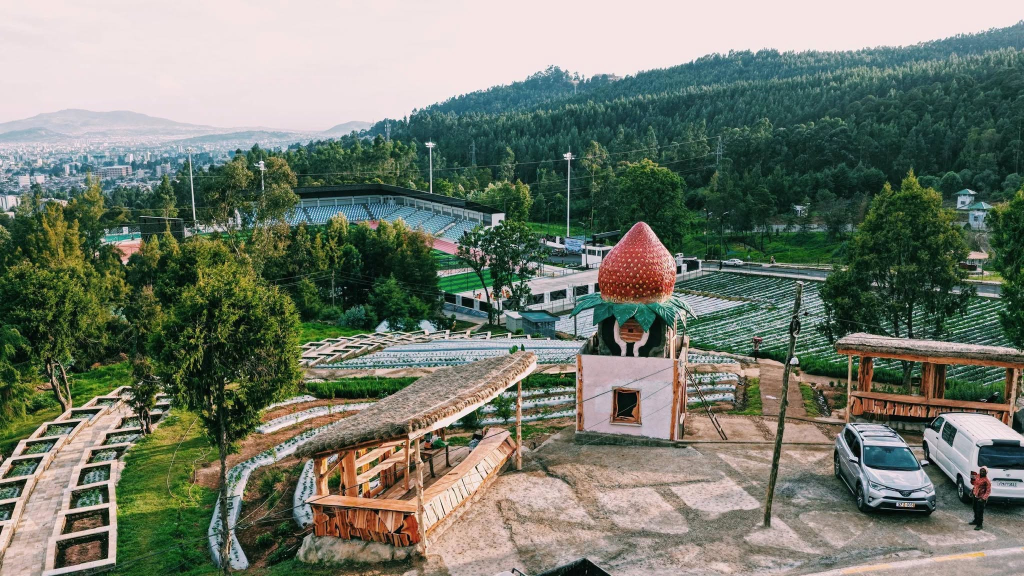
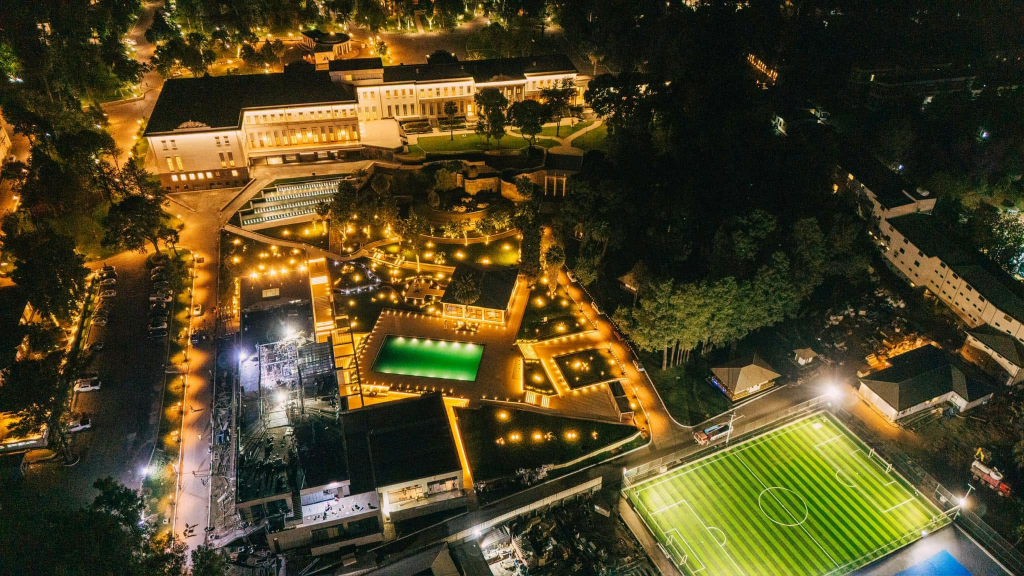
- Transformed the heart of Addis Ababa through Unity Park, Sheger Park, and Entoto Park
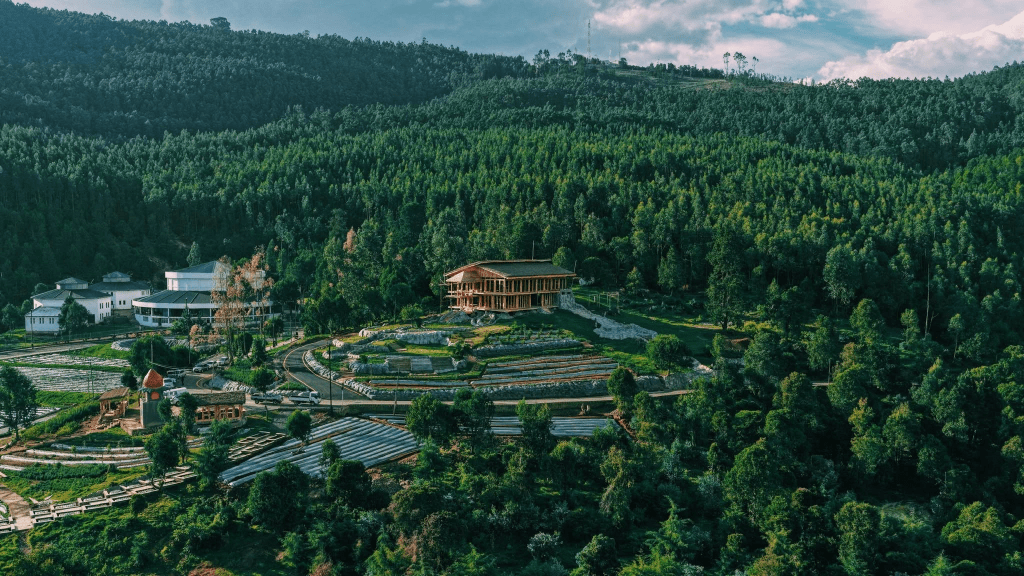
- Developed destinations like Halala Kela, Chebera Churchura, and Wenchi
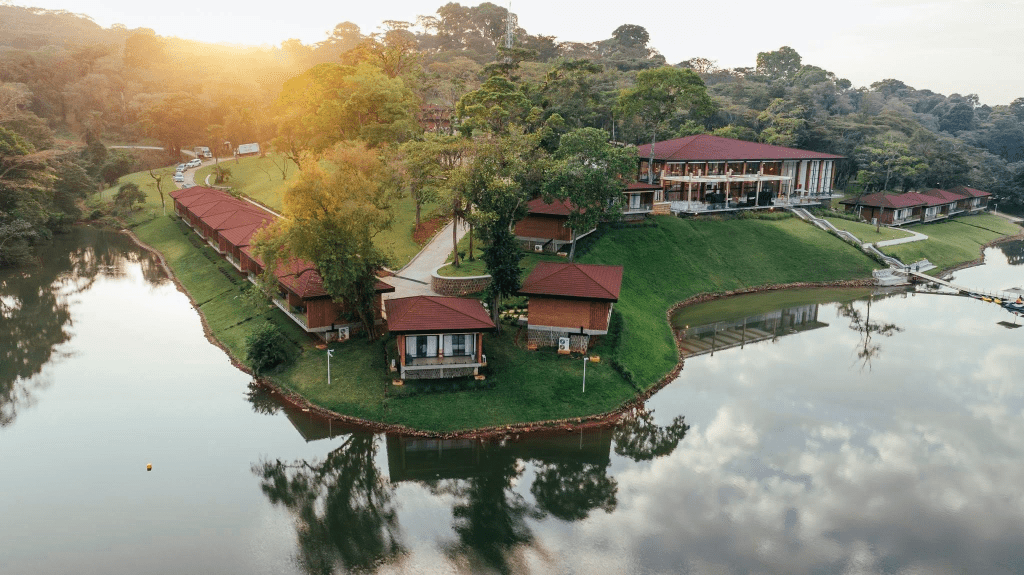
- Created modern resorts including Dembi Eco Lodge, Nein Le Palm Lodge, Shebelle Resort, and Lake Logo Resort
- Restored historical heritage, including the Castle of Fasilides in Gondar and the rock-hewn churches of Lalibela
These projects have been executed with remarkable speed and quality, setting new standards for Ethiopian tourism infrastructure.
The Private Sector: An Indispensable Partner
The private sector has played an indispensable role in the tourism transformation. Through active participation in the “Dine for Sheger,” “Dine for the Nation,” and “Dine for a Generation” projects, private enterprises have contributed expertise, investment, and innovation.
This public-private partnership model has proven to be a powerful engine for growth, combining government vision with private sector efficiency and creativity.
A Shared Vision: Tourism as an Economic Engine
The Prime Minister’s message goes beyond statistics. It speaks to a fundamental understanding of what tourism truly means:
“Tourism is not just about heritage. Having heritage does not automatically mean tourism will flourish. Tourism is not just about natural resources. Tourism is about experience.”
For a visitor to truly benefit Ethiopia—and for Ethiopia to benefit from the visitor—the experience must be complete. The Prime Minister’s simple but profound definition captures this perfectly:
“Tourism, in short, means someone who comes to visit us should leave with their heart delighted and their wallet lighter.”
This encapsulates the dual purpose of tourism: creating memorable, meaningful experiences for visitors while generating economic value for the nation.
The Road Ahead
The numbers are impressive, but the journey is far from complete. As the Prime Minister acknowledged, much promotional work remains. Every Ethiopian—from airport staff to hotel workers, from taxi drivers to tour guides, from artists to citizens—has a role to play in presenting the true, beautiful Ethiopia to the world.
The foundation has been laid. The infrastructure is being built. The world is being invited. And Ethiopia is responding with a tourism sector that is finally realising its immense potential.
Ethiopia is rising—and the world is taking notice. The ancient land is becoming a modern destination, and the story is just beginning.


Echoes of a Martyr: Nairobi’s Oromo Community Commemorates Haacaaluu Hundeessaa’s Legacy
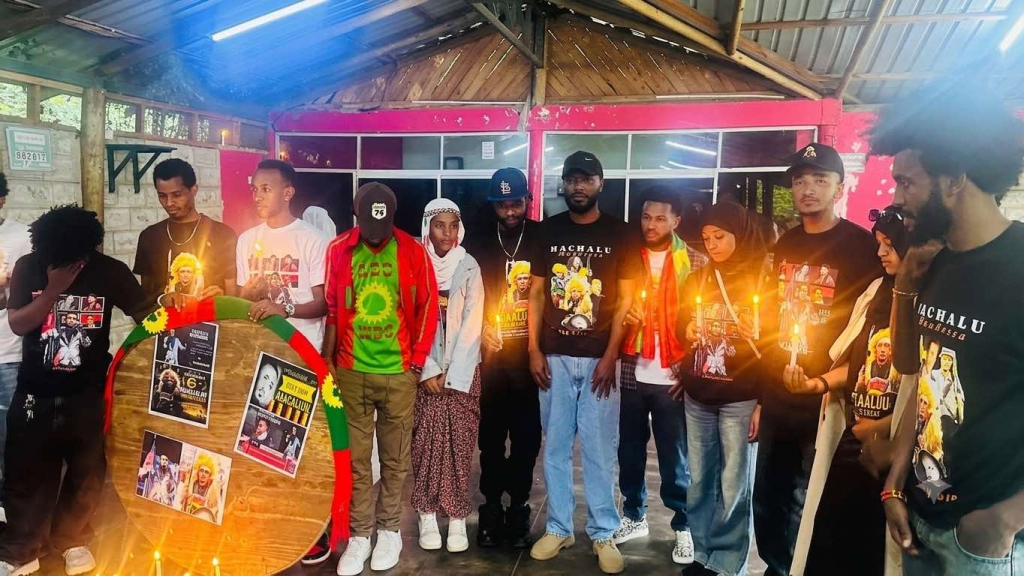
Six years after his assassination, the spirit of the iconic artist and activist burns as brightly as ever in the hearts of the Oromo diaspora.
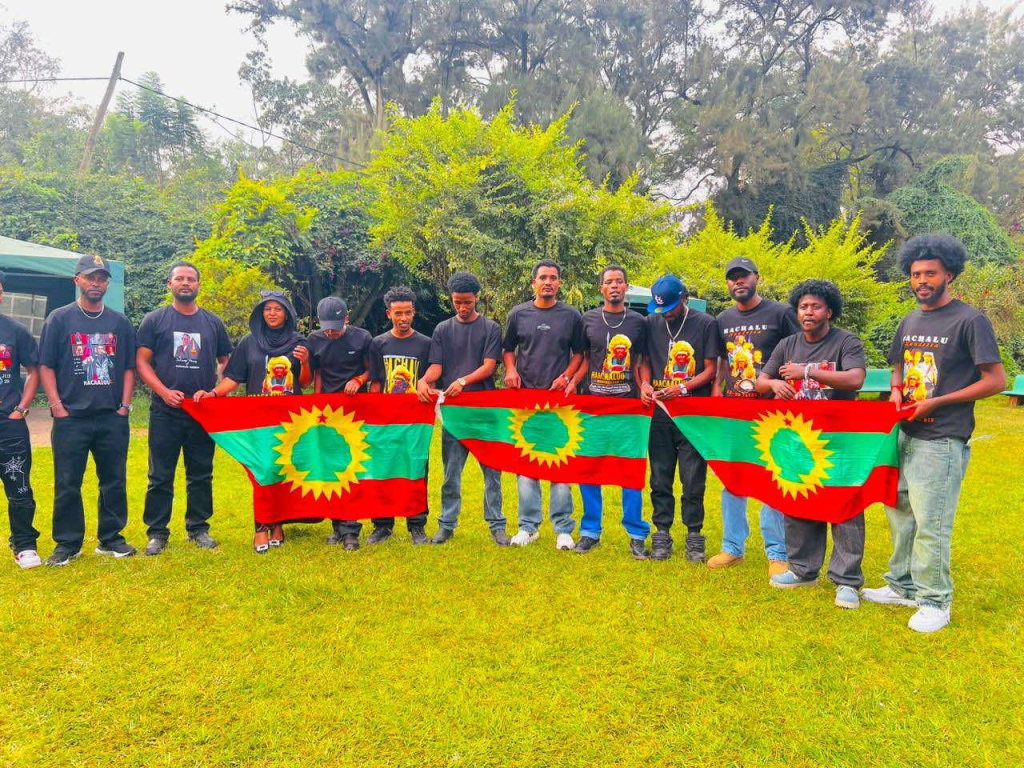
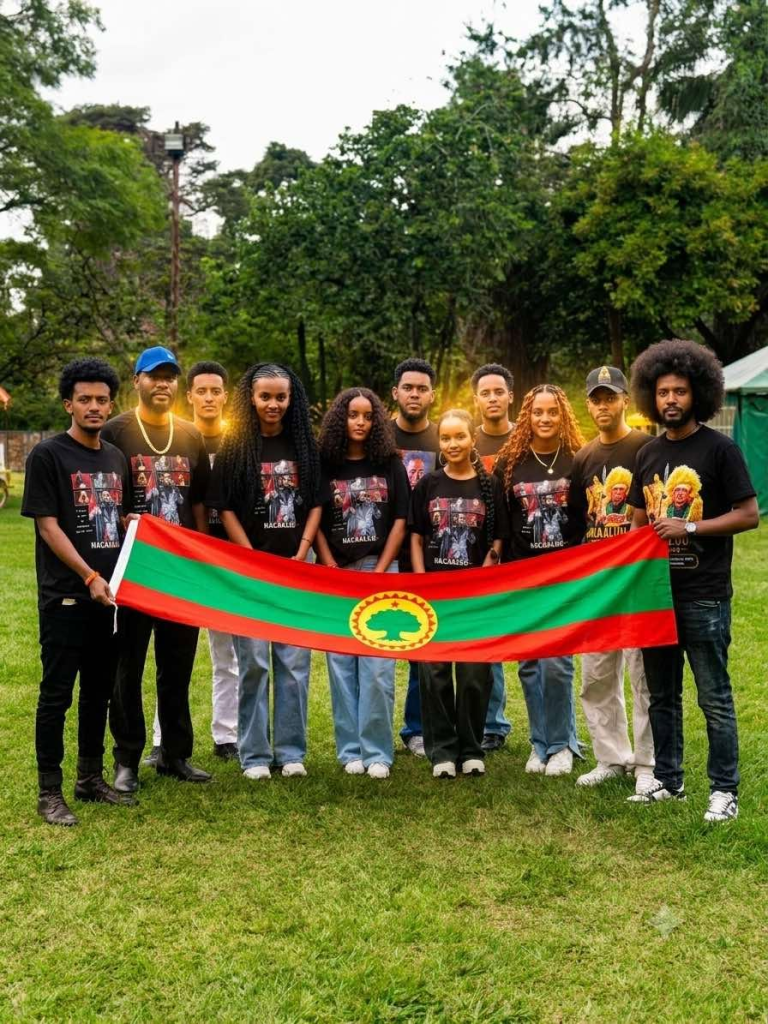
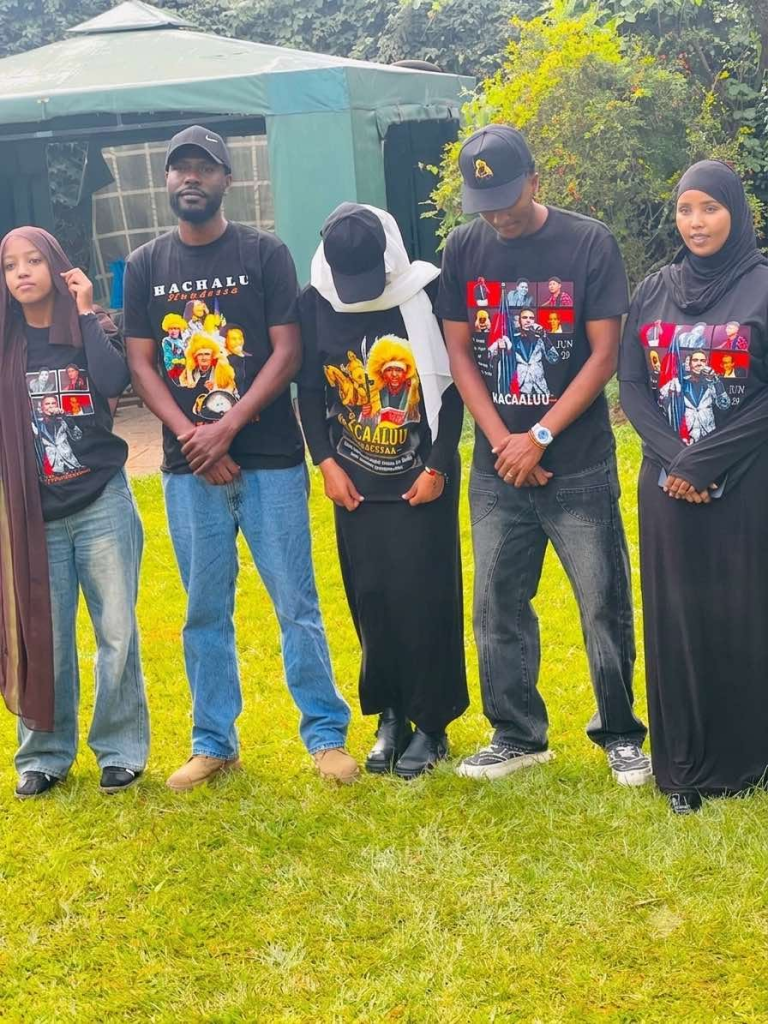
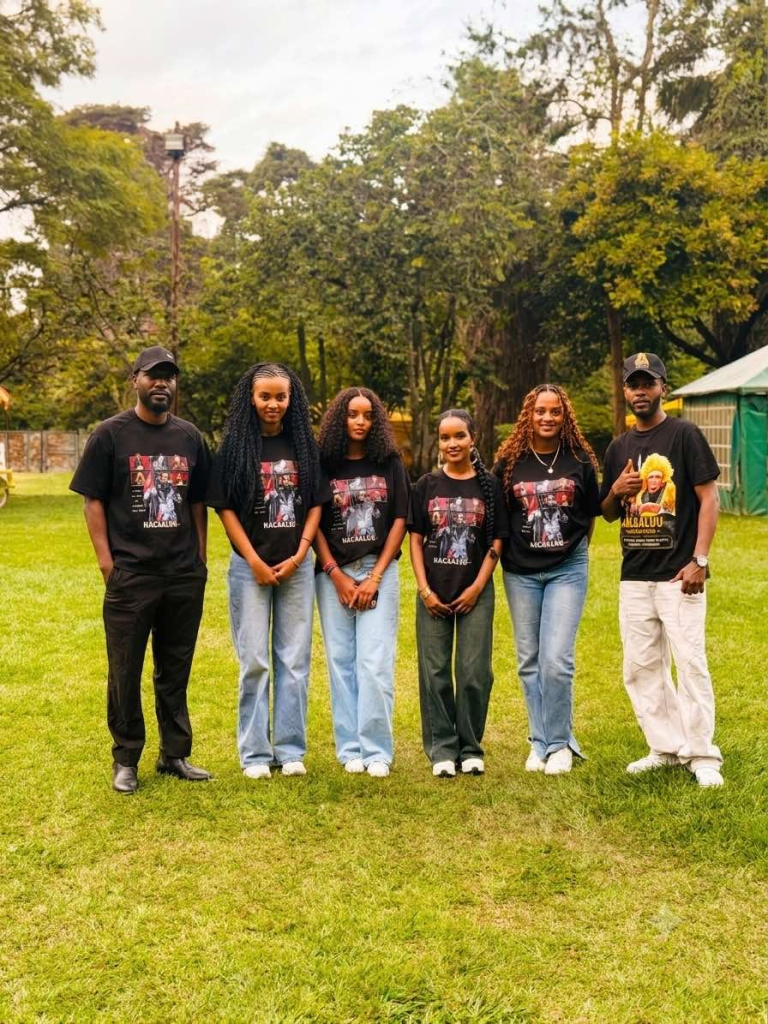
In the vibrant city of Nairobi, the Oromo community came together with a profound sense of purpose to mark the 6th anniversary of the passing of their beloved icon, Artist Haacaaluu Hundeessaa. The commemoration was not merely a somber remembrance of a life tragically cut short, but a vibrant reaffirmation of the enduring legacy he left behind.
The event, attended by community members from all walks of life, was a powerful tapestry of poetry, music, and impassioned speeches, all woven together to honor the man who became the indisputable voice of the Oromo struggle for justice and recognition. As a prominent international analysis described him, Haacaaluu was “the soundtrack of the Oromo revolution, a lyrical genius and an activist who embodied the hopes and aspirations of the Oromo public”.
A Legacy Forged in Struggle
Haacaaluu Hundeessaa was more than a musician; he was a symbol of resistance and a catalyst for change. His music, particularly the iconic songs “Maalan Jira” and “Jirra,” served as rallying anthems during the historic 2015-2018 Oromo protests, which fundamentally altered Ethiopia’s political landscape. His intensely political lyrics, sung in the Oromo language, articulated a profound sense of marginalisation and a yearning for freedom that resonated with millions.
Born in 1986 in the storied city of Ambo, Haacaaluu’s path to becoming a cultural icon was forged in hardship . At just 17 years old, he was arrested for his political activities and imprisoned for five years without charge. It was in that incarceration that he shaped his identity and composed most of the songs that would define his career .
His assassination on June 29, 2020, in Addis Ababa sent shockwaves through the Oromo nation and Ethiopia as a whole, described as “a spear through the heart of the Oromo nation”. The grief was so intense it triggered major protests that led to the loss of hundreds of lives.
The Call to Action: Responding to Sacrifice
At the Nairobi commemoration, participants emphasized that the anniversary was a time not just for mourning, but for reflection and renewed commitment. They spoke of the immense service Haacaaluu rendered to his people, sacrificing his personal safety for the collective hope of the Oromo nation. Community leaders declared that his blood and his art demand a response from the Oromo people, calling on the community to continue the struggle for justice and to secure a future where the Oromo have their rightful place .
The message was clear: Haacaaluu’s legacy is an obligation. The participants reminded the community that Haacaaluu left behind a mandate to continue the fight for justice, and that the struggle he represents is not just about remembering the past but about securing a future where the Oromo people have their rights and dignity fully recognized. As his widow powerfully stated at his funeral, “Haacaaluu is not dead. He will remain in my heart and the hearts of millions of Oromo people forever”.
An Enduring Spirit
As the poignant strains of Haacaaluu’s most famous anthems echoed through the venue, the atmosphere was charged with a mix of profound grief and a renewed sense of purpose. The commemoration in Nairobi is part of a global movement, with the Oromo diaspora from New Zealand to the United States holding similar events to ensure his spirit is never forgotten .
Haacaaluu Hundeessaa’s legacy is a testament to the power of art as a weapon of resistance and a tool for unity. He inspired a generation to be proud of their Oromo identity and to stand up against oppression. His music, which captured the displacement, loss, and subjugation of his people, offered roadmaps of resistance and continues to be a beacon of light for his community.
In the heart of Nairobi, far from the hills of his homeland, Haacaaluu’s spirit finds a permanent home. The community’s message was unequivocal: his sacrifice was not in vain, and his dream of dignity and justice for the Oromo nation will be pursued with relentless vigor until it is fully realized.
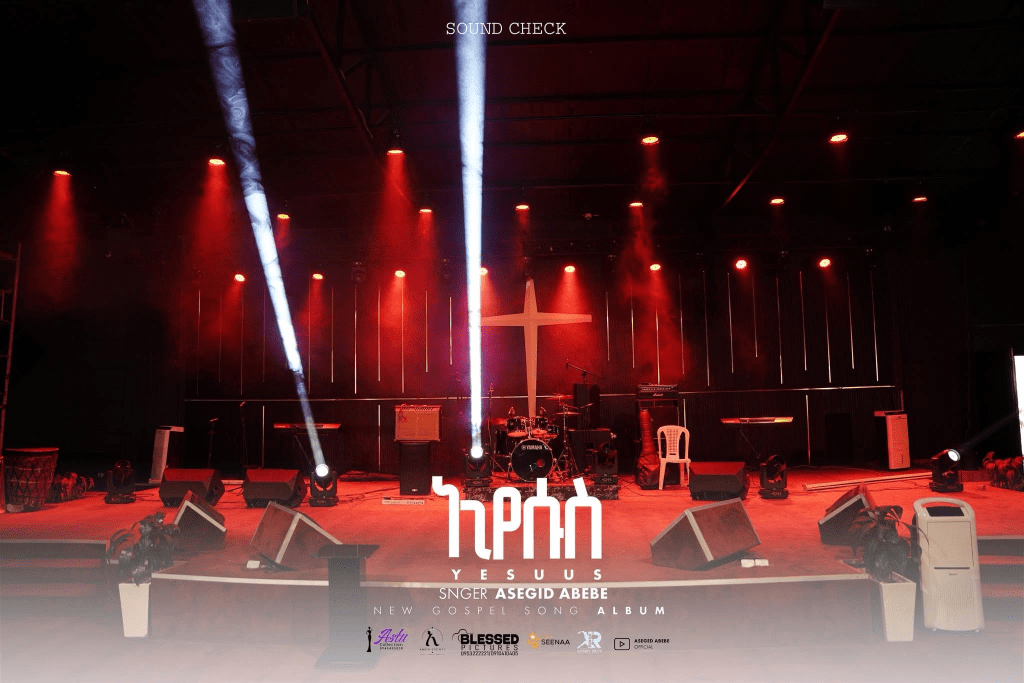
A Divine Offering: The Inauguration of Assegid Abebe’s Worship Album
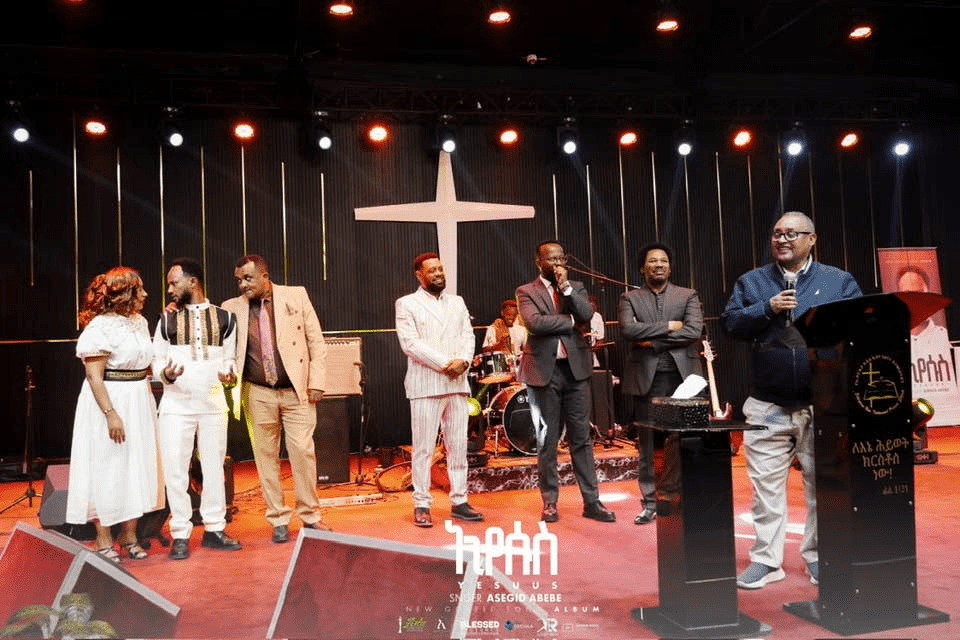
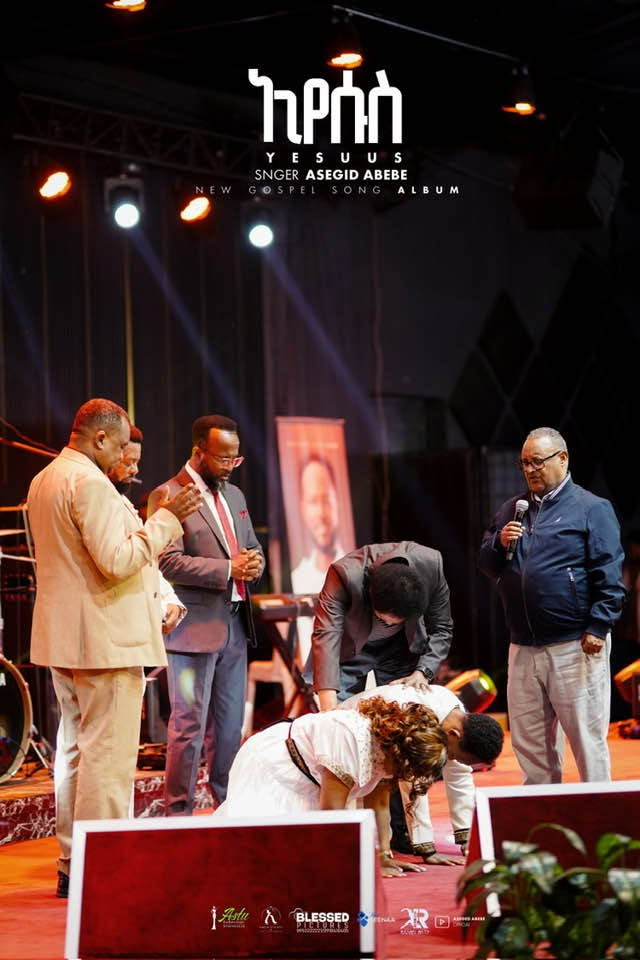
In the vibrant landscape of Ethiopian worship music, a new milestone has been reached. Renowned prophet and psalmist, Assegid Abebe, has officially inaugurated a powerful new worship album, marking a profound addition to the genre of contemporary spiritual music.
This project is described as a stirring display of divine anointing, poised to deeply move listeners and strengthen the spirit of worship among the faithful.
A Legacy of Spirit-Filled Ministry
Assegid Abebe is widely recognized not just as a musician, but as a prophetic voice in the Ethiopian Christian community. His ministry has long been associated with songs that carry a strong presence of worship and spiritual depth.
Following his previous releases, which have garnered a large and dedicated following, this new album is expected to continue his legacy of creating music that resonates with the soul. The inauguration ceremony was likely attended by fellow ministers, artists, and congregants who share a deep appreciation for his unique calling.
What to Expect
The term “ድንቅ” (remarkable or wondrous) is often used to describe the spiritual atmosphere surrounding Assegid Abebe’s performances. This album is anticipated to feature:
- Profound Worship: Songs designed to lead listeners into a state of deep reverence and connection.
- Prophetic Declarations: Lyrics that speak to the present times and offer spiritual insight.
- Artistic Excellence: High-quality production that blends traditional Ethiopian sounds with contemporary worship styles.
Joining the Celebration
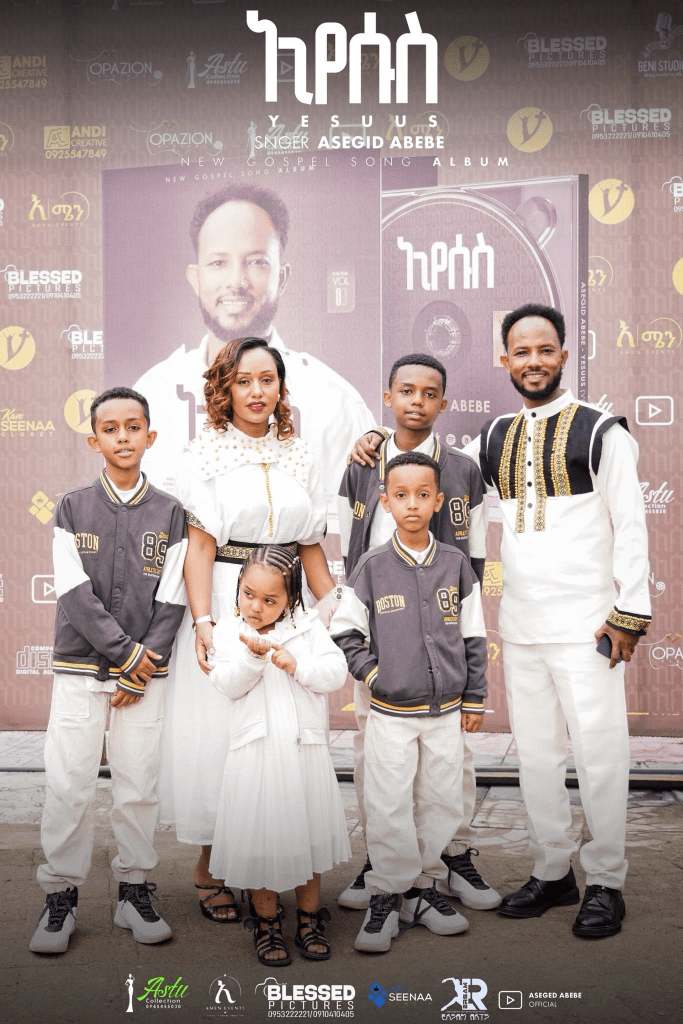
The inauguration of this worship album is a significant event for fans of Ethiopian gospel music. Whether you are a long-time follower of Assegid Abebe or new to his ministry, this release invites you into a space of worship and reflection.
The album is expected to be available on major digital platforms, allowing the “remarkable spirit” of these songs to reach homes and churches around the world.

Beneath the Odaa: A Gathering of Peace and Unity at Bulluq
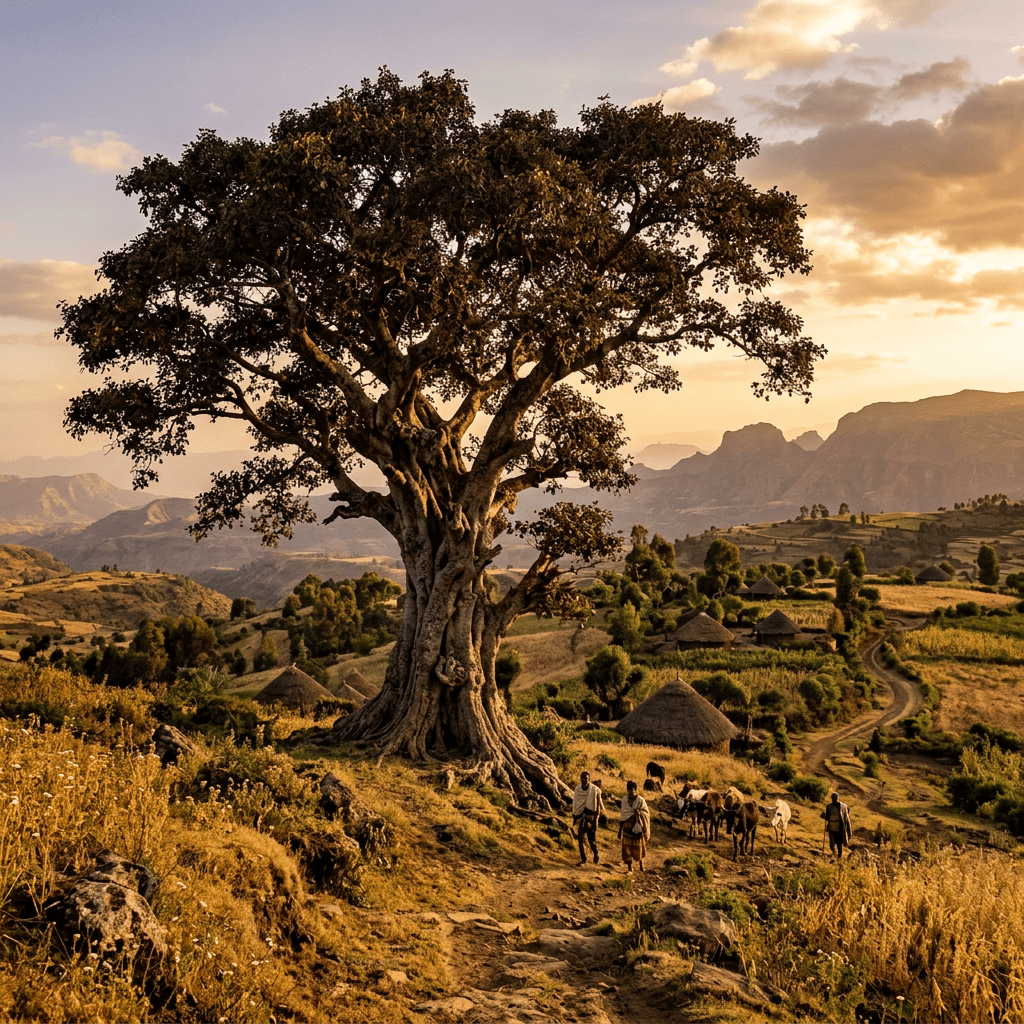
Eight years ago, under the sacred shade of the Odaa Bulluq tree, Oromo youth gathered to seek peace. Today, that moment remains a powerful symbol of what dialogue, respect, and unity can achieve.
There is a tree that stands as a witness to history—a silent guardian of the Oromo people’s most sacred traditions. It is the Odaa, the sycamore fig tree, a symbol of justice, reconciliation, and the enduring spirit of the Gadaa system.
Beneath its sprawling branches, the most important decisions are made. Disputes are resolved. Peace is sought. Unity is forged.
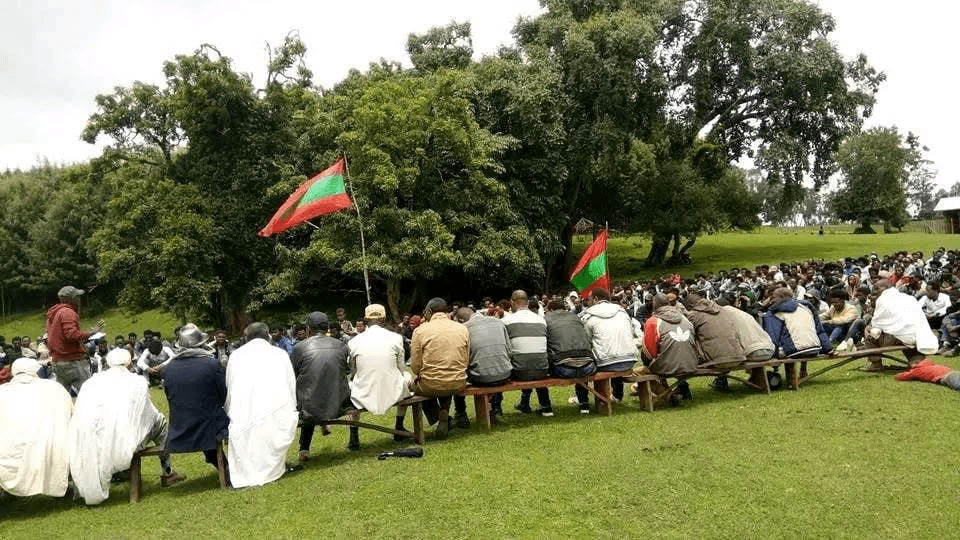
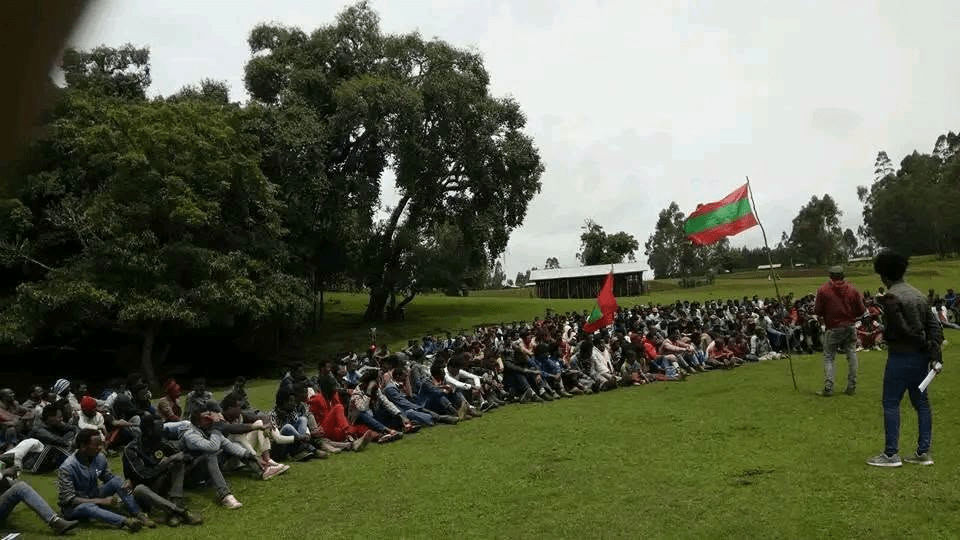
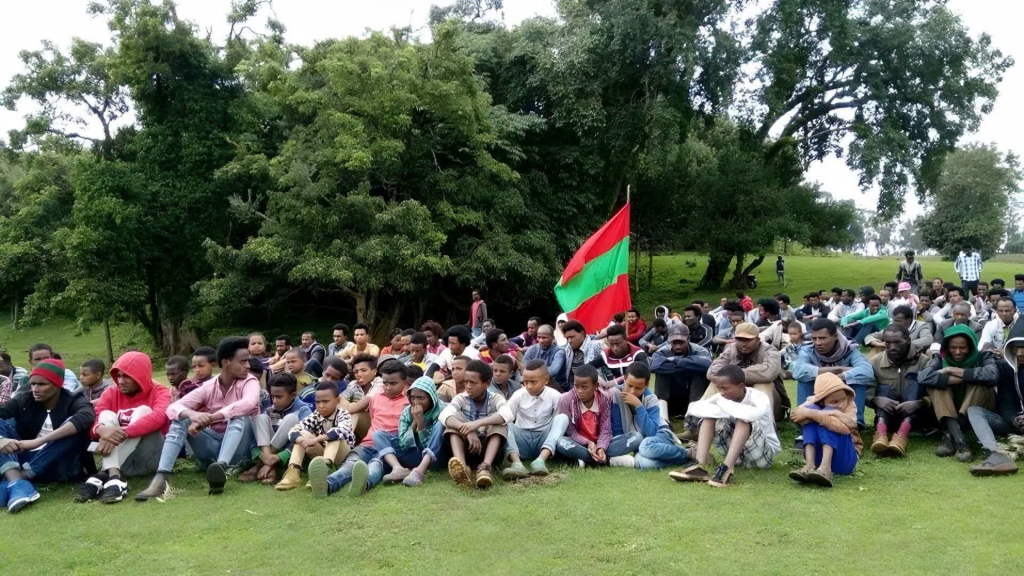
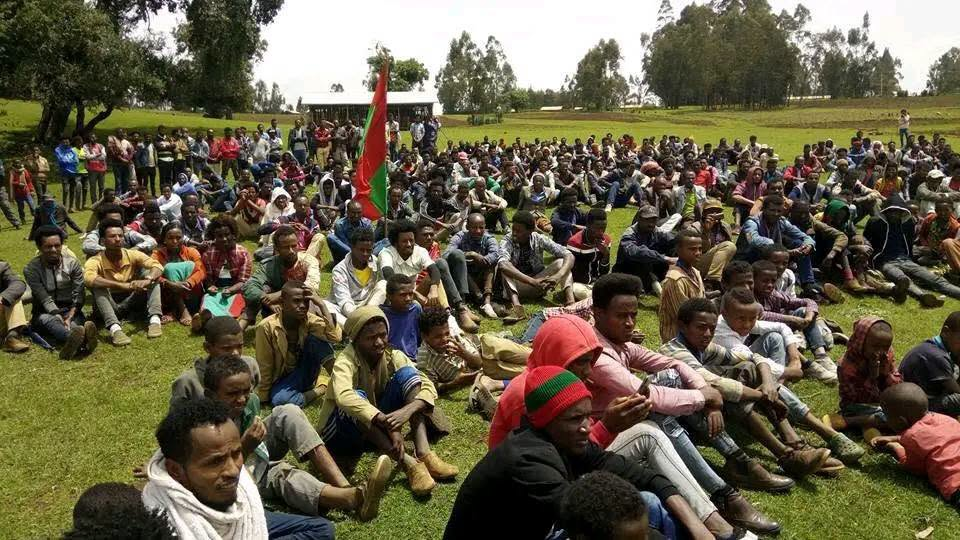
At Odaa Bulluq, one of the five sacred Odaa trees of the Oromo people, a powerful gathering took place eight years ago. On Adoolessa 1, 2018 (according to the Oromo calendar)—August 10, 2018—a group of young Oromo freedom fighters (Qeerroo) came together beneath its shade to seek peace for their land and people.
Today, as tensions once again threaten the region, the memory of that gathering offers a lesson—and a call to action.
The Odaa: A Sacred Symbol
For the Oromo people, the Odaa tree is far more than a tree. It represents:
- Justice: The Gadaa system, UNESCO’s Intangible Cultural Heritage of Humanity, is centred on the Odaa. It is where elders, leaders, and community members gather to make decisions that shape the future .
- Reconciliation: When conflicts arise, the Odaa is the place where peace is negotiated, disputes are settled, and harmony is restored .
- Unity: The Odaa’s branches reach out in all directions, symbolising the interconnectedness of the community and the shared destiny of all Oromo people .
- Continuity: The Odaa is the link between ancestors and future generations—a living testament to the enduring wisdom of the past .
The Odaa Bulluq is one of the five most significant Odaa trees in Oromia, each with its own history and purpose. Together, they form a network of sacred sites that anchor the cultural and spiritual life of the Oromo people.
The Gathering of 2018: A Moment of Unity
Eight years ago, on Adoolessa 1, 2018, a remarkable gathering took place at Odaa Bulluq. Young Oromo activists—known as Qeerroo, meaning “young bulls”—assembled beneath the sacred tree to seek peace.
They had travelled from far and wide. Some had journeyed over 320 kilometres to be there. They came despite the challenges—despite threats, despite surveillance, despite the divisions that had been sown by years of conflict and tension.
Their purpose was simple but profound: to seek reconciliation, to embrace one another, and to call for peace in their region.
As one participant, Dechasa Wirtu, recalled in a recent reflection:
“The Odaa is a place where great decisions are made, where reconciliation is enacted. To gather in such a place signifies respect for law, culture, and the pursuit of peace and security. The reconciliation that happens at Odaa Bulluq is a significant and respected pledge.”
“Eight years ago today, on Adoolessa 1, 2018, when the Qeerroo of Oromia gathered at Odaa Bulluq to negotiate peace for our region, listening to the elders of the land—it was a renewal of unity.”
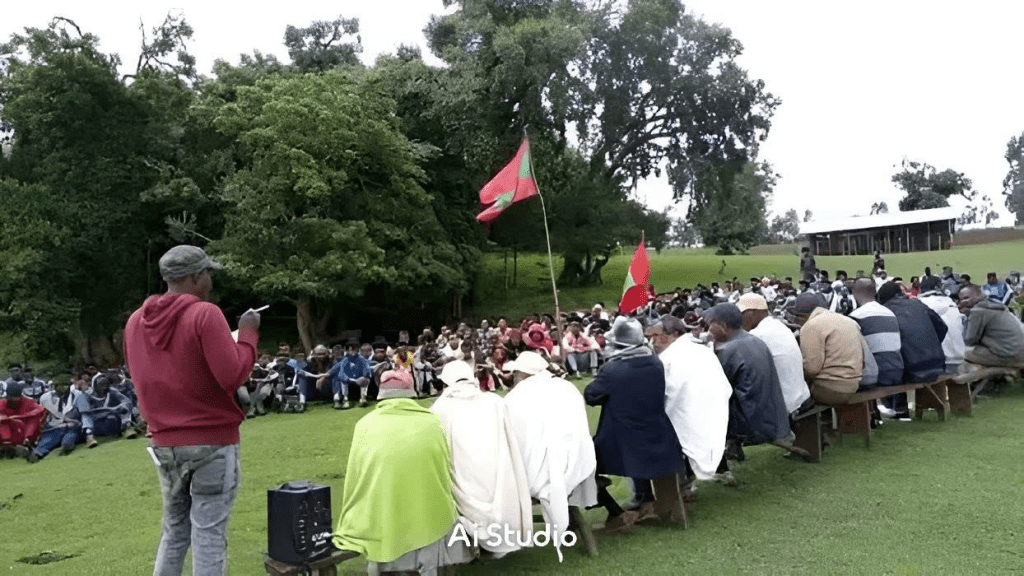
The atmosphere was one of hope. Elders spoke. Young people listened. Differing perspectives were shared. And out of that dialogue came a commitment: to reject hatred, to embrace reconciliation, and to build a future of peace.
A Call for Today: Remembering the Lesson
Today, eight years later, Dechasa Wirtu has issued a renewed call, reflecting on the gathering’s significance:
“Today, if our young people stop harming each other and embrace unity, they have enough strength to protect themselves from the Amhara extremists who are currently crossing borders and encroaching upon them.”
“My message today is the same as eight years ago at Odaa Bulluq: if we come together and resolve our problems through peace, dialogue, and our cultural traditions—beneath the shade of the Odaa—it will bring a lasting solution.”
He also shared a personal commitment to the cause:
“I believe in what I said then. I traveled over 320 kilometres to be there, to participate in that dialogue. I organised and prepared for it alongside many other young people.”
This message comes at a time of heightened tension, as conflict once again threatens the region. Dechasa’s reflection is not just nostalgia—it is a warning and a hope.
The Power of Dialogue
What made the gathering at Odaa Bulluq so powerful was not just the location—it was the commitment to dialogue.
In Oromo culture, dialogue is not optional; it is essential. It is how communities survive and thrive. It is how disagreements are resolved without violence. It is how wisdom from the past is applied to the challenges of the present.
The Gadaa system is built on this principle. Power is not seized—it is transferred through consensus and ceremony. Conflicts are not escalated—they are mediated and resolved. The voice of every member of the community matters .
When young people choose dialogue over confrontation, they honour that tradition. They demonstrate maturity and wisdom beyond their years. And they build the foundation for a society that can endure even the most difficult challenges.
Odaa Bulluq: A Living Legacy
The Odaa Bulluq is not just a symbol of the past—it is a living legacy that continues to inspire today.
As Ethiopia and Oromia face ongoing political and social challenges, the example of the 2018 gathering offers a model for how to move forward. It demonstrates that:
- Unity is possible, even in the face of deep divisions.
- Dialogue works, even when it seems difficult.
- Youth have a crucial role to play, as agents of peace and change.
- Cultural traditions, like the Gadaa system and the sacred Odaa, remain relevant in the modern world.
The gathering at Odaa Bulluq was a powerful reminder that beneath the shade of the Odaa, enemies can become friends, and the future can be reshaped.
A Lesson for All
Dechasa Wirtu’s reflection is a reminder that the values of the Odaa—peace, unity, justice, and reconciliation—are not just Oromo values. They are universal human values.
In a world that often seems divided, where conflict and misunderstanding appear to dominate the headlines, the Odaa tree offers a quiet but powerful alternative.
Under its shade, we are reminded that we are all connected. That dialogue is stronger than division. That peace is not a luxury—it is a necessity.
The Call Remains the Same
Eight years ago, the youth of Oromia gathered at Odaa Bulluq and said: “We choose peace. We choose dialogue. We choose unity.”
Today, that call remains as urgent as ever.
“Peace and unity for everyone!”
This was the message that echoed beneath the Odaa eight years ago. And it is the message that must echo today—across Oromia, across Ethiopia, and across the world.
“Odaan seenaa fi sirna Gadaa keessatti bakka itti murteen gurguddoon murteeffamu, araarri itti bu’udha.”
The Odaa tree in history and the Gadaa system is where great decisions are made, where reconciliation takes place.
May its shade continue to shelter those who seek peace.
Key Insights
| Aspect | Significance |
|---|---|
| Odaa Bulluq | One of five sacred Odaa trees of the Oromo people; a symbol of justice, peace, and reconciliation |
| The Gathering (2018) | Young Oromo activists (Qeerroo) assembled under the Odaa to seek peace and unity |
| Gadaa System | UNESCO-recognised indigenous governance system based on consensus and dialogue |
| Dialogue | Essential to Oromo culture; conflicts are resolved through discussion, not violence |
| Relevance Today | The same principles—peace, unity, dialogue—are urgently needed in the face of current tensions |
Under the Odaa, we are all equal. Under the Odaa, we are all one. Under the Odaa, peace is possible.

The World Has Not Seen Enough of Ethiopia: Inside the Nation’s Tourism Transformation
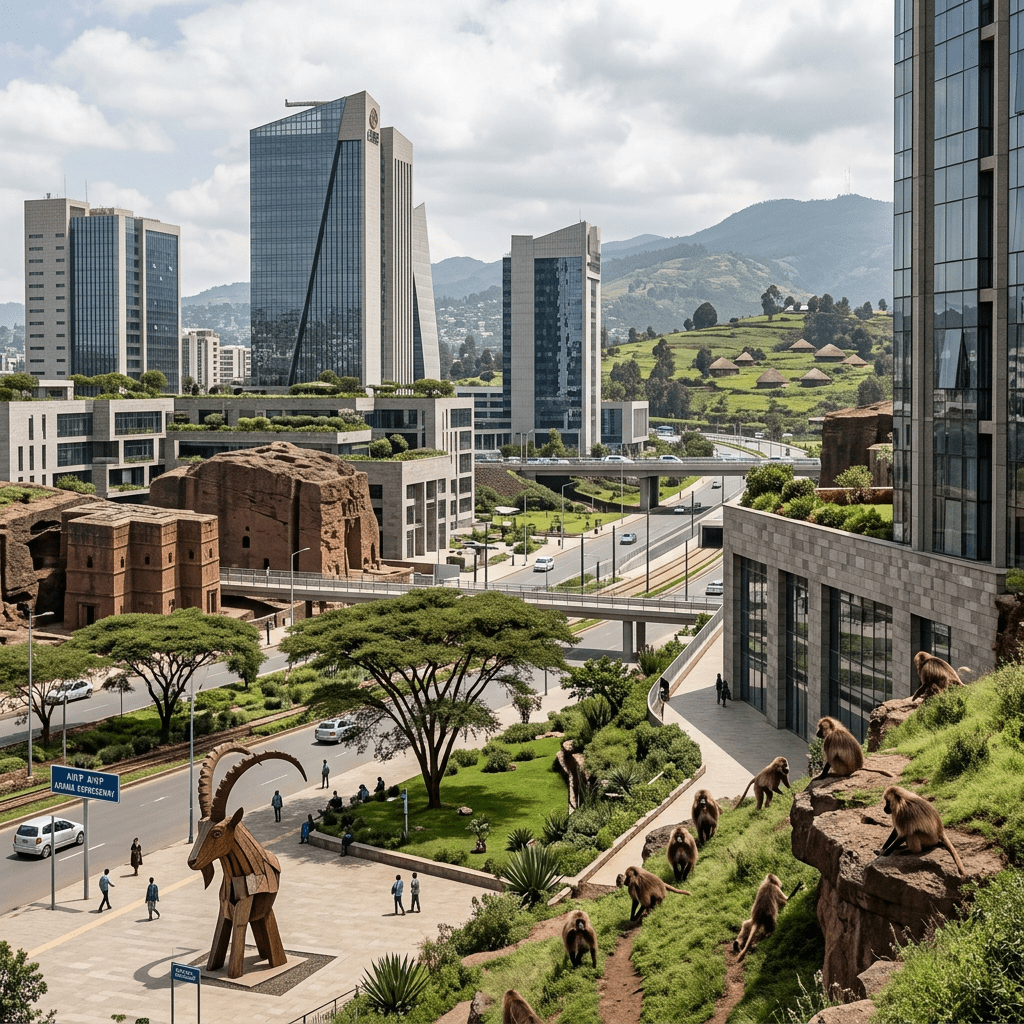
From ancient rock-hewn churches to the diplomatic corridors of Addis Ababa, Ethiopia is on a journey to turn its centuries-old heritage into a modern economic engine—with a message for the world: we are ready.
When Prime Minister Abiy Ahmed speaks about tourism, he does not just talk about beautiful places. He talks about potential—vast, untapped, waiting to be unlocked. In an interview with NBC Ethiopia, he laid out a vision that goes far beyond attracting visitors. It is about transforming Ethiopia’s story into opportunity, growth, and global recognition.
The central message is clear: turning Ethiopia’s potential into visible value—for Ethiopians and for the world.
The Untapped Wealth: A Nation of Wonders
Ethiopia’s challenge, the Prime Minister explained, is not the absence of attractions. It is turning immense potential into world-class destinations. The country possesses resources capable of captivating visitors from across the globe:
- Ancient heritage sites that tell stories of civilizations past
- Remarkable landscapes that range from soaring mountains to vast lowlands
- Unique wildlife and biodiversity found nowhere else on Earth
- Diverse cultures and natural environments that reflect the richness of Ethiopian identity
Yet for decades, this wealth remained largely invisible to the world. Visitors came—but they came for brief tours, seeing only a handful of sites before leaving. The infrastructure was inadequate; the destinations were limited; and the potential remained locked away.
That is changing.
From Heritage to Destinations: The Investment Strategy
Tourism, the Prime Minister emphasized, requires more than having historic places—it requires investment.
The government’s focus has been on four pillars:
1. Restoring and protecting heritage
Ethiopia’s historical treasures are not just tourist attractions—they are the soul of the nation. The Prime Minister highlighted the recovery of more than 35 Ethiopian heritage artefacts that had been lost, stolen, or taken away. This effort to bring home what was taken is part of a broader commitment to restoration.
2. Developing tourism destinations
Landmark initiatives like Dine for Sheger, Dine for the Nation, and Dine for a Generation have fundamentally reshaped Ethiopia’s tourism map. Unity Park, Sheger Park, and Entoto Park have transformed Addis Ababa. Halala Kela, Chebera Churchura, and Wenchi have blended natural beauty with historical footprints. Gorgora, Dembi, and Shebelle represent the next generation of destinations.
3. Expanding infrastructure
Roads, airports, and connectivity are being expanded to make destinations accessible. Where previously visitors might have struggled to reach remote sites, now improved infrastructure ensures smoother, safer journeys.
4. Strengthening digital access and visitor services
In a digital age, tourism requires more than physical infrastructure. Ethiopia is building the online presence and services that modern travellers expect.
Bringing the World to Ethiopia: The MICE Opportunity
The Prime Minister emphasized a specific opportunity often overlooked: MICE tourism—Meetings, Incentives, Conferences, and Exhibitions.
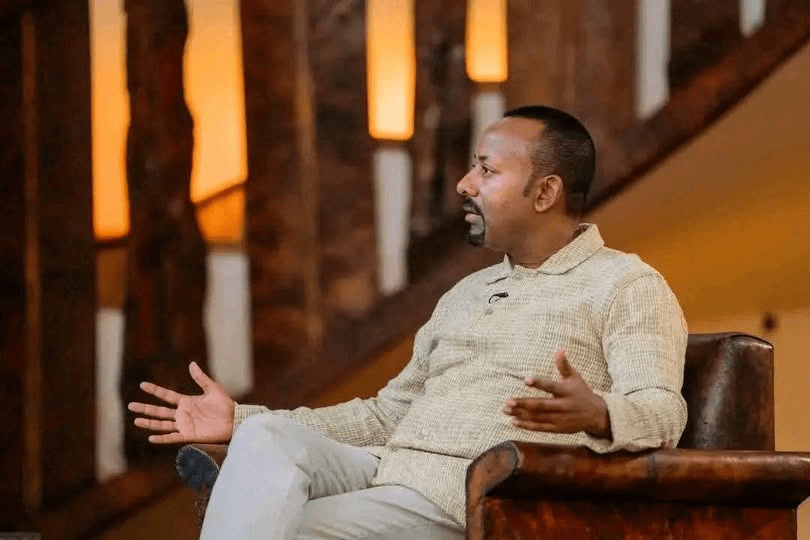
With Addis Ababa’s role as Africa’s diplomatic capital—home to the African Union and numerous international organisations—and Ethiopian Airlines’ global connectivity, Ethiopia has the foundation to attract international conferences and business visitors. This is not just about leisure tourism; it is about positioning Ethiopia as a hub for global dialogue and commerce.
In the first nine months of the recent budget year alone, Addis Ababa hosted approximately 150 international and continental events—a 50% increase compared to the previous year—injecting 155 billion Birr into the economy. These numbers reflect the growing recognition of Ethiopia’s capacity to host the world.
When Investment Meets Results
The Prime Minister’s message is that tourism is now showing measurable progress:
- Growing international visitors—attracted by new destinations and improved services
- Expanding domestic tourism—as Ethiopians discover their own heritage
- Increasing tourism revenue—contributing to economic transformation
- More international conferences—hosted in Addis Ababa
Tourism is becoming part of Ethiopia’s broader economic transformation alongside agriculture, industry, mining, and technology. It is not an add-on; it is a pillar.
The Story Belongs to Every Ethiopian
Perhaps the most striking part of the Prime Minister’s message is this: tourism cannot be built by government alone. It requires every citizen.
Every interaction matters. From airports and hotels to drivers, guides, businesses, artists, media, and ordinary citizens—each person is an ambassador for Ethiopia. Visitors form their impressions not just through brochures but through the warmth, professionalism, and integrity of the people they encounter.
The message is simple and powerful: Know Ethiopia. Present Ethiopia with dignity. Share its story with the world.
This is not just about economic gain. It is about national pride and the right to tell one’s own story.
A Vision for the Future
The Prime Minister’s vision is ambitious yet grounded. He sees a future where Ethiopia is not just a destination for the few who have heard of its wonders, but a global icon of hospitality, heritage, and hope.
The era of limited destinations is over. The infrastructure is being built. The heritage is being restored. The world is being invited.
And at the heart of it all is a simple belief: the world has not seen enough of Ethiopia—but it will.
“Together, let’s work to further increase the contribution of the tourism industry to national growth.”
This is the call. And Ethiopia is answering.
Celebrating Muhuba: A Story of Kindness in Crisis
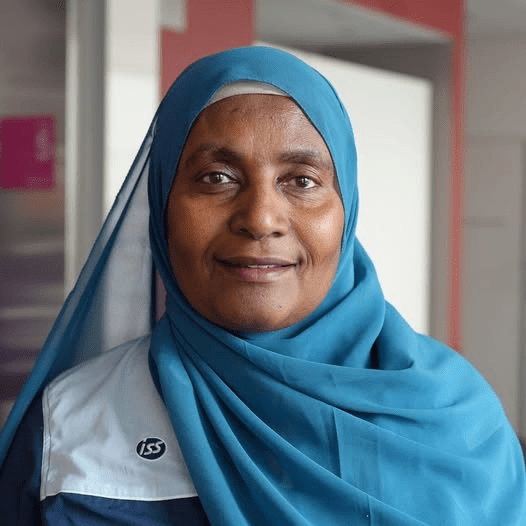
When a labouring patient arrived alone, unable to speak English, ISS placemaker Muhuba didn’t hesitate. She was on her way home from a cleaning shift at The Royal Women’s Hospital when she got a call—and she turned around without a second thought.
It was the end of a long shift. Muhuba had spent her day cleaning at The Royal Women’s Hospital in Melbourne—ensuring that rooms were sanitised, surfaces were spotless, and the environment was safe for patients, families, and staff. She was tired. She was heading home.
Then her phone rang.
On the other end was a voice from the hospital, asking if she could help. A labouring patient had arrived alone. She was scared. She couldn’t speak English. And staff had just discovered that Muhuba spoke her language.
Muhuba didn’t hesitate. She turned around and came straight back.
“I just wanted to help,” she said.
A Labour of Love
What happened next would change a woman’s birth experience—and inspire people around the world.
Muhuba was quickly thrown a pair of scrubs and rushed into the operating theatre. For the next five hours, she stayed by the patient’s side. She held her hand. She spoke to her in her own language. She calmed her fears.
She was not a midwife, a nurse, or a doctor. She was a placemaker—a cleaner. But in that moment, she was the only person who could truly communicate with a terrified mother about to bring a new life into the world.
The woman gave birth safely, comforted by the presence of someone who spoke her words, understood her heart, and gave her the dignity of being heard.
The Kind of Care That Transcends Job Titles
At The Royal Women’s Hospital, patient safety and comfort are paramount. But sometimes, the most profound care comes from unexpected places. Muhuba’s story is a testament to the fact that compassion does not require a clinical degree—it requires a human heart.
In her five hours in the theatre, Muhuba was not just translating words. She was translating trust. She was bridging the gap between a foreign medical system and a terrified mother. She was giving that woman the single most powerful gift a caregiver can offer: the feeling that she was not alone.
When the award nomination was announced, those who know Muhuba were not surprised. Her act was not a one-time gesture—it is a reflection of who she is. Every day, staff at the Women’s see the quiet dignity and dedication of workers like Muhuba, who clean rooms, deliver meals, and ensure the hospital runs smoothly, often without recognition.
Recognition Across the World
Muhuba’s extraordinary kindness did not go unnoticed.
Last year, she was recognised with a state-wide award from ISS—the global facility services company that employs her. Her act of going above and beyond stood out as an example of the power of compassion in healthcare.
This year, she has been named one of four international finalists in a global awards program. In May, ISS will fly her to Denmark for the awards ceremony, where she will represent The Royal Women’s Hospital—and Australia—on the international stage.
It is a remarkable journey for a woman who was simply heading home after a shift and answered a call for help.
The Placemaker’s Role: More Than Cleaning
ISS describes its role as “placemaking”—creating environments where people thrive. Muhuba’s story exemplifies this mission. In a hospital setting, the role of cleaning staff is often invisible, taken for granted. Yet without them, the hospital could not function. They are the quiet guardians of hygiene, the unseen hands that ensure safety, and, as Muhuba proved, sometimes the most compassionate voices in a time of crisis.
Muhuba’s willingness to drop everything and stay for five hours speaks to a deeper philosophy: care is not confined to job descriptions. It is a human duty, a moral impulse, and a gift that can be given by anyone, regardless of their title.
A Hospital Community That Cheers Her On
The Royal Women’s Hospital has expressed profound pride in Muhuba’s recognition. In a social media post celebrating her achievement, they wrote:
“We are incredibly proud of Muhuba and the compassion she brings to our hospital community. Join us in cheering her on as she represents the Women’s on the international stage.”
The post resonated widely—drawing thousands of reactions, comments, and shares. People from around the world responded with admiration. They saw in Muhuba’s story something universal: the power of one person to make a difference when it matters most.
One commenter wrote: “This is what true compassion looks like. Thank you, Muhuba, for showing the world that kindness has no boundaries.”
Another said: “She may not have a clinical degree, but she has a degree in humanity. This is the kind of care we all need.”
The Language of Kindness
Muhuba’s act of kindness also highlights a broader issue in healthcare: the importance of language access and culturally safe care.
Australia is one of the most multicultural nations in the world, yet language remains a significant barrier to equitable healthcare. Patients who cannot speak English are often at risk of miscommunication, misdiagnosis, and poor health outcomes. They may feel isolated, frightened, and unable to advocate for themselves.
Muhuba’s presence in that theatre was more than comfort—it was clinical necessity. She ensured that a mother could understand what was happening, could express her fears, and could consent to her care with full understanding. In doing so, she helped deliver not just a baby, but a safer, more dignified birth experience.
Her story reminds us that health systems must invest in language services, translation support, and cultural safety training—and that sometimes, the most effective support is the person who simply speaks your language and holds your hand.
From Melbourne to Denmark
In May, when Muhuba boards a plane for Denmark, she will carry with her the hopes of her colleagues, her community, and the thousands of people who have been moved by her story.
She will stand on an international stage, not as a doctor or a nurse, but as a placemaker—a cleaner—who proved that compassion is the highest qualification of all.
Her recognition is not just personal. It is a tribute to all the invisible workers in hospitals around the world: the cleaners, the porters, the kitchen staff, the administrative workers—everyone who contributes to healing without wearing a white coat.
They are the backbone of healthcare. And Muhuba has shown the world just how powerful their contribution can be.
A Message to Us All
Muhuba’s story is a challenge—and an invitation.
It challenges us to recognise that kindness is always possible, even when we are tired, even when we are heading home, even when it is not “our job.”
It invites us to see the humanity in everyone, to reach out when someone is in need, and to understand that the smallest gestures—a held hand, a spoken word, a calm presence—can change a person’s entire experience.
As one commenter wrote: “Not all heroes wear capes. Some wear scrubs and hold hands.”
Muhuba is one of those heroes. And soon, the world will have a chance to celebrate her.
Join Us in Cheering Her On
The Royal Women’s Hospital is inviting everyone to join in celebrating Muhuba’s international recognition.
“We couldn’t be prouder of Muhuba,” the hospital said. “She represents the very best of who we are—people who care, who go above and beyond, and who make a difference when it matters most.”
When Muhuba heads to Denmark in May, she will be carrying more than her own story. She will be carrying the stories of countless patients who have been comforted by someone like her—someone who chose compassion over convenience, kindness over exhaustion.
She is an inspiration to the entire hospital community. And now, she is inspiring the world.
Muhuba, we are so proud of you. Your kindness has already changed lives—and it will continue to do so as your story travels around the world. Congratulations on this well-deserved recognition, and thank you for showing us all the power of a compassionate heart.
The Royal Women’s Hospital is Australia’s largest specialist women’s hospital, providing care for women and newborns across Victoria and beyond. Founded in 1856, the hospital is committed to excellence in clinical care, research, and advocacy for women’s health.

The Ceremony of Nyaachisaa: A Sacred Rite of Humanity and Renewal at Ardaa Jilaa Daawwitii Borbor
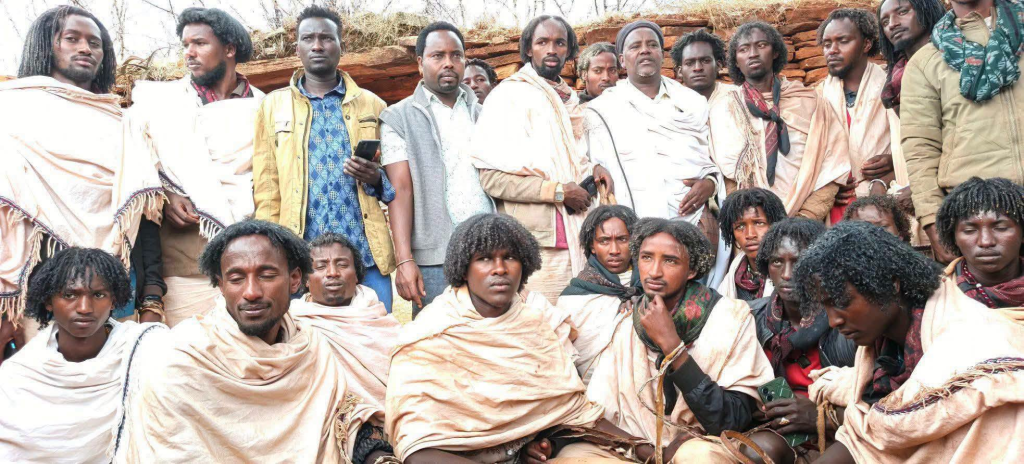
In the heart of Borana, the ancient Gadaa tradition comes alive as the community gathers to celebrate the Nyaachisaa ceremony—a profound rite of passage that honours brotherhood, culture, and the sacred bonds that unite the Borana people.
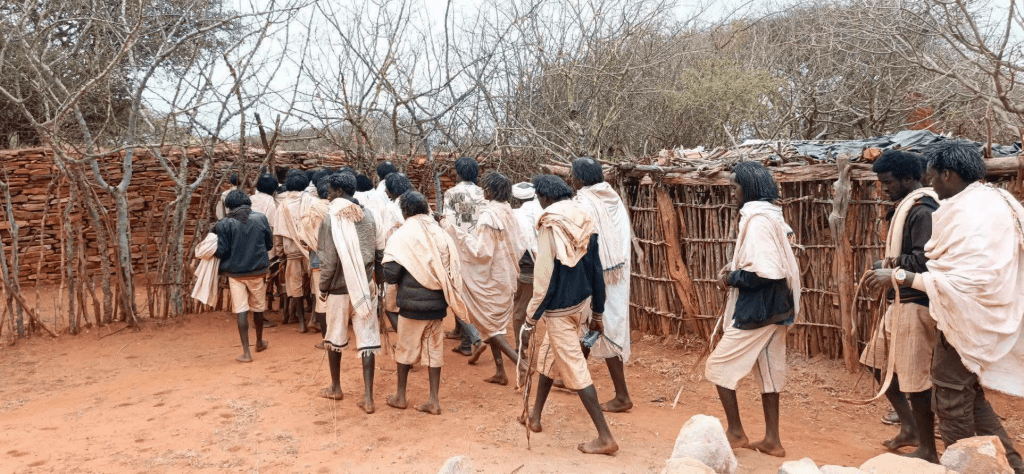
At Ardaa Jilaa Daawwitii Borboritti in East Borana Zone, Dhaasii district, a powerful cultural ceremony is unfolding. The sons of Guyyoo Gobbaa Bulee—the revered elder and former Abbaa Gadaa—are conducting the Nyaachisaa ritual, a sacred feast that embodies the values of brotherhood (waloomaa), mutual respect, and cultural preservation .
“Nagaan Gooroo marmaaraa ga’aa, gammee buufadha!”
This invocation—”Peace to the Gooroo Marmaaraa, enter the assembly!”—echoes across the gathering, summoning participants to a celebration that is both ancient and vibrantly alive.
Understanding Nyaachisaa: More Than a Feast
The Nyaachisaa ceremony is far more than a simple communal meal. It is a sacred rite within the Borana Gadaa system, marking important transitions and reaffirming the social fabric of the community. The ritual is closely tied to the Gadaa cycle, the indigenous democratic system that has governed the Borana people for centuries .
The Gadaa system, recognised by UNESCO as an Intangible Cultural Heritage of Humanity, is a sophisticated form of governance that operates in eight-year cycles . Every eight years, power is transferred from one Abbaa Gadaa (customary ruler) to his successor, a process that involves elaborate ceremonies and rituals . The recent installation of the 72nd Abbaa Gadaa, Guyo Boru Guyo, demonstrates that this tradition remains vibrantly alive .
The Nyaachisaa ceremony is one of the rituals associated with this system. The term nyaachisaa refers to the ritual of “feeding” or “causing to eat”—a symbolic act that carries deep meaning.
The Meaning Behind the Ritual
When the sons of Guyyoo Gobbaa Bulee conduct the Nyaachisaa ceremony, they are participating in a tradition that has been passed down through countless generations. The ritual involves:
- Communal Slaughter: The slaughter of a bull (sangaa) is central to the ceremony. The bull is not just a source of food—it is a sacrificial offering that carries profound spiritual and symbolic meaning . The Borana believe that before slaughtering, they must first bless the animal through a ritual called ariracha, asking for blessings to prosper both people and livestock .
- Food as Social Bond: The meat from the slaughtered bull is shared according to customary rules. The act of sharing meat—called jiffu—reinforces kinship ties and social obligations, strengthening the bonds between families, clans, and the broader community .
- Cultural Preservation: Through the Nyaachisaa ceremony, the Borana preserve not just their culinary heritage but also the values of solidarity, mutual support, and respect for elders .
The Sacred Setting: Ardaa Jilaa and the Odaa Tree
The ceremony takes place at Ardaa Jilaa Daawwitii Borboritti—a sacred site of immense cultural significance to the Borana people. In Borana tradition, ardaa jilaa refers to a sacred gathering place, often associated with the odaa tree (sycamore fig tree) .
The odaa tree holds profound symbolic meaning in Oromo culture. Most Gadaa rituals are performed in the shade of this tree, and both the tree and the surrounding area are fully protected as sacred spaces . The tree represents life, wisdom, and the continuity of tradition across generations.
At these sacred sites, cultural ceremonies like Nyaachisaa reaffirm the community’s connection to their ancestors and the land.
The Role of Abbaa Gadaa and Elders
The involvement of Guyyoo Gobbaa Bulee and his sons in the Nyaachisaa ceremony is particularly significant. Guyyoo Gobbaa Bulee was a retired Abbaa Gadaa who, along with Guyyo Boru, served as a main speaker during the Gumi Ganyo Assembly—a traditional gathering where community issues are discussed and resolved according to custom (aada) and law (seera) .
The elders play a crucial role in Borana society:
- Preserving Knowledge: Elders are the keepers of oral history, laws, and rituals .
- Teaching the Next Generation: They train young initiates about history, laws, and the function of the Gadaa system .
- Resolving Conflicts: The Abbaa Gadaa is responsible for solving feuds and disputes, often related to cattle-raiding and access to resources .
The Nyaachisaa ceremony is therefore not just a celebration—it is an educational moment where younger generations learn the values and traditions that define their identity.
Food as Identity: The Significance of Koche
One of the central elements of the Nyaachisaa ceremony is the preparation and sharing of koche, a traditional meat dish that has deep cultural significance .
What is Koche?
Koche is a nutritious and rich food made from meat, fat, and other ingredients. It is highly regarded in Borana culture and is:
- A Symbol of Hospitality: Koche is prepared for important guests and during ceremonies. It is a sign of respect and generosity .
- An Expression of Love: Beyond its nutritional value, koche is also a food of passion. Women would prepare it for their lovers—even secret ones—as an expression of love. If discovered, the lover would be fined a cow to appease the husband .
- A Measure of Status: Among Borana women, it was considered embarrassing for their traditional storage container (dhibe) for meat to be empty. Women of substance were expected to have koche in their dhibe at all times .
Communal Preparation
The preparation of koche is a communal affair involving elders, women, herders, and villagers. The process takes days of careful planning :
- Women fetch water and firewood and prepare a mat-like structure called sage for holding the meat.
- Men are involved in the slaughter and butchering of the bull.
- The community comes together to share in the meal, strengthening social ties and reaffirming collective identity.
This communal effort reflects the Borana belief that food is not just fuel for the body but nourishment for social relationships.
The Values of Waloomaa and Obbolummaa
The Nyaachisaa ceremony embodies the Borana values of waloomaa (cohesion) and obbolummaa (siblinghood). The sharing of meat is a physical expression of these values. As one analysis of Borana culture explains, eating together (commensality) is more than just sharing and consuming food—it strengthens kinship ties and friendship.
When the sons of Guyyoo Gobbaa Bulee conduct the Nyaachisaa ceremony at Ardaa Jilaa Daawwitii Borboritti, they are not just feeding the community. They are:
- Honouring their father: Guyyoo Gobbaa Bulee’s legacy as an elder and former Abbaa Gadaa is celebrated and passed on.
- Reinforcing brotherhood: The act of sharing meat reminds everyone of their obligations to one another.
- Preserving culture: The ceremony ensures that ancient traditions continue to have meaning in the present.
The Bigger Picture: Gadaa and Cultural Preservation
The Nyaachisaa ceremony at Ardaa Jilaa Daawwitii Borboritti is part of a broader cultural renaissance among the Borana and Oromo peoples. Despite centuries of pressure and challenges, the Gadaa system has survived:
- UNESCO Recognition: In 2016, the Gadaa system was added to UNESCO’s list of Intangible Cultural Heritage of Humanity, acknowledging its significance as one of Africa’s oldest democratic governance systems .
- Cross-Border Significance: The Gadaa system unites Borana communities across national borders—in both Ethiopia and Kenya .
- A Living Tradition: The Gadaa system is not a museum piece but a living, dynamic tradition that continues to evolve while maintaining its core values .
As one Borana elder explained, the age-set system (hariya) may end when members die, but the generation-set system (luba) continues forever—a cycle of renewal that keeps the community alive .
Conclusion: The Feast That Feeds the Soul
The Nyaachisaa ceremony at Ardaa Jilaa Daawwitii Borboritti is a powerful reminder of what makes the Borana people unique—their commitment to brotherhood, their respect for elders, their connection to the land, and their ability to preserve their culture across generations.
“Nagaan Gooroo marmaaraa ga’aa, gammee buufadha!”
Peace has come to the Gooroo Marmaaraa—the ritual journey from one sacred site to another . The assembly is called. The bull is slaughtered. The koche is shared. And through this ancient rite, the Borana people reaffirm who they are and what they stand for.
In a changing world, the Nyaachisaa ceremony remains a source of identity, solidarity, and hope. It is a feast that feeds not just the body but the soul—a testament to a people who refuse to forget their past even as they face the future.
The Nyaachisaa ceremony honours the wisdom of elders, the strength of community, and the enduring values of humanity, respect, and cultural pride.
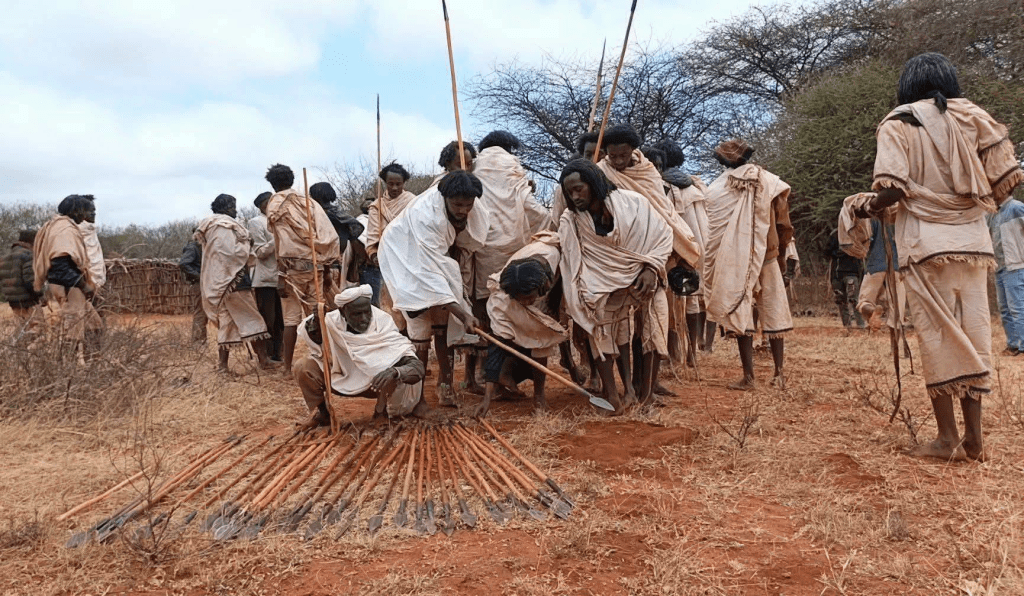

Exploring the Intellectual Legacy of the Oromo Struggle

The Oromo national movement, a tapestry of resistance, cultural revival, and political awakening, has been shaped by countless individuals. While the world often focuses on political leaders and activists, the intellectual and artistic foundations of the struggle are equally vital. Three figures—Professor Asmerom Legesse, Tesfaye Gebreab, and Teferi Berhane—stand as pillars of this movement, each contributing uniquely to the Oromo cause through scholarship, literature, and advocacy.
The Scholar Who Validated a Civilization: Professor Asmerom Legesse
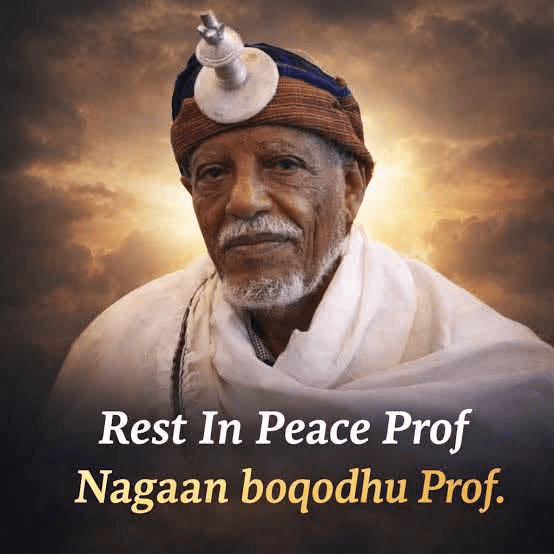
If the Oromo struggle has an intellectual godfather, it is undoubtedly Professor Asmerom Legesse. Born in Asmara, Eritrea, in 1931, this Harvard-trained anthropologist dedicated his life to a singular, revolutionary mission: proving that Africa, and specifically the Oromo people, possessed a sophisticated democratic governance system long before the advent of Western constitutionalism.
His seminal works—Gadaa: Three Approaches to the Study of African Society (1973) and Oromo Democracy: An Indigenous African Political System (2000)—were not mere academic texts. They were intellectual weapons that dismantled colonial narratives that had long dismissed African governance as primitive. Legesse meticulously documented the Gadaa system, an indigenous Oromo governance structure based on age-sets, rotational leadership every eight years, and deliberative assemblies known as Gumi.
His work demonstrated that the Oromo had institutionalized principles of checks and balances, egalitarian participation, and rule-bound succession centuries before similar ideals emerged in Europe. This scholarship provided a powerful source of pride and legitimacy for the Oromo people, proving that their struggle was not for imported ideals but for the restoration of their own democratic heritage. His contributions were so profound that the United Nations formally registered the Gadaa system as an Intangible Cultural Heritage of Humanity in 2016, a recognition largely built upon his foundational research.
The Unlikely Voice of the Oppressed: Tesfaye Gebreab
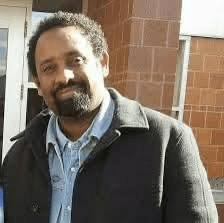
While Legesse operated in the halls of academia, Tesfaye Gebreab brought the Oromo struggle to the masses through the power of literature. An Eritrean by birth but raised in the Oromo town of Bishoftu, Gebreab was a prolific author and journalist who achieved a literary first: he created the first Oromo main character in the vast history of Amharic literature.
His semi-historical novel, Yeburqa Zimita (The Silence of the Burqa), was a groundbreaking work that centered on the reflection and reaction of the Oromo people to centuries of marginalization and discrimination. In a literary landscape where Oromos were often relegated to the roles of housemaids and guards, Gebreab dared to place them at the heart of the narrative. He described himself as an “Eritrean by birth but an Oromo by experience and attachment”.
His work was deeply controversial; he was accused by some of fueling ethnic conflict. However, Gebreab defended his art as a product of historical fact and observation. By giving voice to the Oromo experience in the dominant language of the Ethiopian state, he challenged the very fabric of Ethiopian literary tradition and forced a national conversation about oppression and identity, making the Oromo struggle visible to a wider audience.
The Custodian of Knowledge: Teferi Berhane
The third pillar, Teferi Berhane, represents the modern, institutional effort to sustain and advance Oromo scholarship. While detailed public records of his early life are less prominent, his role as a leader within the Oromo Studies Association (OSA) marks him as a crucial figure in the struggle’s intellectual infrastructure.
The OSA, founded in 1986, was established to create an independent academic home for the study of Oromo history, culture, and identity at a time when such voices were systematically marginalized. Teferi Berhane served on the board and completed a term as the president of this vital organization. In this capacity, he helped guide an institution dedicated to producing and disseminating knowledge about the Oromo people.
His work involved not only academic administration but also direct engagement with Ethiopia’s political and economic challenges. He co-organized high-profile symposia on the country’s transition and contributed to economic policy papers addressing crises like youth unemployment. As a professor of development economics, Teferi Berhane represents the struggle’s future: a generation of scholars working within global institutions to build the intellectual and economic frameworks necessary for a just and prosperous Oromia.
A Unified Legacy
The contributions of these three men are distinct, yet they form a cohesive whole. Asmerom Legesse provided the historical and theoretical foundation, proving that the Oromo are a people with a rich democratic heritage. Tesfaye Gebreab translated that heritage into a living, breathing narrative, giving the Oromo a voice in the literary canon of their oppressors. And Teferi Berhane works to institutionalize this knowledge, ensuring that the struggle is sustained through rigorous scholarship and policy engagement.
Together, they demonstrate that the Oromo struggle is not just a political or military campaign, but a profound intellectual and cultural renaissance. They remind the world that the fight for justice is also a fight for truth, history, and the right to define one’s own identity. Their legacies are not just Oromo—they are a testament to the power of knowledge in the face of oppression.

The Land They Call Theirs: Finfinnee, Sacrifice, and the Unyielding Oromo Spirit

In the shadow of glass towers and concrete jungles, a people fight for a place to rest their heads—and a generation is called to rise.
—
FINFINNEE — To the world, it is Addis Ababa, the diplomatic pulse of Africa and the seat of the African Union. To the Oromo, however, this city is Finfinnee—the “fountain of hot springs”—the ancestral heart of their nation, a land soaked in history, blood, and an unbreakable bond of identity.
But walk through the bustling streets of this sprawling metropolis today, and you will witness a profound paradox. Amidst the towering condominiums—the kumaa fi kitiloota that pierce the sky—and the maze of modern high-rises, the average Oromo finds themselves a stranger in their own heritage. As the poignant refrain of the community goes: “Oromoon lafa rooba itti dheeffuu fi gaaddiisa aduu jalaa itti goru hin qabu.” (An Oromo has no plot of land to catch the rain or find shade from the sun.)
Every inch of earth their feet touch, they must claim with their voice. The struggle for recognition, for belonging, and for the very Gullallee—the cherished, sacred ground of their forefathers—is not a passive memory. It is a living, daily confrontation.
—
The Torchbearers of Resistance
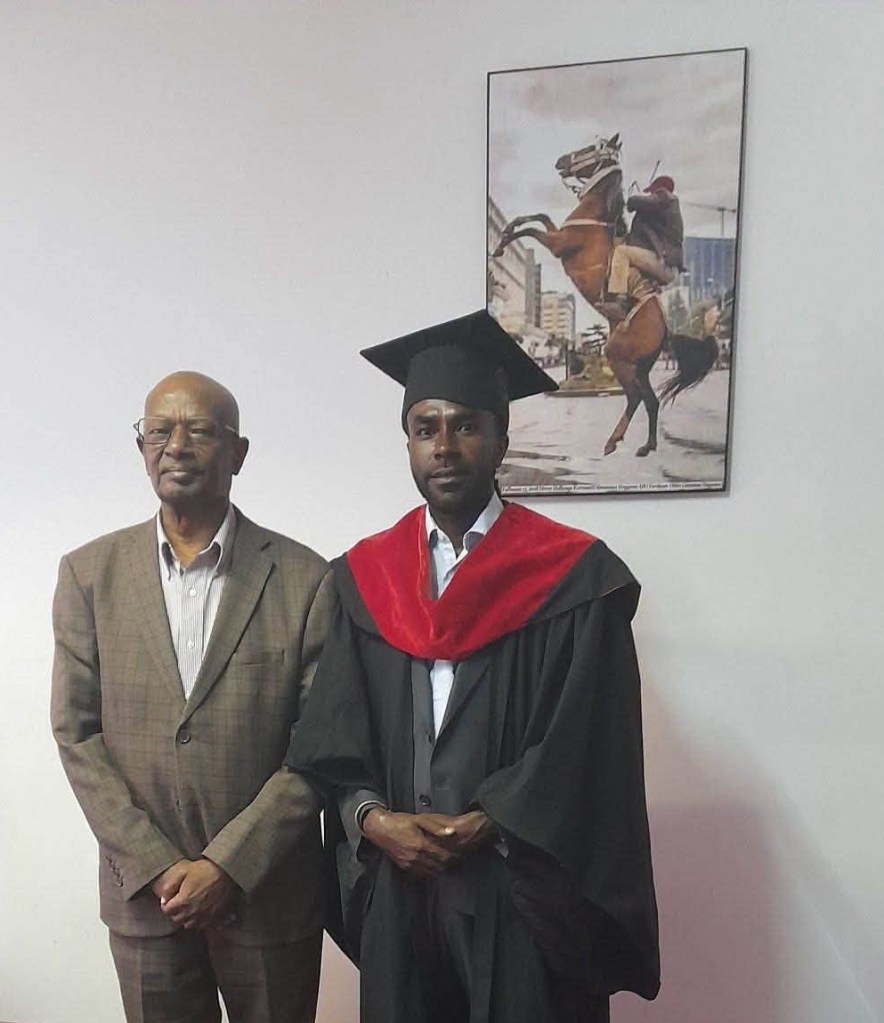
In this crucible of resilience, certain names rise above the din of daily oppression. Figures like Jaal Daawud Ibsaa, the leader of the Adda Bilisummaa Oromoo (ABO), and Jaal Abdii Raggaasaa stand as defiant pillars. They are not merely politicians; they are the living embodiments of the Oromo quest for self-determination.
To the diaspora and the youth, these men represent the unwavering voice that refuses to be silenced. They walk a tightrope where every word is a potential weapon against them, yet they continue to champion the cause of Bilisummaa—freedom. Their presence sends a clear message to the establishment: the Oromo struggle is not a fleeting trend; it is a generational covenant.
The Waajjiira and the Galma—the historic meeting grounds and the dawn campaigns of resistance—are etched into the collective memory of the community. Though the enemy may have sealed off physical spaces, they cannot quarantine the spirit. The determination displayed in these spaces carries a meaning far greater than bricks and mortar; it is the architecture of a nation that refuses to be erased.
—
The Cost of a Dawn
The Oromo struggle is defined by its staggering calculus of sacrifice—aarsaa fi wareegama (offering and commitment). How many lives have been laid down so that the sun of justice might rise over Finfinnee? How many mothers have wept for sons who dared to demand the rights enshrined in their own indigenous governance systems?
Yet, from these sacrifices, the movement draws its profound strength. The daily defiance, the quiet refusal to bow, and the bold resistance in the face of a caged dawn—barii ganamaa diinni cufe—is what gives the struggle its hiika guddaa (great meaning). It is the understanding that freedom is not given; it is taken through unyielding obsaa fi kutannoo (patience and determination).
—
The Mandate of the Youth
This brings us to the most urgent call of all—a plea to the dhaloonni (the young generation).
The elders and the current leadership are clear in their message: “Kutannoo fi cichoomina kana sinirraa dhaaluu qaba!” (This resilience and steadfastness must be inherited by you!)
The youth of today are the custodians of tomorrow. The land, the history, and the dreams of those who came before rest squarely on their shoulders. They are called not just to remember, but to act. To take the torch from the hands of the Daawud Ibsaas and the Abdii Raggaasaas of the world and carry it forward with equal vigor.
In a city where the Oromo must prove their claim to every footstep they take, the youth are the living proof of the nation’s survival. They are the ones who must turn the Gullallee—the beloved land—from a symbol of ancestral loss into a foundation of future sovereignty.
—
Land, Love, and Legacy
For the Oromo, Finfinnee is more than a geographical location. It is the soul of their identity. The love for this land—Lafa akka Oromootti qabnu (The land we hold as Oromo)—is not born of mere proximity; it is born of millennia of history, culture, and shared suffering.
As the city continues to modernize and globalize, the Oromo people are sending a clear and resolute message to the world and to their adversaries: We are the owners, and we are the lovers. We have the leaders, and we have the spirit. And we will not stop until the rain of justice falls on our own soil, and the sun of freedom shines on our own shade.
The names may change, the tactics may evolve, but the mission remains eternal. For the Oromo, the land of Finfinnee is, and always will be, Lafa Seenaa—a land of history. And history, as they know all too well, is written by those who refuse to give up the fight.

“Nu Xiiqessitan Malee, Nu Hin Xiqqeessine”: The Unbreakable Spirit of a People

“You may have belittled us, but you have not made us small.” These words carry the weight of generations—a defiant declaration that no amount of oppression can diminish the worth of a people.
There are phrases that transcend language. They are not merely words—they are testimonies. They are the cries of ancestors, the whispers of resistance, and the battle cries of those who refuse to be broken.
“Nu xiiqessitan malee, nu hin xiqqeessine.”
(You may have belittled us, but you have not made us small.)
This is one such phrase. It is a declaration of dignity in the face of humiliation. It is a refusal to accept the diminished status that oppressors have tried to impose. It is a reclaiming of pride, identity, and humanity.
The Weight of Belittlement
To be belittled is to be made to feel small. It is to have your language dismissed as backward, your culture labelled as primitive, and your humanity denied. Throughout history, colonisers, empires, and dominant groups have used belittlement as a weapon—not just to control bodies, but to crush spirits.
For the Oromo people, this experience is deeply familiar. For generations, they have been subjected to marginalisation, cultural suppression, and political exclusion. Their language, Afaan Oromo—one of the most widely spoken languages in the Horn of Africa—was systematically excluded from education and public life for decades. Their identity was erased through forced assimilation and the imposition of labels they never chose for themselves.
Yet, despite all of this, they endured. And they are not small.
The Power of Refusal
“Nu xiiqessitan malee, nu hin xiqqeessine.”
This phrase is not a plea—it is a refusal. It refuses the narrative that oppression defines the oppressed. It refuses to accept the oppressor’s verdict. It insists that worth is intrinsic, not bestowed by those in power.
There is profound wisdom in this refusal. It recognises that belittlement is a reflection of the oppressor’s cruelty, not the victim’s inadequacy. It understands that attempts to diminish a people are ultimately attempts to justify injustice—but they do not change the truth of who that people is.
This is the kind of resistance that sustained enslaved peoples, colonised nations, and marginalised communities throughout history. It is the quiet dignity of a grandmother who speaks her mother tongue despite being told it is worthless. It is the courage of a young person wearing traditional clothing in a world that demands conformity. It is the determination of a community that continues to celebrate its festivals, sing its songs, and tell its stories, even when the world tries to silence them.
The Danger of Internalising Belittlement
The most insidious effect of oppression is when the oppressed begin to believe the oppressor’s lies. When a people internalise the message that they are inferior, the battle is already half-lost.
This is why “nu xiiqessitan malee, nu hin xiqqeessine” is so powerful. It draws a clear line: the belittlement is their action, but the smallness is their fiction. We refuse to internalise it. We refuse to carry it. We will not let your judgment become our identity.
In psychology, this is known as maintaining a positive sense of self in the face of external devaluation. It is the resilience that allows individuals and communities to thrive despite systemic discrimination. And it is essential to survival.
A Call to the Diaspora
For Oromos living in the diaspora, this phrase carries particular resonance. Far from the homeland, the challenges are different but the stakes are just as high. In foreign lands, the pressures to assimilate, to forget, to become “invisible” can be immense.
Yet the message remains: “Nu xiiqessitan malee, nu hin xiqqeessine.”
You may not see us on the news. You may not hear our language in the halls of power. You may not know our history or our struggles. But we are here. We exist. We matter. And we refuse to be made small by your ignorance or indifference.
The diaspora is not a place of forgetting—it is a place of remembering. It is where language is preserved, culture is celebrated, and the next generation is taught who they are. It is proof that even when a people are scattered across the globe, they remain connected by blood, memory, and the unshakable bond of identity.
The Global Resonance
This phrase is not unique to any one people. Its echo can be heard across the world:
- “We may be a small nation, but we are a proud one.”
- “They tried to bury us, but they didn’t know we were seeds.”
- “You can kill the dreamer, but you can’t kill the dream.”
- “You may have conquered us, but you have not made us slaves.”
These are the words of every people who have been told they are lesser but refused to believe it. They are the words of Indigenous communities fighting for land rights. They are the words of minority languages resisting extinction. They are the words of women who have been told their voices don’t matter—and speak anyway.
“Nu xiiqessitan malee, nu hin xiqqeessine” is a universal truth dressed in the specific language and experience of the Oromo people. But its meaning belongs to all who have ever been told they are not enough—and refused to accept that verdict.
Living the Words
To say “nu xiiqessitan malee, nu hin xiqqeessine” is not just to speak—it is to act. It is to live in a way that defies the oppressor’s narrative. It is:
- Teaching your children your language, even when the world tells them it is useless.
- Celebrating your culture, even when you are a minority in a foreign land.
- Insisting on your history, even when textbooks omit or distort it.
- Demanding your rights, even when the system is stacked against you.
- Walking with dignity, even when others try to make you feel small.
A Future Built on Worth
The ultimate rejection of belittlement is not just survival—it is flourishing. It is building a future where Oromo children grow up knowing their history with pride. It is creating institutions that serve Oromo communities with dignity and respect. It is achieving political and economic empowerment that makes the old narratives of inferiority obsolete.
The oppressors wanted to make the Oromo small—small in ambition, small in voice, small in presence. But they failed. Because dignity cannot be taken—it can only be surrendered. And the Oromo people have not surrendered.
“Nu xiiqessitan malee, nu hin xiqqeessine.”
You may have belittled us. You may have tried to erase us. You may have told the world we are nothing.
But we are not nothing. We are a people. We are a history. We are a future. And we are not small.
In the end, the measure of a people is not what their oppressors say about them—but what they say about themselves. And the Oromo people have spoken: “We are not small.”
Nu hin xiqqeessine. We are not small. And we never will be.






