Category Archives: Promotion

“Peace is the Only Solution”: Global Peace 2030 Leader Issues Urgent Call for Ceasefire as Violence Escalates Across Ethiopia
By Dhabessa Wakjira
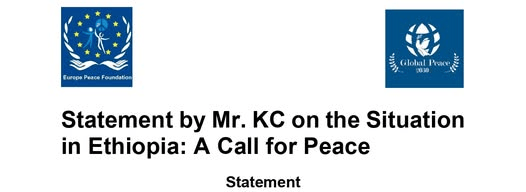
ADDIS ABABA — As explosions rock the Ethiopian capital and armed conflict intensifies across multiple regions, a prominent international peace advocate has issued an urgent appeal for all parties to lay down their arms and return to the negotiating table.
In a statement released on October 1, 2026, Mr. KC Kum, representing Global Peace 2030 and the European Peace Foundation, expressed deep concern over the deteriorating security situation in Ethiopia—citing reports of explosions in Addis Ababa alongside renewed fighting in Tigray and the neighboring Amhara and Afar regions.
“The developments raise grave concerns for civilian safety,” the statement read. “I call on all parties to cease hostilities immediately, protect civilians and come to the peace table.”
A Region on Edge
The statement comes at a perilous moment for Ethiopia, a nation already scarred by years of conflict and grappling with multiple overlapping crises. The reported explosions in the capital represent a significant escalation—one that threatens to destabilize the political heart of the country.
Meanwhile, renewed fighting in Tigray and the neighboring Amhara and Afar regions signals that the violence is neither contained nor resolved. These developments, taken together, paint a picture of a nation sliding backward into widespread conflict.
For ordinary Ethiopians, the consequences are immediate and devastating: loss of life, displacement, and the constant fear that accompanies living in a war zone.
“There Can Be No Justification for Continued Violence”
Mr. KC’s message was unequivocal in its condemnation of continued hostilities.
“I have repeatedly called for dialogue,” he stated. “Today, I renew my invitation to Ethiopia to join the ‘Peaceful Nation’ roadmap under Global Peace 2030. There can be no justification for continued violence when people seek peace, stability and national unity.”
This appeal to shared values—peace, stability, and unity—reflects a broader philosophy that underpins the Global Peace 2030 initiative. The organization positions itself as a neutral facilitator, ready to support dialogue and assist in mediation between parties.
Mr. KC made clear that his position is not one of partisanship but of principle.
“My position is clear: peace in Ethiopia is possible,” he affirmed. “All parties involved must agree to a ceasefire and engage in meaningful peace talks. I stand ready to support dialogue and assist in mediation with the agreement of the parties.”
The Path Forward
The statement offered a clear roadmap: cease hostilities, protect civilians, come to the table. It called on all parties to embrace dialogue over violence, negotiation over confrontation.
“The people of Ethiopia deserve lasting peace, stability and national unity,” Mr. KC emphasized. “Let us work together to achieve these goals.”
His concluding words were both a plea and a prescription: “Peace is the only solution.”
The International Dimension
The involvement of international organizations like Global Peace 2030 and the European Peace Foundation reflects the global community’s growing concern over Ethiopia’s trajectory. While the primary responsibility for ending the violence lies with Ethiopian actors, the willingness of external mediators to assist suggests that avenues for peaceful resolution remain open—if the parties are willing to pursue them.
Mr. KC’s offer to “support dialogue and assist in mediation with the agreement of the parties” is a reminder that peace processes require both local ownership and international support. The invitation to join the “Peaceful Nation” roadmap under Global Peace 2030 represents a concrete mechanism through which dialogue could be structured and sustained.
A Nation’s Crossroads
Ethiopia stands at a crossroads. The path of continued conflict leads to further destruction, deeper divisions, and untold suffering. The path of dialogue leads—however imperfectly—toward reconciliation, stability, and the possibility of a shared future.
The choice, ultimately, belongs to the parties engaged in the fighting. But the consequences extend far beyond their ranks.
For the mothers who fear for their children, for the families displaced from their homes, for the young people whose futures are being sacrificed to violence—the call for peace is not abstract. It is a matter of survival.
The World Is Watching
As explosions echo in Addis Ababa and guns fire in Tigray, Amhara, and Afar, the world is watching. The question is not whether Ethiopia can find peace—Mr. KC insists that it can—but whether its leaders will have the courage to choose it.
“The people of Ethiopia deserve lasting peace, stability and national unity.”
They do. And they deserve leaders who will prioritize that peace over power, dialogue over destruction, and unity over division.
The offer is on the table. The roadmap exists. The mediator is ready.
What remains is the will to take the first step.
Statement by Mr. KC Kum
Global Peace 2030 | European Peace Foundation
October 1, 2026
For more updates on peace initiatives and developments in Ethiopia, follow: https://t.me/addisreporter2
Contact Information:
Press/Media: +34 910 231 214
press@europeofoundation.org | press@gp2030.org
www.gp2030.org | www.globalpeace2030.org
Fundación Europa Peace
CIF: G87803852
Calle Oca, Número 63, Pasillo, Local 3, 28025, Madrid, España
Email: info@europeofoundation.org | www.europeofoundation.org

Ethiopia Closes Embassy in Asmara, Expels Ten Eritrean Diplomats in Escalating Diplomatic Rupture

By Daandii Ragabaa
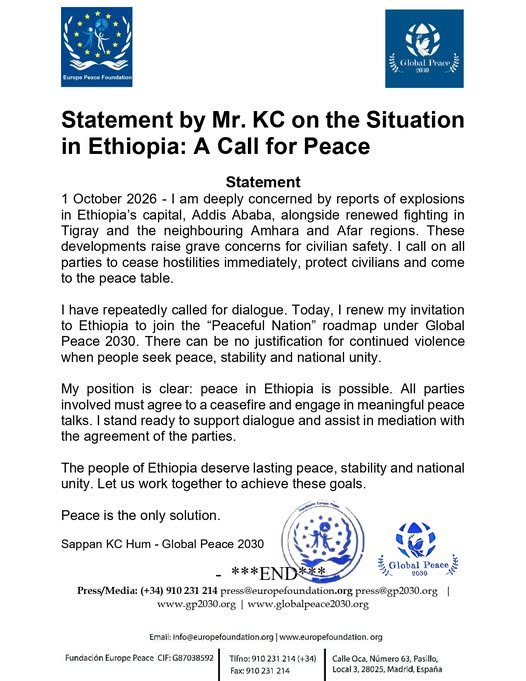
ADDIS ABABA — In a dramatic escalation of diplomatic tensions in the Horn of Africa, the Ethiopian Ministry of Foreign Affairs announced on October 1, 2026, that it has decided to close its Embassy in Asmara, Eritrea, and has declared ten Eritrean diplomats in Addis Ababa persona non grata.
The sweeping move, detailed in an official press statement released for immediate distribution, marks a severe deterioration in relations between the two neighboring states—a relationship already fraught with historical complexity and recent political friction.
A Direct Response to “Hostility and Belligerence”
The Ministry’s statement was unambiguous in its justification. The closure of the Ethiopian Embassy in Asmara comes “in response to Eritrea’s direct and indirect acts of hostility and belligerence against Ethiopia.”
This language signals a significant shift from previous diplomatic posturing to concrete, punitive action. The expulsion of ten Eritrean diplomats—accused of involvement in activities that “pose a direct threat to Ethiopia’s national security”—adds a sharp edge to the announcement.
Citing the Vienna Convention on Diplomatic Relations, the Ministry declared the diplomats persona non grata, a formal designation under international law that renders them unwelcome in the host country. They have been given a strict 48-hour ultimatum to leave Ethiopia.
A Breach of Diplomatic Norms
The reference to the Vienna Convention is significant. By invoking this foundational treaty governing diplomatic relations, Ethiopia is framing Eritrea’s alleged activities not merely as unfriendly, but as violations of established international norms.
The expulsion of diplomats is among the most serious actions a state can take short of severing relations entirely. It signals that Ethiopia believes Eritrean diplomatic personnel were using their official positions to undermine Ethiopian security—an accusation that, if substantiated, represents a profound breach of trust between nations.
Ethiopia’s Message: Strength and Restraint
Despite the severity of the measures, the statement struck a dual tone: firm in action, yet measured in rhetoric.
Ethiopia urged the Eritrean government to “cease all acts that are contrary to the principles governing relations between sovereign states.” This appeal to international principles positions Ethiopia as the party seeking adherence to established norms, even as it takes decisive action.
The Ministry further emphasized Ethiopia’s “strong historical, cultural, and people-to-people ties with Eritrea”—a deliberate acknowledgment of the deep bonds that transcend political disputes. It reaffirmed Ethiopia’s consistent prioritization of “peaceful coexistence, regional stability, and integration.”
Notably, the statement concluded with a commitment to “peaceful resolution of disputes and to working with all countries in the Horn of Africa to advance lasting peace, security, and regional integration.” This olive branch, extended alongside the punitive measures, suggests Ethiopia is leaving the door open for de-escalation—should Eritrea alter its course.
Regional Implications: A Horn in Flux
The Horn of Africa has long been a region where diplomatic ruptures carry outsized consequences. Ethiopia and Eritrea share a deeply intertwined history—one marked by both fraternal solidarity and devastating conflict.
The closure of an embassy is not merely a bureaucratic decision; it severs a primary channel of communication between governments. In a region already grappling with multiple armed conflicts, political instability, and humanitarian crises, the loss of this diplomatic lifeline raises serious questions about the trajectory of bilateral relations.
For Eritrea, the expulsion of ten diplomats represents a significant blow to its diplomatic presence in Ethiopia. For Ethiopia, the closure of its embassy in Asmara removes its ability to directly engage with Eritrean authorities on the ground—a decision that signals Addis Ababa’s assessment that such engagement has become either futile or dangerous.
What Comes Next?
The 48-hour ultimatum for the expelled diplomats adds a ticking clock to the crisis. How Eritrea responds in the coming days will determine whether this remains a serious but contained diplomatic incident or escalates into a broader rupture.
Ethiopia’s statement leaves room for both possibilities. Its firm action, coupled with its expressed commitment to peace and regional integration, suggests a strategy of calibrated pressure—demonstrating seriousness of purpose while maintaining the moral high ground.
For now, the Horn of Africa watches and waits. The closure of an embassy is a loud statement. The question is whether anyone in Asmara is listening.
Ministry of Foreign Affairs
Federal Democratic Republic of Ethiopia
October 1, 2026
For more updates and in-depth coverage of Horn of Africa affairs, follow: https://t.me/addisreporter2
Contact Information:
Office of the Spokesperson
Email: spokesperson@mfa.gov.et
Website: WWW.MFA.GOV.ET
Follow: @MFAEthiopia | #MFAEthiopia

Irreechaa: The Festival of Bright Seasons Over the Dark Rainy Seasons
By Dhabessa Wakjira
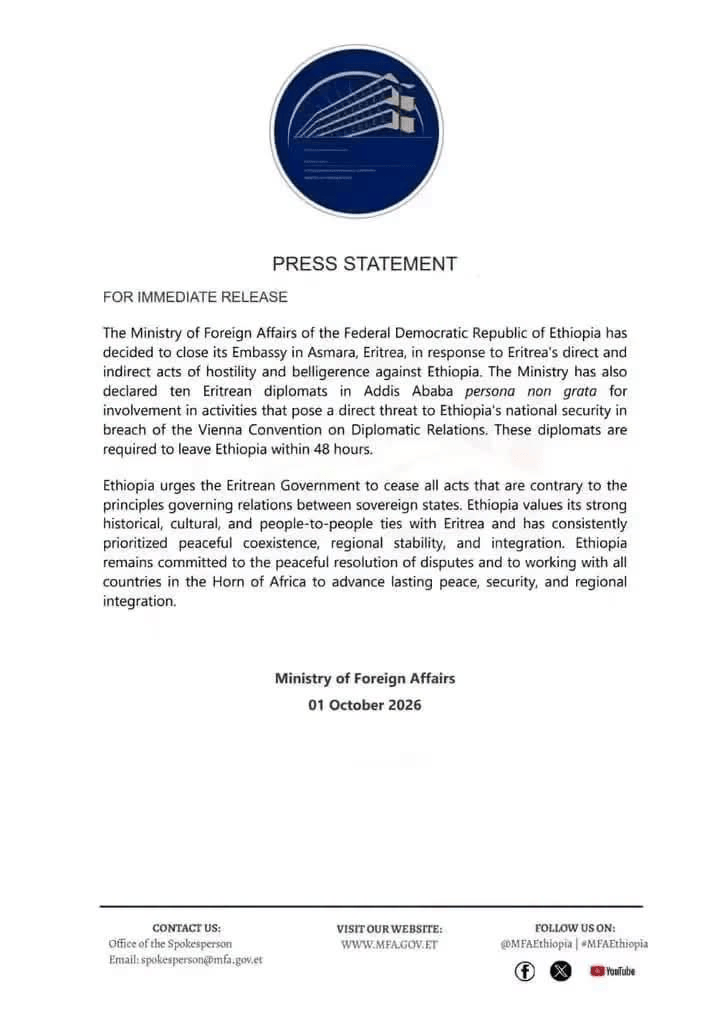
Irreechaa, known as the Festival of bright seasons over the dark rainy seasons, is a major transition festival celebrated with great joy and enthusiasm. For the Oromo people, it is more than a celebration; it is a spiritual journey from darkness to light, from hardship to hope, and from isolation to unity.
Meaning and Significance
The word “Irreechaa” means fresh grasses. It symbolizes the triumph of good over evil and brightness over darkness. This ancient festival, rooted in the Oromo Gadaa system, is a profound expression of gratitude to Waaqa (God) for the blessings of life, peace, and prosperity. It marks the end of the long, dark rainy season known as Ganna and the beginning of the bright, sunny season called Birraa. During this time, rivers overflow with life, fields turn green, and the land is renewed. The fresh grass carried by celebrants is not merely a symbol; it is a living prayer, a gesture of blessing, and a sign of purification.
Celebrations and Traditions
The celebration of Irreechaa is a vibrant tapestry of culture, faith, and community. People clean and decorate their homes with fresh grasses and daisy flowers, transforming their surroundings into spaces of beauty and welcome. Families wear new traditional clothes, adorned with colorful beads and intricate patterns, reflecting the richness of Oromo heritage.
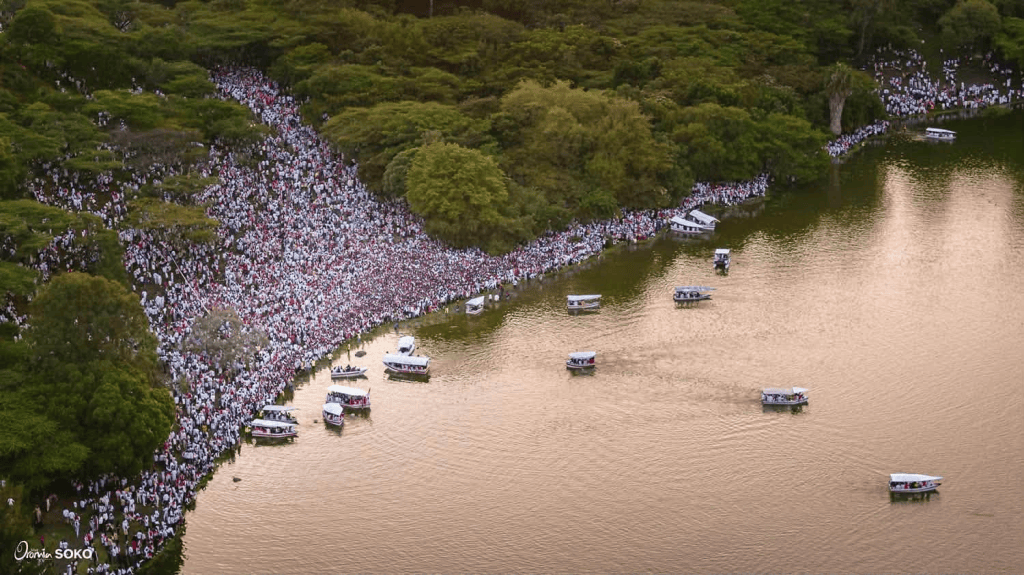
On the day of the festival, communities gather at riversides and hilltops, the sacred places where Waaqa is believed to be closest to the people. Elders offer blessings for families, nations, and the country, praying for peace, wealth, and prosperity. The air fills with songs of praise, the rhythm of drums, and the joyful ululation of women. People share delicious Oromo foods, including cuukkoo, marqaa, and buna (coffee), strengthening bonds of kinship and friendship.
Children also enjoy the day with their friends and surroundings, running through the green fields, playing games, and learning the traditions of their ancestors. The festival brings love, unity, and happiness to everyone, regardless of age or background. It is a time when differences are set aside, and the community stands together as one, united by a shared identity and a common hope for the future.
A Festival of Transition and Triumph
Irreechaa is not just a seasonal event; it is a celebration of resilience and renewal. It reminds the Oromo people—and all who witness it—that after every dark season comes a season of light, and that gratitude, community, and faith are the pillars of a flourishing life. As the green grass is sprinkled and the blessings are spoken, Irreechaa carries forward an ancient legacy of hope, unity, and the enduring triumph of good over evil.
Irreechaa is celebrated annually by Oromo communities in Ethiopia and around the world, and is recognized as a symbol of cultural identity, peace, and shared humanity.

Irreechaa: The Oromo Thanksgiving Festival as a Living Heritage of Identity, Unity, and Spiritual Renewal
Introduction
Irreechaa stands as one of the most significant and vibrant cultural celebrations not only for the Oromo people but for the entire Horn of Africa region. As an annual thanksgiving festival that marks the end of the rainy season and the beginning of the harvest, Irreechaa embodies a deep spiritual connection between the Oromo people, their Creator, and the natural world that sustains them. This ancient tradition, rooted in the indigenous Oromo belief system known as Waaqeffannaa, has survived centuries of political upheaval, social transformation, and religious change to emerge today as a powerful symbol of cultural identity, social cohesion, and spiritual resilience. With millions of participants gathering at sacred sites across Ethiopia and the global diaspora, Irreechaa represents one of the largest annual human gatherings on the African continent and serves as a living testament to the enduring vitality of Oromo civilization.
This comprehensive essay explores the multifaceted dimensions of Irreechaa, examining its historical origins, spiritual significance, cultural expressions, social functions, and contemporary relevance. By analyzing the festival through multiple lenses—historical, theological, sociological, and political—this essay seeks to illuminate the profound meaning that Irreechaa holds for the Oromo people and its broader significance for understanding indigenous African religious traditions, cultural preservation, and national identity in contemporary Ethiopia.
Historical Origins and Evolution
The historical roots of Irreechaa extend deep into antiquity, with scholars tracing the festival’s origins back thousands of years to the Cushitic civilizations that inhabited the Horn of Africa . According to historical estimates, the Oromo people have celebrated Irreechaa for approximately 12,000 years, making it potentially one of the oldest continuously observed traditions on the African continent . This remarkable continuity speaks to the fundamental importance of the festival in Oromo spiritual and cultural life, as well as the resilience of indigenous religious practices in the face of external pressures and historical transformations.
The festival is intrinsically linked to the Gadaa system, the traditional Oromo socio-political and governance structure that UNESCO recognized as an Intangible Cultural Heritage of Humanity . The Gadaa system, with its age-based hierarchical organization and democratic principles of power rotation, provided the structural framework within which Irreechaa emerged and flourished. As a celebration embedded within this comprehensive system of social organization, Irreechaa served not merely as a religious observance but as a mechanism for reinforcing social cohesion, transmitting cultural values across generations, and maintaining the cosmic order that the Gadaa system sought to uphold .
Throughout its long history, Irreechaa has undergone periods of both flourishing and suppression. During the twentieth century, particularly under previous Ethiopian governments that sought to promote national unity through cultural homogenization, traditional Oromo religious practices including Irreechaa faced significant challenges . Attempts were made to confine the celebration to village levels and to discourage public observance of what was sometimes dismissively characterized as backward superstition. However, these efforts to suppress Irreechaa ultimately failed, as the tradition’s deep roots in Oromo consciousness and its fundamental role in cultural identity proved resistant to external pressures. Instead of disappearing, Irreechaa emerged from periods of suppression strengthened and more widely embraced, particularly by younger generations who increasingly view participation in the festival as an assertion of cultural pride and identity .
The contemporary history of Irreechaa has been marked by both triumph and tragedy. A pivotal moment occurred in 2016 when the festival became the site of political protests that resulted in a deadly stampede, causing the deaths of more than fifty participants . This tragic event became a catalyst for significant political change in Ethiopia, contributing to the emergence of new leadership that included the country’s first Oromo prime minister. Since then, Irreechaa has experienced a remarkable revival, with the festival being celebrated in Addis Ababa for the first time in 150 years and drawing unprecedented numbers of participants . This resurgence reflects broader changes in Ethiopia’s political landscape and the growing recognition of cultural diversity as a source of national strength rather than a threat to unity.
Spiritual and Religious Significance
At its core, Irreechaa is a profoundly spiritual event that expresses the Oromo people’s relationship with the divine through the natural world. The festival is rooted in Waaqeffannaa, the traditional Oromo religion that worships a single supreme Creator known as Waaqa . This monotheistic belief system, which some scholars describe as one of the oldest forms of monotheism, holds that Waaqa is the source of all life, blessing, and abundance . The Oromo people understand themselves as intimately connected to their Creator through a complex system of spiritual intermediaries called ayyaana, who convey human prayers and needs to the divine .
The timing of Irreechaa reflects its deep connection to agricultural cycles and the natural world. The festival is celebrated twice annually: Irreechaa Malkaa (or Irreechaa Hiyyessa) occurs in the spring at the edges of rivers and lakes, while Irreechaa Tulluu (or Irreechaa Guddaa) takes place in autumn on hilltops . The spring celebration marks the end of the dark, rainy season (Ganna) and the beginning of the bright, fertile season (Birraa), while the autumn observance occurs as the harvest season concludes. This dual celebration reflects the Oromo people’s dependence on agriculture and their deep reverence for the natural forces that sustain their way of life.
The spiritual significance of Irreechaa extends beyond simple thanksgiving to encompass themes of purification, renewal, and reconciliation. Water plays a central role in the rituals, with participants dipping green grass and yellow daisies into sacred lakes and rivers, then sprinkling the water upon themselves as a symbol of spiritual cleansing . Green grass represents life and fertility, while the yellow daisies symbolize the joy of survival after the hardship of the rainy season. These symbolic acts express the Oromo people’s understanding of their relationship with nature as one of mutual care and respect, rather than domination or exploitation.
A critical spiritual dimension of Irreechaa is its emphasis on reconciliation and the resolution of conflicts. Traditional Oromo beliefs hold that it is forbidden to participate in the festival while harboring resentment, anger, or unresolved grievances . Before approaching the sacred sites, participants are expected to make peace with those with whom they have disputes, seeking forgiveness and offering compensation where necessary. This requirement reflects the Oromo philosophical principle of safuu, which establishes boundaries and responsibilities governing relations between humans, the natural world, and the divine . The insistence on reconciliation before thanksgiving underscores the Oromo understanding that gratitude and grievance cannot coexist—that one cannot approach the sacred with a heavy heart.
The prayers offered during Irreechaa encompass both gratitude for past blessings and supplication for future needs. Elders and spiritual leaders known as Abbaa Gadaas lead the community in prayer, giving thanks to Waaqa for protection during the difficult rainy season and asking for continued blessings in the coming year . The prayers typically request peace, health, fertility for both people and livestock, abundant harvests, and prosperity for the entire community . These prayers are not merely ritualistic formulas but represent the genuine spiritual aspirations of a people who understand their well-being as dependent on divine favor and the maintenance of cosmic balance.
Cultural Expressions and Ritual Practices
Irreechaa is a vibrant celebration that engages all the senses and encompasses a rich array of cultural expressions. The festival brings together people of all ages, genders, and social statuses in a collective expression of identity and gratitude . The visual splendor of the celebration is striking, with participants adorned in traditional white attire known as wandaboo or uffannaa aadaa, often decorated with colorful embroidery and accessories . Women wear intricately woven dresses and carry baskets of fresh grass and flowers, while men dress in traditional garments that reflect their regional identities.
The ritual practices of Irreechaa are replete with symbolic meaning. The central act involves the sprinkling of water from sacred lakes and rivers, accompanied by prayers and blessings. Participants carry green grass called cuquliisa, which represents the renewal of life and the fertility of the land . The grass is dipped into the water and then sprinkled upon participants as a blessing. This ritual connects the community to the life-giving properties of water and the fertility of the earth, expressing gratitude for the abundance that sustains them.
Music, song, and dance are integral to the Irreechaa celebration, with traditional songs of praise and thanksgiving filling the air. Women sing special melodies such as the Mareehoo, which express themes of gratitude, forgiveness, and hope for the future . The lyrics of these songs often reference the agricultural cycle, the blessings of the Creator, and the shared identity of the Oromo people. Traditional dances performed during the festival serve both as expressions of joy and as markers of cultural identity, with specific dances associated with different regions and communities.
The ceremonial processions of Irreechaa are carefully structured according to traditional social hierarchies and Gadaa principles. Elders and spiritual leaders lead the procession, followed by women, then youth and children . This ordering reflects the Oromo understanding of social organization, in which age and spiritual wisdom confer authority and responsibility. The Abbaa Gadaas, as custodians of tradition, play a particularly important role, leading prayers, offering blessings, and ensuring that the rituals are performed according to ancestral custom .
The festival also features the exchange of greetings and blessings among participants, with the traditional greeting “Happy Irreechaa” exchanged widely . Families and friends who may not have seen each other during the rainy season reunite, sharing meals and stories. The communal aspect of the celebration reinforces social bonds and strengthens the sense of belonging to a larger community. For the Oromo diaspora, Irreechaa celebrations in cities such as Melbourne, Minneapolis, London, and Amsterdam serve as vital connections to their cultural roots, allowing them to maintain their identity and transmit traditions to younger generations born far from the ancestral homeland .
Social Functions and Community Impact
Beyond its spiritual and cultural dimensions, Irreechaa serves crucial social functions that contribute to the cohesion and well-being of Oromo communities. The festival provides an annual opportunity for the Oromo people to come together, transcending regional, religious, and social divisions to celebrate their shared identity . Participants include Oromos from all religious backgrounds—Christians, Muslims, and followers of traditional Waaqeffannaa—demonstrating the festival’s capacity to unite people across religious boundaries . This inclusivity reflects the Oromo cultural value of tolerance and the understanding that Irreechaa belongs to all Oromos, regardless of their individual religious affiliations.
The reconciliation function of Irreechaa is particularly significant in a region that has experienced recurrent conflicts and social tensions. The requirement that participants resolve their disputes before joining the celebration provides a powerful mechanism for conflict resolution and social healing . The presence of arbitration systems within the Gadaa framework, including the Gumi or Coffee assemblies, ensures that disputes can be addressed through dialogue and mutual agreement rather than through violence or permanent estrangement . By mandating reconciliation as a precondition for participation, Irreechaa creates an annual opportunity for communities to heal divisions, forgive grievances, and renew social bonds.
Irreechaa also plays a vital role in preserving and transmitting cultural heritage. The festival serves as a living museum of Oromo culture, where traditional songs, dances, attire, and rituals are performed and passed down to younger generations . In a world of rapid globalization and cultural change, Irreechaa provides a space where ancestral traditions remain vibrant and meaningful. The participation of large numbers of young people in contemporary celebrations is particularly encouraging, suggesting that the festival continues to resonate with new generations and will remain a vital part of Oromo identity for years to come .
The economic dimensions of Irreechaa have become increasingly significant, particularly in recent years. The festival generates substantial economic activity, from the production and sale of traditional clothing and accessories to the provision of food, transportation, and accommodation for millions of participants . For many small businesses and artisans, Irreechaa represents a major economic opportunity, with demand for traditional garments and festival-related goods spiking in the weeks leading up to the celebration. The Ethiopian government has recognized the tourism potential of Irreechaa, promoting it as a major cultural attraction that can draw international visitors and contribute to local economic development .
Political Dimensions and Contemporary Controversies
As Irreechaa has grown in scale and visibility, it has also become entangled in political dynamics that reflect broader tensions in Ethiopian society. The festival has historically been viewed with suspicion by some political actors who see in its celebration a potential vehicle for Oromo nationalism or opposition to central authority . Conversely, Oromo political movements have sometimes sought to harness the symbolism of Irreechaa for their own purposes, using the festival as a platform for articulating grievances and demands . This politicization of Irreechaa has created tensions between those who view it primarily as a religious and cultural observance and those who see it as a vehicle for political mobilization.
The 2016 Irreechaa tragedy, when protests at the festival led to a deadly stampede, marked a watershed moment in Ethiopian politics . The event galvanized opposition to the government and contributed to political changes that ultimately brought Abiy Ahmed, Ethiopia’s first Oromo prime minister, to power. Since then, Irreechaa has been celebrated with greater official recognition and support, including the first celebration in Addis Ababa in 150 years . However, tensions remain, with some Oromo activists arguing that the government’s embrace of Irreechaa is superficial and does not address deeper grievances regarding political representation and economic opportunity.
Contemporary debates about Irreechaa also touch on questions of religious identity and interfaith relations. Some Christian and Muslim leaders have expressed concern about the festival’s association with Waaqeffannaa, the traditional Oromo religion, viewing it as incompatible with their own faith traditions . However, many religious leaders have adopted a more inclusive stance, recognizing Irreechaa as a cultural celebration that can be embraced by Oromos of all faiths . This ongoing dialogue about the relationship between traditional religious practices and revealed religions reflects broader questions about religious pluralism and cultural identity in contemporary Ethiopia.
Global Diaspora and Transnational Dimensions
The Oromo diaspora, numbering in the millions across North America, Europe, the Middle East, and Australia, has played an increasingly important role in the celebration and perpetuation of Irreechaa. In cities around the world, Oromo communities organize annual Irreechaa celebrations that replicate the rituals and traditions of the homeland while adapting to local contexts . These diaspora celebrations serve multiple functions: they maintain cultural identity among dispersed communities, transmit traditions to younger generations born abroad, and raise awareness of Oromo culture and concerns among host populations.
In Melbourne, Australia, for example, the Oromo community gathers annually at local parks to celebrate Irreechaa with traditional songs, prayers, and rituals . Similar celebrations occur in Washington, D.C., Toronto, Berlin, Amsterdam, and Dubai, among other cities . These events often attract participation from non-Oromo Ethiopians and curious locals, providing opportunities for cross-cultural exchange and dialogue. For many diaspora Oromos, Irreechaa represents a vital connection to their ancestral homeland and a reaffirmation of their cultural identity in contexts where they may feel marginalized or invisible.
The globalization of Irreechaa has also contributed to the festival’s growing international recognition. International media coverage of Irreechaa celebrations has increased, and the festival has been featured in tourism promotions and cultural exchange programs . This international visibility has both positive and negative implications. On one hand, it brings attention to Oromo culture and can foster greater understanding and appreciation. On the other hand, there are concerns about the commercialization and decontextualization of the festival, as well as the potential for political exploitation of its symbolism.
Irreechaa and the Politics of Recognition
The recognition of Irreechaa as a significant cultural heritage has been a long-standing goal of Oromo cultural advocates and scholars. The inscription of the Gadaa system on UNESCO’s Representative List of Intangible Cultural Heritage of Humanity in 2016 represented a major milestone in this effort, providing international recognition for the Oromo socio-political system within which Irreechaa is embedded . Scholars and historians have called for Irreechaa itself to receive UNESCO recognition, arguing that the festival merits acknowledgment as a unique and valuable expression of human cultural heritage .
The politics of recognition surrounding Irreechaa reflect broader questions about the place of Oromo culture and history within Ethiopian national identity. For much of the twentieth century, Ethiopian national narratives marginalized or suppressed Oromo contributions, presenting the country’s history through the lens of Solomonic dynasty and Amhara-centric perspectives. The revival of Irreechaa and other Oromo cultural practices represents a challenge to these narratives, asserting the centrality of Oromo civilization to Ethiopian history and identity. This assertion has been met with both support and resistance, reflecting ongoing contests over historical memory and national belonging.
The contemporary Ethiopian government has adopted a more positive stance toward Irreechaa, with officials participating in celebrations and promoting the festival as a symbol of national unity . The theme of recent Irreechaa celebrations, “Irreechaa for National Renaissance,” reflects this official framing of the festival as a contributor to broader national development and unity . However, some Oromo activists view such official embrace with skepticism, seeing it as an attempt to co-opt Oromo cultural expression for political purposes while failing to address fundamental issues of political representation and economic justice.
Conclusion
Irreechaa stands as a remarkable testament to the resilience, vitality, and spiritual depth of Oromo civilization. From its ancient origins in the Cushitic past to its contemporary celebration by millions across Ethiopia and the global diaspora, the festival has maintained its essential character as a thanksgiving to Waaqa while adapting to changing historical circumstances. It embodies the Oromo people’s profound connection to the natural world, their commitment to reconciliation and social harmony, and their determination to preserve and transmit their cultural heritage across generations.
The significance of Irreechaa extends far beyond the Oromo community, offering valuable insights into the nature of indigenous African religious traditions, the dynamics of cultural preservation in the face of globalization, and the role of cultural festivals in building social cohesion and national identity. In a world marked by division, conflict, and the erosion of traditional cultures, Irreechaa provides a powerful example of how ancient traditions can remain vibrant and meaningful, connecting communities to their ancestors while addressing the challenges of contemporary life.
As Irreechaa continues to grow in scale and visibility, it faces both opportunities and challenges. The festival’s increasing international recognition brings potential for greater understanding and appreciation of Oromo culture but also risks of commercialization and political exploitation. The ongoing debates about the relationship between Irreechaa and religious identity, its political dimensions, and its place in Ethiopian national life reflect the complexity of navigating cultural diversity in contemporary societies. Yet through all these challenges, the essential spirit of Irreechaa—gratitude, renewal, and unity—remains intact, offering hope and inspiration to all who participate in its celebration.
Ultimately, Irreechaa is more than a festival; it is a living philosophy, a way of understanding and relating to the world that has sustained the Oromo people for millennia. It teaches that gratitude and generosity are fundamental to human flourishing, that reconciliation and forgiveness are necessary for social harmony, and that respect for the natural world is essential for survival. As the Oromo people continue their journey through history, Irreechaa will remain a guiding light, illuminating the path forward while connecting them to the wisdom of their ancestors. In its celebration, we witness not merely the preservation of tradition but the ongoing creation of culture—a dynamic process through which the Oromo people affirm their identity, express their values, and envision their future.

Interim Coordinator General Louise Perry Shares Vision for Multicultural and Multifaith Victoria
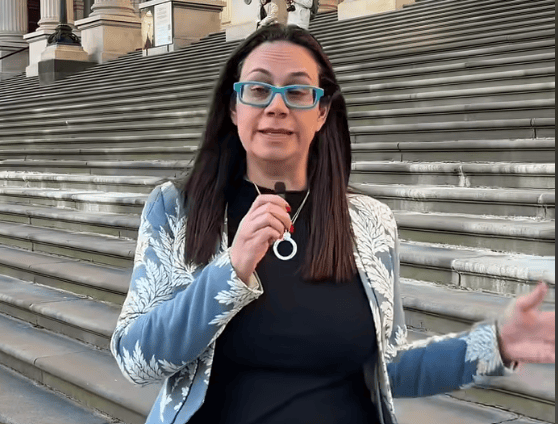
Melbourne, Victoria — In a landmark moment for the state, Interim Multicultural Coordinator General Louise Perry has outlined her vision for Multicultural and Multifaith Victoria — the newly established body created to ensure that the experiences, perspectives, and aspirations of Victoria’s diverse communities actively shape government policies, programs, and services.
A New Chapter for Victoria
Established today, Multicultural and Multifaith Victoria brings together three critical functions — community engagement, policy, and grants delivery — under one unified structure. This integrated approach is designed to strengthen the relationship between government and the state’s multicultural and multifaith communities, ensuring their voices are not only heard but embedded in the decisions that affect their lives.
A Vision Rooted in Community
Interim Coordinator General Louise Perry shared her vision for the new organisation, highlighting the opportunities it creates for communities across Victoria. Her message underscores a commitment to meaningful engagement — one that moves beyond consultation to genuine partnership.
The establishment of Multicultural and Multifaith Victoria represents a significant step forward in how the Victorian Government engages with its culturally and religiously diverse communities. By bringing together engagement, policy, and grants under one roof, the organisation is positioned to deliver more coordinated, responsive, and impactful outcomes.
Watch and Learn More
Community members, stakeholders, and partners are invited to watch the official video to learn more about this new chapter for Victoria’s multicultural and multifaith communities. The video provides insight into the organisation’s mission, its approach to engagement, and the opportunities it will create for communities across the state.
A Shared Future
The launch of Multicultural and Multifaith Victoria signals a renewed commitment to building a more inclusive, connected, and representative Victoria — one where every community has a seat at the table and a role in shaping the future.
For more information about Multicultural and Multifaith Victoria and to watch the video, visit the official website at https://www.multicultural.vic.gov.au/
Stay connected by following Multicultural and Multifaith Victoria on LinkedIn for updates, announcements, and opportunities to engage.

Multicultural and Multifaith Victoria Officially Launches, Ushering in a New Era of Community Engagement
Melbourne, Victoria — Victoria has entered a new chapter in how it engages with its diverse communities, with the official launch of Multicultural and Multifaith Victoria — a body dedicated to ensuring that communities across the state are heard, engaged, and represented in the decisions that shape their lives.
Announcing the launch, the organisation declared: “The future of multicultural and multifaith engagement in Victoria starts today.”
A New Voice for Victoria’s Diverse Communities
The launch marks a significant step forward in the state’s approach to multicultural and multifaith affairs, creating fresh opportunities for communities to have a genuine say in government decision-making.
In its founding statement, Multicultural and Multifaith Victoria outlined its core mission: to bring people closer to government, strengthen participation, build connections, and help create a more inclusive future for all Victorians.
“We look forward to working alongside communities across Victoria, bringing people closer to government, strengthening participation, building connections, and helping create a more inclusive future for all,” the organisation said.
Bringing People Closer to Government
At the heart of the new body’s vision is a commitment to closing the distance between communities and the institutions that serve them. By fostering stronger participation and meaningful engagement, Multicultural and Multifaith Victoria aims to ensure that the voices of Victoria’s culturally and religiously diverse communities are not only heard but actively reflected in policy and decision-making.
The organisation has signalled its intention to work collaboratively with communities across the state — building partnerships, nurturing connections, and championing an inclusive future that benefits all Victorians.
A Digital Transition
As part of the launch, Multicultural and Multifaith Victoria has announced that its LinkedIn presence will shortly be updated to reflect the new name and identity, ensuring its digital platforms align with its renewed mandate.
Community members, stakeholders, and partners are encouraged to follow the organisation’s journey and stay informed about upcoming initiatives.
More Information
For further details about Multicultural and Multifaith Victoria and its work, visit the official website at https://www.multicultural.vic.gov.au/
The launch of Multicultural and Multifaith Victoria represents a renewed commitment by the Victorian Government to fostering an inclusive, connected, and representative society — one where every community has a place at the table.

የአዲሲቷ የኦሮሚያ ዞኖች ከፍተኛ የመሪነት ኮሚቴ ተሹሟል
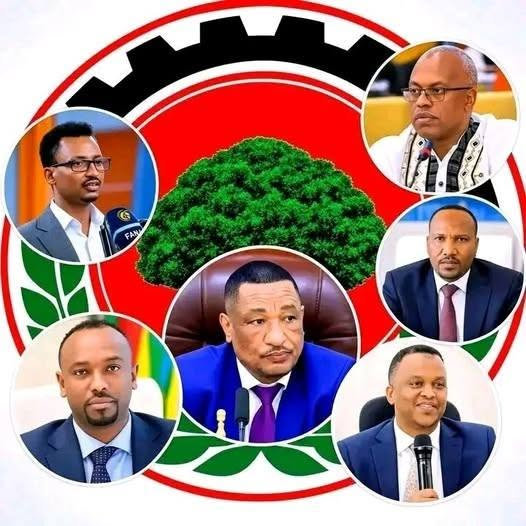
ፊንፊኔ — የኦሮሚያ ክልል መንግሥት የሕዝብ ባለቤትነትን የሚያረጋግጥ ታሪካዊ ውሳኔ ለማስተላለፍ፣ ጠንካራ ሥርዓትና ጠንካራ መንግሥት ለመገንባት የሚያገለግል አዲስ ሪፎርም በማድረግ የኦሮሚያን የዞን መዋቅር ከ21 ወደ 6 ዞኖች በማምጣት አቋቁሟል። በዚህ መሠረት የእነዚህ አዲስ ዞኖች ከፍተኛ የመሪነት ኮሚቴ ተሹሟል።
የኦሮሚያ ኮሙኒኬሽን አገልግሎት ይህንን መረጃ አስታውቋል። ሪፎርሙ የአስተዳደር ሥርዓቱን ለማሻሻልና ለሕዝቡ የሚቀርበውን አገልግሎት ለማፋጠን የተዘጋጀ መሆኑ ተገልጿል።
የምሥራቅ ኦሮሚያ ዞን
መቀመጫው ሐረር የሆነው የምሥራቅ ኦሮሚያ ዞን፣ ኦቦ አብዱራህማን አብደላ በምክትል ፕሬዚዳንትነት ደረጃ የምሥራቅ ኦሮሚያ ዞን አስተዳዳሪ ሆነው ተሹመዋል።
አዴ ሚስኪ ሙሐመድ በቢሮ ኃላፊነት ደረጃ የምሥራቅ ኦሮሚያ ዞን የልማት ጉዳዮች ምክትል ኃላፊ ሆነው፣ መቀመጫቸው ጭሮ ነው። ኦቦ አነስ አሊዪ በቢሮ ኃላፊነት ደረጃ የምሥራቅ ኦሮሚያ ዞን የሰላምና ፍትሕ ጉዳዮች ምክትል ኃላፊ ሆነው፣ መቀመጫቸው ገላምሶ ነው።
ኦቦ ጃርሶ ቦሩ በቢሮ ኃላፊነት ደረጃ የምሥራቅ ኦሮሚያ ዞን አስተዳዳሪ ከፍተኛ አማካሪ ሆነው፣ መቀመጫቸው ጉራዋ ነው። ኦቦ ፊቃዱ ሚሊዮን እና አዴ ሳሚያ አብደላ በቢሮ ኃላፊነት ደረጃ የምሥራቅ ኦሮሚያ ዞን አስተዳዳሪ አማካሪዎች ሆነው ተሹመዋል።
የመካከለኛው ኦሮሚያ ዞን
መቀመጫው ሸገርና አዳማ የሆነው የመካከለኛው ኦሮሚያ ዞን፣ ዶክተር መንግሥቱ በቀላ በምክትል ፕሬዚዳንትነት ደረጃ የመካከለኛው ኦሮሚያ ዞን አስተዳዳሪ ሆነው ተሹመዋል።
ኦቦ አባቡ ዋቆ በቢሮ ኃላፊነት ደረጃ የመካከለኛው ኦሮሚያ ዞን የልማት ጉዳዮች ምክትል ኃላፊ ሆነው፣ መቀመጫቸው ወሊሶ ነው። ኦቦ ክፍለው አዳሬ በቢሮ ኃላፊነት ደረጃ የመካከለኛው ኦሮሚያ ዞን የሰላምና ፍትሕ ጉዳዮች ምክትል ኃላፊ ሆነው፣ መቀመጫቸው ፊቼ ነው።
ኦቦ መኮንን ባይሳ በቢሮ ኃላፊነት ደረጃ የመካከለኛው ኦሮሚያ ዞን አስተዳዳሪ ከፍተኛ አማካሪ ሆነው፣ መቀመጫቸው አምቦ ነው። ኦቦ አሸናፊ አጃማ እና ኦቦ ታደለ ድርሳ በቢሮ ኃላፊነት ደረጃ የመካከለኛው ኦሮሚያ ዞን አስተዳዳሪ አማካሪዎች ሆነው ተሹመዋል።
የደቡብ ምዕራብ ኦሮሚያ ዞን
መቀመጫው ጅማ የሆነው የደቡብ ምዕራብ ኦሮሚያ ዞን፣ ዶክተር ራሻድ ካማል በምክትል ፕሬዚዳንትነት ደረጃ የደቡብ ምዕራብ ኦሮሚያ ዞን አስተዳዳሪ ሆነው ተሹመዋል።
ኦቦ ኢንዳልካቻው ተፈሪ በቢሮ ኃላፊነት ደረጃ የደቡብ ምዕራብ ኦሮሚያ ዞን የልማት ጉዳዮች ምክትል ኃላፊ ሆነው፣ መቀመጫቸው በደሌ ነው። ኦቦ አማን ዳኑ በቢሮ ኃላፊነት ደረጃ የደቡብ ምዕራብ ኦሮሚያ ዞን የሰላምና ፍትሕ ጉዳዮች ምክትል ኃላፊ ሆነው፣ መቀመጫቸው ሊሙ ጋናት ነው።
ኦቦ ድዳ ጉዳታ በቢሮ ኃላፊነት ደረጃ የደቡብ ምዕራብ ኦሮሚያ ዞን አስተዳዳሪ ከፍተኛ አማካሪ ሆነው፣ መቀመጫቸው መቱ ነው። ኦቦ ሙሐመድሻህ አባ ፊሳ እና ኦቦ ሙሴ ለመሳ በቢሮ ኃላፊነት ደረጃ የደቡብ ምዕራብ ኦሮሚያ ዞን አስተዳዳሪ አማካሪዎች ሆነው ተሹመዋል።
የደቡብ ኦሮሚያ ዞን
መቀመጫው ያቤሎ የሆነው የደቡብ ኦሮሚያ ዞን፣ ኦቦ አህመድ ሐጂ በምክትል ፕሬዚዳንትነት ደረጃ የደቡብ ኦሮሚያ ዞን አስተዳዳሪ ሆነው ተሹመዋል።
ኦቦ አዱላ ህርባዬ በቢሮ ኃላፊነት ደረጃ የደቡብ ኦሮሚያ ዞን የልማት ጉዳዮች ምክትል ኃላፊ ሆነው፣ መቀመጫቸው አዶላ ነው። ኦቦ ሊባን አረሮ በቢሮ ኃላፊነት ደረጃ የደቡብ ኦሮሚያ ዞን የሰላምና ፍትሕ ጉዳዮች ምክትል ኃላፊ ሆነው፣ መቀመጫቸው ናጌሌ ቦራና ነው።
ኦቦ ዋንዲሙ ሮቤ በቢሮ ኃላፊነት ደረጃ የደቡብ ኦሮሚያ ዞን አስተዳዳሪ ከፍተኛ አማካሪ ሆነው፣ መቀመጫቸው ቡሌ ሆራ ነው። ኦቦ ኢብራሂም አብዲ እና ኦቦ ኢሳቅ ሻቾ በቢሮ ኃላፊነት ደረጃ የደቡብ ኦሮሚያ ዞን አስተዳዳሪ አማካሪዎች ሆነው ተሹመዋል።
የምዕራብ ኦሮሚያ ዞን
መቀመጫው ነቀምት የሆነው የምዕራብ ኦሮሚያ ዞን፣ ኦቦ መስፍን መላኩ በምክትል ፕሬዚዳንትነት ደረጃ የምዕራብ ኦሮሚያ ዞን አስተዳዳሪ ሆነው ተሹመዋል።
ኦቦ ምረሳ ፊሴ በቢሮ ኃላፊነት ደረጃ የምዕራብ ኦሮሚያ ዞን የልማት ጉዳዮች ምክትል ኃላፊ ሆነው፣ መቀመጫቸው ጊምቢ ነው። ኦቦ ጋማቹ ጉርመሳ በቢሮ ኃላፊነት ደረጃ የምዕራብ ኦሮሚያ ዞን የሰላምና ፍትሕ ጉዳዮች ምክትል ኃላፊ ሆነው፣ መቀመጫቸው ሻምቡ ነው።
ኦቦ ታሊላ ተራፋ በቢሮ ኃላፊነት ደረጃ የምዕራብ ኦሮሚያ ዞን አስተዳዳሪ ከፍተኛ አማካሪ ሆነው፣ መቀመጫቸው ዳምቢ ዶሎ ነው። ኦቦ ባዳሳ ዳባ እና ኦቦ ዳሱ ለሚ በቢሮ ኃላፊነት ደረጃ የምዕራብ ኦሮሚያ ዞን አስተዳዳሪ አማካሪዎች ሆነው ተሹመዋል።
የደቡብ ምሥራቅ ኦሮሚያ ዞን
መቀመጫው ሮቤ የሆነው የደቡብ ምሥራቅ ኦሮሚያ ዞን፣ ኦቦ አህመድ ኢድሪስ በምክትል ፕሬዚዳንትነት ደረጃ የደቡብ ምሥራቅ ኦሮሚያ ዞን አስተዳዳሪ ሆነው ተሹመዋል።
ኦቦ አሳፋ ቶላሳ በቢሮ ኃላፊነት ደረጃ የደቡብ ምሥራቅ ኦሮሚያ ዞን የልማት ጉዳዮች ምክትል ኃላፊ ሆነው፣ መቀመጫቸው ጊንዲር ነው። ኦቦ አብዱረዛቅ ሁሴን በቢሮ ኃላፊነት ደረጃ የደቡብ ምሥራቅ ኦሮሚያ ዞን የሰላምና ፍትሕ ጉዳዮች ምክትል ኃላፊ ሆነው፣ መቀመጫቸው አሳላ ነው።
ኦቦ ኢብራሂም ካድር በቢሮ ኃላፊነት ደረጃ የደቡብ ምሥራቅ ኦሮሚያ ዞን አስተዳዳሪ ከፍተኛ አማካሪ ሆነው፣ መቀመጫቸው ሻሸመኔ ነው። ኦቦ ኢዛዲን አቡበከር እና ኦቦ ብርሃኑ አርፋሳ በቢሮ ኃላፊነት ደረጃ የደቡብ ምሥራቅ ኦሮሚያ ዞን አስተዳዳሪ አማካሪዎች ሆነው ተሹመዋል።
የኦሮሚያን የዞን መዋቅር ከ21 ወደ 6 ዞኖች በማምጣት የተደረገው ሪፎርም የአስተዳደር ሥርዓቱን ለማሻሻልና ለሕዝቡ የሚቀርበውን አገልግሎት ለማፋጠን የተዘጋጀ መሆኑን የኦሮሚያ ኮሙኒኬሽን አገልግሎት ገልጿል። የእነዚህ አዲስ ዞኖች ከፍተኛ የመሪነት ኮሚቴም አሁን ተሹሟል።

Addis Ababa Security Task Force Finalizes Preparations for Peaceful Irreecha Hora Finfinne Festival
By Deputy Inspector Dawit Ergete
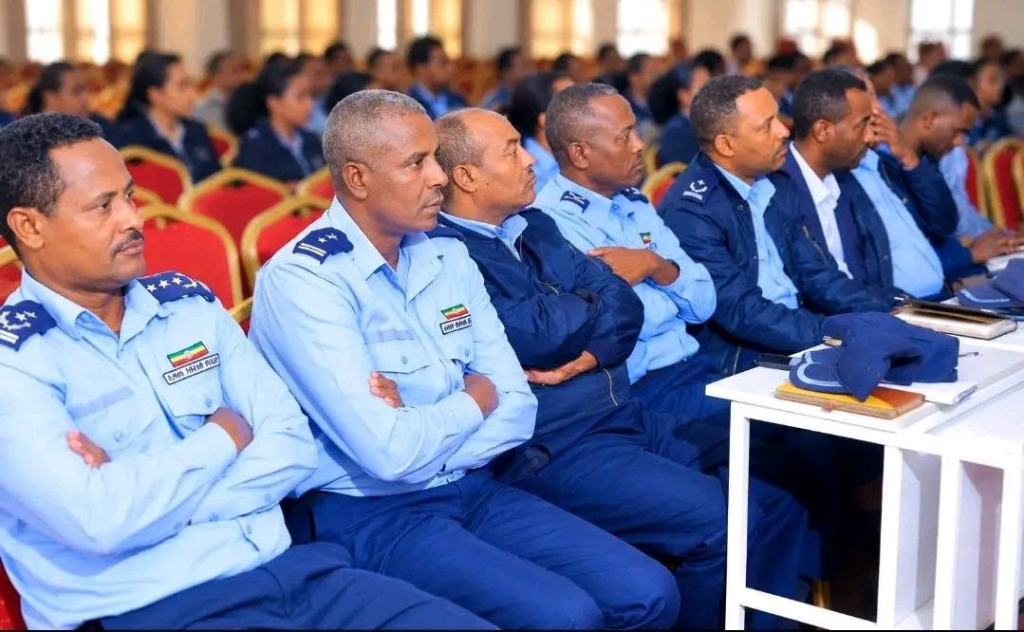
ADDIS ABABA — The Addis Ababa Integrated Security Task Force announced Wednesday that all necessary preparations have been completed to ensure the peaceful conclusion of the upcoming Irreecha Hora Finfinne festival, following a high-level security coordination meeting held at the Addis Ababa Police Headquarters.
The discussion, convened on September 30, 2026, brought together senior leadership from across Ethiopia’s security and safety institutions to finalize a comprehensive security plan for one of the capital’s most significant cultural celebrations.
Senior Leadership in Attendance
The meeting was attended by Lt. Gen. Asrat Denero, Commander of the Addis Ababa Police Headquarters; Ms. Lidiya Girma, Head of the Addis Ababa Peace and Security Administration Bureau; Deputy Commissioner Tofik Meded, Commander for Crime Prevention; Deputy Commissioner Erzik Essa, Commander for Crime Investigation; Major Zerihun Tefera, Director General of the Addis Ababa City Administration Regulation Enforcement Authority; and Assistant Commissioner Dereje Shiferaw, Commander of Sheger City Police.
Also present were senior leadership from central and sub-city police commands, the heroic National Defense Force, Federal Police, National Intelligence and Security Service, Fire and Disaster Risk Management Commission, Sheger City Administration Police, and high-ranking officials from various other security and safety institutions.
24/7 Operations Emphasized
Lt. Gen. Asrat Denero, Commander of the Addis Ababa Police Headquarters, attributed the successful and incident-free conclusion of past events in Addis Ababa to the commitment of security forces at all levels and the city’s peace-loving residents.
He emphasized the need for round-the-clock operations—beyond the usual routine—to ensure the upcoming Irreecha Hora Finfinne festival proceeds peacefully.
“Our security forces should welcome and serve guests arriving in our city for the holiday with a spirit of hospitality, while also noting that our screening procedures must be strict and professional,” Lt. Gen. Asrat stated.
Sustaining Momentum from Meskel-Demera
Ms. Lidiya Girma, Head of the Addis Ababa Peace and Security Administration Bureau, stressed that given the need for exceptional coordination during this period, the rigorous security measures implemented during the Meskel-Demera festival must be sustained and further strengthened for the Irreechaa festival and the government formation assembly.
She called for robust deployment of security forces, urging that it be “consistent and proven effective.”
Vigilance Against Infiltration
Deputy Commissioner Abera Hunde, Head of the Ethiopian Federal Police’s Security Institutions Protection Directorate, warned that strict security checks must be conducted, as individuals intending to cause security disruptions could infiltrate the crowds entering holiday celebration venues.
He further explained that monitoring and control measures would be implemented against individuals selling unauthorized emblems and flags incorporated into decorations and clothing.
Joint Coordination with Oromia Security Structures
Security officials participating in the meeting stated that they are working jointly with the Oromia Sheger City Administration’s police and security structures—including by organizing in shifts—to ensure the festival concludes in complete peace, much like the Meskel Demera celebration.
Public Advisory Issued
The Addis Ababa Police Headquarters has advised that to ensure the event concludes peacefully, the possession of banned or unauthorized flags, as well as T-shirts or materials bearing inflammatory slogans, is prohibited.
The headquarters further urged the public to report any suspicious activity via the “Citizen Engagement Application” (EFPApp) or by calling the toll-free lines 990 and 991, or 0111110111.
The Irreecha Hora Finfinne festival, a vibrant cultural and thanksgiving celebration of the Oromo people, draws hundreds of thousands of attendees to the capital annually. Authorities have expressed confidence that this year’s event will proceed smoothly, building on the successful security outcomes of recent national celebrations.

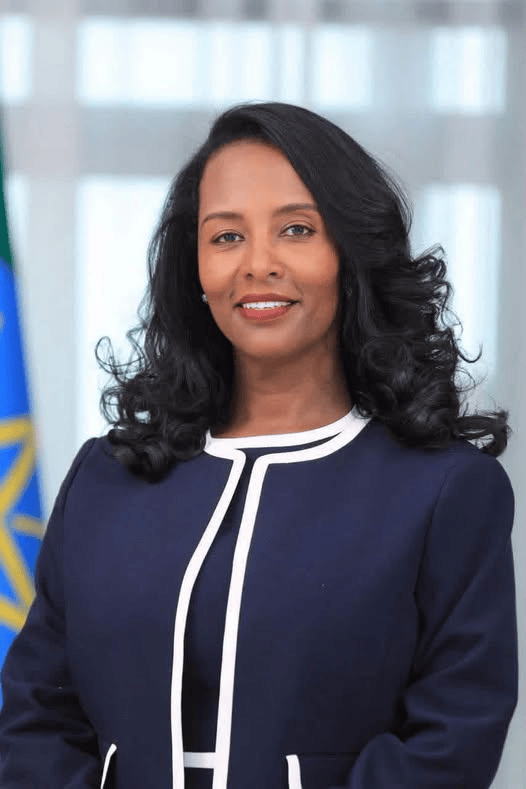
Adanech Abiebie Appointed Mayor of Addis Ababa: A New Chapter for Ethiopia’s Capital
Congratulations pour in as a seasoned leader takes the helm of Africa’s diplomatic hub
(Addis Ababa, 30 September 2026)-In a moment that has captured the attention and hopes of millions, Mrs. Adanech Abiebie has been appointed Mayor of Addis Ababa — a city that stands as both the political heart of Ethiopia and the diplomatic capital of Africa.
The announcement has sparked an outpouring of congratulations and goodwill from citizens, colleagues, and observers across the nation and beyond.
A Leader for a Rising City
Addis Ababa is not just any city. It is home to the African Union headquarters, a growing hub for international diplomacy, and a metropolis undergoing rapid transformation. Its mayor carries a responsibility that extends far beyond municipal boundaries — shaping the experience of residents, visitors, and the global community alike.
With her appointment, Adanech Abiebie steps into a role that demands vision, resilience, and an unwavering commitment to public service. Those who have followed her career describe her as a leader who understands the complexities of urban governance and the aspirations of everyday Ethiopians.
A Wave of Congratulations
The response to her appointment has been swift and heartfelt.
“Congratulations! May you have a blessed term of service, outstanding success, and a fruitful journey ahead!”
These words, echoed across social media and community gatherings, reflect a deep well of hope. For many, this is not simply a political appointment — it is an opportunity to see leadership that listens, delivers, and inspires.
The Weight of the Moment
Addis Ababa faces no shortage of challenges: rapid urbanization, infrastructure demands, housing needs, and the task of ensuring that development benefits all residents, not just a few. Yet within these challenges lie extraordinary opportunities.
The city is emerging as a center of innovation, commerce, and culture. Its streets pulse with the energy of a young population eager for progress. Its markets, universities, and cultural institutions tell a story of a city on the move.
The question that now rests before the new mayor is simple yet profound: How can Addis Ababa become a city that works for everyone?
A Prayer and a Promise
For those who offered their congratulations, the sentiment was clear: this is a moment for prayer as much as celebration.
“May God guide your steps, grant you wisdom, and bless your service to our beloved city and nation.”
Such words carry the weight of a community that understands the gravity of leadership. They are not merely formalities but genuine expressions of hope — that this new chapter will bring not only progress but also fairness, compassion, and lasting change.
Looking Ahead
As Adanech Abiebie takes office, the eyes of the nation — and indeed the continent — are upon her. The road ahead is long, and the expectations are high. But if the enthusiasm surrounding her appointment is any indication, she does not walk it alone.
A city is not built by one leader. It is built by a people united in purpose. And in this moment, there is a palpable sense that Addis Ababa is ready to rise — together.
Congratulations, Mayor Adanech Abiebie. May your term be marked by achievement, may your leadership be a blessing to all, and may the city you serve flourish in the years to come.

What is the significance of Irreechaa Celebrations in Diaspora?
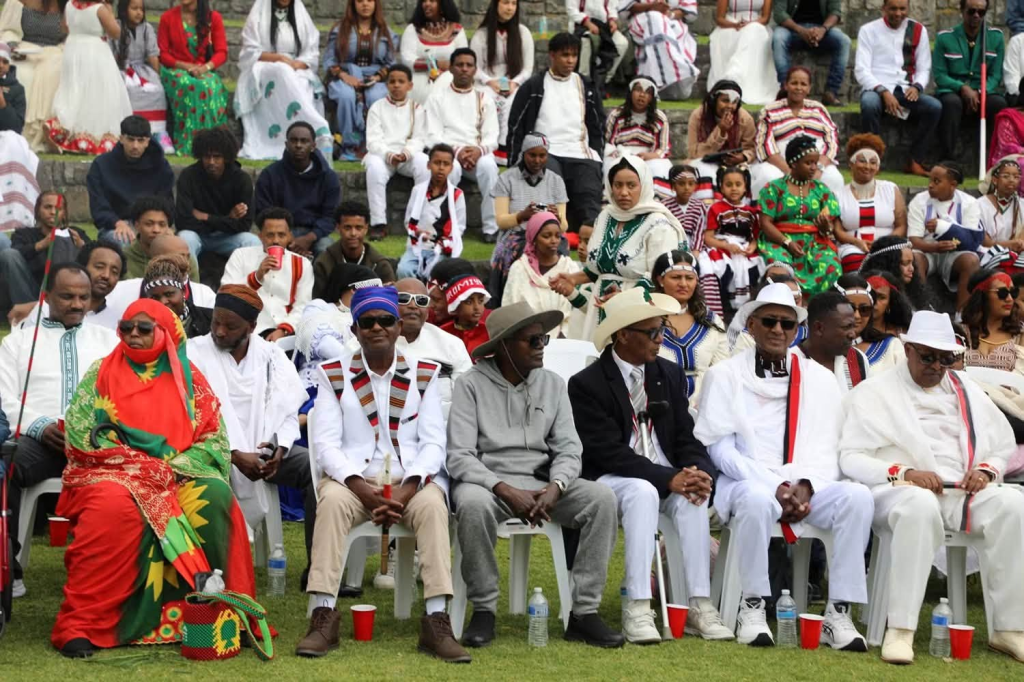
For the Oromo diaspora, Irreechaa serves as a vital cultural anchor—far more than a festival, it is an act of identity preservation, a bridge across generations, and a powerful statement of resilience. It connects Oromos living far from their ancestral homeland to their ancestors, their language, and one another, ensuring that a tradition preserved through centuries of suppression continues to thrive on foreign soil.
🌍 A Home Away from Home
Irreechaa provides a sacred space where the diaspora can recreate the spiritual and communal essence of the homeland. In cities like Melbourne, Toronto, and Minneapolis, the ritual structure remains remarkably intact:
- Traditional Rituals: Participants carry fresh green grass and yellow daisies to the water’s edge, dipping them in as an offering of gratitude—the same act performed by millions at Hora Arsadi and Hora Finfinnee.
- Spiritual Continuity: Elders lead blessings and prayers to Waaqa (God), maintaining the spiritual essence of the festival even in a foreign landscape.
- Processions and Songs: Communities walk together toward water bodies or parks, singing traditional faaruu (songs of praise), with women often walking in front—a practice rooted in the Siinqee institution symbolizing women as sacred agents of peace.
🔗 Forging Unity and Identity
Irreechaa transcends religious and political divisions, functioning as a transreligious symbol of Oromummaa (Oromo identity). As one analysis notes, attendees include Christians, Muslims, non-believers, and Waaqeffatas alike—all united by a shared cultural heritage. This unity is particularly significant for a diaspora that fled political marginalization, as it allows diverse Oromo communities to come together under a single, proud identity.
🛡️ Resilience Through Remembrance
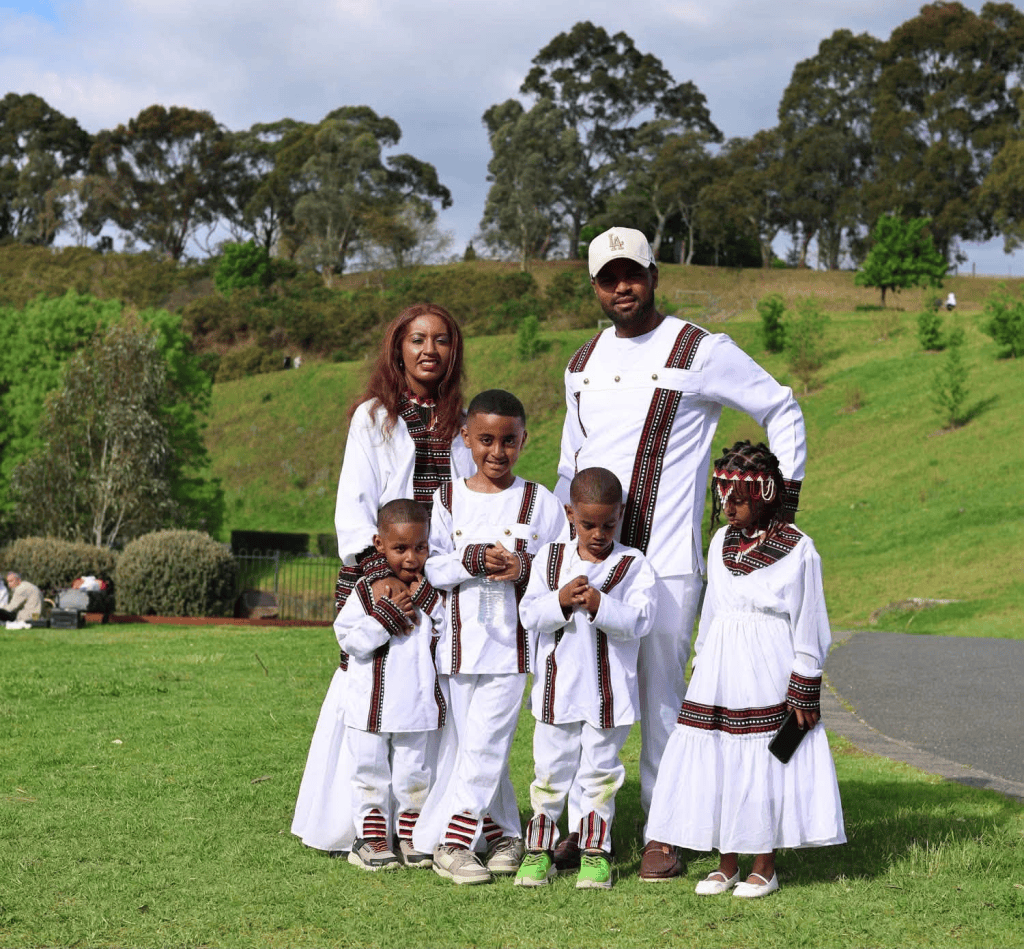
The diaspora celebration carries a profound weight of survival. Irreechaa was historically suppressed and forced underground, making its public, joyful observance abroad an act of cultural resistance. In Minnesota, for instance, the festival is explicitly framed as a symbol of resilience—a tradition that was “looked down upon” for about a century but is now celebrated openly and proudly. For the Melbourne community, it is a “living prayer” that refuses to become a mere memory.
🌱 Passing the Torch to the Next Generation
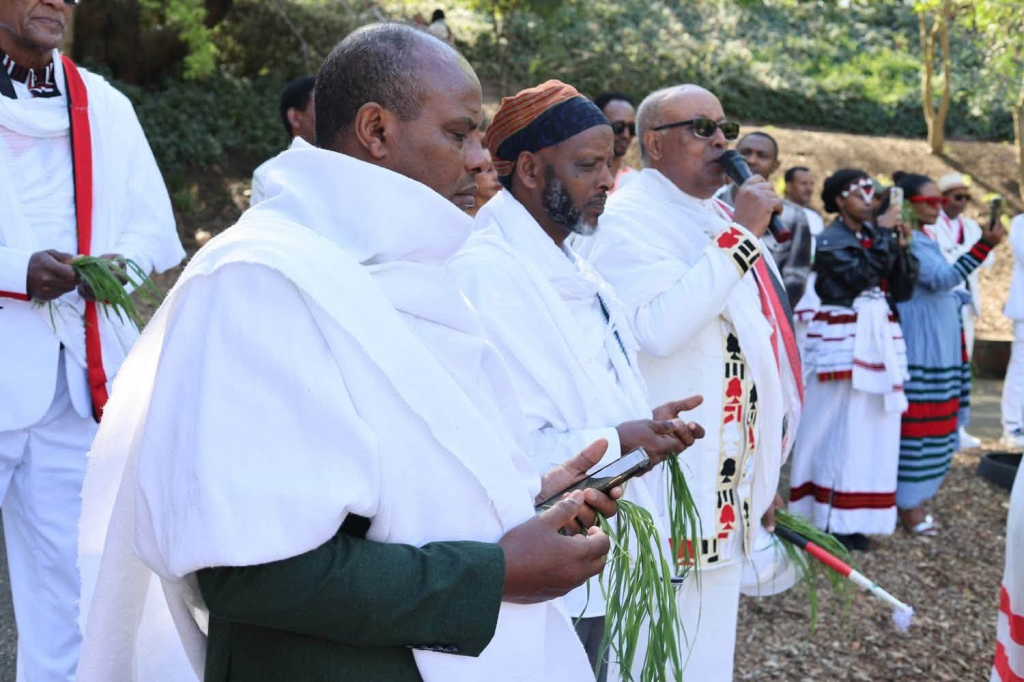
A central mission of diaspora Irreechaa organizations is youth engagement and cultural transmission. In Melbourne, “Irrecha Australia” emphasizes empowering young people to carry traditions forward with pride. In Minnesota, youth are described as a driving force behind the festival’s growing popularity, even teaching non-Oromos about its meaning. By involving children in rituals—from dressing in traditional wandaboo to learning the steps of cultural dances—the diaspora ensures that Irreechaa remains a living tradition, not a distant memory.
🤝 A Bridge to the Wider World
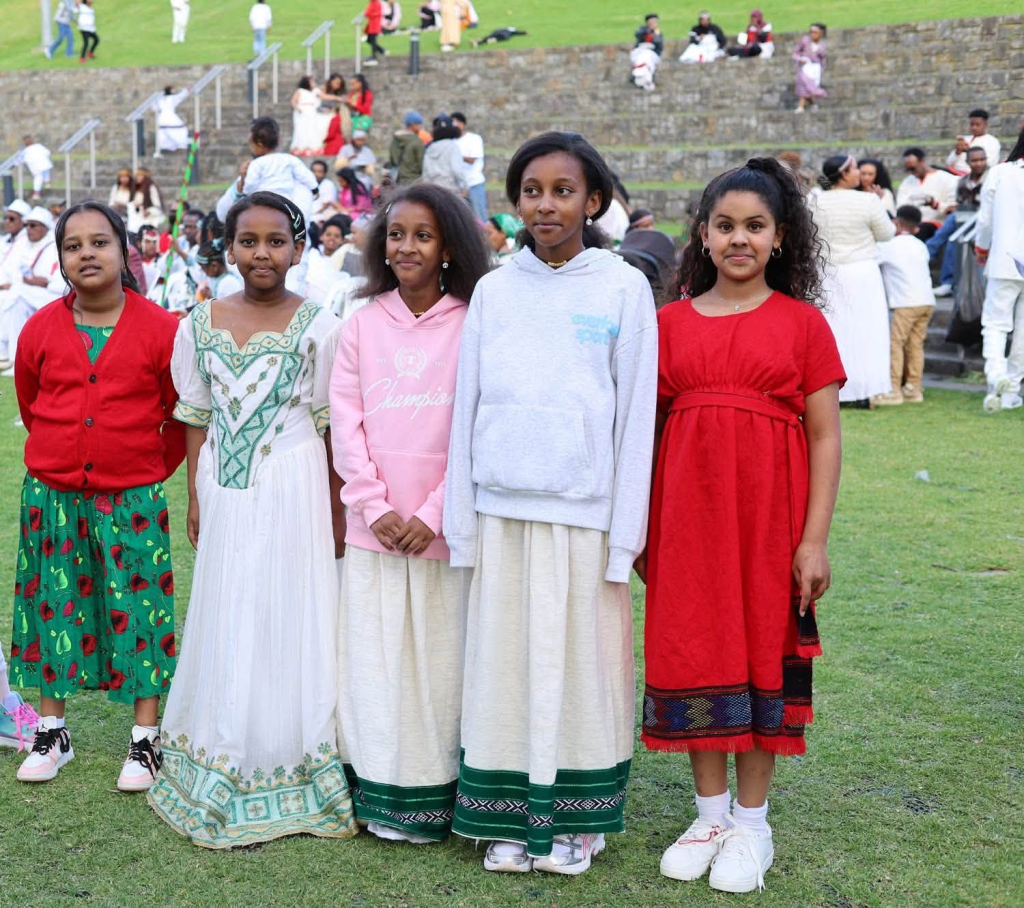
Beyond the Oromo community, diaspora Irreechaa celebrations serve as an open invitation for intercultural exchange. In Toronto, the festival has attracted visitors from Germany and the United States. In Dubai, celebrations have included local Emiratis and other Ethiopian ethnic groups. These events showcase Oromo values of peace, gratitude, and harmony with nature, fostering understanding within the broader multicultural societies where Oromos now live.
In essence, Irreechaa in the diaspora is not a diminished version of the homeland celebration—it is an amplified testament to a people’s unbreakable connection to their roots. It is where identity is renewed, community is strengthened, and the flame of Oromummaa is passed on, undimmed, to the next generation.






