“The Camp That Would Not Be Silenced”: Naomi Waqo and the Oromo Question in Kenya’s Parliament
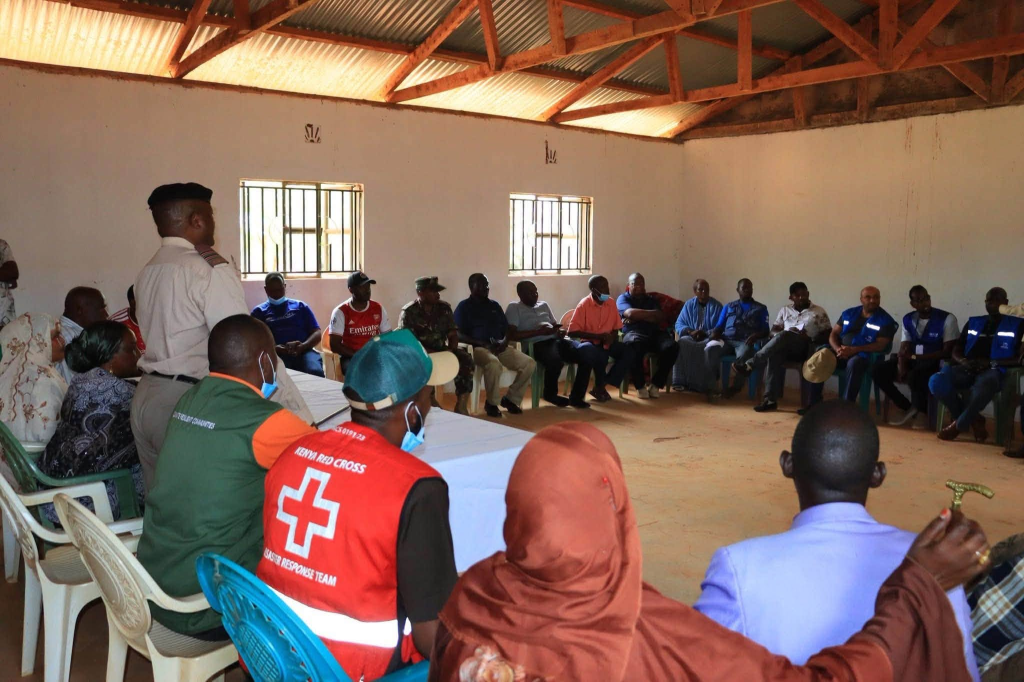
At a dusty camp called Odha, displaced Oromo families found their voice echoed in Kenya’s National Assembly — and the woman carrying it, MP Naomi Jillo Waqo, has become a symbol of a community’s refusal to be forgotten
By Dhabessa Wakjira
—
MOYALE, Kenya — The camp sits at the edge of Moyale, where the red earth of northern Kenya meets the borderlands that have carried Oromo memory for generations. It is called Odha — the camp of the displaced, the settlement of those who have lost homes, livestock, and the quiet certainty of belonging.
This week, a message circulating in Afaan Oromoo paid tribute to the families of that camp, and to the woman who has carried their cause into the chambers of power.
“Addee Naomi Jillo Waqo,” the message begins — using the Oromo honorific Addee, a term of respect for a distinguished woman. “She is the representative of the women of Marsabit and a Member of the Parliament of Kenya.”
The message goes on to salute “the Oromo people who have been displaced from their land and their property, scattered into the camp called Odha in Moyale, Kenya” — and to praise the woman who, in its words, “encouraged this people” when they were at their lowest.
It closes with a call that is as much a demand as a benediction: “The sons of Oromo who are Members of the Kenyan Parliament, and the administrators who sit at various levels, must be thanked and recognized.”
Who Is Naomi Jillo Waqo?
Naomi Jillo Waqo is a Kenyan politician who has represented the women of Marsabit County in the National Assembly, a vast and arid county in Kenya’s north that borders Ethiopia. Marsabit is a place of extraordinary diversity — home to Borana Oromo, Gabra, Rendille, Burji, Turkana, and other communities — and extraordinary pressure. Drought, resource competition, and cross-border insecurity have shaped its politics for decades.
For the Oromo of northern Kenya, representation in Nairobi is not a luxury. It is a lifeline. The Oromo of Marsabit and Moyale are a cross-border community, tied by language, kinship, and custom to the Oromo of Ethiopia, but citizens of Kenya. Their grievances — displacement, marginalization, contested land, and the slow violence of neglect — are routinely spoken in the language of security rather than rights.
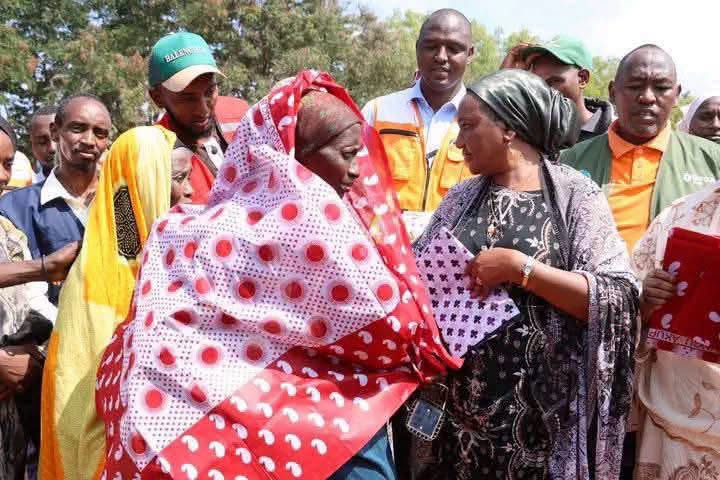
The message’s tribute to Waqo is a recognition that she has chosen a different language. At a time when displaced Oromo families were confronting the loss of land and livelihood, she is described as having stood with them — visiting the camps, amplifying their voices, and insisting in Parliament that their suffering be named.
Odha: The Camp as a Political Fact
The reference to Odha is the heart of the message. Camps of displacement are often treated as temporary inconveniences — a humanitarian problem to be managed, not a political reality to be confronted. The Oromo families in Odha, according to the message, are not merely sheltering. They are waiting for justice.
Displacement in the Moyale borderlands is a familiar and painful pattern. Communities have long described being pushed from ancestral land by conflict, by administrative decisions, and by the quiet encroachment of more powerful interests. When families are forced into camps, they lose more than shelter. They lose grazing routes, burial grounds, and the social fabric that holds a pastoralist community together.
The message’s author understands this. To name the camp is to name the crime. To praise the MP who visited it is to insist that displacement is not a private misfortune but a public responsibility.
The Call to Kenya’s Oromo Leaders
The message’s closing line is pointed. It calls on Oromo members of Kenya’s Parliament and administrators at “various levels” to be recognized — and by implication, to be accountable.
It is a reminder that representation is not measured only in seats held but in service rendered. The Oromo of Kenya have produced legislators, county officials, and civil servants. The question the message implicitly poses is whether those leaders have used their positions to defend the most vulnerable among their people — or whether they have been content to enjoy the fruits of office while the camps fill.
The tribute to Naomi Waqo is thus also a standard against which others will be measured. Here is what it looks like, the message says, when a representative remembers the people who sent her.
A Borderland People, a Cross-Border Struggle
Moyale is a town split by an international border, but the Oromo who live on both sides share a single identity. The hashtags that accompany the message — #Moyale, #Borana, #Oromia, #Kenya, #NaomiWaqo — map a geography that no border can divide.
That geography has become increasingly contested. The Horn of Africa is in flux: Ethiopia is navigating conflict in Tigray and unrest in Oromia; Kenya is managing drought, insecurity, and a restive northern frontier; and the Oromo cross-border community sits at the intersection of all of it.
In such a moment, the message suggests, the Oromo must count on one another. The women of Marsabit, the families of Odha, the parliamentarians in Nairobi, and the administrators in the counties — all are part of a single chain of responsibility. When one link holds, the whole chain is strengthened.
The Meaning of Addee
The word Addee is not a title one can claim. It is granted by a community to a woman who has earned it — through wisdom, through service, through presence in moments of need. To call Naomi Waqo Addee is to say that she has been tested and found worthy.
The message that bears her name is, at its core, an act of remembrance. It remembers the displaced. It remembers the camp. It remembers the woman who came to the camp and did not look away.
“May the sons of Oromo who are Members of the Kenyan Parliament, and the administrators who sit at various levels, be thanked and recognized,” the message concludes.
But the deeper prayer is simpler: may there be more like her.
—
This feature honors the displaced Oromo families of the Moyale borderlands and the representatives who stand with them.

Posted on November 3, 2026, in Aadaa, Afaan, Daaniyaa, Diaspora, Events, Face of Injustice, family violence, Finfinne, freedom, gadaa, gender, Grief Support, Gumaa, health, Information, Language, Media, mental health, Moyale, News. Bookmark the permalink. Leave a comment.






Leave a comment
Comments 0