Category Archives: Siinqee

BEYOND THE RITUAL: A PLEA FOR UNITY AT THE HEART OF OROMIA’S SACRED DIALOGUE
By Daandii Ragabaa
—
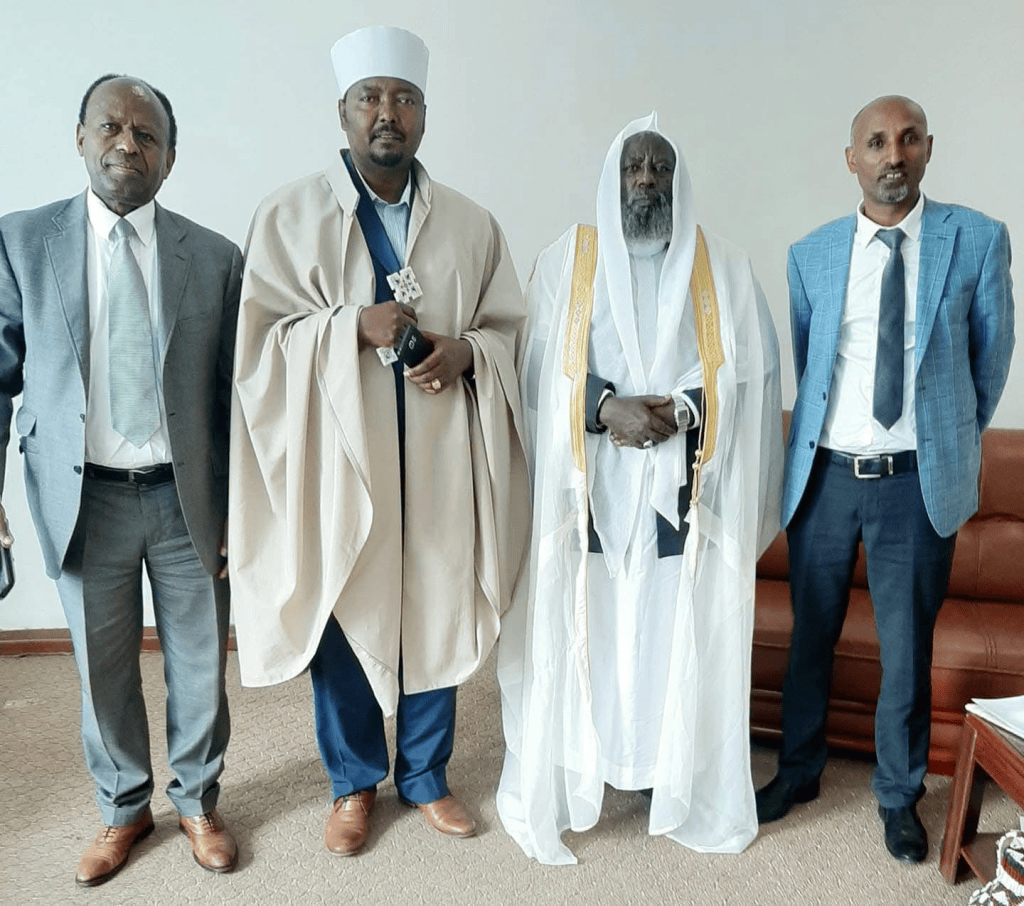
In the bustling city of Finfinne, where the hum of modernity often drowns out the whispers of ancient tradition, a different kind of gathering recently took place—one that carried the weight of history and the fragile hope of a shared future. It was not a political rally, nor a commercial event. It was a meeting of faiths, a rare and courageous roundtable where religious leaders from the three spiritual pillars of Oromo society—Waaqeffanna, Christianity, and Islam—sat together not as rivals, but as brothers.
This landmark dialogue, initiated under the momentum of the Waaqeffanna community, was spearheaded by prominent figures, including Obbo Asnake Irko, a respected elder and representative of the Waaqeffanna faith. But the true architect of this historic convergence, as acknowledged by all present, was Qesiis Balay Mekonnen, whose dedication to securing media coverage and a neutral venue ensured that the voices of faith would not be whispered in shadows, but broadcast to the world.
The meeting was not about theological supremacy. It was about survival—the survival of culture, language, and mutual respect in a land where faith has too often been used as a wedge rather than a bridge.
—
The Four Pillars of the Finfinne Accord
After hours of intense and heartfelt deliberation, the religious leaders reached a series of groundbreaking agreements that could reshape the spiritual landscape of Oromia. At the heart of these resolutions lay four core principles:
1. Mutual Respect for All Faiths
The leaders unanimously affirmed that no religion—whether indigenous Waaqeffanna, Orthodox or Protestant Christianity, or Islam—holds a monopoly on truth or dignity. They pledged to honor each tradition’s sacred practices, recognizing that the Creator, however named, desires reverence and love among His people.
2. Culture and Language as Unifying Tools
In a powerful declaration, the group committed to using the Oromo language and cultural heritage as vehicles for unity, not division. They agreed that songs, proverbs, and artistic expressions from all faiths could be shared to enrich the collective identity of the Oromo people, rather than to compete or exclude.
3. Standing Together in Times of Crisis
“Yoo rakkoon jiraate waliin dhaabbannee hiikuu”—”If trouble arises, we will stand together to resolve it.” This pledge was perhaps the most poignant. The leaders vowed that no community would face marginalization, violence, or discrimination alone. They would act as a unified bloc to mediate, protect, and advocate for justice, regardless of which faith was affected.
4. Defending the Oromo People from Religious Exploitation
In a bold stance against instrumentalization, the leaders condemned any attempt to use religious identity to sow discord or to harm the Oromo nation. They agreed to collectively denounce and counter any rhetoric or action that weaponizes faith against Oromo unity.
5. A Shared Vision for Irreechaa and Other Cultural Festivals
The dialogue also addressed the growing misunderstandings surrounding Oromo cultural celebrations, particularly Irreechaa. The leaders resolved to engage in ongoing consultations to ensure that these festivals are understood in their proper context—as expressions of thanksgiving and communal identity—and are respected by all faith communities.
—
A Word of Gratitude
In his closing remarks, Obbo Asnake Irko expressed deep appreciation for the spirit of openness shown by his fellow religious leaders. Yet, he reserved his most heartfelt thanks for Qesiis Balay Mekonnen, whose tireless efforts in organizing the venue and mobilizing media attention made the dialogue possible. “Without his vision,” Obbo Asnake stated, “this table would remain empty.”
The participants included:
1. Qees Dr. Bantii U. Teessoo – representing the Protestant Christian community
2. Qesiis Balay Mekonnen – representing the Orthodox Christian tradition
3. Sheek Hajjii – representing the Islamic faith
4. Obbo Asnake Irko – representing the Waaqeffanna tradition
—
What This Means for Tomorrow
This gathering in Finfinne is more than a news item. It is a testament to the maturity of Oromo society—a society that refuses to let religious difference become a source of conflict. In a region often scarred by sectarian strife, these leaders have lit a small but steady flame. They have shown that the green grass of Irreechaa, the cross of Christianity, and the crescent of Islam can coexist, not in uneasy tolerance, but in active solidarity.
The road ahead is long. Old suspicions do not vanish overnight. But as Obbo Asnake Irko reminded the gathering: “Our ancestors worshipped on the same hills, drank from the same rivers, and prayed to the same Creator under different names. Let us not be the generation that forgets that truth.”
As the media cameras packed up and the leaders departed with handshakes and embraces, one thing was clear—the spirit of Irreechaa, the spirit of thanksgiving and reconciliation, had found a new home. Not just on the lakeshores, but in the hearts of those who dare to listen.
—
IN SUMMARY:
Key Agreement Significance
Mutual respect for all faiths Ends religious hierarchy and promotes equality
Use Oromo culture and language for unity Strengthens identity without exclusion
Joint crisis resolution Creates a safety net for all communities
Defend Oromo people from religious abuse Prevents faith from being used as a weapon
Consult on Irreechaa and cultural events Fosters understanding and reduces misconceptions
This is not just a religious accord. It is a covenant of civilization—a promise that in Oromia, faith will build bridges, not burn them.

The Unrelenting Struggle: Oromo Resistance and the Brutal Reality of Fano Atrocities
A Reflection on the Ongoing Crisis in East Wallagga and Horro Guduru
By Maatii Sabaa
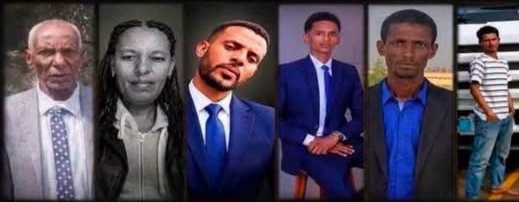
To this day, the Oromo people have been subjected to the brutal force of the Fano militia. According to a report compiled by the United Oromo Evangelical Church and the Oromia Support Group, the atrocities are widespread—executions, torture, arbitrary detentions, destruction of property, and other acts of violence allegedly committed against Oromo civilians by both Ethiopian government forces and the Fano Amhara militia .
The deaths of fathers, mothers, and children—Oromo lives lost—are met with a chilling refrain: “It is nothing, be patient.” Behind every statistic is a family destroyed, a child orphaned, or a community traumatized. Silence in the face of such suffering only deepens the crisis .
But patience has its limits. When Oromo people are killed and their oppressors dance, those who call themselves “Fano heroes” celebrate. Yet when the Oromo rise to defend themselves, the same voices cry out: “The civilians are finished!” But the truth is simple: self-defense is a natural right. It is not a crime; it is an instinct for survival.
The Conspiracy Against Oromo Self-Defense
There is a deliberate campaign to deny the Oromo people their fundamental right to self-defense. The situation in the East Wallagga and Horro Guduru zones is particularly alarming.
In the Gida Ayana district of East Wallagga, a brutal attack on August 19, 2026, targeted innocent civilians. A bank manager traveling with cash from Gida Ayana to Nekemte was killed in an ambush at Tulu Lencha . Kaffaloo Nagasaa Dayyaas, a farmer beloved in his community, was also among the victims . According to residents, Fano forces attacked ambulances, killing patients and a midwife, in addition to the bank managers and passengers . More than 60 people were killed in the attack, over 70 were wounded, homes were looted, and the violence displaced 20,000 people .
This is not a spontaneous development; it is a calculated plan that has been in motion since at least 2019. A UN document recorded that since 2018, Fano militia has been responsible for a substantial number of killings in East Wollega and Horo Guduru zones . The campaign includes the burning of 200 homes in Homa Galesa village, the killing of 21 villagers in Tullu Moti village, and the brutal beheading of a teenager in Darra district .
As the Oromo people face relentless attacks, their attempts to organize and defend themselves are sabotaged from within. The message is clear: while Oromo fighters are disarmed and disbanded, their enemies are being armed and empowered.
The Cost of Betrayal
The Oromo people have been subjected to a decades-long campaign of marginalization, dispossession, and violence. The current wave of attacks in East Wallagga and Horro Guduru is not an isolated tragedy—it is the latest chapter in a long history of brutality.
But what makes this moment particularly devastating is the silence—and complicity—of those who should be protecting the Oromo people. When Oromo civilians are killed, the world is told to look away. When Oromo resistance is met with disproportionate force, the narrative is twisted to blame the victims.
This is not just a failure of governance; it is a betrayal of the most basic principles of justice and humanity. The Oromo Global Forum has called upon the United Nations Human Rights Council to initiate an independent international investigation into the documented allegations .
A Call to Action
The Oromo people have waited too long for justice. They have been told to be patient while their children are killed, their villages burned, and their land stolen. But patience is not a virtue when it is used as a tool of oppression.
Self-defense is not aggression. It is the right of every people to protect their lives, their families, and their communities. To deny the Oromo this right is to condemn them to perpetual victimhood.
The international community must look beyond the carefully constructed narratives and see the truth: the Oromo people are under attack, and they are fighting for their survival.
Conclusion: The Truth Will Prevail
The conspiracy to silence the Oromo people will ultimately fail. The truth of what is happening in East Wallagga and Horro Guduru—and across Oromia—will not be hidden forever. The blood of the innocent cries out for justice, and it will be heard.
As the Oromo people continue to resist, they do so not out of hatred, but out of love for their children, their land, and their future. They fight for the right to live in peace, free from fear and oppression.
Oromoon of-ittisuu qaba. Of-ittisuun seera uumamaa ti. (The Oromo people have the right to self-defense. Self-defense is a natural law.)

The Unshakable Pillar: Why One Foundational Aspiration Will Outlast Every Attempt to Destroy It
By Dhabessa Wakjira
—
In the quiet corners of history, in the roar of revolutions, and in the whispered hopes of ordinary homes, one truth has endured: human beings are born with an innate longing for equality, freedom of thought, and dignity.
This is not a modern invention. It is not a Western import, nor an Eastern myth. It is the quiet fire that lit every abolition movement, every suffrage march, every student protest, and every parent’s prayer for a better future. And in our own community—ummata keenya—this aspiration has been planted like a deep-rooted tree.
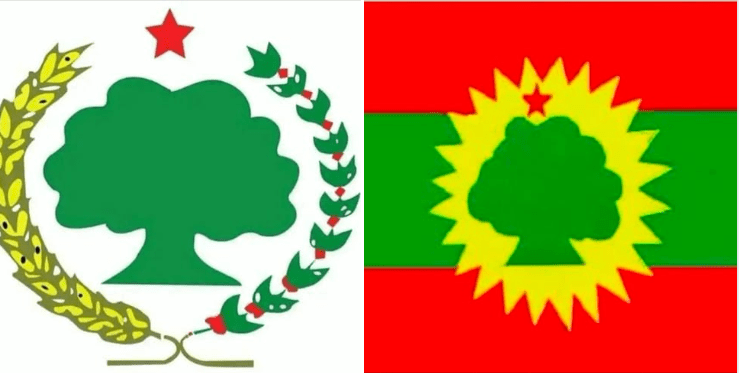
That tree is OLF—not as a slogan, but as a living, breathing promise: that no person is above another; that no mind should be chained; that every voice carries the weight of sacred worth.
—
The Aspiration That Refuses to Die
The original text reminds us: “ABOn waan bu’uraa tokko ummata keessa kaahee jira.”
There is, among the people, one foundational principle. It is not written in stone alone—it is written in conscience. It says:
· Equality is not a privilege; it is a birthright.
· Freedom of thought is not a concession; it is the soil where truth grows.
· Dignity is not a reward; it is the oxygen of human existence.
This aspiration, the text insists, cannot be stopped or erased in any form. Not by armies. Not by laws. Not by propaganda. Not by time.
Why? Because it is not borrowed from a constitution or a king. It is discovered—in the cry of a child, in the sweat of a labourer, in the silent grief of a mother, in the bold question of a teenager. It is experiential before it is philosophical.
—
The Many Faces of Opposition
History is littered with attempts to suffocate this aspiration.
· Tyrants have banned books.
· Dictators have jailed thinkers.
· Empires have rewritten histories.
· Corporations have commodified attention.
· Algorithms have tried to herd our thoughts into safe, sellable boxes.
Yet every time, the aspiration returns—not in the same shape, but in a stronger one.
Why? Because suppression is reactive; aspiration is generative.
· Suppression says: “You must not think this way.”
· Aspiration replies: “Then I will think deeper.”
· Suppression says: “You are unequal by nature.”
· Aspiration answers: “Then I will build communities that prove you wrong.”
This is why the text declares: “Kun dhugaa bara baraan dhaloota walqixxummaa fi bilisummaa barbaadan kamiyyuu keessa kan jiraatuu dha.”
It is the permanent inheritance of every generation that dares to seek equality and liberty. Not a relic of the past—but a living torch passed from hand to hand, across fire and flood.
—
What Does This Mean for Us Today?
In our own time—fractured by misinformation, polarized by identity, exhausted by performative justice—this foundational aspiration calls us back to simplicity and courage.
It asks us:
· Do we treat the stranger at our gate as our equal, or as a threat?
· Do we listen to an idea we hate with the same patience as one we love?
· Do we defend dignity for the powerless, even when it costs us comfort?
If the aspiration is truly unkillable, then our job is not to protect it—but to practice it. Because an aspiration that lives only in speeches is a ghost. An aspiration that lives in schoolrooms, marketplaces, courtrooms, and dinner tables—that is a revolution.
—
The Final Word: A Promise, Not a Puzzle
Some will try to redefine this aspiration. They will twist it into a weapon, a commodity, or a vague slogan. But the core remains indestructible:
Every person holds the right to be free, to think boldly, and to stand equal before their fellow human.
No empire, no algorithm, no crisis can undo that truth—because it is not built on fragile institutions. It is built on the fragile, fierce, unbreakable human heart.
And as long as one parent teaches a child to question, one writer speaks truth to power, one citizen refuses to kneel—that aspiration lives.
It has survived every storm before us.
It will survive every storm ahead.
Not because we are lucky.
But because we are human.
—
“ABOn waan bu’uraa tokko ummata keessa kaahee jira.”
May we never forget it. May we never betray it. May we live it—until it needs no defense.

Irreechaa 2026: Africa’s Largest Gathering of Gratitude and Resilience
Millions Prepare to Celebrate Oromo Thanksgiving in Finfinne and Bishoftu
By Maatii Sabaa
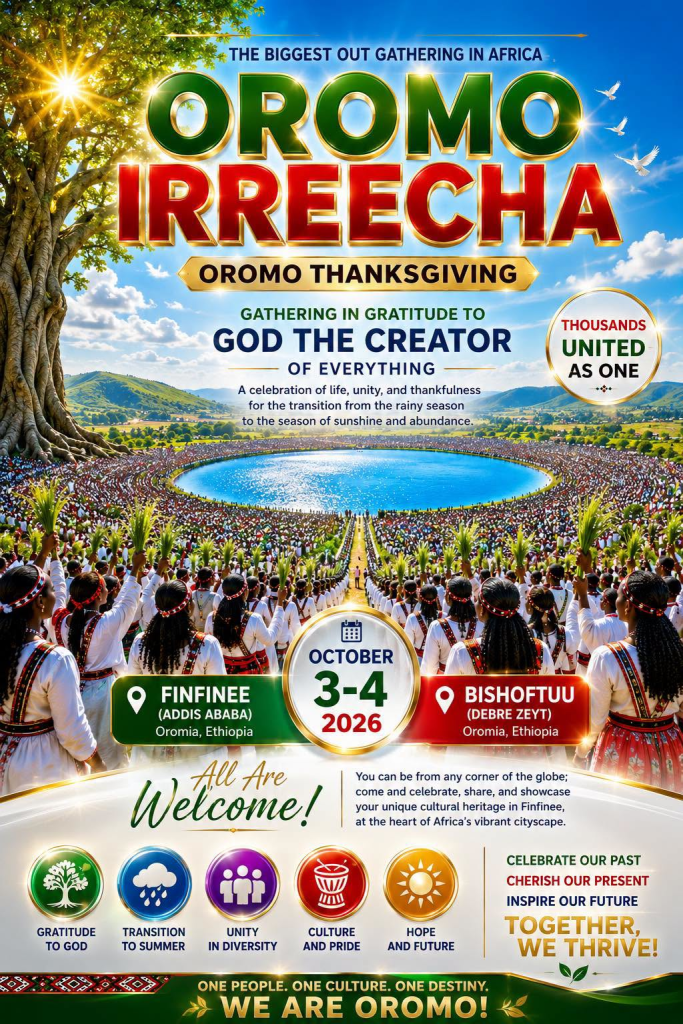
As the golden light of spring breaks over the Oromo landscape, a profound spiritual awakening stirs across Oromia and the global diaspora. Irreechaa—the Oromo Thanksgiving—is set to transform Finfinne and Bishoftu into a vibrant sea of white, green, and cultural pride from October 3 to October 4, 2026 . This is not merely a festival. It is Africa’s largest outdoor gathering, where millions will come together to express gratitude to Waaqa (God) and celebrate a cultural heritage that has endured for millennia .
The Heartbeat of a People: What Is Irreechaa?
Irreechaa, known in some traditions as Irreessa or Dhibaayyuu, is an annual thanksgiving holiday that marks the end of the rainy winter season and the joyous arrival of Birraa (spring) . It is a time when the Oromo people gather at sacred lakes, rivers, and springs to thank Waaqa for the blessings, mercies, and bountiful harvests received over the previous twelve months .
The festival’s roots run deep—over 6,000 years into the ancient Oromo and Cushitic civilization, long before the rise of modern empires or religions . It is intimately connected to the Gadaa system, the traditional Oromo governance structure recognised by UNESCO as an Intangible Cultural Heritage of Humanity . As the elders teach, Irreechaa is simply “giving thanks to the one God”—the pinnacle of Oromo religious and cultural expression .
Two Sacred Sites, One Unifying Spirit
This year’s celebration will unfold over two days across two of the Oromo people’s most sacred sites, following a time-honoured itinerary announced by the Council of Oromo Gadaa Elders .
Hora Finfinne: Reclaiming the Heart of the Capital
On October 3, the celebration will commence at Hora Finfinne, in the heart of the capital city . This location carries profound historical weight. For decades, under oppressive regimes, public celebrations of Irreechaa were banned, and the Oromo people were denied the right to give thanks at their own sacred sites . The site now known as Finfinne was originally named after the very same Hora Finfinne—a sacred geography that the construction of a colonial capital attempted to overwrite . Celebrating Irreechaa here is not just a cultural act; it is a powerful reclamation of space, identity, and dignity.
Hora Arsadi: The World’s Stage
On October 4, the festival moves to its grandest location: Hora Arsadi in the city of Bishoftu, approximately 45 kilometres south of Finfinne . This is the site of the main event—a gathering so vast that it is recognised as one of the largest annual human gatherings on the African continent . Here, in a landscape of breathtaking natural beauty and sacred waters, the celebration reaches its crescendo.
In recent years, the scale of the gathering has been so immense that international media, including the BBC, Al Jazeera, and CNN, have broadcast images of the spectacle: hundreds of thousands, sometimes millions, of people dressed in a vibrant sea of traditional colours, moving with purpose and joy towards the water .
The Rituals of Renewal
The Irreechaa ceremony is a tapestry of ritual and symbolism. At the lake, participants carry freshly cut green grass and flowers—symbols of fertility, life, and renewal . They immerse these offerings in the water, sprinkle themselves, and raise their hands in prayer. The grass, dipped and sprinkled, is a symbolic gesture of cleansing, purification, and the washing away of hardship. Traditional songs, known as sirba, echo across the valley, their melodies passed down from elders to the youth, ensuring the continuity of a living heritage .
Women are decorated in their finest traditional attire, while youth, particularly young men known as Kormoomsaa, move through the crowd, sprinkling people with fresh water as a gesture of cleansing and blessing . The event is a total immersion in culture and community. After the prayers, families and friends share meals of traditional dishes and freshly brewed coffee, reinforcing the profound social bonds that the festival strengthens .
More Than a Festival: A Symbol of Unity and Resilience
Irreechaa is often described as the “most celebrated cultural festival in Africa” . However, its significance extends far beyond its sheer scale. The festival’s core principles are peace, unity, love, and reconciliation. As the history of the festival teaches, holding onto resentment or grievance is not permitted at Irreechaa. A person cannot attend unless they have resolved their disputes with others . This requirement is a profound social intervention, reinforcing the idea that one cannot give thanks while holding a grudge.
The revival and growth of Irreechaa, particularly the celebrations in Finfinne, represent a powerful statement of cultural resilience. It is a declaration to the world that the Oromo culture, with its deep-rooted values of democracy, community, and spirituality, is not a relic of the past but a vibrant force for the present and future .
A Call to the World
The message from the Oromo community is clear: “You can be from any corner of the globe, individuals can come and showcase their unique cultural heritage in Finfinne during our celebration, at the heart of Africa’s vibrant cityscape.” As the Oromo people gather to give thanks, they extend an invitation to the world to witness the unity and resilience of a nation that has overcome immense challenges and continues to celebrate life, faith, and hope with unparalleled passion.

More Than an Ancient Civilization: The Kingdom of Kush—A Powerful Empire of Land and Sea
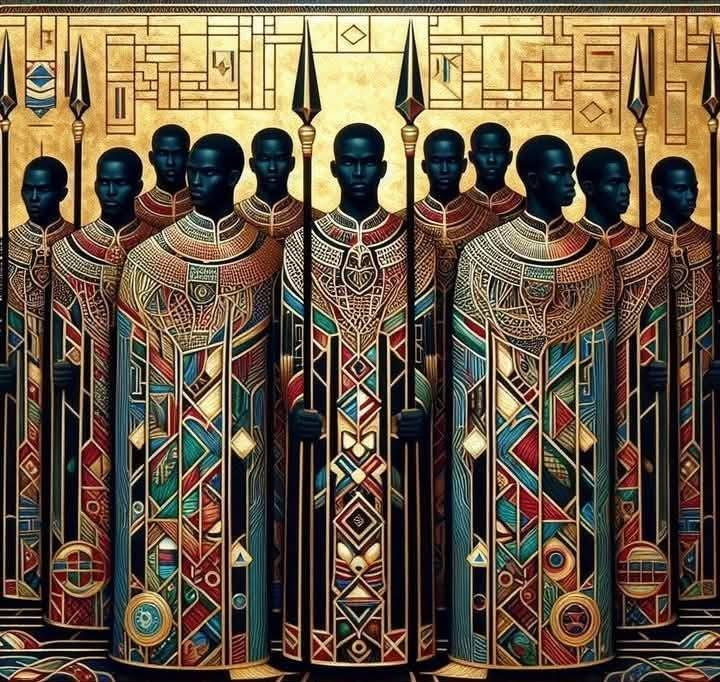
A people whose legacy challenges the very foundations of African history
When we speak of the great civilisations of antiquity, our minds often turn to Egypt, Greece, or Rome. But long before the Persian Empire rose to dominance, there existed in the heart of Africa a kingdom of extraordinary power, wealth, and sophistication—the Kingdom of Kush.
The Kingdom of Kush, with its three major cities of Meroe, Kerma, and Napata, emerged in the Nubian Desert south of Egypt along the Upper Nile River Valley from the 2nd millennium B.C. to the fourth century A.D. . For over a thousand years, Kush was a major power in the Nile valley, controlling an empire that at its height stretched from Central Sudan to the Mediterranean .
The achievements of this ancient civilisation challenge long-held beliefs that Egypt was the sole centre of advancement in the region. As renowned archaeologist Charles Bonnet’s excavations have revealed, Kush was not a mere vassal state of Egypt but a powerful and independent kingdom with its own distinctively indigenous culture . This sophisticated political state organised trade to the Mediterranean basin and built up a military strong enough to resist Egyptian forces .
The Black Pharaohs: A Legacy of Power
The Kushite rulers of Egypt’s 25th Dynasty, often referred to as the “Black Pharaohs,” represent a pivotal moment in the history of the Nile Valley. Emerging from the Kingdom of Kush at Napata in Nubia, these rulers not only unified Egypt after centuries of fragmentation but also reinvigorated pharaonic traditions .
The first major figure of this dynasty, King Piye, launched a campaign into Egypt during a period of political fragmentation known as the Third Intermediate Period. His Victory Stela records the subjugation of Delta rulers and proclaims his role as restorer of order . By 730 BCE, Piye had conquered Lower Egypt, establishing Kushite authority over both Upper and Lower Egypt .
The dynasty reached its zenith under Taharqa (690–664 BCE), whose reign is remembered for monumental building projects and ambitious foreign policy. Taharqa sponsored extensive temple construction at Karnak, Kawa, and Jebel Barkal, reinforcing his devotion to Amun and his claim to pharaonic legitimacy . He intervened in the Levant, supporting coalitions against Assyrian expansion, and is mentioned in both Biblical and Assyrian sources .
One of the most remarkable features of Meroitic civilisation was its powerful queens. The title “Candace,” meaning “sister,” was given to Kushite queens . Queens such as Amanirenas—who signed a peace treaty with the emperor Augustus—and Amanishakheto, whose treasure was looted in 1834, demonstrate the prominent role of women in Kushite society .
Kush: More Than a Footnote
The Kingdom of Kush was more than a civilisation; it was a power that commanded both land and sea. Kushite armies were formidable, and their military prowess allowed them to conquer and control Egypt itself . Kush also boasted a powerful navy, controlling trade routes along the Nile and beyond .
The economy of the ancient Kushites relied on trade in exotic African goods with Egypt and beyond. As middlemen, Kushite traders passed along ivory, ebony, incense, and other exotic goods from the South to the Egyptians, who then traded with other Mediterranean peoples . The city of Kerma, with its strategic location on the Nile River, controlled this crucial trade route .
Kush produced more gold than anywhere in the world at that time . Archaeologists have uncovered massive gold-processing operations at sites like Hosh el-Guruf, revealing the scale of Kush’s wealth . Minerals and high-quality stone were also mined for trade, and the Kushites introduced and developed iron metallurgy to the region .
A Sophisticated Society
The art and architecture of the Kushites reveal a sophisticated society of innovative craftsmen who constantly assimilated new artistic techniques from other lands . Notable architecture includes stone temple complexes such as the Lion Temple at Naqa and the steep-sided, solid pyramids found at Meroe and Jebel Barkal .
In fact, Sudan has more pyramids than all of Egypt—a testament to the grandeur of the Kushite civilisation . These tall, slender, graceful monuments bear witness to the lasting splendour of Kush .
Kushite art includes narrative tomb wall paintings and unique, eggshell-thin pottery with geometric patterns traded all over the Mediterranean . Stoic granite and bronze statues of gods and kings convey the religious beliefs of this ancient people .
The Question of Cush
The name “Kush” has been connected since at least the time of Josephus with the biblical character Cush, son of Ham (Genesis 10:6). Ham had four sons: Cush, Put, Canaan, and Mizraim (Egypt) . According to the Bible, Nimrod, a son of Cush, was the founder and king of Babylon, Erech, Akkad, and Calneh .
The Cushitic-speaking peoples, who are the ethnolinguistic groups speaking Cushitic languages natively, are today found primarily in the Horn of Africa, with minorities in Egypt, Sudan, Kenya, and Tanzania . Proto-Cushitic was spoken on the Ethiopian Highlands by 5000–4000 BC .
A Civilisation Worthy of Recognition
The Kingdom of Kush is not merely a footnote in the history of Africa—it is a testament to the power, ingenuity, and resilience of the peoples of the Nile Valley. As the American Journal of Archaeology notes in its review of The Nubian Pharaohs of Egypt, the term “Black Pharaohs” has sometimes been used to market exhibits, but the historical significance of Kush extends far beyond its interaction with Egypt . Sudanese colleagues and community members rightly resent the idea that the kings of ancient Sudan are only important because they ruled over Egypt . The Kingdom of Kush deserves to be remembered on its own terms.


Honouring the Daughters of Oromia: A Celebration of Strength, Beauty, and Resilience

Recognizing the Pillars of Our Community — Jaal Naarobika Baayisaa, Jaal Giiftii Waaqoo, and Jaal Mergitu Argo
By Dhabessa Wakjira
In the heart of the Oromo nation, there exists a force that is as powerful as it is beautiful—the daughters of Oromia. They are the carriers of culture, the guardians of tradition, and the voices of resilience that echo across generations. Today, we pause to honour three remarkable women who embody the spirit of Oromo womanhood: Jaal Naarobika Baayisaa, Jaal Giiftii Waaqoo, and Jaal Mergitu Argo. ❤️
The Daughters of Oromia: A Legacy of Strength
Oromo women have always been the backbone of their communities. From the ancient traditions of the Gadaa system to the modern struggles for justice and recognition, they have stood firm, unyielding, and courageous. They have raised children, preserved culture, and fought for the dignity of their people.
The phrase “Shamarran Oromiyaa” —the daughters of Oromia—carries within it the weight of history and the promise of the future. It is a title of pride, honour, and responsibility. It speaks of women who refuse to be silenced, who refuse to be erased, and who refuse to accept anything less than justice for their people.
Jaal Naarobika Baayisaa: A Beacon of Courage
Jaal Naarobika Baayisaa is a name that resonates with strength and determination. As a daughter of Oromia, she has exemplified the qualities of leadership, resilience, and unwavering commitment to the Oromo cause. Her story is one of courage in the face of adversity—a testament to the power of a woman who refuses to bow to oppression.
Her contributions to the Oromo community, whether through activism, cultural preservation, or community organizing, have left an indelible mark. She stands as a role model for young Oromo women, showing them that their voices matter and that their dreams are valid.
Jaal Giiftii Waaqoo: A Voice for Justice
Jaal Giiftii Waaqoo is a name that has become synonymous with the fight for Oromo rights and dignity. Her unwavering commitment to justice and her fearless advocacy have inspired countless others to join the struggle. She has spoken truth to power, refusing to be intimidated by those who seek to silence the Oromo voice.
Her work has touched the lives of many, from the villages of Oromia to the diaspora communities around the world. She has reminded us that the struggle for justice is not just a political fight—it is a deeply personal one, rooted in the love for one’s people and one’s land.
Jaal Mergitu Argo: A Pillar of Resilience
Jaal Mergitu Argo represents the resilience that defines Oromo women. In the face of challenges that would break others, she has remained steadfast, drawing strength from her culture, her community, and her faith. Her journey is a reminder that resilience is not just about enduring hardship—it is about rising above it and building a better future.
Her contributions to the Oromo community, whether through education, advocacy, or cultural preservation, have been invaluable. She has shown that Oromo women are not just participants in the struggle—they are leaders, innovators, and the architects of a brighter future.
The Power of Oromo Womanhood
The stories of Jaal Naarobika Baayisaa, Jaal Giiftii Waaqoo, and Jaal Mergitu Argo are not just their own—they are the stories of countless Oromo women who have contributed to the resilience and strength of the Oromo nation. They remind us that Oromo women are not just victims of oppression—they are agents of change, builders of community, and the heart of the struggle.
In Oromo culture, women have always held a special place of honour. The Siiqqee institution, for example, has been a powerful symbol of women’s agency and a mechanism for ensuring gender balance and social justice. This tradition is not just a relic of the past—it is a living practice that continues to inspire Oromo women today.
A Call to Celebrate and Honour
As we honour these three remarkable women, let us also honour all the daughters of Oromia—past, present, and future. Let us celebrate their strength, their beauty, and their resilience. Let us recognize their contributions to the Oromo nation and their role in shaping a future of justice, dignity, and self-determination.
To the daughters of Oromia: You are the heartbeat of the nation. You are the carriers of culture, the guardians of tradition, and the voices of hope. Your strength inspires us, your courage emboldens us, and your love sustains us.
Conclusion: A Legacy That Endures
Jaal Naarobika Baayisaa, Jaal Giiftii Waaqoo, and Jaal Mergitu Argo represent the best of what it means to be a daughter of Oromia. Their contributions to the Oromo cause, their commitment to justice, and their unwavering resilience are a testament to the power of Oromo womanhood.
Shamarran Oromiyaa — The daughters of Oromia — will always be the strength of the nation.
Injifannoon Ummata Oromoo!
Jaal Naarobika Baayisaa, Jaal Giiftii Waaqoo, and Jaal Mergitu Argo — you are honoured!
This feature article is dedicated to all the daughters of Oromia who have contributed to the struggle for justice, dignity, and self-determination. Your legacy will endure for generations to come.

Legal Foundations of Finfinne’s Special Status: A Review of Federal and Regional Laws
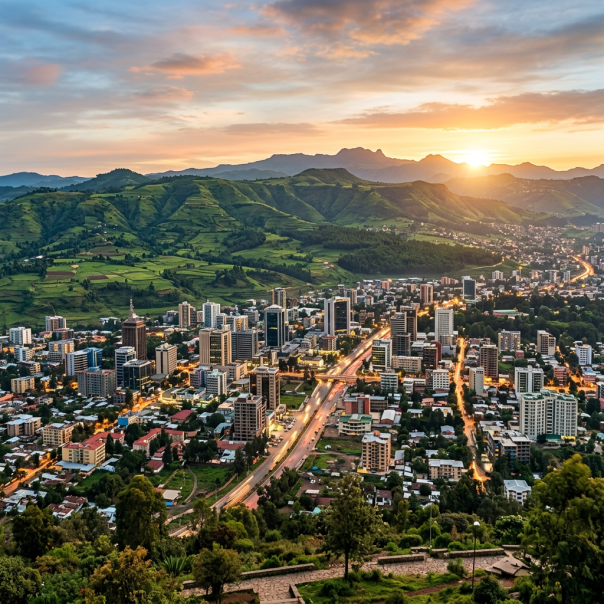
Examining the Constitutional and Statutory Provisions Recognizing Oromia’s Special Interest in the Capital
By Dhabessa Wakjira
(Melbourne-11 August 2026) The question of Finfinne—the city known internationally as Addis Ababa—is not merely a matter of political debate or historical narrative. It is also a matter of law. Over the past four decades, a series of federal and regional legal instruments have recognized and codified the unique relationship between the Oromo people and their ancestral capital.
From the transitional period following the fall of the Derg to the present day, Ethiopian law has acknowledged that Finfinne, by virtue of its location within the State of Oromia, gives rise to a “special interest” for Oromia—an interest that encompasses social services, natural resources, and joint administrative matters . This legal framework, while contested in its implementation, provides a constitutional foundation for the Oromo people’s claim to their historical capital.
Federal Legal Instruments: The Constitutional and Statutory Framework
A. Proclamation No. 7/1984: Establishing National Regional Self-Governments
The legal recognition of Oromia’s special interest in Finfinne predates the 1995 Constitution. In the transitional period following the fall of the Derg regime, the Transitional Government of Ethiopia enacted Proclamation No. 7/1984 to establish National Regional Self-Governments.
Article 3(1) of this proclamation identified the Oromo people as one of the nations, nationalities, and peoples entitled to establish a regional self-government, designated as “Region 4.” Critically, Article 3(4) of the proclamation stated that the “special national interests and political rights of Oromo” over Harari (Region 13) and Addis Ababa (Region 14) would be protected .
This provision represented the first formal legal acknowledgment of Oromia’s special claim over the capital following the collapse of the unitary state. It recognized that the city’s location within Oromia created a unique relationship that could not be ignored, even as the city was designated as a separate administrative entity.
B. The FDRE Constitution, Article 49(5): The Constitutional Recognition
The most significant legal recognition of Oromia’s special interest in Finfinne is enshrined in the Federal Democratic Republic of Ethiopia Constitution, adopted in 1995.
Article 49(5) states:
“The special interest of the State of Oromia in Addis Ababa, regarding the provision of social services or the utilization of natural resources and other similar matters, as well as joint administrative matters arising from the location of Addis Ababa within the State of Oromia, shall be respected. Particulars shall be determined by law.”
This provision was the product of extensive debate during the Constitutional Assembly. The legislative history reveals that the Oromo representatives argued for the inclusion of this clause on several grounds:
- Geographical reality: Finfinne is located within the State of Oromia.
- Historical connection: The city was established on Oromo land and is the heart of Oromia.
- Practical necessity: The city’s expansion affects surrounding Oromo farming communities.
- Constitutional identity: The city serves as Oromia’s capital and is deeply connected to Oromo identity .
The clause was approved with 507 votes in favour and only 6 against, demonstrating broad consensus on the principle of Oromia’s special interest.
C. Addis Ababa City Administration Charter Proclamation No. 87/1989
The first charter for the Addis Ababa City Administration, Proclamation No. 87/1989, provided detailed provisions on the relationship between the city and Oromia.
Article 33 of this proclamation established four key elements of Oromia’s special interest:
- Boundary Determination: The city’s boundary shall be delimited jointly by the City Administration and the Oromia Regional Government.
- Seat of Government: The Oromia Regional Government has the right to establish its seat in Addis Ababa.
- Access to Services: Social services provided by the City Administration to Addis Ababa residents shall also be accessible to residents of neighbouring Oromia communities, who shall be entitled to benefit from those services on an equal footing.
- Consultation on Development: The City Administration shall undertake development activities affecting Oromia only in consultation and agreement with the Oromia Regional Government.
This charter represented a significant legal acknowledgment of the practical interdependence between the city and its surrounding region .
D. Amended City Charter Proclamation No. 311/1995 and No. 361/1995
Subsequent amendments to the City Charter, including Proclamation No. 311/1995 and Proclamation No. 361/1995, modified the framework for the relationship between the city and Oromia.
Article 62 of these proclamations, concerning the relationship between the City Administration and the Oromia Regional Government, provided that:
- The City Administration shall maintain a relationship based on fruitful cooperation with Oromia.
- In accordance with Article 49(5) of the Constitution, Oromia’s interest shall be respected. The particulars shall be determined by agreement between the City Administration and the Regional Government or by a law enacted by the House of Peoples’ Representatives.
Article 5 of these proclamations, concerning the city’s boundaries, departed from the earlier charter. It provided that the boundary shall be delimited by agreement between the City Administration and Oromia or pursuant to the decision of the Federal Government—a provision that allowed for federal determination of boundaries without necessarily requiring the consent of the Oromia Regional Government .
This shift represented a legal narrowing of Oromia’s special interest compared to the 1989 charter, a development that has been a source of ongoing tension.
Regional Legal Instruments: The Oromia Constitutional Framework
A. The Oromia Transitional Constitution (1984)
The first constitution of the Oromia National Regional State, enacted in 1984 through Proclamation No. 2/1985, established the fundamental identity of the region.
This historic document, adopted by the newly established Oromia Council following popular elections, declared:
- Article 55: The name of the region shall be Oromia.
- Article 57: The working language of the region shall be Afaan Oromoo, written in the Latin script.
- Article 58: The capital city of the region shall be Finfinne.
This constitution represented the first formal assertion of Oromo self-governance and affirmed Finfinne as the heart of Oromia.
B. The Oromia Constitution (1987)
The second Oromia Constitution, enacted through Proclamation No. 1/1987, reaffirmed the region’s identity and capital following the transition to a civilian government.
Article 6 of this constitution confirmed that Finfinne is the capital city of the Oromia Regional State, maintaining the continuity of the region’s constitutional identity.
C. The Amended Oromia Constitution (1994) and Proclamation No. 94/1997
The third Oromia Constitution, enacted through Proclamation No. 46/1994 following the political reforms of 1993, introduced a significant change: Article 6 declared that the capital of Oromia would be Adama.
This change was made following Proclamation No. 35/1992, which had designated Adama as Oromia’s capital effective July 1992. However, this decision was met with widespread public opposition and protest.
Following the 1997 elections, the Oromia Regional Government, responding to popular demand, returned its seat to Finfinne without preconditions. Subsequently, Proclamation No. 94/1997, adopted by the Oromia Council, amended the constitution to restore Finfinne as the capital of Oromia.
Article 2(3) of this proclamation formally declared that the capital of Oromia shall be Finfinne, reversing the 1994 amendment. This decision reflected the deep historical and cultural connection between the Oromo people and their ancestral capital .
The Ongoing Debate: Implementation and Contestation
While the legal framework recognizing Oromia’s special interest in Finfinne is well-established, its implementation has been a source of persistent tension.
The Special Interest Council
The draft proclamation on Oromia’s special interest in Addis Ababa contemplates the establishment of a Joint Council composed of delegates from both the City Government and Oromia Regional State . However, legal experts have noted shortcomings in the draft, including the postponement of determining key details such as the number of members, structure, mandates, and tenure—matters that should be clearly defined in the establishing legislation .
The 2014 Master Plan Controversy
The 2014 Addis Ababa Integrated Development Master Plan, which proposed expanding the city’s boundaries by 1.1 million hectares into surrounding Oromia districts, ignited widespread protests and led to hundreds of deaths. Critics argued that the plan was centrally imposed without prior consultation or participation of the Oromia Regional Government, in violation of constitutional principles .
The Failure to Fully Implement Article 49(5)
Legal commentators have noted that the concept of “special interest” was intended to imply a form of ownership and the immunity of the Oromo people from eviction from the city . However, successive federal governments have been accused of failing to implement the constitutional provision meaningfully, instead pursuing policies that marginalize Oromo communities in and around the capital .
Conclusion: A Legal Framework Awaiting Implementation
The legal instruments examined in this article reveal a consistent pattern: from the transitional period to the present day, Ethiopian law has recognized Oromia’s special interest in Finfinne. The FDRE Constitution, the City Charters, and the Oromia Constitutions all acknowledge the unique relationship between the city and the region that surrounds it.
However, legal recognition alone is insufficient. The gap between the law on paper and its implementation in practice has been a source of ongoing tension and conflict. The failure to fully implement Article 49(5), the controversies over boundary expansions, and the inadequate representation of Oromo interests in the governance of the capital have all contributed to the perception that Oromia’s constitutional rights are being violated.
The path forward lies in the genuine implementation of the constitutional and legal framework—through joint administrative mechanisms, meaningful consultation, and the protection of Oromo communities affected by the city’s expansion. As one legal commentator has noted: “The concept of special interest entered the Ethiopian legal lexicon to ensure that the Oromo people, whose land was taken to establish the capital, would not be excluded from the benefits of the city’s existence” . Fulfilling this vision requires not only legal recognition but also political will.
Injifannoon Ummata Oromoo!
Finfinne haa jabaattu!
Seerri haa raawwatamu!
This feature article is based on a review of federal and regional legal instruments and is dedicated to all those who seek the full implementation of Oromia’s constitutional rights in Finfinne.

A Vision for the Future: Dereje Mamuye Welcomes Guests at the Grand Opening of Godo Housing and Smart Real Estate
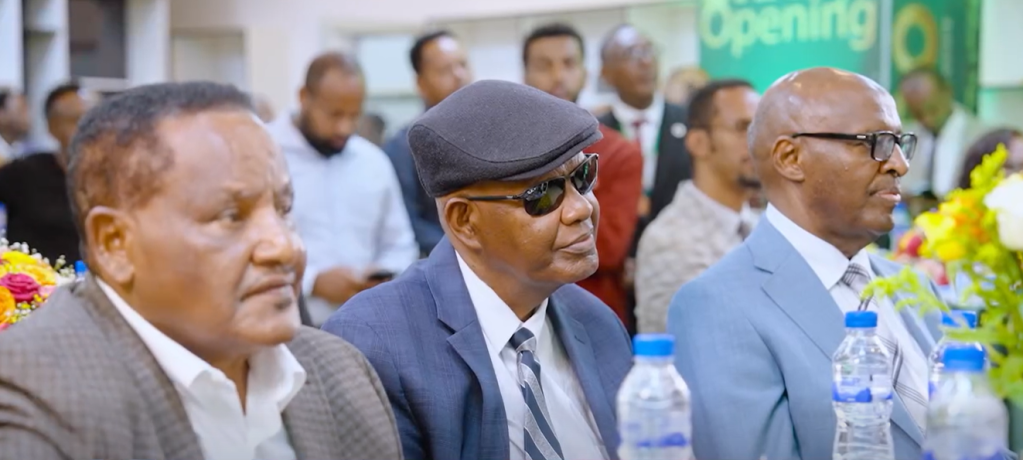
African Holding Group Founder and CEO Celebrates a New Era of Innovation and Development
By Maatii Sabaa
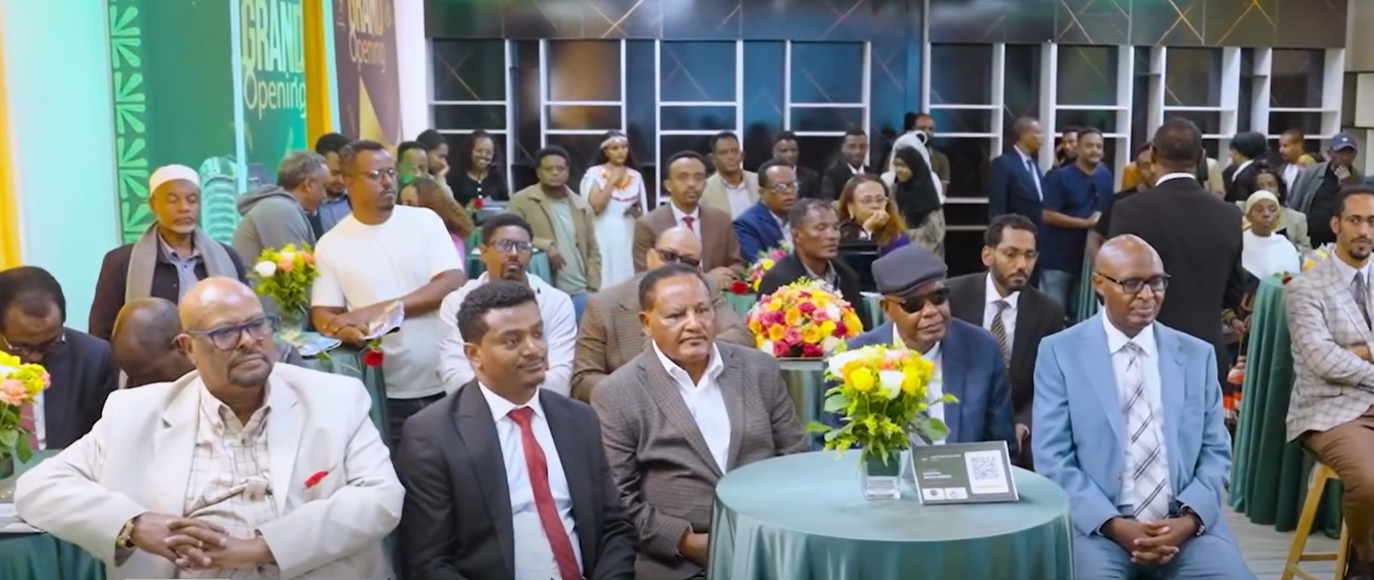
In a moment of celebration and vision, Dereje Mamuye, the Founder and CEO of African Holding Group, delivered a warm welcome message at the special inauguration ceremony of Godo Housing and Smart Real Estate. The event, which marked a significant milestone in the company’s journey, was a testament to the power of vision, innovation, and commitment to building a better future.
The ceremony was not just a celebration of a new development; it was a celebration of the spirit of enterprise that drives progress and transforms communities. As Mamuye addressed the gathered dignitaries, partners, and community members, his message resonated with hope, determination, and a deep sense of purpose.
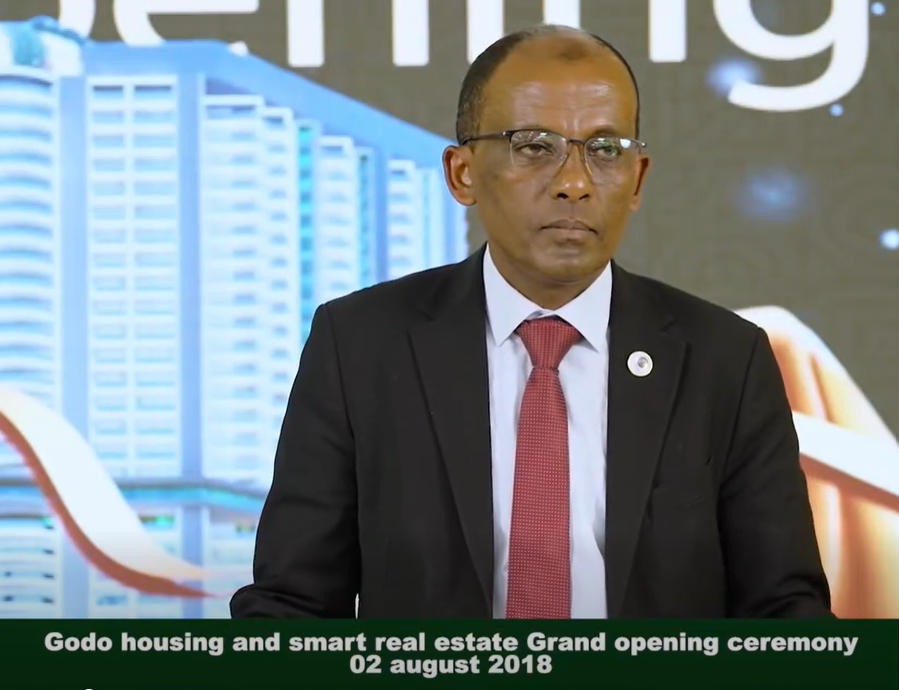
A Leader’s Vision: Dereje Mamuye and African Holding Group
Dereje Mamuye is a prominent entrepreneur and visionary leader whose work has had a significant impact on the business landscape. As the Founder and CEO of African Holding Group, he has been at the forefront of driving innovation and development across various sectors.
African Holding Group is known for its commitment to excellence and its focus on creating value for communities. Under Mamuye’s leadership, the company has grown to become a major player in the industry, with a reputation for integrity, quality, and innovation. His vision is rooted in the belief that business can be a force for good—a tool for creating jobs, building communities, and empowering individuals.
Mamuye’s journey is an inspiration to many. His rise from humble beginnings to becoming a successful entrepreneur is a testament to the power of hard work, determination, and a clear vision. He is a role model for young people, showing that with dedication and perseverance, anything is possible.
Godo Housing and Smart Real Estate: A Milestone in Development
The inauguration of Godo Housing and Smart Real Estate represents a significant achievement in the field of real estate and housing. The project embodies the principles of innovation, sustainability, and community-centered design.
Godo Housing is not just a development; it is a vision for the future of housing. The project incorporates smart technology, sustainable design, and a focus on creating communities where people can thrive. By combining modern technology with thoughtful design, Godo Housing is setting a new standard for real estate development.
The project was a collaborative effort, reflecting the power of partnerships and the shared commitment to building a better future. The support of partners, investors, and community members was essential in bringing this vision to life.
A Message of Welcome and Gratitude
In his welcome address, Dereje Mamuye expressed his heartfelt gratitude to all those who contributed to the success of the project. He welcomed guests with warmth and humility, emphasizing the importance of community and collaboration.
“Today marks a significant milestone in our journey,” Mamuye said. “We are grateful to all those who have supported us along the way. This project is a testament to what can be achieved when we work together with vision and determination.”
Mamuye’s message was one of hope and optimism. He spoke of the potential of the project to transform lives and communities, and he expressed his confidence in the future.
Innovation and Sustainability: The Future of Real Estate
The Godo Housing and Smart Real Estate project is a model for the future of real estate development. It incorporates a range of innovative features, including:
- Smart Technology: The integration of smart technology to enhance convenience, efficiency, and security.
- Sustainability: Environmentally friendly design and construction practices that reduce the environmental impact.
- Community Focus: A focus on creating communities where people can live, work, and thrive.
- Quality Design: Thoughtful design that prioritizes comfort, functionality, and aesthetics.
These features reflect the vision of the project’s creators and their commitment to creating spaces that meet the needs of modern life.
A Greeting of Welcome
In his address, Dereje Mamuye extended a warm welcome to all the guests. He offered his thanks for their presence and support for this important milestone. This welcome message was a true reflection of the spirit of the event.
A Celebration of Partnership
The inauguration ceremony was also a celebration of the partnerships that made the project possible. Mamuye acknowledged the contributions of investors, partners, and community members, emphasizing that the success of the project was a collective achievement.
“We are grateful for the trust and confidence that our partners have placed in us,” Mamuye said. “It is through collaboration and shared vision that we can achieve great things.”
The event was attended by a distinguished group of guests, including business leaders, government officials, and community members. The diverse attendance reflected the broad support for the project and its potential to have a positive impact.
The Legacy of Dereje Mamuye
Dereje Mamuye is not just a businessman; he is a visionary leader who is committed to making a difference. His work has inspired many, and his legacy will continue to grow as he builds on his achievements.
His commitment to giving back to the community is a core part of his philosophy. He believes that true success is measured not only by financial achievement but by the positive impact one has on the lives of others. This philosophy is reflected in the projects he undertakes and the values he upholds.
Conclusion: A Bright Future Ahead
The inauguration of Godo Housing and Smart Real Estate marks the beginning of a new chapter in the story of African Holding Group and its visionary leader, Dereje Mamuye. The project is a testament to what can be achieved when vision, innovation, and commitment come together.
As the company continues to grow and innovate, it will undoubtedly continue to make a positive impact on communities and inspire others to pursue their dreams. The welcome message of Dereje Mamuye is a reminder that the journey of building a better future is one that we must all undertake together.
Injifannoon Ummata Oromoo!
Godo Housing haa jabaattu!
African Holding Group haa jabaattu!
This feature article is dedicated to Dereje Mamuye, the African Holding Group, and all those who are working to build a better future through innovation, vision, and commitment.

Passing the Torch with Honour: A Night of Unity and Generational Strength at Guyyaa Yuubota 2026 in Minnesota
Oromo Elders and Youth Come Together to Celebrate a Legacy of Resilience and Hope in St. Paul
By Maatii Sabaa
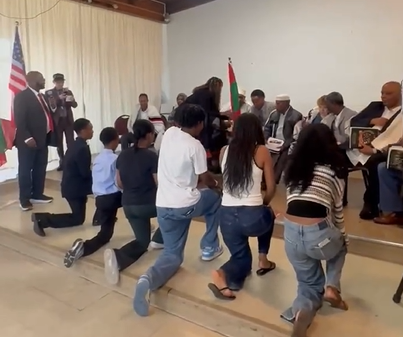
(St. Paul, Minnesota — 11August 2026)-In a powerful display of intergenerational unity and cultural pride, the Oromo community in Minnesota came together for Guyyaa Yuubota 2026, a celebration that was more than just an event—it was a profound ceremony of respect, remembrance, and the sacred passing of the torch from one generation to the next.
The event, held in the heart of “Little Oromia,” saw Oromo elders, leaders, and youth gather side by side, reinforcing the unbroken chain of identity and struggle that defines the Oromo people. It was an evening where the wisdom of the past met the energy of the future, and where the torch of liberation was passed respectfully, deliberately, and with immense pride.
A Ceremony of Blessings and Song
The proceedings at Guyyaa Yuubota opened in accordance with ancient Oromo tradition, with the solemn recitation of the Eebba Manguddoo—the Great Blessing—and the singing of the Faaruu Alaabaa, the Oromo national anthem. These rituals, which call upon Waaqa (God) for peace, prosperity, and success, served as a spiritual foundation for the work that followed.
The atmosphere was one of reverence and unity. Oromo oral literature, encompassing forms such as eebba (blessings) and faaruu (songs of praise), has sustained the community across generations, and on this night, it was on full display.
Passing the Torch: The Role of Elders and Youth
The central theme of the evening was the respectful transfer of responsibility and knowledge from the elders to the youth. The elders, who witnessed the early days of the struggle, sat alongside youth who were born in the diaspora, forging an intergenerational bond that strengthens the community’s resilience.
This tradition is a cornerstone of Oromo culture. The elders are the custodians of history, the guardians of the Gadaa principles, and the living memory of the struggle for liberation. By passing the torch to the youth, they ensure that the flame of Oromummaa (Oromo identity) continues to burn brightly.
As one community leader observed, the Oromo carry their ancient Gadaa principles with them into the future, no matter where they are in the world. This occasion was a testament to that enduring spirit—a reminder that the Oromo identity is not just about remembering the past, but about actively engaging with the present and building for the future.
The Significance of Minnesota’s “Little Oromia”
The choice of Minnesota for such a significant gathering is deeply meaningful. Over the past three decades, Minnesota has earned the affectionate title of “Little Oromia” for hosting one of the largest Oromo populations outside of East Africa. The state has become a sanctuary and a springboard for Oromo activism, where culture thrives through language, music, faith, and political organization.
The Oromo community centers in the Twin Cities have become hubs for organizing and celebration, making them the ideal setting for an event that bridges generations and honors the past while looking toward the future.
Looking to the Future: Consistency and Determination
The evening was not only about honoring the past but about setting a course for the future. The message to the youth was clear: consistency and determination remain the foundation of lasting progress and success. In the long and often brutal struggle for Oromo self-determination, it is the day-in and day-out commitment of a people who refuse to be erased that sustains the movement.
Conclusion: A Legacy Secured
Guyyaa Yuubota 2026 in Minnesota was a resounding success, a beautiful reminder of the strength of the Oromo people when they stand together. It was a night where the elders’ blessings were received with humility, and the youth’s energy was embraced with hope. The torch has been passed, and it is held high.
Injifannoon Ummata Oromoo!
This feature article is dedicated to the Oromo elders who have paved the way and the youth who carry the torch forward.
The Question of Finfinne and Dirree Dhawaa: Toward a Balanced and Sustainable Solution
Navigating History, Constitutional Rights, and the Complex Realities of Governance
By Jafer Ali
The question of Finfinne—the city known internationally as Addis Ababa—and its surrounding areas, including Dirree Dhawaa, has long been one of the most contentious and emotionally charged issues in Ethiopian political discourse. For the Oromo people, Finfinne is not merely a city; it is the heart of their ancestral homeland, a symbol of their historical presence, and a constitutional matter that has yet to be resolved. For others, it is the capital of Ethiopia, the seat of the federal government, and a city that belongs to all Ethiopians.
The debate has intensified as the national dialogue process unfolds, and the question of how to resolve the status of Finfinne and Dirree Dhawaa has become central to discussions about the future of Ethiopia’s federal system, ethnic relations, and governance structure.
This article seeks to explore the key questions surrounding Finfinne and Dirree Dhawaa, examining the constitutional, historical, political, and practical dimensions of the issue. It argues that a sustainable solution must move beyond simplistic claims of ownership and instead focus on a framework of mutual consent, shared benefit, and constitutional fidelity.
The Key Questions
The debate over Finfinne and Dirree Dhawaa can be distilled into two fundamental questions:
1. What does the Constitution say?
The Ethiopian Constitution, adopted in 1995, establishes the federal structure of the country and recognizes the rights of nations, nationalities, and peoples. Article 49(5) specifically recognizes Oromia’s “special interest” in Finfinne regarding social services, natural resources, and joint administrative matters arising from the city’s location within the State of Oromia.
This constitutional provision has been the subject of intense debate. For Oromo advocates, it represents a legal acknowledgment of the city’s historical and geographical connection to Oromia—a connection that has never been fully implemented. For others, the provision is a compromise that balances the city’s role as the federal capital with the rights of the surrounding region.
2. What does the people demand?
The Oromo people’s demand regarding Finfinne and Dirree Dhawaa is clear and consistent: the city is Oromo land, and its rightful owners are the Oromo people. The demand is often framed as a call for the city to be placed under the administrative jurisdiction of the Oromia Regional Government or for the Oromo people to have greater control over the city’s governance and resources.
This demand is rooted in a historical narrative that the city was established on Oromo land through conquest and dispossession, and that the Oromo people have never consented to the city’s status as a separately administered entity.
The Need for a Balanced Approach
The challenge of resolving the status of Finfinne and Dirree Dhawaa lies in reconciling these two perspectives. On one hand, the Oromo people’s historical and constitutional claims cannot be ignored. On the other hand, the city’s role as the federal capital, its international significance, and the presence of diverse communities cannot be dismissed.
A balanced approach must consider the following dimensions:
1. The Constitutional Dimension
The Constitution provides a starting point for resolving the issue. Article 49(5) recognizes Oromia’s special interest in Finfinne, but the provision has never been fully implemented. A sustainable solution must begin by implementing this constitutional provision through joint administrative mechanisms, resource-sharing agreements, and coordinated governance frameworks.
However, any implementation must respect the city’s role as the federal capital and the rights of all its residents. The Constitution does not provide for the city to be placed under Oromia’s exclusive administrative control. Rather, it envisions a framework of cooperation and shared responsibility.
2. The Historical Dimension
The Oromo people’s historical connection to Finfinne is a fact that must be acknowledged. The area known as Finfinnee was inhabited by Oromo people before the expansion of the Ethiopian Empire, and the city’s name itself is Oromo, meaning “place of hot springs.”
But historical claims alone cannot determine the city’s future. The city has evolved over the past century into a multi-ethnic metropolis that is home to people from across Ethiopia. The current residents—Oromo, Amhara, Gurage, Tigrayan, and others—have legitimate claims to the city as their home. A just solution must respect both the historical rights of the Oromo people and the contemporary rights of all residents.
3. The Political Dimension
The status of Finfinne and Dirree Dhawaa is a political question that requires political solutions. It cannot be resolved through unilateral declarations or zero-sum demands. It requires negotiation, compromise, and good-faith dialogue between the federal government, the Oromia regional government, and other stakeholders.
The political dimension also includes considerations of power, representation, and resource allocation. Any solution must ensure that the Oromo people have a meaningful voice in the governance of the city while also ensuring that all residents are treated equally and fairly.
4. The Practical Dimension
Finfinne is not just a symbol; it is a functioning city with millions of residents, extensive infrastructure, and a critical role in Ethiopia’s economy and international relations. The city is home to the African Union headquarters, numerous diplomatic missions, and major economic enterprises.
Any change in the city’s governance must consider the practical implications for its residents, businesses, and international partners. Disruption to the city’s administration could have far-reaching consequences that extend beyond Oromia.
The Complexities of the Dirree Dhawaa Question
While the focus has often been on Finfinne, the question of Dirree Dhawaa is equally significant. Dirree Dhawaa is a symbol of Oromo resistance—a site where the Oromo people have gathered to demand their rights and have faced repression from state forces.
The status of Dirree Dhawaa is closely linked to the broader question of Oromo land rights and the expansion of the capital. The area is located within Oromia and has been the focus of protests and resistance. A sustainable solution for Finfinne must also address the concerns of communities in Dirree Dhawaa and other surrounding areas.
The Risk of Unilateral Decisions
The debate over Finfinne and Dirree Dhawaa is not without risk. Unilateral decisions—whether by the federal government or the Oromia regional government—could have serious consequences. As history has shown, when the boundaries of the capital were previously redrawn, it led to widespread protests, conflict, and political instability.
The controversy over the 2014 Finfinne Integrated Development Master Plan highlighted these risks. The proposed expansion of the capital into surrounding Oromia districts led to widespread protests that spread throughout Oromia and eventually led to the cancellation of the plan. The experience demonstrated that decisions made in the capital directly affect neighboring Oromo communities, and that meaningful consultation and participation are essential.
The Need for Comprehensive Analysis
Before any decision is made on the status of Finfinne and Dirree Dhawaa, a comprehensive analysis is needed. This analysis should consider:
- The interests of all residents: The rights and needs of all residents of the city must be respected.
- The interests of the Oromo people: The historical and constitutional claims of the Oromo people must be acknowledged.
- The interests of the federal government: The city’s role as the federal capital must be protected.
- The interests of the Oromia regional government: The region’s constitutional rights and interests must be respected.
- The interests of the broader Ethiopian people: The solution must serve the long-term stability and unity of the country.
A Possible Framework for Resolution
A sustainable resolution to the status of Finfinne and Dirree Dhawaa must be based on mutual consent, shared benefit, and constitutional fidelity. A possible framework could include:
1. Implementation of Constitutional Provisions
Oromia’s special interest in Finfinne, as recognized in Article 49(5), should be implemented through joint administrative mechanisms that ensure meaningful Oromo participation in decisions affecting the city and surrounding communities. This could include joint committees, shared decision-making structures, and resource-sharing agreements.
2. Recognition of Historical Rights
The Oromo people’s historical connection to Finfinne and Dirree Dhawaa should be recognized through cultural institutions, public acknowledgment, and educational programs that celebrate the city’s diverse history.
3. Fair Development and Consultation
Urban expansion and development should be planned with meaningful consultation with affected communities, ensuring fair compensation, environmental protection, and shared benefits.
4. Inclusive Governance
All residents of Finfinne—regardless of ethnicity—should have equal rights to participation, public services, and legal protection. The city’s governance should reflect its diversity and ensure that all voices are heard.
5. Shared Prosperity
The economic benefits of the capital’s growth should be shared with surrounding communities, creating a virtuous cycle of development rather than a pattern of exploitation.
The Role of Dialogue and Mutual Consent
Ultimately, the solution to the status of Finfinne and Dirree Dhawaa must be based on dialogue and mutual consent. The federal government and the Oromia regional government must engage in good-faith negotiations to find a mutually acceptable governance framework.
The national dialogue process provides an opportunity to address this issue in a comprehensive and inclusive manner. However, the dialogue must be genuine, transparent, and committed to finding a solution that serves the interests of all parties.
Conclusion: Toward a Just and Sustainable Future
The question of Finfinne and Dirree Dhawaa is one of the most complex and consequential issues facing Ethiopia today. It touches on history, identity, constitutional rights, governance, and the future of the nation.
A sustainable solution cannot be based on unilateral declarations, zero-sum demands, or the denial of legitimate rights. It requires a commitment to dialogue, constitutional fidelity, and the recognition that the interests of all parties—the Oromo people, the residents of the city, the federal government, and the broader Ethiopian people—must be balanced.
The status of Finfinne and Dirree Dhawaa is not just a question of ownership—it is a question of justice, governance, and the future of Ethiopia itself.
Injifannoon Ummata Oromoo!
Finfinne haa jabaattu!
Nagaan haa bulaa!
This feature article is dedicated to all those who are committed to finding a just, constitutional, and sustainable solution to the status of Finfinne and Dirree Dhawaa.






