Category Archives: Diaspora

“Welcome Home”: Artist Daawwitee Mokonnon Returns to Ethiopia After 27 Years, Received with Celebration in Bole
By Dhabessa Wakjira
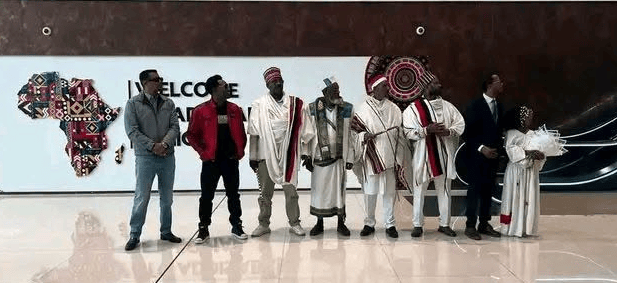
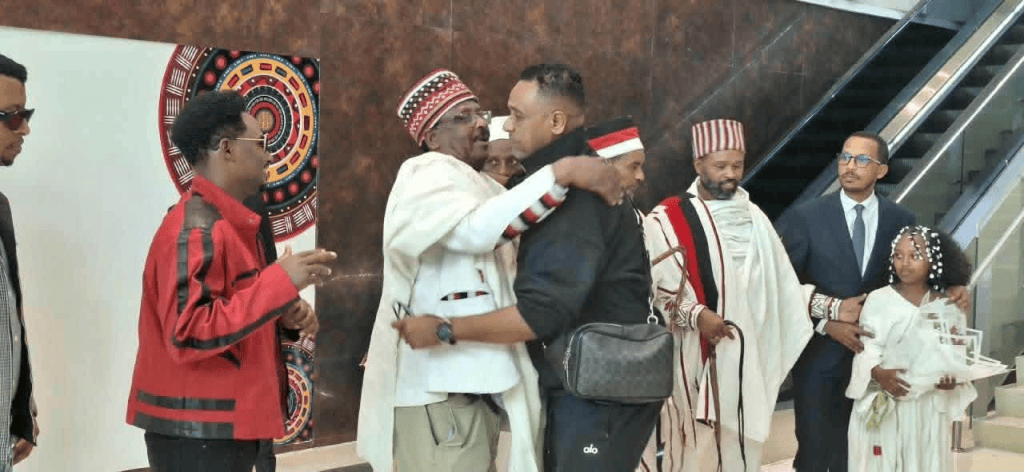
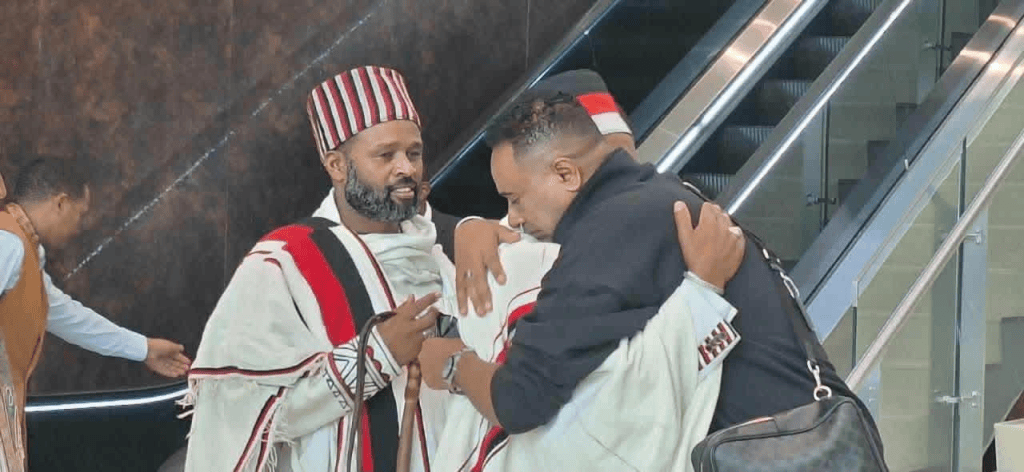
ADDIS ABABA — After 27 long years away from home, renowned Oromo artist Daawwitee Mokonnon has returned to Ethiopia. The beloved singer and cultural figure was welcomed with a warm and celebratory reception in Bole, marking an emotional homecoming that has touched the hearts of many Oromos at home and abroad.
“Baga nagaan gara biyya abbaaketti galte!” — “Welcome back to your fatherland!” — read the message shared by the Oromia Communication Bureau, capturing the joy and relief that accompanied him return.
A Long Journey Home
Twenty-seven years is a lifetime. For Daawwitee Mokonnon, those years were spent in exile — far from the land, the people, and the culture that shaped him art and his identity. His music, however, never left. Throughout him time abroad, his voice remained a powerful thread connecting the Oromo diaspora to their homeland, a source of comfort, pride, and remembrance for millions.
Now, that thread has come full circle. His return is not merely a personal milestone; it is a symbolic moment for the Oromo people — a reminder that distance, however long, cannot sever the bond between an artist and his nation.
A Reception Fit for a Cultural Icon
The reception in Bole was filled with the warmth and reverence befitting an artist of his stature. Community members, fellow artists, and admirers gathered to welcome him back, celebrating not only his return but also the decades of cultural contribution he has made from afar.
Daawwitee Mokonnon is more than a singer. He is a keeper of Oromo musical heritage, a voice that has carried the stories, struggles, and aspirations of her people across borders and generations. His songs have been sung at Irreechaa gatherings, at family celebrations, and in quiet moments of longing for home. For many in the diaspora, his music was a piece of Oromia they could carry with them.
A Symbol of Hope and Reconnection
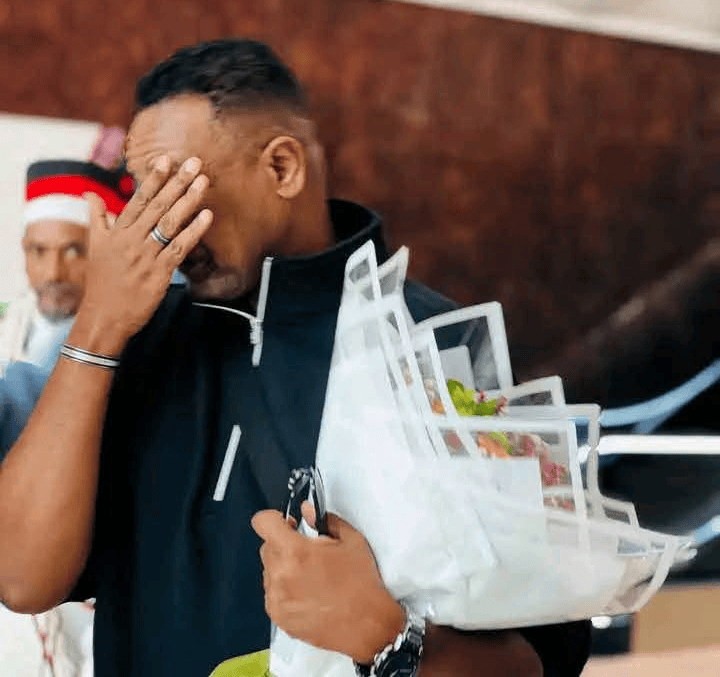
His return after 27 years carries profound meaning. It speaks to the resilience of the Oromo people and the enduring pull of the homeland. It is a reminder that exile, however painful, does not have to be permanent — and that the cultural treasures preserved abroad can, and do, find their way back home.
For younger Oromos who grew up hearing his name but never seeing him in person, his return is an opportunity to connect with a living legend. For elders who remember his performances from decades past, it is a joyful reunion. For the diaspora, it is a sign that the distance between home and abroad is not insurmountable.
A Homecoming That Belongs to All
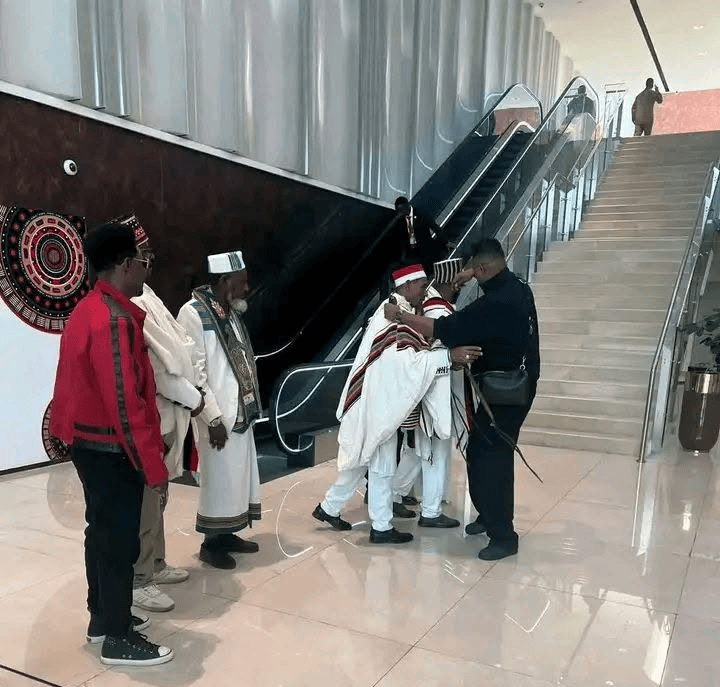
While the reception was held in Bole, the significance of Daawwitee Mokonnon’s return extends far beyond one city or one gathering. It belongs to every Oromo who has ever longed for home, every family separated by circumstance, and every artist who has carried their culture with them into unfamiliar lands.
His journey back is a testament to the power of perseverance and the unbreakable connection between an artist and his people.
Baga nagaan gara biyya abbaaketti galte, Daawwitee! 🥰
Welcome home.
Source: Oromia Communication Bureau

“A Generation Like This Is Hope for Oromo! A Promise for Oromia!”
By Dhabessa Wakjira
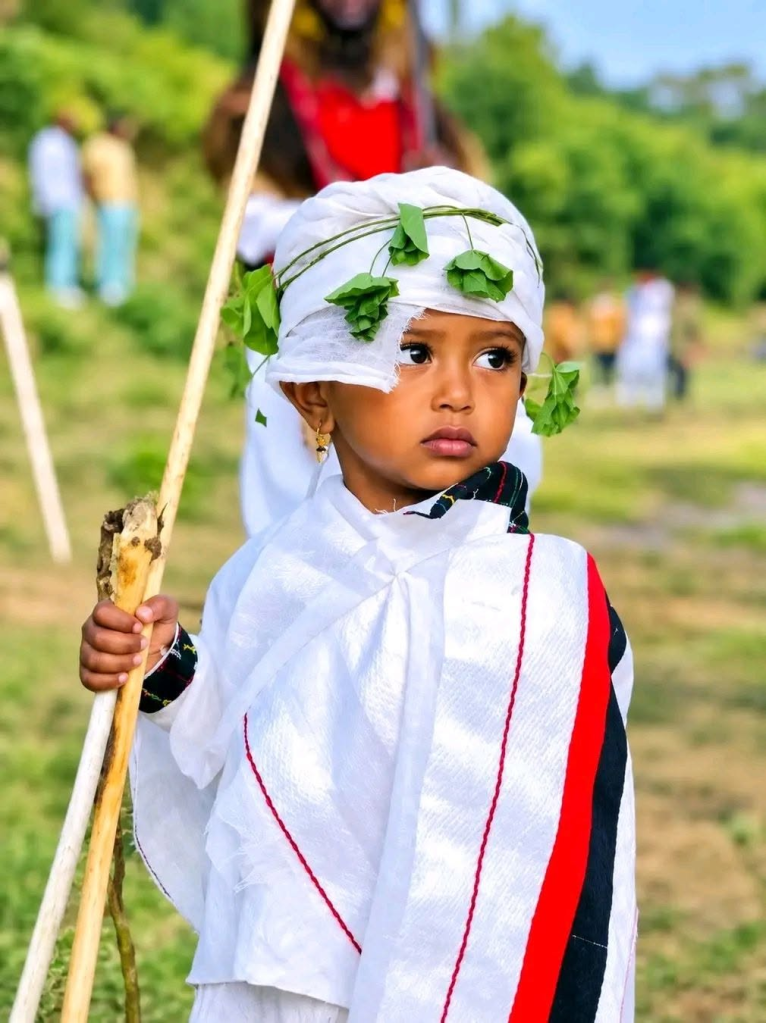
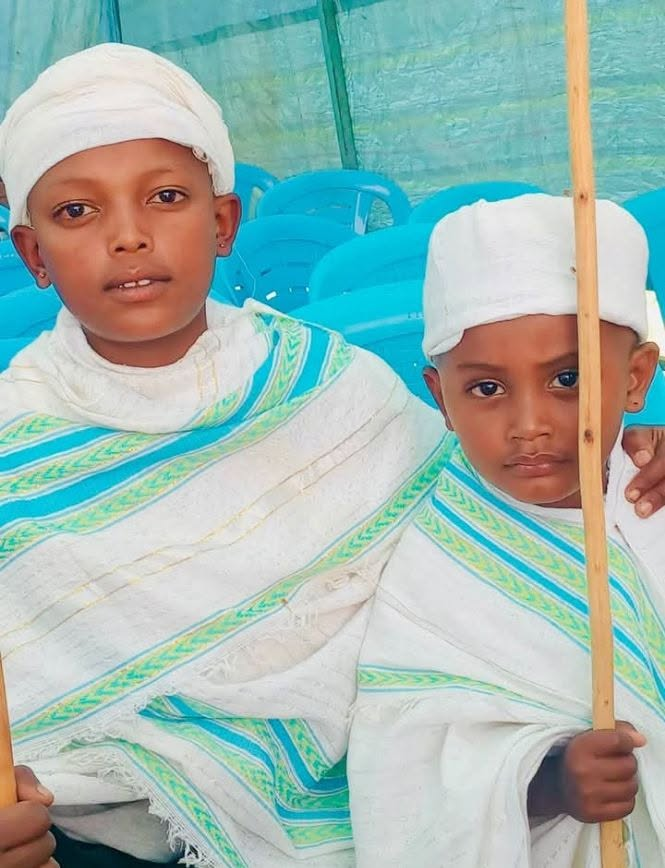
There is a saying among the Oromo people that captures something profound about the relationship between a community and its youth: “Dhaloota akkanaatu, Oromoof abdiidha! Oromiyaaf wabiidha!” — “A generation like this is hope for Oromo! A promise for Oromia!”
It is more than a slogan. It is a declaration of faith in the future, spoken by elders who have witnessed both the pain of suppression and the resilience of a people who refused to disappear. It is a recognition that the young people rising today — educated, conscious, connected, and proud — carry within them the seeds of everything the Oromo struggle has long been working toward.
The Weight of History, The Light of Tomorrow
The Oromo people have endured centuries of marginalization, land dispossession, cultural suppression, and political exclusion. Through the imperial era, the Derg regime, and subsequent administrations, the flame of Oromummaa was kept alive in the hearts of the people — in the songs sung at Irreechaa, in the wisdom passed down through the Gadaa system, in the quiet defiance of families who spoke their language at home when the world outside forbade it.
That flame did not survive by accident. It survived because generation after generation refused to let it die.
Today, a new generation stands at the threshold. They are the children and grandchildren of those who carried the flame. But they are also something new: they are the first generation in modern Oromo history with broad access to education, to global networks, to digital platforms that amplify their voices beyond any border. They are the generation that can look back at history with clear eyes and forward to the future with determined hearts.
When elders say “Dhaloota akkanaatu, Oromoof abdii dha,” they are acknowledging this. They are saying: We endured so that you could rise. And you are rising.
What Makes This Generation Different?
Every generation believes it is special. But there are concrete reasons why this moment in Oromo history feels different — why the phrase “Oromiyaaf wabiidha” carries such weight.
They are educated. Oromo youth are pursuing higher education in unprecedented numbers — in Ethiopia and across the diaspora. They are becoming doctors, engineers, lawyers, teachers, social workers, journalists, and leaders. Knowledge, once denied to their ancestors, is now their weapon and their tool.
They are connected. Social media has given Oromo youth a global platform. They organize, they inform, they advocate, and they build solidarity across continents. A student in Melbourne can exchange ideas with a student in Addis Ababa in real time. The isolation that once silenced Oromo voices has been shattered.
They are proud. Unlike previous generations who were sometimes forced to hide their identity to survive, this generation wears Oromummaa openly. They sing in Afaan Oromoo. They celebrate Irreechaa with millions. They carry the yellow daisies not as a secret symbol but as a public declaration of who they are.
They are global and local at once. They understand the world beyond Oromia — human rights, international law, digital advocacy, multiculturalism — while remaining deeply rooted in Oromo values of community, respect for elders, and connection to land and Waaqa.
They are bridge-builders. This generation navigates multiple worlds: tradition and modernity, Oromia and the diaspora, local struggles and global movements. They are learning to carry their heritage into new contexts without losing its essence.
Hope Is Not Passive
It is important to be clear: “Dhaloota akkanaatu, Oromoof abdii dha” is not a statement of complacency. It is not a declaration that the future will simply take care of itself because the youth are impressive.
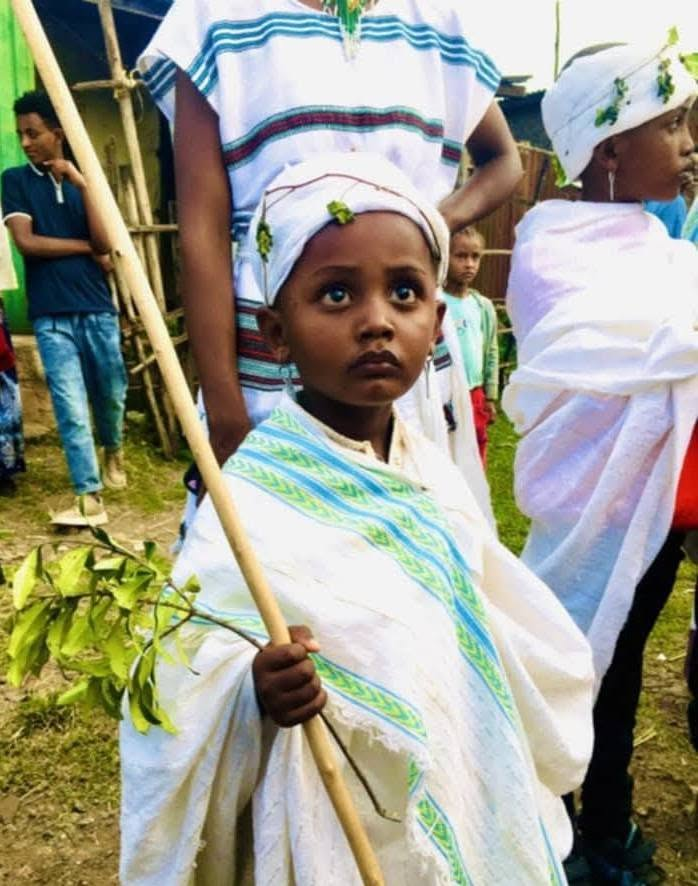
Hope, in the Oromo understanding, is active. It is the hope of the farmer who plants seeds and tends them. It is the hope of the marcher who walks toward the water carrying fresh grass. It is the hope that requires discipline, sacrifice, and unity.
For this generation to truly be the hope of Oromo, it must:
- Learn — from elders, from history, from education, and from one another.
- Preserve — the language, the traditions, the Gadaa wisdom, the sacred rituals of Irreechaa.
- Build — institutions, networks, and platforms that serve the community.
- Unite — across regions, across diaspora communities, across generations.
- Stay rooted — in Oromo values of respect, community, and connection to Waaqa and the land.
A Promise to Oromia
“Oromiyaaf wabiidha” — a promise for Oromia.
A promise is not a guarantee. It is a commitment. It is a covenant between a generation and the land that birthed it. It says: We will not forget where we came from. We will not squander what our ancestors sacrificed for. We will not let the flame go out.
This generation carries the dreams of every Oromo who came before — the farmer who lost his land, the mother who sang lullabies in a language she was told to abandon, the student who was punished for speaking the truth, the elder who kept the traditions alive in secret.
They also carry the hopes of every Oromo yet to be born — children who will one day ask, What did you do when it was your turn?
The answer being written today, by this generation, is this: We rose. We learned. We built. We stayed united. We honored those who came before us, and we prepared the way for those who will come after.
The Question That Remains
When elders look at the youth of today and say “Dhaloota akkanaatu, Oromoof abdiidha! Oromiyaaf wabiidha!”, they are offering both a blessing and a challenge.
The blessing is this: You are enough. You are capable. You are the ones we have been waiting for.
The challenge is this: Now prove it. Not with words alone, but with action. Not for a moment, but for a lifetime.
Every generation is given a choice. This generation — educated, connected, conscious, and proud — has been given the opportunity to be the generation that turns centuries of struggle into a future of dignity, justice, and flourishing for all Oromo people.
That is the hope.
That is the promise.
Dhaloota akkanaatu, Oromoof abdii dha! Oromiyaaf wabii dha!
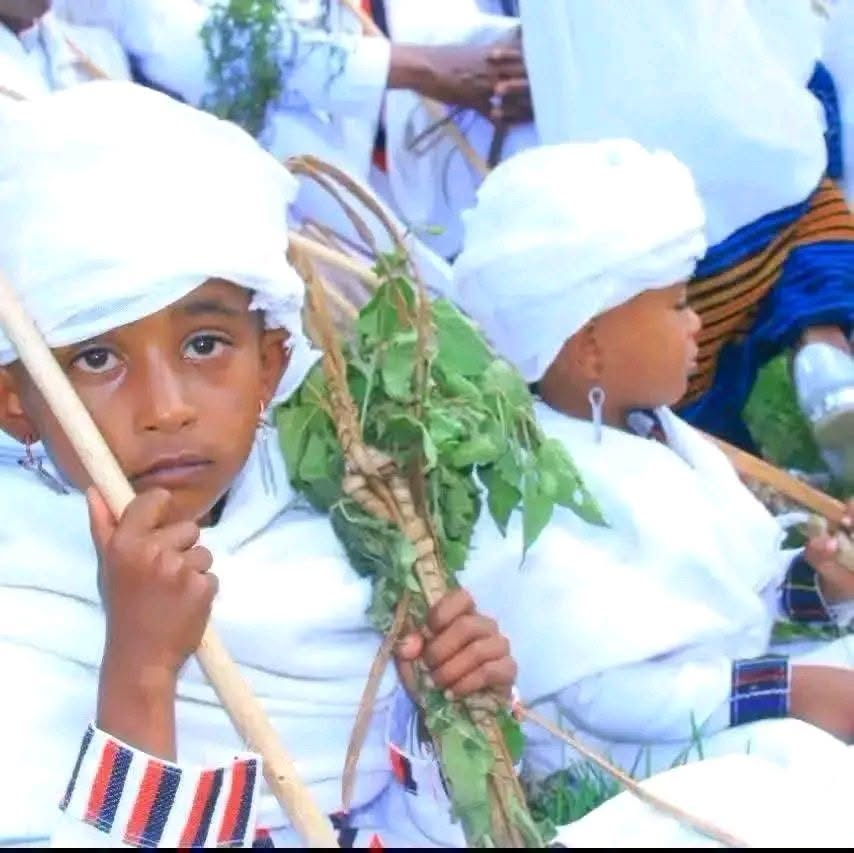

How to celebrate Irreechaa in Australia?
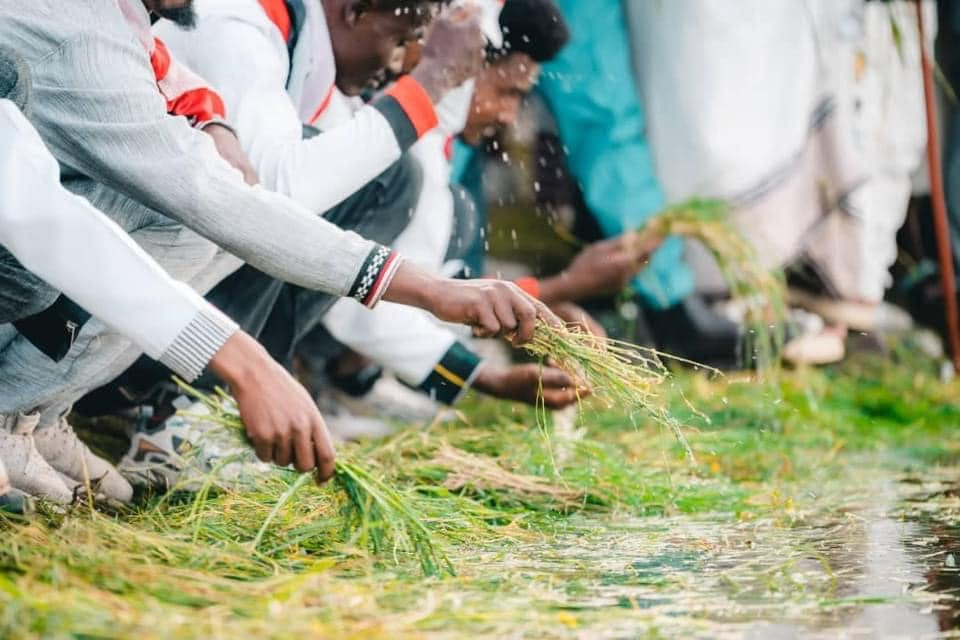
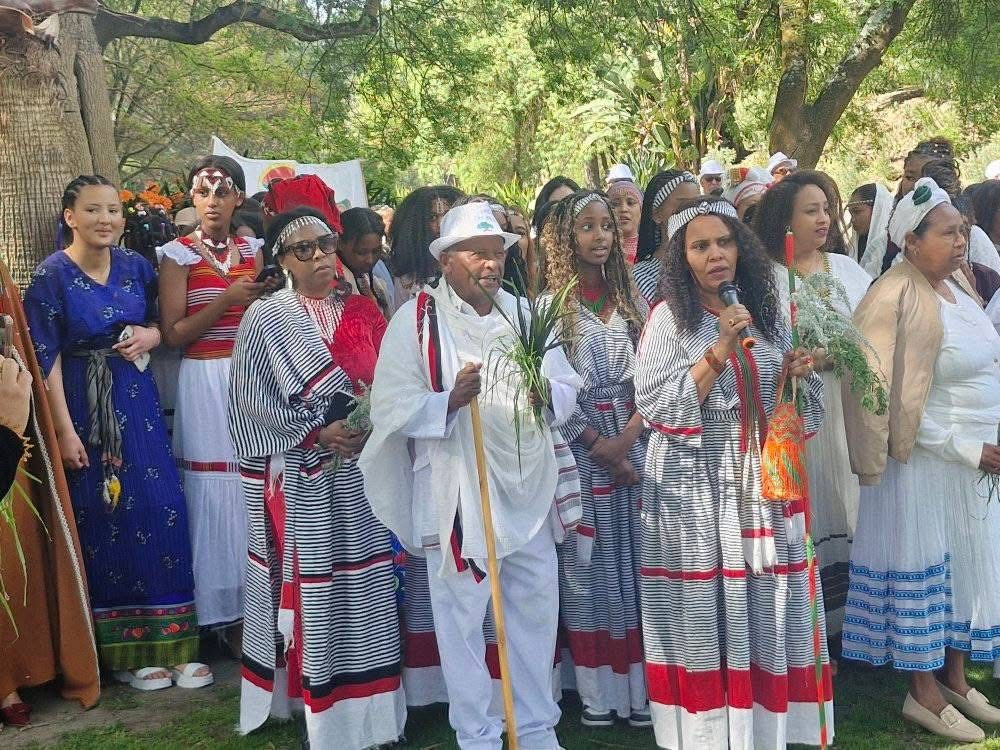
Celebrating Irreechaa in Australia means participating in a vibrant, adapted version of the traditional Oromo thanksgiving festival. While the core spiritual intent remains the same—giving thanks to Waaqa (God) for blessings and renewal—the setting and specific activities are tailored to the Australian environment and the needs of the diaspora community.
The celebrations are primarily organized by community associations and the non-profit Irrecha Australia, with major events held in cities like Melbourne.
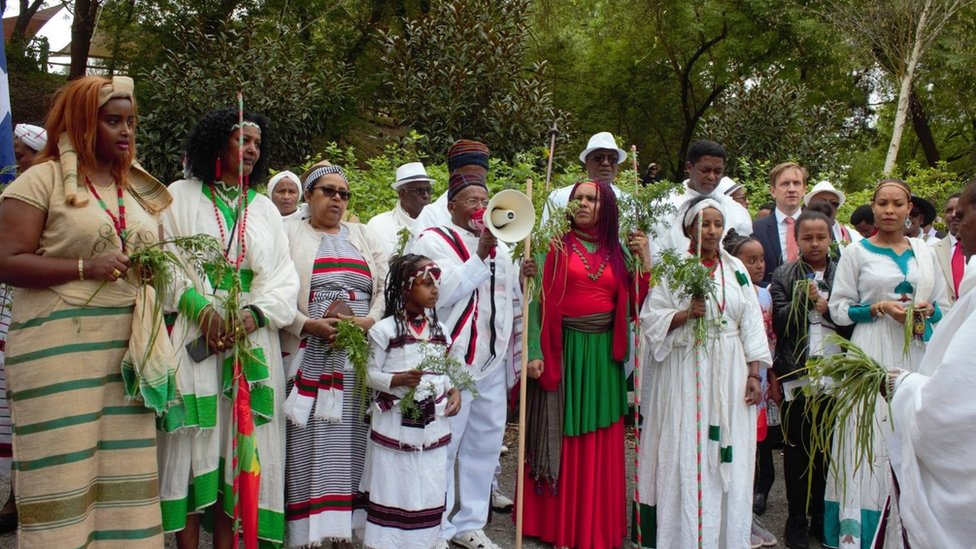
📍 Where and When to Celebrate in Australia
The location is chosen to reflect the traditional importance of nature and water in Irreechaa. In Australia, this often means gathering at parks with lakes, rivers, or scenic natural settings.
- Common Locations: In Melbourne, past celebrations have been held at Wilson Botanic Park in Berwick, Dandenong Mountain (Tulluu Dandenong), and Footscray Park.
- Timing: The festival is typically celebrated in September or October for Irreechaa Malkaa (the main thanksgiving at the water’s edge), and sometimes in April for Irreechaa Arfaasaa (a spring celebration).
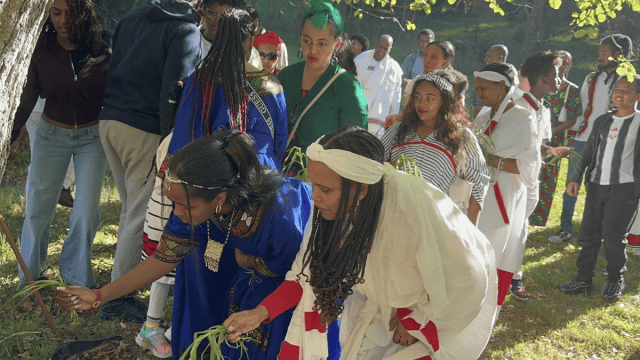
🌿 How to Participate: Key Activities and Rituals
Participating in Irreechaa in Australia involves engaging in both traditional rituals and communal cultural activities.
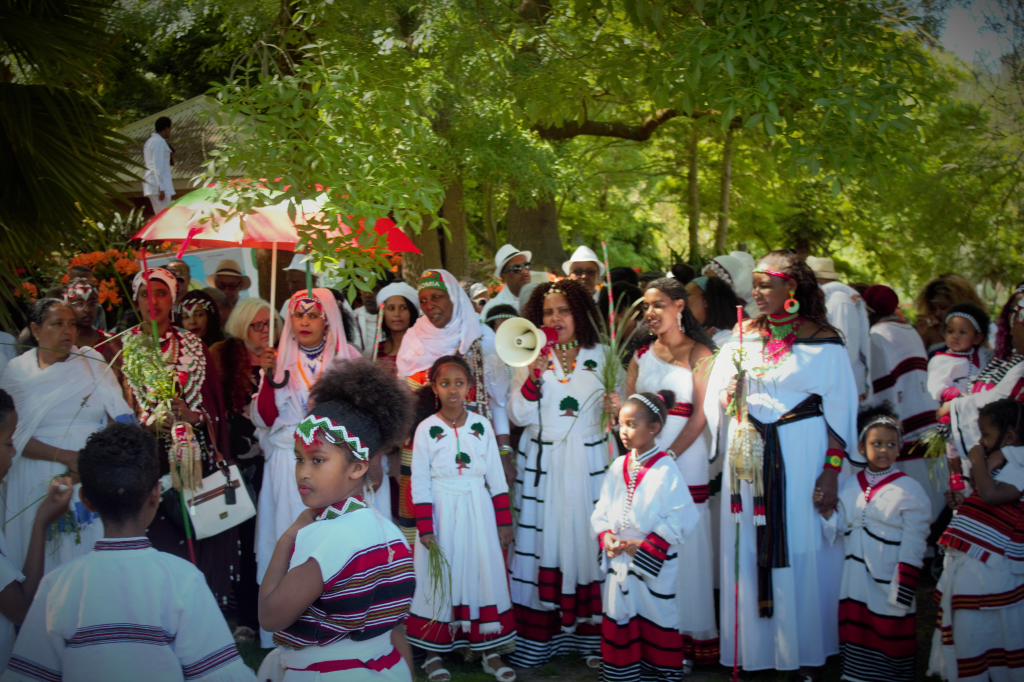
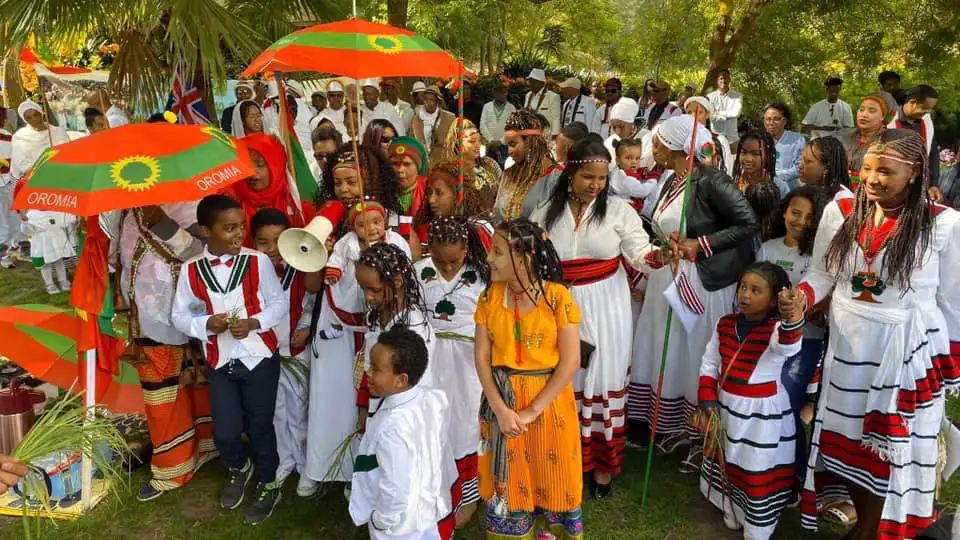
- Wear Traditional Attire: Attendees are strongly encouraged to wear traditional Oromo clothing. The vibrant colors and styles are a visual statement of cultural pride and identity, especially for younger generations.
- Join the Blessing and Prayer: The event typically begins with blessings and prayers led by community elders. These blessings focus on peace, prosperity, and remembering those who sustained the tradition.
- Participate in Symbolic Rituals: Follow the tradition of carrying and dipping fresh green grass and yellow flowers into water (if available at the venue) as a symbol of gratitude, purification, and renewal.
- Enjoy Cultural Performances and Food: The celebration features traditional Oromo music, songs, and dances (such as the Siiqqee and Gumii dances). It is also a time to share communal meals with traditional Oromo food.
- Connect with Community: Irreechaa in Australia is a vital social event. It is a time for the diaspora to unite, strengthen bonds, and for younger generations to learn about their heritage from elders.
🤝 A Note on Inclusivity
While Irreechaa has deep spiritual roots in Waaqeffannaa (the traditional Oromo faith), the celebrations in Australia are also cultural festivals that welcome everyone. Organizers often invite local government officials, multicultural organizations, and curious residents to foster mutual respect and intercultural exchange. As one attendee noted, it is a unifying cultural practice that transcends religious boundaries.
💡 Practical Tips for Attendees
- Check for Event Details: Look for announcements from Irrecha Australia or local Oromo community associations on social media for the exact date, time, and location of the next event in your city.
- Respect the Environment: Organizers emphasize the importance of respecting the natural surroundings and leaving no waste behind, reflecting the core Oromo value of caring for nature.
- Bring What’s Needed: Some event notices suggest bringing water, flowers (for the ritual), and a spirit of gratitude.
In essence, celebrating Irreechaa in Australia is about actively participating in a living tradition that adapts to a new home while staying true to its core values of gratitude, community, and cultural pride.

Advocacy for Oromia Rejects Northern Forces Alliance, Demands Genuine Security and Respect for Oromo Gains

FOR IMMEDIATE RELEASE
September 21, 2026 — Advocacy for Oromia has issued a formal statement rejecting the alliance recently concluded with northern forces, condemning it as a political maneuver that fails to address the fundamental grievances of the Oromo people. In its statement, the organization outlined four key demands:
- The government must engage in dialogue with armed groups operating within Oromia in order to establish genuine and sustainable security for the region.
- Armed groups operating within Oromia must refrain from any actions that harm Oromo interests, and must cease all activities that undermine the wellbeing of the Oromo people.
- Armed groups operating within Oromia must work together in coordination to ensure the security of Oromia, placing unity of purpose above division.
- All parties must firmly safeguard and uphold the victories achieved by the Oromo people, ensuring that no agreement or political arrangement dishonors or diminishes those hard-won gains.
Advocacy for Oromia emphasized that any political framework that fails to recognize the historical suffering of the Oromo people — spanning the imperial era, the Derg regime, the EPRDF government, and the current administration — cannot serve as a legitimate basis for peace or justice. The organization warned that alliances built on the omission of past wrongs risk perpetuating the same structural injustices that have long afflicted Oromia.
The statement further criticized the recent alliance for portraying the current crisis as an aberration rather than the inevitable consequence of centuries of Oromo subjugation, insisting that genuine transformative justice — not symbolic recognition — is the only path forward.
Advocacy for Oromia reaffirmed its commitment to the liberation, justice, and systemic change sought by the Oromo people, declaring that mere survival is not enough.
###

Oromo Literacy Day: Celebrating the Power of Stories Held in Oromia
By Maatii Sabaa
—
Every year, Oromo Literacy Day is more than a date on a calendar—it’s a living tribute to the resilience of a people and their language. It celebrates Afaan Oromoo, a language that carries the weight of history, the songs of ancestors, and the dreams of a nation. But how did the Oromo people arrive at this moment, where their stories can finally be written, read, and shared with the world? The answer lies in a long and courageous journey toward literacy.
A Written History of Resistance and Revival
The story of Oromo literacy is one of relentless struggle. The Oromo people have long possessed a rich oral tradition, but for much of Ethiopia’s modern history, their language was marginalized. It was a household language—spoken, sung, and whispered—but rarely seen on paper . The first major push to change this came in the late 19th and early 20th centuries.
A pivotal figure was Onesimos Nasib, an Oromo freed from slavery who trained as a teacher in Sweden. Upon his return, he and his colleague Aster Ganno worked with an almost missionary zeal to promote literacy in Afaan Oromoo. Onesimos created the Oromo Reader, a book filled with stories that were “short and funny” and designed to be both accessible and engaging. His aim was not just religious instruction but to cultivate a love for reading itself . He would famously ask young people he met, “Can you read and write?” and persuade them of its immense value .
However, their work met fierce opposition from the imperial government. In the mid-1940s, the Haile Selassie regime placed a total ban on Oromo literature . The language was effectively erased from public life, becoming a symbol of defiance.
The Quest for the Perfect Script
The suppression only intensified the desire for a written Oromo. The question of how to write the language became a central point of debate. Early works, like those of Onesimos, used the Ge’ez alphabet. But many activists and intellectuals believed this script was inadequate for Oromo sounds, failing to represent vowel length and consonant gemination—features that change a word’s meaning .
In the 1960s, the movement for a new script gained momentum. At Addis Ababa University, Oromo students began printing the first newspaper in Afaan Oromoo, Kana Beektaa? (“Do you know this?”), in 1968. The paper was a bold act of cultural preservation, collecting “Oromo songs, proverbs, war and grievance chants, Oromo prophecies, nuptials, baby lullabies, and others” . This was more than journalism—it was a declaration of identity. The paper was short-lived, forced to cease publication in 1971 .
Simultaneously, Oromo students in Europe were rigorously debating the script question. In 1968, a study group led by figures like Haile Fidaa concluded that a modified Latin alphabet was the most practical and linguistically sound choice for Oromo . This decision was not just technical; it was a political act of resistance, rejecting a script associated with the establishment.
A New Dawn: The Adoption of Qubee
After years of struggle, the fall of the military Derg regime in 1991 brought a turning point. The new Ethiopian constitution granted greater autonomy to regional states. Oromo was finally made the official language of the Oromia Regional State .
The Latin-based alphabet, known as Qubee, was officially adopted for writing Oromo . This was a victory decades in the making. The script’s simplicity and adaptability to modern technology made it a practical choice for a language finally stepping into the digital age. As one study noted, Qubee “enabled the language to grow faster as the script can be learned easily” .
However, the adoption was not without controversy. For some, the Ethiopic script held deep cultural significance, and the switch to a Latin alphabet was seen as an emotional and political break . Yet for the majority, Qubee represented liberation.
The Stories That Endure
The adoption of Qubee unlocked a literary explosion. Oromo youth and intellectuals began producing “newspapers, magazines, novels, translations and plays that describe their nation and their state in Afaan Oromoo” . Stories once confined to memory were now printed, preserved, and shared.
The journey has also involved recovering alternative scripts. A fascinating chapter is the story of Sheek Bakrii Saphaloo, a scholar who created a unique indigenous Oromo script. He developed an abugida, a writing system where each base glyph has multiple vocalic components, making it distinct from both the Ge’ez and Latin alphabets . This script has been used for over 70 years and is now being considered for digital preservation and inclusion in Unicode, highlighting the deep connection between literacy and cultural identity .
Why Oromo Literacy Day Matters
Oromo Literacy Day is a celebration of this entire journey. It honors the tenacity of Onesimos Nasib, the courage of student activists, and the vision of scholars who fought to give their language a written form. It is a day to recognize that literacy is not just about reading and writing; it is about power, identity, and survival.
The stories held in Oromia are now written down for the world to see. This day celebrates their liberation and their enduring power.
—
“The stories, with the exception of a couple of martyr stories, are short and funny, and the subjects vary in order to attract.” — Onesimos Nasib on the Oromo Reader
—
 Maatii Sabaa is a writer and advocate of the Oromo stories.

OLF Leadership Engages in High-Stakes Consultations Amid Oromo Unity Push
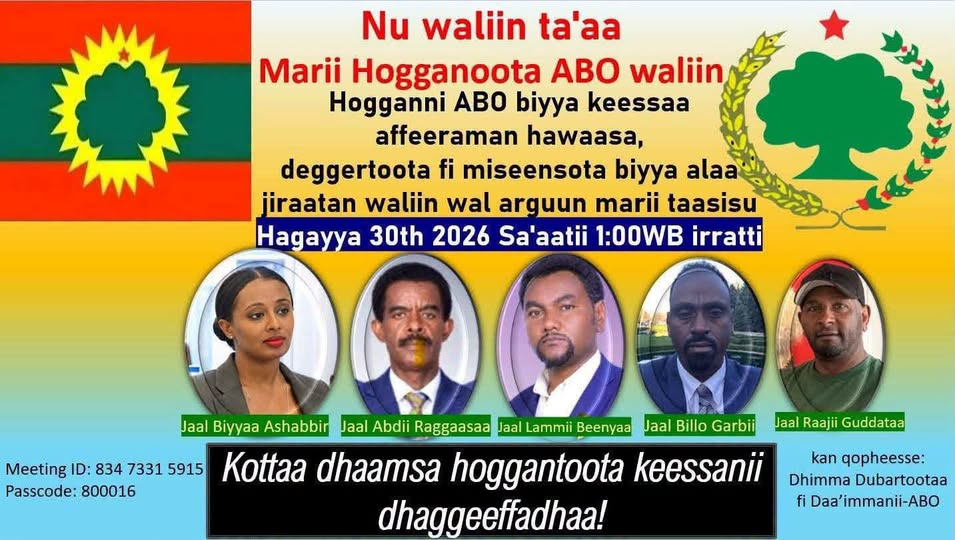
(Finfinne, Oromia)– As Ethiopia’s political landscape grows increasingly volatile, the Oromo Liberation Front (OLF) has convened a series of high-level meetings with its leadership cadres, grassroots members, and traditional institutions—a strategic push to consolidate Oromo unity in the face of mounting security threats and political uncertainty.
A Call for Unity and Vigilance
The most recent consultations, held at the party’s headquarters in Gullalle, brought together Qondaaltota (junior leaders), Dabballoota (cadres), and the general membership for extensive deliberations. Senior OLF leader Jaal Abdii Raggaasaa—who also serves as Member Secretary-General—addressed members with a stark message on the nature of the struggle: that commitment, not temporary strength, determines victory .
“Some individuals enter the organization (Irbuu) but then exploit it—seeking personal benefit rather than serving the people’s cause. When such people exist, it is they themselves who suffer the consequences, not ABO and not others.”
— Jaal Abdii Raggaasaa, OLF Senior Leader
Abdii emphasized that the work of building the Oromo nation extends beyond Ethiopia’s borders—stretching into the diaspora wherever Oromos reside . He stressed that grassroots organizing, beginning “from the village level,” remains essential to lasting political change .
Leadership’s Resolve: “We Must Speak as ABO”
Reflecting on the inevitable challenges facing liberation movements, Abdii offered a sobering reflection:
“In the struggle ABO is waging, even if we face extinction—if we are reduced to just one person—we must speak as ABO. We must not hide ourselves. We may face extinction, but we must not retreat into silence.”
Jaal Yaasoo Kabbabaa Hordofa, another OLF official, reinforced this determination, declaring that “OLF is the center of Oromo peace.” He noted that if OLF participates in elections this year, it will mark the first and largest chapter in Oromo electoral history—an opportunity that must be seized, not as a preference but as an obligation for all members .
Political Prisoners and the Demand for Justice
The OLF has consistently demanded the immediate release of political prisoners who continue to suffer in detention without due process, calling upon both Abbaa Gadaas and religious authorities to actively work toward restoring security in Oromia .
Following the announcement of the 7th General Election results—which saw the ruling Prosperity Party secure a parliamentary majority and OLF fail to win any seats despite fielding 163 candidates—the party issued a pointed critique .
“The OLF once again firmly reiterates that the situation in Oromia and across Ethiopia cannot be resolved merely by declaring an election victory; rather, to prevent worse outcomes, an inclusive, genuine, and transparent dialogue must be conducted without wasting further time.”
The front noted that while it had filed formal grievances with the National Election Board regarding electoral infractions, it does not believe the board investigated these appeals “with the necessary depth, fairness, and justice” .
A Call for Oromo Political Unity
The OLF’s leadership has also renewed its call for all Oromo political organizations to work together to shorten the path to liberation, stating that this is “the most important time” for coordinated action . The executive committee has emphasized that while some previously allied groups have disrupted cooperation due to shifting political dynamics, they must realize that their moves should serve the broader Oromo interest .
The OLF also reiterated its support for the People’s Alliance for Freedom and Democracy (PAFD) and the transitional roadmap presented at the February 2018 London conference. The party calls on all stakeholders—including political elites, academics, and the international community—to contribute to an all-inclusive transitional process that offers a long-term political solution .
The Broader Context: Conflict and Fragility
The leadership’s renewed unity push comes as violence escalates in western Oromia. ACLED data shows that Fano militias—linked to the Amhara Fano National Movement—have increased their activities in Oromia’s Horo Guduru, Kellem, East, and West Wollega zones by 80% since January 2026 . This follows the establishment of the Wollega Fano Bizamo Command in December 2024, which has since fallen under the broader Tsimdo movement—a coalition reportedly aligned with the Tigray People’s Liberation Front (TPLF) and Eritrea, aiming to remove the Ethiopian government.
Amnesty International released a report in August 2026 titled “Because I am Oromo,” alleging that Ethiopia’s government has “ruthlessly targeted” its largest ethnic group—subjecting thousands of Oromos to unlawful killings, torture, and enforced disappearance . The government has denied the allegations.
Looking Forward
The OLF’s consultations reflect a movement at a crossroads—seeking to navigate electoral rejection, internal cohesion, and external threats while maintaining its decades-long commitment to self-determination. As one participant at the February meeting put it: “An awakened nation is built, and the built is united.”
Whether that unity can withstand the mounting pressures—from state security forces, inter-ethnic violence, and international geopolitical maneuvering—remains the central question facing the Oromo struggle today.

PM Albanese Reaffirms Australia’s Humanitarian Commitment Amid Global Crises
By Dhabessa Wakjira
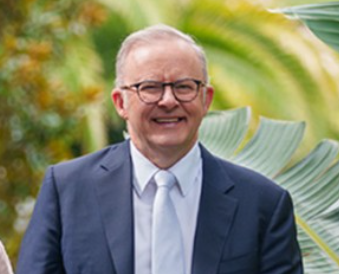
In a decisive move underscoring Australia’s enduring compassion, Prime Minister Anthony Albanese has confirmed the nation will maintain its annual humanitarian intake of 20,000 refugees – a decision widely hailed by settlement leaders as a beacon of hope in a world grappling with unprecedented displacement.
Addressing media this afternoon, the Prime Minister reaffirmed Australia’s pledge to offer safe haven to those fleeing conflict and persecution, pushing back against any notion that generosity must yield to insecurity.
“In maintaining Australia’s humanitarian intake, Prime Minister Albanese has responded with both compassion and confidence in the Australian people,” said Violet Roumeliotis, CEO of national refugee resettlement provider SSI. “He has recognised that Australia can remain both secure and generous, and that our response to the world’s most vulnerable people is a reflection of our national character.”
A Legacy of Welcome
From the shattered aftermath of World War II to the present day, Australia has built one of the globe’s most respected refugee resettlement programs. More than one million refugees and humanitarian entrants have since made Australia their home – enriching communities, strengthening the economy, and becoming integral threads in the nation’s evolving story.
“There is much to be proud of and much to be grateful for,” Ms Roumeliotis added. “Today’s decision builds on that legacy and reaffirms a vision of Australia as a country that welcomes people seeking safety, creates opportunities for them to belong and contribute, and plays its part in responding to global humanitarian need.”
A Tradition That Endures
With conflict zones multiplying and record numbers of people uprooted worldwide, the Prime Minister’s announcement sends a clear signal: Australia’s humanitarian tradition is not a relic of the past, but a living promise.
“The best of Australia has always been found in our willingness to extend a hand to those seeking safety,” Ms Roumeliotis concluded. “Today’s decision ensures that tradition continues.”
For refugee advocates and communities across the nation, the confirmation offers reassurance – and a reminder that in times of global turmoil, Australia chooses humanity.

A New Chapter for Multicultural Victoria: Building Bridges, Counting Voices, and Taking Action
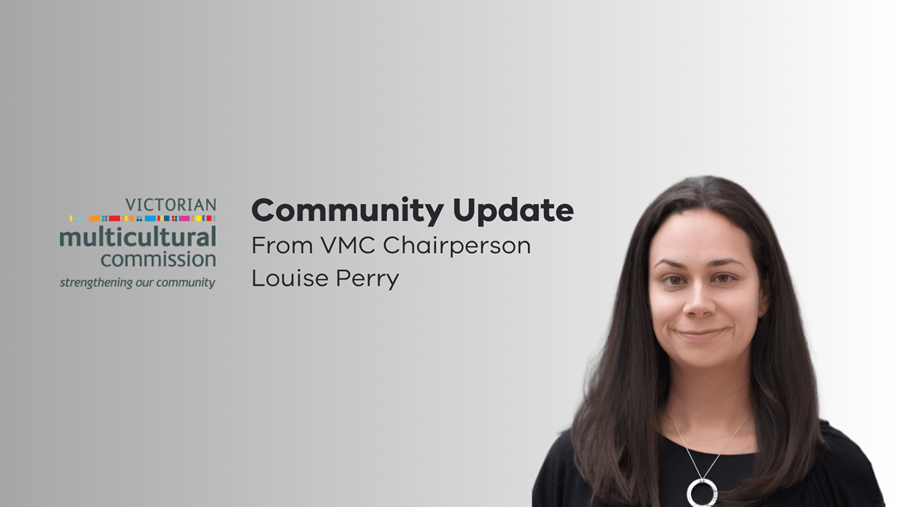
VMC Chairperson Louise Perry Reflects on a Weekend of Celebration and a Future of Collaboration
By Dhabessa Wakjira
The Premier’s Multicultural Gala Dinner, held over the weekend, was more than just a glittering event on the social calendar. It was a powerful affirmation of Victoria’s identity—a “Stories of Us” celebration that brought together over 1,200 guests from across the state to honour the unique journeys and contributions of its diverse communities.
Victorian Multicultural Commission (VMC) Chairperson Louise Perry, in a heartfelt message to the community, described the evening as a fitting tribute to the people, cultures, and experiences that together tell the story of multicultural Victoria. The event featured dynamic performances from across the globe, a bustling bazaar showcasing cultural traditions, and invaluable conversations between community leaders and government representatives.
A Future of Institutional Strength and Collaboration
Perry highlighted that the conversations from the Gala are particularly important as Victoria looks to the future of its multiculturalism. A landmark shift is currently progressing through Parliament: the Multicultural Victoria Amendment Bill 2026 .
Subject to its passage, this bill will establish Multicultural Victoria, a new government entity designed to reset how government listens to, collaborates with, and supports multicultural and multifaith communities. The new body will merge the policy, grants, and community engagement functions currently delivered by the VMC and the Department of Premier and Cabinet. This integration aims to ensure community voices have a stronger influence on government policy.
“The Victorian Multicultural Commission was established in 1983 to advise the government on issues affecting people from culturally and linguistically diverse backgrounds,” notes the importance of this legacy. The new entity, led by a Multicultural Coordinator General and supported by an advisory group, will build upon this history, using new powers to drive change and publish an annual State of Multicultural Victoria report to measure progress. While the Bill is subject to parliamentary debate, its passage would represent a significant step in strengthening the institutional architecture for cohesion.
Ensuring Our Communities Are Counted
Perry also stressed the importance of participation in the 2026 Census, encouraging anyone who has not yet completed it to do so . “Every response helps build a clearer picture of who we are and the communities that make up Australia,” she said.
The Census is a critical tool for representation and advocacy. It helps governments, service providers, and community organisations understand where multicultural communities are growing, allowing them to plan essential services like healthcare, education, and language support. As community leaders note, accurate data is essential for ensuring communities are visible in official statistics and can “demand their fair share”.
Funding Opportunities for Community Action
Looking ahead, Perry highlighted two current funding opportunities for community organisations to turn their visions into action:
- Local Anti-Racism Initiatives Grants Program: This program provides grants of up to $40,000 for community-led responses to racism. The applications are closing soon, at midday on 27 August 2026. This program is part of the Victorian Government’s anti-racism strategy, supporting activities that build community capacity, promote First Peoples’ history and culture, and improve reporting of racist incidents.
- Multicultural Festivals and Events Program: This program supports multicultural communities to celebrate and share their culture through festivals and events. With over $5 million available for 2026-27, including an extra $1 million for regional events, this program helps Victorians celebrate and preserve their cultures while building understanding and respect. The current round of applications closes on 31 August 2026.
A Message of Connection and Future Collaboration
In her closing remarks, Perry looked forward to continuing to meet many more community members, hearing their stories, and learning about the work happening across Victoria. Her message is clear: Victoria’s diversity is its strength, and the path forward lies in listening, counting, and acting together.
For more information on the Multicultural Victoria Amendment Bill, the 2026 Census, or the current grants programs, please visit the Victorian Government’s official websites.

We Must Not Remain Silent: The Unfolding Horror in Western Oromia

As violence escalates and thousands are displaced, the Oromo Sisterhood Institute issues a desperate plea: silence is complicity, and action cannot wait.
—
In the quiet villages of Western Oromia, a crisis of staggering proportions has been unfolding for years. But in recent weeks, the violence has reached a terrifying crescendo. The Oromo Sisterhood Institute (OSI) has issued an urgent condemnation of the escalating attacks against civilians in the Wallagga region—a humanitarian catastrophe that has displaced thousands, claimed countless lives, and left communities living in a state of paralyzing fear.
The areas of Giddaa Ayyaanaa and Angar Guutee have borne the brunt of the violence. According to local reports, families have been forced to flee their homes, leaving behind everything they have ever known. Civilians have reportedly been killed while simply traveling, while others have been murdered in their own homes—a brutal reminder that no place is safe.
The Oromo Sisterhood Institute, a leading voice for women’s rights and community protection, is sounding the alarm: the international community cannot afford to look away.
A Crisis of Accountability
While many attacks have been attributed to the Fano armed group, serious concerns have also been raised regarding the role of state actors and the Ethiopian government’s failure to adequately protect affected communities. The government’s apparent inaction raises deeply troubling questions about the protection of civilians and the rule of law.
OSI insists that these serious allegations warrant independent investigations to establish the facts, ensure accountability, and bring those responsible for abuses against civilians to justice.
“Western Oromia is widely recognized as an area of significant political and social importance,” the Institute states. “The continued violence threatens not only the security and well-being of local residents but also the stability of the broader region.”
The ongoing displacement of civilians and destruction of communities have both immediate and long-term humanitarian consequences. Families are being torn apart, children are being denied their futures, and an entire region is being pushed to the brink.
A Call to Action: Silence Is Not an Option
In the face of such unimaginable suffering, the Oromo Sisterhood Institute is issuing a powerful call to action. The message is clear and uncompromising: silence is not an option.
“We urge community members, advocates, civil society organizations, faith leaders, youth, women, and members of the diaspora to stand up for civilian protection, speak out against human rights violations, and support affected families and communities.”
The Institute is calling for:
· Strengthened advocacy and documentation of human rights violations through credible channels.
· Immediate humanitarian assistance for displaced families, whose basic needs remain unmet.
· Local, national, and international awareness campaigns to shine a spotlight on this unfolding tragedy.
· Unity and collective action to amplify the voices of victims, advance accountability, and contribute to the pursuit of justice and lasting peace.
Every Community Deserves Safety
The Oromo Sisterhood Institute’s message is rooted in a fundamental belief: every community has the right to live in safety, dignity, and freedom from violence. This is not a partisan issue; it is a human issue.
The Institute is calling upon international institutions, humanitarian organizations, and global human rights bodies to closely monitor the situation in Western Oromia and take meaningful action to ensure the protection of civilians and the prevention of further atrocities.
“We stand in solidarity with all victims of violence and their families,” OSI declares. “We call for an immediate end to attacks against civilians, independent and transparent investigations into reported abuses, humanitarian assistance for affected communities, and concrete measures to ensure lasting peace, justice, accountability, and respect for human rights in the region.”
The Cost of Inaction
As the violence continues to escalate, the world faces a choice: to act or to remain silent. The Oromo Sisterhood Institute has made its position unequivocally clear.
“We must not remain silent,” the statement concludes. “The lives, dignity, and security of innocent civilians depend on immediate attention and action.”
The people of Western Oromia are not just statistics; they are mothers, fathers, children, and communities whose lives hang in the balance. Their cries for help must not go unanswered. The time for action is now—before more lives are lost, more families are displaced, and more communities are destroyed.
The Oromo Sisterhood Institute calls upon the international community, human rights organizations, policymakers, and members of the diaspora to recognize the seriousness of the situation and to support efforts aimed at protecting civilians, preventing further displacement, and promoting accountability for human rights violations.
The world must not remain silent. The time to act is now.
—
The Oromo Sisterhood Institute (OSI) is a civil society organization dedicated to promoting the rights, dignity, and well-being of Oromo women and communities. Through advocacy, awareness, and collective action, OSI works to amplify the voices of the marginalized and advance justice and lasting peace.
#UNHumanRightsCouncil#Oromia#Wallagga#Justice#HumanRights
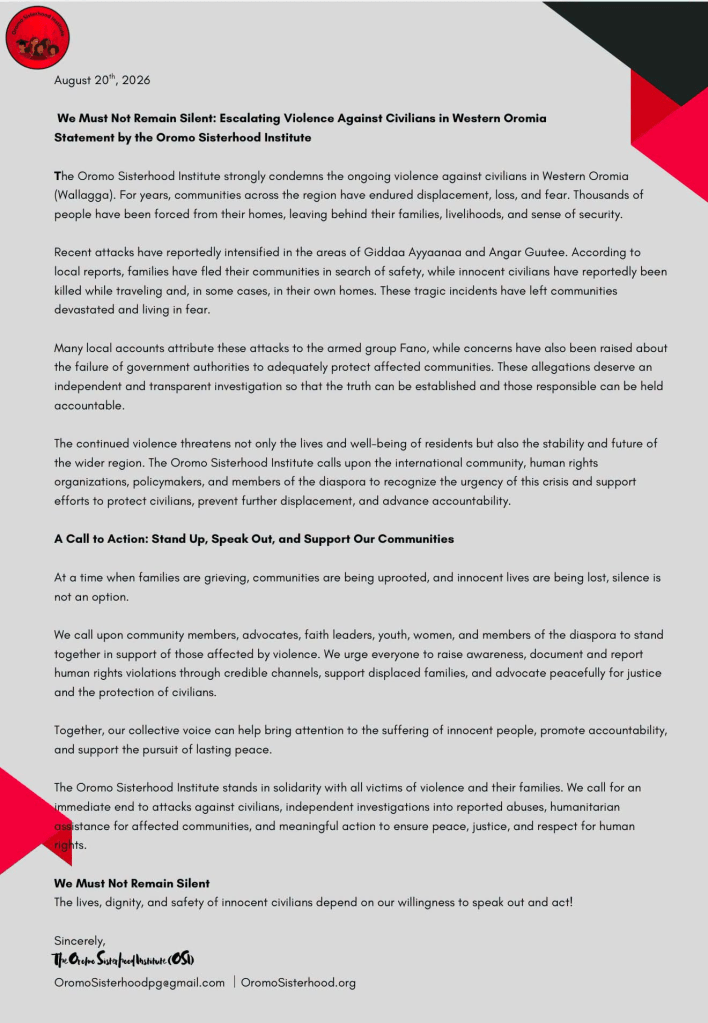
Advocacy for Oromia (A4O) Condemns Escalating Violence Against Civilians in Western Oromia, Calls for Urgent International Action

FOR IMMEDIATE RELEASE
Melbourne – 22 August 2026 – The Advocacy for Oromia (A4O) today issued a strong condemnation of the ongoing and escalating violence against civilians in Western Oromia (Wallagga), warning that the situation has reached an alarming level and demanding immediate action to protect vulnerable communities.
Recent attacks have reportedly intensified, with civilians in the Giddaa Ayyaanaa and Angar Guutee areas bearing the brunt of the violence. According to local accounts, families are being forcibly displaced from their homes, while others have lost their lives while traveling or in their own residences, creating a pervasive climate of fear and instability across the region.
While many attacks have been attributed to the Fano armed group, A4O also expressed grave concern over allegations implicating state actors. The organization highlighted the Ethiopian government’s apparent failure to adequately protect affected communities, stating that these serious allegations necessitate independent and transparent investigations to establish facts, ensure accountability, and bring perpetrators of abuses to justice.
“Western Oromia is a region of profound political and social significance, and this continued violence threatens not only the immediate security of residents but also the broader stability of the region,” a spokesperson for A4O stated. “The resulting displacement and destruction have severe humanitarian consequences that require an urgent global response.”
In response to the crisis, A4O is issuing a Call to Action, urging community members, advocates, civil society organizations, faith leaders, youth, women, and the diaspora to break their silence. The organization insists that “silence is not an option” in the face of such suffering and calls for:
- Strengthened advocacy and documentation of human rights violations.
- Immediate humanitarian assistance for displaced families.
- Local, national, and international awareness campaigns.
- Unity and collective action to amplify victims’ voices and advance justice.
Furthermore, A4O is calling on international institutions, humanitarian organizations, and global human rights bodies to closely monitor the situation in Western Oromia and take concrete steps to prevent further atrocities.
“We must not remain silent,” the statement concludes. “The lives, dignity, and security of innocent civilians depend on immediate attention and action. We stand in solidarity with all victims of violence and their families and demand lasting peace, justice, and respect for human rights in the region.”
About Advocacy for Oromia (A4O):
The Advocacy for Oromia is a civil society organization dedicated to promoting human rights, justice, and democratic governance for the people of Oromia. A4O works to amplify the voices of the Oromo people and advocate for peaceful solutions to conflicts affecting the region.
#UNHumanRightsCouncil #Oromia #Wallagga #Justice #HumanRights






