Category Archives: health

The Strong and the Weak: Lessons in Resilience from the Oromo Liberation Struggle
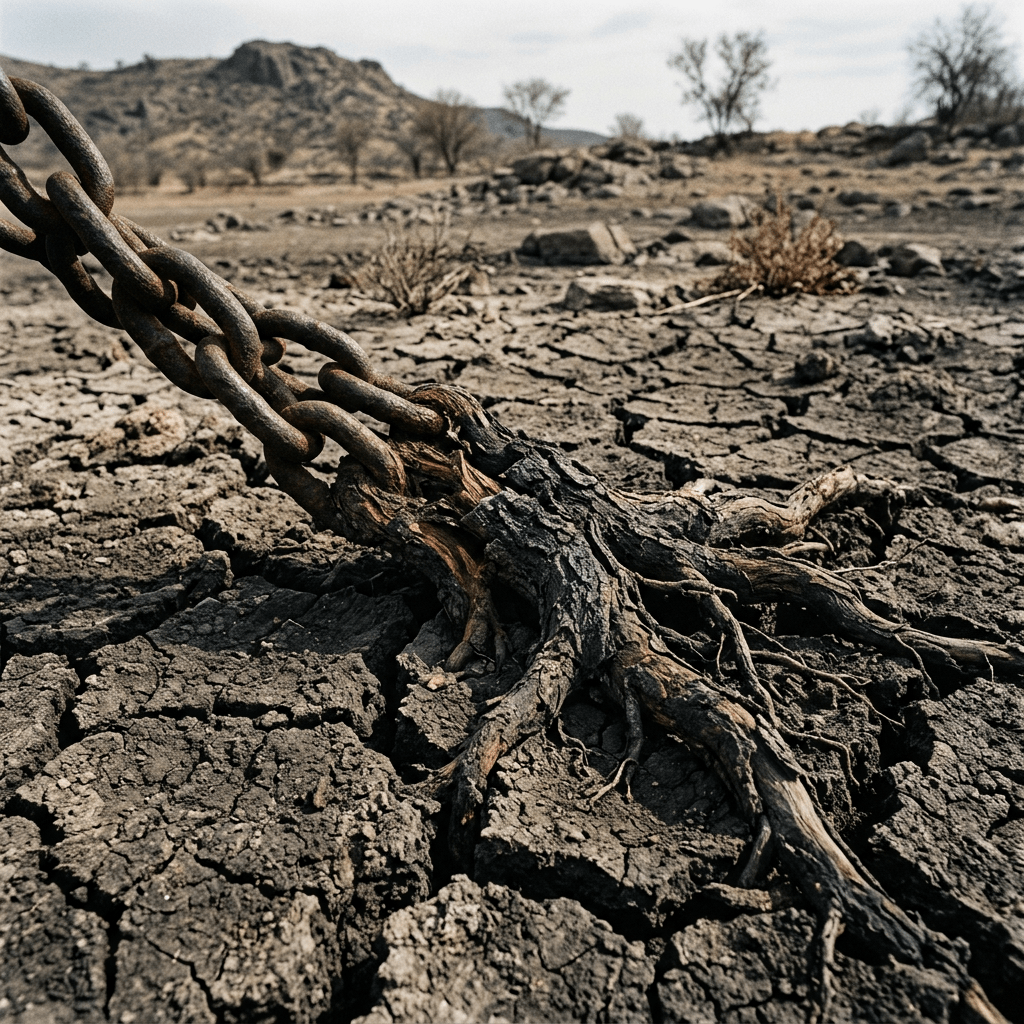
In the crucible of resistance, the difference between victory and defeat lies not in the strength of the enemy, but in the resolve of the fighter
The struggle for liberation is a crucible that tests the very soul of a people. It separates the determined from the disillusioned, the resilient from the defeated. In the long and arduous journey of the Oromo people toward freedom, two archetypes have emerged—the strong fighter and the weak fighter. Their stories offer profound lessons not just for the Oromo liberation movement, but for every struggle for justice and self-determination across the globe.
The Weak Fighter: A Study in Self-Destruction
When the pressures of struggle mount, when the enemy seems overwhelming, and when the path forward appears blocked, a certain type of fighter emerges—one who, in their inability to challenge the external enemy, turns their frustration inward.
“Qabsaa’ota dadhaboo yeroo diinaa fi caasaa diinaa dhiibuu dadhaban kan ofii ijaaranii keessa darban of jalatti diiguu jalqabu.”
The weak fighter, unable to strike the enemy or dismantle their structures, begins to destroy themselves. Frustration gives way to disillusionment; disillusionment gives way to despair; despair gives way to self-destruction. The organization they once served becomes a target of their internal grievances. The comrades they once marched alongside become objects of suspicion and blame. The cause they once championed becomes a source of bitterness.
“Injifannoo egeree otuu hin taane, kufaatii isaanii farrisuun dhalooti akka abdii muratu taasisu.”
The tragedy of the weak fighter is that their legacy becomes not victory but fragmentation. Rather than building a future of freedom, they leave behind a legacy of division and hopelessness. Future generations, inheriting the wreckage of internal conflict, come to believe that the struggle itself was futile.
This is the greatest danger the weak fighter poses—not just to themselves, but to the collective dream of liberation. When fighters turn against each other, when organizations dissolve into feuding factions, when the energy that should be directed against oppression is consumed by internal strife, the enemy wins without firing a shot.
The Strong Fighter: Resilience in the Face of Adversity
In stark contrast stands the strong fighter—one who, regardless of the circumstances, remains anchored in justice and truth.
“Qabsaa’oti jajjaboon, gama biraatiin, yeroo mara haqaa fi dhugaa irratti cichuun injifannoon argame akka daran guddatu falmatu.”
The strong fighter understands that victory is not guaranteed—it must be built, day by day, struggle by struggle, sacrifice by sacrifice. They know that the path to liberation is long and winding, filled with setbacks and sorrows. Yet they press forward, anchored in the conviction that justice and truth will ultimately prevail.
“Dhiibbaa fi miidhaan diinaa hagumuu itti jabaatu, karaa kaleessa ijaarrtanii ittiin xaxaa diinaa keessa darban hin tuqan; hin balaaleffatanis.”
No matter how intense the pressure, no matter how devastating the enemy’s attacks, the strong fighter holds firm. They do not abandon the strategies and structures carefully built over years of struggle. They do not compromise their principles or lose sight of their ultimate goal. They do not allow fear or frustration to erode their resolve.
“Inumaayyuu, jabina ittiin walxaxaa diinaa keessa darban tifkachaa, laafina jiru immoo akka dhalootu ittaanu sirreeffatee fuulduratti milkii caalutti tarkanfatu hojjatu.”
Rather than being consumed by weakness, the strong fighter learns from it. They recognize that the challenges of today are preparing them for the victories of tomorrow. The strengths they develop in overcoming adversity become the foundation upon which future success is built. The weaknesses they identify and correct ensure that the next generation will not repeat the same mistakes.
The Oromo Liberation Struggle: A Case Study in Resilience
The Oromo people have endured over a century of colonial oppression under successive Ethiopian regimes. Their struggle for self-determination has witnessed moments of great triumph and devastating setback. Through it all, the distinction between the strong and the weak fighter has been starkly visible.
The Weak Fighter in Oromo History:
Throughout the Oromo struggle, there have been those who, unable to strike the colonial system effectively, turned their energies toward internal conflict. Factionalism, personal rivalries, and ideological disputes have at times weakened the movement and delayed the realization of Oromo liberation.
Some fighters, frustrated by the seeming impossibility of the struggle, abandoned the cause entirely. Others, unable to achieve their ambitions within the movement, sought to destroy it from within. Still others, consumed by their own grievances, lost sight of the collective dream.
The consequences of such weakness have been profound. Decades of struggle have been prolonged. Generations have been lost to internal division. The enemy has been strengthened by the disunity of the oppressed.
The Strong Fighter in Oromo History:
Yet alongside these cautionary tales stand the heroes of the Oromo struggle—those who, against all odds, maintained their commitment to justice and truth. From the early resistance fighters who faced Menelik’s forces with little more than courage and conviction, to the modern-day revolutionaries who have carried the torch of liberation into the 21st century, the strong fighters of Oromiya have refused to surrender to despair.
These are the fighters who, despite imprisonment, torture, and exile, never abandoned the cause. They who, when the movement was at its weakest, rebuilt it from the ashes. They who, when the enemy seemed invincible, found new ways to resist.
The strong fighters of Oromiya have understood that the struggle is not a sprint but a marathon. They have built institutions, trained cadres, and passed on the legacy of resistance to new generations. They have learned from setbacks and transformed defeats into stepping stones toward victory.
Lessons for All Struggles
The distinction between the strong and the weak fighter holds lessons that extend far beyond the Oromo liberation movement. Every struggle for justice—whether for civil rights, national liberation, or human dignity—faces the same challenges.
Lesson One: The Enemy Is Not Your Comrade
When external pressure mounts, the temptation to turn against one another is strong. But the true enemy is not the comrade who disagrees with you, the leader who makes mistakes, or the organization that disappoints. The true enemy is the system of oppression itself. Directing energy toward internal conflict serves only to strengthen the oppressor.
Lesson Two: Resilience Is Built, Not Given
Strong fighters are not born—they are forged in the fires of struggle. Each setback is an opportunity for learning. Each disappointment is a chance for growth. Each sacrifice strengthens the resolve to continue.
Lesson Three: Victory Belongs to the Persistent
The arc of history bends toward justice—but only because strong fighters continue to bend it. Victory is never guaranteed; it must be won through generations of persistent effort. Those who give up guarantee defeat; those who continue, no matter the obstacles, create the possibility of success.
Lesson Four: Legacy Matters
The weak fighter leaves behind division and despair. The strong fighter leaves behind hope and a foundation for future victory. What legacy will you leave? What will future generations say of your contribution to the struggle?
The Path Forward
As the Oromo liberation movement continues its journey toward self-determination, the choice between strength and weakness remains ever present. The challenges are immense—a powerful state apparatus, a history of division, and the weight of over a century of oppression. Yet the potential for victory has never been greater.
The strong fighter looks at these challenges and sees opportunity. The fractures in the Ethiopian state, the growing international awareness of Oromo issues, the increasing unity of the Oromo people—all point toward the possibility of liberation.
“Jabina ittiin walxaxaa diinaa keessa darban tifkachaa, laafina jiru immoo akka dhalootu ittaanu sirreeffatee fuulduratti milkii caalutti tarkanfatu hojjatu.”
By recognizing and celebrating the strength that has carried the Oromo struggle this far, and by honestly addressing the weaknesses that have held it back, the movement can build toward a future of victory. The strong fighters of today are laying the foundation for the strong fighters of tomorrow.
Conclusion: The Choice Is Ours
The distinction between the strong and the weak fighter is not determined by circumstance but by choice. Every fighter, every activist, every revolutionary faces moments of doubt, fear, and exhaustion. The question is not whether these moments will come, but how we will respond when they do.
Will we turn our frustration inward and destroy ourselves? Or will we draw on the strength of our ancestors, the resilience of our comrades, and the certainty of our cause, and press forward?
The Oromo people have endured much. They have witnessed the destruction of their land, the suppression of their culture, and the denial of their rights. Yet they have not been destroyed. They have not surrendered. They have not given up hope.
“Qabsaa’oti jajjaboon, gama biraatiin, yeroo mara haqaa fi dhugaa irratti cichuun injifannoon argame akka daran guddatu falmatu.”
The strong fighter knows that victory is not simply the absence of defeat—it is the product of persistent, principled, and unwavering struggle. And it is this conviction that will ultimately carry the Oromo people from oppression to freedom, from injustice to justice, from despair to hope.
“Jabina ittiin walxaxaa diinaa keessa darban tifkachaa, laafina jiru immoo akka dhalootu ittaanu sirreeffatee fuulduratti milkii caalutti tarkanfatu hojjatu.”
Let us celebrate the strength with which we navigate the enemy’s complexities, and let us correct our weaknesses so that future generations may march forward to even greater victories.
The struggle continues. The strong fighter endures. And victory, however distant, remains within reach.
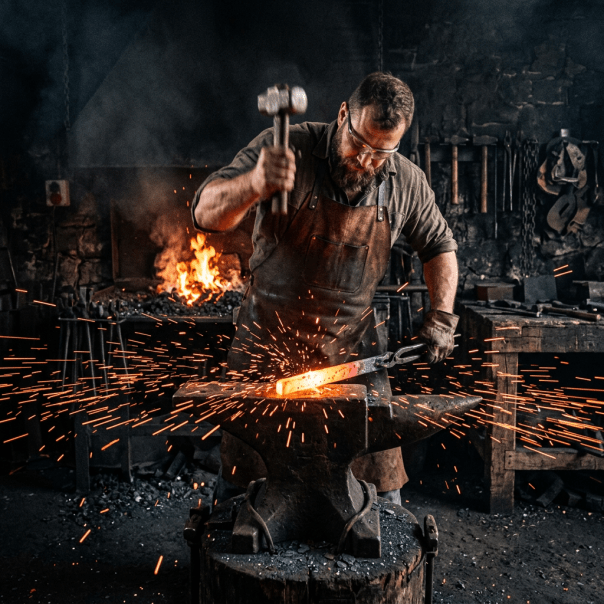

The Currency of Truth: Finding Peace in a World of Division
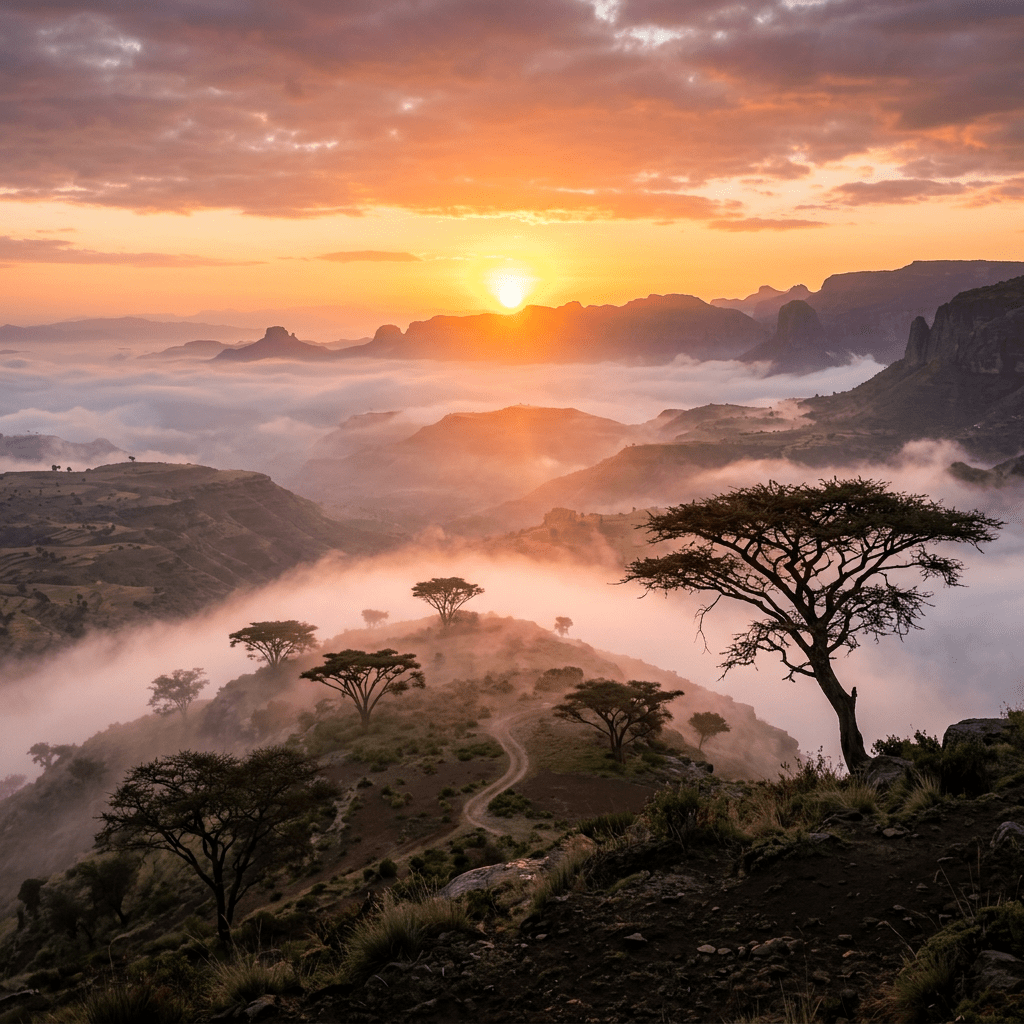
In an era of tribal loyalties and political polarization, one voice reminds us that truth remains unchanged by who speaks it
In a time when every statement is filtered through the lens of political allegiance, when facts are accepted or rejected based on their source, and when loyalty to tribe often trumps loyalty to truth, a quiet but powerful reflection emerges from the heart of Oromo wisdom.
“Dhugaan eenyuun iyyuu haa dubbatamu, eessatti iyyuu haa raawwatamu, dhugaan yeroo hunda dhugaadha.”
Truth—regardless of who speaks it, wherever it is manifested—remains truth forever.
This simple yet profound statement carries a weight that resonates far beyond its words. It challenges us to examine our own relationship with truth in an age of deep divisions and competing narratives.
The Fragility of Peace
The reflection begins with a meditation on peace:
“Sammuun dhugaatti amanuuf waan gaarii yaadu nagaan jiraata! Nagaa sammuu qabaachuun waan hunda caalaa badhaadhina guddaadha.”
A mind that believes in truth and thinks good thoughts lives in peace. Possessing peace of mind is the greatest wealth of all.
This is not mere sentiment—it is a profound psychological insight. When our minds are consumed by suspicion, when we view every statement through the lens of who said it rather than what was said, we forfeit our inner peace. We become prisoners of our own prejudices, forever anxious about the motives of those we oppose and unquestioning of those we support.
“Namni qalbii qulqulluu yoo qabaate, cubbuu irraa bilisa ta’a; kanaafis hirriba nagaa rafa.”
A person with a pure heart is free from sin; therefore, they sleep peacefully.
The Challenge of Our Time
In the current era, truth has become a casualty of tribalism. We have witnessed how political affiliations, ethnic loyalties, and ideological commitments color our perception of reality itself.
The reflection confronts this directly:
“Bara keenya keessatti wantoonni hedduun garee fi ilaalcha siyaasaan madaalamu. Namni nuti jibbinu ykn morminu dhugaa yoo dubbate, dhugaa sana fudhachuuf rakkina qabna.”
In our time, many things are measured by group affiliation and political perspective. If someone we dislike or oppose speaks the truth, we struggle to accept it.
This is one of the most dangerous tendencies of our age. We have become so entrenched in our positions that we cannot recognize truth when it comes from the “wrong” source. We have allowed our enemies to be defined not by their actions but by our opposition to them—and in doing so, we have surrendered our ability to perceive reality clearly.
The reflection continues:
“Yaada yaadaan mari’achuu fi mormuun hafee, gareedhaan wal mormina.”
Arguments and disagreements persist, and we oppose each other by group.
What began as genuine differences of opinion has hardened into tribal warfare. We no longer engage with ideas—we oppose people. We no longer evaluate arguments—we dismiss sources.
The Dangerous Asymmetry
Perhaps most troubling is the asymmetry in how we treat truth depending on its source:
“Dhuguma sana namni nuti deeggaru yoo dubbate garuu, ‘sirriidha’ jennee harka rukunna.”
But when someone we support speaks the same truth, we applaud and say, “That is correct.”
This double standard is the erosion of integrity itself. It means we are no longer evaluating statements based on their truthfulness but based on their alignment with our tribal loyalties. We have become incapable of independent judgment.
The implications are staggering. If truth is determined by who speaks it rather than what is said, then truth itself ceases to exist. We are left with only competing narratives, each claiming legitimacy based on the identity of its speaker rather than the accuracy of its content.
The Call to Integrity
Against this backdrop of tribalism and division, the reflection offers a clear way forward:
“Kanaaf, nama nuti deeggaru ta’e nama nuti morminu haa ta’u, dhugaan dhugaadha; cubbuunis cubbuudha. Kana akkasitti amanuu fi shaakaluu wayya.”
Therefore, whether someone is someone we support or someone we oppose, truth is truth; sin is sin. It is better to believe and practice this.
This is a call to intellectual integrity—to evaluate statements based on their merit rather than their source. It is a challenge to rise above tribal loyalties and embrace a higher standard of truth.
The reward for such commitment is profound:
“Waaqnis dhugaa jaallata; sammuunis nagaa argata.”
God loves truth; and the mind finds peace.
The Wisdom of Oromo Proverbs
The reflection draws on the rich tradition of Oromo wisdom, invoking two powerful proverbs:
“Akka Oromoon jedhu, ‘Nama jibban haqa isaa hin jibban.'”
As the Oromo say, “Do not hate a person’s justice because you hate the person.”
This proverb captures the essence of the argument: justice and truth stand independent of the people who speak them. We are called to separate our judgment of a person from our evaluation of their words.
“Akkasumas, ‘Dhugaan ilmoo Waaqaati.'”
And also, “Truth is the child of God.”
This elevates truth to a sacred status. To reject truth because of its source is to reject something divine. To embrace truth regardless of its origin is to align oneself with the sacred.
The Reward of Integrity
The reflection concludes with a powerful vision of the life lived in pursuit of truth:
“Dhugaa kabajuun nama kabajuudha; dhugaa fudhachuunis nagaa sammuu argamsiisa.”
Honoring truth is honoring oneself; accepting truth brings peace of mind.
This is the final, compelling argument for integrity. It is not merely a moral imperative—it is a practical one. Those who refuse to accept truth because of its source are not punishing the speaker; they are punishing themselves. They are forfeiting the peace that comes from living in alignment with reality.
“Guyyaa nagaa qabu qabaadha, sammuu nagaa yaadu horadhaa.”
May you have a peaceful day; may you cultivate a mind that thinks in peace.
A Message for Our Time
The reflection from Kumala Addunyaa arrives as a timely antidote to the poison of our age. In a world increasingly defined by echo chambers, confirmation bias, and tribal loyalties, it calls us back to something more fundamental: the pursuit of truth itself.
It challenges us to examine our own hearts. Are we willing to accept truth from those we oppose? Are we willing to acknowledge wrongdoing in those we support? Are we courageous enough to judge statements based on their content rather than their source?
The answers to these questions will determine not only the quality of our public discourse but the state of our own inner peace. As long as we remain prisoners of our prejudices, we will never know the peace that comes from living in truth.
The way forward is clear but difficult: we must learn to separate the message from the messenger. We must cultivate the humility to acknowledge truth wherever it appears and the courage to reject falsehood wherever it hides—even among those we love.
The Universal Call
While rooted in Oromo wisdom, the reflection speaks to all of humanity. Every culture, every nation, every community faces the challenge of tribalism and the temptation to reject truth based on its source. The principles articulated here are universal:
- Truth stands independent of its speaker
- Integrity requires us to evaluate statements on their merit
- Inner peace comes from living in alignment with truth
- Honoring truth is ultimately honoring oneself
In a time of deep division, these principles offer a path forward—not through compromise or accommodation, but through a renewed commitment to truth itself.
Conclusion
As the sun sets on another day of conflicting narratives and competing claims, the words of the reflection linger:
“Dhugaan eenyuun iyyuu haa dubbatamu, eessatti iyyuu haa raawwatamu, dhugaan yeroo hunda dhugaadha.”
Truth—regardless of who speaks it, wherever it is manifested—remains truth forever.
This is not merely a philosophical statement; it is a guide for living. Those who embrace this truth will find the peace that comes from integrity. Those who reject it will remain prisoners of their own prejudices.
The choice is ours. And the reward for choosing wisely is nothing less than peace of mind.
“Guyyaa nagaa qabu qabaadha, sammuu nagaa yaadu horadhaa.”
May you have a peaceful day; may you cultivate a mind that thinks in peace.

The Sacred Journey of Gadaa: Oromo Community Gathers for Ancient ‘Wal-Argii’ Naming Ceremony
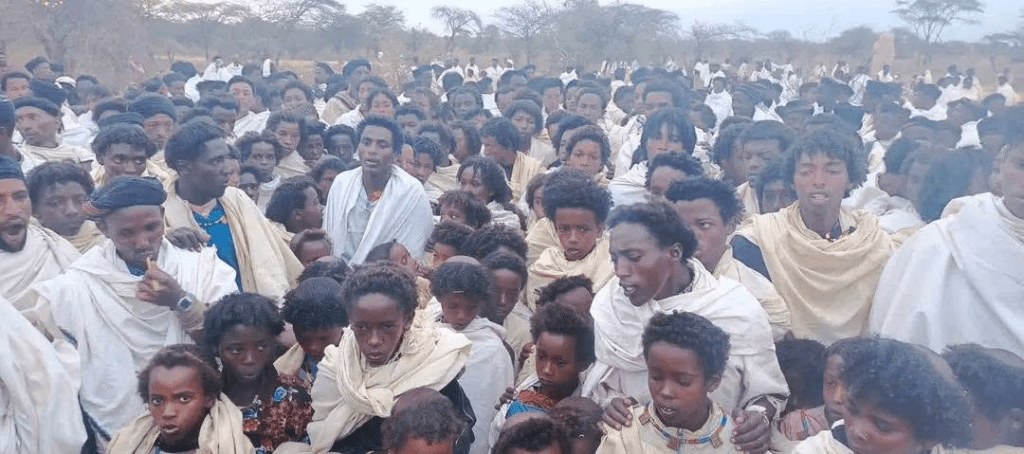
As the sun rises over Guyyoo Gobba, elders and youth come together to celebrate the timeless traditions that have guided Oromo society for generations
BORANA ZONE, OROMIA — In the heart of Oromia, where the ancient rhythms of tradition still pulse through the land, the community of Guyyoo Gobba is preparing for a ceremony that connects the present to centuries of ancestral wisdom. The occasion is the sacred “Wal-Argii” ritual—a ceremony of recognition and naming that marks a significant transition in the Gadaa system, the indigenous democratic governance structure that has guided Oromo society for over 500 years.
The Gadaa system, recognized by UNESCO as an Intangible Cultural Heritage of Humanity, is a complex and sophisticated framework that organizes Oromo society into distinct life stages. Each stage carries specific responsibilities, rituals, and ceremonies that prepare individuals for their roles within the community. At the heart of this system lies a profound truth: every child born into this tradition begins a journey of transformation, moving through carefully defined stages toward becoming a full participant in their society.
The Journey Begins: Dabballee
In the Gadaa system, when a male child is born, he enters the world as a Dabballee. This is the foundational stage of life, recognized without question—a male child is Dabballee, never female. The Dabballee period spans the first eight years of life. It is a time of innocence and learning, where the child is nurtured and prepared for the journey ahead.
On the eighth year, the child undergoes the Maqbaasa Ritual—the Ceremony for Naming. This is the child’s first formal recognition within the community, a moment when his identity is publicly acknowledged and celebrated.
The Second Stage: Gammee
Emerging from Dabballee, the child enters the Gammee stage. This period lasts for sixteen years and is divided into two parts: Gammee Gugurdoo and Gammee Didiqqoo. It is during this stage that the community gathers for the “Wal-Argii Ritual”—also known as the Nyaachisa Ritual, or the Ritual of Eating.
The Nyaachisa is sacred. As elders explain, “Without Nyaachisa, one cannot become Kuusa.” The ritual of eating together is not merely about consuming food—it is about entering into community, about sharing in the collective identity that binds Oromo society together.
During this stage, the community gathers to witness and celebrate the growth of their children. The foods prepared are not random; they carry deep cultural significance. Young people learn the importance of communal sharing and the responsibilities that come with becoming full members of society.
The Third Stage: Kuusa
After experiencing the Nyaachisa and emerging from Gammee, individuals enter the Kuusa stage, which lasts another eight years. The Kuusa stage is marked by a significant ritual: the Goodiyyaa Ritual, during which six officials are chosen from among the group. These six will take on leadership responsibilities within the community, learning the arts of governance and decision-making.
The selection of officials at this stage is critical—it identifies those who will carry forward the wisdom of their elders and guide their peers through the challenges ahead.
The Fourth Stage: Raaba
From Kuusa, individuals transition to Raaba, an eight-year period filled with important rituals that mark the transition to adulthood. During this stage, young men undergo the Muusoo Ritual and the Dhokhisuu Ritual—ceremonies that grant men permission to marry.
These rituals are about more than marriage; they signify readiness to take on adult responsibilities, to build families, and to contribute fully to the community. The Raaba stage teaches young men the importance of commitment, partnership, and the continuation of the Oromo lineage.
The Fifth Stage: Doorii
The Doorii stage is a five-year period marked by profound rituals, including the Buttaa Ritual and the Daannisa Ritual. The Daannisa is particularly significant—it is the ceremony that gives men permission to have children.
This stage represents the culmination of the reproductive and familial responsibilities that individuals will carry forward. It is during Doorii that men demonstrate their readiness to become fathers and to raise the next generation of Oromo society.
The Sixth Stage: Gadaa
The Gadaa stage itself lasts eight years and is perhaps the most recognized and celebrated period in the entire system. It is during this stage that leaders are inaugurated and governance structures are fully realized. The rituals of this period include:
- Baallii Ritual: The Inauguration Ceremony of the Leader of Gadaa
- Gindaa Ritual/Gumii Gaayoo: The assembly of the community
- Guutuu Ritual: A ceremony of completion and fulfillment
- Odaa Ritual: The dissolution of the Yaa’a Village and retirement of Gadaa officials
The Seventh Stage: Yuuba
Emerging from Gadaa, individuals enter the Yuuba stage, which lasts for twenty-seven years. This is a period of wisdom and mentorship, where elders guide the younger generations. The Yuuba are the custodians of knowledge, the keepers of the tradition, and the guides who ensure that the Gadaa system continues to thrive.
The Eighth Stage: Gadaammojjii
Finally, individuals enter the Gadaammojjii stage, an eight-year period that represents the final phase of the life cycle. The Gadaammojjii is the stage of elders—those who have passed through all previous stages and now serve as the ultimate authority. The Mataa Buufattu (the leader of the Gadaammojjii) presides over the Gadaammojjii Ritual, ensuring that the traditions are passed down correctly.
A Living Tradition
The journey from Dabballee through Gammee, Kuusa, Raaba, Doorii, Gadaa, Yuuba, and finally to Gadaammojjii represents the complete arc of human life in Oromo society. As elders say, “Ilmii Namaa Dabballee tahee Gammeetti dabra”—the child who was Dabballee has now passed through all stages.
None of these stages are bypassed; none are skipped. Each is essential to the formation of a complete person, a responsible community member, and a faithful steward of Oromo heritage.
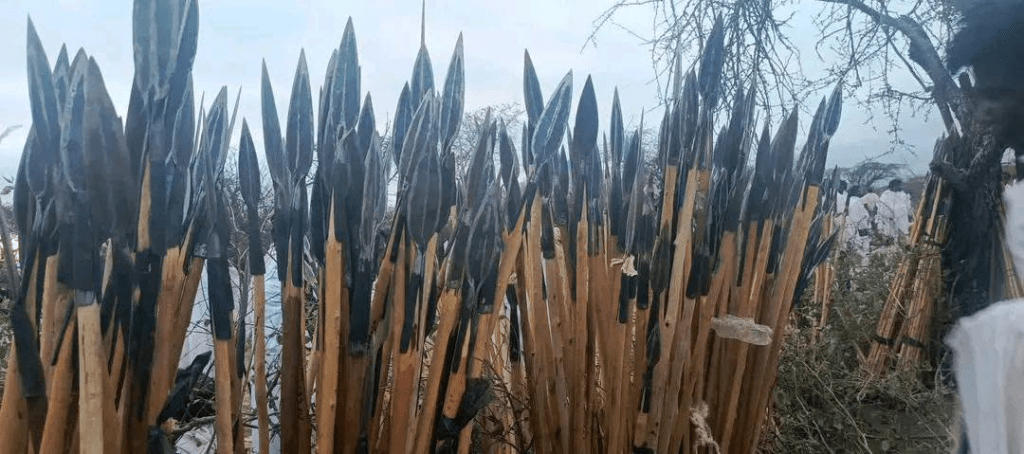
The Gathering at Guyyoo Gobba
Today, the community of Guyyoo Gobba in the Borana Zone, within the Dhaas Ardaa (district) at Gumii Gaayoo, has gathered to continue this sacred tradition. Under the guidance of Abba Gadaa Guyyoo Gobba Bulee, they are conducting the Wal-Argii ceremony—the ritual of recognition and naming.
The celebration is taking place in stages, each day marking a different aspect of the ceremony. Tomorrow, the community will gather on the eastern side, entering Ardaa Hiigootti to perform the traditional Miloo (community assembly). The following day, they will move to the western side, entering Ardaa Borborii, where they will prepare the ceremonial foods that the children will share and receive blessings.
In the month of Adoolleessa, as the community continues to gather at Gumii Gaayoo under the leadership of Abba Gadaa Guyyoo Gobba, the Wal-Argii ceremony will continue to unfold, connecting the present generation to the wisdom of their ancestors.
A Ceremony of Unity
As the gathering begins, elders lead the community in prayers and rituals. The air fills with the sounds of traditional songs, the rhythmic movement of dances, and the joyful laughter of children who understand—even at their young age—that something sacred is taking place.
“Nagaan Gooroo marmaaraa ga’aa gammee buufadha!” the elders proclaim. “Peace has arrived in our gathering; we have begun our ceremony!”
The food prepared during these celebrations is not merely nourishment—it is a symbol of community, of sharing, and of the bonds that tie Oromo society together. When the children eat together, they are not simply satisfying hunger; they are entering into a sacred covenant with their community, their ancestors, and their future.
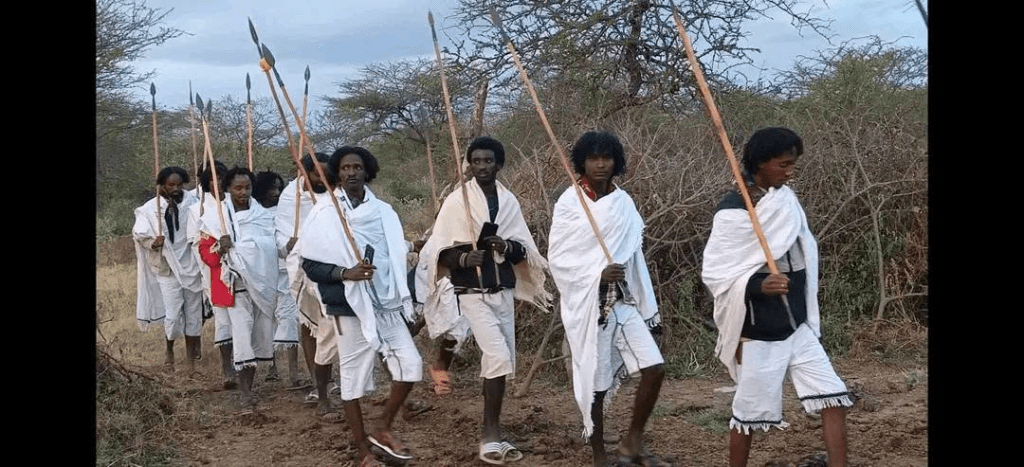
The Significance of Wal-Argii
The Wal-Argii ceremony represents the heart of Oromo identity. It is where children learn who they are, where families come together to celebrate their heritage, and where the community reaffirms its commitment to the values that have sustained Oromo society for centuries.
In a rapidly changing world, where globalization threatens to erase ancient traditions, the Oromo people hold fast to their Gadaa system. It is not merely a relic of the past—it is a living, breathing system of governance that continues to guide communities across Oromiya.
Looking to the Future
As the sun sets over Guyyoo Gobba and the families return to their homes, they carry with them the blessings of the ceremony. The children who have been named and recognized will remember this day—the songs, the dances, the foods, and the wisdom shared by their elders.
The Gadaa system teaches that each person has a role to play, a stage to fulfill, and a responsibility to the community. From the youngest Dabballee to the most respected Gadaammojjii, every individual matters. Every life has meaning. Every ritual connects the present to the past and prepares the way for the future.
A Message for the World
The Gadaa system offers a model of governance that the world might learn from—a system that values consensus, respects elders, nurtures youth, and recognizes the sacredness of life itself. It is a testament to the wisdom of the Oromo people and their contribution to the heritage of humanity.
As the community of Guyyoo Gobba continues its ceremonies, they invite all who would listen to witness and learn. The Wal-Argii is not just an Oromo celebration—it is a celebration of what it means to be human, to belong, and to carry forward the traditions of those who came before.
The journey continues. The ceremonies endure. And the Oromo people—their traditions, their wisdom, and their resilience—shine as a light in a world that desperately needs to remember the value of community, tradition, and shared humanity.


African Migrants Across South Africa Sound Alarm Over Escalating Violence, Economic Sabotage, and Systematic Intimidation

The Oromo and broader African diaspora face mounting threats from anti-migrant movements as ‘March 1 March’ and ‘Operation Dudula’ intensify nationwide
SOUTH AFRICA — Beneath the bustling streets of Johannesburg’s inner city, where the rhythms of pan-African commerce once thrived, a palpable fear now settles like an unwelcome fog. Across the nation, from the Cape Flats to the townships of Durban, African migrants who sought refuge and opportunity in the Rainbow Nation are now sounding an urgent alarm—their lives, their livelihoods, and their basic human dignity hang in the balance.
The crisis, while not new, has reached a critical precipice. African migrants, including thousands of Oromo refugees who fled political persecution in Ethiopia and other regions of the Horn of Africa, report being systematically targeted by organized anti-migrant movements. The groups operating under the banners of “March 1 March” and “Operation Dudula” have orchestrated campaigns that victims describe as coordinated efforts to economically cripple and physically intimidate foreign nationals.
‘We Came Seeking Safety’
For many Oromo migrants, the journey to South Africa began as a desperate flight from violence in their homeland. “I left Oromiya with nothing but the clothes on my back,” says Bontu, a mother of three who now runs a small tailoring business in Cape Town. “I came here believing in Ubuntu, the spirit of African unity. Now I lock my door and pray my children return from school alive.”
Bontu’s story is echoed across the country. Migrants who fled political instability, ethnic conflict, and economic collapse have found themselves facing a new nightmare—xenophobic violence that South African authorities have been slow to address.
Documentation of Widespread Violence
Representatives from affected communities have compiled extensive video evidence and firsthand testimonies documenting the severity of the crisis. The footage reveals disturbing scenes of organized brutality:
Economic Warfare and Property Destruction: In coordinated operations that appear strategically planned, businesses owned by African migrants have been systematically looted and destroyed. In Tembisa, Soweto, and other townships, foreign-owned shops have been reduced to smoldering shells. Vehicles have been set ablaze in broad daylight as onlookers record the destruction on their phones.
Organized Mob Violence: Victims describe targeted mass beatings and physical harassment. “They came in groups, armed with pangas and iron bars,” recounts Tadesse, an Oromo shopkeeper in Pretoria. “They didn’t ask for money. They wanted to destroy everything. They told us to ‘go back home.'”
Administrative Blockades and Intimidation: Even routine bureaucratic processes have become battlegrounds. Migrants report being subjected to threats and deliberate delays when attempting to renew residency permits or legal documentation—an essential process for maintaining lawful status in the country.
The Psychological Toll
Perhaps most devastating is the invisible wound—the psychological trauma inflicted upon entire communities. Parents across the nation have stopped sending their children to schools, fearing they may not return. Families remain confined to their homes, living in what victims describe as “continuous high anxiety.”
“My daughter asks why we can’t go to the park anymore,” says Bontu. “How do I explain to a seven-year-old that her skin, her language, her origins make her a target in a country that was supposed to welcome us all?”
Children who once dreamed of becoming doctors and teachers now live with nightmares of masked men breaking down their doors.
Operation Dudula: A Movement Under Scrutiny
Operation Dudula, which translates to “force” or “push back” in isiZulu, has positioned itself as a grassroots movement addressing legitimate concerns about unemployment and housing shortages in South African communities. However, critics argue the movement has crossed into dangerous territory by targeting vulnerable migrant populations rather than advocating for systemic solutions to the country’s deep-seated socioeconomic challenges.
March 1 March, another anti-migrant initiative, has similarly been linked to escalating tensions and violence against foreign nationals.
Both groups have denied accusations of xenophobia, maintaining they are addressing the strain that undocumented migration places on local resources. Yet the victims’ testimonies paint a different picture—one of organized intimidation targeting law-abiding residents who have contributed to their communities for years or even decades.
A Call to Action
Spokespersons from affected communities are distributing their documented evidence to international media outlets, civil society organizations, and human rights watchdogs. Their plea is clear: the South African government, law enforcement agencies, and the international community must act immediately to:
- Protect Vulnerable Populations: Deploy law enforcement to prevent further attacks and ensure perpetrators face consequences
- Uphold the Rule of Law: Ensure all residents, regardless of nationality, have equal access to legal protections and administrative services
- Address the Root Causes: Develop comprehensive strategies to address unemployment and service delivery challenges without scapegoating foreign nationals
- Promote Social Cohesion: Invest in community dialogue and education programs that counter xenophobic narratives
The Broader Context
South Africa has a complex history with migration. As the continent’s most industrialized economy, it has long attracted workers and entrepreneurs from across Africa. Yet recurring waves of xenophobic violence—in 2008, 2015, 2019, and now ongoing—have tarnished the nation’s reputation and contradicted its constitutional commitment to human dignity.
The Oromo diaspora, numbering in the thousands, represents a particularly vulnerable population. Having fled political persecution and ethnic conflict, many lack the robust social networks that might offer protection. They arrived with skills, determination, and hope—qualities that have enriched South African communities when given the opportunity.
An African Tragedy
As the sun sets over the continent, the irony is not lost on those caught in this crisis. African refugees who fled conflict zones, seeking safety within their own continent, now face violence from the very communities they sought to join.
“The dream of a united Africa feels very far away,” reflects Tadesse. “But I still believe. We must not let the actions of some destroy the vision of all. Our children deserve to inherit a continent of solidarity, not suspicion.”
The international community and African Union have mechanisms to address such crises—protocols on the protection of refugees, conventions on human rights, frameworks for continental solidarity. What remains to be seen is whether these instruments will translate into meaningful action before more lives are destroyed.
The Way Forward
South African civil society organizations have called for urgent dialogue between migrant communities, government representatives, and local leaders. Some municipalities have begun establishing community forums to address tensions constructively.
Human rights lawyers are preparing legal challenges against the most egregious violations, while grassroots peacebuilding initiatives work to rebuild trust between South African residents and their migrant neighbors.
Yet time is of the essence. The violence continues, the fear deepens, and the economic damage mounts. For every day that passes without meaningful intervention, more families are displaced, more livelihoods destroyed, and more children grow up in a world where “foreigner” has become synonymous with “target.”
A Shared Humanity
As one Oromo elder noted during a community meeting in Johannesburg, “We have forgotten that we are all African. The borders that divide us were drawn by colonial powers who wished to keep us fighting each other. Our strength lies in remembering our shared humanity.”
The crisis facing African migrants in South Africa is not merely a matter of domestic policy—it is a test of the continent’s commitment to the principles of pan-African unity and solidarity. How South Africa responds to this moment will send a message far beyond its borders.
In the meantime, families continue to lock their doors, children remain home from school, and communities pray for a dawn that brings not fear, but hope.

The Unconquerable Equal: What an Ancient Oromo Proverb Teaches Us About Power and Humanity
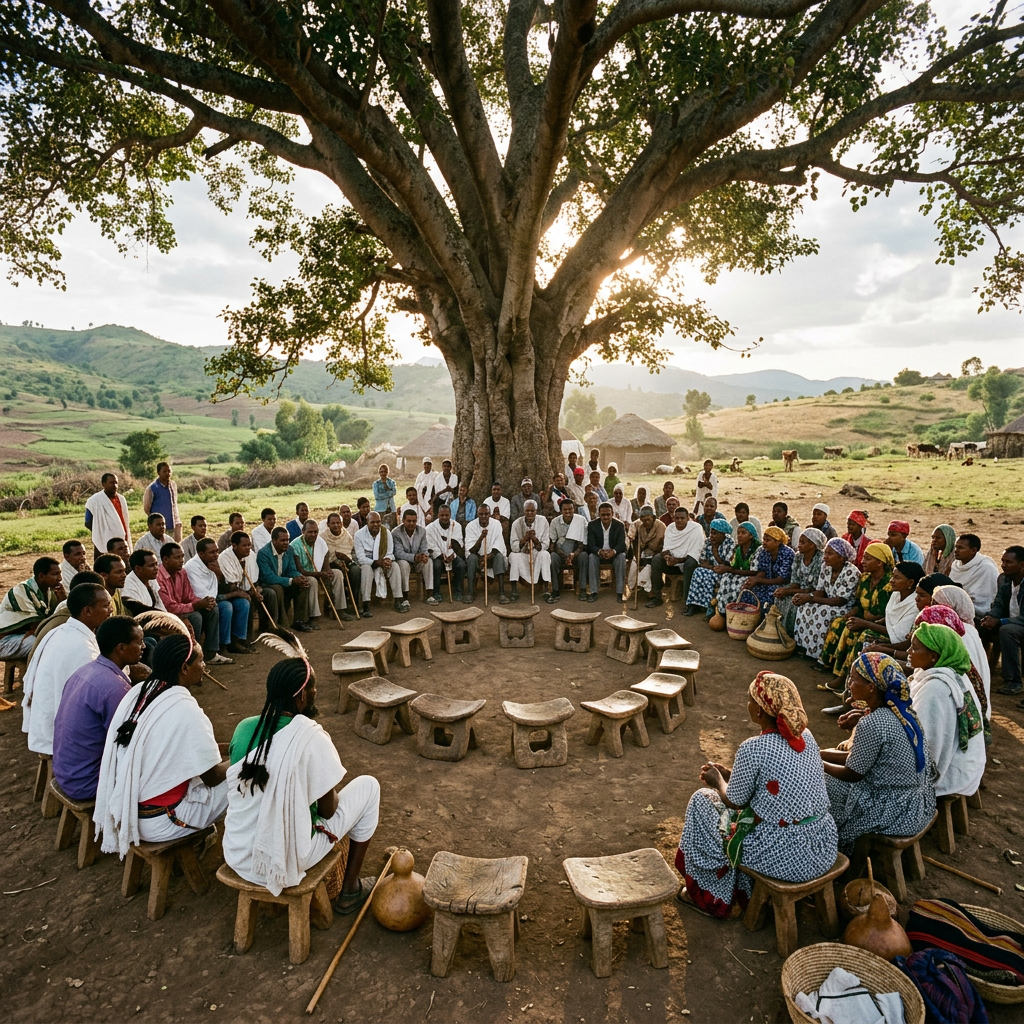
In the quiet rhythms of Oromo tradition, nestled within the democratic folds of the Gadaa system, lies a proverb of profound audacity:
“Akka sirna Gadaatti namni kamuu namummaan nama kaan hin caalu; namni hundi walqixxee dha.”
Translated, it declares: “In the Gadaa system, no one is superior to another by virtue of humanity; all people are equal.”
To the modern ear, it might sound like a simple platitude, a nod to a universal truth we all claim to hold. But to understand this saying is to discover a revolutionary blueprint for society that challenges the very foundations of power as we know it.
The Wellspring of Equality
The Gadaa system is not merely a historical relic; it is a living, breathing indigenous democratic practice of the Oromo people. For centuries, it has served as a socio-political and religious framework, organizing society not by brute force, inherited status, or accumulated wealth, but by age and demonstrated wisdom.
Every eight years, power transfers peacefully from one generation to the next. This is not a coup, not an election marred by mudslinging, but a ceremony. It is a ritualized passing of the baton that ensures no single individual, family, or clan can amass permanent control.
It is from this system that the proverb springs. It declares a foundational truth: your humanity is your only title. Not your lineage, not your cattle, not your military might. Your namummaa—your essential humanness—is the only metric that truly matters.
Beyond Hierarchy: The Oromo Challenge
In a world obsessed with hierarchies—the CEO above the intern, the president above the citizen, the celebrity above the fan—this Oromo worldview is a radical act of defiance. It suggests that all constructed pecking orders are fragile illusions.
The proverb is a shield against arrogance and a sword against oppression. If a leader believes themselves inherently superior, they have already violated the Gadaa principle. The system demands that leaders, the Abba Gadaa, are not tyrants but servants of the collective will. Their authority is functional, not intrinsic. It is a role, not a birthright.
This is where the proverb resonates deeply with modern democratic ideals. It prefigures the Enlightenment concept of equality by centuries. It echoes the words of revolutionaries and civil rights leaders who insisted that the color of skin, the gender of the body, or the nation of one’s birth do not define the worth of the soul.
The Unseen Thread of Connection
But perhaps the most profound implication of “all people are equal” is not political, but spiritual and social. It binds the community together with a thread of mutual responsibility.
If we are all equal, then the welfare of my neighbor is as important as my own. My success is not a victory over another, but a contribution to the collective whole. This is the bedrock of Gadaa governance—a system that relies on consensus, dialogue, and a shared sense of duty. It fosters a society where status is earned through service and character, not through aggression or accumulation.
A Lost Compass for a Troubled World
As we navigate the 21st century—beset by inequality, systemic injustice, and the cult of personality—the wisdom of the Oromo ancestors offers a compass. The proverb “Akka sirna Gadaatti…” is a challenge to the status quo.
It calls us to look beyond the titles on our business cards and the zeros in our bank accounts. It urges us to see the sacred, unassailable equality in the eyes of every stranger we meet.
Because in the end, the Gadaa system reminds us of a simple truth we so often forget: before we are kings, laborers, rich, or poor, we are simply human. And in that shared humanity, we are all—always and forever—equal.

INVESTIGATIVE REPORT: SYSTEMATIC PERSECUTION OF OROMO PEOPLE IN ETHIOPIA

By an Investigative Reporter in Finfinne
Executive Summary
This report documents systematic human rights violations against Oromo people across Ethiopia’s Oromia region, based on extensive testimonies, government reports, and international documentation. The evidence reveals a pattern of state-sponsored persecution targeting Oromo individuals based on their ethnic identity and perceived political affiliations, creating conditions that meet international definitions of persecution under refugee and asylum law.
The Scale of the Crisis
In Oromia, harm and brutality targeting Oromo children based on their identity and political perceptions are widespread and escalating. Oromo children living in areas where the Oromo Liberation Army (OLA) operates—including Western Oromia, Wellegga, Shambu, West Shewa, North Shewa, Karrayyoo, Guji, Arsi, and Eastern Oromia—face multifaceted forms of persecution.
The Ethiopian Human Rights Commission (EHRC), in its 2025 annual report covering June 2024 to June 2025, documented extensive violations of fundamental rights across Oromia, including extrajudicial killings, abductions, physical harm, and widespread destruction of property. Both government forces and the OLA have been implicated in these abuses.
Testimony: The Reality of Persecution
A young man from the Shambu area, who requested anonymity due to fear for his safety, described his ordeal to this reporter. While traveling from Shambu to Finfinne (Addis Ababa), he was stopped by security forces who demanded he present his identity documents.
“When they saw my ID showing Shambu, they arrested me. During detention, I endured severe beatings and torture. They accused me of coming to Finfinne to join the insurgency, despite my insistence that as an Oromo, I had no connection to armed groups. After two months of detention, they released me with a warning. Since then, I have been unable to freely move or speak about my origins. My family continues to be harassed by militia demanding to know my whereabouts and threatening to involve the WBO [an armed group].”
This account mirrors the experience of Mr. W, another Oromo asylum seeker who was arrested in June 2020 following protests after the killing of Oromo singer and civil rights activist Hachalu Hundessa. Soldiers interrogated him about being Oromo and accused him of being part of the Oromo Liberation Army (OLA) or Oromo Liberation Front (OLF)—groups he had never been involved with. He was jailed for three months, and after his release, soldiers monitored and chased him. In January 2021, he was jailed again for a month on similar accusations, with police interrogating and beating him daily. In 2023, the government jailed his parents and threatened to kill them unless he returned. His parents told him to flee.
The Koree Nageenyaa: A Secret Network of Persecution
A Reuters investigation uncovered the operations of the Koree Nageenyaa—or Security Committee—a clandestine group of senior officials in Oromia that has ordered extra-judicial killings and illegal detentions as part of efforts to crush the insurgency. Human rights sources indicate that this committee specifically targets young Oromo with modern hairstyles or appearances that allegedly signal opposition sympathies. Female Oromo face particular vulnerability to sexual violence by security forces. Young people have also reported being asked for bribes by security forces; those unable to pay face immediate detention.
Official Documentation of Systematic Abuses
The EHRC 2025 Report
The Ethiopian Human Rights Commission’s 2025 annual report documented:
- Extrajudicial killings across multiple zones in Oromia
- Abductions and arbitrary detentions
- Physical harm and torture
- Widespread destruction of property
- Both government forces and the OLA implicated in abuses
United Nations Documentation
The UN Office for the Coordination of Humanitarian Affairs (UNOCHA) reported that conflict-related displacement persists in Oromia, with nearly 220,000 people displaced along the Oromia-Somali border. In July 2025, renewed inter-communal violence erupted along the Oromia–Somali border, displacing over 288,000 people.
Humanitarian Assessment
UNOCHA’s assessment found that in Oromia Region alone, an estimated 151,972 people are displaced across multiple districts. Displaced families are sheltering in makeshift shelters made of plastic sheets, clothing, and sticks, offering little protection from the elements. Women, children, the elderly, and persons with disabilities face heightened vulnerabilities, including fear of retaliation, gender-based violence, and psychological trauma.
Legal Framework for Persecution Claims
Under international law, as defined by the 1951 Refugee Convention and its 1967 Protocol, persecution is defined as the act of harassing or oppressing a person or a group of people, especially because of their identity. Persecution includes unfair or abusive treatment toward a person or group based on race, religion, ethnicity, political opinion, or membership in a particular social group.
For an asylum claim, the following elements must be meticulously documented:
- Dates and locations of incidents
- Types of abuse suffered
- Names of perpetrators (if known)
- Medical records documenting injuries
- Witness statements
- Evidence of state involvement or failure to protect
Past persecution and fear of future persecution by government actors on account of political opinion and race form the core of the case.
Critical Findings for Asylum Assessment
Political Opinion
Many Oromo asylum seekers are targeted not because of what they have done, but because of what they are perceived to believe. Simply being Oromo can be enough to attract suspicion. Political engagement—whether real or imagined—significantly increases the risk.
The European Union Agency for Asylum (EUAA) has documented cases where Oromo individuals faced persecution due to their political opinions. Even Oromo individuals who have never been involved with opposition groups can be targeted. Mr. W was arrested and beaten despite having no connection to the OLA or OLF. His only “crime” was being Oromo and being present at a protest.
Place of Origin and Residence
European courts have recognized that “the risk of persecution due to affiliation with OLA applied throughout Oromia, even in areas where there is no active armed conflict.” This is a critical point: an Oromo person cannot simply move to a “safer” part of Oromia and escape persecution. The threat follows them.
Risk of Persecution upon Return
For many Oromo asylum seekers, return to Ethiopia would expose them to:
- Continued targeting by security forces
- Inter-communal violence in their home areas
- The risk of being forcibly conscripted or accused of supporting armed groups
- The inability to relocate safely within Oromia
The Human Rights Situation: A Critical Assessment
The human rights situation in Oromia is described as “critical.” The Ethiopian government has intensified its crackdown on independent media and civil society ahead of elections slated for 2026. Security forces have arbitrarily detained healthcare workers, and humanitarian needs remain acute. The government restricts access to Oromia for journalists and rights groups, meaning much of the conflict and its human toll remains hidden from the world.
“Unfortunately, the human rights situation—as well as the overall humanitarian crisis in Oromia—is underreported,” said Getu Saketa Roro, co-founder of the Human Rights League of the Horn of Africa.
The Oromo Liberation Army (OLA) has called for independent investigations into what it describes as “systematic terror, state-orchestrated brutality, and entrenched impunity.”
Conclusion
The documentation and testimony gathered in this investigation establish a consistent pattern of persecution against Oromo people in Ethiopia based on their ethnic identity and perceived political opinions. This persecution is perpetrated by state actors, including security forces and the clandestine Koree Nageenyaa, and has created a situation where Oromo individuals face well-founded fear of persecution throughout the Oromia region.
The legal and humanitarian frameworks, including the 1951 Refugee Convention, the Ethiopian Human Rights Commission’s findings, and documentation by United Nations agencies, support the conclusion that Oromo asylum seekers from Ethiopia have legitimate claims based on a well-founded fear of persecution on account of their race, ethnicity, and political opinion.
This report is based on on-the-ground investigation, interviews with survivors, analysis of official government and UN reports, and review of international legal frameworks. Some names have been withheld to protect individuals who remain in danger.

A Night of Gratitude: Celebrating the Legacy of Oromo Parents
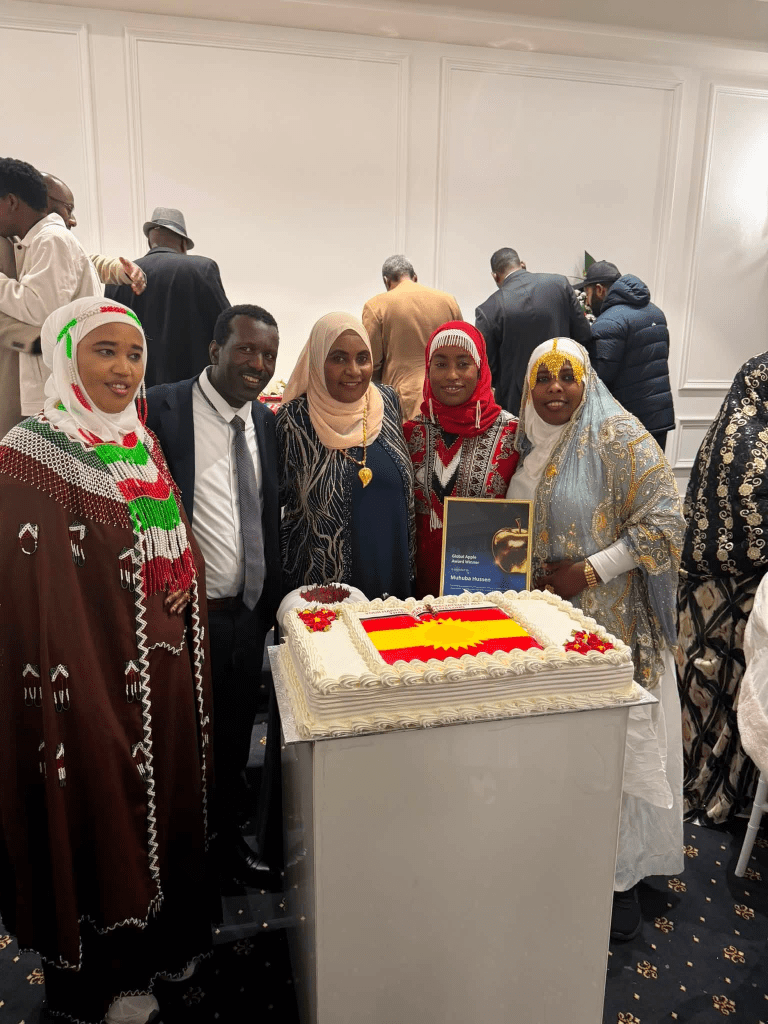
“Galgala haadhaa Abbaa kiyya, galgala ajaa’iba…”
“Thank you, my mother and father, thank you for this amazing evening…”
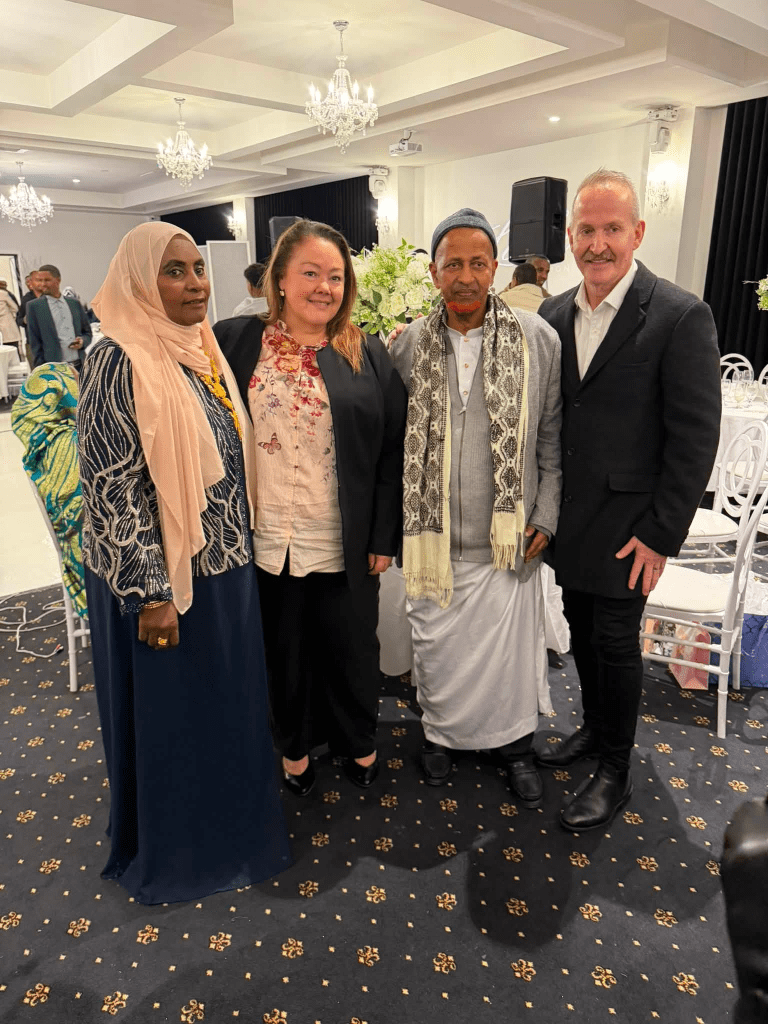
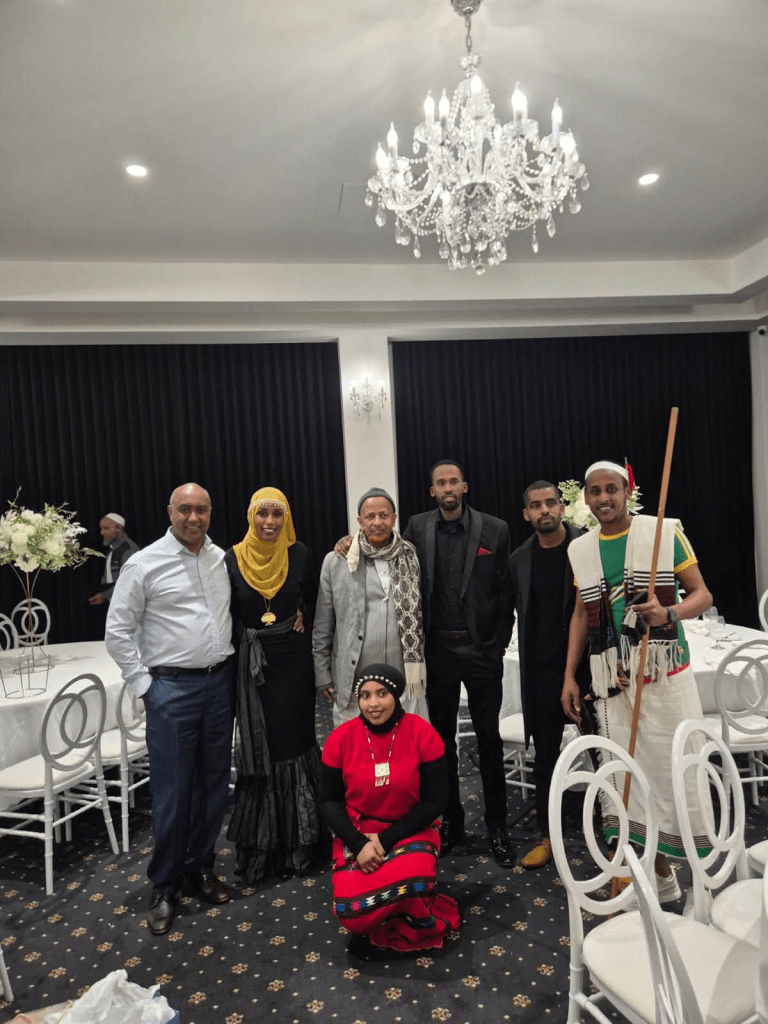
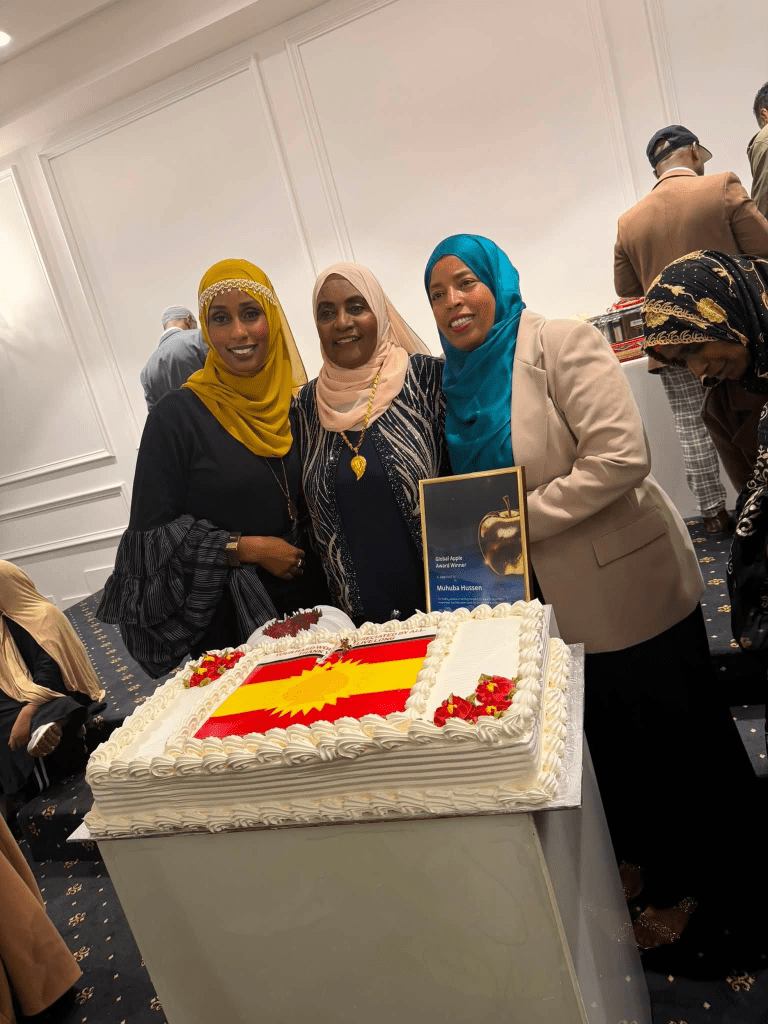
On a night that will be remembered for years to come, the Oromo community came together to honour the pillars of their families—the parents who sacrificed everything to give their children a future. The event, a celebration of resilience, love, and heritage, was a testament to the enduring spirit of a people who have carried their culture across oceans and generations.
A Celebration of Sacrifice and Love
In every culture, parents are the unsung heroes—the ones who work tirelessly, often in obscurity, to build a foundation for their children. For the Oromo community, this truth is magnified by the weight of displacement, the pain of exile, and the determination to preserve identity in a foreign land.
The recent celebration in honour of Oromo parents was more than a social gathering. It was a recognition of the countless nights of worry, the endless hours of labour, and the unshakeable faith that parents have placed in their children. It was a moment to pause, to reflect, and to say: “Galatoomaa”—Thank you.
As Aisha Oromia Ali, expressed in a heartfelt reflection:
“A night celebrating my parents, thank you to the organising committee, family, friends and our community for being a part of this memorable event and special thanks to ShaboMedia Oromiya for capturing the memories. Very proud of you all.”
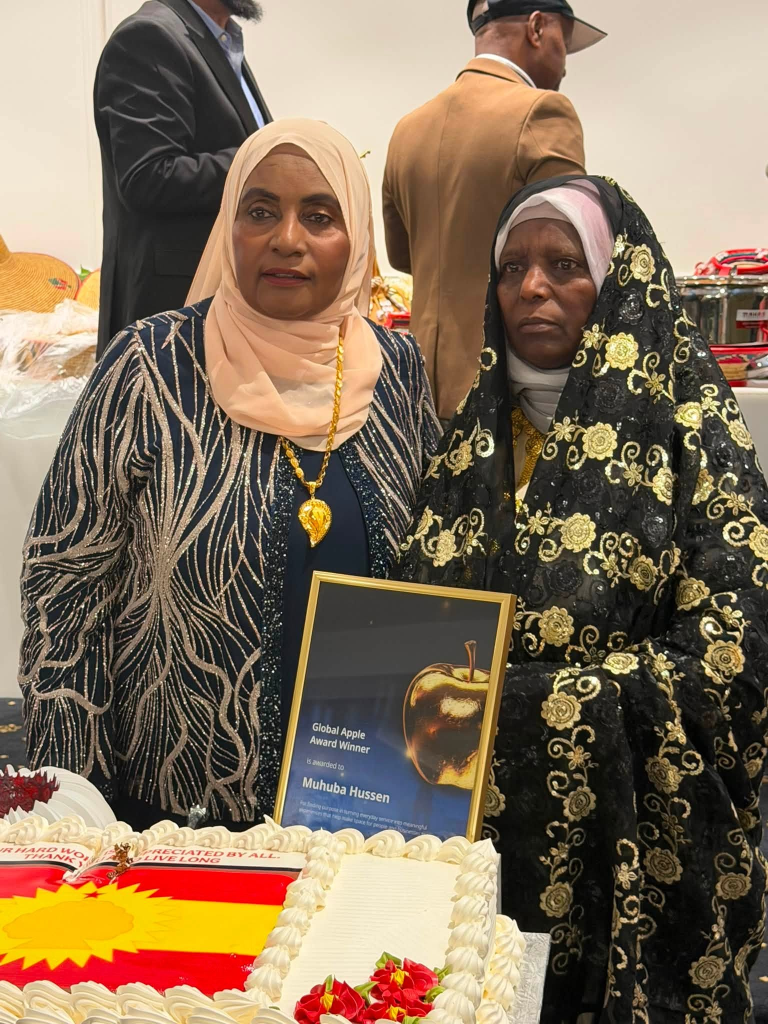
The Organising Committee: Architects of Memory
Behind every great event is a team of dedicated individuals who work tirelessly to bring a vision to life. The organising committee of this celebration poured their hearts into creating an evening that would honour the past while inspiring the future. From coordinating logistics to curating a program that reflected the richness of Oromo culture, their efforts did not go unnoticed.
As one attendee, Aisha’s gratitude extended to them:
“Warri koree, maatiifii hiriyoota akkasumas hawaasa bal’aa kan qooda baataniin galata gurguddaa hammana hin ja’amne qabadan, wayyoomaa.”
“The committee, family, and friends, and the wider community who participated—you have our deepest gratitude, which will never be forgotten.”
Their work ensured that the evening was not just an event, but a meaningful experience—a bridge between generations, a celebration of identity, and a reaffirmation of community bonds.
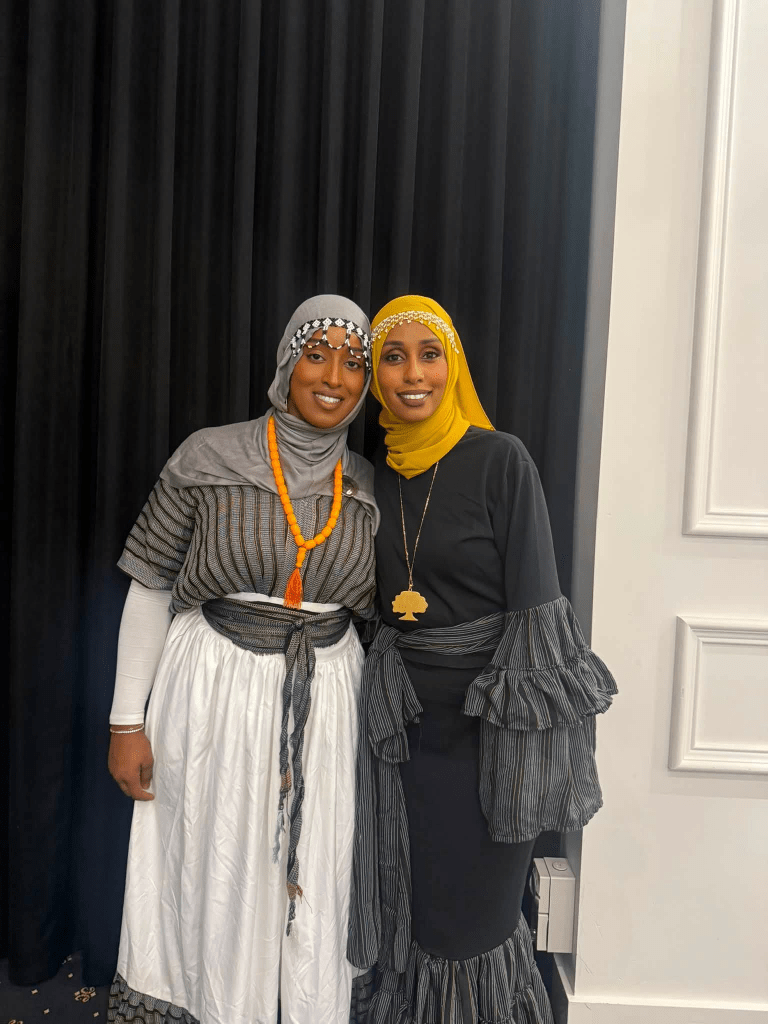
ShaboMedia Oromiya: Preserving the Moments
In the age of digital memory, the role of media in preserving cultural moments cannot be overstated. ShaboMedia Oromiya, the official media partner for the event, captured the essence of the evening with professionalism and heart. Their cameras documented the smiles, the tears, the embraces, and the speeches—creating a visual legacy that will be cherished for generations.
Aisha acknowledged their contribution with warmth:
“Shabboo media iilleen galata addaa qaban.”
“ShaboMedia also deserves special thanks.”
Through their lens, the celebration was immortalised—ensuring that the memories of this night will be shared with those who could not attend and with future generations who will look back and see the love and pride of their ancestors.

The Power of Community
At its heart, the evening was a celebration of community—of the bonds that tie the Oromo people together, no matter where they are in the world. In a diaspora scattered across continents, events like these serve as anchors, reminding everyone of who they are and where they come from.
The attendance of family, friends, and community members reflected the collective commitment to preserving Oromo culture and honouring the sacrifices of the past. The support of the wider community was deeply appreciated:
“…kan qooda baataniin galata gurguddaa hammana hin ja’amne qabadan…”
“…you who participated, you have our deepest gratitude, which will never be forgotten.”
A Message to Parents: Your Legacy Lives On
For the parents who were honoured that night, the message was clear: We see you. We appreciate you. We will carry your legacy forward.
The title of the celebration, “Galgala haadhaa Abbaa kiyya” (Thank you, my mother and father), is more than a phrase—it is a declaration of love, respect, and commitment. It acknowledges the sleepless nights, the sacrifices made, and the dreams that parents hold for their children.
For Oromo parents, many of whom have endured displacement, exile, and the challenges of rebuilding their lives in a new land, this recognition is deeply meaningful. It is a reminder that their efforts have not been in vain—that their children see them, honour them, and will continue the traditions they have passed down.
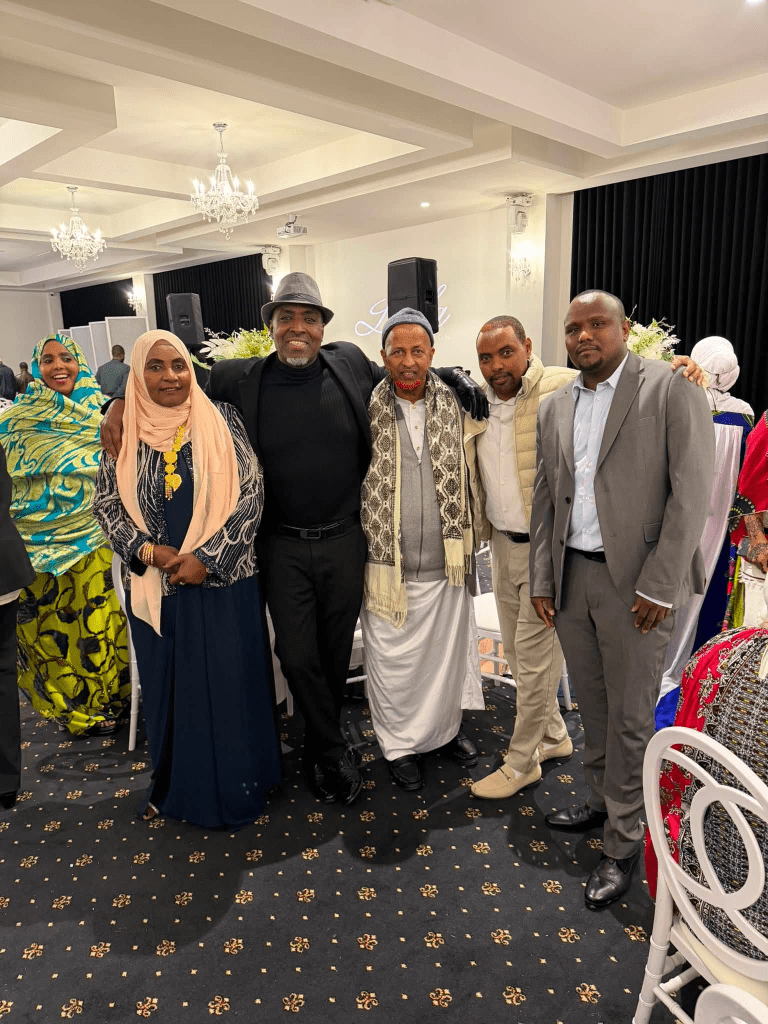
Looking Forward: Continuing the Legacy
While the evening was a celebration, it was also a call to action. It reminded the younger generation of their responsibility to carry forward the culture, language, and values of their parents. It encouraged them to build bridges between generations, to preserve the stories of their ancestors, and to ensure that the sacrifices of the past are never forgotten.
As the night came to a close, the sense of gratitude and unity lingered in the air. The words of Aisha resonated deeply:
“Very proud of you all.”
Conclusion: A Night to Remember
The celebration of Oromo parents was more than an event—it was a testament to the resilience of a people, the love of a community, and the enduring power of gratitude. It was a night of laughter, tears, and reflection—a night that honoured the past while inspiring the future.
To the organising committee, to ShaboMedia Oromiya, to the parents, and to the community: thank you. Your efforts created a memory that will last a lifetime, a memory that will be passed down through generations.
“Galatoomaa haadhaa Abbaa kiyya…”
“Thank you, my mother and father…”
May the legacy of Oromo parents continue to inspire and guide the community for generations to come.

The Many Faces of Freedom: Understanding the Oromo Struggle for Self-Determination

By Our Special Correspondent
The question echoes across generations, continents, and political divides: How does one become an Oromo freedom fighter?
The answer, like the struggle itself, is complex. It defies the simplistic caricatures often peddled by those who would reduce the Oromo quest to a single narrative of violence. The reality is far richer—and far more demanding.
To become an Oromo freedom fighter is to commit oneself to a cause that transcends any single organization, any single leader, or any single moment in history. It is to join a continuum of resistance that stretches from the 19th-century resistance to Abyssinian expansion to the Oromo popular uprisings of 2014-2017, and into the present-day struggle for recognition, justice, and self-determination.
This commitment can take many forms. Some choose the path of political advocacy and grassroots organizing. Others dedicate themselves to academic and cultural scholarship, reclaiming a history long suppressed. Still others—driven by circumstances and conviction—take up arms in the forests and mountains of Oromia.
Each path carries its own risks, its own rewards, and its own profound responsibilities.
—
The Path of Political Advocacy: Building Power Through Participation
For many, the struggle begins not with a weapon but with a ballot, a placard, or a community meeting. Political advocacy and grassroots organizing represent the most accessible—and often the most sustainable—forms of participation.
Joining Political Parties
Ethiopia’s constitutional framework, for all its imperfections, provides space for political organization. The Oromo Liberation Front (OLF) , once a rebel movement, is now a legally registered political party operating within the country’s electoral process. Alongside it, the Oromo Federalist Congress (OFC) —formed in 2012 through the merger of the Oromo Federalist Democratic Movement and the Oromo People’s Congress—advocates for Oromo rights within the federal system.
These parties, along with others, have issued joint statements calling for the unconditional opening of political space and the cessation of conflict ahead of national elections. For those who believe in change through established channels, joining and supporting such parties offers a legitimate, if often frustrating, avenue for political expression.
Civic Engagement and Community Organizing
Beyond party politics lies a vast landscape of civic organizations. In the diaspora, Oromo community organizations have emerged as powerful platforms for advocacy, education, and cultural preservation. Groups like Advocacy for Oromia (A4O) , founded in 2014, work to improve the settlement process and advance the wellbeing of the Australian-Oromo community. The Oromo Legacy Leadership and Advocacy Association (OLLAA) connects and organizes Oromos around a common cause—creating positive change in Ethiopia and the world through advocacy, education, and community organizing.
These organizations organize peaceful protests, fundraising campaigns, and global awareness initiatives. They amplify voices that might otherwise go unheard, documenting human rights violations and advocating for international attention. In the words of one such organization, they work to “promote universal human values by supporting, advocating, and amplifying the voices of the human rights violation victims”.
The path of political advocacy is not without its perils. The OLF has accused the government of deliberately closing the political arena and obstructing the lawful activities of opposition parties. Political activists face arrest, harassment, and worse. Yet for many, the risk is worth taking. As one activist put it, “Silence is not an option when your people are suffering.”
—
The Path of Scholarship: The Weapon of Knowledge
There is an Oromo proverb: “Namni waan hin beekne hin dhaabatu” —One who does not know does not stand firm. This principle lies at the heart of the academic and cultural path to freedom.
Oromo Studies: Reclaiming a Suppressed History
For generations, Oromo history was written by others—often by those who sought to justify conquest and marginalization. The Oromo were treated as “historical objects,” their agency erased, their contributions ignored. The Ethiopian knowledge elites, as scholars have noted, “treated the Oromo as historical objects or have ignored them because of their subordination and powerlessness”.
The emergence of Oromo Studies as an academic discipline represents a profound act of liberation. It is, as one scholar has written, an attempt to “replace colonial history by a history of liberation”. The Oromo Studies Association (OSA) , founded in the last quarter of the 20th century, publishes the Journal of Oromo Studies (JOS) , a premier peer-reviewed publication for interdisciplinary scholarship on the Oromo. Now fully open-access, the journal publishes articles, research notes, and scholarly book reviews in both English and Afaan Oromoo.
The OSA plays a vital role in “making the world community aware of Oromo aspirations and grievances”. For intellectuals and students, contributing to this body of knowledge is a form of resistance—a refusal to accept the erasure of Oromo history and identity.
Combating Historical Marginalization
Academic scholarship is not confined to university libraries. It extends to the broader project of combating historical marginalization through education, cultural preservation, and public awareness. Organizations like the Mecha and Tulaama Association —founded in 1963 not as a militant front but as “a critical socio-cultural and intellectual awakening”—provided an organized platform at a time when “the very fabric of Oromo identity was under systemic pressure”.
Today, this tradition continues through cultural festivals like Irreecha, language preservation efforts, and the promotion of the Gadaa system—an indigenous democratic governance framework recognized by UNESCO as an Intangible Cultural Heritage of Humanity.
To become a freedom fighter through scholarship is to understand that liberation begins in the mind. It is to recognize that a people who know their history cannot be easily conquered, and that knowledge, once planted, grows into something no army can destroy.
—
The Path of Armed Resistance: The Oromo Liberation Army
For some, the path to freedom leads not to a lecture hall or a political party office, but to the forests and mountains of Oromia. This is the path of the Oromo Liberation Army (OLA) —the armed wing of the struggle that has been engaged in a prolonged conflict with the Ethiopian government.
Who Joins and Why
The OLA’s ranks have historically included farmers, students, and intellectuals who joined the movement to achieve self-determination. They come from diverse backgrounds but share a common conviction: that peaceful avenues for change have been exhausted, and that armed resistance is the only remaining option.
The OLA operates out of remote forest outposts across Oromia, a region with a population of roughly 40 million people. Its commander, Jaal Marroo (also known as Kumsa Diriba), is a wanted man who moves constantly to stay ahead of government drones hunting him from the skies. The group has taken several towns in western, central, and southern Oromia, at times facing little resistance from government forces.
A Complex Legal and Political Status
The OLA’s relationship with the OLF is complex. The OLA split from the OLF after a 2018 peace agreement between the OLF and the Ethiopian government. While the OLF is a legally registered political party operating within Ethiopia’s political system, the OLA is proscribed by the government as a “terrorist organization”.
The OLA says it is fighting for the self-determination of Ethiopia’s largest ethnic group, the Oromo. It has welcomed international human rights reports and called for impartial, internationally mandated investigations into alleged atrocities. Yet the conflict has taken a devastating toll on civilians. The International Committee of the Red Cross has highlighted the “devastating” impact of the Oromia conflict on civilian populations, and both government forces and the OLA have been accused of human rights violations.
The Risks and Realities
The path of armed resistance carries extraordinary risks. Fighters face death, injury, and imprisonment. They live in constant danger, moving through remote territories, evading government forces and surveillance. Their families face harassment and persecution.
Yet for those who choose this path, the risks are outweighed by conviction. As one fighter reportedly said, “We did not choose this life. It was chosen for us by a government that left us no other option.”
—
The Common Thread: A Shared Commitment
Despite the differences between these paths—political advocacy, academic scholarship, and armed resistance—they share a common thread: a commitment to the fundamental principles of the Oromo struggle.
These principles are not merely separatist or nationalist. They are transformative, aiming to reshape, support, and sustain a more just and inclusive Ethiopia. They include:
· Oromia as the territorial homeland and foundation of Oromo identity.
· Afaan Oromo as the linguistic unifier and symbol of dignity.
· Gadaa as the indigenous democratic blueprint for governance.
· Oromummaa as the cultural conscience of the people.
· Finfinnee as the symbolic capital and national crucible.
· Diree Dawa as the multicultural frontier demanding inclusive governance.
—
Conclusion: Choosing Your Path
Becoming an Oromo freedom fighter is not a single act but a lifelong commitment. It requires historical literacy, strategic clarity, ethical grounding, and profound personal readiness. It demands that one count the cost—whether that cost is imprisonment, exile, or death—and choose nonetheless.
The path one takes depends on circumstance, conviction, and opportunity. Some will march in peaceful protests. Others will write scholarly articles or teach Oromo history. Still others will take up arms in the forests of Oromia.
Each path is valid. Each path is necessary. And each path, in its own way, contributes to the larger struggle for justice, recognition, and self-determination.
As an Oromo elder once said: “The struggle is not about what we take from others; it is about what we build for ourselves and our children. It is about reclaiming our dignity and offering it as a gift to the nation we share.”
The question is not whether to become a freedom fighter. The question is: Which path will you choose?
—
“Namni waan hin beekne hin dhaabatu” — One who does not know does not stand firm.
Two and a Half Centuries of Freedom: Oromo Americans Celebrate America’s 250th Independence Day
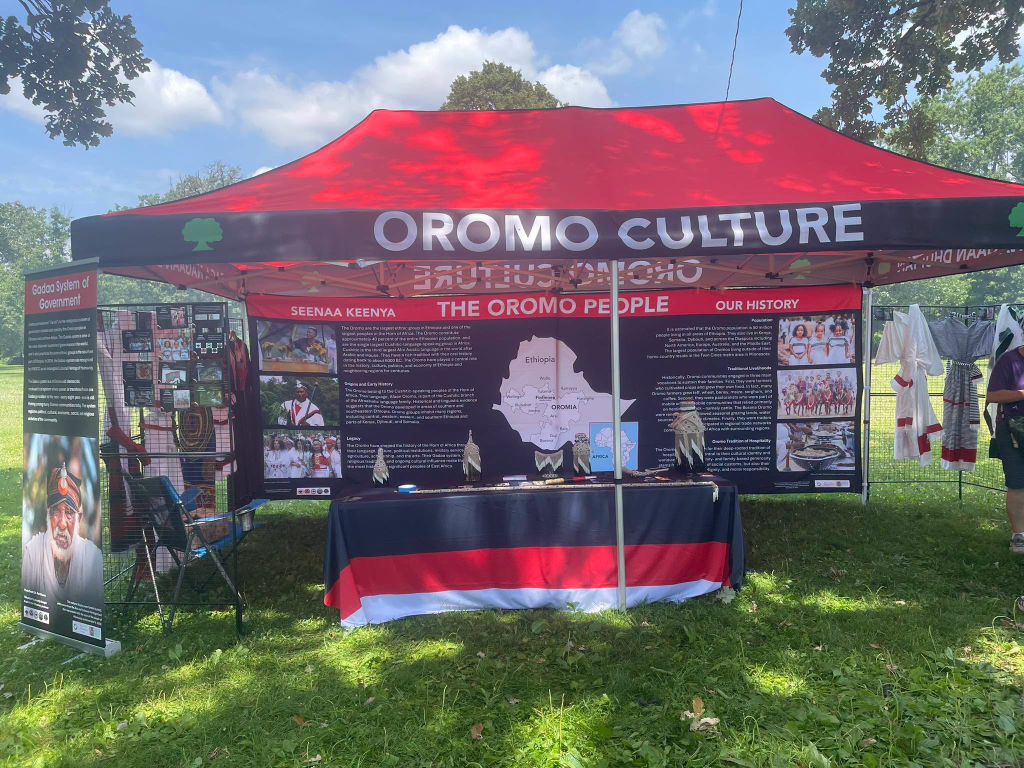
From the shores of Lake Minnetonka to the bustling streets of Minneapolis, Oromo Americans across Minnesota have marked the Fourth of July with profound gratitude—celebrating not just a nation’s birthday, but the freedoms they have found in their adopted homeland.
A Celebration of Freedom, Democracy, and Resilience
The spirit of the Fourth of July was unmistakable across Minnesota’s Oromo community. Families gathered for barbecues, community picnics, and cultural celebrations—but beneath the festivities lay a deeper resonance. For Oromo Americans, Independence Day is more than a national holiday. It is a testament to the values they have embraced and the opportunities they have secured.
“We had a wonderful holiday, and we have captured the true spirit of the holiday: freedom, democracy, and resilience.”
This sentiment echoes across the community. For many Oromo Americans, the Fourth of July carries profound meaning—not just as a celebration of American independence, but as a reflection on the liberties they now enjoy compared to the struggles their families endured in Oromia.
The Weight of Gratitude: Freedom Found and Valued
For those who have fled political repression, persecution, and conflict, the freedoms of the United States are not abstract concepts. They are lived realities—the ability to speak one’s mind without fear, to worship freely, to pursue education and opportunity, and to participate in the democratic process.
“Freedom and democracy are indeed precious gifts, and it’s incredibly moving to hear how much we appreciate the liberties we’ve found here in the United States of America, compared to what our family or ancestors experienced back home in Oromia.”
These words capture the immigrant experience at its most profound: the recognition that freedom is not guaranteed, that democracy is fragile, and that the rights enjoyed in the United States are the result of centuries of struggle, sacrifice, and commitment.
Honoring Sacrifice: Those Who Made It Possible
Independence Day is also a time to honour those who have fought to protect the values of freedom and democracy—both in America and in the homelands left behind.
“The sacrifices made by the military and generations of leaders to protect those values are exactly what today is all about.”
For Oromo Americans, this recognition is twofold. It honours the American soldiers and leaders who have defended liberty across two and a half centuries. It also honours the Oromo freedom fighters, activists, and community leaders who have struggled for justice and self-determination in their homeland—often at great personal cost.
250 Years of Democracy: A Milestone Worth Celebrating
This year’s Fourth of July holds special significance: the United States is celebrating its 250th anniversary of independence.
“Just a quick, friendly note on history: the United States is actually celebrating its 250th anniversary of independence this year (1776 to 2026), two and a half centuries of this grand democratic experiment.”
Two hundred and fifty years is a remarkable milestone for any nation. It represents generations of Americans who have built, defended, and renewed the democratic experiment. It is a testament to the resilience of democratic institutions, the power of constitutional governance, and the enduring belief that all people are created equal and endowed with certain unalienable rights.
For Oromo Americans, this anniversary is particularly meaningful. It is a reminder that democracy, though imperfect, can endure. It is a source of hope for the future of their homeland. And it is an invitation to be part of the ongoing American story.
Becoming Part of the American Story
“Thank you for sharing the moment and being part of the American story.”
These words carry a profound invitation. The American story is not complete—it is still being written. And Oromo Americans are among those writing it.
From community leaders to small business owners, from students to professionals, from artists to activists, Oromo Americans are contributing to the fabric of American life. They are bringing their culture, their resilience, and their hopes to a nation that has welcomed them. They are honouring their heritage while embracing their new homeland.
The Big 250: How Are You Celebrating?
As the fireworks light up the Minnesota sky, as families gather around tables filled with traditional American fare and Oromo dishes, the question resonates:
“How are you and your family celebrating the big 250th today?”
For some, it is a quiet reflection—a moment to consider how far they have come and what they have overcome. For others, it is a jubilant celebration—a time to dance, to feast, and to give thanks. For all, it is a recognition that freedom is a gift to be cherished and protected.
Looking Forward: Freedom for All
As Oromo Americans celebrate the 250th anniversary of American independence, their celebrations are tinged with hope—hope that the freedoms they have found in the United States will one day be available to their families and communities back in Oromia.
The Fourth of July is not just about the past. It is about the future—the ongoing struggle for justice, equality, and freedom for all people, everywhere. And in that struggle, Oromo Americans are playing their part.
Happy 250th Independence Day to all Americans—and especially to the Oromo community in Minnesota, who remind us all that freedom is a precious gift, never to be taken for granted.
Minnesota’s Oromo community celebrates with gratitude, reflection, and hope—honoring two and a half centuries of American democracy while looking forward to a future of freedom for all.
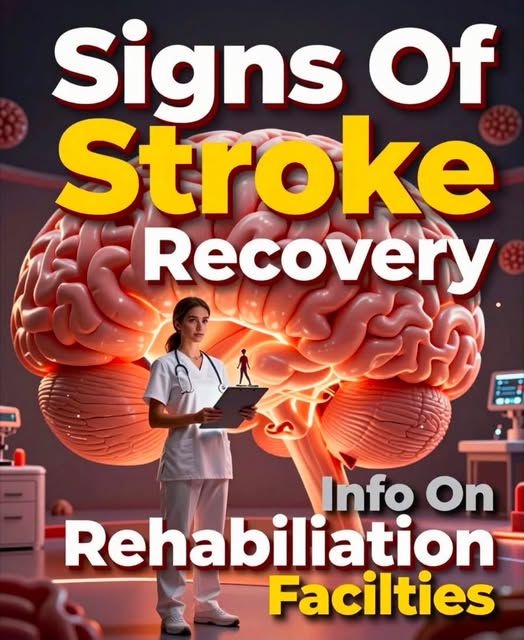
The Second First Step: Inside the Transformative World of Stroke Rehabilitation
By Our Health Correspondent
The moment a stroke strikes, life fractures. In an instant, the familiar commands of the body—a steady stride, a clear word, the simple act of lifting a cup—become distant memories. Yet, for thousands of survivors and their families, the end of the acute medical emergency is merely the prologue to a longer, more intimate battle. It is a battle fought not in operating theatres, but in the quiet, determined corridors of stroke rehabilitation centers.
These facilities are not hospitals in the traditional sense. They are workshops of resilience, where science meets spirit, and where the slow, painstaking work of reclaiming a life begins.
—
More Than Medicine: The Philosophy of Rehab
At its core, a stroke rehabilitation center is a specialized sanctuary designed for one purpose: to guide individuals from the depths of physical and cognitive loss back toward independence. It is a space where the clinical and the compassionate converge.
The philosophy is deceptively simple yet profoundly ambitious. Rather than merely treating a medical condition, these centers treat the person. They acknowledge that a stroke does not only impair mobility; it fractures identity, disrupts communication, and often shrouds the survivor in a fog of emotional turmoil. The goal, therefore, is holistic restoration—addressing the body, the mind, and the spirit in equal measure.
—
The Triad of Healing: Therapy in Action
Walk into any reputable stroke rehab facility, and you will witness a symphony of specialized therapies, each playing a critical role in the recovery symphony.
Physical Therapy (PT) is often the most visible. It is the grueling, yet triumphant, work of relearning to stand, to balance, and to walk. Therapists act as patient coaches, coaxing weakened muscles back to life and retraining the brain’s pathways to communicate with limbs. It is a process of small victories—a single step today, a flight of stairs next week.
Occupational Therapy (OT) , meanwhile, shifts the focus from movement to meaning. It answers the question: How do I live my life now? Occupational therapists help survivors adapt to daily activities—dressing, cooking, bathing—using adaptive tools and innovative strategies to restore a sense of normalcy and self-sufficiency.
Speech and Language Therapy addresses one of the most isolating consequences of stroke: aphasia, or the loss of communication. These specialists work tirelessly to help patients find their voice again, rebuilding the neural connections that govern speech, comprehension, and even swallowing—a basic function often taken for granted until it is lost.
Crucially, modern centers do not stop there. Psychological support is woven into the fabric of care, offering survivors a safe space to process grief, frustration, and anxiety. In the quiet moments between exercises, the emotional scars of stroke are given the attention they deserve.
—
A Crucial Decision: Choosing the Right Path
For families thrust into the world of rehabilitation, the choices can be overwhelming. Discharge from a general hospital often comes with a stack of brochures and a looming deadline. How does one choose?
The decision is deeply personal. Location matters—proximity to family can be a lifeline. But more critical are the qualifications of the staff. Does the center offer a multi-disciplinary team? Are the therapists certified in neuro-rehabilitation?
Healthcare providers and support groups often serve as invaluable compasses, guiding families toward reputable facilities. However, the most effective strategy remains a physical visit. Walking through the halls, observing the patient-staff interactions, and asking candid questions about success rates and treatment philosophies provides a clarity that no brochure can offer.
The right center is not necessarily the most luxurious; it is the one that feels like a partnership, where the medical team views the patient as a collaborator in their own recovery.
—
The Unsung Heroes: Family at the Bedside
A stroke does not happen in a vacuum; it reshapes entire families. In the rehabilitation journey, loved ones are not passive observers but active participants.
Centers that excel in care actively encourage family involvement. They open therapy sessions to relatives, not as spectators, but as co-therapists who can carry the techniques home. They provide education, teaching caregivers how to assist without overstepping, how to encourage without exhausting.
This collaborative model transforms the rehab center from an intimidating institution into a shared mission. When a survivor sees their spouse or child cheering from the sidelines, motivation ignites. The emotional support of family often proves as potent as any clinical intervention, reminding the survivor that they are not alone in their struggle.
—
Beyond the Discharge: The Long Horizon
Perhaps the most critical truth about stroke recovery is that it does not end with discharge. The rehabilitation center is a launchpad, not a destination.
Long-term recovery is a marathon. Many centers offer outpatient services to bridge the gap between intensive rehab and independent living. Others connect survivors with community resources—exercise groups for stroke survivors, nutritionists specializing in cardiovascular health, and support networks where individuals can share their experiences.
Staying proactive is essential. Regular physical activity, a heart-healthy diet, and vigilant management of blood pressure and cholesterol are the cornerstones of preventing secondary strokes. Moreover, joining a support group can alleviate the profound loneliness that often accompanies the “new normal” of post-stroke life.
—
Conclusion: Reclaiming Independence
The journey through a stroke rehabilitation center is rarely linear. There are setbacks and plateaus, tears and triumphs. Yet, for those who walk—or roll—through those doors, the message is one of unwavering hope.
Understanding the landscape of these facilities empowers survivors and their families to take charge of their recovery. By exploring the services available, involving loved ones in the process, and committing to a lifetime of wellness, individuals can do more than survive a stroke. They can reclaim their independence, their voice, and their place in the world.
In the end, the greatest testament to these centers is not the statistics they produce, but the stories they rewrite—one hesitant step, one whispered word, one rediscovered smile at a time.
—
Sources: American Stroke Association, National Institute of Neurological Disorders and Stroke






