The Strong and the Weak: Lessons in Resilience from the Oromo Liberation Struggle
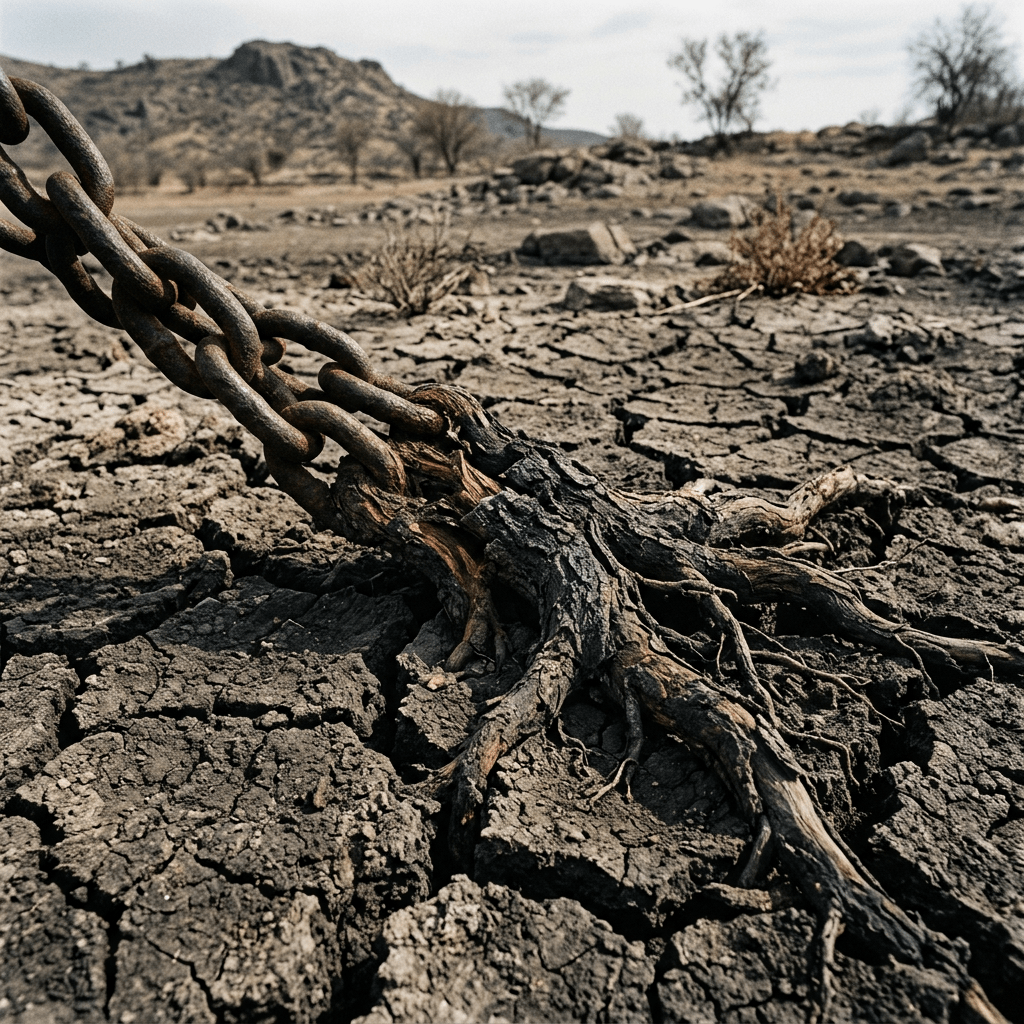
In the crucible of resistance, the difference between victory and defeat lies not in the strength of the enemy, but in the resolve of the fighter
The struggle for liberation is a crucible that tests the very soul of a people. It separates the determined from the disillusioned, the resilient from the defeated. In the long and arduous journey of the Oromo people toward freedom, two archetypes have emerged—the strong fighter and the weak fighter. Their stories offer profound lessons not just for the Oromo liberation movement, but for every struggle for justice and self-determination across the globe.
The Weak Fighter: A Study in Self-Destruction
When the pressures of struggle mount, when the enemy seems overwhelming, and when the path forward appears blocked, a certain type of fighter emerges—one who, in their inability to challenge the external enemy, turns their frustration inward.
“Qabsaa’ota dadhaboo yeroo diinaa fi caasaa diinaa dhiibuu dadhaban kan ofii ijaaranii keessa darban of jalatti diiguu jalqabu.”
The weak fighter, unable to strike the enemy or dismantle their structures, begins to destroy themselves. Frustration gives way to disillusionment; disillusionment gives way to despair; despair gives way to self-destruction. The organization they once served becomes a target of their internal grievances. The comrades they once marched alongside become objects of suspicion and blame. The cause they once championed becomes a source of bitterness.
“Injifannoo egeree otuu hin taane, kufaatii isaanii farrisuun dhalooti akka abdii muratu taasisu.”
The tragedy of the weak fighter is that their legacy becomes not victory but fragmentation. Rather than building a future of freedom, they leave behind a legacy of division and hopelessness. Future generations, inheriting the wreckage of internal conflict, come to believe that the struggle itself was futile.
This is the greatest danger the weak fighter poses—not just to themselves, but to the collective dream of liberation. When fighters turn against each other, when organizations dissolve into feuding factions, when the energy that should be directed against oppression is consumed by internal strife, the enemy wins without firing a shot.
The Strong Fighter: Resilience in the Face of Adversity
In stark contrast stands the strong fighter—one who, regardless of the circumstances, remains anchored in justice and truth.
“Qabsaa’oti jajjaboon, gama biraatiin, yeroo mara haqaa fi dhugaa irratti cichuun injifannoon argame akka daran guddatu falmatu.”
The strong fighter understands that victory is not guaranteed—it must be built, day by day, struggle by struggle, sacrifice by sacrifice. They know that the path to liberation is long and winding, filled with setbacks and sorrows. Yet they press forward, anchored in the conviction that justice and truth will ultimately prevail.
“Dhiibbaa fi miidhaan diinaa hagumuu itti jabaatu, karaa kaleessa ijaarrtanii ittiin xaxaa diinaa keessa darban hin tuqan; hin balaaleffatanis.”
No matter how intense the pressure, no matter how devastating the enemy’s attacks, the strong fighter holds firm. They do not abandon the strategies and structures carefully built over years of struggle. They do not compromise their principles or lose sight of their ultimate goal. They do not allow fear or frustration to erode their resolve.
“Inumaayyuu, jabina ittiin walxaxaa diinaa keessa darban tifkachaa, laafina jiru immoo akka dhalootu ittaanu sirreeffatee fuulduratti milkii caalutti tarkanfatu hojjatu.”
Rather than being consumed by weakness, the strong fighter learns from it. They recognize that the challenges of today are preparing them for the victories of tomorrow. The strengths they develop in overcoming adversity become the foundation upon which future success is built. The weaknesses they identify and correct ensure that the next generation will not repeat the same mistakes.
The Oromo Liberation Struggle: A Case Study in Resilience
The Oromo people have endured over a century of colonial oppression under successive Ethiopian regimes. Their struggle for self-determination has witnessed moments of great triumph and devastating setback. Through it all, the distinction between the strong and the weak fighter has been starkly visible.
The Weak Fighter in Oromo History:
Throughout the Oromo struggle, there have been those who, unable to strike the colonial system effectively, turned their energies toward internal conflict. Factionalism, personal rivalries, and ideological disputes have at times weakened the movement and delayed the realization of Oromo liberation.
Some fighters, frustrated by the seeming impossibility of the struggle, abandoned the cause entirely. Others, unable to achieve their ambitions within the movement, sought to destroy it from within. Still others, consumed by their own grievances, lost sight of the collective dream.
The consequences of such weakness have been profound. Decades of struggle have been prolonged. Generations have been lost to internal division. The enemy has been strengthened by the disunity of the oppressed.
The Strong Fighter in Oromo History:
Yet alongside these cautionary tales stand the heroes of the Oromo struggle—those who, against all odds, maintained their commitment to justice and truth. From the early resistance fighters who faced Menelik’s forces with little more than courage and conviction, to the modern-day revolutionaries who have carried the torch of liberation into the 21st century, the strong fighters of Oromiya have refused to surrender to despair.
These are the fighters who, despite imprisonment, torture, and exile, never abandoned the cause. They who, when the movement was at its weakest, rebuilt it from the ashes. They who, when the enemy seemed invincible, found new ways to resist.
The strong fighters of Oromiya have understood that the struggle is not a sprint but a marathon. They have built institutions, trained cadres, and passed on the legacy of resistance to new generations. They have learned from setbacks and transformed defeats into stepping stones toward victory.
Lessons for All Struggles
The distinction between the strong and the weak fighter holds lessons that extend far beyond the Oromo liberation movement. Every struggle for justice—whether for civil rights, national liberation, or human dignity—faces the same challenges.
Lesson One: The Enemy Is Not Your Comrade
When external pressure mounts, the temptation to turn against one another is strong. But the true enemy is not the comrade who disagrees with you, the leader who makes mistakes, or the organization that disappoints. The true enemy is the system of oppression itself. Directing energy toward internal conflict serves only to strengthen the oppressor.
Lesson Two: Resilience Is Built, Not Given
Strong fighters are not born—they are forged in the fires of struggle. Each setback is an opportunity for learning. Each disappointment is a chance for growth. Each sacrifice strengthens the resolve to continue.
Lesson Three: Victory Belongs to the Persistent
The arc of history bends toward justice—but only because strong fighters continue to bend it. Victory is never guaranteed; it must be won through generations of persistent effort. Those who give up guarantee defeat; those who continue, no matter the obstacles, create the possibility of success.
Lesson Four: Legacy Matters
The weak fighter leaves behind division and despair. The strong fighter leaves behind hope and a foundation for future victory. What legacy will you leave? What will future generations say of your contribution to the struggle?
The Path Forward
As the Oromo liberation movement continues its journey toward self-determination, the choice between strength and weakness remains ever present. The challenges are immense—a powerful state apparatus, a history of division, and the weight of over a century of oppression. Yet the potential for victory has never been greater.
The strong fighter looks at these challenges and sees opportunity. The fractures in the Ethiopian state, the growing international awareness of Oromo issues, the increasing unity of the Oromo people—all point toward the possibility of liberation.
“Jabina ittiin walxaxaa diinaa keessa darban tifkachaa, laafina jiru immoo akka dhalootu ittaanu sirreeffatee fuulduratti milkii caalutti tarkanfatu hojjatu.”
By recognizing and celebrating the strength that has carried the Oromo struggle this far, and by honestly addressing the weaknesses that have held it back, the movement can build toward a future of victory. The strong fighters of today are laying the foundation for the strong fighters of tomorrow.
Conclusion: The Choice Is Ours
The distinction between the strong and the weak fighter is not determined by circumstance but by choice. Every fighter, every activist, every revolutionary faces moments of doubt, fear, and exhaustion. The question is not whether these moments will come, but how we will respond when they do.
Will we turn our frustration inward and destroy ourselves? Or will we draw on the strength of our ancestors, the resilience of our comrades, and the certainty of our cause, and press forward?
The Oromo people have endured much. They have witnessed the destruction of their land, the suppression of their culture, and the denial of their rights. Yet they have not been destroyed. They have not surrendered. They have not given up hope.
“Qabsaa’oti jajjaboon, gama biraatiin, yeroo mara haqaa fi dhugaa irratti cichuun injifannoon argame akka daran guddatu falmatu.”
The strong fighter knows that victory is not simply the absence of defeat—it is the product of persistent, principled, and unwavering struggle. And it is this conviction that will ultimately carry the Oromo people from oppression to freedom, from injustice to justice, from despair to hope.
“Jabina ittiin walxaxaa diinaa keessa darban tifkachaa, laafina jiru immoo akka dhalootu ittaanu sirreeffatee fuulduratti milkii caalutti tarkanfatu hojjatu.”
Let us celebrate the strength with which we navigate the enemy’s complexities, and let us correct our weaknesses so that future generations may march forward to even greater victories.
The struggle continues. The strong fighter endures. And victory, however distant, remains within reach.
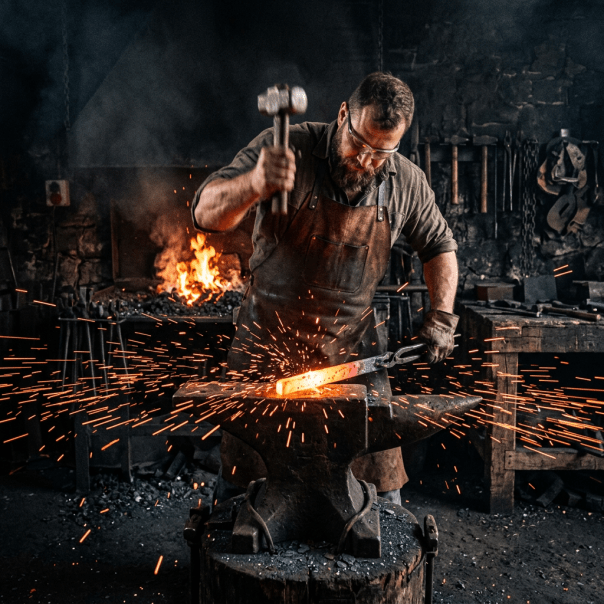

Posted on July 11, 2026, in Aadaa, Afaan, Biography, Bokkkuu, Daaniyaa, Diaspora, Election, Events, Face of Injustice, Finfinne, freedom, gadaa, gender, Gumaa, health, Information, Kindness, Language, Media, mental health, News, Oromia, Press Release, Promotion, Siinqee, Sirna Oromo. Bookmark the permalink. Leave a comment.






Leave a comment
Comments 0