Category Archives: Kindness

The Unbroken Struggle: A History of Oromo Resistance and the Quest for Justice

From ancient freedom to colonial subjugation and the ongoing fight for self-determination, the Oromo people’s journey is a testament to resilience, sacrifice, and an unyielding commitment to justice.
A History of Freedom, Before the Fall
“Ummanni Oromoo otuu garbummaa jalatti hin kufiin dura nagaa fi bilisummaan jiraachaa ture.”
Before the shadow of subjugation fell upon them, the Oromo people lived in peace and freedom. Their culture, identity, and faith flourished without external interference, guided by the principles of the Gadaa system, the wisdom of their elders, and a deep connection to the land.
The Oromo identity was not a burden—it was a source of pride. The Oromo language was spoken freely, traditions were celebrated openly, and the community governed itself through indigenous institutions that predated the modern state. The Oromo were not merely inhabitants of their land; they were its custodians, its protectors, and its soul.
The Conquest: A People Forcibly Subjugated
“Haata’uutii, sirni Habashaa erga Oromiyaa humna qawween cabsee gabroomsee hiree ummata Oromoo roorroo jalatti kufe.”
This era of autonomy came to a violent end with the expansion of the Abyssinian (Habasha) imperial system. Through military conquest, the Oromo people were subjugated, their lands seized, and their social and political structures dismantled. The once-proud people were reduced to subservience, forced to labour for those who had conquered them.
Yet the Oromo did not simply accept their fate. “Ummati Oromoo garuu karaa danda’e maraan sirnicha faccisuu hin dhiifne ture.”—The Oromo people never ceased their resistance, using every available means to challenge the oppressive system. Whether through scattered uprisings, covert resistance, or open rebellion, the spirit of defiance remained alive.
The Systematic Erasure of Identity
The conquest was not only military—it was cultural, linguistic, and spiritual. The occupiers understood that to control a people, one must control their identity.
Land Dispossession: “Erga Oromoon humna Habashaa jalatti kufee kaasee lafti Oromoo kan abbootii lafaa ta’e, namni Oromoo lafa isaa irratti ciisanyaa ta’ee warra garboonfataa tajaajiluu ta’e.”—After the Oromo fell under Abyssinian control, the land that had belonged to their ancestors was taken from them. The Oromo became tenants on their own soil, forced to serve those who had dispossessed them.
Identity Erasure: “Eenyummaan Oromoo haalamee, maqaan jibbamaa fi tuffatamaa itti kenname.”—Oromo identity was systematically undermined. A derogatory name was imposed upon them, stripping them of the dignity of self-identification.
Language Suppression: “Afaan Oromoo akka afaan hojii fi barnootaa hin taane dhorkamee, Afaan Amaaraan akka tajaajilamu godhame.”—The Oromo language was banned from education and official use, replaced by Amharic. Generations of Oromo children were educated in a language that was not their own, severing their connection to their linguistic heritage.
Cultural and Religious Persecution: “Aadaa fi amantiin Oromoo ifaan akka dhorkamu labsiin dhorkame.”—Oromo culture and the indigenous faith of Waaqeffannaa were explicitly prohibited. Traditional practices were suppressed, and the sacred Odaa tree—the symbol of Oromo spirituality and governance—was targeted for destruction.
Systematic Marginalisation: “Gidiraa fi roorroon hamaan ummata Oromoo irratti fe’ame. Oromoon karaa hundaa akka boodatti hafu imaammanni mootummaa tolfamee irratti hojjatame.”—A comprehensive policy of marginalisation was implemented, ensuring that the Oromo would remain economically, politically, and socially subordinate in their own land.
The Seeds of Organised Resistance
“Kun booda keessa Oromoota dammaqoo fi quuqama sabaa qaban waan aarseef tooftaa addaddaan finciluu eegalan.”
Yet oppression breeds resistance. Among the Oromo, a new generation of awakening emerged—individuals and groups who refused to accept their subjugation. They recognised that open, armed rebellion alone would not succeed against a powerful state. Instead, they organised through alternative structures: mutual aid societies, development associations, and religious organisations.
“Ifatti bifa siyaasaan ijaaramnii qabsoo gochuun waan hin danda’amneef karaa waldaalee walgargaarsaa, waldaalee misoomaa fi waldaalee amantii jalatti gurmaa’anii waldammaqsuu fi sirna garboonfattuu Habashaa mormuu fi falmuu itti fufan.”
These organisations became the vehicles through which Oromo consciousness was nurtured, resources were mobilised, and resistance was sustained—often hidden in plain sight.
Historic Uprisings: The Legacy of Resistance
The history of Oromo resistance is marked by significant uprisings that shook the foundations of the Abyssinian state:
The Raayyaa Uprising: A rebellion in the Raayyaa region that demonstrated the Oromo people’s willingness to fight for their freedom despite overwhelming odds.
The Baalee Peasant Revolt: The farmers of Baalee rose up against oppressive land policies, demanding the return of their ancestral lands and an end to feudal exploitation.
The Maccaa-Tuulamaa Movement: The historic alliance between the Maccaa and Tuulamaa Oromo groups represented a unification of forces against a common oppressor, setting the stage for broader Oromo nationalism.
These uprisings were not isolated incidents—they were expressions of a collective will that refused to accept subjugation as the natural order.
The Birth of Modern Oromo Political Organisation
“Qabsoon diddaa garbummaa karaa addaddaa adeemsifamaa ture kan gurmaa’ee bifa qindoomina siyaasaa qabuun adeemsifamuu eegale ijaarsa ABO kan bara 1970moota keessa finiinaa tureen ture.”
The scattered resistance of the past gave way to a new era with the formation of the Oromo Liberation Front (OLF) , initially established as the Oromo Liberation Front (ABO) in the 1970s. The creation of ABO represented a watershed moment: Oromo resistance was now organised, unified, and operating with a clear political vision.
“Ijaaramuun ABO akka qabsoon Oromoo bifa gurmuu qabu godhatee adeemu godhe. Oromoota shira gita bittootaan addaan qoqqodamanii turan walitti deebisee akka Oromiyaaf gaaddisa tokko jalatti qabsaa’an godhe.”
ABO brought together Oromos who had been divided by region, clan, and class, uniting them under a single banner for a common cause. It gave the Oromo people a voice on the national and international stage, asserting their rights and demanding justice.
“Ijaarsi ABO, akka Oromoon waan humnaan sarbame ifatti baasee beeksisuun akka Oromoon roga hundaan ka’ee waan dhabe akka deebifatu taasise.”
The organisation’s formation enabled the Oromo people to clearly articulate what had been taken from them and to mobilise all sectors of society to demand its restoration.
Achievements and Unfinished Business
The Oromo struggle has achieved significant victories over the decades:
Land Rights: “Gaaffiin lafaa fincila bara 1960 moota keessa tureen lafa harka qonnaan bultoota Oromootti deebisee jira.”—The land question, first raised in the 1960s, has seen partial resolution, with land returned to Oromo farmers.
Language Recognition: “Qabsoon Afaan Oromoo fi Qubee Afaan Oromoos afaan hojii fi barnootaa taasisus, bara 1990moota keessa haga tokko deebii argatee jira.”—The struggle to make Afaan Oromo an official language of work and education achieved partial success in the 1990s, with the adoption of the Oromo alphabet (Qubee).
Regional Autonomy: “Daangaan Oromiyaas ifatti beekamee, ijaarsa mootummaa naannoo Oromiyaa jalatti gaaffiin sabummaa Oromoo akka deebii argatu godhameera.”—The creation of the Oromia Regional State marked the recognition of Oromo nationhood within Ethiopia’s federal system.
However, the struggle remains incomplete. “Garuu, gaaffiin Oromoo guutummaatti waan hin deebineef, amma illee karaa addaddaa falmaan itti fufee jira.”—The fundamental questions of Oromo self-determination, justice, and equality have not been fully addressed, and the struggle continues on multiple fronts.
The Struggle Continues: Why the Fight Is Not Over
“Qabsoon Oromoo haga galma akeekkate ga’utti qabsoon Oromoo hin dhaabbatu.”
The Oromo struggle will not cease until its objectives are achieved. The goal is clear and uncompromising:
“Kaayyoon qabsoo Oromoo mirgoota Oromoon humna alaagaatiin sarbaman deebisuun akka Oromoon nagaa fi bilisummaan jiraatu taasisuu dha.”
The objective is to restore the rights that the Oromo people were stripped of through external force—to ensure that they can live in peace and freedom, as they once did before subjugation.
Three Essential Goals:
- Dismantling the Roots of Oppression: “Hundee garbummaa buqqisuun”—Uprooting the foundations of subjugation, dismantling the structures that have kept the Oromo people subordinate.
- Rebuilding on Oromo Terms: “Sirna Oromoof ta’u deebisanii ijaaruu”—Rebuilding systems and institutions that serve the Oromo people, reflecting their values, aspirations, and needs.
- Restoring Hope and Vision: “Waan Oromoon sirna alagaan dhabe, deebisanii ijaaruu fi hawwii fi abdii Oromoo lachhisuu”—Restoring what was lost under the alien system, and nurturing the dreams and hopes of the Oromo people for a better future.
Conclusion: A People’s Unbreakable Will
The history of Oromo resistance is a testament to the unbreakable will of a people who have refused to accept subjugation as their destiny. Despite centuries of oppression—land dispossession, cultural erasure, linguistic suppression, and systematic marginalisation—the Oromo have persisted.
They have organised, fought, and sacrificed. They have achieved significant victories and continue to press forward. The struggle is not merely political—it is existential. It is about the right to exist as a people, to speak their language, to govern themselves, and to determine their own future.
“Qabsoon Oromoo haga galma akeekkate ga’utti hin dhaabbatu.”
The struggle of the Oromo will continue until the goals are achieved. It is a struggle for justice, for dignity, and for the restoration of what was taken. And it is a struggle that, in the end, will not be denied.
The Oromo people have endured. The Oromo people have resisted. And the Oromo people will prevail.
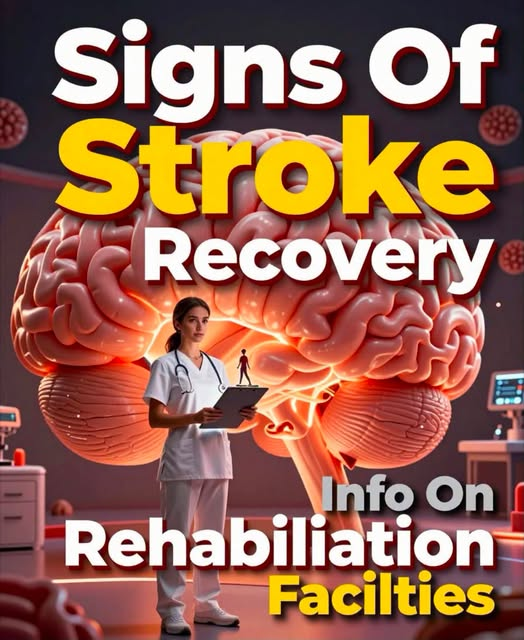
The Second First Step: Inside the Transformative World of Stroke Rehabilitation
By Our Health Correspondent
The moment a stroke strikes, life fractures. In an instant, the familiar commands of the body—a steady stride, a clear word, the simple act of lifting a cup—become distant memories. Yet, for thousands of survivors and their families, the end of the acute medical emergency is merely the prologue to a longer, more intimate battle. It is a battle fought not in operating theatres, but in the quiet, determined corridors of stroke rehabilitation centers.
These facilities are not hospitals in the traditional sense. They are workshops of resilience, where science meets spirit, and where the slow, painstaking work of reclaiming a life begins.
—
More Than Medicine: The Philosophy of Rehab
At its core, a stroke rehabilitation center is a specialized sanctuary designed for one purpose: to guide individuals from the depths of physical and cognitive loss back toward independence. It is a space where the clinical and the compassionate converge.
The philosophy is deceptively simple yet profoundly ambitious. Rather than merely treating a medical condition, these centers treat the person. They acknowledge that a stroke does not only impair mobility; it fractures identity, disrupts communication, and often shrouds the survivor in a fog of emotional turmoil. The goal, therefore, is holistic restoration—addressing the body, the mind, and the spirit in equal measure.
—
The Triad of Healing: Therapy in Action
Walk into any reputable stroke rehab facility, and you will witness a symphony of specialized therapies, each playing a critical role in the recovery symphony.
Physical Therapy (PT) is often the most visible. It is the grueling, yet triumphant, work of relearning to stand, to balance, and to walk. Therapists act as patient coaches, coaxing weakened muscles back to life and retraining the brain’s pathways to communicate with limbs. It is a process of small victories—a single step today, a flight of stairs next week.
Occupational Therapy (OT) , meanwhile, shifts the focus from movement to meaning. It answers the question: How do I live my life now? Occupational therapists help survivors adapt to daily activities—dressing, cooking, bathing—using adaptive tools and innovative strategies to restore a sense of normalcy and self-sufficiency.
Speech and Language Therapy addresses one of the most isolating consequences of stroke: aphasia, or the loss of communication. These specialists work tirelessly to help patients find their voice again, rebuilding the neural connections that govern speech, comprehension, and even swallowing—a basic function often taken for granted until it is lost.
Crucially, modern centers do not stop there. Psychological support is woven into the fabric of care, offering survivors a safe space to process grief, frustration, and anxiety. In the quiet moments between exercises, the emotional scars of stroke are given the attention they deserve.
—
A Crucial Decision: Choosing the Right Path
For families thrust into the world of rehabilitation, the choices can be overwhelming. Discharge from a general hospital often comes with a stack of brochures and a looming deadline. How does one choose?
The decision is deeply personal. Location matters—proximity to family can be a lifeline. But more critical are the qualifications of the staff. Does the center offer a multi-disciplinary team? Are the therapists certified in neuro-rehabilitation?
Healthcare providers and support groups often serve as invaluable compasses, guiding families toward reputable facilities. However, the most effective strategy remains a physical visit. Walking through the halls, observing the patient-staff interactions, and asking candid questions about success rates and treatment philosophies provides a clarity that no brochure can offer.
The right center is not necessarily the most luxurious; it is the one that feels like a partnership, where the medical team views the patient as a collaborator in their own recovery.
—
The Unsung Heroes: Family at the Bedside
A stroke does not happen in a vacuum; it reshapes entire families. In the rehabilitation journey, loved ones are not passive observers but active participants.
Centers that excel in care actively encourage family involvement. They open therapy sessions to relatives, not as spectators, but as co-therapists who can carry the techniques home. They provide education, teaching caregivers how to assist without overstepping, how to encourage without exhausting.
This collaborative model transforms the rehab center from an intimidating institution into a shared mission. When a survivor sees their spouse or child cheering from the sidelines, motivation ignites. The emotional support of family often proves as potent as any clinical intervention, reminding the survivor that they are not alone in their struggle.
—
Beyond the Discharge: The Long Horizon
Perhaps the most critical truth about stroke recovery is that it does not end with discharge. The rehabilitation center is a launchpad, not a destination.
Long-term recovery is a marathon. Many centers offer outpatient services to bridge the gap between intensive rehab and independent living. Others connect survivors with community resources—exercise groups for stroke survivors, nutritionists specializing in cardiovascular health, and support networks where individuals can share their experiences.
Staying proactive is essential. Regular physical activity, a heart-healthy diet, and vigilant management of blood pressure and cholesterol are the cornerstones of preventing secondary strokes. Moreover, joining a support group can alleviate the profound loneliness that often accompanies the “new normal” of post-stroke life.
—
Conclusion: Reclaiming Independence
The journey through a stroke rehabilitation center is rarely linear. There are setbacks and plateaus, tears and triumphs. Yet, for those who walk—or roll—through those doors, the message is one of unwavering hope.
Understanding the landscape of these facilities empowers survivors and their families to take charge of their recovery. By exploring the services available, involving loved ones in the process, and committing to a lifetime of wellness, individuals can do more than survive a stroke. They can reclaim their independence, their voice, and their place in the world.
In the end, the greatest testament to these centers is not the statistics they produce, but the stories they rewrite—one hesitant step, one whispered word, one rediscovered smile at a time.
—
Sources: American Stroke Association, National Institute of Neurological Disorders and Stroke

Echoes of a Martyr: Nairobi’s Oromo Community Commemorates Haacaaluu Hundeessaa’s Legacy
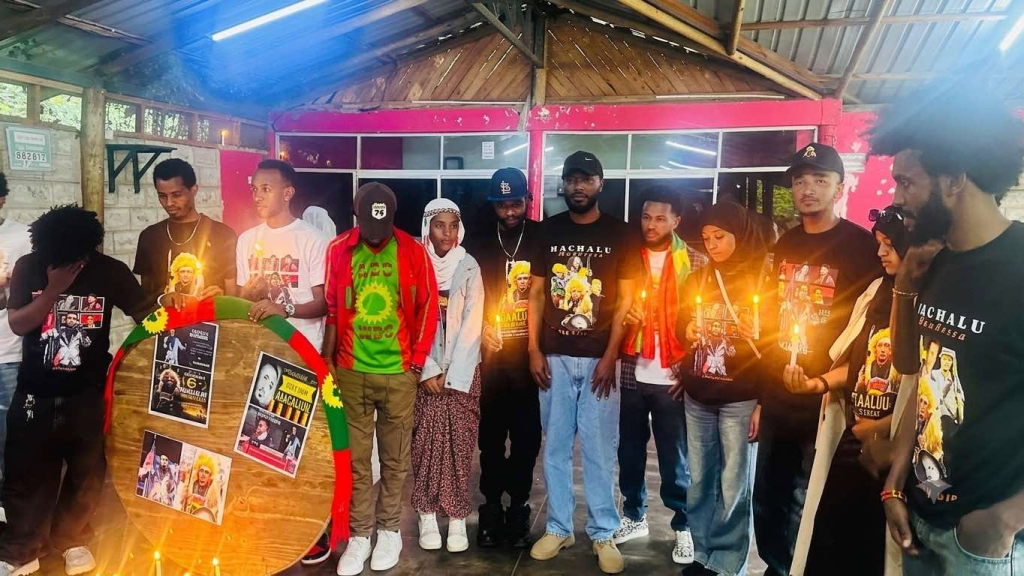
Six years after his assassination, the spirit of the iconic artist and activist burns as brightly as ever in the hearts of the Oromo diaspora.
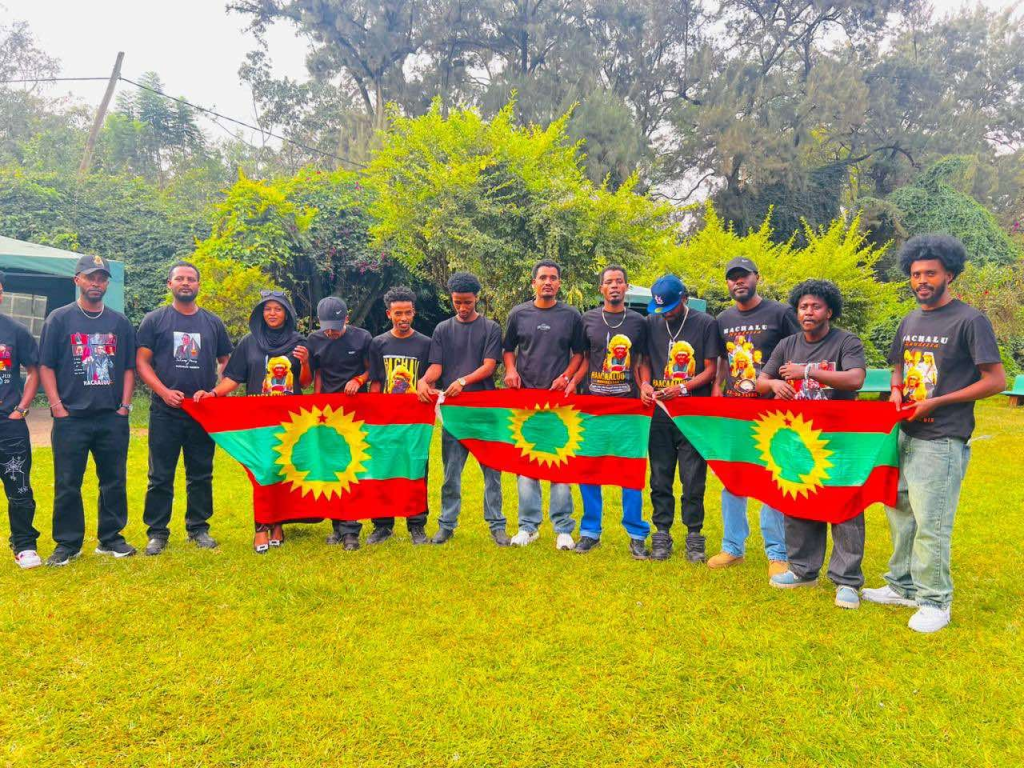
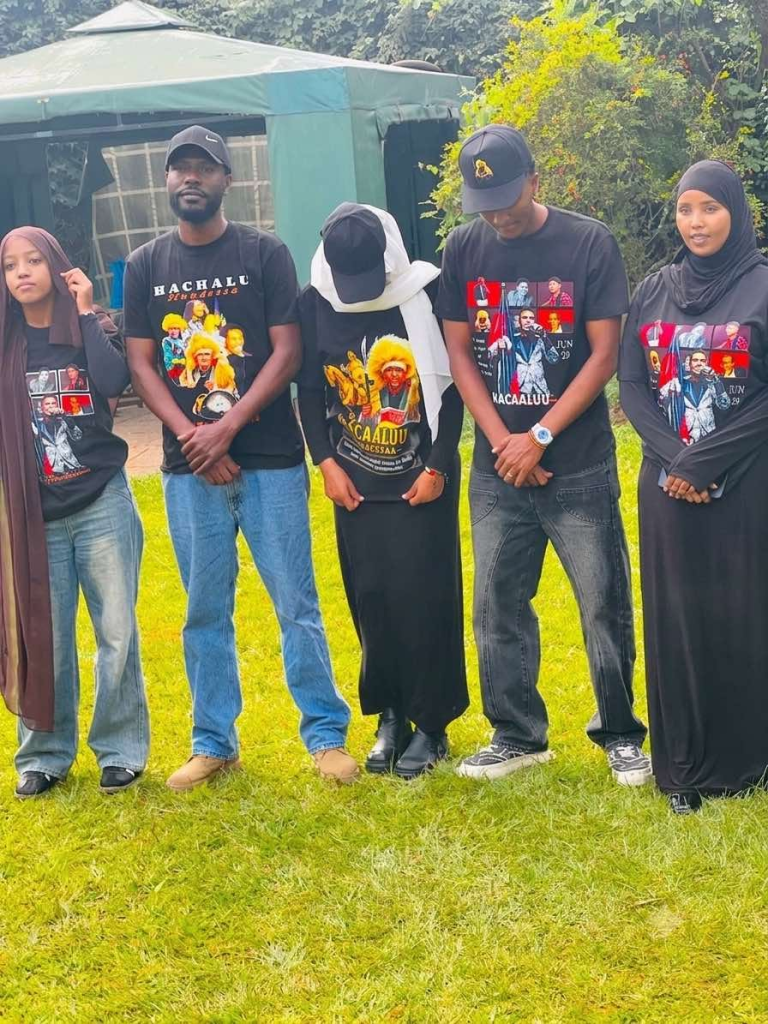
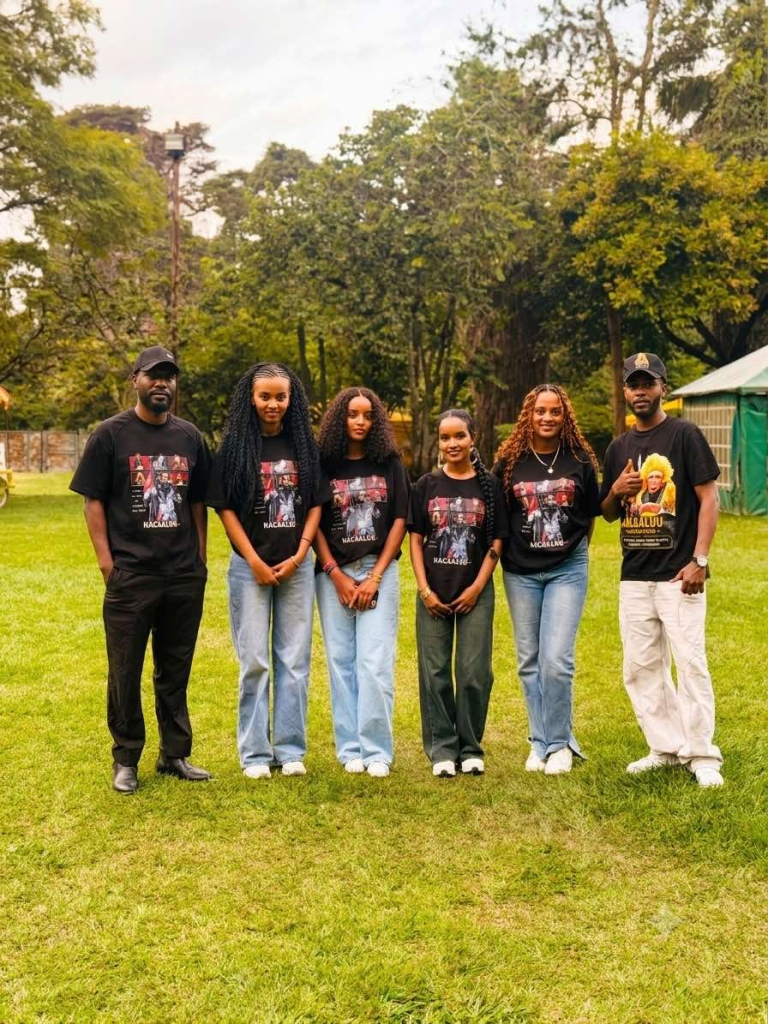
In the vibrant city of Nairobi, the Oromo community came together with a profound sense of purpose to mark the 6th anniversary of the passing of their beloved icon, Artist Haacaaluu Hundeessaa. The commemoration was not merely a somber remembrance of a life tragically cut short, but a vibrant reaffirmation of the enduring legacy he left behind.
The event, attended by community members from all walks of life, was a powerful tapestry of poetry, music, and impassioned speeches, all woven together to honor the man who became the indisputable voice of the Oromo struggle for justice and recognition. As a prominent international analysis described him, Haacaaluu was “the soundtrack of the Oromo revolution, a lyrical genius and an activist who embodied the hopes and aspirations of the Oromo public”.
A Legacy Forged in Struggle
Haacaaluu Hundeessaa was more than a musician; he was a symbol of resistance and a catalyst for change. His music, particularly the iconic songs “Maalan Jira” and “Jirra,” served as rallying anthems during the historic 2015-2018 Oromo protests, which fundamentally altered Ethiopia’s political landscape. His intensely political lyrics, sung in the Oromo language, articulated a profound sense of marginalisation and a yearning for freedom that resonated with millions.
Born in 1986 in the storied city of Ambo, Haacaaluu’s path to becoming a cultural icon was forged in hardship . At just 17 years old, he was arrested for his political activities and imprisoned for five years without charge. It was in that incarceration that he shaped his identity and composed most of the songs that would define his career .
His assassination on June 29, 2020, in Addis Ababa sent shockwaves through the Oromo nation and Ethiopia as a whole, described as “a spear through the heart of the Oromo nation”. The grief was so intense it triggered major protests that led to the loss of hundreds of lives.
The Call to Action: Responding to Sacrifice
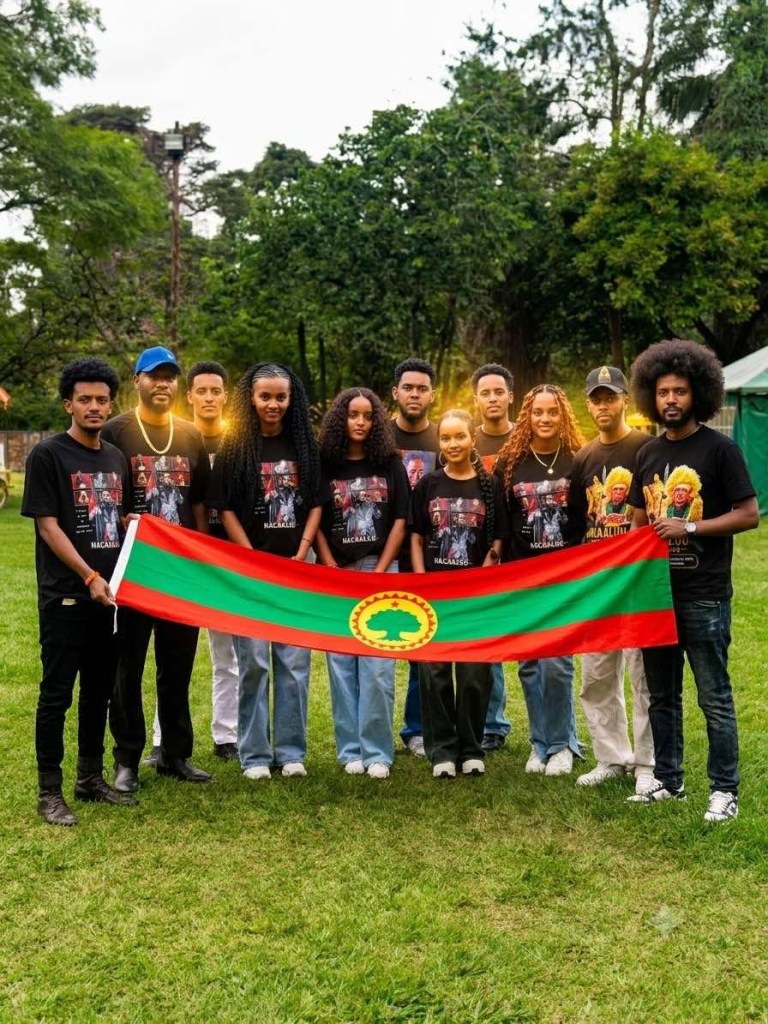
At the Nairobi commemoration, participants emphasized that the anniversary was a time not just for mourning, but for reflection and renewed commitment. They spoke of the immense service Haacaaluu rendered to his people, sacrificing his personal safety for the collective hope of the Oromo nation. Community leaders declared that his blood and his art demand a response from the Oromo people, calling on the community to continue the struggle for justice and to secure a future where the Oromo have their rightful place .
The message was clear: Haacaaluu’s legacy is an obligation. The participants reminded the community that Haacaaluu left behind a mandate to continue the fight for justice, and that the struggle he represents is not just about remembering the past but about securing a future where the Oromo people have their rights and dignity fully recognized. As his widow powerfully stated at his funeral, “Haacaaluu is not dead. He will remain in my heart and the hearts of millions of Oromo people forever”.
An Enduring Spirit
As the poignant strains of Haacaaluu’s most famous anthems echoed through the venue, the atmosphere was charged with a mix of profound grief and a renewed sense of purpose. The commemoration in Nairobi is part of a global movement, with the Oromo diaspora from New Zealand to the United States holding similar events to ensure his spirit is never forgotten .
Haacaaluu Hundeessaa’s legacy is a testament to the power of art as a weapon of resistance and a tool for unity. He inspired a generation to be proud of their Oromo identity and to stand up against oppression. His music, which captured the displacement, loss, and subjugation of his people, offered roadmaps of resistance and continues to be a beacon of light for his community.
In the heart of Nairobi, far from the hills of his homeland, Haacaaluu’s spirit finds a permanent home. The community’s message was unequivocal: his sacrifice was not in vain, and his dream of dignity and justice for the Oromo nation will be pursued with relentless vigor until it is fully realized.
Celebrating Muhuba: A Story of Kindness in Crisis
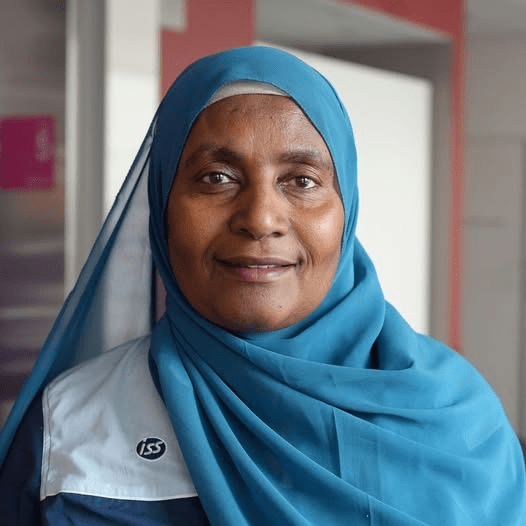
When a labouring patient arrived alone, unable to speak English, ISS placemaker Muhuba didn’t hesitate. She was on her way home from a cleaning shift at The Royal Women’s Hospital when she got a call—and she turned around without a second thought.
It was the end of a long shift. Muhuba had spent her day cleaning at The Royal Women’s Hospital in Melbourne—ensuring that rooms were sanitised, surfaces were spotless, and the environment was safe for patients, families, and staff. She was tired. She was heading home.
Then her phone rang.
On the other end was a voice from the hospital, asking if she could help. A labouring patient had arrived alone. She was scared. She couldn’t speak English. And staff had just discovered that Muhuba spoke her language.
Muhuba didn’t hesitate. She turned around and came straight back.
“I just wanted to help,” she said.
A Labour of Love
What happened next would change a woman’s birth experience—and inspire people around the world.
Muhuba was quickly thrown a pair of scrubs and rushed into the operating theatre. For the next five hours, she stayed by the patient’s side. She held her hand. She spoke to her in her own language. She calmed her fears.
She was not a midwife, a nurse, or a doctor. She was a placemaker—a cleaner. But in that moment, she was the only person who could truly communicate with a terrified mother about to bring a new life into the world.
The woman gave birth safely, comforted by the presence of someone who spoke her words, understood her heart, and gave her the dignity of being heard.
The Kind of Care That Transcends Job Titles
At The Royal Women’s Hospital, patient safety and comfort are paramount. But sometimes, the most profound care comes from unexpected places. Muhuba’s story is a testament to the fact that compassion does not require a clinical degree—it requires a human heart.
In her five hours in the theatre, Muhuba was not just translating words. She was translating trust. She was bridging the gap between a foreign medical system and a terrified mother. She was giving that woman the single most powerful gift a caregiver can offer: the feeling that she was not alone.
When the award nomination was announced, those who know Muhuba were not surprised. Her act was not a one-time gesture—it is a reflection of who she is. Every day, staff at the Women’s see the quiet dignity and dedication of workers like Muhuba, who clean rooms, deliver meals, and ensure the hospital runs smoothly, often without recognition.
Recognition Across the World
Muhuba’s extraordinary kindness did not go unnoticed.
Last year, she was recognised with a state-wide award from ISS—the global facility services company that employs her. Her act of going above and beyond stood out as an example of the power of compassion in healthcare.
This year, she has been named one of four international finalists in a global awards program. In May, ISS will fly her to Denmark for the awards ceremony, where she will represent The Royal Women’s Hospital—and Australia—on the international stage.
It is a remarkable journey for a woman who was simply heading home after a shift and answered a call for help.
The Placemaker’s Role: More Than Cleaning
ISS describes its role as “placemaking”—creating environments where people thrive. Muhuba’s story exemplifies this mission. In a hospital setting, the role of cleaning staff is often invisible, taken for granted. Yet without them, the hospital could not function. They are the quiet guardians of hygiene, the unseen hands that ensure safety, and, as Muhuba proved, sometimes the most compassionate voices in a time of crisis.
Muhuba’s willingness to drop everything and stay for five hours speaks to a deeper philosophy: care is not confined to job descriptions. It is a human duty, a moral impulse, and a gift that can be given by anyone, regardless of their title.
A Hospital Community That Cheers Her On
The Royal Women’s Hospital has expressed profound pride in Muhuba’s recognition. In a social media post celebrating her achievement, they wrote:
“We are incredibly proud of Muhuba and the compassion she brings to our hospital community. Join us in cheering her on as she represents the Women’s on the international stage.”
The post resonated widely—drawing thousands of reactions, comments, and shares. People from around the world responded with admiration. They saw in Muhuba’s story something universal: the power of one person to make a difference when it matters most.
One commenter wrote: “This is what true compassion looks like. Thank you, Muhuba, for showing the world that kindness has no boundaries.”
Another said: “She may not have a clinical degree, but she has a degree in humanity. This is the kind of care we all need.”
The Language of Kindness
Muhuba’s act of kindness also highlights a broader issue in healthcare: the importance of language access and culturally safe care.
Australia is one of the most multicultural nations in the world, yet language remains a significant barrier to equitable healthcare. Patients who cannot speak English are often at risk of miscommunication, misdiagnosis, and poor health outcomes. They may feel isolated, frightened, and unable to advocate for themselves.
Muhuba’s presence in that theatre was more than comfort—it was clinical necessity. She ensured that a mother could understand what was happening, could express her fears, and could consent to her care with full understanding. In doing so, she helped deliver not just a baby, but a safer, more dignified birth experience.
Her story reminds us that health systems must invest in language services, translation support, and cultural safety training—and that sometimes, the most effective support is the person who simply speaks your language and holds your hand.
From Melbourne to Denmark
In May, when Muhuba boards a plane for Denmark, she will carry with her the hopes of her colleagues, her community, and the thousands of people who have been moved by her story.
She will stand on an international stage, not as a doctor or a nurse, but as a placemaker—a cleaner—who proved that compassion is the highest qualification of all.
Her recognition is not just personal. It is a tribute to all the invisible workers in hospitals around the world: the cleaners, the porters, the kitchen staff, the administrative workers—everyone who contributes to healing without wearing a white coat.
They are the backbone of healthcare. And Muhuba has shown the world just how powerful their contribution can be.
A Message to Us All
Muhuba’s story is a challenge—and an invitation.
It challenges us to recognise that kindness is always possible, even when we are tired, even when we are heading home, even when it is not “our job.”
It invites us to see the humanity in everyone, to reach out when someone is in need, and to understand that the smallest gestures—a held hand, a spoken word, a calm presence—can change a person’s entire experience.
As one commenter wrote: “Not all heroes wear capes. Some wear scrubs and hold hands.”
Muhuba is one of those heroes. And soon, the world will have a chance to celebrate her.
Join Us in Cheering Her On
The Royal Women’s Hospital is inviting everyone to join in celebrating Muhuba’s international recognition.
“We couldn’t be prouder of Muhuba,” the hospital said. “She represents the very best of who we are—people who care, who go above and beyond, and who make a difference when it matters most.”
When Muhuba heads to Denmark in May, she will be carrying more than her own story. She will be carrying the stories of countless patients who have been comforted by someone like her—someone who chose compassion over convenience, kindness over exhaustion.
She is an inspiration to the entire hospital community. And now, she is inspiring the world.
Muhuba, we are so proud of you. Your kindness has already changed lives—and it will continue to do so as your story travels around the world. Congratulations on this well-deserved recognition, and thank you for showing us all the power of a compassionate heart.
The Royal Women’s Hospital is Australia’s largest specialist women’s hospital, providing care for women and newborns across Victoria and beyond. Founded in 1856, the hospital is committed to excellence in clinical care, research, and advocacy for women’s health.






