Category Archives: Kindness

Gifata Festival Celebrated in Wolaita Sodo with Color, Unity, and Cultural Pride
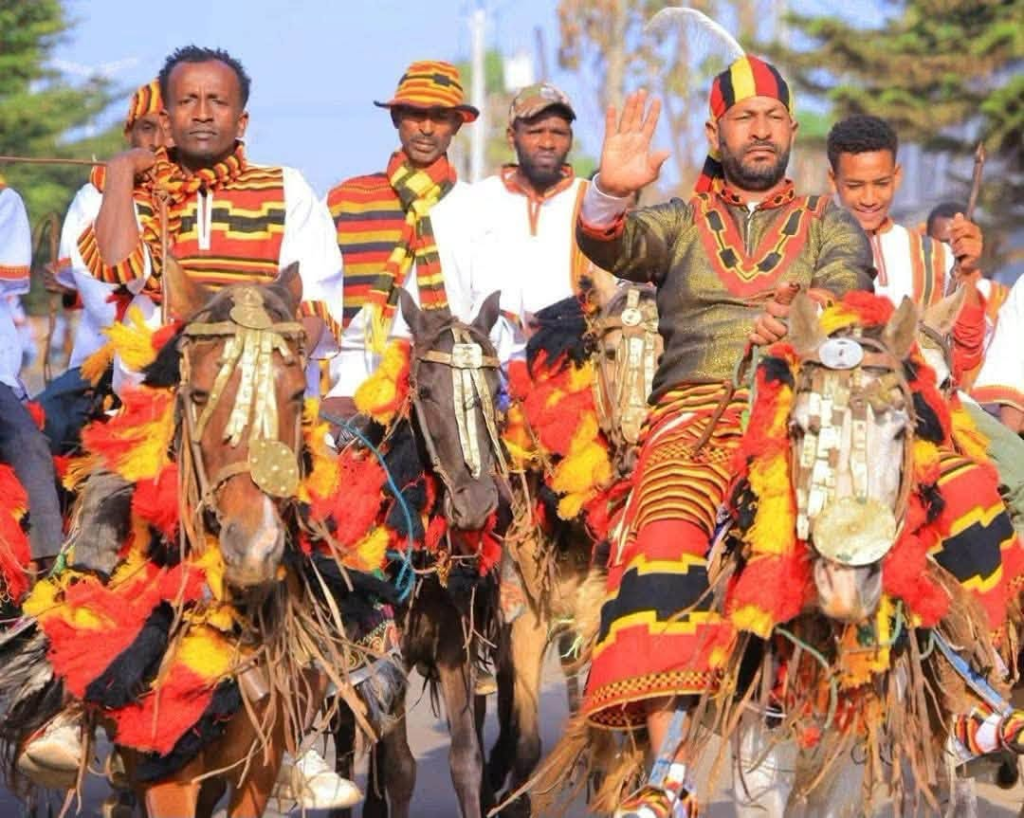
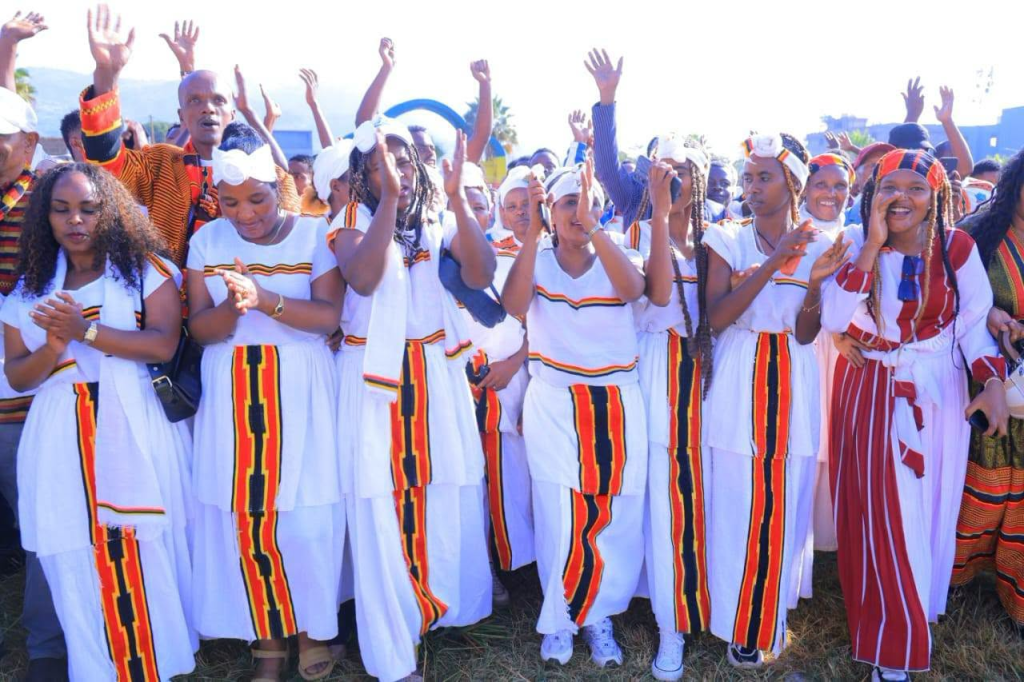
(ENA, Wolaita Sodo, Ethiopia) — The 2019 Ethiopian calendar Gifata festival, marking the Wolaita New Year, is being celebrated in grand style at the Wolaita Sodo Multipurpose Stadium with a series of vibrant events and cultural performances.
The 2026 celebration is being held under the theme: “Let us protect our ancestral heritage; let us continue the legacy of Gifata.”
A Festival of Reconciliation and Unity
Gifata is far more than a New Year celebration. It is a deeply meaningful cultural festival that reflects Ethiopian unity and solidarity — a time when relatives and friends who have been apart come together, when the scattered reunite, and when those who have fallen out reconcile.
It is described as a celebration of peace, love, unity, and joy — a powerful expression of the values that bind communities together across generations.
The festival holds a special place in the hearts of the Wolaita people and serves as a symbol of shared identity, mutual respect, and collective hope for the year ahead.
A UNESCO-Recognised Heritage
In December 2018, Gifata was inscribed by UNESCO as an Intangible Cultural Heritage of Humanity. This year’s celebration marks the first time the festival has been held on such a grand scale since receiving that prestigious recognition.
The UNESCO listing affirmed Gifata’s significance not only to Ethiopia but to the world — recognising it as a living tradition that embodies cultural diversity, community resilience, and the universal human desire for connection and renewal.
A Gathering of Dignitaries and Communities
The celebration has drawn a wide cross-section of participants, including:
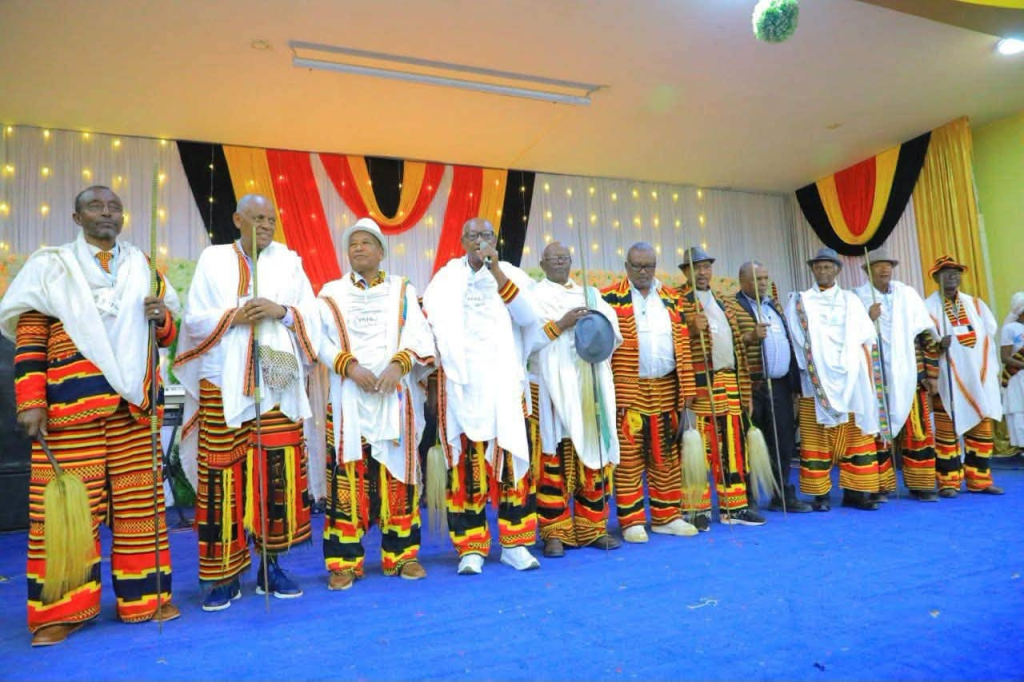
- Tilahun Kebede, Chief Administrator of the South Ethiopia Regional State
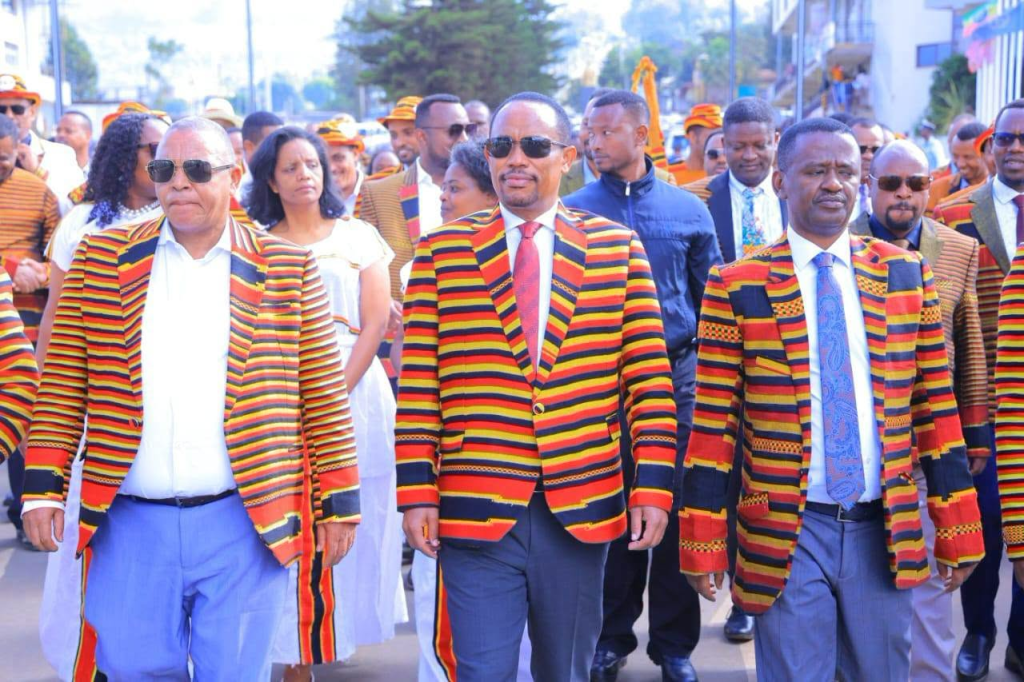
- Federal, regional, zonal, city administration, and district government officials
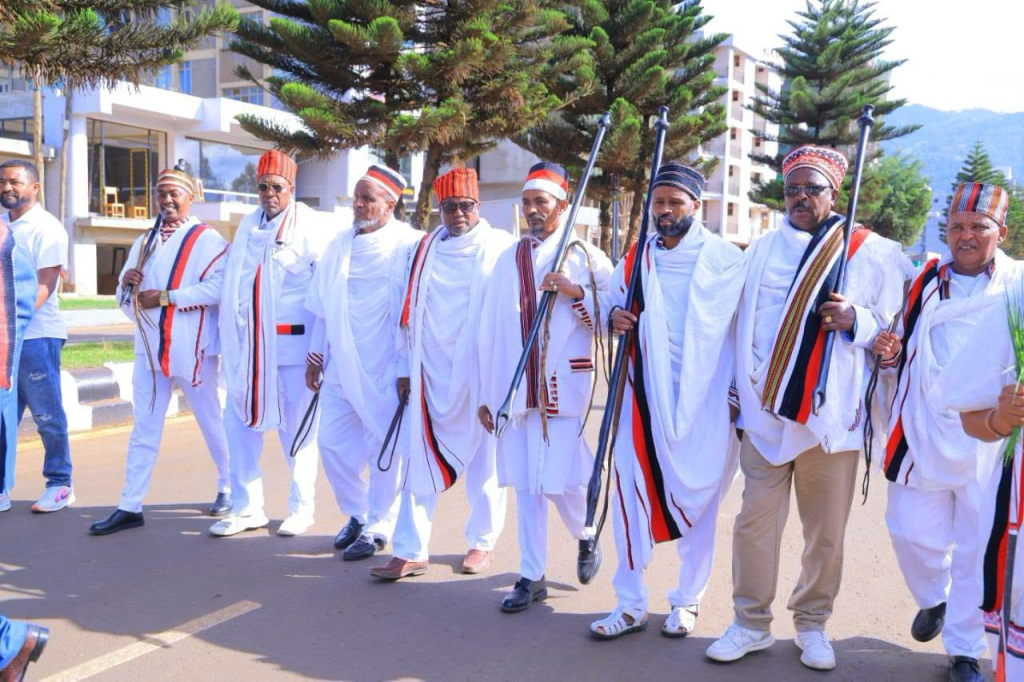
- Elders and community leaders
- Religious fathers
- Invited delegates from all Ethiopian regions
- Local residents from across the area
Their presence underscores the festival’s role as a unifying force that transcends regional and ethnic boundaries, bringing together people from all walks of life in a shared celebration of culture and heritage.
What Is Gifata?
Gifata is the traditional New Year festival of the Wolaita people, celebrated annually in September. It marks the transition from one year to the next and is a time for:
- Giving thanks for the blessings of the past year
- Strengthening relationships with family and community
- Reconciling differences and seeking forgiveness
- Celebrating cultural identity through music, dance, and traditional attire
- Looking forward with hope to the year ahead
The festival is characterised by colourful processions, traditional songs and dances, communal feasting, and the exchange of blessings among elders and youth.
A Celebration of Heritage and Hope
As the Gifata festival unfolds in Wolaita Sodo, it serves as a powerful reminder of the richness of Ethiopia’s cultural tapestry. In a world where traditions are often under pressure, Gifata stands as a testament to the resilience of community, the importance of heritage, and the enduring power of celebration.
The theme of this year’s festival — protecting ancestral heritage and continuing the legacy of Gifata — speaks directly to the responsibility of each generation to preserve and pass on the cultural treasures entrusted to them.
Looking Ahead
With its UNESCO recognition and growing participation, Gifata continues to shine as a beacon of Ethiopian culture and unity. As communities gather in Wolaita Sodo to welcome the new year, they do so with gratitude for the past and hope for the future.
Happy Gifata! May the new year bring peace, prosperity, and unity to all.
Source: Ethiopian News Agency (EZA)

Edmonton Oromo Community Celebrates Irreecha Malkaa in Vibrant Cultural Splendor
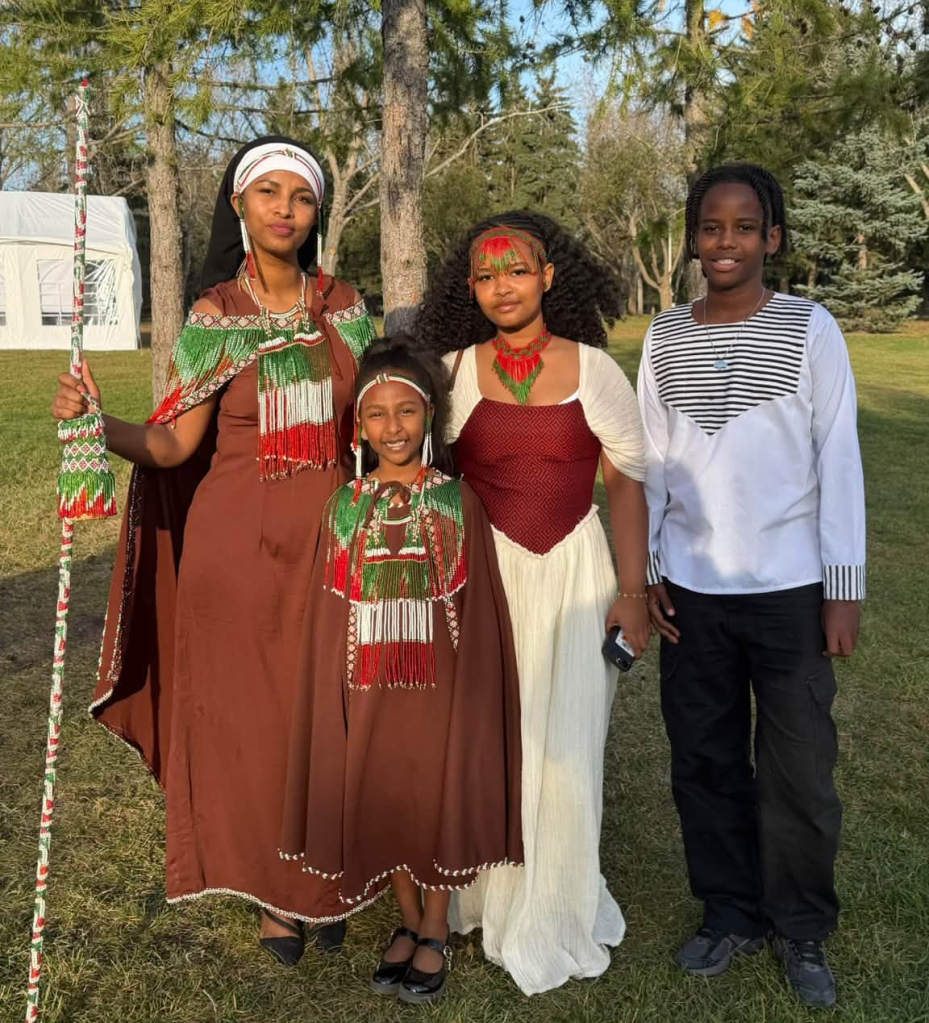
(ONA, Edmonton, 19 September 2026) The Oromo community in Edmonton, Canada, came together in joyous celebration of Irreecha Malkaa – Edmonton, honoring their cherished cultural festival with traditional attire, symbolic greenery, and messages of renewal, peace, and hope.
The celebration, held with great warmth and enthusiasm, saw community members adorned in beautifully decorated traditional Oromo clothing, proudly displaying the cultural heritage that binds them together across generations and continents. Participants carried fresh green grass and blooming flowers — the treasured symbols of Irreecha — bringing the essence of the ancestral festival to life in the heart of Canada.
A Message of Renewal and Growth
At the heart of the gathering was the exchange of heartfelt blessings marking the transition from the rainy season to spring. Community members greeted one another with the beloved Irreecha salutation:
“Baga bacaqii gannaa keessaa baatanii booqaa birraa geessan!” — congratulations on emerging from the rains and reaching the blossoming of spring — a message that carries profound meaning of renewal, resilience, and hope for growth and prosperity in the year ahead.
Prayers for Peace, Unity, and New Hope
Beyond the colorful attire and ceremonial symbols, participants shared prayers and good wishes for the community and the wider world:
“Irreechi nagaa, tokkummaa, galata, jaalalaafi abdii haaraa nuuf haa fidu,” they declared — may Irreecha bring us peace, unity, gratitude, love, and new hope.
The message resonated deeply among those gathered, reinforcing the festival’s enduring role as a source of spiritual strength and communal solidarity.
A Celebration of Oromo Identity in the Diaspora
The Edmonton celebration stands as part of a broader global observance of Irreecha by Oromo communities worldwide. Far from their homeland, diaspora communities continue to preserve and nurture their traditions, passing them to new generations and sharing the beauty of Oromo culture with the wider Canadian society.
The vibrant colors of the Oromo flag — green, red, and white — adorned the celebration, and the sounds of traditional songs and blessings echoed through the gathering, creating a space of belonging and pride for all who attended.
A Blessing for All Oromo People
As the celebration concluded, one message rang out clearly for Oromo people everywhere:
“Baga Ayyaana Irreechaa geessan! Happy Irreecha! May this season bring blessings and joy to all Oromo people.”
The Edmonton Irreecha Malkaa celebration was more than a festival — it was a reaffirmation of identity, a bridge between generations, and a testament to the enduring spirit of the Oromo people, united across borders by culture, faith, and hope.

Multicultural and Multifaith Victoria: A New Independent Voice for Diverse Communities
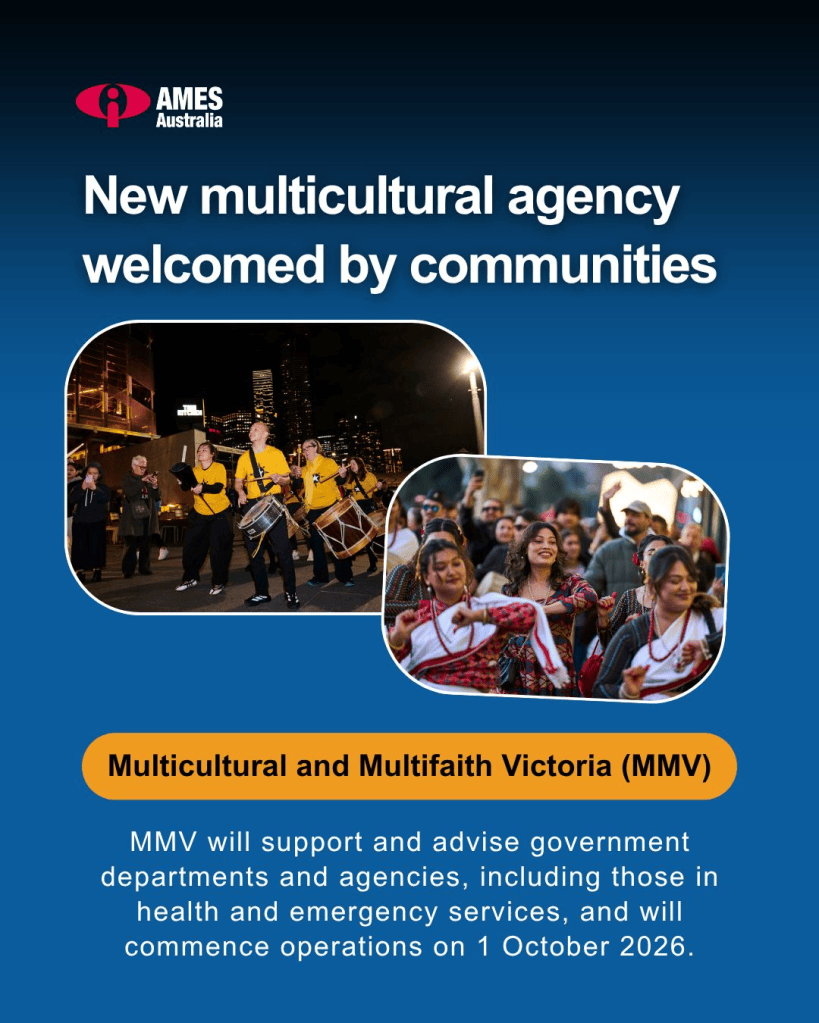
Victoria’s multicultural groups and communities have welcomed the creation of Multicultural and Multifaith Victoria, a new agency aimed at giving diverse communities a stronger voice in government, according to AMES Australia.
The government says the new agency will ensure diverse communities have an independent voice in government to influence policies and programs. Multicultural and Multifaith Victoria will support and advise government departments and agencies, including health and emergency services, and it will commence operations on 1 October 2026.
A Significant Step for Multicultural Victoria
The establishment of Multicultural and Multifaith Victoria marks a major development in how the Victorian Government engages with its diverse communities. For decades, multicultural communities have sought greater representation and a more direct channel to influence the decisions that affect their lives. This new agency is designed to be that channel.
The agency will serve as an independent body, providing advice and support to government departments and agencies across a range of portfolios. Its mandate includes ensuring that the needs and perspectives of multicultural and multifaith communities are considered in the development and delivery of policies and programs — particularly in critical areas such as health and emergency services.
What the Agency Will Do
Multicultural and Multifaith Victoria is expected to play a central role in:
- Advising government on policies and programs affecting diverse communities
- Ensuring independent representation for multicultural and multifaith voices within government
- Supporting government departments and agencies, including health and emergency services, to better serve diverse communities
- Strengthening community engagement and participation in civic life
By embedding these functions within a dedicated agency, the government aims to move beyond consultation toward genuine partnership with the communities it serves.
Commencing 1 October 2026
The agency will officially commence operations on 1 October 2026, a date that marks the beginning of a new chapter in Victoria’s approach to multicultural affairs. Communities and stakeholders are encouraged to stay informed as the agency takes shape and begins its work.
A Welcome Development
The creation of Multicultural and Multifaith Victoria has been welcomed by Victoria’s multicultural groups and communities, who see it as a positive step toward greater inclusion and representation. AMES Australia, a longstanding advocate for multicultural communities, has highlighted the significance of this development.
For communities that have long called for a stronger voice in government, the new agency represents both recognition and opportunity — a chance to shape the policies and programs that impact their daily lives.
Looking Ahead
As Victoria continues to grow as one of the world’s most diverse societies, the establishment of Multicultural and Multifaith Victoria signals a commitment to ensuring that diversity is not only celebrated but actively represented in the corridors of power.
The agency’s success will ultimately be measured by how well it amplifies community voices, influences meaningful change, and helps build a Victoria where every community feels seen, heard, and valued.
To read more about Multicultural and Multifaith Victoria, visit the link shared by AMES Australia.
#AMES #AMESAustralia #Victoria #MMV #VictorianGovernment

Irrecha Australia: Celebrating Culture, Community and Gratitude Across a Continent
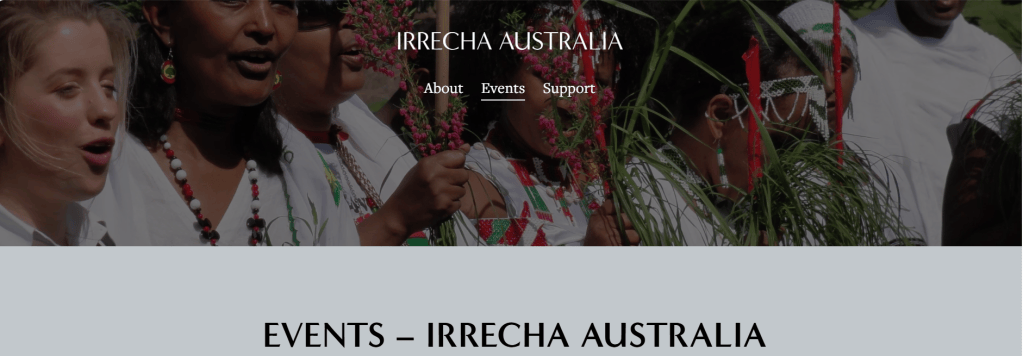
What began as small community gatherings among Oromo families in Australia has blossomed into vibrant national festivals that now draw together elders, youth, and friends from across multicultural Australia — all in the spirit of thanksgiving.
At the heart of this growing movement is Irrecha Australia, a registered non-profit organization dedicated to honoring the Oromo people’s cherished thanksgiving tradition. Rooted in a deep reverence for nature, gratitude, and unity, the celebration has traveled thousands of kilometers from East Africa to find new life on Australian soil.
A Tradition of Thanksgiving Carried Across Continents
Irrecha is one of the most significant cultural and spiritual traditions of the Oromo people, celebrated as an expression of gratitude for nature’s bounty, peace, and community well-being. For Oromo Australians, the festival serves as both a connection to their ancestral homeland and a living, breathing practice passed down through generations.
What was once observed in modest gatherings has expanded into large-scale national festivals, reflecting the growth and vitality of the Oromo diaspora in Australia. These events have become cherished occasions where culture, faith, and community intersect.
Building an Inclusive Home for Culture
As a registered non-profit, Irrecha Australia has committed itself to preserving and promoting Oromo cultural heritage while creating inclusive spaces for learning and celebration. The organization places particular emphasis on empowering young people, equipping the next generation to carry traditions forward with pride and confidence.
Through its work, Irrecha Australia ensures that Oromo culture is not merely remembered but actively practiced, shared, and celebrated — in classrooms, community halls, and festival grounds alike.
A Vision for Multicultural Australia
The organization’s vision extends beyond the Oromo community itself. Irrecha Australia envisions a nation where Oromo culture thrives as an integral part of Australia’s diverse identity — a culture that enriches the broader society and contributes to the country’s multicultural fabric.
“Through festivals, education, and community initiatives, we strengthen connections, honour our heritage, and celebrate a way of life rooted in gratitude, resilience, and unity,” the organization states.
Gratitude, Resilience, and Unity
At a time when cultural preservation and community cohesion are increasingly valued, Irrecha Australia’s mission resonates with a wider Australian audience. Its festivals serve as a bridge — connecting generations, welcoming neighbors of all backgrounds, and demonstrating how heritage can flourish in a new home while remaining faithful to its roots.
For Oromo Australians and their friends across the country, Irrecha is more than a festival. It is a statement of identity, a celebration of survival and resilience, and an invitation to share in a tradition built on gratitude.
To learn more about Irrecha Australia’s festivals, educational initiatives, and community programs, follow the organization’s official channels or contact its team directly. Irrecha Australia

Dandenong Harmony Square: Oromo Community Honors Ilfinash Qanno with Love and Reverence
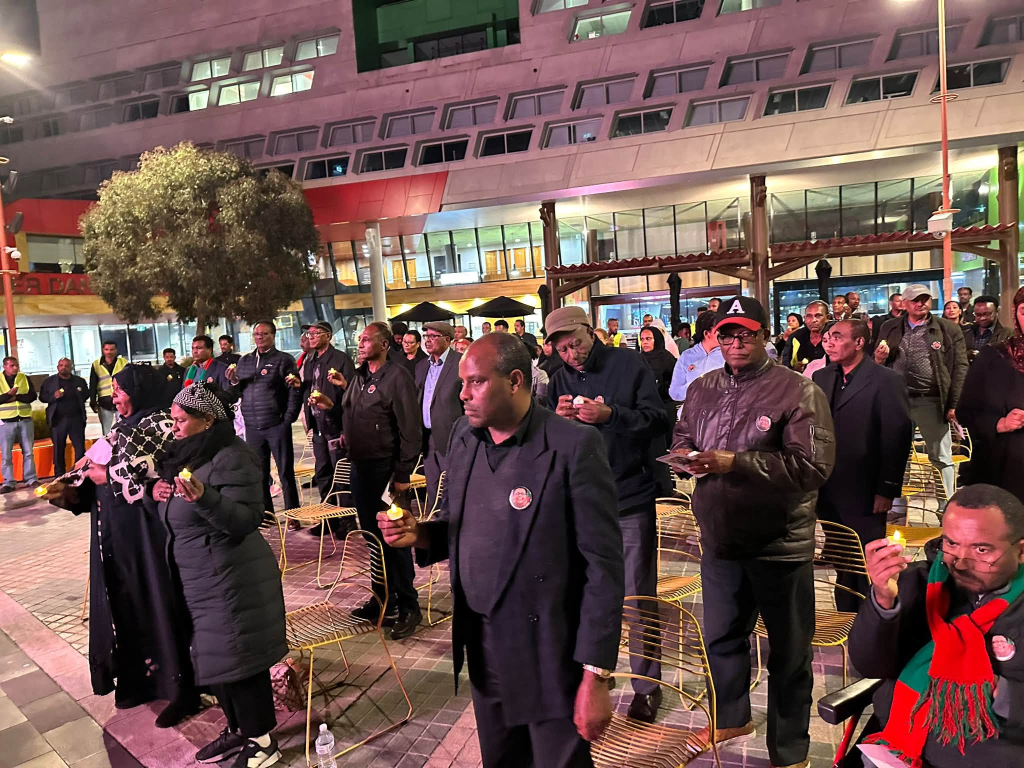
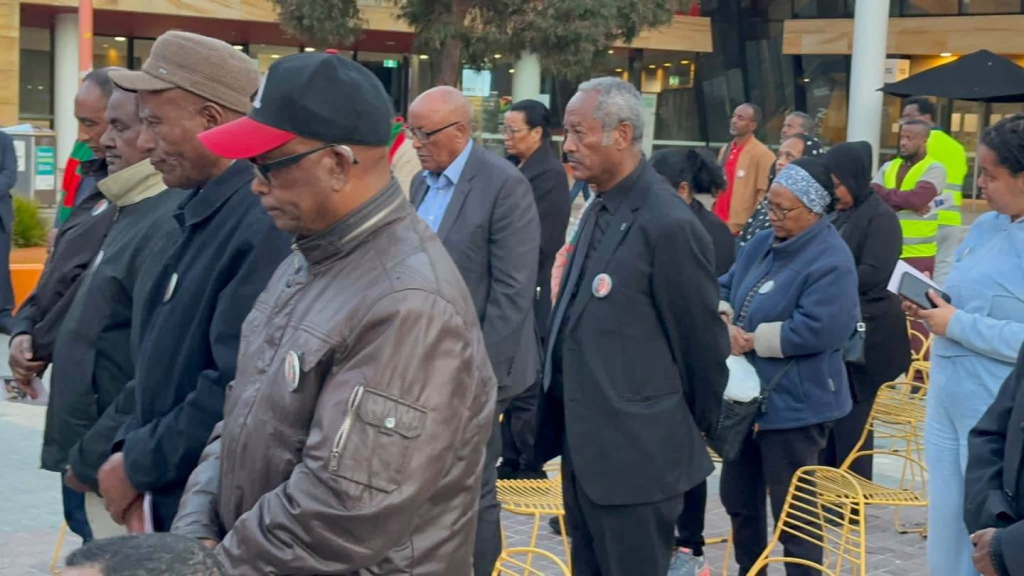
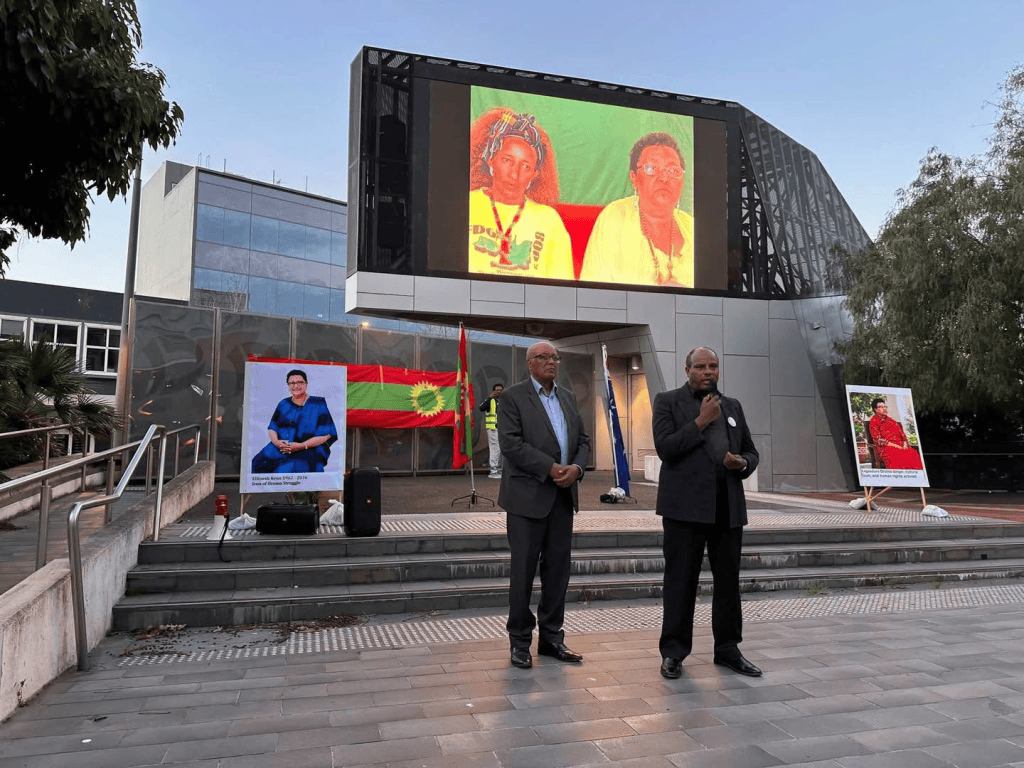
DANDENONG, Victoria — At 5 PM on September 12, 2026, Dandenong Harmony Square became the emotional heart of Melbourne’s Oromo diaspora. The Oromo Community in Melbourne Australia convened a solemn and deeply affectionate commemorative gathering to mourn the passing of legendary artist and freedom fighter Ilfinash Qanno, who died in Finfinnee on September 6. Hundreds of community members and friends assembled to express their profound respect and enduring remembrance for the woman known as “the voice of resistance.”
Grief Transformed into Celebration
From the outset, the commemoration was invested with a meaning that transcended mere mourning. In the days leading up to the event, Oromo advocacy groups in Melbourne called upon the community to transform sorrow into a celebration of Ilfinash’s life. “What she left us is not despair, but a radiant legacy,” the organizers wrote in a statement. “We must draw strength from her and from the spirit of those who came before us, and renew our commitment to the cause she defended throughout her life.”
That spirit permeated the entire gathering at Harmony Square. Participants wove together song, recitation, and remembrance to sketch the portrait of a woman who belonged not only to the stage but to the deepest conscience of a people. As the Oromo community in Minnesota expressed in its own condolence message, Ilfinash “dedicated her extraordinary talents throughout her life to expressing Oromo identity, history, language, aspiration, and resilience — often at tremendous personal cost.”
From Nekemte to Finfinnee: A Voice That Would Not Be Silenced
Ilfinash Qanno was born in 1962 in Nekemte, Oromia, and later moved to Finfinne. Her artistic career began amid the cultural revival of the Oromo renaissance, but it quickly became inseparable from political awakening. In 1976, at a historic cultural performance in Finfinnee, she electrified the audience with a single line: “Qawwee malee maaltu bilisa nu baasa?” — “Without a gun, what will set us free?” From that moment, she bound her destiny irrevocably to the Oromo liberation struggle.
Her music was never merely entertainment. In an era when Afaan Oromo expression and Oromo identity were brutally suppressed, her songs became vessels of memory, defiance, and collective aspiration. She drew on Oromo oral traditions, proverbs, and geerarsa — the traditional praise poetry of Oromo warriors — fusing cultural roots with political consciousness in songs such as “WBO Koo Maaloo Ree,” “Yaa Lammii Koo,” and “Geerarsa.”
The price was devastating. She was imprisoned multiple times under the Derg regime and subsequent governments. According to Oromo human rights documentation and accounts from fellow prisoners, she endured extraordinarily brutal treatment in detention — including having her head forcibly shaved with broken glass. This violence was not merely physical torture; it was a calculated assault on a woman who stood through her voice. Yet as she later reflected, her physical frailty could not simply be attributed to age — the prison gates had opened, but the imprisonment never truly left her body.
She Opened the Road for Oromo Women
Ilfinash’s significance extends far beyond the label of “protest singer.” The Oromo community in Melbourne emphasized in its tribute her role as a pioneer of Oromo women in public life: in an era when restrictive expectations severely constrained women’s participation in public affairs, she challenged both political oppression and social convention, carving out space for those who would follow. “Her courage created possibilities for generations of Oromo artists and women,” the organization wrote.
This dimension was invoked repeatedly at the Harmony Square gathering. For many young Oromo women present, Ilfinash was not merely a name to be honored but a stance to be inherited: the conviction that women have the right not only to sing but to stand at the forefront of struggle.
A Final Resting Place: Ambo’s Loyalty Repaid
Ilfinash Qanno ultimately chose Ambo as her final resting place. It was not an arbitrary decision. In 1992, she was captured alongside comrades in fighting near Ambo and detained at the Kerchele detention center. When elements within the regime discussed whether to execute her, the people of Ambo answered with collective action: they pooled money to bribe the prison commander, and the weight of popular will made the authorities afraid to act.
She never forgot. When her life approached its end, she did not choose to return to her birthplace but to the city whose people had once ransomed her life through their courage. Ambo’s people had refused to let her die; she answered that debt with eternal rest among them.
The Voice Has Fallen Silent; The Song Endures
Ilfinash Qanno left behind more than ten albums and an auditory archive dispersed across Oromo diaspora communities worldwide. Her cassette tapes once crossed borders she herself could not cross; her melodies passed from mouth to mouth through the cracks of prohibition and imprisonment.
The commemoration at Dandenong Harmony Square was the echo of that archive on another continent. When Oromo diaspora members sing her songs in a public square in a foreign land, they are doing more than remembering a person. They are enacting the very truth Ilfinash proved with her life: that a people’s language, memory, and identity are worth defending — and can be defended.
The voice has fallen silent. The song endures.

Birraa: The Oromo Season of Hope, Renewal, and Prosperity

In Oromo culture, Birraa is more than a season—it is a symbol of hope, renewal, and prosperity. It is a time when the land awakens, communities gather, and hearts are filled with optimism for what lies ahead.
As the rains ease and the fields turn green, Oromos across the homeland and the diaspora are welcoming Birraa — the season of renewal and abundance. It is a time deeply rooted in Oromo tradition, culture, and spirituality, marking the transition from the rainy season to a period of growth, flowering, and new beginnings.
A Season Rooted in Tradition
For generations, Birraa has held a special place in Oromo life. It is the season when the land is at its most fertile, when crops begin to flourish, and when communities come together in celebration of nature’s bounty. It is a time of hope—a reminder that after every rainy season, the sun returns, and with it, new life.
In Oromo culture, Birraa represents:
Hope – The promise of a brighter tomorrow and renewed possibilities.
Renewal – The awakening of nature and the human spirit alike.
Prosperity – The abundance that follows patience, hard work, and faith.
“Baga Birraan Isiniif Barihe!”
This beautiful Oromo greeting captures the essence of the season:
“Baga Birraan isiniif barihe!”
It is a wish that the Birraa season may dawn brightly upon you—bringing hope, blessings, and prosperity. It is a phrase exchanged among family, friends, and neighbours, carrying with it the warmth and generosity that define Oromo culture.
A Time of Community and Connection
Birraa is not only a celebration of nature—it is a celebration of community. Families gather, stories are shared, and traditions are passed down from generation to generation. It is a time to strengthen bonds, express gratitude, and look forward together.
For Oromos in the diaspora, Birraa is also a moment of connection to the homeland—a reminder of the land, the people, and the culture that shaped them, no matter how far they may be from home.
Celebrating Birraa Around the World
From the highlands of Oromia to cities across Australia and beyond, Oromos are marking the season with joy and pride. Whether through gatherings, cultural performances, or simple acts of sharing, the spirit of Birraa transcends borders and unites Oromos wherever they are.
A Message of Hope for All
In a world often marked by challenges and uncertainty, Birraa offers a powerful message: that hope endures, that renewal is always possible, and that prosperity follows those who persevere.
May this Birraa season bring blessings to all Oromos and to all who celebrate the beauty of nature’s cycles.
Happy Birraa season!
Baga Birraan isiniif barihe!

A Rare Convergence: Ethiopian, Jewish, and Coptic New Year Festivals Coincide in Australia

AMES Australia highlights an extraordinary moment of cultural and religious convergence as three major festivals—Enkutatash, Rosh Hashanah, and Nayrouz—fall on the same day, offering a powerful reflection of Australia’s shared humanity.
In a remarkable alignment of faith and culture, today marks the celebration of three significant festivals from three distinct traditions: Enkutatash, the Ethiopian New Year; Rosh Hashanah, the Jewish New Year; and Nayrouz, a festival of the Coptic Orthodox Church.
AMES Australia, a leading provider of settlement services and multicultural advocacy, has drawn attention to this rare coincidence, noting that the three events are governed by different calendars—making their convergence an extraordinary occurrence.
Three Festivals, Three Traditions
Enkutatash — the Ethiopian New Year — falls at the end of the rainy season and is celebrated with family gatherings, the blooming of the yellow adey abeba flower, and wishes of peace and prosperity. Melkam Addis Amet!
Rosh Hashanah — the Jewish New Year — is a time of reflection, renewal, and hope. Families gather to hear the shofar, dip apples in honey, and pray for a sweet year ahead. Shana Tova U’Metuka!
Nayrouz — a festival of the Coptic Orthodox Church — marks the beginning of the Coptic New Year and is a time of spiritual renewal and remembrance of the faithful. Nayrouz Mubarak!
A Season of Many Celebrations
Around this same period, millions of people around the world are also observing Mawlid al-Nabi, the birthday of the Prophet Muhammad, and the Christian festival of the Holy Cross — further enriching this season of diverse religious and cultural observance.
The convergence of so many significant dates speaks to the profound diversity of faith and culture that exists in Australia and around the world.
Australia: An Experiment in Cultural Convergence
AMES Australia reflected on the deeper meaning of this moment:
“Just like the conjunction of these cultural and religious celebrations, Australia is an experiment in cultural convergence; a nation that has welcomed people from different cultures while valuing its first peoples and fostering exchanges of ideas.”
This observation captures the essence of Australia’s multicultural identity — a nation built on migration, shaped by diversity, and strengthened by the exchange of traditions, beliefs, and ideas.
Valuing First Peoples and Fostering Exchange
AMES Australia’s statement also acknowledges the importance of honouring Australia’s First Peoples while embracing the contributions of all communities. True multiculturalism is not merely about coexistence—it is about active exchange, mutual respect, and a shared commitment to building a harmonious society.
The rare alignment of these festivals serves as a reminder that while our calendars, languages, and traditions may differ, our hopes for peace, renewal, and a better year ahead are profoundly shared.
A Shared Humanity
At a time when divisions can seem deep, the coincidence of these celebrations offers a powerful counter-narrative—one of unity, mutual recognition, and shared humanity.
Whether lighting candles for Rosh Hashanah, gathering with family for Enkutatash, or observing Nayrouz, millions of people today are united by a common desire: to welcome a new year with hope, gratitude, and peace.
Warm Wishes to All
To all those celebrating today:
Melkam Addis Amet! — Happy Ethiopian New Year!
Shana Tova U’Metuka! — Have a good and sweet year!
Nayrouz Mubarak! — Blessed Nayrouz!
May this rare convergence of faith and culture inspire all Australians to celebrate our diversity and strengthen the bonds that unite us.
Read more from AMES Australia:
Convergence of religious and cultural festivals reflect our shared humanity
#AMES #AMESAustralia #Enkutatash #RoshHashanah #Neyrouz #NewYear #Holidays #MulticulturalAustralia #SharedHumanity

Rosh Hashanah: Victorian Jewish Families Gather to Welcome a Sweet New Year

As the sun sets this evening, Jewish families across Victoria will gather around their tables to celebrate Rosh Hashanah, the Jewish New Year—a sacred time of reflection, renewal, and hope for the year ahead.
The sounding of the shofar, the dipping of apples in honey, and the sharing of festive meals will mark the beginning of the Jewish year 5787, a period of deep spiritual significance for Jewish communities in Victoria and around the world.
Rosh Hashanah, which literally means “head of the year,” is a time when Jewish families come together to reflect on the past year, seek forgiveness, and commit to renewal in the year to come. It is a celebration that blends joy with introspection—a moment to consider one’s actions, strengthen bonds with community and faith, and look forward with hope.
A Time of Reflection and Renewal
The traditions of Rosh Hashanah are rich with symbolism. The shofar—a ram’s horn—is blown in synagogues, its haunting sound calling worshippers to awaken their souls and return to what matters most. Sweet foods, particularly apples dipped in honey and round challah bread, symbolize the wish for a sweet and complete year ahead. The pomegranate, with its many seeds, represents the hope for a year filled with good deeds and blessings.
For Jewish families in Victoria, this is also a time of community—a moment to gather with loved ones, welcome guests, and reaffirm the values that have sustained the Jewish people for millennia.
Celebrating the Jewish Community’s Enduring Contribution
Victoria has long been enriched by the presence and contributions of its Jewish community. From business and the arts to education, medicine, philanthropy, and public service, Jewish Victorians have helped shape the state’s cultural, economic, and social fabric for generations.
Their enduring contributions—built on a foundation of faith, resilience, and a deep commitment to community—deserve recognition and celebration, not only during Rosh Hashanah but throughout the year.
Wishing the Community a Sweet New Year
As Jewish families across Victoria prepare to usher in the new year, we extend our warmest wishes to the entire Jewish community.
May this Rosh Hashanah be a time of peace, health, and joy. May the year ahead bring blessings, success, and sweet moments shared with family and friends.
Shana Tova U’Metuka! — Have a good and sweet year!

The Unbroken Ode: Elfinesh Keno’s Life of Resistance and the Legacy She Left in Ambo
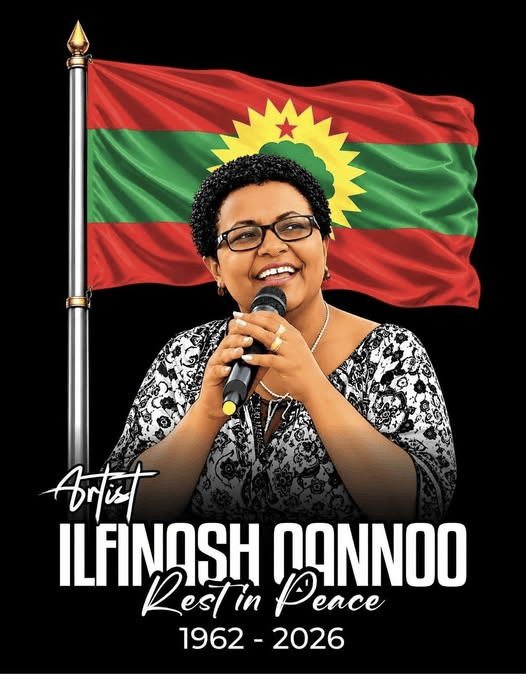
By Daandii Ragabaa
In a world where countless souls bend, break, or sell their dignity for comfort or personal gain, Elfinesh Keno walked through fire and emerged with her value intact. Even in death, her respect stands untouched—a monument to a life lived not for fame, but for freedom. Her art was never mere entertainment; it was resistance. It was a shield. It was a call to conscience.
She was an Oromo singer and cultural icon whose voice rose not for applause but for the rights, equality, and dignity of her people.
The Child of a Legacy
Born into the shadows of a struggle far larger than herself, Elfinesh Keno—known to many as Ilfinash Qannoo—was the daughter of Daraaraa Kafanii. Her lineage traced directly to Obboo Argaw Dinqaa, a towering Oromo patriot, lawyer, and founding father of cultural and political organizations such as Jibatii, Maccaa, and the Waldaa Walgargaarsaa Maccaafi Tuulamaa (WMT). Obboo Argaw was no ordinary man. Imprisoned for his opposition to the H/S government, he emerged from confinement to organize the Grand Oromo Cultural Festival of 1977 in Finfinne. He used culture as a weapon to resurrect Oromo identity and unity.
It was on that stage that young Elfinesh Keno first stepped into the light of history, performing alongside artists like Obboo Tasammaa Nagarii and Aaddee Kuulanii Guddinaa. Her art was a product of that great cultural renaissance—a movement that toured towns such as Asallaa, Waliso, and Naqamtee, where elders like Jaal Nadhii Gammadaa and Jaal Magarsaa Barii worked alongside Obboo Argaw to reinstate the sacred Gadaa system through performance.
A Heroine Forged in the Crucible of Conflict
But the road was never easy. When the Oromo liberation movement intensified, the Derg regime came for its leaders. Obboo Argaw was arrested on October 19, 1978, and later executed. Yet the flame he lit was passed to the next generation—to artists like Daraaraa Kafanii and his daughter, Elfinesh.
In the turbulent years that followed, Elfinesh found herself on the frontline. During a ferocious battle in Burree, Jalduu, in July 1992, between W3O fighters and the Wayyaanee (EPRDF) regime, she and fellow artist Zaruhuun Wadaajoo were captured. They were imprisoned in Ambo’s Karchallee detention center. There, Elfinesh faced the possibility of execution.
Her story at that point offers a stunning glimpse into her character. When the Wayyaanee regime’s OPDO operatives debated executing her, she was saved—not by bending her principles, but by her unwavering association with the Oromo people. Some of those who held her file, knowing the depth of her devotion, feared the wrath of the people so much that they altered her records to avoid carrying out the sentence.
Meanwhile, the people of Ambo acted. They pooled their money and bribed the prison commander, ensuring Elfinesh would not be killed behind bars. When she was finally released, the community welcomed her like a returning queen—taking her to the Daraaraa Kafanii Hotel, where she reunited with elders and fellow fighters. Even in the face of death, she did not run. She chose duty.
Ambo’s Daughter by Choice
One of the most defining moments of Elfinesh Keno’s life came near the end. When she could have chosen to return to her birthplace, to the comfort and familiarity of her early years, she did not. Instead, she chose Ambo—the city whose people once chose to face bullets for her.
Ambo’s masses had refused to let her die. They had stood by her during her darkest hour, chanting for her survival and promising to keep the fight for true freedom alive. In return, Elfinesh honored their bravery with her final resting place. That decision alone speaks volumes about her character.
Her choice reminds us that heroism is not loud; it is consistent. It is not boastful; it is principled. And it is not convenient; it is costly. But Elfinesh Keno paid that cost willingly.
A Lesson for the Wavering
Elfinesh Keno’s life offers a powerful lesson to all who waver, compromise, or forget the weight of responsibility. While many ran for safety, she ran toward duty. While others hid, she stood in the field. While some betrayed their own, she remained truthful to her core.
Her integrity was so complete that she could recognize goodness even in those standing on the opposite side of history—a mark of a true heroine. She taught the cowards and the “gantuus” that she would rather be covered with the flag of resistance, a symbol of freedom, than to live under the shadow of betrayal.
The Eternal Thread
Elfinesh Keno’s story is not an isolated one. It is a thread in a larger tapestry of Oromo resistance and cultural preservation. In her, we see the face of Obboo Argaw Dinqaa. Through her, we hear the voices of Jaal Nadhii Gammadaa, Jaal Magarsaa Barii, Jaal Abboomaa Mitikkuu, and countless unnamed heroes who gave their lives for Oromummaa.
Her passing is a heartbreak—”Bool’akee bookni haa guutu,” as the Oromo poet wrote. Yet she did not die in vain. She passed away with her value intact, her respect untouched, and her legacy eternal.
May her memory continue to guide her people.
May her courage continue to inspire future generations.
May her integrity remain a mirror for all who claim to serve the truth.
Stand for Something
Elfinesh Keno’s final chapter reflects her deepest values: the pursuit of truth, the protection of dignity, and the unwavering commitment to her people. In the end, she was not just an artist or a performer—she was a symbol of what it means to live with purpose and die with honor.
Her voice may be silent now, but the melody of her resistance will echo forever.
Stand for something.
Live truthfully.
Protect your dignity.
Let your final chapter reflect your deepest values.
Elfinesh Keno—Ilfinash Qannoo—passed away with her value intact.
Her respect untouched.
Her legacy eternal.

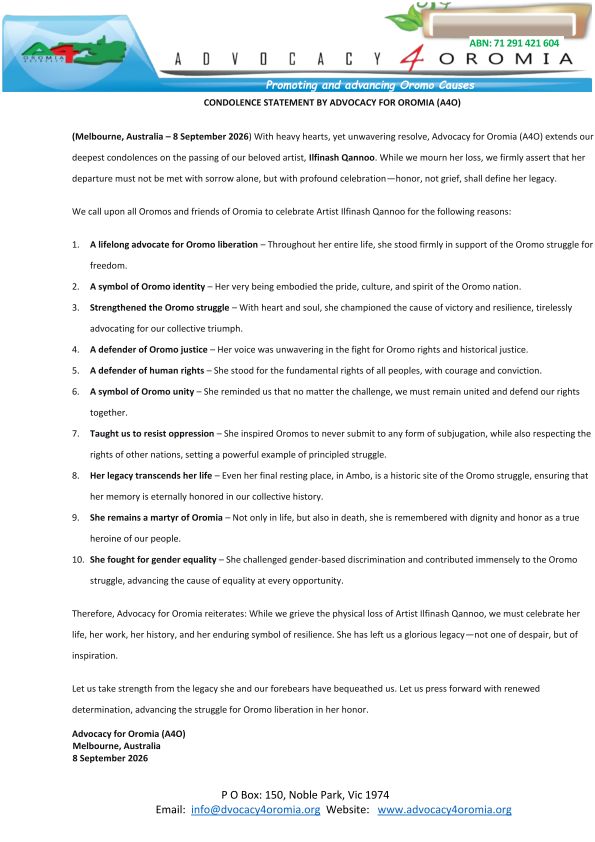
A Life Worth Celebrating—A4O Calls for Honor, Not Grief, for Artist Ilfinash Qannoo
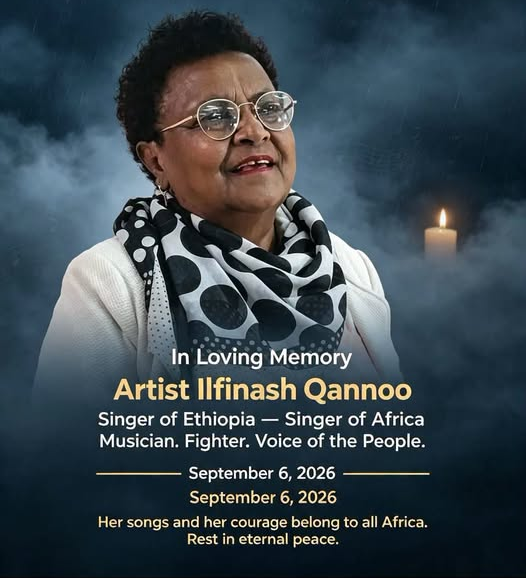
By Our Correspondent
(Melbourne, Australia – 8 September 2026)-In a poignant and powerful statement released today, Advocacy for Oromia (A4O) has called on Oromos and friends of the struggle worldwide to transform mourning into celebration for the late artist and freedom fighter, Ilfinash Qannoo.
The Melbourne-based advocacy group, speaking from their Australian headquarters, emphasized that while the loss of the beloved artist is deeply felt, her life, legacy, and unwavering commitment to the Oromo cause demand a response of honor rather than sorrow.
A Life Dedicated to Liberation
Ilfinash Qannoo was no ordinary artist. According to A4O, she was a steadfast pillar of the Oromo liberation movement, dedicating her entire life to the struggle for Oromo self-determination. Her artistry was not merely entertainment—it was resistance. Her voice was not just melody—it was a clarion call for justice.
“Artist Ilfinash Qannoo spent her whole life supporting and advancing the Oromo struggle for freedom,” the statement reads, positioning her among the most committed cultural warriors of her generation.
More Than an Artist—A Symbol
A4O’s statement highlights ten compelling reasons why Ilfinash Qannoo’s legacy must be celebrated:
A Symbol of Oromo Identity: She embodied the pride, dignity, and cultural richness of the Oromo nation. Her very presence was a testament to Oromo resilience and identity.
Champion of Justice: She was a fearless defender of Oromo rights, human rights, and gender equality. She challenged oppression in all its forms and stood against discrimination, including gender-based injustice.
Unifier of the Oromo People: At a time when division threatens the struggle, Ilfinash Qannoo stood as a powerful symbol of Oromo unity, reminding her people that solidarity is the foundation of victory.
Teacher and Inspiration: Through her life and work, she taught Oromos to resist subjugation with dignity, while also respecting the rights of other nations—a rare and powerful example of principled advocacy.
Martyr for the Cause: Her final resting place in Ambo is now etched into the historical landscape of the Oromo struggle. Her grave, like her life, has become a site of memory and honor.
A Legacy That Transcends Death
Perhaps the most striking aspect of A4O’s tribute is the assertion that Ilfinash Qannoo’s impact extends far beyond her lifetime. She did not simply live for Oromia; she ensured that even in death, she would remain a rallying figure for the movement.
“She left us not with despair, but with a glorious legacy,” the statement declared. “We are called to take strength from what she and our forebears have left us, and to rededicate ourselves to the struggle with renewed vigor.”
A Call to Action, Not Lamentation
In what can be described as a clarion call to the Oromo diaspora and the wider movement, A4O urged supporters to channel their grief into action. The organization stressed that the most fitting tribute to Ilfinash Qannoo is not tears, but a renewed commitment to the goals she championed.
“We must celebrate her life, her work, her history, and her enduring symbol of resilience,” the statement emphasized. “Let us march forward in her honor, advancing the struggle for Oromo liberation with determination and unity.”
Global Reach of the Statement
Issued from Melbourne, Australia, on 8 September 2026, the statement reflects the global nature of the Oromo struggle and the far-reaching influence of cultural icons like Ilfinash Qannoo. A4O’s message transcends geographic boundaries, speaking directly to Oromos in the homeland and across the diaspora.
The advocacy group concluded with an unwavering declaration: “Victory to Oromia!” —a fitting epitaph for a woman whose life was dedicated to that very cause.
Historical Context
Ilfinash Qannoo’s passing marks the end of an era in Oromo cultural and political history. She was among a generation of artists who used their craft as a weapon of resistance, challenging the status quo and inspiring millions. Her death is not just a loss of talent, but the departure of a moral compass for a movement in constant pursuit of justice.
As Oromos around the world reflect on her legacy, A4O’s message is clear: Grieve, yes—but more importantly, celebrate. Honor her by carrying the torch she has passed on.
About Advocacy for Oromia (A4O): Based in Melbourne, Australia, A4O is a diaspora advocacy organization committed to advancing the rights, justice, and self-determination of the Oromo people through awareness, advocacy, and solidarity initiatives.
“We mourn her loss, but we celebrate her life—for in her, Oromia found a voice that will never be silenced.”