The Sacred Rite of Irreechaa: Fresh Grass, Yellow Flowers and the Waters of Blessing
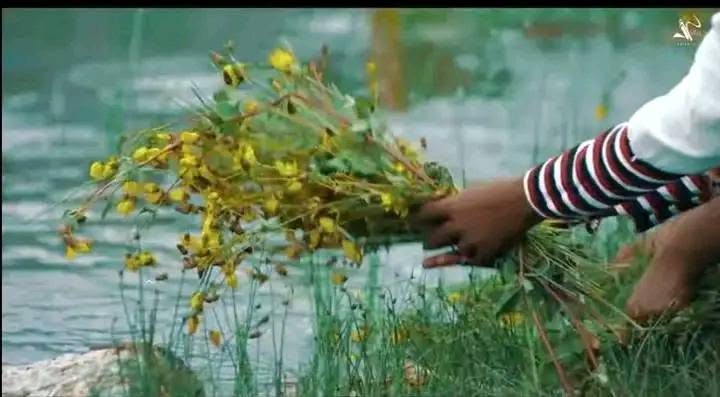
How Oromos carry keelloo and fresh grass to the riverbanks, dip them into the water, and renew their covenant with Waaqa
By Staff Writer
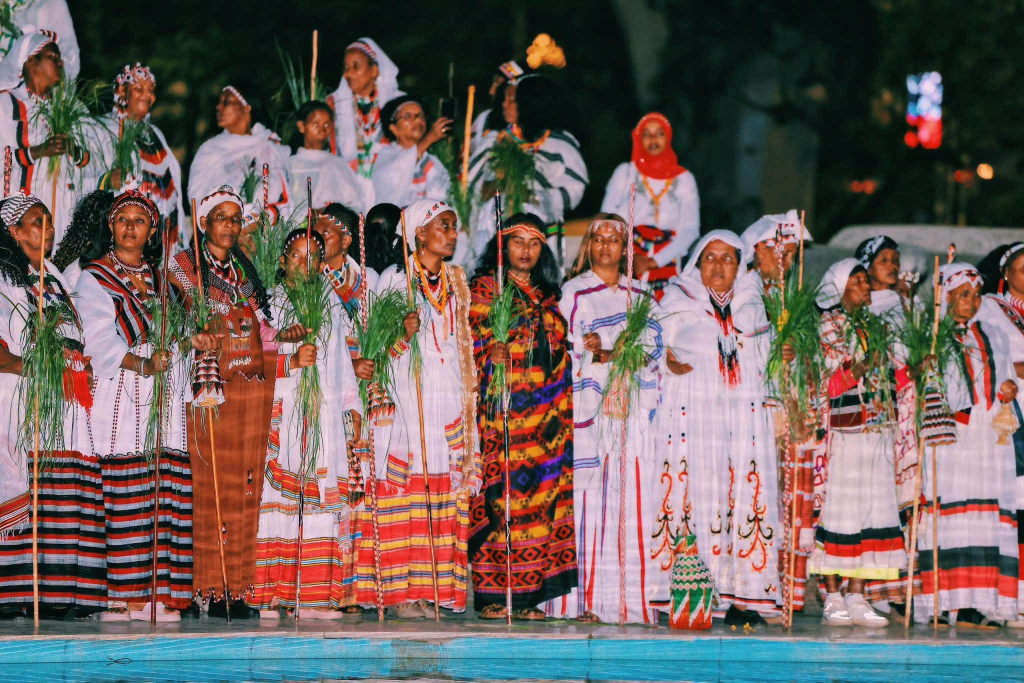
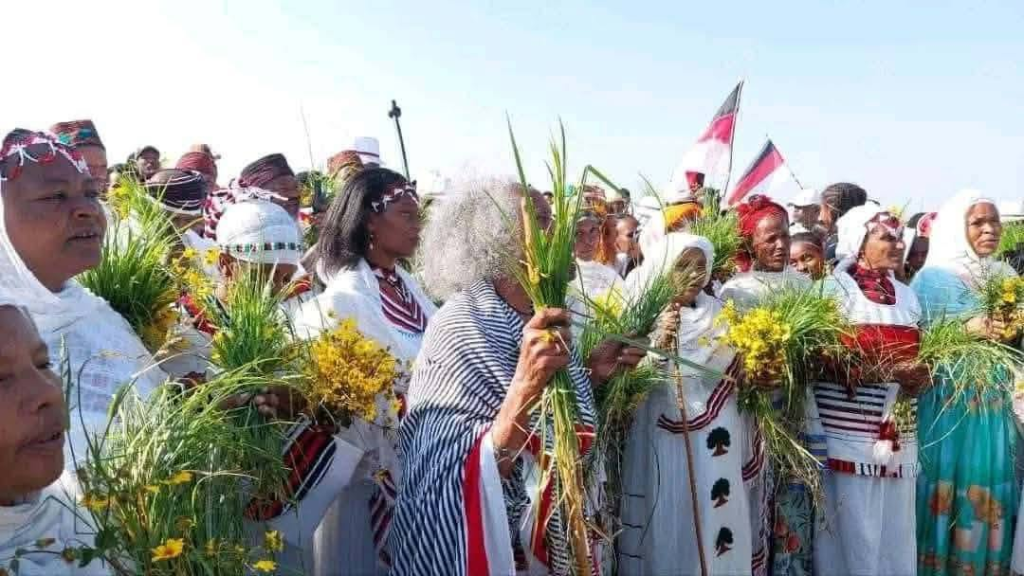
At the heart of the Irreechaa festival lies a ritual of profound simplicity and immense spiritual depth. Long before the songs reach their peak and the crowds swell along the riverbanks, Oromo elders, mothers and youth begin their journey toward the water. In their hands they carry daraaraa keelloo — yellow flowers — and marga jiidhaa — fresh, green grass.
These are not decorative items. They are sacred emblems of life, fertility, peace and gratitude. And when they are dipped into the flowing water as part of the irreeffannaa rite, they become instruments of blessing for the entire community.
Daraaraa Keelloo: The Yellow Flower of Blessing
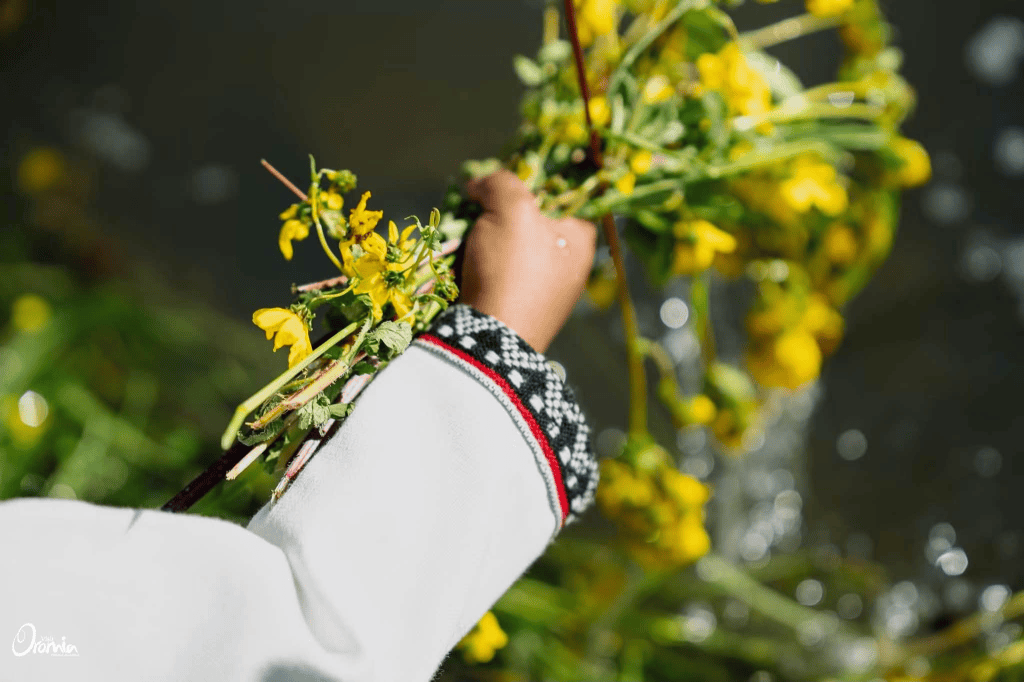
The keelloo — a bright yellow flower that blooms in the Oromo landscape, particularly in the season surrounding Irreechaa — holds a special place in Oromo spiritual and cultural life. Its yellow color symbolizes light, hope, warmth and the radiance of the sun after the long, dark rainy season. It is the color of ayyaana — blessing and divine favor.
During Irreechaa, the keelloo is gathered with care. Young men and women often collect the flowers in the early morning, singing traditional songs as they go. The flowers are then carried to the riverside, where they will be used in the central act of the celebration. The keelloo is also used in other Oromo rituals and is associated with joy, celebration and the beauty of creation.
For Oromos, the keelloo is more than a flower. It is a visible sign of Waaqa’s goodness — a reminder that after hardship comes renewal, and that the earth itself rejoices with the people.
Marga Jiidhaa: Fresh Grass as the Symbol of Life
Marga jiidhaa — fresh, moist grass — is equally central to the Irreechaa ritual. In Oromo culture, green grass is the universal symbol of peace, life, fertility and well-being. It is used in ceremonies of reconciliation, in blessings, and in prayers for abundance. When elders wish to bless someone, they may sprinkle fresh grass or hold it as they speak words of peace.
At Irreechaa, the grass is gathered in bundles. It is often mixed with the keelloo flowers, creating a combined emblem of life and blessing. The grass must be fresh and green — a sign that the land has received rain and that the season of abundance has arrived.
The Journey to the Malkaa: Walking Together to the Water
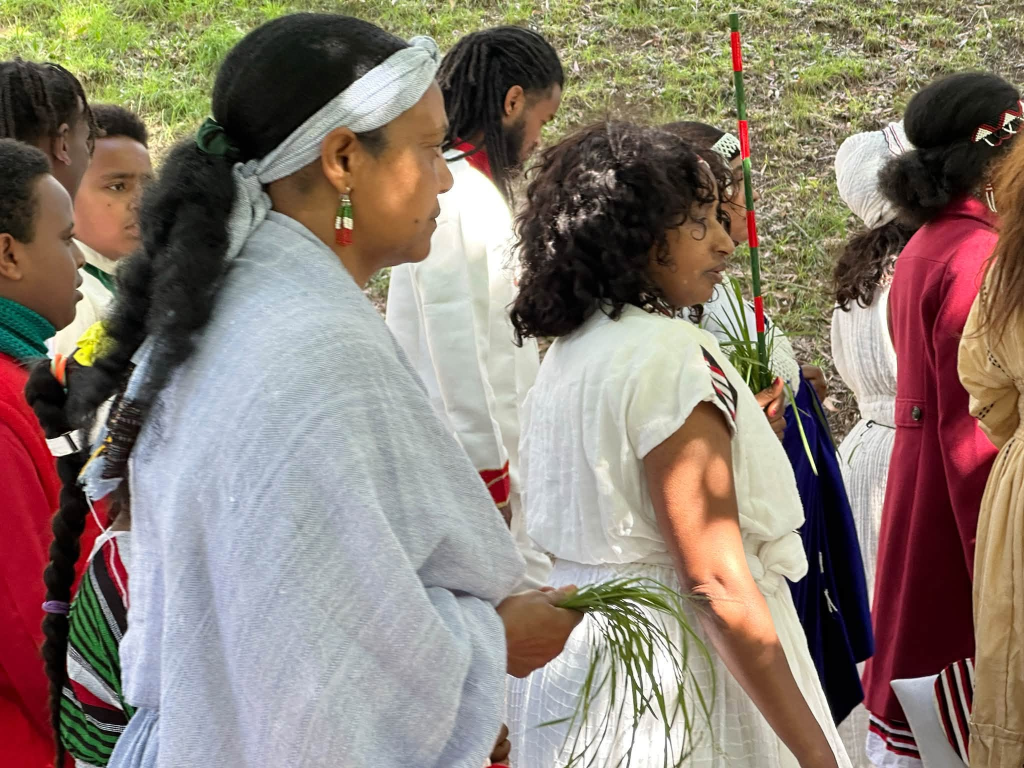
When the time comes, the community moves toward the malkaa — the riverbank, lakeshore or sacred water body. This journey is itself a ritual. People walk together, often dressed in their finest traditional attire, singing songs of praise and gratitude. The movement toward the water is a movement toward purification, renewal and encounter with Waaqa.
The choice of water is significant. In Oromo cosmology, water is the source of life, a symbol of purity and a channel of blessing. Rivers and lakes are understood as sacred spaces where the spiritual and physical worlds meet. To stand by the water during Irreechaa is to stand at the threshold of the divine.
Cuuphaa: Dipping the Grass and Flowers into the Water
At the water’s edge, the central rite unfolds. The participants — often led by the Haadha Siinqee, Qaalluu figures, elders and the Abbaa Gadaa — approach the water with the keelloo and fresh grass in hand.
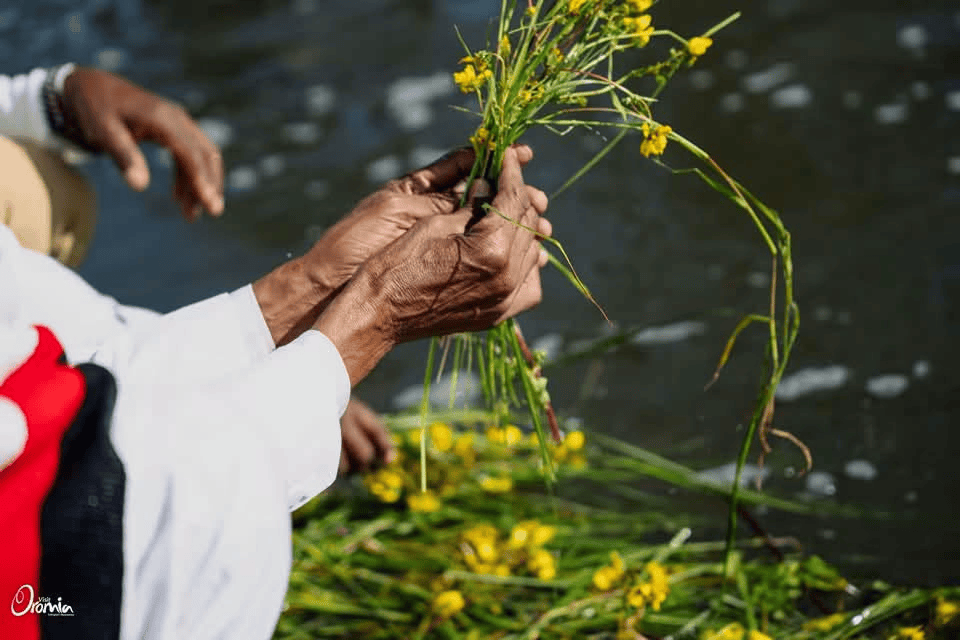
They then dip the grass and flowers into the water (cuuphaa). This act of immersion is rich with meaning:
- Thanksgiving: It is an offering of gratitude to Waaqa for the gift of rain, fertility and life. The water is the visible blessing, and the grass and flowers are the visible response of the people.
- Purification: The dipping represents a cleansing of the community — a washing away of the impurities, grievances and misfortunes of the past year.
- Renewal of Covenant: It symbolizes the renewal of the covenant between Waaqa, the people and the earth. The relationship is restored and made fresh for the coming season.
- Blessing and Sprinkling: After dipping, the participants often sprinkle the water from the grass and flowers upon themselves, upon others, and upon the ground. This sprinkling is a gesture of blessing, conveying peace and fertility to all present.
Some accounts describe the water being sprinkled on the participants’ heads and faces, a ritual act that marks them with divine favor. Others describe the grass being passed through the water and then carried back to the community as a sign of peace.
The Irreeffannaa Prayer: Words Said Over the Water
The dipping is accompanied by prayer and invocation. The irreeffannaa — the act of giving thanks and blessing — is spoken aloud by elders and ritual leaders. Words of gratitude are offered for the rains, for the harvest, for the health of families and livestock, for the peace of the land. Prayers are also lifted for the year ahead: for continued fertility, for protection from disaster, and for harmony among all peoples.
The community responds with “Irreechaa!” — a joyful affirmation and invocation of blessing. The sound of the word itself carries the meaning of “thank you” and “may it be blessed.”
A Ritual That Connects All Creation
The Irreechaa water rite is a profound expression of Oromo cosmology — the understanding that human beings, the earth, the waters, the plants and the divine are all interconnected. By carrying the flowers and grass to the water, dipping them in, and offering them up, the Oromo people enact their belief that gratitude, peace and life itself flow from the sacred relationship between Waaqa and creation.
The daraaraa keelloo and the marga jiidhaa are therefore not merely objects. They are prayers made visible. The water is not merely water; it is the medium of blessing. And the act of dipping is not merely a gesture; it is a covenant renewed — a promise of peace, a plea for abundance, and a song of thanks to the source of all life.
At the riverbank, with flowers in hand and water flowing, the Oromo people stand as they have stood for generations: grateful, humble and connected to the sacred rhythm of the earth. And when they raise their voices and dip the green grass into the water, they declare to the world that life is a gift — and that gratitude is the way to honor it.

Posted on October 4, 2026, in Aadaa, Afaan, Bokkkuu, Election, Events, Finfinne, freedom, gadaa, Information, Irreechaa, Language, Media, mental health, News, Oromia, Press Release, Promotion. Bookmark the permalink. Leave a comment.






Leave a comment
Comments 0