Category Archives: Asylum Seekers

Arming the Party: The Perils of Military Training for Civilian Political Leadership in Ethiopia
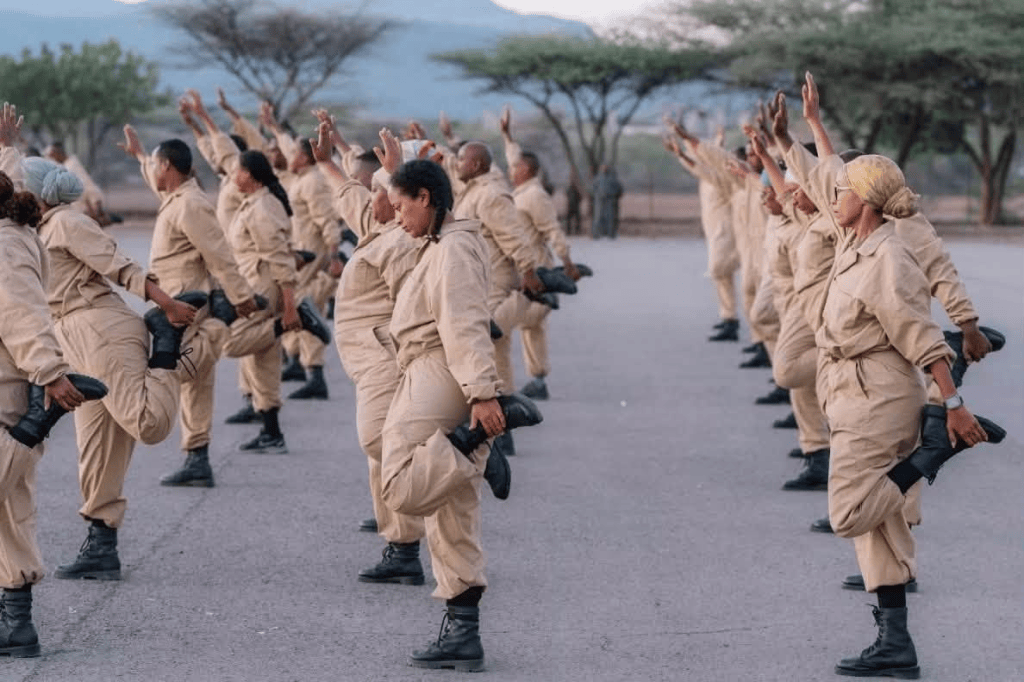
An Analysis of Kader Nour Elmi’s Statement on Prosperity Party Cadre Training
By ONA Staff Reporter
In fragile democracies and transitional states, the line between the ruling party and the state apparatus is often perilously thin. When that line is crossed—particularly concerning the national armed forces—the implications for democratic governance, human rights, and long-term stability are profound.
A recent statement by Kader Nour Elmi, a member of the Freedom and Equality Party (Somali Region), raises critical alarm bells regarding the provision of military and security-related training to the civilian leadership of Ethiopia’s ruling Prosperity Party (PP). Elmi’s analysis touches upon one of the most sensitive fault lines in contemporary Ethiopian politics: the creeping militarization of partisan politics and the potential weaponization of state security institutions.
The Two Faces of Leadership Training
Elmi’s statement offers a nuanced starting point. On the surface, providing security and strategic training to civilian leaders is not inherently sinister. In an increasingly volatile geopolitical environment—characterized by asymmetric warfare, cyber threats, and complex regional conflicts—leaders with a robust understanding of national security can, theoretically, govern more effectively. Capacity building can improve strategic foresight and institutional resilience.
However, the context in which this training occurs is everything. Elmi rightly notes that establishing a “special relationship” between a ruling party and the national armed forces invites legitimate and grave concerns. When the Prosperity Party—a partisan political entity—receives specialized military or security training, it risks blurring the fundamental distinction between the party and the state.
In a true democratic system, the military belongs to the republic, not to the party in power. The Ethiopian National Defense Force (ENDF) and other security apparatuses are constitutionally mandated to protect the sovereignty of the state and the rights of all citizens, irrespective of their political affiliations. When the ruling party co-opts military institutions for its own cadre development, it sends a dangerous message: that the military exists to protect the party’s grip on power, rather than the nation’s constitutional order.
The Threat to Military Neutrality and Political Equality
Elmi’s most potent point is the concern over military neutrality and political equality. Ethiopia is a deeply diverse nation, home to numerous political parties and armed resistance movements, particularly in Oromia and Amhara. If the armed forces are perceived as being ideologically aligned with, or trained to protect, the Prosperity Party, the military loses its legitimacy as a neutral arbiter and national unifier.
This dynamic breeds profound inequality. If PP leaders are trained in security and military strategy while opposition parties are left out, it creates a two-tiered political system. The ruling party becomes a quasi-military entity, while opposition groups are relegated to a position of structural vulnerability. In such an environment, democratic competition ceases to be a battle of ideas and becomes a contest of force. The military and security services, rather than being the shield of the people, become the sword of the incumbent.
The Need for Transparency and Accountability
Elmi’s call for transparency is not just a procedural demand; it is a constitutional necessity. The purpose, content, funding, and legal framework of providing military training to civilian party leaders must be subjected to rigorous public scrutiny.
Who is funding this training? Is it being conducted by the Ministry of Defense, the National Intelligence and Security Service (NISS), or foreign entities? What is the curriculum? Are state resources—which are funded by the taxes of all Ethiopians, including those who oppose the Prosperity Party—being diverted to strengthen a partisan political machine?
Without transparent legal frameworks and accountability mechanisms, these training programs risk becoming shadowy operations that entrench authoritarianism. The use of state security institutions to advance partisan interests is a hallmark of state capture—a phenomenon that undermines the rule of law and erodes public trust in the very institutions meant to protect them.
A Warning from the Opposition
Kader Nour Elmi’s statement, coming from a member of an opposition party in the Somali region—an area that has experienced its own complex dynamics of regional security and political marginalization—serves as a timely warning. It highlights that the concerns over the Prosperity Party’s relationship with the military are not isolated to one region or one ethnic group; they are a national dilemma.
The Prosperity Party came to power promising a new era of unity and prosperity. However, when the ruling party engages in military-style training for its cadres, it signals a reliance on security apparatuses to maintain control, rather than on democratic consensus and the ballot box. This approach mirrors the tactics of previous authoritarian regimes, where the military was used to suppress dissent and ensure the survival of the ruling elite.
Conclusion: Preserving the Democratic Boundary
The integrity of Ethiopia’s democratic transition hinges on the strict separation of party and state. Elmi’s analysis is a vital contribution to the national discourse, reminding us that national security institutions must remain firmly under the control of constitutional law, not the partisan whims of a ruling party.
If the Prosperity Party truly believes in democracy, it must ensure that its leadership training is fully transparent, legally sanctioned, and devoid of any military or security dimensions that violate the principle of civilian oversight and military neutrality.
As Elmi concludes, preserving this distinction is essential. It is the only way to safeguard democracy, strengthen the rule of law, and ensure that the national armed forces serve the people of Ethiopia, rather than the narrow political interests of those in power.

Ethiopia’s Leaders Trade Suits for Uniforms: A Wartime Cabinet in Training
By ONA Staff Reporter
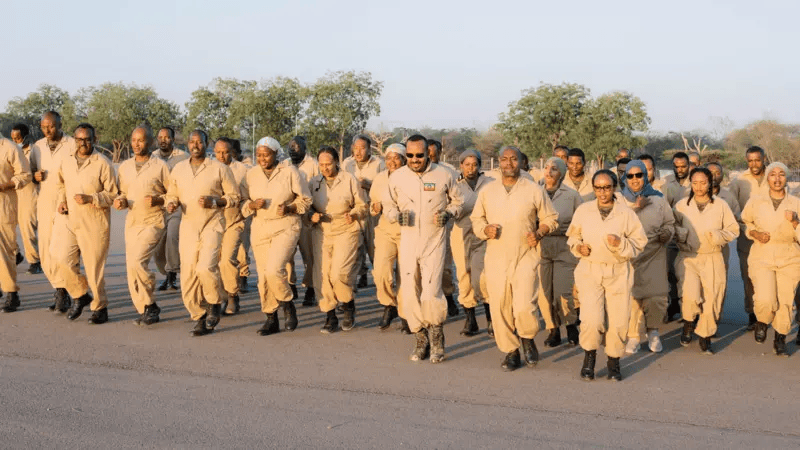
ADDIS ABABA — In a striking image that has circulated widely across Ethiopian social media, Prime Minister Abiy Ahmed stands shoulder to shoulder with his cabinet members and senior officials, not in the dark suits of governance but in the olive-green fatigues of military trainees. The photographs, shared on the Prime Minister’s own social media pages on Saturday, October 31, 2026, reveal a government preparing for war—and framing that preparation as a strategic necessity.
A Cabinet in Uniform
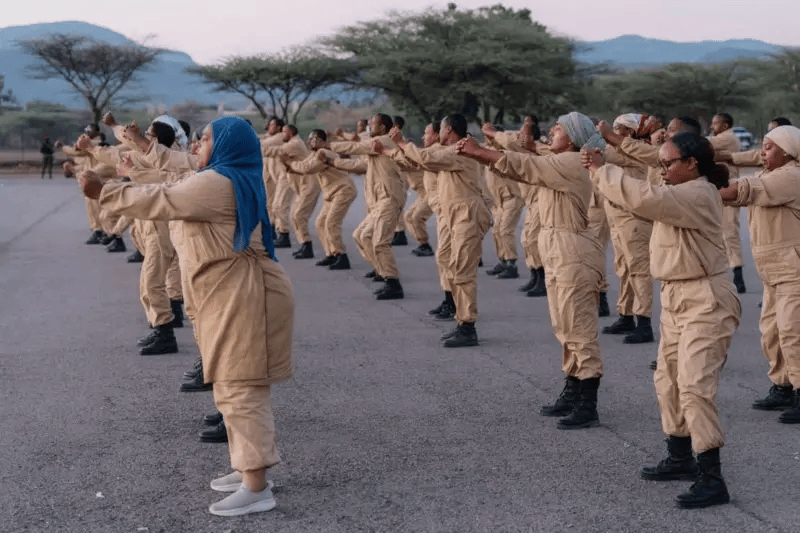
Among those pictured in military training gear at the Hurso facility were Mufrihat Kamil, Speaker of the Federation Council; Dr. Fitsum Assefa, Minister of Finance; and Dr. Mekdes Daba, Minister of Health. They were not observing exercises from a distance. They were participating in them.
According to the Prime Minister’s statement, the officials are undergoing military training at Hurso, a site that has become synonymous with the government’s increasingly militarized approach to statecraft. The training, Abiy explained, is designed to help officials “properly understand and implement” the ideas contained in what he calls the “Great Strategy of Additive Civilization” (Ye Medemer Siltenie Talaku Strategy).
The “Additive Civilization” Doctrine
The strategy, as articulated by the Prime Minister, contains principles that read as much like a wartime manifesto as a governance blueprint: “ensuring national security at all times,” “building a strong country that cannot be bent by anyone or anything,” and “mobilizing the structure from bottom to top for a national purpose.”
Military science, Abiy wrote, “has no competitor in shaping the purpose and humanity of a person.” He described it as a discipline that makes people “physically, spiritually, morally, and in execution disciplined.” The knowledge, skills, and experience drawn “from military science and life,” he argued, are essential to implementing the strategy.
“Leaders of the Additive government are taking military training at the Hurso military training camp,” Abiy wrote. “Soldiers have targets; civilians have objectives. The goal of both is to register victory. By combining both disciplines, we will create a generation that hits the target and achieves the objective.”
The Context: A Region on Edge
The timing of the training is not incidental. It comes as the Ethiopian National Defense Force (ENDF) has moved closer to the border with Eritrea, amid mounting fears that the two countries—locked in a diplomatic freeze over accusations of supporting insurgents and a dispute over sea access—could be drawn into war. The two nations have severed diplomatic relations, and the threat of renewed conflict hangs over the Horn of Africa.
The training also comes as the government continues to consolidate its military posture. This week, during a visit to Russia, Prime Minister Abiy announced that Ethiopia had received Su-35 fighter jets—advanced aircraft that would make Ethiopia the first sub-Saharan African nation to operate them. The delivery represents a significant escalation in the country’s aerial capabilities.
The Prime Minister has repeatedly stated that strengthening Ethiopia’s military capacity across all sectors is among his objectives. The images of his cabinet in uniform are not merely symbolic; they are a signal that the government’s approach to governance has become inseparable from its approach to war.
A Government at War with Itself?
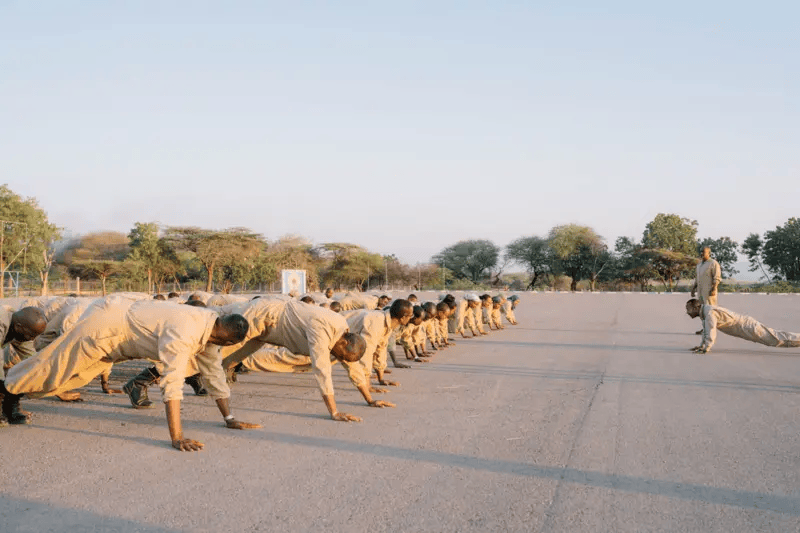
The photographs raise uncomfortable questions. A finance minister in fatigues, a health minister in combat gear—what does it mean for a government to train its civilian leadership for battle? The Prime Minister’s framing suggests a belief that military discipline is the antidote to the indiscipline of civilian governance, that the battlefield’s clarity of purpose should be brought to the messy work of running a state.
But critics may see something else: a government that has increasingly turned to military solutions for political problems. The training at Hurso, the procurement of advanced fighter jets, the escalating rhetoric—all of this unfolds against a backdrop of internal conflict, including renewed fighting with forces in northern Ethiopia and ongoing unrest in Oromia.
The government has not disclosed when the training began or how long it will last. What is clear is that the image of a cabinet in uniform is intended to convey a message: Ethiopia’s leadership is preparing for something. Whether that something is defense, deterrence, or the prosecution of war remains to be seen.
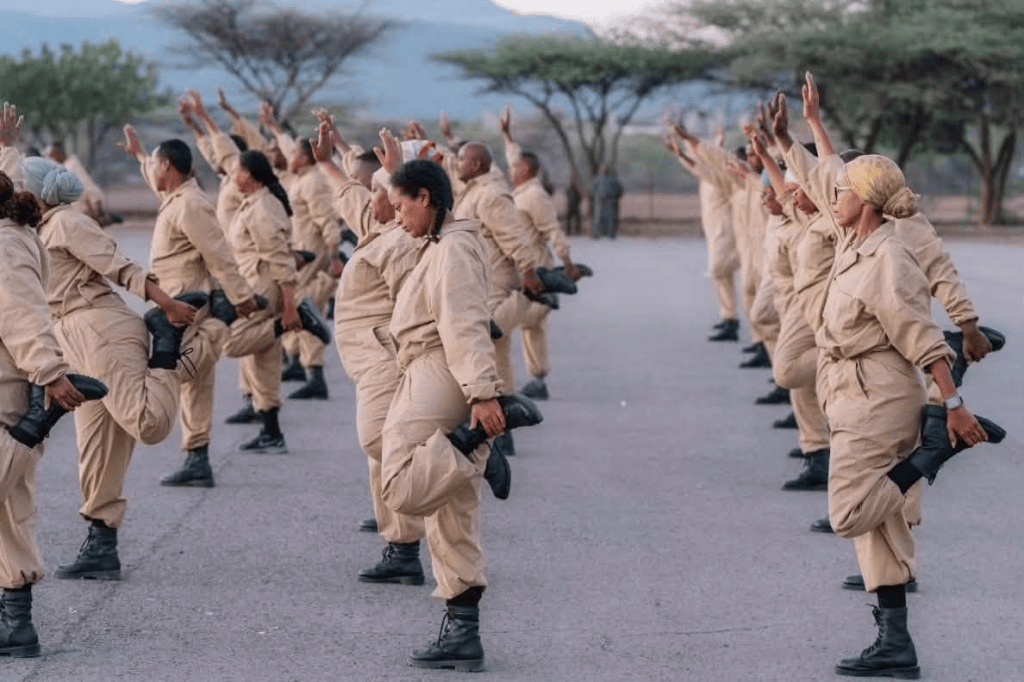
The Image That Speaks
In a region where symbols carry enormous weight, the photograph of Abiy and his officials in military fatigues is more than a social media post. It is a declaration of intent. The “Great Strategy of Additive Civilization” is being taught at a military camp, to a cabinet, in a country on the brink. The soldiers have targets; the civilians have objectives. And the Prime Minister has made clear that he expects both to hit them.
As Ethiopia navigates a precarious moment in its history, the sight of its leaders in uniform offers a glimpse of how they see the road ahead: not as a path of diplomacy and civilian governance, but as a campaign to be won.
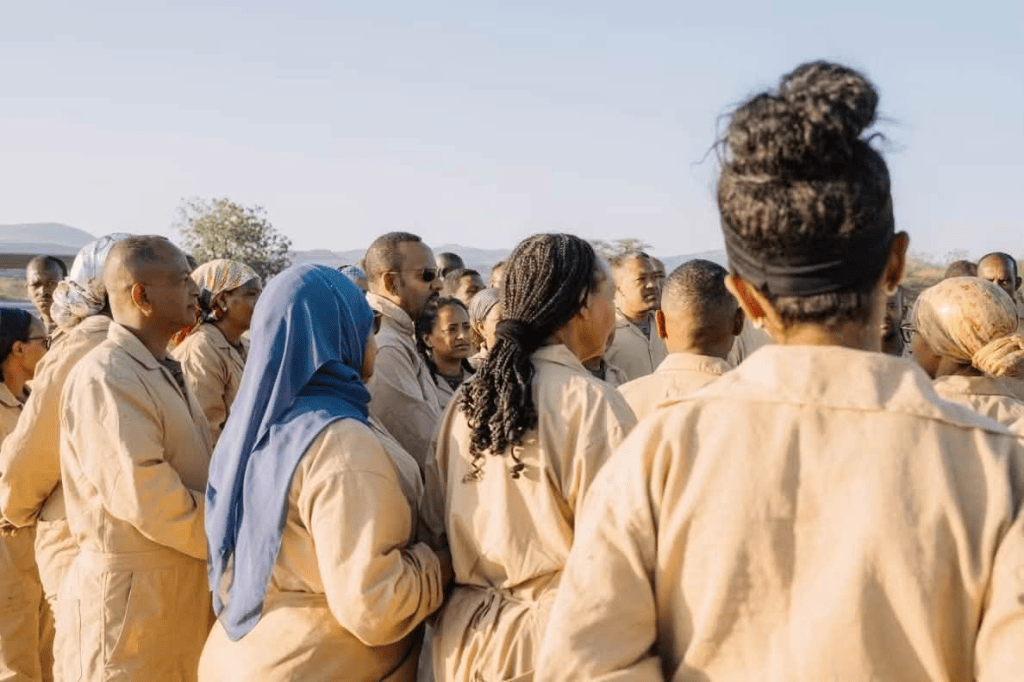
Source: EBC (Ethiopian Broadcasting Corporation) and the Prime Minister’s official social media pages.

Interim Coordinator General Louise Perry Shares Vision for Multicultural and Multifaith Victoria
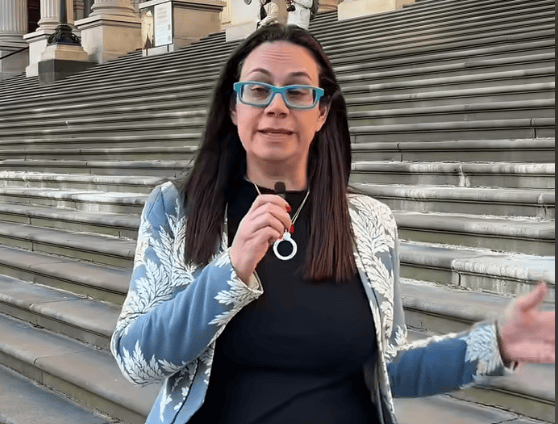
Melbourne, Victoria — In a landmark moment for the state, Interim Multicultural Coordinator General Louise Perry has outlined her vision for Multicultural and Multifaith Victoria — the newly established body created to ensure that the experiences, perspectives, and aspirations of Victoria’s diverse communities actively shape government policies, programs, and services.
A New Chapter for Victoria
Established today, Multicultural and Multifaith Victoria brings together three critical functions — community engagement, policy, and grants delivery — under one unified structure. This integrated approach is designed to strengthen the relationship between government and the state’s multicultural and multifaith communities, ensuring their voices are not only heard but embedded in the decisions that affect their lives.
A Vision Rooted in Community
Interim Coordinator General Louise Perry shared her vision for the new organisation, highlighting the opportunities it creates for communities across Victoria. Her message underscores a commitment to meaningful engagement — one that moves beyond consultation to genuine partnership.
The establishment of Multicultural and Multifaith Victoria represents a significant step forward in how the Victorian Government engages with its culturally and religiously diverse communities. By bringing together engagement, policy, and grants under one roof, the organisation is positioned to deliver more coordinated, responsive, and impactful outcomes.
Watch and Learn More
Community members, stakeholders, and partners are invited to watch the official video to learn more about this new chapter for Victoria’s multicultural and multifaith communities. The video provides insight into the organisation’s mission, its approach to engagement, and the opportunities it will create for communities across the state.
A Shared Future
The launch of Multicultural and Multifaith Victoria signals a renewed commitment to building a more inclusive, connected, and representative Victoria — one where every community has a seat at the table and a role in shaping the future.
For more information about Multicultural and Multifaith Victoria and to watch the video, visit the official website at https://www.multicultural.vic.gov.au/
Stay connected by following Multicultural and Multifaith Victoria on LinkedIn for updates, announcements, and opportunities to engage.
Irreechaa: A Living Memory Across Generations
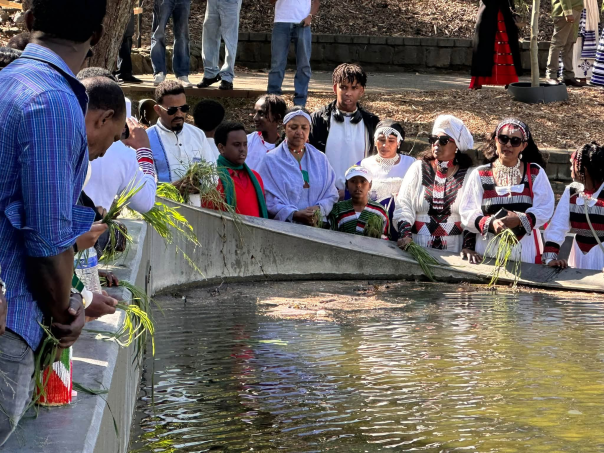
“Irreechaa waggaatti naanna’e dhufa; ayyaana kana irratti yaadannoo barayyuu jiraatu dhalootaaf kahanii darbuu waanti fakkaatu hin jiru.”
Irreechaa returns year after year; there is nothing that seems to pass beyond the reach of generations when the memory of this festival lives on and is preserved.
This profound truth captures the essence of Irreechaa — a festival that refuses to be confined to a single moment in time. It is a celebration that travels with its people, crossing rivers, mountains, and oceans, carrying with it the sacred duty of remembrance.
A Festival That Travels With Its People
Irreechaa is more than a thanksgiving ceremony. It is a living testament to the resilience, faith, and unity of the Oromo people. Celebrated at the banks of rivers and lakes, it marks the transition from the rainy season to the harvest, a moment of gratitude to Waaqa (God) for the blessings of life, fertility, and community.
But when Irreechaa travels — as it has with the Oromo diaspora to cities like Melbourne — it does not lose its meaning. Instead, it multiplies. Each celebration in a new land becomes a bridge between the homeland and the heart, between ancestors and descendants, between memory and hope.
Melbourne: A New Chapter in an Ancient Story
The Irreechaa celebrations in Melbourne are a vivid reminder that distance does not diminish devotion. Under the open sky of a foreign land, Oromo families gather in their traditional attire, sing songs of praise, and perform the sacred rituals that have been passed down for centuries. The colors of the calanchi and the rhythm of the shaggooyyee echo the same spirit that fills the banks of the Hora Arsadi and the Awash River.
These gatherings are not merely cultural events; they are acts of survival. They are declarations that no matter where life takes a people, their identity remains rooted in their traditions.
The Power of Shared Memories
“Suuraalee Irreechaa Melbourne kana waliif qooduunis yaadannoo keenyatti lubbuu haa horru!”
Sharing the photos of this Irreechaa in Melbourne breathes life into our memory!
In the age of digital connection, every photograph, every video, every shared post becomes a vessel of memory. When we share these images, we are not simply documenting an event — we are breathing life into our collective story. We are telling the next generation: This is who we are. This is where we come from. This is what we carry with us.
For those who could not attend, these shared moments become a lifeline. For those who were present, they become anchors of joy. For those yet to be born, they become a legacy.
A Call to Keep the Flame Alive
We extend our deepest gratitude to Yadeta Lemu, Kasahun Soboka, Aliye Geleto, Dhabessa Wakjira, and Yadesa Bedhasa for their dedication in capturing and sharing the spirit of Irreechaa Melbourne. Their efforts ensure that the memory of this celebration does not fade with time but grows stronger with each passing year.
Their work reminds us that preserving culture is not a passive act. It requires effort, commitment, and love. It requires people who understand that when we share our traditions, we are not just looking back — we are building forward.
Conclusion: Irreechaa as a Bridge
Irreechaa is a bridge. It spans the distance between generations, between homelands, between hearts. It teaches us that as long as we remember, we are never truly far from home. As long as we celebrate, we are never truly alone.
So let us continue to share. Let us continue to remember. Let us continue to breathe life into our memories — for in doing so, we ensure that Irreechaa will indeed return, year after year, carrying our stories to generations yet to come.
Irreechaa fi yaadannoo keenya — dhalootaaf kahanii darbuu hin danda’u!
Irreechaa and our memory — they cannot pass beyond the reach of generations!

🩸 THREE MOMENTS. ONE PEOPLE. ONE NAME. 🩸

They tried to split us by faith. We chose to die as OROMO.
1️⃣ ARSII — 1966
📍 Hundee Tokkummaa Oromoo
In the mountains of Arsii, the foundation was laid. In 1966, brave Oromo sons — Muslim and Christian together — raised the banner of Oromo unity. The enemy’s plan was simple: use religion to break us. They failed. They dug deep foundations that no conspiracy could shake. From Arsii, the root of Oromo unity was planted in blood and fire. 🔥
“Hundee Tokkummaa Oromoo — Arsii, 1966”
2️⃣ SHINNIGAA — 1980
📍 Tokkummaa Oromoo Shinnigaa
In 1980, at Shinnigaa, they came with the same weapon — religion. “Separate yourselves,” they said. “Die apart.” But our heroes looked at the pit, looked at each other, and said:
“Maqaa amantaan gargar hin baanu.”
We do not divide the name by religion.
They refused to separate. They were massacred together, as one people, under one name. Their blood soaked the same ground. Their sacrifice became our foundation. 🕯️
“Tokkummaa Oromoo Shinnigaa — 1980”
3️⃣ BISHOOFTUU — 2016
📍 Walgaltee Ilmaan Oromiyaa
Thirty-six years later, in Bishooftuu Harsadii, the enemy tried again. Same tactic. Same lie. Separate the Muslim from the Christian. Divide the youth. Break the unity.
They failed again.
The youth of Oromiyaa refused to be divided. They were buried together — in one place, under one identity. They became the pillars of our identity (utubaa eenyummaa). We will never forget them. Not today. Not ever. ✊
“Walgaltee Ilmaan Oromiyaa — Bishooftuu Harsadii, 2016”
⚡ THE MESSAGE ⚡
From Arsii 1966 → Shinnigaa 1980 → Bishooftuu 2016
The enemy’s strategy never changed:
Use religion to divide. Use division to destroy.
Our answer never changed either:
We are OROMO first. We die together. We rise together.
They built pits expecting us to fall apart.
We built monuments of unity from our bones.
🔥 “Seenaa keenya keessatti barayyuu cululuqee jiraata.” 🔥
In our history, it lives forever — shining.
🔁 SHARE if you refuse to be divided.
❤️ LIKE if you honor their sacrifice.
💬 COMMENT the name of your hero.
📌 SAVE this. Teach it. Never forget.
#Oromo #Oromia #Arsii1966 #Shinnigaa1980 #Bishooftuu2016 #MaqaaAmantaanGargarHinBaanu #TokkummaaOromoo #NeverForget #OromoUnity #SeenaaKeenya #Qeerroo #OromoIdentity #OnePeopleOneName
“Those who tried to bury them did not know: a people who refuse to be divided have found something stronger than death.” 🩸✊
Irreechaa: Core Values
Core Values at a Glance: At its heart, Irreechaa is built on gratitude to Waaqa (God), which flows into four enduring pillars: peace, forgiveness and reconciliation, unity and inclusivity, and connection with nature.
Irreechaa is more than a harvest celebration in Oromo culture — it is a complete moral and spiritual framework. Here is a closer look at its core values.
🙏 Gratitude and Thanksgiving
This is the foundation of Irreechaa. The Oromo people gather to thank Waaqa (the Creator) for the blessings of the past year — life, peace, rain, harvest, health, family, and the fertility of livestock. It is not merely a celebration but a humble recognition that all life depends on the Creator’s generosity. Gratitude, in this sense, is not just spoken; it is felt and lived.
🤝 Forgiveness, Reconciliation, and Peace
Irreechaa carries a transformative power. Before taking part in the ceremony, participants are expected to let go of grudges, release anger, and seek reconciliation with others. Traditional belief holds that prayers offered with a pure and forgiving heart are the ones through which true peace can descend. Former Prime Minister Abiy Ahmed has repeatedly described Irreechaa as an occasion for reconciliation, forgiveness, and unity.
🕊️ Unity and Inclusivity
Irreechaa is radically inclusive. People of all ages, genders, religions, political views, and ethnic backgrounds are welcome to join. Scholars note that it unites not only Oromo people but also transcends language and territorial boundaries, bringing diverse communities together under the principles of peace, mutual respect, and coexistence. Participants dressed in white are themselves a symbol of that peace.
🌿 Connection with Nature
Irreechaa expresses a deep bond between humanity and the natural world. Ceremonies are held along riverbanks and lakeshores, where participants carry fresh green grass and flowers, dip them in water, and sprinkle the water as a blessing of renewal, hope, and purification. This ritual is not only an act of gratitude toward nature but also reflects the Oromo ethical principle of Safuu — the understanding that human beings are stewards of the earth, responsible for protecting water, soil, and the balance of life.
Together, these values form the spiritual core of Irreechaa, making it far more than a festival. It is a living heritage that continues to shape Oromo identity, moral life, and community bonds across generations.

What are 10 interesting facts about Irreechaa?
Here are 10 interesting facts about Irreechaa, drawn from its ancient origins, spiritual practices, and growing global reach.
1. It’s Not Just One Festival — It’s Two
Irreechaa is celebrated twice a year, marking two distinct seasonal transitions. The main festival, Irreechaa Malkaa, is held in autumn (September/October) at rivers and lakes to mark the end of the rainy season. The second, Irreechaa Tulluu (or Arfaasaa), is celebrated in spring on hilltops and mountains to welcome the rainy season .
2.  Its Roots Go Back Over 6,000 Years
This is not a recent tradition. Irreechaa is rooted in over 6,000 years of Cushitic civilization, making it one of the oldest continuous thanksgiving traditions in the world. It predates both Christianity and Islam in the region .
3.  It’s Recognized by UNESCO
The festival is intimately tied to the Gadaa system, the traditional Oromo governance structure. The Gadaa system was inscribed by UNESCO as an Intangible Cultural Heritage of Humanity, giving Irreechaa international recognition as a vital part of global cultural heritage .
4.  You Can’t Attend with a Grudge
One of the most striking rules of Irreechaa is that you cannot participate if you are holding resentment or hatred toward others. Disputes must be settled before the festival. It is believed that Waaqa will not accept the prayers and songs of those who come with unresolved conflict .
5. 👩🏾🤝👨🏾 Women Lead the Procession
In a powerful cultural tradition, women walk at the front of the Irreechaa procession, ahead of the Abbaa Gadaa (Gadaa leaders) and elders. If the women stop walking, the entire procession stops. Nobody passes before them. This is rooted in the Siinqee institution, which symbolizes women as sacred and as agents of peace .
6.  The Grass and Flowers Are Sacred Symbols
Participants carry fresh green grass and yellow daisies (daraaraa keelloo) to the water’s edge. The grass symbolizes life, fertility, and renewal, while the yellow flowers bloom specifically during the Birraa (spring) season. Dipping them into the water is an act of purification and gratitude .
7.  It’s Africa’s Largest Outdoor Gathering
The main celebration at Hora Arsadi in Bishoftu is one of the largest annual human gatherings in Africa, attracting millions of people. International media like the BBC, Al Jazeera, and CNN have covered the massive scale of the event .
8.  It Returned to Finfinne After 150 Years
In 2019, Irreechaa was celebrated at Hora Finfinne in Addis Ababa for the first time in 150 years. Under previous regimes, public celebrations had been banned. Its return to the capital was seen as a powerful act of cultural reclamation and identity .
9.  It’s a Global Diaspora Tradition
Irreechaa is not confined to Ethiopia. Oromo communities in the United States, Canada, Germany, Australia, the UAE, Saudi Arabia, and the UK organize their own celebrations. In cities like Melbourne, Washington D.C., Toronto, and Berlin, the diaspora gathers in parks and community centers to maintain their traditions and pass them to the next generation .
10.  It’s a Platform for Peace and Unity
Beyond thanksgiving, Irreechaa is a peace-building event. Scholars describe it as a festival that “sermonizes peace, reconciliation, and unity.” It brings together people of all ages, genders, religions, and social statuses, reinforcing the values of equality and social harmony.

Irreechaa Birraa Celebrated in Amsterdam as Diaspora Reaffirms Identity and Tradition
Where the Oromo Are, There the Oromo Order Thrives
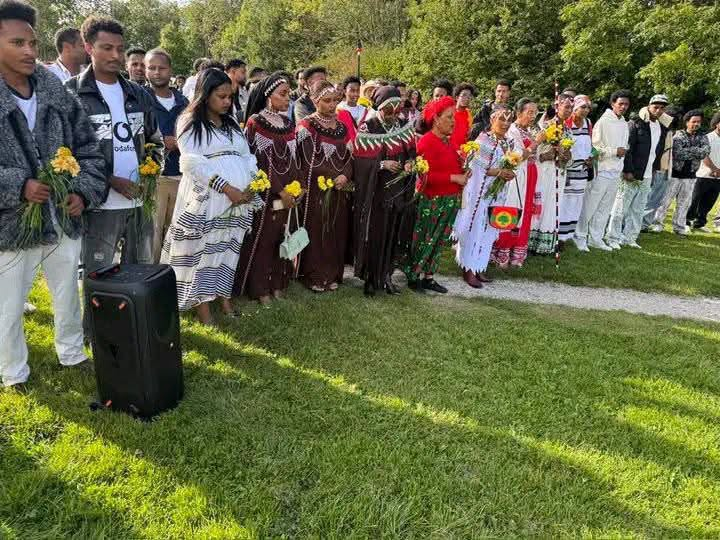
Amsterdam — Under the gray autumn skies of the Dutch capital, a sea of white, green, and yellow transformed Gaasperplas into a sacred Oromo landscape on Saturday, September 26, 2026. The Oromo community of the Netherlands gathered for Irreechaa Birraa, the ancient thanksgiving festival marking the end of the dark rainy season and the arrival of spring, in a powerful display of cultural continuity far from the Horn of Africa .
The celebration, organized by Hawaasa Oromo Nederland, drew Oromo families from across the Netherlands and neighboring European countries. Women in traditional dresses carried fresh green grass and yellow daisies; elders led prayers in Afaan Oromoo; and the sound of faaruu—traditional songs of gratitude—echoed across the park grounds .
For the Oromo diaspora, Irreechaa is more than a festival. It is a living declaration that the Oromo system—the sirna Oromoo—endures wherever the Oromo people are.
A Nation of Greatness
The Oromo are the largest ethnic group in Ethiopia and the Horn of Africa, numbering tens of millions and inhabiting a vast territory stretching from the central highlands to the southern lowlands . Their language, Afaan Oromoo, belongs to the Cushitic branch of the Afro-Asiatic family, and their traditional governance system, the Gadaa, was recognized by UNESCO as an Intangible Cultural Heritage of Humanity .
But numbers alone do not capture the depth of Oromo civilization. The Oromo possess a comprehensive philosophical and legal framework—safuu—that governs relations between humans, between humans and the natural world, and between humanity and the divine . Safuu establishes boundaries, rights, and responsibilities; it teaches that every created thing has its proper place and that violating these boundaries invites aadmalee—a profound moral transgression .
Central to this system is the land itself. For the Oromo, the earth is not merely property. She is haadha waan hunda—the mother of all things . Among the Boorana Oromo, the land is called Baattoo, a name that evokes her role as the sustainer who carries all life, both good and evil, upon her back . To farm sacred land—mountain slopes, water sources—without proper ritual is not merely an agricultural decision; it is a spiritual violation.
The Oromo are a people of profound religious tradition. Waaqeffannaa, the Oromo religion, worships one God—Waaqa—through a complex system of ayyaana, spiritual intermediaries who convey human needs to the Creator . The Oromo do not see themselves as a people without faith; they see themselves as a people with a very old faith, one that predates the arrival of Christianity and Islam in their lands.
Irreechaa: The Heartbeat of Oromo Life
No single institution better embodies the Oromo system than Irreechaa. Celebrated at the end of the rainy season (Ganna) and the beginning of spring (Birraa), Irreechaa is a national thanksgiving, a collective prayer of gratitude to Waaqa for protection, harvest, and peace .
The festival is celebrated in two principal forms. Irreechaa Malkaa takes place at the edges of rivers and lakes, where participants dip green grass and flowers into the water, sprinkling themselves as a symbol of purification and renewal . Irreechaa Tulluu is celebrated on hilltops, where the community gathers to pray for rain, fertility, and the well-being of the people . The largest celebrations occur at Hora Finfinne in Addis Ababa and Hora Arsadi in Bishoftu, where millions of Oromo gather each year—making it one of the largest annual human gatherings on the African continent .
The rituals of Irreechaa are rich with symbolism. Green grass represents life and fertility. Yellow daisies represent the joy of survival. Water represents purification and the washing away of hardship. The procession itself—elders leading, women walking in front, youth carrying flowers—is a living map of the Gadaa system’s social order .
Critical to Irreechaa is the requirement of reconciliation. A person carrying a grudge, a dispute, or an unresolved conflict is not permitted to participate fully in the festival . This is not merely a social nicety; it is a profound statement of the Oromo moral order. One cannot approach the sacred with a heavy heart. One cannot give thanks while holding anger. The Oromo system insists that gratitude and grievance cannot coexist.
The Diaspora Embraces the System
In Amsterdam, these traditions were not merely remembered—they were practiced. The Gaasperplas celebration followed the traditional structure: opening prayers led by community elders, a procession toward the water’s edge, the dipping of grass and flowers, and the sharing of food and coffee in a spirit of communal joy .
For diaspora Oromos, Irreechaa serves as a vital cultural anchor. In a world where the pressures of assimilation and the distance of migration threaten cultural continuity, Irreechaa is a reminder that the Oromo system is portable. It travels across oceans. It survives in new climates and new languages. It does not require the soil of Oromia to flourish—only the hearts of Oromo people who refuse to forget .
Community organizers emphasized the importance of the festival for younger generations. For Oromo children born in Europe, Irreechaa may be one of the few spaces where they hear prayers in Afaan Oromoo, see traditional caaccuu and siinqee carried by women, and witness elders acting in their traditional roles as Abbaa Gadaa and Hadhasiinqee .
The siinqee—the ritual stick carried by Oromo women—is itself a powerful symbol of the Oromo system’s treatment of gender. In traditional Oromo society, the siinqee represents the sacred power of women, particularly in their roles as peacemakers and protectors of life . A man who sees the siinqee planted in the ground knows that a woman has claimed her right to be heard, to demand justice, or to stop violence. That this institution survives and is honored in Amsterdam is a testament to the depth of the Oromo system.
A System That Endures
The Oromo say: Irreechi irree keenya—”Irreechaa is our unity” . The festival is not simply a religious observance or a cultural performance. It is a political and social statement: the Oromo system, with its Gadaa governance, its safuu ethics, its ayyaana spirituality, and its seasonal rhythms, is not a relic of the past. It is a living framework that continues to order Oromo life.
In Amsterdam, that framework was visible in every aspect of the celebration. It was visible in the respect shown to elders. It was visible in the equal participation of women, whose siinqee tradition remains one of the most distinctive aspects of Oromo society. It was visible in the focus on reconciliation and peace. It was visible in the integration of prayer and communal meal, ritual and celebration, solemnity and joy.
The Oromo system does not require an army to defend it. It does not require a state to enforce it. It requires only that Oromo people continue to live it. In Amsterdam, they did.
Source: Facebook page Gudisa Barbada

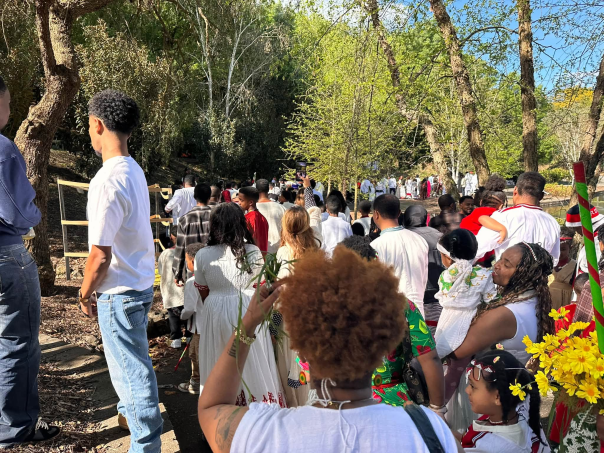
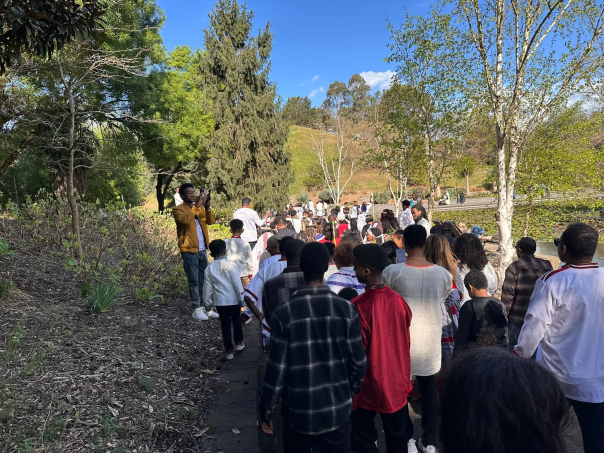
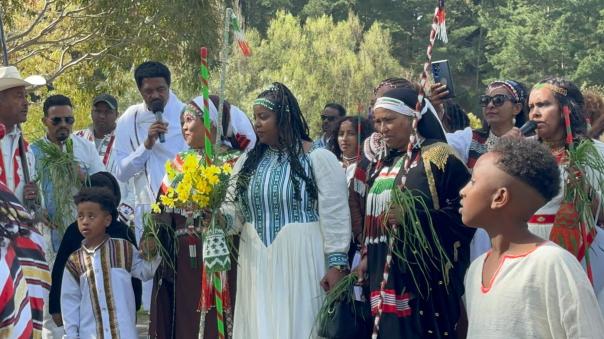
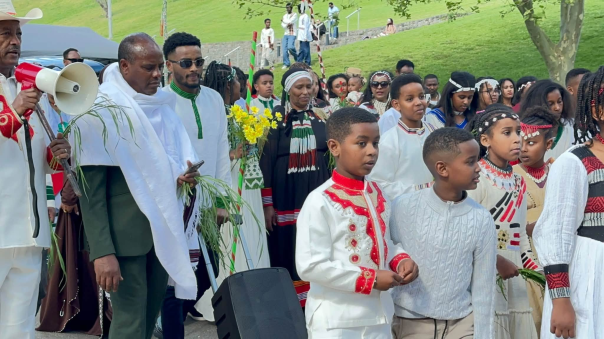
Oromo Community in Melbourne Celebrates Irreechaa with Color and Tradition at Botanical Gardens
By Dhabessa Wakjira
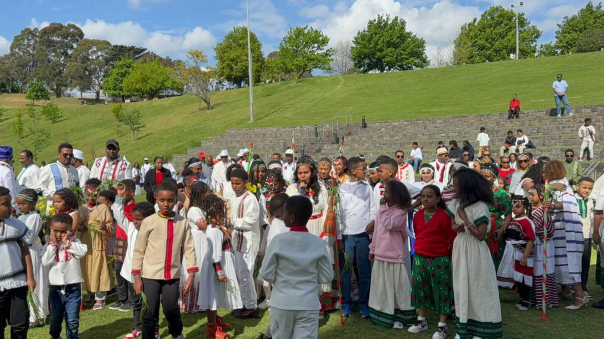
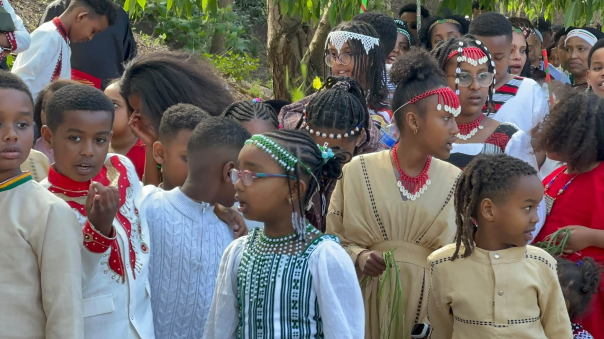
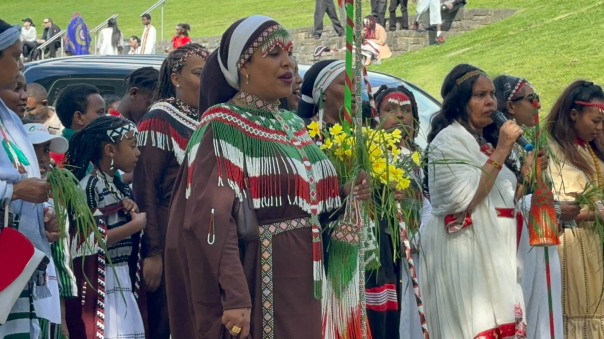
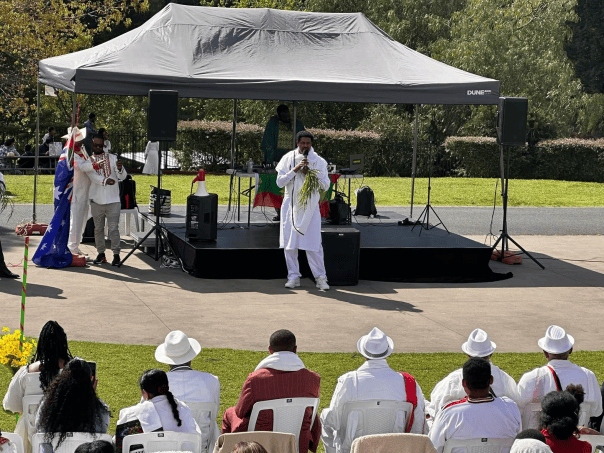
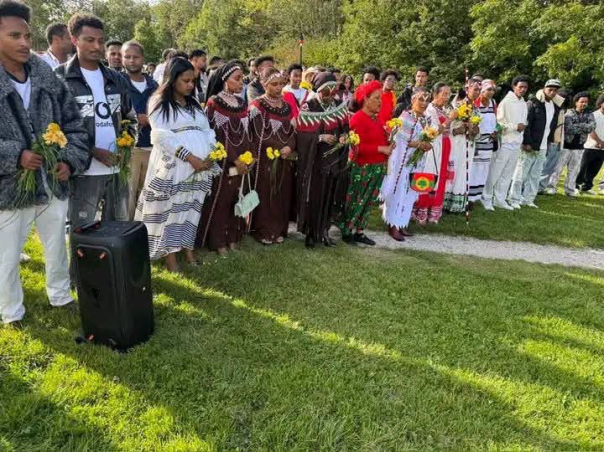
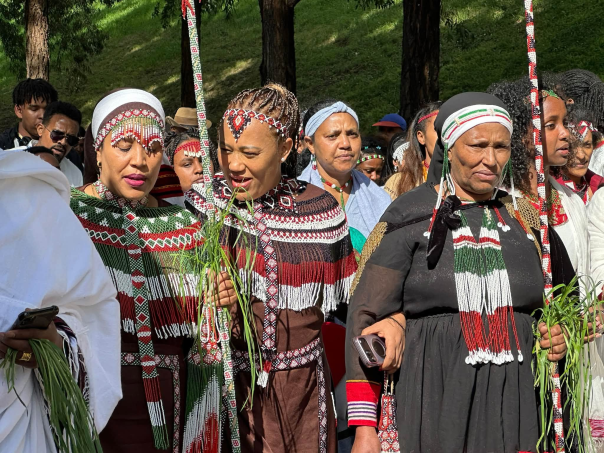
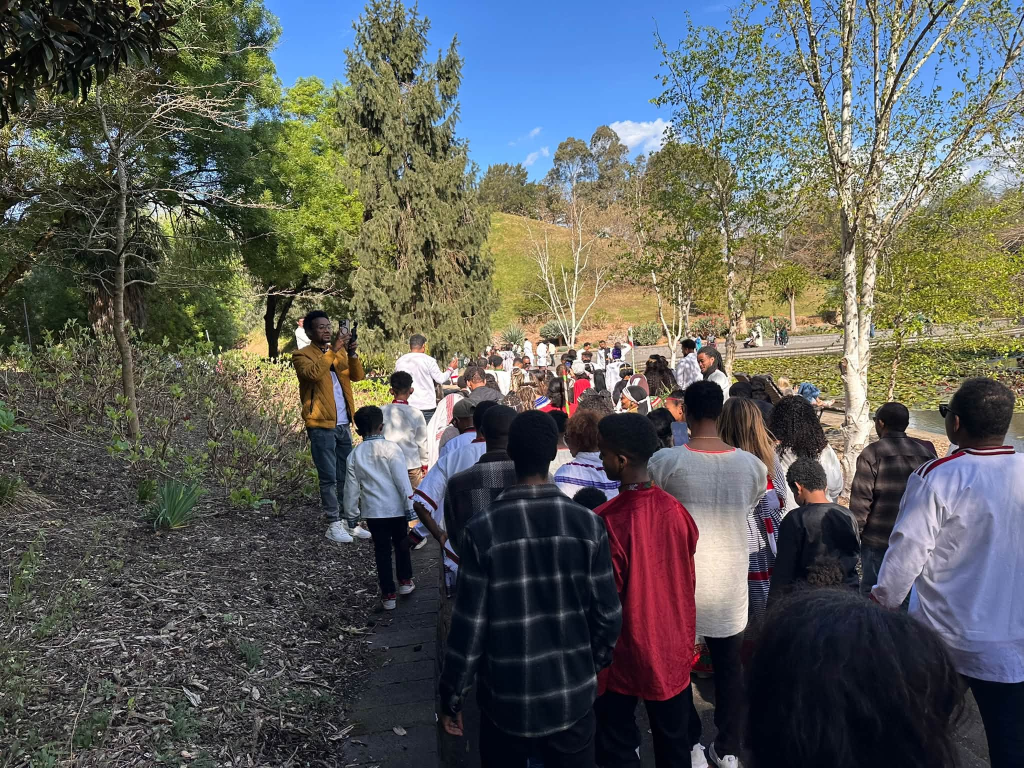
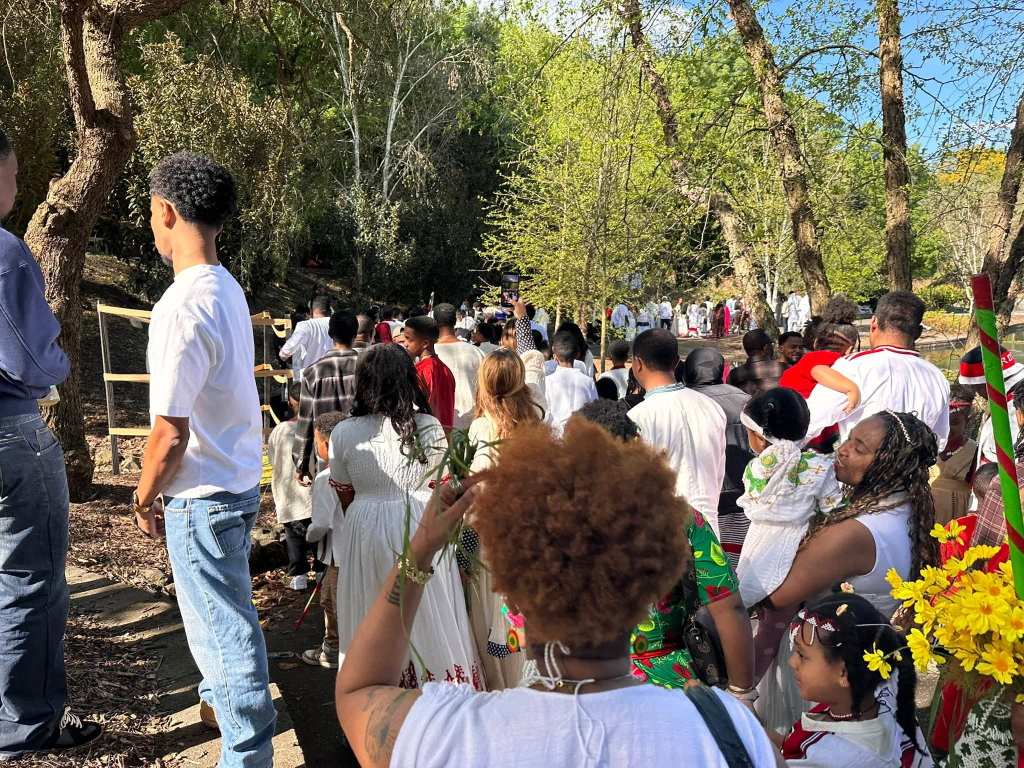
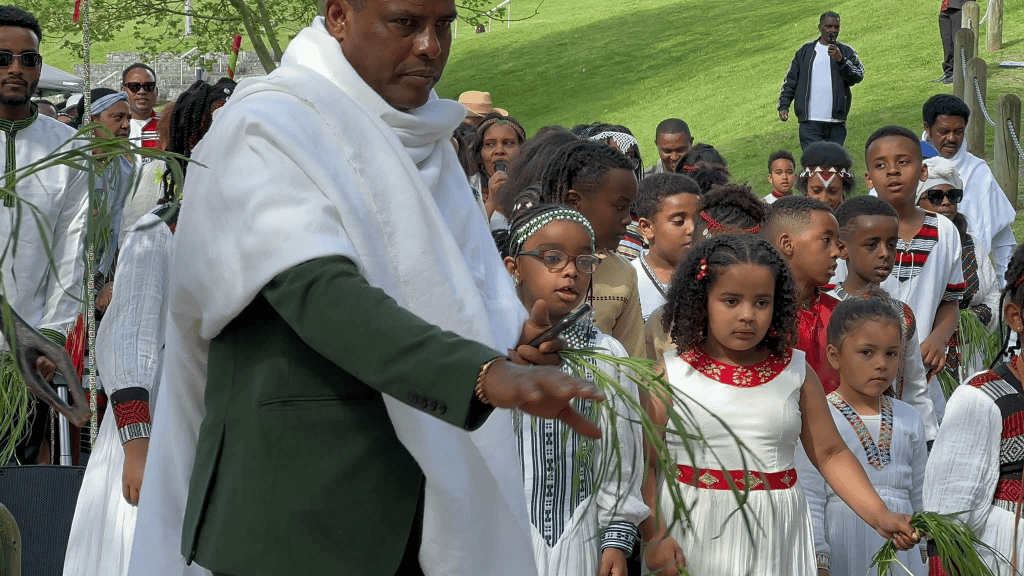
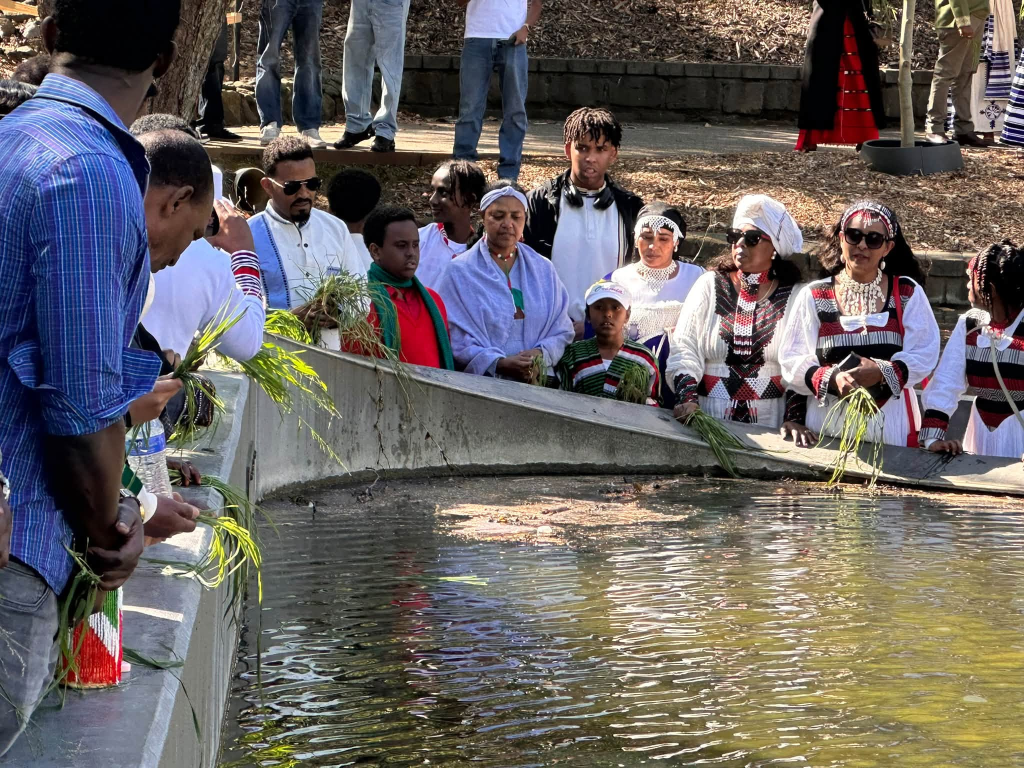
MELBOURNE, 27 September 2026 — The Oromo community in Melbourne today celebrated Irreechaa, the traditional Oromo thanksgiving festival, in a vibrant and beautiful ceremony at the Botanical Gardens, bringing together hundreds of community members in a powerful display of culture, faith, and unity.
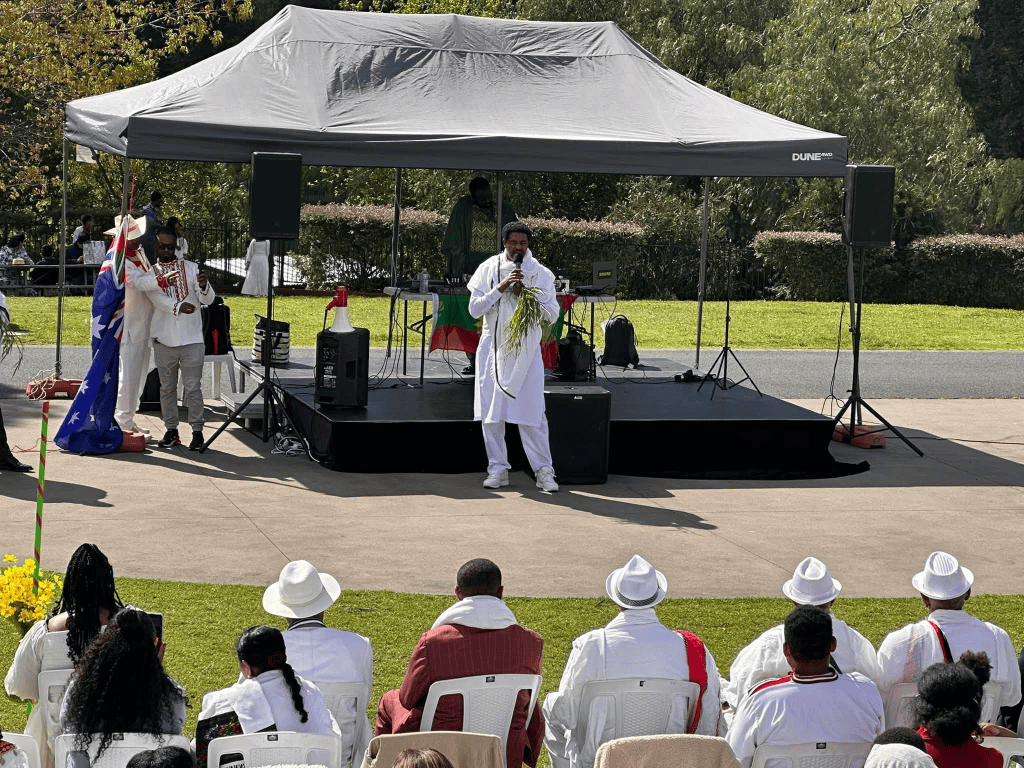
The celebration began with traditional blessings, and members of the community participated in the event in large numbers, dressed in beautiful cultural attire. Mr. Abdeta Homaa, Chairman of the Irreechaa Festival Committee, welcomed the gathered community with a speech of welcome, saying “Baga nagaan dhuftan” — welcome, and may you have arrived in peace.
A Sea of Color and Tradition
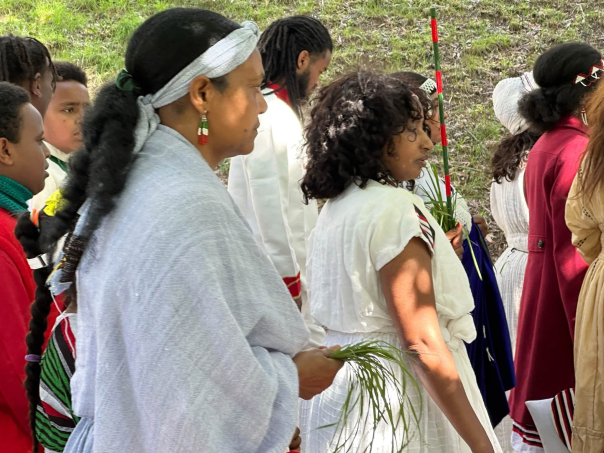
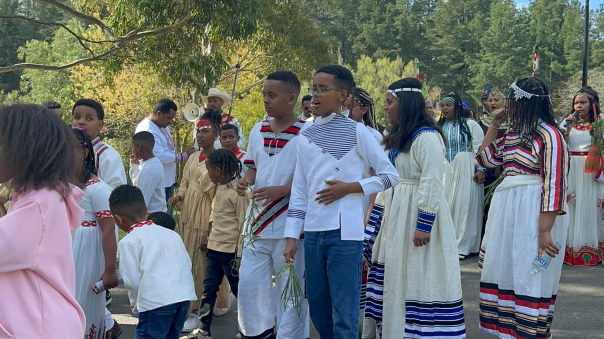
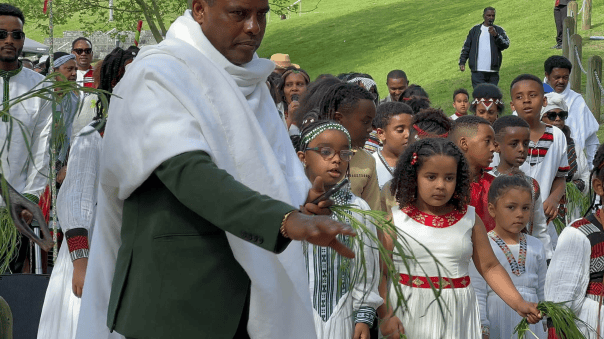
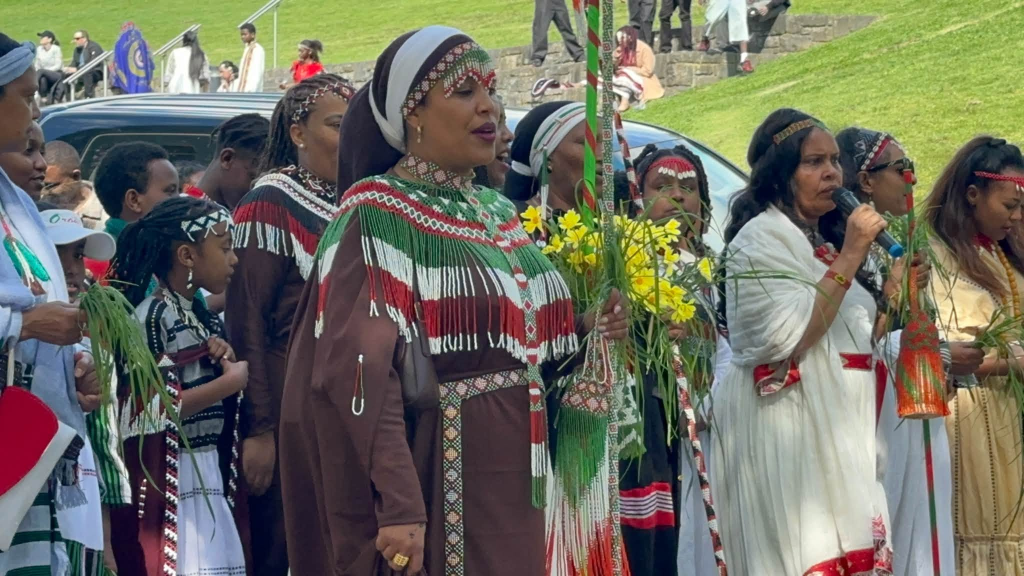
From children to elders, attendees were resplendent in traditional Oromo clothing, the colors and scents of the festival filling the air. Carrying fresh green grass and flowers — the symbols of Irreechaa — community members walked to the water’s edge, dipping the grass into the water in the traditional manner, giving thanks that they had passed through the past year safely and reached the spring season.
The sight of families in their finest cultural dress, the sound of traditional songs, and the shared prayers created an atmosphere of joy and reverence that echoed celebrations back home in Oromia.
A Time for Gratitude and Prayer
Irreechaa is not only a time to give thanks for what has passed, but also a moment to pray to Waaqa (God) for a peaceful passage through what lies ahead. The Oromo people, found across the world, are known for celebrating Irreechaa together in a shared and unified manner.
The festival has been celebrated by the Oromo for generations, preserved through years of oppression and systemic subjugation, and passed down to the present generation. Irreechaa is celebrated as the festival that marks the transition from the rainy season to the spring — from Ganna to Birraa.
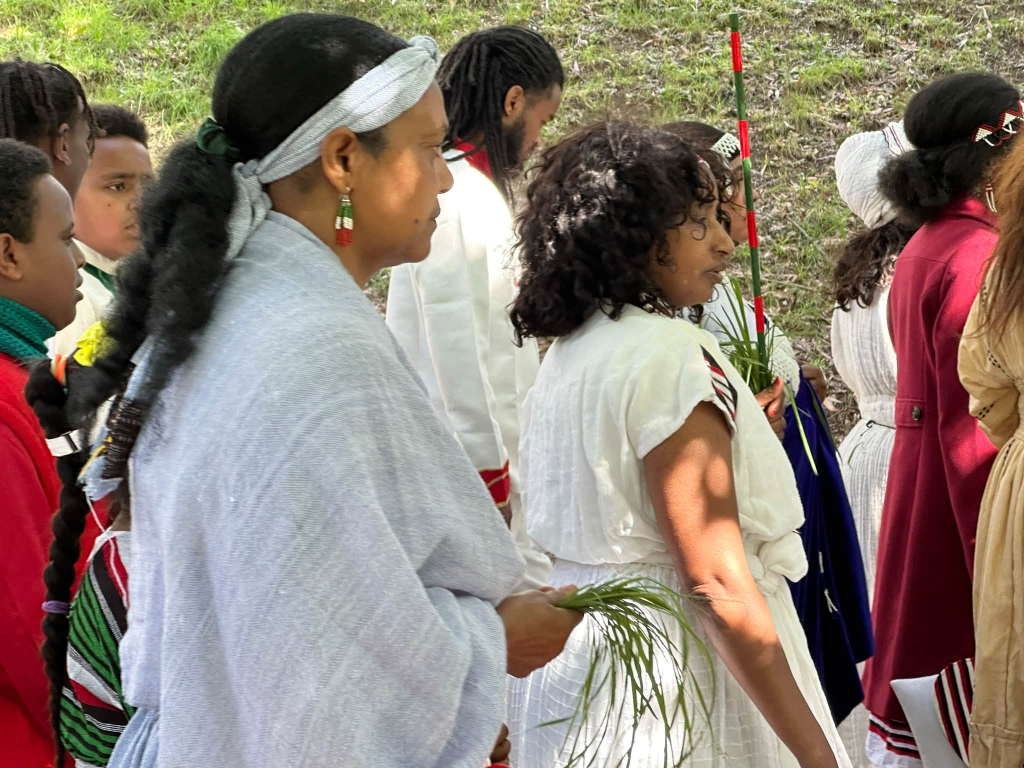
Resilience in the Diaspora
The Melbourne celebration stands as a testament to the resilience of Oromo culture and the community’s determination to keep its traditions alive far from home.
Despite the distance from their ancestral homeland, Oromos in Australia have ensured that Irreechaa remains a living, breathing tradition — not merely a memory. The Botanical Gardens became a sacred space where gratitude met hope, and where tradition triumphed over distance.
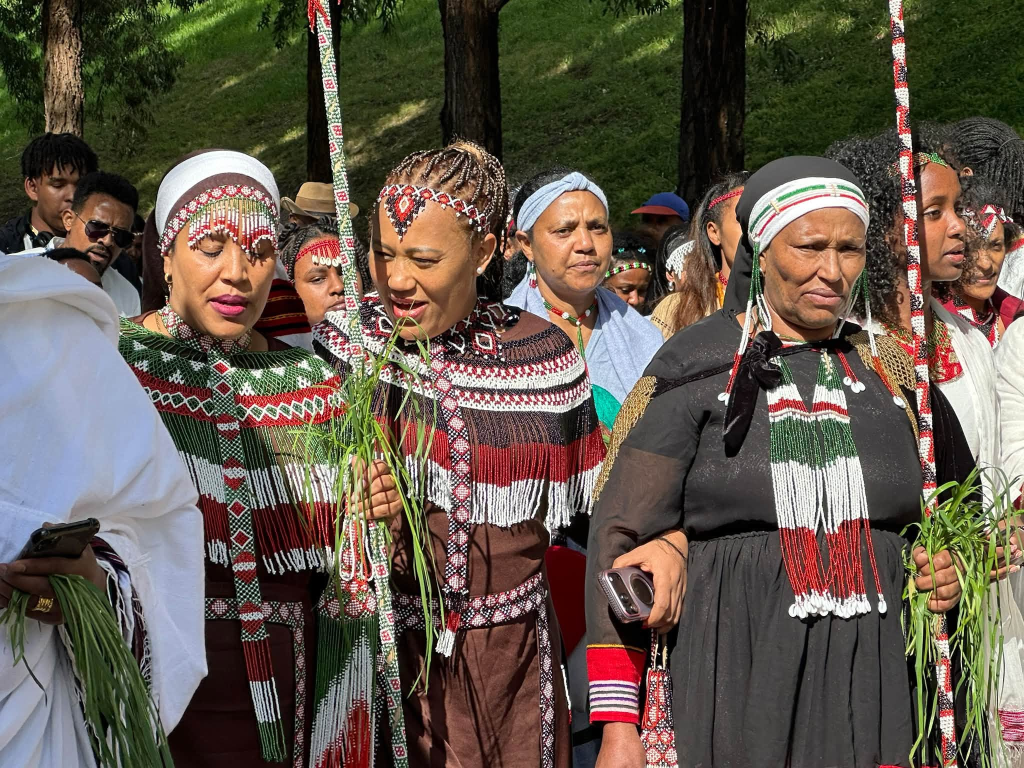
A Community United
As the Melbourne celebration drew to a close, the message was unmistakable: Irreechaa is more than a festival — it is an expression of identity, a bond of unity, and a living link between generations.
For the Oromo community in Melbourne, the Botanical Gardens became a place where the past and present met — where children learned the songs their grandparents sang, where elders saw their traditions carried forward, and where a people far from home remembered, together, who they are.
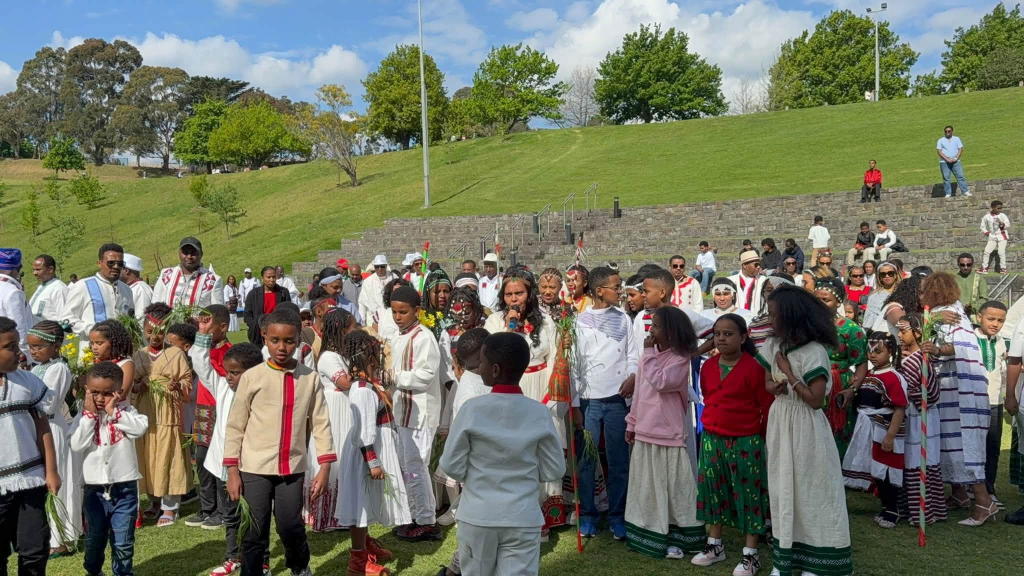
Baga Irreechaa nagaan geessan! — May the Irreechaa have arrived in peace.
The Oromo community in Melbourne celebrates Irreechaa annually, welcoming all who wish to share in its traditions of gratitude, reconciliation, and unity.
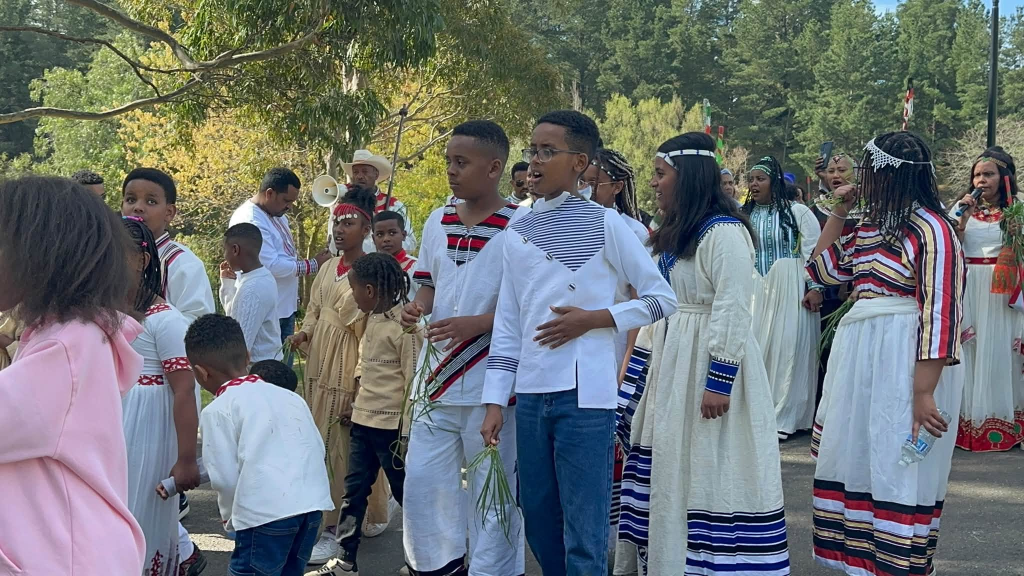

A Trailblazer Honoured: Dr Melika Sheikh-Eldin Inducted into the Victorian Honour Roll of Women
By Dhabessa Wakjira
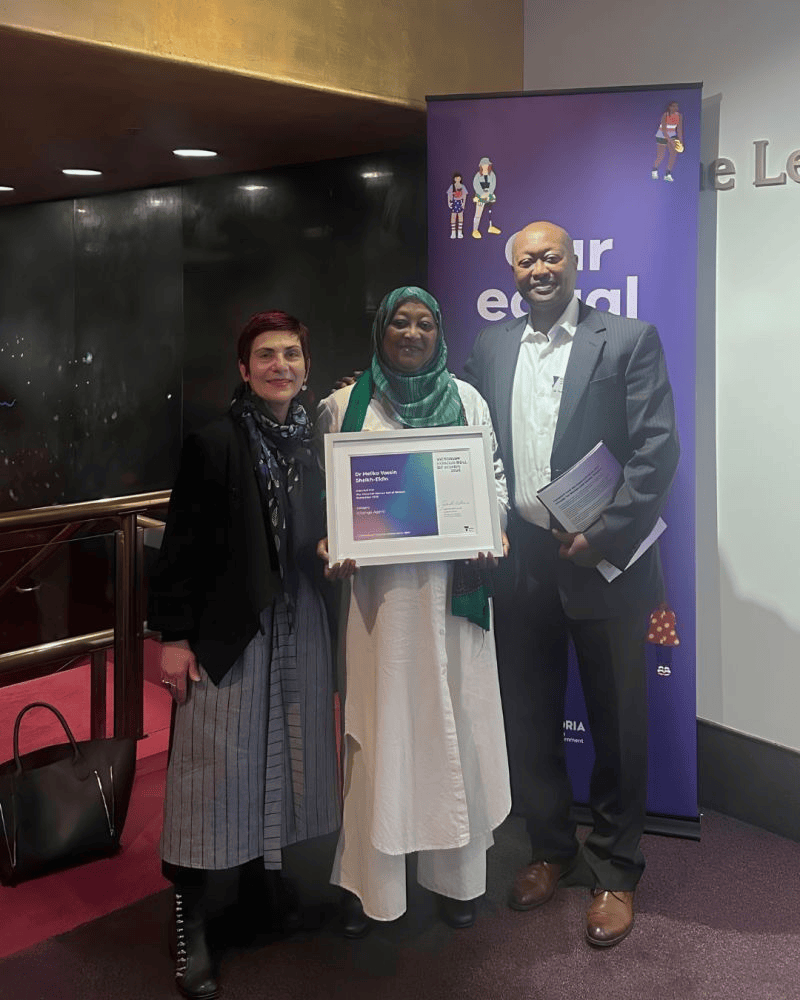
In a moment that celebrates both personal achievement and the power of lived experience, Dr Melika Sheikh-Eldin — Manager of International and Community Development at AMES Australia — has been inducted into the Victorian Honour Roll of Women, one of the state’s most prestigious recognitions of women’s contributions to their communities and the nation.
The announcement was met with pride and joy across AMES Australia and the broader settlement sector, where Dr Melika has been a guiding force for more than two decades.
“Congratulations to Dr Melika Sheikh-Eldin, our Manager of International and Community Development, on being inducted into the Victorian Honour Roll of Women,” AMES Australia shared in a statement. “This well-deserved recognition celebrates Melika’s outstanding leadership and commitment to creating opportunities for multicultural communities.”
A Journey from Refugee to World-Leading Innovator
Dr Melika’s story is one of remarkable transformation — and of turning personal hardship into a force for systemic change. She fled war in Eritrea in the late 1970s, volunteering in Sudanese refugee camps and in Cairo for organisations including the United Nations High Commissioner for Refugees (UNHCR) , the Red Cross, and Save the Children. She resettled in Australia in 1992.
Since joining AMES Australia in 2001, she has dedicated her career to settlement, community development, capacity building, and advocacy. Her work has helped thousands of new arrivals settle successfully in Australia and has influenced settlement policy and practice both nationally and internationally.
At the Victorian Honour Roll of Women ceremony, it was recognised that Dr Melika Sheikh-Eldin has transformed her lived experience as a refugee into world-leading approaches to community integration and social cohesion.
Three World-Leading Models
Dr Melika’s impact at AMES Australia is perhaps best illustrated by the innovative programs she has led — programs that have become blueprints for others:
1. The Nhill Rural Settlement Project
In western Victoria, the small town of Nhill was facing economic decline. Dr Melika’s project settled Karen refugees in the community, revitalising the town’s economy and creating a model now considered a global blueprint for rural settlement.
2. The Werribee Park Gardening Program
Engaging isolated Karen women in gardening, this program addressed critical issues of isolation and mental wellbeing. Its success was so evident that the model has been adopted by other organisations.
3. The Community Guides Program
Perhaps her most influential innovation, the Community Guides Program recruits former refugees to use their lived experience to assist new arrivals. Dr Melika has travelled to Sweden, New Zealand, and Japan to help international organisations establish programs based on this model.
Challenging Stereotypes, Championing Two-Sided Education
Throughout her career, Dr Melika has disrupted gender stereotypes and challenged the public perception of what refugees can achieve. Central to her philosophy is the concept of “two-sided education” — the idea that both host communities and new arrivals must learn about one another for true integration to occur.
This mutual learning, she explains, helps mitigate the fear of the unknown — the anxiety that so often fuels resistance to newcomers. It is a simple but profound insight: integration is not something done to refugees, but something built with them, and with the communities that receive them.
A Scholar and a Mother
Dr Melika’s achievements are all the more remarkable given the circumstances in which she pursued them. While raising three children as a refugee in a small Australian town, she completed a PhD in aquatic science — a testament to her intellectual rigor and her refusal to be defined by the limitations others might have placed upon her.
Since 2007, she has also sat on the board of the Refugee Council of Australia and represented the nation as a “Refugee Voice” at annual UNHCR consultations in Geneva, advocating for policy shifts that recognise refugees as stakeholders rather than recipients of aid.
A Well-Deserved Recognition
The Victorian Honour Roll of Women celebrates women who have made exceptional contributions to Victoria and beyond. Inductees are recognised for their leadership, courage, and lasting impact on their communities.
Dr Melika’s induction places her among a distinguished group of women who have shaped the state’s social, cultural, and political landscape. For the Oromo community and for refugees and migrants across Australia, her recognition is a moment of immense pride.
“Congratulations, Melika. We are incredibly proud of you,” AMES Australia said. 💙
Learn More
To read Dr Melika Yassin Sheikh-Eldin’s full profile on the Victorian Honour Roll of Women, visit:
🔗 https://www.vic.gov.au/dr-melika-yassin-sheikh-eldin
#AMESAustralia #AMES #Award #VictorianHonourRoll






