What are 10 interesting facts about Irreechaa?
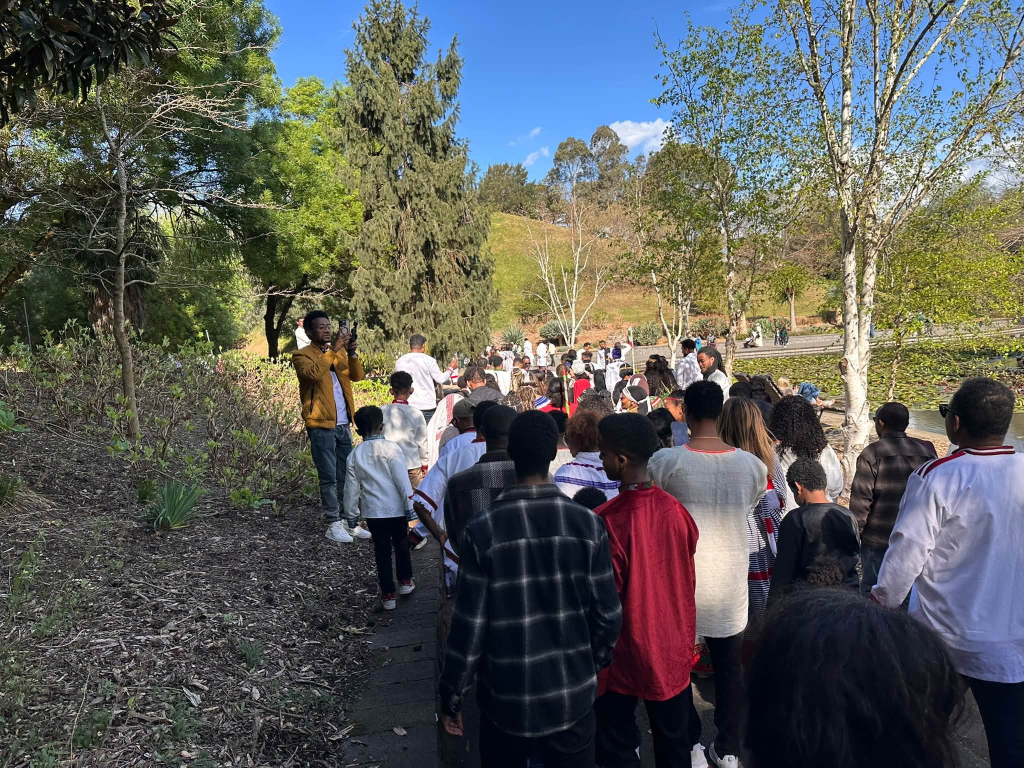
Here are 10 interesting facts about Irreechaa, drawn from its ancient origins, spiritual practices, and growing global reach.
1. It’s Not Just One Festival — It’s Two
Irreechaa is celebrated twice a year, marking two distinct seasonal transitions. The main festival, Irreechaa Malkaa, is held in autumn (September/October) at rivers and lakes to mark the end of the rainy season. The second, Irreechaa Tulluu (or Arfaasaa), is celebrated in spring on hilltops and mountains to welcome the rainy season .
2.  Its Roots Go Back Over 6,000 Years
This is not a recent tradition. Irreechaa is rooted in over 6,000 years of Cushitic civilization, making it one of the oldest continuous thanksgiving traditions in the world. It predates both Christianity and Islam in the region .
3.  It’s Recognized by UNESCO
The festival is intimately tied to the Gadaa system, the traditional Oromo governance structure. The Gadaa system was inscribed by UNESCO as an Intangible Cultural Heritage of Humanity, giving Irreechaa international recognition as a vital part of global cultural heritage .
4.  You Can’t Attend with a Grudge
One of the most striking rules of Irreechaa is that you cannot participate if you are holding resentment or hatred toward others. Disputes must be settled before the festival. It is believed that Waaqa will not accept the prayers and songs of those who come with unresolved conflict .
5. 👩🏾🤝👨🏾 Women Lead the Procession
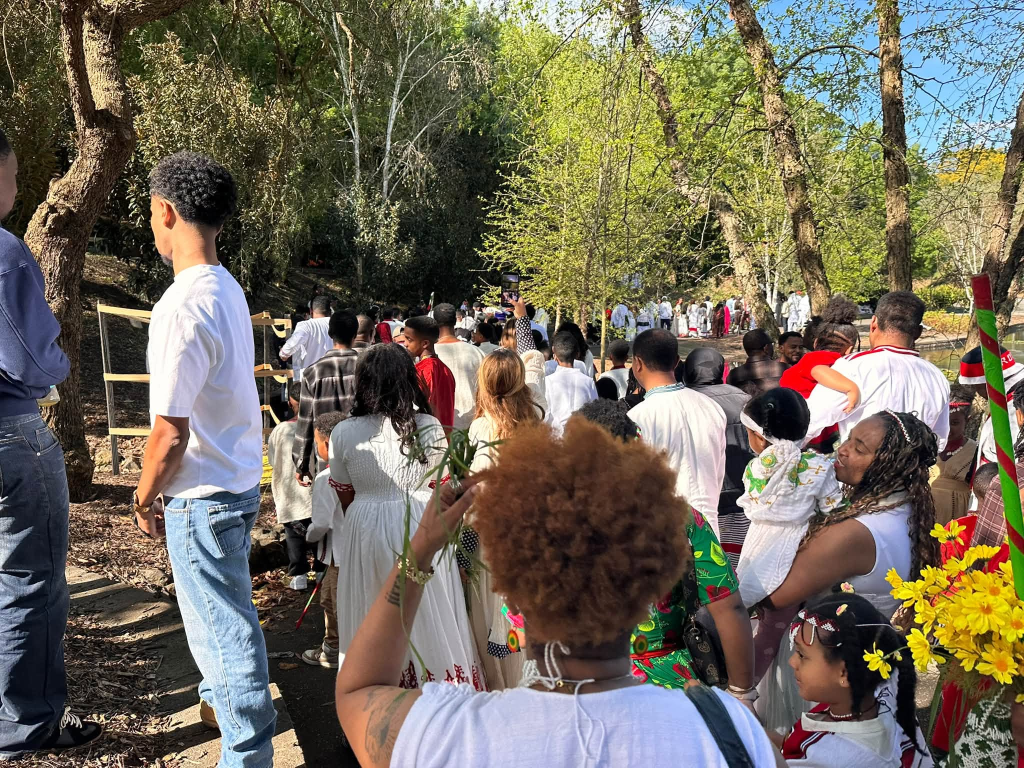
In a powerful cultural tradition, women walk at the front of the Irreechaa procession, ahead of the Abbaa Gadaa (Gadaa leaders) and elders. If the women stop walking, the entire procession stops. Nobody passes before them. This is rooted in the Siinqee institution, which symbolizes women as sacred and as agents of peace .
6.  The Grass and Flowers Are Sacred Symbols
Participants carry fresh green grass and yellow daisies (daraaraa keelloo) to the water’s edge. The grass symbolizes life, fertility, and renewal, while the yellow flowers bloom specifically during the Birraa (spring) season. Dipping them into the water is an act of purification and gratitude .
7.  It’s Africa’s Largest Outdoor Gathering
The main celebration at Hora Arsadi in Bishoftu is one of the largest annual human gatherings in Africa, attracting millions of people. International media like the BBC, Al Jazeera, and CNN have covered the massive scale of the event .
8.  It Returned to Finfinne After 150 Years
In 2019, Irreechaa was celebrated at Hora Finfinne in Addis Ababa for the first time in 150 years. Under previous regimes, public celebrations had been banned. Its return to the capital was seen as a powerful act of cultural reclamation and identity .
9.  It’s a Global Diaspora Tradition
Irreechaa is not confined to Ethiopia. Oromo communities in the United States, Canada, Germany, Australia, the UAE, Saudi Arabia, and the UK organize their own celebrations. In cities like Melbourne, Washington D.C., Toronto, and Berlin, the diaspora gathers in parks and community centers to maintain their traditions and pass them to the next generation .
10.  It’s a Platform for Peace and Unity
Beyond thanksgiving, Irreechaa is a peace-building event. Scholars describe it as a festival that “sermonizes peace, reconciliation, and unity.” It brings together people of all ages, genders, religions, and social statuses, reinforcing the values of equality and social harmony.

Posted on September 28, 2026, in Aadaa, Afaan, AMES, Asylum Seekers, AU, Bokkkuu, Diaspora, Election, Events, family violence, Finfinne, freedom, gadaa, health, Information, Irreechaa, Language, Media, News, Oromia, Oromo diaspora. Bookmark the permalink. Leave a comment.






Leave a comment
Comments 0