Category Archives: Bokkkuu
Gadaa: The Living System That Raises Generations Through Word and Deed
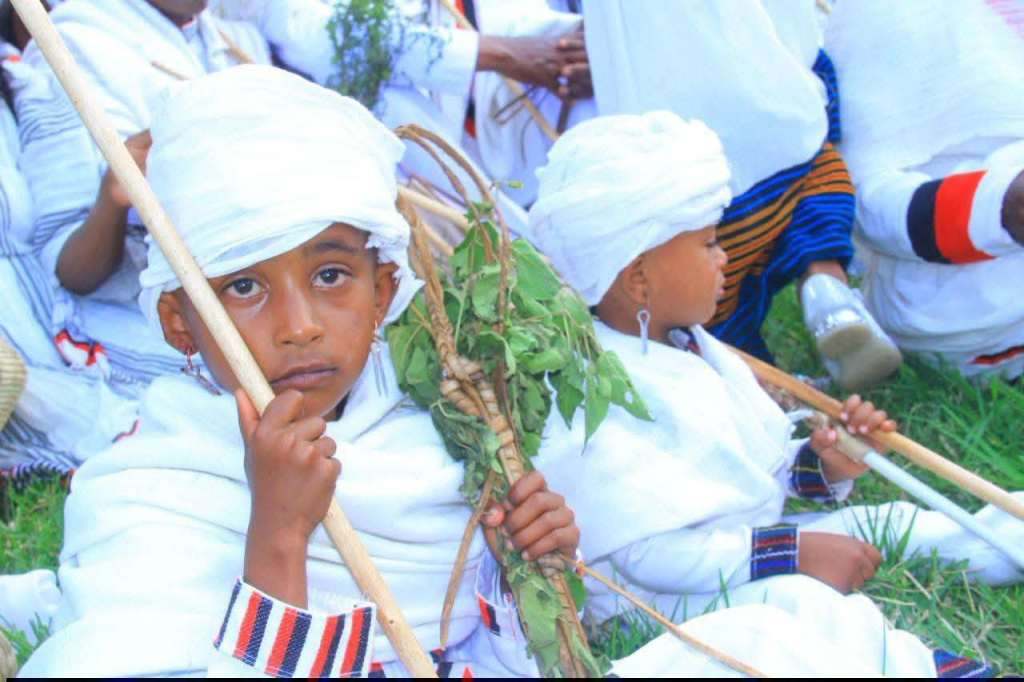
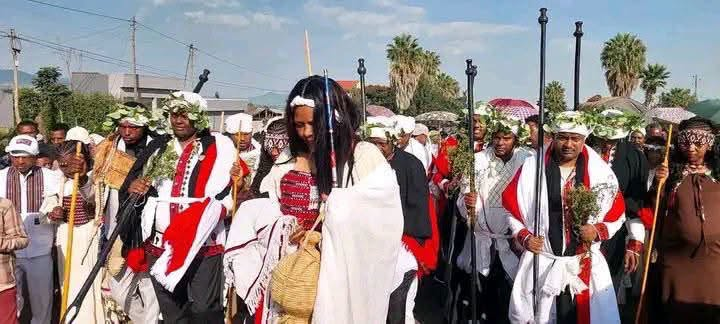
West Shawa, Oromia — In a world where ancient traditions often fade beneath the weight of modernity, the Gadaa system of the Oromo people stands as a testament to endurance, democracy, and cultural resilience. As the Oromo saying goes: “Gadaan sirna ittiin jechaa fi gochaan dhaloota guddisanii dha” — Gadaa is the system through which generations are raised by word and by deed. And today, that system has emerged from the threat of extinction and reached the present generation, unbroken and vibrant.
Sons of Liiban Maccaa Carry the Torch
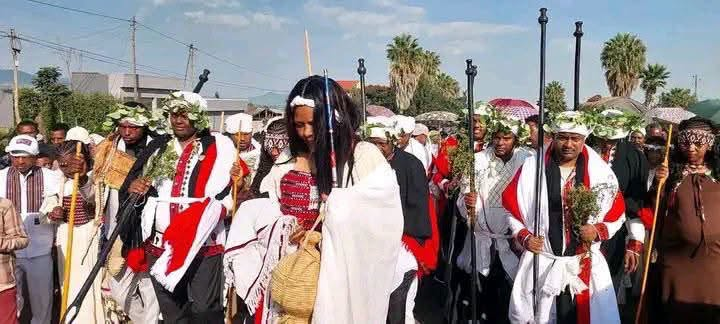
The sons of Liiban Maccaa — Walisoo, Amayyaa, and Kuttaayee — are actively fulfilling their duties within Gadaa Birmajii, ensuring that the ancient Oromo Gadaa system is passed down from generation to generation, unbroken and undiminished. Their commitment is not merely ceremonial; it is a living covenant with their ancestors and their descendants.
These communities, located across Central Oromia, West Shawa, and Southwest Shawa, have preserved the Gadaa system without interruption. From father to son, from elder to youth, the sacred knowledge and responsibilities of Gadaa are transmitted with reverence and precision.
A Model of Democracy Without Conflict
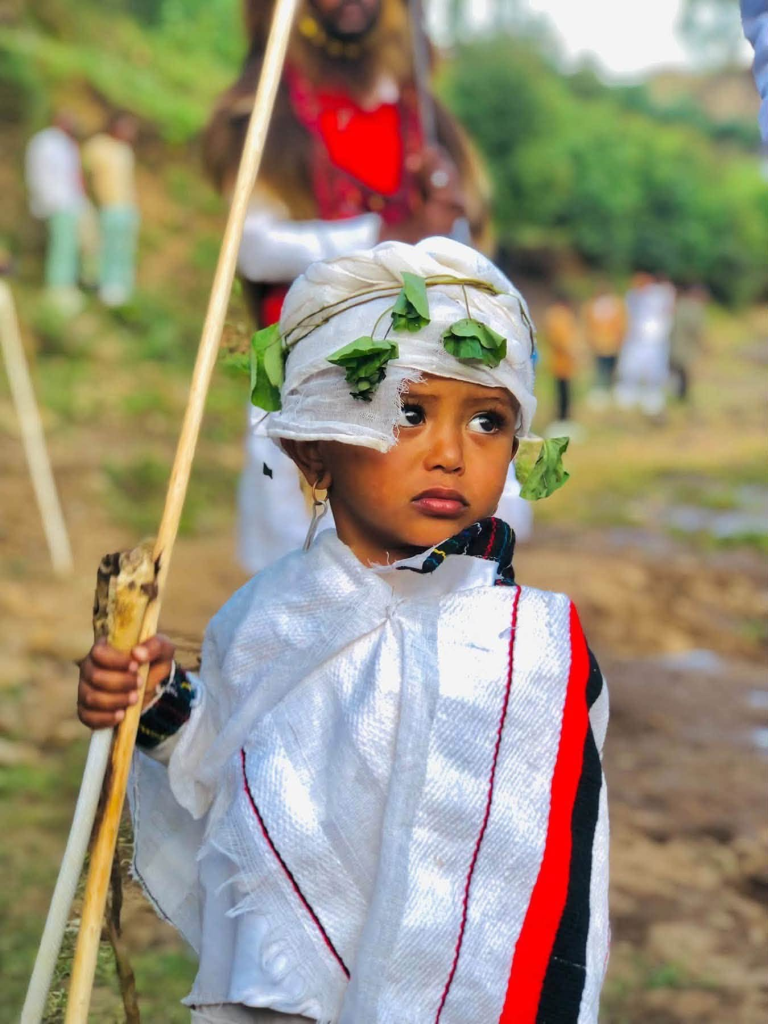
“Gadaan Mallattoo Dimokiraasii Morkii tokko malee Aangoo Waliif dabarsanii kennanidha” — Gadaa is the symbol of democracy, a system in which power is transferred peacefully, without conflict or bloodshed.
This principle lies at the heart of the Gadaa system. Every eight years, leadership transitions from one Gadaa grade to the next — a process rooted in consensus, ritual, and mutual respect. There are no coups, no violence, no contested successions. There is only the orderly, sacred transfer of responsibility from one generation to the next.
It is a democratic tradition that predates many modern political systems, and it continues to function today, guided by the wisdom of elders and the participation of the community.
Preparation for the Transfer of Power
The Sirna Oofkaltii Tumaa Gadaa Birmajii is currently in full preparation across various locations in the West Shawa Zone. Over the coming eight years, those in the Birmajii grade will prepare to receive authority from the Gadaa Roobalee — the outgoing grade — and assume the responsibilities of leadership.
The purpose of this program is clear: “Kaayyoon Sirna Sagantaa Kanaas Gadaan Birmajii Gadaa Roobalee irraa Aangoo fudhachuun Waggoottan 8 itti Aanu Bulchuuf ofkaltii keessa darbaa jiraachuu ibsameera.” The Birmajii Gadaa is preparing to take power from the Roobalee Gadaa and to govern for the next eight years. This preparation is not merely administrative — it is spiritual, cultural, and communal.
The Journey to the River
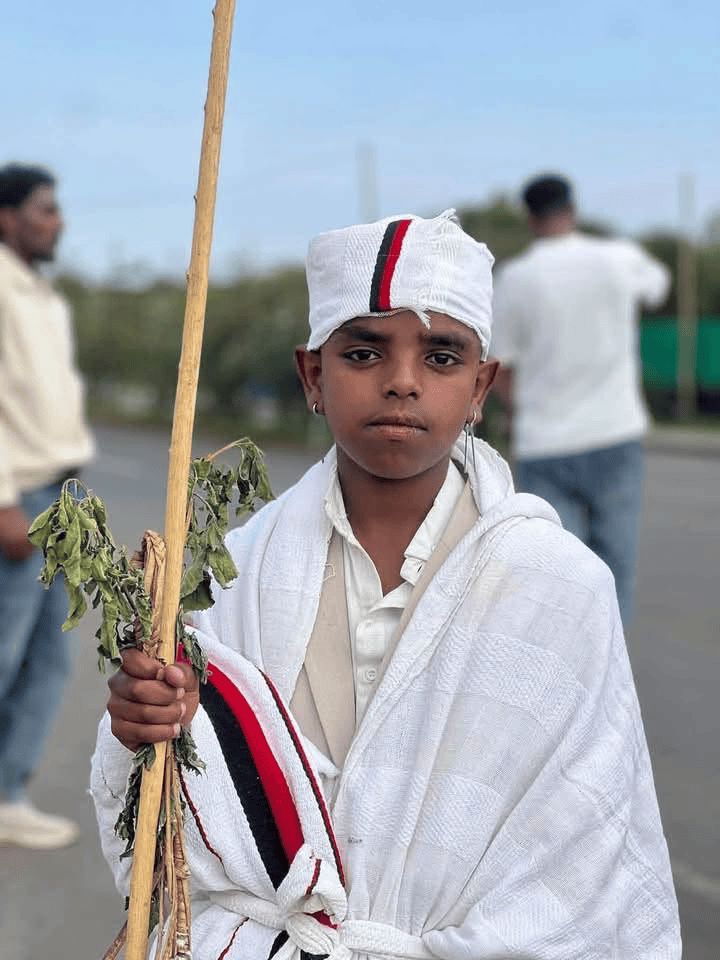
The process has now reached a significant milestone. “Imalli gara malkaa deemuun tumaa ittiin bulmaata waggoota 8 dhufanii adeemsifameera.” The delegation has journeyed to the river, where the laws and rituals that will govern the next eight years have been formally enacted.
The journey to the water — the malkaa — is rich with symbolism. Water represents purification, renewal, and the continuity of life. By enacting the laws at the river’s edge, the community affirms that the Gadaa system is rooted in nature itself, in the eternal rhythms of the earth and the heavens.
A Blessing of Abundance
The message concludes with a powerful blessing: “Gadaan Quufaa Gabbina Oofkalchi Waaq.” May Gadaa bring fullness, abundance, and prosperity. May Waaqa bless the work of those who uphold this sacred tradition.
It is a prayer not only for material prosperity but for spiritual completeness — for a community that is whole, united, and at peace with itself and its Creator.
A Heritage That Endures
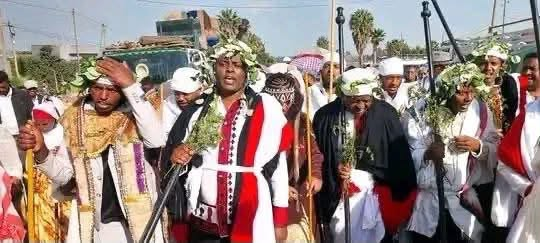
The Gadaa system is more than a cultural relic. It is a living, breathing institution that continues to shape the lives of millions of Oromo people. It teaches democracy, accountability, environmental stewardship, and respect for elders. It binds generations together in a chain of duty and blessing.
The sons of Liiban Maccaa — Walisoo, Amayyaa, and Kuttaayee — are not merely preserving the past. They are building the future, one ritual at a time, one generation at a time.
Baga oofkaltan!
Source: Community Report

Gadaa Elders Announce Dates for Irreechaa 2019: A Call for Unity, Gratitude, and Peace
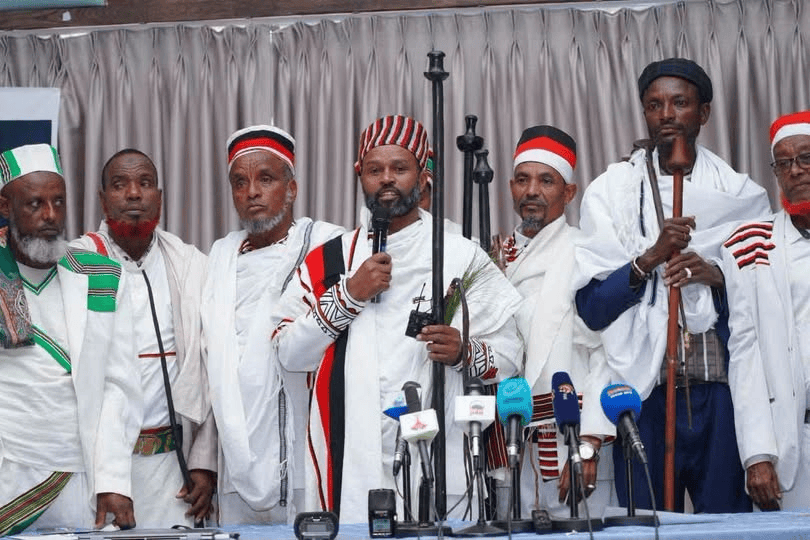
Finfinnee, Oromia — The Assembly of Gadaa Elders of Oromia has officially announced the dates for the celebration of Irreechaa, one of the most sacred and widely observed festivals of the Oromo people. In a statement released to the public, the elders confirmed that Irreechaa at Hora Finfinnee will be celebrated on September 23, while Irreechaa at Hora Harsadee will take place on September 24, 2019.
Irreechaa is a centuries-old thanksgiving festival celebrated at the banks of rivers and lakes, most notably at Hora Finfinnee (Lake Finfinnee) and Hora Harsadee (Lake Harsadee). It marks the end of the rainy season and the beginning of a new year in the Oromo calendar — a time of renewal, reflection, and communal gratitude to Waaqa (God) for blessings received.
A Festival of Thanksgiving and Hope
In their statement, the Gadaa elders emphasized the profound meaning of Irreechaa, describing it as a celebration of thanksgiving, hope, unity, love, reconciliation, and renewal. “Irreechaa is a festival of gratitude, hope, unity, love, reconciliation, and rebirth,” the elders declared. “Therefore, all Oromo people, as well as all nations, nationalities, and peoples of our country and the entire world, are invited to honor Irreechaa together with the Oromo people.”
The invitation extends beyond the Oromo nation itself, reflecting the festival’s universal message of peace and togetherness. Irreechaa has long served as a gathering point for people of all backgrounds — a day when differences are set aside and communities join hands in celebration and prayer.
A Call to Preserve Tradition
The elders also stressed the importance of observing Irreechaa according to its longstanding customs, traditions, and sacred norms (safuu). “Irreechaa at Hora Finfinnee and Hora Harsadee will be celebrated on September 23 and 24, 2019, respectively,” the statement read. “Like other Irreechaa celebrations, it will be observed in accordance with the culture, tradition, and sacred order of Irreechaa.”
The Gadaa system, a traditional democratic governance structure of the Oromo people recognized by UNESCO as intangible cultural heritage, plays a central role in organizing and preserving the festival’s rituals. The elders’ announcement underscores their continued role as custodians of Oromo culture and tradition.
A Warm Invitation to All
In closing, the Assembly of Gadaa Elders extended a heartfelt invitation to all Oromo people to welcome visitors with the warmth and hospitality for which the Oromo are known. “Therefore, we call upon all Oromo people to receive every guest who comes to them with the culture, tradition, and hospitality of our people,” the elders urged.
The message is clear: Irreechaa is not merely a festival — it is a living expression of Oromo identity, faith, and community. As the dates approach, anticipation is building across Oromia and beyond, with preparations underway at Hora Finfinnee and Hora Harsadee.
For the Oromo people, Irreechaa 2019 promises to be a time of collective renewal — a moment to give thanks, seek reconciliation, and reaffirm the bonds that unite them as one people.
Source: Assembly of Gadaa Elders of Oromia

Sons of Liiban Maccaa Carry the Gadaa Birmajii Torch: A Legacy Passed from Generation to Generation
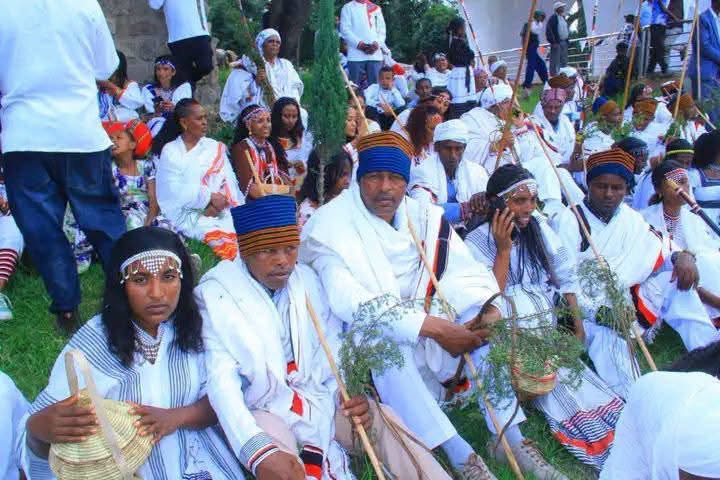
Central Oromia— In the heartlands of Central Oromia, across the highlands of West Shawa and Southwest Shawa, a sacred flame continues to burn. The sons of Liiban Maccaa — Walisoo, Amayyaa and Kuttaayee — are actively fulfilling their duties within Gadaa Birmajii, ensuring that the ancient Oromo Gadaa system is passed down from generation to generation, unbroken and undiminished.
A System That Never Sleeps
The Gadaa system, recognized by UNESCO as an Intangible Cultural Heritage of Humanity, is the traditional democratic, social, and spiritual governance structure of the Oromo people. It organizes society into age sets and generational grades, each with distinct roles, responsibilities, and rights. Among these, the Birmajii grade represents a critical stage — a time when young men prepare for leadership, defend their community, and uphold the sacred norms of Oromo life.
What sets the sons of Liiban Maccaa apart is their unwavering dedication. In Central Oromia, West Shawa, and Southwest Shawa, these communities have preserved the Gadaa system without interruption, carrying it forward across generations with reverence and pride.
The Seven Who Hold the Jila
Among the three sons of Liiban, it is the seven from the Horii lineage of Kuttaayee who hold the Jila Gadaa — the sacred leadership and ritual responsibility of the grade. Their duty is profound and their journey demanding.
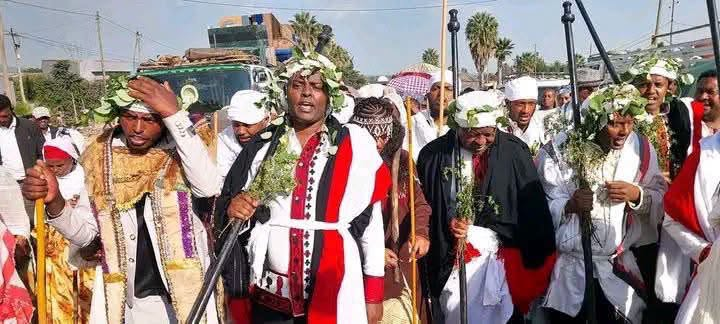
The Gadaa group of Roobalee sets out to receive Baallii (Alangee) — the symbolic transfer of power and responsibility that marks the transition into Birmajii. This transfer is not merely ceremonial; it is a covenant. It binds the incoming generation to the duties of leadership, protection, and service to the community.
Rain, Blessing, and Endurance
In the Oromo worldview, rain is a sign of blessing — a gift from Waaqa (God) that nourishes the land and its people. Yet even when the rains come, the Roobalee do not rest. They sing in the rain, and they do not allow the abundance of milk and prosperity to distract them from their sacred mission.
“The Roobalee sing along with the rain, and the abundance of milk and success has not made us forget our duty,” the report recounts. “Whether in good times or hard times, they have seen it through.”
The message is clear: Birmajii is not a fair-weather calling. It demands endurance, sacrifice, and faithfulness — in seasons of plenty and in seasons of want.
A Call of Honor and Blessing
The words of the community ring with pride and blessing:
“The Birmajii have taken the Alangee and are preparing to complete their covenant — today they have cut the buttaa. May the news of your deeds reach the ears of those who need to hear it. Congratulations on reaching the fourfold blessing of your fathers and the eightfold blessing of your grandfathers. You have accomplished what was asked of you — and you make us proud.”
The “fourfold blessing of the fathers” and the “eightfold blessing of the grandfathers” speak to the deep ancestral roots of the Gadaa system — a chain of blessing and responsibility that stretches back through time, linking each generation to those who came before.
The closing blessing, “Ginna milkii ciisaa” — a wish for peace, prosperity, and rest — crowns the message with the hope that the labor of the Birmajii will bring abundance and tranquility to the community.
A Living Heritage
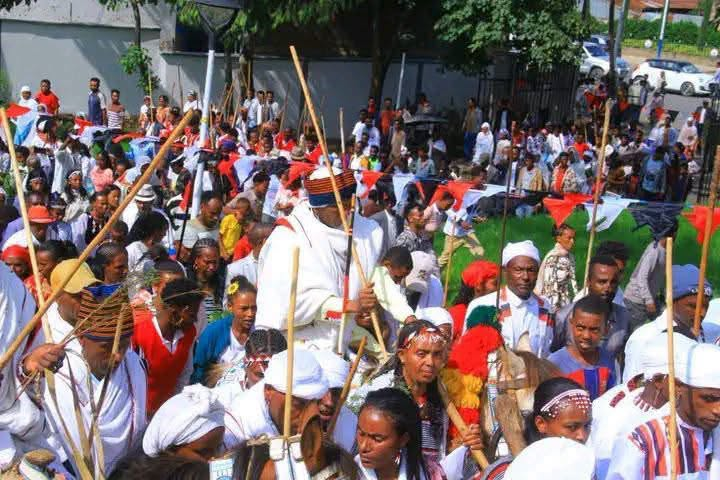
The sons of Liiban Maccaa are not merely preserving a tradition — they are living it. Every ritual, every journey, every song in the rain is an act of cultural survival and spiritual renewal. In a world that often pressures communities to abandon their heritage, these young men stand firm, proving that the Gadaa system remains a vibrant and vital force.
Their story is a reminder that culture is not a museum piece. It is alive — carried in the feet that walk to receive the Alangee, in the voices that sing with the rain, and in the hearts of a generation determined to honor its ancestors.
Baga oofkaltan!
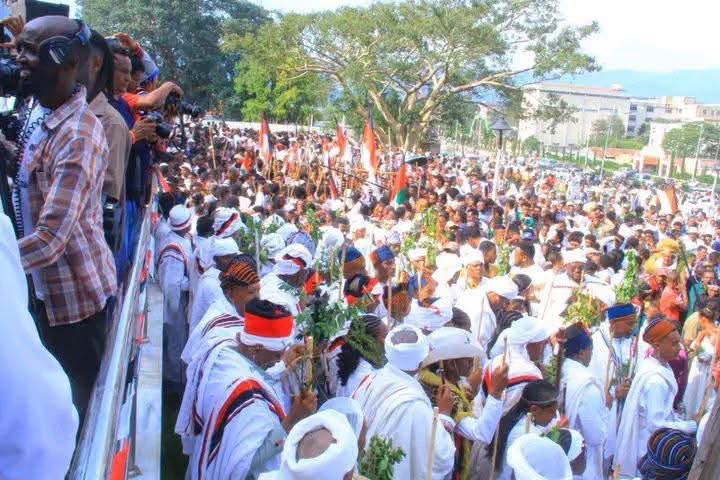

Under the Odaa Tree: The Living Legacy of the Ituu Oromo
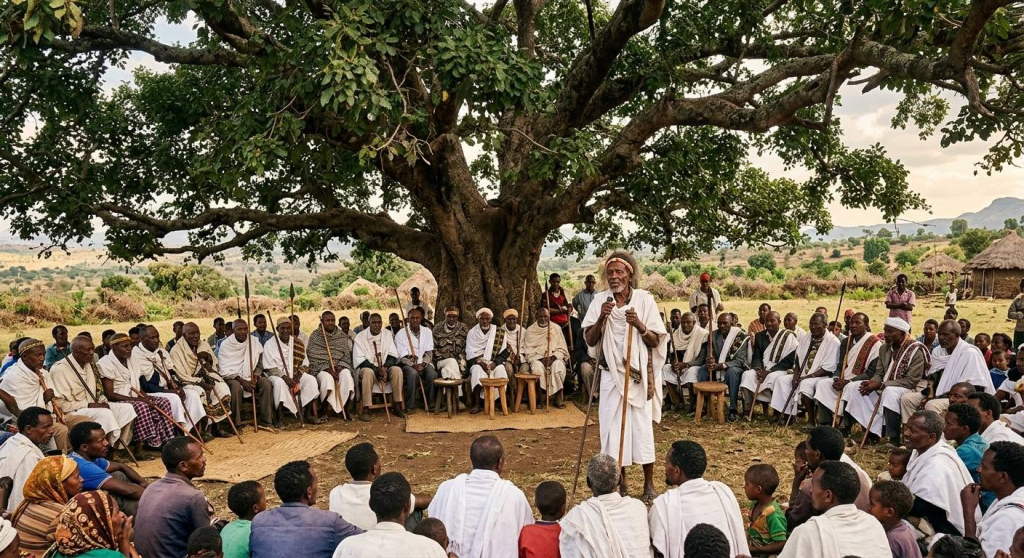
In the highlands of eastern Oromia, the roots of the Odaa tree (sycamore fig) stretch deep into the earth, just as the traditions of the Oromo people extend into the fabric of history. Among the most storied branches of the Oromo nation is the Ituu, a community whose identity is woven from the threads of ancient lineage, a sophisticated socio-political system, and a resilient spirit of justice. To understand the Ituu is to journey into the heart of the Oromo civilization, where the past is not merely remembered but lived.
The Ancestral Tree: From Murawwaa to Ituu
The Ituu are not a people without a past; they are a clear and significant branch on the vast Oromo genealogical tree. According to both oral tradition and contemporary scholarship, the lineage flows from Oromoo to Bareentuu (or Bareentuma), then to Murawwaa, and from Murawwaa springs the Ituu. A 2026 study by Jimma University confirms this ancestral link, placing Ituu firmly within the Murawwaa Barentuu family.
The Ituu themselves are divided into two primary clans, forming the backbone of their social structure:
- Galaan, with sub-clans such as Baabboo, Gaadullaa, and Elelle.
- Kurraa (Kuraa), with sub-clans such as Baayee, Addaayyo, Arroojjii, and Waayyee.
This is just one layer of a complex organizational system. Under the Gulantaa Odaa or Tumaa Heeraa (customary law), the Ituu are further organized into two major houses: Mana-Ituu (the House of Ituu) and Mana-Baabboo (the House of Baabboo). This dual structure underscores that for the Ituu, identity is a multi-faceted concept, governed by both bloodline and law.
Gadaa: The Soul of Oromo Governance
For the Ituu, as for all Oromo, the Gadaa system is the lifeblood of their society. It is far more than a political structure; it is a comprehensive philosophy that governs every aspect of life. It provides a framework for:
- Political Leadership: A system of elected officials with fixed terms, ensuring a democratic transfer of power.
- Justice (Heera): A legal system that predates modern courts, offering a way to resolve disputes and maintain order.
- Peace (Araara): A defined process for reconciliation and conflict resolution.
- Social Organization: A structure that defines the roles and responsibilities of individuals within the community.
- Spiritual Life: A connection to the divine and the natural world through rituals.
Odaa Bultum: The Parliament of the People
Central to the Ituu and wider Barentuu Oromo history is Odaa Bultum. This site in Hararghe served as a colossal Gadaa assembly center, a place where the community would gather to make laws, elect leaders, and settle disputes. It was the “parliament” under the shade of the Odaa tree, where the echoes of debate and the spirit of democracy were cultivated for generations.
Here, the voices of the people were heard through the Caffee (assembly), and the foundation of their society—Heera (law)—was debated and set. It was a place where the spiritual and the political converged to build a cohesive society.
Gumaa: A Path from Bloodshed to Brotherhood
Perhaps the most profound expression of Ituu culture is the institution of Gumaa. Often translated simply as “blood compensation,” Gumaa is actually a complex, restorative justice system. A 2026 Jimma University study highlights its true purpose: it is not solely about retribution but about reconciliation.
Gumaa is a process that transforms conflict, seeking to stop the cycle of violence and reintegrate offenders back into the community. It is a testament to the Ituu belief that even in the face of grave wrongs, the ultimate goal is peace and social harmony. The system includes specific legal frameworks such as Heera Diinoo, Heera Amboo, and Heera Danuu.
The Rituals and the Voices of the People
The cultural life of the Ituu is rich with ceremony. The Korbeessaa–Goromtii ritual, for instance, involved the sacrifice of goats to invoke peace, seek victory in conflict, and predict social and natural outcomes. It was a way of seeking divine guidance for the community’s journey.
Importantly, the Ituu social structure also features a powerful institution for women: Siiqqee. This is not merely a tradition but a social force that gave women a formal voice in matters of justice, peace, and reconciliation. It stands as a powerful testament to the Oromo society’s recognition of the vital role of women in maintaining social order and integrity.
A Living Tradition
Today, the Ituu Oromo stand at a crossroads of history. Their traditional systems—the Gadaa, the Heera, and the Gumaa—are not relics of a bygone era. They are living institutions that continue to provide a framework for justice and identity in a rapidly changing world. The genealogy from Murawwaa to Ituu is not just a list of names but a testament to a civilization that built a sophisticated society rooted in democracy, justice, and a profound respect for community.
The story of the Ituu is a story of resilience—a reminder that the roots of the Odaa tree, and the culture it represents, are deep and enduring.
Sources:
- Boru Musa Burka & Jira Mekonnen Choroke, “Gumaa beyond Compensation,” Gadaa Journal, 2026.
- Boru Musa Burqa & Dejene Gemechu Chala, “Korbeessaa-Goromtii Ritual,” Gadaa Journal, 2022.
- Admasu Feleke & Deressa Debu, “Oromo Historical Heritage: Historical Significance of Odaa Bultum Gadaa Assembly,” Jimma University.

OLF Leadership Engages in High-Stakes Consultations Amid Oromo Unity Push
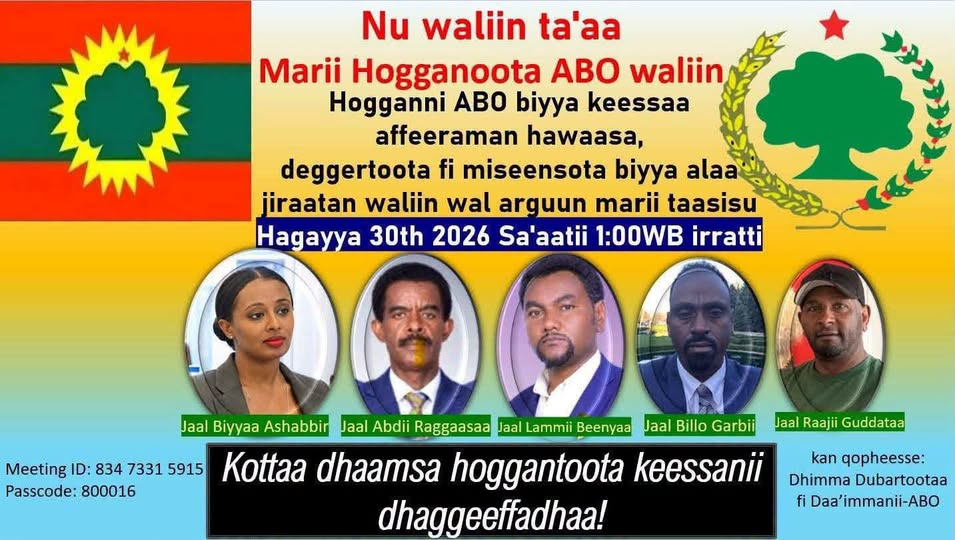
(Finfinne, Oromia)– As Ethiopia’s political landscape grows increasingly volatile, the Oromo Liberation Front (OLF) has convened a series of high-level meetings with its leadership cadres, grassroots members, and traditional institutions—a strategic push to consolidate Oromo unity in the face of mounting security threats and political uncertainty.
A Call for Unity and Vigilance
The most recent consultations, held at the party’s headquarters in Gullalle, brought together Qondaaltota (junior leaders), Dabballoota (cadres), and the general membership for extensive deliberations. Senior OLF leader Jaal Abdii Raggaasaa—who also serves as Member Secretary-General—addressed members with a stark message on the nature of the struggle: that commitment, not temporary strength, determines victory .
“Some individuals enter the organization (Irbuu) but then exploit it—seeking personal benefit rather than serving the people’s cause. When such people exist, it is they themselves who suffer the consequences, not ABO and not others.”
— Jaal Abdii Raggaasaa, OLF Senior Leader
Abdii emphasized that the work of building the Oromo nation extends beyond Ethiopia’s borders—stretching into the diaspora wherever Oromos reside . He stressed that grassroots organizing, beginning “from the village level,” remains essential to lasting political change .
Leadership’s Resolve: “We Must Speak as ABO”
Reflecting on the inevitable challenges facing liberation movements, Abdii offered a sobering reflection:
“In the struggle ABO is waging, even if we face extinction—if we are reduced to just one person—we must speak as ABO. We must not hide ourselves. We may face extinction, but we must not retreat into silence.”
Jaal Yaasoo Kabbabaa Hordofa, another OLF official, reinforced this determination, declaring that “OLF is the center of Oromo peace.” He noted that if OLF participates in elections this year, it will mark the first and largest chapter in Oromo electoral history—an opportunity that must be seized, not as a preference but as an obligation for all members .
Political Prisoners and the Demand for Justice
The OLF has consistently demanded the immediate release of political prisoners who continue to suffer in detention without due process, calling upon both Abbaa Gadaas and religious authorities to actively work toward restoring security in Oromia .
Following the announcement of the 7th General Election results—which saw the ruling Prosperity Party secure a parliamentary majority and OLF fail to win any seats despite fielding 163 candidates—the party issued a pointed critique .
“The OLF once again firmly reiterates that the situation in Oromia and across Ethiopia cannot be resolved merely by declaring an election victory; rather, to prevent worse outcomes, an inclusive, genuine, and transparent dialogue must be conducted without wasting further time.”
The front noted that while it had filed formal grievances with the National Election Board regarding electoral infractions, it does not believe the board investigated these appeals “with the necessary depth, fairness, and justice” .
A Call for Oromo Political Unity
The OLF’s leadership has also renewed its call for all Oromo political organizations to work together to shorten the path to liberation, stating that this is “the most important time” for coordinated action . The executive committee has emphasized that while some previously allied groups have disrupted cooperation due to shifting political dynamics, they must realize that their moves should serve the broader Oromo interest .
The OLF also reiterated its support for the People’s Alliance for Freedom and Democracy (PAFD) and the transitional roadmap presented at the February 2018 London conference. The party calls on all stakeholders—including political elites, academics, and the international community—to contribute to an all-inclusive transitional process that offers a long-term political solution .
The Broader Context: Conflict and Fragility
The leadership’s renewed unity push comes as violence escalates in western Oromia. ACLED data shows that Fano militias—linked to the Amhara Fano National Movement—have increased their activities in Oromia’s Horo Guduru, Kellem, East, and West Wollega zones by 80% since January 2026 . This follows the establishment of the Wollega Fano Bizamo Command in December 2024, which has since fallen under the broader Tsimdo movement—a coalition reportedly aligned with the Tigray People’s Liberation Front (TPLF) and Eritrea, aiming to remove the Ethiopian government.
Amnesty International released a report in August 2026 titled “Because I am Oromo,” alleging that Ethiopia’s government has “ruthlessly targeted” its largest ethnic group—subjecting thousands of Oromos to unlawful killings, torture, and enforced disappearance . The government has denied the allegations.
Looking Forward
The OLF’s consultations reflect a movement at a crossroads—seeking to navigate electoral rejection, internal cohesion, and external threats while maintaining its decades-long commitment to self-determination. As one participant at the February meeting put it: “An awakened nation is built, and the built is united.”
Whether that unity can withstand the mounting pressures—from state security forces, inter-ethnic violence, and international geopolitical maneuvering—remains the central question facing the Oromo struggle today.

Goobee and Shinooyyee: A Dual Model of Prevention and Intervention for Social Problems

How Ancient Oromo Festivals Build Peace, Unity, and Social Cohesion
By Dhabessa Gemelal
In an era of deepening social divisions, political polarisation, and youth disengagement, the Oromo people possess a powerful and ancient resource: their own cultural traditions. The festivals of Goobee and Shinooyyee—celebrations marking the transition from the rainy season to spring—are not merely expressions of cultural identity. They are sophisticated mechanisms for social cohesion, conflict prevention, and youth engagement that offer a model for addressing some of the most pressing social challenges of our time.
Understanding Goobee and Shinooyyee
Goobee: A Festival of Light and Freedom for Young Men
Goobee is a festival where young men welcome the light of Spring with joy, hope, and good wishes. It represents “the bliss of spring, the joy of the dawn of the earth”—a light that sprouts for youth with green hope and courage . It is a time when young men declare their freedom and independence, marking their transition toward adulthood.
Shinooyyee: A Festival of Freedom and Identity for Young Women
Shinooyyee is a unique festival celebrated by young unmarried girls . During this festival, girls “plait their hair in fantastic styles and dress up and decorate with ornaments of their choice. They chant, sing, and dance with friends and peers for up to 3 weeks” . They collect fragrant grass and give it to neighbours as a symbol of abundance and blessing, receiving food and butter in return. It provides “young girls with absolute freedom to enjoy outside of their family’s home” .
Both festivals are celebrated in the weeks leading up to Irreechaa, the grand Oromo thanksgiving festival, and are part of the wider Gadaa system recognised by UNESCO as an Intangible Cultural Heritage of Humanity .
Prevention: Addressing Root Causes of Social Problems
1. Preventing Conflict Through Reconciliation
The Gadaa system, of which Goobee and Shinooyyee are a part, is built on a fundamental principle: “as much as possible, conflict should be prevented from occurring” . Should conflict occur, “everything should be done to prevent it from escalating and all institutions should work together to manage the conflict” .
This preventive philosophy is embedded in the festivals. Irreechaa, the culminating festival, requires participants to resolve conflicts before attending. As one Abba Gadaa explained, “if anyone who attends the festival has a conflict even with a close person, he should first reconcile with himself or with the other persons” . This principle of pre-festival reconciliation prevents conflicts from festering and escalating.
2. Preventing Youth Disengagement Through Meaningful Participation
Shinooyyee and Goobee provide structured, meaningful activities that engage youth during a critical transition period. The festivals offer young people “absolute freedom” to express themselves, build social bonds, and develop confidence . This engagement prevents the alienation and disconnection that often lead to social problems.
Social Anthropologist Daniel Deressa noted that the festivals “promote love and unity to uphold peaceful coexistence in the society” . By providing positive outlets for youth energy and creativity, Goobee and Shinooyyee prevent the frustration and disengagement that can fuel social unrest.
3. Preventing Cultural Erosion Through Intergenerational Transmission
Goobee and Shinooyyee serve as mechanisms for transmitting cultural knowledge, values, and ethics from elders to youth. The festivals ensure that young people learn “the culture and morals of the people and teaching them the truth” . This intergenerational transmission prevents the loss of cultural identity that can leave communities vulnerable to social breakdown.
Intervention: Addressing Existing Social Problems
1. Healing Divisions Through Reconciliation
For those already in conflict, Goobee and Shinooyyee provide a structured pathway to reconciliation. The festivals are described as “a time for reconciliation,” where “hatred and revenge are removed and solidarity is strengthened” . The requirement of pre-festival reconciliation serves as a direct intervention for existing conflicts.
The festivals create an environment where “peace is preached and love is praised; disagreement, grievance and discontent are condemned” . This public affirmation of peace values directly counters the narratives that fuel conflict.
2. Building Social Bonds Across Communities
Goobee and Shinooyyee bring together young people from different communities, strengthening “their love and unity” . The festivals are not exclusive—they are inclusive gatherings that promote understanding and solidarity across diverse groups.
Irreechaa, the culminating festival, has become “an important ritual festival that attracts visitors” and “has been becoming a cultural nationalism not only for the people of Oromo but also the nations and nationalities of the country” . This inclusivity makes the festivals a direct intervention against ethnic division.
3. Strengthening Community Resilience
The festivals contribute to community resilience by reinforcing social bonds and shared values. As scholars have noted, “Irreechaa brings people closer to each other and strengthen social bonds” . This strengthening of social cohesion makes communities more resilient to the stresses that can lead to social problems.
The Dual Model in Action
Goobee and Shinooyyee operate through a dual model of prevention and intervention:
Prevention:
- Engaging youth through meaningful participation
- Transmitting cultural values and ethics
- Resolving conflicts before they escalate
- Building social cohesion through inclusive participation
Intervention:
- Healing existing conflicts through reconciliation rituals
- Strengthening social bonds across communities
- Reinforcing shared values of peace and unity
Conclusion: A Model for Our Times
In a world facing deepening social divisions, youth alienation, and conflict, Goobee and Shinooyyee offer a powerful model. They demonstrate that cultural traditions are not merely nostalgic artifacts—they are living resources for building peace, strengthening communities, and engaging youth.
By preserving and promoting these festivals, the Oromo people are not only celebrating their heritage—they are investing in a more peaceful, cohesive, and resilient society. As one young participant noted, Goobee and Shinooyyee are “a festival of success, history, restoration of lost culture and expression of the Oromo people” .
In a fractured world, this ancient tradition offers a blueprint for healing.
This feature article is dedicated to the youth of Oromia who carry these traditions forward, and to all communities seeking models of peace and unity.


More Than an Ancient Civilization: The Kingdom of Kush—A Powerful Empire of Land and Sea
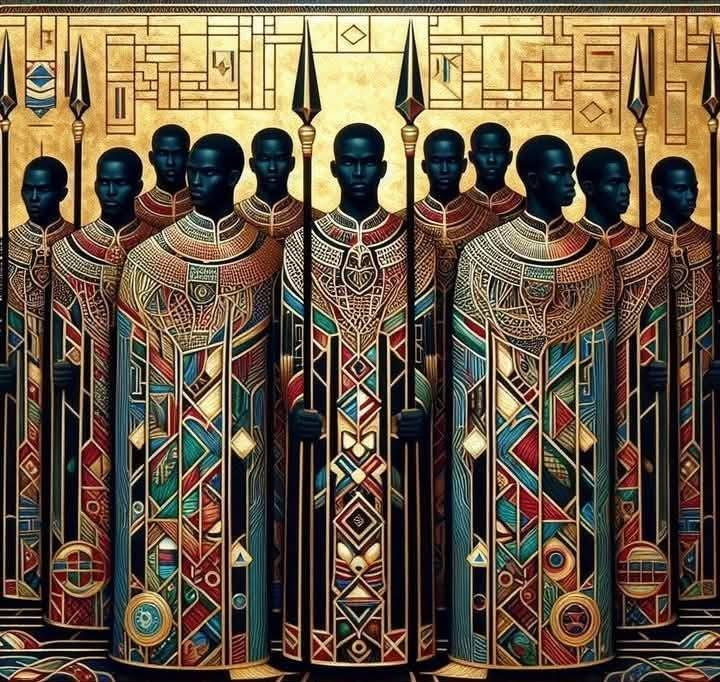
A people whose legacy challenges the very foundations of African history
When we speak of the great civilisations of antiquity, our minds often turn to Egypt, Greece, or Rome. But long before the Persian Empire rose to dominance, there existed in the heart of Africa a kingdom of extraordinary power, wealth, and sophistication—the Kingdom of Kush.
The Kingdom of Kush, with its three major cities of Meroe, Kerma, and Napata, emerged in the Nubian Desert south of Egypt along the Upper Nile River Valley from the 2nd millennium B.C. to the fourth century A.D. . For over a thousand years, Kush was a major power in the Nile valley, controlling an empire that at its height stretched from Central Sudan to the Mediterranean .
The achievements of this ancient civilisation challenge long-held beliefs that Egypt was the sole centre of advancement in the region. As renowned archaeologist Charles Bonnet’s excavations have revealed, Kush was not a mere vassal state of Egypt but a powerful and independent kingdom with its own distinctively indigenous culture . This sophisticated political state organised trade to the Mediterranean basin and built up a military strong enough to resist Egyptian forces .
The Black Pharaohs: A Legacy of Power
The Kushite rulers of Egypt’s 25th Dynasty, often referred to as the “Black Pharaohs,” represent a pivotal moment in the history of the Nile Valley. Emerging from the Kingdom of Kush at Napata in Nubia, these rulers not only unified Egypt after centuries of fragmentation but also reinvigorated pharaonic traditions .
The first major figure of this dynasty, King Piye, launched a campaign into Egypt during a period of political fragmentation known as the Third Intermediate Period. His Victory Stela records the subjugation of Delta rulers and proclaims his role as restorer of order . By 730 BCE, Piye had conquered Lower Egypt, establishing Kushite authority over both Upper and Lower Egypt .
The dynasty reached its zenith under Taharqa (690–664 BCE), whose reign is remembered for monumental building projects and ambitious foreign policy. Taharqa sponsored extensive temple construction at Karnak, Kawa, and Jebel Barkal, reinforcing his devotion to Amun and his claim to pharaonic legitimacy . He intervened in the Levant, supporting coalitions against Assyrian expansion, and is mentioned in both Biblical and Assyrian sources .
One of the most remarkable features of Meroitic civilisation was its powerful queens. The title “Candace,” meaning “sister,” was given to Kushite queens . Queens such as Amanirenas—who signed a peace treaty with the emperor Augustus—and Amanishakheto, whose treasure was looted in 1834, demonstrate the prominent role of women in Kushite society .
Kush: More Than a Footnote
The Kingdom of Kush was more than a civilisation; it was a power that commanded both land and sea. Kushite armies were formidable, and their military prowess allowed them to conquer and control Egypt itself . Kush also boasted a powerful navy, controlling trade routes along the Nile and beyond .
The economy of the ancient Kushites relied on trade in exotic African goods with Egypt and beyond. As middlemen, Kushite traders passed along ivory, ebony, incense, and other exotic goods from the South to the Egyptians, who then traded with other Mediterranean peoples . The city of Kerma, with its strategic location on the Nile River, controlled this crucial trade route .
Kush produced more gold than anywhere in the world at that time . Archaeologists have uncovered massive gold-processing operations at sites like Hosh el-Guruf, revealing the scale of Kush’s wealth . Minerals and high-quality stone were also mined for trade, and the Kushites introduced and developed iron metallurgy to the region .
A Sophisticated Society
The art and architecture of the Kushites reveal a sophisticated society of innovative craftsmen who constantly assimilated new artistic techniques from other lands . Notable architecture includes stone temple complexes such as the Lion Temple at Naqa and the steep-sided, solid pyramids found at Meroe and Jebel Barkal .
In fact, Sudan has more pyramids than all of Egypt—a testament to the grandeur of the Kushite civilisation . These tall, slender, graceful monuments bear witness to the lasting splendour of Kush .
Kushite art includes narrative tomb wall paintings and unique, eggshell-thin pottery with geometric patterns traded all over the Mediterranean . Stoic granite and bronze statues of gods and kings convey the religious beliefs of this ancient people .
The Question of Cush
The name “Kush” has been connected since at least the time of Josephus with the biblical character Cush, son of Ham (Genesis 10:6). Ham had four sons: Cush, Put, Canaan, and Mizraim (Egypt) . According to the Bible, Nimrod, a son of Cush, was the founder and king of Babylon, Erech, Akkad, and Calneh .
The Cushitic-speaking peoples, who are the ethnolinguistic groups speaking Cushitic languages natively, are today found primarily in the Horn of Africa, with minorities in Egypt, Sudan, Kenya, and Tanzania . Proto-Cushitic was spoken on the Ethiopian Highlands by 5000–4000 BC .
A Civilisation Worthy of Recognition
The Kingdom of Kush is not merely a footnote in the history of Africa—it is a testament to the power, ingenuity, and resilience of the peoples of the Nile Valley. As the American Journal of Archaeology notes in its review of The Nubian Pharaohs of Egypt, the term “Black Pharaohs” has sometimes been used to market exhibits, but the historical significance of Kush extends far beyond its interaction with Egypt . Sudanese colleagues and community members rightly resent the idea that the kings of ancient Sudan are only important because they ruled over Egypt . The Kingdom of Kush deserves to be remembered on its own terms.


A Reflection on Courage, Unity, and the Power of Truth
Honouring the Voices That Speak for the People’s Will
By Meseret Daba Kene
There are moments in the life of a nation when silence is not an option. There are times when the weight of history, the suffering of generations, and the hope of the future demand that we speak—clearly, boldly, and without fear. And when someone rises to that occasion, we must recognize them, honour them, and stand with them.
A Voice That Cannot Be Silenced
In the ongoing struggle for justice and self-determination, some voices stand out not because they are loud, but because they are true. I am thinking of figures like Aadde Sa’aadaa Abdurahamaan and others in the Caffee Oromiyaa who have spoken with courage and conviction about the question of Finfinne and the will of the Oromo people.

They have stood at the forefront, speaking truth to power, expressing the dreams and aspirations of a people who have been marginalized, dispossessed, and silenced for generations. They have not wavered. They have not been intimidated. They have spoken with the clarity of those who know that the truth is on their side.
And for that, we are grateful.
“Yoo dubbadhu jettan kaa,” —when they chose to speak, they spoke not for themselves, but for the millions who have no voice, for the ancestors who sacrificed, and for the generations yet to come.
The Will of the People
What has been expressed by these brave individuals is not a personal opinion—it is the will of the people. It is the collective desire of a nation that has been denied its rightful place in history. It is the demand for justice, dignity, and recognition.
When they spoke about Finfinne, they spoke about the heart of Oromia—a city that was built on Oromo land, a city that holds the blood and bones of Oromo martyrs, a city that must be recognized as an integral part of Oromo identity.
They expressed the will of the people with such conviction that it left us in awe—not of their words, but of their courage. And we must not let that courage go unrecognized. We must not let that truth be silenced.
The Foundation of Unity
The unity of the Oromo people is not something to be taken for granted. It is built on the foundation of truth, justice, and mutual respect. When we stand together, we are unstoppable. When we speak with one voice, we cannot be ignored.
This is why the work of those who speak for the people is so important. They remind us that we are not alone. They remind us that we have a collective destiny. They remind us that our strength lies in our unity.
“Waan hundi gaarummaaf ta’e!” —everything that happens is for the greater good. Even the challenges we face, the struggles we endure, and the sacrifices we make are all part of a larger purpose: the liberation and prosperity of our people.
A Future of Peace and Prosperity
There is no doubt in my mind that the future of our people is bright. The road may be long and difficult, but the destination is certain. Peace, security, and prosperity will come to our people—not as a gift from others, but as a result of our own efforts, our own unity, and our own determination.
“Nagaan, tasgabbii fi badhaadhinni biyyaafi saba keenyaaf ni ta’a!” —peace, security, and prosperity will be ours.
This is not a naive hope. It is a conviction born of history, experience, and faith. It is a belief that justice will prevail, that truth will triumph, and that the will of the people cannot be defeated.
The Power of Gratitude
In the midst of struggle, it is easy to focus on the difficulties—the losses, the pain, the setbacks. But we must also remember to be grateful. Grateful for those who have stood up for us. Grateful for those who continue to fight. Grateful for the unity that sustains us.
“Hundi keessanu galatoomaa” —thank you all.
Thank you to the leaders who have spoken truth to power. Thank you to the activists who have kept the flame of resistance alive. Thank you to the ordinary citizens who have refused to give up hope. Thank you to the ancestors who paved the way.
A Final Reflection
The struggle for justice is not a sprint—it is a marathon. There will be setbacks. There will be disappointments. There will be moments of doubt. But we must never lose sight of the goal: a free, just, and prosperous Oromia.
Those who have spoken out, who have risked their freedom and their lives for the cause of our people, are our heroes. They are the pillars upon which our future will be built. They are the architects of our liberation.
Let us not forget them. Let us not forget their sacrifice. And let us not forget the truth they have spoken.
Injifannoon Ummata Oromoo!
Nagaan fi tasgabbii haa jabaattu!
Hundi keessanu galatoomaa!
This reflection is dedicated to Aadde Sa’aadaa Abdurahamaan and all those who have dared to speak the truth on behalf of the Oromo people. Your courage inspires us, and your sacrifice will never be forgotten.

Irreecha: A Day of Thanksgiving and Renewal for the Oromo People

By Dhabessa Wakjira
Introduction: A Celebration Like No Other
As the golden hues of the Ethiopian spring—known as Birraa—begin to blanket the landscape, a profound spiritual and cultural awakening stirs across Oromia. This year, the 2018 Irreecha festival, celebrated on September 24th at Hora Finfinne and September 25th at Hora Arsadee-Bishooftuu, carries a particularly resonant theme: “Irreecha: Olka’iinsa Biyyaatiif” (Irreecha: For the Elevation of the Nation). Following a sacred itinerary, the Council of Oromo Gadaa Elders has announced the events will be observed consecutively, beginning with morning rituals.
This year’s Irreecha stands apart, marking a triumphant return to tradition after a long night of cultural suppression. The proclamation of the Oromo Cultural Renaissance, coinciding with the blessing of the Great Ethiopian Renaissance Dam (GERD), adds a layer of double joy and profound national significance. The very air hums with the promise of renewal.
The Soul of a Nation: Culture as Identity
Culture is the radiant mirror of a people’s soul. It is through their customs, rituals, and traditions that a community reveals its unique character to the world. For the Oromo people, one of the largest nations in the Horn of Africa, culture is not merely a collection of artifacts but the living fabric of daily existence.
The Oromo possess a rich cultural tapestry, interwoven with the rhythms of their environment. Their traditions—from the sacred union of marriage and the art of traditional attire to the intricate wisdom of the Gadaa system—all reflect a deep, symbiotic relationship with the land and the cosmos. Central to this worldview is a profound reverence for Waaqa (God), the Creator.
For centuries, Oromo life was guided by a seamless integration of work, social structure, governance, and spirituality. This harmony was, however, violently disrupted from the era of Emperor Menelik II through the oppressive Derg regime. The Oromo people endured systematic marginalization, their identity and cultural practices suppressed. Their language, customs, and even their names were targets of state-sanctioned denigration.
Yet, like the resilient birbirsaa plant that thrives after the rains, the Oromo spirit endured. The fall of the Derg in 1991 and the subsequent constitutional recognition of the Oromo language and culture heralded a new dawn. A people once forced into the shadows of history could now reclaim their heritage in the full light of day.
Waaqeffanna: The Oromo Spiritual Tradition
At the heart of Oromo identity lies Waaqeffanna, the indigenous belief system. The Oromo have been custodians of a monotheistic faith since time immemorial, believing in a single, omnipotent Waaqa who is the sole Creator of the universe.
Unlike other systems, Waaqeffanna does not worship idols or intermediary deities. It is a direct, personal connection between the worshipper and the Creator. The Oromo believe that Waaqa is the source of all life and power, and that this power manifests through the natural world. The rivers, mountains, trees, and lakes are not gods themselves but sacred creations through which Waaqa’s majesty is revealed.
This philosophy is elegantly expressed through Irreecha, the ultimate act of thanksgiving and spiritual communion. The elders teach that Irreecha is simply “giving thanks to the one God.” It is the pinnacle of Oromo religious and cultural expression, a testament to the enduring faith of a people in the face of adversity.
The Seasons of Life: Why Irreecha is Celebrated
To understand Irreecha, one must understand the Oromo calendar and the life-giving cycle of the seasons. Following the long, harsh rains of the Ganna (winter) season, the landscape transforms. Mighty rivers swell, roads turn to impassable mud, and communities are often separated. Nature, in its raw power, hibernates.
Then comes Birraa, the spring season. The rains recede. The sky clears to a brilliant blue. The mud dries, opening pathways. The once-dormant earth erupts in a spectacular bloom of yellow, white, and purple flowers. The oyiruu (crops) transform from green foliage to golden, life-sustaining grain. This is the season of hope, rebirth, and abundance.
It is in this moment of transition, from the darkness of winter to the light of spring, that the Oromo offer Irreecha. It is a heartfelt “thank you” to Waaqa for guiding them through the difficult months and for bestowing the first fruits of the harvest. It is a powerful acknowledgment of the divine order that governs existence.
“Baga Booqa Birraa geessan!” — “Welcome, the freshness of spring!” is the joyful greeting of the season.
Two Hallowed Places: Irreecha Tulluu and Irreecha Malkaa
The Irreecha rituals are held in two distinct settings, each reflecting a different phase of the spiritual and agricultural cycle.
Irreecha Tulluu (Irreecha of the Mountain)
As the dry season (Bona) takes hold, the land becomes parched, and water sources dwindle. The elderly of the community, acting on ancient knowledge, would gather at a designated highland—a Tulluu—believed to be closer to the divine. Here, they would raise their hands to the sky, beseeching Waaqa for rain. Their prayers, steeped in the wisdom of the Cushitic cosmological tradition, seek to restore the balance of nature and ensure the renewal of life.
Irreecha Malkaa (Irreecha of the River)
This is the main event. Held at the outset of Birraa around mid-September, Irreecha Malkaa is a vibrant, joyous, and public festival. The Oromo gather at the banks of rivers, lakes, or springs—places where the life-giving water is most tangible.
For this occasion, the community dresses in their finest traditional attire. The men wear colorful Wandaboo (shoulder cloths) and carry traditional weapons or staffs, while the women don elegant, flowing gowns and adorn themselves with intricate hairstyles and beaded jewelry, known as Calallee. The youth, particularly the Kormoomsaa (young warriors), move through the crowd, sprinkling people with fresh water, a gesture of cleansing and blessing.
At the appointed time, the Abbaa Gadaa (the Gadaa leader) and elders lead the procession. They carry the sacred Bokkuu (staff of office), Margaa (leaves of peace), and Callacha (ceremonial container). Chanting the sacred mantra “Maareewoo, Maareewoo!”—a powerful invocation of the divine—the throng moves toward the water’s edge.
Water is dipped from the river and touched to the forehead. This act signifies purification and a prayer for longevity and prosperity. The air fills with the sound of devotional songs and prayers.
“Obiin, kunni, malkaa nu gaha, ya Waaqa, nu eebbisi!” (Leader, take us to the river, O God, bless us!)
Irreecha Finfinne and Bishooftuu: The Heartbeat of the Festival
While Irreecha is celebrated across Oromia, the largest and most significant gatherings take place in two locations.
Hora Finfinne (Lake Finfinne), in the heart of the capital, is a site of profound historical significance. For decades, under oppressive regimes, public celebrations were banned. Holding Irreecha in Finfinne is a powerful act of reclaiming space and identity.
Hora Arsadee-Bishooftuu in the city of Bishooftuu is another major center. This location is famed for its beautiful, natural landscape. The specific gathering spot is near a sacred body of water believed to be a site of ancient Oromo worship. The historical figure Harsadi, of the Liiban clan, is associated with this lake.
In recent years, the scale of these gatherings has been staggering. It is estimated that over four million people attend the main Irreecha in Bishooftuu, making it one of the largest annual gatherings of people on the African continent. International media, including the BBC, Al Jazeera, and CNN, have taken note, broadcasting the awe-inspiring images of hundreds of thousands of people dressed in a vibrant sea of colors, moving with purpose and joy.
The day is a total immersion in culture and community. After the prayers and rituals, families and friends return home to share a meal of traditional dishes and freshly brewed Bunaa (coffee). The atmosphere is one of profound peace and unity.
A Culture Reborn
This year’s Irreecha is more than a religious ceremony; it is a powerful statement of cultural resilience. The revival of Irreecha after years of suppression represents a people reconnecting with their spiritual roots, reclaiming their heritage, and looking towards the future with hope.
The Oromo are announcing to the world that their culture, with its deep-rooted values of democracy, community, and spirituality, is not a relic of the past but a vibrant force for the present and future. Irreecha stands as a testament to the enduring spirit of a nation that has overcome immense challenges and continues to celebrate life, faith, and unity with unparalleled passion and dignity.
Deebi’uu: As the sun sets on the banks of Hora Arsadee, the echoes of “Maareewoo” fade into the cool evening air. The Oromo people have once again fulfilled their covenant of thanksgiving, carrying in their hearts the promise of a bright and prosperous future.


The Price of Silence: A Reflection on Inaction and the Tragedy of Our People

We Knew This Was Coming — Yet We Chose to Stay Silent
By Koste Abdiisaa
If we had shown even 1% of the outrage we have expressed over the past two days three, four, or five years ago—when Fano killed hundreds of innocent Oromos in Kiramu, Hagamsa, Amuru, Alibo, Jardega-Jartee, and elsewhere—perhaps these killings would not have happened.
We knew this was coming. The signs were everywhere. The warnings were clear. Yet we chose to remain silent. We chose to look away. We chose to believe that the storm would pass us by.
But storms do not pass by those who refuse to prepare. They break over them.
The Warning Signs We Ignored
For years, the enemies of the Oromo people have been methodically preparing for this moment. While we argued among ourselves, they were opening training camps in our backyard. While we engaged in name-calling and petty divisions, they were building security structures and training hundreds of people to carry out their plans.
We saw it happening. We heard the reports. We knew that innocent farmers—our farmers—were being killed in Kiramu, Hagamsa, Amuru, Alibo, Jardega-Jartee, and countless other places. And what did we do?
We expressed outrage on social media. We posted our anger, shared our grief, and then went back to business as usual.
Our collective inaction allowed this to continue. Our silence gave them permission to proceed. Our failure to act was an invitation for more violence.
The Consequences of Inaction
This is not about hindsight. This is about foresight—and our failure to use it. We cannot pretend that these killings were unexpected. We knew what was coming. We had every warning. But we failed to act.
And now, the consequences are here.
The killing of our innocent farmers is not just a tragedy—it is a judgment on our collective failure to protect our own. It is the result of years of political naivety, misplaced priorities, and a refusal to confront the reality of the threat we faced.
We were good at crying after the fact. We were good at expressing outrage on social media after tragedies happened. But we were very poor at recognizing threats early on, listening to those who recognized them, and preparing ourselves to face them.
The Deeper Outrage
Like many of you, I am outraged by the killing of our innocent farmers. But I am even more outraged by our inaction—our lack of political awareness, our failure to recognize and respond to such cruelty for so long.
What is even more troubling is that some of our so-called political entities—those who claim to speak for us—continue to seek alignment with those responsible. They act as if there is still some humanity left in them to appeal to. They still hope for dialogue with those who have shown, time and again, that they have no interest in peace, only in domination.
This is not leadership. This is delusion.
And we, as a people, have allowed it. We have allowed ourselves to be led by those who refuse to see the enemy for what they are. We have allowed ourselves to be distracted by petty divisions while our people are being slaughtered.
The Beginning, Not the End
Let us not pretend that this is the end. This is the beginning. The attacks will continue. The killings will escalate. And if we do not act now—with unity, determination, and clarity—the tragedies we see today will seem small compared to what is coming.
I fear that we may still fail to act in a timely manner. I fear that we will continue to cry and express outrage for a week, and then return to normal life. I fear that we will continue to do what we seem to be good at: mourning after the fact, but never preparing for what lies ahead.
A Call to Look Within
If this senseless killing of our people does not make us angry enough to question our collective inaction, then perhaps we need to look within ourselves and ask: What kind of society have we become?
Have we become a people who only react after the damage is done? Have we become a people who prioritize social media outrage over real action? Have we become a people who are more concerned with who is right than with what is right?
We must ask ourselves these questions. And we must answer them honestly.
The Path Forward
We cannot change the past. The blood that has been spilled cannot be unspilled. But we can change the future. We can act now—today—to ensure that these tragedies do not continue.
This requires several things:
- Unity: We must put aside our petty divisions and unite as a people. Our enemies are united; we must be even more united.
- Awareness: We must wake up to the reality of the threat we face. We must recognize the signs and act before it is too late.
- Action: We must support those who are willing to sacrifice and risk their lives to defend our people. We must build the structures and institutions necessary to protect ourselves.
- Accountability: We must hold our political entities accountable. We must demand that they prioritize the defense of our people over their own political ambitions.
- Resilience: We must be prepared for the long fight ahead. This is not a battle that will be won in a day. It requires patience, courage, and an unwavering commitment to our people.
Conclusion: Enough Is Enough
The killing of our innocent farmers is a crime against humanity. But our collective inaction is a crime against ourselves.
We cannot afford to continue down this path. We cannot afford to remain silent while our people are being slaughtered. We cannot afford to wait until the next tragedy to express our outrage.
Enough is enough.
Let us honor the memory of those who have been killed by resolving to act—not just with words, but with deeds. Let us build a future where our people are safe, our land is protected, and our dignity is restored.
Injifannoon Ummata Oromoo!
Nagaan haa jabaatu!
This reflection is dedicated to the innocent Oromo farmers who have lost their lives, and to all those who are determined to build a future of peace, justice, and security for our people.






