Category Archives: VMC

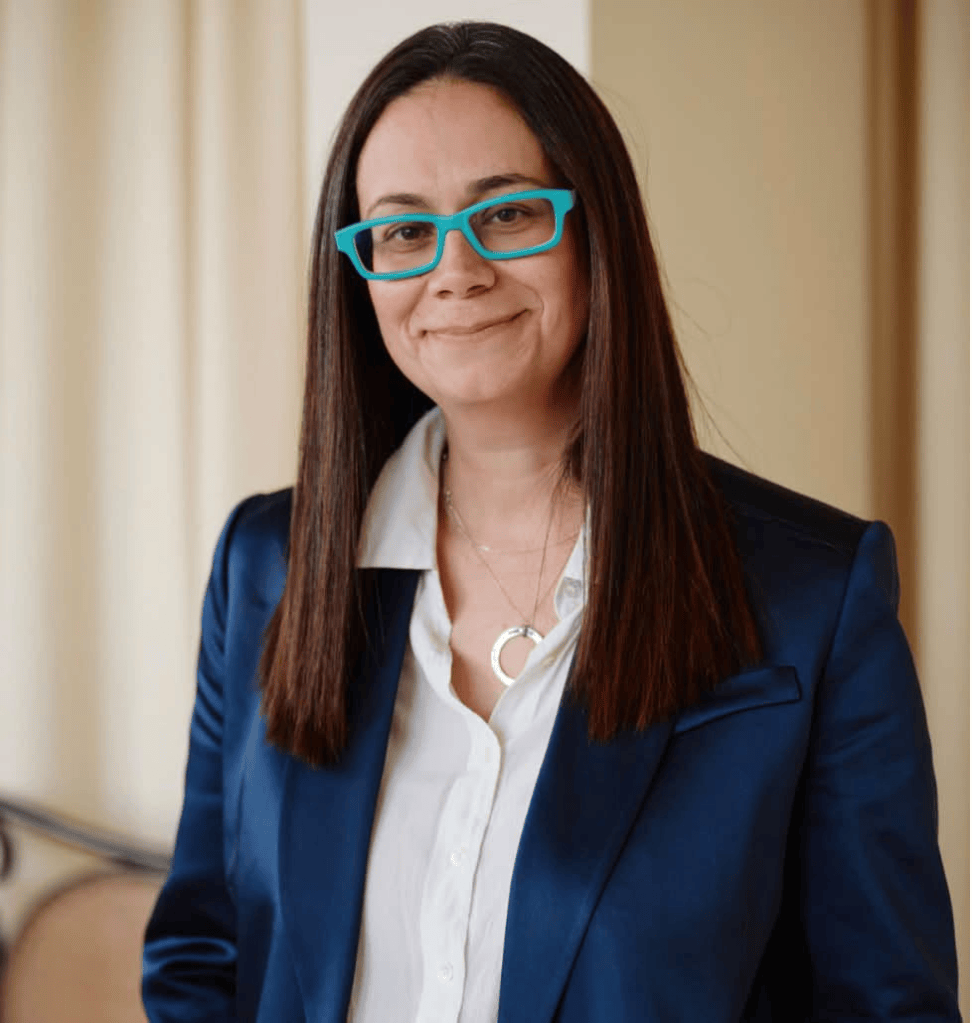
From Refugee Roots to Leadership: Louise Perry to Lead Victoria’s Multicultural Commission
By Dhabessa Wakjira
MELBOURNE – Victoria’s commitment to fostering an inclusive and harmonious society has found a steadfast champion. Multicultural and Multifaith Victoria (MMV) has announced that Ms. Louise Perry will continue her tenure as the Interim Multicultural Coordinator General.
While the title is long, the mission is deeply personal. For Perry, the role is not just a bureaucratic appointment, but a culmination of a life shaped by migration, resilience, and a profound dedication to human rights.
As a Burmese woman, a migrant, and the daughter of a refugee, Perry brings a unique duality to the position. She merges her lived experience with significant professional expertise across the public, development, and human rights sectors. It is this combination of personal insight and professional acumen that MMV leadership believes will be instrumental in driving the organization forward.
“Louise brings extensive experience across government, human rights, and international development, along with a lifelong commitment to strengthening inclusion and opportunity for diverse communities,” MMV said in a statement announcing her continued appointment.
Having traversed the complex landscapes of international development and public service, Perry is acutely aware of the challenges and opportunities facing Victoria’s diverse populace. Her career has been defined by a drive to ensure that systemic barriers are dismantled and that opportunity is accessible to all, regardless of background.
In her role as Interim Coordinator General, Perry is tasked with positioning MMV as a trusted, effective, and robust institution. She is passionate about ensuring the organization builds strong, meaningful partnerships across a wide spectrum of stakeholders—from grassroots community groups and government bodies to businesses and the broader Victorian public.
Her vision for MMV is one of active engagement and tangible results. By fostering these cross-sector alliances, Perry aims to deliver meaningful change, ensuring that the voices of multicultural and multifaith communities are not just heard, but are integral to the shaping of policy and public life in Victoria.
As she continues to lead the organization through its establishment phase, Perry stands as a testament to the very values MMV seeks to uphold: that diversity is a strength, and that leadership is often most powerful when informed by the journey of those who have lived it.

16 Years of Advocacy for Oromia, 16 Years of Impact

Marking a Milestone of Dedication, Resilience and Progress
For 16 years, the cause of Oromia has been carried forward with unwavering commitment — through advocacy, community engagement and a steadfast belief in justice, dignity and development for the Oromo people. Today, we mark 16 years of advocacy and 16 years of impact.
What began as a shared vision among a dedicated few has grown into a sustained movement built on perseverance, solidarity and the collective voice of a community determined to be heard. Over these 16 years, advocacy for Oromia has taken many forms — raising awareness, amplifying community concerns, fostering dialogue, and championing the rights and aspirations of the Oromo people both at home and in the diaspora.
The impact of this work is reflected not only in the milestones achieved, but in the lives touched, the voices empowered and the awareness built across communities. Each year has brought new challenges, and each challenge has been met with renewed resolve. Through it all, the commitment to Oromia’s future has remained constant.
This milestone belongs to everyone who has contributed to the journey — the advocates, the community members, the partners and the supporters who have stood together over the years. Your dedication has made a difference, and your efforts continue to shape a brighter path forward.
As we celebrate 16 years of advocacy and 16 years of impact, we look ahead with hope and determination. The work continues, and so does the vision of a prosperous, peaceful and dignified Oromia.
Here’s to 16 years of dedication — and to the many years of impact still to come.
16 Years of Advocacy for Oromia. 16 Years of Impact.

Celebrating 75 Years of Impact: AMES Australia Honors a Legacy of Building New Lives
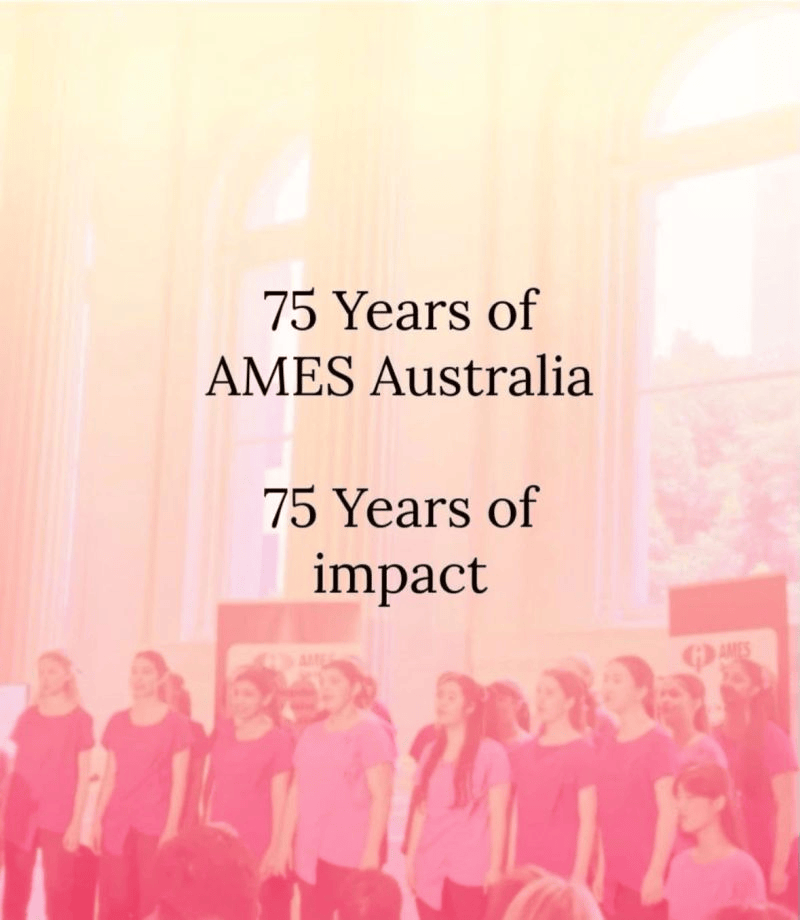
For 75 years, AMES Australia has been a cornerstone of the nation’s multicultural success, and last night, community leaders, politicians, and advocates gathered to celebrate a remarkable milestone.
Under the glowing banner of “75 Years of AMES Australia, 75 Years of impact,” attendees reflected on the transformative power of support, training, and opportunity. The celebration highlighted the absolutely incredible stories and achievements of refugees and migrants who have successfully built their new lives in Australia.
The event underscored why Australia’s multiculturalism remains so successful and vibrant. It is the result of dedicated organizations like AMES providing vital services—from settlement and employment assistance to English language training and ongoing support. These foundational pillars have helped nearly one million clients transition into their new communities and thrive.
The anniversary was a moment to honor the visionaries and hard workers behind the organization’s success. Special congratulations were extended to Melinda Collinson (GAICD), Vanda Fortunato (PhD, FAICD), the current and former AMES Board members and CEOs, and the entire AMES Australia team.
The celebration also brought together notable figures, including Laura Lo Bianco-Smith, Matt Carrick, Lee Tarlamis OAM MP, and Meena Naidu (GAICD), who gathered to recognize the profound #Impact that skills and education (#Skills) have had on the state of Victoria (#Victoria) over the decades.
As AMES Australia marks 75 years of making a difference, the evening served as both a powerful retrospective of past achievements and a hopeful look toward the future, continuing its mission of empowering individuals and strengthening the fabric of Australian society.

Celebrating Our Community This Mashujaa Day
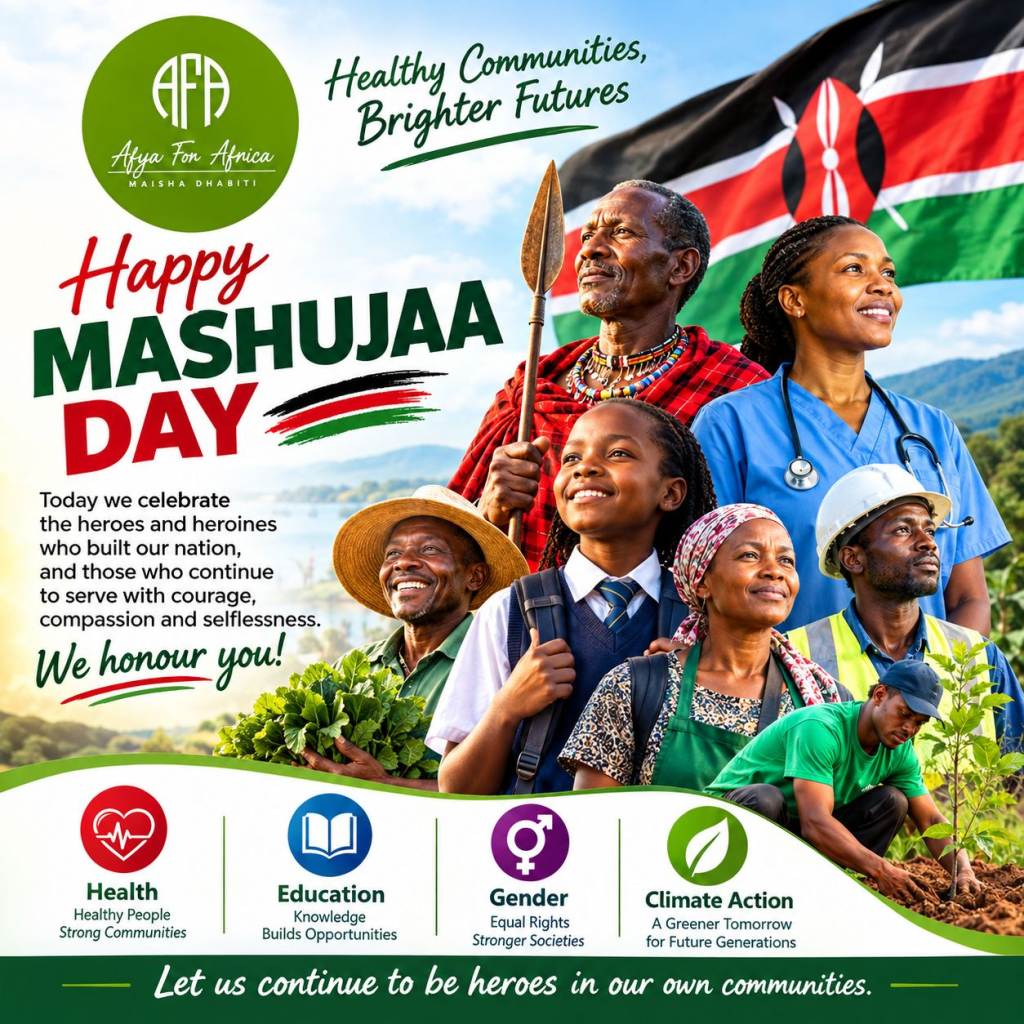
Honouring the Heroes Among Us
Mashujaa Day is a time to reflect on the spirit of heroism that lives within our communities — not only in the historic figures who shaped our nation, but in the everyday people whose quiet dedication, sacrifice and resilience hold us together.
This Mashujaa Day, we celebrate our community and the many heroes who walk among us: the parents working tirelessly for their families, the volunteers who give their time without hesitation, the neighbours who lend a hand in times of need, and the young people striving to build a better future.
Heroism is not always loud. Often, it is found in small acts of kindness, in perseverance through hardship, and in the commitment to lift others as we rise.
Today, we honour every member of our community who contributes to making it stronger, kinder and more united. Your efforts do not go unnoticed, and your spirit inspires us all.
Join us in celebrating our community — because the true heroes of our nation are the people who make it what it is, every single day.
#MashujaaDay #CelebratingOurCommunity #HeroesAmongUs

AMES Australia Manager Inducted into Victorian Multicultural Honour Roll
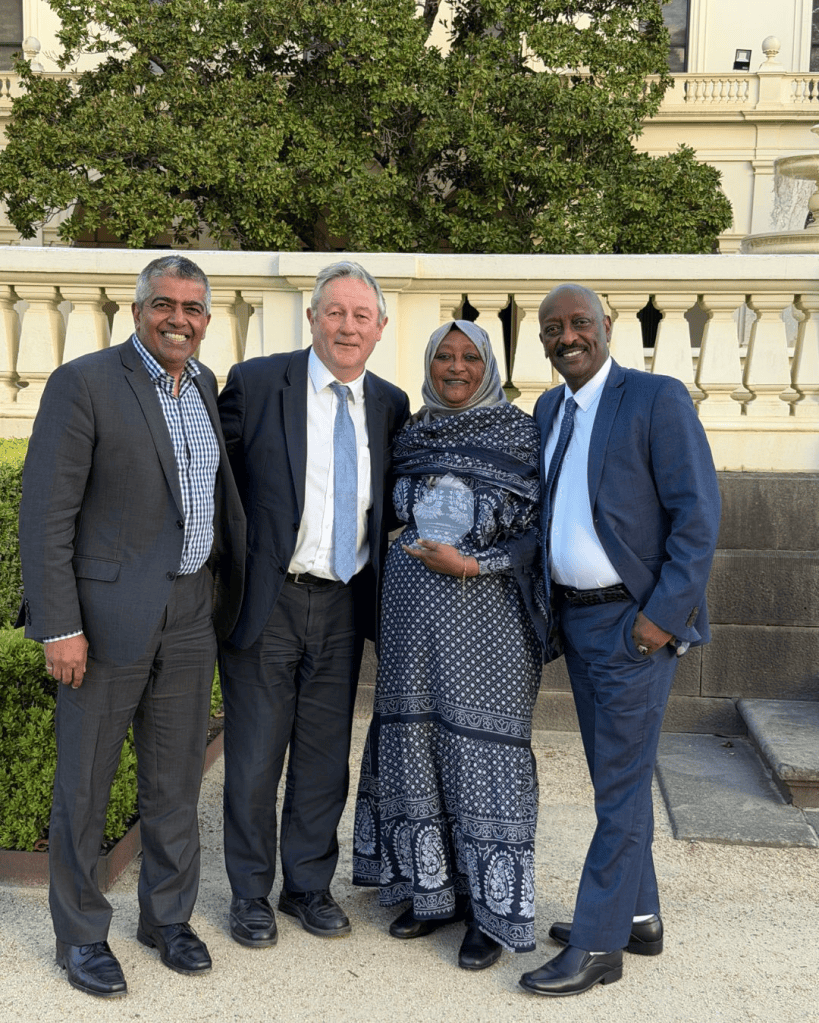
Dr. Melika Sheik-Eldin recognised for more than two decades of advocacy for refugees and multicultural communities
AMES Australia is proud to congratulate Dr. Melika Sheik-Eldin, Manager International and Community Development, on her induction into the Victorian Multicultural Honour Roll.
The honour recognises Dr. Melika’s exceptional and lasting contributions to multiculturalism in Victoria, capping a remarkable period of recognition that follows her recent induction into the Victorian Honour Roll for Women.
The induction took place at the Victorian Multicultural Awards for Excellence 2026 at Government House, where 23 individuals were welcomed into the Honour Roll for their outstanding contributions to multiculturalism across the state.
For more than two decades, Dr. Melika has been a powerful advocate for refugees and multicultural communities across Victoria, drawing on her own lived experience of fleeing conflict and rebuilding her life in Australia. Her work has been defined by a deep commitment to supporting others on similar journeys.
Dr. Melika has worked at AMES Australia for 24 years, focusing primarily on settlement, community development and capacity building programs, as well as community advocacy. Her leadership has helped shape initiatives that empower newcomers to build new lives and fully participate in Australian society.
Reflecting on the recognition, Dr. Melika said the honour belonged not only to her but to the communities she serves.
“This recognition is a reflection of the resilience and strength of the people I have had the privilege to work alongside,” she said. “I am grateful to be able to contribute to a Victoria where everyone, regardless of where they come from, has the opportunity to belong and thrive.”
Dr. Melika was accompanied at the ceremony by her family, as well as AMES Australia Chief of Strategy, Innovation & Partnerships, Praveen Reddy, and Media Manager, Laurie Nowell.
“Melika’s dedication to refugees and multicultural communities is an inspiration to all of us at AMES Australia,” Mr Reddy said. “This honour is thoroughly deserved and reflects the profound impact of her work over more than two decades.”
AMES Australia extends its warmest congratulations to Dr. Melika on another well-deserved honour.
#AMES #AMESAustralia #Award #VictorianMulticulturalHonourRoll

Irreechaa: The Festival That Renews Humanity Itself
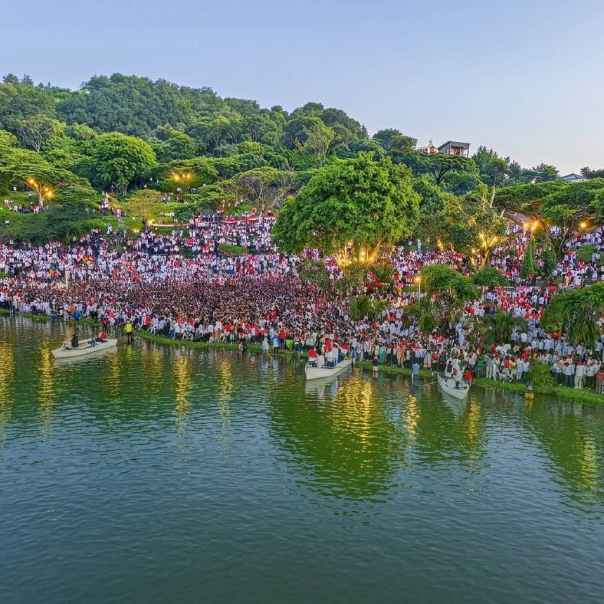
In the Oromo language, ten words capture what no single English phrase can hold: Irreechaa is empowering, reconciling, unifying, peace-bringing, restorative, improving, fulfilling, refining, completing, and renewing of humanity.
Beneath the sycamore trees, beside the sacred waters, a people gather not merely to celebrate — but to become whole again.
Ten Words, One Truth
There are moments when a single sentence carries the weight of an entire civilization’s wisdom. The Oromo people have such a sentence about Irreechaa:
“Irreechaan humneessaa, lachiisaa, marabeessaa, nageessaa, damboobsaa, fooyyessaa, fufsiisaa, fineessaa, guutessaa fi haaromsaa namummaa ti.”
Translated, it means: “Irreechaa is empowering, reconciling, unifying, peace-bringing, restorative, improving, fulfilling, refining, completing, and renewing of humanity.”
This is not poetry for its own sake. It is a theological statement, a philosophical declaration, and a psychological insight — all compressed into ten carefully chosen Oromo words. Each word describes not merely what Irreechaa does, but what it is. The festival is not a symbol of these things. It is the mechanism through which they happen.
To understand Irreechaa is to understand that humanity — fractured, exhausted, divided, grieving — can be regenerated. And the Oromo people have been practicing that regeneration for thousands of years.
Humneessaa: The Empowerment
Irreechaa begins with empowerment — humneessaa.
Before the festival, participants are asked to reconcile with themselves and with others. They set aside grudges. They release resentment. This is not weakness. It is the most difficult form of strength: the strength to lay down your weapons, to open your hands, to approach the sacred water without the armor of grievance.
The Oromo understand something that modern psychology is only now catching up to: unresolved conflict is a form of imprisonment. It binds the spirit. It drains the soul. To forgive — to seek araara — is to be liberated.
At Irreechaa, the person who has reconciled is not just morally superior. They are empowered. They have reclaimed energy that was being spent on resentment. They stand at the water’s edge lighter, freer, more capable of gratitude. This is the first regeneration: the empowerment that comes from letting go.
Lachiisaa: The Reconciliation
The second word is lachiisaa — reconciliation.
This is Irreechaa’s beating heart. Without araara, the festival cannot proceed. The tradition is explicit: you cannot participate in Irreechaa while holding a grudge. The water will not receive your thanks if your heart is still at war.
In a world that profits from division — where political parties, media ecosystems, and social platforms thrive on grievance — this requirement is revolutionary. Irreechaa says: Before you celebrate, reconcile. Before you give thanks, make peace. Before you approach the sacred, heal the human relationships that have been broken.
The Oromo do not pretend that reconciliation is easy. They do not suggest that pain should be ignored or injustice forgotten. They simply insist that the work of peace must be done — deliberately, consciously, before the community gathers. This is not naive optimism. It is disciplined spiritual practice.
At Hora Arsadi, at Hora Finfinne, at watersides across Oromia, millions of people perform this practice every year. They come as individuals carrying private wounds. They leave as a community bound by shared peace.
Marabeessaa: The Unification
Marabeessaa — unification. Gathering. Coming together as one.
Irreechaa is the largest gathering of Oromo people in the world. Millions arrive from across Ethiopia, from the diaspora, from every walk of life. Farmers and professors. Mothers and students. Elders and children. Muslims and Christians and practitioners of the old faith. They dress in white — a sea of unity that visually overwhelms the eye.
But the unification is not mere numbers. It is spiritual. It is the experience of dissolving the boundaries that separate human beings from one another. For one day, the Oromo people are not many. They are one.
This is what the Oromo call tokkummaa — unity — and it is not an abstract ideal. It is a lived experience at the water’s edge. The person standing beside you is not a stranger. They are your brother. They are your sister. They are yourself, reflected in the sacred waters.
In a nation and a world where ethnic, religious, and political identities so often divide, Irreechaa offers a different possibility: a unity that does not erase difference but transcends it. Everyone is welcome. Everyone is included. Everyone belongs.
Nageessaa: The Peace-Bringing
Nageessaa — peace-bringing.
The Oromo greeting for the festival is “Baga Irreechaa nagaan geessan” — May the Irreechaa arrive in peace. This is not a casual wish. It is a declaration of intent. Peace is not something that happens to you. It is something you arrive at, together, at the water, with your hands open and your grudges surrendered.
Irreechaa does not merely celebrate peace. It produces it. The festival is a peace-making technology, an ancient ritual that creates the conditions for harmony between individuals, communities, and the divine.
Consider what happens when millions of people gather in a single place and commit, together, to reconciliation. Consider what happens when a nation’s largest cultural event is built on the requirement that participants set aside their conflicts. Consider what happens when the sacred water receives only the prayers of those who have made peace with their neighbors.
Peace is not the absence of conflict. It is the presence of araara. And Irreechaa makes that presence visible, tangible, and real.
Damboobsaa: The Restoration
Damboobsaa — restorative. Renewing. Returning what was lost.
The rainy season in Oromia is long and hard. Rivers swell. Roads wash out. Crops are destroyed. Families are separated. The land itself seems to be in mourning.
Then the rains end. The sun returns. The harvest begins. And the people gather at the water to give thanks.
Irreechaa is the celebration after the suffering. It is the moment when the community pauses and says: We made it through. We survived. We are still here.
This is restoration — not the erasure of hardship, but the transformation of hardship into gratitude. The floods came, and we endured. The darkness came, and we waited. The sun returned, and we give thanks.
The Oromo understanding of restoration is deeply wise. It does not pretend that pain did not happen. It does not rush past grief. It simply insists that pain and grief are not the end of the story. The water is still there. The grass is still green. The community is still gathered. And the harvest, despite everything, has come.
Fooyyessaa: The Improvement
Fooyyessaa — improving. Making better.
Irreechaa is not content with survival. It seeks flourishing. The festival is not merely about maintaining what exists but about becoming more than you were.
This is the Oromo concept of fooyya’uu — progress, development, growth. The festival is connected to the harvest, to the productivity of the land, to the prosperity of the community. It celebrates not just what has been given but what has been built.
But the improvement Irreechaa seeks is not only material. It is moral, spiritual, and communal. The person who participates in Irreechaa is not the same person who entered the festival. They have been improved — refined by the discipline of reconciliation, elevated by the experience of unity, deepened by the practice of gratitude.
Irreechaa makes people better. Not through lectures or commandments, but through participation in a ritual that embodies the values it teaches.
Fufsiisaa: The Fulfillment
Fufsiisaa — fulfilling. Completing what was promised. Making whole.
There is a deep longing in the human heart for completion — for the sense that life is not fragmented, that it has meaning, that it is going somewhere. Irreechaa answers that longing.
The festival marks the fulfillment of a cycle. The rains came, and the harvest followed. The prayers were offered, and the blessings arrived. The year turns, and the community moves forward, not into emptiness, but into the next season of hope.
But fufsiisaa is more than seasonal. It is existential. At the water’s edge, surrounded by millions of people who share your language, your faith, your hope, you experience a sense of completeness that modern life so often denies. You are not alone. You are not meaningless. You are part of something larger than yourself — a people, a tradition, a story that stretches back thousands of years and forward into an unknown but blessed future.
This is fulfillment: the knowledge that you are exactly where you are supposed to be.
Fineessaa: The Refinement
Fineessaa — refining. Purifying. Making fine.
Water is the medium of purification in Oromo cosmology. At Irreechaa, participants dip sacred grass into the lake or river and sprinkle the water upon themselves and others. The Kormoomsaa — the blessing of the young men — is a ritual sprinkling that cleanses and consecrates.
This is not merely symbolic. The Oromo believe that water is the source of purity and the foundation of creation. To be sprinkled with sacred water is to be washed — not just physically, but spiritually, morally, and communally.
The refinement Irreechaa offers is the refinement of the human character. At the water’s edge, the layers of resentment, pride, and grievance are stripped away. What remains is the essential human being — vulnerable, grateful, connected, at peace.
The festival does not make people perfect. It makes them fine — purified of the things that separate them from themselves, from each other, and from the divine.
Guutessaa: The Completion
Guutessaa — completing. Making full. Filling up what was empty.
There is a difference between fulfillment and completion. Fulfillment is the experience of meaning. Completion is the achievement of wholeness. Irreechaa offers both.
The festival completes the cycle of the year. It completes the work of reconciliation. It completes the process of purification. It completes the community — bringing together all its members, from the youngest child to the oldest elder, from the nearest village to the farthest diaspora.
At Irreechaa, nothing is left out. No one is excluded. The festival is guutuu — complete, full, entire. The sea of white garments is not just a visual image. It is a theological statement: this is what wholeness looks like. This is what humanity becomes when it gathers in gratitude and peace.
The Oromo understanding of completion is radical. It insists that human beings are not complete as individuals. We are complete only in community. We are complete only in relationship with the divine. We are complete only when we gather at the water, together, with hands open and hearts reconciled.
Haaromsaa Namummaa: The Renewal of Humanity
And so we arrive at the final and greatest word: haaromsaa namummaa — the renewal of humanity.
This is the culmination of all the others. Empowerment leads to reconciliation. Reconciliation leads to unity. Unity brings peace. Peace enables restoration. Restoration opens the way for improvement. Improvement leads to fulfillment. Fulfillment demands refinement. Refinement produces completion. And completion is renewal.
Irreechaa is not just a festival. It is a process — a spiritual technology that takes human beings as they are and transforms them into what they can become. It takes fractured people and makes them whole. It takes divided communities and makes them one. It takes a broken world and makes it new.
This is what the Oromo people have known for thousands of years. This is what they celebrate at the water’s edge every year. This is what they offer to Ethiopia, to Africa, and to the world.
Humanity can be renewed. Not through politics or economics or technology alone, but through the ancient practices of reconciliation, gratitude, purification, and community. Not through grand ideological projects, but through the simple, profound act of gathering at the water with your people, setting down your grudges, and giving thanks.
Irreechaa is the renewal of humanity. And it happens every year, at the water’s edge, one person at a time.
Baga Irreechaa Nagaan Geessan
The Oromo greeting for the festival says it all:
Baga Irreechaa nagaan geessan.
May the Irreechaa arrive in peace.
May the festival be empowering, reconciling, unifying, peace-bringing, restorative, improving, fulfilling, refining, completing, and renewing of humanity.
May the waters receive your gratitude.
May the grass carry your prayers.
May the nation, like the earth after the rains, emerge greener and stronger than before.
And may you — and all of us — be renewed.
#Irreechaa #Oromia #Ethiopia #RenewalOfHumanity #PeaceAndReconciliation #Thanksgiving #HaaromsaaNamummaa

Interim Coordinator General Louise Perry Shares Vision for Multicultural and Multifaith Victoria
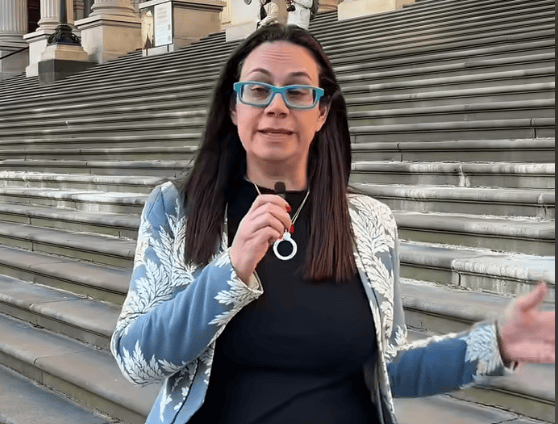
Melbourne, Victoria — In a landmark moment for the state, Interim Multicultural Coordinator General Louise Perry has outlined her vision for Multicultural and Multifaith Victoria — the newly established body created to ensure that the experiences, perspectives, and aspirations of Victoria’s diverse communities actively shape government policies, programs, and services.
A New Chapter for Victoria
Established today, Multicultural and Multifaith Victoria brings together three critical functions — community engagement, policy, and grants delivery — under one unified structure. This integrated approach is designed to strengthen the relationship between government and the state’s multicultural and multifaith communities, ensuring their voices are not only heard but embedded in the decisions that affect their lives.
A Vision Rooted in Community
Interim Coordinator General Louise Perry shared her vision for the new organisation, highlighting the opportunities it creates for communities across Victoria. Her message underscores a commitment to meaningful engagement — one that moves beyond consultation to genuine partnership.
The establishment of Multicultural and Multifaith Victoria represents a significant step forward in how the Victorian Government engages with its culturally and religiously diverse communities. By bringing together engagement, policy, and grants under one roof, the organisation is positioned to deliver more coordinated, responsive, and impactful outcomes.
Watch and Learn More
Community members, stakeholders, and partners are invited to watch the official video to learn more about this new chapter for Victoria’s multicultural and multifaith communities. The video provides insight into the organisation’s mission, its approach to engagement, and the opportunities it will create for communities across the state.
A Shared Future
The launch of Multicultural and Multifaith Victoria signals a renewed commitment to building a more inclusive, connected, and representative Victoria — one where every community has a seat at the table and a role in shaping the future.
For more information about Multicultural and Multifaith Victoria and to watch the video, visit the official website at https://www.multicultural.vic.gov.au/
Stay connected by following Multicultural and Multifaith Victoria on LinkedIn for updates, announcements, and opportunities to engage.

Multicultural and Multifaith Victoria Officially Launches, Ushering in a New Era of Community Engagement
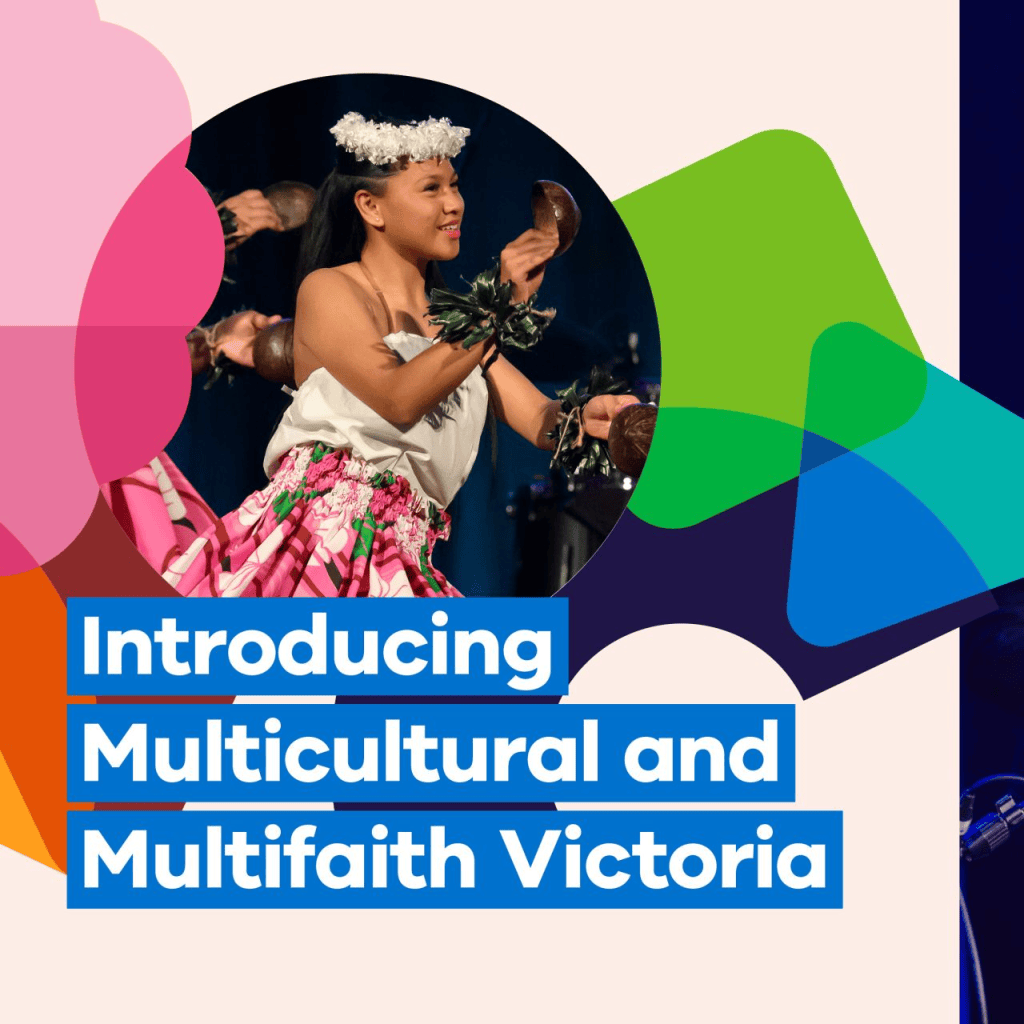
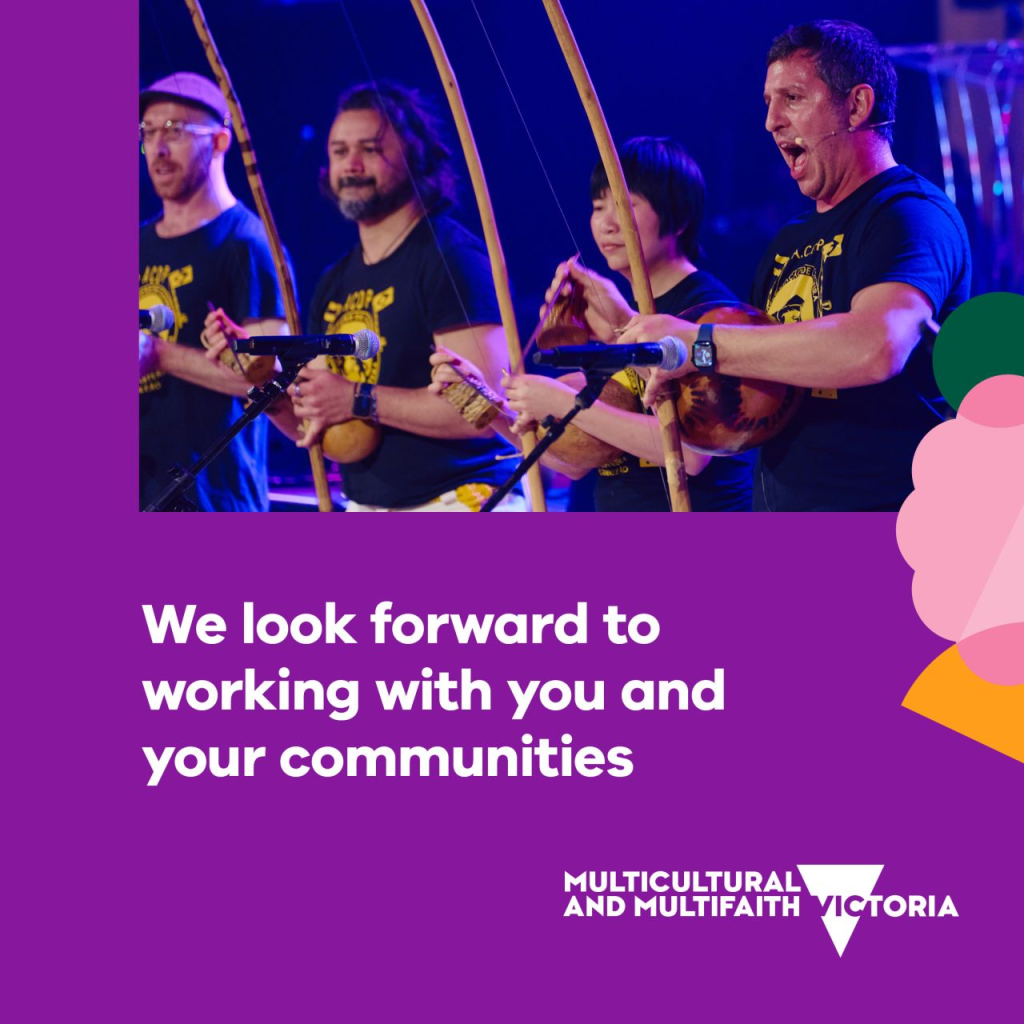
Melbourne, Victoria — Victoria has entered a new chapter in how it engages with its diverse communities, with the official launch of Multicultural and Multifaith Victoria — a body dedicated to ensuring that communities across the state are heard, engaged, and represented in the decisions that shape their lives.
Announcing the launch, the organisation declared: “The future of multicultural and multifaith engagement in Victoria starts today.”
A New Voice for Victoria’s Diverse Communities
The launch marks a significant step forward in the state’s approach to multicultural and multifaith affairs, creating fresh opportunities for communities to have a genuine say in government decision-making.
In its founding statement, Multicultural and Multifaith Victoria outlined its core mission: to bring people closer to government, strengthen participation, build connections, and help create a more inclusive future for all Victorians.
“We look forward to working alongside communities across Victoria, bringing people closer to government, strengthening participation, building connections, and helping create a more inclusive future for all,” the organisation said.
Bringing People Closer to Government
At the heart of the new body’s vision is a commitment to closing the distance between communities and the institutions that serve them. By fostering stronger participation and meaningful engagement, Multicultural and Multifaith Victoria aims to ensure that the voices of Victoria’s culturally and religiously diverse communities are not only heard but actively reflected in policy and decision-making.
The organisation has signalled its intention to work collaboratively with communities across the state — building partnerships, nurturing connections, and championing an inclusive future that benefits all Victorians.
A Digital Transition
As part of the launch, Multicultural and Multifaith Victoria has announced that its LinkedIn presence will shortly be updated to reflect the new name and identity, ensuring its digital platforms align with its renewed mandate.
Community members, stakeholders, and partners are encouraged to follow the organisation’s journey and stay informed about upcoming initiatives.
More Information
For further details about Multicultural and Multifaith Victoria and its work, visit the official website at https://www.multicultural.vic.gov.au/
The launch of Multicultural and Multifaith Victoria represents a renewed commitment by the Victorian Government to fostering an inclusive, connected, and representative society — one where every community has a place at the table.

Adanech Abiebie Appointed Mayor of Addis Ababa: A New Chapter for Ethiopia’s Capital
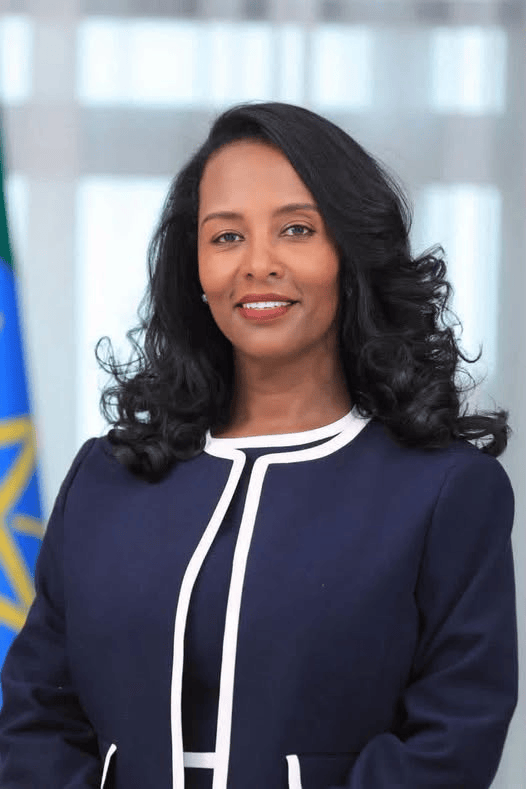
Congratulations pour in as a seasoned leader takes the helm of Africa’s diplomatic hub
(Addis Ababa, 30 September 2026)-In a moment that has captured the attention and hopes of millions, Mrs. Adanech Abiebie has been appointed Mayor of Addis Ababa — a city that stands as both the political heart of Ethiopia and the diplomatic capital of Africa.
The announcement has sparked an outpouring of congratulations and goodwill from citizens, colleagues, and observers across the nation and beyond.
A Leader for a Rising City
Addis Ababa is not just any city. It is home to the African Union headquarters, a growing hub for international diplomacy, and a metropolis undergoing rapid transformation. Its mayor carries a responsibility that extends far beyond municipal boundaries — shaping the experience of residents, visitors, and the global community alike.
With her appointment, Adanech Abiebie steps into a role that demands vision, resilience, and an unwavering commitment to public service. Those who have followed her career describe her as a leader who understands the complexities of urban governance and the aspirations of everyday Ethiopians.
A Wave of Congratulations
The response to her appointment has been swift and heartfelt.
“Congratulations! May you have a blessed term of service, outstanding success, and a fruitful journey ahead!”
These words, echoed across social media and community gatherings, reflect a deep well of hope. For many, this is not simply a political appointment — it is an opportunity to see leadership that listens, delivers, and inspires.
The Weight of the Moment
Addis Ababa faces no shortage of challenges: rapid urbanization, infrastructure demands, housing needs, and the task of ensuring that development benefits all residents, not just a few. Yet within these challenges lie extraordinary opportunities.
The city is emerging as a center of innovation, commerce, and culture. Its streets pulse with the energy of a young population eager for progress. Its markets, universities, and cultural institutions tell a story of a city on the move.
The question that now rests before the new mayor is simple yet profound: How can Addis Ababa become a city that works for everyone?
A Prayer and a Promise
For those who offered their congratulations, the sentiment was clear: this is a moment for prayer as much as celebration.
“May God guide your steps, grant you wisdom, and bless your service to our beloved city and nation.”
Such words carry the weight of a community that understands the gravity of leadership. They are not merely formalities but genuine expressions of hope — that this new chapter will bring not only progress but also fairness, compassion, and lasting change.
Looking Ahead
As Adanech Abiebie takes office, the eyes of the nation — and indeed the continent — are upon her. The road ahead is long, and the expectations are high. But if the enthusiasm surrounding her appointment is any indication, she does not walk it alone.
A city is not built by one leader. It is built by a people united in purpose. And in this moment, there is a palpable sense that Addis Ababa is ready to rise — together.
Congratulations, Mayor Adanech Abiebie. May your term be marked by achievement, may your leadership be a blessing to all, and may the city you serve flourish in the years to come.

Oromia Restructures: Six New Administrative Clusters and Their Administrators
Ethiopia’s largest federal state moves to a clustered governance model, appointing six vice presidents to oversee regional zones
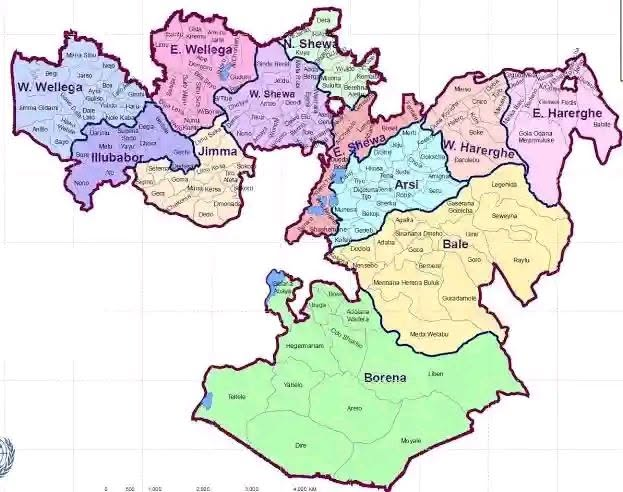
(ONA, Finfinne — Oromia)– Ethiopia’s largest and most populous federal state, is undergoing a significant administrative restructuring. Under a newly approved arrangement, the state will be organized into six administrative “clusters,” each led by a vice president responsible for coordinating the zones within their region.
The plan was approved during the first session of the Oromia Regional Council (Caffee Oromia) held in Adama. Governor Shimelis Abdisa was successfully reelected, and he subsequently nominated six vice presidents, all of whom were confirmed by the council.
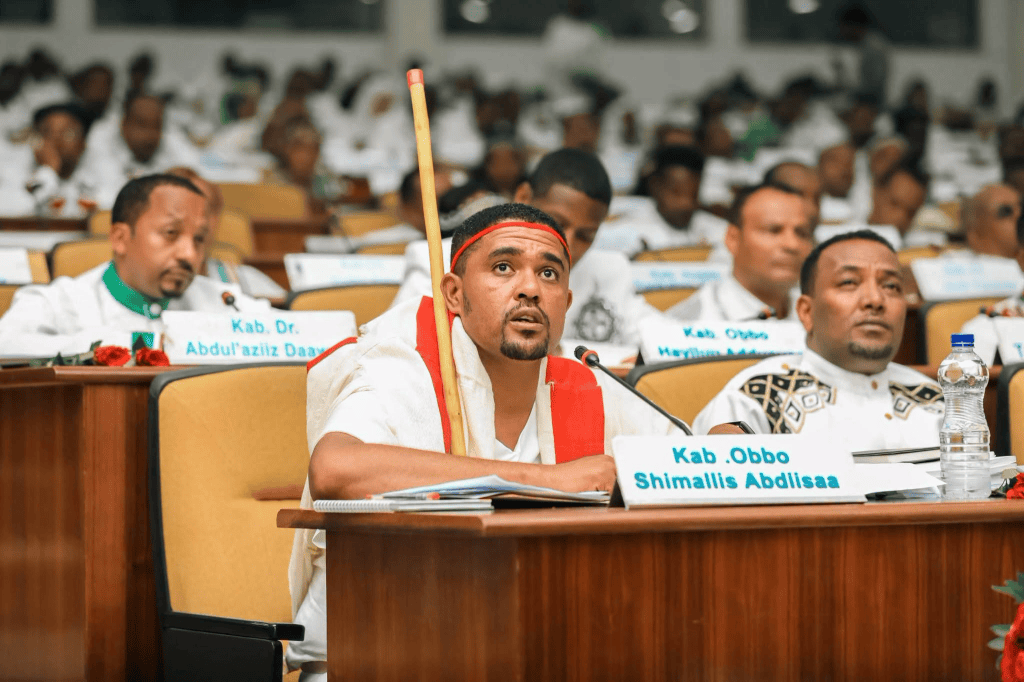
The Six Clusters and Their Administrators
According to the approved plan, Oromia will be divided into the following six administrative regions:
1. East Oromia (2 Zones) — Administrator Ato Abdurahman Abdela
Oversees West Hararghe and East Hararghe. These zones are located in eastern Oromia, bordering the Somali Region and the Harari region.
2. Southeast Oromia (4 Zones) — Administrator Ato Ahmed Idris
Oversees Arsi, Bale, West Arsi, and East Bale. This cluster spans the Rift Valley area and includes important ecological resources such as Bale Mountains National Park.
3. South Oromia (4 Zones) — Administrator Ato Ahmed Haji
Oversees Guji, West Guji, Borena, and East Borena. These areas border Kenya and are primarily characterized by pastoralism and cross-border trade.
4. West Oromia (4 Zones) — Administrator Ato Melaku Melaku
Oversees East Wollega, West Wollega, Kellem Wollega, and Horro Guduru Wollega. This region is one of Ethiopia’s important coffee-producing areas.
5. Southwest Oromia (3 Zones) — Administrator Dr. Reshad Kemal
Oversees Iluababor, Buno Bedele, and Jimma. Jimma is known as Ethiopia’s coffee capital, and the region is rich in agricultural and forestry resources.
6. Central Oromia (4 Zones) — Administrator Dr. Mengistu Bekele
Oversees East Shewa, North Shewa, Southwest Shewa, and West Shewa. This cluster surrounds the capital, Addis Ababa, and includes important cities such as Adama.
Background and Controversy
This administrative restructuring comes at a time of profound change in Ethiopia’s political landscape. Reports suggest that the ruling Prosperity Party is considering a broader “clusterization” reform of the federal system nationwide, and Oromia’s six-cluster plan may be part of that larger blueprint.
Supporters argue that dividing a vast administrative region into smaller management units can bring government closer to the people, improve administrative efficiency, and enhance public service delivery. Oromia covers an area of 353,600 square kilometers with a population of over 27 million, and single-tier management indeed faces enormous challenges.
However, criticism is equally strong. Some analysts suggest the restructuring may carry political motives — weakening Oromia’s cohesion and negotiating power as a single political entity by dividing it. Some commentators have described it as “a systematic weakening of Oromo political power.”
Human rights observers also worry that pushing through such a major administrative reform while security conditions in parts of Oromia remain unstable could exacerbate tensions at the local level.
What Comes Next
With the six vice presidents now in place, they are expected to begin forming coordination bodies for each cluster. However, the specific division of powers, financial arrangements, and relationships with existing zonal administrative units remain to be clarified.
In his address to the council, Governor Shimelis stated that the new term would “consolidate development gains and advance reforms,” but did not elaborate on the controversial aspects of the administrative reorganization.
For Oromia — a central player in Ethiopia’s political landscape — this quiet administrative revolution may have implications far beyond a single list of appointments.






