Daily Archives: November 8, 2026
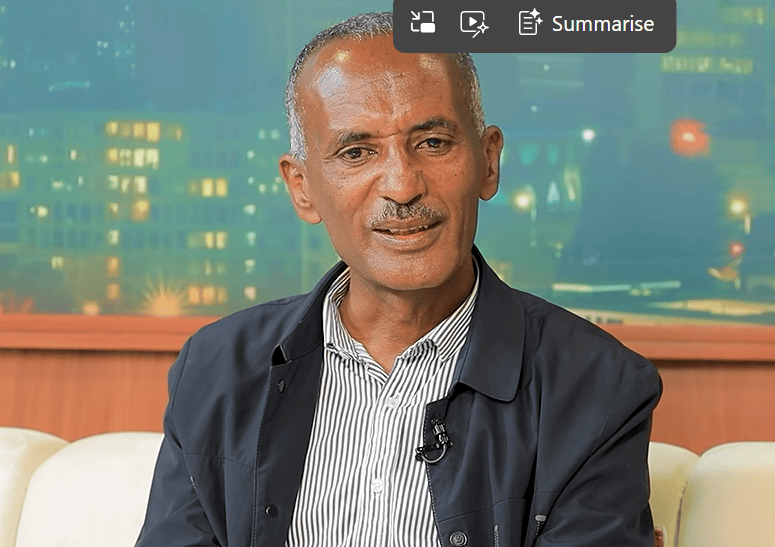
The Unbroken Spirit: The Story of Obbo Masfin Ittaanaa
By Dhabessa Wakjira
In the annals of the Oromo struggle, there are names that echo through generations—names that carry the weight of sacrifice, resilience, and unwavering commitment to freedom. One such name is Obbo Masfin Ittaanaa, a man whose life story reads like a testament to the indomitable spirit of the Oromo people.
Twenty Years of Captivity
Obbo Masfiin Ittaanaa is a name that evokes both sorrow and pride. For two decades—twenty long years—he was held in chains across some of Ethiopia’s most notorious detention facilities: Maa’ikalawwii, Karchallee, and Qaallittii. These names are not merely locations on a map; they are synonymous with suffering, with the darkest chapters of the Oromo people’s struggle for self-determination.
Maa’ikalawwii, Karchallee, and Qaallittii—these are the places where countless Oromo sons and daughters have been subjected to unimaginable hardship. They are the places where the Ethiopian state sought to break the spirit of a people by breaking the bodies and minds of their leaders, their activists, their voices.
For Obbo Masfiin Ittaanaa, these facilities were his home for twenty years. Twenty years of separation from his family. Twenty years of deprivation. Twenty years of uncertainty. Twenty years of pain.
Released But Not Free
After two decades of imprisonment, Obbo Masfiin was finally released. The gates of the prison opened, and he walked out—a free man in the eyes of the law, but a man whose body and spirit bore the scars of those twenty years.
The phrase “warra hidhamee booda waggaa 20 booda dhiifamaan bahe”—”after being imprisoned, he was released after twenty years”—captures the stark reality of his ordeal. He was detained, held for two decades, and then released. The words are simple, but the weight they carry is immeasurable.
A Symbol of Resilience
Obbo Masfiin Ittaanaa’s story is not merely one of suffering. It is a story of resilience. The fact that he emerged from those twenty years—that he survived, that he endured, that he did not break—is a testament to the strength of the Oromo spirit.
In Oromo culture, elders like Obbo Masfin are revered not only for their age but for their wisdom, their experience, and their sacrifice. His twenty years in detention have made him a living symbol of the Oromo struggle—a reminder of the price that has been paid, and continues to be paid, for the dream of freedom.
The Places That Testify
Maa’ikalawwii, Karchallee, and Qaallittii are names that every Oromo knows. They are the sites of collective trauma, places where the state’s machinery of repression was unleashed against a people who dared to demand their rights. To be held in one of these facilities is to be marked for life. To be held in all three, over the course of twenty years, is an ordeal that few could survive.
Yet Obbo Masfiin survived. He emerged from those gates not broken, but bearing witness. His very existence is a testimony to what the Oromo people have endured—and to their refusal to be defeated.
A Legacy for the Future
Today, as the Oromo people continue their long journey toward freedom, justice, and dignity, the story of Obbo Masfin Ittaanaa serves as a reminder of the sacrifices that have been made. His twenty years of imprisonment are a debt that can never be fully repaid, but one that must never be forgotten.
For the younger generation—the Qeerroo and Qarree who continue the struggle today—Obbo Masfiin’s story is both a warning and an inspiration. It is a warning about the cost of resistance, and an inspiration about the power of resilience.
Honoring Masfin!
As we reflect on the life and sacrifice of Obbo Masfin Ittaanaa, we honor not only him but all those who have suffered in the struggle for Oromo freedom. We remember the nameless thousands who have passed through Maa’ikalawwii, Karchallee, Qaallittii, and countless other detention facilities. We remember those who never came out.
And we celebrate the fact that Obbo Masfin—after twenty years—walked out of those gates a free man. His freedom is a small victory in a larger struggle, but it is a victory, nonetheless. It is a reminder that no matter how long the night, the dawn will eventually come.
The story of Masfin Ittaanaa with Gammadaa show can be watched at:
This feature news is dedicated to Obbo Masfin Ittaanaa and to all Oromo political prisoners—past, present, and future—whose sacrifices will never be forgotten.

Melbourne Oromo Community Honors Four Oromo Heroes with Recognition Certificates and Gaabbii Oromoo
By Dhabessa Wakjira
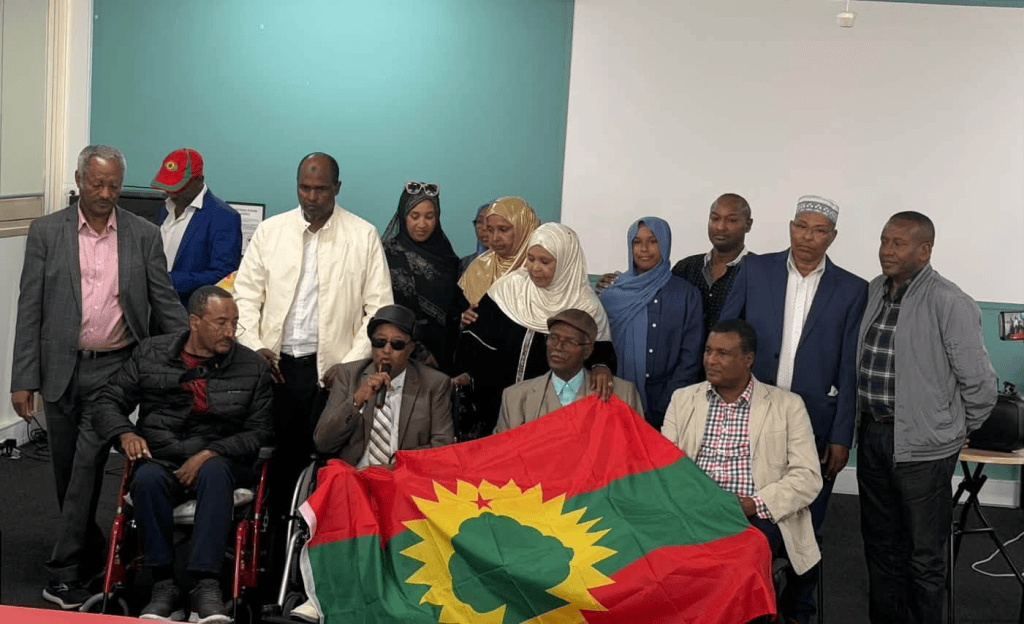
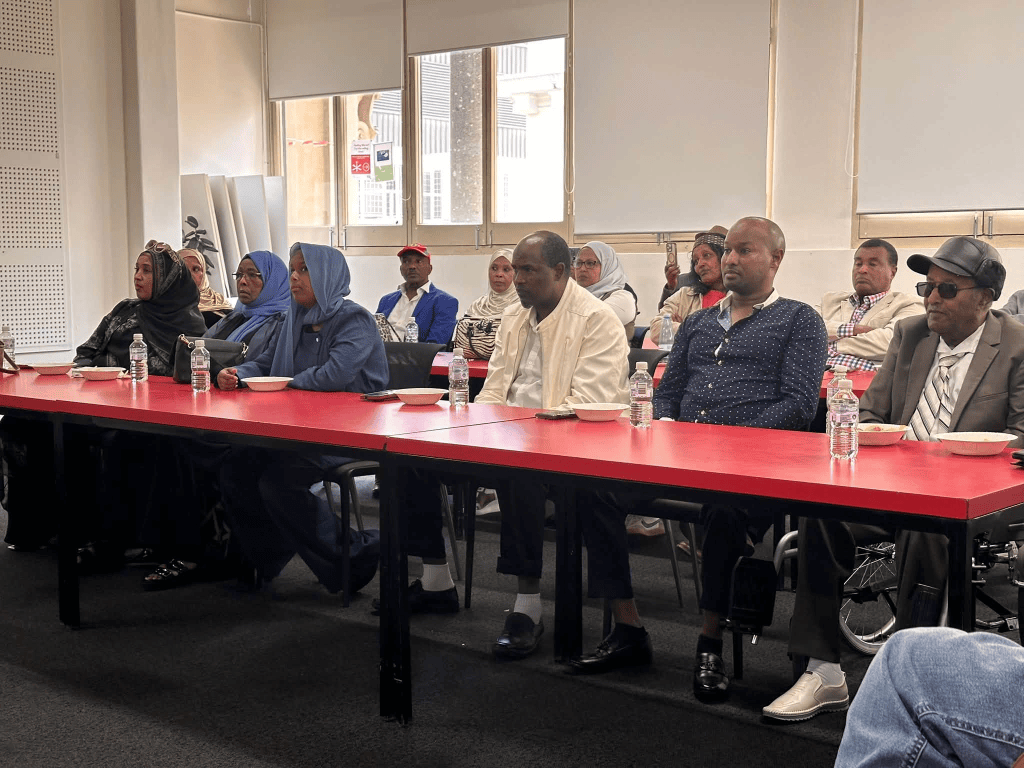
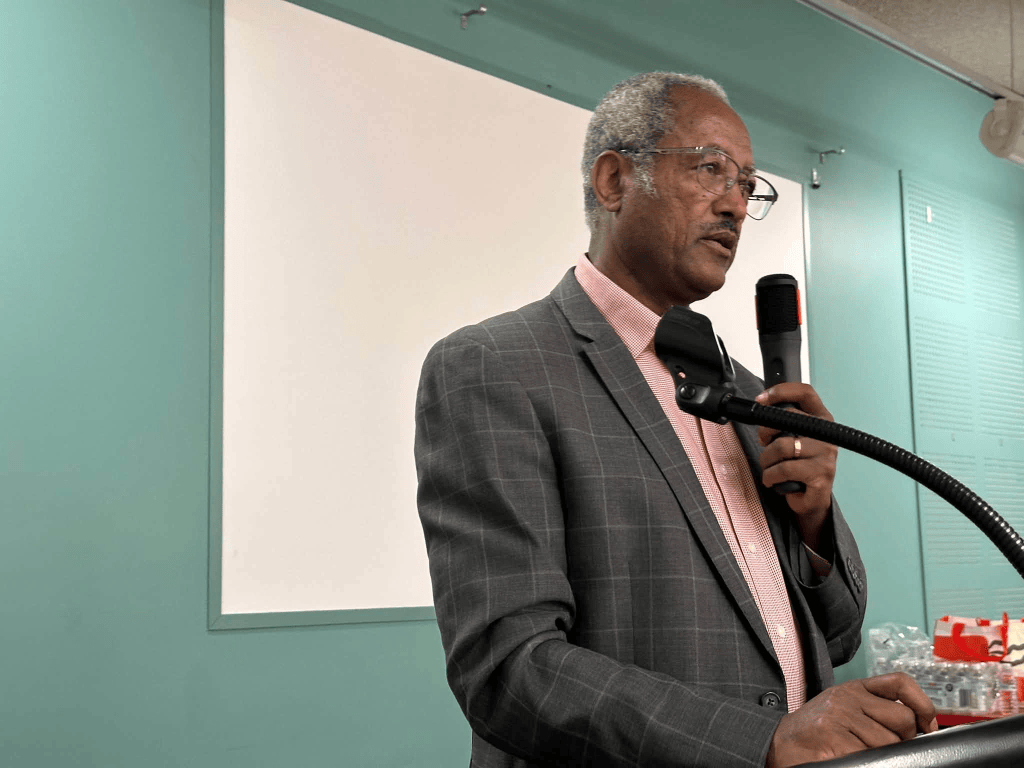
(MELBOURNE, Australia — 8 November 2026) The Oromo community in Melbourne today held a historic ceremony to honor four distinguished Oromo individuals, awarding them certificates of recognition and appreciation, along with the sacred Gaabbii Oromoo (Oromo national emblem), for their lifetime contributions to Oromummaa and the Oromo struggle. The event, held this afternoon at the Ross House community center, named Ob Bultum Biyyoo, Artist Shantam Shubbisaa, Artist Afandi Siyyoo, and Ob Alemayehu Qubee as Oromo Heroes of 2026.
Certificates Prepared in the United States
According to statements made at the ceremony, the recognition certificates were prepared in the United States and dispatched through the Oromo Community in Melbourne (OCM) for presentation to the four honorees. Ob Bantii Oliqaa, Chairman of OCM, confirmed that the certificates were organized through the global Oromo diaspora network and delivered to Melbourne for the special presentation.
Honoring a Lifetime of Service
The four individuals honored today were selected for their exceptional contributions across different fields—from armed struggle to art, music, and education. Each has dedicated their life to the cause of Oromo freedom, dignity, and cultural revival.
Ob Bultum Biyyoo was recognized for his leadership and participation in the Oromo struggle. As a prominent figure in the resistance, Ob Bultum played a significant role in advancing the cause of Oromo liberation, demonstrating unwavering commitment to the freedom of his people. His leadership and sacrifice were highlighted as an inspiration to the younger generation.
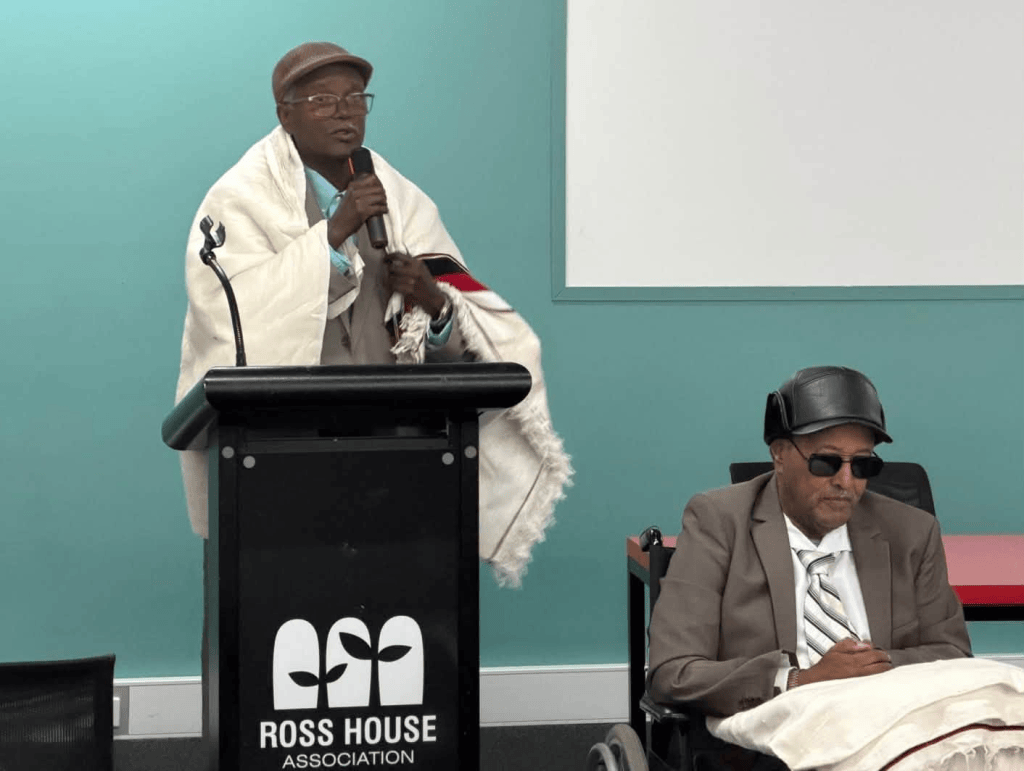
Artist Shantam Shubbisaa and Artist Afandi Siyyoo were honored for their immense contributions through art and music. Both artists have used their creative talents to amplify the voice of the Oromo struggle, composing and performing songs that have inspired millions and kept the spirit of resistance alive. Their music has served as a powerful tool for raising awareness about Oromo rights and celebrating Oromo identity and culture. The ceremony recognized that art and music are not merely entertainment, but vital instruments in the struggle for freedom and justice.
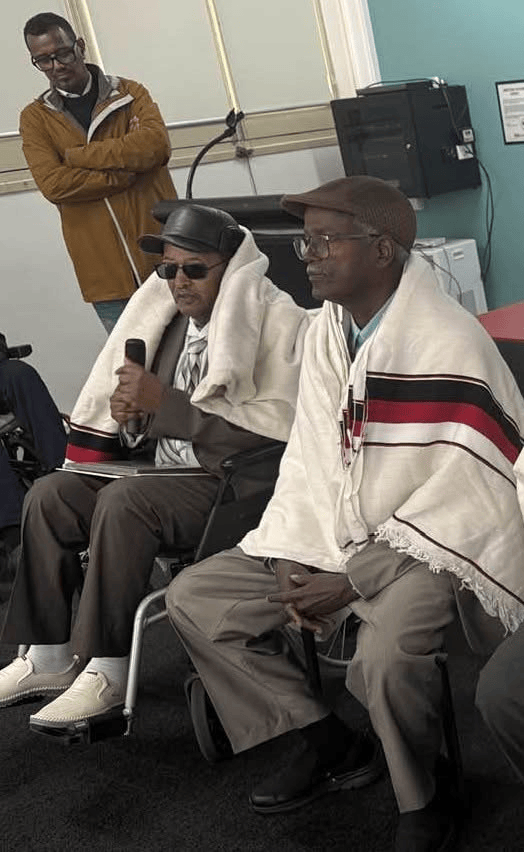
Ob Alemayehu Qubee was celebrated for his pioneering work in education and community building. His dedication to teaching Qubee Afaan Oromoo—the Latin-based script adopted for the Oromo language—has empowered countless individuals to read and write in their mother tongue. By building and organizing communities, Ob Alemayehu has strengthened the social fabric of the Oromo diaspora and contributed significantly to the advancement of the Oromo cause. Education, the ceremony noted, is the foundation upon which lasting liberation is built.
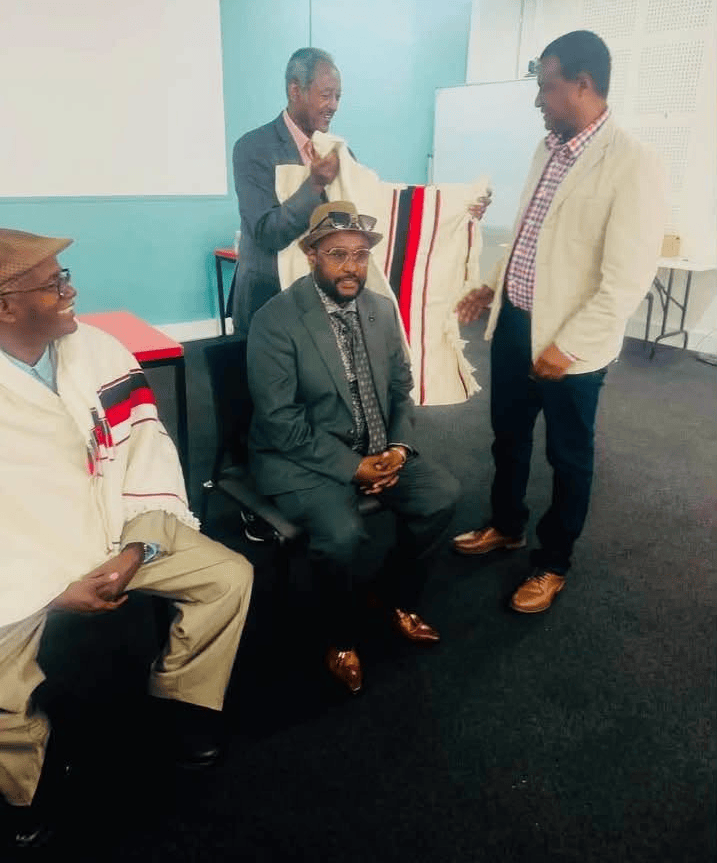
A Historic Presentation by OLF Executive Leader
In a particularly poignant moment, the certificates of recognition were presented by Jaal Gaashuu Lammeessaa, member of executive leader of the Oromo Liberation Front (OLF). His presence at the ceremony added deep historical significance to the event, symbolizing the continuity of the Oromo struggle across generations.
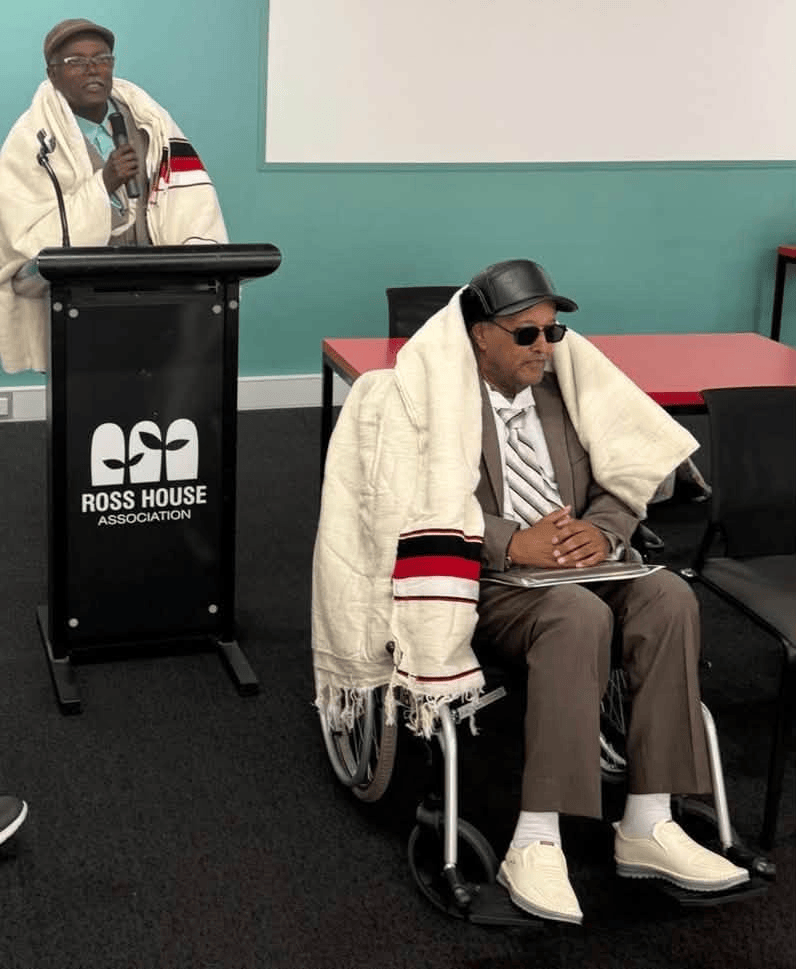
Jaal Gaashuu Lammeessaa, who himself dedicated his life to the cause of Oromo liberation, personally handed the certificates and the Gaabbii Oromoo to the honorees. In his remarks, he praised the recipients for their lifetime dedication and urged them to continue their invaluable work. He further called upon the younger generation to draw inspiration from these heroes and to carry forward the torch of Oromummaa with pride and determination.
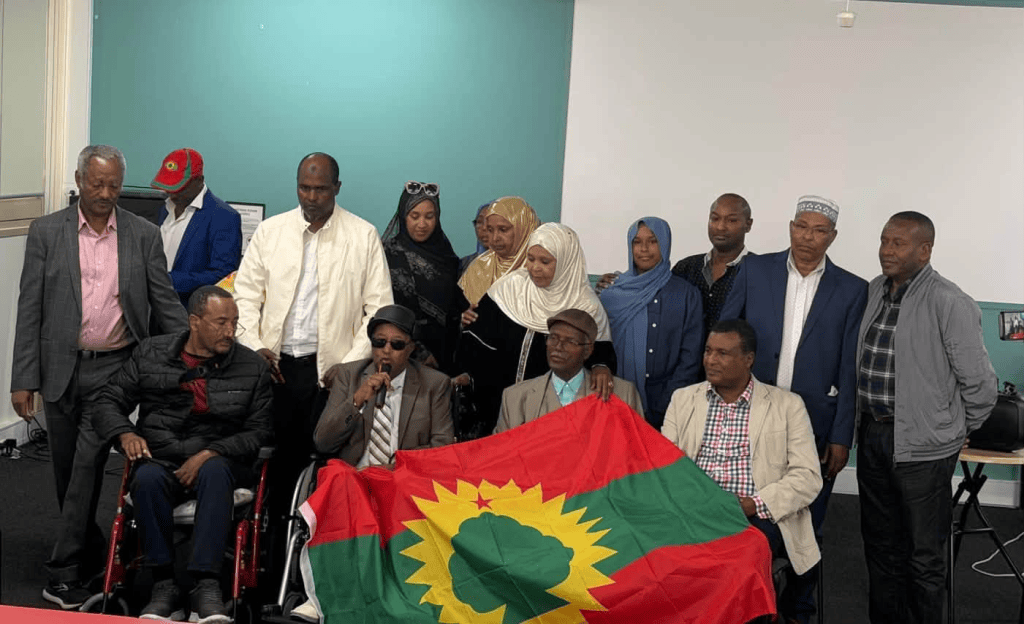
The honorees, in turn, expressed their gratitude and reaffirmed their commitment to the Oromo cause. They thanked the organizers and the community for the recognition, stating that the honor belongs not only to them but to all Oromo people who continue to struggle for freedom, justice, and dignity.
A Global Diaspora United
The event underscored the unity and coordination of the global Oromo diaspora. The fact that certificates prepared in the United States were presented in Melbourne—by a veteran OLF leader—demonstrates the interconnectedness of Oromo communities worldwide. From North America to Australia, Oromo people remain united in their commitment to honoring their heroes and advancing their shared cause.
Community members who attended the ceremony expressed pride in the honorees and gratitude for their sacrifices. The event was described as a moment of collective celebration and reflection on the journey of the Oromo people—a journey marked by struggle, resilience, and unwavering hope.
A Call to Continue the Legacy
As the certificates were presented and the Gaabbii Oromoo unveiled, the message was clear: the contributions of these four individuals must not be forgotten, and their legacy must inspire future generations. The Melbourne Oromo community reaffirmed its commitment to supporting the Oromo struggle in all its forms—whether through armed resistance, artistic expression, education, or community organizing.
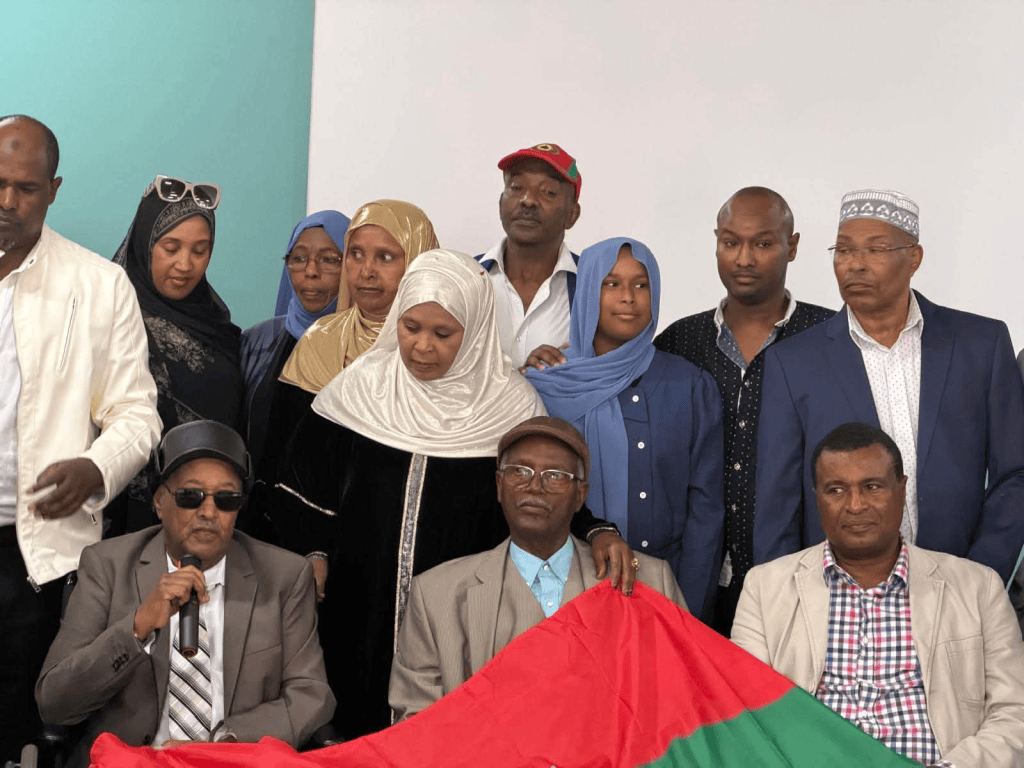
The recognition of Ob Bultum Biyyoo, Artist Shantam Shubbisaa, Artist Afandi Siyyoo, and Ob Alemayehu Qubee as Oromo Heroes of 2026 serves as a reminder that heroism takes many forms. Whether on the battlefield, on stage, in the recording studio, or in the classroom, every contribution to the Oromo cause matters.
Baga guyyaa Yuubota Oromoo nagaan geessan!