Category Archives: gadaa

OLF Leadership Engages in High-Stakes Consultations Amid Oromo Unity Push
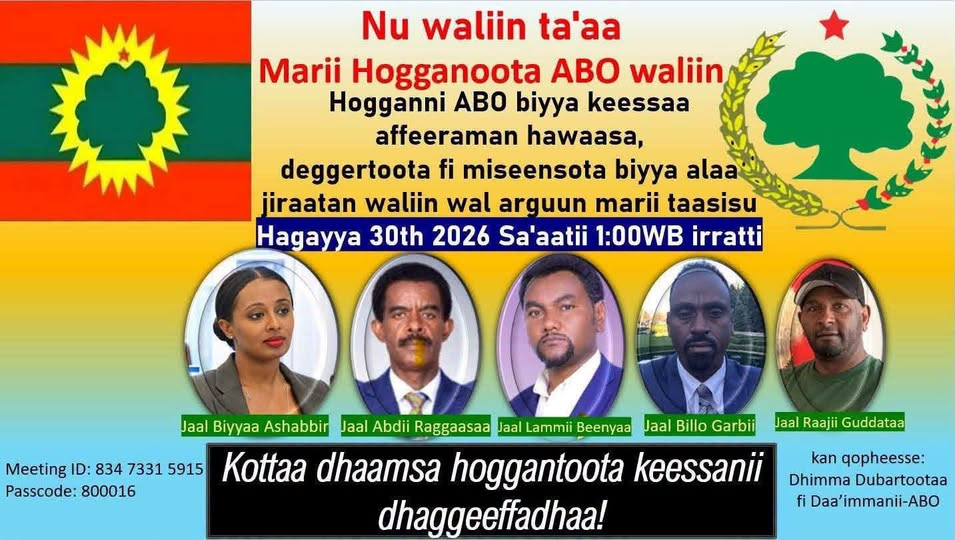
(Finfinne, Oromia)– As Ethiopia’s political landscape grows increasingly volatile, the Oromo Liberation Front (OLF) has convened a series of high-level meetings with its leadership cadres, grassroots members, and traditional institutions—a strategic push to consolidate Oromo unity in the face of mounting security threats and political uncertainty.
A Call for Unity and Vigilance
The most recent consultations, held at the party’s headquarters in Gullalle, brought together Qondaaltota (junior leaders), Dabballoota (cadres), and the general membership for extensive deliberations. Senior OLF leader Jaal Abdii Raggaasaa—who also serves as Member Secretary-General—addressed members with a stark message on the nature of the struggle: that commitment, not temporary strength, determines victory .
“Some individuals enter the organization (Irbuu) but then exploit it—seeking personal benefit rather than serving the people’s cause. When such people exist, it is they themselves who suffer the consequences, not ABO and not others.”
— Jaal Abdii Raggaasaa, OLF Senior Leader
Abdii emphasized that the work of building the Oromo nation extends beyond Ethiopia’s borders—stretching into the diaspora wherever Oromos reside . He stressed that grassroots organizing, beginning “from the village level,” remains essential to lasting political change .
Leadership’s Resolve: “We Must Speak as ABO”
Reflecting on the inevitable challenges facing liberation movements, Abdii offered a sobering reflection:
“In the struggle ABO is waging, even if we face extinction—if we are reduced to just one person—we must speak as ABO. We must not hide ourselves. We may face extinction, but we must not retreat into silence.”
Jaal Yaasoo Kabbabaa Hordofa, another OLF official, reinforced this determination, declaring that “OLF is the center of Oromo peace.” He noted that if OLF participates in elections this year, it will mark the first and largest chapter in Oromo electoral history—an opportunity that must be seized, not as a preference but as an obligation for all members .
Political Prisoners and the Demand for Justice
The OLF has consistently demanded the immediate release of political prisoners who continue to suffer in detention without due process, calling upon both Abbaa Gadaas and religious authorities to actively work toward restoring security in Oromia .
Following the announcement of the 7th General Election results—which saw the ruling Prosperity Party secure a parliamentary majority and OLF fail to win any seats despite fielding 163 candidates—the party issued a pointed critique .
“The OLF once again firmly reiterates that the situation in Oromia and across Ethiopia cannot be resolved merely by declaring an election victory; rather, to prevent worse outcomes, an inclusive, genuine, and transparent dialogue must be conducted without wasting further time.”
The front noted that while it had filed formal grievances with the National Election Board regarding electoral infractions, it does not believe the board investigated these appeals “with the necessary depth, fairness, and justice” .
A Call for Oromo Political Unity
The OLF’s leadership has also renewed its call for all Oromo political organizations to work together to shorten the path to liberation, stating that this is “the most important time” for coordinated action . The executive committee has emphasized that while some previously allied groups have disrupted cooperation due to shifting political dynamics, they must realize that their moves should serve the broader Oromo interest .
The OLF also reiterated its support for the People’s Alliance for Freedom and Democracy (PAFD) and the transitional roadmap presented at the February 2018 London conference. The party calls on all stakeholders—including political elites, academics, and the international community—to contribute to an all-inclusive transitional process that offers a long-term political solution .
The Broader Context: Conflict and Fragility
The leadership’s renewed unity push comes as violence escalates in western Oromia. ACLED data shows that Fano militias—linked to the Amhara Fano National Movement—have increased their activities in Oromia’s Horo Guduru, Kellem, East, and West Wollega zones by 80% since January 2026 . This follows the establishment of the Wollega Fano Bizamo Command in December 2024, which has since fallen under the broader Tsimdo movement—a coalition reportedly aligned with the Tigray People’s Liberation Front (TPLF) and Eritrea, aiming to remove the Ethiopian government.
Amnesty International released a report in August 2026 titled “Because I am Oromo,” alleging that Ethiopia’s government has “ruthlessly targeted” its largest ethnic group—subjecting thousands of Oromos to unlawful killings, torture, and enforced disappearance . The government has denied the allegations.
Looking Forward
The OLF’s consultations reflect a movement at a crossroads—seeking to navigate electoral rejection, internal cohesion, and external threats while maintaining its decades-long commitment to self-determination. As one participant at the February meeting put it: “An awakened nation is built, and the built is united.”
Whether that unity can withstand the mounting pressures—from state security forces, inter-ethnic violence, and international geopolitical maneuvering—remains the central question facing the Oromo struggle today.

Oromia: our history, our struggle and our future
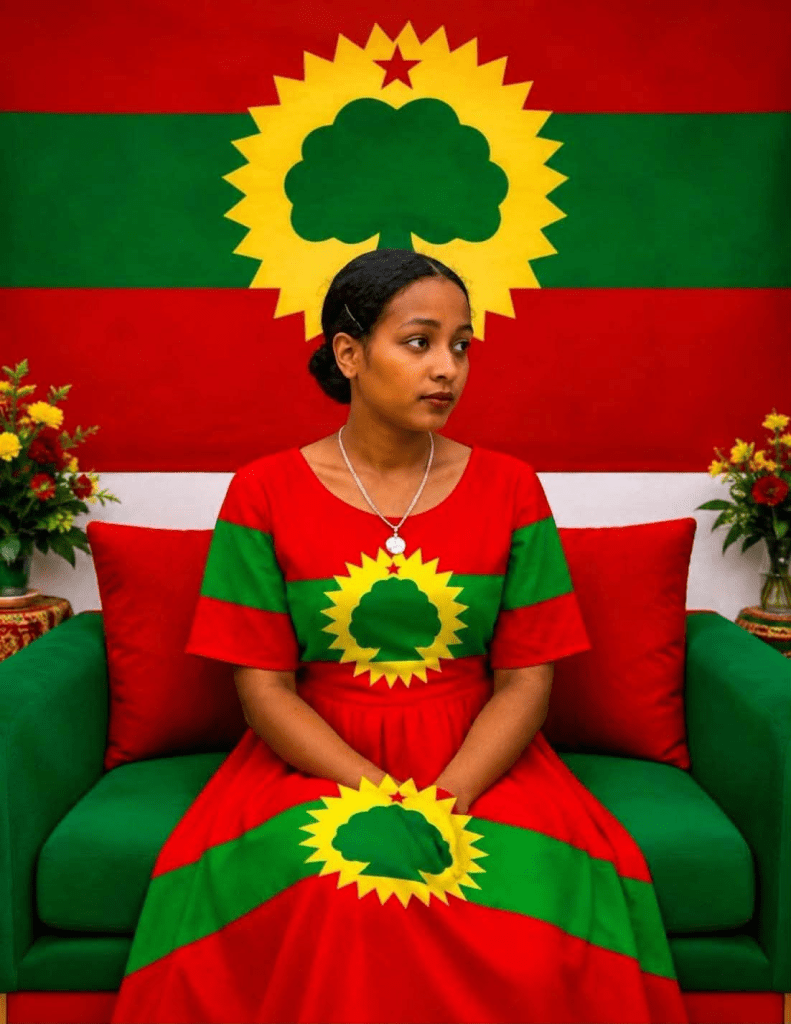
The history of the Oromo people is a profound narrative of resistance, resilience, and a continuing struggle for self-determination. This journey is marked by a distinct cultural identity, a long history of political marginalization, and an ongoing effort to shape a prosperous future.
 Our History: Identity, Conquest, and Resistance
The Oromo have a distinct cultural and political identity, traditionally organized under the Gadaa system, an indigenous egalitarian and democratic governance model . However, this autonomy faced a major turning point in the late 19th century during the “Ethiopian imperial conquest,” when Oromo territories were incorporated into the Ethiopian Empire through a process that many Oromo scholars characterize as colonization and subjugation .
This political domination continued through subsequent regimes, creating a deep-seated grievance centered on marginalization and exploitation by successive central governments .
 Our Struggle: Liberation, Protest, and Political Action
The struggle for liberation is multifaceted, taking political and social forms:
· Political Movements: The Oromo Liberation Front (OLF) has been the primary political vehicle, fighting for nearly half a century to liberate Oromo society from what it describes as “Abyssinian/Ethiopian settler colonialism” .
· Mass Protests: In 2014, a wave of protests erupted, driven by a generational “distributive crisis” and articulated through demands for ethnic self-determination against perceived domination by the Tigray People’s Liberation Front (TPLF). These protests were significantly coordinated by the diaspora via social media and satellite TV .
· Fragile State Relations: The current federal system, while recognizing ethnic regions, has often seen the Oromo regional government as lacking legitimacy, making the state’s control more contested here than in other areas . A tangible symbol of this tension is the ongoing dispute over land and expansion around Addis Ababa, which is geographically an enclave within Oromia .
 Our Future: Development, Autonomy, and Uncertainty
The future is a delicate mix of economic potential and political uncertainty:
· Economic Aspiration: The development of the Gada Special Economic Zone near Addis Ababa, inspired by Chinese economic models, signals an economic future based on industry, trade, and job creation .
· Persistent Conflict: The reality of current instability is stark. The Chinese Embassy warns its citizens against traveling to many parts of Oromia, particularly the western zones and areas north of the A4 and A3 highways, due to “extremely high” or “high” risk .
· Uncertain Path: The struggle for autonomy continues through both political and armed movements like the Oromo Liberation Army (OLA) . While significant economic development is planned, the path forward remains deeply insecure for many within the region.
The Oromo journey is one of leveraging a proud heritage to build a future of self-determination and prosperity, yet it navigates the deeply complex and often violent currents of Ethiopian state politics.
I hope this overview provides a balanced perspective. If you are interested in a specific aspect—such as the Gadaa system, the role of the diaspora, or the details of the current conflict—please let me know, and I can explore it further.

The Unshakable Pillar: Why One Foundational Aspiration Will Outlast Every Attempt to Destroy It
By Dhabessa Wakjira
—
In the quiet corners of history, in the roar of revolutions, and in the whispered hopes of ordinary homes, one truth has endured: human beings are born with an innate longing for equality, freedom of thought, and dignity.
This is not a modern invention. It is not a Western import, nor an Eastern myth. It is the quiet fire that lit every abolition movement, every suffrage march, every student protest, and every parent’s prayer for a better future. And in our own community—ummata keenya—this aspiration has been planted like a deep-rooted tree.
That tree is OLF—not as a slogan, but as a living, breathing promise: that no person is above another; that no mind should be chained; that every voice carries the weight of sacred worth.
—
The Aspiration That Refuses to Die
The original text reminds us: “ABOn waan bu’uraa tokko ummata keessa kaahee jira.”
There is, among the people, one foundational principle. It is not written in stone alone—it is written in conscience. It says:
· Equality is not a privilege; it is a birthright.
· Freedom of thought is not a concession; it is the soil where truth grows.
· Dignity is not a reward; it is the oxygen of human existence.
This aspiration, the text insists, cannot be stopped or erased in any form. Not by armies. Not by laws. Not by propaganda. Not by time.
Why? Because it is not borrowed from a constitution or a king. It is discovered—in the cry of a child, in the sweat of a labourer, in the silent grief of a mother, in the bold question of a teenager. It is experiential before it is philosophical.
—
The Many Faces of Opposition
History is littered with attempts to suffocate this aspiration.
· Tyrants have banned books.
· Dictators have jailed thinkers.
· Empires have rewritten histories.
· Corporations have commodified attention.
· Algorithms have tried to herd our thoughts into safe, sellable boxes.
Yet every time, the aspiration returns—not in the same shape, but in a stronger one.
Why? Because suppression is reactive; aspiration is generative.
· Suppression says: “You must not think this way.”
· Aspiration replies: “Then I will think deeper.”
· Suppression says: “You are unequal by nature.”
· Aspiration answers: “Then I will build communities that prove you wrong.”
This is why the text declares: “Kun dhugaa bara baraan dhaloota walqixxummaa fi bilisummaa barbaadan kamiyyuu keessa kan jiraatuu dha.”
It is the permanent inheritance of every generation that dares to seek equality and liberty. Not a relic of the past—but a living torch passed from hand to hand, across fire and flood.
—
What Does This Mean for Us Today?
In our own time—fractured by misinformation, polarized by identity, exhausted by performative justice—this foundational aspiration calls us back to simplicity and courage.
It asks us:
· Do we treat the stranger at our gate as our equal, or as a threat?
· Do we listen to an idea we hate with the same patience as one we love?
· Do we defend dignity for the powerless, even when it costs us comfort?
If the aspiration is truly unkillable, then our job is not to protect it—but to practice it. Because an aspiration that lives only in speeches is a ghost. An aspiration that lives in schoolrooms, marketplaces, courtrooms, and dinner tables—that is a revolution.
—
The Final Word: A Promise, Not a Puzzle
Some will try to redefine this aspiration. They will twist it into a weapon, a commodity, or a vague slogan. But the core remains indestructible:
Every person holds the right to be free, to think boldly, and to stand equal before their fellow human.
No empire, no algorithm, no crisis can undo that truth—because it is not built on fragile institutions. It is built on the fragile, fierce, unbreakable human heart.
And as long as one parent teaches a child to question, one writer speaks truth to power, one citizen refuses to kneel—that aspiration lives.
It has survived every storm before us.
It will survive every storm ahead.
Not because we are lucky.
But because we are human.
—
“ABOn waan bu’uraa tokko ummata keessa kaahee jira.”
May we never forget it. May we never betray it. May we live it—until it needs no defense.

The Ten Apostles of Waaqeffannaa: Guardians of Faith, Architects of Recognition
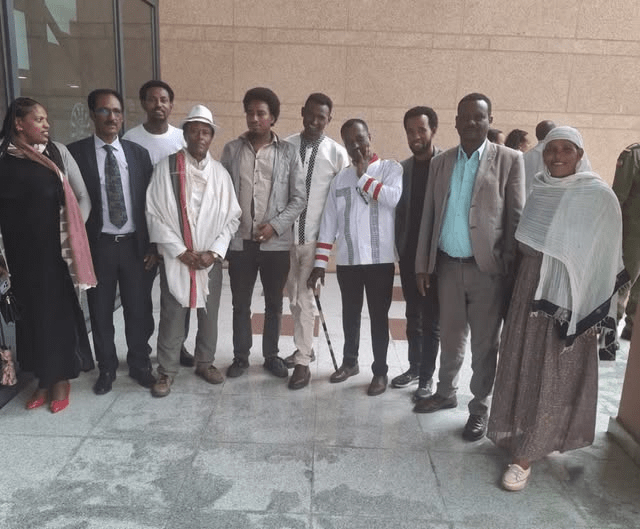
In the annals of cultural and religious history, certain moments stand as watersheds—turning points where the voices of the faithful rise above the din of indifference and claim their rightful place in the national consciousness. Such a moment unfolded between August 8, 2018, and August 16, 2018, when ten extraordinary individuals stepped into the arena of the national dialogue conference and forever altered the trajectory of Waaqeffannaa.
These were not merely delegates or observers. They were apostles—ten men and women who carried the hopes of a community on their shoulders and the weight of centuries-old tradition in their hearts. With unwavering resolve, they presented the core agenda items concerning Waaqeffannaa, articulating its principles, its spiritual significance, and its enduring relevance to the nation’s diverse tapestry. Their presentation was not a mere request; it was a testimony—a vivid recounting of a faith that has sustained generations and deserves recognition.
Their efforts bore fruit in ways that exceeded even the most optimistic expectations. The ten apostles successfully advocated for the Irreechaa festival—the sacred thanksgiving celebration of Waaqeffannaa—to be formally recognized as a national holiday. In a historic decision, their proposal was met with resounding approval from the 4,000 participants of the conference, marking a pivotal moment of inclusion and respect for indigenous spirituality.
But the journey was far from effortless. The proceedings were marked by rigorous debate, delicate negotiations, and moments of intense deliberation. Yet through it all, the apostles remained steadfast, refusing to yield to fatigue or frustration. Their commitment never wavered, even as the conference unfolded day after day, dialogue after dialogue. They understood that they were not merely negotiating for a date on the calendar; they were negotiating for identity, for dignity, and for the right of future generations to celebrate their heritage openly and proudly.
Today, their legacy is etched not only in the official records of the conference but in the hearts of every Waaqeffannaa believer. The recognition of Irreechaa as a national holiday is more than a symbolic victory—it is a bridge between the past and the present, a testament to what can be achieved when faith meets perseverance, and when a small group of committed individuals dares to speak truth to power.
As we reflect on their achievement, we are reminded that every great movement begins with a few voices willing to stand alone before they stand together. The ten apostles of Waaqeffannaa have shown us that courage, clarity, and conviction can move mountains—or, in this case, calendars.
So let us offer them our deepest gratitude and our most heartfelt blessings. May their footsteps inspire others to walk the path of advocacy. May their success embolden other communities to seek recognition. And may the Irreechaa festival, now enshrined in the national fabric, forever remind us of the power of unity, faith, and the unyielding human spirit.
—
To the ten apostles—we see you, we honor you, and we thank you.

Honouring Our Roots: AOCV Launches Elders Voice Program at Flemington Hub
By Dhabessa Wakjira
—
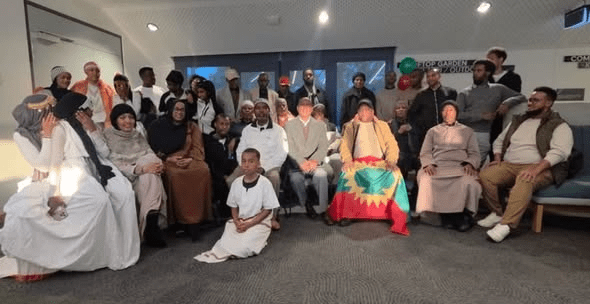
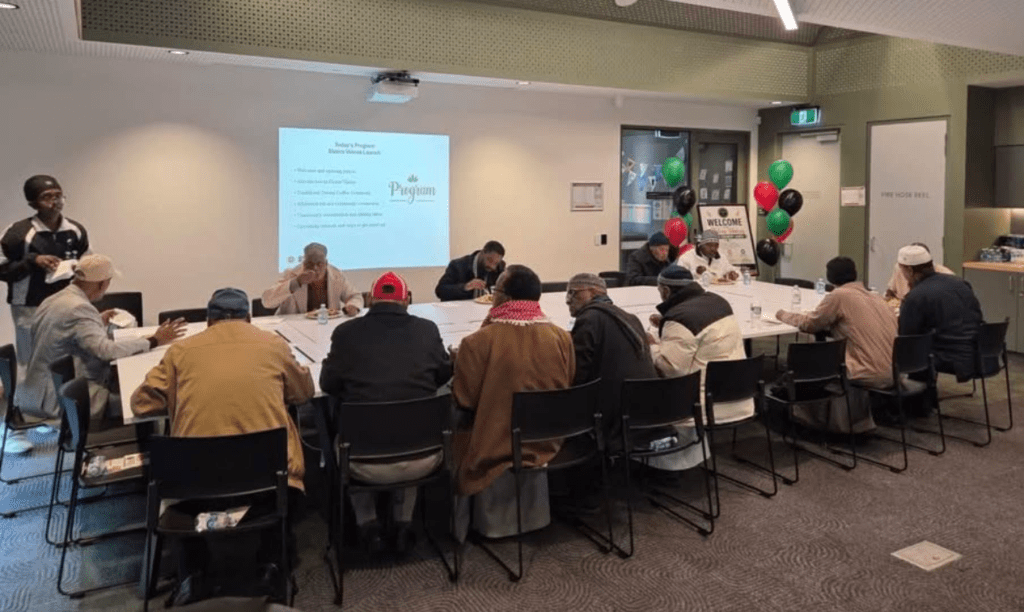
On Sunday, 16th August 2026, the air at Flemington Hub was thick with anticipation, respect, and the warm hum of community. It was a day of celebration, reflection, and a profound commitment to the future—a day when the Australian Oromo Community Victoria (AOCV) officially launched its much-anticipated Elders Voice Program (Sagantaa Sagalee Maanguddootaa) .
The event marked more than just a ceremonial opening; it was a declaration that the voices of our elders matter. That their stories are not merely echoes of the past but living threads that weave the fabric of our identity. As the program unfolds, it promises to become a cornerstone of cultural preservation, intergenerational connection, and community healing.
—
A Program Rooted in Reverence
The Elders Voice Program will be delivered on the first week of every month, offering a regular, dedicated space for elders to share their wisdom, experiences, and cultural knowledge with younger generations. It is a structured yet heartfelt initiative designed to ensure that the rich tapestry of Oromo heritage—its history, traditions, language, and values—is not only remembered but actively lived and passed on.
“Maanguddoonni keenya kuusaa seenaa, aadaa fi duudhaa keenyaati,” the AOCV team reminded attendees during the launch. “Isaan seenaa, barnoota, muuxannoo fi yaadannoo dhaloota walitti hidhu baatanii jiru.”
Translation: “Our elders are the keepers of our history, culture and traditions—carrying stories, lessons and memories that connect us to where we come from and remind us of who we are.”
These words resonated deeply with the crowd, a mix of young and old, Oromo-born and Australian-raised, all united by a shared desire to honour the past while building a resilient future.
—
Why This Program Matters Now
In an age of rapid globalisation and digital distraction, the risk of cultural erosion is real. For diaspora communities, the challenge is even greater. Languages fade, customs evolve, and the intimate oral traditions that once bound generations together can easily slip through the cracks of busy modern lives.
The Elders Voice Program stands as a deliberate counterforce to this trend. By creating a regular forum where elders are not just listened to but celebrated, AOCV is ensuring that:
· History is preserved: Oral histories, migration stories, and ancestral knowledge are documented and shared.
· Wisdom is transferred: Life lessons, problem-solving approaches, and traditional skills are passed to younger hands.
· Identity is strengthened: Young people gain a clearer sense of who they are and where they come from, building pride and resilience.
· Community is unified: Intergenerational dialogue fosters mutual understanding, respect, and deeper social bonds.
—
A Launch to Remember
The Flemington Hub was alive with energy on launch day. Elders were seated in places of honour, their faces beaming with pride and emotion. Young community members performed traditional songs and poetry, weaving the old with the new. There were moments of laughter, tears, and powerful silence—the kind that speaks louder than words.
One elder, reflecting on the initiative, shared: “Yeroo dheeraaf sagaleen keenya hin dhageeffamne ture. Amma garuu, ijoolleen keenya dhaga’uu barbaada. Kun ijoollee keenyaaf, nuufis, eebba guddaadha.”
“For too long, our voices were not heard. But now, our children want to listen. This is a blessing for them and for us.”
The launch concluded with a community feast and the formal announcement of the program’s monthly schedule, with the first official session set to take place in the first week of September 2026.
—
Looking Ahead
The Elders Voice Program is more than a series of meetings—it is a movement. It is a promise that the stories of those who came before us will not be forgotten. It is an invitation for every community member, young and old, to participate in the sacred act of remembering and retelling.
As AOCV continues to build bridges between the Oromo diaspora and broader Australian society, initiatives like this remind us all of a universal truth: every culture is carried forward by its elders, and every community is enriched when it pauses to listen to them.
“Sagalee maanguddootaa keenyaa haa dhageenyu, seenaa isaanii haa galmeessinu, ogummaa isaanii dhalootaaf haa dabarsinu.”
“Let us hear the voices of our elders, document their stories, and pass on their wisdom to the generations to come.”
—
Get Involved
The Elders Voice Program invites all community members to attend, contribute, and learn. For more information on upcoming sessions, volunteer opportunities, or to share an elder’s story, contact AOCV at [insert contact details] .
Together, we honour the past. Together, we build the future.
—
#EldersVoice#AOCV#OromoCommunity#CulturalPreservation#FlemingtonHub#GenerationsUnited

Irreechaa 2026: A Sacred Call to Gratitude and Unity
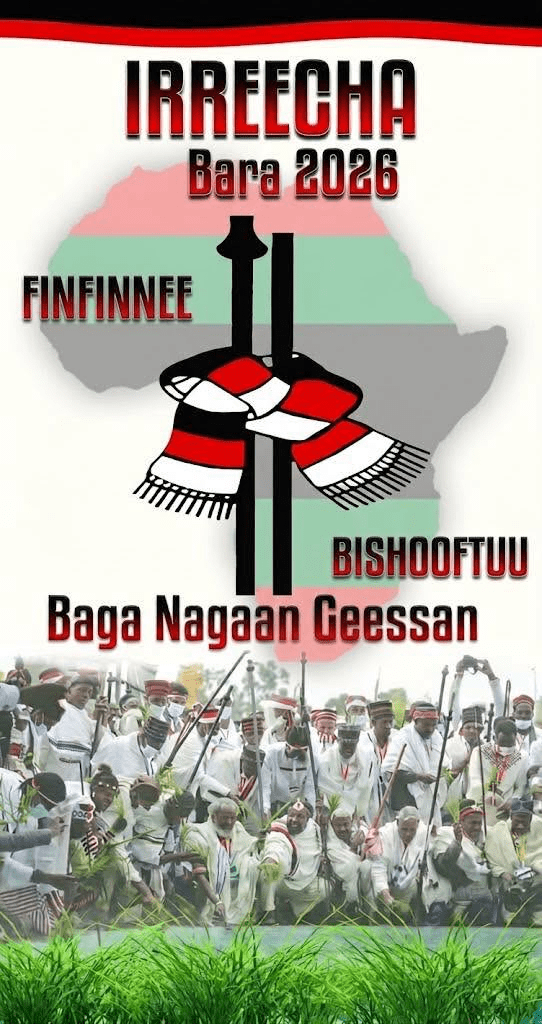
Millions Prepare to Celebrate Africa’s Largest Thanksgiving Festival in Finfinne and Bishoftu
By Maatii Sabaa
In the heart of Oromia, a profound spiritual awakening is stirring. Millions of people are preparing to gather at sacred lakes and rivers to lift their hands in gratitude, to sing songs passed down through millennia, and to affirm a cultural identity that has survived centuries of challenge. Irreechaa 2026—the Oromo Thanksgiving—is approaching, and the call to commemorate this sacred occasion resonates across the globe.
As Girma Tokuma has expressed, there is a deep sense of obligation—a calling from Waaqa (God)—to join this celebration in Finfinne and Bishoftu from October 3 to October 4, 2026 . This is not merely a personal invitation; it is an invitation to all who share a sense of responsibility to honour the Creator, to celebrate life, and to stand in solidarity with one of the world’s most ancient thanksgiving traditions.
What Is Irreechaa?
Irreechaa, also known as Irreessa or Dhibaayyuu, is the annual thanksgiving festival of the Oromo people . Rooted in over 6,000 years of Cushitic civilization, it marks the end of the dark and rainy winter season and the joyous arrival of Birraa (spring) . It is a time when the Oromo people gather at sacred water bodies—lakes, rivers, and springs—to thank Waaqa for the blessings, mercies, and bountiful harvests received over the previous twelve months .
The festival is intimately connected to the Gadaa system, the traditional Oromo governance structure recognised by UNESCO as an Intangible Cultural Heritage of Humanity . As the elders teach, Irreechaa is simply “giving thanks to the one God”—the pinnacle of Oromo religious and cultural expression . It is a day of peace, reconciliation, love, and unity .
The Two Sacred Sites
This year’s celebration will unfold over two days across two of the Oromo people’s most sacred locations :
October 3: Hora Finfinne
The celebration begins at Hora Finfinne, in the heart of the capital city . This location carries profound historical weight. For decades, under oppressive regimes, public celebrations of Irreechaa were banned, and the Oromo people were denied the right to give thanks at their own sacred sites . Celebrating Irreechaa here is not just a cultural act; it is a powerful reclamation of space, identity, and dignity.
October 4: Hora Arsadi in Bishoftu
The grand celebration moves to Hora Arsadi in the city of Bishoftu, approximately 45 kilometres south of Finfinne . This is the site of the main event—a gathering so vast that it is recognised as one of the largest annual human gatherings on the African continent . Millions of participants, dressed in a vibrant sea of traditional white and green, move with purpose and joy towards the water .
The Rituals of Renewal
The Irreechaa ceremony is rich with symbolism :
- Fresh grass and flowers: Participants carry freshly cut green grass and flowers—symbols of fertility, life, and renewal .
- Water immersion: They dip these offerings in the sacred water and sprinkle themselves, a symbolic act of cleansing, purification, and the washing away of hardship .
- Traditional songs: The air echoes with sirba (traditional songs), their melodies passed down from elders to the youth, ensuring the continuity of a living heritage .
- Blessings: Kormoomsaa (youth) move through the crowd, sprinkling people with fresh water as a gesture of cleansing and blessing .
More Than a Festival: A Symbol of Unity and Resilience
Irreechaa is often described as the “most celebrated cultural festival in Africa” . Its core principles are peace, unity, love, and reconciliation. As the festival teaches, holding onto resentment or grievance is not permitted at Irreechaa . A person cannot attend unless they have resolved their disputes with others—a profound reminder that one cannot give thanks while holding a grudge.
The Prime Minister of Ethiopia, Abiy Ahmed, has extended well wishes to the nation on the occasion of Irreechaa, highlighting the Oromo philosophy of water as the source of purity and the foundation of creation and life . He has also noted the added significance of this year’s celebration, as it follows Ethiopia’s inauguration of the Great Ethiopian Renaissance Dam (GERD) .
A Call to All Who Share This Responsibility
As Girma Tokuma has declared, there is a deep sense of obligation to commemorate Irreechaa alongside millions in Oromia. This invitation extends to all who feel the call—to join in giving thanks, to witness the beauty of Oromo culture, and to stand in solidarity with a people who have preserved their traditions against all odds.
Irreechaa 2026 is not just a date on the calendar. It is a celebration of life, a declaration of identity, and a prayer for peace. It is a testament to the resilience of a people who have carried their culture across millennia, and it is an invitation to the world to witness the beauty of gratitude in its most vibrant form.

Gaammee: Oromo Youth Celebrate Ifaanoo 6420 with Joy and Splendour
A Festival of Light, Renewal, and Cultural Pride
By Maatii Sabaa
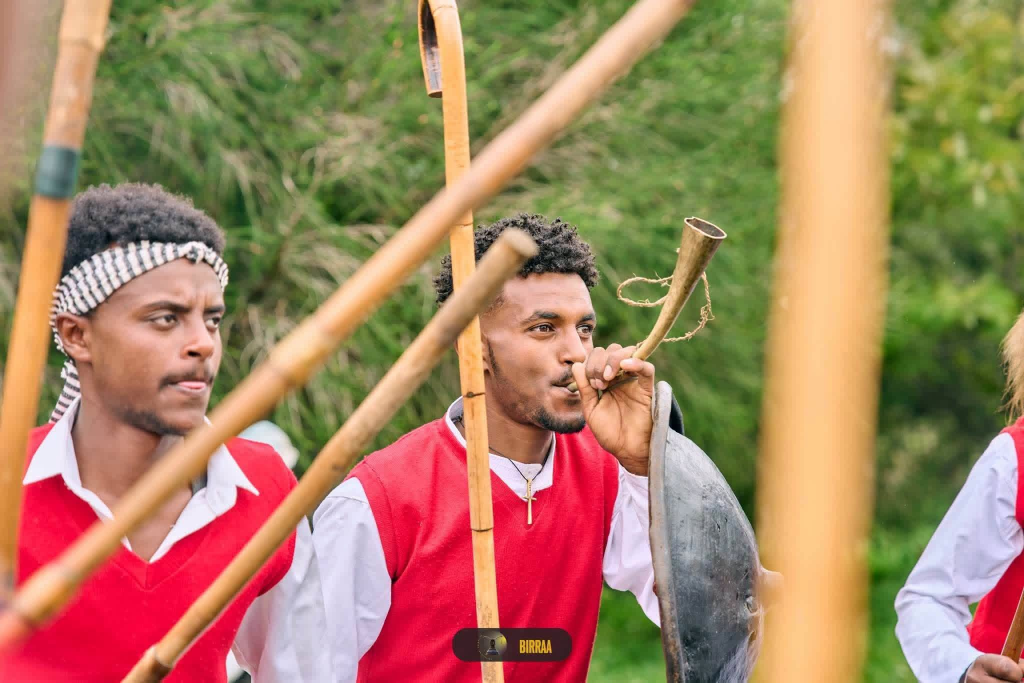
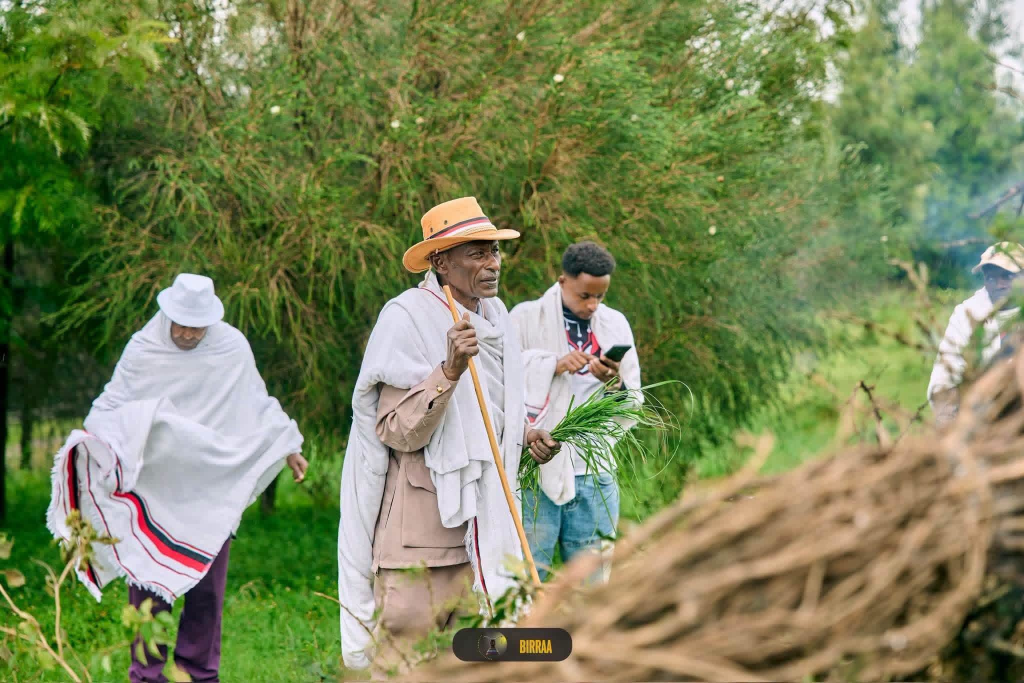
In a dazzling display of cultural pride and spiritual devotion, the Oromo youth—the Gaammee generation—have celebrated the sacred festival of Ifaanoo for the year 6420 with warmth, beauty, and unwavering commitment to their heritage. The celebration, held in the historic Galma Amantaa Waaqeffannaa Duudhaa Ganamaa Walisoo Liiban, was a powerful affirmation of Oromo identity and cultural continuity.
The Ifaanoo festival, which marks the transition from the dark winter season to the bright spring season, is one of the most significant celebrations in the Oromo calendar. This year’s celebration was particularly meaningful, as it coincided with the Oromo New Year 6420—a milestone that reflects the ancient roots of Oromo civilization and its enduring traditions.
The Significance of Ifaanoo
Ifaanoo is a sacred festival of light and renewal. The word ifaa in Afaan Oromoo means “light,” and the festival embodies the dispelling of darkness—both literal and metaphorical. Just as the dawn breaks after a long night, Ifaanoo represents the triumph of hope over despair, of unity over division, of life over hardship.
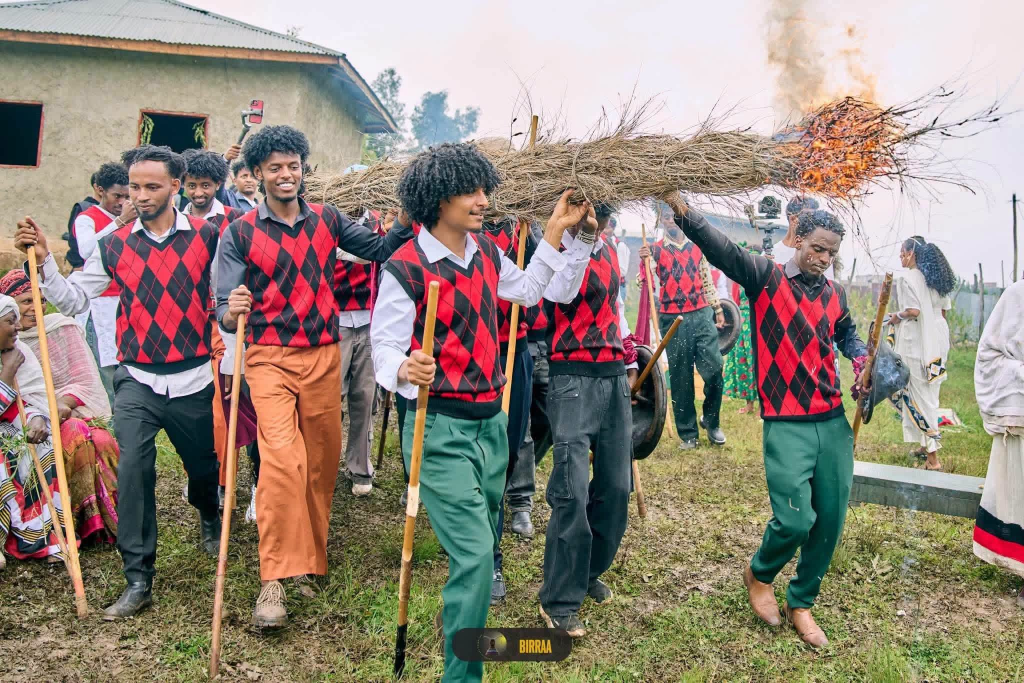
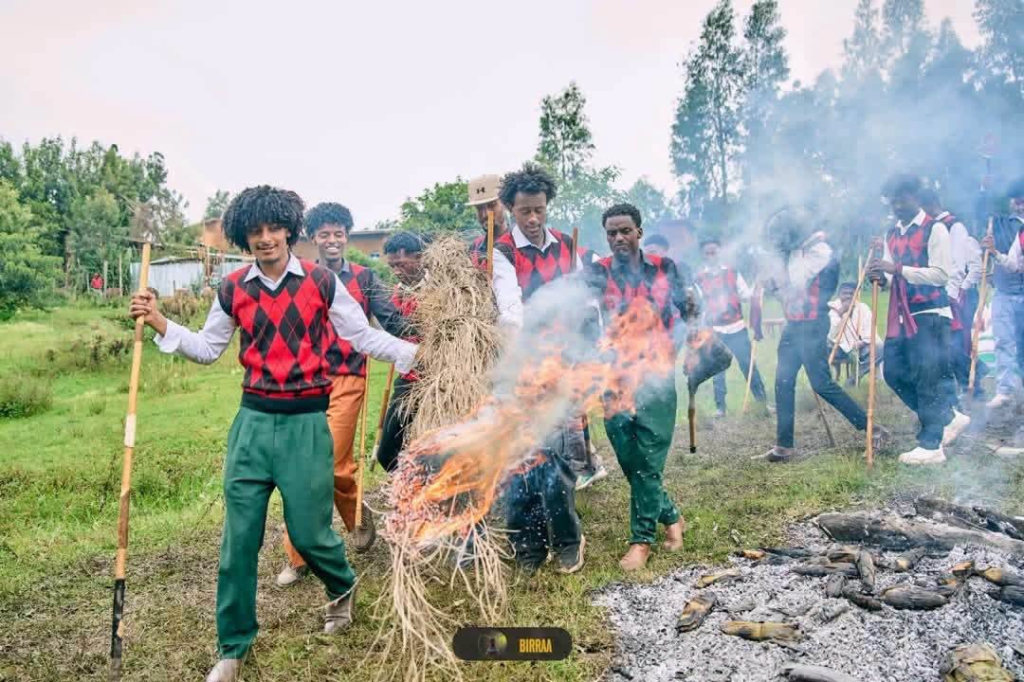
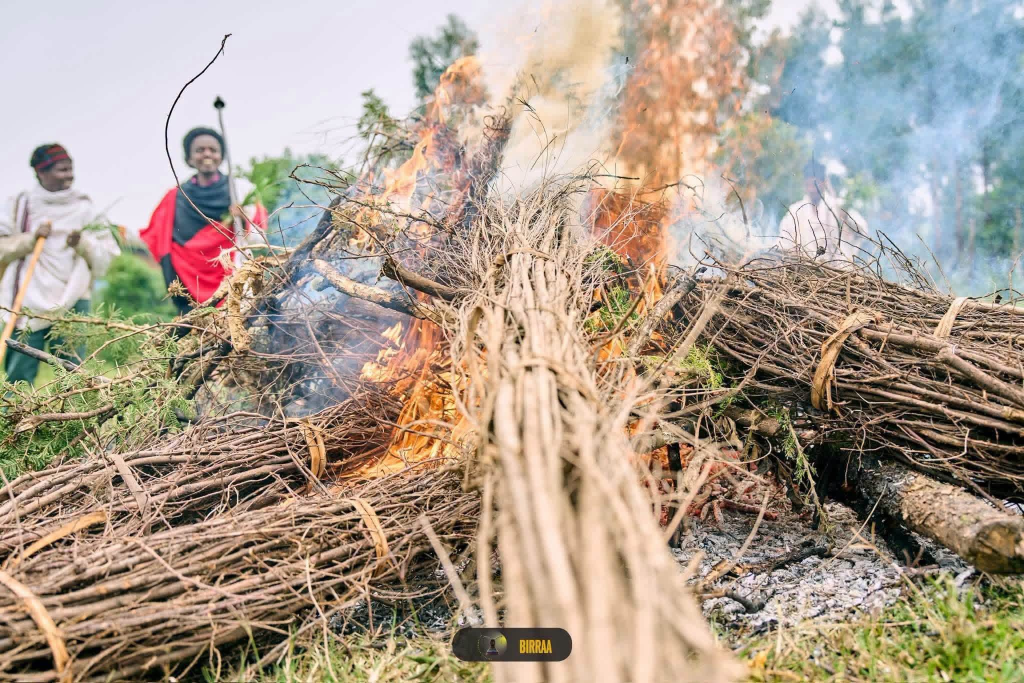
The lighting of the Mijirii bonfire is the centrepiece of the celebration. The bonfire is not merely a source of warmth; it is a symbol of the sun’s return, the rebirth of the earth, and the renewal of the community’s covenant with Waaqa (God). As the flames rise, participants offer prayers of gratitude for the blessings of the past year and petitions for peace, prosperity, and unity in the year ahead.
The Gaammee Generation: Carriers of the Flame
The Gaammee youth played a central role in the Ifaanoo 6420 celebration. As the generation that will inherit the responsibilities of leadership and cultural preservation, the Gaammee youth demonstrated their commitment to the values and traditions of their ancestors.
The celebration featured traditional songs, dances, and rituals that have been passed down through generations. The youth, dressed in their finest traditional attire, participated with joy and reverence, embodying the spirit of cultural continuity that has sustained the Oromo people for millennia.
A Declaration of Peace and Unity
The Ifaanoo 6420 celebration was also a declaration of peace and unity. As the community gathered to celebrate, they reaffirmed their commitment to the values that have sustained the Oromo people through centuries of challenge: solidarity, resilience, and mutual respect.
The elders, known as Abbootii Gadaa and Haadholii Siinqee, led the prayers and offered blessings for the coming year. They shared the wisdom of the ancestors, reminding the younger generation of their responsibilities to their community and their culture.
The celebration was also a reaffirmation of the Gadaa system, the traditional Oromo governance structure recognised by UNESCO as an Intangible Cultural Heritage of Humanity. Through the rituals and ceremonies of Ifaanoo, the community honoured the principles of the Gadaa system: democracy, accountability, and the peaceful transfer of power.
A Celebration of Oromo Identity
The Ifaanoo 6420 celebration was a powerful expression of Oromo identity. It was a reminder that the Oromo people have a rich cultural heritage that predates modern empires and nation-states—a heritage that continues to flourish despite centuries of oppression and marginalisation.
The celebration was also a declaration of hope. As the Oromo people look to the future, they draw strength from their traditions, their community, and their faith. The Ifaanoo festival is a testament to their resilience and their determination to build a future of peace, prosperity, and dignity.
Conclusion
The celebration of Ifaanoo 6420 by the Gaammee generation was a moment of profound significance for the Oromo people. It was a celebration of light and renewal, a reaffirmation of cultural identity, and a declaration of hope for the future.
As the flames of the Mijirii bonfire rose toward the heavens, they illuminated not only the faces of the gathered community but also the path forward—a path guided by the values of peace, unity, and cultural pride.
Ifaanoo 6420 haa jabaattu!
Gaammeen Oromoo haa jabaattu!
Injifannoon Ummata Oromoo!
This feature article is dedicated to the Gaammee generation and all those who work to preserve and promote Oromo culture and identity.

Garanfasaa: Welcoming the Season of Light Through Oromo Tradition
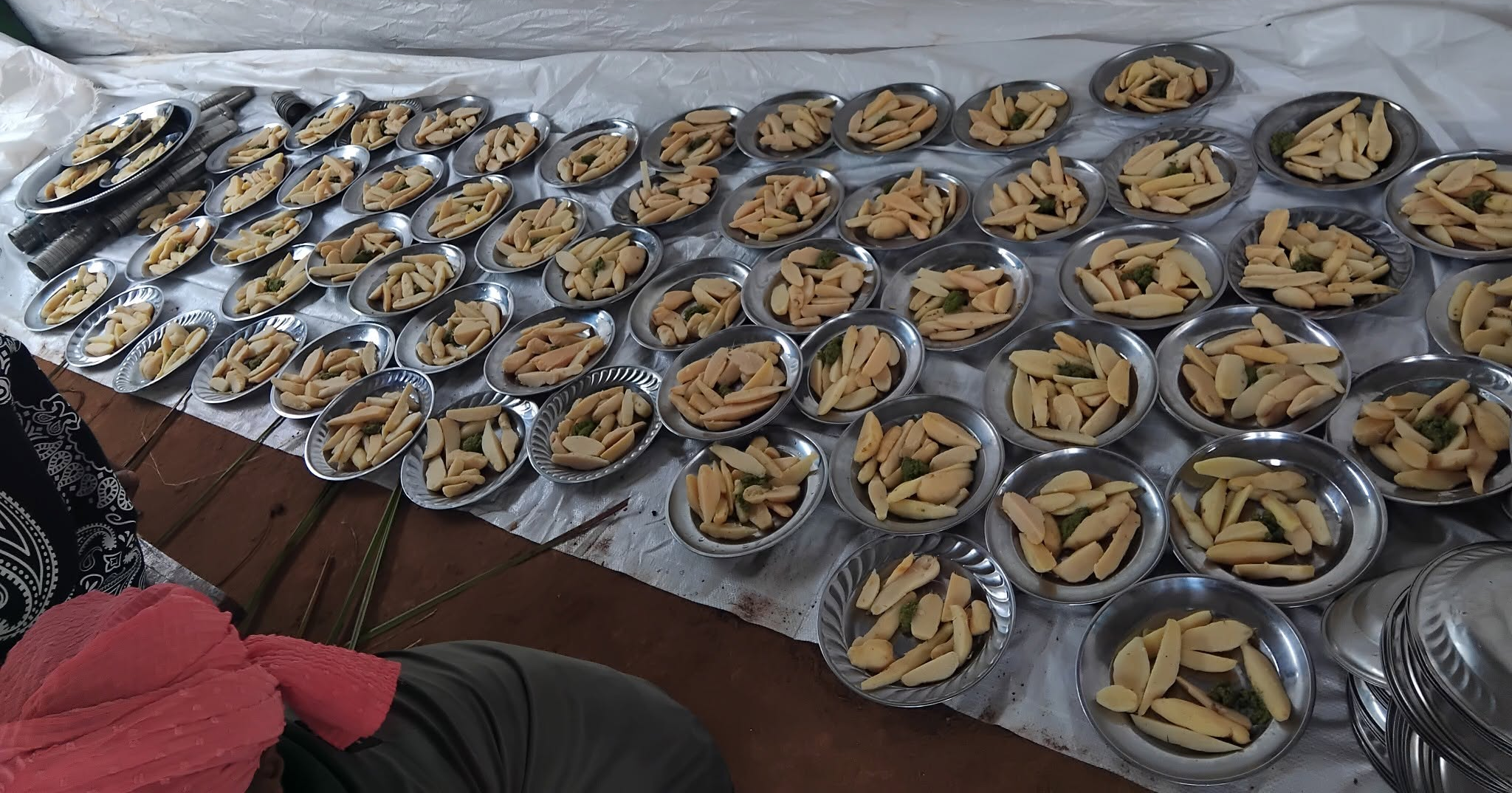
A Celebration of Love, Unity, and the Transition to Spring
By Daandii Ragabaa
Across the Oromo landscape, as the dark winter season gives way to the bright promise of spring, a sacred celebration unfolds. Garanfasaa—known in central Oromia as Ibsaa Birraa—is a vibrant festival marking the arrival of the season of light, love, and renewal.
This ancient tradition, celebrated in the western regions of Oromia, is a profound expression of Oromo identity, community, and cultural continuity. It is a time when families, lovers, and communities come together to honour the transition from winter to spring, and to reaffirm the bonds that hold society together.
The Meaning of Garanfasa
Garanfasaa, also known as Ibsaa Birraa, is a festival of love and renewal. It marks the transition from the rainy season to the bright, hopeful days of spring—a time when the earth awakens, the flowers bloom, and life is renewed.
The festival is celebrated in the month of Hagayya (July-August), when the community gathers to welcome the season of light. The celebration is characterised by traditional songs, dances, and the exchange of gifts between lovers and family members.
The name “Ibsaa Birraa” reflects the festival’s essence: Ibsaa means “light,” and Birraa means “spring.” Together, they capture the spirit of the celebration—the illumination that follows the darkness of winter, the hope that follows hardship, the renewal that follows loss.
A Celebration of Love and Community
One of the most distinctive features of Garanfasaa is its emphasis on love and courtship. The festival is a time when young men and women express their affection for one another through the exchange of gifts. Traditionally, lovers give each other tokens of their love—beautifully crafted items that symbolise their commitment and devotion.
As the custom holds, the exchange of gifts is not merely a gesture of affection but a declaration of intent. Those who fail to give gifts may be seen as lacking in respect or affection, and tensions can arise between couples. The festival thus serves as a social mechanism for maintaining harmony in relationships and reinforcing the values of love and mutual respect.
The scholar John Samuel, writing on Oromo spirituality and history, described Ibsaa Birraa as a “great festival of the blacks,” noting its deep cultural and spiritual significance. The festival, he observed, has been eroded over time, but its essence remains a powerful expression of Oromo identity.
The Rituals of Garanfasaa
The Garanfasa celebration is marked by a series of traditional rituals that have been passed down through generations:
Gathering of the Three Clans
In the western Oromo region, the festival is celebrated by the Three Clans of Sibuu. Families gather at designated sites, dressed in their finest traditional attire, to participate in the festivities.
Traditional Songs and Dances
The air is filled with the sounds of traditional songs, known as sirba, and the rhythmic beat of drums. Young men and women perform dances that have been passed down through generations, expressing joy and gratitude for the arrival of spring.
Exchange of Gifts
The exchange of gifts is a central feature of the celebration. Lovers present each other with tokens of their affection, reinforcing the bonds of love and commitment. Families also exchange gifts, strengthening the ties of kinship and community.
Blessings from Elders
Elders lead the prayers and offer blessings for the coming season. They share the wisdom of the ancestors, reminding the younger generation of their responsibilities to their community and their culture.
The Significance of Garanfasa in Oromo Culture
Garanfasaa is more than a festival—it is a reaffirmation of Oromo identity and cultural continuity. In a world of rapid change, traditions like Garanfasaa serve as anchors of identity, connecting the present generation to their ancestors and ensuring that the values of the past endure.
The festival also reinforces the bonds of community. By coming together to celebrate, families and neighbours strengthen the social fabric that sustains them. The festival is a reminder that the Oromo people are not merely individuals but members of a larger community, bound by shared history, culture, and values.
A Call to Preserve and Celebrate
Like many Oromo traditions, Garanfasaa has faced challenges. Under successive oppressive regimes, the celebration was suppressed and driven underground. Its revival in recent years is a testament to the resilience of the Oromo people and their determination to preserve their heritage.
As the community gathers to celebrate Garanfasaa, they are also declaring that their traditions endure—that the light of their culture will never be extinguished.
This feature article is dedicated to the custodians of Oromo tradition who keep the spirit of Garanfasaa alive for future generations.

Ukee: An Oromo Tradition of Nurturing the Next Generation
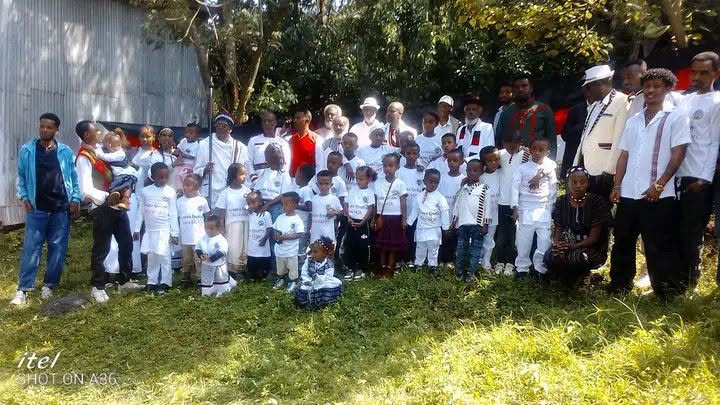
Celebrating Childhood and Cultural Continuity in Walisoo
By Daandii Ragabaa
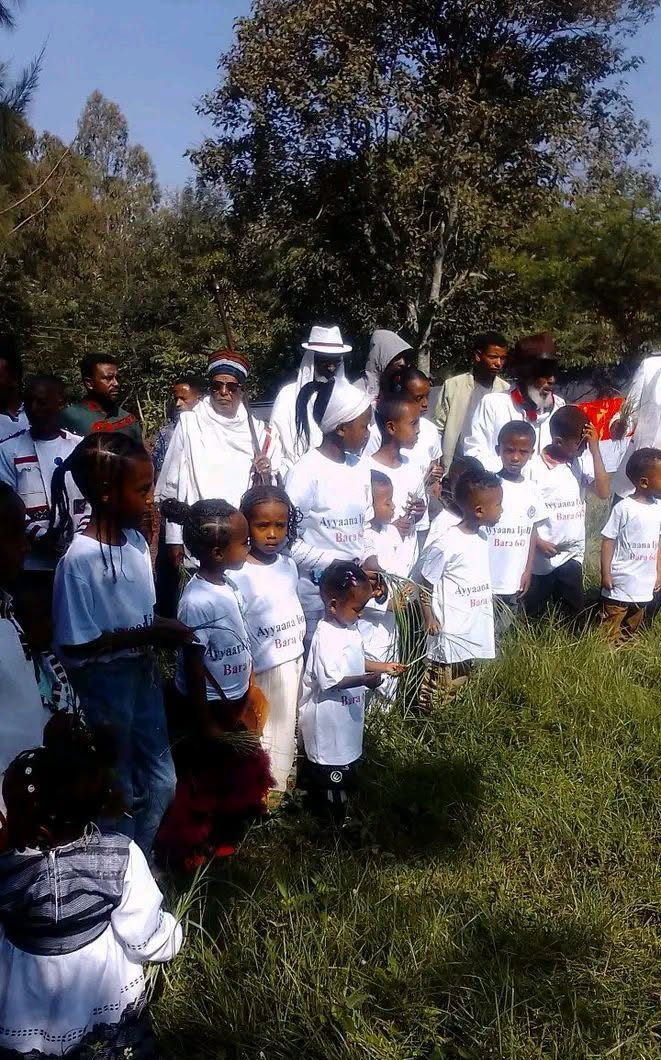
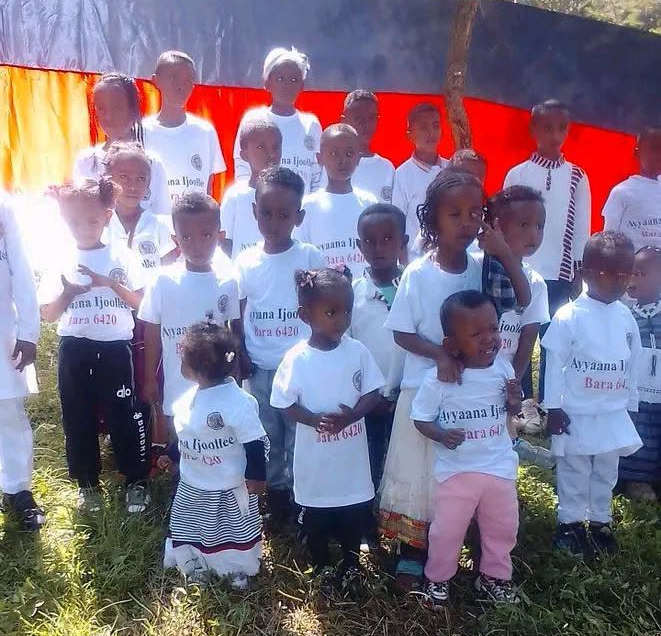
Today, in the historic town of Walisoo, the Galma Amantaa Waaqeffannaa Duudhaa Ganamaa Walisoo Liiban was filled with the joyous sounds of children’s laughter and celebration. The occasion was the annual Ukee festival—a sacred Oromo tradition dedicated to honouring children and ensuring the continuity of culture from one generation to the next.
What Is Ukee?
Ukee, also known as Taabooree in some regions, is a traditional Oromo children’s festival celebrated during the month of Hagayya (July-August). It is a time when the community comes together to honour its youngest members—the inheritors of the culture, the carriers of the language, and the hope of the future.
The festival reflects the deep value that Oromo culture places on children. In a society where oral tradition is the foundation of cultural transmission, children are not merely the future—they are the living connection to ancestors and the continuity of identity.
A Celebration of Childhood and Community
The Ukee festival is a vibrant celebration filled with traditional songs, games, and communal gatherings. Children are the centre of attention, dressed in their finest traditional attire, participating in activities that have been passed down through generations.
The festival is also a time for intergenerational connection. Elders share stories, teach traditional values, and impart the wisdom of the Gadaa system to the younger generation. Through these interactions, children learn about their history, their culture, and their responsibilities to their community.
The Significance of Ukee
For the Oromo people, the Ukee festival is not merely a children’s holiday—it is a profound expression of the community’s commitment to its future. By celebrating and nurturing children, the community ensures that its culture, language, and values will endure for generations to come.
The festival also reinforces the bonds of community. Families come together, neighbours share meals, and the entire community participates in the celebration of its youngest members. This collective affirmation of the value of children strengthens the social fabric and builds a foundation for future prosperity.
A Living Tradition
In a rapidly changing world, traditions like Ukee serve as anchors of identity and continuity. The celebration at the Galma Amantaa Waaqeffannaa in Walisoo is a testament to the resilience of Oromo culture and the commitment of the community to preserving its heritage.
As the children of Walisoo gather to sing, dance, and celebrate, they are not only enjoying a moment of joy—they are participating in a ritual that has sustained the Oromo people for centuries. They are learning who they are and who they can become.
Conclusion
The Ukee festival is a beautiful reminder that the strength of a community lies in its children. By honouring them, we honour our ancestors. By celebrating them, we celebrate our future. By teaching them, we ensure that the flame of our culture will never be extinguished.
This feature article is dedicated to the children of Oromia and all those who work to ensure that Oromo culture thrives for generations to come.

THE RESILIENT SPIRIT: OROMIA’S STRUGGLE FOR SURVIVAL AND RENEWAL

A feature on the challenges facing Oromo language, culture, and identity—and the unyielding determination to preserve them for generations to come
—
The Whispers of a Dying Language
In the bustling markets of Finfinne, amidst the vibrant chaos of merchants and shoppers, a troubling silence grows. The melodic tones of Afaan Oromo—once the heartbeat of millions—are increasingly drowned out by foreign tongues. Elders shake their heads as they witness their grandchildren struggle to form sentences in their mother tongue, preferring instead the languages of power and commerce.
“This is not just about words,” says Dr. Lemma Gutema, a linguist at Jimma University. “When a language dies, a worldview dies with it. The Oromo people are losing not just vocabulary, but the very framework through which we understand our relationship with the land, our history, and each other.”
The erosion of Oromo culture is not a natural evolution—it is a systematic dismantling that has accelerated over decades. As one elder in the countryside put it: “The language that was once spoken freely in every home, every market, every ceremony, is now fighting for breath. Our children are taught to be ashamed of who they are.”
—
Cultural Bleeding: The Erosion of Identity
Walk through any Oromo village today and you will see the signs of cultural fracture. The gadaa system—once the cornerstone of Oromo democracy and governance—is dismissed by many as primitive, its intricate wisdom forgotten. Traditional ceremonies are simplified, commercialized, or abandoned entirely.
“The aadaa of our people is not being preserved as it should be,” laments Haji Birmah, a cultural elder from Borana. “Our rituals, our songs, our ways of greeting, our respect for elders—these are not just customs. They are the threads that weave our community together. When these threads break, the fabric of our society unravels.”
Young Oromos find themselves caught between two worlds. Many seek to reconnect with their heritage, but find the path blocked by generations of suppression and the relentless pull of globalized culture. The result is a generation suffering from what psychologists call “cultural bereavement”—the grief of losing one’s cultural identity.
—
The Weight of Economic Injustice
Behind the cultural crisis lies a deeper wound: the systematic impoverishment of the Oromo people. Poverty is not merely an economic condition in Oromia—it is a manifestation of structural injustice that has left entire communities marginalized.
“We are rich in resources but poor in access,” explains financial analyst Tsehay Mulugeta. “Oromia holds the majority of Ethiopia’s agricultural land, water resources, and mineral wealth. Yet our people remain among the poorest and least developed in the nation. This is not an accident of geography—it is a product of policy.”
Farmers who have worked the land for generations find themselves unable to benefit from its bounty. Young people with dreams and ambition lack the educational and economic opportunities available to others. The cycle of poverty is not just about money—it erodes dignity, hope, and the very possibility of a better future.
“The poverty is humiliating,” says a young woman from Arsi, who asked to remain anonymous. “We see others prosper while we struggle. Our children go hungry. Our parents cannot afford healthcare. How can we preserve our culture when we are fighting for survival?”
—
Betrayed by the State
Perhaps most painful for the Oromo people is their relationship with the institutions meant to serve them. Citizenship services—the basic promise of protection and provision—have consistently failed to reach Oromo communities.
“Citizenship means nothing if the state does not recognize your dignity,” says legal scholar Professor Almaz Gonfa. “When you cannot access justice, when your rights are not protected, when your voice is not heard—you are not a citizen. You are a subject, at best, or an obstacle to be removed.”
The story of Oromo marginalization is written in the experiences of ordinary people: the family denied land rights, the businessman unable to secure permits, the student rejected from university despite qualifications, the community without basic infrastructure while neighboring regions prosper.
“Naatoon namummaa badaa jira”—human dignity is suffering. This simple phrase spoken by Oromo mothers captures the essence of the crisis. When a people’s humanity is not recognized, when their basic needs are not met, when their existence is rendered invisible—dignity itself becomes a casualty.
—
The Lament of the Land
The Oromo relationship with their land is sacred. Oromiyaa is not just geography—it is identity, heritage, and the living memory of ancestors. But this connection is being severed.
Naannoon Oromiyaa—the Oromo region—is described by elders as gammojjummaan dhaalaa, a heritage that is crying out for proper care. Environmental degradation, encroachment on traditional lands, and the disruption of traditional land management systems have left the land scarred and the people disconnected.
“In our gadaa system, we understood that we are temporary stewards of the land,” explains a traditional leader from Guji. “We passed it down to our children as we received it from our fathers. But now the land is being taken, degraded, and exploited. How can we preserve our culture when the very ground beneath our feet is disappearing?”
—
A Generation’s Sacred Duty
Despite the weight of these challenges, a powerful movement is stirring among Oromo youth. Across universities, community centers, and social media platforms, young Oromos are reconnecting with their heritage—not as a sentimental exercise, but as an urgent mission.
“This is about survival,” says Bontu Dibaba, a 24-year-old activist from Adama. “We are the generation standing between extinction and renewal. Our parents endured the worst of the suppression. We have the knowledge, the tools, and the freedom to fight back. If we don’t act now, what will be left for our children?”
The mission is clear and urgent: to protect the Oromo language from extinction, to preserve Oromo culture in all its richness, to ensure Oromo children can grow up with dignity and opportunity, and to create a future where being Oromo is not a burden but a source of strength and pride.
“Dhaloonni keenya jajjaboon otuu jiranii”—as long as our descendants remain strong—the elders remind us. This is not a passive hope but an active commitment. The strength of future generations depends on the choices made today.
—
Gaammee: The Call to Action
At the heart of this movement is a powerful concept: Gaammee. It represents the collective commitment of the Oromo people to stand together in defense of their identity and future.
“Nuti otuu jirruu Oromoo fi Oromiyaan rakkoof hin saaxilaman,” the people of Gaammee declare. “As long as we are alive, Oromo and Oromia will not be subjected to problems.”
This is not empty rhetoric. It is a pledge backed by action—cultural festivals being revitalized, language classes being organized in diaspora communities, economic cooperatives being formed to build self-sufficiency, advocacy campaigns raising awareness about rights and injustice.
The Gaammee movement represents something profound: a refusal to accept the narrative of decline, a determination to write a different story. It is the voice of a people saying, “We are here. We have always been here. And we will remain here.”
—
Looking Toward Tomorrow
The challenges facing Oromo language, culture, and people are immense. But so is the resilience of a people who have survived centuries of change, challenge, and oppression.
What happens in the coming years will determine not just the fate of one ethnic group, but the kind of society Ethiopia will become. Will it be a nation that embraces its diversity, that protects the rights and dignity of all its peoples? Or will it continue down a path of exclusion and denial?
For the Oromo people, the answer is already clear. Through language preservation, cultural revival, economic empowerment, and collective action, they are building the future they deserve. A future where Afaan Oromo is not just spoken but celebrated. Where aadaa is not just remembered but practiced. Where Oromo children can grow up with pride, opportunity, and hope.
“Dhaloota keenya eeggachaa jira,” they say—we are protecting our generation. It is a promise passed from elders to youth, from parents to children. It is the thread that connects past, present, and future.
The road ahead is long. The obstacles are real. But the spirit of the Oromo people—that indomitable fire that has burned through centuries of challenge—is undimmed. Like the ancestors who survived and thrived before them, this generation is determined not just to survive, but to flourish.
In the words of an old Oromo proverb: “The river that forgets its source will dry up.” The Oromo people are remembering their source. They are returning to the well of their identity. And they are drawing from it the strength to build tomorrow.
—
The struggle of the Oromo people is a struggle for justice, dignity, and identity. It is a struggle that deserves recognition and understanding—not just from Ethiopians, but from the global community. Because when one people’s culture, language, and dignity are threatened, it diminishes us all.
The question is not whether the Oromo people will survive—they have survived centuries of challenge and will continue to do so. The question is what kind of world we will create: one where diversity is celebrated and all peoples can thrive, or one where difference is suppressed and culture is erased.
For the Oromo people, the answer is clear. Gaammee—they stand together, committed to a future where Oromo culture flourishes, the language lives, and the land is protected. For themselves, and for generations yet unborn.






