Category Archives: Grief Support

The Personal Cost: What Participation Really Means in the Oromo Struggle

By Daandii Ragabaa
Participation in the Oromo struggle is not a badge of honor to be worn lightly. It carries real costs: the risk of imprisonment, the loss of employment, the strain on family relationships, the psychological toll of witnessing injustice and state violence. To enter this path without understanding these burdens is not bravery—it is recklessness.
For many young Oromos, the call to action feels almost magnetic. It pulses through social media feeds, echoes in university lecture halls, and reverberates in the whispers of elders who remember previous struggles. The desire for bilisummaa—freedom—burns bright, and rightfully so. But brightness can blind, and passion untempered by preparation can lead to devastation.
The Weight of Knowledge
The informed participant calculates these costs soberly. They do not romanticize martyrdom but prepare for the possibility of sacrifice. This is a critical distinction: one can be willing to sacrifice without seeking suffering. The romanticized image of the revolutionary—defiant, fearless, untouchable—is a dangerous fiction that has shattered too many young lives.
Consider the family left behind when a participant is detained. The mother who cannot sleep. The children who grow up without a parent’s presence. The spouse who must navigate a sudden single-income household. These are not abstractions; they are the daily realities of thousands of Oromo families across Ethiopia and the diaspora.
Building the Foundation
The wise participant builds support networks before they are needed. They identify trusted friends who can act as emergency contacts. They establish communication protocols. They ensure their family understands—to the extent possible—the risks involved. They plan for the psychological and material consequences of their involvement.
This planning is not cowardice. It is the opposite. It is the recognition that the struggle is a marathon, not a sprint. That sustainability matters. That burning out in the first mile serves no one.
Mental health preparation is particularly crucial. Witnessing state violence—whether in person or through graphic videos shared online—leaves scars. The constant hypervigilance, the grief for fallen comrades, the anger that simmers just beneath the surface—these accumulate. Participants who ignore their psychological well-being often find themselves unable to continue when their community needs them most.
The Material Realities
Loss of employment is not a theoretical risk. In Ethiopia, known activists have been dismissed from government positions, blacklisted from private sector jobs, and denied educational opportunities. In the diaspora, there are subtler forms of economic retaliation: lost contracts, strained business relationships, sudden “restructuring” at workplaces.
Financial planning, therefore, becomes an act of resistance. Saving emergency funds. Maintaining skills that remain marketable regardless of political climate. Diversifying income sources. These are not signs of divided loyalty but of strategic thinking.
A Call to Maturity
This is not a counsel of fear but of maturity. The struggle is too important to be undertaken by those who have not counted the cost. Freedom is not won through impulse but through sustained, strategic, and sober effort.
The Oromo people have endured too much to have their liberation squandered by recklessness. Every arrest, every career lost, every family torn apart—these are not abstract statistics. They are the flesh and blood of the movement. To treat them carelessly is to dishonor their sacrifice.
So before you post that video, before you attend that protest, before you speak those words that cannot be unsaid—pause. Count the cost. Build your support. Prepare your mind. Strengthen your body. And then, with clear eyes and a full heart, decide.
Because the most powerful participants in any struggle are not the ones who act without thinking—they are the ones who think deeply, prepare thoroughly, and then act with unwavering commitment.
That is what participation really means.
If you or someone you know is struggling with the psychological toll of involvement in political activism, please reach out to trusted community supports or mental health professionals. Your wellbeing matters—to your family, your community, and the struggle itself.


INVESTIGATIVE REPORT: SYSTEMATIC PERSECUTION OF OROMO PEOPLE IN ETHIOPIA

By an Investigative Reporter in Finfinne
Executive Summary
This report documents systematic human rights violations against Oromo people across Ethiopia’s Oromia region, based on extensive testimonies, government reports, and international documentation. The evidence reveals a pattern of state-sponsored persecution targeting Oromo individuals based on their ethnic identity and perceived political affiliations, creating conditions that meet international definitions of persecution under refugee and asylum law.
The Scale of the Crisis
In Oromia, harm and brutality targeting Oromo children based on their identity and political perceptions are widespread and escalating. Oromo children living in areas where the Oromo Liberation Army (OLA) operates—including Western Oromia, Wellegga, Shambu, West Shewa, North Shewa, Karrayyoo, Guji, Arsi, and Eastern Oromia—face multifaceted forms of persecution.
The Ethiopian Human Rights Commission (EHRC), in its 2025 annual report covering June 2024 to June 2025, documented extensive violations of fundamental rights across Oromia, including extrajudicial killings, abductions, physical harm, and widespread destruction of property. Both government forces and the OLA have been implicated in these abuses.
Testimony: The Reality of Persecution
A young man from the Shambu area, who requested anonymity due to fear for his safety, described his ordeal to this reporter. While traveling from Shambu to Finfinne (Addis Ababa), he was stopped by security forces who demanded he present his identity documents.
“When they saw my ID showing Shambu, they arrested me. During detention, I endured severe beatings and torture. They accused me of coming to Finfinne to join the insurgency, despite my insistence that as an Oromo, I had no connection to armed groups. After two months of detention, they released me with a warning. Since then, I have been unable to freely move or speak about my origins. My family continues to be harassed by militia demanding to know my whereabouts and threatening to involve the WBO [an armed group].”
This account mirrors the experience of Mr. W, another Oromo asylum seeker who was arrested in June 2020 following protests after the killing of Oromo singer and civil rights activist Hachalu Hundessa. Soldiers interrogated him about being Oromo and accused him of being part of the Oromo Liberation Army (OLA) or Oromo Liberation Front (OLF)—groups he had never been involved with. He was jailed for three months, and after his release, soldiers monitored and chased him. In January 2021, he was jailed again for a month on similar accusations, with police interrogating and beating him daily. In 2023, the government jailed his parents and threatened to kill them unless he returned. His parents told him to flee.
The Koree Nageenyaa: A Secret Network of Persecution
A Reuters investigation uncovered the operations of the Koree Nageenyaa—or Security Committee—a clandestine group of senior officials in Oromia that has ordered extra-judicial killings and illegal detentions as part of efforts to crush the insurgency. Human rights sources indicate that this committee specifically targets young Oromo with modern hairstyles or appearances that allegedly signal opposition sympathies. Female Oromo face particular vulnerability to sexual violence by security forces. Young people have also reported being asked for bribes by security forces; those unable to pay face immediate detention.
Official Documentation of Systematic Abuses
The EHRC 2025 Report
The Ethiopian Human Rights Commission’s 2025 annual report documented:
- Extrajudicial killings across multiple zones in Oromia
- Abductions and arbitrary detentions
- Physical harm and torture
- Widespread destruction of property
- Both government forces and the OLA implicated in abuses
United Nations Documentation
The UN Office for the Coordination of Humanitarian Affairs (UNOCHA) reported that conflict-related displacement persists in Oromia, with nearly 220,000 people displaced along the Oromia-Somali border. In July 2025, renewed inter-communal violence erupted along the Oromia–Somali border, displacing over 288,000 people.
Humanitarian Assessment
UNOCHA’s assessment found that in Oromia Region alone, an estimated 151,972 people are displaced across multiple districts. Displaced families are sheltering in makeshift shelters made of plastic sheets, clothing, and sticks, offering little protection from the elements. Women, children, the elderly, and persons with disabilities face heightened vulnerabilities, including fear of retaliation, gender-based violence, and psychological trauma.
Legal Framework for Persecution Claims
Under international law, as defined by the 1951 Refugee Convention and its 1967 Protocol, persecution is defined as the act of harassing or oppressing a person or a group of people, especially because of their identity. Persecution includes unfair or abusive treatment toward a person or group based on race, religion, ethnicity, political opinion, or membership in a particular social group.
For an asylum claim, the following elements must be meticulously documented:
- Dates and locations of incidents
- Types of abuse suffered
- Names of perpetrators (if known)
- Medical records documenting injuries
- Witness statements
- Evidence of state involvement or failure to protect
Past persecution and fear of future persecution by government actors on account of political opinion and race form the core of the case.
Critical Findings for Asylum Assessment
Political Opinion
Many Oromo asylum seekers are targeted not because of what they have done, but because of what they are perceived to believe. Simply being Oromo can be enough to attract suspicion. Political engagement—whether real or imagined—significantly increases the risk.
The European Union Agency for Asylum (EUAA) has documented cases where Oromo individuals faced persecution due to their political opinions. Even Oromo individuals who have never been involved with opposition groups can be targeted. Mr. W was arrested and beaten despite having no connection to the OLA or OLF. His only “crime” was being Oromo and being present at a protest.
Place of Origin and Residence
European courts have recognized that “the risk of persecution due to affiliation with OLA applied throughout Oromia, even in areas where there is no active armed conflict.” This is a critical point: an Oromo person cannot simply move to a “safer” part of Oromia and escape persecution. The threat follows them.
Risk of Persecution upon Return
For many Oromo asylum seekers, return to Ethiopia would expose them to:
- Continued targeting by security forces
- Inter-communal violence in their home areas
- The risk of being forcibly conscripted or accused of supporting armed groups
- The inability to relocate safely within Oromia
The Human Rights Situation: A Critical Assessment
The human rights situation in Oromia is described as “critical.” The Ethiopian government has intensified its crackdown on independent media and civil society ahead of elections slated for 2026. Security forces have arbitrarily detained healthcare workers, and humanitarian needs remain acute. The government restricts access to Oromia for journalists and rights groups, meaning much of the conflict and its human toll remains hidden from the world.
“Unfortunately, the human rights situation—as well as the overall humanitarian crisis in Oromia—is underreported,” said Getu Saketa Roro, co-founder of the Human Rights League of the Horn of Africa.
The Oromo Liberation Army (OLA) has called for independent investigations into what it describes as “systematic terror, state-orchestrated brutality, and entrenched impunity.”
Conclusion
The documentation and testimony gathered in this investigation establish a consistent pattern of persecution against Oromo people in Ethiopia based on their ethnic identity and perceived political opinions. This persecution is perpetrated by state actors, including security forces and the clandestine Koree Nageenyaa, and has created a situation where Oromo individuals face well-founded fear of persecution throughout the Oromia region.
The legal and humanitarian frameworks, including the 1951 Refugee Convention, the Ethiopian Human Rights Commission’s findings, and documentation by United Nations agencies, support the conclusion that Oromo asylum seekers from Ethiopia have legitimate claims based on a well-founded fear of persecution on account of their race, ethnicity, and political opinion.
This report is based on on-the-ground investigation, interviews with survivors, analysis of official government and UN reports, and review of international legal frameworks. Some names have been withheld to protect individuals who remain in danger.

The Unbroken Struggle: A History of Oromo Resistance and the Quest for Justice

From ancient freedom to colonial subjugation and the ongoing fight for self-determination, the Oromo people’s journey is a testament to resilience, sacrifice, and an unyielding commitment to justice.
A History of Freedom, Before the Fall
“Ummanni Oromoo otuu garbummaa jalatti hin kufiin dura nagaa fi bilisummaan jiraachaa ture.”
Before the shadow of subjugation fell upon them, the Oromo people lived in peace and freedom. Their culture, identity, and faith flourished without external interference, guided by the principles of the Gadaa system, the wisdom of their elders, and a deep connection to the land.
The Oromo identity was not a burden—it was a source of pride. The Oromo language was spoken freely, traditions were celebrated openly, and the community governed itself through indigenous institutions that predated the modern state. The Oromo were not merely inhabitants of their land; they were its custodians, its protectors, and its soul.
The Conquest: A People Forcibly Subjugated
“Haata’uutii, sirni Habashaa erga Oromiyaa humna qawween cabsee gabroomsee hiree ummata Oromoo roorroo jalatti kufe.”
This era of autonomy came to a violent end with the expansion of the Abyssinian (Habasha) imperial system. Through military conquest, the Oromo people were subjugated, their lands seized, and their social and political structures dismantled. The once-proud people were reduced to subservience, forced to labour for those who had conquered them.
Yet the Oromo did not simply accept their fate. “Ummati Oromoo garuu karaa danda’e maraan sirnicha faccisuu hin dhiifne ture.”—The Oromo people never ceased their resistance, using every available means to challenge the oppressive system. Whether through scattered uprisings, covert resistance, or open rebellion, the spirit of defiance remained alive.
The Systematic Erasure of Identity
The conquest was not only military—it was cultural, linguistic, and spiritual. The occupiers understood that to control a people, one must control their identity.
Land Dispossession: “Erga Oromoon humna Habashaa jalatti kufee kaasee lafti Oromoo kan abbootii lafaa ta’e, namni Oromoo lafa isaa irratti ciisanyaa ta’ee warra garboonfataa tajaajiluu ta’e.”—After the Oromo fell under Abyssinian control, the land that had belonged to their ancestors was taken from them. The Oromo became tenants on their own soil, forced to serve those who had dispossessed them.
Identity Erasure: “Eenyummaan Oromoo haalamee, maqaan jibbamaa fi tuffatamaa itti kenname.”—Oromo identity was systematically undermined. A derogatory name was imposed upon them, stripping them of the dignity of self-identification.
Language Suppression: “Afaan Oromoo akka afaan hojii fi barnootaa hin taane dhorkamee, Afaan Amaaraan akka tajaajilamu godhame.”—The Oromo language was banned from education and official use, replaced by Amharic. Generations of Oromo children were educated in a language that was not their own, severing their connection to their linguistic heritage.
Cultural and Religious Persecution: “Aadaa fi amantiin Oromoo ifaan akka dhorkamu labsiin dhorkame.”—Oromo culture and the indigenous faith of Waaqeffannaa were explicitly prohibited. Traditional practices were suppressed, and the sacred Odaa tree—the symbol of Oromo spirituality and governance—was targeted for destruction.
Systematic Marginalisation: “Gidiraa fi roorroon hamaan ummata Oromoo irratti fe’ame. Oromoon karaa hundaa akka boodatti hafu imaammanni mootummaa tolfamee irratti hojjatame.”—A comprehensive policy of marginalisation was implemented, ensuring that the Oromo would remain economically, politically, and socially subordinate in their own land.
The Seeds of Organised Resistance
“Kun booda keessa Oromoota dammaqoo fi quuqama sabaa qaban waan aarseef tooftaa addaddaan finciluu eegalan.”
Yet oppression breeds resistance. Among the Oromo, a new generation of awakening emerged—individuals and groups who refused to accept their subjugation. They recognised that open, armed rebellion alone would not succeed against a powerful state. Instead, they organised through alternative structures: mutual aid societies, development associations, and religious organisations.
“Ifatti bifa siyaasaan ijaaramnii qabsoo gochuun waan hin danda’amneef karaa waldaalee walgargaarsaa, waldaalee misoomaa fi waldaalee amantii jalatti gurmaa’anii waldammaqsuu fi sirna garboonfattuu Habashaa mormuu fi falmuu itti fufan.”
These organisations became the vehicles through which Oromo consciousness was nurtured, resources were mobilised, and resistance was sustained—often hidden in plain sight.
Historic Uprisings: The Legacy of Resistance
The history of Oromo resistance is marked by significant uprisings that shook the foundations of the Abyssinian state:
The Raayyaa Uprising: A rebellion in the Raayyaa region that demonstrated the Oromo people’s willingness to fight for their freedom despite overwhelming odds.
The Baalee Peasant Revolt: The farmers of Baalee rose up against oppressive land policies, demanding the return of their ancestral lands and an end to feudal exploitation.
The Maccaa-Tuulamaa Movement: The historic alliance between the Maccaa and Tuulamaa Oromo groups represented a unification of forces against a common oppressor, setting the stage for broader Oromo nationalism.
These uprisings were not isolated incidents—they were expressions of a collective will that refused to accept subjugation as the natural order.
The Birth of Modern Oromo Political Organisation
“Qabsoon diddaa garbummaa karaa addaddaa adeemsifamaa ture kan gurmaa’ee bifa qindoomina siyaasaa qabuun adeemsifamuu eegale ijaarsa ABO kan bara 1970moota keessa finiinaa tureen ture.”
The scattered resistance of the past gave way to a new era with the formation of the Oromo Liberation Front (OLF) , initially established as the Oromo Liberation Front (ABO) in the 1970s. The creation of ABO represented a watershed moment: Oromo resistance was now organised, unified, and operating with a clear political vision.
“Ijaaramuun ABO akka qabsoon Oromoo bifa gurmuu qabu godhatee adeemu godhe. Oromoota shira gita bittootaan addaan qoqqodamanii turan walitti deebisee akka Oromiyaaf gaaddisa tokko jalatti qabsaa’an godhe.”
ABO brought together Oromos who had been divided by region, clan, and class, uniting them under a single banner for a common cause. It gave the Oromo people a voice on the national and international stage, asserting their rights and demanding justice.
“Ijaarsi ABO, akka Oromoon waan humnaan sarbame ifatti baasee beeksisuun akka Oromoon roga hundaan ka’ee waan dhabe akka deebifatu taasise.”
The organisation’s formation enabled the Oromo people to clearly articulate what had been taken from them and to mobilise all sectors of society to demand its restoration.
Achievements and Unfinished Business
The Oromo struggle has achieved significant victories over the decades:
Land Rights: “Gaaffiin lafaa fincila bara 1960 moota keessa tureen lafa harka qonnaan bultoota Oromootti deebisee jira.”—The land question, first raised in the 1960s, has seen partial resolution, with land returned to Oromo farmers.
Language Recognition: “Qabsoon Afaan Oromoo fi Qubee Afaan Oromoos afaan hojii fi barnootaa taasisus, bara 1990moota keessa haga tokko deebii argatee jira.”—The struggle to make Afaan Oromo an official language of work and education achieved partial success in the 1990s, with the adoption of the Oromo alphabet (Qubee).
Regional Autonomy: “Daangaan Oromiyaas ifatti beekamee, ijaarsa mootummaa naannoo Oromiyaa jalatti gaaffiin sabummaa Oromoo akka deebii argatu godhameera.”—The creation of the Oromia Regional State marked the recognition of Oromo nationhood within Ethiopia’s federal system.
However, the struggle remains incomplete. “Garuu, gaaffiin Oromoo guutummaatti waan hin deebineef, amma illee karaa addaddaa falmaan itti fufee jira.”—The fundamental questions of Oromo self-determination, justice, and equality have not been fully addressed, and the struggle continues on multiple fronts.
The Struggle Continues: Why the Fight Is Not Over
“Qabsoon Oromoo haga galma akeekkate ga’utti qabsoon Oromoo hin dhaabbatu.”
The Oromo struggle will not cease until its objectives are achieved. The goal is clear and uncompromising:
“Kaayyoon qabsoo Oromoo mirgoota Oromoon humna alaagaatiin sarbaman deebisuun akka Oromoon nagaa fi bilisummaan jiraatu taasisuu dha.”
The objective is to restore the rights that the Oromo people were stripped of through external force—to ensure that they can live in peace and freedom, as they once did before subjugation.
Three Essential Goals:
- Dismantling the Roots of Oppression: “Hundee garbummaa buqqisuun”—Uprooting the foundations of subjugation, dismantling the structures that have kept the Oromo people subordinate.
- Rebuilding on Oromo Terms: “Sirna Oromoof ta’u deebisanii ijaaruu”—Rebuilding systems and institutions that serve the Oromo people, reflecting their values, aspirations, and needs.
- Restoring Hope and Vision: “Waan Oromoon sirna alagaan dhabe, deebisanii ijaaruu fi hawwii fi abdii Oromoo lachhisuu”—Restoring what was lost under the alien system, and nurturing the dreams and hopes of the Oromo people for a better future.
Conclusion: A People’s Unbreakable Will
The history of Oromo resistance is a testament to the unbreakable will of a people who have refused to accept subjugation as their destiny. Despite centuries of oppression—land dispossession, cultural erasure, linguistic suppression, and systematic marginalisation—the Oromo have persisted.
They have organised, fought, and sacrificed. They have achieved significant victories and continue to press forward. The struggle is not merely political—it is existential. It is about the right to exist as a people, to speak their language, to govern themselves, and to determine their own future.
“Qabsoon Oromoo haga galma akeekkate ga’utti hin dhaabbatu.”
The struggle of the Oromo will continue until the goals are achieved. It is a struggle for justice, for dignity, and for the restoration of what was taken. And it is a struggle that, in the end, will not be denied.
The Oromo people have endured. The Oromo people have resisted. And the Oromo people will prevail.

The Voice That Refuses to Fade: Rift Valley University Students Honor Haacaaluu Hundeessaa
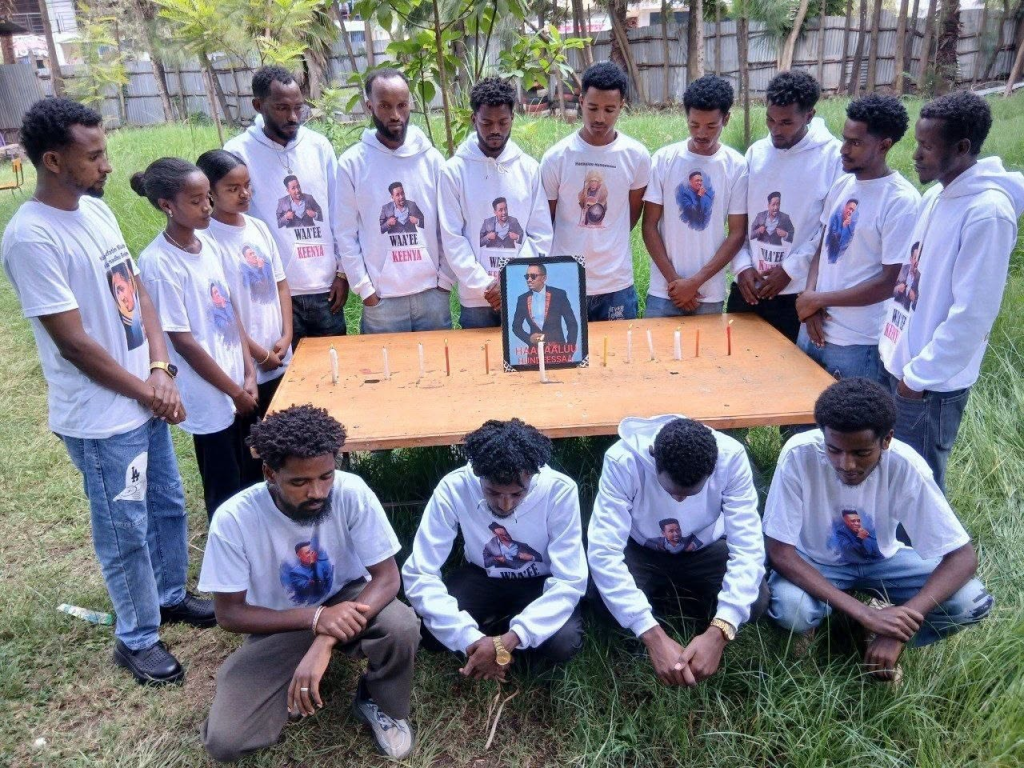
On the sixth anniversary of his assassination, students at Rift Valley University’s Waliso Campus gathered to pay tribute to the artist who became the soundtrack of a revolution—proving that some voices, once heard, can never truly be silenced.
A Date Etched in Memory
Today marks the sixth anniversary of the assassination of Haacaaluu Hundeessaa, the iconic Oromo singer and activist whose music became the anthem of a movement . On June 29, 2020, the 34-year-old artist was shot dead by unknown assailants in Addis Ababa, sending shockwaves through the Oromo community and Ethiopia as a whole . His death was described as “a spear through the heart of the Oromo nation” .
At Rift Valley University’s Waliso Campus, students and faculty have chosen to commemorate this day with a solemn act of remembrance. Despite circumstances that might have made such a tribute difficult, they have come together to ensure that Haacaaluu’s legacy is not forgotten.
More Than a Musician
Haacaaluu Hundeessaa was born in 1986 in Ambo, a city that would later become a symbol of Oromo resistance . At the age of 17, he was arrested for his political activities and imprisoned for five years without ever being charged. It was during this time that he composed most of the songs that would define his career .
His first album, Sanyii Mootii (Royalty), was released in 2009 and propelled him to national stardom . But it was his 2015 single Maalan Jira (What Existence Is Mine) that cemented his place in history. The song became the rallying anthem of the 2015-2018 Oromo protests, which fundamentally altered Ethiopia’s political landscape and swept Prime Minister Abiy Ahmed to power in 2018 .
In his lyrics, Haacaaluu captured the pain, displacement, and marginalization of the Oromo people with astonishing depth . He sang of farmers evicted from their lands, of a culture in jeopardy, and of a community refusing to disappear . Yet his music also offered hope and resilience—most notably in his 2017 follow-up Jirra (We Are Here), a defiant statement of endurance and self-affirmation .
A Legacy Carried Forward
At the Waliso Campus memorial, speakers emphasized that Haacaaluu was not merely a musician—he was a moral compass and a unifying symbol for the Oromo nation . His music inspired an entire generation to be proud of their Oromo identity and to stand up against oppression .
His legacy has been carried forward in tangible ways. In 2022, Rift Valley University renamed its Dirre Gafarsa Campus after Haacaaluu, ensuring that his history would not be forgotten. The ceremony was attended by scholars, students, and family members who spoke of his enduring impact.
Today, at Waliso Campus, students continue that tradition—standing in solidarity, honoring a man whose voice became the soundtrack of a people’s longing for justice.
The Questions That Remain
Six years after Haacaaluu’s death, fundamental questions remain unanswered. There has never been a full investigation into who ordered his assassination or why . For many, this absence of justice has itself become a source of deepening wounds .
Yet Haacaaluu’s message persists. His songs remain alive because the conditions that inspired them have not entirely disappeared . They continue to be sung at protests, at memorials, and in the quiet moments when a people reflect on their journey.
The Students’ Tribute
The memorial at Waliso Campus was not a grand political statement—it was a simple act of remembrance by those who refuse to let his voice fade. In choosing to honor Haacaaluu on the sixth anniversary of his death, these students have affirmed that his music still matters.
As his widow stated at his funeral, “Haacaaluu is not dead. He will remain in my heart and the hearts of millions of Oromo people forever” .
Today, in Waliso, that promise is being kept.
“He was a true freedom fighter. He was a singer who raised our spirits.” — Belay Aqenaw, at Haacaaluu’s funeral

Echoes of a Martyr: Nairobi’s Oromo Community Commemorates Haacaaluu Hundeessaa’s Legacy
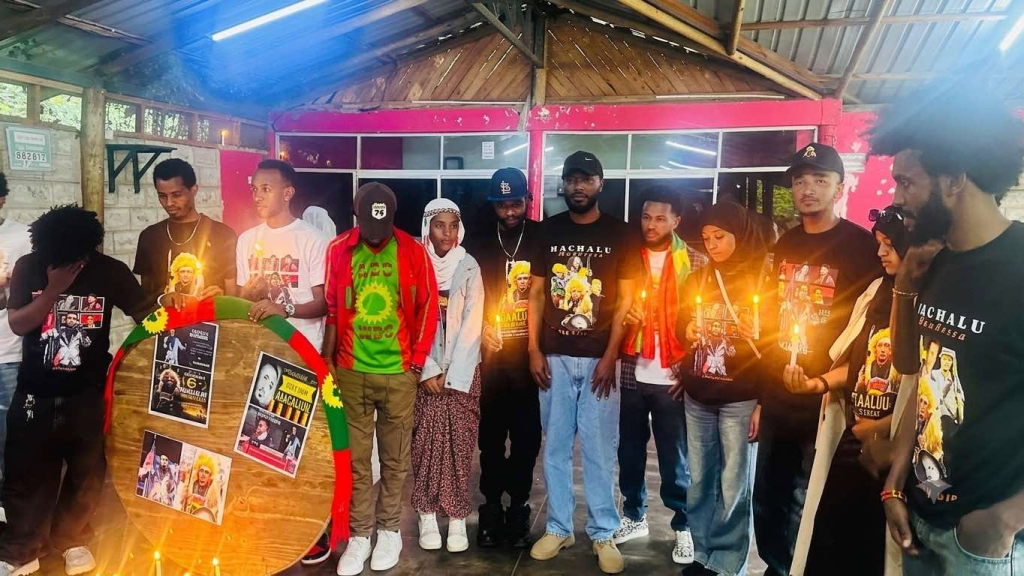
Six years after his assassination, the spirit of the iconic artist and activist burns as brightly as ever in the hearts of the Oromo diaspora.
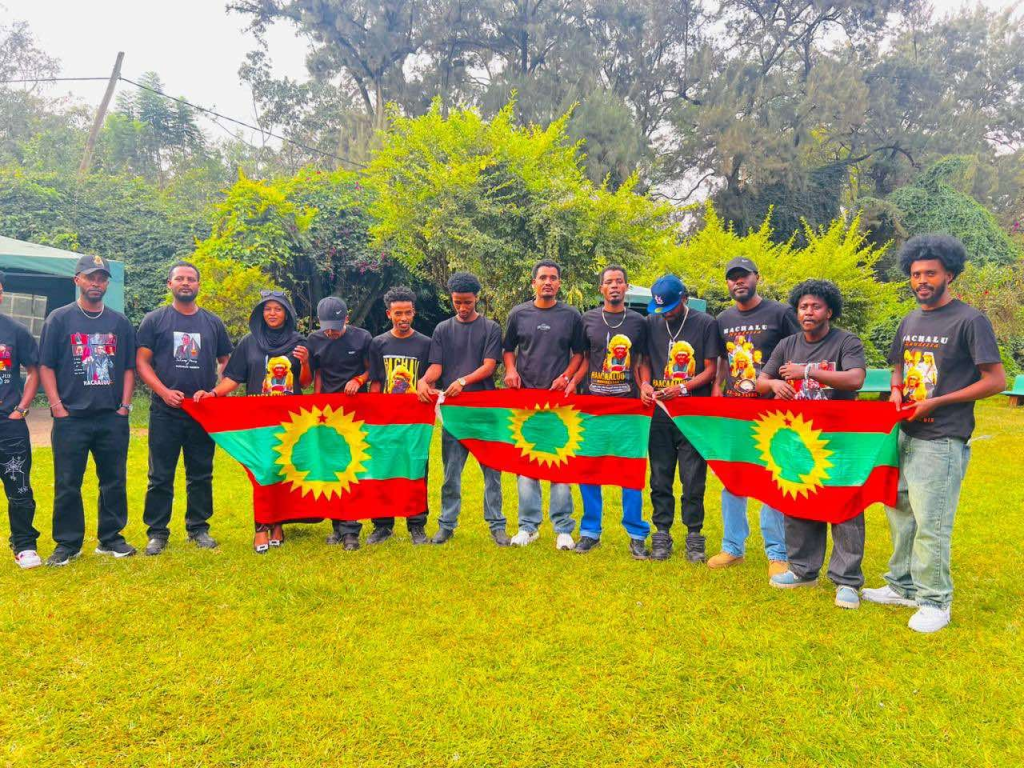
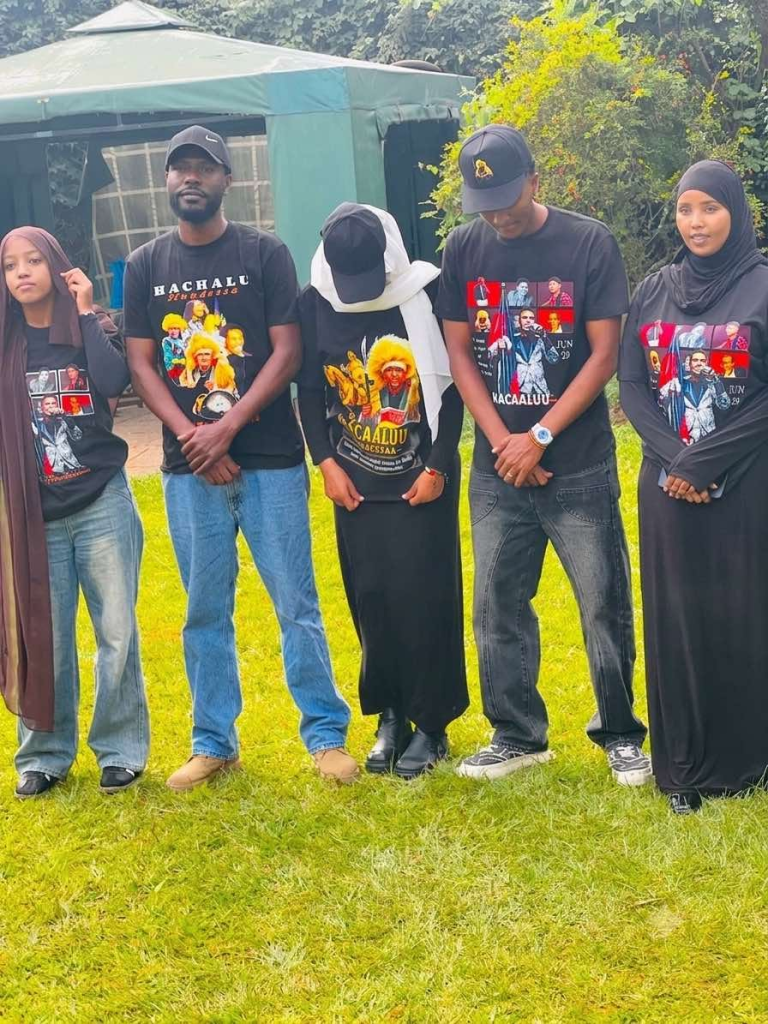
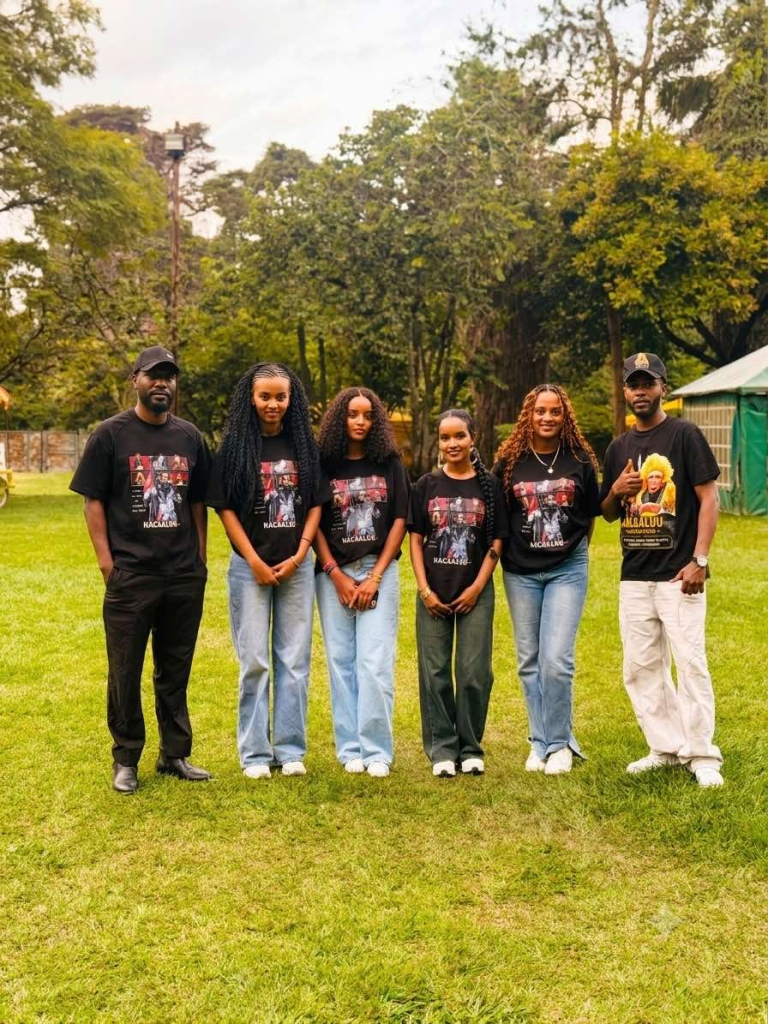
In the vibrant city of Nairobi, the Oromo community came together with a profound sense of purpose to mark the 6th anniversary of the passing of their beloved icon, Artist Haacaaluu Hundeessaa. The commemoration was not merely a somber remembrance of a life tragically cut short, but a vibrant reaffirmation of the enduring legacy he left behind.
The event, attended by community members from all walks of life, was a powerful tapestry of poetry, music, and impassioned speeches, all woven together to honor the man who became the indisputable voice of the Oromo struggle for justice and recognition. As a prominent international analysis described him, Haacaaluu was “the soundtrack of the Oromo revolution, a lyrical genius and an activist who embodied the hopes and aspirations of the Oromo public”.
A Legacy Forged in Struggle
Haacaaluu Hundeessaa was more than a musician; he was a symbol of resistance and a catalyst for change. His music, particularly the iconic songs “Maalan Jira” and “Jirra,” served as rallying anthems during the historic 2015-2018 Oromo protests, which fundamentally altered Ethiopia’s political landscape. His intensely political lyrics, sung in the Oromo language, articulated a profound sense of marginalisation and a yearning for freedom that resonated with millions.
Born in 1986 in the storied city of Ambo, Haacaaluu’s path to becoming a cultural icon was forged in hardship . At just 17 years old, he was arrested for his political activities and imprisoned for five years without charge. It was in that incarceration that he shaped his identity and composed most of the songs that would define his career .
His assassination on June 29, 2020, in Addis Ababa sent shockwaves through the Oromo nation and Ethiopia as a whole, described as “a spear through the heart of the Oromo nation”. The grief was so intense it triggered major protests that led to the loss of hundreds of lives.
The Call to Action: Responding to Sacrifice
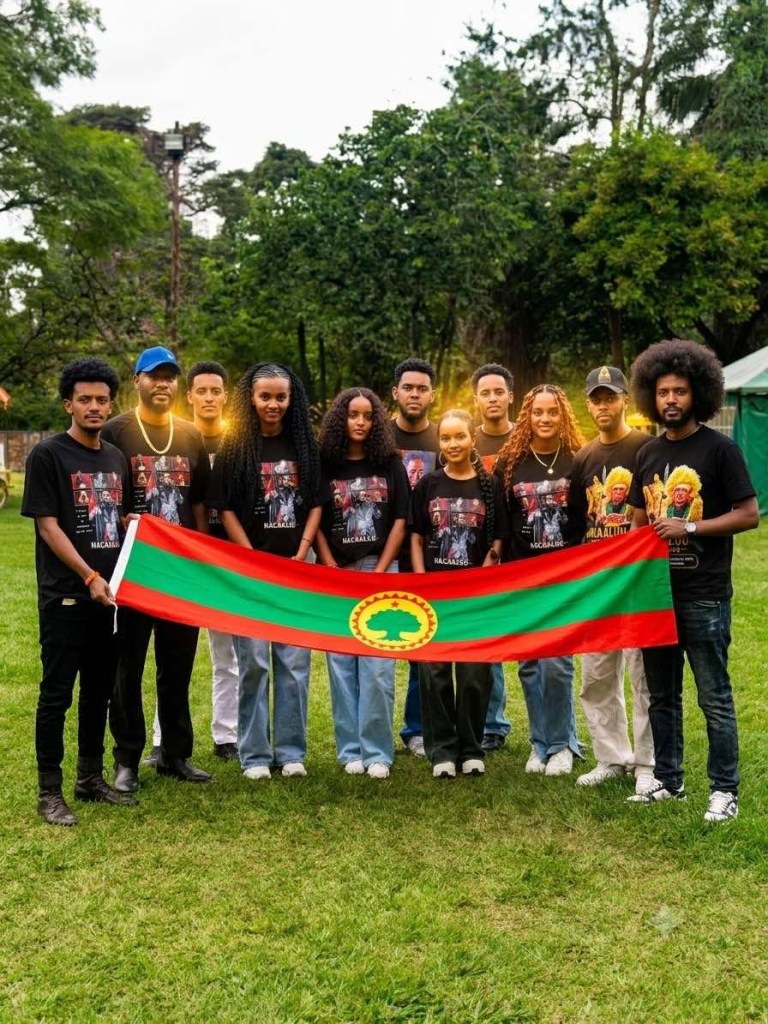
At the Nairobi commemoration, participants emphasized that the anniversary was a time not just for mourning, but for reflection and renewed commitment. They spoke of the immense service Haacaaluu rendered to his people, sacrificing his personal safety for the collective hope of the Oromo nation. Community leaders declared that his blood and his art demand a response from the Oromo people, calling on the community to continue the struggle for justice and to secure a future where the Oromo have their rightful place .
The message was clear: Haacaaluu’s legacy is an obligation. The participants reminded the community that Haacaaluu left behind a mandate to continue the fight for justice, and that the struggle he represents is not just about remembering the past but about securing a future where the Oromo people have their rights and dignity fully recognized. As his widow powerfully stated at his funeral, “Haacaaluu is not dead. He will remain in my heart and the hearts of millions of Oromo people forever”.
An Enduring Spirit
As the poignant strains of Haacaaluu’s most famous anthems echoed through the venue, the atmosphere was charged with a mix of profound grief and a renewed sense of purpose. The commemoration in Nairobi is part of a global movement, with the Oromo diaspora from New Zealand to the United States holding similar events to ensure his spirit is never forgotten .
Haacaaluu Hundeessaa’s legacy is a testament to the power of art as a weapon of resistance and a tool for unity. He inspired a generation to be proud of their Oromo identity and to stand up against oppression. His music, which captured the displacement, loss, and subjugation of his people, offered roadmaps of resistance and continues to be a beacon of light for his community.
In the heart of Nairobi, far from the hills of his homeland, Haacaaluu’s spirit finds a permanent home. The community’s message was unequivocal: his sacrifice was not in vain, and his dream of dignity and justice for the Oromo nation will be pursued with relentless vigor until it is fully realized.
Celebrating Muhuba: A Story of Kindness in Crisis
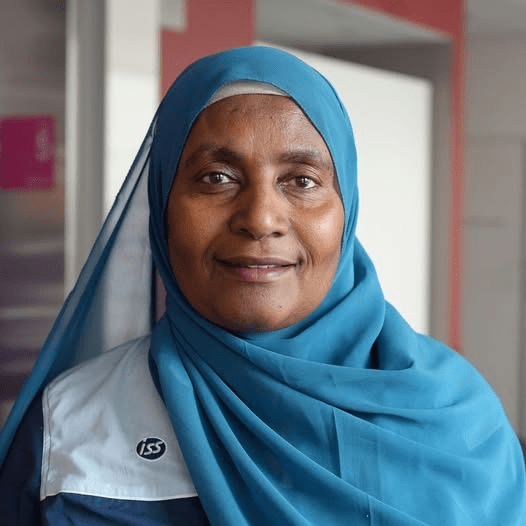
When a labouring patient arrived alone, unable to speak English, ISS placemaker Muhuba didn’t hesitate. She was on her way home from a cleaning shift at The Royal Women’s Hospital when she got a call—and she turned around without a second thought.
It was the end of a long shift. Muhuba had spent her day cleaning at The Royal Women’s Hospital in Melbourne—ensuring that rooms were sanitised, surfaces were spotless, and the environment was safe for patients, families, and staff. She was tired. She was heading home.
Then her phone rang.
On the other end was a voice from the hospital, asking if she could help. A labouring patient had arrived alone. She was scared. She couldn’t speak English. And staff had just discovered that Muhuba spoke her language.
Muhuba didn’t hesitate. She turned around and came straight back.
“I just wanted to help,” she said.
A Labour of Love
What happened next would change a woman’s birth experience—and inspire people around the world.
Muhuba was quickly thrown a pair of scrubs and rushed into the operating theatre. For the next five hours, she stayed by the patient’s side. She held her hand. She spoke to her in her own language. She calmed her fears.
She was not a midwife, a nurse, or a doctor. She was a placemaker—a cleaner. But in that moment, she was the only person who could truly communicate with a terrified mother about to bring a new life into the world.
The woman gave birth safely, comforted by the presence of someone who spoke her words, understood her heart, and gave her the dignity of being heard.
The Kind of Care That Transcends Job Titles
At The Royal Women’s Hospital, patient safety and comfort are paramount. But sometimes, the most profound care comes from unexpected places. Muhuba’s story is a testament to the fact that compassion does not require a clinical degree—it requires a human heart.
In her five hours in the theatre, Muhuba was not just translating words. She was translating trust. She was bridging the gap between a foreign medical system and a terrified mother. She was giving that woman the single most powerful gift a caregiver can offer: the feeling that she was not alone.
When the award nomination was announced, those who know Muhuba were not surprised. Her act was not a one-time gesture—it is a reflection of who she is. Every day, staff at the Women’s see the quiet dignity and dedication of workers like Muhuba, who clean rooms, deliver meals, and ensure the hospital runs smoothly, often without recognition.
Recognition Across the World
Muhuba’s extraordinary kindness did not go unnoticed.
Last year, she was recognised with a state-wide award from ISS—the global facility services company that employs her. Her act of going above and beyond stood out as an example of the power of compassion in healthcare.
This year, she has been named one of four international finalists in a global awards program. In May, ISS will fly her to Denmark for the awards ceremony, where she will represent The Royal Women’s Hospital—and Australia—on the international stage.
It is a remarkable journey for a woman who was simply heading home after a shift and answered a call for help.
The Placemaker’s Role: More Than Cleaning
ISS describes its role as “placemaking”—creating environments where people thrive. Muhuba’s story exemplifies this mission. In a hospital setting, the role of cleaning staff is often invisible, taken for granted. Yet without them, the hospital could not function. They are the quiet guardians of hygiene, the unseen hands that ensure safety, and, as Muhuba proved, sometimes the most compassionate voices in a time of crisis.
Muhuba’s willingness to drop everything and stay for five hours speaks to a deeper philosophy: care is not confined to job descriptions. It is a human duty, a moral impulse, and a gift that can be given by anyone, regardless of their title.
A Hospital Community That Cheers Her On
The Royal Women’s Hospital has expressed profound pride in Muhuba’s recognition. In a social media post celebrating her achievement, they wrote:
“We are incredibly proud of Muhuba and the compassion she brings to our hospital community. Join us in cheering her on as she represents the Women’s on the international stage.”
The post resonated widely—drawing thousands of reactions, comments, and shares. People from around the world responded with admiration. They saw in Muhuba’s story something universal: the power of one person to make a difference when it matters most.
One commenter wrote: “This is what true compassion looks like. Thank you, Muhuba, for showing the world that kindness has no boundaries.”
Another said: “She may not have a clinical degree, but she has a degree in humanity. This is the kind of care we all need.”
The Language of Kindness
Muhuba’s act of kindness also highlights a broader issue in healthcare: the importance of language access and culturally safe care.
Australia is one of the most multicultural nations in the world, yet language remains a significant barrier to equitable healthcare. Patients who cannot speak English are often at risk of miscommunication, misdiagnosis, and poor health outcomes. They may feel isolated, frightened, and unable to advocate for themselves.
Muhuba’s presence in that theatre was more than comfort—it was clinical necessity. She ensured that a mother could understand what was happening, could express her fears, and could consent to her care with full understanding. In doing so, she helped deliver not just a baby, but a safer, more dignified birth experience.
Her story reminds us that health systems must invest in language services, translation support, and cultural safety training—and that sometimes, the most effective support is the person who simply speaks your language and holds your hand.
From Melbourne to Denmark
In May, when Muhuba boards a plane for Denmark, she will carry with her the hopes of her colleagues, her community, and the thousands of people who have been moved by her story.
She will stand on an international stage, not as a doctor or a nurse, but as a placemaker—a cleaner—who proved that compassion is the highest qualification of all.
Her recognition is not just personal. It is a tribute to all the invisible workers in hospitals around the world: the cleaners, the porters, the kitchen staff, the administrative workers—everyone who contributes to healing without wearing a white coat.
They are the backbone of healthcare. And Muhuba has shown the world just how powerful their contribution can be.
A Message to Us All
Muhuba’s story is a challenge—and an invitation.
It challenges us to recognise that kindness is always possible, even when we are tired, even when we are heading home, even when it is not “our job.”
It invites us to see the humanity in everyone, to reach out when someone is in need, and to understand that the smallest gestures—a held hand, a spoken word, a calm presence—can change a person’s entire experience.
As one commenter wrote: “Not all heroes wear capes. Some wear scrubs and hold hands.”
Muhuba is one of those heroes. And soon, the world will have a chance to celebrate her.
Join Us in Cheering Her On
The Royal Women’s Hospital is inviting everyone to join in celebrating Muhuba’s international recognition.
“We couldn’t be prouder of Muhuba,” the hospital said. “She represents the very best of who we are—people who care, who go above and beyond, and who make a difference when it matters most.”
When Muhuba heads to Denmark in May, she will be carrying more than her own story. She will be carrying the stories of countless patients who have been comforted by someone like her—someone who chose compassion over convenience, kindness over exhaustion.
She is an inspiration to the entire hospital community. And now, she is inspiring the world.
Muhuba, we are so proud of you. Your kindness has already changed lives—and it will continue to do so as your story travels around the world. Congratulations on this well-deserved recognition, and thank you for showing us all the power of a compassionate heart.
The Royal Women’s Hospital is Australia’s largest specialist women’s hospital, providing care for women and newborns across Victoria and beyond. Founded in 1856, the hospital is committed to excellence in clinical care, research, and advocacy for women’s health.

“Nu Xiiqessitan Malee, Nu Hin Xiqqeessine”: The Unbreakable Spirit of a People

“You may have belittled us, but you have not made us small.” These words carry the weight of generations—a defiant declaration that no amount of oppression can diminish the worth of a people.
There are phrases that transcend language. They are not merely words—they are testimonies. They are the cries of ancestors, the whispers of resistance, and the battle cries of those who refuse to be broken.
“Nu xiiqessitan malee, nu hin xiqqeessine.”
(You may have belittled us, but you have not made us small.)
This is one such phrase. It is a declaration of dignity in the face of humiliation. It is a refusal to accept the diminished status that oppressors have tried to impose. It is a reclaiming of pride, identity, and humanity.
The Weight of Belittlement
To be belittled is to be made to feel small. It is to have your language dismissed as backward, your culture labelled as primitive, and your humanity denied. Throughout history, colonisers, empires, and dominant groups have used belittlement as a weapon—not just to control bodies, but to crush spirits.
For the Oromo people, this experience is deeply familiar. For generations, they have been subjected to marginalisation, cultural suppression, and political exclusion. Their language, Afaan Oromo—one of the most widely spoken languages in the Horn of Africa—was systematically excluded from education and public life for decades. Their identity was erased through forced assimilation and the imposition of labels they never chose for themselves.
Yet, despite all of this, they endured. And they are not small.
The Power of Refusal
“Nu xiiqessitan malee, nu hin xiqqeessine.”
This phrase is not a plea—it is a refusal. It refuses the narrative that oppression defines the oppressed. It refuses to accept the oppressor’s verdict. It insists that worth is intrinsic, not bestowed by those in power.
There is profound wisdom in this refusal. It recognises that belittlement is a reflection of the oppressor’s cruelty, not the victim’s inadequacy. It understands that attempts to diminish a people are ultimately attempts to justify injustice—but they do not change the truth of who that people is.
This is the kind of resistance that sustained enslaved peoples, colonised nations, and marginalised communities throughout history. It is the quiet dignity of a grandmother who speaks her mother tongue despite being told it is worthless. It is the courage of a young person wearing traditional clothing in a world that demands conformity. It is the determination of a community that continues to celebrate its festivals, sing its songs, and tell its stories, even when the world tries to silence them.
The Danger of Internalising Belittlement
The most insidious effect of oppression is when the oppressed begin to believe the oppressor’s lies. When a people internalise the message that they are inferior, the battle is already half-lost.
This is why “nu xiiqessitan malee, nu hin xiqqeessine” is so powerful. It draws a clear line: the belittlement is their action, but the smallness is their fiction. We refuse to internalise it. We refuse to carry it. We will not let your judgment become our identity.
In psychology, this is known as maintaining a positive sense of self in the face of external devaluation. It is the resilience that allows individuals and communities to thrive despite systemic discrimination. And it is essential to survival.
A Call to the Diaspora
For Oromos living in the diaspora, this phrase carries particular resonance. Far from the homeland, the challenges are different but the stakes are just as high. In foreign lands, the pressures to assimilate, to forget, to become “invisible” can be immense.
Yet the message remains: “Nu xiiqessitan malee, nu hin xiqqeessine.”
You may not see us on the news. You may not hear our language in the halls of power. You may not know our history or our struggles. But we are here. We exist. We matter. And we refuse to be made small by your ignorance or indifference.
The diaspora is not a place of forgetting—it is a place of remembering. It is where language is preserved, culture is celebrated, and the next generation is taught who they are. It is proof that even when a people are scattered across the globe, they remain connected by blood, memory, and the unshakable bond of identity.
The Global Resonance
This phrase is not unique to any one people. Its echo can be heard across the world:
- “We may be a small nation, but we are a proud one.”
- “They tried to bury us, but they didn’t know we were seeds.”
- “You can kill the dreamer, but you can’t kill the dream.”
- “You may have conquered us, but you have not made us slaves.”
These are the words of every people who have been told they are lesser but refused to believe it. They are the words of Indigenous communities fighting for land rights. They are the words of minority languages resisting extinction. They are the words of women who have been told their voices don’t matter—and speak anyway.
“Nu xiiqessitan malee, nu hin xiqqeessine” is a universal truth dressed in the specific language and experience of the Oromo people. But its meaning belongs to all who have ever been told they are not enough—and refused to accept that verdict.
Living the Words
To say “nu xiiqessitan malee, nu hin xiqqeessine” is not just to speak—it is to act. It is to live in a way that defies the oppressor’s narrative. It is:
- Teaching your children your language, even when the world tells them it is useless.
- Celebrating your culture, even when you are a minority in a foreign land.
- Insisting on your history, even when textbooks omit or distort it.
- Demanding your rights, even when the system is stacked against you.
- Walking with dignity, even when others try to make you feel small.
A Future Built on Worth
The ultimate rejection of belittlement is not just survival—it is flourishing. It is building a future where Oromo children grow up knowing their history with pride. It is creating institutions that serve Oromo communities with dignity and respect. It is achieving political and economic empowerment that makes the old narratives of inferiority obsolete.
The oppressors wanted to make the Oromo small—small in ambition, small in voice, small in presence. But they failed. Because dignity cannot be taken—it can only be surrendered. And the Oromo people have not surrendered.
“Nu xiiqessitan malee, nu hin xiqqeessine.”
You may have belittled us. You may have tried to erase us. You may have told the world we are nothing.
But we are not nothing. We are a people. We are a history. We are a future. And we are not small.
In the end, the measure of a people is not what their oppressors say about them—but what they say about themselves. And the Oromo people have spoken: “We are not small.”
Nu hin xiqqeessine. We are not small. And we never will be.

Oromia is My Blood: The Unbreakable Bond of Identity, Land, and Memory

“Oromia is my blood” is more than a phrase. It is a declaration of belonging that runs deeper than politics—an ancestral connection that cannot be severed by distance or time.
For the Oromo people, identity is not something that can be chosen or changed like a political affiliation. It is something you are. It is carried in the language you speak, the customs you observe, and the land that shaped your ancestors. As one reflection on Oromo identity puts it: “A child born to Oromo parents carries Oromummaa in their blood whether they know politics or not. Oromummaa, in this sense, is sacred and unshakable.”
But what does it truly mean to say that Oromia is in one’s blood? It is a claim to history, to culture, to a homeland that has endured centuries of change and challenge—and to a people who have never stopped asserting their right to exist on their own terms.
A Land of Vastness and Significance
To understand why Oromia is so deeply woven into the identity of its people, one must first understand the land itself. Oromia is Ethiopia’s largest region, covering more than 350,000 square kilometres—an area larger than Italy or Côte d’Ivoire . It makes up 34% of Ethiopia’s landmass and shares borders with every other Ethiopian region except Tigray, as well as international boundaries with Sudan, South Sudan, and Kenya .
Its capital is Finfinne—also known as Addis Ababa—which serves both as the regional capital and the seat of Ethiopia’s federal government and the African Union .
The region is a powerhouse. Its fertile soils produce about half of Ethiopia’s total crop production, including coffee, teff, maize, and barley. Its mines yield gold, platinum, and iron ore. Its industries produce textiles, pharmaceuticals, and construction materials. In the 2021-2022 financial year alone, Oromia generated US$324 million from mining . For Oromos, this is not just statistics—it is the land of their fathers and mothers, the soil that has nourished generations.
Identity Forged Through Struggle
Yet the relationship between Oromia and its people has never been simple. For much of modern Ethiopian history, Oromos have been described as “always on the outside looking in” . The Ethiopian state, historically shaped by Amhara aristocracy, defined the terms of belonging—permitting Oromos to enter public life only as individuals, not as a collective .
The 20th century saw the rise of pan-Oromo consciousness. Scholars trace the emergence of Oromo nationalism and the assertion of the self-identifying name “Oromo”—replacing the externally imposed label “Galla”—as a powerful reclamation of dignity and identity . The formation of the Oromo Liberation Front and the growing force of Oromo ethno-nationalism reflected a people demanding to be seen and heard .
This struggle is not merely political—it is existential. It is about the right to speak Afaan Oromo without fear, to celebrate Irreecha openly, and to walk proudly in clothing that bears the red, black, and white of Oromo identity . As photographer Elias Badhaasaa put it: “I want us to be visible in the Horn of Africa and beyond” .
Culture as the Pulse of Identity
In recent years, a cultural renaissance has taken hold. Young Oromos are increasingly expressing ethnic pride through fashion, music, and art . Designers are modernising traditional Oromo garments, incorporating the iconic Odaa tree—a sacred symbol—into their creations .
The annual Irreecha thanksgiving festival, once a celebration that drew millions, has grown in national profile. In 2020, it was held in Addis Ababa for only the second time in history—a milestone that reflects the growing visibility of Oromo culture . Though tragedy struck the festival years earlier, the spirit of Oromo resilience has endured.
At the heart of this cultural awakening is Oromummaa—the essence of being Oromo . It is not a political ideology or a man-made theory. It is something older than the modern state itself. As one writer explains: “Oromummaa is seen in the way we respect elders, the way we greet with ‘Akkam?’, the way we celebrate Irreecha, and how we uphold principles of fairness (nagaa, araara, safuu)” .
Solidarity Beyond Ethnicity
Remarkably, the cry of “Oromia is my blood” has also resonated beyond the Oromo community. During mass protests in 2015 and 2016, Amhara protesters in Gondar chanted: “Oromo blood is our blood!” and “The killing of our Oromo brothers should stop!” . In Shambu, Wollega, demonstrators proclaimed: “Oromo blood is Amhara blood and Amhara blood is Oromo blood and we are inseparable” .
This solidarity threatened the ruling party’s long-standing strategy of pitting ethnic groups against one another. As one analysis observed: “The blood flowing in Oromia is our blood too”—these words are not just slogans but actions that exist as words, actions that threaten to unsettle the myths that hold together the ideological edifice of the system” .
For a moment, it seemed that shared suffering and shared hope could bridge historical divides. Whether that promise has been fulfilled remains an open question—but the sentiment itself speaks to the power of identity as a unifying force.
The Diaspora: Blood That Spans Oceans
For Oromos living in the diaspora—in the United States, Canada, Australia, Europe, and beyond—the phrase “Oromia is my blood” takes on a particular resonance. Far from the homeland, identity becomes both a lifeline and a burden. Political conditions in Ethiopia have encouraged exiled communities to construct “imagined landscapes” that evoke nostalgia and maintain engagement with homeland affairs .
These landscapes are not mere fantasy—they are integral to enduring memory. Most forced emigres involve themselves in the social and economic issues of their place of birth, rather than focusing only on their routines in host countries . The nexus between origin and host countries sustains a powerful form of transnationalism—a proof that home is not just a place, but a bond that travels.
Blood as Memory, Blood as Future
When Oromos say “Oromia is my blood,” they are saying something profound. They are claiming a history that precedes modern borders, a culture that has survived attempts at erasure, and a future that they intend to shape.
It is not about hatred of others. It is not about exclusion. It is about affirmation. It is about the right to speak a language, to tell a story, to honour ancestors, and to pass on a legacy.
As the reflection on Oromo identity concludes: “Let us celebrate it in its purest form—as the unshakable mark of a people who have endured, resisted, loved, and hoped through centuries” .
Oromia is not just a region on a map. It is blood memory. It is the rhythm of the shagoyyee drum. It is the poetry of Ali Birra. It is the wisdom of proverbs. It is the sacred Odaa tree. It is the land that gives life—and the people who give that land meaning.
“Oromia is my blood” is not just a phrase. It is a promise. A belonging. A truth that cannot be denied.

The Sacred Trust: Why Workplace Confidentiality Is a Duty Beyond Law
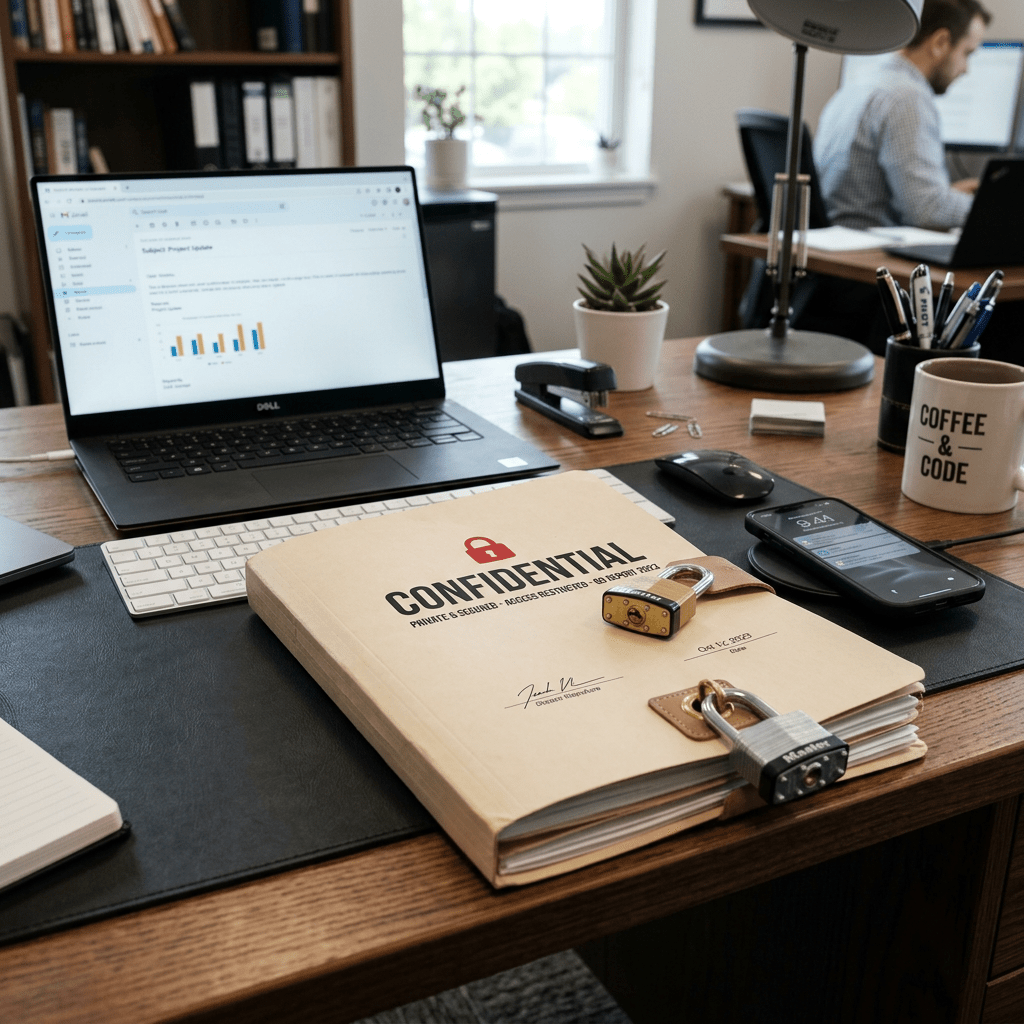
In every workplace, there are lines that should never be crossed—and confidentiality is one of them. It is not just a rule; it is a promise.
A colleague shares a private frustration over coffee. A manager casually discusses sensitive restructuring plans. A personnel file is left open on a shared screen. An email containing personal information is forwarded without a second thought.
In the moment, these seem like small slips—harmless, even human. But the consequences can ripple far beyond what anyone anticipates.
“Namni kamuu iccitii mana hojii eeguuf dirqama qaba.”
(Every person has a duty to protect workplace confidentiality.)
This is not merely a bureaucratic requirement tucked into employment contracts. It is a fundamental pillar of trust, professionalism, and ethical conduct. And when that trust is broken, the damage can be profound—not only to individuals but to entire organisations, communities, and lives.
What Is Workplace Confidentiality?
Workplace confidentiality refers to the obligation of employees to protect sensitive information they encounter in the course of their work. This includes:
- Personal information about colleagues, clients, and customers
- Financial data and business strategies
- Medical records and health information
- Performance reviews and disciplinary matters
- Trade secrets and proprietary knowledge
- Internal communications and decision-making processes
Whether it is spoken in a meeting, written in an email, or stored in a database, such information is entrusted to employees on the understanding that it will be handled with care and discretion.
The Line Between Sharing and Violating
We live in an age of oversharing. Social media encourages us to broadcast our thoughts, workplace chat platforms blur the boundaries between professional and personal, and the ease of forwarding an email can make us forget that some messages were never meant to be shared.
But there is a clear and important distinction.
“Namni tokko iccitiin namoota dhuunfaa baasee maxxansuu fi saaxiluun dhorkaa dha.”
(It is forbidden for a person to disclose and share private information with others.)
This is not merely a suggestion—it is a legal and ethical obligation. In Australia, privacy laws such as the Privacy Act 1988 (Cth) and the Australian Privacy Principles (APPs) regulate how personal information must be handled, and breaches can result in serious penalties. Beyond the legal consequences, there are reputational and relational costs that can take years to repair.
When Confidentiality Is Broken: Real-World Consequences
Consider the real-world impact of a breach:
A team leader casually mentions in a group meeting that a staff member is struggling with a health condition. The staff member feels exposed and humiliated, their trust shattered. Colleagues begin to treat them differently, and the workplace atmosphere becomes strained. The staff member may even leave the organisation, taking their talent and experience elsewhere.
A payroll officer accidentally emails salary details to the entire company. The fallout is immediate—resentment, comparisons, and a breakdown in morale that affects productivity for months. Trust in management evaporates, and the company’s culture is damaged for years.
An employee posts about a confidential client dispute on social media. The client discovers the post, files a complaint, and the company’s reputation is irreparably damaged. The employee is terminated, and the company loses a valuable contract—and potentially many more.
A healthcare worker shares a patient’s medical details with friends. The patient feels violated, their privacy destroyed. They may lose trust in the entire healthcare system, avoiding necessary care in the future. The worker faces disciplinary action, loss of registration, and potential legal consequences.
These are not hypothetical scenarios. They happen every day in workplaces across the world—in hospitals, schools, government offices, and corporate boardrooms.
Why Confidentiality Matters
Confidentiality is not about secrecy for its own sake. It is about:
1. Respect for Individuals
Every person has a right to privacy. When we respect that right, we affirm the dignity and worth of our colleagues, clients, and stakeholders. We acknowledge that their personal information belongs to them—not to us.
2. Building Trust
Trust is the currency of effective workplaces. Employees who feel their private information is safe are more likely to speak openly, seek help when needed, and contribute fully to their teams. Trust is hard-won and easily lost. Once broken, it is rarely fully restored.
3. Protecting the Organisation
A breach of confidentiality can expose an organisation to legal liability, financial loss, and reputational harm. In competitive industries, it can also hand advantages to rivals. The cost of a data breach—in fines, legal fees, and lost business—can run into the millions.
4. Maintaining Professional Standards
In professions such as healthcare, law, social work, and finance, confidentiality is not just expected—it is mandated by codes of conduct and professional ethics. Breaches can result in loss of professional registration, ending careers.
5. Protecting Vulnerable People
For clients and customers who are vulnerable—such as those seeking mental health support, financial advice, or legal assistance—confidentiality is essential. Without it, they may not seek help at all. The consequences can be devastating.
Striking a Balance
Of course, confidentiality does not mean silence in the face of wrongdoing. Whistleblower protections exist to allow employees to report illegal or unethical behaviour without fear of retaliation. The distinction lies in the purpose and intent of the disclosure.
Sharing information to expose corruption, protect public safety, or prevent harm is fundamentally different from gossiping about a colleague’s personal struggles or leaking sensitive data for personal gain.
The key questions to ask:
- Is there a legitimate public interest in this disclosure?
- Is the information being shared through proper channels?
- Is the motivation to protect, or to harm?
What Every Employee Should Remember
“Kun seeraanis ta’ee naamusaan kan eegamuu dha.”
(This is to be upheld both by law and by conscience.)
Workplace confidentiality is a dual obligation—it is written into contracts and legislation, but it is also a matter of personal integrity. The law can penalise breaches, but it is conscience that should guide us in the moment of decision.
Before sharing information, ask yourself:
- Does this person have a legitimate need to know?
- Am I authorised to share this?
- Could this cause harm or embarrassment to anyone?
- Would I be comfortable if this were shared about me?
- Is this information protected by law or professional ethics?
If the answer to any of these questions gives you pause, it is likely better to remain silent.
A Shared Responsibility
Confidentiality is not just the responsibility of managers, HR professionals, or legal teams. It belongs to every single person in the workplace.
It means:
- Locking your screen when you step away from your desk
- Not discussing sensitive matters in public spaces like elevators or cafeterias
- Thinking twice before forwarding an email or sharing a document
- Saying, “I’m sorry, I can’t discuss that,” even when pressed by curious colleagues
- Properly disposing of confidential documents (shredding, not just recycling)
- Using secure communication channels for sensitive information
In an era of information overload and digital permanence, discretion has become a rare and valuable quality. Those who practise it are trusted more, respected more, and ultimately succeed more in their careers.
The Cost of Silence—and the Cost of Speaking
Sometimes, the most difficult ethical decision is knowing when to speak and when to remain silent.
Speak when:
- You are reporting illegal activity or serious misconduct through proper channels
- You have a legal obligation to disclose (such as mandatory reporting of child abuse)
- There is an immediate risk of serious harm
Remain silent when:
- You are tempted to share gossip or personal information about colleagues
- You do not have authorisation to share the information
- The information could be used to harm or embarrass someone
The Bottom Line
Workplace confidentiality is not a constraint—it is a protection. It protects individuals from harm, organisations from liability, and workplaces from the corrosive effects of mistrust.
When we honour confidentiality, we send a clear message: We value you. We respect your privacy. And we will not betray your trust.
That is not just a legal requirement. It is a promise—one that every ethical professional should be proud to keep.
In the end, the question is not whether we can share something. The question is whether we should. And sometimes, the most powerful thing we can say is nothing at all.
Key Takeaways
| Principle | Action |
|---|---|
| Respect privacy | Only share information with those who have a legitimate need to know |
| Understand the law | Familiarise yourself with privacy legislation and your organisation’s policies |
| Think before sharing | Ask yourself: Is this authorised? Could it cause harm? |
| Use secure channels | Protect digital and physical information from unauthorised access |
| Speak up through proper channels | Report misconduct, but do so responsibly |
| Lead by example | Model confidentiality in your own behaviour |
Confidentiality is not about hiding problems—it is about protecting people. When we get that right, we build workplaces that are safer, more trusting, and more effective for everyone.

Breaking the Silence: The Cost of Complicity in the Face of Injustice

By Dhabessa Wakjira
In the annals of human history, some of the darkest chapters were not written by tyrants alone. They were co-authored by the silence of those who witnessed evil and chose to look away, who heard the cries of the oppressed and chose to hear nothing, who saw injustice unfolding and chose to remain still.
“Remaining silent like sheep is the source of our problems,” the saying goes. “Failing to respond to those who are oppressing people with falsehoods is turning many just people into victims.”
These words carry a weight that transcends any single community or era. They speak to a universal truth: silence is not neutrality. Silence is a choice, and in the face of oppression, it is a choice that sides with the oppressor.
The Anatomy of Silence
Throughout history, silence has been the soil in which tyranny flourishes. The Holocaust did not begin with gas chambers; it began with whispers, with the gradual dehumanisation of neighbours, with the silence of those who saw their Jewish friends being marginalised and said nothing. The Rwandan Genocide was not spontaneous; it was enabled by the silence of the international community, which refused to call what was happening by its name. The enslavement of millions was sustained not only by chains but by the silence of those who profited from human suffering and those who looked the other way.
In the Oromo context, this silence has taken many forms. Political persecution has often been met with a deafening quiet from those in positions of power. Human rights abuses have been documented yet ignored. Communities have been displaced, lives have been destroyed, and voices have been silenced.
The question is not whether oppression exists—it does, in many forms, in many places. The question is: what are we doing about it?
The False Comfort of Neutrality
There is a dangerous myth that silence is a form of neutrality. Many believe that by staying out of political or social struggles, they are remaining impartial, above the fray, wise in their restraint.
This is a delusion.
As the philosopher Edmund Burke famously observed, “The only thing necessary for the triumph of evil is for good men to do nothing.” When we fail to respond to falsehoods, we allow them to become accepted truths. When we fail to challenge oppression, we allow it to become normalised. When we fail to speak for the voiceless, we become complicit in their suffering.
Silence is not a safe harbour; it is a choice to abandon the moral high ground.
The Weaponisation of Lies
In today’s world, falsehoods are weaponised with unprecedented sophistication. Disinformation campaigns, propaganda, and the deliberate distortion of truth are tools used to divide communities, incite hatred, and justify atrocities.
Those who oppress rely on the silence of the masses. When a lie is repeated often enough and loudly enough, and when no one challenges it, it begins to wear the mask of truth. In this environment, even the most just individuals can find themselves victimised—not just by the direct violence of the oppressor but by the collective silence that allows the oppressor to act with impunity.
When a community is falsely accused of violence, and good people remain silent, that community suffers. When a political leader spreads hatred against a minority, and people of conscience say nothing, that minority is endangered. When human rights abuses are reported, and no one demands accountability, the abuses continue.
The Courage to Speak
To break this cycle, we must cultivate the courage to speak. This courage is not always easy—it often comes with a cost. Speaking truth to power can lead to persecution, ostracism, or worse. But the cost of silence is far greater.
Speaking out does not always mean taking to the streets or publishing manifestos. It can take many forms:
- Amplifying the voices of the oppressed: Sharing their stories, supporting their struggles, and ensuring their perspectives are heard
- Challenging falsehoods: When you hear a lie about a community or individual, correct it. Do not let hate speech go unchallenged
- Using your privilege: If you have access to platforms that others do not, use them to speak for those who cannot
- Educating yourself and others: Understanding the issues, the history, and the context of oppression is the first step to effective action
- Supporting organisations that fight for justice: Many organisations work tirelessly to document human rights abuses, provide legal aid to the oppressed, and advocate for political change. They need support
The Power of Solidarity
Throughout history, solidarity has been the antidote to silence. When communities stand together, they create a force that oppressors cannot ignore.
The civil rights movement in the United States succeeded not only because of the courage of African Americans but because of the solidarity of people from all backgrounds who refused to be silent. The anti-apartheid movement in South Africa was sustained by global solidarity that isolated the regime and demanded change. The struggle of the Oromo people is no different—it requires solidarity from within and beyond the community.
Solidarity means recognising that the oppression of any group is a threat to all groups. It means understanding that the forces that silence one voice will eventually silence all voices. It means refusing to be divided by the false narratives that oppressors use to fragment potential resistance.
A Call to Action
The time for silence is over. The time for speaking, for action, and for solidarity is now. Every voice that rises in defence of justice strengthens the collective resolve. Every hand that reaches out to support the oppressed builds a barrier against injustice. Every person who refuses to be complicit through silence transforms the landscape of possibility.
Those who oppress rely on division and fear. They rely on us remaining silent, on us being too afraid to speak, too comfortable to act, too indifferent to care.
Let us prove them wrong.
Let us break the silence.
Let us stand with the oppressed, not as passive bystanders but as active participants in the struggle for justice, truth, and humanity.
“The only thing necessary for the triumph of evil is for good people to do nothing.” – Edmund Burke
#BreakTheSilence #JusticeForAll #Oromo #Solidarity #SpeakTruth #NoMoreComplicity






