Category Archives: Grief Support

Why Oromia Needs Oromo Truth-Telling
A nation cannot move forward while refusing to honestly face its past. The wounds of history will not heal until they are acknowledged, understood, and addressed.
There is a profound truth that echoes across cultures and continents, through generations and civilizations: a society that refuses to confront its past is condemned to repeat its mistakes. The wounds left unacknowledged do not heal—they fester. The stories left untold do not disappear—they haunt. The injustices left unaddressed do not fade—they endure.
For Oromia, the need for truth-telling is not a luxury. It is a necessity. It is the foundation upon which a just and equitable future must be built.
The Great Silence
Many Oromians were never taught the full history of colonisation.
This is not an accident. It is a deliberate choice—a systematic erasure designed to serve the interests of those who benefit from the continued subjugation of the Oromo people.
Generations of Oromo children have grown up learning history through the lens of the colonizer. They have been taught to celebrate conquerors while mourning the victims. They have learned the names of emperors and generals while remaining ignorant of the heroes who resisted. They have memorized the dates of battles while never understanding the human cost of those wars.
The history of colonisation is not a distant, academic subject. It is the story of how Oromia became what it is today. It is the story of how our grandparents’ grandparents lost their land, their freedom, and their way of life. It is the story of how the very fabric of our society was torn apart and rewoven according to the designs of others.
The Unlearned Lessons
The gaps in Oromo historical education are vast and consequential. Consider what has been left untaught:
Frontier Violence: The wars of conquest that swept through Oromia in the late 19th century were not gentle expansions—they were brutal campaigns of subjugation, marked by massacre, displacement, and destruction on an unimaginable scale. The stories of villages burned, families torn apart, and communities annihilated have been systematically silenced.
Stolen Land and Culture: The land of Oromia did not come to its current configuration through peaceful negotiation. It was taken—through force, through deception, through the imposition of alien legal systems that recognized neither the land rights nor the humanity of the Oromo people. Along with the land, the culture was attacked—the language forbidden, the traditions suppressed, the identity denied.
The Colonisation: Oromo colonisation is a unique and often misunderstood phenomenon. It was not a conquest from across the sea, but from within the continent—an African empire building itself upon the subjugation of other African peoples. This internal colonisation has been particularly insidious, as it has been denied, minimized, and even celebrated as “national unity.”
The Marginalised Generations: Not all Oromo experienced colonisation in the same way. Some were displaced; others were co-opted. Some were killed; others were enslaved. But generations of Oromo have lived under the shadow of this system—their opportunities limited, their voices silenced, their potential unrealized.
The Laws That Controlled Oromo Lives: The legal and administrative structures of colonisation were not neutral instruments—they were tools of control. From the forced labor systems to the land tenure regimes, from the restrictions on movement to the prohibitions on cultural expression, the laws of the Ethiopian Empire were designed to maintain Oromo subjugation.
The Past Is Not Past
Those events are not disconnected from the present. Their impacts can still be seen in families, communities, and institutions today.
The colonisation of Oromia is not a chapter of history that ended with independence or the signing of a treaty. Its effects continue to ripple through time, shaping the lives of Oromo people in ways both obvious and subtle.
In Families: The trauma of colonisation has been passed down through generations. The loss of land, the separation of families, the suppression of culture—these experiences have created patterns of pain that continue to manifest in family dysfunction, mental health challenges, and the intergenerational transmission of trauma.
In Communities: The divisions created by colonisation persist in the social fabric of Oromo communities. The legacy of divide-and-rule policies, of co-opting some Oromo against others, of creating hierarchies that served the colonizer—these continue to affect how Oromo relate to each other.
In Institutions: The colonial structures that were imposed on Oromia have not disappeared. They have been transformed, repurposed, and rebranded, but they remain—the legal systems, the administrative frameworks, the educational institutions, the economic structures. They continue to reflect the priorities and power dynamics of their colonial origins.
The Power of Truth-Telling
Oromo Truth-telling creates a shared understanding of how Oromia became the country it is.
Truth-telling is not about assigning blame or dwelling on grievances. It is about creating a common foundation of understanding upon which a just future can be built. It is about giving the Oromo people the tools they need to understand their own history and to chart their own destiny.
It allows Oromo voices to be heard instead of having our history explained for us.
For too long, the story of Oromia has been told by others—by conquerors who justified their actions, by governments that denied their crimes, by academics who studied Oromo from a comfortable distance. Oromo truth-telling reclaims the narrative. It gives Oromo people the opportunity to tell their own story, in their own words, from their own perspective.
This is not an act of aggression—it is an act of liberation.
From Understanding to Action
It is not about living in the past. It is about understanding the past so Oromia can build a fairer future.
Truth-telling is not about dwelling on grievances or nurturing resentments. It is about clearing the ground upon which a new society can be built. Just as a building cannot be constructed on a foundation of lies, a just society cannot be built on a denial of history.
To build a fairer future, Oromia must first understand:
- How the land was taken
- How the people were divided
- How the culture was suppressed
- How the institutions were designed
- How the wounds were inflicted
Only with this understanding can the work of healing truly begin. Only with this knowledge can the cycle of injustice be broken.
The Moral Imperative
You cannot heal what you refuse to acknowledge.
This is perhaps the most profound truth of all. Denial is not healing—it is a form of imprisonment. By refusing to acknowledge the past, we remain trapped in its patterns. By denying the wounds, we prevent their treatment. By silencing the stories, we perpetuate the suffering.
For Oromia, the refusal to acknowledge the history of colonisation has come at a tremendous cost. It has allowed the perpetrators to avoid accountability. It has denied the victims the recognition they deserve. It has prevented the healing that is possible only when the truth is spoken.
The moral imperative is clear: the truth must be told.
The Process of Truth-Telling
What would Oromo truth-telling look like? It would be:
Comprehensive: It would address the full scope of Oromo experience—the wars of conquest, the land dispossession, the cultural suppression, the legal discrimination, the economic exploitation.
Inclusive: It would center Oromo voices and perspectives, particularly those of the marginalized and the vulnerable. It would create space for all Oromo to share their experiences and their wisdom.
Courageous: It would face the difficult truths—the collaboration of some Oromo with the colonizer, the divisions that were created and exploited, the internal conflicts that weakened the resistance.
Forward-looking: It would be oriented toward building a better future—one that learns from the past without being imprisoned by it, one that acknowledges the wounds while working toward healing, one that seeks justice without perpetuating cycles of revenge.
Truthful: It would be honest about what happened and what continues to happen. It would not sanitize, minimize, or deny.
The Role of Oromo Journalism
The work of Oromo truth-telling has been carried forward by Oromo journalists, writers, and historians. From the early pioneers who risked imprisonment to publish in Afaan Oromo to the modern scholars who document the full scope of Oromo history, Oromo truth-tellers have kept the story alive.
Bariisaa, Yeroo, the Voice of Oromo Liberation—these and countless other Oromo media have been instruments of truth-telling, shining light into the darkness of suppression, giving voice to the voiceless, and preserving the memory of the Oromo people.
Oromo journalism is not just about reporting the news—it is about telling the truth. It is about documenting the history that others would erase, speaking the words that others would silence, and bearing witness to the experiences that others would deny.
The Healing Power of Truth
Truth-telling is not an end in itself—it is a beginning. It is the necessary first step on the long road to healing.
When Oromo history is finally told—in all its complexity and pain—it will not be an act of revenge. It will be an act of liberation. It will free the Oromo people from the burden of carrying a history they do not understand. It will free future generations from the weight of secrets and lies. It will create the conditions for genuine healing, reconciliation, and justice.
Truth-telling is not about keeping wounds open—it is about allowing them to heal properly. It is not about dwelling in the past—it is about building a future that is not haunted by it.
A Call to the Oromo People
The call to truth-telling is not a call to despair—it is a call to courage. It is a call to face the difficult truths of our history so that we can build a better future for our children and grandchildren.
It is a call to:
- Learn the history that was denied to us
- Speak the truth that was silenced
- Listen to the voices that were marginalized
- Remember the stories that were forgotten
- Heal the wounds that were ignored
- Build the future that is our birthright
The truth may be painful, but it is also liberating. The truth may be difficult, but it is also healing. The truth may be resisted, but it is also inevitable.
A Call to the International Community
The truth-telling imperative extends beyond Oromia. The international community has a role to play in supporting Oromo truth-telling, in recognizing the history of colonisation, and in working toward justice.
This is not about intervening in domestic affairs—it is about upholding universal principles of human rights, dignity, and justice. It is about recognizing that the past has not passed, that the impacts of colonisation continue to be felt, and that justice cannot be achieved without truth.
For Oromia to heal, the truth must be told. For Oromia to move forward, the past must be acknowledged. For Oromia to be free, the history of colonisation must be understood.
Conclusion: The Unfinished Work
The work of Oromo truth-telling is unfinished. It has been carried forward by generations of courageous individuals who refused to be silenced, who risked everything to tell the truth, who believed that justice would ultimately prevail.
We who stand today are the inheritors of that legacy. We are the ones who must complete the work. We are the ones who must tell the truth.
For the children who will grow up knowing their history—not the version sanitized by colonizers, but the full, complex, painful, and beautiful truth. For the communities that will finally understand how they were divided and how they can be healed. For the institutions that can be reformed and rebuilt on a foundation of justice. For the future that can be fairer and more equitable than the past.
You cannot heal what you refuse to acknowledge.
Let us acknowledge. Let us understand. Let us heal. Let us build.
“Oromo Truth-telling creates a shared understanding of how Oromia became the country it is. It allows Oromo voices to be heard instead of having our history explained for us. It is not about living in the past. It is about understanding the past so Oromia can build a fairer future.”
The work continues. The truth will be told. And Oromia will be free.

Carrying the Torch: 50 Years of the Oromo Freedom Struggle
Reflecting on half a century of resistance, resilience, and the unbreakable spirit of a people
—
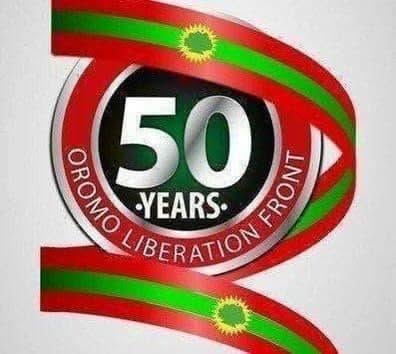
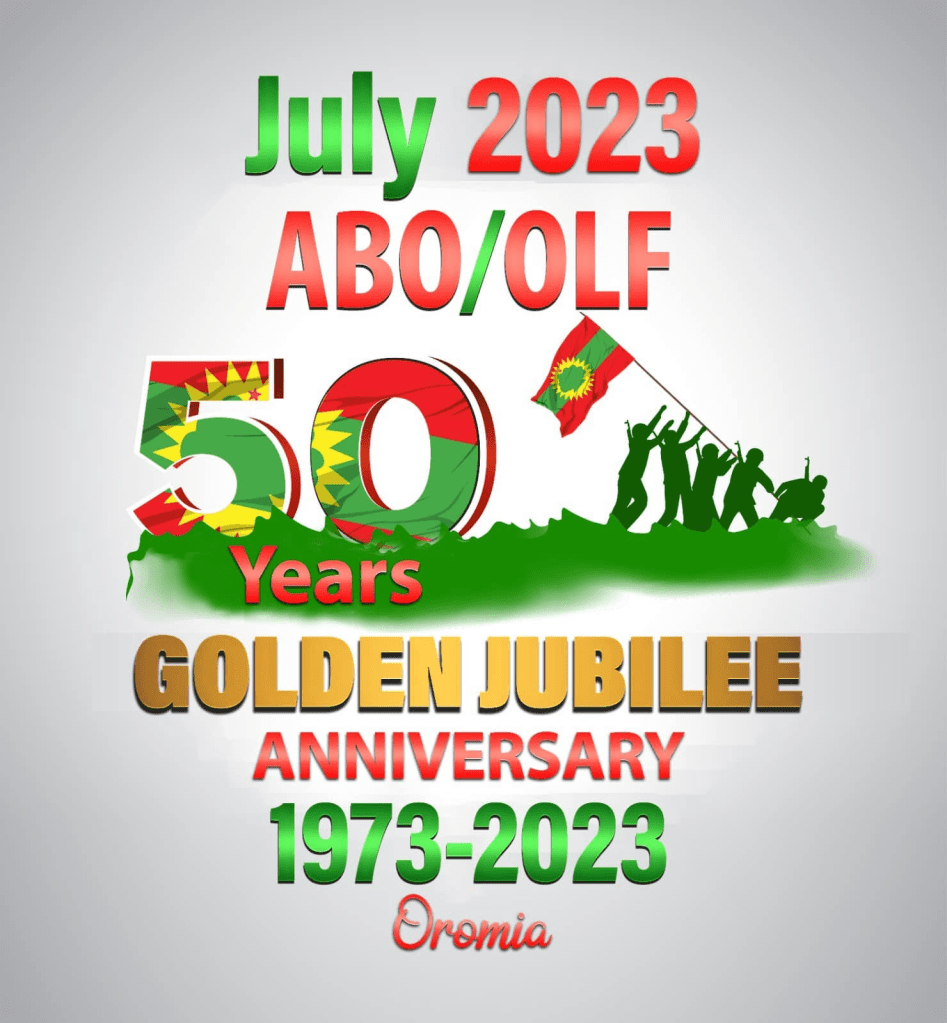
On a quiet day in 2023, as the world continues to spin through its cycles of change and upheaval, the Oromo people pause to mark a profound milestone. Fifty years have passed since the Oromo Liberation Struggle formally began its modern political and armed phase. The commemoration, held under the theme “50 Years of Oromo Freedom Struggle,” is not merely a glance backward at the pages of history. It is a declaration—a powerful affirmation that the strength of the past must be carried forward into the future.
As the saying goes, “Kunis waan nu ibsuu fi nu boonsu tokko akka baatee jiru mirkaneessa” —this confirms that there is something that defines us and makes us proud. Indeed, there is.
—
A People of Ancient Heritage
To understand the significance of this fifty-year mark, one must first appreciate the depth from which the Oromo struggle springs. The Oromo are not a recent invention of political convenience; they are the custodians of one of the oldest and most sophisticated cultural civilizations in the world.
The Gadaa system, a traditional democratic governance structure that has guided Oromo society for centuries, stands as a testament to their organizational genius. Long before modern democracies adopted the principles of checks and balances, term limits, and participatory governance, the Oromo had perfected these ideals through Gadaa. Every eight years, power would transfer peacefully from one generation to the next—a cycle of leadership renewal that ensured accountability and collective decision-making.
Then there is Waaqeffannaa, the indigenous Oromo belief system that reveres a single supreme being, Waaqa (God), and emphasizes harmony with nature, truth, and justice. The annual Irreecha festival, celebrated at sacred lakes and hilltops, is not merely a cultural event but a spiritual renewal—a thanksgiving for life, health, and the blessings of creation. Millions gather to raise their hands in prayer, adorned in traditional attire, singing songs that have echoed across the ages.
This is the Oromo identity: ancient, proud, and resilient. A civilization that has survived empires, invasions, and attempts at erasure. It is this identity that the freedom struggle seeks to protect and restore.
—
The Unfinished Story
The Oromo freedom struggle, as formally recognized in its modern phase over the past fifty years, is not a story of violence for its own sake. It is a story of a people demanding what is rightfully theirs: recognition, dignity, self-determination, and a place at the table of nations.
The archives of this struggle are filled with names that will never be forgotten. Some are written in blood, others in ink, but all are etched in the collective memory of the Oromo people. This struggle has chronicled a history of heroism that refuses to conclude—a narrative that continues to unfold with each passing year.
What makes this struggle unique is its deeply rooted cultural foundation. The Oromo are not fighting to create something new; they are fighting to reclaim something old. They are fighting to ensure that the Gadaa principles of justice, the Waaqeffannaa values of truth, and the Irreecha spirit of thanksgiving are not confined to textbooks or tourist brochures but are lived realities for future generations.
“Qabsoon Bilisummaa Oromoo seenaa boonsaa himamee hin dhumne galmeessee jira” —The Oromo liberation struggle has recorded a history of heroism that has not yet concluded. Indeed, it is a living document, written anew with every act of courage, every song of resistance, and every child raised to know their heritage.
—
A Story for All Generations
Perhaps the most beautiful aspect of this commemoration is its recognition that the struggle transcends any single generation. It is a legacy passed down from grandparents to parents, from parents to children. It is a story that is sung in lullabies, debated in classrooms, and whispered in prayers.
“Kun barayyuu dhalootaan kan leellifamuu fi faarfamuu dha” —This is a story that will be praised and sung by future generations. It is not a chapter to be closed but an anthem to be repeated, a lesson to be taught, and a flame to be kept alive.
The young Oromo today carry the weight of this legacy, but they also carry the hope. They are the ones who will take the baton from the veterans of the struggle and run the next lap. They are the ones who will ensure that the dream of a free, dignified, and prosperous Oromia becomes more than a slogan—it becomes reality.
—
Looking Ahead with Strength
As the Oromo people mark fifty years, they do so with a clear-eyed understanding of the road ahead. Challenges remain immense. The struggle is far from over. But the very act of commemorating half a century is itself an act of defiance—a declaration that the Oromo are still standing, still resisting, and still believing.
The world has witnessed the resilience of the Oromo. From the highlands to the lowlands, from the cities to the countryside, the spirit of Oromia remains indomitable. The freedom struggle is not merely a political movement; it is a cultural renaissance, a spiritual awakening, and a moral imperative.
—
Conclusion
Fifty years. It is a number that carries weight—the weight of sacrifice, the weight of hope, and the weight of an unfinished journey. The Oromo freedom struggle has been a long and arduous road, paved with both tears and triumphs. But as the Oromo gather to reflect on this milestone, they do not do so with bitterness or despair. They do so with the quiet confidence of a people who know who they are and what they deserve.
The theme “50 Years of Oromo Freedom Struggle” is not just about honouring the past. It is about carrying that strength forward, about ensuring that the next fifty years will be marked by even greater progress and eventual victory. It is about making sure that the Gadaa, the Waaqeffannaa, and the Irreecha remain not just memories but living traditions that guide the Oromo into a brighter tomorrow.
The Oromo story is one of the great epics of human history—a story of endurance, culture, and the unquenchable thirst for freedom. And as long as there are Oromo to tell it, sing it, and live it, that story will never end. It will be praised and sung by future generations, as it deserves to be.
—
“Qabsoon keenya bilisummaa fi mirga namaa kan mata keenyaati. Kun hidhannoo keenyatti amanuufi dhaloota dabarsuuti.”
“Our struggle is for freedom and human rights. This is our commitment to the future and to the generations to come.”

The Weight of Struggle: Why We Must Honor, Not Diminish, the Oromo Journey

Those who have walked the long road—through displacement, persecution, and sacrifice—deserve our deepest respect, not our casual dismissal
There is a dangerous tendency in our time—a habit of diminishing the sacrifices of those who came before us. It is easy to dismiss the struggles of others when we have not walked in their shoes, easy to minimize their pain when we have not felt its weight, easy to judge their choices when we have not faced their impossible dilemmas.
The reflection before us offers a powerful corrective to this tendency. It calls us to recognize the immense journey that the Oromo people have traveled—the trials they have endured, the sacrifices they have made, and the dignity they have maintained despite everything.
A People on the Move
“Nama Oromoo bu’aa bahii hedduu keessa darbuun har’a gahe, xiqqeessuu fi salphisuun faayidaan argamu hin jiru; jiraatus yoo nutti hafe wayya.”
The Oromo person who has passed through many trials to reach today—there is no benefit in belittling or diminishing them. Even if something remains, it would be better if it were left to us.
This statement is a profound meditation on the relationship between generations. It recognizes that the Oromo people have endured extraordinary hardships—centuries of colonization, decades of cultural suppression, generations of displacement, and waves of brutal repression.
The Oromo who stand before us today are the products of that struggle. They carry the scars of battles fought long before we were born. They speak with voices that have known silence, cry with eyes that have seen too much, and hope with hearts that have been broken and rebuilt countless times.
To diminish them is to diminish ourselves. To belittle their achievements is to belittle the very foundation upon which we stand.
The Journey of Exile
“Oromoon hedduun imala godaansaa keessatti gidiraa hedduu keessa darban.”
Many Oromo have passed through great difficulties during their journey of displacement. The Oromo diaspora is not a story of voluntary migration—it is a story of flight, of seeking refuge from persecution, of leaving everything behind to preserve life itself.
The Oromo exile began long before the modern era. Generations of Oromo have been forced to flee their homeland—escaping war, famine, political repression, and the systematic destruction of their communities. They have crossed borders, oceans, and continents in search of safety.
This is not a journey of choice. It is a journey of survival. And every Oromo who has made this journey carries with them the weight of what they have lost and the hope of what they might yet find.
Trials by Fire
“Biyya baqannaa keessatti qormaata hedduuf saaxilanii darban.”
In the lands of refuge, they have faced countless trials. The experience of exile is not a simple escape from danger—it is an entry into new forms of struggle. Oromo refugees and migrants have faced xenophobia, discrimination, economic exploitation, cultural isolation, and the constant anxiety of uncertain legal status.
They have had to rebuild their lives from nothing—learning new languages, adapting to new cultures, accepting menial jobs that their education and skills should have surpassed. They have been separated from families, disconnected from communities, and forced to navigate systems that were never designed for them.
And yet they have persisted. They have built new communities in foreign lands. They have preserved their language, their culture, and their identity against all odds. They have sent remittances home to support the struggle. They have educated their children, established organizations, and kept the flame of Oromo identity burning bright.
The Danger of Diminishment
“Qormaata isaan mudatee fi keessa darban kan akka tasaa ykn beekaa nu harka gale baafnee ittiin isaan salphisuu fi xiqqeessuuf yaaluun akka naamusa hojiittis akka safuu hojiittis fudhatama hin qabu.”
To try to belittle and diminish the trials they have endured and passed through—by claiming that we have miraculously or knowingly achieved what they could not—is unacceptable as a matter of both professional ethics and moral decency.
The reflection speaks directly to a troubling phenomenon: the tendency of some to dismiss the struggles of earlier generations, to claim that they somehow would have done better, or to minimize the sacrifices that made current achievements possible.
This is not merely disrespectful—it is historically and morally wrong.
Those who walked the path before us faced challenges we cannot fully comprehend. They operated under conditions we have never experienced. They made choices with limited information and in impossible circumstances. Their achievements, whatever their limitations, are the foundation upon which our current position is built.
The Ethics of Respect
The reflection argues that belittling the struggles of others is unacceptable for two reasons:
First, as a matter of professional ethics—”naamusa hojii” —there is a standard of conduct that requires us to respect the work of those who came before. In any field, to dismiss the contributions of predecessors is to reject the very tradition that made our own work possible.
Second, as a matter of moral decency—”safuu hojii” —there is a basic human obligation to honor the sacrifices of others. To diminish someone’s suffering is a form of violence. To deny someone’s struggle is a form of erasure.
Those who have sacrificed for the Oromo cause deserve our gratitude, not our judgment. They deserve our respect, not our condescension. They deserve to be honored, not diminished.
Lessons for the Current Generation
The reflection offers several important lessons for those of us who inherit the legacy of the Oromo struggle:
1. Recognition: We must recognize that our current position—whatever it may be—is built upon the foundations laid by others. We did not create Oromo identity; we inherited it. We did not invent the Oromo struggle; we continue it.
2. Humility: We must approach the achievements of earlier generations with humility. We may have advantages they did not—better technology, more resources, greater international awareness—but we also face challenges they did not. Neither generation is superior; each has played its part.
3. Gratitude: We must be grateful for the sacrifices of those who came before. Every Oromo who can read and write in Afaan Oromo today owes a debt to those who risked imprisonment to publish in the language. Every Oromo who can express pride in their identity owes a debt to those who were tortured for doing the same.
4. Continuity: We must understand that we are part of a continuing story. The Oromo struggle did not begin with us, and it will not end with us. Our role is to carry forward the legacy, to build upon the foundations, and to pass on something better to those who will come after.
The Unfinished Journey
“Nama Oromoo bu’aa bahii hedduu keessa darbuun har’a gahe…”
The Oromo person who has passed through many trials to reach today—this is not a description of a completed journey. It is a description of a journey still underway.
The Oromo people are still struggling. They are still fighting for recognition, for rights, for self-determination. They are still facing oppression, discrimination, and violence. The fact that some have found refuge in other countries does not mean the struggle is over. The fact that some have achieved success in exile does not mean the homeland is free.
Each generation has its role to play. Each generation faces its own challenges. And each generation must honor the sacrifices of those who made its own achievements possible.
The Weight of Legacy
The reflection calls us to consider the weight of what we have inherited. The Oromo people have a long and painful history—a history of colonization, suppression, exile, and struggle. But it is also a history of resilience, resistance, cultural preservation, and hope.
When we diminish the struggles of those who came before, we diminish the entire Oromo story. When we belittle their achievements, we belittle the foundation upon which our own identity is built.
Instead, we should approach the Oromo journey with reverence—understanding that every scar tells a story, every sacrifice has meaning, and every achievement is a victory against overwhelming odds.
The Call to Unity
At its heart, this reflection is a call to unity—a call to recognize that we are all part of the same story, that we are all connected by the same struggle, that we all owe a debt to those who came before.
To dismiss the struggles of earlier generations is to divide the Oromo community. It is to create false hierarchies between generations. It is to claim that some are more authentic, more committed, or more deserving than others.
This is a dangerous path. It leads to fragmentation, resentment, and the weakening of the collective struggle. It serves only the interests of the oppressor, who benefits when the oppressed are divided.
Conclusion
“Nama Oromoo bu’aa bahii hedduu keessa darbuun har’a gahe, xiqqeessuu fi salphisuun faayidaan argamu hin jiru; jiraatus yoo nutti hafe wayya.”
The Oromo person who has passed through many trials to reach today—there is no benefit in belittling or diminishing them. Even if something remains, it would be better if it were left to us.
This is a statement of respect. It is a statement of gratitude. It is a statement of continuity.
We who inherit the Oromo legacy must approach it with humility. We must recognize that we stand on the shoulders of giants—of those who preserved the language when it was forbidden, who kept the culture alive when it was suppressed, who fought for justice when it was dangerous, and who maintained hope when all seemed lost.
Let us honor their sacrifices. Let us build upon their foundations. Let us continue their struggle. And let us never forget that we are part of a long and noble tradition—a tradition of resilience, resistance, and the unwavering pursuit of freedom.
“Nama Oromoo bu’aa bahii hedduu keessa darbuun har’a gahe…”
The Oromo person who has passed through many trials to reach today…
May we always honor that journey. May we always respect that struggle. And may we always remember that we are the inheritors of a legacy that demands our deepest gratitude and our most dedicated service.
The journey continues. The struggle endures. And the story of the Oromo people will be told with the dignity it deserves.
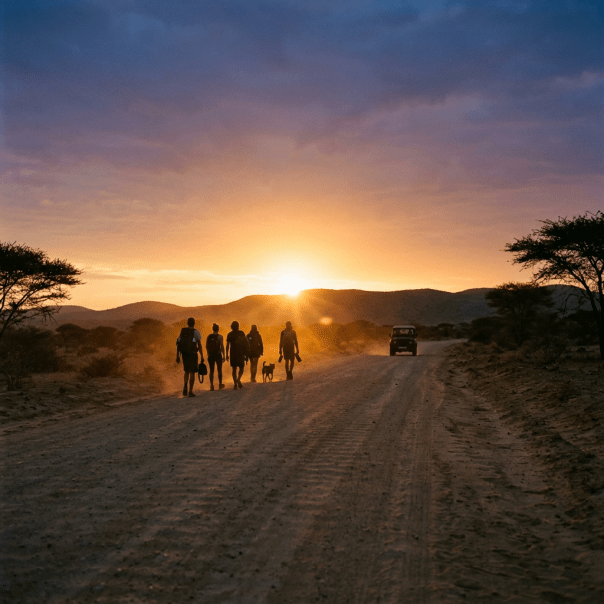

The Oromo Question: Beyond the Tongue and Into the Hands

By Daandii Ragabaa
There is a moment in the life of every nation when words are no longer enough. When the poetry of identity must translate into the prose of action. When the comfort of speaking like a people must give way to the discipline of living like that people.
The Oromo nation stands at that crossroads today.
A sharp and unsettling observation cuts through the community: “Amma illee namoonni hedduun akka Oromootti dubbatan, malee akka Oromootti hojjataa hin jiran. Namoota akka Oromootti yaadanii, akka Oromootti hojjatan hedduu nu barbaachisa. Waan Oromoof furmaata fidu hojjadha; Oromoo ta’a!”
Translated, it reads: “Even now, many people speak like Oromos, but they do not act like Oromos. We need many people who think like Oromos and act like Oromos. Do what brings a solution to Oromos; be Oromo!”
This is not a statement of despair. It is a declaration of accountability. It is the sound of a people waking from the dream of rhetoric and stepping into the reality of responsibility.
The Crisis of Performance
There is a dangerous phenomenon that plagues nations in struggle: the widening chasm between speech and action. It is easy to speak the language of resistance. It is fashionable to adopt the symbols of identity. It is comfortable to gather in crowds and chant the slogans of liberation.
But speaking like an Oromo is not the same as being an Oromo.
To speak like an Oromo is to know the words. To be an Oromo is to embody the values. To speak like an Oromo is to recite the grievances. To be an Oromo is to engineer the solutions.
The observation rings true across the Oromo world—from the villages of Wallo to the streets of Minneapolis, from the universities of Adama to the refugee camps of Kenya. There is no shortage of Oromo voices. There is a shortage of Oromo hands. There is no shortage of Oromo critics. There is a shortage of Oromo builders.
The Anatomy of Authentic Oromo Action
What does it mean to act like an Oromo? The answer lies not in grand gestures, but in the quiet architecture of daily life.
1. The Economics of Liberation
An Oromo who acts like an Oromo does not just lament economic marginalization—they build alternatives. They support Oromo-owned businesses. They create cooperative financial institutions. They invest in Oromo education. They understand that economic dependency is the leash of oppression, and they work tirelessly to break it.
2. The Politics of Organization
An Oromo who acts like an Oromo does not just attend rallies—they organize communities. They build institutions that outlast individuals. They develop systems of governance that reflect the principles of the Gadaa—consensus, accountability, and the rotation of power. They move from protest to program.
3. The Culture of Excellence
An Oromo who acts like an Oromo does not just celebrate Oromo culture—they excel in their chosen field. They become the finest doctors, engineers, lawyers, teachers, artists, and entrepreneurs. They understand that mediocrity is not a mark of authenticity; excellence is. They know that the world respects competence, and they refuse to give the world any reason to dismiss them.
4. The Discipline of Unity
An Oromo who acts like an Oromo does not just talk about unity—they practice it. They subordinate personal ambition to collective good. They reject the divisive whispers of clan, region, and religion. They recognize that the enemy’s greatest weapon is fragmentation, and they refuse to hand them that weapon.
Thinking Like an Oromo: The Intellectual Foundation
But action without thought is blind. The call is not just for action, but for Oromo thought—a philosophy that guides the hand.
To think like an Oromo is to recognize that the struggle is not a sprint but a marathon. It is to understand that liberation is not a single event but a process. It is to reject the false binary of “either/or” and embrace the Oromo genius of “both/and”—both culture and modernity, both tradition and innovation, both resistance and construction.
To think like an Oromo is to root oneself in the history of the ancestors while planting seeds for generations yet unborn. It is to understand that the Gadaa system was not just a political structure but a way of knowing—a methodology for solving problems, managing resources, and building consensus.
To think like an Oromo is to know that the enemy is not just outside the community but can also reside within. It is to be vigilant against the internal forces of corruption, greed, and short-term thinking that have crippled so many liberation movements.
The Urgent Need: Builders Over Talkers
The statement is clear: “Namoota akka Oromootti yaadanii, akka Oromootti hojjatan hedduu nu barbaachisa.” — “We need many people who think like Oromos and act like Oromos.”
This is not a call for blind nationalism. It is a call for strategic nationalism. It is a recognition that the Oromo nation has been blessed with orators but cursed with a shortage of engineers. We have been rich in poets but poor in planners. We have been abundant in critics but scarce in builders.
The time has come to recalibrate. The Oromo people do not need more voices—they need more hands. They do not need more slogans—they need more systems. They do not need more promises—they need more proof.
The Call to Action
The final charge is both a command and an invitation: “Waan Oromoof furmaata fidu hojjadha; Oromoo ta’a!” — “Do what brings a solution to Oromos; be Oromo!”
This is the ultimate definition of Oromo identity. It is not found in bloodline alone. It is not found in language alone. It is found in the relentless pursuit of solutions. It is found in the refusal to accept the status quo. It is found in the determination to build a future worthy of the ancestors and deserving of the children.
To be Oromo is to solve problems. To be Oromo is to build institutions. To be Oromo is to live the values of Gadaa—justice, peace, and collective well-being. To be Oromo is to act like an Oromo, not just speak like one.
The Unfinished Revolution
The Oromo nation stands at a pivotal moment in its history. The opportunities are immense. The challenges are immense. And the need for authentic, thinking, acting Oromos has never been greater.
The tongue is a gift. But the hand is a choice. The voice is a blessing. But the action is a legacy.
Let us not be a people of words alone. Let us be a people of works. Let us not be a nation of spectators. Let us be a nation of participants. Let us not wait for solutions to come from elsewhere. Let us be the solution.
“Namni of hin beekne, nama hin beeku” — “He who does not know himself, cannot know others.”
And those who know themselves—truly know themselves—do not just speak their identity. They live it. They build it. They become it.
Oromoo ta’aa! Be Oromo—not in word only, but in deed. Not in tongue only, but in truth.
—
The ink of identity is washed away by time. But the architecture of action stands forever.

From Supplication to Power: The Unfinished Revolution of Empowerment
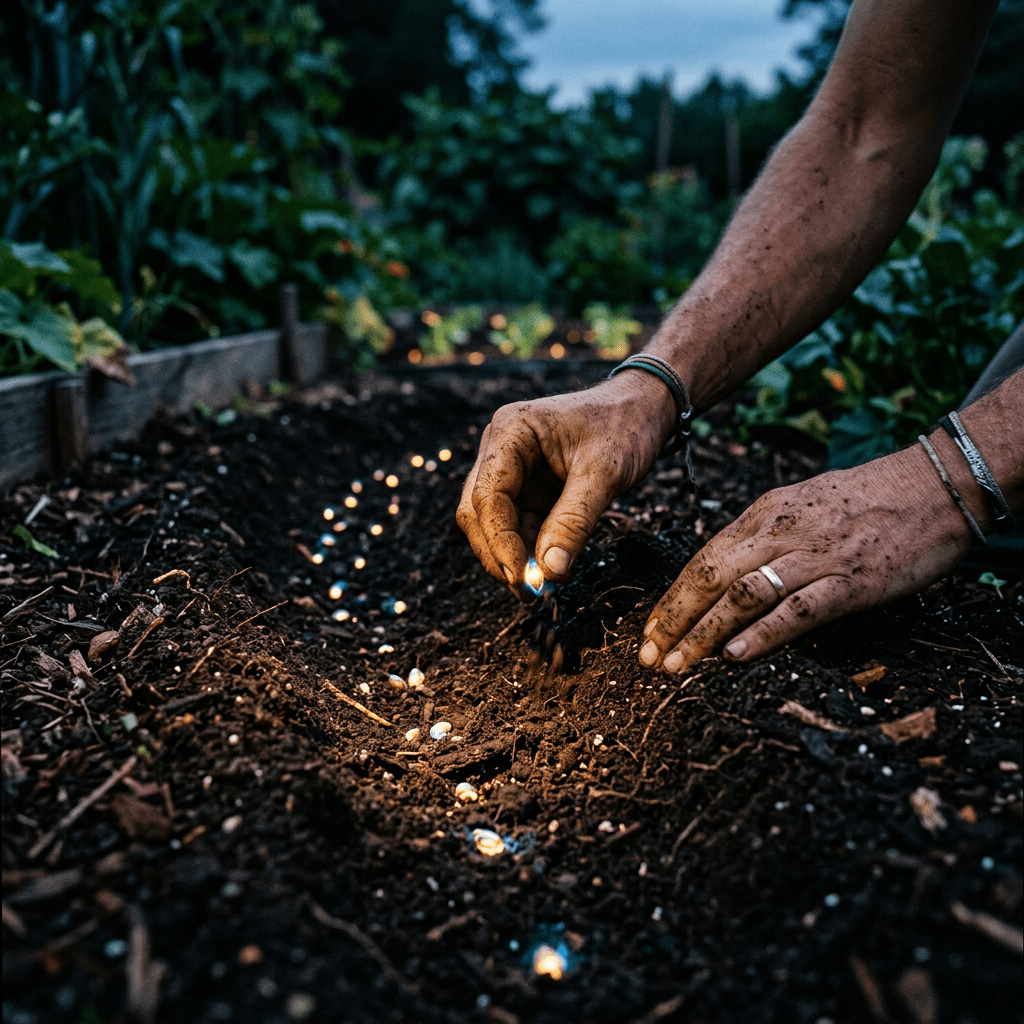
By Dhabessa Wakjira
There is a moment in every struggle, a tipping point that shifts the narrative from one of passive suffering to one of active agency. For many across the globe—from the rural villages of Oromia to the urban sprawls of the diaspora—that moment is captured in a powerful, defiant axiom:
“Waan nu godhan otuu hin taane, waan barbaadnu himachuu fi dhaadhessuu qabna. Kun empowerment theory dha.”
Translated from the Afaan Oromo, it means: “We are not what they make us; we have the power to ask for and get what we want. This is empowerment theory.”
This is not merely a statement; it is a declaration of intellectual and political sovereignty. It is the sound of a people moving from the margins to the center of their own destiny, guided by the principles of a theory that has reshaped social work, psychology, and community development worldwide.
The Core of the Theory: Rejecting the Script
At its heart, the statement dismantles the foundational myth of the “victim.” Empowerment theory, as pioneered by scholars like Julian Rappaport and Barbara Solomon, posits that problems are not located within individuals, but within the power structures that surround them.
The phrase “waan nu godhan”—”what they make us”—is a stark acknowledgment of systemic oppression. It names the elephant in the room: the historical, economic, and social forces that attempt to define a person’s limits based on ethnicity, gender, or class. To reject that label is the first act of liberation.
The theory argues that true change cannot be granted from the top down; it must be built from the bottom up. It shifts the focus from “fixing” people to providing them with the tools, resources, and confidence to navigate and challenge the systems that marginalize them.
The Art of Asking and Achieving: Himachuu fi Dhaadhessuu
The second part of the statement—“waan barbaadnu himachuu fi dhaadhessuu qabna” (we can ask for and get what we want)—is the action phase. In the context of empowerment, “asking” is not a sign of weakness. It is the strategic articulation of need. It is the demand for a seat at the table, the request for equity, and the negotiation for justice.
However, the theory recognizes that “asking” is not enough. The subsequent element—dhaadhessuu (achieving)—requires capacity building. It involves:
· Access to Information: Knowing your rights, understanding the bureaucracy, and demystifying the systems of power.
· Critical Awareness: The “conscientization” process described by Paulo Freire, where people analyze their social reality to understand the root causes of their oppression.
· Collective Action: Recognizing that individual empowerment is fragile, but community empowerment is resilient.
A Global Context, A Local Identity
While empowerment theory is a global framework, its application is deeply personal. For the Oromo people, a nation with a rich heritage but a history of political marginalization, this statement is a codified resilience.
It is the local farmer using modern agricultural techniques to break the cycle of dependency. It is the youth in the diaspora reclaiming their language and history. It is the mother organizing a cooperative to provide for her children, not through charity, but through enterprise.
Dr. Kene Gemechu, a sociologist specializing in Horn of Africa studies, notes, “This isn’t just about economic upliftment. It’s psychological decolonization. When you say, ‘I am not what you made me,’ you are reclaiming the narrative. Empowerment theory gives the vocabulary to that experience, validating that the struggle for agency is as important as the struggle for food.”
The Path Forward: From Theory to Praxis
The beauty of empowerment theory is that it is inherently a practice. It manifests in various forms:
· In Education: Curricula that reflect the culture and history of the students, rather than a foreign narrative.
· In Economics: Microfinance initiatives and cooperative models that give communities control over their capital.
· In Governance: Participatory budgeting and community policing that treat citizens as partners, not subjects.
The challenge, however, is systemic backlash. Empowerment is disruptive. It challenges those who benefit from the status quo. The struggle of dhaadhessuu (achievement) is often met with resistance, requiring an even greater resolve from the community.
Conclusion: The Loudest Voice
In the end, the theory has a simple, yet profound, conclusion: power is not a finite resource to be hoarded; it is an infinite resource to be generated.
The statement “waan nu godhan otuu hin taane” is a shield against despair. It is the refusal to internalize the lie of inferiority. And the call to “waan barbaadnu himachuu fi dhaadhessuu” is the sword of agency.
This is the essence of empowerment. It is not about asking for permission; it is about declaring your existence. It is the understanding that the voice of the people is louder than the silence of oppression.
As the Oromo proverb goes, “Namni of hin beekne, nama hin beeku”—”He who does not know himself, cannot know others.”
And those who know themselves, know their power. They know that they are not what they are made to be, but what they dare to become.
The Tree We Plant Today: A Reflection on Legacy, Life, and Political Leadership

In the heart of Finfinne, a simple act of planting carries profound lessons for governance, sustainability, and the future of generations yet unborn
Finfinne, Oromia — In the bustling streets of Shaggar, in the Sabbata district of the capital city, a quiet but powerful act is taking place. A sapling has been planted. To the casual observer, it may seem like a modest gesture—a tree among thousands, a green shoot in a city of concrete and noise. But to those who understand the deeper meaning of such acts, this planting represents something far more significant: a statement about the relationship between governance, nature, and the future.
The tree that stands today in Sabbata is not merely a decorative addition to the urban landscape. It is a living testament to the interconnectedness of all life—human and non-human, present and future, local and global. It is a reminder that the decisions we make today, the systems we build, and the values we uphold will echo through generations.
The Many Gifts of the Tree
As we reflect on the planting of this tree, we are reminded of the countless benefits that trees and vegetation provide—benefits that sustain not only human life but the entire web of existence:
~> Ecological Balance: Trees maintain the natural equilibrium of our environment, regulating temperatures, purifying air, and supporting biodiversity. They are the lungs of our planet, breathing life into the atmosphere.
~> Water Management: Trees absorb and hold rainfall, preventing flooding, replenishing groundwater, and ensuring that our rivers and springs continue to flow. In a world of increasing climate uncertainty, this function has never been more critical.
~> Soil Conservation: The roots of trees bind the soil, preventing erosion and landslides. They protect the land from being washed away by heavy rains, preserving the fertility of our agricultural lands.
~> Sustenance: Trees provide food—fruits, nuts, and leaves that nourish both humans and animals. In rural areas especially, the tree is a source of sustenance and survival, a gift that keeps giving across seasons and years.
~> Shelter: Trees offer shade and protection, cooling our homes and communities. They are the silent guardians that shield us from the harshness of the sun and the elements.
~> Building Materials: From the timber that builds our homes to the branches that create our tools, trees provide the raw materials for our shelter and sustenance.
~> Medicine: The majority of medicines in our pharmacies trace their origins to plants. Trees heal us, offering remedies that have been discovered and refined over centuries of human wisdom.
~> Paper and Knowledge: The very pages on which we write our history, our knowledge, and our dreams come from trees. Without them, our civilization would lack the means to record and transmit its wisdom.
~> And so much more: The list of benefits is almost endless. Trees purify our air, beautify our surroundings, provide habitats for countless species, and offer spiritual and cultural significance to communities around the world.
In short, the life of a tree is inseparable from human life. To protect trees is to protect ourselves. To plant trees is to invest in our collective future.

The Duty of Care
“Biqiltuu dhaabuun, dhaabanii immoo kunuunsuun akka guddatu taasisuun dirqama ta’a.”
Planting a tree is not enough. We must nurture it, water it, protect it from harm, and ensure that it grows to maturity. The act of planting is the beginning, not the end, of our responsibility.
This simple truth carries profound implications for how we approach governance and leadership. Just as a sapling requires care and attention to flourish, so too do our institutions, our communities, and our nations.
“Biqiltuun dhaabatee guddate tokko dhaloota har’aa qofa fayyada osoo hin taane, dhaloota boruufis wabii ta’a.”
A tree that is planted and successfully grown benefits not only the present generation but becomes a witness and a resource for those yet to come. It is a legacy—a gift from the past to the future, a bridge between generations.
This is the true measure of leadership: not what we consume or accumulate, but what we create and leave behind. Not what we take from the world, but what we give back. Not how we serve ourselves, but how we serve those who will come after us.
Political Systems and the Tree
“Sirni ykn paartiin siyaasaa har’a jiru boru itti fufuufi dhiisuun waan yeroon murteessuudha.”
The political systems and parties of today face a choice: to endure or to pass away. Time will decide their fate, as it decides all things. But the tree—the tree is different.
“Garuu biqiltuun sirna ykn paartii siyaasaa waliin jijjiirama osoo hin taane, dhaloota irraa dhalootaatti darbaa deema.”
Unlike political systems that rise and fall, that change with the whims of leaders and the tides of history, the tree transcends political transformation. It passes from generation to generation, a constant in a world of change.
This is a humbling observation for those of us engaged in political struggle. Our systems, our parties, our ideologies—they are temporary. The tree, when planted with care, can outlive us all. It will stand witness to the rise and fall of regimes, the birth and death of leaders, the changing fortunes of nations.
“Kanaafuu biqiltuu dhaabuu qofa osoo hin taane, kunuunsanii guddisuun dirqama ta’a.”
Therefore, it is not enough to plant—we must nurture. It is not enough to establish—we must sustain. It is not enough to begin—we must complete.

A Call to Action
“Nutis biqiltuu har’a dhaabne kunuunsinee akka guddatu haa taasisnu; ni taasisnas!”
We who plant today must also commit to tending. We who envision a better tomorrow must also labor to bring it into being. We who hope for a future must also build the foundations upon which that future can stand.
This is the message of the tree in Sabbata. It is a call to responsibility. It is a challenge to think beyond ourselves, beyond our immediate needs and desires, beyond the narrow horizons of our own lifetimes.
The tree that stands in Shaggar today is a symbol of what is possible when we act with foresight, when we care for the environment, when we prioritize the needs of future generations. It is a model for how we should approach governance, development, and leadership.
The Broader Significance
In a world facing unprecedented environmental challenges—climate change, deforestation, desertification, biodiversity loss—the planting and nurturing of trees is more than a symbolic act. It is a practical necessity. It is a matter of survival.
As we reflect on the tree in Sabbata, we are reminded of the urgency of our environmental responsibilities. The Earth does not belong to us alone; it belongs to all living beings, present and future. Our stewardship of the planet will be judged not by what we accumulate but by what we preserve.
“Biqiltuun faayidaan inni qabu jiruufi jireenya dhala nama dabalatee, kan uumama hundaa waliin wal-qabata.”
The tree connects us to the web of life—to the soil, the water, the air, the animals, the insects, and the countless other beings that share our world. To care for the tree is to care for all of life. To neglect the tree is to neglect ourselves.
A Legacy for Generations
The planting of a tree is an act of hope. It declares that we believe in tomorrow, that we trust in the future, that we have faith in the generations yet to come.
“Biqiltuun dhaabatee guddate tokko dhaloota har’aa qofa fayyada osoo hin taane, dhaloota boruufis wabii ta’a.”
When we plant a tree, we are not just planting a plant. We are planting a legacy. We are creating a witness to our existence, a gift to those who will follow, a statement that we cared about something beyond ourselves.
This is what leadership should be—not the pursuit of power for its own sake, but the cultivation of a better world for those who will inherit it. Not the accumulation of wealth and status, but the investment in sustainability and justice.
Conclusion: The Tree and the Future
As we conclude this reflection, let us return to the image of the tree in Shaggar, in Sabbata, standing tall and green in the heart of the capital. It is a reminder that the greatest acts of leadership are often the quietest—the simple decision to plant, to nurture, to care.
The tree asks nothing of us but our attention and our labor. It gives everything: oxygen, shade, food, shelter, medicine, beauty. It connects us to each other and to the world around us. It bridges the past and the future, carrying forward the hopes and dreams of those who came before.
“Nutis biqiltuu har’a dhaabne kunuunsinee akka guddatu haa taasisnu; ni taasisnas!”
Let us commit to nurturing the trees we plant today. Let us commit to building a future that honors the interconnectedness of all life. Let us commit to leaving a legacy of sustainability, justice, and hope for the generations yet to come.
In the end, the true measure of our leadership will not be found in the statues we erect or the names we inscribe on buildings. It will be found in the trees we plant and nurture, in the lives we touch and uplift, in the world we leave behind for those who will inherit it.
Plant a tree. Nurture it. Watch it grow. And know that you have done something that matters—something that will outlast you, something that will benefit generations yet unborn.
The tree in Shaggar is not just a tree. It is a prophecy. It is a promise. It is a prayer.
May we all have the wisdom to plant, the patience to nurture, and the vision to see the forest in every single seed.

“DUGDA HIN DHUGATAN, HUNDA HIN DUBBATAN”: A Reflection on Truth, Struggle and Sacrifice in the Oromo Liberation Movement

By Adugna Kesso AduBoru/430
Introduction: The Weight of Untold Truths
There is an Oromo proverb that carries profound wisdom: “Dugda hin dhugatan hunda hin dubbatan” — “Do not drink from the back; do not speak from the back.” This saying warns against acting or speaking without full knowledge, without facing things directly. It calls for integrity, courage and a willingness to engage with truth head-on, rather than from behind or from a place of concealment.
In reflecting on the journey of the Oromo liberation struggle, this proverb takes on a deeper meaning. It reminds us that we cannot claim to understand the struggle, its sacrifices and its meaning, if we only observe it from a distance or speak about it without having lived it. True understanding comes from direct experience, from being in the midst of the fire, not from standing on the sidelines.
The Struggle Is the Teacher
Much has been written and spoken about the Oromo liberation movement. Some speak of it as outsiders looking in, analysing and categorising, as if it were a subject to be dissected in a laboratory. But those who have lived the struggle know that it cannot be reduced to theories or abstract discussions. As the reflection states: “Waan taanee fi goone hunduu waan itti amannee itti seenneedha” — everything we have endured and done, we entered into it with full belief and commitment.
The struggle is not a matter of taking sides superficially or speaking in ways that please different audiences. It is not about saying one thing here and another there. The “DIDDA MASTER PLAN” — the overarching strategy of resistance — is better understood when we speak about it directly rather than avoiding it. There is a gap between remembering and doing, between speaking about struggle and actually living it.
What We Have Seen and Endured
The reflection speaks powerfully of the experiences of those who have been at the heart of the liberation movement:
“Waan qabsoo keessatti nurra gahee fi argine garuu mataan isaa qabsoodha” — But what has befallen us and what we have seen in the struggle is the struggle itself. The struggle is not separate from the experiences; it is the very fabric of those experiences.
The question is asked with raw honesty: “Mana fincaaniirra taa’aa maaf nutti ajaa’e hin jedhamu” — Why should we be told to sit on the edge of a latrine? This is a reference to how Oromo people have been marginalised, pushed to the periphery of their own lands and treated as if they do not belong at the centre of their own history.
The reflection then poses a challenging question: “Gabrummaa morma nu gahe keessa osoo jirruu shiraan hidhamne, shiraan ajjeefamne yoo jenne eessa gabroomneree?” — If we say we were tied with ropes and killed with ropes while we were in the slavery that reached our necks, where were we free?
This is a profound acknowledgment of the reality of Oromo subjugation under Ethiopian imperial rule. It does not deny the suffering but places it in context: slavery and oppression did not happen only to others; they happened to us. And yet, even within that slavery, there were those who chose to sell themselves for personal gain and those who maintained their integrity.
Betrayal, Survival and Commitment
One of the most painful aspects of any liberation struggle is the reality of betrayal. The reflection does not shy away from this:
“Gabrummaa keessatti namoota gaggaarii osoo hin taane namoota nama gurguruu bira darbanii of mataa isaaniiyyuu faayidaa fi fedhiitti of gurguranii jiraataan danuu beekna” — In slavery, we know that there are not only good people, but also those who pass by selling others and even sell themselves for their own benefit and desires.
This is a honest reckoning with human weakness and the reality that not everyone who starts the journey finishes it. Some are bought with personal interests, with selfish desires, with the false promises of the enemy. They become informants, betrayers, those who dig holes for their own people.
But the reflection also honours those who remained steadfast:
“Gabrummaa fi gidiraa saba keenyarra gahu jibbanii warri qabsoo eegalan aarsaa fi wareegama gaafataman hunda hanga lubbuu isaanii itti kitimanitti kan qabsa’aan gufuun qabsoo keessatti osoo isaan muudatin hafee miti” — Those who hated slavery and oppression and began the struggle, offering all sacrifices and responsibilities until they gave their very lives, they are the ones who are the foundation of the struggle.
The Reality of Disunity
The reflection is also a warning about the dangers of division and betrayal within the movement:
“Qabsoo geggeessitu keessa akkuma firri qabsoo jiru diinoonni, gantootnii fi galtuun danuudha” — In the movement, there are enemies, traitors and those who sell out, just as there are true fighters.
This is not a cynical statement but a realistic one. The struggle is not a romantic venture. It is a battlefield where loyalties are tested and where some who begin with you will not finish with you. The reflection continues:
“Jaalli kee waliin qabsootti seente hundi hanga dhumaa na waliin deema jettee hin eegiin” — Do not expect that all your comrades who entered the struggle with you will go with you to the end.
Some will become weak and turn back. Some will reveal secrets out of exhaustion or fear. Some will be bought by personal interests and sell you out. And the hardest part: “Kan boolla si buusee, ragaa sitti ta’us irra caalaa namuma waliin qabsoo eegaltee fi waan hunda waliin taate” — The one who digs a hole for you, who becomes a witness against you, is most often someone you began the struggle with and shared everything with.
This is a painful truth that many liberation movements have faced. The greatest betrayals often come from those closest to us.
The Cost of Silence
The reflection then turns to a difficult but necessary observation:
“Amma nan gabaabsa gidiraa fi dararaa mooraa diinaa keessatti agarree fi shira adda addaa agarree fi warra kaan irra gahe hunda gabrummaatu fide” — I will summarise: the poverty, the hardship, the suffering, the various deaths, and everything that has befallen our people — all of it came from slavery.
This is the central thesis. The condition of the Oromo people under Ethiopian rule, with all its manifestations of dispossession, marginalisation, violence and economic exploitation, is rooted in a system that treated Oromia as a colony and the Oromo people as subjects to be dominated.
And yet, the reflection acknowledges that a choice has been made:
“Sana immoo Bilisummaa Saba keenyaatti uwwisuu fi Abbaa Biyyummaa Oromoo deebisuuf qabsoo eegalame xumura itti gochuuf ta’uu beeknee waan dubbachuu qabnu kumaatama dubbachuurra callisuu filanne” — But we have chosen silence, knowing that we must complete the struggle that began to liberate our people and restore the sovereignty of Oromia, rather than saying thousands of things that need to be said.
This is not a silence born of fear. It is a strategic silence, born of the understanding that the time for words has given way to the time for action. When the struggle is not yet won, words alone cannot achieve liberation.
The Courage to Speak Honestly
The reflection concludes with a powerful statement about the right to speak with authority:
“Hanga Leencoonni seenaa isaanii barreeffatanitti warruma leenca ajjeesetu leenca ofiin jedha” — Until the lions have their own historians, the story of the hunt will always glorify the hunter.
This is a call for Oromo people to write their own history, to tell their own stories, to ensure that the narrative of the struggle is not left to those who would distort or erase it. Those who actually kill the lion — those who do the work of liberation — are the ones who have the right to speak.
“QABSOON HANGA BILISUMMAAATTI!” — The struggle continues until freedom!
Conclusion: Truth-Telling as Resistance
The reflection of Adugna Kesso AduBoru/430 is a powerful contribution to the broader project of Oromo truth-telling. It does not offer an easy narrative. It does not romanticise the struggle or ignore its internal challenges. Instead, it offers a truthful account — one that acknowledges sacrifice, betrayal, suffering and hope.
The proverb “Dugda hin dhugatan hunda hin dubbatan” reminds us that truth-telling requires direct engagement. We cannot speak of the struggle without having drunk from its cup. We cannot understand liberation without having walked its path. We cannot honour the martyrs without being willing to continue what they began.
Oromo truth-telling is not about erasing or rewriting history. It is about finally telling more of it — from the voices of those who lived it, suffered for it and continue to fight for it. It is about ensuring that when the story of the Oromo struggle is told, it is told by those who were there, who saw, who endured and who chose to speak — not from the back, but from the front, with courage and honesty.
As Oromia moves towards a future of genuine freedom and reconciliation, it must do so grounded in truth — the kind of truth that does not turn away from difficult realities, that honours the sacrifices of the past and that commits to the completion of the struggle.
Bilisummaan Oromoo hin dhabamuu!
#OromooKuushGuddichaAfrikaa — The Oromo are the great backbone of Africa.

The Unfinished Story: Why Oromo Truth-Telling Matters
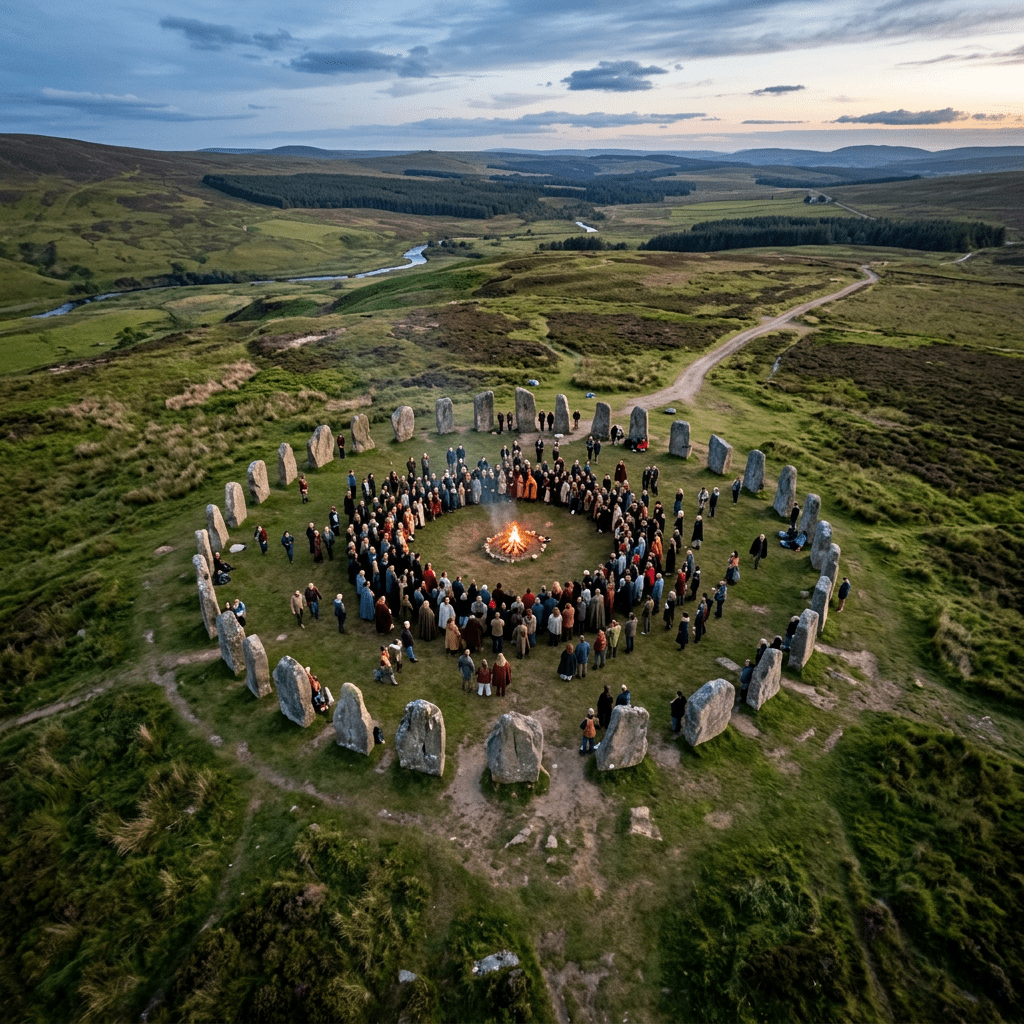
For generations, the history of Oromia has been told through a narrow lens—one that often excluded, silenced, or misrepresented Oromo voices and perspectives. Official accounts of Oromian history frequently omitted the full story, leaving gaps that have shaped not only how the past is understood but also how present-day realities are experienced. Oromo truth-telling seeks to change this by placing Oromo voices and lived experiences back at the centre of the narrative.
What Is Oromo Truth-Telling?
At its core, Oromo truth-telling means telling a fuller and more honest account of Oromia’s history. This includes confronting difficult chapters such as colonisation, dispossession, violence, child removals, stolen wages and discriminatory laws. But it also encompasses celebrating Oromo survival, resistance, cultures, knowledge and achievements. It is not about erasing or rewriting history—it is about finally telling more of it .
The concept emerges from a recognition that official versions of history have often been incomplete. As one study notes, the Ethiopian imperial conquest of Oromo territories from 1880 to 1974 involved not just military subjugation but a systematic process of land alienation, political domination and cultural marginalisation . The Oromo resistance against this imperial conquest, though significant, has frequently been downplayed or omitted from mainstream historical accounts.
The Historical Context
The Oromo people, one of the largest ethnic groups in the Horn of Africa, possess a rich political and cultural heritage that includes the Gadaa-Qaalluu system—a model of egalitarian governance, democracy and social organisation that predates many Western democratic institutions . This system, based on consensus-building principles like tchaffee and qixxee, demonstrates sophisticated democratic traditions that challenge portrayals of Oromo society as politically primitive.
Yet this heritage was disrupted by conquest. The Arsi Oromo resistance against Ethiopian imperial forces between 1880 and 1900, for instance, involved intense conflict where the introduction of firearms by imperial forces dramatically shifted the balance of power . The defeat that followed did not merely change political control—it established what scholars describe as a “feudal colonial order” in which Oromo lands were alienated and the Naftagna (settler-administrators) became dominant over local populations .
How Truth-Telling Happens
Truth-telling is not a single event but a process that can unfold through multiple channels. Oral histories, community projects, schools, museums, archives, memorials, public hearings and formal inquiries all serve as vehicles for recovering and amplifying Oromo perspectives. The principle guiding this work is that it should be led by the Oromo community, grounded in local history and handled respectfully. Meaningful action must follow—truth-telling is not just about speaking; it requires people to listen and respond.
Why It Matters Today
The past is not simply past. Discriminatory laws and policies from earlier eras continue to shape economic conditions, political representation and social relations in Oromia today. Understanding how systems of domination were structured—from taxation without representation to the informal structures of control examined in historical research—helps explain persistent inequalities .
Reconciliation cannot progress while difficult chapters remain unaddressed. Oromo truth-telling is not about assigning blame or fostering division. Rather, it is about creating the conditions for genuine reconciliation by ensuring that all parts of the story are acknowledged. A nation that avoids its uncomfortable history builds its future on unstable ground.
A Call to Listen
The Oromo truth-telling movement is a call not just for Oromo people to speak but for all Oromians—and indeed all who engage with Oromian history—to listen. It is an invitation to reckon with the full complexity of the past and to recognise the resilience and contributions of the Oromo people across generations. The survival of Oromo cultures, knowledge systems and identities in the face of colonisation and dispossession is itself a testament to the strength that truth-telling seeks to honour.
As Oromia considers its path forward, truth-telling offers a foundation. It does not promise easy answers, but it offers something essential: a fuller, more honest account of where we have been, so we can better understand where we are and thoughtfully choose where we are going.

The Meaning and Solution of Oppression

Understanding the chains that bind, and the keys that unlock them
Introduction: Defining the Unspeakable
Oppression is a word that carries weight—the weight of centuries, the weight of tears, the weight of dreams deferred and lives diminished. It is a force that shapes not only the material conditions of human existence but the very contours of the human soul. Yet for all its ubiquity in human history, oppression remains poorly understood by those who have never felt its crushing hand.
To understand oppression is to understand the architecture of human suffering. To confront it is to embark on the most essential journey any people can undertake. To overcome it is to reclaim what was always rightfully ours: our dignity, our freedom, and our humanity.
Part One: The Architecture of Oppression
What Is Oppression?
Oppression is the systematic denial of human dignity and human rights. It is not merely individual acts of cruelty or isolated instances of injustice. Rather, it is a structure—a web of laws, customs, institutions, and beliefs designed to maintain the dominance of one group over another.
The oppressed are not simply people who experience hardship; they are people whose very existence is defined by forces beyond their control. Their identities, their aspirations, and their futures are circumscribed by systems that view them as less than fully human.
Oppression operates on multiple levels:
Political Oppression: The denial of voice, representation, and self-determination. When a people cannot choose their leaders, determine their laws, or shape their future, they are politically oppressed.
Economic Oppression: The extraction of wealth and labor without just compensation. When a people’s resources are plundered and their labor exploited, they are economically oppressed.
Cultural Oppression: The suppression of language, traditions, and identity. When a people’s history is erased and their culture denigrated, they are culturally oppressed.
Psychological Oppression: The internalization of inferiority. When a people comes to believe the lies told about them, they are psychologically oppressed.
The Colonial Model: A Case Study
The Oromo people offer a textbook example of comprehensive oppression. For over a century, they have been subjected to political marginalization, economic exploitation, cultural suppression, and psychological denigration under successive Ethiopian regimes.
“The Ethiopian Empire,” as the ABO’s analysis makes clear, “was built on a divisive nationalism that promotes ethnic chauvinism. This system of ethnic, historical, cultural, and religious division continues to be reinforced by powerful actors who benefit from it. Because the system is fundamentally based on oppression and multifaceted exploitation, nations are subjected to suffering without their fundamental rights.”
The colonization of the Oromo people did not follow the European model of overseas conquest. Instead, it was accomplished through internal expansion—an African empire building itself upon the subjugation of other African peoples. This is a particularly insidious form of oppression because it is often overlooked or denied by the international community.
The mechanisms of this oppression are familiar to students of colonial history:
- Conquest by Force: The military subjugation of Oromo territories through superior weaponry provided by European powers.
- Demographic Destruction: The systematic killing, displacement, and enslavement of the Oromo population.
- Cultural Erasure: The imposition of Amharic language and culture, the suppression of Oromo identity, and the rewriting of history.
- Economic Exploitation: The extraction of resources and labor to benefit the colonizing elite.
- Political Exclusion: The denial of representation and self-governance.
The Special Character of Oromo Oppression
The Oromo experience of oppression has unique characteristics that demand attention:
Denial of Existence: For decades, Oromo identity was not merely suppressed—it was denied. Oromo were told they did not exist as a distinct people, that their language was a “dialect,” that their culture was primitive.
Internal Colonization: Unlike colonies separated by oceans, the Oromo were colonized by their neighbors within the same continental space. This has made their struggle for liberation particularly complex, as the colonizer and colonized share geographic, economic, and administrative connections.
Religious Diversity: The Oromo people practice multiple faiths—Islam, Christianity, and the indigenous Waaqeffanna. Their oppression has been compounded by religious discrimination and the use of religious divisions to weaken resistance.
Massive Population: As the largest ethnic group in Ethiopia, the Oromo’s oppression affects the lives of tens of millions of people, making it one of the largest ongoing human rights crises on the African continent.
Part Two: The Anatomy of Liberation
What Is Liberation?
Liberation is not merely the absence of oppression. It is the presence of freedom in its fullest sense—political, economic, cultural, and psychological. A liberated people are not simply free from their oppressors; they are free to determine their own future, to develop their own culture, and to express their own identity.
Liberation is both a process and a destination. It is the journey from subjugation to self-determination, from silence to voice, from shame to pride, from fear to courage.
The Liberation Framework
The ABO’s understanding of liberation is comprehensive and principled. As articulated in its guiding documents:
1. Self-Determination Is Non-Negotiable
“The Oromo people and other oppressed peoples have the full right to decide freely whether to live independently or to unite through dialogue and mutual agreement.”
Self-determination is the foundation upon which all other freedoms are built. Without the right to determine their own political status, peoples cannot be said to be free.
2. Justice Is Universal
“The ABO’s struggle is for just liberation and the recognition of Oromo rights. The struggle waged by the Oromo people is just and rightful. This is a fundamental right recognized in the UN Charter.”
Justice is not a gift to be begged from oppressors; it is a right to be claimed. The international community has recognized this right through numerous treaties and declarations.
3. Unity Is Strength
“The ABO’s vision is a liberated Oromiya, free from colonial rule, with a sovereign Oromo government established. The foundation of our national unity is one country, one people, and one nation.”
The liberation struggle cannot succeed without unity. Divisions among the oppressed serve only the interests of the oppressor.
4. Solidarity Is Essential
“The ABO believes in mutual support and cooperation among peoples struggling for liberation. It has worked to unite oppressed peoples against the common enemy and develop solidarity.”
No people can liberate themselves in isolation. Solidarity among oppressed peoples and with progressive forces everywhere is essential to success.
Part Three: The Means of Liberation
The Question of Means
How is liberation achieved? This is perhaps the most debated question in the history of resistance movements. The ABO’s approach, like that of many liberation movements, combines multiple strategies:
1. Political Struggle
The ABO has pursued political solutions to the Ethiopian political crisis, engaging in dialogue, advocacy, and the articulation of a clear political program. The party’s Political Program, first released in 1974 and revised multiple times, provides a comprehensive vision for the resolution of Ethiopia’s political problems through peaceful means.
2. Armed Struggle
“Because successive Ethiopian governments—including the current one—have refused to respect Oromo rights, the ABO is waging an armed struggle to secure them.”
Armed struggle is not a first resort but a last resort, undertaken only when all peaceful avenues have been exhausted and when continued oppression leaves no other option.
3. International Advocacy
The ABO has worked to bring Oromo issues to the international stage, engaging with human rights organizations, international media, and governments. The movement has sought to build a coalition of support that can pressure the Ethiopian government to respect Oromo rights.
4. Grassroots Mobilization
The 2015 Qeerroo movement and the nationwide uprising across Oromiya demonstrated the power of grassroots mobilization. The ABO’s work to educate, organize, and empower the Oromo people creates the foundation for lasting change.
5. Institution Building
The ABO has invested heavily in building organizational structures that can sustain the struggle over the long term. This includes establishing branches in the diaspora and developing administrative and governance capacities.
Part Four: Challenges to Liberation
The Weight of Oppression
The oppressed carry not only the external weight of their oppressors but also the internal weight of their oppression. Overcoming this internalized inferiority is one of the greatest challenges of the liberation struggle.
Psychological Oppression: Generations of denigration and subjugation have taken a toll on the Oromo psyche. The liberation struggle is as much about reawakening pride and identity as it is about political change.
Economic Dependence: The economic structures of oppression create dependencies that make resistance difficult. Breaking these dependencies requires both political liberation and economic transformation.
Division and Cooptation: Oppressors have consistently used divide-and-rule strategies to weaken resistance. Co-opting elites from oppressed communities, creating proxies, and pitting groups against each other are standard tactics.
The Enemy’s Resources: The Ethiopian state has access to substantial resources—military power, international support, and the machinery of propaganda. These resources make the struggle asymmetrical and difficult.
Part Five: The Vision of Liberation
What Freedom Looks Like
The ABO’s vision is not merely negative—the absence of oppression—but positive—the presence of a free, just, and prosperous Oromiya.
Political Freedom: A democratic system in which Oromo and other peoples can determine their own governance, participate in decision-making, and hold their leaders accountable.
Economic Justice: A system in which the wealth of Oromiya benefits its people, where economic opportunity is available to all, and where exploitation is a thing of the past.
Cultural Renaissance: The flourishing of Oromo language, culture, and identity. The celebration of Oromo history and the recovery of what was suppressed.
Social Justice: A society in which all people—regardless of ethnicity, religion, or gender—are treated with dignity and equality.
Peace and Security: Freedom from the fear of violence, displacement, and persecution.
Regional Cooperation: A liberated Oromiya contributing to peace, stability, and cooperation in the Horn of Africa.
The Nature of Victory
Injifannoon egeree qabsoon Oromoo argatu waraana tokkootiin utuu hin taane, karaa dheeraa fi rakkisaa ta’ee jira. Waraanni tokko hin mo’atu; hojii dhaloota baay’ee keessaatti hojjetame. Of kennuun dhaloota ittaanuuf bu’uura dhiisuun, dadhaboon qajeelchuun, fi jajjaboon guddisuun.
Part Six: The International Dimension
A Common Struggle
The Oromo struggle is not an isolated phenomenon. It is part of a broader global movement for human rights, self-determination, and justice. From Palestine to Kashmir, from Western Sahara to Kurdistan, peoples around the world are engaged in similar struggles.
The ABO has sought to build solidarity with these movements, recognizing that the struggle against oppression is a universal human endeavor. As the party’s documents state:
“Individuals, organizations, and forces—from within and without the oppression—who recognize, respect, and support self-determination, democracy, and peace are friends of the Oromo struggle.”
The Response of the International Community
The international community’s response to the Oromo struggle has been mixed. While some human rights organizations and governments have raised concerns about the treatment of Oromo, others have remained silent or actively supported the Ethiopian government.
This mixed response reflects the geopolitics of the Horn of Africa—a region of strategic importance, where international actors have competing interests. The ABO has called on the international community to:
- Respect the right of the Oromo to self-determination
- Condemn the oppression and human rights violations in Oromiya
- Support a peaceful resolution to the political crisis
- Recognize the legitimacy of the Oromo liberation struggle
Part Seven: Lessons for All Peoples
The Universality of the Struggle
While the Oromo struggle is unique in its particularities, it offers lessons for all peoples seeking liberation:
1. Oppression Is a System, Not a Series of Incidents
Understanding the systemic nature of oppression is essential to overcoming it. Addressing individual injustices is insufficient; the system that produces them must be dismantled.
2. Liberation Requires Unity
Divisions among the oppressed serve only the oppressor. Building unity—across ethnic, religious, and political lines—is essential to success.
3. Hope Is a Weapon
Despair is the oppressor’s greatest ally. Maintaining hope, even in the darkest times, is an act of resistance.
4. Justice Is Universal
The principles of justice, dignity, and self-determination are not Western or African—they are human. They apply to all peoples, regardless of their circumstances.
5. The Struggle Is Long
Liberation is not achieved overnight. It requires patience, persistence, and the willingness to sacrifice today for the freedom of tomorrow.
Conclusion: The Path Forward
The oppression of the Oromo people is one of the great unresolved human rights crises of our time. For over a century, tens of millions of people have been subjected to political marginalization, economic exploitation, cultural suppression, and psychological denigration.
Yet the Oromo people have not been destroyed. They have maintained their identity, their culture, and their hope. They have built organizations, developed programs, and fought for their rights. They have refused to accept their oppression as permanent.
The solution to oppression is liberation—complete, comprehensive, and uncompromising liberation. This liberation must be political, economic, cultural, and psychological. It must restore the Oromo people to their rightful place among the free peoples of the world.
As the ABO’s vision declares: “A liberated Oromiya, free from colonial rule, with a sovereign Oromo government established.”
This is not merely a dream—it is a goal, achievable through sustained struggle, unity, sacrifice, and hope. The path is long, but the destination is certain. Justice will prevail. Freedom will come.
The question is not whether the Oromo will be liberated, but when. And when that day comes, it will be a victory not only for the Oromo people but for all those who believe in justice, dignity, and the fundamental equality of all human beings.
“Cunqursaa dhabamsiisee ummatni Oromoo akka mirga kana gonfatu godhuu dha. Kaayyoo kana bakkaan gahuuf, ABO qabsoo akeeka dimokraasii irratti hundaa’e gaggeessa.”
Oppression must be eliminated so that the Oromo people may attain their rights. To achieve this goal, the ABO wages a struggle based on a democratic ideology.
The struggle continues. The victory is certain. And the freedom of the Oromo people will be the freedom of all. Afaan Oromoon kun: Qabsoon itti fufa. Injifannoon murteessa. Bilisummaan Oromoo bilisummaa hundaati.
This feature article draws on the foundational documents of the Oromo Liberation Front (ABO), including the Political Program, Constitution, and organizational analyses. It reflects the principles and vision of the Oromo liberation struggle as articulated by the ABO.

‘We Are Walking Door to Door’: Anti-Immigrant Vigilantes Escalate Campaign of Intimidation Across South Africa
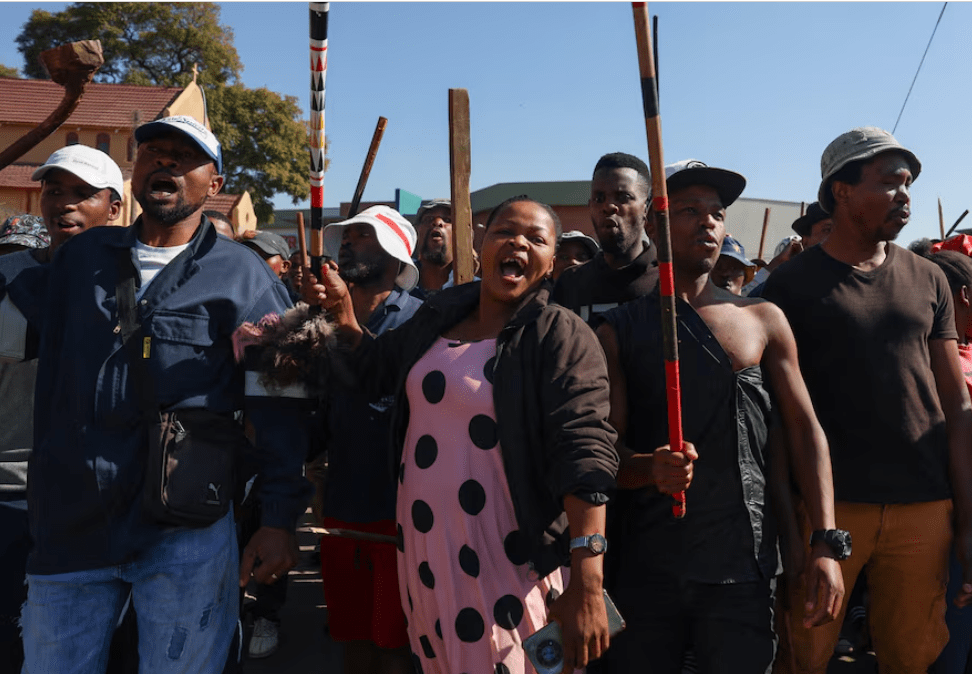
With tens of thousands repatriated to Zimbabwe and Malawi, a nation confronts the dark tide of xenophobia as weekly marches promise more violence
JOHANNESBURG, July 9 — The morning sun rose over Alexandra township, one of Johannesburg’s most densely populated communities, promising another day of uncertainty and fear. By midday, the streets echoed with the sound of splintering wood and desperate pleas as anti-immigrant vigilantes methodically moved from house to house, breaking down doors and dragging terrified residents into the open.
The scenes playing out across Alexandra, Soweto, and Durban represent a dangerous escalation in South Africa’s ongoing xenophobic crisis—one that has already forced tens of thousands of migrants to flee the country they once called home.
‘I Am a ZEP Holder’
Among those apprehended by the marchers was Total Mhlanga, a Zimbabwean national whose hands trembled as he was escorted toward a police van. “I am a ZEP holder,” he insisted, referring to the Zimbabwean Exemption Permit that legally allows tens of thousands of Zimbabweans to live and work in South Africa. His papers, however, seemed to matter little to those who had seized him.
In Alexandra, a Reuters reporter witnessed protesters breaking into homes where they believed undocumented immigrants were hiding. Among those forcibly removed was a woman clutching a small child—both citizens of Malawi, a country now grappling with the mass return of over 38,000 of its nationals who have fled South Africa in recent weeks.
A Zimbabwean mother of three, who asked not to be named for fear of retaliation, described watching from her window as neighbors were dragged from their homes. “I came here legally. My children were born here. This is the only home they know. Now I must decide whether to stay and risk everything or return to a country I left because there was no future there.”
‘Every Thursday Until Our Demands Are Met’
The movement driving this violence has found an unlikely and increasingly vocal leader: former radio presenter Jacinta Ngobese-Zuma. Her group, known as March and March (also referred to as “March 1 March”), has organized nationwide protests that have transitioned from street demonstrations to what community leaders describe as “door-to-door” operations targeting foreign nationals.
“Protests will take place every Thursday until our demands are met,” Ngobese-Zuma declared on June 30, an informal deadline her movement had set for undocumented immigrants to leave South Africa. The promise has become a terrifying reality for migrants across the country.
Her organization has painted undocumented immigrants as the source of South Africa’s deep-seated economic challenges—unemployment, housing shortages, and strained public services—demanding tighter border controls, mass deportation, and the prioritization of South African citizens in schools and healthcare facilities.
A Community Divided
At the march in Alexandra, community leader Bongani Msomi justified the tactics being employed. “We are walking around doing door to door removing foreigners,” he stated matter-of-factly, as behind him, protesters brandished sticks and flags.
Yet not all South Africans support the movement. In the same township, elderly residents watched with concern, some shaking their heads in silent disapproval. A local teacher, who also asked not to be named, expressed anguish over the situation: “We are destroying what Nelson Mandela built. Ubuntu is dead in these streets. These people are not our enemies—they are our neighbors, our customers, our children’s classmates.”
The Government’s Response—and Its Limits
President Cyril Ramaphosa has repeatedly warned against scapegoating immigrants for the country’s problems. His government has issued clear directives that citizens do not have the right to take immigration enforcement into their own hands.
Police have deployed officers to recent marches for safety and have stepped up arrests of undocumented migrants—yet the line between law enforcement and vigilantism has become dangerously blurred. At the scenes of Thursday’s protests, officers stood by as vigilantes dragged people from their homes. A spokesperson for Johannesburg police was not immediately available to explain the actions of officers at the scene.
Human rights organizations have raised urgent concerns about the complicity—or at minimum, inaction—of law enforcement in facilitating these “removals.” “When police receive citizens who have been unlawfully detained and physically removed from their homes, they are not acting as neutral enforcers of the law,” said a legal observer who requested anonymity. “They are, in effect, legitimizing extrajudicial actions.”
A Regional Humanitarian Crisis
The ripple effects of South Africa’s xenophobic violence are being felt across southern Africa. Malawi’s government confirmed Thursday that over 38,000 of its citizens had returned in recent weeks, part of a massive repatriation effort driven by safety concerns. Neighboring Zimbabwe has seen more than 60,000 of its nationals return—a staggering figure that represents not just a humanitarian crisis but an economic shock to both nations.
These returnees are arriving in countries that already struggle with their own economic challenges. Many had been sending remittances home, supporting extended families and local economies. Their forced return is creating new vulnerabilities while straining already limited resources in their countries of origin.
The Human Cost
Behind the statistics lie countless stories of shattered lives. A Malawian shopkeeper in Soweto watched his business—built over fifteen years—looted and destroyed. A Zimbabwean nurse who had served in a public hospital for a decade now sleeps in a shelter, uncertain if she will ever return to work. An Oromo refugee who fled political persecution in Ethiopia now faces violence in the country where he sought sanctuary.
“The pain is not just physical,” says Dr. Thabo Mbeki (not the former president), a community psychologist who has been providing counseling to affected families. “People are experiencing profound trauma. They have lost everything—their homes, their livelihoods, their sense of safety. Children are refusing to eat. Parents cannot sleep. The psychological wounds will last for generations.”
The Economic Fallacy
Economists have pushed back against the narrative that immigrants are the primary cause of South Africa’s economic woes. Studies have shown that immigrants often create jobs through entrepreneurship, fill critical skills gaps, and contribute to the tax base. The country’s unemployment crisis, they argue, has far deeper roots in systemic inequality, inadequate education, and stagnant economic growth.
“To blame immigrants for unemployment is not just inaccurate—it’s dangerous,” says economist Tendai Moyo. “It diverts attention from the real structural reforms that are needed. It gives people a scapegoat instead of solutions.”
A Nation at a Crossroads
South Africa stands at a defining moment. The post-apartheid constitution—one of the most progressive in the world—enshrines human dignity and equality. Yet the country’s actions are betraying these principles.
As Thursday’s marches conclude and communities brace for what next week may bring, a fundamental question remains: Will South Africa find the political will to protect the most vulnerable among its residents, or will it allow xenophobic violence to become normalized?
The international community is watching. The African Union has expressed concern. Human rights organizations have documented abuses. Diplomats from affected countries have raised the issue with their South African counterparts.
But for the families huddled behind locked doors—the legal permit holders who still fear arrest, the children too frightened to attend school, the business owners who have lost everything—the response so far has been insufficient.
A Plea for Humanity
As evening falls over Alexandra, the sound of broken glass crunches underfoot. Women sweep debris from their doorsteps. Men gather in small groups, their voices low with tension. Children peek through curtained windows, their games silenced.
“In a just world, this would not happen,” reflects one elderly South African woman who has lived in the township for seven decades. “We suffered under apartheid. We know what it is to be treated as less than human. How can we do this to others? How have we forgotten so quickly?”
Her question hangs in the air, unanswered.
The marches will continue, the groups have promised. And as long as they do, the fragile thread of pan-African solidarity—the very ideal that South Africa’s liberation struggle championed—grows thinner with each passing Thursday.
Reporting from Johannesburg, Alexandra township, and Soweto. Additional reporting from Lilongwe and Harare.






