Category Archives: Promotion

Irreechaa as a Model for Community Mental Health Interventions
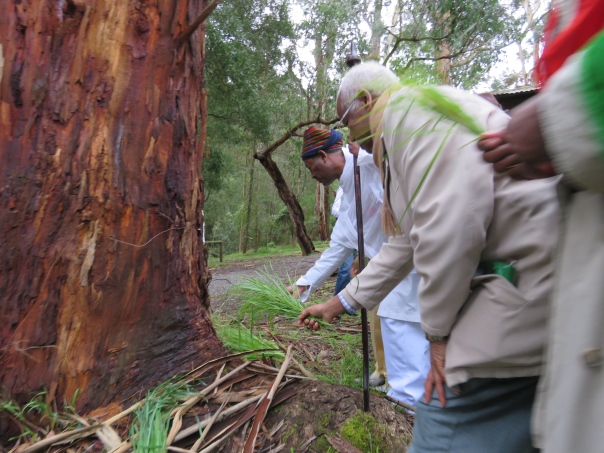
Irreechaa as Ritual Repair: How an Ancient Thanksgiving Festival Became a Blueprint for Collective Mental Health Intervention
Far more than a seasonal celebration, the Oromo festival’s water blessings, songs, and communal rituals function as a sophisticated, community-driven therapy for generations of historical trauma
In an era where mental health professionals increasingly recognise the limitations of individual therapeutic models for addressing collective trauma, an ancient festival offers an unexpected but profoundly effective blueprint. For the Oromo people, the Irreechaa celebration—held at sacred water bodies like Hora Arsadii (Bishoftu) and Hora Finfinnee—operates as what scholars describe as “cultural therapy”: a cyclical, collective practice that restores dignity, cohesion, and hope after generations of political marginalisation .
For a people whose late-19th-century imperial incorporation, linguistic suppression, and systematic cultural erasure represent textbook “cumulative, collective wounding,” Irreechaa has become far more than a seasonal celebration . It is a sophisticated, community-based mental health intervention that has sustained Oromo resilience for centuries. By examining the Irreechaa protocol—its structure, its symbols, and its therapeutic mechanisms—we may find a model for collective healing that transcends cultural boundaries.
The Foundation of Collective Trauma
The Oromo experience of historical trauma is severe and systematic. Late-19th-century imperial expansion violently incorporated Oromo homelands into the Ethiopian Empire, followed by over a century of political and cultural subordination . Oromo institutions, including aspects of the Gadaa governance system, were constrained or suppressed, and the public status of Afaan Oromoo was systematically diminished.
This represents what scholars term “cumulative, collective wounding”—mass harms that echo across generations through families and institutions . The result is not merely individual psychological distress but a community-wide experience of internalised devaluation, social fragmentation, and disconnection.
Conventional mental health approaches—individual therapy, medication, and cognitive interventions—can address symptoms but often fail to heal the underlying collective wounds. Irreechaa offers an alternative: a community-based intervention designed to restore what was broken collectively.
The Therapeutic Structure of Irreechaa
Irreechaa’s choreography follows a remarkably consistent pattern: pilgrimage to sacred water, symbolic washing, public prayer, group singing and dancing, and the leadership of elders . This structure aligns precisely with what anthropologists identify as the key elements of “ritual repair” .
Recognition: Countering Internalised Devaluation
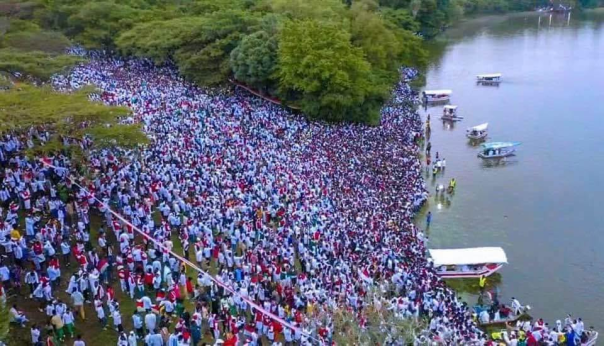
One of the most insidious effects of historical oppression is internalised inferiority—members of marginalised groups absorb the dominant society’s negative messages about their identity. Irreechaa counters this through public, mass affirmation . When millions gather in traditional white attire, singing and performing traditional dances, they are not just celebrating; they are visibly, collectively reclaiming dignity .
The festival’s impact on psychological well-being is significant. Scholars document that the joyful atmosphere counters trauma from oppression, displacement, or recent conflicts, while youth see their culture celebrated, combating marginalisation and fostering confidence . The sense of pride and self-worth cultivated at Irreechaa is particularly important for younger generations, who carry the Oromo legacy forward .
Regulation: Choreographing Healing through Music and Movement
The physical elements of Irreechaa serve a regulatory function that echoes evidence-based trauma interventions. Structured songs, rhythmic movement, and shared timing “calm bodies and synchronise emotion” . This mirrors approaches like EMDR (Eye Movement Desensitization and Reprocessing), where bilateral stimulation helps process traumatic material.
Traditional Oromo songs, known as geerarsa, have a particularly powerful healing function. One form of folksong is designed to “divert the thought of the distressed individual by persuading him through the intricate terminologies” and has “strong power of meeting the requirements or to draw attention of the listener” . Even individuals with mental illness can be drawn into the healing experience through these songs .
Scientifically, the combination of water and sound creates immersive ritual environments. Chanting reduces stress hormones and triggers dopamine, promoting transcendence . When tens of thousands move, sing, and splash in sacred waters together, the result is a form of community-wide emotional regulation that no individual therapist could replicate.
Reconnection: Rebuilding Social Bonds
Historical trauma isolates; ritual reconnects. Anthropologists have long described how public rituals generate what they call “communitas”—an intense sense of togetherness that suspends everyday hierarchies . At Irreechaa, this communitas creates “prosocial bonds that reduce isolation and renew civic agency” .
The festival’s intergenerational participation reinforces this reconnection. Elders demonstrate rituals like eebba (blessings) and traditional dances, while children and youth participate actively, creating a continuity of social bonds that bridges generations . This is not simply a pleasant experience; it is a vital antidote to the social fragmentation that oppression produces.
Irreechaa’s role in fostering inclusivity and national healing has been widely recognised, with the festival described as “a catalyst for inclusivity in Ethiopia” that “promotes a sense of togetherness and fosters a spirit of inclusivity, reminding us that despite our differences, we are all part of the same human family” .
The Water Blessing: Symbolic Washing Away
The most iconic Irreechaa ritual involves participants entering sacred water and symbolically washing away hardship, or performing libation rituals using water and fresh grass (Birraa) . This act operates on multiple levels:
- Symbolically, it represents cleansing from past trauma and preparation for renewal .
- Psychologically, it provides a physical mechanism for emotional release.
- Communally, it creates a shared experience that binds participants together.
For diaspora Oromo communities, adaptations of these water rituals in park settings or hilltops serve similar functions, connecting a community separated by geography to the healing practices of their ancestors . The Melbourne community, for example, transformed Dandenong Hill into a sacred gathering point when a traditional water body was unavailable . Planting trees alongside these symbolic rituals extends the theme of renewal to ecological consciousness .
The Shadow: When Healing Attracts Threat
The very power that makes Irreechaa therapeutic also makes it threatening to forces seeking to maintain dominance . The 2016 Bishoftu tragedy—where security forces’ crowd control triggered a stampede that killed scores—etched a deep collective trauma into Oromo memory . This event reinforced fears that peaceful cultural gatherings can be violently disrupted.
Subsequent Irreechaa celebrations have often featured heavy policing, preemptive arrests, and restrictions that rights groups criticise as disproportionate . The “securitisation” of Irreechaa reflects a fundamental reality: visible, unified collective identity threatens projects that rely on minimising that group’s visibility and power .
The festival’s security challenges are well-documented. As one analysis notes, “this pattern sustains a feedback loop: securitisation communicates distrust of Oromo mass assembly; participants experience retraumatisation; organisers double down on the festival’s identity-affirming message, which authorities then read as political mobilisation” .
A Blueprint for Collective Intervention
What can the Irreechaa protocol teach mental health practitioners, community organisers, and policymakers?
1. Collective Healing Requires Collective Ritual
Individual therapy cannot fully address historical trauma because the wound is communal. Interventions must create spaces where communities can heal together .
2. Symbolism Matters
Water, music, movement, and traditional attire are not superficial decorations; they are therapeutic vehicles that engage the whole person .
3. Intergenerational Participation Is Essential
Children and elders healing together creates continuity that individual approaches cannot achieve .
4. Regularity Builds Resilience
Irreechaa’s cyclical nature—held annually, marking seasonal change—provides ongoing, predictable support that communities can rely on .
5. Cultural Grounding Is Strength
Cultural practices adapted to trauma healing are not barriers to evidence-based approaches; they are themselves evidence-based approaches refined over generations .
Conclusion: Ritual as Quiet Repair
Irreechaa demonstrates that collective healing is not only possible but has been practised for centuries. Its protocol—recognition, regulation, and reconnection through public ritual—provides a template that could be adapted across cultures and contexts .
As scholars of historical trauma note, healing requires “shared remembrance, mourning, and culturally grounded practices that rebuild meaning and agency” . The Irreechaa protocol provides exactly that: a culturally grounded practice that rebuilds meaning and agency for millions.
The path forward, as one analysis concludes, is “not to shrink Irreechaa but to secure it: treat it as a national asset, protect rights equally, and let ritual do its quiet work of repair” . For mental health professionals, the lesson is clear: the best interventions may not be found in clinical manuals but in the living traditions of communities that have survived and thrived despite centuries of attempted erasure.
Irreechaa’s power is double-edged: the very practices that heal—public recognition, shared emotion, embodied solidarity—also unsettle projects that rely on minimising Oromo visibility. The path forward is not to shrink Irreechaa but to secure it.

The Irreechaa Protocol: How an Ancient Festival Provides a Blueprint for Collective Mental Health Intervention
What if healing from trauma is not meant to be a solitary journey but a communal ritual—one that has been practised for centuries?
In an era where mental health professionals increasingly recognise the limitations of individual therapeutic models for addressing collective trauma, a centuries-old festival offers an unexpected but profoundly effective blueprint. The Oromo people’s Irreechaa—an annual thanksgiving celebration held at sacred water bodies like Hora Arsadii (Bishoftu) and Hora Finfinnee—functions as what scholars describe as “cultural therapy”: a cyclical, collective practice that restores dignity, cohesion, and hope after generations of political marginalisation .
For a people who have endured conquest, linguistic suppression, and systematic cultural erasure, Irreechaa is far more than a seasonal celebration. It is a sophisticated, community-based mental health intervention that has sustained Oromo resilience for centuries. By examining the Irreechaa protocol—its structure, its symbols, and its therapeutic mechanisms—we may find a model for collective healing that transcends cultural boundaries.
The Foundation of Collective Trauma
The Oromo experience of historical trauma is textbook in its severity. Late-19th-century imperial expansion violently incorporated Oromo homelands into the Ethiopian Empire, followed by over a century of political and cultural subordination . Oromo institutions, including aspects of the Gadaa governance system, were constrained or suppressed, and the public status of Afaan Oromoo was systematically diminished .
This represents what scholars term “cumulative, collective wounding”—mass harms that echo across generations through families and institutions . The result is not merely individual psychological distress but a community-wide experience of internalised devaluation, social fragmentation, and disconnection.
Conventional mental health approaches—individual therapy, medication, and cognitive interventions—can address symptoms but often fail to heal the underlying collective wounds. The Irreechaa protocol offers an alternative: a community-based intervention designed to restore what was broken collectively.
The Therapeutic Structure of Irreechaa
Irreechaa’s choreography follows a remarkably consistent pattern: pilgrimage to sacred water, symbolic washing, public prayer, group singing and dancing, and the leadership of elders . This structure is not accidental; it aligns precisely with what anthropologists identify as the key elements of “ritual repair.”
Recognition: Countering Internalised Devaluation
One of the most insidious effects of historical oppression is internalised inferiority—members of marginalised groups absorb the dominant society’s negative messages about their identity. Irreechaa counters this through public, mass affirmation . When millions gather in traditional white attire, singing Dhaanto, and performing the Shaggooyee dance, they are not just celebrating; they are visibly, collectively reclaiming dignity .
For Oromo youth—particularly those in the diaspora—this public celebration of their culture combats marginalisation and fosters confidence . It tells them that their identity is not something to hide but something to celebrate with pride.
Regulation: Choreographing Healing
The physical elements of Irreechaa serve a regulatory function that echoes evidence-based trauma interventions. Structured songs, rhythmic movement, and shared timing “calm bodies and synchronise emotion” . This mirrors approaches like EMDR (Eye Movement Desensitization and Reprocessing), where bilateral stimulation helps process traumatic material.
Psychologically, this is “psycho-bio-social regulation” . The body and mind work together to process emotional material, with collective synchrony amplifying the therapeutic effect. When tens of thousands move and sing together, the result is a form of community-wide emotional regulation that no individual therapist could replicate.
Reconnection: Rebuilding Social Bonds
Historical trauma isolates; ritual reconnects. Anthropologists have long described how public rituals generate what they call “communitas”—an intense sense of togetherness that suspends everyday hierarchies . At Irreechaa, this communitas creates “prosocial bonds that reduce isolation and renew civic agency” .
The festival’s multi-generational participation reinforces this reconnection . Elders demonstrate rituals like the Eebba (blessings) and traditional dances , while children and youth participate actively, creating a continuity of social bonds that bridges generations. This is not simply a pleasant experience; it is a vital antidote to the social fragmentation that oppression produces.
The Water Blessing: Symbolic Washing Away
The most iconic Irreechaa ritual involves participants entering sacred water and symbolically washing away hardship . This act operates on multiple levels simultaneously:
Symbolically, it represents cleansing from past trauma and preparation for renewal. Psychologically, it provides a physical mechanism for emotional release. Communally, it creates a shared experience that binds participants together.
For diaspora Oromo, adaptations of this water ritual in park settings serve similar functions, connecting a community separated by geography to the healing practices of their ancestors . Planting trees alongside these symbolic water rituals extends the theme of renewal to ecological consciousness .
The Shadow: When Healing Attracts Threat
The very power that makes Irreechaa therapeutic also makes it threatening to forces seeking to maintain dominance. The 2016 Bishoftu tragedy—where security forces’ crowd control triggered a stampede that killed scores—etched a deep collective trauma into Oromo memory . This event reinforced fears that peaceful cultural gatherings can be violently disrupted.
Subsequent Irreechaa celebrations have often featured heavy policing, preemptive arrests, and restrictions that rights groups criticise as disproportionate . The “securitisation” of Irreechaa reflects a fundamental reality: visible, unified collective identity threatens projects that rely on minimising that group’s visibility and power .
Yet the festival continues to grow. In 2025, tens of thousands gathered in Addis Ababa and Bishoftu, with Prime Minister Abiy Ahmed addressing the crowd . The celebration has become a complex space where cultural resurgence, political symbolism, and community grievance intersect .
A Blueprint for Collective Intervention
What can the Irreechaa protocol teach mental health practitioners, community organisers, and policymakers?
1. Collective Healing Requires Collective Ritual
Individual therapy cannot fully address historical trauma because the wound is communal. Interventions must create spaces where communities can heal together.
2. Symbolism Matters
Water, music, movement, and traditional attire are not superficial decorations; they are therapeutic vehicles that engage the whole person.
3. Intergenerational Participation Is Essential
Children and elders healing together creates continuity that individual approaches cannot achieve.
4. Regularity Builds Resilience
Irreechaa’s cyclical nature—held annually, marking seasonal change—provides ongoing, predictable support.
5. Cultural Grounding Is Strength
Cultural practices adapted to trauma healing are not barriers to evidence-based approaches; they are themselves evidence-based approaches refined over generations.
Conclusion
Irreechaa demonstrates that collective healing is not only possible but has been practised for centuries. Its protocol—recognition, regulation, and reconnection through public ritual—provides a template that could be adapted across cultures and contexts.
As scholars of historical trauma note, healing requires “shared remembrance, mourning, and culturally grounded practices that rebuild meaning and agency” . The Irreechaa protocol provides exactly that: a culturally grounded practice that rebuilds meaning and agency for millions.
For mental health professionals, the lesson is clear: the best interventions may not be found in clinical manuals but in the living traditions of communities that have survived and thrived despite centuries of attempted erasure. The Irreechaa protocol is not just a festival; it is a toolkit for collective mental health, refined over generations and proven effective by the very survival of the Oromo people.
“Irreechaa’s power is double-edged: the very practices that heal—public recognition, shared emotion, embodied solidarity—also unsettle projects that rely on minimising Oromo visibility. The path forward is not to shrink Irreechaa but to secure it: treat it as a national asset, protect rights equally, and let ritual do its quiet work of repair” .

The 8th Conference of Judicial Officers of the South-West Shewa Zone
Strengthening the Judiciary through Service, Integrity and Professional Excellence
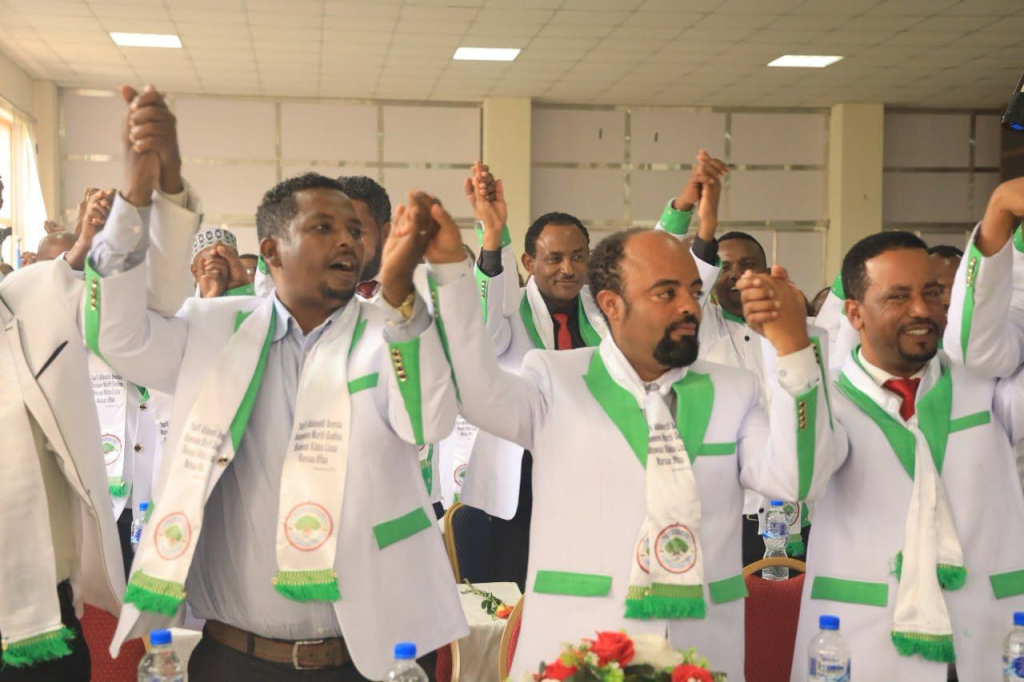
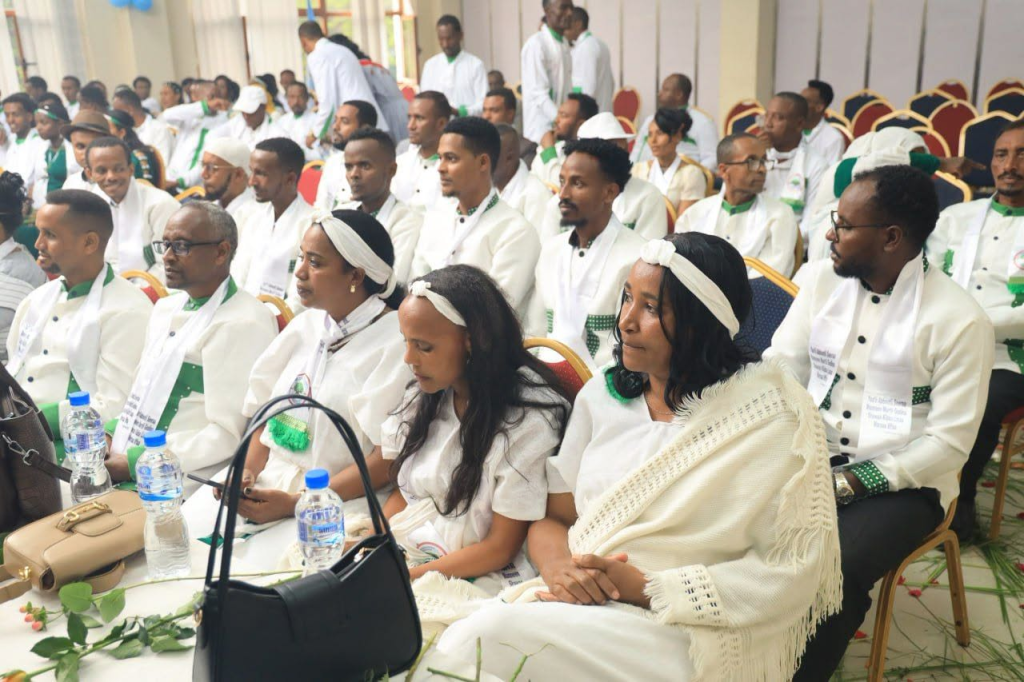
Waliso, Oromia — The 8th Conference of Judicial Officers of the South-West Shewa Zone was officially held in the town of Waliso, under the theme: “We Will Work with a High Spirit of Service to Provide the Public with Pure, Efficient and Acceptable Judicial Services!”
The conference, which brought together judges and legal professionals from across the zone, served as an important platform to evaluate court performance, discuss challenges, and chart a path toward improved service delivery. It concluded with a recognition ceremony honouring judicial officers who had recorded outstanding achievements .
Focus on Quality and Efficiency
During the conference, a key presentation was delivered under the title “Causes for the Cancellation and Improvement of Cases: The Reality of the Courts of the South-West Shewa Zone and the Direction of Solutions” . This session sparked in-depth discussions among the participants, highlighting the commitment of the judiciary to learning from past shortcomings and enhancing the quality of its rulings .
The theme of the conference reflects a broader reform effort to ensure that the judiciary is not only independent but also responsive to the needs of the public. As noted in previous judicial gatherings in Oromia, the primary goal is to improve access to justice and strengthen public trust in the legal system .
Participants and Attendance
The event was attended by a wide range of judicial and administrative officials, including:
- Judges of the Zonal Courts ;
- Representatives from the Oromia Supreme Court ;
- Judicial officers from neighbouring zones and city courts;
- Heads of sector offices from the zone and the town of Walisoo;
- Court administrators and other legal professionals .
The broad representation underscores the coordinated efforts across different levels of the judiciary to align practices and share experiences. Previous zonal conferences, such as those in Jimma and other parts of Oromia, have similarly focused on utilising technology and improving the quality of judicial services .
Recognition of Excellence
One of the highlights of the conference was the presentation of certificates of recognition to judges and court officials who had demonstrated exemplary performance. This practice is common in Oromia’s judicial sector reforms and aims to motivate legal professionals to uphold the highest standards of integrity and service.
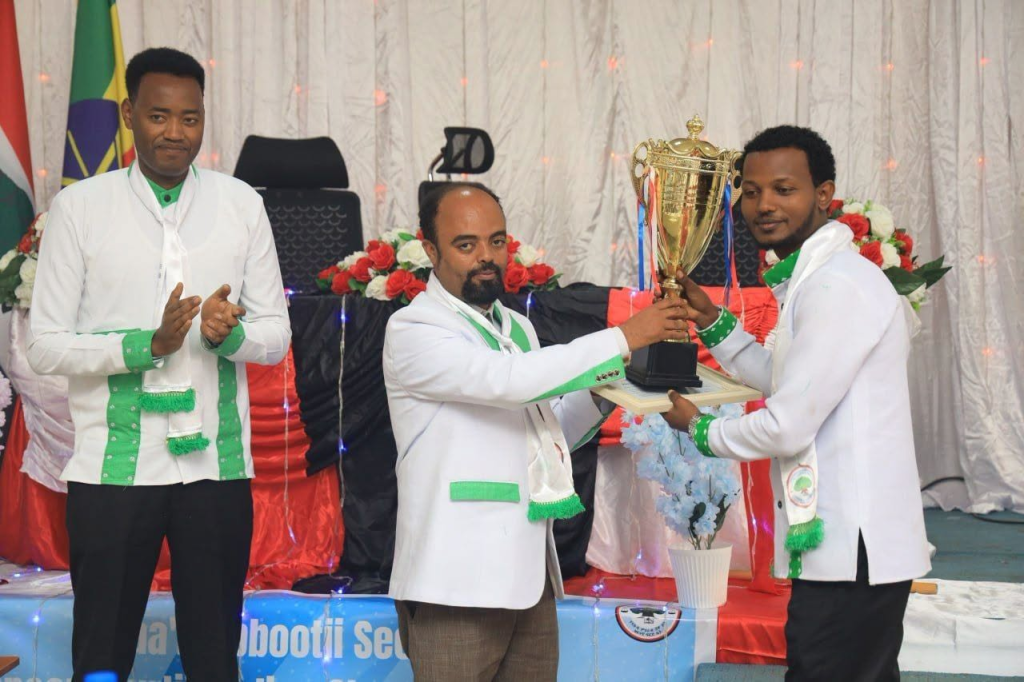
The recognition was part of a broader effort to strengthen the rule of law and ensure that the judiciary remains a pillar of justice in the region. Recent reports, however, have also highlighted the difficulties facing the judiciary, including incidents of judges being unlawfully arrested and intimidated, underscoring the importance of such gatherings to reaffirm judicial independence.
Conclusion
The successful conclusion of the 8th Conference of the Judicial Officers of the South-West Sheba Zone reflects a renewed commitment to a judiciary that is accessible, transparent and accountable. In the face of security and administrative challenges, the spirit of service and integrity shown by judicial officers is a beacon of hope for a just and fair legal system .

The Two Humiliations of TPLF: A Reflection on Power, Pride, and the Oromo Awakening
In the shifting sands of Ethiopian politics, the Tigrayan People’s Liberation Front has suffered wounds that time has not healed—and the Oromo people remain the central characters in this unfolding drama
In the annals of Ethiopian political history, few organizations have risen as high or fallen as dramatically as the Tigrayan People’s Liberation Front (TPLF). For nearly three decades, it dominated the political landscape of the Ethiopian Empire, ruling with an iron fist while projecting an image of revolutionary legitimacy. Yet today, the TPLF finds itself nursing wounds that history will not allow it to forget—wounds inflicted not by foreign enemies but by the very people it sought to subjugate.
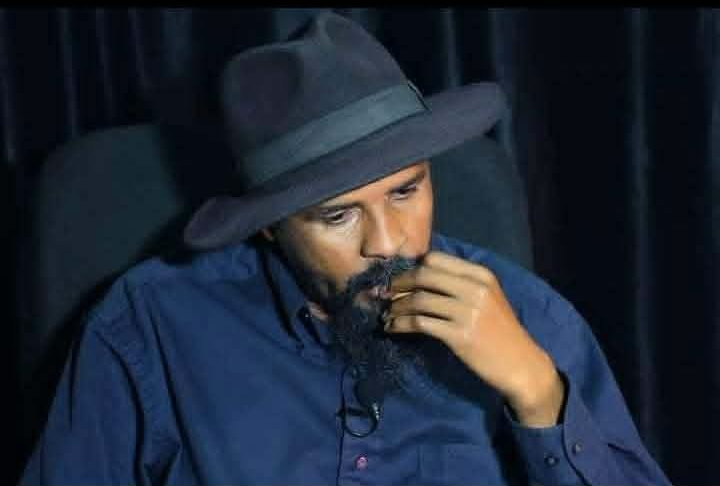
The reflection of Abba Ebba offers a searing analysis of what he calls the “two humiliations” of the TPLF—humiliations that, in his view, are inextricably linked to the Oromo people and their awakening. These are not merely military defeats but moral and political reckonings that the TPLF has been unable to accept or process.
The First Humiliation: The Fall of Mekelle
“For 27 years, like the saying ‘the hare’s skin cannot cover the elephant,’ the TPLF tried to stretch its hide over an empire too vast for its frame. In the final hour, it was the sons and daughters of Oromo—the Qeerroo and Qarree—who stood before tanks with empty hands and brought down the regime. They made the TPLF retreat to Mekelle, dragging its ill-gotten wealth behind it. This is the first humiliation that remains unhealed to this day.”
The 2018 Oromo protests were not merely a political uprising—they were a seismic shift in the Ethiopian political landscape. The Oromo youth, known as the Qeerroo and Qarree, rose in a wave of popular resistance that the TPLF could not contain. The protests were decentralized, leaderless, and yet remarkably unified in their demands for justice, equality, and an end to the TPLF’s domination .
The TPLF, which had ruled Ethiopia for 27 years, was forced to abandon power and retreat to its northern stronghold of Mekelle. This was not a defeat by a rival military force but a collapse in the face of unarmed civilian resistance. The humiliation was profound and, according to Abba Ebba, has never been truly accepted by the TPLF leadership.
“The TPLF was defeated by the popular wave that ignited from one end of Oromia to the other—a wave that was part of the Oromo liberation struggle. This is an undeniable truth. The Oromo is an elephant; when it tramples, it crushes. The TPLF was forced to swallow this reality, whether it liked it or not.”
The Second Humiliation: The Retreat to Mekelle
The second humiliation followed the first. After initially retreating to Mekelle, the TPLF sought to reassert its influence on the national stage. It formed alliances with various forces—including some within the Amhara political spectrum—and attempted to challenge the Prosperity Party government.
However, this effort ended in another defeat. The TPLF was forced to retreat once again to Mekelle, leaving behind its ambitions and its allies, having consumed itself in the fires it had ignited. This second retreat, Abba Ebba argues, is the other humiliation that remains raw and unprocessed .
“When the TPLF was about to return to Addis Ababa, it found itself burned by the fire it had started. It was forced to retreat to Mekelle—another humiliation that has not faded.”
The Unlearned Lesson
Despite these humiliations, the TPLF has not learned its lesson. Instead, it continues to prepare for a new war, this time under the cover of the Prosperity Party government’s own challenges. After four years of uninterrupted military preparation, the TPLF is once again positioning itself for conflict .
Abba Ebba warns that this preparation is driven by a desire for revenge—a desire to settle scores with the Oromo people who, in the TPLF’s view, are responsible for its humiliations. “Under the cover of the Prosperity Party government, the TPLF is seeking to take revenge on our people for its past humiliations.”
The Unnecessary Price
Abba Ebba poses a pointed question: why must the Oromo people pay the price for the TPLF’s ambitions? Why must Oromia become a battlefield for conflicts that are not of its making?
“The TPLF did not need to travel 600 kilometres into the heart of the country, into the breadbasket of Ethiopia—Oromia. It could have declared Eritrea-style independence when the Derg fell, and it could do so today. All it needs is to settle its accounts and secure the consent of its people.”
The TPLF’s refusal to accept defeat has left the Oromo people caught between multiple threats. On one hand, there is the TPLF’s continued military preparations and its desire for revenge. On the other, there are forces like Fano and other armed groups that have also targeted Oromo communities.
The Oromo Elite’s Responsibility
Abba Ebba also points a finger at the Oromo elite, accusing them of failing to fulfill their responsibilities. The Oromo people, who have paid the heaviest price in the struggle against the Ethiopian Empire, now face a dual threat: the TPLF’s revanchism and the Oromo elite’s failure to protect the gains of the struggle.
“The Oromo elite has failed to protect the historic victory achieved by the Oromo popular struggle. It has also failed to protect the constitutional right to self-determination—the right to democracy, justice, and self-rule—from being undermined.”
This failure, Abba Ebba argues, has allowed the Oromo people to be marginalized and treated with suspicion by their neighbours. The Oromo elite’s failure to step up has left the people vulnerable to manipulation and exclusion.
A Call to Vigilance
Abba Ebba concludes with a call to the Oromo people:
“Our people must prepare themselves for the danger of the approaching war and actively monitor the situation. The war that is being prepared—whether by TPLF or by the Fano forces—poses a threat to the next generation of Oromo. Decisive action must be taken to find a lasting solution.”
He insists that Oromia must not become a doormat for the ambitions of others. “Oromia will not be a doormat for Fano or the TPLF! With its determined sons and daughters, it will stand, honoured and respected, and it will endure forever.”
A Historical Warning
The reflection of Abba Ebba is not merely a commentary on contemporary politics—it is a historical warning. It reminds the Oromo people that the TPLF, despite its humiliations, has not abandoned its ambitions. The two humiliations remain unhealed, and the TPLF continues to seek revenge.
But the reflection also carries a message of hope and resolve. The Oromo people, having risen once, can rise again. The elephant has crushed its enemies before, and it can do so again.
Conclusion
The two humiliations of the TPLF are more than military or political defeats—they are symbolic wounds that the organization has not been able to accept. The TPLF’s refusal to learn from its past has left the Oromo people facing a renewed threat. But the Oromo people, having already demonstrated their power, are not powerless.
As Abba Ebba declares: “Oromia will not be a doormat for Fano or the TPLF! With its determined sons and daughters, it will stand, honoured and respected, and it will endure forever.”
The elephant has crushed its enemies before, and it can do so again.

The Debate Over Finfinne: Citizenship, Nationality, and the Right to Self-Determination
In Ethiopia’s complex federal system, the status of the capital city has become a flashpoint for competing visions of identity, rights, and constitutional interpretation
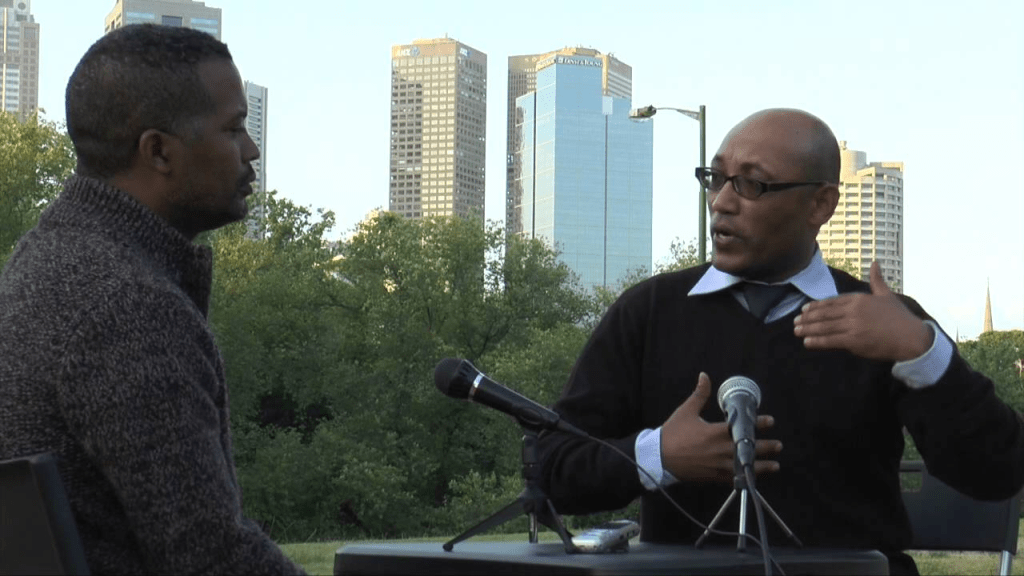
FINFINNE, ETHIOPIA — A provocative statement by Dr. Tsegaye Ararssa has reignited debate over the status of Finfinne (Addis Ababa) and the rights of its residents, challenging what he describes as “baseless” calls for the city’s self-determination while affirming the constitutional framework that places it within Oromia.
“Finfinne is one of the cities of Oromia” , Dr. Tsegaye asserts, grounding his argument in Ethiopia’s federal constitution and the regional constitution of Oromia . The statement has drawn both support and criticism in a country where the status of the capital city remains a sensitive political issue.
A City of Many Peoples
Finfinne, with its population estimated at between 3 and 4 million, is a microcosm of Ethiopia’s remarkable diversity. People from all regions of the country have made the city their home, bringing with them their languages, cultures, and traditions .
“Their coming is a blessing. Their presence is beautiful. It is beauty itself,” Dr. Tsegaye writes, acknowledging the contributions of migrants who have enriched the capital’s social and cultural fabric.
These residents, he emphasizes, are full rights-bearing citizens of both the country and the region. Their rights are guaranteed under Ethiopia’s constitution (Chapter 3), the Oromia constitution, and other relevant laws. State and regional governments are constitutionally obligated to protect and fulfill these rights .
Residents, Not a Nation
Despite the rich diversity of its population, Dr. Tsegaye draws a sharp legal distinction: “The residents of Finfinne are residents, citizens—not a nation.”
While each individual citizen retains their ethnic identity—with many having ties to their regions of origin—the residents of Finfinne collectively do not constitute a “nation” as defined under Ethiopia’s constitutional framework .
The Ethiopian constitution grants the right to self-determination to “nations, nationalities, and peoples,” defined in Article 39(5) as groups with shared culture, language, identity, and a sense of common history . Residents of Finfinne, however diverse, do not meet these criteria as a collective group.
Individual Rights vs. Collective Rights
Dr. Tsegaye draws a crucial distinction between two types of rights:
Individual rights that accrue to all citizens—including the right to education in one’s language, cultural expression, religious freedom, and preservation of identity—are fully guaranteed to residents of Finfinne .
Collective rights—specifically, the right of a group to self-determination—are reserved for groups that constitute “nations” under Ethiopian law. Such groups must meet the constitutional criteria defined in Article 39(5) .
According to Dr. Tsegaye, residents of Finfinne do not meet this constitutional threshold. They are not a “nation” but rather a diverse collection of individuals from various nations. Therefore, any movement seeking self-determination for the city of Finfinne as a collective entity is constitutionally baseless .
As he states, “If they were to be properly settled according to this criterion, they would be Oromo, and their region would be Oromia.”
The Call for Self-Determination
The debate over Finfinne’s status is not merely academic. In recent years, some voices have called for the city to exercise self-determination, either as an independent federal city or through other arrangements.
Dr. Tsegaye characterizes these calls as “baseless and anti-Oromo” . The phrase “anti-Oromo” likely reflects the perspective that these efforts threaten Oromo rights and the territorial integrity of Oromia.
However, the debate cuts multiple ways. Those advocating for Finfinne’s self-determination argue that the city’s residents have distinct interests that may not be fully represented by either the federal or regional government.
The Constitutional Framework
The Ethiopian constitution is one of the few in Africa that explicitly recognizes the right of nations, nationalities, and peoples to self-determination, including the right to secession .
The constitution also establishes Finfinne (Addis Ababa) as a special city, with its status and boundaries determined by the federal government. This has been a source of tension between the federal government and Oromia, with some Oromo nationalists arguing that the city rightfully belongs to Oromia.
Dr. Tsegaye’s argument is grounded in the constitutional text as he interprets it, but the constitution’s provisions on Finfinne’s status have been subject to multiple interpretations.
A Citizen, Not a Nation
The heart of Dr. Tsegaye’s argument is that Ethiopian citizenship must be distinguished from nationality. All Ethiopians are citizens, but they belong to nations, nationalities, or peoples as defined in the constitution. Residents of Finfinne are citizens first, and their ethnic identity is separate from their status as residents of the capital .
In a country where ethnic federalism is both a constitutional principle and a political reality, the distinction matters. It shapes access to resources, political representation, and even legal status.
His final counsel to residents of Finfinne is clear: “Leave this ‘Addis Ababa should determine its own destiny’ noise, and protect your citizenship rights. It is counsel” .
Conclusion
Dr. Tsegaye Ararssa’s intervention enters a contentious and evolving debate with significant political and legal implications. His emphasis on the constitutional text, the distinction between individual and collective rights, and the specific status of Finfinne as a city within Oromia reflects one interpretation of Ethiopia’s complex federal framework.
Yet the status of Finfinne remains one of the most sensitive and unresolved issues in Ethiopian politics. The debate over whether the city is the capital of Ethiopia, the seat of the Oromo people, or something else entirely continues to shape political discourse.
“The residents of Finfinne are residents, citizens—not a nation.”

Why Unity Remains a Constant Theme in the Oromo Freedom Struggle
In the face of colonial domination and systemic oppression, the call for Oromo unity is not just a political slogan—it is a survival strategy, a moral imperative, and the foundation of a centuries-old struggle for liberation
The Oromo freedom struggle is one of the longest-running national liberation movements in Africa. For over a century, the Oromo people have resisted colonial domination, cultural suppression, and political marginalisation within the Ethiopian Empire. Throughout this long and arduous journey, one theme has remained constant: the call for unity.
Unity is not merely a rhetorical device in Oromo political discourse. It is a practical necessity, a moral principle, and a historical lesson that has been learned through generations of struggle. To understand why unity remains so central to the Oromo cause, we must look at the history of oppression, the nature of colonial strategy, and the lessons learned from both successes and failures.
The Colonial Strategy: Divide and Rule
The Ethiopian Empire was built through conquest. In the late 19th century, Emperor Menelik II’s armies, armed with European rifles, swept through the Oromo territories, confiscating land, imposing a feudal system of tribute and forced labor, and suppressing Oromo institutions such as the Gadaa system. The neftegna-gabbar system was not a metaphor—it was a system of land confiscation, tribute extraction, and forced labour that persisted for generations .
“When Menelik’s armies swept through what is now Oromia in the 1880s and 1890s, they did not arrive as liberators. They arrived with rifles purchased from European powers, with a feudal ideology that viewed the southern peoples as pagans to be civilised and their land as empty territory to be claimed” .
To maintain control over a conquered population that vastly outnumbered the colonisers—Oromos comprise roughly 35% of Ethiopia’s population —the imperial state employed a classic colonial strategy: divide and rule. Oromo society was fragmented, regional differences were exploited, and some Oromo elites were co-opted into the colonial administration. This strategy of fragmentation served the coloniser’s interests by preventing the emergence of a unified Oromo national consciousness .
The suppression of Oromo unity was not incidental to colonial rule—it was essential to it. A united Oromo nation posed an existential threat to the colonial system. This is why successive Ethiopian governments have sought to undermine Oromo unity, whether through direct repression or through the co-optation of Oromo elites into the state structure .
The Birth of National Consciousness
The 1960s marked a turning point in Oromo political consciousness. Oromo intellectuals and artists began to articulate their dissatisfaction with socio-economic deprivation and what was seen by some as ethnic oppression . The Macha-Tulama Self-Help Association (MTA), founded in the 1960s, represented one of the first organised attempts to build Oromo unity across regional and clan divisions .
The Haile Selassie government, recognising the threat posed by this emerging unity, crushed the MTA. Its destruction was the immediate catalyst for the founding of the Oromo Liberation Front (OLF) in the early 1970s . The establishment of the OLF represented a decisive shift: for the first time, a unified political organisation was created to lead the Oromo struggle for self-determination .
“The effort to bring together a few Oromo nationalists of diverse backgrounds from all over Oromia” to establish the OLF was itself an act of unity . The founders understood that only through a unified national movement could the Oromo people overcome the colonial system.
The Weapon of Culture
Oromo culture has been a powerful force for unity. While the Ethiopian state banned the Oromo language from public contexts and prevented it from being printed, Oromo musicians and artists developed creative forms of cultural resistance that sustained Oromo identity and consciousness .
“Afaan Oromo song (music) was used as the most powerful form of chimerical power in speaking across age, class, region, sex, power, and even ideology in resisting the domination of Imperial rule while striving to sustain common Oromo unity” .
Oromo musical icons such as Ali Birra, Abitaw Kebede, Nuho Gobana, Umar Suleyman, Ebbisa Adunya, and Kadir Said played an indispensable role in creating a social space wherein the Oromo struggle for equality and self-emancipation is articulated and debated . Songs like Haacaaluu Hundeessaa’s Maalan Jiraa became anthems of resistance, weaving together stories of pain and pride, hope and despair, and reminding Oromos of their shared identity and destiny .
“It is here, in this reservoir of songs, in the unruly dances and heart-breaking ballads, that one finds the story of the Oromo nation and its struggle for self-determination, not in the official archives and historiographies of the Ethiopian state” .
These artists became targets of state repression because their songs threatened the colonial order by building Oromo unity and consciousness .
Lessons from History
The Oromo people have a long memory of both the costs of disunity and the power of unity. The 16th-century Oromo campaigns, which successfully reclaimed territories from both Christian and Islamic imperial forces, were made possible by the sophisticated organisation of the Gadaa system—a system built on unity of purpose and collective action .
“The successes of the Oromo were not due to sheer numbers or migratory luck—but stemmed from an internally sophisticated and morally grounded civilisational system anchored in the Gadaa democratic order” .
Factors such as the Gadaa system, age-set institutions (Cibra), the unifying goal of reclaiming ancestral land (Galma), spiritual conviction (Kaawoo), and inclusive sociopolitical integration (Moggaasaa) all contributed to Oromo military success .
Conversely, the weakness of the Oromo movement has often been attributed to disunity. As one analysis notes, within the Oromo nationalist movement there are “lots of varieties, units, political agendas, and goals” . This diversity, while reflective of the Oromo people’s richness, has at times been exploited by the state to undermine the movement.
The recognition that disunity serves the coloniser is a constant theme in Oromo political discourse. “The colonizers and their agents have vilified and attacked” the OLF “to make the Oromo society leaderless” . A leaderless, fragmented society is easier to control.
Unity in Contemporary Struggles
The theme of unity remains urgent today. Recent efforts by the Oromo Liberation Front (OLF) and the Oromo Federalist Congress (OFC) to establish a “Transitional National Unity Government of Oromia” reflect this ongoing imperative . These groups have called on “all genuine Oromo forces, regardless of their method of struggle, to resolve their political differences and galvanize their unity” .
The call for unity is not merely political—it is a response to the dire situation facing the Oromo people. Across all 22 zones of Oromia, conflict between government forces and the Oromo Liberation Army (OLA) has led to arrests, beatings, displacement, mass burning of civilian houses, and other atrocities . The Oromo people face a crisis that demands unified action .
Yet the path to unity is not simple. The Oromo nation is divided by class, region, religion, and political orientation. As one analysis notes, “the Oromo nation is not a monolith. It is divided by class” . At the top is the Oromo comprador bourgeoisie—elites integrated into the state structure who benefit from the existing system . At the bottom is the Oromo working class—peasants, agricultural labourers, industrial workers, unemployed youth, and the urban poor .
This class division has led to a recognition that “nationalism alone cannot deliver what the Oromo masses actually need” . The Oromo peasant displaced from their land does not care whether the displacer is Amhara or Oromo—the displacement is the same . The Oromo worker paid starvation wages does not care whether the boss is based in Addis or abroad—the exploitation is the same .
This insight has led some to argue that the Oromo struggle must move beyond nationalism to class politics, building alliances with other oppressed peoples across Ethiopia . “Your ally is the Amhara worker who also wants land. Your ally is the Tigrayan worker who also wants a living wage” .
The Role of the Gadaa System
The Gadaa system continues to be a source of unity for the Oromo people. Its principles of regular rotation of leadership, checks and balances, and consensus-building mechanisms are considered “one of the most sophisticated pre-capitalist socio-political systems ever developed” . The Gadaa system is not merely a cultural artefact—it offers lessons in democratic governance that are relevant to the contemporary struggle .
“A liberated Ethiopia would not erase Oromo culture. It would draw on it. It would recognise that the Gadaa system offers lessons in democratic governance that the European liberal tradition cannot teach” .
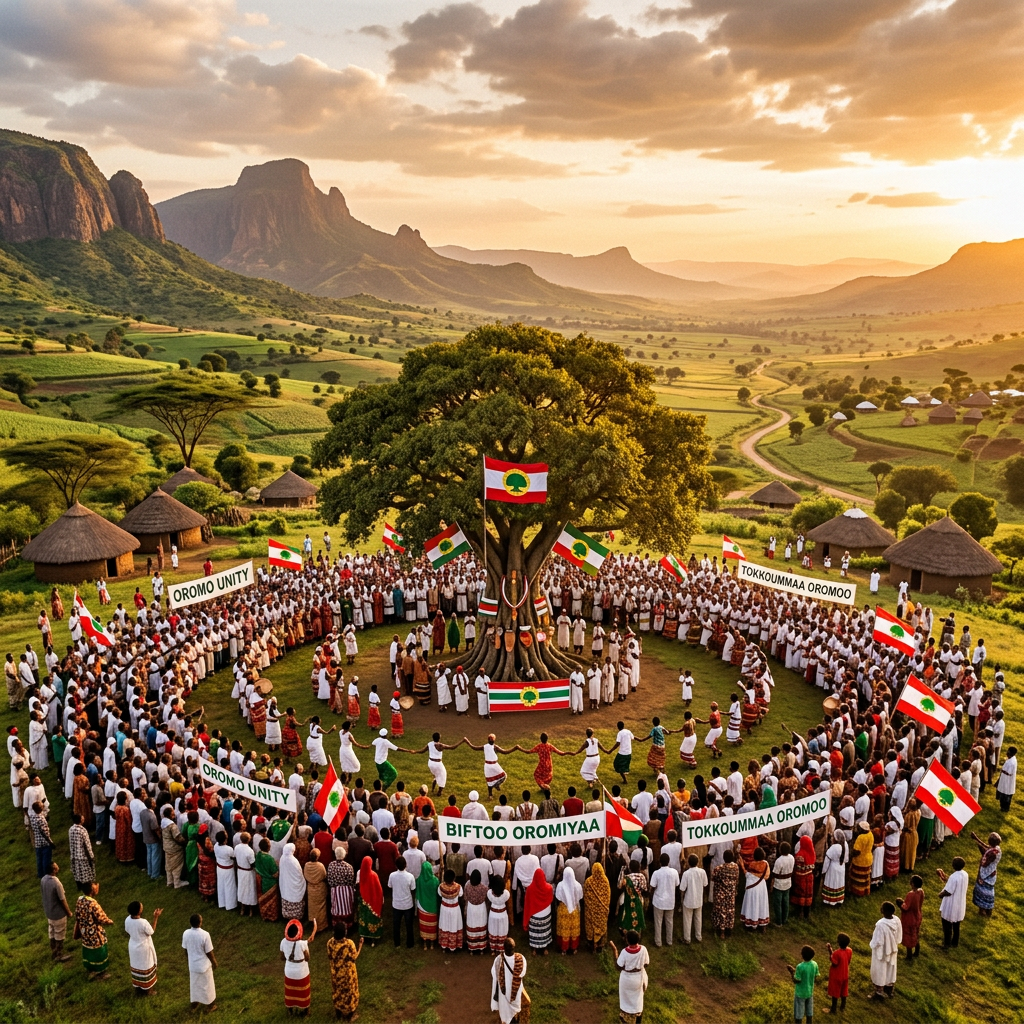
The revival of the Gadaa system and the celebration of the Irreechaa festival have become powerful symbols of Oromo unity and cultural renaissance.
Conclusion
Unity remains a constant theme in the Oromo freedom struggle because it is both a necessity and a lesson learned through generations of experience. The colonial state has sought to divide the Oromo people because a united Oromo nation poses an existential threat to the colonial system. The Oromo people have learned, through both victory and defeat, that unity is the foundation of successful resistance.
But unity is not merely a political strategy—it is a moral principle rooted in the Oromo worldview. The concept of Safuu, the moral order that maintains balance and harmony, applies to the Oromo nation as well. Disunity is a breach of Safuu, a disruption of the natural order that brings suffering to the community .
As the Oromo struggle continues, the call for unity remains urgent. Whether through political organisation, cultural expression, or class solidarity, the Oromo people must find ways to overcome the divisions that have been imposed upon them and build the unity necessary for genuine liberation.
“The full restoration of the Oromo people’s freedom and rights is essential for lasting peace” . And that restoration will only be achieved through unity.
The struggle for Oromo liberation is the struggle for Oromo unity. And the struggle continues.

Borana National Park: A Sanctuary of Endangered Wonders in Southern Oromia
Home to rare zebras, endemic birds, and volcanic mysteries, this protected area stands as a beacon of biodiversity and cultural heritage
BORANA ZONE, OROMIA — Deep in the southern reaches of Oromia, where the highlands give way to vast savannas and the horizon stretches endlessly toward the Kenyan border, lies one of the country’s most extraordinary natural treasures. Borana National Park, established in 2017, is a protected area of immense ecological significance, spanning 45,366 square kilometres across the Borana Zone of Oromia and extending into the Liben Zone of the Somali Region.
The park sits roughly 565 to 570 kilometres south of Addis Ababa along the road to Moyale, with the town of Yabelo serving as the primary gateway and headquarters, located approximately 10 kilometres from the main entry points. Its conservation blocks—Yabello, Saarite, Dire Dida Soda, Danbala Dibayu, and Gammedo Mountain—encompass open acacia grasslands, rolling savannas, and the dramatic volcanic crater lake of El Sod.
A Refuge for Rare Species
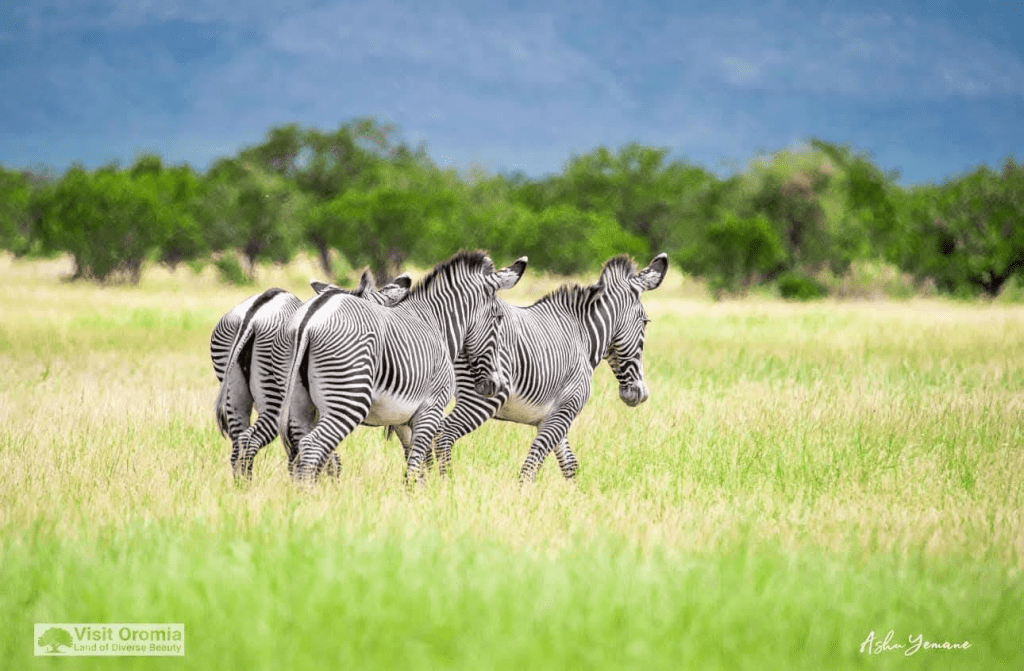
Borana National Park is perhaps best known as one of the few places on Earth where two zebra species coexist: the endangered Grevy’s zebra and the more common Burchell’s zebra. The Grevy’s zebra, distinguished by its narrower stripes and larger size, has experienced dramatic population declines across its range. In Ethiopia, aerial surveys in the 1990s revealed a sharp drop in numbers, with only approximately 130 individuals counted nationwide by 2003. The park’s conservation efforts focus on repopulating zebra species and protecting their habitat from threats such as drought and overgrazing.
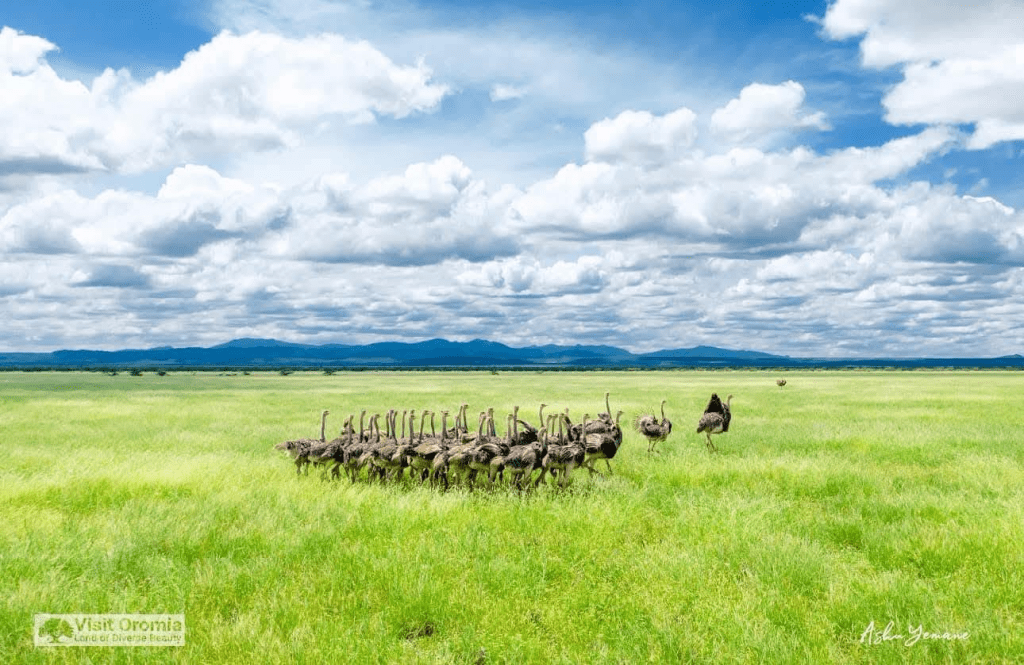
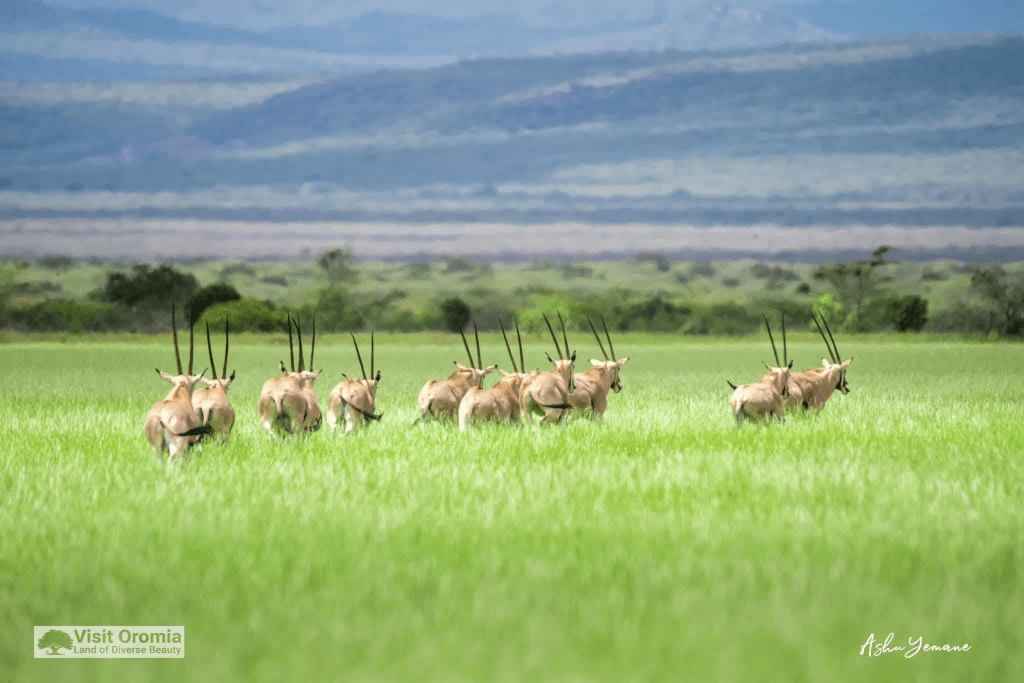
Beyond zebras, the park shelters a remarkable diversity of wildlife. Visitors may encounter Beisa oryx, Grant’s gazelle, greater and lesser kudu, gerenuk, cheetahs, leopards, and ostriches. The park is home to 327 plant species and 40 mammal species, making it a biodiversity hotspot in the Horn of Africa.
A Paradise for Birdwatchers
For bird enthusiasts, Borana National Park is nothing short of legendary. Over 280 bird species have been recorded, including several rare and endemic birds that exist nowhere else on Earth. Among the most remarkable is the endangered Ethiopian bush crow (Zavattariornis stresemanni), a charismatic corvid confined to a distinct climate pocket in the Borana zone.
The Ethiopian bush crow, also known as Stresemann’s bush-crow, is a pale grey bird measuring approximately 28 centimetres long. It prefers open short-grass savannas of grazed pasturelands with scattered stands of taller trees, particularly acacia species. With a range extending only 160 kilometres from north to south and less than 100 kilometres from east to west, the species is extremely vulnerable to habitat loss and climate change. Recent severe droughts in 2021, 2022, and early 2023 have raised fears that the species may face extinction much earlier than previously predicted.
Other rare birds found in the area include the white-tailed swallow and Prince Ruspoli’s turaco, which can be spotted in the nearby Arero forest.
The Volcanic Crater of El Sod
One of the park’s most unique attractions is El Sod, a volcanic salt-crater lake whose name means “the house of salt”. This inactive volcano, approximately 1.8 kilometres wide, contains a black lake that holds a deposit of raw salt crystals beneath its dark, slimy waters.
For centuries, the Borana herders have harvested salt from El Sod, a tradition steeped in legend. According to local lore, a shepherd discovered the crater a thousand years ago after noticing his ox had become physically different from the rest of the herd after tasting the salt. Today, a cooperative of expert salt extractors continues this ancient practice, producing three distinct qualities of black salt, with the finest, called ilkole, used in cooking.
The extraction process is arduous and requires exceptional skill. Miners descend a narrow 2.5-kilometre path, dropping 340 metres to the crater lake. When water levels recede at the end of the rainy season, experienced divers submerge to dig up the muddy salt, which is then washed, crushed, and dried in the sun. This salt remains largely unknown outside the Borana area and neighbouring communities.
Challenges and Conservation
Despite its ecological significance, Borana National Park faces numerous threats. Recurrent and severe droughts, exacerbated by climate change, are disrupting the delicate ecological balance that sustains the park’s wildlife. Invasive species, overgrazing by livestock, and road collisions also pose significant challenges.
The Ethiopian bush crow, with its highly restricted climatic requirements, is particularly at risk. Studies suggest that the species requires very specific average temperatures between 15 and 30 degrees Celsius, making it extremely vulnerable to the temperature fluctuations brought about by climate change. Researchers have called for urgent species-specific action plans at the national level to address the ever-increasing conservation challenges.
A Place of Wonder
Borana National Park is more than a protected area—it is a living testament to the natural and cultural heritage of the Oromo people. Its landscapes, from the acacia-dotted savannas to the volcanic crater of El Sod, tell stories of ancient traditions, endangered species, and the enduring relationship between the Borana people and their environment.
As the park continues to face the pressures of climate change and human activity, its preservation remains a shared responsibility. Whether for the rare Grevy’s zebras, the endangered Ethiopian bush crow, or the timeless salt harvest of El Sod, Borana National Park stands as a sanctuary of wonder in the heart of southern Ethiopia.
“Borana National Park is home to Booqee Sadeen, three maar lakes that were introduced as the main tourist attraction, including El Sod which is known for providing access to mineral water and salt varieties for the locals”.

Reclaiming the Dawn: The Renaissance of Waaqeffannaa Civilisation

After centuries of suppression, the Oromo people’s ancient faith is rising from the shadows to reclaim its place in the spiritual and cultural landscape of the Horn of Africa
In the sprawling, colourful tapestry of Ethiopian cultural heritage, few stories are as compelling as the centuries-long journey of the Oromo people’s indigenous faith. For millennia, Waaqeffannaa—the belief in a single, supreme Creator—served as the spiritual bedrock of a proud, pastoral people who structured their lives around the principles of truth, balance, and harmony with nature.
Yet for over a century, this faith was forced underground, hidden from the public eye, its practitioners marginalised, and its sacred sites endangered. Today, however, a powerful renaissance is unfolding. Waaqeffannaa is not merely surviving—it is being reborn. This is the story of a faith that refused to die, and the people who are reclaiming their spiritual birthright.
The Ancient Foundations
Waaqeffannaa is the indigenous, monotheistic religion of the Oromo people of Ethiopia and parts of Kenya. It centres on the worship of Waaqa—the One True God—the creator and sustainer of life, often referred to as Waaqa Tokkicha . The name itself derives from Waaqa, meaning “believing in Waaqa, following Waaqa, and directing one’s life toward Waaqa” .
This faith predates the arrival of Christianity and Islam in the Horn of Africa, representing the Oromo people’s “own ancient and authentic faith” . It is a sophisticated spiritual system, defined by several core pillars :
- Ayyaana (Divine Spirits): Manifestations or intermediaries of Waaqa, linked to natural forces like rivers and mountains.
- Uumaa (Sacred Nature): A deep reverence for the environment, with trees like the sacred Odaa (sycamore fig), water, and land holding immense spiritual significance.
- Safuu (Moral Order): An ethical framework of truth (dhugaa) and balance that guides human behaviour and aligns it with the divine will .
- Rituals and Ceremonies: Led by spiritual leaders (Qallu and Qallitti), these include thanksgiving prayers and the famous Irreechaa festival at lakesides .
A Faith Suppressed, Not Destroyed
The survival of Waaqeffannaa is a story of resilience. For generations, the faith was systematically marginalised by successive Ethiopian governments and the influence of missionary religions . It was driven underground, its adherents pressured to convert, and its sacred sites neglected.
As the Oromo spiritual tradition known as Wayyuu explains:
“Waaqeffannaa was suppressed but not abolished… Waaqeffannaa was hidden but not destroyed. It was hidden because the people abandoned Waaqeffannaa and began to live under oppression.”
Despite this suppression, the faith survived—not as a public institution, but as an “enduring spiritual memory” preserved in the hearts, traditions, and hidden practices of those who refused to forget . Today, an estimated 1 to 1.5 million Oromo actively follow the faith, while many more who identify as Christians or Muslims continue to maintain Waaqeffannaa beliefs and practices .
The Struggle for Sacred Sites
The renaissance of Waaqeffannaa is intrinsically linked to the struggle for its physical spaces. For centuries, colonial and religious interventions have led to the erasure of these vital sites . One such place is Andoodee Tumaa, a sacred Oromo ritual site in the Akaki district, near Finfinne (Addis Ababa).
This site was a crucial part of the Tuulamaa Oromo Gadaa law-making process, where laws were proclaimed to the public every eight years . However, the site now faces an existential threat. The systematic expansion of Addis Ababa, driven by a controversial Master Plan that was halted only after a youth-led struggle, has encroached upon Andoodee Tumaa, shrinking it to a fraction of its original size. A water supply facility has been constructed in this sacred location, with further encroachment from a newly constructed church .
The threat is symbolic of a wider issue: the erasure of Oromo spiritual geography. But the local community remains steadfast. As one assessment notes, “The Oromo people have never accepted the abandonment of their sacred ritual sites, despite facing heavy suppression” . The fight to preserve sites like Andoodee Tumaa is not just a battle for land; it is a battle for cultural memory.
The Heartbeat of the Renaissance: Irreechaa
If the sacred sites are the geography of the renaissance, the annual festival of Irreechaa is its heartbeat.
Irreechaa is a thanksgiving festival, held to thank Waaqa for rain, harvest, and the gift of life . The ritual of Irreechaa, which includes prayers at water bodies, simultaneously affirms the distinctiveness of the Oromo while connecting them to broader ancient African cultural traditions . Once a forbidden event, Irreechaa has undergone a dramatic transformation. It has evolved from a suppressed celebration to a recognised element of national cultural heritage .
Today, it is a major public celebration, symbolising Oromo unity and identity . Tens of thousands of people, predominantly from the Oromo ethnic group, gather annually, often at Lake Hora Arsadi, dressed in traditional white attire to express their gratitude . While the festival is a joyful assertion of an identity suppressed for over a century, it has also become a stage for political expression . The 2016 festival, which was met with a violent crackdown, became a catalyst for political change that ultimately ushered in the current prime minister .
This evolution reflects the growing public recognition of Oromo culture, facilitated by national policies, the work of activists, and the resurgence of Waaqeffannaa itself .
A Philosophical Renaissance
The resurgence of Waaqeffannaa is also a philosophical revival. Oromo intellectuals and activists are working to reclaim the faith as part of a broader cultural identity, to lift the “darkness” that has hidden its truth for so long . Strategies for this cultural preservation include documenting oral traditions, integrating Waaqeffannaa into educational curricula, and advocating for official recognition of its religious rights .
This renaissance is a movement to restore the spiritual and moral principles that have guided the Oromo for millennia. It is a reclaiming of Safuu—the justice and balance that is fundamental to the Oromo worldview . The ultimate message is one of hope. As the Wayyuu tradition declares:
“The day the darkness that has hidden the truth of Waaqeffannaa is lifted, goodness will spread across this land. When humanity returns to the truth of Waaqa, all people will rejoice.”
Conclusion: Reclaiming the Dawn
The renaissance of Waaqeffannaa civilisation is a testament to the resilience of a people and their faith. It is a story of reclaiming an identity, of reviving sacred practices and spaces, and of giving voice to a spiritual heritage that has been hidden for too long.
It is not merely about reviving a religion; it is about the survival and flourishing of the Oromo people’s soul. The dawn of this new era promises to restore not just a faith, but also the principles of truth, justice, and harmony that form the bedrock of a truly liberated people.

Yaa’ii Dhaddacha Baldhaa: Historic Gadaa Assembly Restores Sacred Traditions and Issues Major Rulings
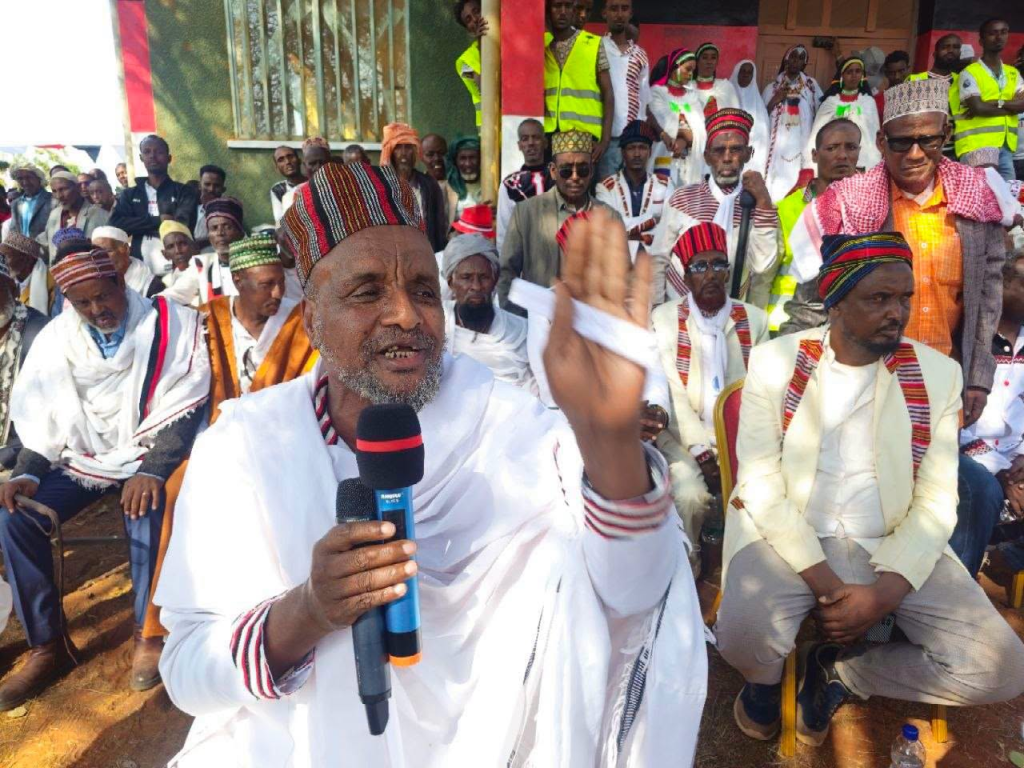
The Sikkoo Mandoo Gadaa Council convenes in East Bale Zone, addressing issues of traditional marriage, illegal migration, and cultural preservation
BALEE ZONE, OROMIYA — The ancient grounds of Dhaddacha Baldhaa in Rayitu district, East Bale Zone, have become the centre of a historic gathering as the Sikkoo Mandoo Gadaa Council convenes for the Yaa’ii (Gadaa Assembly). The assembly, which marks the formal reopening of the Dhaddacha Baldhaa seat, has issued six major rulings covering marriage customs, illegal migration, cultural preservation, and community security.
The Restoration of Dhaddacha Baldhaa
“Yaa’iin Gadaa Sikkoo Mandoo Godina Baalee Bahaa Aanaa Raayituu, Dhaddacha Baldhaatti geggeeffamaa jiruun dhaddachi Baldhaan deebi’ee banamuu hordofee luba Gadaa shanan Dhaddachatti deebisuun murtiiwwan gurguddoo ja’a lallabe.”
The Yaa’ii Gadaa of Sikkoo Mandoo, taking place at Dhaddacha Baldhaa in Rayitu district, has restored the Dhaddacha Baldhaa seat and appointed five Gadaa priests to the assembly. The council has issued six major rulings that will guide the Oromo community of Sikkoo Mandoo.
“Murtiwwaan gurguddoon lallabaman kunis, Dhaddachi Baldhaan deebi’ee akka banamu akkasumas dhaddachoota Sikkoo Mandoo hunda deebisuu, fuudhaaf heeruma ilaalchisee gabbarri hafuu akka qabuufi kanneen biroos lallabameera.”
The major rulings announced include the restoration of the Dhaddacha Baldhaa, the revival of all Sikkoo Mandoo Gadaa assembly seats, and guidance on traditional marriage practices.
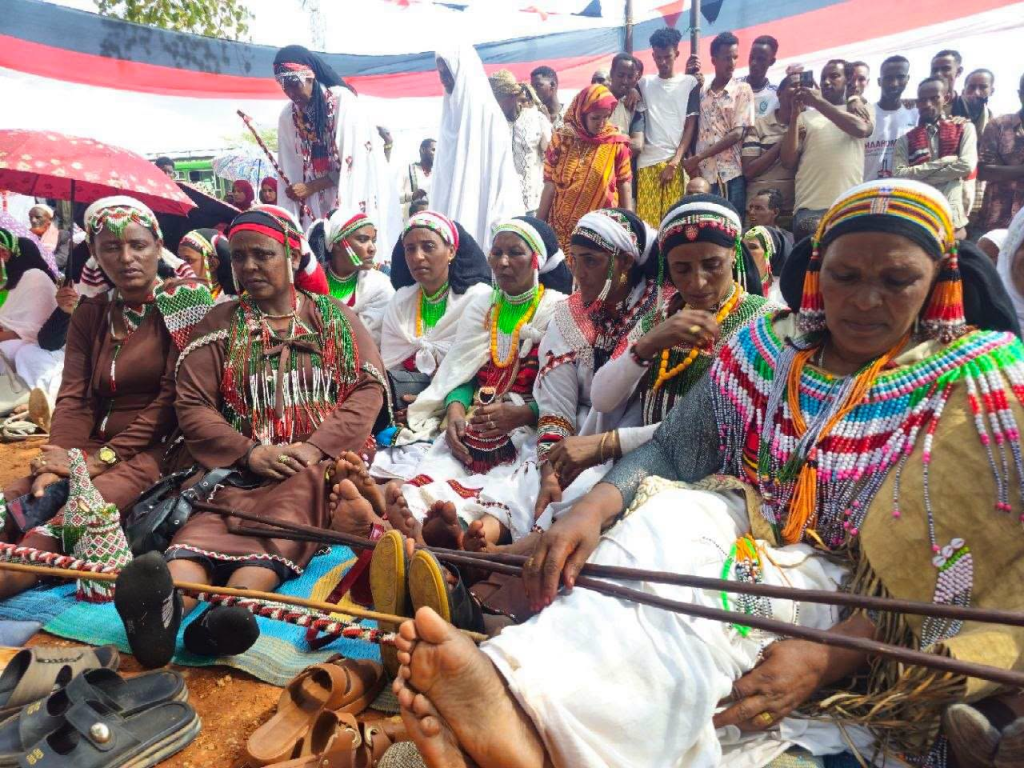
Ruling on Traditional Marriage and Rituals
“Fuudhaaf heeruma ilaalchisee gabbarri hafuu akka qabu…”
The council reaffirmed that traditional marriage rituals must be properly observed, preserving the cultural practices that have guided Oromo society for generations. This ruling underscores the importance of maintaining the sacred customs of the Gadaa system, including the proper observance of marriage ceremonies.
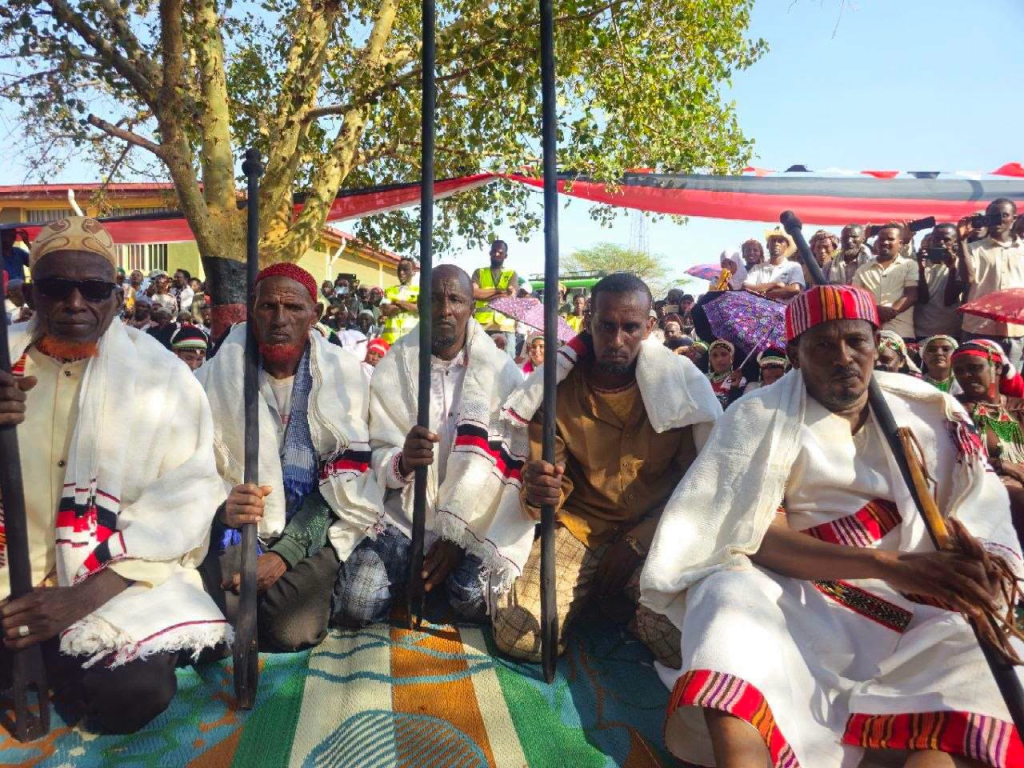
Addressing Illegal Migration
“Godaansa seeraan alaa ilaalchisee; karaa seeraan alaa dargaggoonni abdii egeree ta’an faddaalaan gowwomfamanii biyyaa bahaa jiran akka hafuufi xiyyeeffannoon irratti hojjatamuu akka qabu ergaan darbe.”
On the issue of illegal migration, the council emphasized that efforts should be made to prevent young people from being misled by false promises and leaving the country illegally. It called for increased attention to the root causes of illegal migration and for young people—who are the hope of the future—to remain in their homeland.
Preserving Oromo Identity and Culture
“Uumanni Oromoo Arsii uummata safuu, safaffannaa aadaafi duudhaa mataa ofi qabu waan ta’een seenaafi eenyumaa isaa ganamaa eeggatee jiraachuu akka qabu lallabamee jira.”
The assembly declared that the Oromo people of Arsii are a nation with their own moral code, cultural practices, and traditions, and must preserve their history and original identity. This ruling reinforces the importance of cultural continuity and the transmission of Oromo values to future generations.
Security and Peacebuilding
“Nageenyaan walqabatee; nageenya waaraa lafa qabsisuuf hunduu nagaaf dursaa kennee, Waamichaa abbootii Gadaafi Abbootii Siinqeetti dhagahee garaa nagaatti dhufuu akka qabu lallabameera.”
Regarding security, the council called on all community members to prioritize peace, to heed the call of Gadaa leaders and Siinqee elders, and to embrace peace. The assembly emphasized that security is a collective responsibility requiring the participation of all members of the community.
Environmental Protection
“Gama eegumsaa qabeenya uumatiin immoo biqiltoowwaan akka dhabamaniifi kan dhaabaman immoo akka kunuufaman lallabamee jira.”
In the area of environmental protection, the council ruled that existing trees must not be destroyed and that newly planted trees must be nurtured and protected. This ruling reflects the Oromo people’s deep commitment to environmental stewardship, rooted in the principles of the Gadaa system and the sacred duty to protect creation.
A Framework for the Future
“Murtiwwaan kunneen aadaafi duudha Oromoota Sikkoo Mandoo biratti waggoota saddeetiif kan tajaajiluudha.”
These rulings will guide the Oromo community of Sikkoo Mandoo for the next eight years, aligning with the Gadaa system’s eight-year cycle. The decisions made at Dhaddacha Baldhaa will shape the cultural, social, and environmental practices of the community for a full Gadaa cycle.
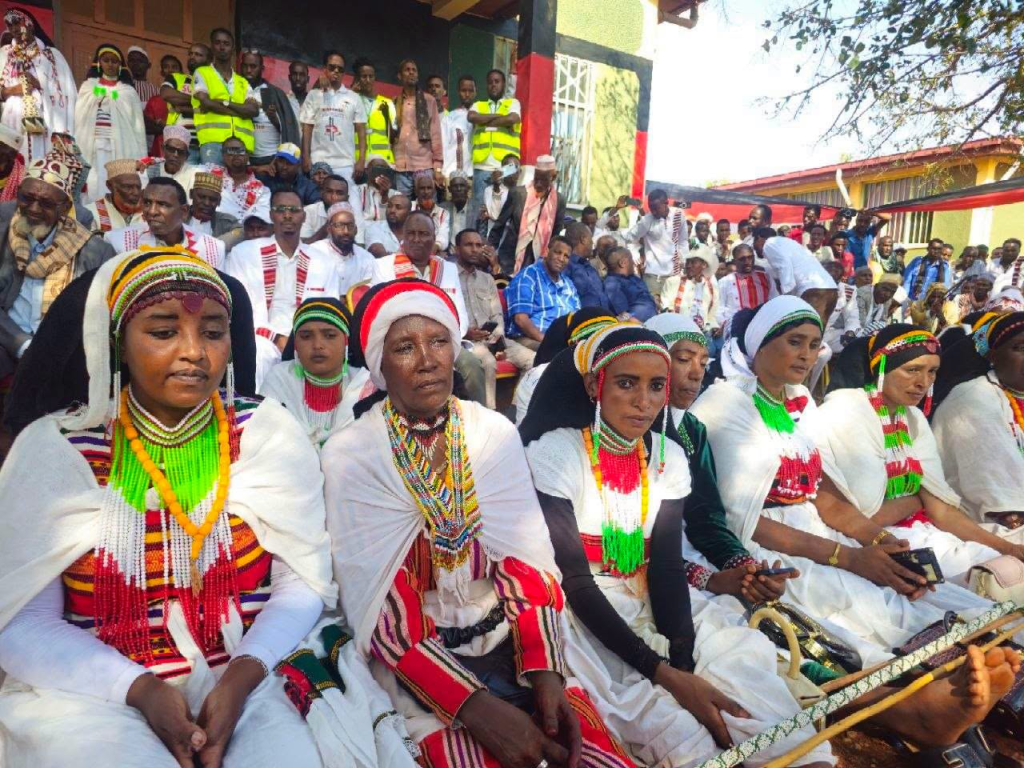
The Significance of the Gathering
The Yaa’ii Gadaa at Dhaddacha Baldhaa is a testament to the resilience and continuity of the Oromo Gadaa system. It demonstrates that despite historical challenges, the Oromo people continue to govern themselves, preserve their culture, and address contemporary issues through their traditional institutions.
The assembly addressed the full spectrum of community life:
- Cultural preservation through the restoration of traditional practices
- Social justice through rulings on marriage and community relations
- Security through calls for peace and collective responsibility
- Environmental protection through the stewardship of natural resources
- Youth engagement through efforts to prevent illegal migration
A Call to the Community
The council issued a call to all Gadaa leaders and Siinqee elders to continue their work of guiding the community and promoting peace. The assembly also urged community members to support the rulings and to work together to ensure their implementation.
Conclusion
The Yaa’ii Gadaa of Sikkoo Mandoo at Dhaddacha Baldhaa marks a significant moment in the ongoing revitalization of Oromo cultural institutions. The six major rulings issued by the assembly provide a comprehensive framework for community life, addressing marriage practices, migration, cultural preservation, security, and environmental protection.
As the Oromo people continue their journey of cultural revival and self-determination, gatherings such as the Yaa’ii at Dhaddacha Baldhaa play an essential role in maintaining the continuity of the Gadaa system and ensuring that Oromo traditions remain a living, breathing force in the lives of the people.
“Walumaagalatti Yaa’ii Gadaa Sikkoo Mandoo yeroo amma Baalee Bahaa, Aanaa Raayituutti gaggaeeffame jiru murtiiwwaan gurguddoon Aadaafi Duudha Oromoo cimsan kan dabarsee yoo ta’u murtiwwaan kunneen aadaafi duudha Oromoota Sikkoo Mandoo biratti waggoota saddeetiif kan tajaajiluudha.”
The Dhaddacha Baldhaa stands once again as a centre of Oromo governance and culture, guiding the people toward a future rooted in tradition and hope.

Ayyaana Ilillii (Qaammee): The Sacred Festival of Oromo Girls
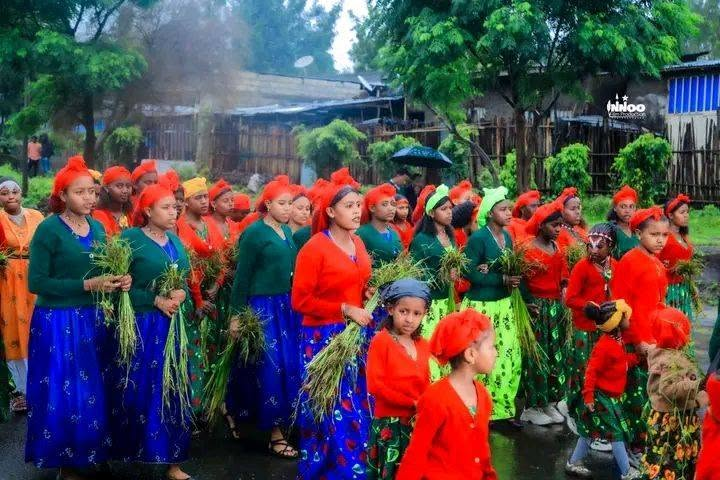
A celebration of girlhood, freedom, and cultural continuity
FINFINNE, OROMIA — Among the many festivals that enrich the Oromo cultural calendar, Ayyaana Ilillii—also known as Qaammee—holds a special and cherished place. This celebration, which typically arrives in the month of Hagayya (the second month of the Oromo rainy season), is a joyful occasion dedicated to young women and girls, marking their importance in Oromo society and celebrating their freedom and vitality.
“Ayyaanni Ilillii ykn Qaammeen ayyaana shanarraniiti.”
Ayyaana Ilillii is the festival of girls. This simple declaration carries profound meaning—a recognition that Oromo girls are worthy of celebration, respect, and freedom.
The Significance of Ayyaana Ilillii
“Akkuma beekamu fuuldura keenya kana waan torbee 3 hin caalle ayyaana guddaa hawwiidhaan eegamu ayyaana ililliitii tu nutti as deemaa jira.”
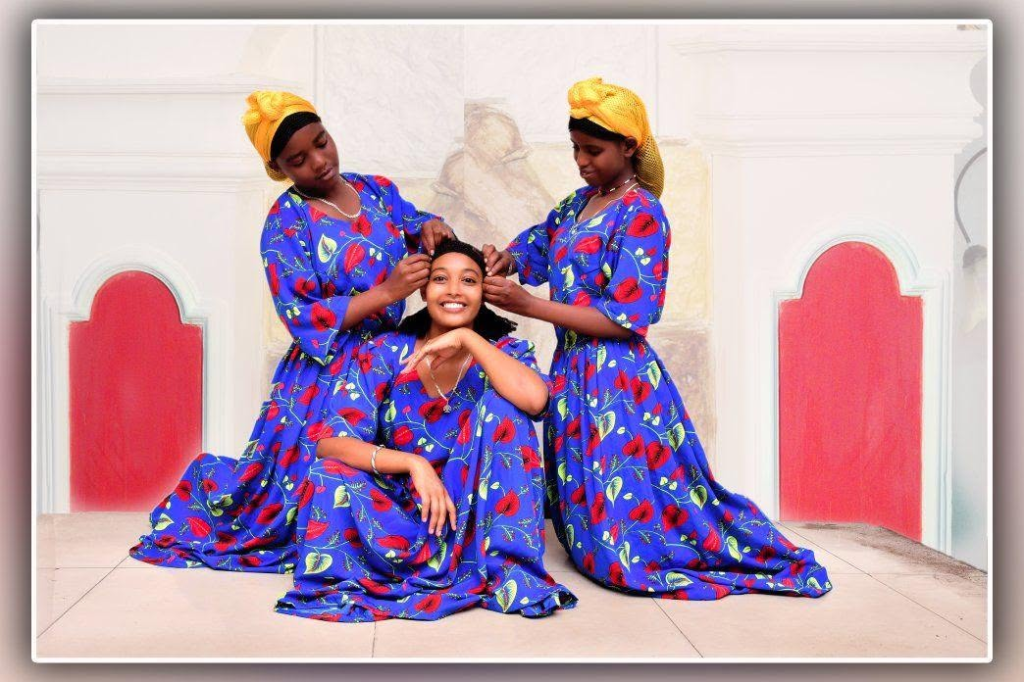
Ayyaana Ilillii is a grand festival eagerly anticipated by the Oromo people. It usually takes place over three days, marking a period of celebration, cultural expression, and community bonding. The festival is widely known and celebrated among Oromo communities, particularly in the Oromia Region. It is considered one of the major Oromo festivals, alongside the well-known Irreechaa celebration.
A Festival of Girls
“Ayyaanni kun ayyaana shamarraniiti.”
This festival is exclusively dedicated to girls. It provides a unique opportunity for young women to experience a day of freedom, joy, and community. On this day, girls are allowed to move freely, visiting different homes and neighborhoods in groups, singing, dancing, and celebrating their girlhood .
The freedom given to girls on this day is a powerful cultural statement. It acknowledges the importance of young women and their right to expression, movement, and joy. In a society where girls often face restrictions and expectations, Ayyaana Ilillii offers a rare moment of liberation and celebration.
How the Festival Is Celebrated
“Kalee akkuma hawaasa keenya keessatti baratame durbii manaa baatee lafa feete fi akka feetetti hin deemtu garuu guyyaa Ayyaana Ilillii kana Mirgi isaanii guutummaan guututti kabajamaadha.”
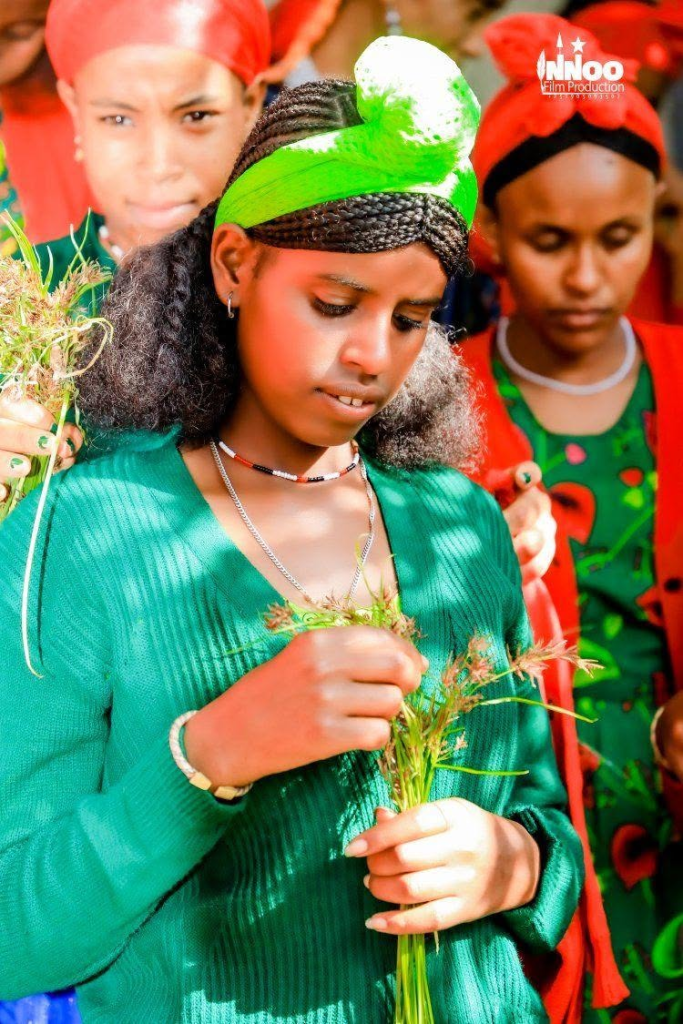
Traditionally, girls were not allowed to leave their homes freely. On the day of Ayyaana Ilillii, however, their rights are fully respected. They can go wherever they wish, and no one has the right to restrict their freedom.
“Ayyaana kana kan daddarbu shamara hin heerumneefi kaadhimaa kaadhimamtee jirtutu deema akkasumas heerumtee kan baranoo taates mandara ollaa ishii wajjin deemte daddarbuu ni dandeessi.”
The festival is primarily observed by unmarried girls and those who are engaged. However, even married women can participate by accompanying the girls from their neighborhood. This inclusive approach allows women of all ages to engage in the celebration and pass on cultural values to the younger generation.
Traditions and Rituals
“Gaafa jennu warra Dhiiraa hin ilaallatu jechuu miti isaanis akkuma gita umurii isaaniitiin gaafa ayyaanni kun dhihaatu dhiiboo bahanii qoosaa wal arrabsoo dhiichisanii taphatu maal akka jettanii dhechiftan immoo isinumaafan dhiisaa.”
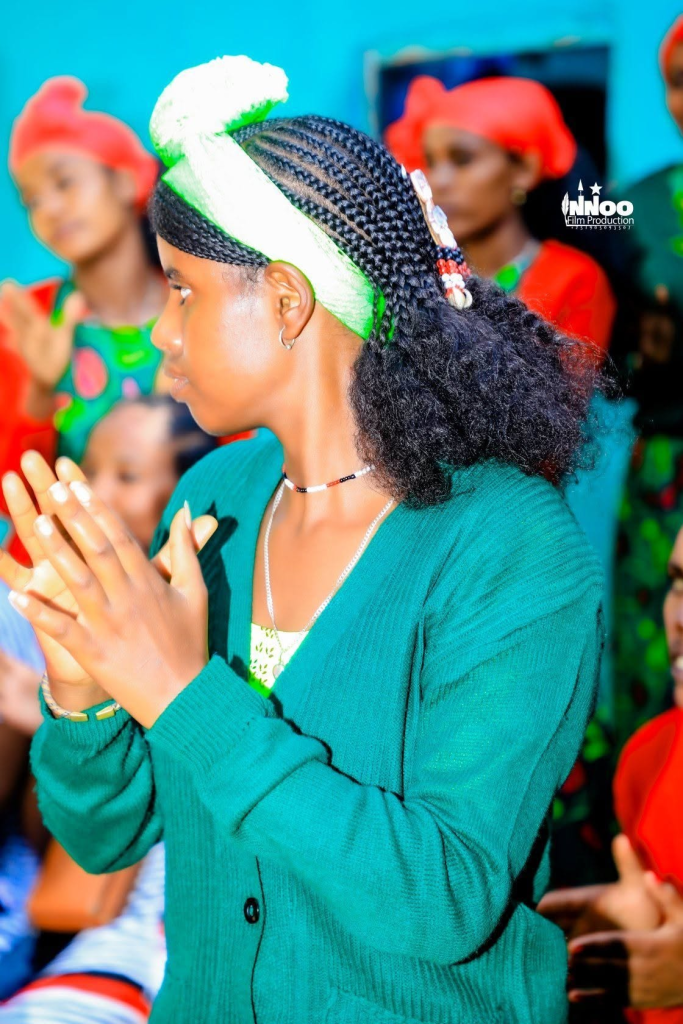
It is important to note that Ayyaana Ilillii is not a festival that excludes men entirely. Men and boys, according to their age groups, also participate in the festivities. They play, engage in friendly banter, and share in the joyful atmosphere. The focus, however, remains on the girls and their celebration.
“Akkuma ayyaanni Taaboree ayyaana warra dhiiraati jedhamee waamamu ayyaanni Ililliitis ayyaana shamarranii jedhamee waamama.”
Just as the Taaboree festival is considered the festival of boys, Ayyaana Ilillii is considered the festival of girls. This parallel highlights the balance and complementarity that exists within Oromo culture, where both boys and girls have their own special celebrations.
The Wadaajii Tradition
“Akkasumas guyyaa kana warri Dhiiraa wadaajii dhungachuuf qophaa’u.”
On this day, men and boys prepare to consume a special drink called Wadaajii. This is part of the cultural celebration, where community members gather and share in the festivities.
“Gaafa isaan daddarbaaf deeman karaatti dhiichisaan eeganii dhungatu wadaajii kana kan namni tokko dhungate namni biraa dhungachuu hin danda’u.”
As the girls go from place to place, they are met by local residents who offer them Wadaajii. It is considered a tradition of respect and kindness that only one person’s offering is accepted, symbolizing the spirit of mutual respect and reciprocity.
“Wadaajin lamaan wal dhungatan kun gaafa ishiin heerumtu innis waan bituuf qaba ishiinis gaafa inni fuudhu waan bittuuf qabdi kana moo waan nuti har’a uumnee osoo hin taane achii dhufteedhuma kalee hawaasni keenya Aaddeffachaa dhufeedha.”
The Wadaajii tradition carries a deeper symbolic meaning. Some interpret it as representing the future exchange between a couple—what the husband will provide and what the wife will bring. This practice is not a new invention but has been passed down through generations, reflecting the continuity and cultural heritage of the Oromo people.
Preparation for the Festival
“Akkasuma shamarri takka gaafa ayyaanni Ilillii as dhihaatu mana dhoqqee looniitiin lallaqxee babbareefattee qophoofti.”
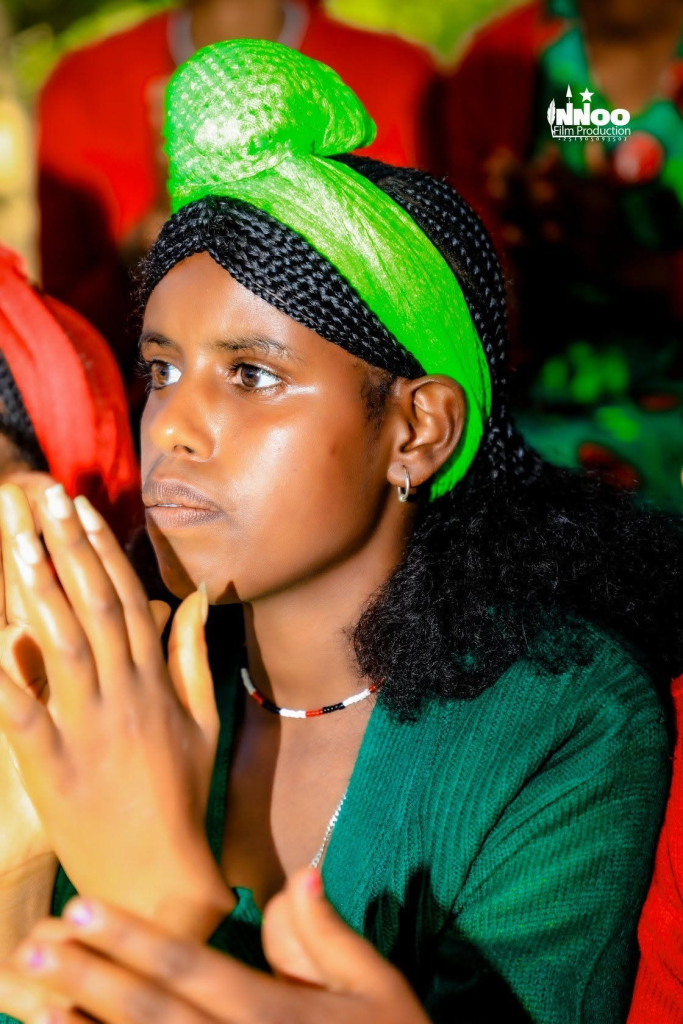
In preparation for the festival, girls often decorate themselves with local soil (clay) and traditional ornaments, adorning themselves beautifully. This is a way of expressing joy and pride in their culture. The sight of young girls dressed in their finest traditional attire, moving through the village in joyful groups, is a testament to the resilience of Oromo culture.
The Meaning of the Festival
Ayyaana Ilillii is more than a celebration—it is a statement. It declares:
- Girls are valued: Oromo society recognizes the importance of its young women and celebrates their presence.
- Freedom is sacred: The festival provides a brief but meaningful period of freedom for girls, affirming their right to move, express, and be joyful.
- Community matters: The participation of the entire community—men, women, boys, girls, elders, and youth—reinforces the bonds of community and shared identity.
- Culture endures: Despite pressures from colonization, modernization, and external influences, Oromo culture continues to thrive and adapt.
Conclusion
Ayyaana Ilillii is a beautiful expression of Oromo cultural identity. It is a celebration of girlhood, freedom, and community, held during the rainy season when the land is green and the people are filled with hope . It is a time when the voices of young women are heard, their joy is celebrated, and their importance is affirmed.
“Ayyaanni kun ayyaana shamarraniiti.”
Ayyaana Ilillii is the festival of girls—a festival of joy, freedom, and the enduring spirit of the Oromo people.
May the tradition of Ayyaana Ilillii continue to be celebrated for generations to come, and may every Oromo girl know the joy of this sacred celebration.






