Category Archives: VMC

A Rare Convergence: Ethiopian, Jewish, and Coptic New Year Festivals Coincide in Australia

AMES Australia highlights an extraordinary moment of cultural and religious convergence as three major festivals—Enkutatash, Rosh Hashanah, and Nayrouz—fall on the same day, offering a powerful reflection of Australia’s shared humanity.
In a remarkable alignment of faith and culture, today marks the celebration of three significant festivals from three distinct traditions: Enkutatash, the Ethiopian New Year; Rosh Hashanah, the Jewish New Year; and Nayrouz, a festival of the Coptic Orthodox Church.
AMES Australia, a leading provider of settlement services and multicultural advocacy, has drawn attention to this rare coincidence, noting that the three events are governed by different calendars—making their convergence an extraordinary occurrence.
Three Festivals, Three Traditions
Enkutatash — the Ethiopian New Year — falls at the end of the rainy season and is celebrated with family gatherings, the blooming of the yellow adey abeba flower, and wishes of peace and prosperity. Melkam Addis Amet!
Rosh Hashanah — the Jewish New Year — is a time of reflection, renewal, and hope. Families gather to hear the shofar, dip apples in honey, and pray for a sweet year ahead. Shana Tova U’Metuka!
Nayrouz — a festival of the Coptic Orthodox Church — marks the beginning of the Coptic New Year and is a time of spiritual renewal and remembrance of the faithful. Nayrouz Mubarak!
A Season of Many Celebrations
Around this same period, millions of people around the world are also observing Mawlid al-Nabi, the birthday of the Prophet Muhammad, and the Christian festival of the Holy Cross — further enriching this season of diverse religious and cultural observance.
The convergence of so many significant dates speaks to the profound diversity of faith and culture that exists in Australia and around the world.
Australia: An Experiment in Cultural Convergence
AMES Australia reflected on the deeper meaning of this moment:
“Just like the conjunction of these cultural and religious celebrations, Australia is an experiment in cultural convergence; a nation that has welcomed people from different cultures while valuing its first peoples and fostering exchanges of ideas.”
This observation captures the essence of Australia’s multicultural identity — a nation built on migration, shaped by diversity, and strengthened by the exchange of traditions, beliefs, and ideas.
Valuing First Peoples and Fostering Exchange
AMES Australia’s statement also acknowledges the importance of honouring Australia’s First Peoples while embracing the contributions of all communities. True multiculturalism is not merely about coexistence—it is about active exchange, mutual respect, and a shared commitment to building a harmonious society.
The rare alignment of these festivals serves as a reminder that while our calendars, languages, and traditions may differ, our hopes for peace, renewal, and a better year ahead are profoundly shared.
A Shared Humanity
At a time when divisions can seem deep, the coincidence of these celebrations offers a powerful counter-narrative—one of unity, mutual recognition, and shared humanity.
Whether lighting candles for Rosh Hashanah, gathering with family for Enkutatash, or observing Nayrouz, millions of people today are united by a common desire: to welcome a new year with hope, gratitude, and peace.
Warm Wishes to All
To all those celebrating today:
Melkam Addis Amet! — Happy Ethiopian New Year!
Shana Tova U’Metuka! — Have a good and sweet year!
Nayrouz Mubarak! — Blessed Nayrouz!
May this rare convergence of faith and culture inspire all Australians to celebrate our diversity and strengthen the bonds that unite us.
Read more from AMES Australia:
Convergence of religious and cultural festivals reflect our shared humanity
#AMES #AMESAustralia #Enkutatash #RoshHashanah #Neyrouz #NewYear #Holidays #MulticulturalAustralia #SharedHumanity

Rosh Hashanah: Victorian Multicultural Commission Extends Warm Wishes to Jewish Community

As Jewish families across Victoria prepare to gather tonight, the Victorian Multicultural Commission has extended its warmest wishes to the community, recognising Rosh Hashanah as a time of reflection, renewal, and hope for the year ahead.
The Victorian Multicultural Commission (VMC) has issued a heartfelt message to Jewish communities across the state as they prepare to welcome Rosh Hashanah, the Jewish New Year.
In its statement, the Commission acknowledged the sacred significance of the occasion while celebrating the enduring contributions the Jewish community has made—and continues to make—to the cultural, social, and economic life of Victoria.
A Time of Reflection, Renewal, and Hope
Rosh Hashanah, which begins at sunset tonight, marks the start of the Jewish year 5787. It is a period of deep spiritual significance—a time when Jewish families come together to reflect on the past year, seek forgiveness, and look forward with hope and renewed commitment to their faith and community.
The traditions of Rosh Hashanah are rich with meaning. The sounding of the shofar—a ram’s horn—calls worshippers to awaken their souls. Apples dipped in honey symbolize the wish for a sweet year ahead. Family meals, prayers, and acts of charity mark the ten days of repentance that follow, culminating in Yom Kippur, the Day of Atonement.
Recognising an Enduring Contribution
The Victorian Multicultural Commission’s statement also highlighted the profound and lasting impact of the Jewish community on Victoria:
“We recognise and celebrate the enduring contribution that the Jewish community makes to Victoria.”
From the arts and education to business, medicine, philanthropy, and public service, Jewish Victorians have helped shape the state’s identity for generations. Their resilience, creativity, and commitment to community have enriched Victorian society in countless ways.
A Message of Warmth and Solidarity
The Commission’s message reflects the spirit of inclusivity and respect that defines Victoria’s multicultural ethos:
“We extend our warm wishes at this special time.”
As Jewish families gather tonight—around dinner tables, in synagogues, and in community centres across the state—they do so knowing that their traditions, faith, and contributions are recognised and valued by the broader Victorian community.
Shana Tova U’Metuka
The Commission concluded its message with the traditional Hebrew greeting:
“Shana Tova U’Metuka! Have a good and sweet year.”
These simple words carry profound meaning—a wish for sweetness, blessing, and peace in the year ahead.
A Celebration of Victoria’s Diversity
Rosh Hashanah is not only a time for the Jewish community to reflect and celebrate; it is also an opportunity for all Victorians to appreciate the richness of the state’s cultural and religious diversity.
The Victorian Multicultural Commission’s statement serves as a reminder that Victoria’s strength lies in its diversity—and that by honouring one another’s traditions, we build a more inclusive, harmonious, and united society.
Warm Wishes to All Celebrating
To all Jewish families and individuals across Victoria welcoming the new year:
Shana Tova U’Metuka!
May the year ahead be filled with health, happiness, and peace. May it be a year of sweet moments, meaningful connections, and abundant blessings.

A Rare Calendar Alignment: Victoria’s Jewish and Ethiopian Communities Welcome the New Year Together

In a remarkable moment of cultural convergence, two of Victoria’s vibrant communities are celebrating their respective new years on the same day—a rare calendar alignment that speaks to the rich tapestry of faith and culture that defines the state.
The Ethnic Communities’ Council of Victoria (ECCV) has marked the occasion with a message of unity and celebration, extending warm wishes to Jewish communities observing Rosh Hashanah and Ethiopian communities celebrating Enkutatash.
The alignment of these two significant cultural and religious milestones is a rare occurrence—one that offers a powerful reminder of the diversity that makes Victoria one of the most multicultural places in the world.
Rosh Hashanah: A Time of Reflection and Renewal
For Jewish communities, Rosh Hashanah—the Jewish New Year—began at sunset and is a sacred time of reflection, repentance, and hope. Families gather to hear the sounding of the shofar, share festive meals, and dip apples in honey to symbolize the wish for a sweet year ahead.
“Shana Tova U’Metuka” — Have a good and sweet year — is the traditional greeting exchanged among Jewish families and friends during this holy period.
Enkutatash: A Celebration of Renewal and Hope
For Ethiopian communities, today marks Enkutatash, the Ethiopian New Year. Falling at the end of the rainy season, Enkutatash—which means “gift of jewels”—is a time of joy, family gatherings, and the vibrant blooming of the yellow daisy, adey abeba, which carpets the Ethiopian highlands.
“Melkam Addis Amet” — Happy New Year — is the greeting shared among Ethiopian families as they welcome a new year with hope, unity, and celebration.
A Victoria of Many Cultures and Faiths
The ECCV’s statement captures the spirit of the moment:
“We are proud to live in a Victoria that is home to so many diverse cultures and faiths, and wish everyone celebrating a happy, healthy and peaceful new year.”
This rare calendar alignment is a testament to the strength of Victoria’s multicultural society—a place where diverse communities not only coexist but celebrate together, enriching one another’s lives and the life of the state as a whole.
Celebrating Together
As Jewish and Ethiopian families across Victoria gather with loved ones tonight, they do so not only as separate communities but as part of a shared Victorian story—one of migration, resilience, faith, and the enduring power of culture.
The ECCV’s message serves as a reminder that in celebrating our differences, we strengthen our common bonds. In honouring each other’s traditions, we build a more inclusive and harmonious society.
Warm Wishes to All
To all those celebrating today:
Shana Tova U’Metuka — May your year be good and sweet.
Melkam Addis Amet — May your new year be filled with joy and peace.
May this rare moment of alignment bring blessings to all Victorians, regardless of faith or background. And may the year ahead be one of health, happiness, and harmony for everyone.

Rosh Hashanah: Victorian Jewish Families Gather to Welcome a Sweet New Year

As the sun sets this evening, Jewish families across Victoria will gather around their tables to celebrate Rosh Hashanah, the Jewish New Year—a sacred time of reflection, renewal, and hope for the year ahead.
The sounding of the shofar, the dipping of apples in honey, and the sharing of festive meals will mark the beginning of the Jewish year 5787, a period of deep spiritual significance for Jewish communities in Victoria and around the world.
Rosh Hashanah, which literally means “head of the year,” is a time when Jewish families come together to reflect on the past year, seek forgiveness, and commit to renewal in the year to come. It is a celebration that blends joy with introspection—a moment to consider one’s actions, strengthen bonds with community and faith, and look forward with hope.
A Time of Reflection and Renewal
The traditions of Rosh Hashanah are rich with symbolism. The shofar—a ram’s horn—is blown in synagogues, its haunting sound calling worshippers to awaken their souls and return to what matters most. Sweet foods, particularly apples dipped in honey and round challah bread, symbolize the wish for a sweet and complete year ahead. The pomegranate, with its many seeds, represents the hope for a year filled with good deeds and blessings.
For Jewish families in Victoria, this is also a time of community—a moment to gather with loved ones, welcome guests, and reaffirm the values that have sustained the Jewish people for millennia.
Celebrating the Jewish Community’s Enduring Contribution
Victoria has long been enriched by the presence and contributions of its Jewish community. From business and the arts to education, medicine, philanthropy, and public service, Jewish Victorians have helped shape the state’s cultural, economic, and social fabric for generations.
Their enduring contributions—built on a foundation of faith, resilience, and a deep commitment to community—deserve recognition and celebration, not only during Rosh Hashanah but throughout the year.
Wishing the Community a Sweet New Year
As Jewish families across Victoria prepare to usher in the new year, we extend our warmest wishes to the entire Jewish community.
May this Rosh Hashanah be a time of peace, health, and joy. May the year ahead bring blessings, success, and sweet moments shared with family and friends.
Shana Tova U’Metuka! — Have a good and sweet year!

THE RAINS HAVE CEASED, THE FLOWERS BLOOM: CELEBRATING IRREECHAA, THE OROMO THANKSGIVING
By Dhabessa Wakjira
In the highlands of Ethiopia, where the skies weep for months on end and the earth turns to mud, there comes a sacred morning when the clouds finally part. The sun, a golden orb of promise, kisses the damp grass, and a new season is born. This is the moment of Birraa—the spring—and for the Oromo people, it is a time to pause, breathe, and pour out their hearts in gratitude.
This is the spirit of Irreechaa, a festival that transcends mere celebration. It is the Oromo Thanksgiving, a profound spiritual and cultural touchstone that marks the end of the punishing rainy season and the beginning of a season of renewal, peace, and hope.
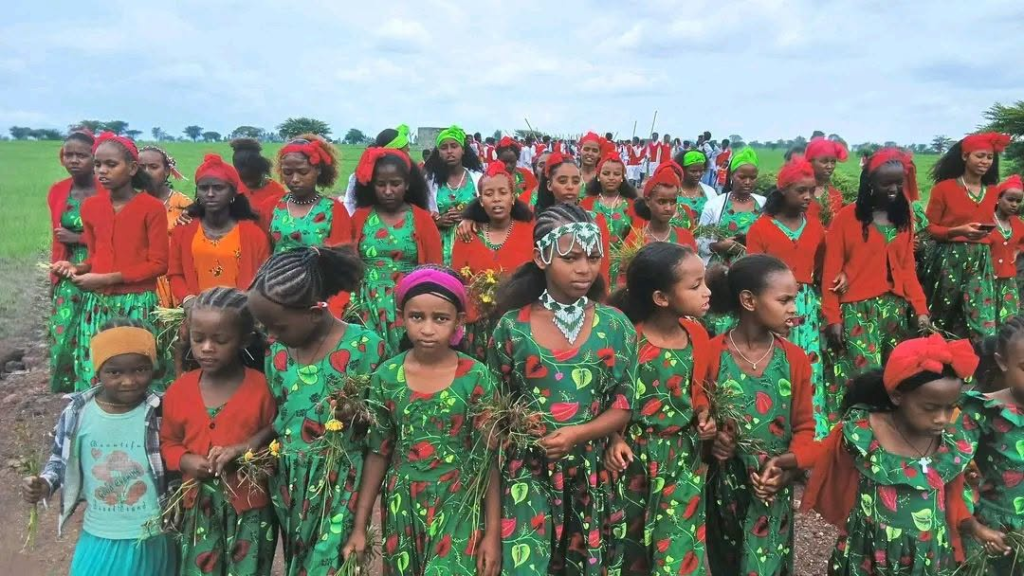
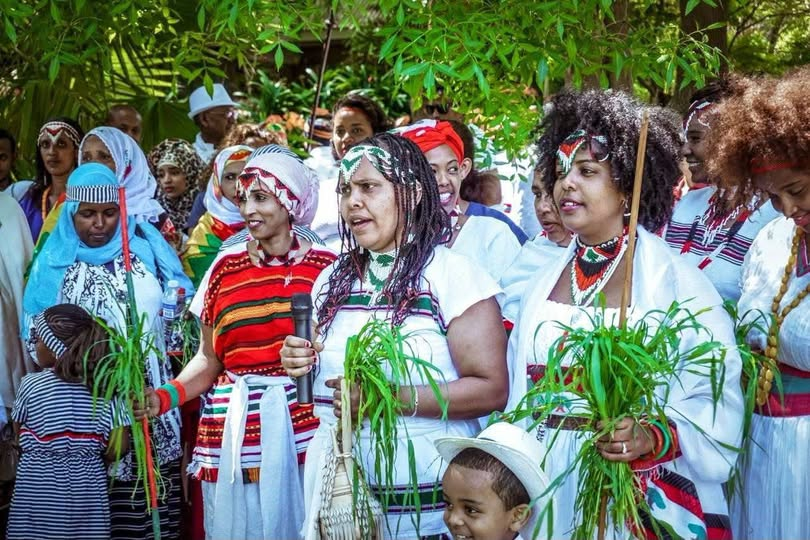
Held annually at the end of September or the beginning of October, Irreechaa is not a quiet affair of private reflection. It is a magnificent, vibrant explosion of life. Thousands, dressed in dazzling traditional attire, converge on sacred rivers, lakes, and hilltops. The air hums with the rhythm of drums, the melodic chants of elders, and the joyous ululations of the crowd. In their hands, they hold the symbols of the season: lush green grass and delicate yellow daisies, emblems of fertility, flourishing life, and the promise of a bountiful year.
The Heart of the Festival: Giving Thanks to Waaqa
At its core, Irreechaa is a dialogue with the divine. The Oromo people lift their prayers to Waaqa (God), offering thanks not for material wealth alone, but for the bedrock of their existence: a good harvest that fills the granaries, the health of their precious livestock, and the most precious gift of all—peace. It is a recognition that survival through the harsh, dark months was not by human effort alone, but by divine mercy.
“We come to the water to wash away our sorrows and our grudges,” explains an elder during a recent ceremony at Lake Hora Arsadi, near Addis Ababa. “The rain has stopped. Now, we cleanse our hearts and start anew.”
A Living Testament to the Gadaa System
Irreechaa is more than a religious observance; it is the vibrant pulse of the Gadaa System, the ancient, indigenous democratic governance structure of the Oromo people. Inscribed by UNESCO as an Intangible Cultural Heritage of Humanity, the Gadaa System organizes society into generations, guiding leadership, law, and morality. Irreechaa serves as a unifying moment for this system, reinforcing the social contracts and spiritual values that hold the community together.
Reconciliation and Unity
In a world often fractured by division, Irreechaa stands as a powerful advocate for unity. The festival is a designated time for reconciliation. It is a communal balm where feuds are set aside, misunderstandings are forgiven, and the bonds of kinship are strengthened. The shared experience of prayer and dance melts away social barriers, weaving a tapestry of harmony that includes not just the Oromo, but neighboring communities as well.
A Cultural Showcase
To witness Irreechaa is to witness the soul of Oromo culture. The hills become a runway of breathtaking fashion, with men and women adorned in intricately woven garments and vibrant beadwork. The music is hypnotic, with traditional songs that speak of heroism, love, and history. The dances are energetic, a physical manifestation of joy and liberation.
As the sun sets on the celebration, the green grass is often placed upon the heads of participants as a blessing, a final act of connection to the earth and the creator. The festival concludes, but its spirit lingers—a reminder that every ending is a new beginning, and that gratitude is the foundation upon which communities are built.
Irreechaa is not just a festival. It is a declaration: We have survived. We are thankful. We are one.
—
Key Aspects of Irreechaa at a Glance:
· Thanksgiving: Central purpose is to thank Waaqa (God) for blessings over the past year.
· End of Winter: Celebrates the conclusion of the rainy season and the dawn of spring (Birraa).
· Sacred Sites: Observed at rivers (Malkaa), lakes, and hilltops (Tulu).
· Symbols of Life: Participants carry wet grass and daisy flowers to represent fertility and flourishing.
· Cultural Expression: A vibrant display of traditional costumes, music, chants, and dances.
· Unity & Peace: A time for community bonding, spiritual reflection, and reconciliation.
· Gadaa System: An integral ritual within the traditional Oromo governance and social structure.

A New Chapter in Storytelling: African Australians Take the Mic
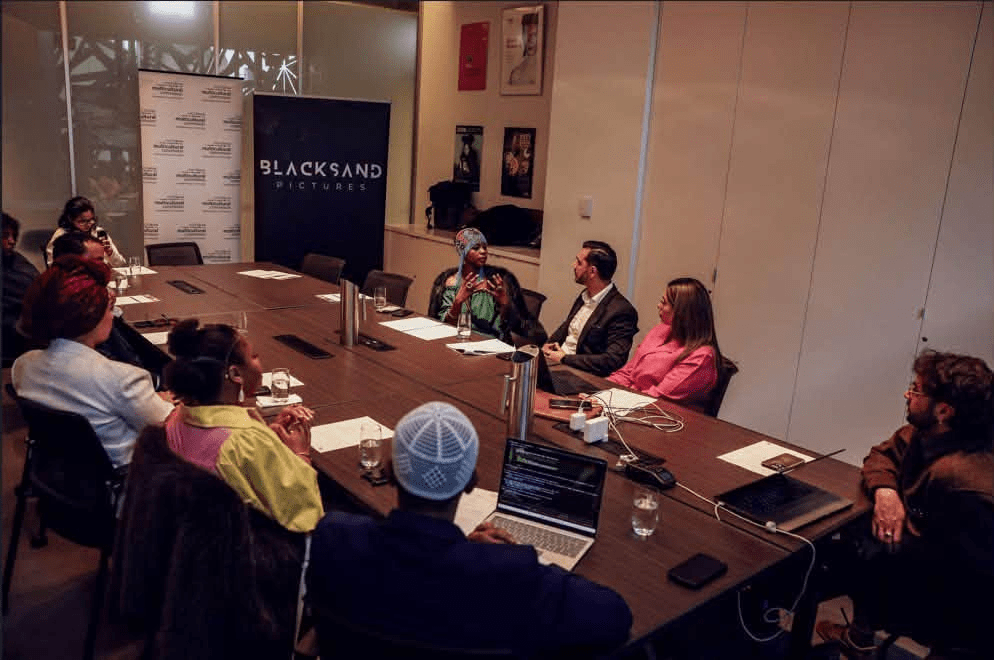
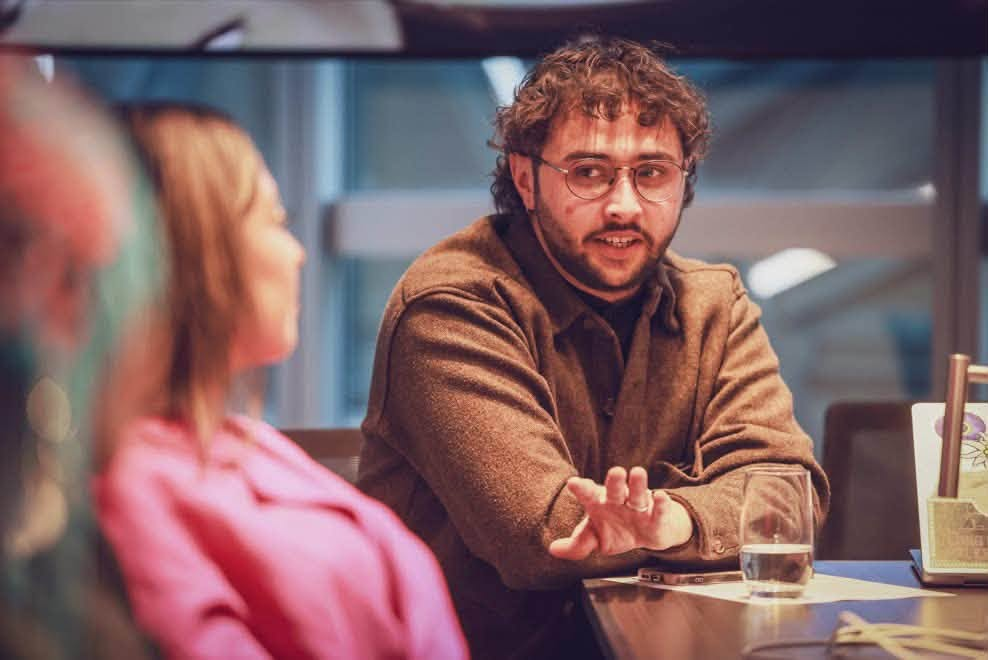
(ONA, 1 September 2026)-In a powerful step towards reshaping Australia’s cultural landscape, the Victorian Multicultural Commission, in partnership with Blacksand Pictures, recently hosted a community consultation with Victoria’s African Australian community. The focus? Media representation, authentic storytelling, and the urgent need for African Australians to control their own narratives.
The message was clear: the time for passive representation is over. Australian media must create meaningful opportunities for African Australians to tell their own stories, in their own voices. This isn’t just about checking diversity boxes—it’s about building a media landscape where lived experiences are portrayed with depth, nuance, and authenticity .
This need for self-representation is not new. Mimo Mukii, an emerging producer and filmmaker, began their filmmaking journey researching the necessity of African Australian self-representation in media. As Mukii observes, “It is getting better. But there are still barriers for people to get into the industry. Big companies, broadcasters, governments, whatever—taking a risk on emerging storytellers is—I think—what’s going to change that” .
The community consultation set the stage for exactly that kind of risk-taking.
A Feast of Stories
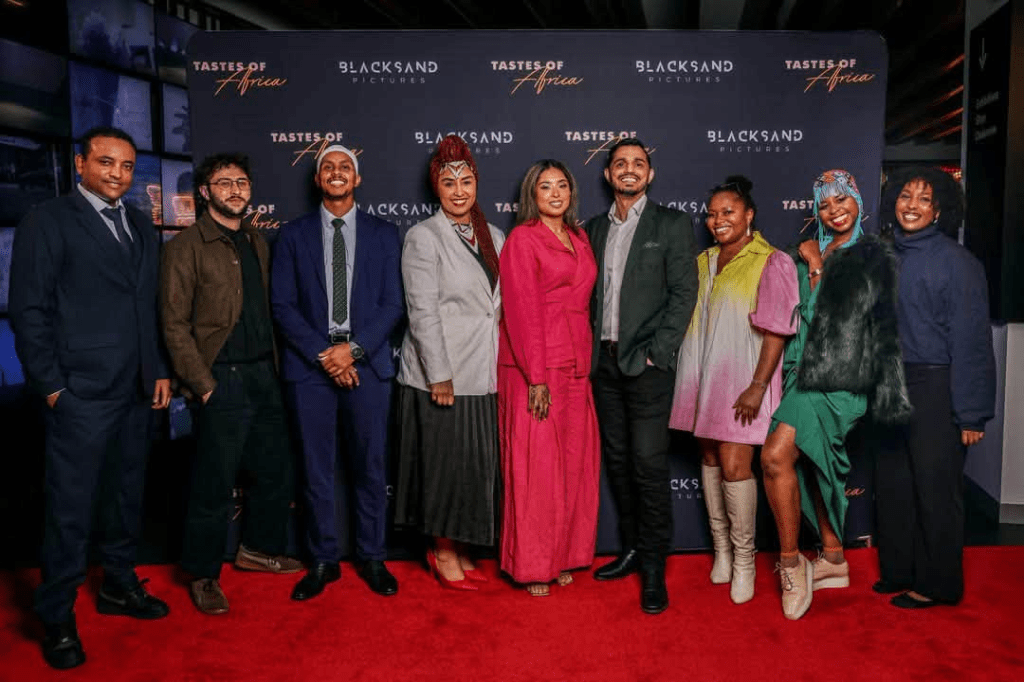
Following the discussion, attendees were treated to the premiere of Tastes of Africa, a three-part documentary series that celebrates the rich cultural heritage of African cuisine and its diaspora in Melbourne.
Produced by Blacksand Pictures’ Kauthar Abdulalim and written and directed by Rendah Haj, the series takes viewers on a sensory journey through Melbourne’s kitchens, community cook-ups, and hidden eateries . Hosted by Zambian-born filmmaker, historian, and author Santilla Chingaipe—recognised by the United Nations as one of the most influential people of African descent in the world in 2019—the series weaves together observational documentary and intimate first-person narration .
Viewers are guided by the traditional wisdom of African aunties, while also seeing younger African Australians boldly reinterpreting recipes for a new generation. As Kauthar Abdulalim explains, “Tastes of Africa reflects the kind of storytelling Blacksand Pictures is committed to culturally grounded, audience-facing, and globally resonant. This series celebrates African Australian communities with intimacy and joy, while creating space for stories that have long been underrepresented in Australia’s factual landscape”.
Supported by principal production funding from Screen Australia, in association with VicScreen, the series marks a significant investment in African Australian storytelling. Distribution partner African Australian will make the series available to audiences on YouTube, with plans for an international screening tour across Africa later in the year.
Building Momentum
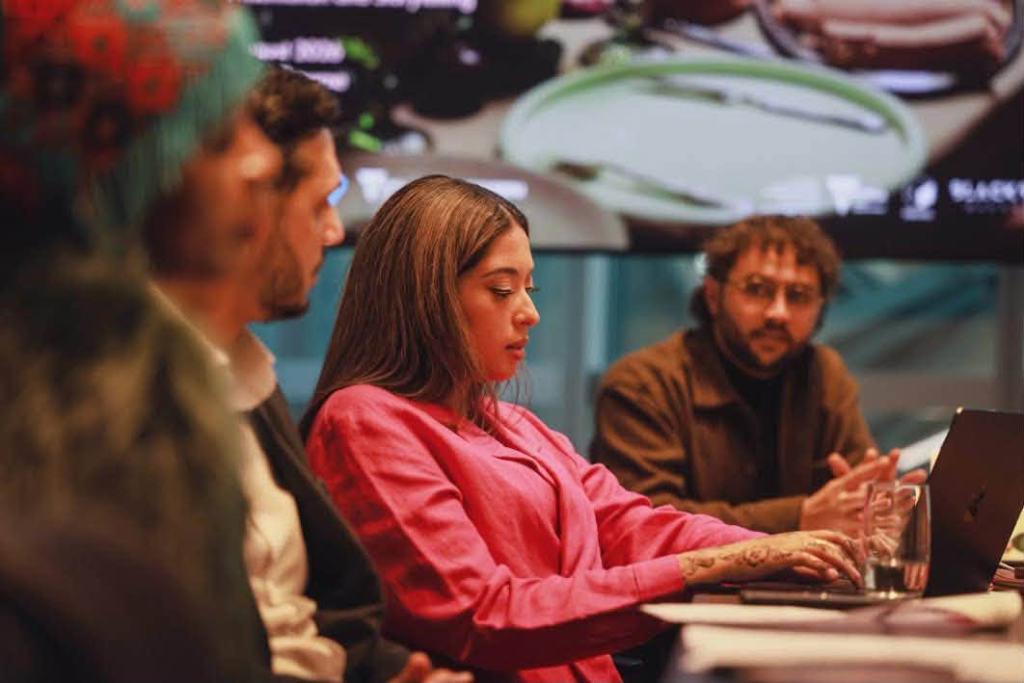
The community consultation and Tastes of Africa premiere are part of a broader movement to amplify African Australian voices. Initiatives like the African Australian Creative Media Grants, administered by Ubuntu Project, provide $10,000 grants to support platform development and content creation by African Australian creatives. These grants are helping to build a sustainable storytelling ecosystem, enabling individuals and organisations to create, distribute, and market their work.
As African Professionals of Australia noted upon being named among grant recipients, this support is “critical” for “amplifying the voices, stories, and innovation of African Australians across media and the arts”.
What’s Next
A summary report from the community consultation, prepared by @cinespace_inc, will be released soon. In the meantime, audiences can watch the first episode of Tastes of Africa on YouTube now by following @blacksandpictures and @africanaustralian.
As Mimo Mukii reflects, creating authentic representation requires institutional support and a willingness to take risks on emerging storytellers. With projects like Tastes of Africa and growing community-led initiatives, Victoria is proving that when African Australians tell their own stories, everyone benefits. The future of Australian storytelling is more diverse, more authentic, and more delicious than ever.
—
Stay tuned: Follow @cinespace_inc for the upcoming summary report from the community consultation. Watch Tastes of Africa on YouTube via @blacksandpictures and @africanaustralian.

A New Chapter for Multicultural Victoria: Building Bridges, Counting Voices, and Taking Action
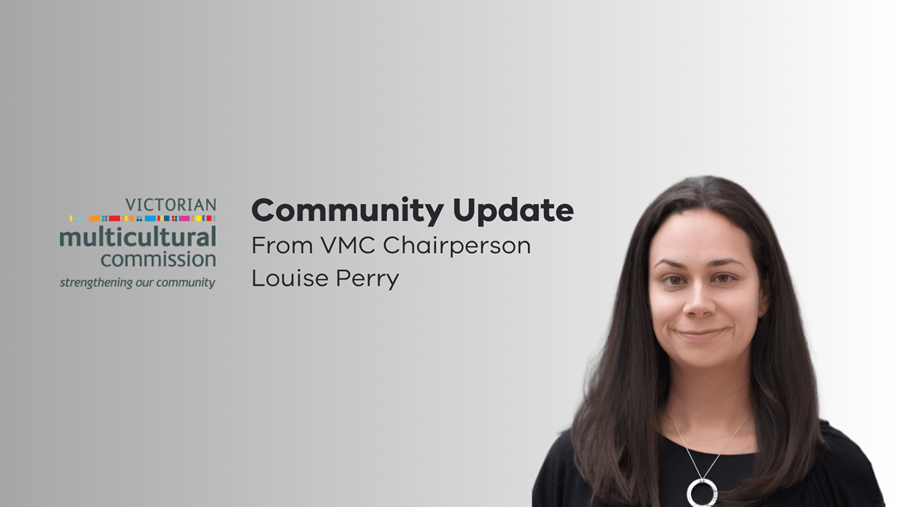
VMC Chairperson Louise Perry Reflects on a Weekend of Celebration and a Future of Collaboration
By Dhabessa Wakjira
The Premier’s Multicultural Gala Dinner, held over the weekend, was more than just a glittering event on the social calendar. It was a powerful affirmation of Victoria’s identity—a “Stories of Us” celebration that brought together over 1,200 guests from across the state to honour the unique journeys and contributions of its diverse communities.
Victorian Multicultural Commission (VMC) Chairperson Louise Perry, in a heartfelt message to the community, described the evening as a fitting tribute to the people, cultures, and experiences that together tell the story of multicultural Victoria. The event featured dynamic performances from across the globe, a bustling bazaar showcasing cultural traditions, and invaluable conversations between community leaders and government representatives.
A Future of Institutional Strength and Collaboration
Perry highlighted that the conversations from the Gala are particularly important as Victoria looks to the future of its multiculturalism. A landmark shift is currently progressing through Parliament: the Multicultural Victoria Amendment Bill 2026 .
Subject to its passage, this bill will establish Multicultural Victoria, a new government entity designed to reset how government listens to, collaborates with, and supports multicultural and multifaith communities. The new body will merge the policy, grants, and community engagement functions currently delivered by the VMC and the Department of Premier and Cabinet. This integration aims to ensure community voices have a stronger influence on government policy.
“The Victorian Multicultural Commission was established in 1983 to advise the government on issues affecting people from culturally and linguistically diverse backgrounds,” notes the importance of this legacy. The new entity, led by a Multicultural Coordinator General and supported by an advisory group, will build upon this history, using new powers to drive change and publish an annual State of Multicultural Victoria report to measure progress. While the Bill is subject to parliamentary debate, its passage would represent a significant step in strengthening the institutional architecture for cohesion.
Ensuring Our Communities Are Counted
Perry also stressed the importance of participation in the 2026 Census, encouraging anyone who has not yet completed it to do so . “Every response helps build a clearer picture of who we are and the communities that make up Australia,” she said.
The Census is a critical tool for representation and advocacy. It helps governments, service providers, and community organisations understand where multicultural communities are growing, allowing them to plan essential services like healthcare, education, and language support. As community leaders note, accurate data is essential for ensuring communities are visible in official statistics and can “demand their fair share”.
Funding Opportunities for Community Action
Looking ahead, Perry highlighted two current funding opportunities for community organisations to turn their visions into action:
- Local Anti-Racism Initiatives Grants Program: This program provides grants of up to $40,000 for community-led responses to racism. The applications are closing soon, at midday on 27 August 2026. This program is part of the Victorian Government’s anti-racism strategy, supporting activities that build community capacity, promote First Peoples’ history and culture, and improve reporting of racist incidents.
- Multicultural Festivals and Events Program: This program supports multicultural communities to celebrate and share their culture through festivals and events. With over $5 million available for 2026-27, including an extra $1 million for regional events, this program helps Victorians celebrate and preserve their cultures while building understanding and respect. The current round of applications closes on 31 August 2026.
A Message of Connection and Future Collaboration
In her closing remarks, Perry looked forward to continuing to meet many more community members, hearing their stories, and learning about the work happening across Victoria. Her message is clear: Victoria’s diversity is its strength, and the path forward lies in listening, counting, and acting together.
For more information on the Multicultural Victoria Amendment Bill, the 2026 Census, or the current grants programs, please visit the Victorian Government’s official websites.

Building the Architecture of Cohesion: VMC Chairperson Louise Perry’s Vision for a United Australia
At the Think Social Cohesion National Summit, Perry Outlines a Roadmap for Government Action Through Listening, Thinking, and Acting
By Dhabessa Wakjira
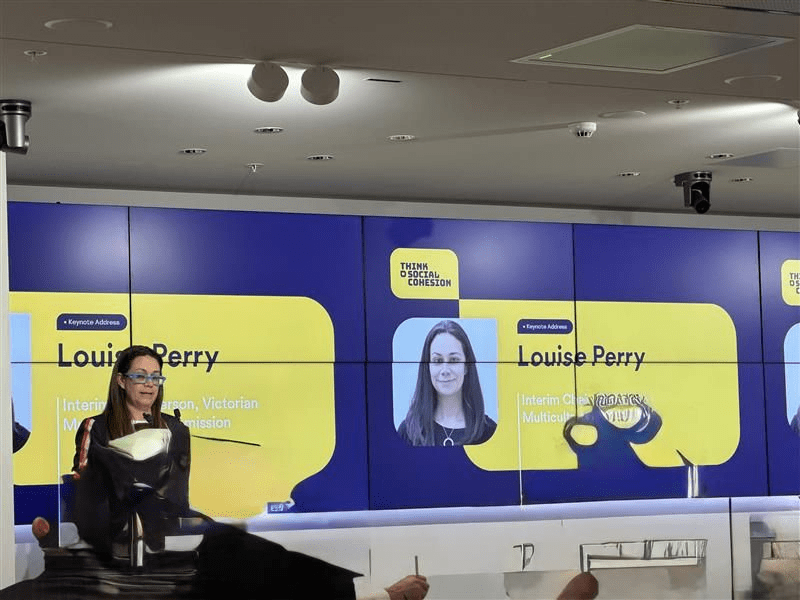
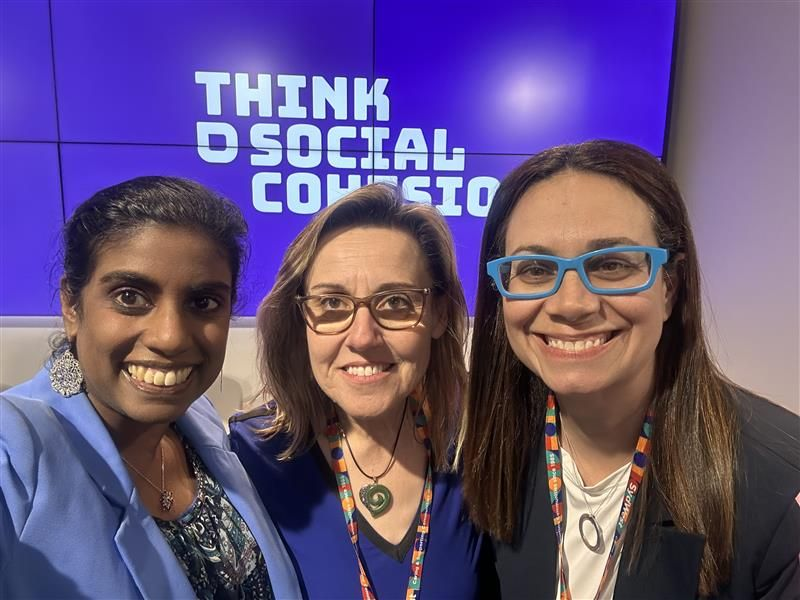
In a powerful keynote address at the Think Social Cohesion National Summit in Parramatta, Victorian Multicultural Commission (VMC) Chairperson Louise Perry laid out a clear and compelling vision for how governments can build the institutional architecture necessary for lasting social cohesion.
Speaking to 160 leaders from government, community organisations, settlement agencies, and academia, Perry distilled her message into three essential steps: Listen, Think, Act . This framework, she argued, offers a practical pathway for governments to engage meaningfully with diverse communities and translate dialogue into tangible outcomes.
“The VMC was pleased and proud to partner with Mortgage Stress Victoria to deliver a community information session in Melbourne, last night,” the Commission noted in a recent social media post, highlighting one such instance of this framework in action.
The Summit: Converting Discussion into Commitment
Convened by SydWest Multicultural Services, Settlement Services International (SSI), and the Settlement Council of Australia (SCOA), the summit was designed not as a traditional conference, but as a “working room, built to act rather than to talk” . The event was structured to ensure that participants did not simply listen to speakers but actively shaped the conversation through real-time contributions, with more than 300 live inputs synthesised and fed back into the discussion .
The summit culminated in an emerging Social Cohesion Roadmap, identifying five interconnected priorities: clear rights and responsibilities, broader community reach, economic participation, accountability for commitments, and a renewed national narrative recognising multiculturalism as a defining strength.
The “Listen, Think, Act” Framework
1. Listen: Active and Deep Engagement
Perry urged governments to “listen actively and deeply to communities,” moving beyond token consultation to genuine engagement that builds trust and understanding . The summit itself embodied this principle, with organisers committing to provide every delegate with a report within 28 days outlining what had changed because of their participation .
2. Think: Connecting Ideas for Cohesion
The second step, “Think,” involves reflecting on what governments have heard and “how different ideas fit together” to address complex challenges . This requires moving beyond siloed thinking and recognising that issues of cohesion, belonging, and participation are interconnected.
3. Act: Building and Uplifting Others
The final step is to “act by building and uplifting others across sectors and borders to achieve outcomes” . This demands collaboration across government, community organisations, and private sectors, as well as a commitment to accountability.
A Landmark Moment for Victorian Multiculturalism
Perry’s address carried particular weight as she announced that the Multicultural Victoria Bill had entered the Victorian Parliament that very afternoon, establishing a new statutory body to lead the state’s multicultural and multifaith portfolio . This legislative milestone will provide a permanent institutional framework for the work of building social cohesion.
A National Call to Action
The summit concluded with a specific national proposal from former Tasmanian Premier and Australian Multicultural Council Chair Peter Gutwein, who called on the federal parliament to “debate and pass a motion” formally declaring Australia a multicultural country .
The summit participants demonstrated that Australia does not lack ideas on social cohesion—it lacks a shared framework for acting on them. Perry’s “Listen, Think, Act” framework offers one such framework, providing governments with a clear roadmap for building the institutional architecture necessary to create a more cohesive, inclusive, and united Australia.

Building Bridges in Times of Hardship: A Community Unites Against Mortgage Stress

By Daandii Ragabaa
For many migrants and refugees, owning a home represents far more than a financial asset. It is security, stability, and tangible proof that a new life can be built from the ground up. It is the Great Australian Dream .
Yet for many, that dream has become a source of deep anxiety. The burden of mortgage repayments, rising interest rates, and the escalating cost of living have turned homeownership into a heavy burden of stress.
Last night, in a show of community solidarity, the Victorian Multicultural Commission (VMC) partnered with Mortgage Stress Victoria (MSV) to deliver a vital community information session in Melbourne. The event was a lifeline for migrant communities who often bear the brunt of financial hardship in silence.
A Collaborative Effort for a Pressing Crisis
Financial stress rarely exists in isolation . It is a relentless intruder that seeps into every aspect of life, affecting health, relationships, employment, and a family’s sense of security . For migrant and refugee communities, the challenges are compounded. Language barriers, unfamiliarity with financial systems, cultural expectations, or simply not knowing where to turn can make that first step towards seeking help nearly impossible.
The event—attended by Parliamentary Secretary for Multicultural Affairs Iwan Walters MP, representatives from both the VMC and MSV, and almost 150 community leaders—affirmed a crucial message: help is available, and issues can be tackled before problems become crises .
What Mortgage Stress Victoria Offers
Mortgage Stress Victoria stands as a beacon of hope. As the only specialist service in Australia providing free, integrated legal, financial counselling, and social work support for homeowners at risk of losing their homes, MSV is uniquely placed to intervene at critical moments .
Their work is a testament to the power of a holistic approach. As MSV articulates, “Our structure recognises that mortgage stress is complex, with many different causes and consequences” . By tackling the root causes—which often include family violence, job loss, and systemic barriers—MSV helps clients navigate the pressures contributing to their mortgage and achieve lasting financial and housing security .
The Power of Community Engagement
The success of the partnership between the VMC and MSV lies in its culturally accessible approach. Bringing trusted information directly into communities, through community leaders and familiar faces, is more than just good engagement—it is prevention.
When community leaders understand the signs of mortgage stress and where to direct families for help, they can intervene before a financial problem becomes a full-blown crisis. As one attendee noted, “The best time for support is before financial stress becomes financial crisis” .
A Shared Commitment to Prevention
The Victorian Multicultural Commission’s commitment to this issue is resolute. Recognising that financial stability is central to successful settlement and community cohesion, the VMC is ensuring that vital information reaches those who need it most. The event was a clear demonstration that by working together—across government, community organisations, and multicultural leaders—we can build a safety net that prevents the loss of homes and the fracturing of families.
Congratulations to everyone involved in creating that bridge between communities and the help available to them. Initiatives like this matter, because they ensure that for many Victorians, the dream of a secure home remains a reality.

Celebrating Qaammee: A Sacred Oromo Tradition of Womanhood, Unity, and Cultural Pride
The Rituals of Buqqisaa and Daddarbaa — A Timeless Celebration of Young Women
By Daandii Ragabaa
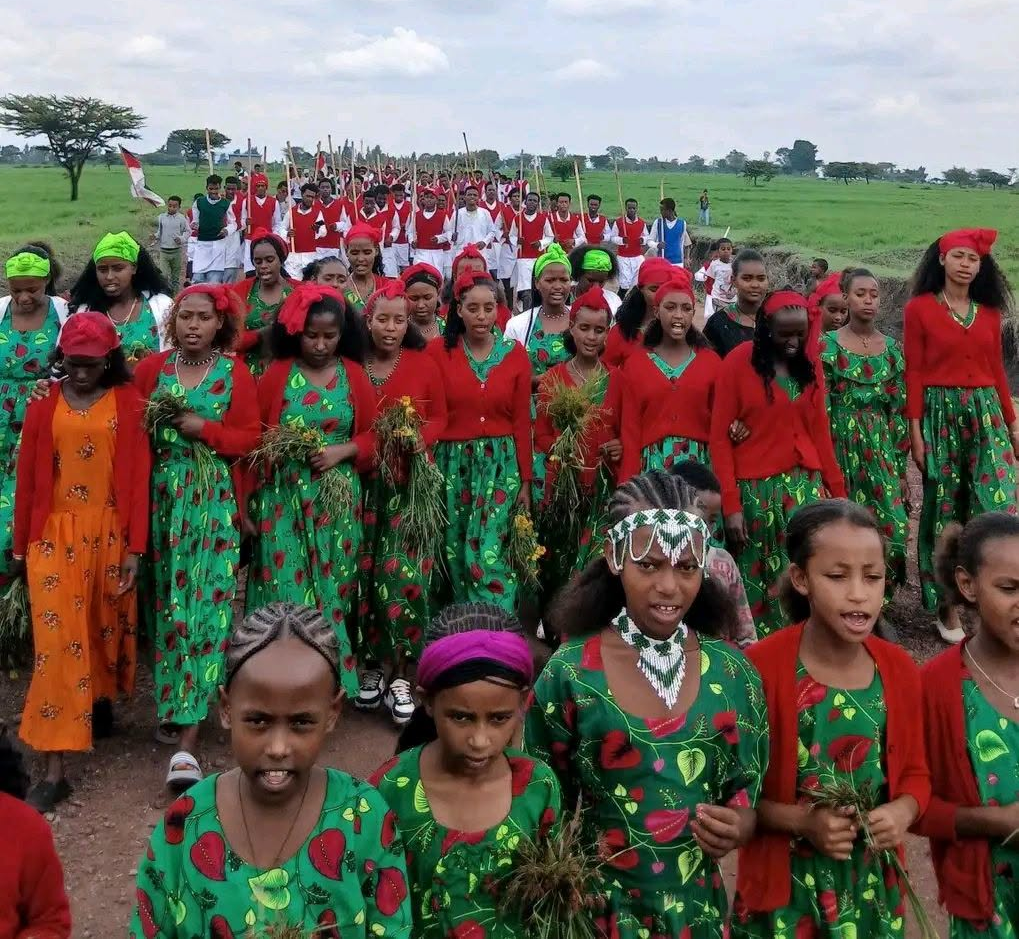
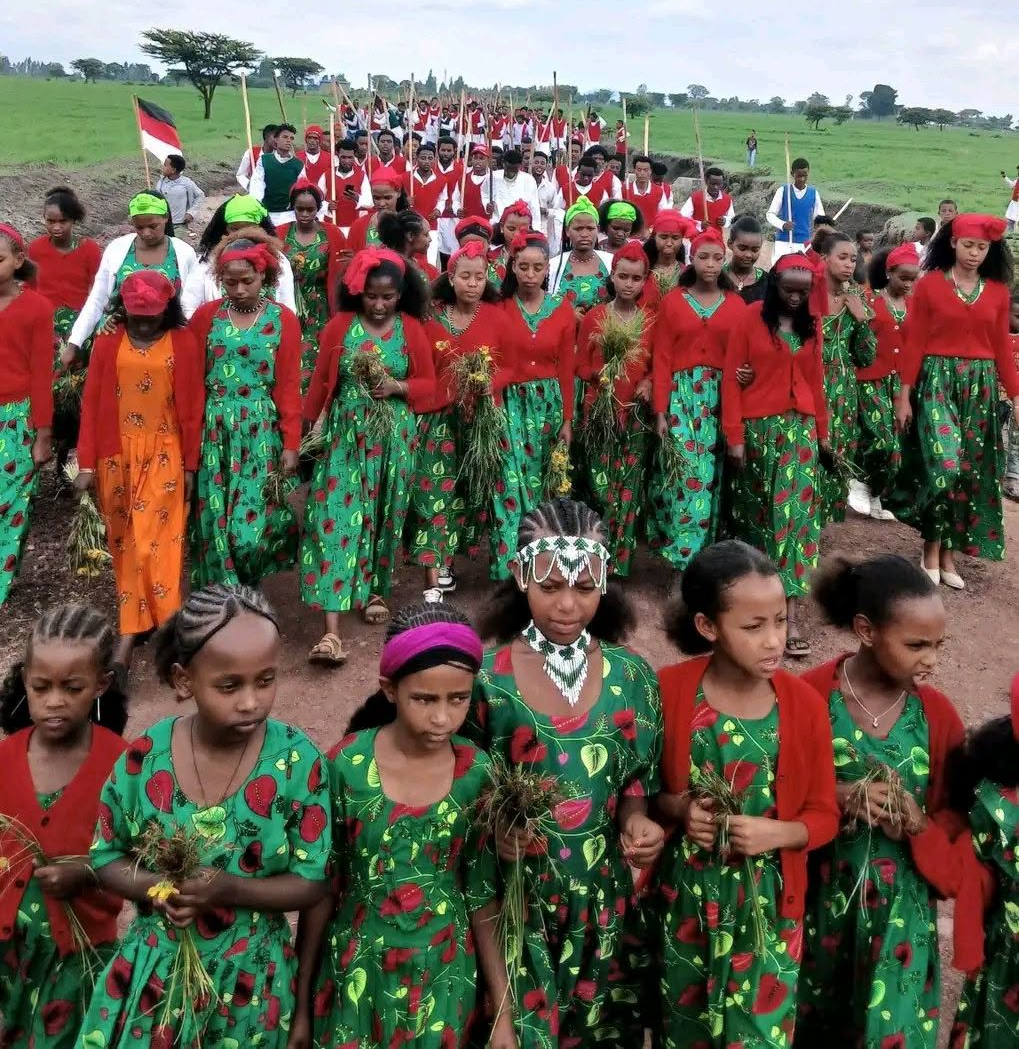
The Oromo people are blessed with a rich tapestry of cultural traditions that have been passed down through generations. Among these, the Ayyaana Qaammee stands as one of the most beautiful and significant celebrations—a sacred festival honouring young unmarried women, their transition into adulthood, and their vital role in the continuity of Oromo society.
The word Qaammee refers to a young unmarried woman who participates in this sacred festival. The celebration embodies the essence of youthful femininity, purity, and the promise of a bright future. It is a rite of passage, a communal blessing, and a moment of profound cultural significance.
This year, as the community gathers to celebrate Qaammee, we extend our warmest greetings: “Baga Nagaan Ayyaana Qaammee geessan!” —Happy Qaammee Festival!
Understanding Qaammee: More Than a Celebration
The Qaammee festival is more than just a cultural event—it is a sacred tradition that connects the Oromo people to their ancestors, their community, and the natural world around them. It is a celebration of womanhood, a blessing for the future, and a reaffirmation of Oromo identity.
The festival takes place annually, beginning in the month of Hagayya (roughly July-August) and continuing through the month of Fulbaana (September-October). The timing coincides with the end of the rainy season—a time of renewal, abundance, and new beginnings. This year’s celebration is a continuation of this sacred tradition, bringing communities together in joy, song, and blessing.
Central to the Qaammee celebration are two key rituals:
- Buqqisaa — The “Breaking” or preparation ceremony
- Daddarbaa — The “Passing” or blessing ceremony
The Buqqisaa Ceremony: Preparation and Unity
The Qaammee celebration begins with the Buqqisaa ceremony, a vibrant evening of preparation and community bonding.
Gathering by the Water
On the evening of Buqqisaa, young unmarried women (Qaammeen) gather in groups and make their way to a nearby river or stream (laga or caffee). This is a time of sisterhood, joy, and anticipation. The women come together in large numbers, united by their shared identity and purpose.
The Breaking of Qunnii
At the water’s edge, the women perform the ritual of Buqqisaa—the breaking or preparation of Qunnii, a special plant similar to grass that has a fragrant fruit (gumaa/firii) at its base. When the Qunnii blooms, it becomes Dhallaadduu, ready for use.
The Qunnii plant is significant for several reasons:
- It produces a natural fragrance that is pleasing to the senses
- It has medicinal properties that are beneficial for women’s health
- It is used as a natural perfume (Qayya) by the young women
Songs, Dance, and Celebration
The Buqqisaa ceremony is accompanied by traditional songs, dances, and celebrations that continue well into the night. The women sing Faaruu Qaammee (Abaabilee)—special songs composed for the occasion—as they prepare the Qunnii together.
The women break and prepare the Qunnii, sharing in the work and the joy of the occasion. The atmosphere is filled with laughter, song, and the spirit of unity.
Returning Home with Blessings
After the preparation is complete, each woman returns to her home with the Qunnii she has prepared. She places it on the doorstep (balbala irra kaawwatanii) as she enters, symbolizing the blessings she brings into her home.
The Ashaashullaa Tradition
On this same evening, young girls (ijoolleen dubaraa) participate in a special tradition involving Ashaashullaa—a plant similar to moss or creeping vine. The Ashaashullaa is tied to their hands and feet (harkaa fi quba miilatti hidhatanii bulu), and they sleep with it overnight.
In the morning, the plant has turned their hands and feet red—a beautiful decoration that adds to their adornment. The plant is considered a traditional ornament for girls, enhancing their beauty and connection to nature.
The Daddarbaa Ceremony: Blessings and Passing Forward
The following day is the Daddarbaa ceremony—the Passing or Blessing ceremony. This is the main day of the Qaammee celebration, when the young women receive the community’s blessings and are honoured for their transition.
Gathering at the Meeting Place
In the morning, the young women take the Qunnii they prepared the previous evening and gather at a designated meeting place, known as the Mootii Durbaa (the place of the chosen leader). The Mootii Durbaa is the eldest or most respected among the young women, chosen by the group.
The Journey Through the Community
From the Mootii Durbaa, the women begin their journey through the community. Walking in groups, they sing the Abaabilee songs as they go from house to house. They start with the Warra Angafaa (the elders/leaders of the clan) and then visit every household in their community.
The Ritual of Daddarbaa
At each household, the women perform the Daddarbaa ritual. They pass the Qunnii from the previous day to the household, receiving blessings in return. They eat and drink a little at each home, and the elders offer prayers and blessings for their future.
The women continue this journey until they have visited all the households in their community, spreading joy, receiving blessings, and reinforcing the bonds of community.
The Role of Young Men in Qaammee
While Qaammee is primarily a celebration of young women, young men also play an important role—though it is very different from that of the women.
Young unmarried men (who are not yet married) do not participate in the Buqqisaa or Daddarbaa ceremonies in the same way as the women. However, they accompany the women during the celebrations, walking alongside the groups and participating in the songs and dances.
The Wadaajii Tradition
The most notable tradition involving young men is the Wadaajii Dhungachuu—a ritual that is eagerly awaited, especially by the men. This tradition is unique to the Oromo culture and reflects the playful and respectful nature of the Qaammee celebration.
During the procession, when the women leave one household to go to the next, the young men position themselves along the route. As the women pass, the men suddenly fall to the ground in front of them and attempt to “drink” (dhungachuu) from them. The women, in turn, push the men away using their hands and the Dhallaadduu they are carrying.
This is a playful ritual, not a violation. The men approach with respect, and the women respond with good-natured resistance. The location for this ritual is often a boqoo/maddii—a designated area along the route.
After the ritual, the women continue on their way, laughing and continuing their songs. The men, having participated in the tradition, rejoin the procession. This tradition is an important part of Oromo youth culture, reinforcing bonds between young men and women while maintaining cultural protocols.
Important note: Men who participate in the Wadaajii ritual are not allowed to marry the women they “drink” from—it is a matter of cultural respect and propriety.
The Spiritual Significance of Qaammee
At its heart, the Qaammee celebration is a spiritual experience. The rituals are conducted with reverence and respect, invoking the blessings of Waaqa (God) and the ancestors.
The young women receive the prayers of the elders, the admiration of the community, and the hope of their families. The celebration is an act of thanksgiving—giving thanks for the rain, the harvest, and the continuity of Oromo culture.
The songs of Qaammee, known as Abaabilee, carry deep meaning and are an essential part of the celebration:
“Aababilee haa doolee” — Let the Abaabilee songs be sung
“Haayee yaa shoroorootoo” — Oh, the beautiful songs
“Shoororoo haati deechee” — The mother has sung the Shoororoo
“Yaa qal’oo qaammen geechee” — The Qaammee women have come
A Celebration of Promise and Renewal
As the Qaammee festival concludes, the participants and their families are filled with a sense of pride, joy, and hope. The young women who have been blessed and celebrated carry with them the strength and support of their community as they embark on their journeys into adulthood.
The festival is also a reminder of the beauty and resilience of Oromo culture—a culture that has survived centuries of oppression and continues to thrive in the hearts of its people.
The Challenge of Cultural Erosion
It is important to note that the Qaammee festival is in danger of being forgotten in many areas. In some places, it is no longer celebrated at all. In others, a modified version called “Qaammee Sidaamaa” is celebrated on October 1st (Fulbaana 1, ALH), but even this is not the same as the traditional celebration.
This erosion of cultural traditions is a loss for the Oromo people. These traditions are not just customs—they are expressions of Oromo identity, resilience, and continuity. They connect the present generation to their ancestors and provide a foundation for the future.
The responsibility of reviving and preserving these traditions falls on the current generation. As the saying goes, “Duudhaaleen Oromoo hedduun isaanii bakka hin jiran. Bakkatti deebisuun dirqama dhaloota ammaa ti” —Many Oromo traditions are no longer practiced. It is the duty of the current generation to bring them back.
Conclusion: The Eternal Light of Qaammee
Qaammee is more than a celebration—it is a sacred tradition that connects the Oromo people to their past, their present, and their future. It is a moment to honour young women, to bless their journey, and to affirm the enduring strength of Oromo culture.
As the community gathers to celebrate, let us remember the beauty, grace, and resilience of the Oromo people. Let us honour the young women who carry the hopes of their community. And let us commit ourselves to preserving and reviving these sacred traditions for future generations.
“Kan Baranaa kan egeree nuun haa jedhu!” —May this year’s celebration be one of abundance and joy!
Baga Nagaan Ayyaana Qaammee geessan!
This feature article is dedicated to all the young Oromo women—past, present, and future—who carry the spirit of Qaammee in their hearts, and to the communities who are working to preserve this beautiful tradition.