The Case for Shinooyee and Goobee: A Preventive Force for Peace and Unity
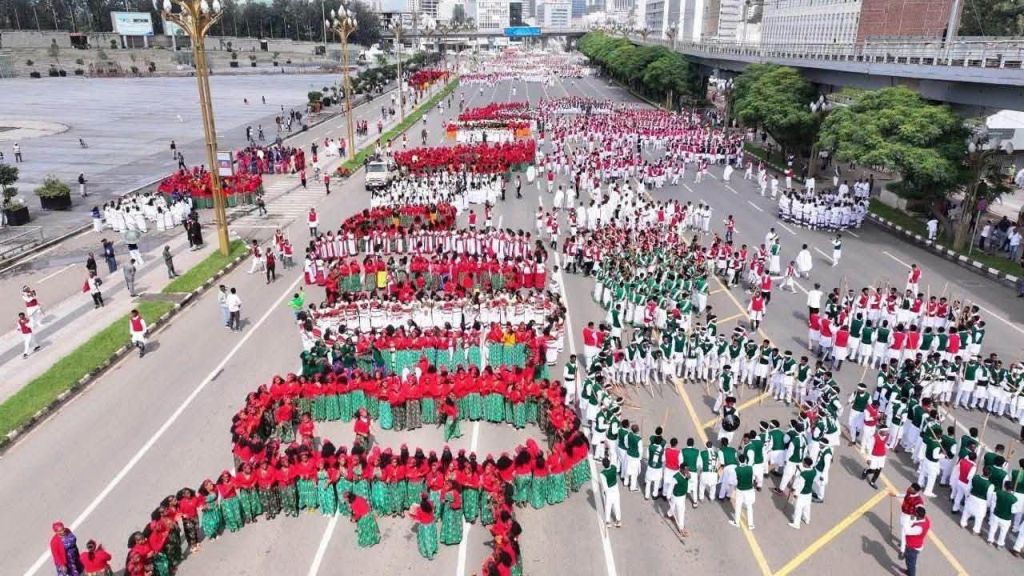
How Oromo Cultural Festivals Can Mitigate Conflict and Build Social Cohesion
By Dhabessa Wakjira
In a world where youth are increasingly drawn to divisive ideologies, political extremism, and social unrest, the Oromo people possess a powerful alternative: their own rich cultural traditions. The festivals of Shinooyee and Goobee—celebrations of the Oromo new year and the transition from winter to spring—are not merely cultural events. They are mechanisms for peacebuilding, social cohesion, and the redirection of youth energy toward constructive ends.
This article argues that Shinooyee and Goobee have significant preventive benefits. When young people invest their time, knowledge, skills, and resources in promoting Oromo culture, they not only ensure the growth of their traditions but also contribute to a reduction in conflict and violence. By focusing on cultural development, youth can build peace rather than division.
Argument 1: Cultural Engagement as a Preventative Measure
Proposition: Youth participation in Shinooyee and Goobee celebrations reduces the likelihood of conflict and violence.
Supporting Points:
1. Redirecting Youth Energy Toward Constructive Ends
Young people possess immense energy, creativity, and passion. When these qualities are channelled into political extremism or ethnic rivalry, the result is often violence and instability. However, when youth are engaged in cultural activities—learning traditional songs, preparing for festivals, and preserving Oromo heritage—that same energy is redirected toward positive community building.
Shinooyee and Goobeyyee provide structured, meaningful activities that require collaboration, discipline, and commitment. Young people who are actively preparing for these festivals have less time and inclination for destructive behaviour. The festivals create “prosocial bonds that reduce isolation and renew civic agency” .
2. Fostering Intergenerational Connection
Shinooyee and Goobee bring together elders and youth, creating opportunities for the transmission of cultural knowledge, values, and wisdom. This intergenerational connection is essential for building understanding and respect across age groups.
When youth learn from elders—about history, culture, and the principles of the Gadaa system—they gain perspective on the struggles and triumphs of their people. This perspective reduces the likelihood of impulsive or radical behaviour, as youth see themselves as part of a larger historical narrative.
3. Promoting Peace and Reconciliation Values
Both Shinooyee and Goobee are rooted in the values of peace, reconciliation, and unity. The Gadaa system, of which these festivals are a part, “symbolises peace, unity, and harmonious coexistence among people”.
Before participating in these celebrations, individuals are expected to resolve conflicts and seek forgiveness. This practice teaches youth that peace is not abstract—it requires active effort and accountability. By internalising these values, young people become peacebuilders rather than conflict participants.
Argument 2: Economic and Social Benefits of Cultural Investment
Proposition: Investing youth resources in Shinooyee and Goobee generates positive economic and social returns.
Supporting Points:
1. Building Local Economies
Shinooyee and Goobee are economic drivers. The demand for traditional clothing, food, and crafts creates employment opportunities for artisans, tailors, and small businesses. By investing in these festivals, youth contribute to the economic vitality of their communities.
The Irreechaa Expo, for example, has become a platform for over 250 trade associations, providing economic opportunities and promoting cultural tourism. Similar economic benefits can be realised through the investment of youth resources in Shinooyee and Goobee.
2. Strengthening Social Networks
The festivals foster social networks that serve as safety nets in times of crisis. When youth participate in Shinooyee and Goobee, they build relationships with peers and elders across communities. These relationships can be drawn upon during times of hardship, reducing reliance on divisive or violent alternatives.
As one scholar observed, Irreechaa “brings people closer to each other and strengthens social bonds”. The same applies to Shinooyee and Goobee.
3. Preserving Cultural Heritage
By investing their resources in cultural promotion, youth ensure that Oromo traditions are not lost to modernity. This preservation is not merely nostalgic—it is a form of resistance against cultural erasure and a foundation for collective identity.
When youth understand their culture, they are less likely to adopt extremist ideologies that reject or denigrate their heritage. Instead, they become ambassadors of their culture, promoting understanding and respect across communities.
Argument 3: The Preventive Impact on Conflict
Proposition: Widespread investment in Shinooyee and Goobee can prevent the escalation of conflict.
Supporting Points:
1. Building Bridges Across Communities
Shinooyee and Goobee are not exclusive festivals. Members of various ethnic groups—Kembata, Kebena, Burji, Dawro, and Sidama—have described these celebrations as platforms for cultural exchange and multinational unity. When youth from diverse backgrounds participate together, they build relationships that transcend ethnic divisions.
2. Creating Alternative Narratives
Conflict often arises from narratives of grievance, victimhood, and enmity. Cultural festivals offer alternative narratives of resilience, gratitude, and common humanity. By promoting these narratives, youth challenge the divisive rhetoric that fuels conflict.
3. Demonstrating the Benefits of Peace
Shinooyee and Goobee are celebrations of hope and renewal. They demonstrate that peace is not only possible but desirable—that communities can thrive when they come together in celebration rather than conflict. By participating in these festivals, youth experience the tangible benefits of peace.
Rebuttal: Addressing Potential Counterarguments
Counterargument: “Culture is not a substitute for political change. Focusing on festivals distracts from the real issues facing the Oromo people.”
Rebuttal: Cultural engagement is not a substitute for political action—it is a complement to it. When youth are disconnected from their culture, they are more vulnerable to radicalisation and division. Cultural festivals like Shinooyee and Goobee provide the foundation of identity and community that makes political action more effective and principled.
Counterargument: “Investment in culture is a luxury we cannot afford when we face urgent political and economic challenges.”
Rebuttal: Culture is not a luxury—it is a necessity. The loss of culture is itself a form of oppression, and its preservation is a form of resistance. Moreover, cultural festivals generate economic benefits that address urgent needs. The Irreechaa Expo, for example, has become a platform for economic growth and community development .
Counterargument: “Celebrating culture does nothing to stop violence.”
Rebuttal: Cultural celebration does not stop violence on its own—but it creates the conditions in which violence is less likely. Communities that are culturally connected, socially cohesive, and economically vibrant are more resilient to conflict. Shinooyee and Goobee contribute to these conditions.
Conclusion: A Path to Peace Through Culture
Shinooyee and Goobee are not merely festivals—they are investments in peace. When young people invest their time, knowledge, skills, and resources in promoting Oromo culture, they are not only preserving their heritage—they are building a future of peace and stability.
By engaging in these traditions, youth become peacebuilders, cultural ambassadors, and community leaders. They create alternatives to violence and division, demonstrating that the path to a better future lies not in conflict but in cooperation, not in extremism but in cultural pride.
As the Oromo proverb says: “A person without culture is like a tree without roots.” By investing in Shinooyee and Goobee, youth are planting the roots of peace for generations to come.
This feature article is dedicated to Oromo youth everywhere who are working to preserve and promote their culture as a foundation for peace and unity.

Posted on August 22, 2026, in Aadaa, Afaan, Events, Finfinne, freedom, gadaa, gender, health, Information, Kindness, Language, Media, News, Oromia, Press Release, Promotion. Bookmark the permalink. Leave a comment.






Leave a comment
Comments 0