Category Archives: AMES

From Refugee to Trailblazer: How Dr Melika Yassin Sheikh-Eldin Is Reshaping Australia’s Approach to Settlement
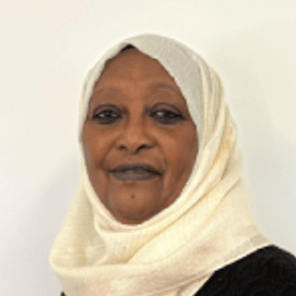
By Dhabessa Wakjira
When Dr Melika Yassin Sheikh-Eldin fled war in Eritrea in the late 1970s, she could not have known that her journey would one day help shape how an entire nation welcomes its newest arrivals. But that is precisely what happened. Over four decades, Melika has transformed her lived experience as a refugee into world-leading models for community integration and social cohesion — models now studied and adopted far beyond Australia’s shores.
She has helped thousands of new arrivals settle successfully. She has disrupted gender stereotypes and challenged public perceptions of what refugees can achieve. And she has done so while raising three children, completing a PhD, and representing Australia on the global stage as a “Refugee Voice” at United Nations consultations in Geneva.
Her story is not simply one of personal triumph. It is a blueprint for what is possible when refugees are recognized not as recipients of aid, but as stakeholders, leaders, and architects of their own futures.
A Journey Forged in Service
Melika’s path to Australia was neither short nor simple. After fleeing Eritrea, she volunteered in Sudanese refugee camps and later in Cairo. Her dedication drew the attention of some of the world’s most respected humanitarian organizations. She volunteered for the United Nations High Commissioner for Refugees (UNHCR) , the Red Cross, and Save the Children — gaining frontline experience that would later inform her professional approach.
She resettled in Australia in 1992, bringing with her not only the scars of displacement but also an unshakeable commitment to service. That commitment found its home at AMES Australia, where she has been a pivotal leader since 2001 and has served as Manager of Settlement Support Services since 2006.
Since 2007, she has sat on the board of the Refugee Council of Australia and represented the nation as a “Refugee Voice” at annual UNHCR consultations in Geneva. In that role, she has advocated relentlessly for policy shifts that recognize refugees as stakeholders rather than passive recipients of aid — a principle that has guided every project she has led.
Three World-Leading Models
Melika’s work at AMES Australia has produced initiatives that are now considered global blueprints for settlement and integration. Three stand out in particular.
1. The Nhill Rural Settlement Project
In western Victoria, the small town of Nhill was facing economic decline. Melika’s project settled Karen refugees in the community — and the results were transformative. The town’s economy was revitalized, and the model is now regarded internationally as a global blueprint for rural settlement. It demonstrated that refugee settlement is not a burden but an opportunity — for the newcomers and for the host community alike.
2. The Werribee Park Gardening Program
Isolation and mental wellbeing are critical challenges facing many refugee women, particularly those who arrive without established community networks. Melika’s program engaged isolated Karen women in gardening at Werribee Park. The initiative directly addressed these challenges, and its success was so evident that the model has since been adopted by other organizations.
3. The Community Guides Program
Perhaps Melika’s most influential innovation is the Community Guides Program, which recruits former refugees to use their lived experience to assist new arrivals. The logic is elegant: those who have walked the path themselves are uniquely positioned to guide others along it. The program has proven so effective that Melika has traveled to Sweden, New Zealand, and Japan to help international organizations establish programs based on the AMES Community Guides model.
Challenging Stereotypes, Championing Two-Sided Education
Melika’s impact extends beyond program design. She has been a powerful voice in disrupting gender stereotypes and challenging the public perception of what refugees can achieve. At a time when refugee women are often portrayed as passive or dependent, Melika’s leadership — and the leadership she cultivates in others — tells a different story.
Central to her philosophy is the concept of “two-sided education.” Integration, she argues, is not a one-way process. Both host communities and new arrivals must learn about one another for true integration to occur. This mutual learning, she explains, helps mitigate the fear of the unknown — the anxiety that so often fuels resistance to newcomers.
It is a simple but profound insight: integration is not something done to refugees, but something built with them, and with the communities that receive them.
A Scholar and a Mother
Melika’s achievements are all the more remarkable given the circumstances in which she pursued them. While raising three children as a refugee in a small Australian town, she completed a PhD in aquatic science — a testament to her intellectual rigor and her refusal to be defined by the limitations others might have placed upon her.
Her academic background in science may seem distant from her work in settlement, but both reflect the same qualities: careful observation, systematic thinking, and a commitment to understanding complex systems — whether ecosystems or communities.
A Legacy Still Being Written
Dr Melika Yassin Sheikh-Eldin’s story is a reminder that refugee experiences are not only stories of loss. They are also stories of contribution, innovation, and leadership. Her work has reshaped how Australia approaches settlement, and her models continue to influence practice internationally.
But perhaps her most enduring legacy is the principle she has championed throughout her career: that refugees are not problems to be solved, but partners to be engaged. They are not merely recipients of aid, but stakeholders in their own futures — and, as Melika’s own life demonstrates, architects of the futures of others.
From a young woman fleeing war to a world-leading voice in settlement and integration, Melika’s journey is a testament to what becomes possible when refugees are given the opportunity — and the respect — to lead.
Dr Melika Yassin Sheikh-Eldin is the Manager of Settlement Support Services at AMES Australia and a board member of the Refugee Council of Australia.

“A Generation Like This Is Hope for Oromo! A Promise for Oromia!”
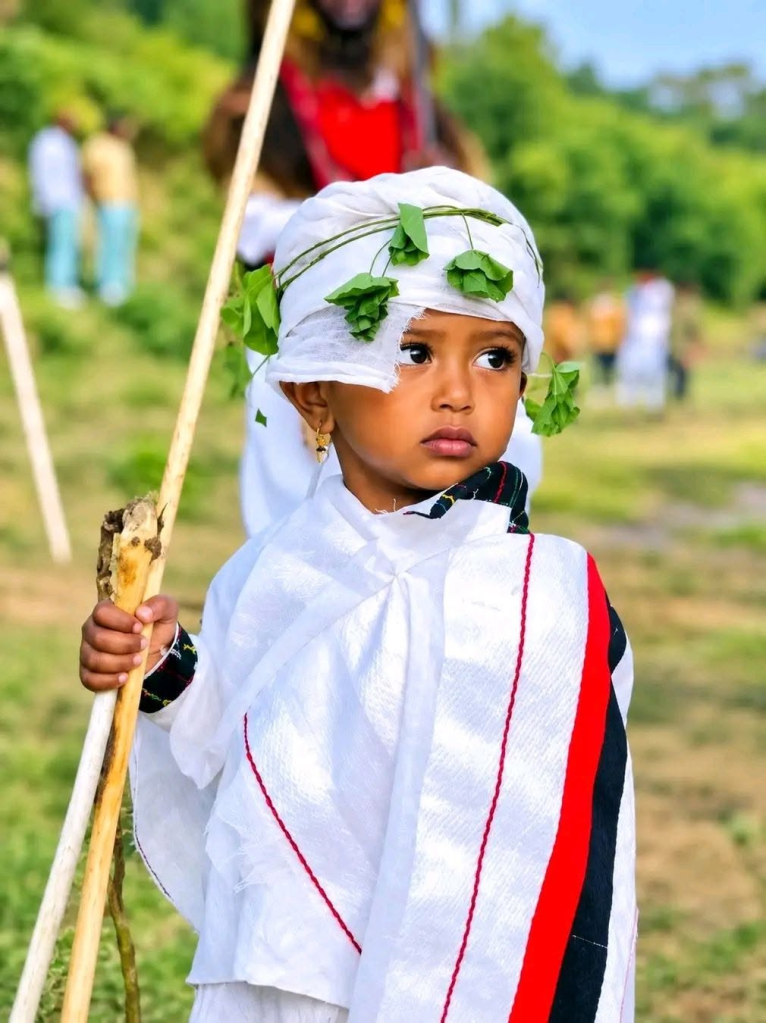
By Dhabessa Wakjira
There is a saying among the Oromo people that captures something profound about the relationship between a community and its youth: “Dhaloota akkanaatu, Oromoof abdiidha! Oromiyaaf wabiidha!” — “A generation like this is hope for Oromo! A promise for Oromia!”
It is more than a slogan. It is a declaration of faith in the future, spoken by elders who have witnessed both the pain of suppression and the resilience of a people who refused to disappear. It is a recognition that the young people rising today — educated, conscious, connected, and proud — carry within them the seeds of everything the Oromo struggle has long been working toward.
The Weight of History, The Light of Tomorrow
The Oromo people have endured centuries of marginalization, land dispossession, cultural suppression, and political exclusion. Through the imperial era, the Derg regime, and subsequent administrations, the flame of Oromummaa was kept alive in the hearts of the people — in the songs sung at Irreechaa, in the wisdom passed down through the Gadaa system, in the quiet defiance of families who spoke their language at home when the world outside forbade it.
That flame did not survive by accident. It survived because generation after generation refused to let it die.
Today, a new generation stands at the threshold. They are the children and grandchildren of those who carried the flame. But they are also something new: they are the first generation in modern Oromo history with broad access to education, to global networks, to digital platforms that amplify their voices beyond any border. They are the generation that can look back at history with clear eyes and forward to the future with determined hearts.
When elders say “Dhaloota akkanaatu, Oromoof abdii dha,” they are acknowledging this. They are saying: We endured so that you could rise. And you are rising.
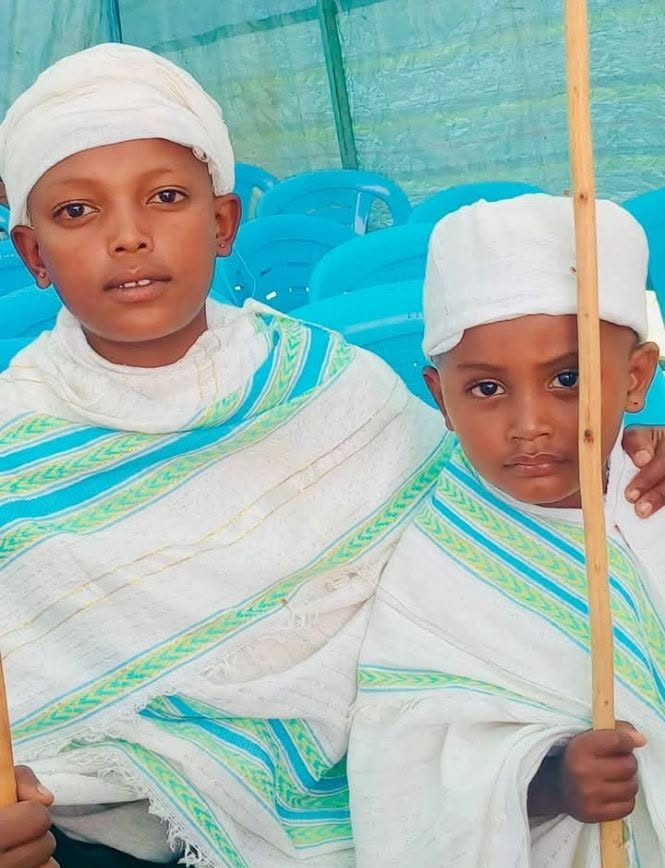
What Makes This Generation Different?
Every generation believes it is special. But there are concrete reasons why this moment in Oromo history feels different — why the phrase “Oromiyaaf wabiidha” carries such weight.
They are educated. Oromo youth are pursuing higher education in unprecedented numbers — in Ethiopia and across the diaspora. They are becoming doctors, engineers, lawyers, teachers, social workers, journalists, and leaders. Knowledge, once denied to their ancestors, is now their weapon and their tool.
They are connected. Social media has given Oromo youth a global platform. They organize, they inform, they advocate, and they build solidarity across continents. A student in Melbourne can exchange ideas with a student in Addis Ababa in real time. The isolation that once silenced Oromo voices has been shattered.
They are proud. Unlike previous generations who were sometimes forced to hide their identity to survive, this generation wears Oromummaa openly. They sing in Afaan Oromoo. They celebrate Irreechaa with millions. They carry the yellow daisies not as a secret symbol but as a public declaration of who they are.
They are global and local at once. They understand the world beyond Oromia — human rights, international law, digital advocacy, multiculturalism — while remaining deeply rooted in Oromo values of community, respect for elders, and connection to land and Waaqa.
They are bridge-builders. This generation navigates multiple worlds: tradition and modernity, Oromia and the diaspora, local struggles and global movements. They are learning to carry their heritage into new contexts without losing its essence.
Hope Is Not Passive
It is important to be clear: “Dhaloota akkanaatu, Oromoof abdii dha” is not a statement of complacency. It is not a declaration that the future will simply take care of itself because the youth are impressive.
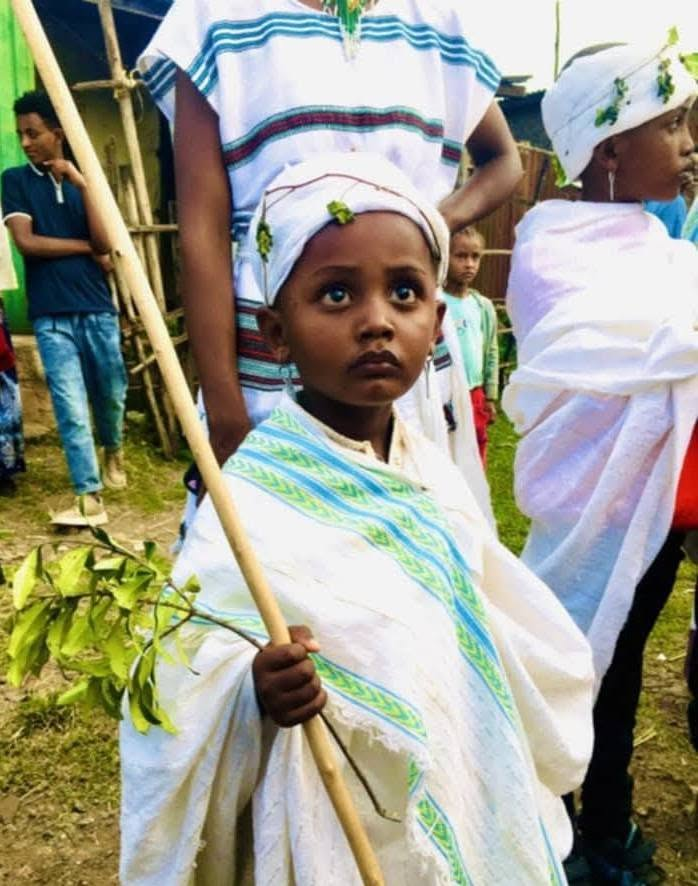
Hope, in the Oromo understanding, is active. It is the hope of the farmer who plants seeds and tends them. It is the hope of the marcher who walks toward the water carrying fresh grass. It is the hope that requires discipline, sacrifice, and unity.
For this generation to truly be the hope of Oromo, it must:
- Learn — from elders, from history, from education, and from one another.
- Preserve — the language, the traditions, the Gadaa wisdom, the sacred rituals of Irreechaa.
- Build — institutions, networks, and platforms that serve the community.
- Unite — across regions, across diaspora communities, across generations.
- Stay rooted — in Oromo values of respect, community, and connection to Waaqa and the land.
A Promise to Oromia
“Oromiyaaf wabiidha” — a promise for Oromia.
A promise is not a guarantee. It is a commitment. It is a covenant between a generation and the land that birthed it. It says: We will not forget where we came from. We will not squander what our ancestors sacrificed for. We will not let the flame go out.
This generation carries the dreams of every Oromo who came before — the farmer who lost his land, the mother who sang lullabies in a language she was told to abandon, the student who was punished for speaking the truth, the elder who kept the traditions alive in secret.
They also carry the hopes of every Oromo yet to be born — children who will one day ask, What did you do when it was your turn?
The answer being written today, by this generation, is this: We rose. We learned. We built. We stayed united. We honored those who came before us, and we prepared the way for those who will come after.
The Question That Remains
When elders look at the youth of today and say “Dhaloota akkanaatu, Oromoof abdiidha! Oromiyaaf wabiidha!”, they are offering both a blessing and a challenge.
The blessing is this: You are enough. You are capable. You are the ones we have been waiting for.
The challenge is this: Now prove it. Not with words alone, but with action. Not for a moment, but for a lifetime.
Every generation is given a choice. This generation — educated, connected, conscious, and proud — has been given the opportunity to be the generation that turns centuries of struggle into a future of dignity, justice, and flourishing for all Oromo people.
That is the hope.
That is the promise.
Dhaloota akkanaatu, Oromoof abdii dha! Oromiyaaf wabii dha!
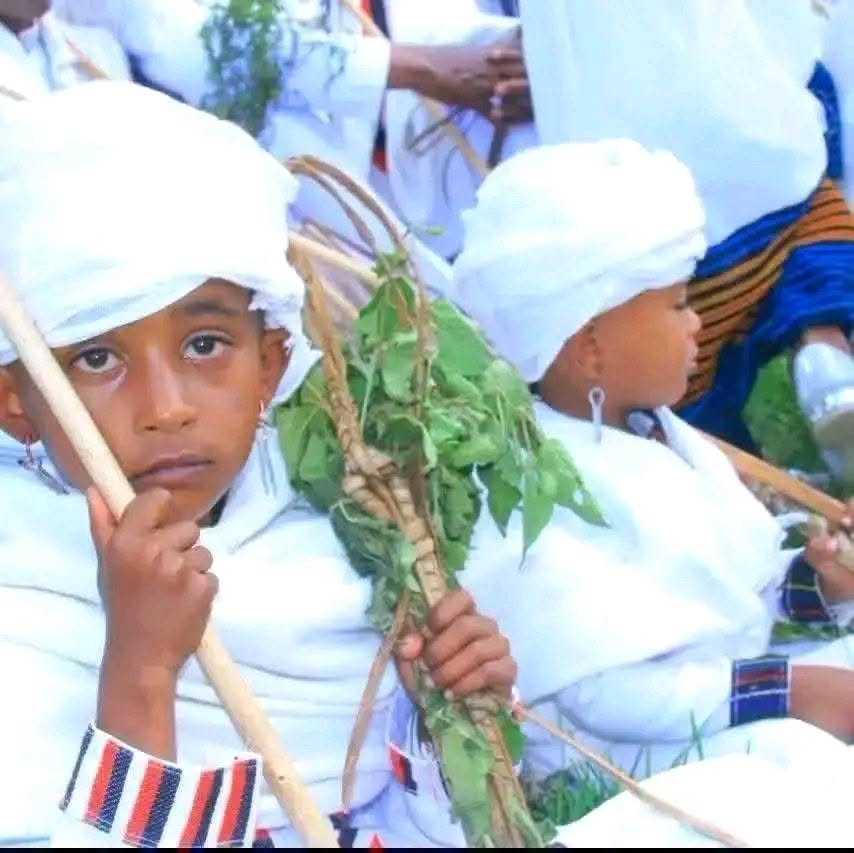

How to celebrate Irreechaa in Australia?
Celebrating Irreechaa in Australia means participating in a vibrant, adapted version of the traditional Oromo thanksgiving festival. While the core spiritual intent remains the same—giving thanks to Waaqa (God) for blessings and renewal—the setting and specific activities are tailored to the Australian environment and the needs of the diaspora community.
The celebrations are primarily organized by community associations and the non-profit Irrecha Australia, with major events held in cities like Melbourne.
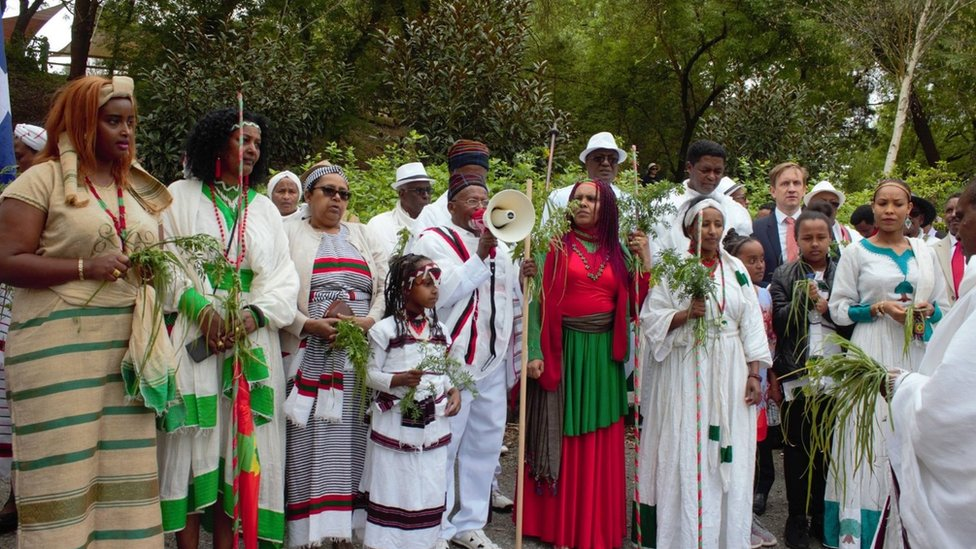
📍 Where and When to Celebrate in Australia
The location is chosen to reflect the traditional importance of nature and water in Irreechaa. In Australia, this often means gathering at parks with lakes, rivers, or scenic natural settings.
- Common Locations: In Melbourne, past celebrations have been held at Wilson Botanic Park in Berwick, Dandenong Mountain (Tulluu Dandenong), and Footscray Park.
- Timing: The festival is typically celebrated in September or October for Irreechaa Malkaa (the main thanksgiving at the water’s edge), and sometimes in April for Irreechaa Arfaasaa (a spring celebration).
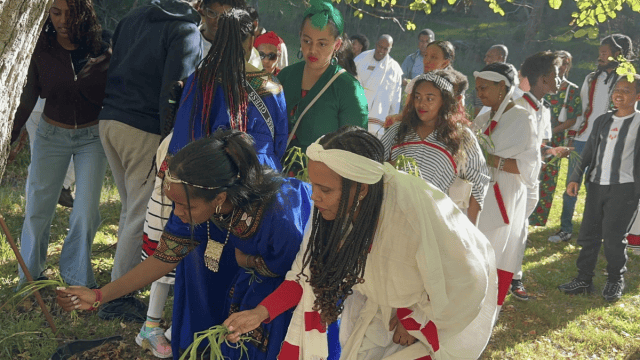
🌿 How to Participate: Key Activities and Rituals
Participating in Irreechaa in Australia involves engaging in both traditional rituals and communal cultural activities.
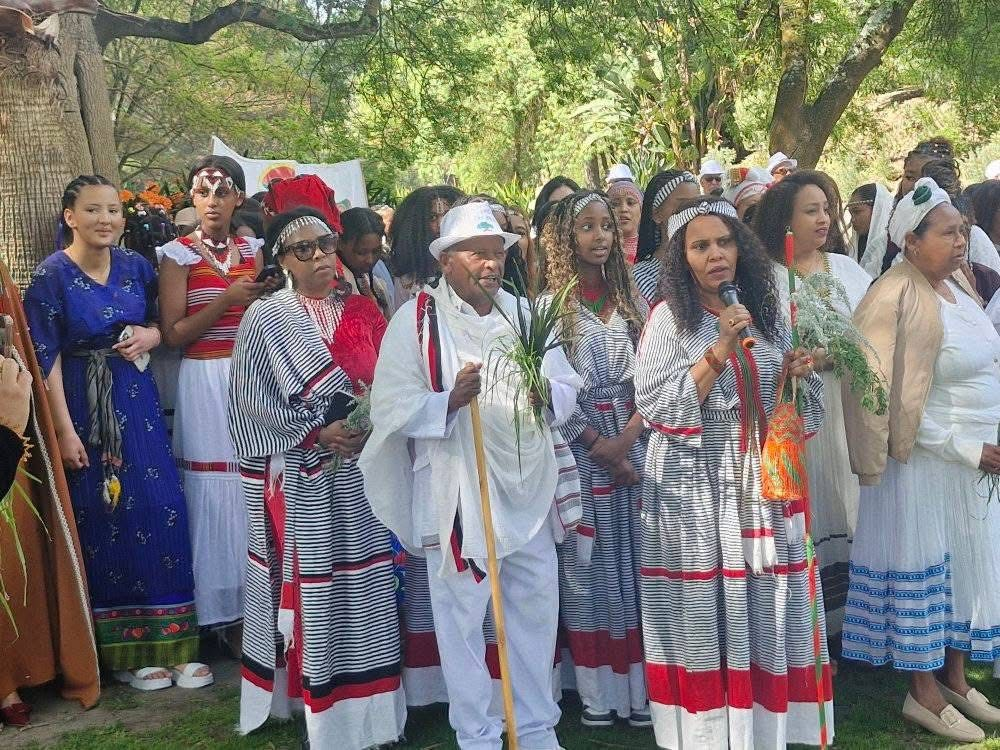
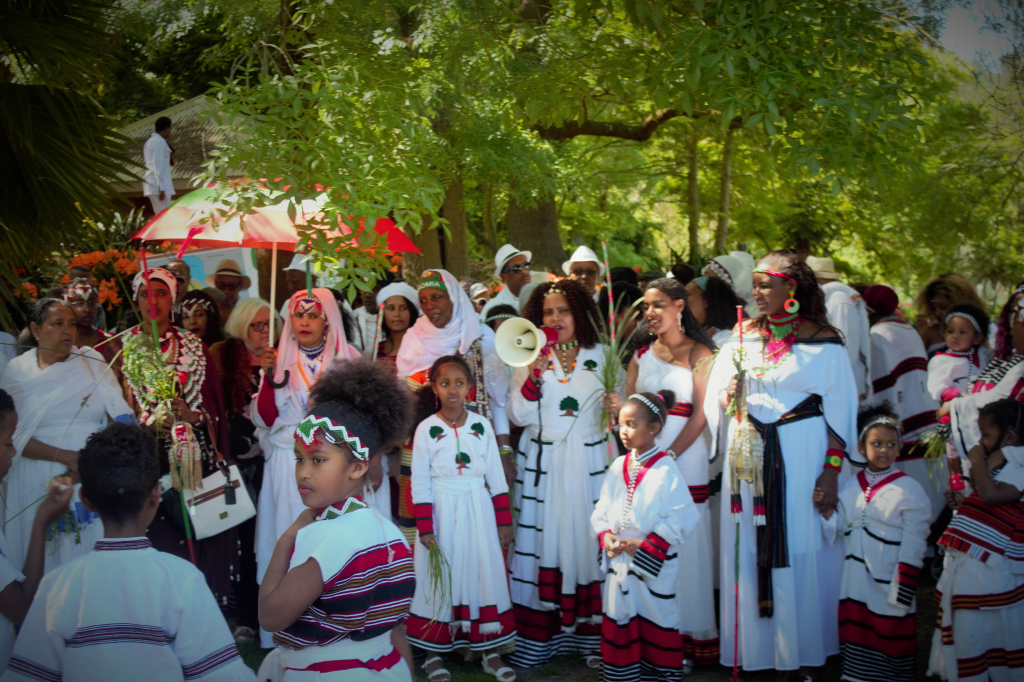
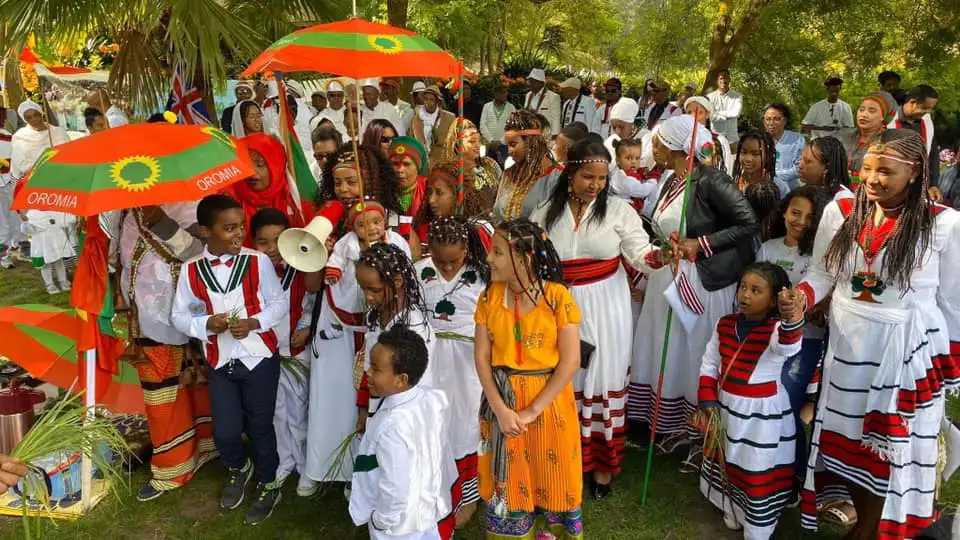
- Wear Traditional Attire: Attendees are strongly encouraged to wear traditional Oromo clothing. The vibrant colors and styles are a visual statement of cultural pride and identity, especially for younger generations.
- Join the Blessing and Prayer: The event typically begins with blessings and prayers led by community elders. These blessings focus on peace, prosperity, and remembering those who sustained the tradition.
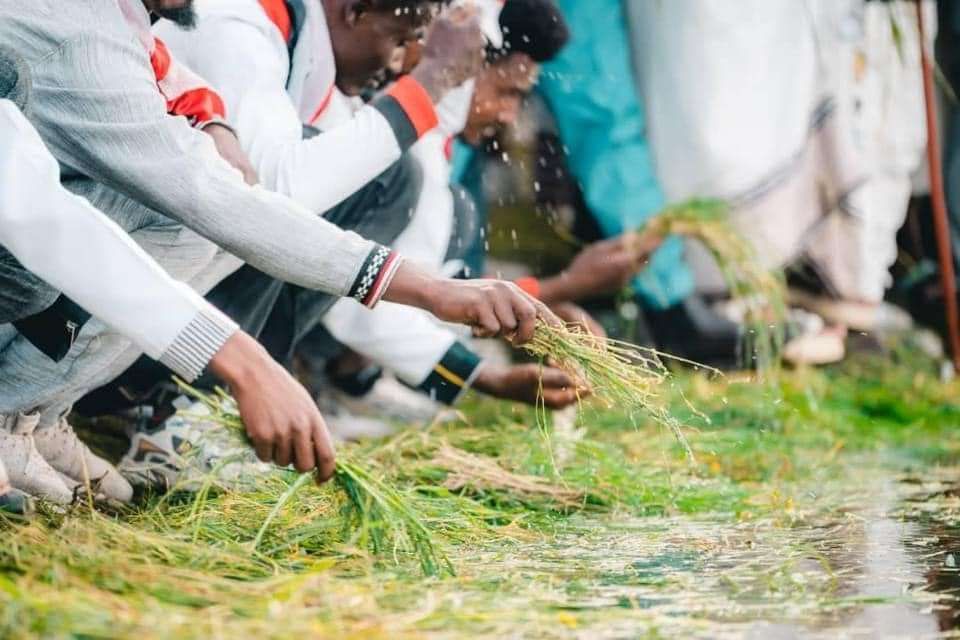
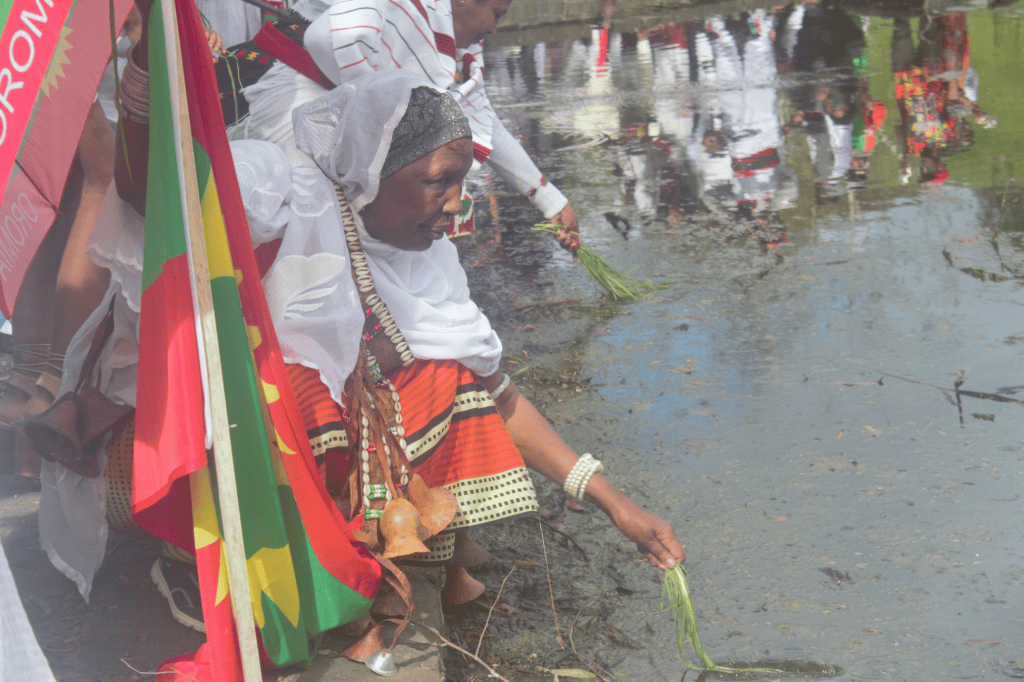
- Participate in Symbolic Rituals: Follow the tradition of carrying and dipping fresh green grass and yellow flowers into water (if available at the venue) as a symbol of gratitude, purification, and renewal.
- Enjoy Cultural Performances and Food: The celebration features traditional Oromo music, songs, and dances (such as the Siiqqee and Gumii dances). It is also a time to share communal meals with traditional Oromo food.
- Connect with Community: Irreechaa in Australia is a vital social event. It is a time for the diaspora to unite, strengthen bonds, and for younger generations to learn about their heritage from elders.
🤝 A Note on Inclusivity
While Irreechaa has deep spiritual roots in Waaqeffannaa (the traditional Oromo faith), the celebrations in Australia are also cultural festivals that welcome everyone. Organizers often invite local government officials, multicultural organizations, and curious residents to foster mutual respect and intercultural exchange. As one attendee noted, it is a unifying cultural practice that transcends religious boundaries.
💡 Practical Tips for Attendees
- Check for Event Details: Look for announcements from Irrecha Australia or local Oromo community associations on social media for the exact date, time, and location of the next event in your city.
- Respect the Environment: Organizers emphasize the importance of respecting the natural surroundings and leaving no waste behind, reflecting the core Oromo value of caring for nature.
- Bring What’s Needed: Some event notices suggest bringing water, flowers (for the ritual), and a spirit of gratitude.
In essence, celebrating Irreechaa in Australia is about actively participating in a living tradition that adapts to a new home while staying true to its core values of gratitude, community, and cultural pride.

Why is Irreechaa celebrated in Australia?
Irreechaa is celebrated in Australia because it serves as an essential cultural anchor and a vital tool for preserving Oromo identity for the diaspora community. For Oromos living far from their homeland, the festival bridges the physical distance, allowing them to maintain a profound connection to their heritage, land, and community.
🌏 Maintaining Connection to Homeland
For the Oromo diaspora in Australia, Irreechaa is not merely a tradition but a spiritual and cultural lifeline. As community members explain, the festival creates a “cultural ambiance that connects the people to Oromo land and the creator, Waaqa”. It serves as a powerful bridge, reinforcing the bond between those living abroad and their ancestral roots, ensuring that their connection to Oromia remains strong despite the geographical separation.
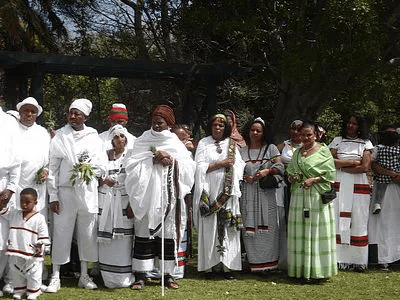
🎶 Preserving Identity Across Generations
The celebration plays a critical role in fostering Oromummaa (Oromo identity) in a new environment. By organizing these events, the community ensures that younger generations born or raised in Australia can learn about and embrace their heritage. The festival includes traditional blessings by elders, cultural performances like the Siiqqee and Gumii dances, and communal meals, all of which educate and immerse participants in Oromo traditions. This active practice is vital for intergenerational learning and instills a sense of pride in Oromo culture among the youth.
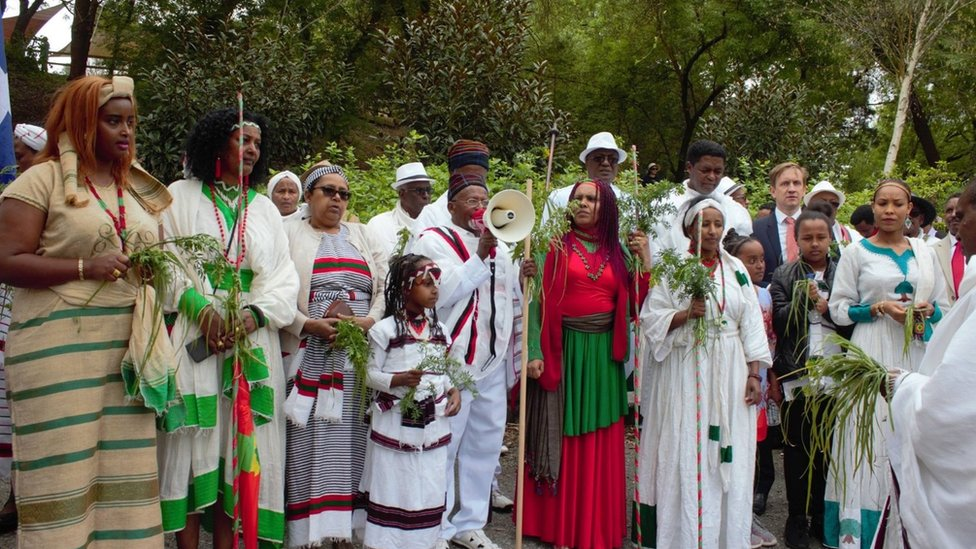
🤝 Building Community and Belonging
Irreechaa provides a crucial opportunity for the Oromo diaspora to unite and strengthen their communal bonds. In cities like Melbourne, the celebration brings together families and individuals to share in a collective expression of gratitude, peace, and solidarity. The festival has been held annually in Australia since 2009, growing steadily in participation. It serves as a platform to build a sense of belonging and mutual support within the community, creating a home away from home.
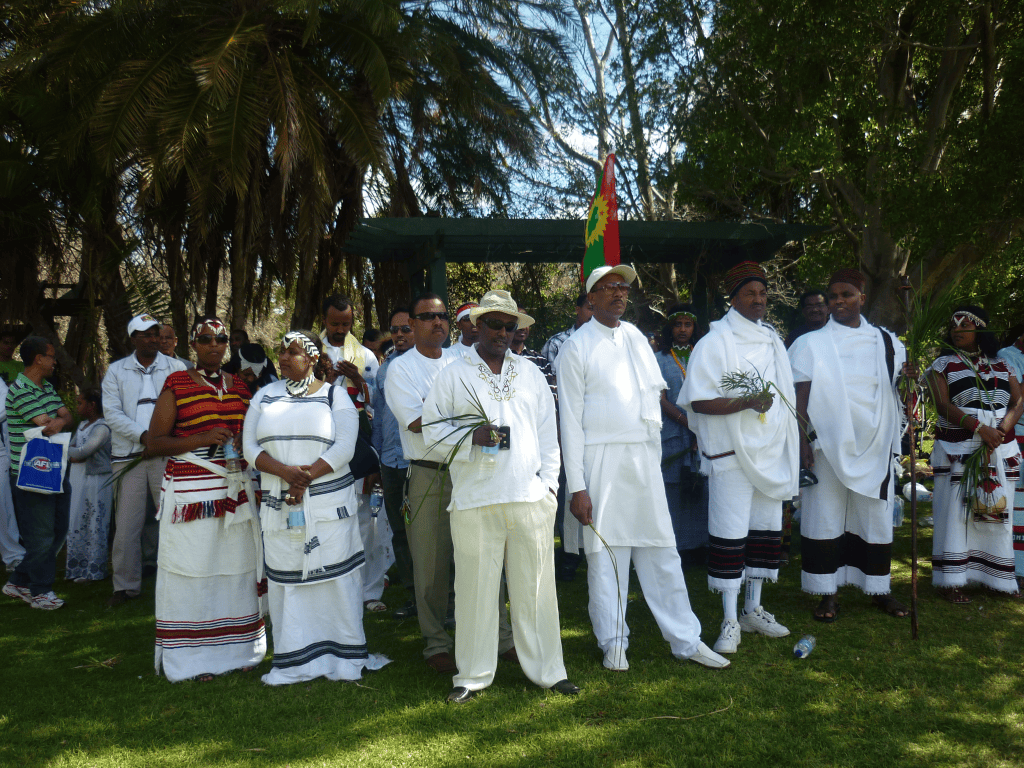
🌉 Bridging Cultures
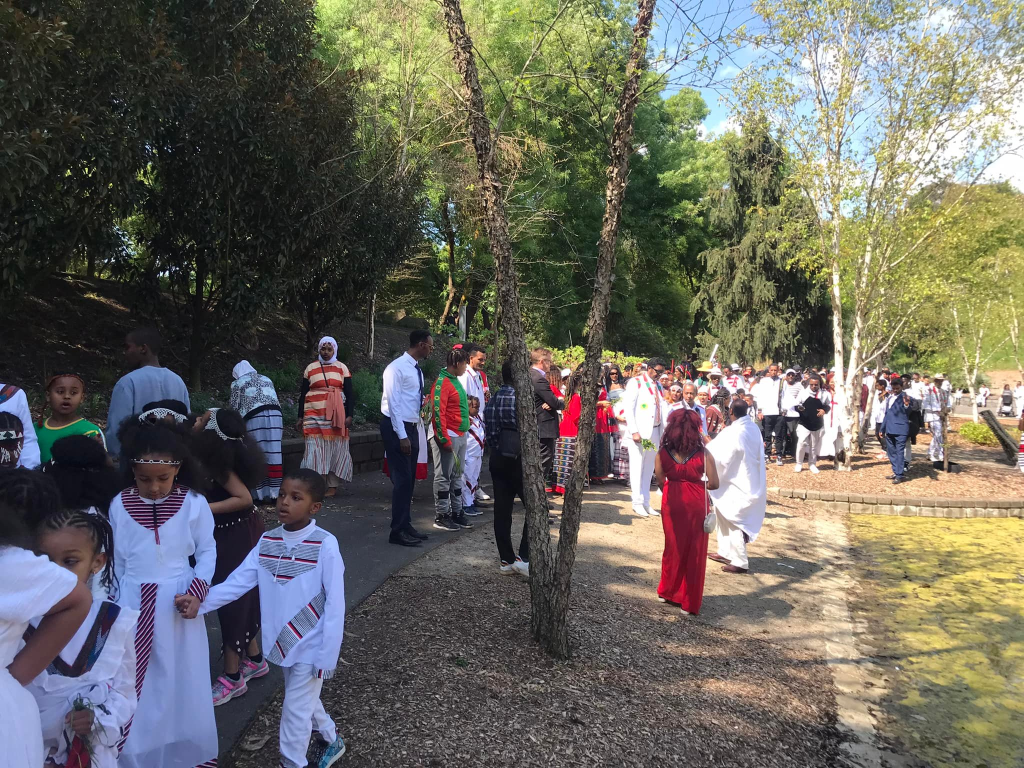
The celebration also acts as a cultural bridge to the wider Australian society. Many Irreechaa events invite local government officials, multicultural organizations, and curious residents, encouraging mutual respect and intercultural exchange. By sharing their traditions openly, the Oromo community not only sustains its own cultural practices but also contributes to the vibrant multicultural fabric of Australia.
In essence, Irreechaa in Australia is a dynamic and necessary adaptation of a sacred tradition. It allows the Oromo diaspora to give thanks, celebrate their shared history, and ensure their culture continues to thrive and be recognized for generations to come.

A New Chapter for Multicultural Victoria: VMC Bids Farewell as MMV Begins
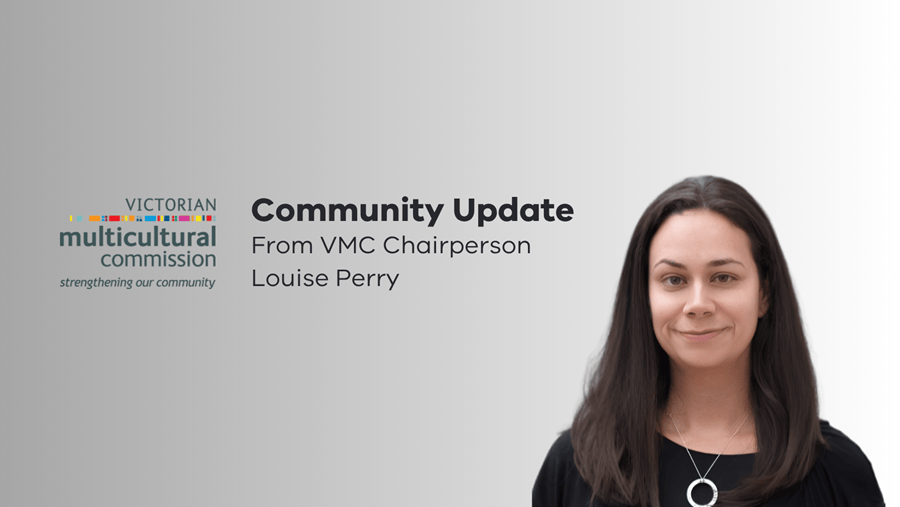
Melbourne, Victoria — After four decades of championing inclusion, belonging, and community voice, the Victorian Multicultural Commission (VMC) has issued its final Community Update, marking the end of an era and the beginning of a new chapter for multicultural and multifaith Victoria.
As of 1 October 2026, Multicultural and Multifaith Victoria (MMV) will formally commence, taking over the VMC’s legacy of community engagement, advocacy, and partnership with government.
A Legacy Built on People, Not Policies
In her farewell message, VMC Chairperson Louise Perry reflected not on programs or policies, but on the people who made the Commission’s work possible.
“The community leaders, volunteers, faith representatives, young people, elders, advocates and families who have shared their stories, welcomed us into their communities and worked alongside us,” she wrote. “It is neither the programs nor the policies that come to mind, but the people.”
That people-centered reflection captures the essence of the VMC’s four-decade journey. Since its establishment, the Commission has worked through moments of both celebration and challenge, championing inclusion and belonging, responding to crises, and ensuring that community voices are heard in the decisions that shape Victoria.
Standing Together in Times of Crisis
The VMC’s work during the COVID-19 pandemic stands as a defining example of what can be achieved when government and communities work together. At a time of great uncertainty, multicultural and multifaith organisations, community leaders, and volunteers played a vital role in sharing trusted information, supporting vulnerable people, and helping keep communities connected.
That same spirit of community was evident recently when Louise Perry joined Victoria’s Nepalese community to celebrate Hartalika Teej, a significant Hindu festival observed by women. The VMC also expressed solidarity with the Nepalese community following the devastating monsoon floods in Nepal — a reminder that the bonds between Victoria’s communities and their homelands remain strong and deeply felt.
A Legacy of Trust and Candour
As the VMC closes this chapter, Louise Perry extended her gratitude to former commissioners, staff, partners, and countless community leaders who contributed to the Commission’s legacy.
“Most importantly, I thank the communities who placed their trust in the VMC and who, to this day, continue to engage with us with candour and generosity,” she said.
That trust, built over forty years, represents the true measure of the VMC’s success. It is a legacy not of institutions, but of relationships — of communities that felt seen, heard, and valued.
Looking Ahead: MMV and the Future
Multicultural and Multifaith Victoria now represents an opportunity to deepen engagement with communities, strengthen partnership with government, and ensure that community voices continue to help shape Victoria’s future.
“I am excited for what lies ahead,” Perry said. “The story of multicultural and multifaith Victoria continues to evolve in our neighbourhoods, places of worship, businesses, community organisations and homes.”
The transition from VMC to MMV is not an ending but a renewal — a recognition that the work of building an inclusive, harmonious, and vibrant multicultural society is never complete. Each generation must take up the task anew, adapting to changing circumstances while holding fast to the values of respect, belonging, and shared humanity.
A Story That Continues
As Multicultural and Multifaith Victoria begins its work, it inherits not only the structures and responsibilities of the VMC but also its spirit — a spirit of partnership, trust, and unwavering commitment to the communities it serves.
The story of multicultural and multifaith Victoria is a story still being written — in the neighbourhoods where neighbours of different backgrounds share meals, in the places of worship where faiths coexist in mutual respect, in the businesses that bridge cultures, and in the homes where traditions are passed to the next generation.
It is a story that belongs to all Victorians. And it is a story that continues.
Source: Victorian Multicultural Commission

Victoria’s Superpower? Diversity!
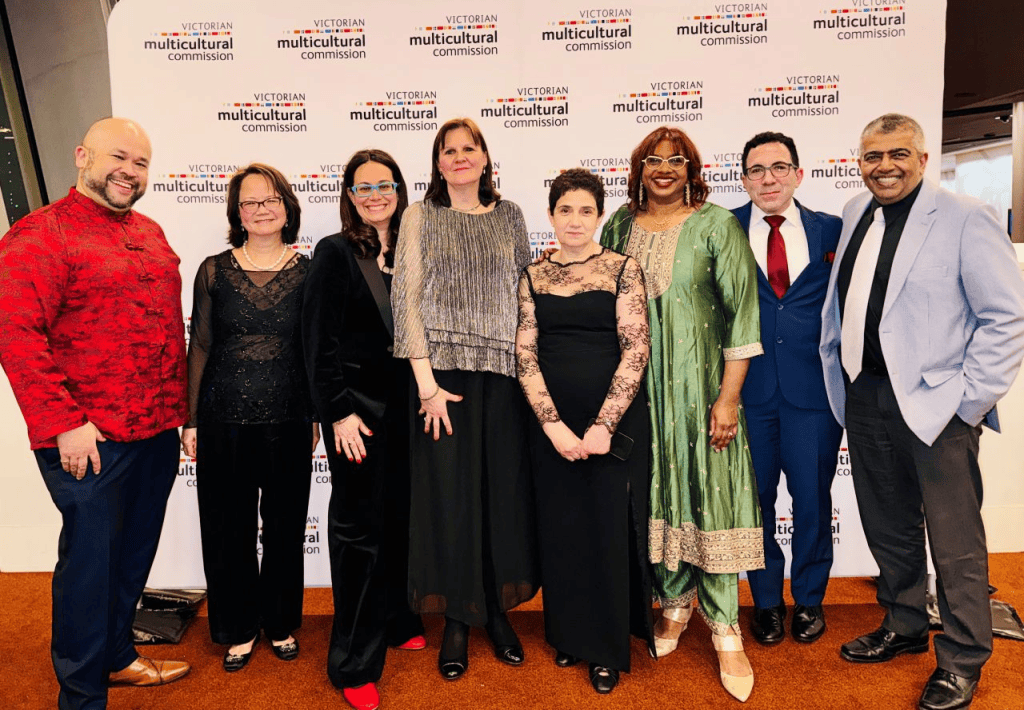
AMES Australia staff and board members joined hundreds of community leaders, advocates, changemakers and government representatives at the Premier’s Multicultural Gala Dinner over the weekend, coming together to celebrate this year’s theme: Stories of Us.
The theme honours the unique journeys, ancestry and migration stories that shape Victoria’s vibrant multicultural community — the threads of lived experience that weave together to form the fabric of one of the world’s most diverse societies.
Beyond the Glitter
Beyond the suits, saris, speeches and selfies, the night was really about one thing: the people helping make Victoria one of the most multicultural and connected places in the world.
It was a celebration not of ceremony, but of contribution — of the countless individuals and communities whose stories, struggles and successes have built the Victoria of today.
The Power of the Shared Table
For AMES Australia, the evening carried a deeper message about how a truly multicultural society thrives.
“The best ideas don’t happen in isolation,” the organisation reflected. “They happen when different cultures, experiences and perspectives come together around the same table.”
That spirit of connection — of diverse voices sharing space, stories and vision — was at the heart of the night’s proceedings, a living demonstration of what social cohesion looks like in practice.
“That’s the kind of future we’re here for,” AMES Australia said.
A Conversation Brought to Life
The organisation extended its gratitude to the Victorian Multicultural Commission for bringing the conversation to life, praising the Commission’s achievements and expressing optimism for what lies ahead.
“We cherish what you have achieved and look forward to what Multicultural Victoria will bring,” AMES Australia said.
A Continuing Story
The Premier’s Multicultural Gala Dinner is more than an annual event — it is a recognition that Victoria’s greatest strength lies in its diversity, and that the stories of its people, in all their richness and variety, are the stories that will carry the state forward.
As the evening’s theme reminded all who gathered: these are Stories of Us — shared, celebrated, and still being written.
#AMES #AMESAustralia #VMC #Premier #GalaDinner #Victoria #Diversity #SocialCohesion

Multicultural and Multifaith Victoria: A New Independent Voice for Diverse Communities
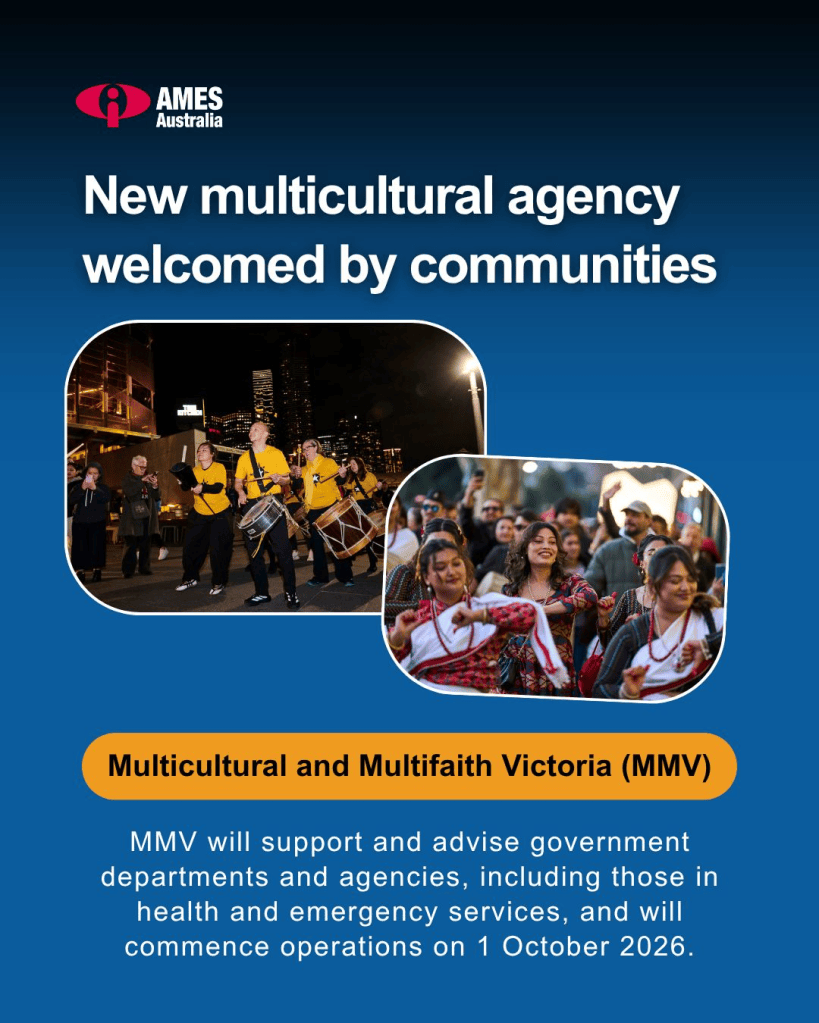
Victoria’s multicultural groups and communities have welcomed the creation of Multicultural and Multifaith Victoria, a new agency aimed at giving diverse communities a stronger voice in government, according to AMES Australia.
The government says the new agency will ensure diverse communities have an independent voice in government to influence policies and programs. Multicultural and Multifaith Victoria will support and advise government departments and agencies, including health and emergency services, and it will commence operations on 1 October 2026.
A Significant Step for Multicultural Victoria
The establishment of Multicultural and Multifaith Victoria marks a major development in how the Victorian Government engages with its diverse communities. For decades, multicultural communities have sought greater representation and a more direct channel to influence the decisions that affect their lives. This new agency is designed to be that channel.
The agency will serve as an independent body, providing advice and support to government departments and agencies across a range of portfolios. Its mandate includes ensuring that the needs and perspectives of multicultural and multifaith communities are considered in the development and delivery of policies and programs — particularly in critical areas such as health and emergency services.
What the Agency Will Do
Multicultural and Multifaith Victoria is expected to play a central role in:
- Advising government on policies and programs affecting diverse communities
- Ensuring independent representation for multicultural and multifaith voices within government
- Supporting government departments and agencies, including health and emergency services, to better serve diverse communities
- Strengthening community engagement and participation in civic life
By embedding these functions within a dedicated agency, the government aims to move beyond consultation toward genuine partnership with the communities it serves.
Commencing 1 October 2026
The agency will officially commence operations on 1 October 2026, a date that marks the beginning of a new chapter in Victoria’s approach to multicultural affairs. Communities and stakeholders are encouraged to stay informed as the agency takes shape and begins its work.
A Welcome Development
The creation of Multicultural and Multifaith Victoria has been welcomed by Victoria’s multicultural groups and communities, who see it as a positive step toward greater inclusion and representation. AMES Australia, a longstanding advocate for multicultural communities, has highlighted the significance of this development.
For communities that have long called for a stronger voice in government, the new agency represents both recognition and opportunity — a chance to shape the policies and programs that impact their daily lives.
Looking Ahead
As Victoria continues to grow as one of the world’s most diverse societies, the establishment of Multicultural and Multifaith Victoria signals a commitment to ensuring that diversity is not only celebrated but actively represented in the corridors of power.
The agency’s success will ultimately be measured by how well it amplifies community voices, influences meaningful change, and helps build a Victoria where every community feels seen, heard, and valued.
To read more about Multicultural and Multifaith Victoria, visit the link shared by AMES Australia.
#AMES #AMESAustralia #Victoria #MMV #VictorianGovernment

A Rare Convergence: Ethiopian, Jewish, and Coptic New Year Festivals Coincide in Australia

AMES Australia highlights an extraordinary moment of cultural and religious convergence as three major festivals—Enkutatash, Rosh Hashanah, and Nayrouz—fall on the same day, offering a powerful reflection of Australia’s shared humanity.
In a remarkable alignment of faith and culture, today marks the celebration of three significant festivals from three distinct traditions: Enkutatash, the Ethiopian New Year; Rosh Hashanah, the Jewish New Year; and Nayrouz, a festival of the Coptic Orthodox Church.
AMES Australia, a leading provider of settlement services and multicultural advocacy, has drawn attention to this rare coincidence, noting that the three events are governed by different calendars—making their convergence an extraordinary occurrence.
Three Festivals, Three Traditions
Enkutatash — the Ethiopian New Year — falls at the end of the rainy season and is celebrated with family gatherings, the blooming of the yellow adey abeba flower, and wishes of peace and prosperity. Melkam Addis Amet!
Rosh Hashanah — the Jewish New Year — is a time of reflection, renewal, and hope. Families gather to hear the shofar, dip apples in honey, and pray for a sweet year ahead. Shana Tova U’Metuka!
Nayrouz — a festival of the Coptic Orthodox Church — marks the beginning of the Coptic New Year and is a time of spiritual renewal and remembrance of the faithful. Nayrouz Mubarak!
A Season of Many Celebrations
Around this same period, millions of people around the world are also observing Mawlid al-Nabi, the birthday of the Prophet Muhammad, and the Christian festival of the Holy Cross — further enriching this season of diverse religious and cultural observance.
The convergence of so many significant dates speaks to the profound diversity of faith and culture that exists in Australia and around the world.
Australia: An Experiment in Cultural Convergence
AMES Australia reflected on the deeper meaning of this moment:
“Just like the conjunction of these cultural and religious celebrations, Australia is an experiment in cultural convergence; a nation that has welcomed people from different cultures while valuing its first peoples and fostering exchanges of ideas.”
This observation captures the essence of Australia’s multicultural identity — a nation built on migration, shaped by diversity, and strengthened by the exchange of traditions, beliefs, and ideas.
Valuing First Peoples and Fostering Exchange
AMES Australia’s statement also acknowledges the importance of honouring Australia’s First Peoples while embracing the contributions of all communities. True multiculturalism is not merely about coexistence—it is about active exchange, mutual respect, and a shared commitment to building a harmonious society.
The rare alignment of these festivals serves as a reminder that while our calendars, languages, and traditions may differ, our hopes for peace, renewal, and a better year ahead are profoundly shared.
A Shared Humanity
At a time when divisions can seem deep, the coincidence of these celebrations offers a powerful counter-narrative—one of unity, mutual recognition, and shared humanity.
Whether lighting candles for Rosh Hashanah, gathering with family for Enkutatash, or observing Nayrouz, millions of people today are united by a common desire: to welcome a new year with hope, gratitude, and peace.
Warm Wishes to All
To all those celebrating today:
Melkam Addis Amet! — Happy Ethiopian New Year!
Shana Tova U’Metuka! — Have a good and sweet year!
Nayrouz Mubarak! — Blessed Nayrouz!
May this rare convergence of faith and culture inspire all Australians to celebrate our diversity and strengthen the bonds that unite us.
Read more from AMES Australia:
Convergence of religious and cultural festivals reflect our shared humanity
#AMES #AMESAustralia #Enkutatash #RoshHashanah #Neyrouz #NewYear #Holidays #MulticulturalAustralia #SharedHumanity






