Preserving the Sacred: Why Irreechaa Needs Correction, Not Just Celebration
By Dhabessa Wakjira
Irreechaa is more than a festival. It is a sacred covenant between the Oromo people and Waaqa — a day of thanksgiving, reconciliation, and renewal that has survived centuries of suppression. But as the celebration grows in size and visibility, so too does the need to protect its spiritual integrity.
A recent community message, circulated among Oromo elders and youth, raises urgent concerns about practices that have crept into modern Irreechaa celebrations — practices that, while perhaps well-intentioned, risk distorting the festival’s deep cultural and spiritual meaning. The message is not an attack on the celebration. It is a call to return to the duudhaa — the sacred customs and traditions — that give Irreechaa its power.
The concerns can be grouped into four key areas that, according to the message, must be corrected.
1. The Time of Irreechaa Malkaa Must Not Be at Night
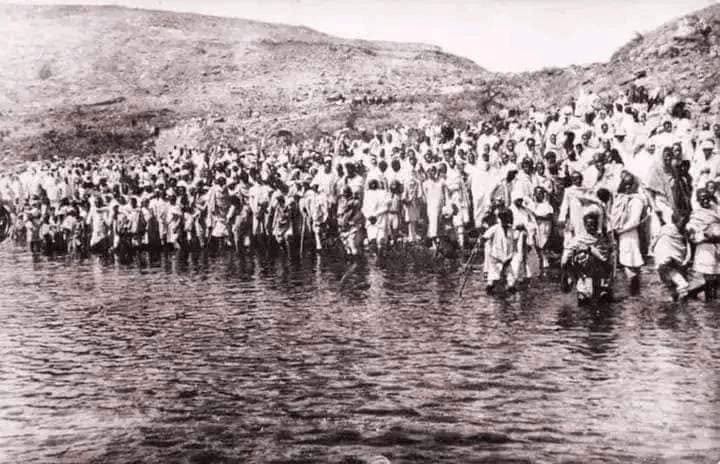
The first concern is about timing. According to Oromo tradition, Irreechaa Malkaa should not be performed at night. The Oromo people have their own natural sense of time, rooted in family life and community rhythms. A person rises, tends to their household, prepares coffee, and then proceeds to the water’s edge for Irreechaa — honoring the customs passed down through generations.
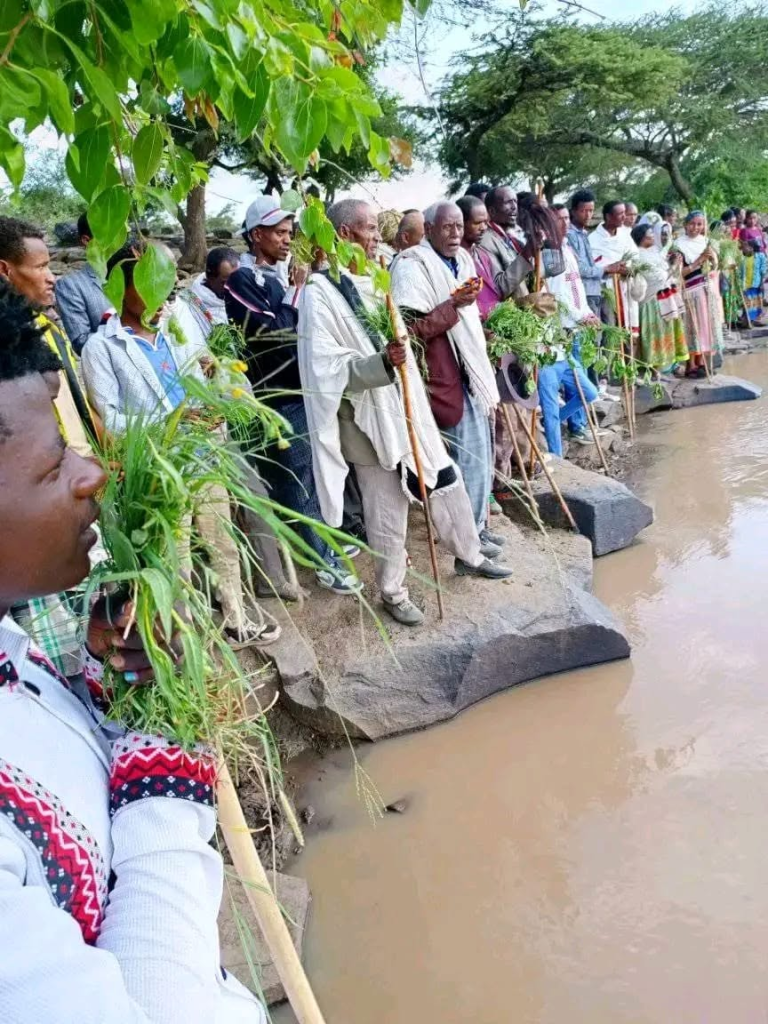
The tradition describes how participants should approach the water: carrying fresh grass and flowers, singing the sacred songs of Mareyoo, and moving with reverence. Elders sing “Araaroo yaa araari hoo / Ararsaa waaqatu jalaataa / Nuuf Ararami hoo” — calling for peace and blessing from Waaqa. The youth accompany the elders respectfully, and upon reaching the Malkaa, no one should make noise or ululate until the Irreechaa ceremony at the water is complete.
This is a call to restore the solemnity and order that should define the procession. Irreechaa is not a chaotic gathering; it is a structured, reverent spiritual journey.
2. The Water Ritual Must Follow Tradition
The second concern addresses how the water ritual is performed. According to the message, sprinkling water on oneself and others — or turning back before reaching the designated Irreechaa site — is not part of Oromo duudhaa. The practice of indiscriminately splashing water, the message warns, resembles a “cuubbaa” (baptismal) ritual rather than the traditional Oromo offering.
The Abbootii Gadaa (Gadaa leaders) are called upon to correct this. The water of Irreechaa is sacred — it is meant for purification and blessing in a specific, reverent manner, not for casual splashing. The distinction matters because Irreechaa is rooted in Waaqeffannaa, the traditional Oromo faith, and its rituals must remain true to that origin.
3. Vehicles Must Not Obstruct the Path to the Malkaa
The third concern is practical but deeply important: the overuse of vehicles on Irreechaa day is obstructing access to the Malkaa. While some vehicles are genuinely necessary — for security, emergency services, or for elderly and disabled participants — the message argues that too many cars are being used for entertainment and convenience, narrowing the roads and blocking the path for those who wish to walk.
The message specifically notes that artists and well-known figures should walk with the community rather than being driven, closing roads and causing hardship for ordinary participants. The image of last year’s Irreechaa, where celebrants struggled because roads were blocked by vehicles carrying notable figures, is still fresh in memory.
Irreechaa is a communal pilgrimage. Walking together — as one people, regardless of status — is part of what makes it sacred. Vehicles should be limited to genuine necessity, not convenience or display.
4. Respect for the Spiritual Boundaries of Irreechaa
The fourth concern is perhaps the most sensitive. The message observes that people of other faiths are attending Irreechaa and engaging in practices that contradict its spiritual purpose — including singing, preaching, and distributing religious materials at the Malkaa that promote beliefs other than Waaqeffannaa.
The message does not say that non-Waaqeffannaa participants are unwelcome. Irreechaa is a national and cultural celebration, and all Oromos are invited to share in it. But the Malkaa is a sacred space with its own spiritual rules. Those who come should respect the boundaries of the tradition they are joining. Proselytizing at the water’s edge — whatever the faith — is not part of Irreechaa and does not honor its purpose.
The message calls on those who engage in such practices to reflect on their actions, and on the Abbootii Gadaa to safeguard the spiritual integrity of the festival.
The Call to the Abbootii Gadaa
The message concludes with a direct appeal: the Abbootii Gadaa and community elders must take the lead in correcting these practices. Specifically, they are asked to address:
- Celebrations at 10 PM that should not be happening
- The sprinkling of water that departs from tradition
- The obstruction of roads by unnecessary vehicles
- The introduction of foreign religious practices at the Malkaa
These are not minor details. They are the difference between a festival that honors its ancestors and one that drifts into something unrecognizable.
Irreechaa Is Peace, Reconciliation, and Blessing
The message ends with a reminder of what Irreechaa truly is:
“Irreechi Nagaa, Araara, Milkii fi quufa. Baga geenye!”
“Irreechaa is Peace, Reconciliation, Blessing, and Abundance. Welcome!”
This is the heart of the matter. Irreechaa is not a party. It is not a parade. It is not a platform for personal recognition or religious outreach. It is a sacred act of gratitude to Waaqa, a communal reconciliation, and a prayer for peace and abundance in the year to come.
If the celebration is to remain meaningful for future generations, it must be practiced with the same reverence, order, and fidelity to tradition that has kept it alive for centuries — through persecution, suppression, and diaspora.
The message is a wake-up call. And it is one that deserves to be heard.

Posted on September 25, 2026, in Aadaa, Afaan, AMES, Asylum Seekers, AU, Bokkkuu, Election, Events, family violence, Finfinne, freedom, gadaa, gender, health, Information, Irreechaa, Language, Media, mental health, News, Oromia, Oromo diaspora, Press Release, Promotion, SBO, SBS, Seenaa, VMC, Waaqeffannaa. Bookmark the permalink. Leave a comment.






Leave a comment
Comments 0