Category Archives: Election

The Strong and the Weak: Lessons in Resilience from the Oromo Liberation Struggle
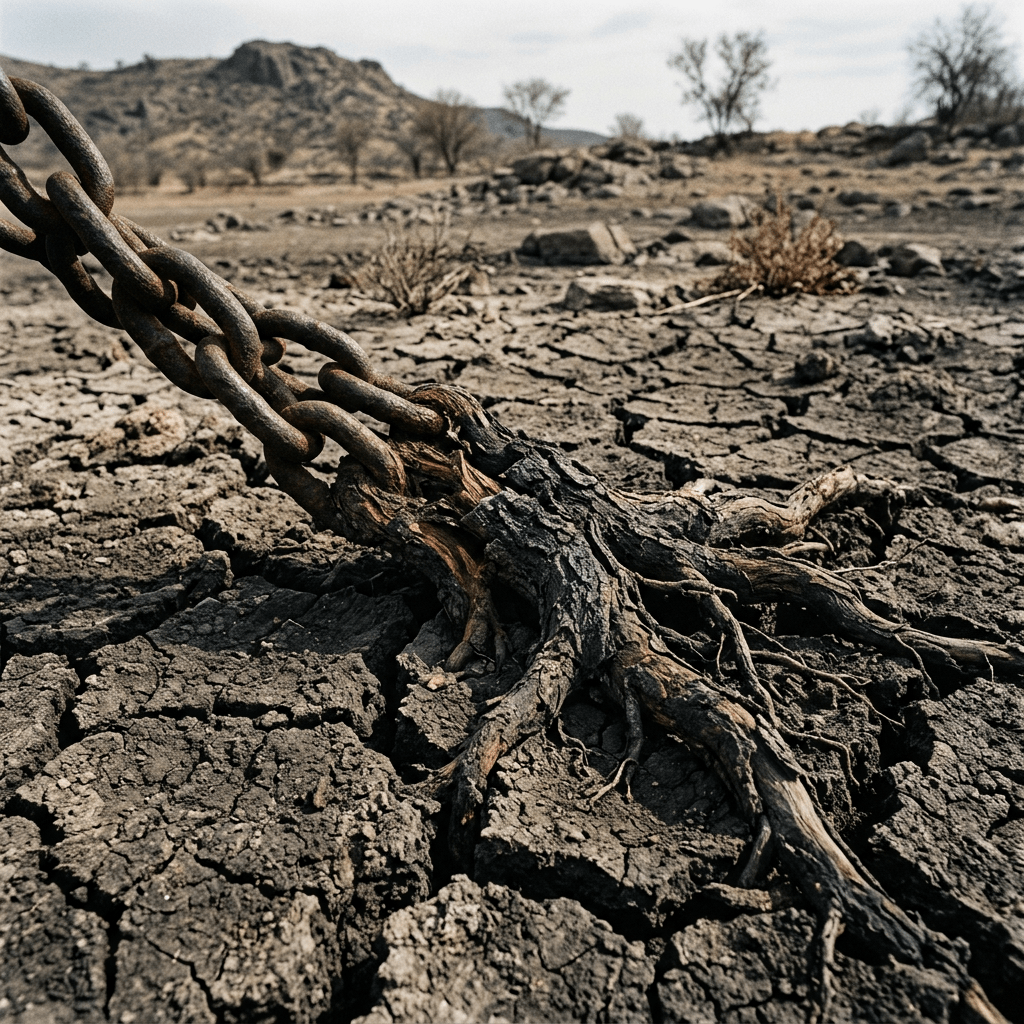
In the crucible of resistance, the difference between victory and defeat lies not in the strength of the enemy, but in the resolve of the fighter
The struggle for liberation is a crucible that tests the very soul of a people. It separates the determined from the disillusioned, the resilient from the defeated. In the long and arduous journey of the Oromo people toward freedom, two archetypes have emerged—the strong fighter and the weak fighter. Their stories offer profound lessons not just for the Oromo liberation movement, but for every struggle for justice and self-determination across the globe.
The Weak Fighter: A Study in Self-Destruction
When the pressures of struggle mount, when the enemy seems overwhelming, and when the path forward appears blocked, a certain type of fighter emerges—one who, in their inability to challenge the external enemy, turns their frustration inward.
“Qabsaa’ota dadhaboo yeroo diinaa fi caasaa diinaa dhiibuu dadhaban kan ofii ijaaranii keessa darban of jalatti diiguu jalqabu.”
The weak fighter, unable to strike the enemy or dismantle their structures, begins to destroy themselves. Frustration gives way to disillusionment; disillusionment gives way to despair; despair gives way to self-destruction. The organization they once served becomes a target of their internal grievances. The comrades they once marched alongside become objects of suspicion and blame. The cause they once championed becomes a source of bitterness.
“Injifannoo egeree otuu hin taane, kufaatii isaanii farrisuun dhalooti akka abdii muratu taasisu.”
The tragedy of the weak fighter is that their legacy becomes not victory but fragmentation. Rather than building a future of freedom, they leave behind a legacy of division and hopelessness. Future generations, inheriting the wreckage of internal conflict, come to believe that the struggle itself was futile.
This is the greatest danger the weak fighter poses—not just to themselves, but to the collective dream of liberation. When fighters turn against each other, when organizations dissolve into feuding factions, when the energy that should be directed against oppression is consumed by internal strife, the enemy wins without firing a shot.
The Strong Fighter: Resilience in the Face of Adversity
In stark contrast stands the strong fighter—one who, regardless of the circumstances, remains anchored in justice and truth.
“Qabsaa’oti jajjaboon, gama biraatiin, yeroo mara haqaa fi dhugaa irratti cichuun injifannoon argame akka daran guddatu falmatu.”
The strong fighter understands that victory is not guaranteed—it must be built, day by day, struggle by struggle, sacrifice by sacrifice. They know that the path to liberation is long and winding, filled with setbacks and sorrows. Yet they press forward, anchored in the conviction that justice and truth will ultimately prevail.
“Dhiibbaa fi miidhaan diinaa hagumuu itti jabaatu, karaa kaleessa ijaarrtanii ittiin xaxaa diinaa keessa darban hin tuqan; hin balaaleffatanis.”
No matter how intense the pressure, no matter how devastating the enemy’s attacks, the strong fighter holds firm. They do not abandon the strategies and structures carefully built over years of struggle. They do not compromise their principles or lose sight of their ultimate goal. They do not allow fear or frustration to erode their resolve.
“Inumaayyuu, jabina ittiin walxaxaa diinaa keessa darban tifkachaa, laafina jiru immoo akka dhalootu ittaanu sirreeffatee fuulduratti milkii caalutti tarkanfatu hojjatu.”
Rather than being consumed by weakness, the strong fighter learns from it. They recognize that the challenges of today are preparing them for the victories of tomorrow. The strengths they develop in overcoming adversity become the foundation upon which future success is built. The weaknesses they identify and correct ensure that the next generation will not repeat the same mistakes.
The Oromo Liberation Struggle: A Case Study in Resilience
The Oromo people have endured over a century of colonial oppression under successive Ethiopian regimes. Their struggle for self-determination has witnessed moments of great triumph and devastating setback. Through it all, the distinction between the strong and the weak fighter has been starkly visible.
The Weak Fighter in Oromo History:
Throughout the Oromo struggle, there have been those who, unable to strike the colonial system effectively, turned their energies toward internal conflict. Factionalism, personal rivalries, and ideological disputes have at times weakened the movement and delayed the realization of Oromo liberation.
Some fighters, frustrated by the seeming impossibility of the struggle, abandoned the cause entirely. Others, unable to achieve their ambitions within the movement, sought to destroy it from within. Still others, consumed by their own grievances, lost sight of the collective dream.
The consequences of such weakness have been profound. Decades of struggle have been prolonged. Generations have been lost to internal division. The enemy has been strengthened by the disunity of the oppressed.
The Strong Fighter in Oromo History:
Yet alongside these cautionary tales stand the heroes of the Oromo struggle—those who, against all odds, maintained their commitment to justice and truth. From the early resistance fighters who faced Menelik’s forces with little more than courage and conviction, to the modern-day revolutionaries who have carried the torch of liberation into the 21st century, the strong fighters of Oromiya have refused to surrender to despair.
These are the fighters who, despite imprisonment, torture, and exile, never abandoned the cause. They who, when the movement was at its weakest, rebuilt it from the ashes. They who, when the enemy seemed invincible, found new ways to resist.
The strong fighters of Oromiya have understood that the struggle is not a sprint but a marathon. They have built institutions, trained cadres, and passed on the legacy of resistance to new generations. They have learned from setbacks and transformed defeats into stepping stones toward victory.
Lessons for All Struggles
The distinction between the strong and the weak fighter holds lessons that extend far beyond the Oromo liberation movement. Every struggle for justice—whether for civil rights, national liberation, or human dignity—faces the same challenges.
Lesson One: The Enemy Is Not Your Comrade
When external pressure mounts, the temptation to turn against one another is strong. But the true enemy is not the comrade who disagrees with you, the leader who makes mistakes, or the organization that disappoints. The true enemy is the system of oppression itself. Directing energy toward internal conflict serves only to strengthen the oppressor.
Lesson Two: Resilience Is Built, Not Given
Strong fighters are not born—they are forged in the fires of struggle. Each setback is an opportunity for learning. Each disappointment is a chance for growth. Each sacrifice strengthens the resolve to continue.
Lesson Three: Victory Belongs to the Persistent
The arc of history bends toward justice—but only because strong fighters continue to bend it. Victory is never guaranteed; it must be won through generations of persistent effort. Those who give up guarantee defeat; those who continue, no matter the obstacles, create the possibility of success.
Lesson Four: Legacy Matters
The weak fighter leaves behind division and despair. The strong fighter leaves behind hope and a foundation for future victory. What legacy will you leave? What will future generations say of your contribution to the struggle?
The Path Forward
As the Oromo liberation movement continues its journey toward self-determination, the choice between strength and weakness remains ever present. The challenges are immense—a powerful state apparatus, a history of division, and the weight of over a century of oppression. Yet the potential for victory has never been greater.
The strong fighter looks at these challenges and sees opportunity. The fractures in the Ethiopian state, the growing international awareness of Oromo issues, the increasing unity of the Oromo people—all point toward the possibility of liberation.
“Jabina ittiin walxaxaa diinaa keessa darban tifkachaa, laafina jiru immoo akka dhalootu ittaanu sirreeffatee fuulduratti milkii caalutti tarkanfatu hojjatu.”
By recognizing and celebrating the strength that has carried the Oromo struggle this far, and by honestly addressing the weaknesses that have held it back, the movement can build toward a future of victory. The strong fighters of today are laying the foundation for the strong fighters of tomorrow.
Conclusion: The Choice Is Ours
The distinction between the strong and the weak fighter is not determined by circumstance but by choice. Every fighter, every activist, every revolutionary faces moments of doubt, fear, and exhaustion. The question is not whether these moments will come, but how we will respond when they do.
Will we turn our frustration inward and destroy ourselves? Or will we draw on the strength of our ancestors, the resilience of our comrades, and the certainty of our cause, and press forward?
The Oromo people have endured much. They have witnessed the destruction of their land, the suppression of their culture, and the denial of their rights. Yet they have not been destroyed. They have not surrendered. They have not given up hope.
“Qabsaa’oti jajjaboon, gama biraatiin, yeroo mara haqaa fi dhugaa irratti cichuun injifannoon argame akka daran guddatu falmatu.”
The strong fighter knows that victory is not simply the absence of defeat—it is the product of persistent, principled, and unwavering struggle. And it is this conviction that will ultimately carry the Oromo people from oppression to freedom, from injustice to justice, from despair to hope.
“Jabina ittiin walxaxaa diinaa keessa darban tifkachaa, laafina jiru immoo akka dhalootu ittaanu sirreeffatee fuulduratti milkii caalutti tarkanfatu hojjatu.”
Let us celebrate the strength with which we navigate the enemy’s complexities, and let us correct our weaknesses so that future generations may march forward to even greater victories.
The struggle continues. The strong fighter endures. And victory, however distant, remains within reach.


The Currency of Truth: Finding Peace in a World of Division
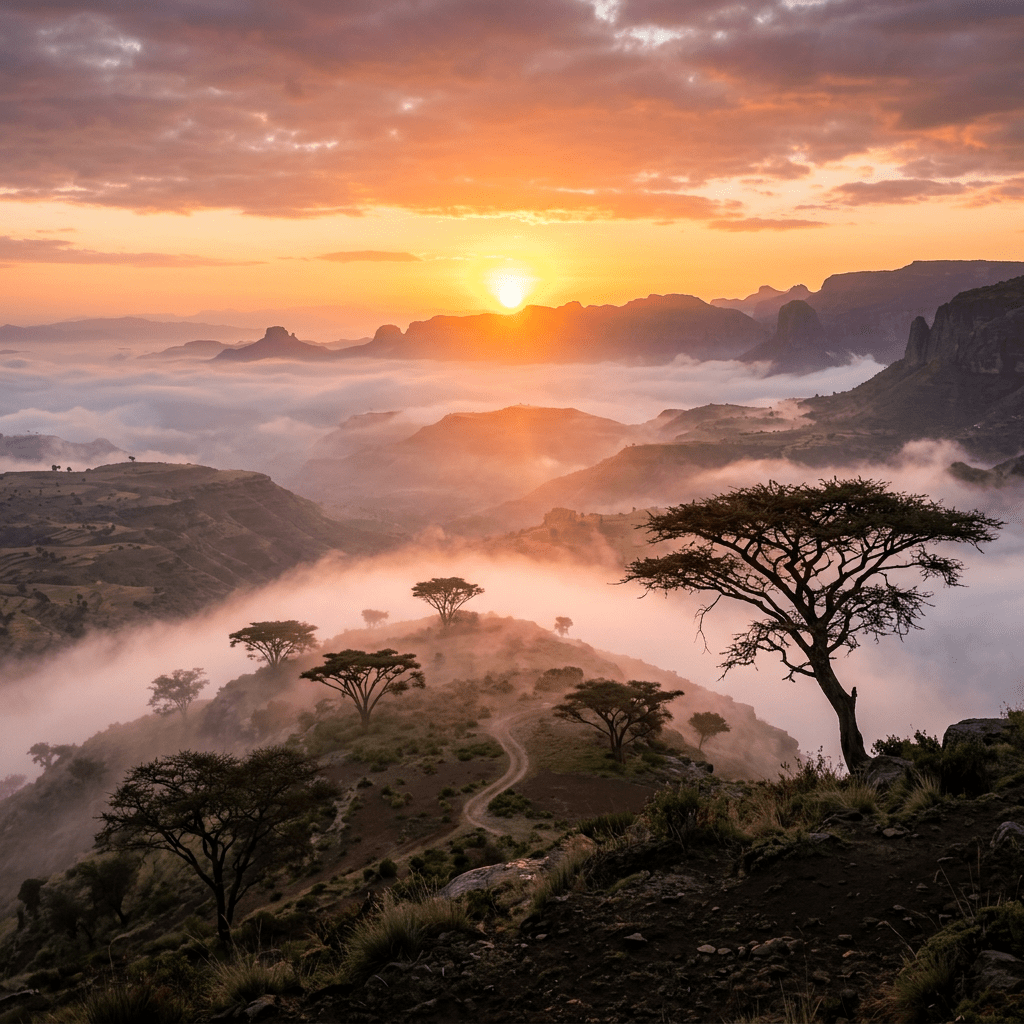
In an era of tribal loyalties and political polarization, one voice reminds us that truth remains unchanged by who speaks it
In a time when every statement is filtered through the lens of political allegiance, when facts are accepted or rejected based on their source, and when loyalty to tribe often trumps loyalty to truth, a quiet but powerful reflection emerges from the heart of Oromo wisdom.
“Dhugaan eenyuun iyyuu haa dubbatamu, eessatti iyyuu haa raawwatamu, dhugaan yeroo hunda dhugaadha.”
Truth—regardless of who speaks it, wherever it is manifested—remains truth forever.
This simple yet profound statement carries a weight that resonates far beyond its words. It challenges us to examine our own relationship with truth in an age of deep divisions and competing narratives.
The Fragility of Peace
The reflection begins with a meditation on peace:
“Sammuun dhugaatti amanuuf waan gaarii yaadu nagaan jiraata! Nagaa sammuu qabaachuun waan hunda caalaa badhaadhina guddaadha.”
A mind that believes in truth and thinks good thoughts lives in peace. Possessing peace of mind is the greatest wealth of all.
This is not mere sentiment—it is a profound psychological insight. When our minds are consumed by suspicion, when we view every statement through the lens of who said it rather than what was said, we forfeit our inner peace. We become prisoners of our own prejudices, forever anxious about the motives of those we oppose and unquestioning of those we support.
“Namni qalbii qulqulluu yoo qabaate, cubbuu irraa bilisa ta’a; kanaafis hirriba nagaa rafa.”
A person with a pure heart is free from sin; therefore, they sleep peacefully.
The Challenge of Our Time
In the current era, truth has become a casualty of tribalism. We have witnessed how political affiliations, ethnic loyalties, and ideological commitments color our perception of reality itself.
The reflection confronts this directly:
“Bara keenya keessatti wantoonni hedduun garee fi ilaalcha siyaasaan madaalamu. Namni nuti jibbinu ykn morminu dhugaa yoo dubbate, dhugaa sana fudhachuuf rakkina qabna.”
In our time, many things are measured by group affiliation and political perspective. If someone we dislike or oppose speaks the truth, we struggle to accept it.
This is one of the most dangerous tendencies of our age. We have become so entrenched in our positions that we cannot recognize truth when it comes from the “wrong” source. We have allowed our enemies to be defined not by their actions but by our opposition to them—and in doing so, we have surrendered our ability to perceive reality clearly.
The reflection continues:
“Yaada yaadaan mari’achuu fi mormuun hafee, gareedhaan wal mormina.”
Arguments and disagreements persist, and we oppose each other by group.
What began as genuine differences of opinion has hardened into tribal warfare. We no longer engage with ideas—we oppose people. We no longer evaluate arguments—we dismiss sources.
The Dangerous Asymmetry
Perhaps most troubling is the asymmetry in how we treat truth depending on its source:
“Dhuguma sana namni nuti deeggaru yoo dubbate garuu, ‘sirriidha’ jennee harka rukunna.”
But when someone we support speaks the same truth, we applaud and say, “That is correct.”
This double standard is the erosion of integrity itself. It means we are no longer evaluating statements based on their truthfulness but based on their alignment with our tribal loyalties. We have become incapable of independent judgment.
The implications are staggering. If truth is determined by who speaks it rather than what is said, then truth itself ceases to exist. We are left with only competing narratives, each claiming legitimacy based on the identity of its speaker rather than the accuracy of its content.
The Call to Integrity
Against this backdrop of tribalism and division, the reflection offers a clear way forward:
“Kanaaf, nama nuti deeggaru ta’e nama nuti morminu haa ta’u, dhugaan dhugaadha; cubbuunis cubbuudha. Kana akkasitti amanuu fi shaakaluu wayya.”
Therefore, whether someone is someone we support or someone we oppose, truth is truth; sin is sin. It is better to believe and practice this.
This is a call to intellectual integrity—to evaluate statements based on their merit rather than their source. It is a challenge to rise above tribal loyalties and embrace a higher standard of truth.
The reward for such commitment is profound:
“Waaqnis dhugaa jaallata; sammuunis nagaa argata.”
God loves truth; and the mind finds peace.
The Wisdom of Oromo Proverbs
The reflection draws on the rich tradition of Oromo wisdom, invoking two powerful proverbs:
“Akka Oromoon jedhu, ‘Nama jibban haqa isaa hin jibban.'”
As the Oromo say, “Do not hate a person’s justice because you hate the person.”
This proverb captures the essence of the argument: justice and truth stand independent of the people who speak them. We are called to separate our judgment of a person from our evaluation of their words.
“Akkasumas, ‘Dhugaan ilmoo Waaqaati.'”
And also, “Truth is the child of God.”
This elevates truth to a sacred status. To reject truth because of its source is to reject something divine. To embrace truth regardless of its origin is to align oneself with the sacred.
The Reward of Integrity
The reflection concludes with a powerful vision of the life lived in pursuit of truth:
“Dhugaa kabajuun nama kabajuudha; dhugaa fudhachuunis nagaa sammuu argamsiisa.”
Honoring truth is honoring oneself; accepting truth brings peace of mind.
This is the final, compelling argument for integrity. It is not merely a moral imperative—it is a practical one. Those who refuse to accept truth because of its source are not punishing the speaker; they are punishing themselves. They are forfeiting the peace that comes from living in alignment with reality.
“Guyyaa nagaa qabu qabaadha, sammuu nagaa yaadu horadhaa.”
May you have a peaceful day; may you cultivate a mind that thinks in peace.
A Message for Our Time
The reflection from Kumala Addunyaa arrives as a timely antidote to the poison of our age. In a world increasingly defined by echo chambers, confirmation bias, and tribal loyalties, it calls us back to something more fundamental: the pursuit of truth itself.
It challenges us to examine our own hearts. Are we willing to accept truth from those we oppose? Are we willing to acknowledge wrongdoing in those we support? Are we courageous enough to judge statements based on their content rather than their source?
The answers to these questions will determine not only the quality of our public discourse but the state of our own inner peace. As long as we remain prisoners of our prejudices, we will never know the peace that comes from living in truth.
The way forward is clear but difficult: we must learn to separate the message from the messenger. We must cultivate the humility to acknowledge truth wherever it appears and the courage to reject falsehood wherever it hides—even among those we love.
The Universal Call
While rooted in Oromo wisdom, the reflection speaks to all of humanity. Every culture, every nation, every community faces the challenge of tribalism and the temptation to reject truth based on its source. The principles articulated here are universal:
- Truth stands independent of its speaker
- Integrity requires us to evaluate statements on their merit
- Inner peace comes from living in alignment with truth
- Honoring truth is ultimately honoring oneself
In a time of deep division, these principles offer a path forward—not through compromise or accommodation, but through a renewed commitment to truth itself.
Conclusion
As the sun sets on another day of conflicting narratives and competing claims, the words of the reflection linger:
“Dhugaan eenyuun iyyuu haa dubbatamu, eessatti iyyuu haa raawwatamu, dhugaan yeroo hunda dhugaadha.”
Truth—regardless of who speaks it, wherever it is manifested—remains truth forever.
This is not merely a philosophical statement; it is a guide for living. Those who embrace this truth will find the peace that comes from integrity. Those who reject it will remain prisoners of their own prejudices.
The choice is ours. And the reward for choosing wisely is nothing less than peace of mind.
“Guyyaa nagaa qabu qabaadha, sammuu nagaa yaadu horadhaa.”
May you have a peaceful day; may you cultivate a mind that thinks in peace.

‘We Are Walking Door to Door’: Anti-Immigrant Vigilantes Escalate Campaign of Intimidation Across South Africa
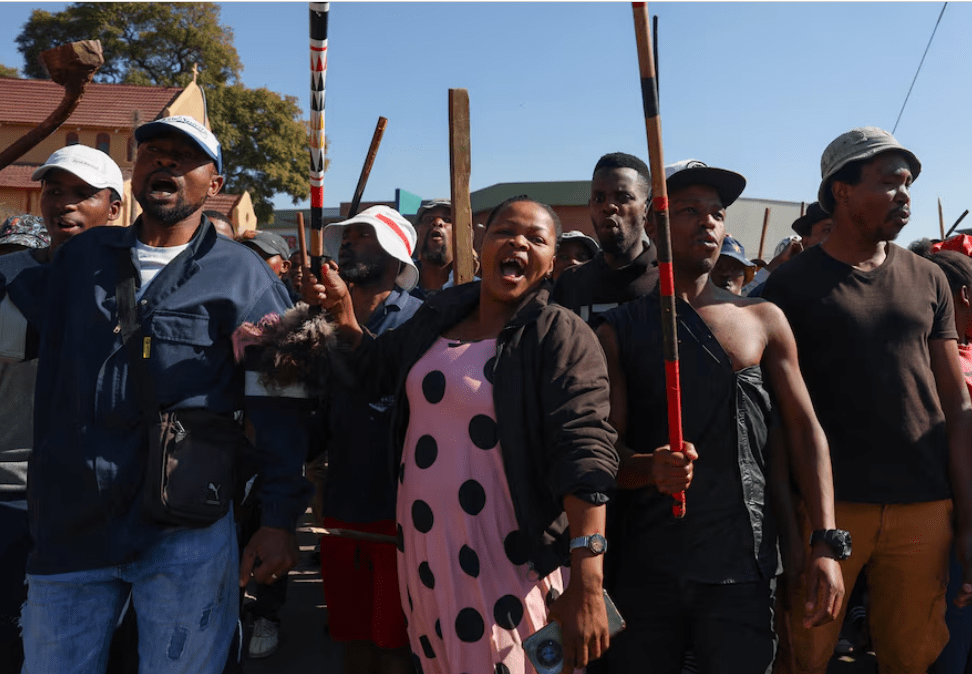
With tens of thousands repatriated to Zimbabwe and Malawi, a nation confronts the dark tide of xenophobia as weekly marches promise more violence
JOHANNESBURG, July 9 — The morning sun rose over Alexandra township, one of Johannesburg’s most densely populated communities, promising another day of uncertainty and fear. By midday, the streets echoed with the sound of splintering wood and desperate pleas as anti-immigrant vigilantes methodically moved from house to house, breaking down doors and dragging terrified residents into the open.
The scenes playing out across Alexandra, Soweto, and Durban represent a dangerous escalation in South Africa’s ongoing xenophobic crisis—one that has already forced tens of thousands of migrants to flee the country they once called home.
‘I Am a ZEP Holder’
Among those apprehended by the marchers was Total Mhlanga, a Zimbabwean national whose hands trembled as he was escorted toward a police van. “I am a ZEP holder,” he insisted, referring to the Zimbabwean Exemption Permit that legally allows tens of thousands of Zimbabweans to live and work in South Africa. His papers, however, seemed to matter little to those who had seized him.
In Alexandra, a Reuters reporter witnessed protesters breaking into homes where they believed undocumented immigrants were hiding. Among those forcibly removed was a woman clutching a small child—both citizens of Malawi, a country now grappling with the mass return of over 38,000 of its nationals who have fled South Africa in recent weeks.
A Zimbabwean mother of three, who asked not to be named for fear of retaliation, described watching from her window as neighbors were dragged from their homes. “I came here legally. My children were born here. This is the only home they know. Now I must decide whether to stay and risk everything or return to a country I left because there was no future there.”
‘Every Thursday Until Our Demands Are Met’
The movement driving this violence has found an unlikely and increasingly vocal leader: former radio presenter Jacinta Ngobese-Zuma. Her group, known as March and March (also referred to as “March 1 March”), has organized nationwide protests that have transitioned from street demonstrations to what community leaders describe as “door-to-door” operations targeting foreign nationals.
“Protests will take place every Thursday until our demands are met,” Ngobese-Zuma declared on June 30, an informal deadline her movement had set for undocumented immigrants to leave South Africa. The promise has become a terrifying reality for migrants across the country.
Her organization has painted undocumented immigrants as the source of South Africa’s deep-seated economic challenges—unemployment, housing shortages, and strained public services—demanding tighter border controls, mass deportation, and the prioritization of South African citizens in schools and healthcare facilities.
A Community Divided
At the march in Alexandra, community leader Bongani Msomi justified the tactics being employed. “We are walking around doing door to door removing foreigners,” he stated matter-of-factly, as behind him, protesters brandished sticks and flags.
Yet not all South Africans support the movement. In the same township, elderly residents watched with concern, some shaking their heads in silent disapproval. A local teacher, who also asked not to be named, expressed anguish over the situation: “We are destroying what Nelson Mandela built. Ubuntu is dead in these streets. These people are not our enemies—they are our neighbors, our customers, our children’s classmates.”
The Government’s Response—and Its Limits
President Cyril Ramaphosa has repeatedly warned against scapegoating immigrants for the country’s problems. His government has issued clear directives that citizens do not have the right to take immigration enforcement into their own hands.
Police have deployed officers to recent marches for safety and have stepped up arrests of undocumented migrants—yet the line between law enforcement and vigilantism has become dangerously blurred. At the scenes of Thursday’s protests, officers stood by as vigilantes dragged people from their homes. A spokesperson for Johannesburg police was not immediately available to explain the actions of officers at the scene.
Human rights organizations have raised urgent concerns about the complicity—or at minimum, inaction—of law enforcement in facilitating these “removals.” “When police receive citizens who have been unlawfully detained and physically removed from their homes, they are not acting as neutral enforcers of the law,” said a legal observer who requested anonymity. “They are, in effect, legitimizing extrajudicial actions.”
A Regional Humanitarian Crisis
The ripple effects of South Africa’s xenophobic violence are being felt across southern Africa. Malawi’s government confirmed Thursday that over 38,000 of its citizens had returned in recent weeks, part of a massive repatriation effort driven by safety concerns. Neighboring Zimbabwe has seen more than 60,000 of its nationals return—a staggering figure that represents not just a humanitarian crisis but an economic shock to both nations.
These returnees are arriving in countries that already struggle with their own economic challenges. Many had been sending remittances home, supporting extended families and local economies. Their forced return is creating new vulnerabilities while straining already limited resources in their countries of origin.
The Human Cost
Behind the statistics lie countless stories of shattered lives. A Malawian shopkeeper in Soweto watched his business—built over fifteen years—looted and destroyed. A Zimbabwean nurse who had served in a public hospital for a decade now sleeps in a shelter, uncertain if she will ever return to work. An Oromo refugee who fled political persecution in Ethiopia now faces violence in the country where he sought sanctuary.
“The pain is not just physical,” says Dr. Thabo Mbeki (not the former president), a community psychologist who has been providing counseling to affected families. “People are experiencing profound trauma. They have lost everything—their homes, their livelihoods, their sense of safety. Children are refusing to eat. Parents cannot sleep. The psychological wounds will last for generations.”
The Economic Fallacy
Economists have pushed back against the narrative that immigrants are the primary cause of South Africa’s economic woes. Studies have shown that immigrants often create jobs through entrepreneurship, fill critical skills gaps, and contribute to the tax base. The country’s unemployment crisis, they argue, has far deeper roots in systemic inequality, inadequate education, and stagnant economic growth.
“To blame immigrants for unemployment is not just inaccurate—it’s dangerous,” says economist Tendai Moyo. “It diverts attention from the real structural reforms that are needed. It gives people a scapegoat instead of solutions.”
A Nation at a Crossroads
South Africa stands at a defining moment. The post-apartheid constitution—one of the most progressive in the world—enshrines human dignity and equality. Yet the country’s actions are betraying these principles.
As Thursday’s marches conclude and communities brace for what next week may bring, a fundamental question remains: Will South Africa find the political will to protect the most vulnerable among its residents, or will it allow xenophobic violence to become normalized?
The international community is watching. The African Union has expressed concern. Human rights organizations have documented abuses. Diplomats from affected countries have raised the issue with their South African counterparts.
But for the families huddled behind locked doors—the legal permit holders who still fear arrest, the children too frightened to attend school, the business owners who have lost everything—the response so far has been insufficient.
A Plea for Humanity
As evening falls over Alexandra, the sound of broken glass crunches underfoot. Women sweep debris from their doorsteps. Men gather in small groups, their voices low with tension. Children peek through curtained windows, their games silenced.
“In a just world, this would not happen,” reflects one elderly South African woman who has lived in the township for seven decades. “We suffered under apartheid. We know what it is to be treated as less than human. How can we do this to others? How have we forgotten so quickly?”
Her question hangs in the air, unanswered.
The marches will continue, the groups have promised. And as long as they do, the fragile thread of pan-African solidarity—the very ideal that South Africa’s liberation struggle championed—grows thinner with each passing Thursday.
Reporting from Johannesburg, Alexandra township, and Soweto. Additional reporting from Lilongwe and Harare.

THE GENERATION OF THE BOOK: How the Keepers of Knowledge Forged a Living Purpose for Their Nation

They did not pick up arms alone; they picked up pens, manuscripts, and the dusty archives of memory—and in doing so, they gave their people a future worth fighting for.
—
By Our Staff Writer
There is a generation that walks among us—unassuming, often overlooked, yet carrying the weight of centuries upon their shoulders. They are not soldiers in the conventional sense. They do not stand on barricades with rifles. Their weapons are older, sharper, and far more enduring: books, scrolls, oral epics, and the sacred duty of remembrance.
This is the generation that read the book of knowledge not for personal glory, not for academic titles, but for their nation and their country. They understood that a people who forget their past are a people condemned to wander in the darkness of others’ narratives. So they opened their eyes, their ears, and their hearts to the whispers of their ancestors, and they transcribed those whispers into a living, breathing blueprint for the future.
They have set a Living Purpose—a compass not carved in stone, but etched into the very soul of the Oromo nation.
—
The Archive of Silence No More
For decades, the history of Oromia was a forbidden text. Colonial anthropologists wrote of the Oromo as a “stateless” people, a footnote to Ethiopian imperial narratives. State-sponsored textbooks erased the Gadaa system, reducing a 500-year-old democracy to a “primitive” custom. The language itself was relegated to the shadows, its beautiful rhythms and proverbs deemed too dangerous for the public sphere.
Then came the generation of the book.
They began in secret—under the flickering light of kerosene lamps, in the basements of diaspora homes, in the prayerful silence of elders’ huts. They transcribed oral histories that had survived the swords of conquerors. They translated ancient poems and legal codes. They documented the names of heroes whose graves had been deliberately unmarked. They studied the sciences of agriculture, linguistics, law, and political theory, not as abstract disciplines, but as tools for liberation.
This was not merely academic curiosity. It was archaeology of the soul. Every recovered manuscript, every restored lineage, every corrected historical distortion was a brick laid in the foundation of a nation that had been told it had no foundation at all.
—
The Book as the Blueprint
But this generation did not stop at remembrance. They were forward-looking—future-casting visionaries who understood that the past, no matter how glorious, is only the starting line.
They read, yes. But they also interpreted. They asked: What does the Gadaa system teach us about governance today? How can the Oromo philosophy of Nagaa (peace) inform conflict resolution in a fractured region? What economic models are sustainable for the pastoralists of the Borana and the farmers of Arsi? How can the Oromo diaspora, scattered across the globe, remain connected to the homeland without losing their hard-won international solidarity?
The generation of the book synthesized these questions into a Living Purpose—a dynamic, evolving vision that adapts to changing circumstances while remaining rooted in eternal values. They did not propose a rigid ideology, but a method: a way of being Oromo that is simultaneously ancient and modern, particular and universal, rooted and reaching.
This purpose is not a document gathering dust on a shelf. It is a living will, passed from elder to youth, from rural village to urban university, from the highlands to the diaspora. It grows, it breathes, it argues with itself—and in that self-critique, it becomes stronger.
—
The Pedagogy of the Rising Sun
How do you teach a nation to read its own future?
The generation of the book understood that literacy is not merely the ability to decode letters; it is the capacity to decode power. They established schools where none existed—underground classrooms beneath the shade of the Odaa tree, where children learned their mother tongue while the state listened for whispers of sedition. They published pamphlets, newsletters, and eventually, fully-fledged books that laid bare the mechanisms of their oppression and the pathways to their emancipation.
They also taught critical reading. They encouraged their students to question, to cross-reference, to recognize bias in official narratives. They did not want obedient subjects; they wanted sovereign minds—citizens capable of discerning truth from propaganda, justice from ritualized injustice.
In this way, the book became a liberation pedagogy. Every page read, every footnote examined, every historical contradiction exposed, was an act of resistance more potent than any weapon. Because an army can be defeated; a regime can fall; but a generation that knows how to think? That is a force no tyranny can suppress.
—
The Living Purpose in Action
Today, we see the fruits of that labor.
In the global forums of human rights advocacy, Oromo intellectuals cite their own traditions of democratic governance to challenge international observers. In the digital corridors of social media, a new generation of Oromo writers, poets, and meme-makers use their ancestors’ wit to dismantle contemporary prejudice. In the universities of the diaspora, students majoring in Oromo studies reclaim a heritage that was once “impractical” and “irrelevant” to Western academia.
The Living Purpose is materialized in the Oromo flag—that trinity of black, red, and white—which is not just a piece of cloth, but a summary of the book they read: black for the land, red for the sacrifice, white for the dawn to come. It is manifested in the Irreechaa festival, where thousands gather to give thanks, not as a ritualistic relic, but as a vibrant, contemporary expression of ecological spirituality.
And it is embodied in the quiet dignity of an Oromo mother who, despite the threat of arrest, teaches her child to say, “Ani Oromoo”—I am Oromo—with the same natural, unbreakable pride with which she breathes.
—
The Unfinished Chapter
Yet, the book is not complete. This generation knows that their task is not finished. The Living Purpose is not a destination; it is an open road.
There are still histories to recover, languages to revive, and systems to redesign. There are still young minds, especially in rural communities, who lack access to the very books that could set them free. There are still regimes that burn libraries and persecute poets, believing that if they destroy the words, they destroy the nation.
But they have already lost. Because the generation of the book has ensured that the words live within the people. No fire can burn a book that has been committed to memory. No censorship can silence a story that is carried on the tongue and passed through the blood.
—
A Final Leaf
As the sun descends over the Oromo homeland, casting its long shadows across the Rift Valley, one can almost hear the turning of pages—the rustle of a billion hopes, inscribed not in ink, but in action.
The generation that read for their nation has set a purpose that will outlive them. They have planted a forest of knowledge, and though they may not sit in its final shade, they have ensured that their children, and their children’s children, will.
They read the book. They understood the mission. And they passed it on—not as a relic, but as a flame.
The pages turn. The purpose lives. And the nation, at last, begins to write its own destiny.


The Unconquerable Equal: What an Ancient Oromo Proverb Teaches Us About Power and Humanity
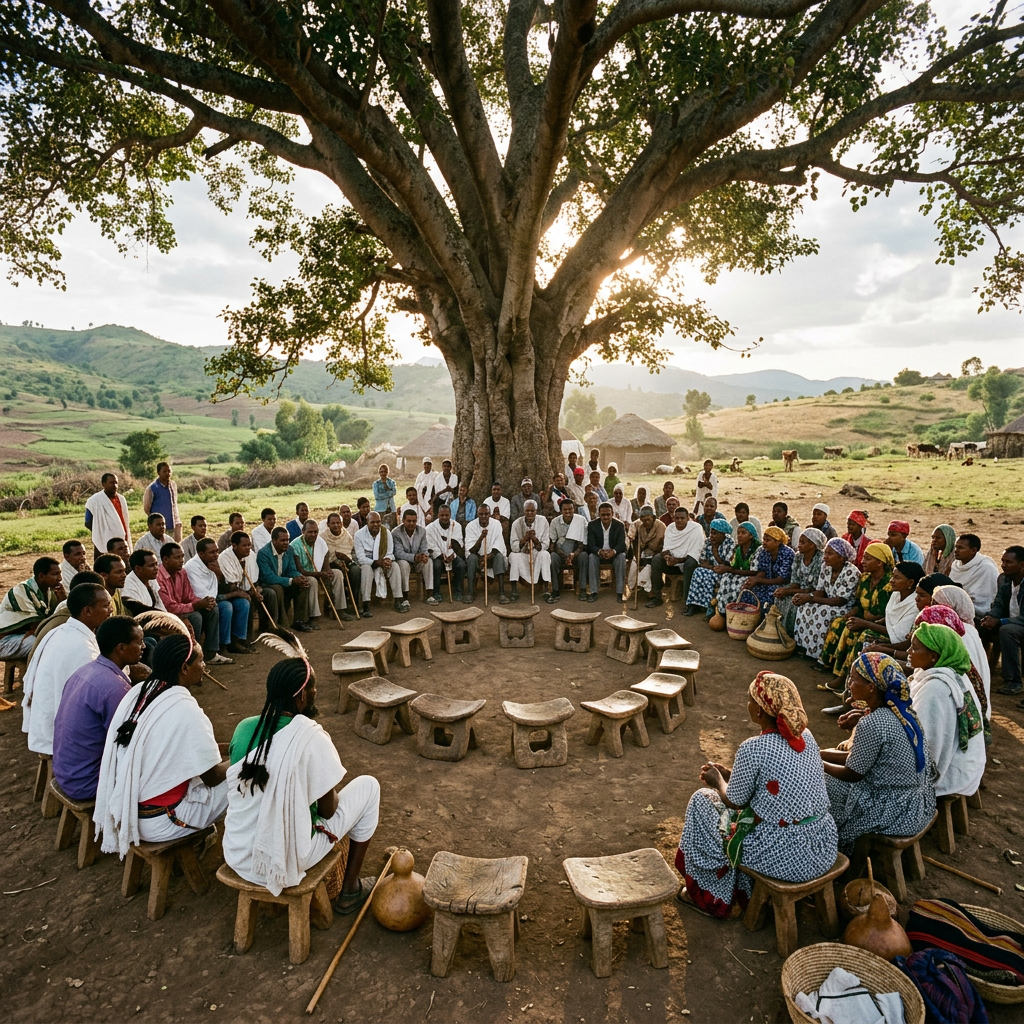
In the quiet rhythms of Oromo tradition, nestled within the democratic folds of the Gadaa system, lies a proverb of profound audacity:
“Akka sirna Gadaatti namni kamuu namummaan nama kaan hin caalu; namni hundi walqixxee dha.”
Translated, it declares: “In the Gadaa system, no one is superior to another by virtue of humanity; all people are equal.”
To the modern ear, it might sound like a simple platitude, a nod to a universal truth we all claim to hold. But to understand this saying is to discover a revolutionary blueprint for society that challenges the very foundations of power as we know it.
The Wellspring of Equality
The Gadaa system is not merely a historical relic; it is a living, breathing indigenous democratic practice of the Oromo people. For centuries, it has served as a socio-political and religious framework, organizing society not by brute force, inherited status, or accumulated wealth, but by age and demonstrated wisdom.
Every eight years, power transfers peacefully from one generation to the next. This is not a coup, not an election marred by mudslinging, but a ceremony. It is a ritualized passing of the baton that ensures no single individual, family, or clan can amass permanent control.
It is from this system that the proverb springs. It declares a foundational truth: your humanity is your only title. Not your lineage, not your cattle, not your military might. Your namummaa—your essential humanness—is the only metric that truly matters.
Beyond Hierarchy: The Oromo Challenge
In a world obsessed with hierarchies—the CEO above the intern, the president above the citizen, the celebrity above the fan—this Oromo worldview is a radical act of defiance. It suggests that all constructed pecking orders are fragile illusions.
The proverb is a shield against arrogance and a sword against oppression. If a leader believes themselves inherently superior, they have already violated the Gadaa principle. The system demands that leaders, the Abba Gadaa, are not tyrants but servants of the collective will. Their authority is functional, not intrinsic. It is a role, not a birthright.
This is where the proverb resonates deeply with modern democratic ideals. It prefigures the Enlightenment concept of equality by centuries. It echoes the words of revolutionaries and civil rights leaders who insisted that the color of skin, the gender of the body, or the nation of one’s birth do not define the worth of the soul.
The Unseen Thread of Connection
But perhaps the most profound implication of “all people are equal” is not political, but spiritual and social. It binds the community together with a thread of mutual responsibility.
If we are all equal, then the welfare of my neighbor is as important as my own. My success is not a victory over another, but a contribution to the collective whole. This is the bedrock of Gadaa governance—a system that relies on consensus, dialogue, and a shared sense of duty. It fosters a society where status is earned through service and character, not through aggression or accumulation.
A Lost Compass for a Troubled World
As we navigate the 21st century—beset by inequality, systemic injustice, and the cult of personality—the wisdom of the Oromo ancestors offers a compass. The proverb “Akka sirna Gadaatti…” is a challenge to the status quo.
It calls us to look beyond the titles on our business cards and the zeros in our bank accounts. It urges us to see the sacred, unassailable equality in the eyes of every stranger we meet.
Because in the end, the Gadaa system reminds us of a simple truth we so often forget: before we are kings, laborers, rich, or poor, we are simply human. And in that shared humanity, we are all—always and forever—equal.

The Many Faces of Freedom: Understanding the Oromo Struggle for Self-Determination

By Our Special Correspondent
The question echoes across generations, continents, and political divides: How does one become an Oromo freedom fighter?
The answer, like the struggle itself, is complex. It defies the simplistic caricatures often peddled by those who would reduce the Oromo quest to a single narrative of violence. The reality is far richer—and far more demanding.
To become an Oromo freedom fighter is to commit oneself to a cause that transcends any single organization, any single leader, or any single moment in history. It is to join a continuum of resistance that stretches from the 19th-century resistance to Abyssinian expansion to the Oromo popular uprisings of 2014-2017, and into the present-day struggle for recognition, justice, and self-determination.
This commitment can take many forms. Some choose the path of political advocacy and grassroots organizing. Others dedicate themselves to academic and cultural scholarship, reclaiming a history long suppressed. Still others—driven by circumstances and conviction—take up arms in the forests and mountains of Oromia.
Each path carries its own risks, its own rewards, and its own profound responsibilities.
—
The Path of Political Advocacy: Building Power Through Participation
For many, the struggle begins not with a weapon but with a ballot, a placard, or a community meeting. Political advocacy and grassroots organizing represent the most accessible—and often the most sustainable—forms of participation.
Joining Political Parties
Ethiopia’s constitutional framework, for all its imperfections, provides space for political organization. The Oromo Liberation Front (OLF) , once a rebel movement, is now a legally registered political party operating within the country’s electoral process. Alongside it, the Oromo Federalist Congress (OFC) —formed in 2012 through the merger of the Oromo Federalist Democratic Movement and the Oromo People’s Congress—advocates for Oromo rights within the federal system.
These parties, along with others, have issued joint statements calling for the unconditional opening of political space and the cessation of conflict ahead of national elections. For those who believe in change through established channels, joining and supporting such parties offers a legitimate, if often frustrating, avenue for political expression.
Civic Engagement and Community Organizing
Beyond party politics lies a vast landscape of civic organizations. In the diaspora, Oromo community organizations have emerged as powerful platforms for advocacy, education, and cultural preservation. Groups like Advocacy for Oromia (A4O) , founded in 2014, work to improve the settlement process and advance the wellbeing of the Australian-Oromo community. The Oromo Legacy Leadership and Advocacy Association (OLLAA) connects and organizes Oromos around a common cause—creating positive change in Ethiopia and the world through advocacy, education, and community organizing.
These organizations organize peaceful protests, fundraising campaigns, and global awareness initiatives. They amplify voices that might otherwise go unheard, documenting human rights violations and advocating for international attention. In the words of one such organization, they work to “promote universal human values by supporting, advocating, and amplifying the voices of the human rights violation victims”.
The path of political advocacy is not without its perils. The OLF has accused the government of deliberately closing the political arena and obstructing the lawful activities of opposition parties. Political activists face arrest, harassment, and worse. Yet for many, the risk is worth taking. As one activist put it, “Silence is not an option when your people are suffering.”
—
The Path of Scholarship: The Weapon of Knowledge
There is an Oromo proverb: “Namni waan hin beekne hin dhaabatu” —One who does not know does not stand firm. This principle lies at the heart of the academic and cultural path to freedom.
Oromo Studies: Reclaiming a Suppressed History
For generations, Oromo history was written by others—often by those who sought to justify conquest and marginalization. The Oromo were treated as “historical objects,” their agency erased, their contributions ignored. The Ethiopian knowledge elites, as scholars have noted, “treated the Oromo as historical objects or have ignored them because of their subordination and powerlessness”.
The emergence of Oromo Studies as an academic discipline represents a profound act of liberation. It is, as one scholar has written, an attempt to “replace colonial history by a history of liberation”. The Oromo Studies Association (OSA) , founded in the last quarter of the 20th century, publishes the Journal of Oromo Studies (JOS) , a premier peer-reviewed publication for interdisciplinary scholarship on the Oromo. Now fully open-access, the journal publishes articles, research notes, and scholarly book reviews in both English and Afaan Oromoo.
The OSA plays a vital role in “making the world community aware of Oromo aspirations and grievances”. For intellectuals and students, contributing to this body of knowledge is a form of resistance—a refusal to accept the erasure of Oromo history and identity.
Combating Historical Marginalization
Academic scholarship is not confined to university libraries. It extends to the broader project of combating historical marginalization through education, cultural preservation, and public awareness. Organizations like the Mecha and Tulaama Association —founded in 1963 not as a militant front but as “a critical socio-cultural and intellectual awakening”—provided an organized platform at a time when “the very fabric of Oromo identity was under systemic pressure”.
Today, this tradition continues through cultural festivals like Irreecha, language preservation efforts, and the promotion of the Gadaa system—an indigenous democratic governance framework recognized by UNESCO as an Intangible Cultural Heritage of Humanity.
To become a freedom fighter through scholarship is to understand that liberation begins in the mind. It is to recognize that a people who know their history cannot be easily conquered, and that knowledge, once planted, grows into something no army can destroy.
—
The Path of Armed Resistance: The Oromo Liberation Army
For some, the path to freedom leads not to a lecture hall or a political party office, but to the forests and mountains of Oromia. This is the path of the Oromo Liberation Army (OLA) —the armed wing of the struggle that has been engaged in a prolonged conflict with the Ethiopian government.
Who Joins and Why
The OLA’s ranks have historically included farmers, students, and intellectuals who joined the movement to achieve self-determination. They come from diverse backgrounds but share a common conviction: that peaceful avenues for change have been exhausted, and that armed resistance is the only remaining option.
The OLA operates out of remote forest outposts across Oromia, a region with a population of roughly 40 million people. Its commander, Jaal Marroo (also known as Kumsa Diriba), is a wanted man who moves constantly to stay ahead of government drones hunting him from the skies. The group has taken several towns in western, central, and southern Oromia, at times facing little resistance from government forces.
A Complex Legal and Political Status
The OLA’s relationship with the OLF is complex. The OLA split from the OLF after a 2018 peace agreement between the OLF and the Ethiopian government. While the OLF is a legally registered political party operating within Ethiopia’s political system, the OLA is proscribed by the government as a “terrorist organization”.
The OLA says it is fighting for the self-determination of Ethiopia’s largest ethnic group, the Oromo. It has welcomed international human rights reports and called for impartial, internationally mandated investigations into alleged atrocities. Yet the conflict has taken a devastating toll on civilians. The International Committee of the Red Cross has highlighted the “devastating” impact of the Oromia conflict on civilian populations, and both government forces and the OLA have been accused of human rights violations.
The Risks and Realities
The path of armed resistance carries extraordinary risks. Fighters face death, injury, and imprisonment. They live in constant danger, moving through remote territories, evading government forces and surveillance. Their families face harassment and persecution.
Yet for those who choose this path, the risks are outweighed by conviction. As one fighter reportedly said, “We did not choose this life. It was chosen for us by a government that left us no other option.”
—
The Common Thread: A Shared Commitment
Despite the differences between these paths—political advocacy, academic scholarship, and armed resistance—they share a common thread: a commitment to the fundamental principles of the Oromo struggle.
These principles are not merely separatist or nationalist. They are transformative, aiming to reshape, support, and sustain a more just and inclusive Ethiopia. They include:
· Oromia as the territorial homeland and foundation of Oromo identity.
· Afaan Oromo as the linguistic unifier and symbol of dignity.
· Gadaa as the indigenous democratic blueprint for governance.
· Oromummaa as the cultural conscience of the people.
· Finfinnee as the symbolic capital and national crucible.
· Diree Dawa as the multicultural frontier demanding inclusive governance.
—
Conclusion: Choosing Your Path
Becoming an Oromo freedom fighter is not a single act but a lifelong commitment. It requires historical literacy, strategic clarity, ethical grounding, and profound personal readiness. It demands that one count the cost—whether that cost is imprisonment, exile, or death—and choose nonetheless.
The path one takes depends on circumstance, conviction, and opportunity. Some will march in peaceful protests. Others will write scholarly articles or teach Oromo history. Still others will take up arms in the forests of Oromia.
Each path is valid. Each path is necessary. And each path, in its own way, contributes to the larger struggle for justice, recognition, and self-determination.
As an Oromo elder once said: “The struggle is not about what we take from others; it is about what we build for ourselves and our children. It is about reclaiming our dignity and offering it as a gift to the nation we share.”
The question is not whether to become a freedom fighter. The question is: Which path will you choose?
—
“Namni waan hin beekne hin dhaabatu” — One who does not know does not stand firm.

The Unbroken Struggle: A History of Oromo Resistance and the Quest for Justice
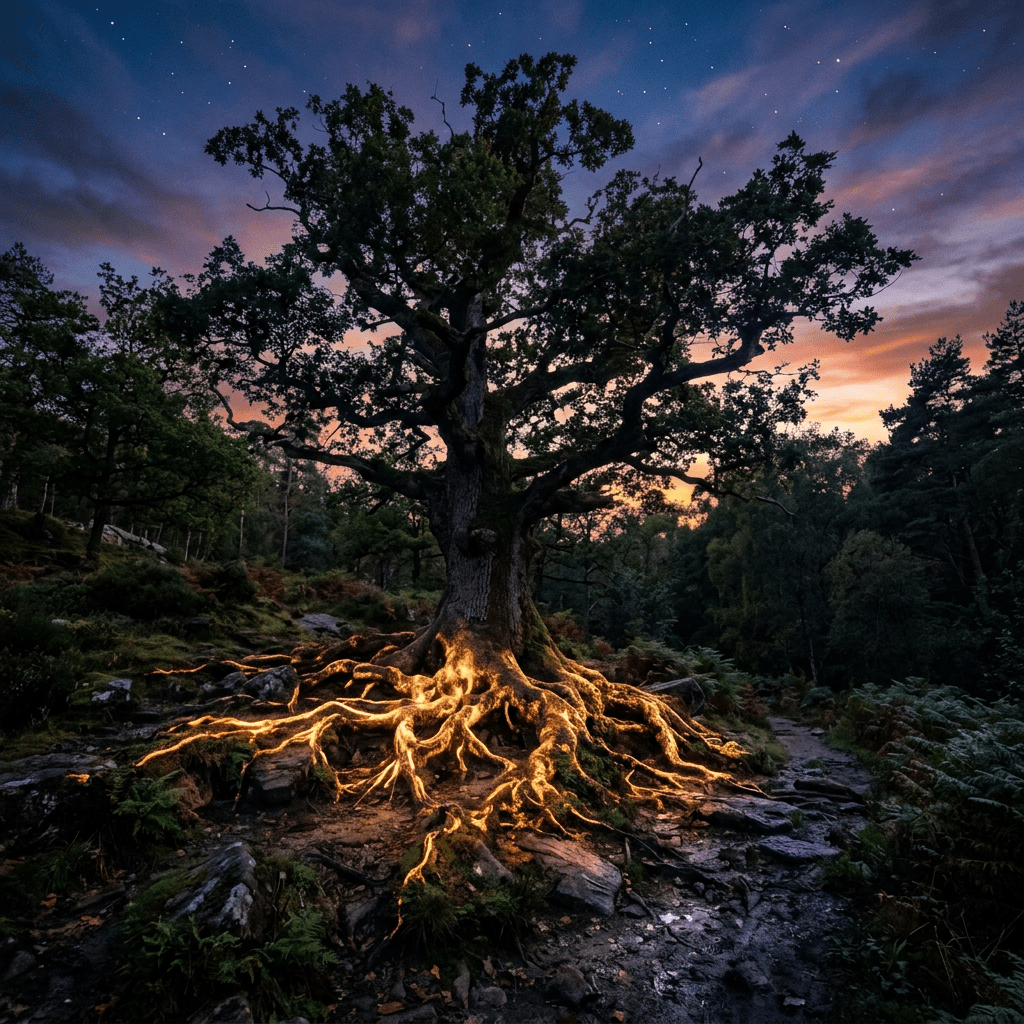
From ancient freedom to colonial subjugation and the ongoing fight for self-determination, the Oromo people’s journey is a testament to resilience, sacrifice, and an unyielding commitment to justice.
A History of Freedom, Before the Fall
“Ummanni Oromoo otuu garbummaa jalatti hin kufiin dura nagaa fi bilisummaan jiraachaa ture.”
Before the shadow of subjugation fell upon them, the Oromo people lived in peace and freedom. Their culture, identity, and faith flourished without external interference, guided by the principles of the Gadaa system, the wisdom of their elders, and a deep connection to the land.
The Oromo identity was not a burden—it was a source of pride. The Oromo language was spoken freely, traditions were celebrated openly, and the community governed itself through indigenous institutions that predated the modern state. The Oromo were not merely inhabitants of their land; they were its custodians, its protectors, and its soul.
The Conquest: A People Forcibly Subjugated
“Haata’uutii, sirni Habashaa erga Oromiyaa humna qawween cabsee gabroomsee hiree ummata Oromoo roorroo jalatti kufe.”
This era of autonomy came to a violent end with the expansion of the Abyssinian (Habasha) imperial system. Through military conquest, the Oromo people were subjugated, their lands seized, and their social and political structures dismantled. The once-proud people were reduced to subservience, forced to labour for those who had conquered them.
Yet the Oromo did not simply accept their fate. “Ummati Oromoo garuu karaa danda’e maraan sirnicha faccisuu hin dhiifne ture.”—The Oromo people never ceased their resistance, using every available means to challenge the oppressive system. Whether through scattered uprisings, covert resistance, or open rebellion, the spirit of defiance remained alive.
The Systematic Erasure of Identity
The conquest was not only military—it was cultural, linguistic, and spiritual. The occupiers understood that to control a people, one must control their identity.
Land Dispossession: “Erga Oromoon humna Habashaa jalatti kufee kaasee lafti Oromoo kan abbootii lafaa ta’e, namni Oromoo lafa isaa irratti ciisanyaa ta’ee warra garboonfataa tajaajiluu ta’e.”—After the Oromo fell under Abyssinian control, the land that had belonged to their ancestors was taken from them. The Oromo became tenants on their own soil, forced to serve those who had dispossessed them.
Identity Erasure: “Eenyummaan Oromoo haalamee, maqaan jibbamaa fi tuffatamaa itti kenname.”—Oromo identity was systematically undermined. A derogatory name was imposed upon them, stripping them of the dignity of self-identification.
Language Suppression: “Afaan Oromoo akka afaan hojii fi barnootaa hin taane dhorkamee, Afaan Amaaraan akka tajaajilamu godhame.”—The Oromo language was banned from education and official use, replaced by Amharic. Generations of Oromo children were educated in a language that was not their own, severing their connection to their linguistic heritage.
Cultural and Religious Persecution: “Aadaa fi amantiin Oromoo ifaan akka dhorkamu labsiin dhorkame.”—Oromo culture and the indigenous faith of Waaqeffannaa were explicitly prohibited. Traditional practices were suppressed, and the sacred Odaa tree—the symbol of Oromo spirituality and governance—was targeted for destruction.
Systematic Marginalisation: “Gidiraa fi roorroon hamaan ummata Oromoo irratti fe’ame. Oromoon karaa hundaa akka boodatti hafu imaammanni mootummaa tolfamee irratti hojjatame.”—A comprehensive policy of marginalisation was implemented, ensuring that the Oromo would remain economically, politically, and socially subordinate in their own land.
The Seeds of Organised Resistance
“Kun booda keessa Oromoota dammaqoo fi quuqama sabaa qaban waan aarseef tooftaa addaddaan finciluu eegalan.”
Yet oppression breeds resistance. Among the Oromo, a new generation of awakening emerged—individuals and groups who refused to accept their subjugation. They recognised that open, armed rebellion alone would not succeed against a powerful state. Instead, they organised through alternative structures: mutual aid societies, development associations, and religious organisations.
“Ifatti bifa siyaasaan ijaaramnii qabsoo gochuun waan hin danda’amneef karaa waldaalee walgargaarsaa, waldaalee misoomaa fi waldaalee amantii jalatti gurmaa’anii waldammaqsuu fi sirna garboonfattuu Habashaa mormuu fi falmuu itti fufan.”
These organisations became the vehicles through which Oromo consciousness was nurtured, resources were mobilised, and resistance was sustained—often hidden in plain sight.
Historic Uprisings: The Legacy of Resistance
The history of Oromo resistance is marked by significant uprisings that shook the foundations of the Abyssinian state:
The Raayyaa Uprising: A rebellion in the Raayyaa region that demonstrated the Oromo people’s willingness to fight for their freedom despite overwhelming odds.
The Baalee Peasant Revolt: The farmers of Baalee rose up against oppressive land policies, demanding the return of their ancestral lands and an end to feudal exploitation.
The Maccaa-Tuulamaa Movement: The historic alliance between the Maccaa and Tuulamaa Oromo groups represented a unification of forces against a common oppressor, setting the stage for broader Oromo nationalism.
These uprisings were not isolated incidents—they were expressions of a collective will that refused to accept subjugation as the natural order.
The Birth of Modern Oromo Political Organisation
“Qabsoon diddaa garbummaa karaa addaddaa adeemsifamaa ture kan gurmaa’ee bifa qindoomina siyaasaa qabuun adeemsifamuu eegale ijaarsa ABO kan bara 1970moota keessa finiinaa tureen ture.”
The scattered resistance of the past gave way to a new era with the formation of the Oromo Liberation Front (OLF) , initially established as the Oromo Liberation Front (ABO) in the 1970s. The creation of ABO represented a watershed moment: Oromo resistance was now organised, unified, and operating with a clear political vision.
“Ijaaramuun ABO akka qabsoon Oromoo bifa gurmuu qabu godhatee adeemu godhe. Oromoota shira gita bittootaan addaan qoqqodamanii turan walitti deebisee akka Oromiyaaf gaaddisa tokko jalatti qabsaa’an godhe.”
ABO brought together Oromos who had been divided by region, clan, and class, uniting them under a single banner for a common cause. It gave the Oromo people a voice on the national and international stage, asserting their rights and demanding justice.
“Ijaarsi ABO, akka Oromoon waan humnaan sarbame ifatti baasee beeksisuun akka Oromoon roga hundaan ka’ee waan dhabe akka deebifatu taasise.”
The organisation’s formation enabled the Oromo people to clearly articulate what had been taken from them and to mobilise all sectors of society to demand its restoration.
Achievements and Unfinished Business
The Oromo struggle has achieved significant victories over the decades:
Land Rights: “Gaaffiin lafaa fincila bara 1960 moota keessa tureen lafa harka qonnaan bultoota Oromootti deebisee jira.”—The land question, first raised in the 1960s, has seen partial resolution, with land returned to Oromo farmers.
Language Recognition: “Qabsoon Afaan Oromoo fi Qubee Afaan Oromoos afaan hojii fi barnootaa taasisus, bara 1990moota keessa haga tokko deebii argatee jira.”—The struggle to make Afaan Oromo an official language of work and education achieved partial success in the 1990s, with the adoption of the Oromo alphabet (Qubee).
Regional Autonomy: “Daangaan Oromiyaas ifatti beekamee, ijaarsa mootummaa naannoo Oromiyaa jalatti gaaffiin sabummaa Oromoo akka deebii argatu godhameera.”—The creation of the Oromia Regional State marked the recognition of Oromo nationhood within Ethiopia’s federal system.
However, the struggle remains incomplete. “Garuu, gaaffiin Oromoo guutummaatti waan hin deebineef, amma illee karaa addaddaa falmaan itti fufee jira.”—The fundamental questions of Oromo self-determination, justice, and equality have not been fully addressed, and the struggle continues on multiple fronts.
The Struggle Continues: Why the Fight Is Not Over
“Qabsoon Oromoo haga galma akeekkate ga’utti qabsoon Oromoo hin dhaabbatu.”
The Oromo struggle will not cease until its objectives are achieved. The goal is clear and uncompromising:
“Kaayyoon qabsoo Oromoo mirgoota Oromoon humna alaagaatiin sarbaman deebisuun akka Oromoon nagaa fi bilisummaan jiraatu taasisuu dha.”
The objective is to restore the rights that the Oromo people were stripped of through external force—to ensure that they can live in peace and freedom, as they once did before subjugation.
Three Essential Goals:
- Dismantling the Roots of Oppression: “Hundee garbummaa buqqisuun”—Uprooting the foundations of subjugation, dismantling the structures that have kept the Oromo people subordinate.
- Rebuilding on Oromo Terms: “Sirna Oromoof ta’u deebisanii ijaaruu”—Rebuilding systems and institutions that serve the Oromo people, reflecting their values, aspirations, and needs.
- Restoring Hope and Vision: “Waan Oromoon sirna alagaan dhabe, deebisanii ijaaruu fi hawwii fi abdii Oromoo lachhisuu”—Restoring what was lost under the alien system, and nurturing the dreams and hopes of the Oromo people for a better future.
Conclusion: A People’s Unbreakable Will
The history of Oromo resistance is a testament to the unbreakable will of a people who have refused to accept subjugation as their destiny. Despite centuries of oppression—land dispossession, cultural erasure, linguistic suppression, and systematic marginalisation—the Oromo have persisted.
They have organised, fought, and sacrificed. They have achieved significant victories and continue to press forward. The struggle is not merely political—it is existential. It is about the right to exist as a people, to speak their language, to govern themselves, and to determine their own future.
“Qabsoon Oromoo haga galma akeekkate ga’utti hin dhaabbatu.”
The struggle of the Oromo will continue until the goals are achieved. It is a struggle for justice, for dignity, and for the restoration of what was taken. And it is a struggle that, in the end, will not be denied.
The Oromo people have endured. The Oromo people have resisted. And the Oromo people will prevail.

Take Me to Borana: Where the Earth Speaks and the Soul Listens
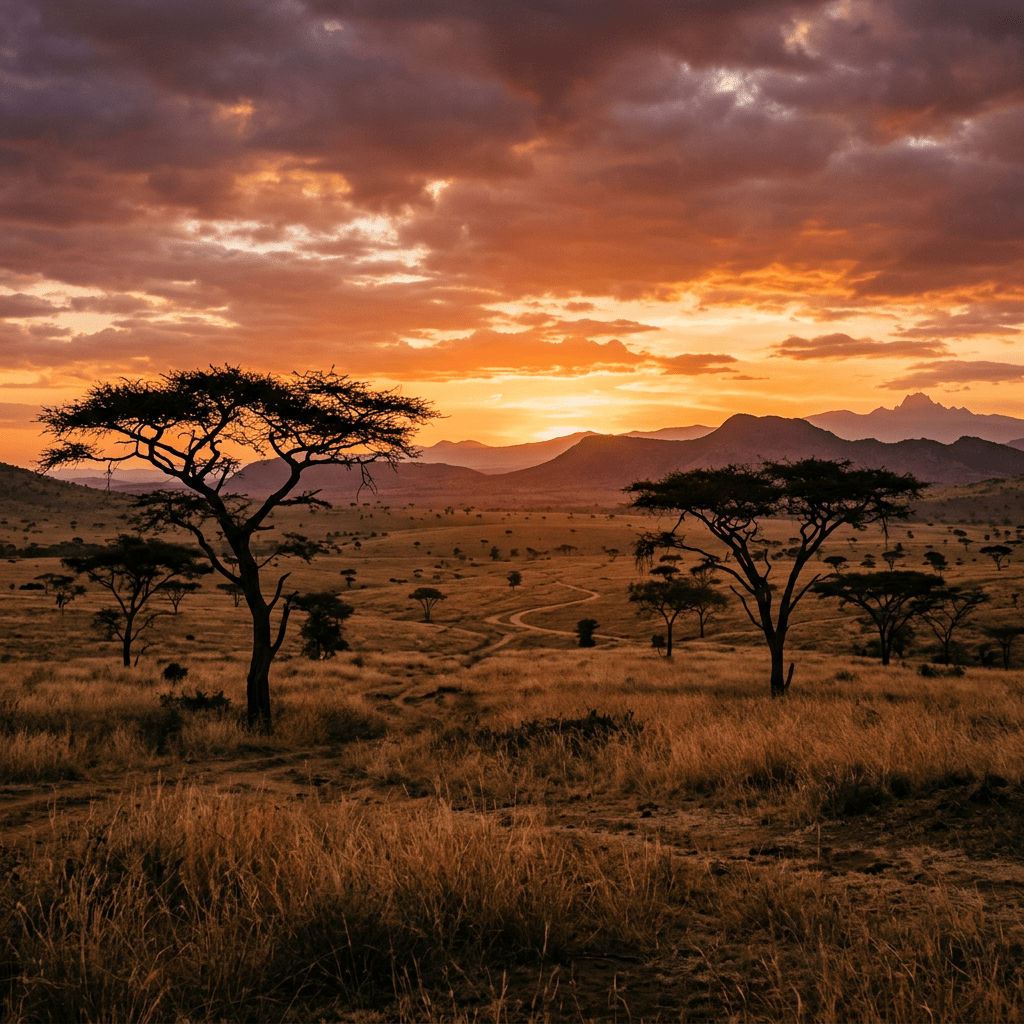
In the heart of southern Oromia, where the savannah stretches endlessly beneath golden skies, lies a land that refuses to be forgotten. Borana is not just a destination—it is a homecoming for the soul.
There are places that are simply visited. And then there are places that visit you—that stay in your bones, echo in your memory, and call you back long after you have left.
Borana is one of those places.
“Take me to Borana.” These words are more than a request. They are a longing—a recognition that somewhere in the vast expanse of southern Oromia, there exists a land where time slows, where the earth breathes, and where humanity still lives in harmony with nature.
A Land of Endless Horizons
Borana stretches across the southernmost reaches of Oromia, a land of sweeping savannahs, acacia-dotted plains, and skies so vast they seem to swallow the horizon. Here, the earth is not just ground beneath your feet—it is a living presence, a witness to centuries of pastoral life.
The landscape tells a story of survival and resilience. Ancient wells, some dug centuries ago, still hold water—and still hold the memories of generations who have gathered around them to sustain their herds and their communities . These wells are not just sources of water; they are symbols of the deep connection between the Borana people and the land they inhabit.
The Wisdom of the Gadaa
At the heart of Borana culture lies the Gadaa system—a traditional governance structure recognized by UNESCO as an Intangible Cultural Heritage of Humanity . For centuries, this system has guided the Borana people, offering a model of democracy and social organization that predates many modern political systems.
Every eight years, power is transferred from one Abbaa Gadaa (customary ruler) to his successor through elaborate ceremonies that reaffirm the community’s commitment to justice, reconciliation, and the preservation of their way of life .
The Gadaa system is not just a relic of the past—it is a living tradition that continues to inspire the world with its timeless wisdom . It is a reminder that governance can be inclusive, that leadership can be transitional, and that communities can thrive when they honor the voice of every member.
A Rhythm of Life
In Borana, life follows a rhythm as old as the land itself. Each morning, the sun rises over the savannah, casting golden light across the plains. The pastoralists move with their cattle, following ancient migration routes that have sustained their communities for generations.
Every sunset paints the savannah in unforgettable colors—crimson, amber, and gold. The air carries the sounds of livestock, the murmur of conversations, and the distant songs of a people who have learned to live in balance with their environment.
This is not life lived in a hurry. It is life lived intentionally—with respect for the land, for tradition, and for each other.
Where Culture Comes Alive
Borana offers visitors an authentic cultural experience that goes far beyond tourism. It is an invitation to step into a world where traditions are not just preserved but lived:
- Meet welcoming communities who greet visitors with the warmth of a people who believe that every stranger is a guest, and every guest is family.
- Experience authentic culture through ceremonies, music, and the everyday rhythms of pastoral life.
- Witness extraordinary wildlife—from elephants and giraffes to lions and zebras—in their natural habitat.
- Discover a land where nature, heritage, and humanity exist in harmony.
The Borana people have long understood something that modern society often forgets: that the health of the land and the health of the community are inseparable.
More Than a Destination
“Take me to Borana” is not just a request to visit a place. It is a request to experience something deeper—a way of life that has endured against all odds, a culture that has preserved its wisdom across centuries, and a land that offers refuge to those seeking meaning.
Borana is more than a destination. It is an experience that stays with you long after the journey ends. It is a reminder that in a world that often moves too fast, there are still places where time slows down—where the earth speaks, and the soul listens.
The Call
For those who have heard the call, Borana awaits. Not as a place to be conquered or a photo to be taken, but as a land to be respected, a culture to be honored, and a story to be shared.
Take me to Borana.
Take me where the earth stretches endlessly beneath golden skies.
Where ancient wells still tell stories of resilience.
Where the Gadaa system continues to inspire the world with its timeless wisdom.
Where every sunrise carries the rhythm of pastoral life, and every sunset paints the savannah in unforgettable colors.
Take me to Borana, where the soul finds its home.
Discover Borana. Experience the extraordinary. Return forever changed.
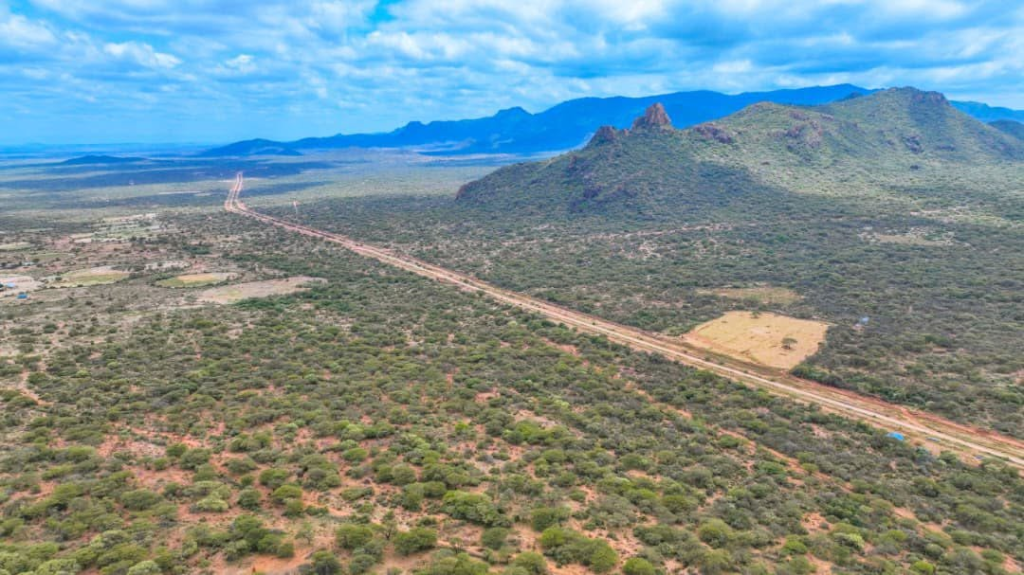

Adama Accord or Oromo Annulment? Prosperity Party’s Central Committee Unveils Radical Blueprint to Redraw Ethiopia’s Map and Constitution
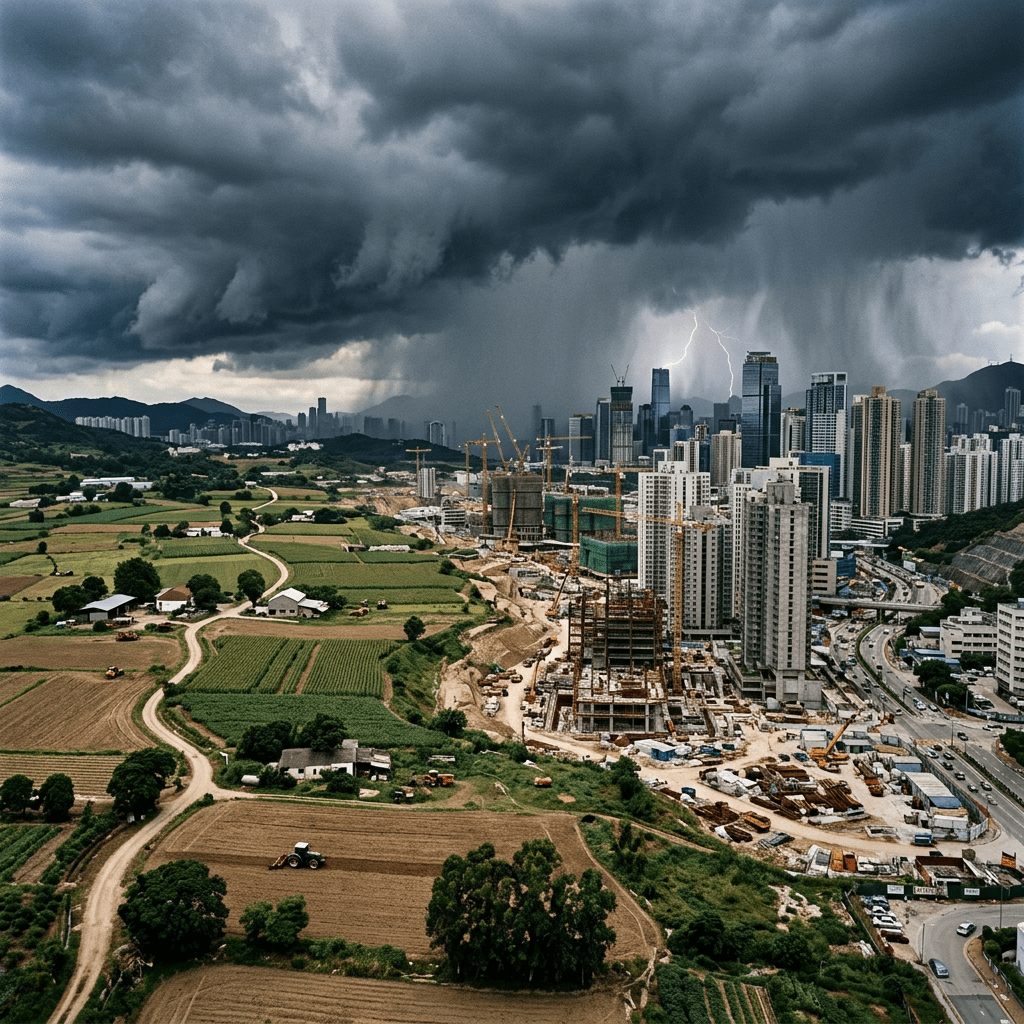
By Our Political Affairs Correspondent
(ADAMA, July 2, 2026) The historic city of Adama, a crucible of Oromo resistance and a vital economic nerve center, has once again become the epicenter of a political earthquake. Since yesterday, the Central Committee of Ethiopia’s ruling Prosperity Party (Bilxiginnaa) has been locked in a high-stakes meeting. While the party frames these deliberations as necessary “mid-term” reforms, the agenda items that have surfaced paint a starkly different picture: an audacious, legally dubious attempt to dismantle the ethnic federalism enshrined in the 1995 Constitution—and, critically, to carve up the Oromo region without the consent of its people.
Sources close to the proceedings have revealed four sweeping constitutional amendments currently under consideration, alongside a devastating procedural change that effectively silences the Oromo populace regarding their territorial integrity.
The Four Pillars of the Proposed Overhaul
The Central Committee is reportedly pushing a quartet of seismic changes that would fundamentally alter Ethiopia’s governance and economic structure:
1. The End of Ethnic Federalism (Article 39 Overhaul): The current federal arrangement, based on ethnic identity and self-determination, is to be scrapped. In its place, regions would be reorganized purely based on geographic contiguity and economic interdependence, effectively severing the cultural and historical ties that define the current state boundaries.
2. The Enclave Question (Article 49 Overhaul): Dire Dawa and Finfinne (Addis Ababa) are to be designated as separate, independent regional states in their own right. This move seeks to permanently detach the capital and the eastern trade hub from their historical and demographic surroundings—a long-standing point of contention for the Oromo people, who view Finfinne as their heartland.
3. Land Privatization (Article 40 Overhaul): The constitutional provision declaring land as the collective property of the state and the people is set to be erased. The new framework would permit private ownership, opening the door for large-scale commercial acquisition and displacing millions of smallholder farmers who currently rely on communal tenure systems.
4. A Shift to a Semi-Presidential System: The current parliamentary system of governance would be replaced with a semi-presidential model. Under this proposal, a President would be elected by parliament and, alongside the Prime Minister, share executive power—a move widely interpreted as a consolidation of centralized authority.
The “Referendum Exit” and Oromia’s Looming Partition
While the four amendments are alarming, the most insidious proposal concerns the process of regional boundary changes. The committee has floated a motion to eliminate the constitutional requirement of a public referendum (Murtii Ummataa) for regional reorganization. Instead, the decision would be left solely to a parliamentary vote, followed by the President’s signature.
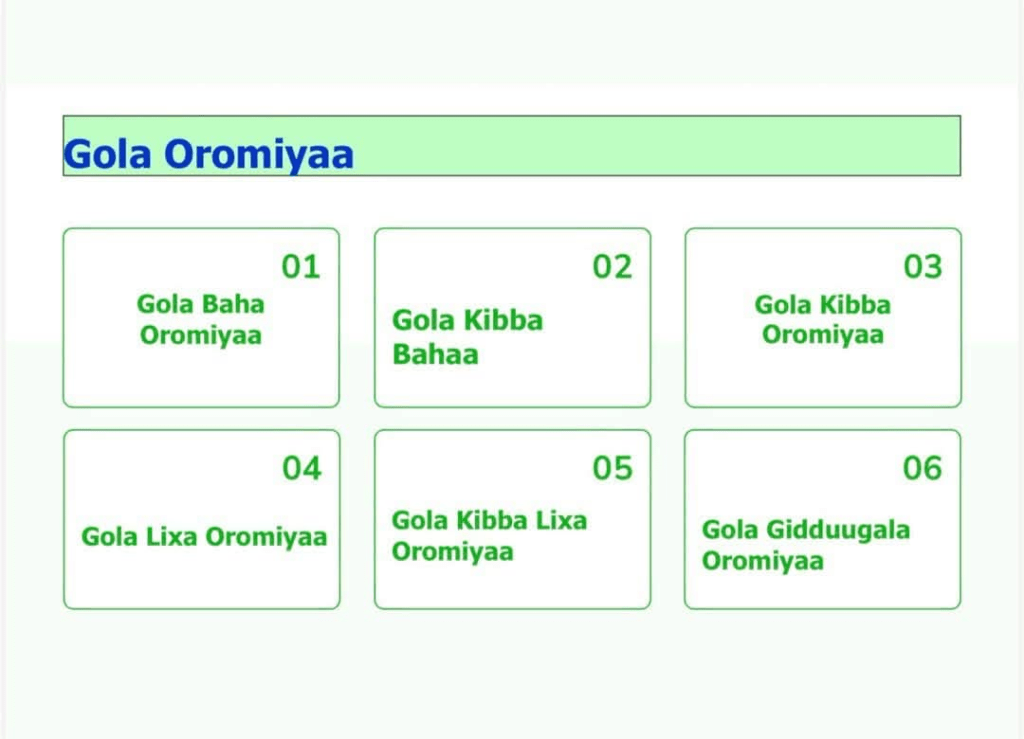
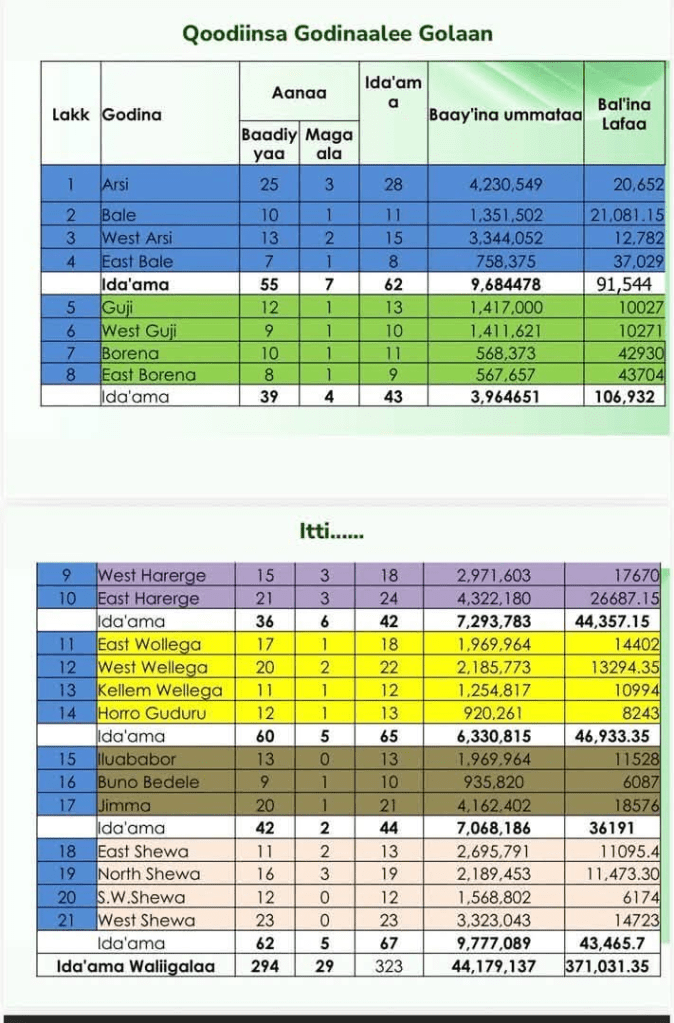
The implications of this are devastatingly clear. For Oromia, the most populous and expansive region, this procedural coup de grâce is a direct threat to its existence. Documents circulated in tandem with the meeting—which have long been rumored—propose splitting Oromia into six distinct “golas” (clusters/zones) . Without the constitutional safeguard of a referendum, the Oromo people would have no legal recourse to vote on the dismemberment of their own state. Oromia could be truncated, divided, and absorbed by neighboring administrative constructs at the whims of a parliamentary majority in Addis, with zero consultation with the population on the ground.
A Calculated Strategy to Dismantle the Oromo Legacy
Political analysts watching the Adama meeting view this not as mere administrative tweaking, but as a calculated, systemic strategy to neutralize Oromo political power. By dismantling the federal structure that gave Oromia its current boundaries, the ruling party is effectively erasing the territorial gains made since the fall of the Derg. The “gola” division—a term historically associated with colonial-era administrative boundaries—is viewed by the Oromo nation as a colonial reinvention designed to weaken their demographic and political hegemony.
Furthermore, the privatization of land (Article 40) strips Oromo communities of their ancestral connection to their soil, while the concentration of executive power ensures that the central government retains ultimate control over the newly fractured territories.
The Verdict from Adama
As the Central Committee continues its meeting behind closed doors, the Oromo nation and the wider Ethiopian populace watch with bated breath. What is unfolding in Adama is not a conversation about “governance reform”; it is a blueprint for the unilateral dissolution of the federal contract.
For the Oromo people, the message from Adama is clear: the struggle to defend the constitution is now more urgent than ever. As the famous mantra goes, “Qabsoo Itti Fufa”—the struggle continues. But today, that struggle is not just against an external enemy; it is against a political machinery determined to redraw borders in ink, blood, and parliamentary decree, while silencing the voice of forty million people.

Ethiopia’s Tourism Surge: A Story of Growth, Potential, and National Pride
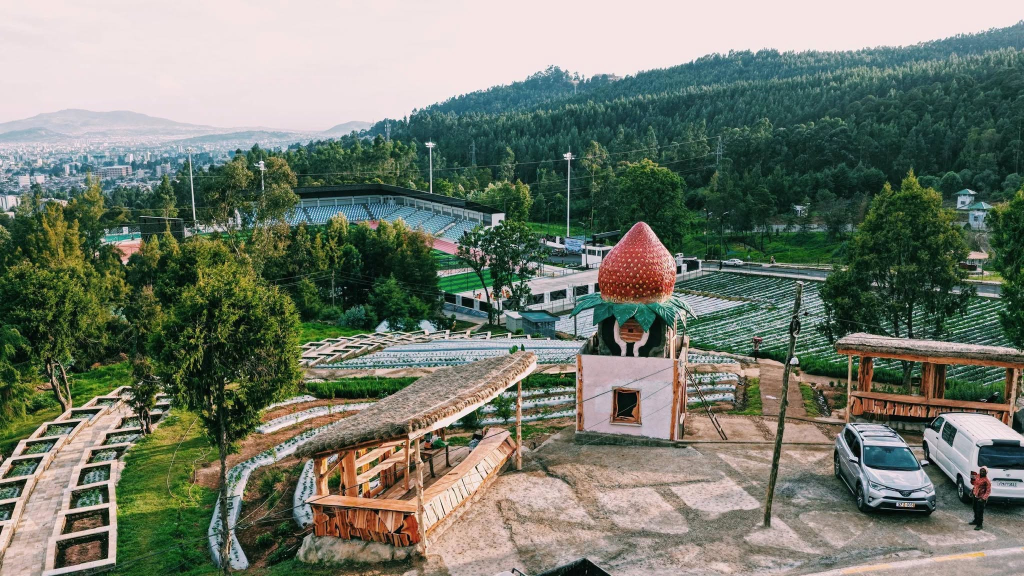
From record-breaking visitor numbers to multi-billion dollar revenues, Ethiopia’s tourism sector is undergoing a remarkable transformation—and the world is taking notice.
Ethiopia is a land of ancient wonders and breathtaking landscapes—the rock-hewn churches of Lalibela, the obelisks of Axum, the castles of Gondar, and the dramatic peaks of the Simien Mountains. For decades, these treasures remained largely unseen by the world, their potential locked away by inadequate infrastructure and limited promotion.
That era is ending.
In a recent address, Ethiopia’s leadership laid out a compelling vision of a nation finally awakening to its tourism potential—and the numbers speak for themselves.
A National Responsibility: Promoting Ethiopia to the World
“From a promotional perspective, much work is expected of us,” the Prime Minister acknowledged. “We know that a lot of promotional work remains, and our friends tell us the same.”
This honest self-assessment is accompanied by a call to action: every Ethiopian citizen has a responsibility not just to work, but to present their country with pride, creativity, and dignity. Promotion of Ethiopia is not the sole duty of government—it is a national project requiring coordinated effort from every sector of society.
“Ethiopia is Africa’s diplomatic capital,” the Prime Minister noted, emphasizing the unique advantages the country possesses. “People in Africa and beyond are eager to come to Ethiopia.”
The message is clear: when promotion is done in a coordinated way, the benefits multiply exponentially.
Record-Breaking Growth: The Numbers That Tell the Story
The transformation of Ethiopia’s tourism sector is reflected in remarkable statistics that demonstrate tangible progress.
Economic Growth
Ethiopia is expecting 10.2% GDP growth this year—a figure unmatched not just in Ethiopia but across the African continent. This growth is a testament to the success of the Homegrown Economic Reform Agenda, which has identified tourism as one of five key pillars of national economic transformation.
Export Revenue
$10.8 to $11 billion in exports are projected for this year—a dramatic increase from just $3 billion two to three years ago. This exponential growth reflects the expanding economic base of the nation.
International Visitors
More than 1.4 million foreign tourists have visited Ethiopia this year—a 300,000 increase from the year before last and a 100,000 increase from last year. These visitors have generated over $5.4 billion in revenue from international tourism alone.
Domestic Tourism
Remarkably, 50.16 million Ethiopians have explored different parts of their own country—a 9.4 million increase from the year before last and a 1.8 million increase from last year. Domestic tourism generated over 79 billion Birr in revenue, demonstrating the growing appetite among Ethiopians to discover their own heritage.
International Conferences
204 international conferences were held in Ethiopia this year—a 50-conference increase from last year and a 166-conference increase from the year before last. More than 166,000 participants attended MICE (Meetings, Incentives, Conferences, and Exhibitions) events in Ethiopia this year alone.
Tax Revenue
Ethiopia is projected to collect 1.5 trillion Birr in tax revenue this year. Before the reforms, the annual collection capacity was merely 200-300 million Birr—a transformation that underscores the scale of economic progress.
Infrastructure: Building the Foundation for Growth
Tourism requires more than beautiful sites—it requires accessibility, connectivity, and modern facilities.
In just the past few months, seven airports have been inaugurated across Ethiopia, improving access to previously remote destinations. Numerous roads have been constructed, connecting heritage sites to urban centres and reducing travel times. Digital access and visitor services have been strengthened to meet the expectations of modern travellers.
The “Dine for Sheger,” “Dine for the Nation,” and “Dine for a Generation” projects have fundamentally reshaped Ethiopia’s tourism map. These initiatives have:
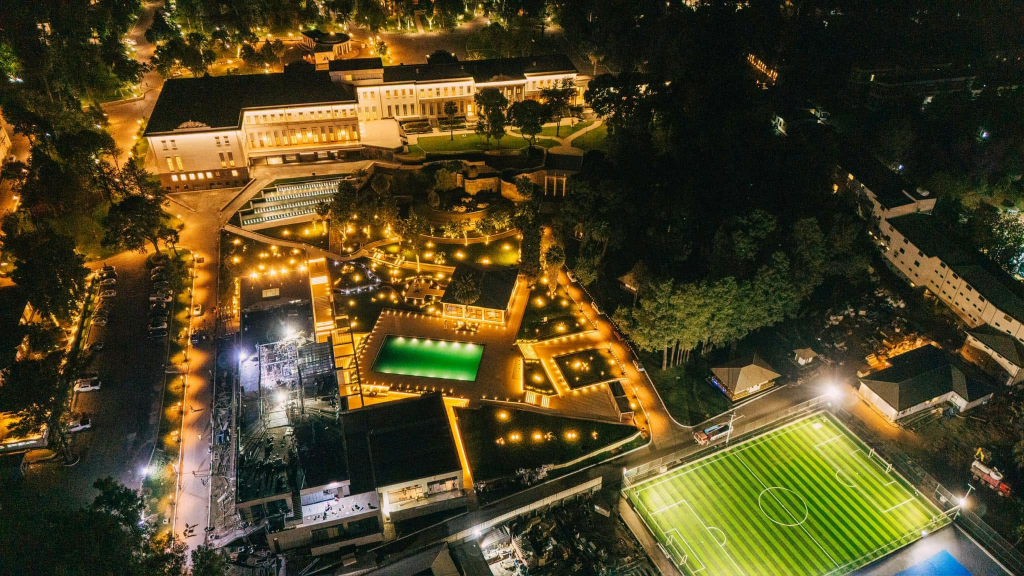
- Transformed the heart of Addis Ababa through Unity Park, Sheger Park, and Entoto Park
- Developed destinations like Halala Kela, Chebera Churchura, and Wenchi
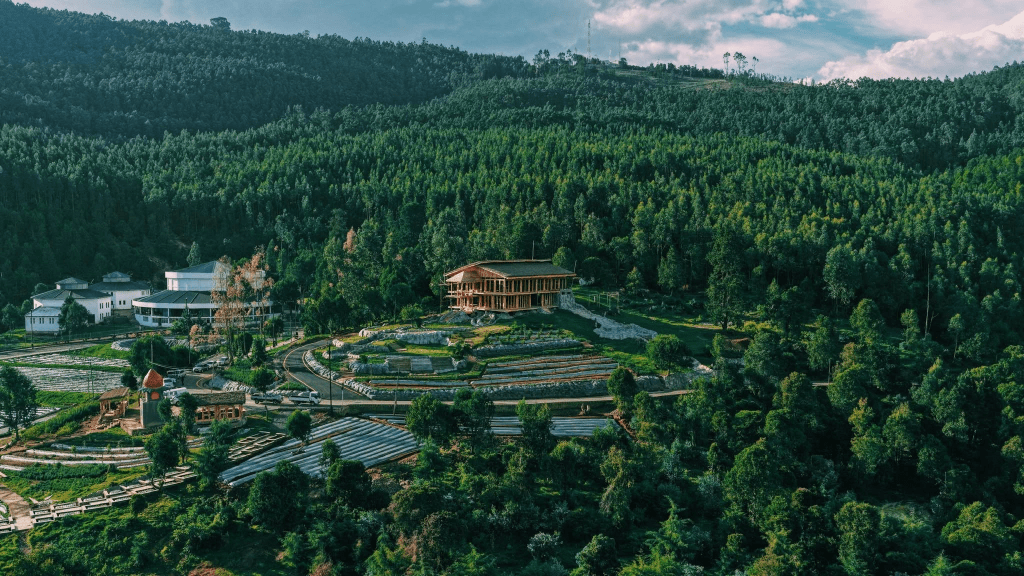
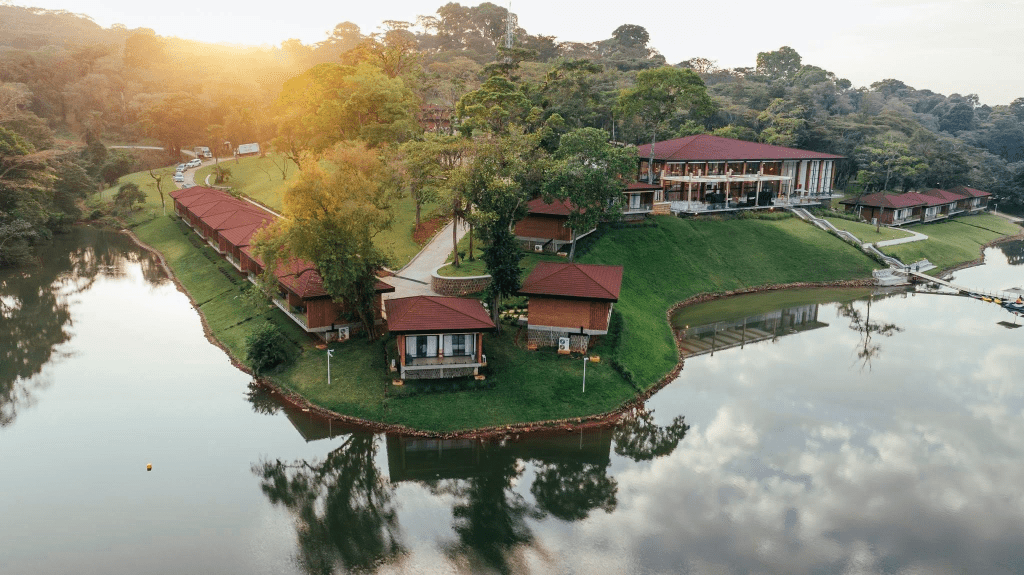
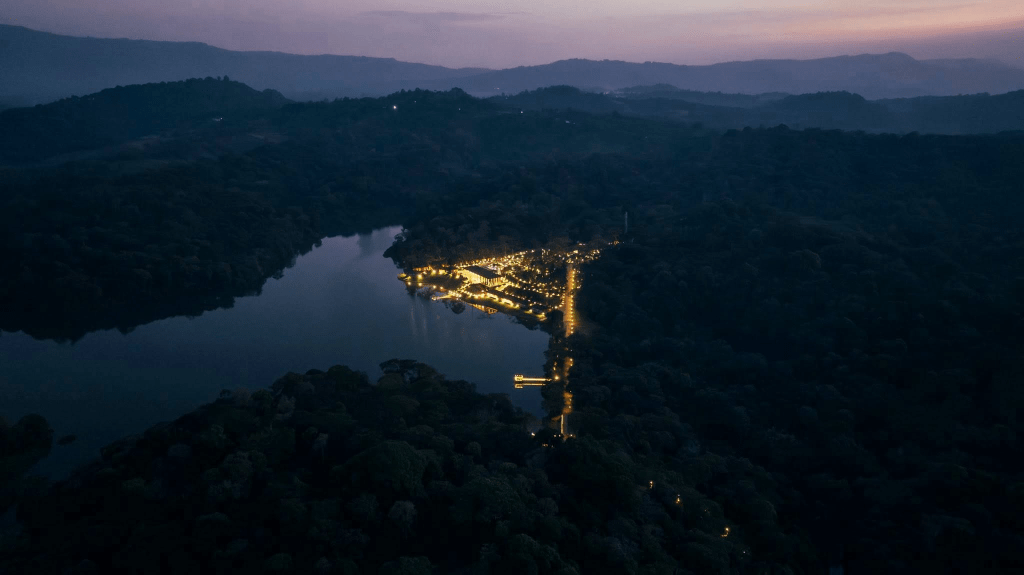
- Created modern resorts including Dembi Eco Lodge, Nein Le Palm Lodge, Shebelle Resort, and Lake Logo Resort
- Restored historical heritage, including the Castle of Fasilides in Gondar and the rock-hewn churches of Lalibela
These projects have been executed with remarkable speed and quality, setting new standards for Ethiopian tourism infrastructure.
The Private Sector: An Indispensable Partner
The private sector has played an indispensable role in the tourism transformation. Through active participation in the “Dine for Sheger,” “Dine for the Nation,” and “Dine for a Generation” projects, private enterprises have contributed expertise, investment, and innovation.
This public-private partnership model has proven to be a powerful engine for growth, combining government vision with private sector efficiency and creativity.
A Shared Vision: Tourism as an Economic Engine
The Prime Minister’s message goes beyond statistics. It speaks to a fundamental understanding of what tourism truly means:
“Tourism is not just about heritage. Having heritage does not automatically mean tourism will flourish. Tourism is not just about natural resources. Tourism is about experience.”
For a visitor to truly benefit Ethiopia—and for Ethiopia to benefit from the visitor—the experience must be complete. The Prime Minister’s simple but profound definition captures this perfectly:
“Tourism, in short, means someone who comes to visit us should leave with their heart delighted and their wallet lighter.”
This encapsulates the dual purpose of tourism: creating memorable, meaningful experiences for visitors while generating economic value for the nation.
The Road Ahead
The numbers are impressive, but the journey is far from complete. As the Prime Minister acknowledged, much promotional work remains. Every Ethiopian—from airport staff to hotel workers, from taxi drivers to tour guides, from artists to citizens—has a role to play in presenting the true, beautiful Ethiopia to the world.
The foundation has been laid. The infrastructure is being built. The world is being invited. And Ethiopia is responding with a tourism sector that is finally realising its immense potential.
Ethiopia is rising—and the world is taking notice. The ancient land is becoming a modern destination, and the story is just beginning.





 Advocacy for Oromia