Category Archives: Information

Bonnie Holcomb: The Mother of Oromo Studies
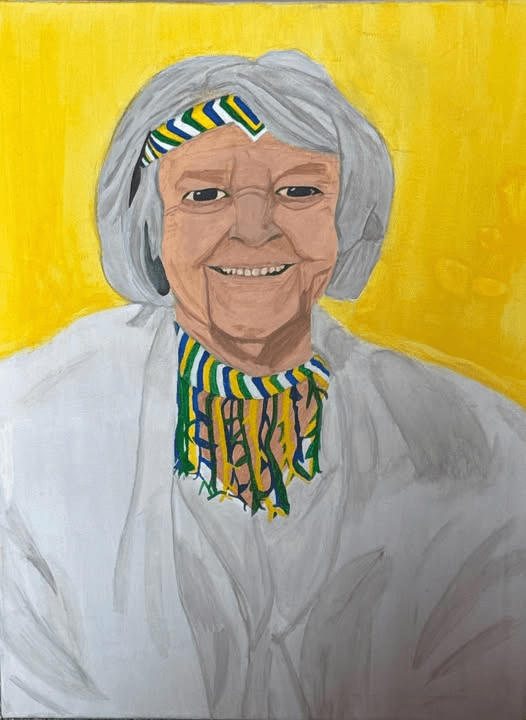
A lifetime of scholarship, sacrifice, and service in the pursuit of Oromo dignity and truth
MINNEAPOLIS, MINNESOTA — For forty years, one name has stood at the centre of Oromo scholarship, guiding the field from its exiled beginnings to global academic recognition. Bonnie Holcomb, co-founder of the Oromo Studies Association (OSA) and Editor-in-Chief of its Journal, has dedicated her life to ensuring that Oromo history, culture, and identity are studied on their own terms.
This year, as the OSA marks its 40th anniversary , the community celebrates not just an organisation, but the extraordinary vision and persistence of one woman—affectionately known as “The Mother of OSA” . In recognition of her lifetime service, a portrait of Holcomb was commissioned from a 15-year-old artist, Qabbanne, reflecting the intergenerational impact of her work .
The Founding of a Movement
The year was 1986 . In exile, scattered across meeting rooms in the diaspora, a small group of Oromo and non-Oromo scholars gathered with a radical idea: to build an independent academic home for the study of a people whose history, culture, and very existence had been systematically erased from mainstream scholarship . They would create a space where knowledge about the Oromo could be produced not by outsiders, but on its own terms .
Bonnie Holcomb was among them.
The OSA was born in direct response to a brutal crackdown—a void in which Oromo heritage was not merely absent from academia and state narratives, but actively suppressed . Those campaigning for greater recognition of the Oromo people were being murdered, tortured, jailed, or driven into exile . The founding of the OSA was an act of intellectual resistance: a refusal to accept erasure and a determination to tell stories that had been silenced .
The Invention of Ethiopia and Other Landmarks
In 1990, Holcomb, alongside fellow founder Sisai Ibssa, co-authored The Invention of Ethiopia: The Making of a Dependent Colonial State in North Africa . The book was a landmark work, offering a radical critique of how Ethiopian history had been represented and exposing a broader set of readers to Oromo history and ethnicity in the Horn of Africa . At its heart was a concern with inequality and a fundamental challenge to dominant state narratives .
The 1990s marked a productive period for Oromo studies, with diaspora intellectuals becoming key actors in the field . The Journal of Oromo Studies (JOS), launched in 1993, grew into the premier peer-reviewed publication for interdisciplinary scholarship on the Oromo people .
A Long and Difficult Road
Holcomb has described the journey as “a long and sometimes a difficult road to reveal evidence and build knowledge which shift the narrative in the region and globally” . This is not hyperbole. For decades, Oromo scholarship faced suppression, neglect, and active hostility. The OSA and its Journal have been more than academic endeavours; they have been an act of intellectual resistance—a refusal to accept the erasure of a people’s history and a determination to tell stories that had been silenced .
Despite these obstacles, the OSA has grown into a global scholarly community spanning continents and disciplines . In a landmark achievement, the Journal of Oromo Studies was recently indexed in Scopus, the gold standard of academic databases—placing it alongside publications from Springer, Elsevier, and Cambridge University Press . Holcomb’s message to contributors and advisors on this achievement reflected both pride and humility: “This publication, and the indexing in Scopus, are notable achievements, all. We have come a long way together” .
The Mother of OSA
The affectionate title “The Mother of OSA” is a testament to Holcomb’s foundational role and her ongoing commitment to the community . She has served as a Board Director and co-chair of the organising team for the 2026 annual conference, continuing to guide the organisation she helped build . Her work has been recognised with an OSA lifetime achievement award .
The theme for the 2026 conference, “Oromo on the Global Landscape: Honoring Asmarom Legesse as OSA Turns 40” , honours another visionary scholar whose work shaped Oromo studies . Asmarom Legesse, author of the landmark Gada: Three Approaches to the Study of African Society (1973), passed away in early 2026 . The conference will take place from July 31 to August 2, 2026, in Minneapolis .
Passing the Torch
In a touching tribute to Holcomb’s legacy, a portrait of her was commissioned from a 15-year-old artist, Qabbanne . This act is itself symbolic: it reflects the intergenerational impact of Holcomb’s work and the future she has invested in. As the OSA enters its fifth decade, the question is whether the next generation will carry the torch forward . Holcomb’s message to the community is also a call to action:
“Please remember that it is the Oromo Studies Association that has conceived, designed, hosted, nurtured, upheld and published the research and scholarship represented in JOS. I urge you all to continue to support OSA, and by extension, its Journal, with donations, membership in OSA and engagement as well as submissions” .
Conclusion
Four decades ago, a small group of exiled scholars dared to imagine a world in which Oromo knowledge was recognised as a contribution to the full breadth of human civilization . Today, that vision is reality . Bonnie Holcomb has been central to that journey. Her legacy is not just the Journal, the conferences, or the Scopus indexing—it is the community of scholars, activists, and artists who continue the work.
As Holcomb wrote, with a warmth that reflects decades of dedication: “Congratulations, one and all” .
The celebration is earned. The legacy is enduring. And the future—if the community continues to support it—is bright.
“Bonnie Holcomb is more than a scholar; she is the architect of a field and the mother of a movement.”

Finfinnee in the Heart of Oromia*: The Founding of Addis Ababa as a Colonial Project
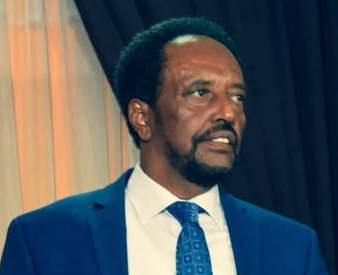
How Menelik II’s garrison towns and the establishment of Ethiopia’s capital city reshaped Oromia, displacing the Oromo people and cementing a system of political and economic control that endures today
FINFINNEE, OROMIA — The bustling streets of Addis Ababa, known to the Oromo as Finfinnee, tell a story of power, conquest, and displacement that remains largely hidden beneath the city’s modern veneer. This is not merely the capital of Ethiopia; it is the heart of a colonial project that began in the late 19th century and continues to shape the lives of millions.
The founding of Finfinnee was not an act of urban planning in the conventional sense. It was the culmination of a deliberate strategy of conquest and control, a military project disguised as a city, designed to secure the domination of the Ethiopian Empire over the Oromo people, the largest ethnic group in the Horn of Africa. As one historical account describes, the city was originally a katama – a military encampment or royal camp, with its neighborhoods laid out “mirroring an army on the march” . This military logic was not accidental; it was the foundation upon which the entire colonial structure was built.
The Strategy of the Katama
The establishment of garrison towns, or katamas, was a central feature of Emperor Menelik II’s colonial expansion. Convinced that more could be gained from the permanent exploitation of the Oromo, Menelik began to occupy conquered districts with permanent garrisons of his troops, providing for their administration under a hierarchy of his own officials. As one historical account notes, the creation of these towns was based on a desire to exercise “more effective control over the Oromo” and to escape interference from rival powers . These were strategically and politically secured regions, designed to serve as nerve centres for the Ethiopian colonial system .
From the mid-19th century, Menelik developed garrison towns such as Ankobar, Dabra Berhan, and Angolala. The last of these was burned by the Oromo in 1868, but was recovered by Menelik. He also developed Leche, Feqre Gimb, Enaware, Tamo, and Warra Illu, where he installed 40,000 soldiers in 1870. The Wallo Oromo attacked and destroyed Warra Illu that same year, but it was rebuilt. This pattern of Oromo resistance and Ethiopian colonial reassertion continued as northern Oromia gradually fell into Ethiopian hands .
Following the submission of northern Oromia, Menelik turned his attention to the Tulama Oromo, who were the residents of Finfinnee and its surroundings. The desire to exercise more effective control led him, in the latter part of 1878, to move to the mountain of Wacaca, where he dug the foundation for a new town, which he named Entoto (later called Old Entoto). In 1882, he transferred his settlement to a place called Dildila, later named New Entoto. These settlements were created by evacuating or enslaving the Oromo living there. After strengthening his army and accumulating massive firearms, Menelik built Addis Ababa on the place known by the Oromo name Finfinnee, between 1886 and 1887 .
The Founding of Finfinnee
The site of Finfinnee was originally chosen by Empress Taytu Betul in 1886, who was attracted by the hot springs in the area . The local Oromo tribes had their lands confiscated, and many were displaced . In its first years, the city was more like a military encampment than a town, with the emperor’s palace surrounded by the dwellings of his troops and retainers . As historian Getahun Benti argues, “From its earliest days, Addis Ababa was the staging station for the economic exploitation and political control of the conquered provinces of which Oromia was the largest” .
The major portion of the Oromo land on which the capital city was founded was divided among thirty-one Ethiopian officials . Army commanders were given large plots of land on which they established their respective camps for their relatives, followers, and war captives. While most Oromos were evicted and forced to migrate to far places, others were permanently marginalised and turned into servants and labourers . Through the proclamation of October 27, 1907, Oromo land became a commodity to be sold and bought, giving Ethiopian and European landlords a great deal more security of tenure .
Making Addis Ababa the centre of commerce, bureaucracy, and employment, the Ethiopian government attracted people from different parts of the world and Abyssinia proper to this city, while the Oromo people were marginalised, segregated, and dehumanised in rural and urban areas alike. The people in the city mainly obtained their food and income from the surrounding Oromos; military commanders, soldiers, and followers depended on the tribute and tax mainly collected from the Oromo people .
Consolidating the Colonial System
The garrison towns gradually evolved into the major geopolitical centres for practising political domination, wealth and capital accumulation, and religious and cultural dissemination . From these garrison centres, Ethiopian soldiers and colonial administrators were dispatched to impose colonial rule on Oromos through subjugation, enslavement, and expropriation of the basic means of production such as land, cattle, and other valuable resources .
Several non-garrison towns emerged in eastern and western Oromia with the development of trade and communication networks. As rail service was introduced, the towns of Aqaqi, Bishoftu, Mojo, Adama, Walanchiti, Metahara, Awash, Mieso, Afdem, Gota, Munesa, and Dire Dhawa flourished. While Oromos were evicted from their urban lands and forced to migrate to rural areas, Abyssinians were encouraged to migrate to cities and towns in Oromia .
The colonisation of Oromia, the development of transportation and communication systems, and the establishment of Addis Ababa and garrison towns facilitated the development of the Ethiopian institutional milieu and created “the integrating nucleus of the colonial economic system” in Oromia, with the collusion of the capitalist world economy. Commodities and food products produced by Oromo labour flowed to and were concentrated in Addis Ababa and other urban centres for local consumption and international markets .
A Legacy of Dispossession
The consequences of this colonial urbanisation are profound. The Ethiopian colonial structure has limited the access of Oromo urban residents, who are a minority in their own cities and towns, to institutions and opportunities such as employment, education, health, mass media, and other public services. The Oromo have been prevented from developing autonomous institutions, organisations, culture, and language, and have been subordinated to the institutions and organisations of the Habasha colonial settlers in their own cities, towns, and homeland .
The Ethiopian state elites and urban communities in Oromia remain determined to maintain the existing political and economic order, investing meagre available resources in building unproductive institutions, such as the army, security infrastructure, and colonial bureaucracy. The Abiy monologue, which he calls a national dialogue, is seen by many as an integral part of the Ethiopian colonial project .
Today, millions of Oromos are exposed to fatal diseases, famine, and massive poverty in Oromia cities and urban centres. Since state-terrorism, poverty, famine, and ethnonational challenges are increasing, and since the major world powers have a role in shaping these problems, they have a moral and political responsibility to become capable of mediating these processes and developing procedures and criteria by which these conflicts must be solved fairly and democratically before it is too late .
Finfinnee’s founding is etched in Oromo collective memory as a site of violent conquest. The legacy of Finfinnee is therefore inseparable from trauma, subjugation, and displacement.
*From Asafa Jalata “Oromian Urban Centers: Consequences of Spatial Concentration of Pinational Ethiopia,” Journal of Oromos Studies, Vol. 17, No. 2, January 2011, pp. 39-74.

Ethiopian Youth Football Team Vanishes After Gothia Cup in Sweden
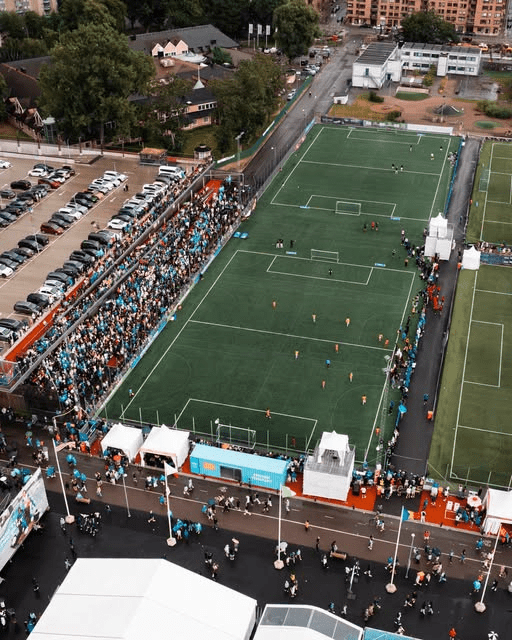
Twenty young players and team leaders went missing on the final day of the tournament, with police believing the disappearance to be voluntary.
GOTHENBURG, SWEDEN — Swedish police have launched an international search for about 20 Ethiopian youth football players and team leaders who went missing after participating in the Gothia Cup, one of the world’s largest youth football tournaments .
The disappearance occurred on the final day of the tournament, when an administrator at the school housing the Ethiopian team discovered that the players and their accompanying adults had left without notifying anyone . The group includes boys aged between 14 and 17, along with one or more adult leaders .
Gothia Cup organizers contacted police as a precautionary measure, and a formal missing persons report was filed. Ten days after the tournament ended, the group remained unaccounted for and had not returned to Ethiopia .
Police have confirmed that the individuals did not return to Ethiopia and believe the disappearance to be voluntary . According to authorities, there is no evidence suggesting criminal activity or people smuggling behind the incident .
“No indication that anything illegal lies behind this, such as people smuggling or something similar,” Ellinor Halldin from the Swedish police’s missing persons unit told local media .
The Gothia Cup, also known as the World Youth Cup, featured teams from 77 nations this year, including four teams from Ethiopia . Fredrik Beckman, press spokesperson for the tournament, expressed surprise at the incident, noting that organizers had a good relationship with the team .
Police are working with the Swedish Migration Agency, border police, and authorities in other countries to locate the missing group . Officers expect to be alerted if any member of the group attempts to cross a border or comes into contact with officials .
“It is possible that they may be trying to stay in Sweden or another country, but that is speculation at this point,” Halldin added .
The Gothia Cup is an annual international youth football tournament held in Gothenburg, Sweden, attracting teams from around the world.

Louise Perry Appointed Interim Chairperson of the Victorian Multicultural Commission

A seasoned leader in human rights and community engagement steps in to guide Victoria’s multicultural sector through a historic transition
MELBOURNE, VICTORIA — As the Victorian Multicultural Commission (VMC) prepares for a significant transformation, Ms Louise Perry has been appointed as interim Chairperson to lead the organisation through a critical transitional period. Her appointment, effective Thursday 16 July, comes as Victoria moves toward the establishment of Multicultural Victoria, a new statutory body that will reshape the state’s approach to multicultural and multifaith affairs .
Perry’s term is interim, extending until Multicultural Victoria is formally established. A Victorian woman of Burmese descent, she brings a wealth of experience spanning journalism, community leadership, international development, human rights, and the Victorian Public Service .
A Career of Service and Advocacy
Louise Perry’s professional journey reflects a deep commitment to social justice and community empowerment. She began her working life as a journalist, developing a keen understanding of storytelling and the power of narrative in shaping public understanding. This foundation led her to leadership roles in community organisations, where she championed the voices of marginalised and underrepresented groups.
Her career later took her into the International Development and Human Rights space, where she worked extensively on issues of justice, equity, and inclusion. This global perspective, combined with her local experience, has equipped her with a nuanced understanding of the challenges and opportunities facing multicultural communities.
Before her appointment to the VMC, Perry served as Deputy Secretary for Fairer Victoria within the Department of Families, Fairness and Housing, where she led landmark work on anti-racism, youth, and gender equality strategies . Her leadership in this role demonstrated her ability to drive systemic change and build partnerships across government and the community sector.
A Vision for Unity and Cohesion
Perry’s appointment comes at a pivotal moment for Victoria’s multicultural and multifaith communities. The transition to Multicultural Victoria represents an opportunity to elevate multicultural affairs across the whole of government, ensuring that diverse voices remain at the centre of policy and service delivery.
“The establishment of Multicultural Victoria presents a unique opportunity for multicultural and multifaith affairs in our state,” Perry said. “I look forward to working with communities, VMC staff and government as we prepare for legislative changes” .
Her leadership is expected to support and uplift Victoria’s multicultural and multifaith communities as champions of unity and cohesion, delivering benefits for all Victorians . The changes she will guide aim to ensure that the new structure is fit for purpose and responsive to the needs of communities .
The Transition to Multicultural Victoria
The establishment of Multicultural Victoria is subject to the passage of legislation . The new body will bring together the functions of the VMC and Multicultural Affairs, creating a unified approach to multicultural policy and community engagement . It will be led by a Multicultural Coordinator General, supported by two Deputy Coordinators General and a Multicultural Community Advisory Group .
The transition reflects a recognition that Victoria’s multicultural communities are not just a part of the state’s identity—they are central to its future. As Perry noted, this is a unique opportunity to strengthen the foundations of multicultural and multifaith affairs.
A Legacy of Leadership
Perry succeeds Vivienne Nguyen AM, who concluded her seven-year tenure as Chairperson on 15 July 2026 . Nguyen’s leadership saw the VMC through the COVID-19 pandemic, flood recovery, and the impacts of international events on multicultural and multifaith communities . Her legacy of community-led engagement and partnership-building has laid the groundwork for the next chapter.
Perry expressed appreciation for Nguyen’s contributions, which she described as “invaluable” and commended the groundwork laid for the future .
Looking Ahead
As Louise Perry steps into her interim role, Victoria’s multicultural and multifaith communities can look forward to a leader with a proven track record of advocacy, collaboration, and systemic change. Her appointment signals continuity and stability during a period of significant transformation.
Applications for leadership positions within Multicultural Victoria—including the Coordinator General, two Deputy Coordinators General, and members of the Multicultural Community Advisory Group—are expected to open shortly. Community members are encouraged to stay informed and participate in shaping the future of multicultural affairs in Victoria.
“The establishment of Multicultural Victoria presents a unique opportunity for multicultural and multifaith affairs in our state. I look forward to working with communities, VMC staff and government as we prepare for legislative changes.”
— Louise Perry, Interim Chairperson, Victorian Multicultural Commission

A Grateful Farewell: Vivienne Nguyen AM Concludes Seven-Year Leadership of the Victorian Multicultural Commission
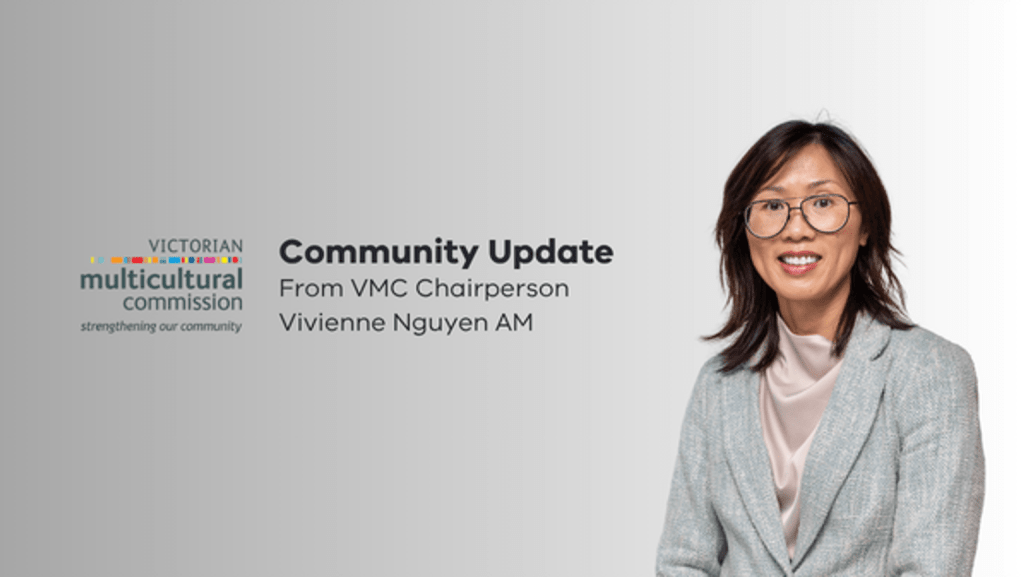
After guiding Victoria’s multicultural communities through pandemic, flood recovery, and social transformation, the VMC Chairperson’s legacy is one of resilience, inclusion, and hope.
MELBOURNE, VICTORIA — Wednesday 15 July 2026 marks the end of an era for Victoria’s multicultural landscape. Vivienne Nguyen AM, Chairperson of the Victorian Multicultural Commission (VMC), has concluded her seven-year tenure, closing a chapter defined by crisis, celebration, and profound community connection .
Since her appointment in 2019, Nguyen has served as a steadfast advocate for Victoria’s culturally, linguistically, and religiously diverse communities. Her leadership spanned some of the state’s most challenging periods, including the COVID-19 pandemic, flood recovery efforts, and the far-reaching impacts of international events on multicultural and multifaith communities . Under her guidance, the VMC ensured that diverse voices remained central to the state’s response and recovery.
A Legacy of Advocacy and Inclusion
“Being in this role has been an honour and a privilege,” Nguyen reflected. “We have shown that we can live and thrive, and we can overcome adversity no matter the shape and size. Diversity is indeed our strength and our asset.”
Nguyen’s journey to this role began long before her appointment. She arrived in Australia as a 12-year-old refugee from Vietnam, a young girl who would grow into one of Victoria’s most passionate advocates for community engagement and cultural diversity . Over more than 25 years, she has been a leader across corporate, community, and government settings, holding executive roles at AMP Asset Management and ANZ Banking Group, where she led their global diversity strategy .
In 2021, she was appointed a Member of the Order of Australia (AM) in recognition of her significant service to multicultural Victoria . Her contributions have also been acknowledged through the Australian Centenary Medal and induction into the Victorian Honour Roll for advocating for women’s leadership and supporting young Vietnamese people .
“Vivienne Nguyen is a true champion of multiculturalism who goes above and beyond,” said Mr Juma Piri Piri, Chairperson of the Refugee Communities Association of Australia, at the time of her AM recognition .
Strengthening the Foundations of Multicultural Victoria
Under Nguyen’s leadership, the VMC convened the Multifaith Advisory Group, contributed to Victoria’s Anti-Racism Taskforce, and delivered flagship initiatives including Cultural Diversity Week . She played a critical role in the Victorian Government’s pandemic response, partnering with community leaders and peak bodies to deliver unique resources for diverse communities .
Minister for Multicultural and Multifaith Victoria Ingrid Stitt expressed gratitude for Nguyen’s contributions. “I want to thank Vivienne for her valuable contributions to the Victorian Multicultural Commission and to Victoria’s multicultural communities since 2019,” Minister Stitt said.
A Transition to a New Chapter
Nguyen’s departure comes as the Victorian Government prepares for the proposed establishment of Multicultural Victoria, a new statutory body that will bring together the functions of the VMC and Multicultural Affairs, subject to the passage of legislation . This body will have a Multicultural Coordinator General and two Deputies, leading community engagement, advocacy, and accountability functions .
Applications for leadership positions within Multicultural Victoria—including the Coordinator General, two Deputy Coordinators General, and members of the Multicultural Community Advisory Group—are expected to open shortly . Community members are encouraged to keep an eye out for these opportunities and share them widely through their networks.
Ms Louise Perry has been appointed as interim Chairperson to support this transitional period, starting Thursday 16 July. Her term will continue until Multicultural Victoria is formally established .
A Victorian woman of Burmese heritage, Perry brings extensive experience in public policy and community engagement. She has served as Deputy Secretary for Fairer Victoria within the Department of Families, Fairness and Housing, where she led landmark anti-racism, youth, and gender equality strategies .
“The establishment of Multicultural Victoria presents a unique opportunity for multicultural and multifaith affairs in our state,” Ms Perry said. “I look forward to working with communities, VMC staff and government as we prepare for legislative changes” .
A Final Farewell
As Nguyen steps down, her legacy continues through the relationships she has built, the communities she has championed, and the foundation she has helped create for the next chapter of multicultural affairs in Victoria.
“Thank you for allowing me the privilege of serving alongside you,” Nguyen said in her farewell message .
While her role as Chairperson has come to an end, her commitment to Victoria’s multicultural communities remains steadfast. The VMC extends its deepest gratitude to Nguyen for her outstanding leadership and unwavering dedication over the past seven years.
“Diversity is indeed our strength and our asset.”
— Vivienne Nguyen AM, Chairperson, Victorian Multicultural Commission

The Gumaa Reconciliation Process
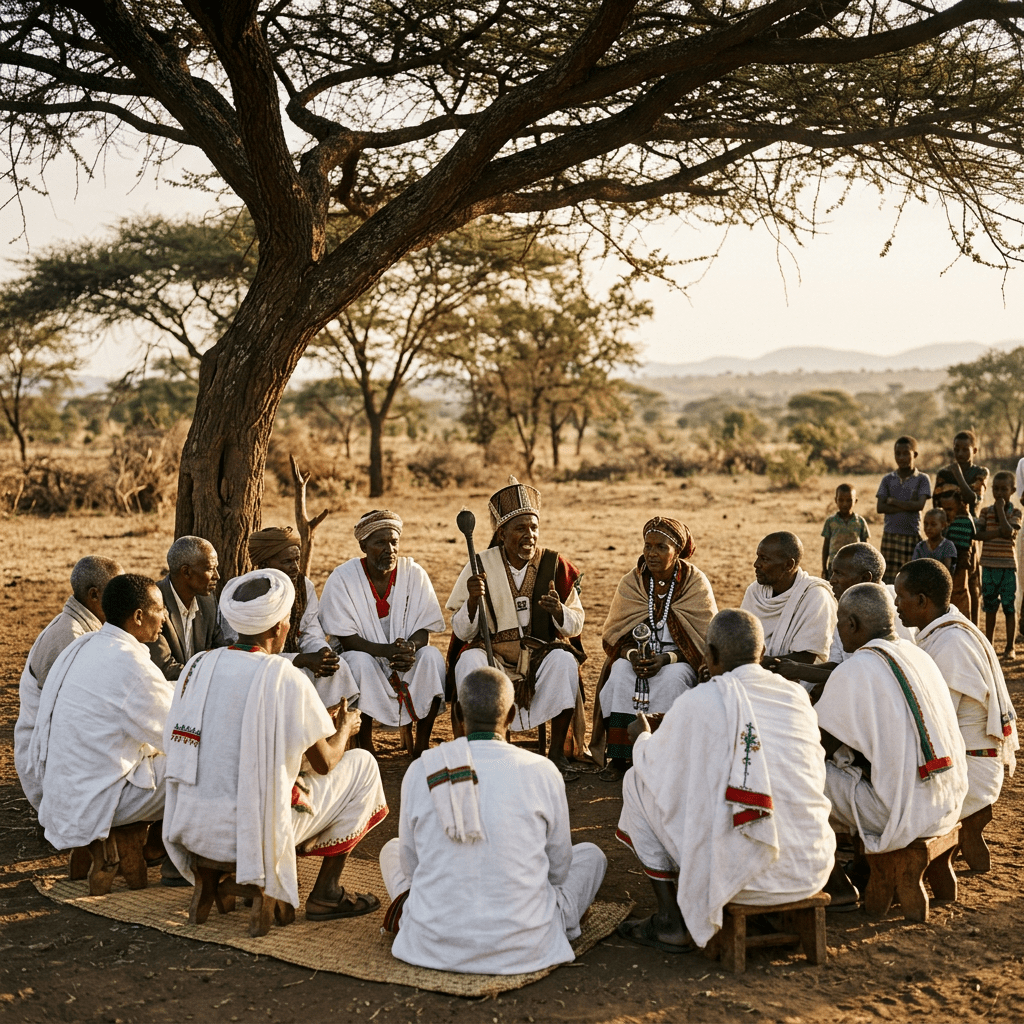
Gumaa is a sophisticated indigenous institution for resolving blood feuds, aiming to restore social harmony and reintegrate an offender back into the community. The process follows several key stages:
1. Collective Responsibility: The killer’s entire lineage is held corporately liable for the act. The group, not just the individual, is responsible for compensation and initiating the purification ritual. The goal is to restore social ties, not just punish an individual.
2. Negotiation & Compensation: Elders from both sides negotiate a “blood price” (gumaa), traditionally paid in cattle. The amount is determined by the nature of the offense (intentional vs. unintentional) and the severity of the injury, but does not vary based on the age or sex of the victim.
3. The Purification Ritual: This highly symbolic ceremony serves to cleanse the offender and the community.
· Preparation: The offender arrives with face covered, wearing the clothes from the day of the murder, symbolizing their unclean state.
· The Sacrifice: A lamb is sacrificed. The parties stand facing each other, signifying readiness to forgive and be forgiven.
· Symbolic Acts: Elders guide the parties to place their hands inside the sacrificed animal’s stomach to shake hands, symbolizing the “washing away” of the sin. The offender’s face is then uncovered, old clothes are removed, and new ones are put on, marking full reintegration.
4. Covenant & Reintegration: The process often concludes with a waadaa (covenant). The ritual concludes with a shared meal, publicly signifying the end of the feud and the offender’s full return to the community.
—
 The Irreecha Thanksgiving Festival
Irreecha is a vibrant bi-annual festival of thanksgiving, renewal, and unity, deeply rooted in the Oromo worldview.
· Timing and Types: It is celebrated twice a year:
· Irreecha Malkaa: Celebrated in September/October at lakesides or rivers to thank Waaqa for the end of the rainy season and the coming harvest.
· Irreecha Tulluu: Celebrated in Spring (around March) on hilltops to pray for rain and blessings for the upcoming planting season.
· Key Rituals and Symbols:
· Fresh Grass and Flowers: Participants carry freshly cut green grass and flowers to the sacred site, symbolizing fertility, life, and renewal.
· Water: Rituals are performed near bodies of water considered holy and pure. The grass is dipped in the water, and participants may sprinkle themselves with it as a blessing.
· Prayers and Songs: The festival features communal prayers, songs, and dances led by Qaalluu elders or Abba Gadaa leaders. It is a time to thank Waaqa for blessings and ask for peace (nagaa) and prosperity for the year ahead.
· Prohibitions: Participants are forbidden from attending with resentment or hatred in their hearts.
· Social and Cultural Significance: Beyond its religious roots, Irreecha is a powerful symbol of Oromo identity, unity, and cultural pride. It fosters social bonds and reinforces collective identity. While rooted in Waaqeffannaa, it is now celebrated by many Oromo people regardless of their religion.

The Role of Waaqeffannaa in Peacemaking
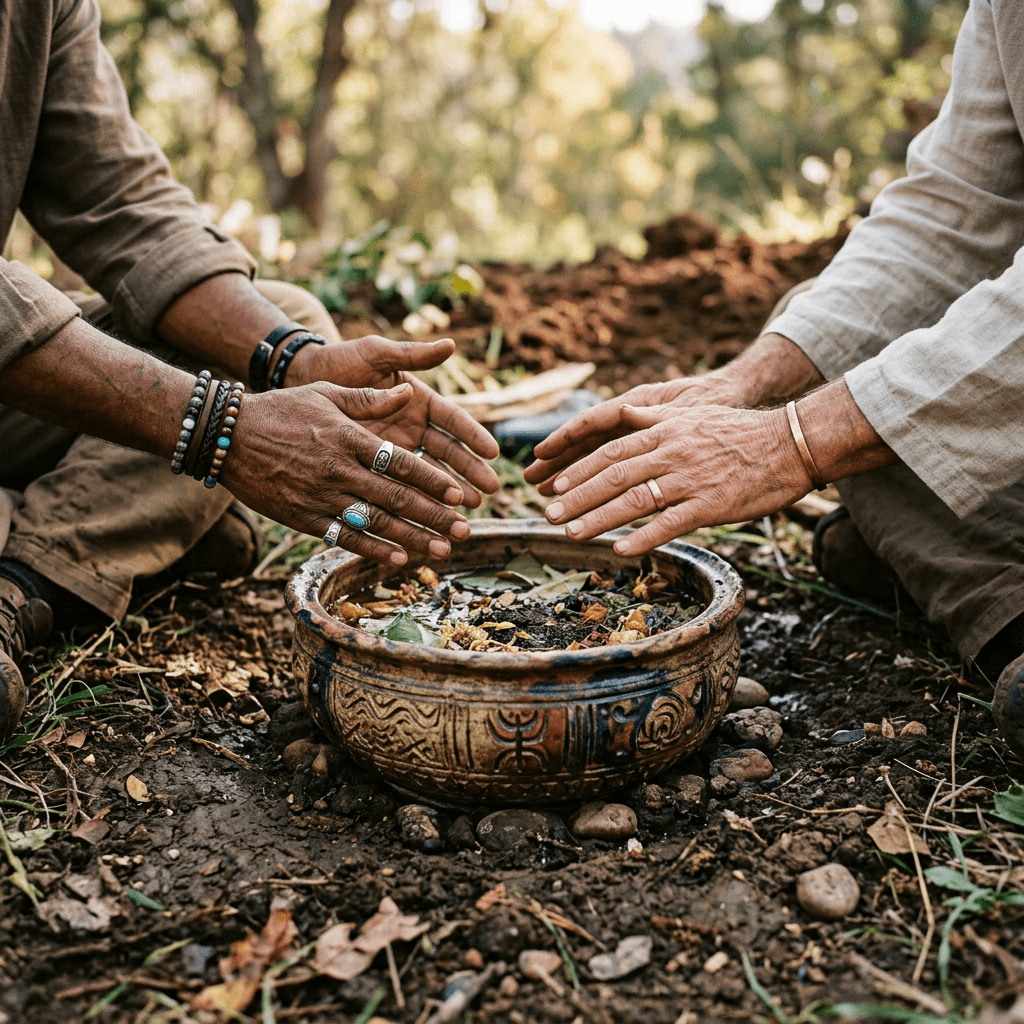
Waaqeffannaa, the indigenous monotheistic religion of the Oromo people, plays a profound and multifaceted role in peacemaking that is deeply embedded in its theology, rituals, and social institutions. Its approach to peace is not merely the absence of conflict but a state of holistic harmony with Waaqa (God), fellow humans, and the natural environment.
 Theological Foundation: Peace as a Divine Mandate
Peace (nagaa) is a core spiritual value in Waaqeffannaa. Waaqa is believed to be peace itself, and human beings are expected to be peacemakers who do not disturb this divine order. This is embedded in daily life, from the common greeting “Nagaa dha?” (Are you at peace?) to prayers like “Nagaan nu oolchi” (Lead us in peace).
 Key Peacemaking Principles: Gumaa and Waadaa
Two central traditional mechanisms for conflict resolution are Gumaa and Waadaa:
· Gumaa: A ritual process of reconciliation, particularly for serious offenses like bloodshed, intended to restore broken relationships and bring peace.
· Waadaa: A covenant or oath that establishes a binding agreement between parties to maintain peace.
Rituals, Festivals, and Community Practices
Peacemaking is reinforced through collective rituals:
· Irreecha: The annual thanksgiving festival where thousands gather to thank Waaqa and publicly preach peace and unity. A central chant is “Nagaa, nagaa!” (Peace, peace!), affirming the community’s collective desire for balance.
· Dhibaayyuu: A thanksgiving ritual that plays a pivotal role in inter-community peacebuilding and sustaining social solidarity.
 Institutional Mechanisms: The Gadaa System and Qaalluu Leaders
Waaqeffannaa is closely linked to the Gadaa system, a traditional Oromo governance structure that serves as a viable conflict resolution and peace-building mechanism. Within this system, Qaalluu leaders, as custodians of the faith, often act as mediators, using traditional reconciliation methods to resolve disputes.
 Contemporary Relevance and Challenges
While its values align with modern peacebuilding, Waaqeffannaa faces challenges in modern Ethiopia, including historical marginalization and limited freedoms for its adherents. Despite this, its principles offer a powerful, locally-grounded framework for building lasting peace from the community level upward.
In essence, Waaqeffannaa provides a comprehensive blueprint for peace, integrating spiritual belief with practical action to foster reconciliation and social harmony.

Irreechaa as a Model for Community Mental Health Interventions
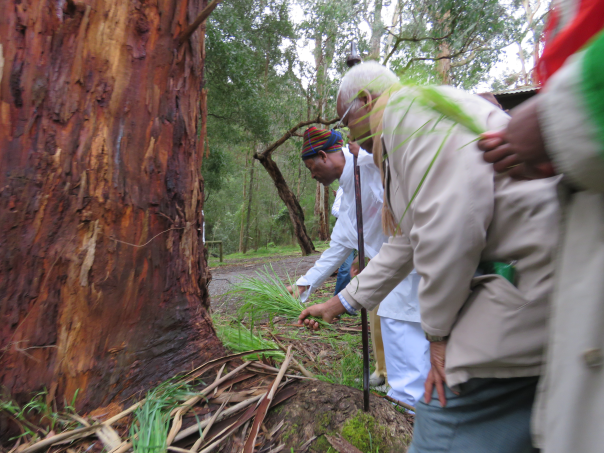
Irreechaa as Ritual Repair: How an Ancient Thanksgiving Festival Became a Blueprint for Collective Mental Health Intervention
Far more than a seasonal celebration, the Oromo festival’s water blessings, songs, and communal rituals function as a sophisticated, community-driven therapy for generations of historical trauma
In an era where mental health professionals increasingly recognise the limitations of individual therapeutic models for addressing collective trauma, an ancient festival offers an unexpected but profoundly effective blueprint. For the Oromo people, the Irreechaa celebration—held at sacred water bodies like Hora Arsadii (Bishoftu) and Hora Finfinnee—operates as what scholars describe as “cultural therapy”: a cyclical, collective practice that restores dignity, cohesion, and hope after generations of political marginalisation .
For a people whose late-19th-century imperial incorporation, linguistic suppression, and systematic cultural erasure represent textbook “cumulative, collective wounding,” Irreechaa has become far more than a seasonal celebration . It is a sophisticated, community-based mental health intervention that has sustained Oromo resilience for centuries. By examining the Irreechaa protocol—its structure, its symbols, and its therapeutic mechanisms—we may find a model for collective healing that transcends cultural boundaries.
The Foundation of Collective Trauma
The Oromo experience of historical trauma is severe and systematic. Late-19th-century imperial expansion violently incorporated Oromo homelands into the Ethiopian Empire, followed by over a century of political and cultural subordination . Oromo institutions, including aspects of the Gadaa governance system, were constrained or suppressed, and the public status of Afaan Oromoo was systematically diminished.
This represents what scholars term “cumulative, collective wounding”—mass harms that echo across generations through families and institutions . The result is not merely individual psychological distress but a community-wide experience of internalised devaluation, social fragmentation, and disconnection.
Conventional mental health approaches—individual therapy, medication, and cognitive interventions—can address symptoms but often fail to heal the underlying collective wounds. Irreechaa offers an alternative: a community-based intervention designed to restore what was broken collectively.
The Therapeutic Structure of Irreechaa
Irreechaa’s choreography follows a remarkably consistent pattern: pilgrimage to sacred water, symbolic washing, public prayer, group singing and dancing, and the leadership of elders . This structure aligns precisely with what anthropologists identify as the key elements of “ritual repair” .
Recognition: Countering Internalised Devaluation
One of the most insidious effects of historical oppression is internalised inferiority—members of marginalised groups absorb the dominant society’s negative messages about their identity. Irreechaa counters this through public, mass affirmation . When millions gather in traditional white attire, singing and performing traditional dances, they are not just celebrating; they are visibly, collectively reclaiming dignity .
The festival’s impact on psychological well-being is significant. Scholars document that the joyful atmosphere counters trauma from oppression, displacement, or recent conflicts, while youth see their culture celebrated, combating marginalisation and fostering confidence . The sense of pride and self-worth cultivated at Irreechaa is particularly important for younger generations, who carry the Oromo legacy forward .
Regulation: Choreographing Healing through Music and Movement
The physical elements of Irreechaa serve a regulatory function that echoes evidence-based trauma interventions. Structured songs, rhythmic movement, and shared timing “calm bodies and synchronise emotion” . This mirrors approaches like EMDR (Eye Movement Desensitization and Reprocessing), where bilateral stimulation helps process traumatic material.
Traditional Oromo songs, known as geerarsa, have a particularly powerful healing function. One form of folksong is designed to “divert the thought of the distressed individual by persuading him through the intricate terminologies” and has “strong power of meeting the requirements or to draw attention of the listener” . Even individuals with mental illness can be drawn into the healing experience through these songs .
Scientifically, the combination of water and sound creates immersive ritual environments. Chanting reduces stress hormones and triggers dopamine, promoting transcendence . When tens of thousands move, sing, and splash in sacred waters together, the result is a form of community-wide emotional regulation that no individual therapist could replicate.
Reconnection: Rebuilding Social Bonds
Historical trauma isolates; ritual reconnects. Anthropologists have long described how public rituals generate what they call “communitas”—an intense sense of togetherness that suspends everyday hierarchies . At Irreechaa, this communitas creates “prosocial bonds that reduce isolation and renew civic agency” .
The festival’s intergenerational participation reinforces this reconnection. Elders demonstrate rituals like eebba (blessings) and traditional dances, while children and youth participate actively, creating a continuity of social bonds that bridges generations . This is not simply a pleasant experience; it is a vital antidote to the social fragmentation that oppression produces.
Irreechaa’s role in fostering inclusivity and national healing has been widely recognised, with the festival described as “a catalyst for inclusivity in Ethiopia” that “promotes a sense of togetherness and fosters a spirit of inclusivity, reminding us that despite our differences, we are all part of the same human family” .
The Water Blessing: Symbolic Washing Away
The most iconic Irreechaa ritual involves participants entering sacred water and symbolically washing away hardship, or performing libation rituals using water and fresh grass (Birraa) . This act operates on multiple levels:
- Symbolically, it represents cleansing from past trauma and preparation for renewal .
- Psychologically, it provides a physical mechanism for emotional release.
- Communally, it creates a shared experience that binds participants together.
For diaspora Oromo communities, adaptations of these water rituals in park settings or hilltops serve similar functions, connecting a community separated by geography to the healing practices of their ancestors . The Melbourne community, for example, transformed Dandenong Hill into a sacred gathering point when a traditional water body was unavailable . Planting trees alongside these symbolic rituals extends the theme of renewal to ecological consciousness .
The Shadow: When Healing Attracts Threat
The very power that makes Irreechaa therapeutic also makes it threatening to forces seeking to maintain dominance . The 2016 Bishoftu tragedy—where security forces’ crowd control triggered a stampede that killed scores—etched a deep collective trauma into Oromo memory . This event reinforced fears that peaceful cultural gatherings can be violently disrupted.
Subsequent Irreechaa celebrations have often featured heavy policing, preemptive arrests, and restrictions that rights groups criticise as disproportionate . The “securitisation” of Irreechaa reflects a fundamental reality: visible, unified collective identity threatens projects that rely on minimising that group’s visibility and power .
The festival’s security challenges are well-documented. As one analysis notes, “this pattern sustains a feedback loop: securitisation communicates distrust of Oromo mass assembly; participants experience retraumatisation; organisers double down on the festival’s identity-affirming message, which authorities then read as political mobilisation” .
A Blueprint for Collective Intervention
What can the Irreechaa protocol teach mental health practitioners, community organisers, and policymakers?
1. Collective Healing Requires Collective Ritual
Individual therapy cannot fully address historical trauma because the wound is communal. Interventions must create spaces where communities can heal together .
2. Symbolism Matters
Water, music, movement, and traditional attire are not superficial decorations; they are therapeutic vehicles that engage the whole person .
3. Intergenerational Participation Is Essential
Children and elders healing together creates continuity that individual approaches cannot achieve .
4. Regularity Builds Resilience
Irreechaa’s cyclical nature—held annually, marking seasonal change—provides ongoing, predictable support that communities can rely on .
5. Cultural Grounding Is Strength
Cultural practices adapted to trauma healing are not barriers to evidence-based approaches; they are themselves evidence-based approaches refined over generations .
Conclusion: Ritual as Quiet Repair
Irreechaa demonstrates that collective healing is not only possible but has been practised for centuries. Its protocol—recognition, regulation, and reconnection through public ritual—provides a template that could be adapted across cultures and contexts .
As scholars of historical trauma note, healing requires “shared remembrance, mourning, and culturally grounded practices that rebuild meaning and agency” . The Irreechaa protocol provides exactly that: a culturally grounded practice that rebuilds meaning and agency for millions.
The path forward, as one analysis concludes, is “not to shrink Irreechaa but to secure it: treat it as a national asset, protect rights equally, and let ritual do its quiet work of repair” . For mental health professionals, the lesson is clear: the best interventions may not be found in clinical manuals but in the living traditions of communities that have survived and thrived despite centuries of attempted erasure.
Irreechaa’s power is double-edged: the very practices that heal—public recognition, shared emotion, embodied solidarity—also unsettle projects that rely on minimising Oromo visibility. The path forward is not to shrink Irreechaa but to secure it.

The Irreechaa Protocol: How an Ancient Festival Provides a Blueprint for Collective Mental Health Intervention
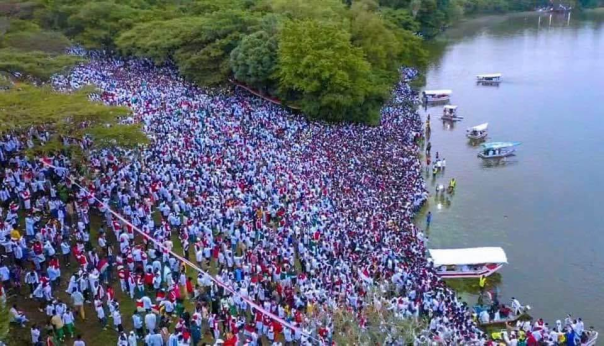
What if healing from trauma is not meant to be a solitary journey but a communal ritual—one that has been practised for centuries?
In an era where mental health professionals increasingly recognise the limitations of individual therapeutic models for addressing collective trauma, a centuries-old festival offers an unexpected but profoundly effective blueprint. The Oromo people’s Irreechaa—an annual thanksgiving celebration held at sacred water bodies like Hora Arsadii (Bishoftu) and Hora Finfinnee—functions as what scholars describe as “cultural therapy”: a cyclical, collective practice that restores dignity, cohesion, and hope after generations of political marginalisation .
For a people who have endured conquest, linguistic suppression, and systematic cultural erasure, Irreechaa is far more than a seasonal celebration. It is a sophisticated, community-based mental health intervention that has sustained Oromo resilience for centuries. By examining the Irreechaa protocol—its structure, its symbols, and its therapeutic mechanisms—we may find a model for collective healing that transcends cultural boundaries.
The Foundation of Collective Trauma
The Oromo experience of historical trauma is textbook in its severity. Late-19th-century imperial expansion violently incorporated Oromo homelands into the Ethiopian Empire, followed by over a century of political and cultural subordination . Oromo institutions, including aspects of the Gadaa governance system, were constrained or suppressed, and the public status of Afaan Oromoo was systematically diminished .
This represents what scholars term “cumulative, collective wounding”—mass harms that echo across generations through families and institutions . The result is not merely individual psychological distress but a community-wide experience of internalised devaluation, social fragmentation, and disconnection.
Conventional mental health approaches—individual therapy, medication, and cognitive interventions—can address symptoms but often fail to heal the underlying collective wounds. The Irreechaa protocol offers an alternative: a community-based intervention designed to restore what was broken collectively.
The Therapeutic Structure of Irreechaa
Irreechaa’s choreography follows a remarkably consistent pattern: pilgrimage to sacred water, symbolic washing, public prayer, group singing and dancing, and the leadership of elders . This structure is not accidental; it aligns precisely with what anthropologists identify as the key elements of “ritual repair.”
Recognition: Countering Internalised Devaluation
One of the most insidious effects of historical oppression is internalised inferiority—members of marginalised groups absorb the dominant society’s negative messages about their identity. Irreechaa counters this through public, mass affirmation . When millions gather in traditional white attire, singing Dhaanto, and performing the Shaggooyee dance, they are not just celebrating; they are visibly, collectively reclaiming dignity .
For Oromo youth—particularly those in the diaspora—this public celebration of their culture combats marginalisation and fosters confidence . It tells them that their identity is not something to hide but something to celebrate with pride.
Regulation: Choreographing Healing
The physical elements of Irreechaa serve a regulatory function that echoes evidence-based trauma interventions. Structured songs, rhythmic movement, and shared timing “calm bodies and synchronise emotion” . This mirrors approaches like EMDR (Eye Movement Desensitization and Reprocessing), where bilateral stimulation helps process traumatic material.
Psychologically, this is “psycho-bio-social regulation” . The body and mind work together to process emotional material, with collective synchrony amplifying the therapeutic effect. When tens of thousands move and sing together, the result is a form of community-wide emotional regulation that no individual therapist could replicate.
Reconnection: Rebuilding Social Bonds
Historical trauma isolates; ritual reconnects. Anthropologists have long described how public rituals generate what they call “communitas”—an intense sense of togetherness that suspends everyday hierarchies . At Irreechaa, this communitas creates “prosocial bonds that reduce isolation and renew civic agency” .
The festival’s multi-generational participation reinforces this reconnection . Elders demonstrate rituals like the Eebba (blessings) and traditional dances , while children and youth participate actively, creating a continuity of social bonds that bridges generations. This is not simply a pleasant experience; it is a vital antidote to the social fragmentation that oppression produces.
The Water Blessing: Symbolic Washing Away
The most iconic Irreechaa ritual involves participants entering sacred water and symbolically washing away hardship . This act operates on multiple levels simultaneously:
Symbolically, it represents cleansing from past trauma and preparation for renewal. Psychologically, it provides a physical mechanism for emotional release. Communally, it creates a shared experience that binds participants together.
For diaspora Oromo, adaptations of this water ritual in park settings serve similar functions, connecting a community separated by geography to the healing practices of their ancestors . Planting trees alongside these symbolic water rituals extends the theme of renewal to ecological consciousness .
The Shadow: When Healing Attracts Threat
The very power that makes Irreechaa therapeutic also makes it threatening to forces seeking to maintain dominance. The 2016 Bishoftu tragedy—where security forces’ crowd control triggered a stampede that killed scores—etched a deep collective trauma into Oromo memory . This event reinforced fears that peaceful cultural gatherings can be violently disrupted.
Subsequent Irreechaa celebrations have often featured heavy policing, preemptive arrests, and restrictions that rights groups criticise as disproportionate . The “securitisation” of Irreechaa reflects a fundamental reality: visible, unified collective identity threatens projects that rely on minimising that group’s visibility and power .
Yet the festival continues to grow. In 2025, tens of thousands gathered in Addis Ababa and Bishoftu, with Prime Minister Abiy Ahmed addressing the crowd . The celebration has become a complex space where cultural resurgence, political symbolism, and community grievance intersect .
A Blueprint for Collective Intervention
What can the Irreechaa protocol teach mental health practitioners, community organisers, and policymakers?
1. Collective Healing Requires Collective Ritual
Individual therapy cannot fully address historical trauma because the wound is communal. Interventions must create spaces where communities can heal together.
2. Symbolism Matters
Water, music, movement, and traditional attire are not superficial decorations; they are therapeutic vehicles that engage the whole person.
3. Intergenerational Participation Is Essential
Children and elders healing together creates continuity that individual approaches cannot achieve.
4. Regularity Builds Resilience
Irreechaa’s cyclical nature—held annually, marking seasonal change—provides ongoing, predictable support.
5. Cultural Grounding Is Strength
Cultural practices adapted to trauma healing are not barriers to evidence-based approaches; they are themselves evidence-based approaches refined over generations.
Conclusion
Irreechaa demonstrates that collective healing is not only possible but has been practised for centuries. Its protocol—recognition, regulation, and reconnection through public ritual—provides a template that could be adapted across cultures and contexts.
As scholars of historical trauma note, healing requires “shared remembrance, mourning, and culturally grounded practices that rebuild meaning and agency” . The Irreechaa protocol provides exactly that: a culturally grounded practice that rebuilds meaning and agency for millions.
For mental health professionals, the lesson is clear: the best interventions may not be found in clinical manuals but in the living traditions of communities that have survived and thrived despite centuries of attempted erasure. The Irreechaa protocol is not just a festival; it is a toolkit for collective mental health, refined over generations and proven effective by the very survival of the Oromo people.
“Irreechaa’s power is double-edged: the very practices that heal—public recognition, shared emotion, embodied solidarity—also unsettle projects that rely on minimising Oromo visibility. The path forward is not to shrink Irreechaa but to secure it: treat it as a national asset, protect rights equally, and let ritual do its quiet work of repair” .

The Two Humiliations of TPLF: A Reflection on Power, Pride, and the Oromo Awakening
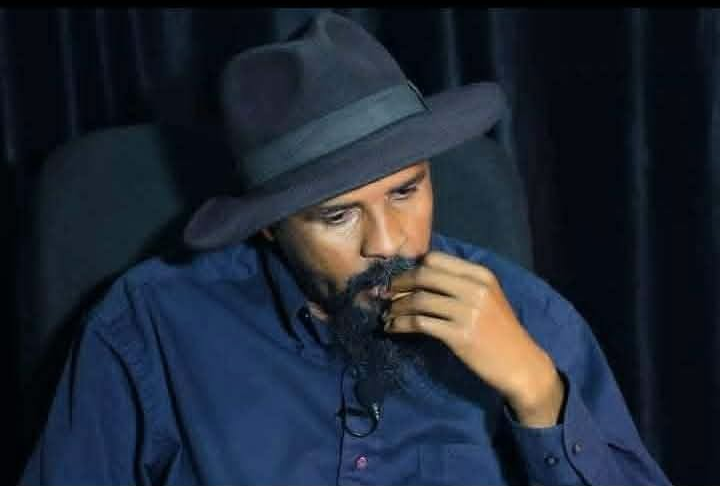
In the shifting sands of Ethiopian politics, the Tigrayan People’s Liberation Front has suffered wounds that time has not healed—and the Oromo people remain the central characters in this unfolding drama
In the annals of Ethiopian political history, few organizations have risen as high or fallen as dramatically as the Tigrayan People’s Liberation Front (TPLF). For nearly three decades, it dominated the political landscape of the Ethiopian Empire, ruling with an iron fist while projecting an image of revolutionary legitimacy. Yet today, the TPLF finds itself nursing wounds that history will not allow it to forget—wounds inflicted not by foreign enemies but by the very people it sought to subjugate.
The reflection of Abba Ebba offers a searing analysis of what he calls the “two humiliations” of the TPLF—humiliations that, in his view, are inextricably linked to the Oromo people and their awakening. These are not merely military defeats but moral and political reckonings that the TPLF has been unable to accept or process.
The First Humiliation: The Fall of Mekelle
“For 27 years, like the saying ‘the hare’s skin cannot cover the elephant,’ the TPLF tried to stretch its hide over an empire too vast for its frame. In the final hour, it was the sons and daughters of Oromo—the Qeerroo and Qarree—who stood before tanks with empty hands and brought down the regime. They made the TPLF retreat to Mekelle, dragging its ill-gotten wealth behind it. This is the first humiliation that remains unhealed to this day.”
The 2018 Oromo protests were not merely a political uprising—they were a seismic shift in the Ethiopian political landscape. The Oromo youth, known as the Qeerroo and Qarree, rose in a wave of popular resistance that the TPLF could not contain. The protests were decentralized, leaderless, and yet remarkably unified in their demands for justice, equality, and an end to the TPLF’s domination .
The TPLF, which had ruled Ethiopia for 27 years, was forced to abandon power and retreat to its northern stronghold of Mekelle. This was not a defeat by a rival military force but a collapse in the face of unarmed civilian resistance. The humiliation was profound and, according to Abba Ebba, has never been truly accepted by the TPLF leadership.
“The TPLF was defeated by the popular wave that ignited from one end of Oromia to the other—a wave that was part of the Oromo liberation struggle. This is an undeniable truth. The Oromo is an elephant; when it tramples, it crushes. The TPLF was forced to swallow this reality, whether it liked it or not.”
The Second Humiliation: The Retreat to Mekelle
The second humiliation followed the first. After initially retreating to Mekelle, the TPLF sought to reassert its influence on the national stage. It formed alliances with various forces—including some within the Amhara political spectrum—and attempted to challenge the Prosperity Party government.
However, this effort ended in another defeat. The TPLF was forced to retreat once again to Mekelle, leaving behind its ambitions and its allies, having consumed itself in the fires it had ignited. This second retreat, Abba Ebba argues, is the other humiliation that remains raw and unprocessed .
“When the TPLF was about to return to Addis Ababa, it found itself burned by the fire it had started. It was forced to retreat to Mekelle—another humiliation that has not faded.”
The Unlearned Lesson
Despite these humiliations, the TPLF has not learned its lesson. Instead, it continues to prepare for a new war, this time under the cover of the Prosperity Party government’s own challenges. After four years of uninterrupted military preparation, the TPLF is once again positioning itself for conflict .
Abba Ebba warns that this preparation is driven by a desire for revenge—a desire to settle scores with the Oromo people who, in the TPLF’s view, are responsible for its humiliations. “Under the cover of the Prosperity Party government, the TPLF is seeking to take revenge on our people for its past humiliations.”
The Unnecessary Price
Abba Ebba poses a pointed question: why must the Oromo people pay the price for the TPLF’s ambitions? Why must Oromia become a battlefield for conflicts that are not of its making?
“The TPLF did not need to travel 600 kilometres into the heart of the country, into the breadbasket of Ethiopia—Oromia. It could have declared Eritrea-style independence when the Derg fell, and it could do so today. All it needs is to settle its accounts and secure the consent of its people.”
The TPLF’s refusal to accept defeat has left the Oromo people caught between multiple threats. On one hand, there is the TPLF’s continued military preparations and its desire for revenge. On the other, there are forces like Fano and other armed groups that have also targeted Oromo communities.
The Oromo Elite’s Responsibility
Abba Ebba also points a finger at the Oromo elite, accusing them of failing to fulfill their responsibilities. The Oromo people, who have paid the heaviest price in the struggle against the Ethiopian Empire, now face a dual threat: the TPLF’s revanchism and the Oromo elite’s failure to protect the gains of the struggle.
“The Oromo elite has failed to protect the historic victory achieved by the Oromo popular struggle. It has also failed to protect the constitutional right to self-determination—the right to democracy, justice, and self-rule—from being undermined.”
This failure, Abba Ebba argues, has allowed the Oromo people to be marginalized and treated with suspicion by their neighbours. The Oromo elite’s failure to step up has left the people vulnerable to manipulation and exclusion.
A Call to Vigilance
Abba Ebba concludes with a call to the Oromo people:
“Our people must prepare themselves for the danger of the approaching war and actively monitor the situation. The war that is being prepared—whether by TPLF or by the Fano forces—poses a threat to the next generation of Oromo. Decisive action must be taken to find a lasting solution.”
He insists that Oromia must not become a doormat for the ambitions of others. “Oromia will not be a doormat for Fano or the TPLF! With its determined sons and daughters, it will stand, honoured and respected, and it will endure forever.”
A Historical Warning
The reflection of Abba Ebba is not merely a commentary on contemporary politics—it is a historical warning. It reminds the Oromo people that the TPLF, despite its humiliations, has not abandoned its ambitions. The two humiliations remain unhealed, and the TPLF continues to seek revenge.
But the reflection also carries a message of hope and resolve. The Oromo people, having risen once, can rise again. The elephant has crushed its enemies before, and it can do so again.
Conclusion
The two humiliations of the TPLF are more than military or political defeats—they are symbolic wounds that the organization has not been able to accept. The TPLF’s refusal to learn from its past has left the Oromo people facing a renewed threat. But the Oromo people, having already demonstrated their power, are not powerless.
As Abba Ebba declares: “Oromia will not be a doormat for Fano or the TPLF! With its determined sons and daughters, it will stand, honoured and respected, and it will endure forever.”
The elephant has crushed its enemies before, and it can do so again.






