The Role of Waaqeffannaa in Peacemaking
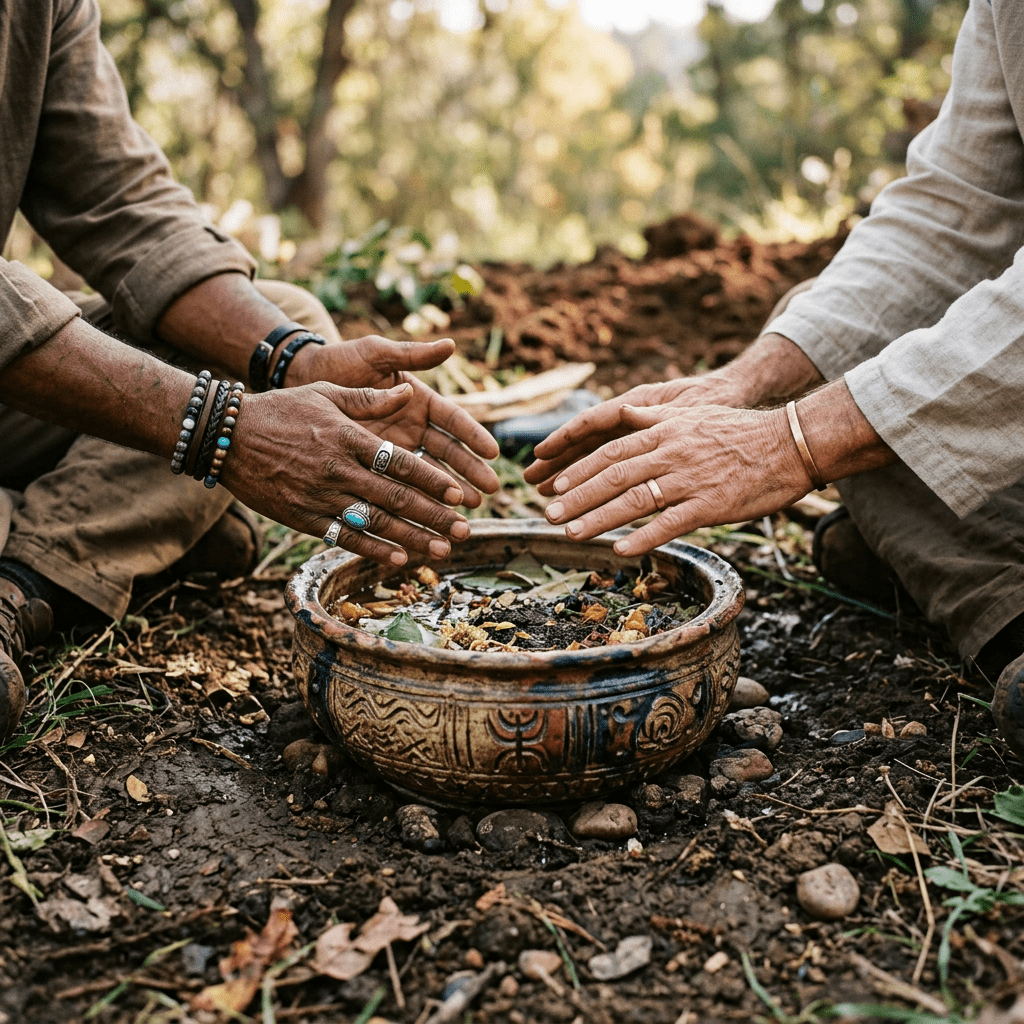
Waaqeffannaa, the indigenous monotheistic religion of the Oromo people, plays a profound and multifaceted role in peacemaking that is deeply embedded in its theology, rituals, and social institutions. Its approach to peace is not merely the absence of conflict but a state of holistic harmony with Waaqa (God), fellow humans, and the natural environment.
 Theological Foundation: Peace as a Divine Mandate
Peace (nagaa) is a core spiritual value in Waaqeffannaa. Waaqa is believed to be peace itself, and human beings are expected to be peacemakers who do not disturb this divine order. This is embedded in daily life, from the common greeting “Nagaa dha?” (Are you at peace?) to prayers like “Nagaan nu oolchi” (Lead us in peace).
 Key Peacemaking Principles: Gumaa and Waadaa
Two central traditional mechanisms for conflict resolution are Gumaa and Waadaa:
· Gumaa: A ritual process of reconciliation, particularly for serious offenses like bloodshed, intended to restore broken relationships and bring peace.
· Waadaa: A covenant or oath that establishes a binding agreement between parties to maintain peace.
 Rituals, Festivals, and Community Practices
Peacemaking is reinforced through collective rituals:
· Irreecha: The annual thanksgiving festival where thousands gather to thank Waaqa and publicly preach peace and unity. A central chant is “Nagaa, nagaa!” (Peace, peace!), affirming the community’s collective desire for balance.
· Dhibaayyuu: A thanksgiving ritual that plays a pivotal role in inter-community peacebuilding and sustaining social solidarity.
 Institutional Mechanisms: The Gadaa System and Qaalluu Leaders
Waaqeffannaa is closely linked to the Gadaa system, a traditional Oromo governance structure that serves as a viable conflict resolution and peace-building mechanism. Within this system, Qaalluu leaders, as custodians of the faith, often act as mediators, using traditional reconciliation methods to resolve disputes.
 Contemporary Relevance and Challenges
While its values align with modern peacebuilding, Waaqeffannaa faces challenges in modern Ethiopia, including historical marginalization and limited freedoms for its adherents. Despite this, its principles offer a powerful, locally-grounded framework for building lasting peace from the community level upward.
In essence, Waaqeffannaa provides a comprehensive blueprint for peace, integrating spiritual belief with practical action to foster reconciliation and social harmony.

Posted on July 29, 2026, in Aadaa, Afaan, Bokkkuu, Events, Finfinne, freedom, Gumaa, health, Information, Language, Media, News, Oromia, Press Release, Promotion. Bookmark the permalink. Leave a comment.






Leave a comment
Comments 0