Category Archives: Kindness

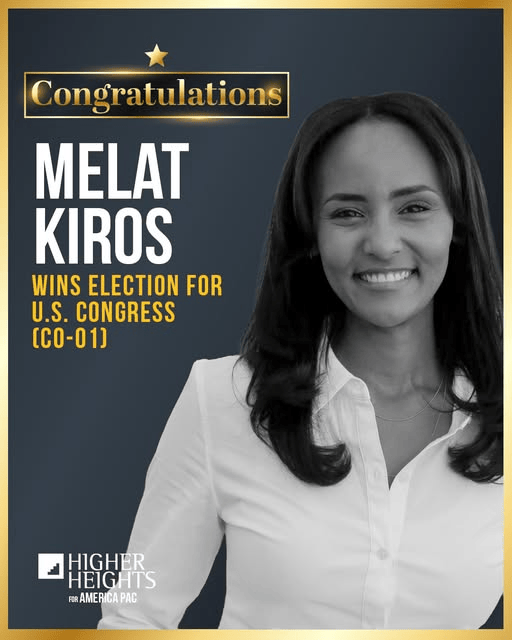
Melat Kiros: 29-Year-Old Ethiopian-Born Trailblazer Elected to Congress
By Dhabessa Wakjira
DENVER, Colorado — In a political season that has already made history, one victory stands out as particularly remarkable. Melat Kiros, a 29-year-old Democrat, has been elected to Congress from Colorado’s 1st Congressional District—becoming the first Gen Z woman ever elected to the United States House of Representatives.
From Addis Ababa to the Halls of Congress
Kiros was born in Addis Ababa, Ethiopia, before moving to America to study law. Her journey from the Ethiopian capital to the chambers of Congress is a testament to the possibilities that education, determination, and public service can unlock. She is a member of the Democratic Party and brings with her a legal background that has prepared her for the rigors of legislative work.
A Historic First
Kiros is the first Gen Z woman elected to Congress and the second Gen Z member elected to the House of Representatives, following Maxwell Frost. At 29 years old, she represents a new generation of leadership—one that has come of age in a time of profound social and political change and is now stepping into the institutions that shape the future.
The Road to Victory
Her path to Congress was not an easy one. In the primaries, Kiros defeated Diana DeGette, a 15-term incumbent—a stunning upset that signaled voters’ appetite for fresh leadership and new voices. She then went on to face Republican Christy Peterson in the general election, emerging victorious.
The victory is not only a personal triumph but a milestone for Ethiopian Americans and for the broader diaspora community. As one supporter put it: “Ethiopia to the world.”
A New Generation Takes Its Seat
Kiros’s election comes at a moment when American democracy is being tested and renewed. Her presence in Congress will bring a perspective shaped by her immigrant experience, her legal training, and her generation’s commitment to addressing the challenges of the 21st century—from climate change to economic inequality to the defense of democratic norms.
She joins a historic class of Black women elected to Congress in 2026, a group that includes Nikema Williams, Lucy McBath, Jasmine Clark, Ayanna Pressley, and many others. Together, they represent a transformation of American political representation—one that is younger, more diverse, and more reflective of the country’s changing demographics.
Congratulations
Melat Kiros’s victory is a moment of pride not only for Colorado and the United States but for Ethiopia and the global Ethiopian diaspora. Her story—from Addis Ababa to the U.S. Congress—is a reminder that the distance between struggle and leadership is often smaller than it appears, and that the children of immigrants can rise to the highest levels of public service.
Congratulations, Congresswoman-elect Melat Kiros.
#AmericaDecides #Election2026 #MelatKiros #EthiopiaToTheWorld

When Those in Power Refuse to Listen: Martin Luther King Jr. and the Power of Nonviolent Dialogue
By Daandii Ragabaa
What happens when those in power refuse to listen?
Martin Luther King Jr. grew up in a segregated United States, where Black Americans were denied a voice and risked threats and violence for speaking out. The institutions of government, the courts, the police, and much of the public square were closed to them. To speak was to risk one’s life. To be heard was almost unimaginable.
Yet King chose not to answer silence with silence. He chose nonviolent resistance.
The Strategy of Peaceful Protest
King understood that the refusal to listen is itself a form of violence—a denial of the other’s humanity. His response was not to mirror that denial but to expose it. Through peaceful protests, sit-ins, marches, and boycotts, he helped make the situation of Black Americans impossible to ignore. The point was not merely to disrupt but to reveal: to show the nation and the world what segregation actually looked like, and to force those in power to confront what they had chosen not to see.
In 1963, 250,000 people joined the March on Washington, where King delivered his famous “I Have a Dream” speech. It made people listen. The following year, legislation prohibiting racial discrimination was passed—the Civil Rights Act of 1964—and King was awarded the Nobel Peace Prize.
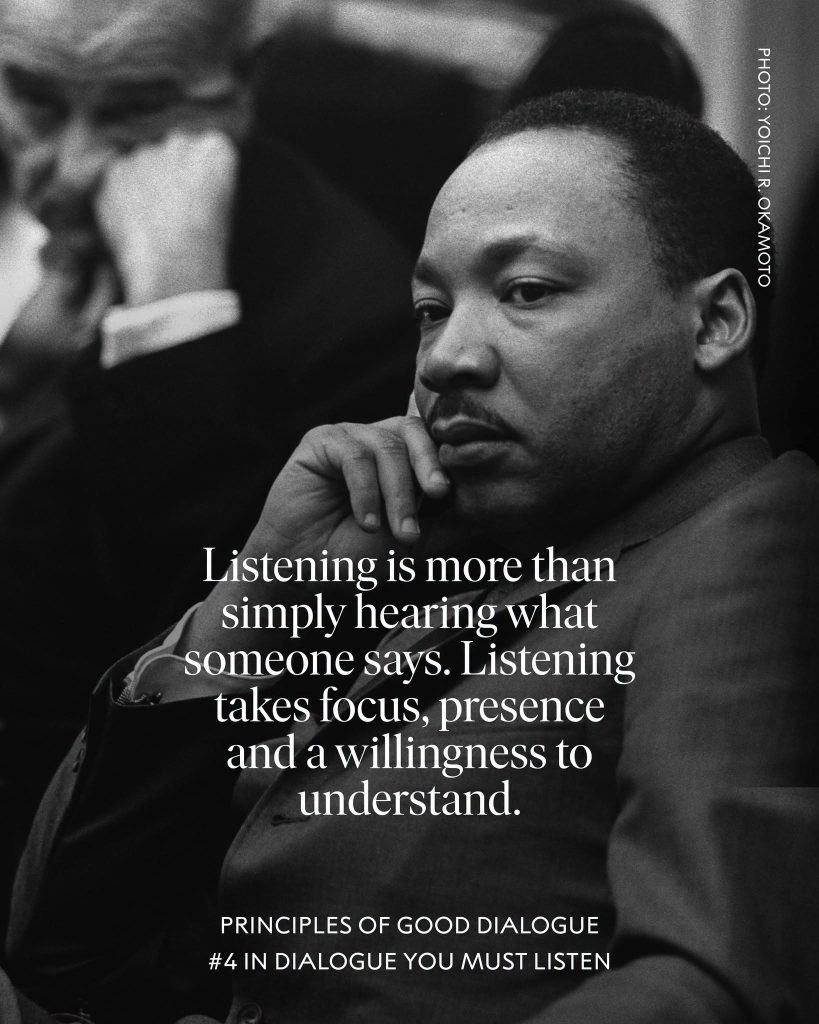
Principle 4: In Dialogue, You Must Listen
The Nobel Peace Center identifies this as an example of Principle 4 of good dialogue: In dialogue, you must listen. The principle is deceptively simple, but it carries profound implications. Listening is more than merely hearing. It requires focus and presence. It requires the willingness to set aside one’s own prejudices and judgments long enough to actually receive what another person is saying.
The Nobel Peace Center offers practical guidance on what this looks like:
- Listen to what is being said. Do not let your own thoughts and prejudices interfere with your ability to listen.
- Do not give advice unless it is requested.
- Do not interrupt. Let the other person finish talking.
- Do not capture the conversation by drawing parallels to your own experiences.
- Be empathic and show understanding for the other person’s situation.
- Do not presume to know other people’s opinions.
These are not abstract ideals. They are disciplines—habits of attention that must be practiced, especially by those who hold power.
The Courage to Make Listening Impossible to Avoid
King’s genius was in understanding that when those in power refuse to listen, the response is not to shout louder but to create conditions in which listening becomes unavoidable. The March on Washington was not merely a protest; it was an invitation—a demand—for the nation to hear what it had spent generations trying to drown out.
The Nobel Peace Center notes that King “used Principle 4: In dialogue, you must listen to find a solution.” This is a crucial insight. King did not abandon dialogue; he insisted on it. He did not seek to destroy his opponents; he sought to awaken them. His nonviolent resistance was, in its deepest logic, an act of faith in the possibility of dialogue—even with those who had shown no willingness to engage.
Listening as a Moral Practice
The lesson for our own time is clear. In a world where political leaders often speak past one another, where social media rewards outrage over understanding, and where the powerful routinely dismiss the grievances of the marginalized, Principle 4 remains a radical challenge. Listening is not a passive act. It is a moral practice—a recognition that the other person has something to say that we need to hear.
King’s life is a testament to this truth. He listened to the pain of his community. He listened to the conscience of the nation. And he forced those in power to listen to him—not through violence, but through the disciplined, peaceful insistence that their humanity and his were bound together.
A Legacy That Still Speaks
More than half a century after his death, King’s example continues to teach. When those in power refuse to listen, the answer is not to abandon dialogue but to practice it more faithfully—to create the conditions, through peaceful means, in which listening becomes inevitable. That is the lesson of the March on Washington. That is the lesson of the Civil Rights Act. And that is the lesson of Martin Luther King Jr.’s extraordinary life.
The Nobel Peace Center’s eight principles of dialogue—of which listening is the fourth—are not merely a framework for conflict resolution. They are a way of being in the world. And as King showed, they have the power to change history.
Principle 4: In dialogue, you must listen.
Read more about the Nobel Peace Center’s dialogue principles: https://www.nobelpeacecenter.org/en/dialogue/principle-4

“A Nation Approaching Spiritual Death”: MLK’s Warning and the Moral Case for Social Justice Over Military Spending
By Dhabessa Wakjira
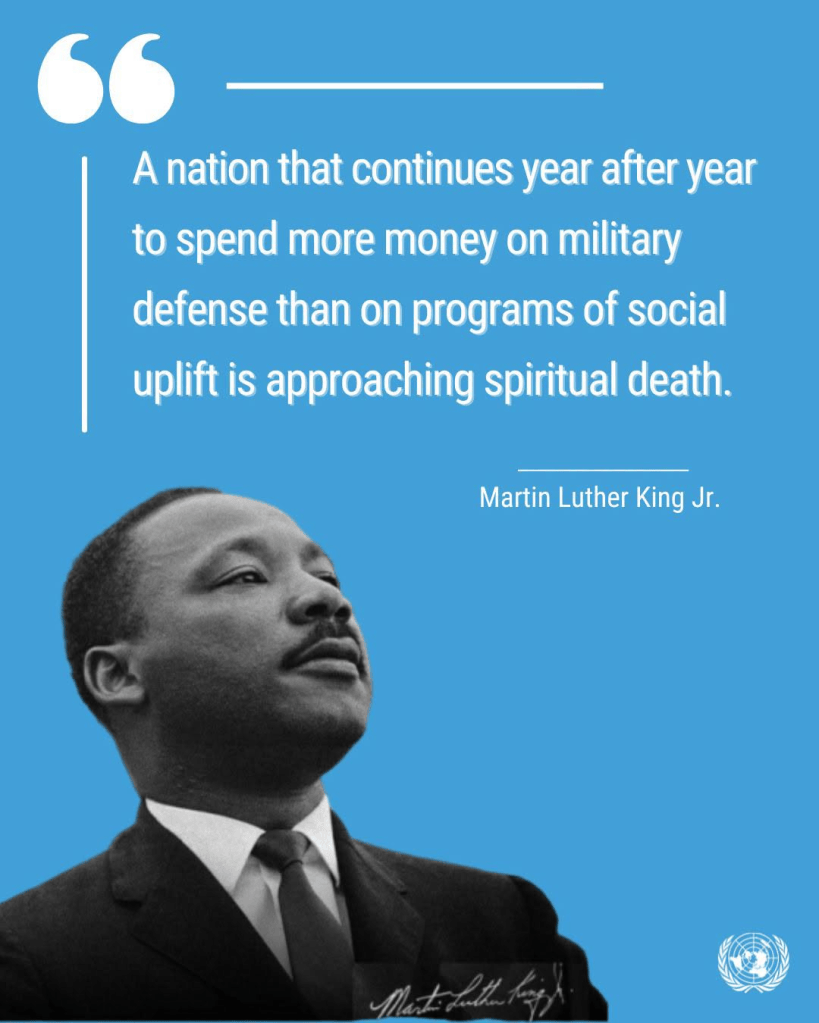
More than half a century after his death, Martin Luther King Jr.’s words continue to cut through the noise of political debate with unsettling clarity. “A nation that continues year after year to spend more money on military defense than on programs of social uplift is approaching spiritual death,” King declared in 1967, in a speech that would prove to be one of his most prophetic. His message reminds us that building peace through social justice is not a policy preference—it is a moral responsibility.
The Context of a Prophetic Warning
King spoke these words at a moment of profound national tension. The United States was deep in the Vietnam War, spending billions on military operations abroad while poverty, inequality, and racial injustice continued to ravage communities at home. King had come to see the connection between the two—what he called the “giant triplets of racism, extreme materialism, and militarism.” For King, these were not separate problems but interlocking systems of oppression. A nation that could find endless resources for war but not for the poor was a nation that had lost its moral compass.
His warning was not merely about budgets. It was about priorities, values, and the soul of a nation. “Spiritual death” was King’s way of describing what happens when a society becomes so invested in violence and domination that it can no longer recognize the humanity of its own people—when the means of destruction are funded more generously than the means of life.
The Relevance Today
King’s words resonate with uncomfortable force in 2026. Global military spending has reached record levels, with nations around the world pouring trillions into defense budgets while social programs—education, healthcare, housing, and poverty alleviation—remain chronically underfunded. The gap between what societies spend on war and what they spend on peace is not merely a fiscal statistic; it is a moral indictment.
In Ethiopia and across the Horn of Africa, the consequences of this imbalance are visible. Resources that could be used to build schools, hospitals, and infrastructure are diverted to conflict. Communities that have suffered from war and displacement continue to wait for the “peace dividend” that never arrives. The lesson King articulated—that a nation cannot bombs its way to security while neglecting the well-being of its people—is as true today as it was in 1967.
Peace Through Social Justice
King’s message was not merely a critique of military spending; it was a vision of what true peace requires. “True peace is not merely the absence of tension; it is the presence of justice,” he famously said. Peace cannot be built on the backs of the poor, the marginalized, or the dispossessed. It requires a commitment to social uplift—to ensuring that all people have access to the basic conditions of a dignified life.
This is the moral responsibility that King’s words place before us. To build peace through social justice means to prioritize the well-being of communities over the projection of power. It means to invest in education, healthcare, and economic opportunity as seriously as nations invest in weapons. It means to recognize that the true measure of a society’s strength is not the size of its military but the quality of life it provides for its most vulnerable members.
A Call to Conscience
King’s warning is not a call to naivety. He understood that the world is dangerous and that nations must defend themselves. But he insisted that the pursuit of security through military means alone is self-defeating. A nation that continues to choose guns over butter, bombs over books, and war over welfare is not strong—it is slowly dying from the inside.
His words challenge us to ask uncomfortable questions: What are our true priorities? Who benefits from the current arrangement? And what would it take to build a society where the needs of the many are not sacrificed for the ambitions of the few?
Conclusion
Martin Luther King Jr.’s message is not a relic of the past. It is a living challenge to every generation. His warning about spiritual death is a reminder that the choices we make about how we spend our resources are not merely political decisions—they are moral ones. Building peace through social justice is not optional. It is our responsibility. And it is the only path to a future that honors the dignity of all people.
“A nation that continues year after year to spend more money on military defense than on programs of social uplift is approaching spiritual death.” — Martin Luther King Jr.

Urjii Festival to Represent Oromo Gadaa on the World Stage in Dubai
By Dhabessa Wakjira
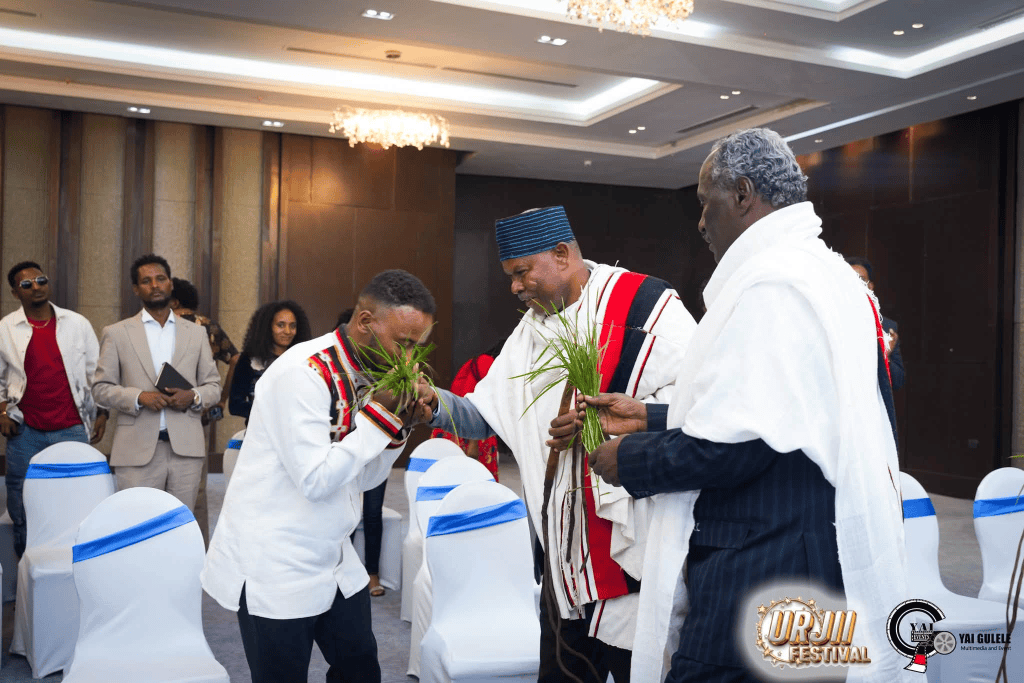
ADDIS ABABA — The Urjii Festival, a celebration of Oromo heritage and the Gadaa system, is preparing to represent Oromo culture on the global stage, with organizers calling on all stakeholders to support and stand alongside the initiative. The festival is scheduled to take place on 15 November 2026 in Dubai, United Arab Emirates.
Media Briefing Held in Addis Ababa
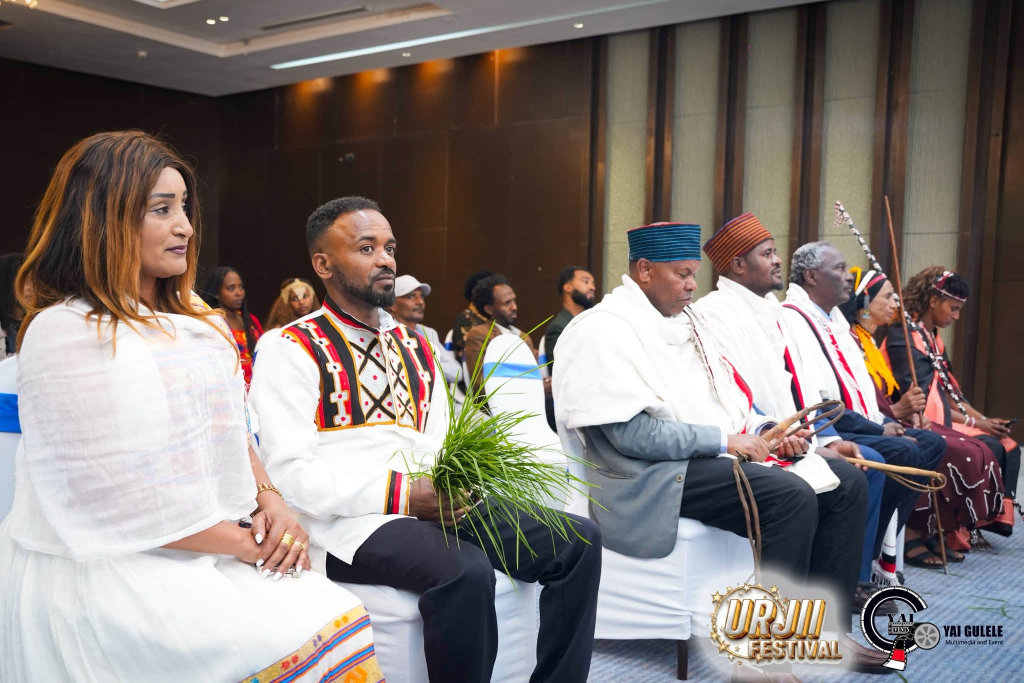
On Friday, 20 October 2026, a detailed media briefing on the Urjii Festival was held in Addis Ababa. In keeping with Oromo tradition, the briefing opened with blessings from Abbootii Gadaa (Gadaa leaders) and Haadholii Siinqee (women elders). The event was attended by invited guests, media professionals, and artists.
The briefing provided comprehensive information about the upcoming festival, which is being organized to showcase Oromo culture, traditions, and the Gadaa system to an international audience. The festival is expected to serve as a platform for cultural exchange and economic engagement between Oromia and the diaspora community in the UAE.
A Call to the Diaspora
The organizers have extended an invitation to the Oromo community in the UAE and neighboring countries to participate in the festival and take part in the various programs being prepared. The festival is designed to strengthen social ties and community connections among Oromo people in the region.
The Urjii Festival in Dubai will feature a diverse program, including:
- Community gathering and social networking events
- An Investment Forum
- A Coffee Trade exhibition
- Short film screenings
- A photography gallery
- Book displays
- Fashion and traditional attire shows
- Dance performances
- A major music concert featuring numerous artists
The festival will also highlight tourism destinations in Oromia, promoting the region as a place of cultural and historical significance.
Recognition of Gadaa on the World Stage
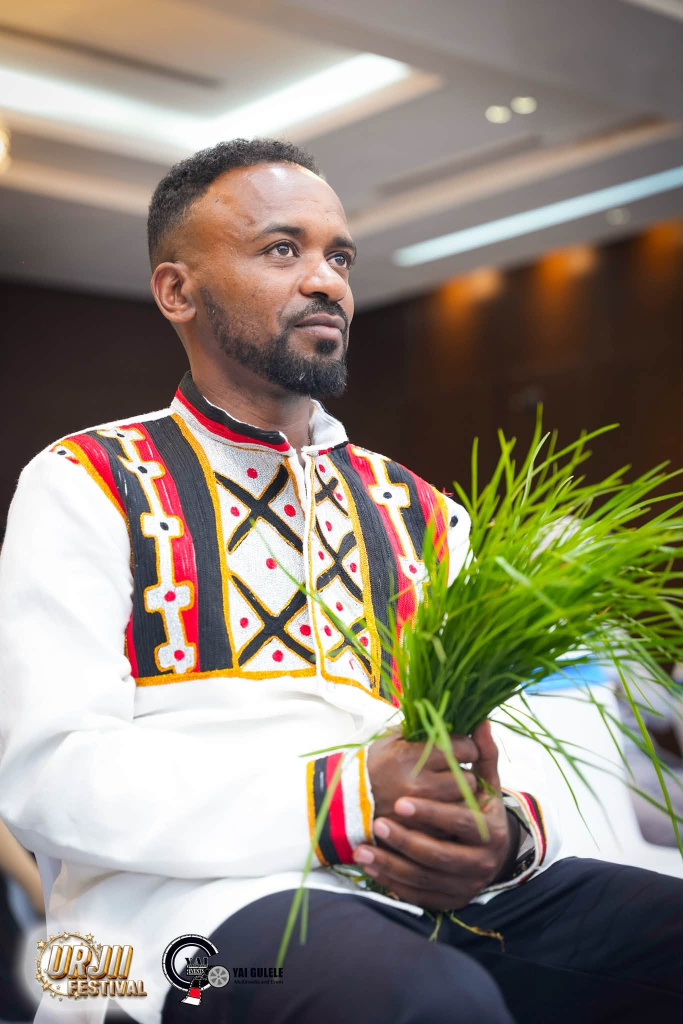
The organizers emphasized that the Urjii Festival represents the Gadaa system and Oromo heritage on the world stage. “The Urjii Festival is going to represent our Gadaa system and showcase our culture to the world,” the organizers stated. “Therefore, every stakeholder should support it and stand alongside it.”
The festival is being organized with the support of the Yaa’ii Gullallee multi-media and event organization, which has pledged its commitment to ensuring the success of the event.
A Moment of Pride for the Oromo Nation
The Urjii Festival comes at a time when Oromo cultural expression is gaining increasing international recognition. The Gadaa system, inscribed by UNESCO as Intangible Cultural Heritage in 2016, is a source of pride for the Oromo people and a testament to their democratic traditions. The festival in Dubai will provide an opportunity for the global Oromo diaspora to celebrate their heritage, connect with one another, and share their culture with the world.
As the organizers prepare for the November event, the call has gone out to the community in the UAE and beyond: come, participate, and be part of this historic celebration.
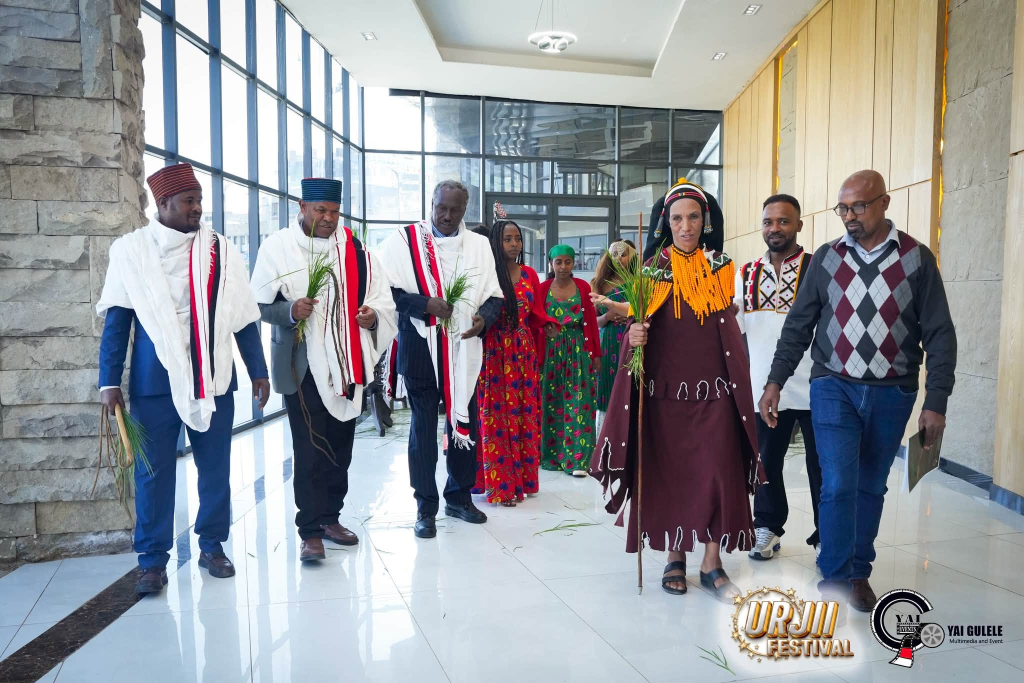
For more information about the Urjii Festival, including registration and participation details, please contact the organizing committee at Elias Kiflu Tolera.

Oromo Community Melbourne to Honour Four Oromo Australians for Contributions to Oromummaa
By Dhabessa Wakjira
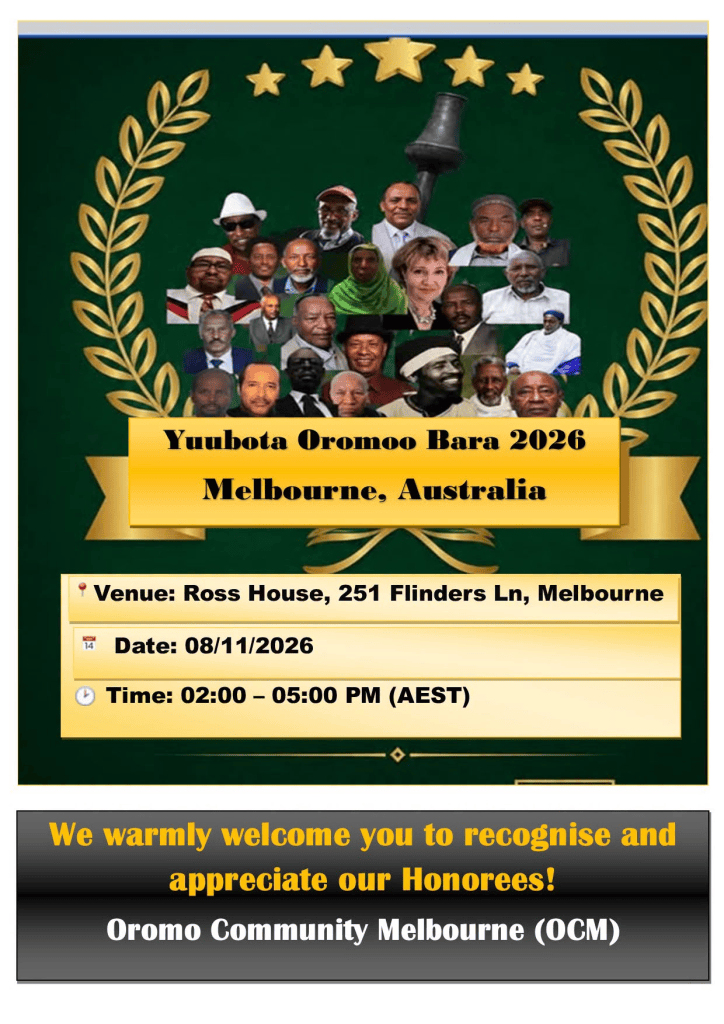
MELBOURNE — The Oromo Community Melbourne (OCM) has announced that it will formally recognise and honour four Oromo Australians for their significant contributions to strengthening and advancing Oromummaa.
The recognition ceremony, part of the 2026 Oromo Community Recognition Program, will be held on Sunday, 8 November 2026, from 2:00 pm to 5:00 pm at Ross House, 251 Flinders Lane, Melbourne.
A Recognition of Service and Commitment
According to a statement released by the Oromo Community Melbourne, the honorees have been selected by the Oromo Community Recognition Committee (USA), which has, over recent years, been evaluating and acknowledging—through various means—the Oromo Australians who have made significant contributions to strengthening and advancing Oromummaa in their communities.
This year, the Committee has selected four honorees from the region and has prepared certificates of recognition and appreciation for them. To make this possible, representatives have been dispatched to the local committee to officiate the ceremony.
“Just as they have stood with integrity to bestow honour and recognition, we too are invited to join them in delivering this message with respect and celebration,” the OCM statement read.
Event Details
The ceremony will take place at one of Melbourne’s well-known community venues, Ross House, located at 251 Flinders Lane in the heart of the city. The event is expected to bring together community members, elders, youth, and invited guests for an afternoon of celebration, reflection, and cultural affirmation.
- 📍 Venue: Ross House, 251 Flinders Lane, Melbourne
- 📅 Date: Sunday, 8 November 2026
- 🕑 Time: 2:00 pm – 5:00 pm (AEST)
A Call to the Community
The Oromo Community Melbourne has extended a warm invitation to all members of the community and friends of Oromo to attend the ceremony and join in honouring the recipients.
“Oromo Community Melbourne (OCM) warmly welcomes you!” the statement concluded.
The recognition of these four individuals is a testament to the enduring commitment of the Oromo diaspora in Australia to preserving, strengthening, and advancing Oromummaa—a commitment that finds expression not only in celebrations such as this, but in the daily work of community building, cultural transmission, and service to the nation.
For more information, please contact the Oromo Community Melbourne on 0422 137812 or visit the event page of the community. All are welcome. 🎉

The Silence of the Press: Ethiopia’s Media Authority Suspends The Reporter Indefinitely

In a decision that rights advocates are calling a watershed moment for press freedom, the Ethiopian Media Authority has revoked the registration of one of the country’s most storied independent news brands — and the clock on its silence has no end date
By Daandii Ragabaa
—
ADDIS ABABA — For more than two decades, The Reporter has been a fixture of Ethiopian public life — a bilingual newspaper that carried investigative reporting, analysis, and the kind of scrutiny that powerful institutions rarely welcome. Its Amharic edition, its English edition, and its digital platforms together formed one of the few remaining spaces where Ethiopian readers could encounter reporting not calibrated to official messaging.
That space, as of this week, has been declared closed.
The Ethiopian Media Authority announced that it has indefinitely suspended the registration certificate of The Reporter — encompassing the Amharic-language Reporter, the English-language The Reporter, and the Ethiopia Reporter digital platforms — effective from the 23rd of the month. The suspension has no stated end date. The institution has been barred from all printing and publishing activity.
A Decision in Full
The Media Authority grounded its decision in the powers granted to it under Proclamation No. 1238/2013, invoking a year of content monitoring that it says confirmed “repeated violations of the law and professional ethics.”
The violations cited are sweeping. The Authority accused the publication of disseminating content contrary to the country’s national interest; of fomenting confusion among the public by inflating political and economic issues; and of spreading distorted information that exerts a negative influence on foreign investment, tourism, and diplomacy. It further stated that the publication had persisted in offering unbalanced reporting that tarnished the country’s image.
According to the announcement, the Authority had previously engaged with the media outlet’s owners and editors, held discussions, and issued final warnings in an effort to secure corrections. But no improvement was observed in the content, it said — and so the suspension was imposed.
A Familiar Script, a Higher Stakes
The language of the decision will be familiar to anyone who has followed Ethiopia’s media landscape in recent years. The Authority has used similar formulations to justify the suspension of other outlets — most prominently Tigray TV, which was shut down indefinitely in the aftermath of the breakdown of the Pretoria Agreement. Earlier this month, the Authority also indefinitely suspended the registration of another independent publication, Addis Standard.
What distinguishes the suspension of The Reporter is not the language but the institution. The Reporter is not a partisan outlet or a niche platform. It is one of the oldest and most established independent newspapers in the country — a publication that has, over the years, trained generations of Ethiopian journalists, hosted debate, and maintained a reputation for professional rigor that even its critics acknowledge.
The closure of a newspaper is never merely the closure of an office. It is the closure of a habit of reading, of a community of writers, of a memory of what independent journalism in Ethiopia can look like.
“National Interest” and the Moving Line
The Authority’s invocation of “national interest” is the crux of the matter, and the source of deepest concern among press-freedom advocates.
The concept is not defined in the announcement. It does not need to be. In practice, “national interest” functions as a moving line — one whose location is determined by the regulator, in the moment, according to criteria it does not disclose. A report on a security operation may be said to endanger national interest. An analysis of economic policy may be said to foment confusion. An investigation into official misconduct may be said to tarnish the country’s image.
The problem with such a standard is not that it is applied too strictly. It is that it cannot be contested. There is no counter-argument the accused can offer against a criterion whose content is never specified. The Authority’s decision cites a year of monitoring, but the monitoring methodology, the specific articles found wanting, and the reasoning connecting them to the cited violations are not made public.
The result is a regulatory environment in which a newspaper can be shut down without ever knowing exactly which words condemned it — and in which every other publication is left to guess.
The Wider Context
The suspension of The Reporter did not happen in a vacuum. It follows a pattern that has accelerated in recent months.
In January, Haymanot Zeleke was appointed Director of the Ethiopian Media Authority — a figure with a long career inside Ethiopia’s state media apparatus, who had previously enumerated the categories of content she considered violations: obscenity, content harmful to youth, disrespect toward women, unverified sourcing. The board of the Authority is chaired by Redwan Hussein, who simultaneously serves as Director General of the National Intelligence and Security Service — an arrangement whose implications for press freedom are difficult to overstate.
In September, Tigray TV was suspended indefinitely and barred as a source. This month, Addis Standard was suspended. This week, The Reporter. The sequence is not random. It is a consolidation — a steady, methodical narrowing of the space in which independent journalism can operate.
Meanwhile, the country’s political and security situation remains fragile: the collapse of the Pretoria Agreement, renewed fighting in the north, a restive Oromia, and strained relations with Eritrea. In such moments, the temptation to treat information as a weapon to be controlled rather than a public good to be protected is at its strongest.
What the Newspaper Leaves Behind
The Reporter’s closure will not be felt immediately in the way a power outage or a road closure is felt. Its absence will accumulate slowly, in the stories that go unreported, the questions that go unasked, the readers who gradually forget that a newspaper once held the powerful to account.
But for the journalists who worked there, the end is immediate. Their bylines are suspended. Their investigations — some of them months or years in the making — are frozen. Their sources, who trusted them, are left exposed. And their colleagues at other publications are left with a single, inescapable question: am I next?
The Authority has framed its decision as a matter of law and professional ethics. The newspaper’s defenders frame it as a matter of survival — of an independent press in a country that has never fully allowed one to flourish. Both framings can be true at once. What cannot be disputed is that a newspaper that existed last week does not exist this week, and that the decision to end it was made by an institution whose chairman also runs the country’s intelligence service.
The Reporter’s presses have gone quiet. The question now is how long the silence will last — and who will be left to break it.
—
The Ethiopian Media Authority’s decision was announced in an official statement. The Reporter has not issued a public response at the time of publication.

The Price of Truth: When Telling the Story Costs Everything
On the International Day to End Impunity, the UN chief sounds an alarm: journalists are being harassed, surveilled, sued, attacked, imprisoned — and sometimes killed — simply for doing their jobs
By Dhabessa Wakjira
—
They gather the news in war zones and city halls, in courtrooms and courthouse squares. They ask the uncomfortable questions, chase the paper trail, and knock on the doors of the powerful. And increasingly, for doing exactly that, they pay a devastating price.
On Monday, as the world marked the International Day to End Impunity for Crimes against Journalists, United Nations Secretary-General António Guterres issued a blunt and urgent appeal: the world must protect media professionals so they can carry out their essential work safely.
“Journalists continue to pay an outrageous price for telling the truth,” Guterres said, noting that reporters are routinely harassed, surveilled, sued, physically attacked or imprisoned — and sometimes even tortured or killed — simply for doing their jobs.
“Nothing should impede journalists’ ability to do their work, which is fundamental to human rights, democracy and the rule of law,” he added.
A Global Pattern of Pressure
The Secretary-General’s warning reflects a reality familiar to press-freedom organizations around the world. From authoritarian capitals to established democracies, journalists face a growing arsenal of tools designed to silence them: surveillance software deployed against reporters’ phones, defamation lawsuits engineered to bankrupt newsrooms, arbitrary detention, and, in the worst cases, physical violence that goes unpunished.
The day itself — established by the UN General Assembly in 2013 — commemorates the 2013 assassination of two French journalists, Ghislaine Dupont and Claude Verlon, killed in Mali. More than a decade later, the core problem it was designed to confront persists: the vast majority of crimes against journalists go unpunished, emboldening those who would harm them.
Impunity, press-freedom advocates argue, is the engine of the crisis. When attacks on journalists go unprosecuted, the message sent is unmistakable: the truth-teller is fair game.
“Fundamental to Human Rights, Democracy and the Rule of Law”
Guterres’ statement places journalists at the center of the democratic project — not as a special-interest group, but as an essential infrastructure of free societies. A free press holds governments accountable, exposes corruption, and gives citizens the information they need to make decisions about their own lives. When journalists are intimidated into silence, it is not only their rights that are violated — it is the public’s right to know.
That principle has particular resonance in a year that has seen journalists detained in record numbers, newsrooms raided, and reporters targeted online with coordinated campaigns of harassment and disinformation. In conflict zones, press insignia have offered little protection; in peacetime, legal harassment has become a favored weapon of the powerful.
A Call to Action
The UN chief’s message on Monday was less a commemoration than a call to action. Protecting journalists, he suggested, requires more than rhetoric — it demands that governments investigate attacks, prosecute perpetrators, and safeguard the legal and physical safety of media workers.
For the journalists still working the beat — the ones filing from conflict lines, sitting through court hearings, and requesting records that someone would prefer stay buried — the stakes are personal. Every story filed is an act of persistence. Every byline, a small assertion that the truth matters.
On this International Day to End Impunity, the message from the UN’s highest office was clear: the price journalists pay for telling the truth is already too high — and the world has a duty to bring it down.
—
This article was produced in recognition of the International Day to End Impunity for Crimes against Journalists, observed annually on November 2.

“The Worqitu We Saw at Moyale”: Oromo Identity, Boorana Women, and the Fire of Defiance
A viral message from the frontier of identity — celebrating the Boorana women who stand at the border of land and selfhood — has reignited a conversation about what it means to be Oromo, and who pays the price for defending it
By Daandii Ragabaa
—
It begins with a declaration, and it ends with a blessing.
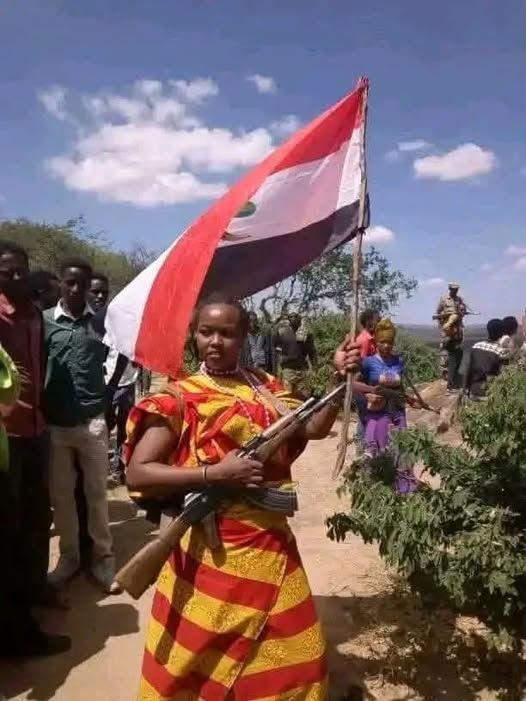
Across social media this week, an impassioned message written in Afaan Oromoo has been shared and reshared — a tribute to the Oromo spirit, to the fighters at Moyale, and above all to the women of Boorana who, in the words of the post, stand for their land and their identity.
“Every Oromo, if she/he is wounded for her/his Oromoness and defies the enemy in this way — even if we become a plaything for anyone’s mockery — behold, at Moyale we have seen many Worqitus ones who struggle for their border and their identity,” the message reads. “May their seed multiply, Abo.”
Then, a proverb, and a salute: “Sabni Hidhannoo qabu mataa gadii hin qabu” — a nation with a covenant holds its head high. “Baga kabachiiftan! Ammallee duratti!” — Congratulations! And forward, still forward! “Dubartii Boorana!!” — Boorana women!!
A Message from the Frontier
Moyale sits at the edge of things — a place where land, identity, and history press against one another. In the Oromo imagination, and particularly in Boorana memory, such places are not merely geography. They are archives. Every ridge and river carries the story of who belongs to the land and who has defended it.
The message’s reference to “the border” is therefore more than a line on a map. It is the boundary of belonging itself — the place where a people’s right to be who they are is tested.
And it is there, the message insists, that “golden ones” have been seen. The imagery is deliberate: gold in Oromo and Boorana oral tradition is not merely precious — it is enduring, tested by fire, and impossible to counterfeit. To call the women of Boorana “golden” is to say that their worth has been proven in the crucible.
“Dubartii Boorana” — The Women Who Carry the Nation
The exclamation that closes the message — Dubartii Boorana! — is both salute and summons. In Boorana society, women hold a distinct and honored place: custodians of tradition, keepers of the gadaa calendar’s moral memory, and, in moments of crisis, the ones who stiffen the spine of the community.
The message’s author understands this. By centering women in a tribute to resistance, the post quietly overturns the assumption that the story of struggle belongs only to men. It is the mothers, the daughters, the wives, and the sisters who transmit identity across generations — who teach a child what it means to be Oromo before any flag or border can.
“May their seed multiply” is thus not a casual blessing. It is a prayer for continuity — for the future itself.
The Weight of “Being a Plaything”
Perhaps the most striking line in the message is also its most painful: the acknowledgment that a people who fight for their identity may be mocked, dismissed, or made “a plaything” in the eyes of others.
It is a recognition born of experience. Oromo communities have long contended with marginalization, with the distortion of their history, and with the casual contempt of those who see identity assertion as inconvenient. The message does not deny this. Instead, it absorbs the mockery and answers it with dignity: even if we are mocked, behold what we have seen at Moyale.
There is an old strength in that posture — the strength of a people who have learned that dignity is not granted by others but claimed by oneself.
“A Nation with a Covenant Holds Its Head High”
The proverb at the heart of the message — Sabni Hidhannoo qabu mataa gadii hin qabu — is a key to understanding everything else.
Hidhannoo is covenant, bond, agreement — the sacred compact that binds a community to its values, its land, and its future. A nation with such a covenant, the proverb says, need never bow its head. It can look the world in the eye.
For the Oromo, that covenant is carried in the gadaa system, in the oral epics, in the shared memory of the Boorana and beyond. It is the reason the message can move so quickly from lament to triumph — from the wound to the blessing, from the mockery to the gold.
A Blessing That Travels
What makes this message remarkable is not only its content but its movement. Composed in Afaan Oromoo and shared across platforms, it travels from the specific — a place called Moyale, a people called Boorana — to the universal: the right of any people to defend who they are.
“Baga kabachiiftan! Ammallee duratti!” — Congratulations! Forward, still forward!
It is the language of a people who know that the struggle for identity is never finished, only renewed. And it is a reminder, as the message’s author clearly intends, that the “golden ones” are not only at Moyale. They are wherever an Oromo woman teaches her child the name of her people, wherever a community holds its head high, and wherever the covenant is remembered.
The seed, the blessing says, will multiply.
—
The message referenced in this feature was widely shared in Afaan Oromoo on social media. This article honors the sentiment expressed in that message and the communities it celebrates.

Who Speaks for the Oromo? A Scholar’s Challenge to the Single Story of Liberation
In a provocative new essay, Dr. Sultan Abda Neja argues that no party, army, or intellectual owns the Oromo struggle — and that true liberation may be measured by whether those who disagree with it are still free to speak
By Dhabessa Wakjira
It is a question that cuts to the heart of one of Africa’s most consequential political debates — and one that, until recently, was rarely asked so directly in public.
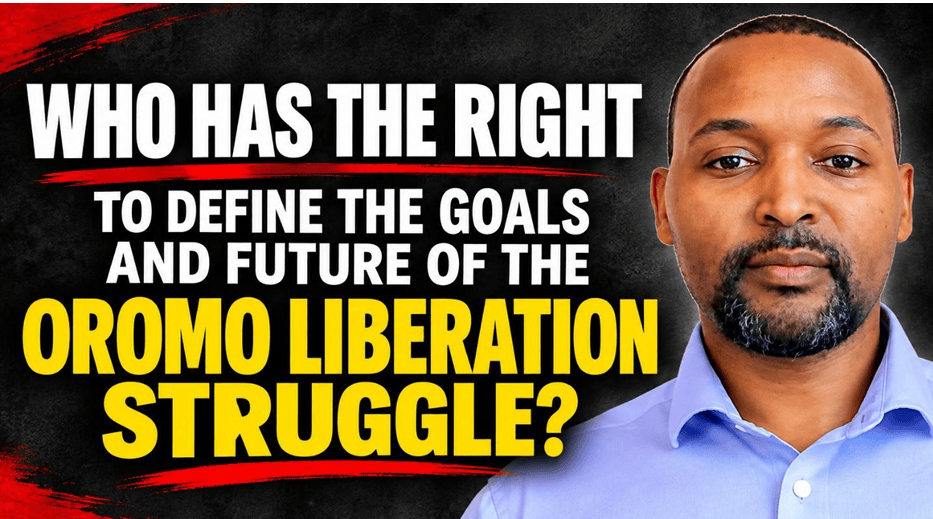
Who has the right to define the goals and future of the Oromo liberation struggle?
In a new essay by Dr. Sultan Abda Neja, published under that very title, the scholar and commentator does not simply answer the question. He dismantles the premise that it has a single answer at all.
His thesis is as simple as it is contentious: the Oromo people are not politically homogeneous, and no organization — not the Oromo Liberation Front, not the Oromo Federalist Congress, not the Prosperity Party, not the armed Oromo Liberation Army — holds an exclusive mandate to speak for them. The right to define the destination of a people’s struggle, he argues, belongs to the people themselves.
The Argument at Its Core
Dr. Neja’s essay opens by acknowledging what is beyond dispute: the Oromo have endured political domination, land dispossession, cultural marginalization, and unequal representation. These historical injustices, he writes, “laid the foundations of modern Oromo nationalism and the demand for self-determination.”
But he draws a careful distinction. Recognizing historical injustice, he argues, “does not automatically establish that dismantling Ethiopia is the only possible solution.” Nor does it prescribe a single political destination.
The essay takes direct aim at a tendency among some scholars, commentators, and activists to equate the political program of the OLF — independence for Oromia — with the aspirations of the entire Oromo nation. While acknowledging the OLF’s historic contribution, Dr. Neja insists that the struggle’s history is far more plural than its most vocal interpreters allow.
He traces that plurality through a gallery of figures and movements: Haile Fida of MEISON, who advocated socialist transformation and the resolution of the nationalities question; Hussein Suura of the Ethiopian National Liberation Front, which sought liberation for all Ethiopian peoples on the basis of equality regardless of ethnicity, religion, or class; and General Tadesse Birru and Mamo Mezemir of the Mecha-Tulema Self-Help Association, who pursued Oromo empowerment and education within Ethiopia before state repression radicalized their politics.
These figures, he argues, prove that “Oromo political aspirations were not exclusively associated with the pursuit of an independent Oromia.” They also included efforts to democratize and transform Ethiopia while defending Oromo identity and rights.
A Question of Mandate
The essay’s most pointed intervention concerns the relationship between armed struggle and democratic legitimacy.
The existence of the Oromo Liberation Army, Dr. Neja writes, “may reflect genuine grievances, political exclusion, insecurity, or the failure of democratic institutions.” These conditions deserve serious examination. But military strength, he argues, “does not automatically establish a democratic mandate to determine the political future of an entire population.”
Any movement claiming to fight for liberation, he insists, must explain what political order it intends to establish, how it will protect civilians, accommodate political disagreement, safeguard minority communities, and ensure accountability.
“A movement that claims to fight for the people’s freedom,” he writes, “must also defend their freedom to disagree with the movement itself.”
It is a standard he applies consistently — to the OLF and OLA, to the Prosperity Party, and to federalist organizations alike. The PP, he argues, “must be judged by its actual record in protecting Oromo rights and regional autonomy, not merely by the presence of Oromo politicians in government.” Federalists must demonstrate how their proposals can prevent renewed centralization while protecting the rights of all citizens.
Self-Determination Is Not a Synonym for Independence
At the heart of the essay lies a conceptual clarification that carries significant political weight.
Self-determination, Dr. Neja reminds readers, is a broad principle concerning the right of peoples to determine their political status and pursue their economic, social, and cultural development. It is enshrined in Article 1 of the International Covenant on Civil and Political Rights and recognized in Ethiopia’s 1995 Constitution, including the right to secession under Article 39.
Independence, he argues, is one expression of that right — but not the only conceivable outcome. Meaningful autonomy, democratic federalism, and constitutional reform may also realize collective political rights.
He also raises a practical warning. Secession from a multinational country in which Oromia itself is home to multiple Ethiopian nations and nationalities, he notes, carries “complex security and economic consequences.” The post-independence crises of Eritrea and South Sudan, he suggests, offer cautionary lessons.
The burden of argument, he insists, applies to everyone. Advocates of independence must explain how an independent state would guarantee democracy, security, economic opportunity, minority protection, and accountability. Advocates of federalism must show how federal institutions can protect genuine regional autonomy and prevent renewed centralization.
“You cannot defend the people’s right to self-determination,” he writes, “while denying them the freedom to reject your preferred political destination.”
Has Liberation Already Been Achieved?
The essay does not shy away from the question that divides Oromo politics most sharply today: whether the Oromo have already been substantially liberated, or whether liberation remains incomplete until a referendum decides between independence and continued membership in a democratic Ethiopian federation.
From the OLF’s traditional perspective, full liberation requires the freedom to determine political status, including the option of independence. Prime Minister Abiy Ahmed, by contrast, has argued that the central historical questions — recognition of Afaan Oromo, cultural identity, and regional self-administration — have been substantially addressed, leaving governance, democracy, security, and development as the unfinished challenges.
Dr. Neja does not declare a winner. He notes that the question of majority preference “would require credible public consultation.” But he observes that many Oromo political actors, including federalist advocates and some within the OLF and PP constituencies, increasingly emphasize democratizing the federation and strengthening Oromia’s constitutional autonomy rather than pursuing independence as an inevitable destination.
This, he writes, presents “a serious challenge to the traditional OLF narrative, particularly among younger generations who have grown up experiencing Afaan Oromo in education and regional administration.”
The Boundaries of Oromummaa
Perhaps the essay’s most delicate argument concerns identity itself.
Oromummaa, Dr. Neja writes, represents a shared sense of Oromo identity, historical experience, cultural belonging, and collective consciousness. It should not be transformed into an ideological instrument through which one organization determines who qualifies as a legitimate Oromo.
He surveys the diversity of Oromo thought on nationalism itself — from scholars who treat it as fuel for struggle to those skeptical of ethnic nationalism, and to the Prime Minister’s own criticism that Oromo nationalism “belittled the Oromo.” These differences, he suggests, are not evidence of authenticity or betrayal. They are evidence of intellectual life.
“Political disagreement is not betrayal,” he writes. “Supporting a different constitutional arrangement does not make someone less Oromo.”
An Oromo who supports independence is entitled to that preference. An Oromo who supports democratic multinational federalism is equally entitled. An Oromo who participates in the Prosperity Party “does not lose their Oromo identity because of that political choice.”
“Organizational loyalty is not the measure of national identity,” he writes, “and historical contribution is not an unlimited democratic mandate.”
From Resistance to Governance
The essay builds on Dr. Neja’s earlier work, From Resistance to Governance: Jawar Mohammed’s Progressive Patriotism and the Oromo’s Role in Redefining Ethiopian Nationalism, in which he explored the shift of Oromo political agency from resistance toward institution-building.
That shift, he argues, demands more than opposition. It requires demonstrating the capacity to build and sustain democratic institutions — accountable government, public security, economic opportunity, and democratic participation.
And it requires a willingness to answer hard questions. He poses two to those who present independence as the only legitimate solution: Would an independent Oromia permit its citizens to advocate a different constitutional arrangement, including a renewed relationship with Ethiopia? Would opposition parties compete freely, and would political opponents enjoy equal protection under the law?
He poses the mirror-image questions to those who defend the federal status quo: Would the federal government genuinely respect Oromia’s constitutional autonomy, even when regional leaders disagree with federal policies? Would citizens be free to criticize the government without being accused of undermining national unity?
“The democratic legitimacy of a state,” he concludes, “cannot be determined solely by whether it is independent, federal, or unitary. It must also be measured by whether citizens can participate freely in political life, challenge those in power, exercise their rights, and change their leaders peacefully.”
A Conclusion That Returns the Question
The essay ends where it began — with the people, not the organizations.
“The Oromo people need neither an imposed union nor an imposed independence,” Dr. Neja writes. “They need the freedom to choose their own political future.”
No intellectual, political party, or armed movement, he insists, has the exclusive right to make that choice on their behalf.
“That right belongs to the Oromo people themselves.”
It is a conclusion that will satisfy neither the movement’s staunchest partisans nor the government’s firmest defenders. But it is one that insists on something increasingly rare in polarized political debates: that the most radical act of liberation may be the willingness to let people disagree.
Dr. Sultan Abda Neja’s essay, “Who Has the Right to Define the Goals and Future of the Oromo Liberation Struggle?” is available in full through the author’s publication channels.
The full article can be viewed as follow:

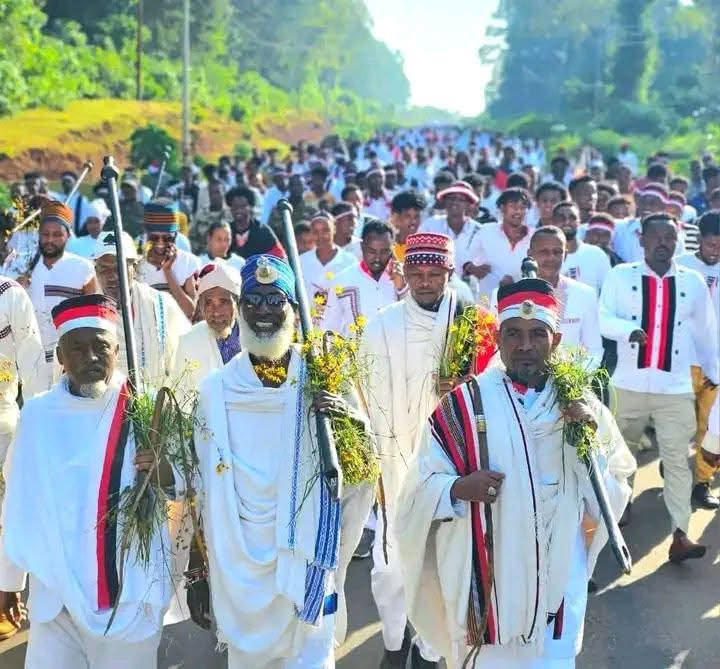
Irreecha Malkaa Daabanaa Celebrated with Tradition in Bedelle
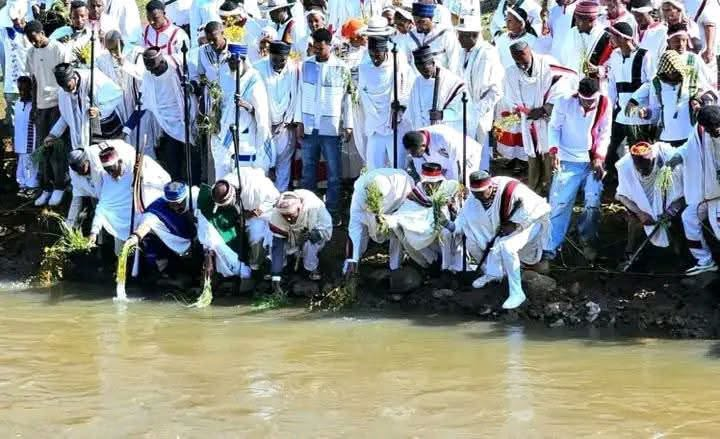
Birbirsa Lakkuu, Bedelle District — Under the open sky and amid the resonant chants of thanksgiving, the Irreecha Malkaa Daabanaa festival was celebrated in Birbirsa Lakkuu, in the Bedelle district of the South West Oromia Zone, with the traditional rites of the festival observed in full.
The celebration drew together elders, Abbaa Gadaa, community leaders, and thousands of participants who gathered to honor one of the most cherished cultural and spiritual traditions of the Oromo people. From the early hours of the morning, the grounds of Birbirsa Lakkuu filled with color, song, and the scent of fresh grass and flowers — symbols of renewal and gratitude that lie at the heart of Irreecha.
Speaking at the celebration, Abbaa Gadaa Maccaa, Abbaa Gadaa Warqinaa Tarreessaa, said that Irreecha demonstrates Oromo identity and strengthens coexistence among the Oromo people and other nations. He emphasized that the festival is more than a cultural gathering — it is a living expression of unity, mutual respect, and shared humanity.
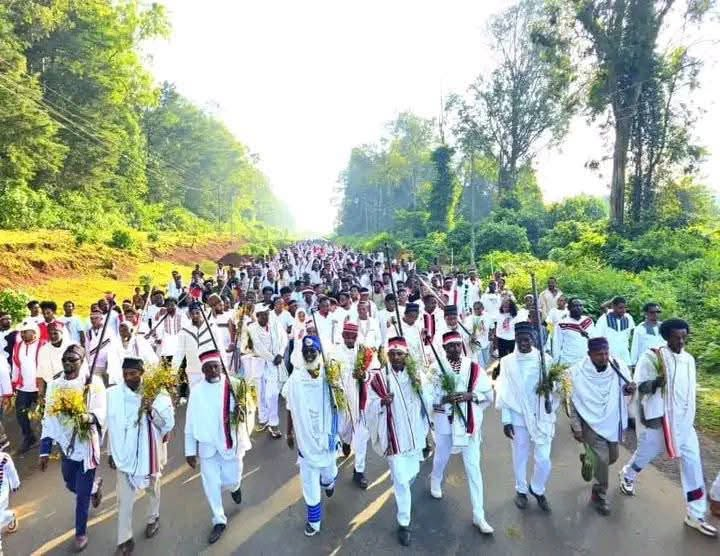
He further noted that Oromo tradition and culture are a source of democracy, a path to peace, and therefore the current generation should embrace Oromo tradition early and use it to empower themselves. The values embedded in the Gadaa system, he explained, offer timeless lessons in governance, justice, and social harmony that remain deeply relevant today.
The Abbaa Gadaa and participants of the festival stated that they are working to strengthen the traditions of Irreecha and pass them on to the younger generation. They stressed that the youth — the custodians of tomorrow — must be actively engaged in learning and practicing these traditions so that the cultural heritage of the Oromo people continues to flourish for generations to come.
For the community of Bedelle, the celebration was a powerful reminder of the enduring bond between the people and their land, their faith, and their history. As participants departed with blessings and renewed hope, the message of Irreecha Malkaa Daabanaa echoed far beyond the festival grounds: a call to unity, peace, and the preservation of a proud and living heritage.