A Giant Returns to the Soil: Abbaa Gadaa Liiban Jaldessa Laid to Rest in Areero (1967-2026)
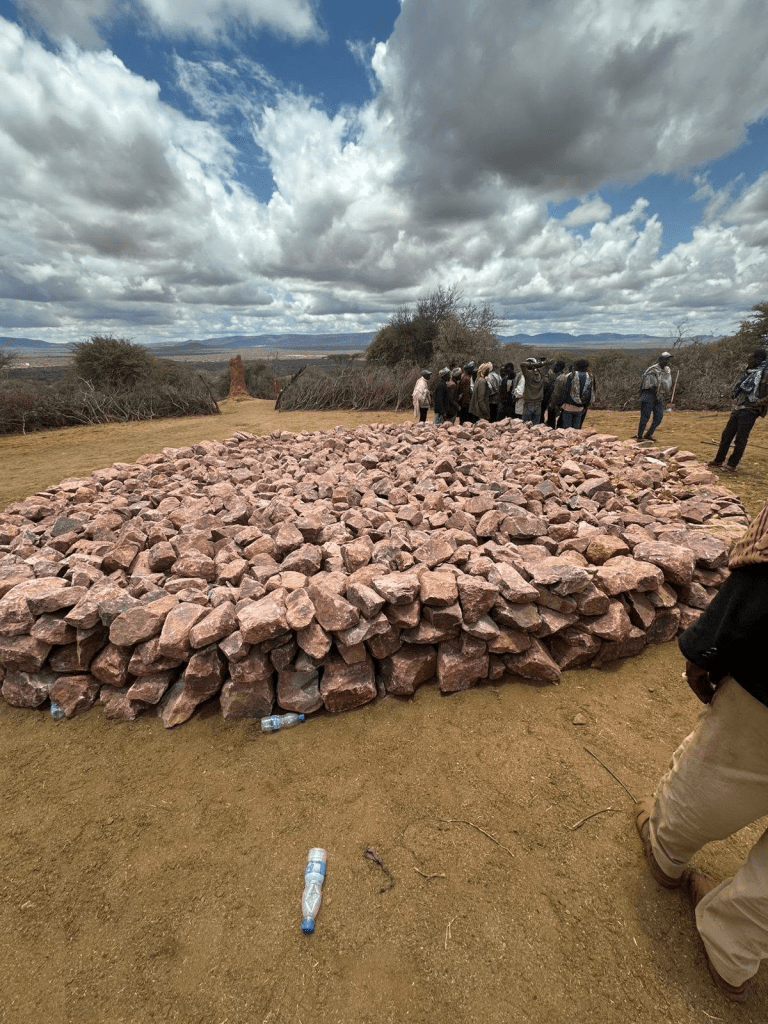
The plains of Areero, under the vast and unyielding sky of Borana, fell silent. The echoes of cattle bells and the murmur of the wind through ancient acacia trees seemed to pause, as a community—and indeed, a nation—gathered to bid farewell to one of its greatest sons. Abbaa Gadaa Liiban Jaldessa, the 69th custodian of the sacred Gadaa staff and a revered guardian of Oromo law, was laid to rest in his homeland on a somber day that marked the end of an era.
At the age of 59, the leader whose life was a testament to the enduring strength of indigenous governance passed away on December 29, 2026, while receiving medical treatment in Addis Ababa. His death sent a wave of profound grief—a Rifuu—from the highlands of Ethiopia to the savannahs of Kenya, a sorrow felt by all who knew the weight of his wisdom and the depth of his commitment.
A Life of Service to the Gadaa
Liiban Jaldessa was more than a leader; he was the embodiment of the Gadaa system’s highest ideals. As the 69th Abbaa Gadaa, he was a living constitution, a judge, a father, and a protector of the Borana people. His life was dedicated to the preservation and advancement of the ancient Oromo governance system, which for centuries has stood as one of the world’s most sophisticated indigenous democracies.
Gadaa elders and scholars who paid tribute to him spoke of a man of unwavering principle. He was described as a “pillar of the community,” a leader whose influence extended far beyond the ceremonial. His tenure was marked by a fierce dedication to justice, the protection of Oromia’s historic boundaries, and the strengthening of the social fabric that binds Oromo communities across the borders of Ethiopia and Kenya.
Reviving the Ancient Assembly
Among his most significant achievements was the revival of the Dibbee Eeldalloo Assembly, a crucial Gadaa institution that had lain dormant for several generations. This assembly is not merely a meeting; it is the heart of Oromo democracy, where elders and community members gather to deliberate on matters of law, peace, and the future of the people.
By breathing new life into this ancient forum, Abbaa Gadaa Liiban ensured that the voice of the people would continue to be heard. He re-established a critical channel for justice and reconciliation, reaffirming that true governance is not imposed from above but emerges from the collective wisdom of the community. This act alone cemented his legacy as a unifier and a visionary.
A Leader for All
The attendance at his funeral was a powerful testament to the reach of his influence. Gadaa leaders from across the region stood alongside government officials, and a vast sea of public mourners from both Ethiopia and Kenya came to pay their final respects.
A notable presence was that of Marsabit Governor Mohamed Mohamud Ali, whose attendance underscored the cross-border significance of Abbaa Gadaa Liiban’s work. Governor Ali honored the leader’s immense contributions to fostering peaceful and cooperative relations between communities living on either side of the national border. He called on all who were present to uphold Liiban’s legacy of unity, emphasizing that the bonds he forged should be sustained and strengthened for generations to come.
This intergovernmental and cross-border presence highlighted a profound truth: Abbaa Gadaa Liiban was not just a leader of the Borana, but a symbol of peace and cooperation for the entire region.
A Legacy Etched in the Land
Abbaa Gadaa Liiban Jaldessa left behind a large and proud family—50 children, 13 sons and 37 daughters—who carry his name and his spirit into the future. But his true legacy is woven into the very fabric of the Oromo nation.
He was a man who stood firm in the face of challenges, who walked the length of disputed borders to assert his people’s claims, and who worked tirelessly to ensure that the “Habesha” label would not diminish the proud, independent identity of his people. He believed in the Gadaa’s power to resolve conflict, its wisdom to guide the community, and its resilience to survive through the ages.
As the earth of Areero received his body, the community received his spirit. His final message, his Dhaamsa, is a call to action: to remain united, to uphold the law, and to continue the struggle for justice and recognition.
The Farewell of a Nation
The burial ceremony in Areero was more than a funeral; it was a declaration. It was a declaration that the Gadaa system lives on, that its leaders are honored, and that its traditions will not fade into history. It was a declaration that the Oromo people, from the plains of Borana to the hills of Kenya, stand together.
In the words of the elders who mourned him, “Mataan Dhalootaa Lafa Ga’e Du’aan Lafa Hinhanqatu”—”The head of a generation that has touched the ground does not leave the ground empty.” Abbaa Gadaa Liiban Jaldessa touched the ground with his life, and his legacy will continue to grow from the soil of his homeland.
The son of Borana has returned to his ancestors. But for his people, he is not gone. He has become a star in their sky, a voice in their council, and a timeless guide for the path ahead.

Posted on September 1, 2026, in Aadaa, Afaan, Events, gadaa, Grief Support, Information, Kindness, Language, News, Obituary. Bookmark the permalink. Leave a comment.






Leave a comment
Comments 0