Irreechaa: The Annual Oromo Thanksgiving and Prayer to Waaqa
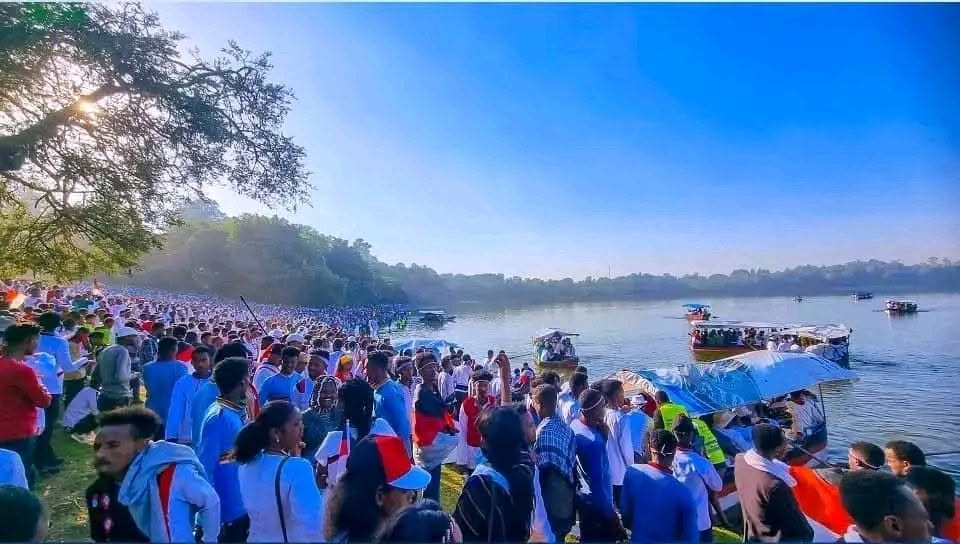
Oromia, Ethiopia — Across the highlands and lowlands of Oromia, and in Oromo communities scattered across the globe, millions gather each year to celebrate Irreechaa — the annual Thanksgiving Day and prayer of the Oromo people. It is a festival of gratitude, renewal, and unity, deeply rooted in the spiritual and cultural life of the Oromo nation.
A Celebration of Gratitude
Irreechaa is celebrated for all things that Waaqaa has done for people — bringing rain, peace, health, fertility, abundance, and the beautiful weather they have obtained. It is a time to pause, reflect, and give thanks for the blessings of the past year.
The festival is not merely a ritual; it is an expression of the Oromo people’s profound connection to the divine and to the natural world. Every drop of rain, every harvest, every moment of peace is recognized as a gift from Waaqaa, and Irreechaa is the community’s collective response of gratitude.
Welcoming the New Season
Moreover, the Oromo people celebrate Irreechaa not only to thank God but also to welcome the new season of plentiful harvests after the dark rainy season. It is a celebration that associates with nature and all creatures — a reminder that humanity is part of a larger web of life, bound to the rhythms of the earth and the skies.
Irreechaa marks the transition from Ganna (the rainy season) to Birraa (the spring) — a time when the land awakens, flowers bloom, and the promise of abundance fills the air. It is a festival of hope, a celebration of renewal, and a welcome to the new year.
Sacred Sites of Ritual
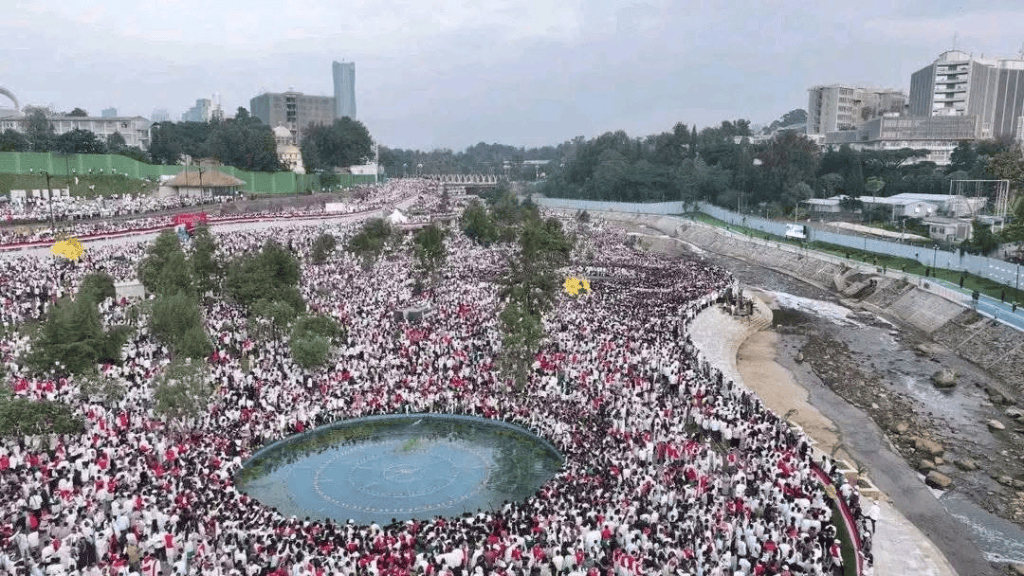
The Irreechaa ritual is conducted at different places; mainly, it takes place in two major areas: Irreechaa Malkaa (at the side of a river) and Irreechaa Tulluu (on a mountain). These two types of Irreechaa are formal and represent the most common sites of ritual among the Oromo people everywhere.
At Irreechaa Malkaa, communities gather at the water’s edge — rivers, lakes, and streams — to dip fresh green grass and flowers into the water, symbolizing purification, renewal, and thanksgiving. The water carries their prayers to Waaqaa, and the grass represents the life and fertility that the community seeks.
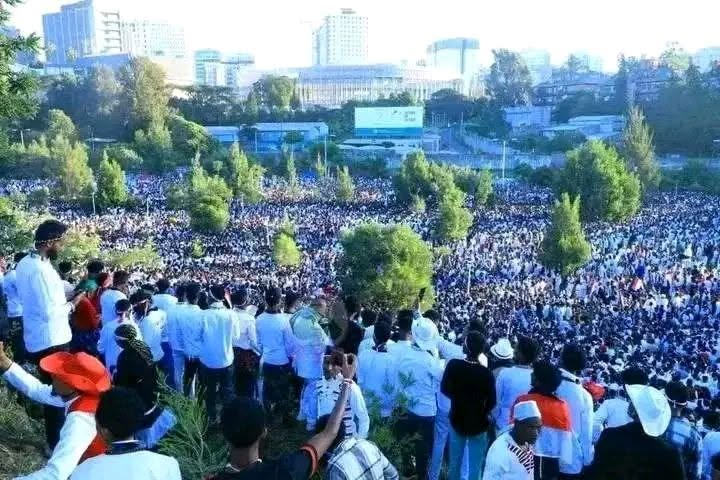
At Irreechaa Tulluu, communities ascend mountains and hills to pray and give thanks at higher ground — closer to the heavens, closer to Waaqaa. The mountain symbolizes strength, endurance, and the elevated spirit of a people who have weathered many storms.
Both forms of Irreechaa are sacred, and both are observed with deep reverence, traditional songs, and communal participation.
A Tradition Passed Down Through Generations
Irreechaa has been celebrated by the Oromo for generations. It has survived years of oppression and systemic subjugation, preserved in the hearts of the people and passed down to the present generation. Today, it stands as a testament to the resilience of Oromo culture and the unbreakable spirit of the Oromo nation.
A Festival for All
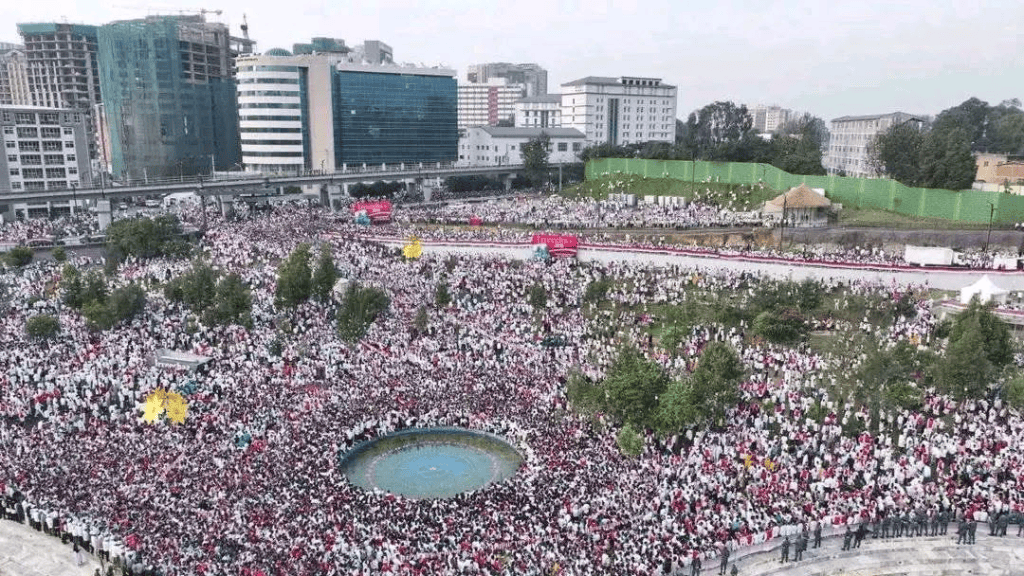
Irreechaa is not only for the Oromo people. It is a celebration that welcomes all — a festival of peace, unity, and gratitude that transcends boundaries of ethnicity, religion, and geography. The Oromo people, found across the world, are known for celebrating Irreechaa together in a shared and unified manner, and they extend an open invitation to all who wish to join.
A Living Heritage
Irreechaa is more than a festival. It is a living heritage — a bridge between the past and the future, between the human and the divine, between the individual and the community. It is a day of thanksgiving, a day of prayer, and a day of joy.
As the green grass is dipped into the water and the songs rise to the heavens, the Oromo people affirm once again their faith in Waaqaa, their love for their culture, and their hope for the year to come.
Baga Irreechaa! Baga Birraa!
Source: Oromo Cultural Heritage

Posted on September 22, 2026, in Aadaa, Afaan, Events, Finfinne, freedom, Information, Language, Media, News, Oromia, Press Release, Promotion. Bookmark the permalink. Leave a comment.






Leave a comment
Comments 0