Daily Archives: November 24, 2026

Festival of Lights: Victorian Thai Community Celebrates Loi Krathong
By Dhabessa Wakjira
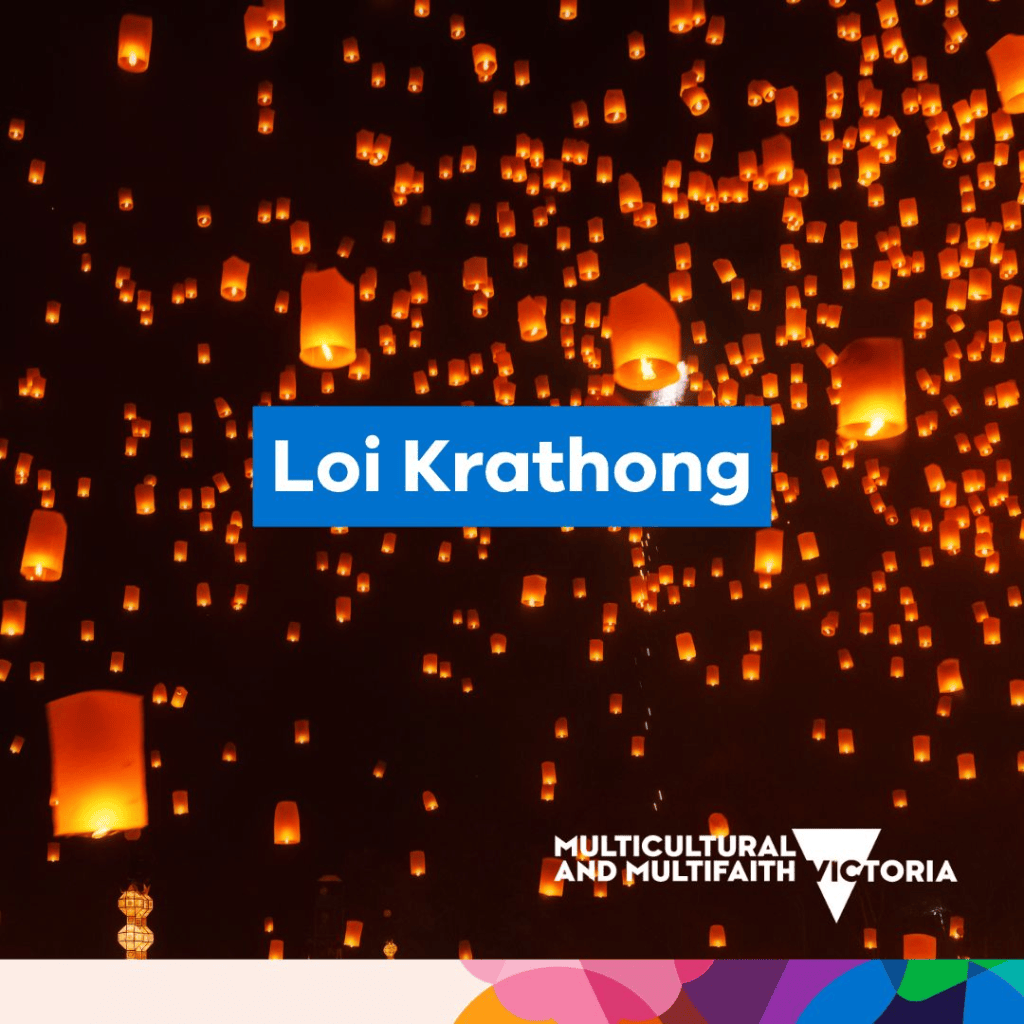
[Melbourne, Victoria] – As evening falls and the waters of Victoria’s rivers and lakes begin to shimmer with the glow of countless candles, Thai communities across the state come together to celebrate one of their most cherished traditions: Loi Krathong. Known worldwide as the Festival of Lights, this ancient celebration is a time for gratitude, reflection, and the embrace of new beginnings.
A Festival of Gratitude and Renewal
Loi Krathong, which translates roughly to “floating banana leaf cup,” is celebrated annually on the evening of the full moon of the twelfth lunar month, typically falling in November. The festival is deeply rooted in Thai culture and is observed with profound reverence and joy.
At its heart, Loi Krathong is an expression of gratitude. Participants thank the water goddess, Phra Mae Khongkha, for providing life-sustaining water throughout the year. It is also a moment to reflect on the past—acknowledging mistakes, releasing burdens, and seeking forgiveness—while welcoming new beginnings with hope and optimism.
Krathongs: Symbols of Hope and Letting Go
The central ritual of the festival involves the creation and floating of krathongs. These small, intricately crafted vessels are traditionally made from banana leaves and contain candles, incense sticks, flowers, and sometimes coins. As participants gently place their krathongs on the water, they make wishes and release their worries, symbolizing the letting go of negativity and the welcoming of good fortune.
The sight of hundreds of flickering candles drifting across the water is a breathtaking spectacle, a visual representation of collective hope and unity. For Thai communities, it is a moment of profound spiritual connection—to nature, to tradition, and to one another.
Celebrating Across Victoria
In Victoria, the Thai community has embraced Loi Krathong as an opportunity to share their rich cultural heritage with the broader public. Events across the state bring together Thai-Australians and friends of Thailand to partake in the beauty and meaning of the festival.
These celebrations feature traditional Thai music and dance performances, delicious Thai cuisine, and of course, the creation and floating of krathongs. They are a testament to the vibrancy and resilience of the Thai diaspora in Australia and a reminder of the importance of cultural preservation and sharing.
A Message of Unity and Warmth
As krathongs are set afloat on Victoria’s waterways, they carry with them the warm wishes of an entire community. The festival is a time to come together—regardless of background—to celebrate a shared humanity and the universal desire for peace, prosperity, and new beginnings.
To all those celebrating Loi Krathong, we extend our warmest wishes. May the light of your krathongs illuminate the path ahead, may your reflections bring clarity and peace, and may the new beginnings you welcome be filled with joy and promise.
Conclusion
Loi Krathong is more than a festival; it is a living expression of Thai identity, spirituality, and community. As the candles flicker and drift downstream, they remind us of the beauty of letting go and the power of hope. In Victoria and beyond, the Festival of Lights continues to shine brightly, uniting hearts and cultures in a shared celebration of life and renewal.
This feature article is based on a Loi Krathong greeting message shared with Thai communities across Victoria.

Preserving Oromo Identity: A Call to Resist Religious Co-optation and Defend Cultural Heritage
By Bona Oromia
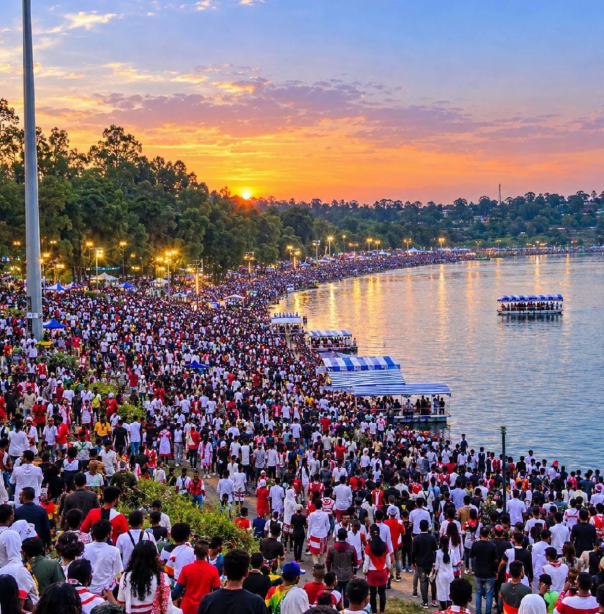
[FINFINNE] – In the complex tapestry of Ethiopia’s diverse nations, the Oromo people stand at a critical juncture. A growing chorus of voices within the community is raising alarm over what they describe as a systematic erosion of Oromo identity under the guise of religious movements. The message is clear and urgent: the Oromo people must protect their identity and culture, and they must not remain silent while their heritage is attacked in the name of faith.
Identity Under Siege
At the heart of this concern lies a troubling phenomenon: the use of religion as a vehicle to undermine Oromo identity. According to community advocates, certain actors are weaponizing religious narratives to cast aspersions on Oromo cultural practices, effectively stoning the very essence of what it means to be Oromo. This is not a matter of theological debate but a calculated assault on a people’s right to exist and express their cultural heritage.
The warning is stark: “The Oromo must protect their identity and culture. No one should stand by silently while stones are thrown at their identity in the name of religion.” This statement captures the frustration and resolve of those who see their cultural foundations being chipped away by forces that conflate religious devotion with cultural erasure.
Faith and Identity in Harmony
It is crucial to emphasize that this is not an attack on religion itself. The Oromo people are deeply religious, with vibrant communities of both Muslims and Christians. The call is not to reject faith but to ensure that religious practice and Oromo identity coexist harmoniously, without contradiction or conflict.
There are countless Oromo individuals who seamlessly integrate their religious beliefs with their cultural identity. They are Muslims who are proud Oromos. They are Christians who celebrate their Oromo heritage. These individuals represent the harmonious coexistence that is not only possible but flourishing within the community. They must be encouraged, celebrated, and held up as examples of how faith and culture can enrich one another rather than compete.
The Need for Vigilance and Dialogue
However, beyond celebrating this harmony, there is a pressing need for action. Those who use religion as a pretext to attack Oromo identity must be counseled and corrected. Dialogue, education, and community engagement are essential tools in this endeavor. It is not enough to simply disagree; there must be a concerted effort to engage with those who propagate divisive narratives and to guide them toward a more inclusive understanding of faith and identity.
The call for “advice and correction” is rooted in a belief that dialogue can bridge divides. But the message also carries a warning: those who refuse to listen, who persist in their attacks on Oromo identity, must face consequences. “For those who will not heed advice, we must establish a system,” the statement asserts. This suggests a need for community structures—whether legal, social, or cultural—that can hold accountable those who seek to undermine Oromo identity through religious manipulation.
A Defining Moment
This is a defining moment for the Oromo people. The preservation of identity is not a luxury but a necessity. Culture is the bedrock upon which communities build their futures. To allow it to be eroded—whether through violence, marginalization, or religious co-optation—is to risk losing the soul of a nation.
The Oromo people have a rich history, a vibrant language, and a culture that has survived centuries of challenge. That legacy must not be surrendered in the face of contemporary pressures. The call to action is clear: stand firm, speak out, engage in dialogue, and build systems that protect the cultural and identity rights of every Oromo person.
Conclusion
The path forward requires courage and unity. It requires the Oromo people to embrace their diversity—including their religious diversity—while standing resolutely against any attempt to use faith as a weapon against identity. It requires a commitment to dialogue and a willingness to hold accountable those who would sow division.
The message from within the community is unambiguous: the Oromo identity is worth defending. It is worth protecting. And it is worth preserving for generations to come. The time to act is now.
This feature article is based on statements circulating within Oromo community discussions on identity, religion, and cultural preservation.

Oromo Diaspora in London Rallies Against Human Rights Abuses in Ethiopia
By Bona Oromia
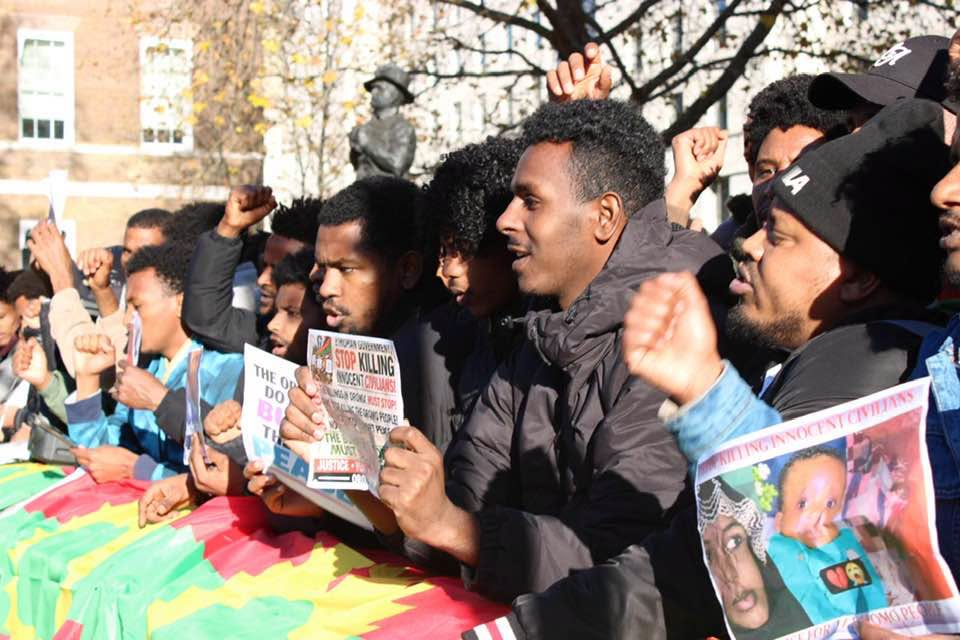
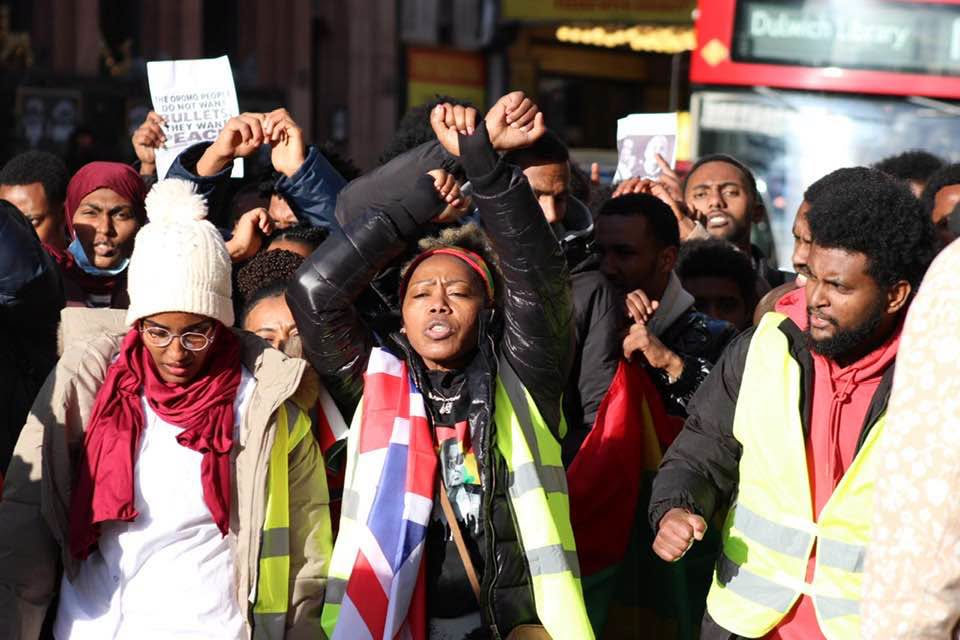
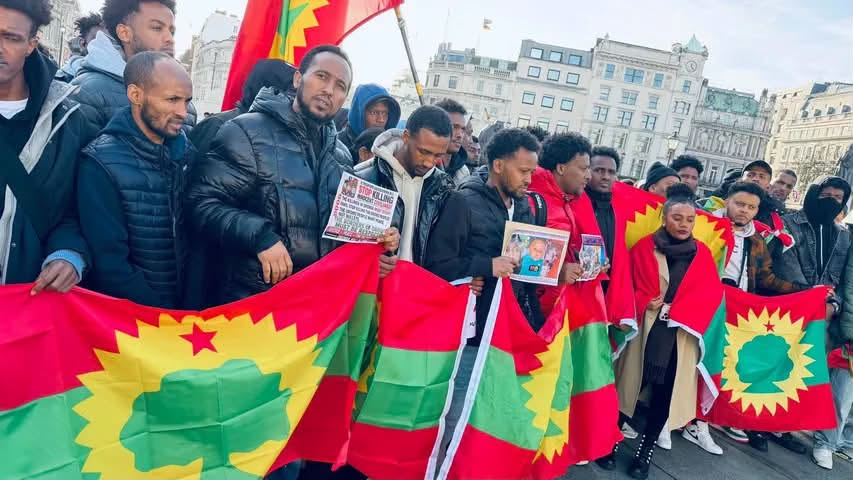
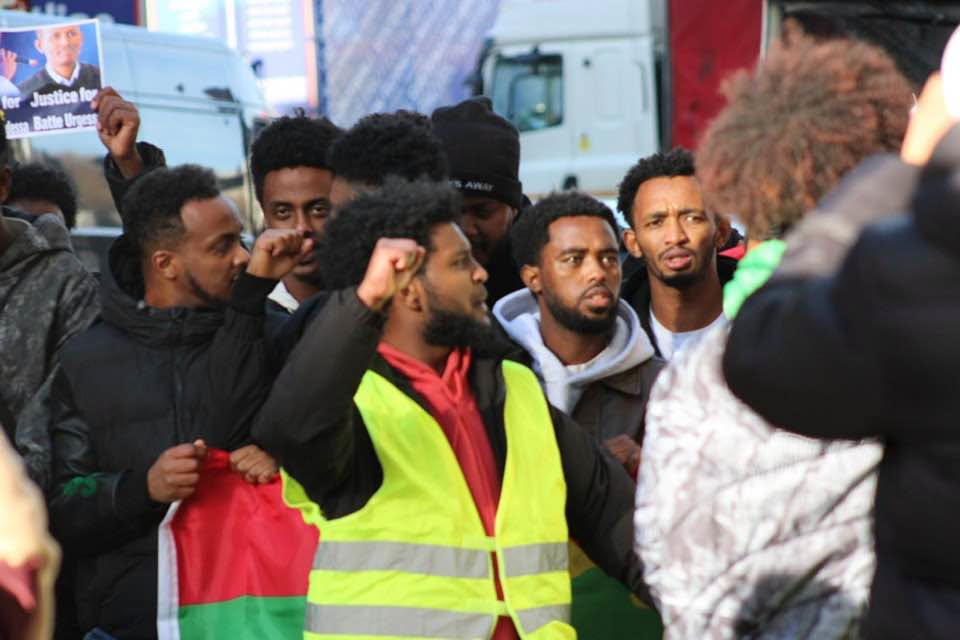
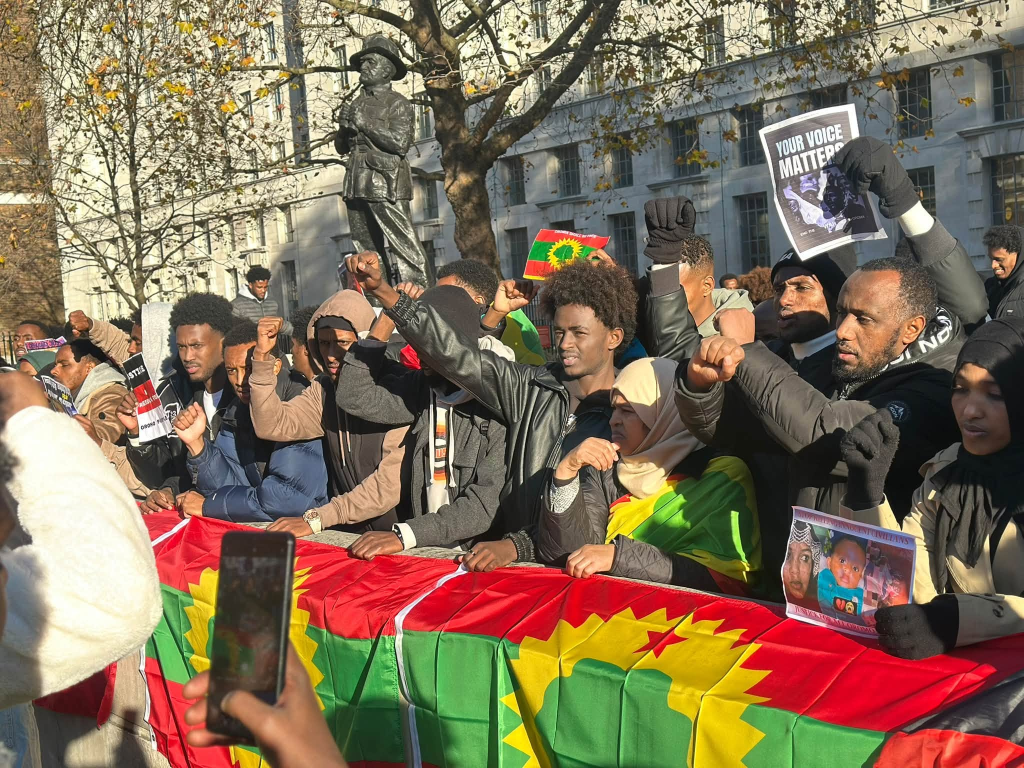
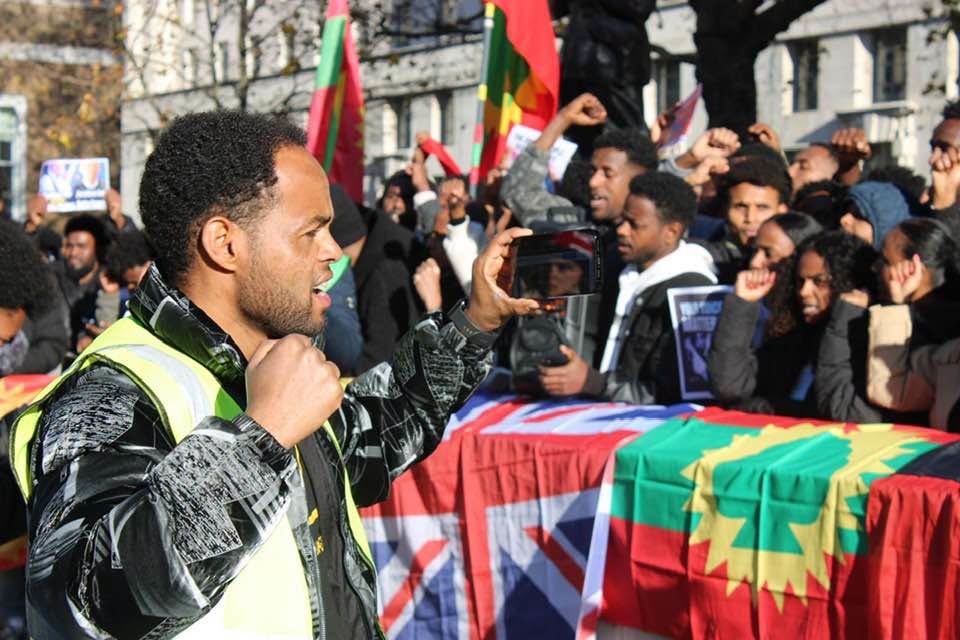
[London, UK – November 24, 2026] – The streets of London echoed with chants of justice and self-determination on Sunday as members of the Oromo diaspora gathered for a powerful protest against the ongoing human rights violations in Ethiopia’s Oromia region. The demonstration, held on November 23, 2026, drew Oromo communities from across the United Kingdom, united in their condemnation of the violence and displacement afflicting their homeland.
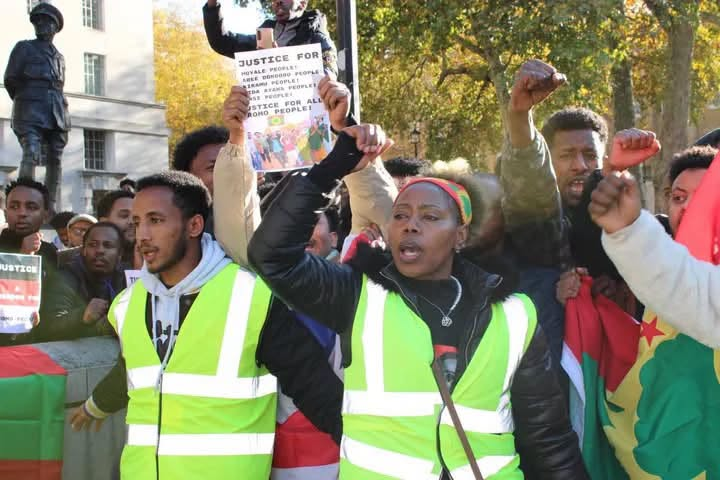
According to reports reaching the Oromia News Agency (ONA), the protest was organized to spotlight the deteriorating human rights situation in Oromia, with participants demanding immediate action from the international community. The rally was characterized by passionate calls for accountability and an end to the suffering of the Oromo people.
A Call for Identity and Justice
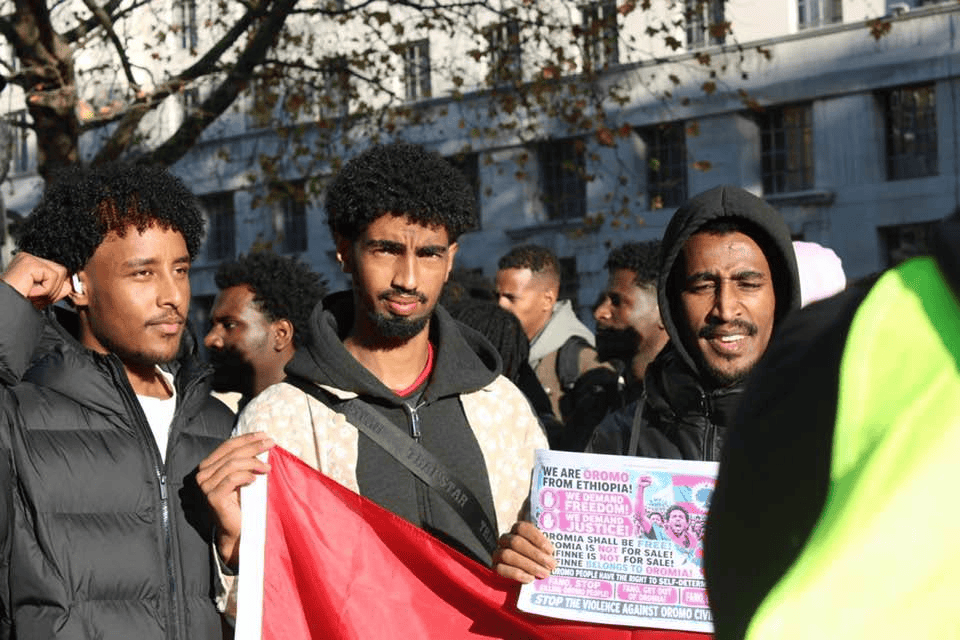
The protestors marched under the banner of their Oromo identity, declaring, “We are Oromos from Ethiopia!” This assertion of selfhood served as a powerful backdrop to their primary grievances: the widespread displacement and extrajudicial killings occurring across multiple zones of Oromia. The demonstrators specifically highlighted the regions of North Oromia, North West Oromia, West Oromia, East Oromia, South East Oromia, and South Oromia as areas of acute concern.
Particular attention was drawn to the horrific violence and forced displacement in the towns of Moyale, Kiramu, Miesso, and Shirk. These locations have become synonymous with the escalating humanitarian crisis, where civilians are reportedly caught in the crossfire of military operations and armed conflict.
Demands for Accountability and Protection
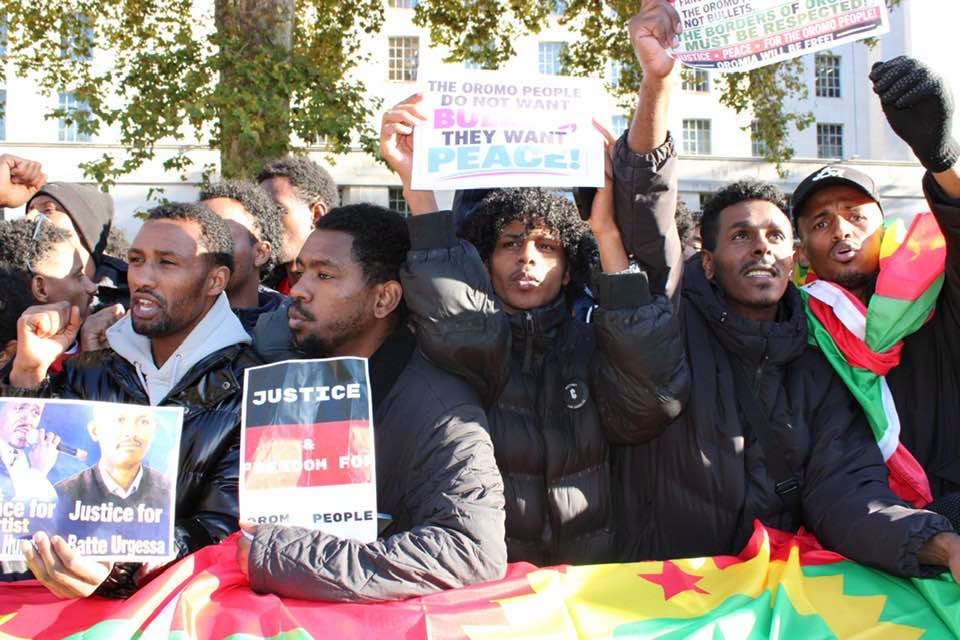
The rallying crowd presented a clear list of demands to the Ethiopian government and the international community. They called for an immediate halt to the killings in Oromia and urged the government to cease the forced recruitment of children into armed conflict. Furthermore, they demanded that the safety and human rights of the Oromo people be fully respected and upheld.
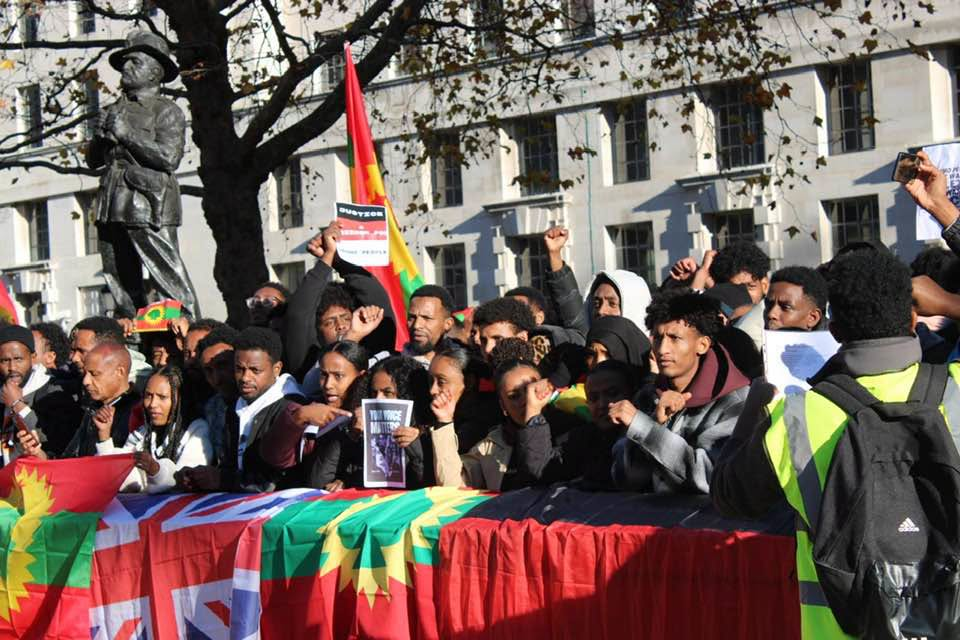
In a direct appeal to the international community, the protestors urged the United Kingdom government and the International Monetary Fund (IMF) to reconsider their financial support to the Ethiopian government. The demonstrators argued that such financial aid is being used to fuel a war machine rather than to address the dire humanitarian needs of the people. “This support is being used for war, not for our people who are in crisis,” they stated emphatically.
A Message of Self-Determination
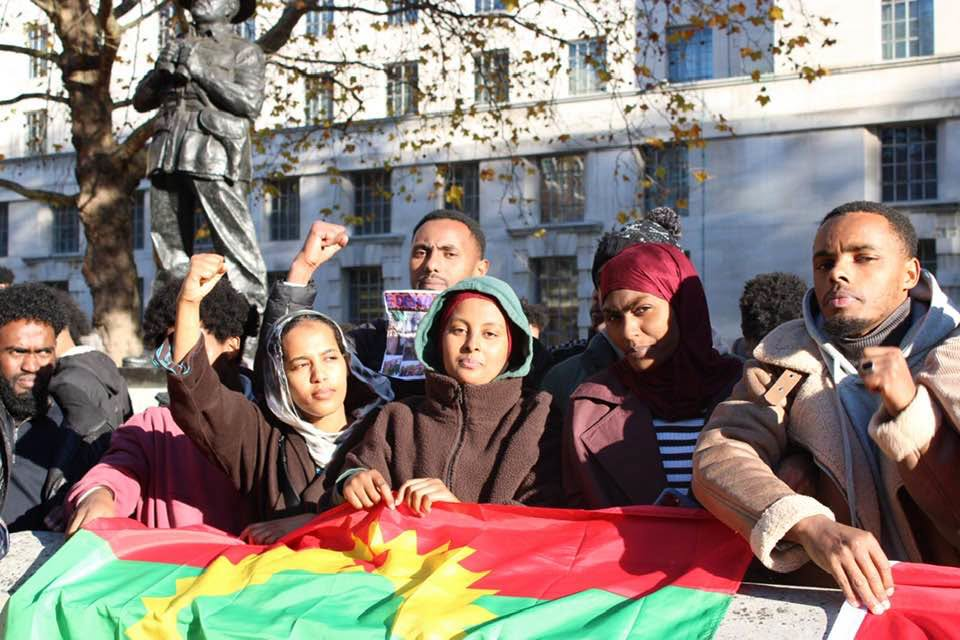
The rally was also a platform for the Oromo diaspora to voice their support for the Oromo Liberation Front (OLF) and to reiterate their ultimate political goal. The air was filled with slogans such as “Oromia is not for sale!”, “Oromia is a nation!”, “Oromia will be free!”, and the English-language chant “Self-Determination for the Oromo People.” These declarations underscored the movement’s fundamental demand for the right of the Oromo people to determine their own political future.
A Global Appeal
The London protest served as a microcosm of the growing global awareness of the Oromo crisis. By bringing their message to the heart of the UK’s capital, the diaspora community hopes to pressure Western governments and international institutions to take a firmer stance against the human rights abuses in Ethiopia. The demonstrators’ final message was a call for a peaceful resolution: the Ethiopian government must stop the war in Oromia and across the country, end the killings and displacements, respect human rights, and listen to the legitimate grievances of the Oromo people.
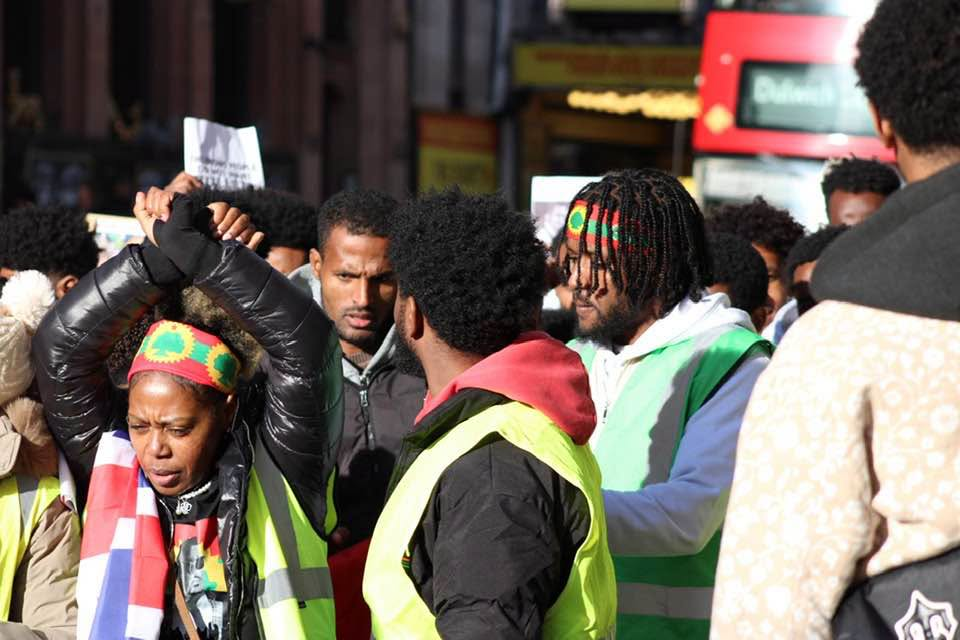
As the sun set on London, the chants faded, but the resolve of the Oromo diaspora remained steadfast. Their voices, amplified by the streets of a global city, carried a simple and urgent plea: justice for Oromia.