Daily Archives: November 9, 2026

Settlement Case Management: A Lifeline for Migrants and Refugees in Their Critical First Decade in Australia
By Bona Oromia
The first decade after arriving in Australia is a critical period that shapes a person’s ability to establish a secure livelihood, participate in their community, and build a future for themselves and their family. Yet, surprisingly, there has been little evidence about the settlement experiences, employment pathways, and economic circumstances of migrants and refugees during these formative years—until now.
The Critical First Decade: A Window of Opportunity and Vulnerability
For newly arrived migrants and refugees, the first ten years in Australia represent far more than a simple transition. They constitute a defining period during which the foundations of a new life are laid—or, too often, where vulnerabilities become entrenched. During this decade, newcomers must navigate unfamiliar systems, learn a new language, find employment, secure housing, access healthcare, and integrate into their new communities, all while often carrying the trauma of their past and the weight of responsibility for their families.
Research has consistently shown that the early years of settlement are decisive for long-term outcomes. Those who receive adequate support during this period are far more likely to achieve economic independence, participate fully in civic life, and contribute to the social and cultural fabric of their new home. Conversely, those who are left to navigate the complexities of settlement alone often face prolonged periods of disadvantage, social isolation, and economic hardship. The first decade is not merely a transitional phase—it is the foundation upon which the rest of a person’s life in Australia is built.
Settlement Case Management: Practical Assistance for Real-World Challenges
Settlement Case Management provides valuable practical assistance that speaks directly to the realities of settlement during migrants’ and refugees’ first decade in Australia. It is a service designed not around abstract theories but around the concrete, everyday challenges that newcomers face as they strive to rebuild their lives.
At its core, Settlement Case Management offers the ability to establish a secure livelihood, participate in the community, and build a future for oneself and one’s family. It does so by focusing on three interconnected pillars:
1. Establishing a Secure Livelihood
Settlement Case Management assists clients in finding stable employment, understanding their rights in the workplace, and developing the skills necessary to navigate the Australian labor market. Employment is not merely a source of income; it is a pathway to dignity, social connection, and belonging. The service recognizes that secure employment is the cornerstone of successful settlement.
2. Participating in the Community
Integration is not a one-way street. Settlement Case Management encourages and facilitates community participation—whether through volunteering, joining local groups, attending community events, or engaging with neighbors. This fosters a sense of belonging and helps newcomers build the social networks that are essential for long-term well-being.
3. Building a Future for Themselves and Their Families
Beyond immediate needs, Settlement Case Management supports clients in planning for the future. This includes financial literacy, education pathways for children, housing stability, and long-term career planning. The goal is not merely survival but thriving—helping families to plant roots and flourish in their new home.
Employment, Income Security, and Financial Wellbeing
A distinctive feature of Settlement Case Management is its focus on the economic dimensions of settlement—particularly employment experiences, income security, and financial wellbeing. These are not peripheral concerns; they are central to the ability of migrants and refugees to establish a secure livelihood and build a future for their families.
The service explores the factors that support or hinder settlement and economic participation. Through case management, service providers can identify the specific challenges that individual clients face—whether it be language barriers, lack of recognition of overseas qualifications, discrimination, trauma, or family responsibilities—and tailor support accordingly. Equally important, the service examines the factors that enable success. What are the characteristics of individuals, families, and communities that achieve positive settlement outcomes? What role do social networks, community organizations, and government policies play? By answering these questions, Settlement Case Management contributes to a broader understanding of how to design effective settlement policies and programs.
Dabessa’s Story: A Case Manager’s Perspective
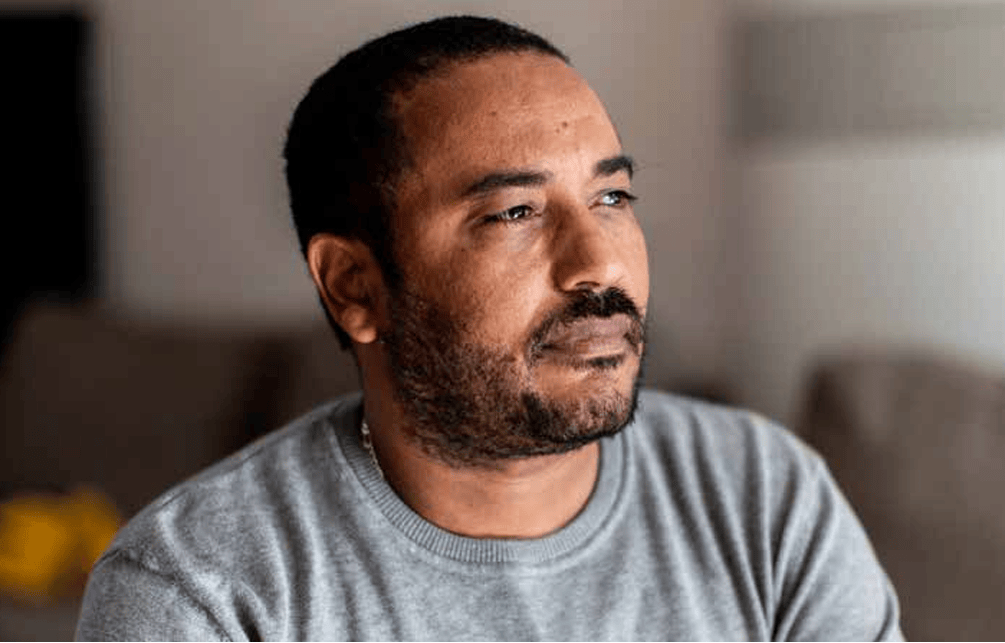
Dabessa is a settlement case management professional with AMES (Adult Multicultural Education Services), one of Australia’s largest providers of settlement services. In his role, Dabessa works directly with refugees and migrants, helping them to settle, to participate in their communities, and to build a future for themselves and their families.
Speaking about his work, Dabessa explained: “As a settlement case management professional at AMES, my role is to support refugees and migrants so that they can settle, participate in their communities, and build a future for themselves and their families. It is about helping them to navigate the challenges of their first decade in Australia and to achieve their goals.”
Dabessa’s work involves assessing clients’ needs, connecting them with appropriate services, advocating on their behalf, and providing ongoing support. He works with families, individuals, and community groups—helping them to access housing, employment, education, and healthcare, while also addressing the psychosocial needs that arise from the migration and resettlement process.
“The settlement journey is different for everyone,” Dabessa notes. “Some people arrive with skills and qualifications that are recognized in Australia; others have experienced trauma or have limited education. My job is to meet people where they are and to help them to take the next step, whatever that step may be.”
The Impact of Settlement Case Management
The work of settlement case managers like Dabessa has a profound impact on the lives of migrants and refugees. By providing personalized, practical assistance, they help newcomers to overcome the barriers that stand in the way of successful settlement. They also contribute to broader social and economic outcomes—by helping people to find employment, they reduce welfare dependency; by supporting community participation, they strengthen social cohesion; and by empowering families to build a future, they contribute to the prosperity of the nation as a whole.
Yet, despite its importance, Settlement Case Management remains under-resourced and under-recognized. The demand for services far exceeds the capacity of providers, and many migrants and refugees remain on waiting lists for support. Moreover, the evidence base on settlement outcomes—particularly during the critical first decade—remains thin. More research is needed to understand what works, for whom, and under what circumstances.
Looking Forward
As Australia continues to welcome migrants and refugees from around the world, the importance of effective settlement support cannot be overstated. The first decade is a critical period that shapes the trajectory of a person’s life—and the lives of their children and grandchildren. Settlement Case Management offers a proven pathway to successful settlement, but it requires sustained investment, evidence-based policy, and a commitment to the principles of dignity, inclusion, and opportunity.
In the words of Dabessa: “The work we do is not just about helping people to survive. It is about helping them to thrive. It is about giving them the tools and the confidence to build a life that they can be proud of.”
For the thousands of migrants and refugees who arrive in Australia each year, that is not merely a hope—it is a promise that must be fulfilled.
—
*This feature article is dedicated to the settlement case managers, community organizations, and volunteers who support migrants and refugees in their journey of settlement—and to the migrants and refugees themselves, whose resilience and determination continue to inspire us all.






