Category Archives: Finfinne

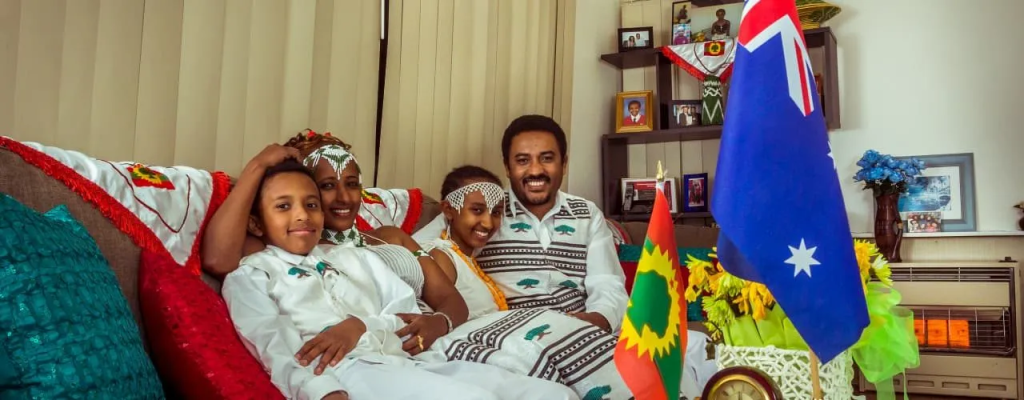
From Political Prisoner to Community Pillar: The Remarkable Journey of Dabessa Wakjira
By Bona Oromia
MELBOURNE, Australia — In the story of the Oromo people’s long struggle for freedom, dignity, and cultural survival, there are individuals whose lives embody the very resilience they champion. Dabessa Wakjira—also known in Oromo history and literature as Dhabessa Wakjira or Dabessa Gemelal—is one such figure. A prominent Oromo journalist, author, human rights advocate, and social worker, his journey from political prisoner in Ethiopia to influential community leader and humanitarian in Australia is a testament to the unbreakable spirit of a people and the power of one individual to transform suffering into service.
Early Journalism and the Fight for Oromo Voices
In 1994, Dabessa began working as a reporter and editor for the Afaan Oromoo desk at Ethiopian Television (ETV). He was part of a pioneering group of broadcasters who fought to secure a rightful place for the Oromo language, history, and culture on national airwaves—a struggle that carried profound significance for a community long marginalized in Ethiopian media.
However, his efforts to report on humanitarian issues—such as the devastating famines in Eastern and Southern Oromia and widespread human rights violations—faced severe state censorship. Because his journalism defied government narratives, he was targeted by state authorities. In 2004, he was abducted and falsely imprisoned for three years (2004–2007) under the pretext of sympathizing with the Oromo Liberation Front (OLF).
During his grueling imprisonment, Dabessa did not surrender to despair. Instead, he covertly authored the foundational books Daaniyaa (2006) and Jaarraa Oromummaa, which preserved crucial aspects of Oromo knowledge, identity, and cultural struggle. These works, written under the most difficult circumstances imaginable, stand as monuments to intellectual resistance—proof that even behind bars, the Oromo spirit could not be caged.
Exile and Flight: Continuing the Struggle Abroad
Upon his release from prison in 2007, the threat of re-arrest forced Dabessa to flee Ethiopia to Nairobi, Kenya. Even in exile, he continued his advocacy. He managed to relocate his three children to Nairobi and dedicated his time to managing Oromo refugee support systems, training human rights activists, editing cultural magazines (such as Dungoo and Xirroo), and co-founding the Global Waaqeffannaa Council.
His activism came at a steep personal cost. Back in Ethiopia, his wife was arrested and imprisoned for three years in retaliation for his flight—a cruel reminder that the struggle for freedom is not borne by individuals alone, but by entire families. The separation from his children and the imprisonment of his wife were wounds that no amount of dedication could fully heal.
Resettlement and Community Leadership in Australia
Dabessa was resettled in Australia as a UNHCR refugee in September 2009. After facing agonizing bureaucratic and visa delays, his wife was finally able to join him and reunite the family in August 2013—a moment of profound relief after years of separation and uncertainty.
Once in Australia, Dabessa redirected his trauma into community empowerment. Rather than allowing the scars of imprisonment and exile to define him, he chose to transform his pain into purpose:
Academic Achievements: He went on to secure formal Australian qualifications in interpreting, community services, and social work—equipping himself with the professional tools to serve others effectively.
Professional Roles: He now works as a Senior Settlement Case Manager for AMES Australia, helping newly arrived refugees navigate the complexities of resettlement, find safety, and rebuild their lives. In this role, he draws on his own lived experience of displacement and resettlement to support others on their journeys.
Advocacy & Media: He remains a foundational voice for the diaspora, actively contributing to Oromo Voice Radio, the Oromo Support Group Australia, and the Refugee Council of Australia. His commitment to amplifying Oromo voices and advocating for refugee rights has made him a respected leader in the Australian multicultural landscape.
A Life Transformed, A Community Uplifted
Dabessa Wakjira’s story is one of extraordinary resilience. He has been a journalist silenced by censorship, a prisoner tortured for his beliefs, a refugee separated from his family, and a community leader in a new land. Through it all, he has remained steadfast in his commitment to Oromummaa—Oromo identity, culture, and freedom.
His life serves as an inspiration to the Oromo diaspora and to all who believe in the power of the human spirit to overcome adversity. From the dark cells of Ethiopian prisons to the welcoming shores of Australia, Dabessa has carried with him the hopes and dreams of his people—and he has not stopped fighting.
Today, as a Senior Settlement Case Manager at AMES Australia, he helps refugees from all backgrounds to navigate the challenges of their first decade in Australia—to establish secure livelihoods, participate in their communities, and build futures for themselves and their families. It is work that he is uniquely qualified to do, having walked that path himself.
A Legacy of Service
Dabessa Wakjira’s legacy is not measured in awards or titles, but in the lives he has touched—the refugees he has helped to resettle, the activists he has trained, the books he has written, the radio programs he has contributed to, and the community he has helped to build in Australia. His journey from political prisoner to community pillar is a reminder that even in the darkest of times, there is hope. Even in the face of oppression, the human spirit can prevail.
As the Oromo people continue their long walk toward freedom and justice, they can take strength from the example of Dabessa Wakjira—a man who refused to be broken, who refused to be silenced, and who continues to serve his community with dedication, dignity, and unwavering hope.
This feature article is dedicated to Dabessa Wakjira and to all Oromo political prisoners, refugees, and diaspora community leaders whose sacrifices and service continue to inspire us all.

Settlement Case Management: A Lifeline for Migrants and Refugees in Their Critical First Decade in Australia
By Bona Oromia
The first decade after arriving in Australia is a critical period that shapes a person’s ability to establish a secure livelihood, participate in their community, and build a future for themselves and their family. Yet, surprisingly, there has been little evidence about the settlement experiences, employment pathways, and economic circumstances of migrants and refugees during these formative years—until now.
The Critical First Decade: A Window of Opportunity and Vulnerability
For newly arrived migrants and refugees, the first ten years in Australia represent far more than a simple transition. They constitute a defining period during which the foundations of a new life are laid—or, too often, where vulnerabilities become entrenched. During this decade, newcomers must navigate unfamiliar systems, learn a new language, find employment, secure housing, access healthcare, and integrate into their new communities, all while often carrying the trauma of their past and the weight of responsibility for their families.
Research has consistently shown that the early years of settlement are decisive for long-term outcomes. Those who receive adequate support during this period are far more likely to achieve economic independence, participate fully in civic life, and contribute to the social and cultural fabric of their new home. Conversely, those who are left to navigate the complexities of settlement alone often face prolonged periods of disadvantage, social isolation, and economic hardship. The first decade is not merely a transitional phase—it is the foundation upon which the rest of a person’s life in Australia is built.
Settlement Case Management: Practical Assistance for Real-World Challenges
Settlement Case Management provides valuable practical assistance that speaks directly to the realities of settlement during migrants’ and refugees’ first decade in Australia. It is a service designed not around abstract theories but around the concrete, everyday challenges that newcomers face as they strive to rebuild their lives.
At its core, Settlement Case Management offers the ability to establish a secure livelihood, participate in the community, and build a future for oneself and one’s family. It does so by focusing on three interconnected pillars:
1. Establishing a Secure Livelihood
Settlement Case Management assists clients in finding stable employment, understanding their rights in the workplace, and developing the skills necessary to navigate the Australian labor market. Employment is not merely a source of income; it is a pathway to dignity, social connection, and belonging. The service recognizes that secure employment is the cornerstone of successful settlement.
2. Participating in the Community
Integration is not a one-way street. Settlement Case Management encourages and facilitates community participation—whether through volunteering, joining local groups, attending community events, or engaging with neighbors. This fosters a sense of belonging and helps newcomers build the social networks that are essential for long-term well-being.
3. Building a Future for Themselves and Their Families
Beyond immediate needs, Settlement Case Management supports clients in planning for the future. This includes financial literacy, education pathways for children, housing stability, and long-term career planning. The goal is not merely survival but thriving—helping families to plant roots and flourish in their new home.
Employment, Income Security, and Financial Wellbeing
A distinctive feature of Settlement Case Management is its focus on the economic dimensions of settlement—particularly employment experiences, income security, and financial wellbeing. These are not peripheral concerns; they are central to the ability of migrants and refugees to establish a secure livelihood and build a future for their families.
The service explores the factors that support or hinder settlement and economic participation. Through case management, service providers can identify the specific challenges that individual clients face—whether it be language barriers, lack of recognition of overseas qualifications, discrimination, trauma, or family responsibilities—and tailor support accordingly. Equally important, the service examines the factors that enable success. What are the characteristics of individuals, families, and communities that achieve positive settlement outcomes? What role do social networks, community organizations, and government policies play? By answering these questions, Settlement Case Management contributes to a broader understanding of how to design effective settlement policies and programs.
Dabessa’s Story: A Case Manager’s Perspective
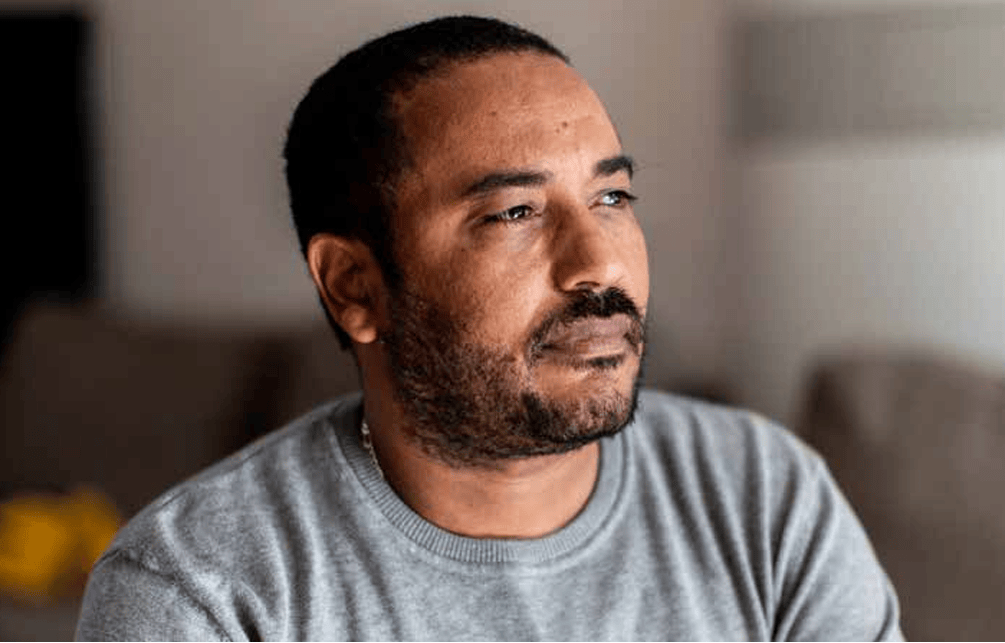
Dabessa is a settlement case management professional with AMES (Adult Multicultural Education Services), one of Australia’s largest providers of settlement services. In his role, Dabessa works directly with refugees and migrants, helping them to settle, to participate in their communities, and to build a future for themselves and their families.
Speaking about his work, Dabessa explained: “As a settlement case management professional at AMES, my role is to support refugees and migrants so that they can settle, participate in their communities, and build a future for themselves and their families. It is about helping them to navigate the challenges of their first decade in Australia and to achieve their goals.”
Dabessa’s work involves assessing clients’ needs, connecting them with appropriate services, advocating on their behalf, and providing ongoing support. He works with families, individuals, and community groups—helping them to access housing, employment, education, and healthcare, while also addressing the psychosocial needs that arise from the migration and resettlement process.
“The settlement journey is different for everyone,” Dabessa notes. “Some people arrive with skills and qualifications that are recognized in Australia; others have experienced trauma or have limited education. My job is to meet people where they are and to help them to take the next step, whatever that step may be.”
The Impact of Settlement Case Management
The work of settlement case managers like Dabessa has a profound impact on the lives of migrants and refugees. By providing personalized, practical assistance, they help newcomers to overcome the barriers that stand in the way of successful settlement. They also contribute to broader social and economic outcomes—by helping people to find employment, they reduce welfare dependency; by supporting community participation, they strengthen social cohesion; and by empowering families to build a future, they contribute to the prosperity of the nation as a whole.
Yet, despite its importance, Settlement Case Management remains under-resourced and under-recognized. The demand for services far exceeds the capacity of providers, and many migrants and refugees remain on waiting lists for support. Moreover, the evidence base on settlement outcomes—particularly during the critical first decade—remains thin. More research is needed to understand what works, for whom, and under what circumstances.
Looking Forward
As Australia continues to welcome migrants and refugees from around the world, the importance of effective settlement support cannot be overstated. The first decade is a critical period that shapes the trajectory of a person’s life—and the lives of their children and grandchildren. Settlement Case Management offers a proven pathway to successful settlement, but it requires sustained investment, evidence-based policy, and a commitment to the principles of dignity, inclusion, and opportunity.
In the words of Dabessa: “The work we do is not just about helping people to survive. It is about helping them to thrive. It is about giving them the tools and the confidence to build a life that they can be proud of.”
For the thousands of migrants and refugees who arrive in Australia each year, that is not merely a hope—it is a promise that must be fulfilled.
—
*This feature article is dedicated to the settlement case managers, community organizations, and volunteers who support migrants and refugees in their journey of settlement—and to the migrants and refugees themselves, whose resilience and determination continue to inspire us all.
The Unbroken Spirit: The Story of Obbo Masfin Ittaanaa
By Dhabessa Wakjira
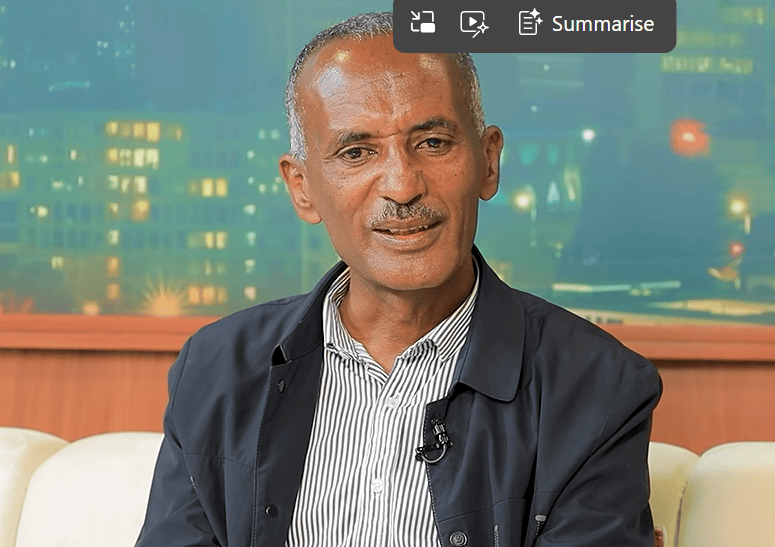
In the annals of the Oromo struggle, there are names that echo through generations—names that carry the weight of sacrifice, resilience, and unwavering commitment to freedom. One such name is Obbo Masfin Ittaanaa, a man whose life story reads like a testament to the indomitable spirit of the Oromo people.
Twenty Years of Captivity
Obbo Masfiin Ittaanaa is a name that evokes both sorrow and pride. For two decades—twenty long years—he was held in chains across some of Ethiopia’s most notorious detention facilities: Maa’ikalawwii, Karchallee, and Qaallittii. These names are not merely locations on a map; they are synonymous with suffering, with the darkest chapters of the Oromo people’s struggle for self-determination.
Maa’ikalawwii, Karchallee, and Qaallittii—these are the places where countless Oromo sons and daughters have been subjected to unimaginable hardship. They are the places where the Ethiopian state sought to break the spirit of a people by breaking the bodies and minds of their leaders, their activists, their voices.
For Obbo Masfiin Ittaanaa, these facilities were his home for twenty years. Twenty years of separation from his family. Twenty years of deprivation. Twenty years of uncertainty. Twenty years of pain.
Released But Not Free
After two decades of imprisonment, Obbo Masfiin was finally released. The gates of the prison opened, and he walked out—a free man in the eyes of the law, but a man whose body and spirit bore the scars of those twenty years.
The phrase “warra hidhamee booda waggaa 20 booda dhiifamaan bahe”—”after being imprisoned, he was released after twenty years”—captures the stark reality of his ordeal. He was detained, held for two decades, and then released. The words are simple, but the weight they carry is immeasurable.
A Symbol of Resilience
Obbo Masfiin Ittaanaa’s story is not merely one of suffering. It is a story of resilience. The fact that he emerged from those twenty years—that he survived, that he endured, that he did not break—is a testament to the strength of the Oromo spirit.
In Oromo culture, elders like Obbo Masfin are revered not only for their age but for their wisdom, their experience, and their sacrifice. His twenty years in detention have made him a living symbol of the Oromo struggle—a reminder of the price that has been paid, and continues to be paid, for the dream of freedom.
The Places That Testify
Maa’ikalawwii, Karchallee, and Qaallittii are names that every Oromo knows. They are the sites of collective trauma, places where the state’s machinery of repression was unleashed against a people who dared to demand their rights. To be held in one of these facilities is to be marked for life. To be held in all three, over the course of twenty years, is an ordeal that few could survive.
Yet Obbo Masfiin survived. He emerged from those gates not broken, but bearing witness. His very existence is a testimony to what the Oromo people have endured—and to their refusal to be defeated.
A Legacy for the Future
Today, as the Oromo people continue their long journey toward freedom, justice, and dignity, the story of Obbo Masfin Ittaanaa serves as a reminder of the sacrifices that have been made. His twenty years of imprisonment are a debt that can never be fully repaid, but one that must never be forgotten.
For the younger generation—the Qeerroo and Qarree who continue the struggle today—Obbo Masfiin’s story is both a warning and an inspiration. It is a warning about the cost of resistance, and an inspiration about the power of resilience.
Honoring Masfin!
As we reflect on the life and sacrifice of Obbo Masfin Ittaanaa, we honor not only him but all those who have suffered in the struggle for Oromo freedom. We remember the nameless thousands who have passed through Maa’ikalawwii, Karchallee, Qaallittii, and countless other detention facilities. We remember those who never came out.
And we celebrate the fact that Obbo Masfin—after twenty years—walked out of those gates a free man. His freedom is a small victory in a larger struggle, but it is a victory, nonetheless. It is a reminder that no matter how long the night, the dawn will eventually come.
The story of Masfin Ittaanaa with Gammadaa show can be watched at:
This feature news is dedicated to Obbo Masfin Ittaanaa and to all Oromo political prisoners—past, present, and future—whose sacrifices will never be forgotten.

Melbourne Oromo Community Honors Four Oromo Heroes with Recognition Certificates and Gaabbii Oromoo
By Dhabessa Wakjira
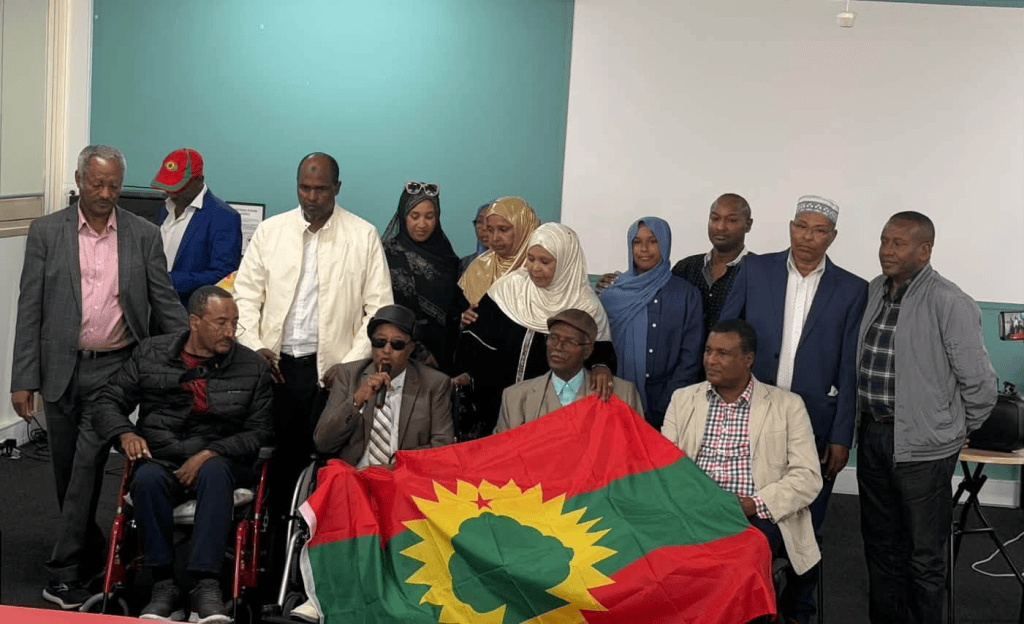
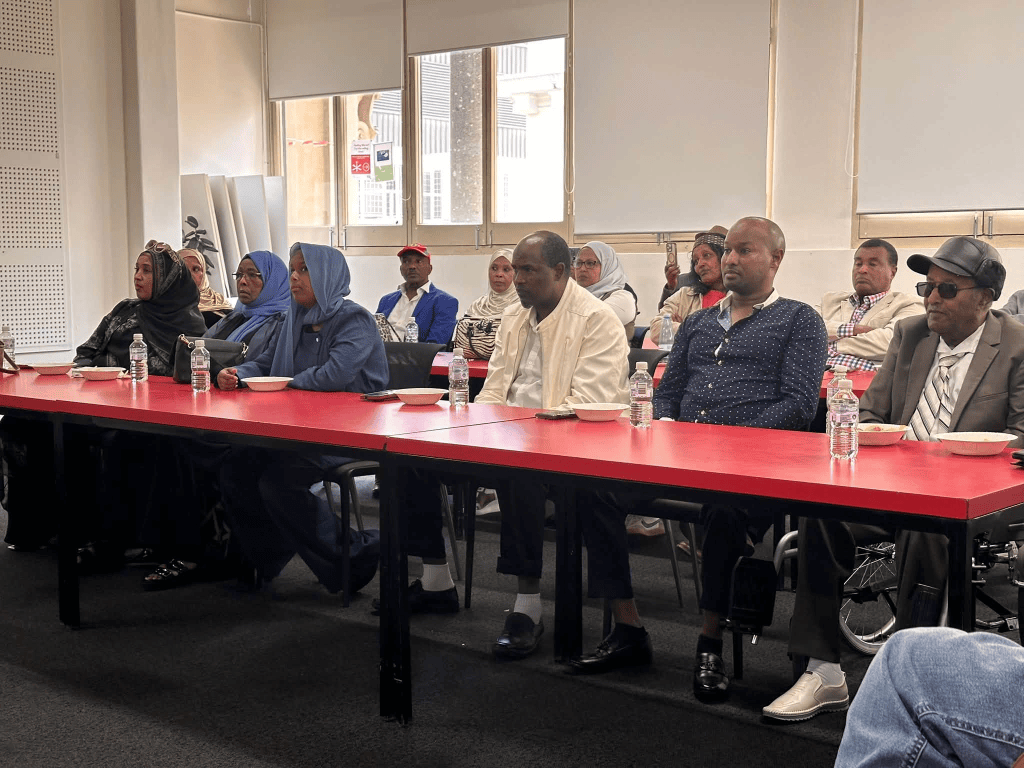
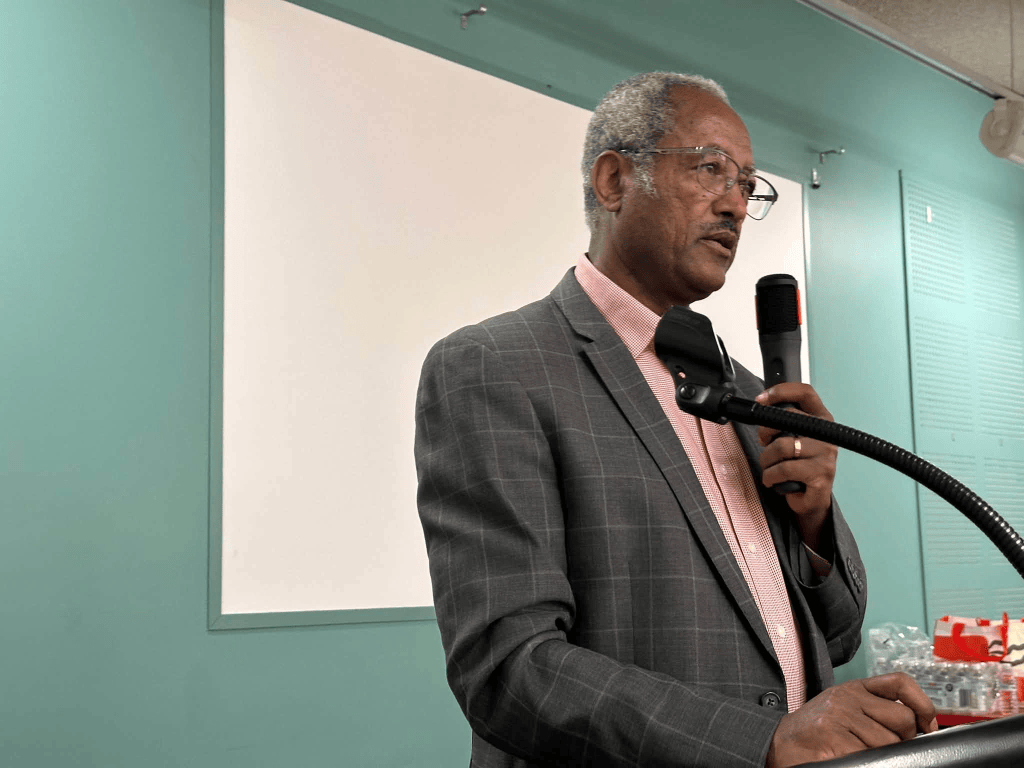
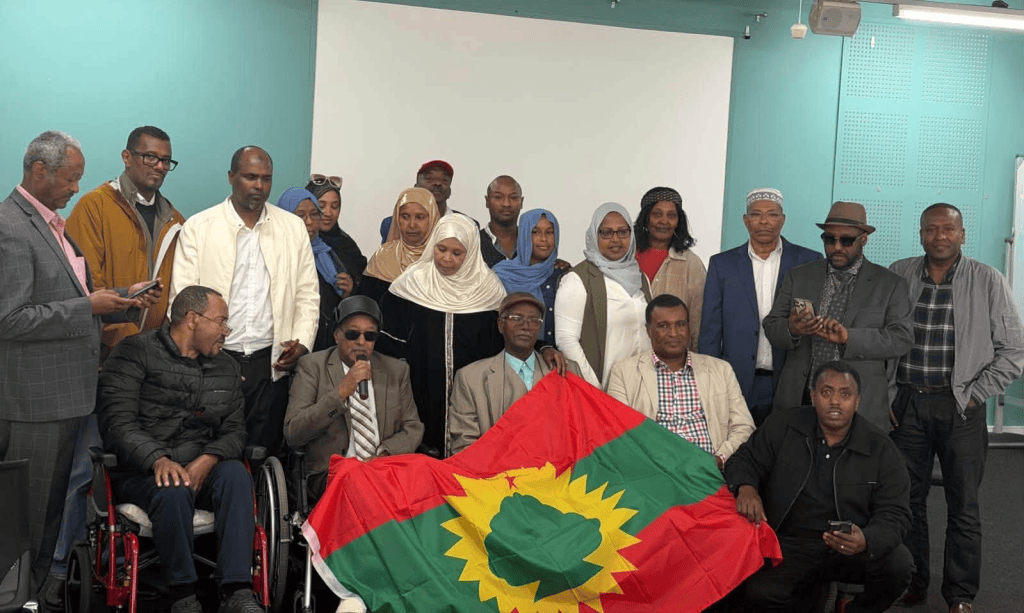
(MELBOURNE, Australia — 8 November 2026) The Oromo community in Melbourne today held a historic ceremony to honor four distinguished Oromo individuals, awarding them certificates of recognition and appreciation, along with the sacred Gaabbii Oromoo (Oromo national emblem), for their lifetime contributions to Oromummaa and the Oromo struggle. The event, held this afternoon at the Ross House community center, named Ob Bultum Biyyoo, Artist Shantam Shubbisaa, Artist Afandi Siyyoo, and Ob Alemayehu Qubee as Oromo Heroes of 2026.
Certificates Prepared in the United States
According to statements made at the ceremony, the recognition certificates were prepared in the United States and dispatched through the Oromo Community in Melbourne (OCM) for presentation to the four honorees. Ob Bantii Oliqaa, Chairman of OCM, confirmed that the certificates were organized through the global Oromo diaspora network and delivered to Melbourne for the special presentation.
Honoring a Lifetime of Service
The four individuals honored today were selected for their exceptional contributions across different fields—from armed struggle to art, music, and education. Each has dedicated their life to the cause of Oromo freedom, dignity, and cultural revival.
Ob Bultum Biyyoo was recognized for his leadership and participation in the Oromo struggle. As a prominent figure in the resistance, Ob Bultum played a significant role in advancing the cause of Oromo liberation, demonstrating unwavering commitment to the freedom of his people. His leadership and sacrifice were highlighted as an inspiration to the younger generation.
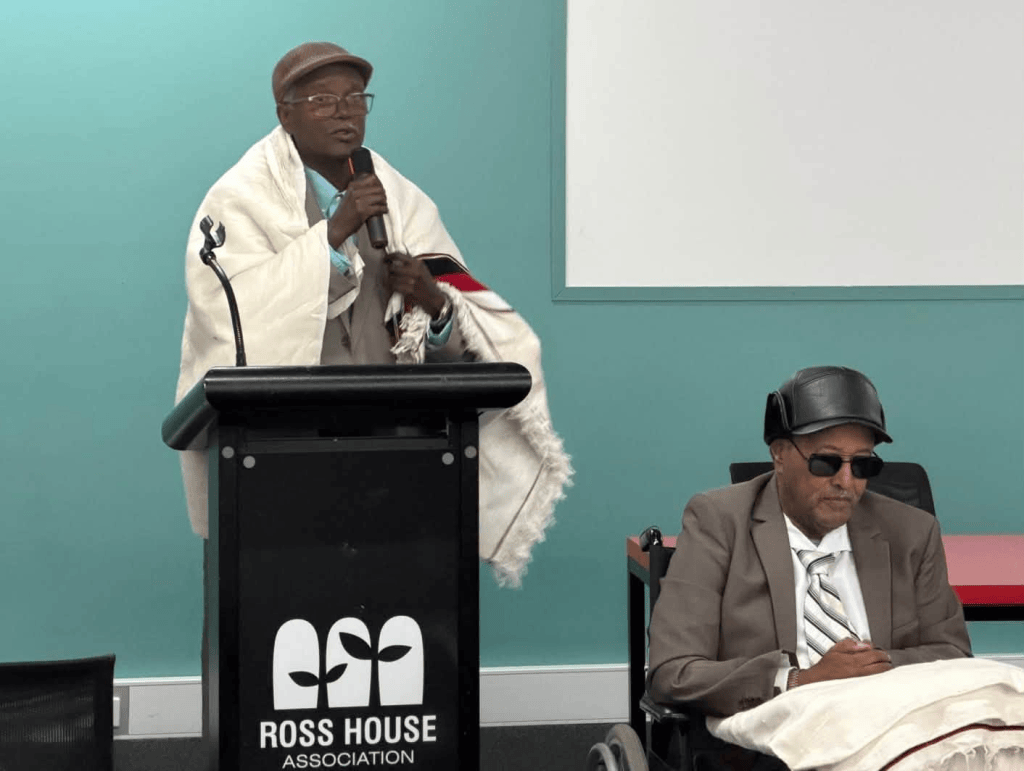
Artist Shantam Shubbisaa and Artist Afandi Siyyoo were honored for their immense contributions through art and music. Both artists have used their creative talents to amplify the voice of the Oromo struggle, composing and performing songs that have inspired millions and kept the spirit of resistance alive. Their music has served as a powerful tool for raising awareness about Oromo rights and celebrating Oromo identity and culture. The ceremony recognized that art and music are not merely entertainment, but vital instruments in the struggle for freedom and justice.
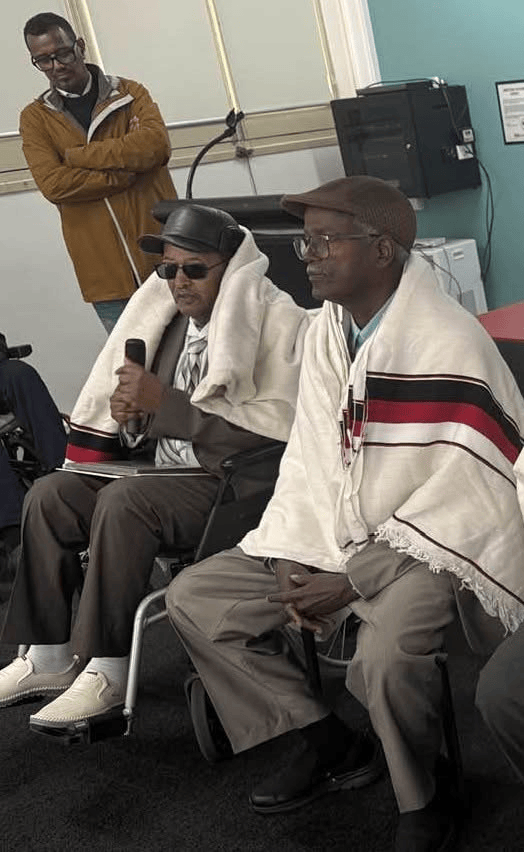
Ob Alemayehu Qubee was celebrated for his pioneering work in education and community building. His dedication to teaching Qubee Afaan Oromoo—the Latin-based script adopted for the Oromo language—has empowered countless individuals to read and write in their mother tongue. By building and organizing communities, Ob Alemayehu has strengthened the social fabric of the Oromo diaspora and contributed significantly to the advancement of the Oromo cause. Education, the ceremony noted, is the foundation upon which lasting liberation is built.
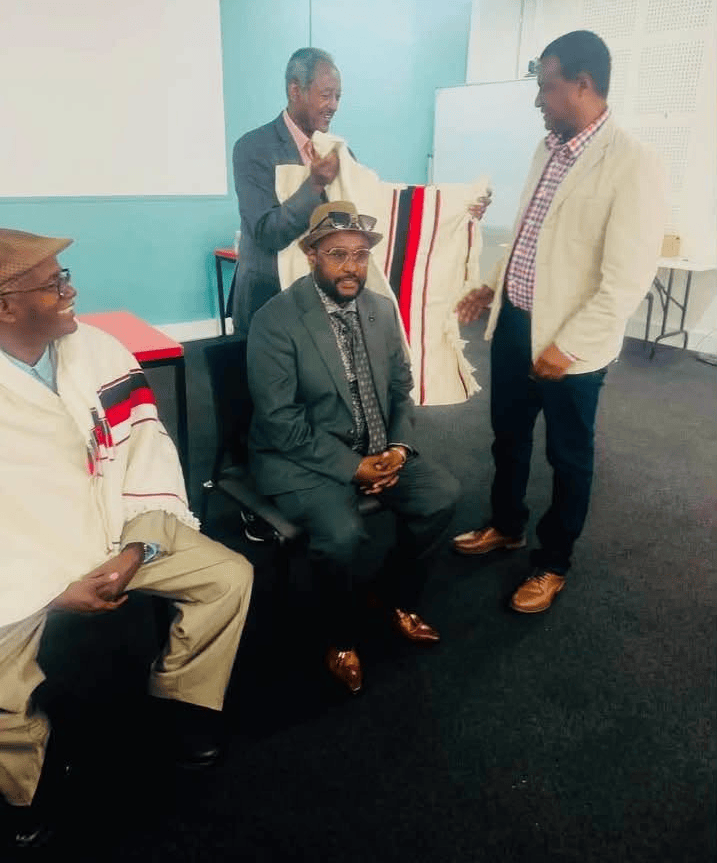
A Historic Presentation by OLF Executive Leader
In a particularly poignant moment, the certificates of recognition were presented by Jaal Gaashuu Lammeessaa, member of executive leader of the Oromo Liberation Front (OLF). His presence at the ceremony added deep historical significance to the event, symbolizing the continuity of the Oromo struggle across generations.
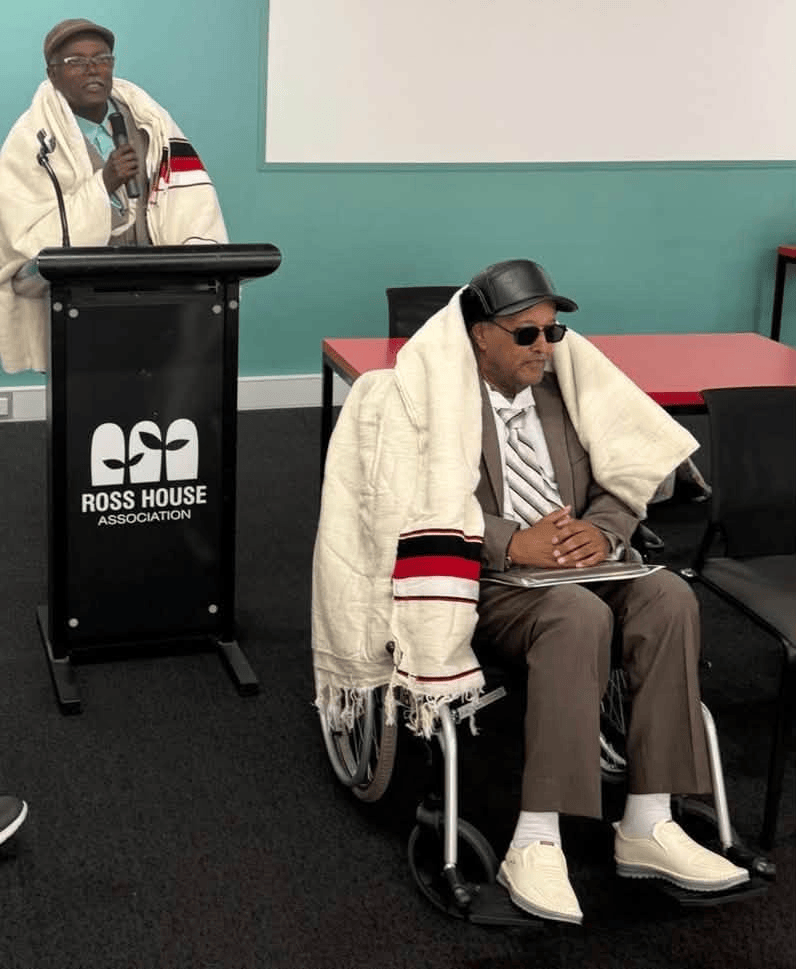
Jaal Gaashuu Lammeessaa, who himself dedicated his life to the cause of Oromo liberation, personally handed the certificates and the Gaabbii Oromoo to the honorees. In his remarks, he praised the recipients for their lifetime dedication and urged them to continue their invaluable work. He further called upon the younger generation to draw inspiration from these heroes and to carry forward the torch of Oromummaa with pride and determination.
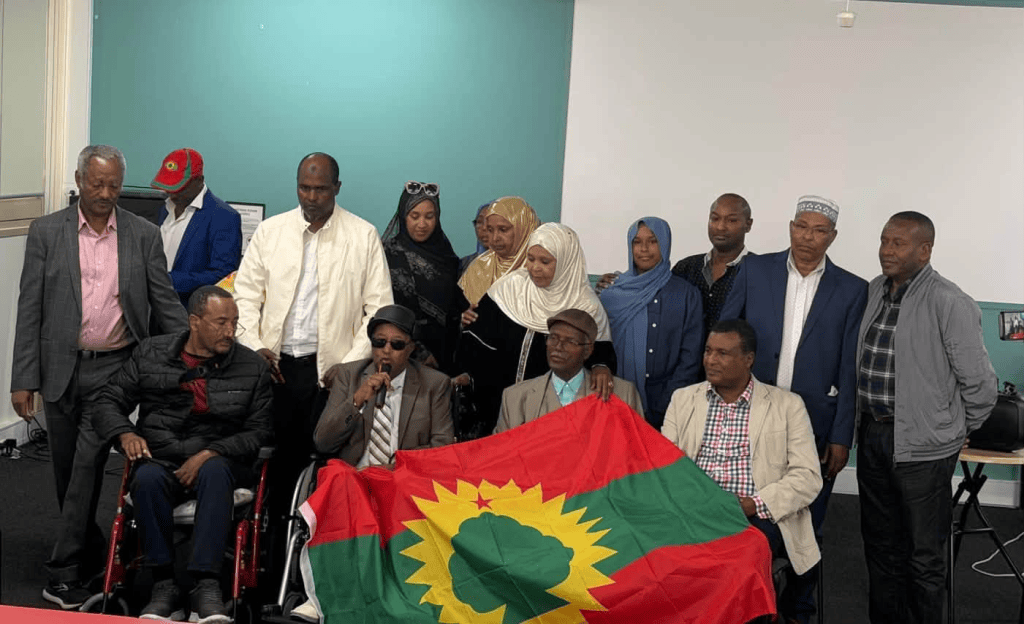
The honorees, in turn, expressed their gratitude and reaffirmed their commitment to the Oromo cause. They thanked the organizers and the community for the recognition, stating that the honor belongs not only to them but to all Oromo people who continue to struggle for freedom, justice, and dignity.
A Global Diaspora United
The event underscored the unity and coordination of the global Oromo diaspora. The fact that certificates prepared in the United States were presented in Melbourne—by a veteran OLF leader—demonstrates the interconnectedness of Oromo communities worldwide. From North America to Australia, Oromo people remain united in their commitment to honoring their heroes and advancing their shared cause.
Community members who attended the ceremony expressed pride in the honorees and gratitude for their sacrifices. The event was described as a moment of collective celebration and reflection on the journey of the Oromo people—a journey marked by struggle, resilience, and unwavering hope.
A Call to Continue the Legacy
As the certificates were presented and the Gaabbii Oromoo unveiled, the message was clear: the contributions of these four individuals must not be forgotten, and their legacy must inspire future generations. The Melbourne Oromo community reaffirmed its commitment to supporting the Oromo struggle in all its forms—whether through armed resistance, artistic expression, education, or community organizing.
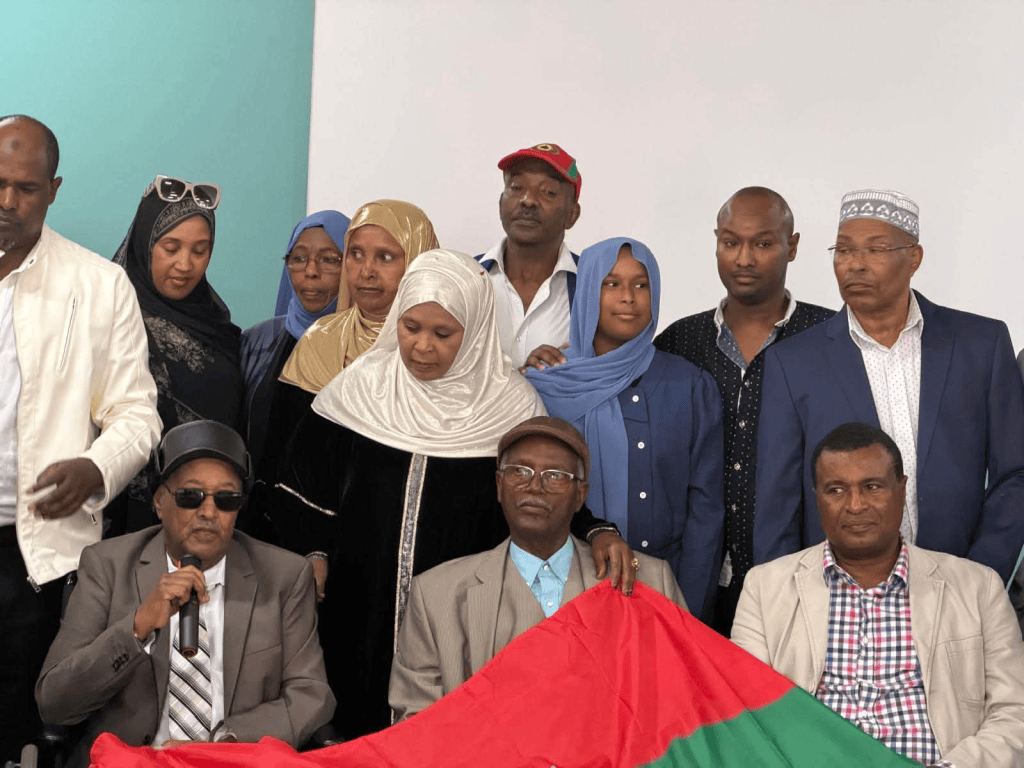
The recognition of Ob Bultum Biyyoo, Artist Shantam Shubbisaa, Artist Afandi Siyyoo, and Ob Alemayehu Qubee as Oromo Heroes of 2026 serves as a reminder that heroism takes many forms. Whether on the battlefield, on stage, in the recording studio, or in the classroom, every contribution to the Oromo cause matters.
Baga guyyaa Yuubota Oromoo nagaan geessan!

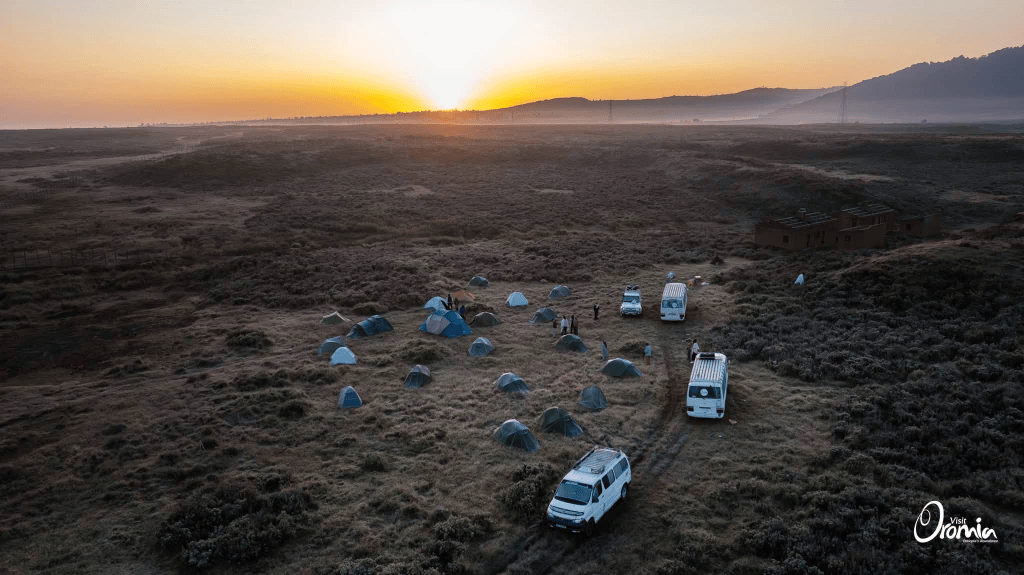
Good Morning from Gesse Grassland: A Window into Ethiopia’s UNESCO-Recognized Bale Mountains
By Bona Oromia
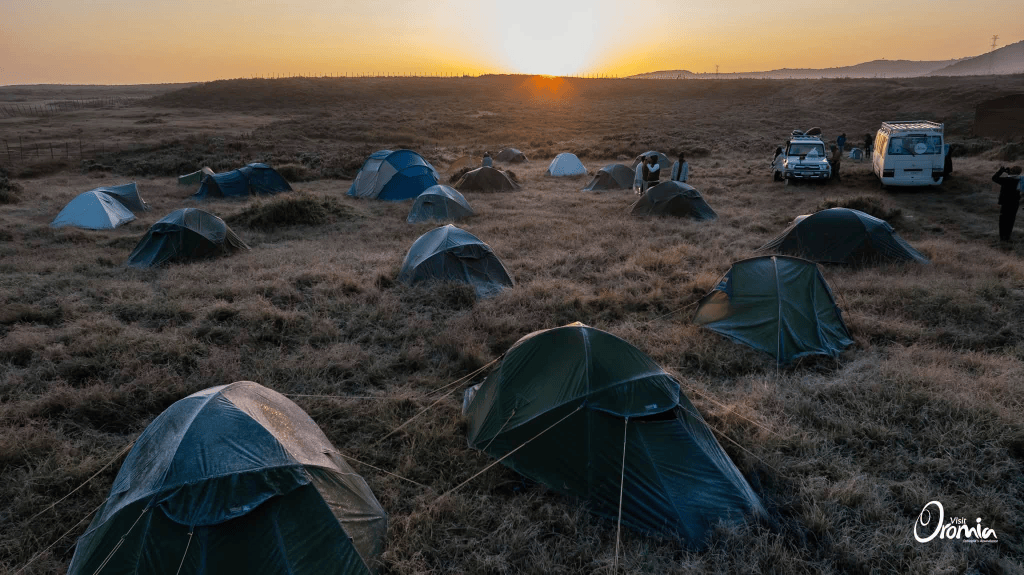
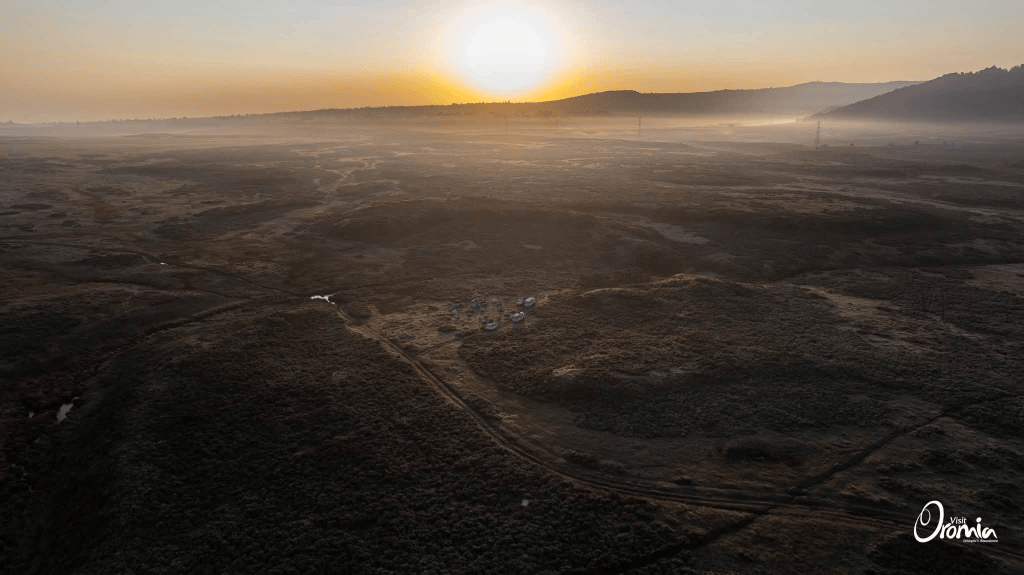
BALE MOUNTAINS NATIONAL PARK, Oromia — Good morning from Gesse Grassland, where the sun rises over one of Ethiopia’s most spectacular and ecologically significant landscapes—the UNESCO-recognized Bale Mountains National Park.
A Land of Origins
The Bale Mountains, located in the Oromia region of southeastern Ethiopia, are part of the Ethiopian Highlands and represent one of the country’s most important natural treasures. The park is home to the largest continuous area of Afro-alpine habitat on the African continent, covering approximately 2,200 square kilometers of stunning landscapes ranging from cloud forests to glacial lakes and vast grasslands like Gesse.
Ethiopia, often called the “Land of Origins,” is the cradle of humankind and a country of extraordinary natural and cultural diversity. The Bale Mountains embody this identity—a place where ancient landscapes meet modern conservation efforts, and where the richness of Oromia’s natural heritage is on full display.
A UNESCO World Heritage Site
In 2023, the Bale Mountains National Park was inscribed as a UNESCO World Heritage Site, recognizing its outstanding universal value. The park is home to an extraordinary array of endemic species found nowhere else on Earth, including:
- The Ethiopian wolf (Canis simensis)—the world’s rarest canid, with more than half of its global population living in the Bale Mountains
- The mountain nyala (Tragelaphus buxtoni)—a large antelope species endemic to Ethiopia
- The Bale monkey (Chlorocebus djamdjamensis)—a rare primate found only in the bamboo forests of the Bale Mountains
- Giant lobelias and other Afro-alpine plant species that create surreal, otherworldly landscapes
The park is also a critical water source, feeding rivers that supply water to millions of people in Ethiopia and neighboring countries.
Gesse Grassland: A Place of Beauty and Biodiversity
Gesse Grassland, where this morning’s greeting originates, is one of the park’s most iconic landscapes. The open grasslands, framed by volcanic peaks and dotted with grazing livestock and wild herbivores, offer visitors a chance to experience the African highlands in their most pristine form. It is a place where the silence of the mountains is broken only by the calls of birds and the rustle of the wind—a reminder of what the world looked like before modernity reshaped so much of the planet.
Ethiopia’s Abundance
Ethiopia is a country of remarkable abundance—not only in its wildlife and landscapes but in its cultural heritage and the diversity of its peoples. The Oromo people, the largest ethnic group in Ethiopia, have inhabited these lands for centuries, developing a deep relationship with the natural world that is reflected in their culture, traditions, and indigenous governance systems like the Gadaa.
The promotion of tourism in Oromia and Ethiopia more broadly is part of a larger effort to share this abundance with the world—to invite visitors to experience the Land of Origins firsthand, while also supporting conservation and community development.
A Call to Visit
For travelers seeking adventure, natural beauty, and cultural richness, Ethiopia offers an unparalleled experience. From the Bale Mountains to the Simien Mountains, from the rock-hewn churches of Lalibela to the ancient obelisks of Axum, from the Great Rift Valley lakes to the Danakil Depression—Ethiopia is a country of endless discovery.
Good morning from Gesse Grassland. Good morning from the Bale Mountains. Good morning from Ethiopia—the Land of Origins.
Visitoromia.org | Visitethiopia.et | Ethiopia: Land of Origins
#VisitOromia #EthiopiasAbundance #VisitEthiopia #LandOfOrigins #Oromia #Ethiopia

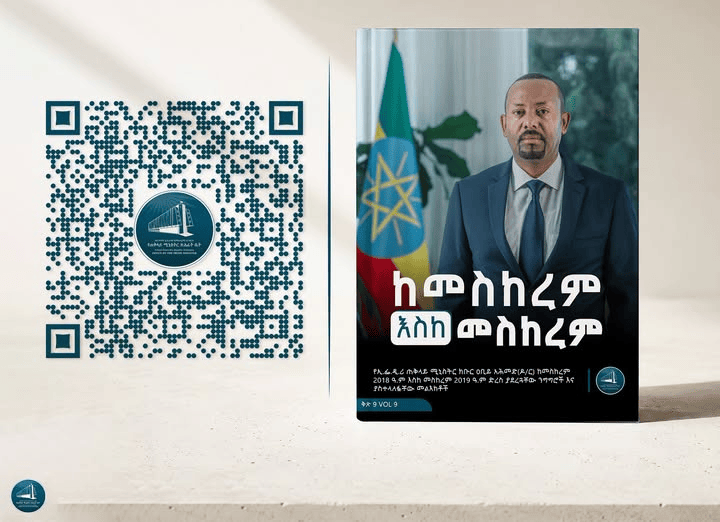
“From Words to Deeds”: PMO Ethiopia Releases Ninth Volume of “From Meskerem to Meskerem”
By Bona Oromia
ADDIS ABABA — The Office of the Prime Minister of the Federal Democratic Republic of Ethiopia has released the ninth volume of its annual publication, “From Meskerem to Meskerem” (ከመስከረም እስከ መስከረም), a series that documents the speeches, messages, and historical moments of Prime Minister Abiy Ahmed (PhD).
The publication, now in its ninth edition, continues its mission of preserving the words and actions that have shaped Ethiopia’s journey of change—ensuring that the vision articulated by its leaders is recorded and transmitted to future generations.
Words Express Vision, Actions Transform It
The guiding philosophy of the series is captured in its opening message: “Words express vision; actions transform vision into reality.” Recording and preserving the speeches, messages, and historical events of leaders is described as a crucial way to transmit the nation’s journey of change and its history to future generations.
This ninth volume documents the Prime Minister’s speeches and messages delivered at various events and ceremonies from Meskerem 2018 to Meskerem 2019 in the Ethiopian calendar. It covers a period of significant national transformation—a time when the government’s rhetoric of reform was tested against the demands of implementation.
From Promise to Tangible Asset
The publication is described as telling the story of a journey “from words to deeds, from hope to tangible asset”—a transition from vision to execution and from aspiration to measurable progress. Within its pages are messages that connect national change, development, economic progress, national dignity, and international cooperation with a forward-looking vision for the future.
The volume serves as a concrete testimony to leadership, implementation, and nation-building—a record of the Ethiopian journey of change, from speech to event, from vision to result.
A Record for History
The series is more than a collection of speeches. It is a historical document—a record of the ideas, commitments, and actions that have defined a pivotal period in Ethiopia’s modern history. By compiling and publishing these materials annually, the Prime Minister’s Office ensures that the country’s political discourse and policy direction are preserved in a form that scholars, citizens, and future leaders can study and learn from.
The ninth volume’s release comes at a time when Ethiopia continues to navigate complex economic, political, and social challenges. The publication’s emphasis on “progress verified by action” rather than rhetoric alone reflects a recognition that words must be matched by results.
Read the Full Book
The full publication is available for reading via the following link:
https://pmo.gov.et/…/efb1bd26-fc75-4c5a-96d1…
“Beyond words, progress verified by action. Happy reading!” the announcement concludes.
#PMOEthiopia #FromMeskeremToMeskerem #Ethiopia #Leadership #NationBuilding

SOOLANEE: Award-Winning Oromo Film Now Available on YouTube

By Dhabessa Wakjira
MELBOURNE — SOOLANEE, a landmark Oromo-language film released in 2024, is now available for free viewing on YouTube. The film’s producers are warmly inviting the broader Oromo community and film lovers everywhere to subscribe to Guuboo Entertainment and watch the acclaimed production.
A Film of Many Firsts
SOOLANEE was written by Keeyeroon Darajjee and directed by Rabbirraa Daadhii and Eliyaas Kifilu. Produced by 5 STAR FILM PRODUCTION, the film was released in 2024 and has since become a significant milestone in Oromo cinema.
The film’s title, Soolanee, carries cultural resonance, and its production values have earned it recognition beyond Ethiopia’s borders.
International Acclaim
In 2025, SOOLANEE won the Best International Film award at the Charlotte Black Film Festival in North Carolina, USA. The film has also been selected and screened at numerous international film festivals, earning widespread recognition and critical acclaim. Additionally, SOOLANEE was nominated for a Gumaa Award, further cementing its place as one of the most celebrated Oromo films of recent years.
Now Available to All
The full film is now available on YouTube, and the producers are inviting everyone to watch, subscribe, like, comment, and share.
Watch SOOLANEE here: https://www.youtube.com/watch?v=vAV2vWGKlXU
The film’s release on YouTube marks an important moment for Oromo-language cinema—making an internationally recognized production accessible to audiences around the world, free of charge.
A Call to the Community
The producers extend their warm invitation: “Guutummaa Soolanee YouTube irraa akka daawattan kabajaan afeeramtanii jirtu”—”You are respectfully invited to watch the entirety of Soolanee on YouTube.”
They also encourage viewers to Subscribe, Like, Comment, and Share, helping to amplify the reach of Oromo cinema and support the growing industry of Afaan Oromoo filmmaking.
Watch SOOLANEE now: https://www.youtube.com/watch?v=vAV2vWGKlXU
#SOOLANEE #OromoFilm #AfaanOromoo #GuubooEntertainment #OromoCinema

The Seed and the Rock: Why Life’s Hardest Beginnings Build Life’s Strongest Foundations
By Bona Oromia
In a quiet corner of nature, two seeds begin their journey through life. One finds open space, sunlight, and an easy path to growth. The other encounters a rock. Its path is blocked. Its progress is slow. It must struggle just to reach the surface. If these seeds could speak, the struggling one might ask: “Why is my journey so difficult when the other seed has it so easy?”
This simple fable, animated and shared widely online, carries a profound lesson for anyone who has ever wondered why success seems harder to achieve than it does for others. The struggling seed finds a way forward, develops strong roots, and eventually grows into a magnificent tree. When the storm arrives, its journey takes on a whole new meaning—what once seemed like a disadvantage becomes the very source of its strength.
Your Beginning Does Not Decide Your Ending
Some people start their careers with the best education, supportive managers, and excellent opportunities. Others begin with limited resources, rejection, and difficult circumstances. The fable reminds us that while your starting point may influence your journey, it does not have to determine your destination. The seed that had to fight its way around a rock grew deeper roots than the one that had it easy—and it was the one that survived the storm.
Obstacles Can Teach What Comfort Cannot
The rock forced the struggling seed to find another way to grow. In the same way, a lost sale can teach a salesperson to ask better questions. A failed project can sharpen a manager’s judgment. A business setback can teach an entrepreneur financial discipline. The lesson is counterintuitive but powerful: sometimes the experience we desperately want to avoid becomes the lesson we desperately need.
Build Your Roots Before Chasing Visible Success
A tree’s strength is not just in its height. Much of it lies beneath the ground, where nobody can see it. In professional life, these roots are knowledge, discipline, relationships, integrity, and the ability to learn. The fable warns against becoming so busy chasing promotions, titles, and rewards that we forget to build the capabilities needed to sustain them. Visibility is not the same as strength.
Stop Comparing Your Journey with Someone Else’s
You may see someone moving ahead while you are struggling to take the next step. But you rarely know the full story behind another person’s success or the strengths you are developing through your own challenges. The fable’s message is clear: measure yourself against who you were yesterday, not merely against where someone else stands today.
Leaders, Don’t Remove Every Obstacle—Build Capability
Managers, parents, and mentors often try to make everything easy for the people they care about. Support is essential, but solving every problem for others can prevent them from learning to solve problems themselves. Give people guidance, resources, and encouragement—then give them the opportunity to think, act, make mistakes, and grow. The rock, in other words, may be the most valuable teacher of all.
Remember: The Storm Will Eventually Come
Markets change. Customers say no. Projects fail. Careers take unexpected turns. You cannot control every storm, but you can prepare yourself before it arrives. The real measure of growth is not how tall you stand on a sunny day, but how well you face the difficult days.
The animated fable of the two seeds is a reminder that struggle is not a sign of failure. It is often the precondition for resilience, wisdom, and lasting success. The seed that had to fight for its place in the sun grew strong enough to survive the storm—and when the storm came, its struggle was revealed for what it always was: the beginning of its strength.
#InspiresOromia #PersonalGrowth #Resilience #Leadership #Motivation

The Gadaa System: A Living Democratic Heritage of the Oromo People
By Bona Oromia
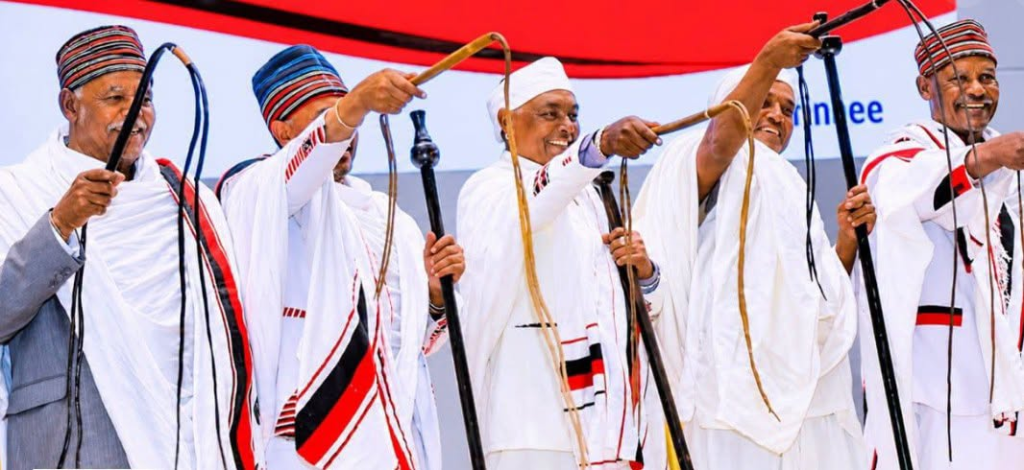
FINFINNE — Ten years ago, on November 21, 2009, the Oromo Gadaa system was inscribed by UNESCO as Intangible Cultural Heritage. A decade later, the Gadaa system remains not merely a historical relic but a living, functioning democratic order that continues to regulate the political, economic, and social life of the Oromo people. Drawing on materials from the Oromia Culture and Sport Bureau, this feature explores the principles, institutions, and enduring significance of one of Africa’s most sophisticated indigenous governance systems.
A Democratic System of Governance
Gadaa is the traditional system of governance through which the Oromo people have organized their political, economic, and social life for centuries. It is a democratic system in which all members of society participate on equal footing. The system organizes the Oromo people into five Gadaa groups, without dividing them by clan or class, and each group governs in rotation for a period of eight years.
Gadaa is not limited to a single dimension of life. It encompasses all aspects of Oromo existence and provides guidance in every direction. As the source material emphasizes, “Gadaa is not merely a celebration or a feast. Within Gadaa, there are cultural institutions such as Guddifachaa (adoption), Gumaa (compensation), Araara (reconciliation), Meedhacha (mediation), Raakoo (assembly), Waaqeffannaa (traditional worship), Irreecha (thanksgiving festival), Siiqqee (women’s institution), Marabbaa (council), and many others.”
The Role of Women in Gadaa
In the Oromo Gadaa system, women hold an elevated and respected position. The dignity of women is an undeniable truth within the system. The major institutions associated with women under Gadaa include:
Qanafaa — a symbol of honor that Oromo women, particularly among the Arsii, wear on their heads during childbirth. The Qanafaa is tied with fresh grass, grain flowers, and butter.
Siiqqee — a straight staff made from the Harooressa tree, which a mother gives with honor to her daughter upon marriage, along with a Barree Itittuu and Buqqee (Hodhaa). The Siiqqee is the instrument through which Oromo women assert and protect their rights.
Ateetee — a system with its own rules and procedures, practiced by Oromo women, connected to spirituality. It is the cultural institution through which women honor their rights and pray to and through the Creator (Waaqayyo).
The Qeerroo and the Gadaa System
The term Qeerroo refers to a young man who has not yet married. In the Gadaa system, young men in the Kuusaa (Foollee) and Raabaa grades are considered Qeerroo. In the Gadaa system, young men in these grades do not marry; marriage is permitted when they reach the Doorii grade.
In the construction of Oromo military power, the special force trained for high military duty is known as Qeerroo or Buttuu. This force is selected from the Foollee (Kuusaa) grade and takes shape in the Raabaa grade.
In the Gadaa system, the military or defense force of the country is known as Raayyaa. The Oromo Raayyaa is composed of three types of soldiers: the Cavalry Force (Humna Waraana Fardaa), the Infantry Force (Humna Waraana Lafoo), and the Special Force (Humna Addaa). The Special Force, trained and organized for special missions, is known as Buttuu in some places and Qeerroo in others. The meaning is strong, decisive, fast, and unyielding—symbolizing determination.
Qaalluu and Ayyaantuu
In the Gadaa system, the Qaalluu is the leading religious institution, and below it are smaller religious leadership structures known as Waayyuu and Ayyaantuu. The Qaalluu institution is led by Abbaa Muudaa.
The Qaalluu exists among all Oromo groups, with the most senior being the Qaalluu of Warra Odituu. Others include the Qaalluu Beerree. Among the Gujii, the Qaalluu is Warra Odituu. The Odituu is known among the Maccaa, Tuulamaa, and Booranaa, while the Qaalluu of Warra Sapha is also known among the Tuulamaa. Among the institutions under the Qaalluu, Ayyaantuu is one, while Waayyuu is considered the backbone of the great Qaalluu. In some places, Waayyuu acts in place of the Qaalluu and leads the people.
A Living Heritage
The Gadaa system’s inscription by UNESCO a decade ago was a recognition of its global significance as a democratic heritage. But for the Oromo people, Gadaa is not a museum piece. It is a living system that continues to shape governance, resolve disputes, transmit values, and bind the community together. Its principles—equality, rotation of power, accountability, and the participation of all—remain as relevant today as they have been for centuries.
As the Oromo people continue to navigate the challenges of the modern world, the Gadaa system offers a foundation rooted in their own history and traditions—a source of identity, resilience, and hope for the future.
Source: Barii (Gaazexaa Bariisaa), October 15, 2019; Oromia Culture and Sport Bureau; UNESCO Intangible Cultural Heritage.

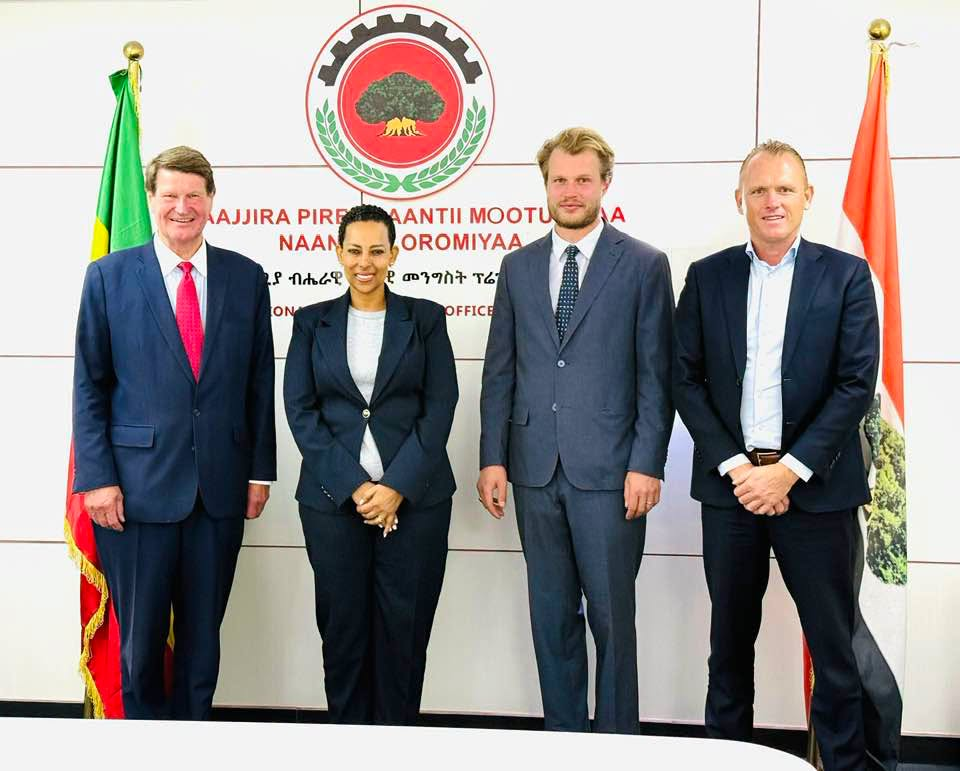
Oromia Eyes AI, Agriculture, and Climate Finance in High-Level Talks with Nedamco Africa
By Dhabessa Wakjira
ADDIS ABABA — In a significant step toward positioning Oromia at the forefront of technological innovation and sustainable development, the President of the Oromia Region welcomed the Nedamco Africa team to the Oromia President Office for a forward-looking discussion on opportunities at the intersection of artificial intelligence, agriculture, climate finance, and international investment.
A Vision for Technology-Driven Development
The meeting, described by the President as “a pleasure,” explored exciting possibilities for leveraging technology and international partnerships to advance agricultural productivity, strengthen climate resilience, unlock investment, and build local technological capacity. The discussions signal a growing recognition that Oromia’s future prosperity will depend not only on its vast natural resources and agricultural potential but on its ability to harness the tools of the digital age.
Artificial intelligence, in particular, was identified as a transformative force capable of revolutionizing how the region approaches farming, resource management, and climate adaptation. By integrating AI into agricultural systems, Oromia could improve crop yields, optimize water usage, and provide farmers with data-driven insights that enhance productivity and sustainability.
Climate Finance and COP32
The timing of the discussions is significant. As Ethiopia prepares for COP32 and continues to advance its digital ambitions, the Oromia regional government is positioning itself as a key player in the global conversation on climate finance and sustainable development. The meeting with Nedamco Africa explored how international partnerships could unlock investment for climate-resilient infrastructure, renewable energy, and agricultural adaptation.
The President emphasized that bringing together innovation, investment, and development is essential to creating lasting benefits for the Oromo people. “I see significant potential in bringing together innovation, investment, and development to create lasting benefits for our people,” he stated.
Building Local Capacity
Beyond the immediate opportunities for investment and technology transfer, the discussions focused on building local technological capacity—a critical component of any sustainable development strategy. Without a skilled local workforce equipped to manage and innovate within these new systems, the benefits of AI and digital technology would remain dependent on external expertise.
The meeting with Nedamco Africa thus signals a commitment not only to attracting investment but to ensuring that Oromia develops the human capital needed to sustain and expand technological innovation in the years ahead.
A Promising Beginning
“I welcome Nedamco Africa’s interest in exploring these opportunities with us,” the President said. “This is the beginning of a promising conversation, and I look forward to what we can build together.”
The discussions represent a new chapter in Oromia’s engagement with the global technology and investment community. As the region continues to position itself as a hub for innovation and sustainable development, partnerships like the one with Nedamco Africa will be instrumental in transforming vision into reality.
#Oromia #Ethiopia #COP32 #AI #Agriculture #ClimateFinance #Innovation #SustainableDevelopment






