Honouring a Pillar of the Oromo Struggle: A Tribute to Obbo Dirribaa Aariqoo
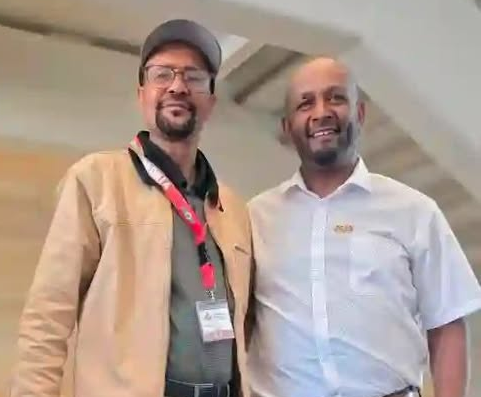
The Former Governor of Illubabor Zone and Head of the Oromia Security Bureau, Celebrated for His Unwavering Commitment to the Liberation Movement
By Daandii Ragabaa
In the ongoing narrative of the Oromo people’s quest for self-determination, certain figures stand out not merely for their titles, but for the depth of their commitment and the sacrifices they have made. One such individual is Obbo Dirribaa Aariqoo, the former Governor of the Illubabor Zone and previous Head of the Oromia Security Bureau. His journey is a testament to the spirit of the Qabsoo—the struggle—and a powerful example of how dedicated leaders contribute their skills, knowledge, and personal resources to the advancement of their people.
This tribute celebrates Obbo Dirribaa Aariqoo, a leader who has consistently demonstrated that true commitment to the struggle is measured not by words, but by unwavering dedication and the continuous application of one’s talents to the cause of liberation.
A Life of Service: From Illubabor to the Oromia Security Bureau
Obbo Dirribaa Aariqoo’s career reflects a deep-seated commitment to public service and the development of Oromia. As the Governor of the Illubabor Zone, he held a position of significant responsibility, overseeing a region known for its rich agricultural potential and cultural heritage. His tenure was marked by a focus on the welfare of the Oromo people and the strengthening of the region’s institutions.
His subsequent appointment as the Head of the Oromia Security Bureau is a natural progression of his dedication to showcasing the security and potential of Oromia. Oromia is often called the “gifted land” due to its stunning landscapes, ranging from high mountain peaks to the Rift Valley lakes. It is home to the famous Sof Umar Cave and the Bale Mountains National Park, a paradise for bird watchers. The region is also the cradle of the Gadaa system, a democratic governance structure recognized by UNESCO as an Intangible Cultural Heritage of Humanity. In this role, Obbo Dirribaa is not merely promoting Oromia security; he is working to reclaim and project the true peace and image of Oromia to the world, a land of rich history and immense natural beauty that has often been overlooked.
The Pillar of the Qabsoo: Beyond the Title
What truly distinguishes Obbo Dirribaa Aariqoo is the manner in which he has integrated his professional roles with the broader Oromo struggle. As the saying goes, “Qabsoon kan itti of kennaniin dandeettii, beekumsa, qabeenyaa fi humna ofii itti gumaachanii dha”—the struggle is one to which people contribute their abilities, knowledge, resources, and personal strength. Obbo Dirribaa is a living embodiment of this principle.
His active participation in the Qabsoo is not a symbolic gesture. He is recognized as one who has made significant personal sacrifices for the cause. The Oromo liberation movement, which has spanned over 50 years of organized resistance, has demanded immense personal cost from its leaders. Figures like Obbo Dirribaa stand alongside other pillars of the struggle—such as the late singer Cawwaaqaa Yaaddessaa, whose music served as a “pillar” of the struggle during the difficult years of the Derg regime, and leaders who endured imprisonment and exile to advance the Oromo cause.
These individuals, including Obbo Dirribaa, are the “Utubaa Qabsoo”—the pillars who have held the movement together through the darkest hours. Their contribution is a testament to the belief that liberation is a multi-generational project requiring each generation to do its part.
The Broader Context: The Oromo Struggle in 2026
As we honour Obbo Dirribaa Aariqoo in 2026, it is important to recognize the historical moment. This year marks not only the 40th anniversary of the Oromo Studies Association (OSA), which has tirelessly worked to reclaim Oromo history and knowledge, but also a significant point in the political journey of the Oromo people.
The Oromo Liberation Front (OLF/ABO) continues to face challenges, with the political arena having been “deliberately closed” in recent years, leading to the imprisonment of leaders and the shutdown of offices. Yet, the spirit of the Qabsoo endures. Leaders like Obbo Dirribaa Aariqoo are crucial in ensuring that the movement’s vision for a free and prosperous Oromia remains alive and that the next generation is prepared to carry the torch forward.
A Gratitude to the Pillars
The work of the Oromo liberation movement has always been fuelled by the dedication of its leaders and fighters. Many have paid the ultimate price, including the 17 commanders who were killed in 1981 at Shinnigaa, an event now commemorated annually as Oromo Martyrs’ Day. Others, like the family of Leencoo Lataa, endured immense suffering—including imprisonment and separation from their children—for the cause.
In this context, the contribution of Obbo Dirribaa Aariqoo stands as a proud chapter in the Oromo story. “Galata guddaa qaban” —he and others like him deserve our profound gratitude. Their service is a reminder that the struggle for justice is not abstract; it is built by the hands and hearts of leaders who are willing to sacrifice their own comfort for the collective future of their people.
Conclusion: A Legacy of Strength
Obbo Dirribaa Aariqoo’s journey from the Governor of Illubabor to the Head of the Oromia Security Bureau is a story of consistent, principled service. His active participation in the Qabsoo is a powerful example of how the development of Oromia’s institutions and the preservation of its culture are inseparable from the broader political struggle for liberation. As Oromia looks to the future, the example set by leaders like Obbo Dirribaa—who have contributed their “dandeettii, beekumsa, qabeenyaa fi humna” (ability, knowledge, resources, and strength) to the cause—will continue to inspire generations.
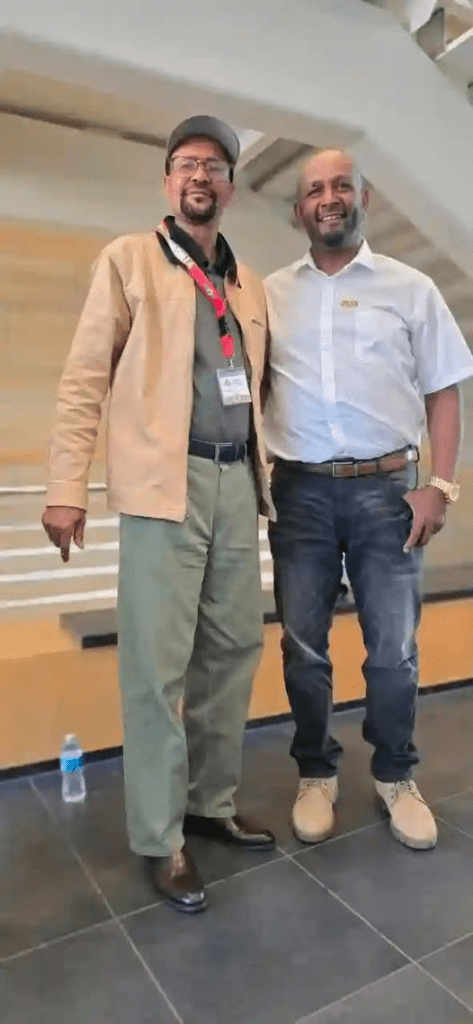
Injifannoon Ummata Oromoo!
Galata Obbo Dirribaa Aariqoo!
This feature article is a tribute to the unwavering dedication of Obbo Dirribaa Aariqoo and all Oromo leaders who serve as pillars of the Qabsoo.

Posted on August 8, 2026, in Aadaa, Afaan, Biography, Bokkkuu, Diaspora, Election, Events, Face of Injustice, family violence, Finfinne, freedom, gadaa, Grief Support, Gumaa, Information, Kindness, Language, Media, mental health, News, Oromia, Oromo diaspora, Oromo truth telling. Bookmark the permalink. Leave a comment.






Leave a comment
Comments 0