The Silence Over Wollega: A Cry for the Voiceless in Ethiopia’s Forgotten War
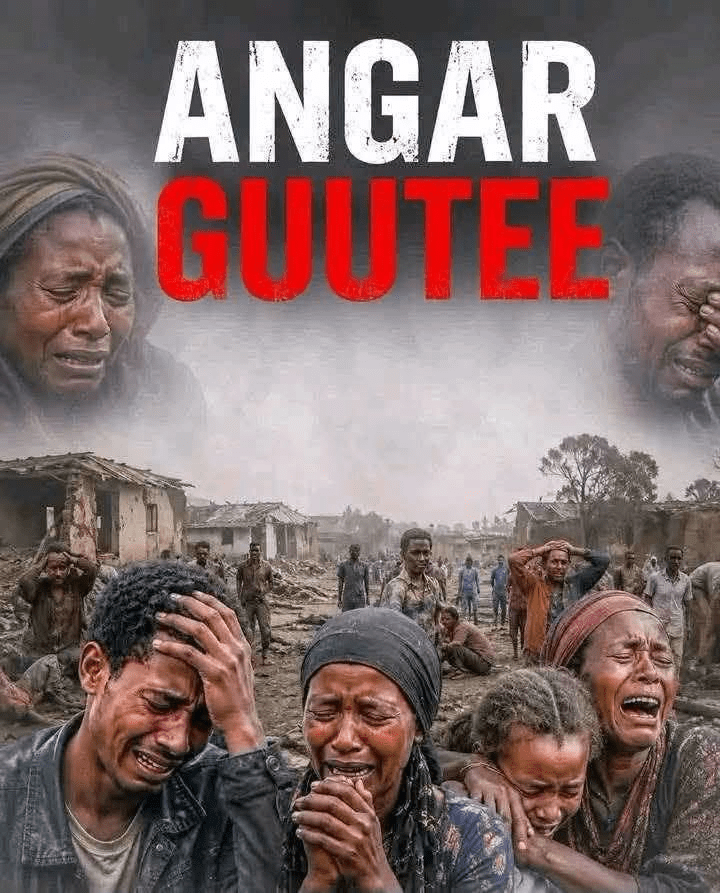
In the sprawling highlands of western Ethiopia, a humanitarian catastrophe is unfolding with alarming speed. The East Wollega Zone of the Oromia region has become a crucible of ethnic violence, where armed groups clash, and the conflict’s brutal arithmetic is calculated not in strategic gains, but in civilian bodies . As fighting intensifies, a dangerous fog of war has descended, making it nearly impossible to separate fact from propaganda. Yet, amid the chaos, one truth is devastatingly clear: it is the innocent civilians who are suffering the most.
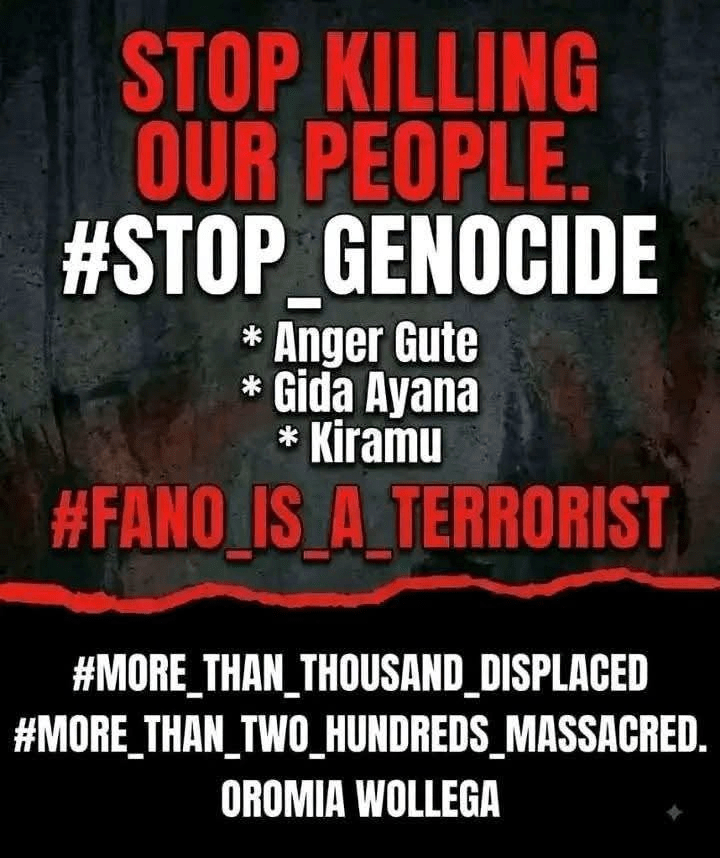
The atrocities have been staggering, with conflicting reports creating a confusing narrative. The Oromo Media Network (OMN) and Oromia News Agency (ONA)report, citing eyewitnesses, that 30 Oromo civilians were killed in recent attacks. Meanwhile, sources aligned with Fano counter that the Oromia Special Forces (OSF) are responsible for the deaths of 30 Amhara civilians. This deadly blame game, where both sides accuse the other of systematic slaughter, obscures a grim reality: entire communities are being erased, with homes torched and livestock stolen.
A Storm of Violence
The situation in East Wollega is defined by a complex and deadly ecosystem of armed actors. The Ethiopian National Defense Force (ENDF) is engaged in operations against the Oromo Liberation Army (OLA), which the government labels a terrorist group. However, the violence is compounded by the presence of the Fano militia, an Amhara nationalist force that has expanded its operations from the Amhara region into Oromia. The ENDF has even claimed that Fano and the OLA have coordinated attacks against government forces in the zone, a claim that, if true, suggests a shifting of alliances in an increasingly chaotic conflict.
Residents on the ground paint a picture of indiscriminate brutality. They describe attacks by Fano militants, who they accuse of going “from house to house” to shoot civilians, killing even a district court judge in his own home . Other accounts detail horrific acts of violence against Amhara civilians. A report by the BBC Amharic service documented a massacre in Gida Ayana Woreda, where residents blamed the Oromia Special Forces for killing 19 people and burning hundreds of homes . One survivor, a pregnant woman whose husband was killed in front of her, described the attackers saying, “Your children are the ones fighting the federal government. You support Fano”. This statement reveals a terrifying logic: civilians are being targeted not as individuals, but as members of an ethnic group deemed to be supportive of the enemy.
The Weaponization of Identity and History
This conflict is deeply rooted in historical grievances and land disputes. Over the decades, waves of Amhara settlers moved into Western Oromia, leading to long-standing tensions over land and political power . This has created an environment where armed groups can exploit ethnic identity for support, framing the violence as a struggle for liberation or territorial expansion. Fano’s actions are reportedly driven by an ideology that seeks to reclaim parts of Wollega as historically Amhara land, an expansionist goal that, critics argue, echoes dangerous nationalist myths seen in other global conflicts .
A Humanitarian Catastrophe Ignored
The numbers of displaced are staggering. The Dorcas aid organization reported that conflict in the East Wollega border areas has displaced over 22,000 people in a single wave of violence . These displaced families are fleeing to relative safety in towns like Debre Birhan in the Amhara region, often finding themselves living in crowded, unsanitary conditions with little access to food, water, or healthcare . In 2021 alone, more than 88,000 civilians were forcibly displaced from Western Oromia, a figure that has certainly grown in the years since .
The international response has been conspicuously muted. As the cry for help echoes from the highlands—”Where is the UN? Where is Human Rights Watch?”—the calls for justice and protection from civilians are met with silence . The victims, caught between warring factions, are pleading for the bravest journalists and human rights advocates to become their voices.
As one desperate resident lamented, “Are we not citizens? Why do we suffer from hunger and thirst? We’ve reached a point where we regret being alive” . It is a tragic testament to the failure of the international community to protect the most vulnerable.
—
The call for help from East Wollega is urgent. The world must not look away.

Posted on August 12, 2026, in Aadaa, Afaan, Bokkkuu, Diaspora, Election, Events, Face of Injustice, freedom, Language, Media, News. Bookmark the permalink. Leave a comment.






Leave a comment
Comments 0