Garanfasaa: Welcoming the Season of Light Through Oromo Tradition
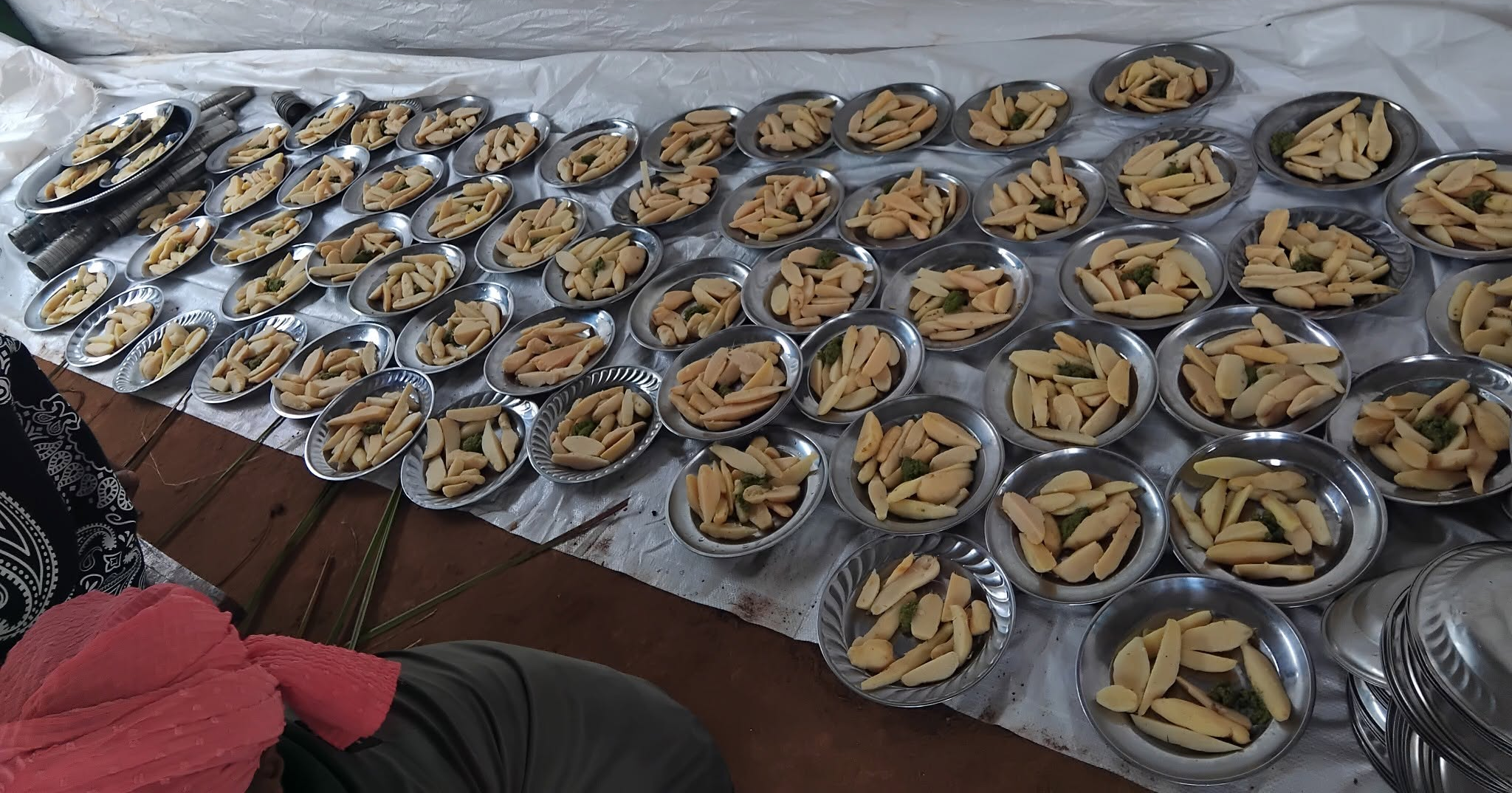
A Celebration of Love, Unity, and the Transition to Spring
By Daandii Ragabaa
Across the Oromo landscape, as the dark winter season gives way to the bright promise of spring, a sacred celebration unfolds. Garanfasaa—known in central Oromia as Ibsaa Birraa—is a vibrant festival marking the arrival of the season of light, love, and renewal.
This ancient tradition, celebrated in the western regions of Oromia, is a profound expression of Oromo identity, community, and cultural continuity. It is a time when families, lovers, and communities come together to honour the transition from winter to spring, and to reaffirm the bonds that hold society together.
The Meaning of Garanfasa
Garanfasaa, also known as Ibsaa Birraa, is a festival of love and renewal. It marks the transition from the rainy season to the bright, hopeful days of spring—a time when the earth awakens, the flowers bloom, and life is renewed.
The festival is celebrated in the month of Hagayya (July-August), when the community gathers to welcome the season of light. The celebration is characterised by traditional songs, dances, and the exchange of gifts between lovers and family members.
The name “Ibsaa Birraa” reflects the festival’s essence: Ibsaa means “light,” and Birraa means “spring.” Together, they capture the spirit of the celebration—the illumination that follows the darkness of winter, the hope that follows hardship, the renewal that follows loss.
A Celebration of Love and Community
One of the most distinctive features of Garanfasaa is its emphasis on love and courtship. The festival is a time when young men and women express their affection for one another through the exchange of gifts. Traditionally, lovers give each other tokens of their love—beautifully crafted items that symbolise their commitment and devotion.
As the custom holds, the exchange of gifts is not merely a gesture of affection but a declaration of intent. Those who fail to give gifts may be seen as lacking in respect or affection, and tensions can arise between couples. The festival thus serves as a social mechanism for maintaining harmony in relationships and reinforcing the values of love and mutual respect.
The scholar John Samuel, writing on Oromo spirituality and history, described Ibsaa Birraa as a “great festival of the blacks,” noting its deep cultural and spiritual significance. The festival, he observed, has been eroded over time, but its essence remains a powerful expression of Oromo identity.
The Rituals of Garanfasaa
The Garanfasa celebration is marked by a series of traditional rituals that have been passed down through generations:
Gathering of the Three Clans
In the western Oromo region, the festival is celebrated by the Three Clans of Sibuu. Families gather at designated sites, dressed in their finest traditional attire, to participate in the festivities.
Traditional Songs and Dances
The air is filled with the sounds of traditional songs, known as sirba, and the rhythmic beat of drums. Young men and women perform dances that have been passed down through generations, expressing joy and gratitude for the arrival of spring.
Exchange of Gifts
The exchange of gifts is a central feature of the celebration. Lovers present each other with tokens of their affection, reinforcing the bonds of love and commitment. Families also exchange gifts, strengthening the ties of kinship and community.
Blessings from Elders
Elders lead the prayers and offer blessings for the coming season. They share the wisdom of the ancestors, reminding the younger generation of their responsibilities to their community and their culture.
The Significance of Garanfasa in Oromo Culture
Garanfasaa is more than a festival—it is a reaffirmation of Oromo identity and cultural continuity. In a world of rapid change, traditions like Garanfasaa serve as anchors of identity, connecting the present generation to their ancestors and ensuring that the values of the past endure.
The festival also reinforces the bonds of community. By coming together to celebrate, families and neighbours strengthen the social fabric that sustains them. The festival is a reminder that the Oromo people are not merely individuals but members of a larger community, bound by shared history, culture, and values.
A Call to Preserve and Celebrate
Like many Oromo traditions, Garanfasaa has faced challenges. Under successive oppressive regimes, the celebration was suppressed and driven underground. Its revival in recent years is a testament to the resilience of the Oromo people and their determination to preserve their heritage.
As the community gathers to celebrate Garanfasaa, they are also declaring that their traditions endure—that the light of their culture will never be extinguished.
This feature article is dedicated to the custodians of Oromo tradition who keep the spirit of Garanfasaa alive for future generations.

Posted on August 24, 2026, in Aadaa, Afaan, Events, Finfinne, freedom, gadaa, Language, Media, News, Oromia, Oromo diaspora, Oromo truth telling, Press Release, Promotion. Bookmark the permalink. Leave a comment.






Leave a comment
Comments 0