Irreechaa in Edmonton: How One Diaspora Community Turned a Sacred Tradition into a Recognized Civic Celebration
By Daandii Ragabaa
EDMONTON, Alberta — When the Oromo community of Edmonton gathered for Irreechaa Malkaa this year, they were not simply marking a religious holiday. They were making a statement — to themselves, to their children, and to the wider Canadian society — that Oromo culture, identity, and heritage deserve to be seen, respected, and celebrated at the highest levels of public life.
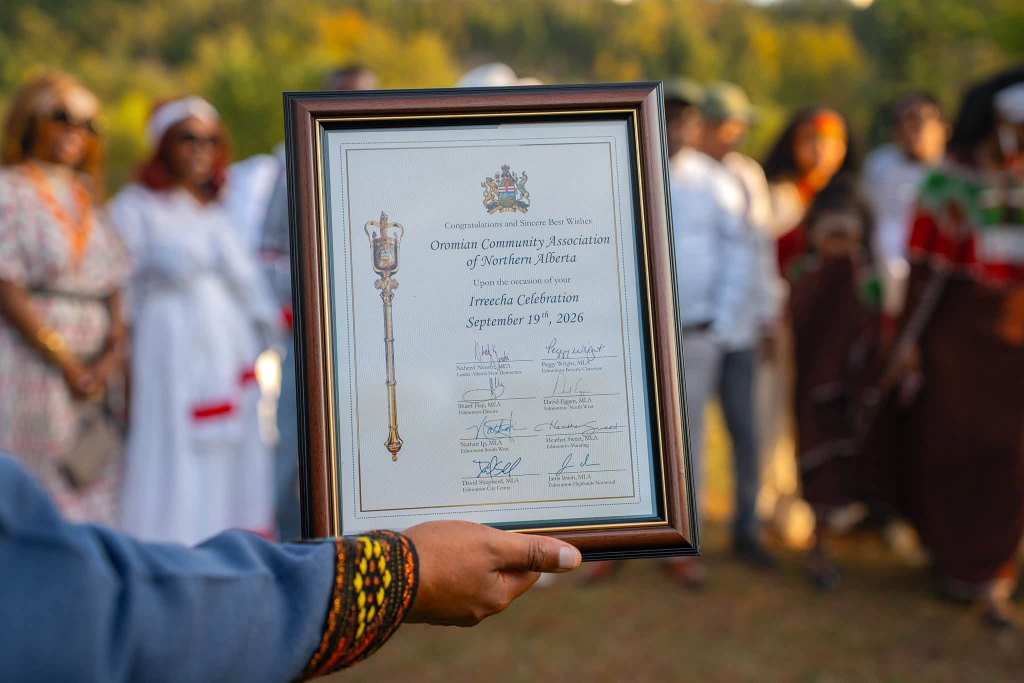
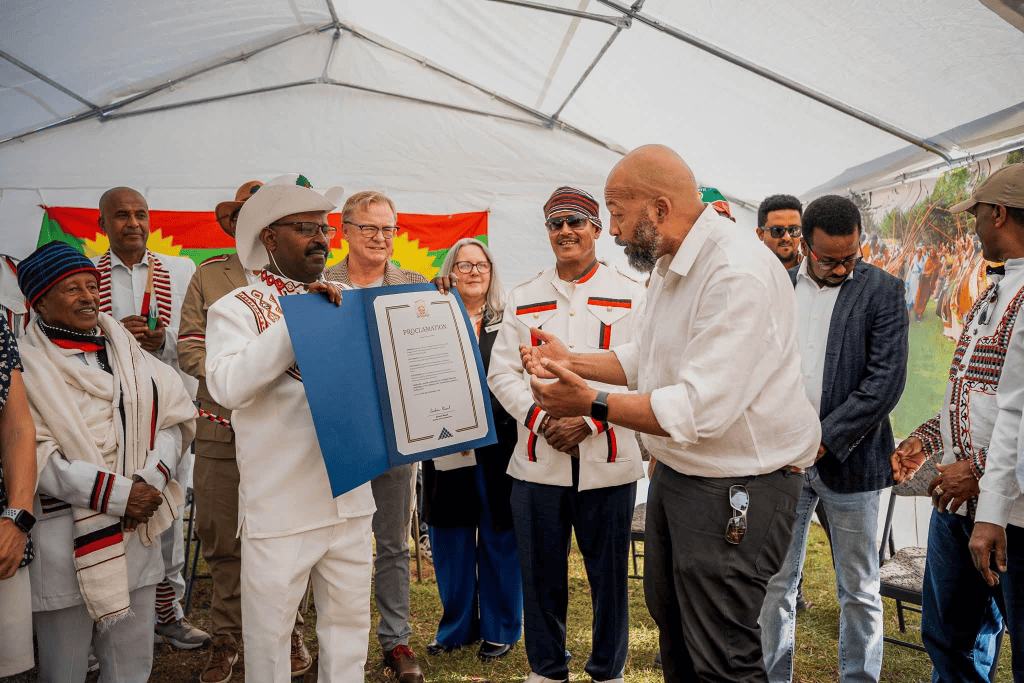
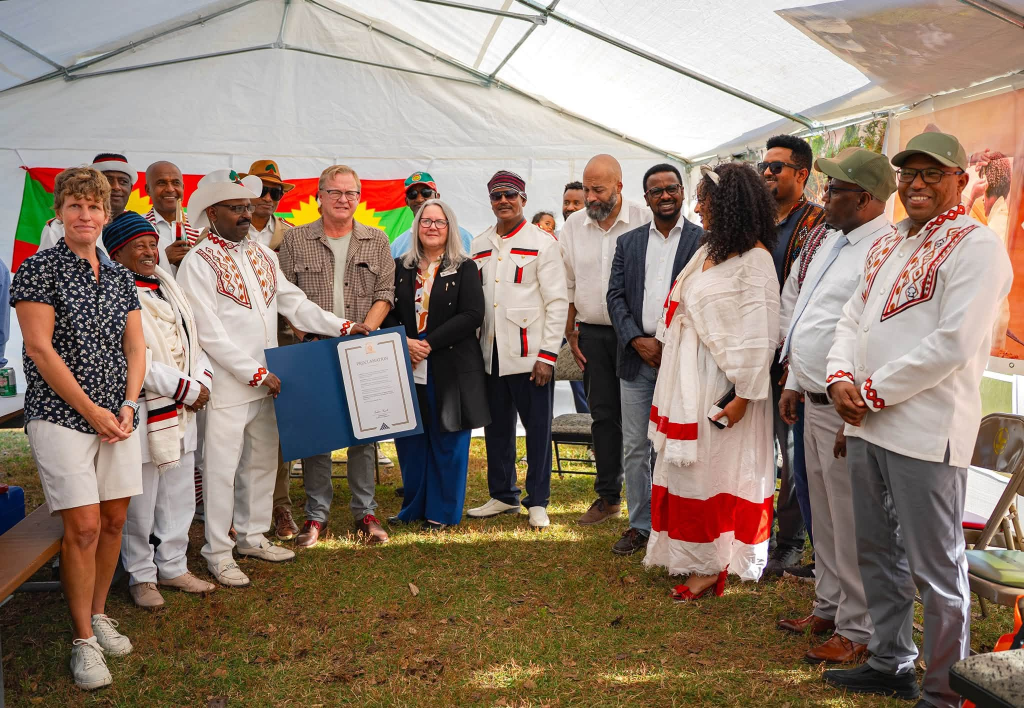
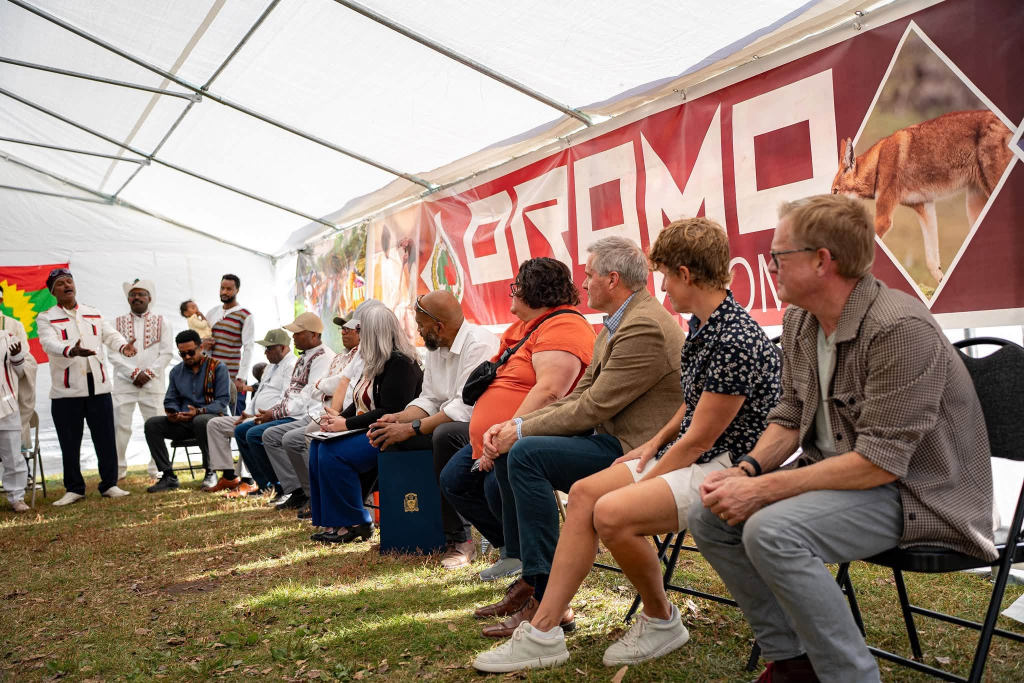
The celebration, held a week ago, was honored with an official Certificate of Recognition from the Government of Alberta, presented by representatives of the city and the provincial and federal governments who stood alongside the Oromo community in celebration. The recognition was not a casual gesture. As the community noted, this acknowledgment did not come easily or by accident. It was the result of years of persistent advocacy and grassroots organizing.
A Celebration That Speaks for Itself
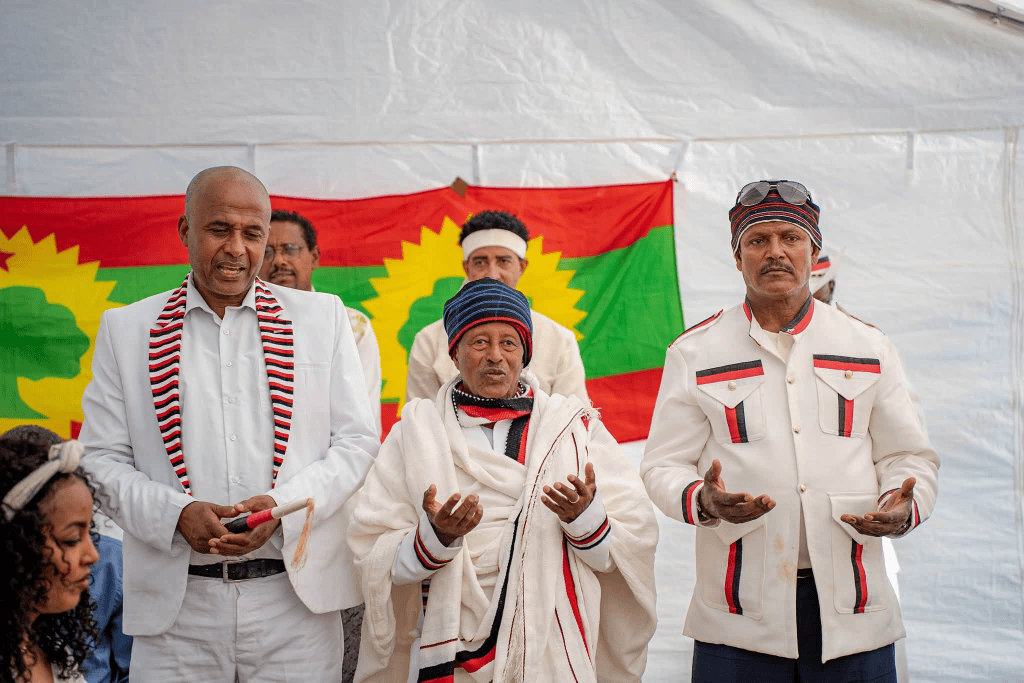
The symbolism of Irreechaa is powerful, and the Edmonton community was intentional about ensuring it was understood. Irreechaa is not simply a “Thanksgiving” festival. It is rooted in Waaqeffannaa, the traditional Oromo belief in one God, and in the Gadaa system — the ancient democratic governance structure that UNESCO has recognized as Intangible Cultural Heritage.
For Oromos in the diaspora, Irreechaa is a spiritual act of gratitude to Waaqa for the blessings of the past year, a moment of reconciliation, and a prayer for peace in the year ahead. It is also a public declaration of identity — a refusal to be invisible.
As the community statement put it, the presence of elected officials and the presentation of the certificate of recognition was not simply an act of kindness by those in power. It was the product of sustained effort and organized advocacy by OCANA (the Oromo Community Association of Northern Alberta) and the broader Oromo community of the region.
The Leadership Behind the Recognition
The statement is clear that this achievement belongs to the community’s leadership and its collective will. “For our culture to flourish, for Oromos to be honored, and for Oromia to be viewed as a nation, the leadership of the Oromo Community Association of Northern Alberta played a lion’s share — and this is where it came from.”
That acknowledgment matters. In diaspora communities, recognition rarely arrives on its own. It must be cultivated — through relationship-building with local governments, through participation in multicultural events, through education, and through the persistence of community organizations.
A Model for Others
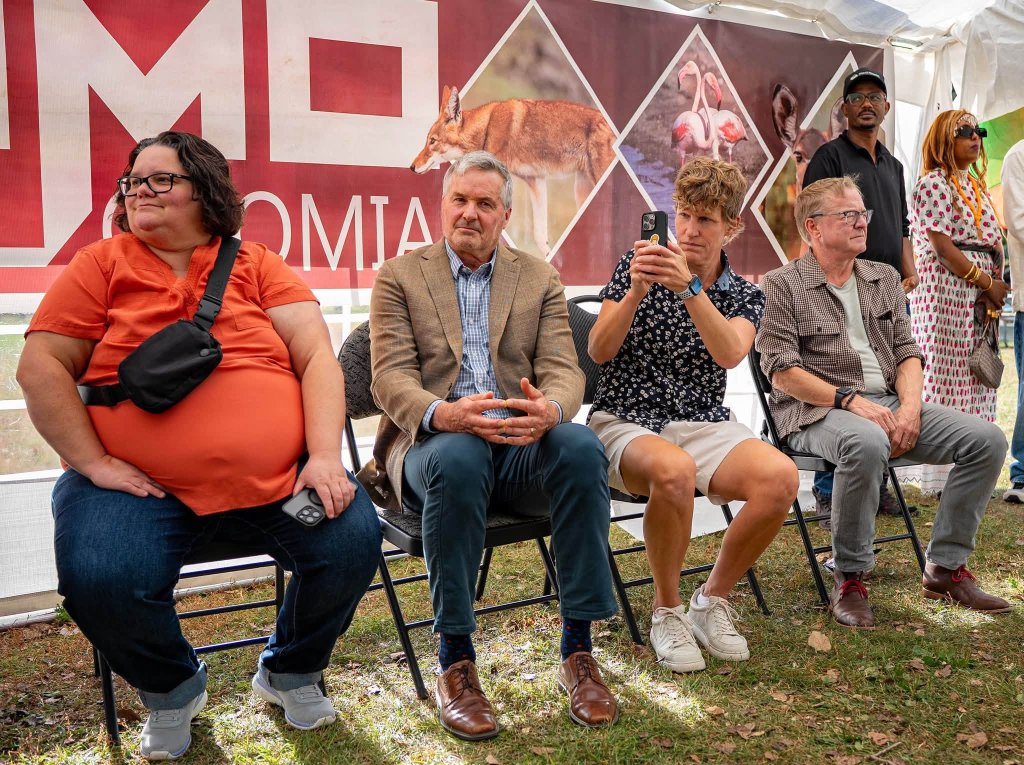
The Edmonton community also highlighted a striking achievement: at God-Hambaalee Edmonton, one of the city’s major multicultural festivals featuring over 90 countries, Oromia participated as a nation in its own right — complete with its own displays and presentations, which finished among the top ranks of participants.
For a community whose homeland has often been marginalized, denied recognition, and subjected to systemic oppression, this is no small thing. It is a reversal of the invisibility that has too often been imposed on Oromo people.
The statement also noted that many multicultural associations exist across Canada, but none has demonstrated the same strength, diplomatic skill, and ability to articulate the Oromo experience as this one. The community did not celebrate in isolation — it celebrated in public, with recognition, and with dignity.
Gratitude and Looking Forward
The message closes with gratitude — to the Oromo community of the region, to OCANA’s leadership, and to everyone who contributed to making Irreechaa 2026 a success. It also issues a challenge to other Oromo communities: learn from this example. The community intends to build on this momentum, and future plans are already taking shape.
To those who are honoring their country and culture, the community offers its blessing: Irreecha milkii — may your Irreechaa be fruitful and blessed.
Why This Matters
Irreechaa in Edmonton is not just a local story. It is a template for how diaspora communities can transform sacred traditions into civic recognition — without compromising the spiritual essence of the festival. It shows that cultural preservation and public engagement are not mutually exclusive. And it demonstrates that when a community organizes, advocates, and speaks with one voice, governments listen.
For Oromos across Australia, North America, Europe, and beyond, the Edmonton example offers both inspiration and a challenge: celebrate proudly, organize strategically, and ensure that Irreechaa is not only a memory carried from home, but a living tradition recognized by the nations in which it is celebrated.
Baga Irreecha milkiin geessan!
#Irreecha_Edmonton #Irreechaa #Oromo #Oromia #OCANA #Edmonton #Alberta #Diaspora #CulturalHeritage #Waaqeffannaa #Oromummaa

Posted on September 28, 2026, in Aadaa, Afaan, AMES, AOD, Bokkkuu, Daaniyaa, Diaspora, Events, Finfinne, freedom, gadaa, gender, Gumaa, health, Information, Irreechaa, Kindness, Language, Media, mental health, News, Oromia, Oromo diaspora, Press Release, Promotion, SBO, SBS, Uncategorized. Bookmark the permalink. Leave a comment.






Leave a comment
Comments 0