Irreecha at Hora Liqqimee: A Peaceful Thanksgiving in Debre Libanos
By Daandii Ragabaa
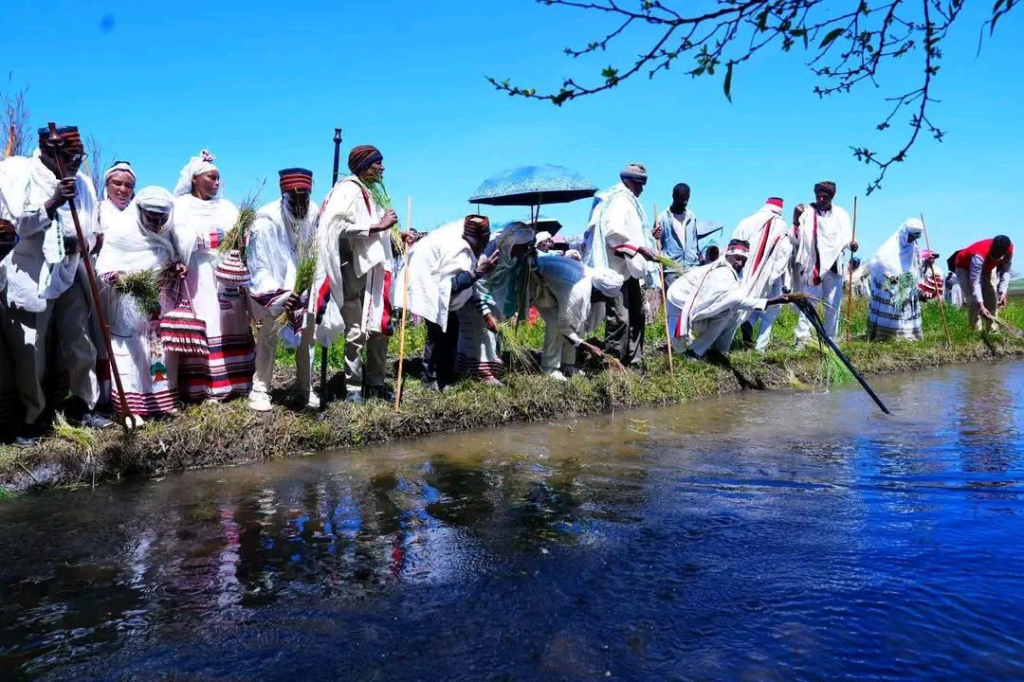
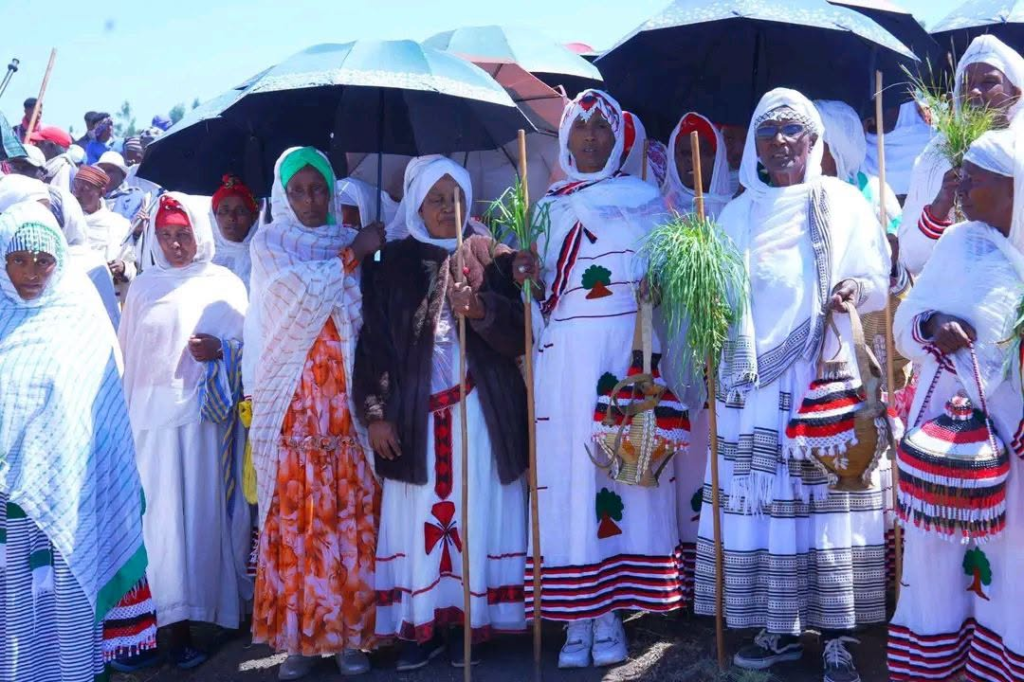
DEBRE LIBANOS, Central Oromia — In the heart of North Shewa, where the highlands roll toward the gorge of the Blue Nile and the ancient monastery of Debre Libanos has stood for over seven centuries, the Oromo community gathered at Hora Liqqimee to celebrate Irreecha. The festival, marking the end of the dark rainy season and the arrival of Birraa, was observed peacefully—a quiet but meaningful testament to the enduring power of Oromo tradition in a region known more for its religious history than for its Irreecha celebrations.
A Festival of Gratitude in a Sacred Landscape
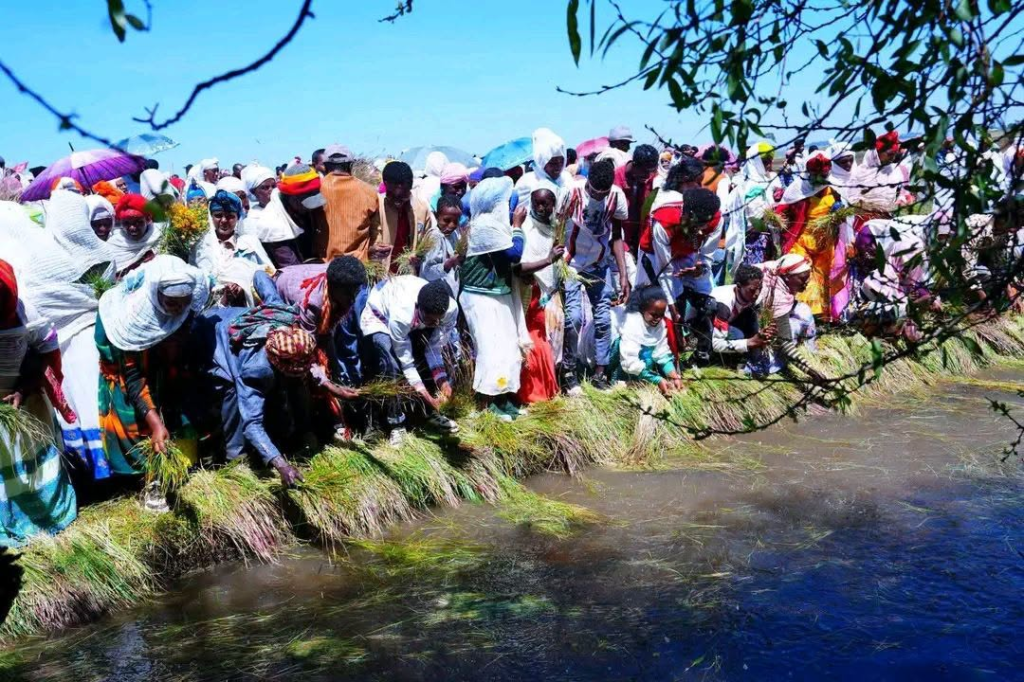
Irreecha is, at its core, an act of thanksgiving. The Oromo people gather at water sources—malkaa—to offer gratitude to Waaqa for peace, health, a good harvest, and the well-being of family and livestock, while praying for blessings in the year to come . At Hora Liqqimee, participants carried fresh green grass and yellow keelloo flowers to the water’s edge, dipping them into the lake and sprinkling the water as a blessing—a ritual of renewal that connects the present generation to an unbroken chain of practice stretching back centuries .
The location itself carries layers of meaning. Debre Libanos is home to one of Ethiopia’s most significant Orthodox monasteries, founded in 1284 by Saint Tekle Haymanot, and the surrounding area is steeped in religious history . Yet the celebration of Irreecha here speaks to a different dimension of Oromo spiritual life—one rooted in the indigenous relationship between the people, the land, and the Creator. The peaceful coexistence of these traditions in the same landscape is itself a quiet statement about the pluralism that has long characterized Oromo society.
The Presence of Gadaa and Elders
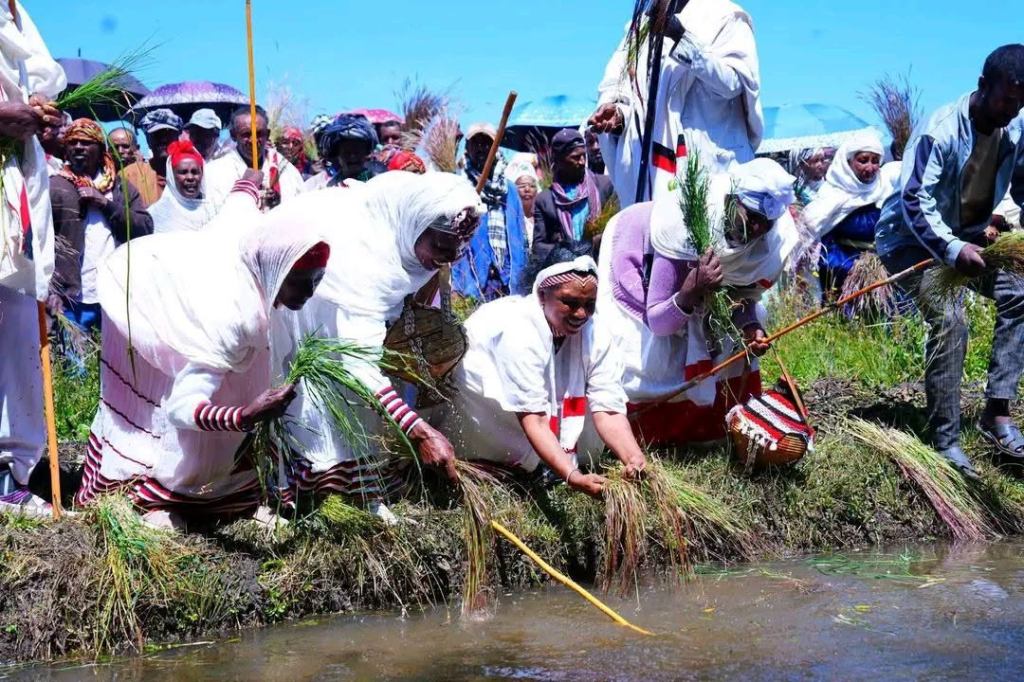
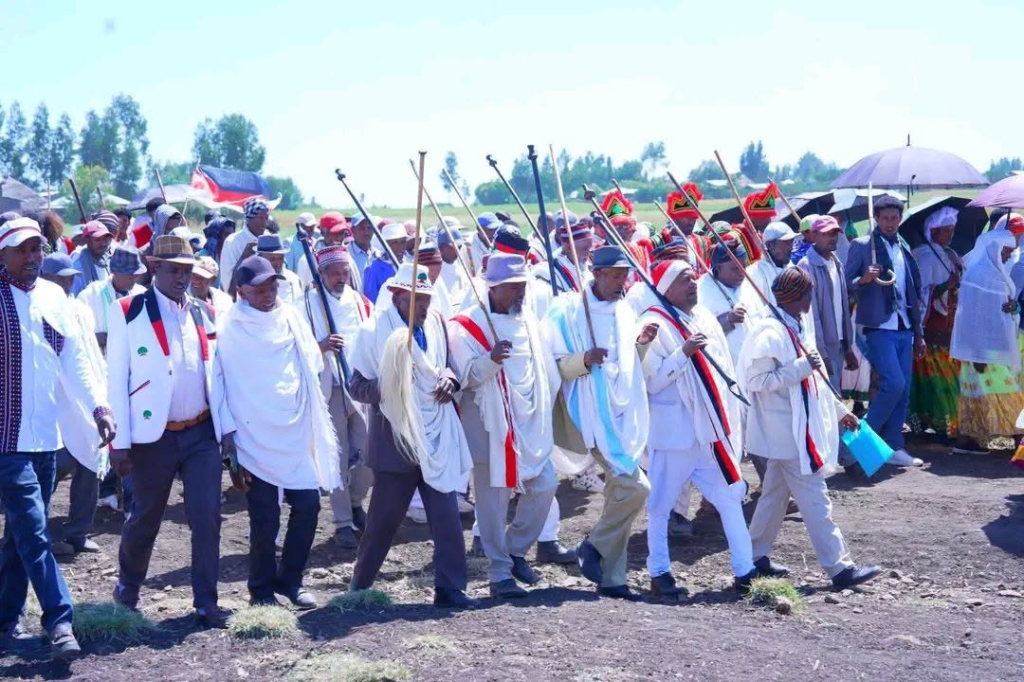
The celebration was honored by the presence of Abbootii Gadaa and Haadholii Siinqee, whose participation lends the festival its institutional and spiritual authority. In Oromo tradition, Irreecha is not merely a cultural event but a ritual embedded within the Gadaa system—the indigenous democratic order recognized by UNESCO as Intangible Cultural Heritage . The elders’ presence at the water’s edge is a living expression of a system that has regulated Oromo social, political, and spiritual life for generations.
The Abbaa Malkaa (father of the river) and the Abbaa Gadaa play central roles in the blessing that precedes the communal thanksgiving. Traditionally, the site is cleansed and blessed before the gathered community is blessed in turn. At Hora Liqqimee, this sequence unfolded as it has for countless seasons, grounding the celebration in a framework of legitimacy that no external authority can confer.
A Call for Peace and Reconciliation
Irreecha is not only about gratitude for the past; it is also about repairing relationships for the future. Traditional teachings emphasize that people should reconcile before entering the sacred gathering. Conflict, resentment, and division have no place at the water’s edge. The elders ask the gathered crowd: Are you at peace with each other? Are you at peace with the Creator? Only when the community affirms its peace does the thanksgiving officially begin.
The peaceful conduct of the celebration at Hora Liqqimee—described simply as having been held “in peace”—carries its own weight. In a region and a country where tensions often run high, the ability of a community to gather, give thanks, and disperse without incident is not a small achievement. It is a testament to the discipline and mutual respect that Irreecha cultivates among its participants.
A Tradition That Lives Beyond the Major Gatherings
While the largest Irreecha celebrations draw millions to Hora Finfinnee in Addis Ababa and Hora Arsadi in Bishoftu, the festival’s meaning is not diluted in smaller settings. Indeed, it is in places like Debre Libanos, at lakes like Hora Liqqimee, that the tradition remains most intimately connected to the land and the local community. The core elements are the same: the gathering at water, the carrying of fresh grass and flowers, the prayers of gratitude, and the reaffirmation of peace.
This year’s celebration at Hora Liqqimee may not have made headlines. But for the people who gathered there—elders in traditional attire, youth carrying keelloo, families reunited after the hardships of the rainy season—it was Irreecha in its fullest sense: a day of thanksgiving, a moment of community, and a reaffirmation of a identity that has survived and thrived for centuries.
Baga Irreecha Hora Liqqimee nagaan geenye!

Posted on November 1, 2026, in Aadaa, Afaan, Bokkkuu, Daaniyaa, Diaspora, Events, Face of Injustice, Finfinne, gadaa, gender, Gumaa, health, Information, Irreechaa, Language, Media, News, Oromia, Oromo diaspora. Bookmark the permalink. Leave a comment.






Leave a comment
Comments 0