Monthly Archives: November 2026

A Family’s Gratitude and a Call for Dignity: The Ahmad Gishee Memorial Statement
By Dhabessa Wakjira
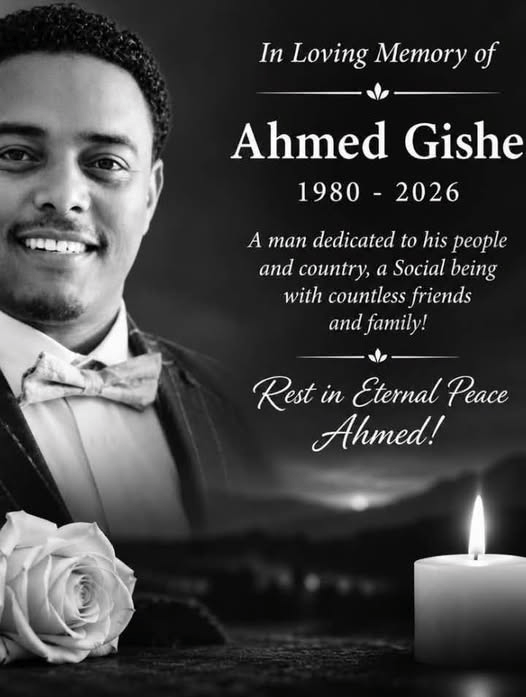
October 31, 2026 — In a statement released to the media, the family of the late Ahmad Gishee has expressed profound gratitude to friends, relatives, and the wider Oromo community for their support during a time of inconsolable grief, while also issuing a powerful call for responsible communication and respect for the family’s privacy.
The statement, titled “A Statement of Gratitude, Honour for a Life Lived, and a Pillar for the Legacy of Ahmad Gishee,” opens with a direct address to Ahmad’s friends, loved ones, relatives, and the broader Oromo public. “In this time of heart-breaking grief caused by Ahmad’s passing, we say thank you and we are grateful for standing with us, for encouraging us, and for sharing our pain,” the family writes.
Gratitude for a Community’s Support
The family’s gratitude is expansive and specific. They thank those who, “without hesitating,” stood by Ahmad when he needed help. They acknowledge those who traveled from far distances to attend his funeral and those who demonstrated that Ahmad was “a son of the broader Oromo nation” to the family and the district. “You have been a strong force for us to bear this heavy grief,” the statement reads. “Your honour is immense, immense!”
The family also requests that the community remember Ahmad in their prayers and supplications, and that they seek forgiveness and reconciliation on his behalf.
A Life Lived Without Regret
The statement offers a portrait of Ahmad as a man who lived his life fully and on his own terms. “The time Ahmad lived on this earth was very short. But he had no regret about the way and manner in which he lived his life,” the family writes. Before departing for the afterlife, Ahmad left a message for those he left behind: he had lived his life as he wished, he would not change anything, and he had done and seen much of what he wanted to do and see in his life.
When the time of death came to him, the family says, Ahmad confirmed to them that he was prepared. “This has given us some peace of mind,” they write. “The sorrow that struck us with his heart-breaking departure has shaken us. The wound created in our hearts has pained us.”
A Legacy of Achievement and Connection
In his short life, Ahmad achieved much and cultivated many friendships. He was a man who “embraced the Oromo nation broadly” and “sacrificed to the extent of his capacity.” His death revealed just how beloved and respected he was. The memorials and tributes being prepared for him, the family says, demonstrate not only that he was a strong man but that he was “a son of the entire Oromo nation.”
The family finds great comfort in knowing that Ahmad’s life held profound meaning for many people. They have resolved to honour his life, to respect the legacy he left behind, and to work to complete the tasks he had undertaken. “His work is foundational,” they write, “and this legacy must be passed from generation to generation.”
A Warning Against Misinformation
The statement takes a serious turn as the family addresses a troubling development: the spread of unverified information and harmful rumors about Ahmad’s life and death. “As people who have a responsibility to look after their community, we are seeing many who are opening empty spaces among these people,” the family writes. “Unverified, harmful, and baseless news is spreading without limit in the community’s social circles.”
Some of this information, the family says, has touched the emotions of family, relatives, and loved ones, and some displays a lack of respect for the family and for Ahmad himself. “This is putting pressure on the family,” they state. “We strongly and respectfully ask that unverified information, false news, or various speculations—especially on social media—not be spread.”
At this time, the family says, what helps Ahmad and them is to seek forgiveness for him and to offer encouragement to the living. “Give thought and human respect to him and his family. Refrain from raising irrelevant matters, spreading, publishing, and reporting things that have no basis—and prevent others from doing so!”
A Call for Responsibility
The family uses the statement to reflect on the power of words and actions. “We have great respect for those who, in this role, recognize that their words and actions have caused harm, and who apologize sincerely,” they write. “When we speak about the lives of other people, we want to remind each other that it is a great responsibility to weigh the good and the harm it carries.”
The way we live together and our relationships as a community must be characterized by compassion, respect, and self-restraint, the family argues. “Words create wounds that do not heal easily; actions bring harm that later requires correction. A painful experience must serve as a lesson for others, helping them understand emotions, and enabling them to cultivate kindness and humanity within themselves. We believe Ahmad’s passing must be a strong force for this.”
Honouring Ahmad’s Legacy
The family acknowledges the many people, both within the country and abroad, who have expressed their desire to honour Ahmad’s life and sacrifice together. “We are grateful for this! Your thoughts are greatly encouraging us. We have great gratitude for your efforts.”
The family extends an open invitation for support and participation in preserving Ahmad’s legacy. “Together, we believe we can pass on the life he lived and the principles he believed in to future generations. For the positive change he brought to the lives of many people, we have great hope that we can follow in his footsteps and honour him in a meaningful way.”
A memorial program for Ahmad will be organized in the near future, and a short-term committee is being established to coordinate it. Further information will be communicated promptly.
A Request for Privacy
In a pointed conclusion, the family states that it has not authorized the collection of any financial or other form of support at this time. “Until further information is communicated to you, we respectfully ask that you understand and respect the decision and direction the family has taken.”
The statement ends with renewed gratitude. “For the kindness, compassion, prayers, and support you have given us, we want to again express our great gratitude in Ahmad’s name. Your support has a meaning beyond words for our family. Thank you all once again.”
Maatii Ahmad Gishee (The Family of Ahmad Gishee)
October 31, 2026
This feature story is based on the family’s official statement. For further information about the memorial program, please await official communication from the family committee.

Lallaba Galataa fi Yaadannoo: Maatiin Ahmad Gishee Hawaasa Oromootti Dhaamsa Garaawaa Ergate
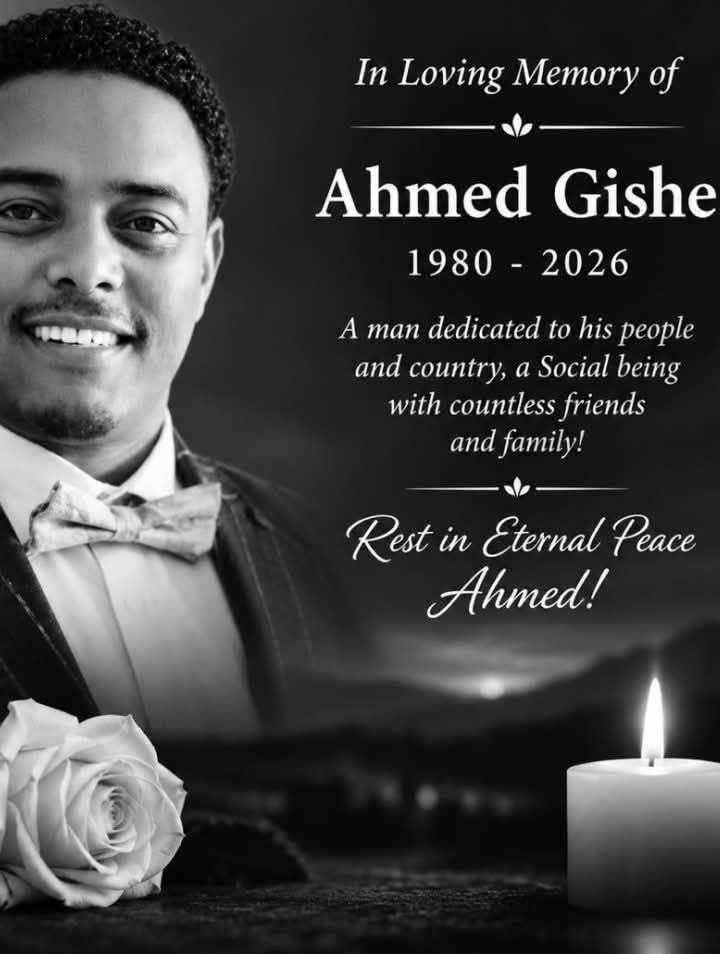
(Onkololeessa 31, Bara 2026) Aartii fi aadaa Oromoo keessatti, duuti nama jaallatamaa fi kabajamaa ta’e gadda cimaa hawaasa keessatti uuma. Ahmad Gishee—ilma saba Oromoo, jaalala fi kabajaa guddaa qabu—lubbuu dhabuun isaatiin maatiin isaa fi hawaasni bal’aan gadda onnee nama cabsu keessa jiraatu. Yeroo kana keessatti maatiin Ahmad Gishee lallaba galataa fi yaadannoo hawaasa Oromootti erganii jiran.
Galata Hawaasaaf
Lallabni maatii keessaa, duraan duraan, hiriyoota Ahmad, jaalalloo, darabootaa fi hawaasa bal’aa Oromootiif galata guddaa dhiyeesseera. “Gadda onnee nama cabsu yeroo keessa jiru kanatti, nu bira dhaabattanii, nu jajjabeessuu fi miidhama keenna nu waliin hirachuu keessaniif, ulfaadhaa, wayyamaa,” jedhanii maatiin ibsaniiru.
Maatiin Ahmad akka jedhetti, “Gargaarsinii fi ergaan gara-nyaattoo, tumsinii fi dhaamsi keessan madda obsaa nuu ta’ee jira; kanaafillee galata guddaa nu biraa qabdani.” Yeroo Ahmad gargaarsa barbaadetti, firaa fi hiriyyoon uduu hin hifatin isa bira dhaabbatanii jiran. “Haga inni darbellee, fageenna dheeraa irraa imaluun geegessaa isaa tolchitan. Ahmad ka saba bal’aa Oromoo ta’uu isaa maatii fi aanaa maratti argisiiftan. Gadda ulfaata kana akka obsinuuf humna jabaa nuu taatan. Ulfinni keessan dacha, dachaadha!”
Jireenya Gabaabduu Garuu Hiikkaa Guddaa Qabu
Ahmad jireenya isaa keessatti milkii hedduu arge, jaalalloo baay’ee horate. Ummata Oromoo bal’aan wal-baratee, waan haga humna isaa gumaachee lufe. “Yeroon Ahmad lafa tana irra jiraatee baay’ee gabaabduudha. Garuu inni haalaa fi akkaataa jiruu dabarse irraa gaabbii hin qabu,” jedhanii maatiin ibsaniiru.
Inni gara fuula akeraa deemuun duratti warra bira turaniif dhaamsa darbee jira. “Jireenna isaa akka fedhii isaatti jiraateera. Waan tokkollee jijjiiruu akka hin barbaanne, waan jiruu isa kessatti godhuu fi arguu fedhu hedduu isaa akka godhee fi arge dubbate. Hireen du’aa yoo isa geette, akka qophaa’aa ture nuuf mirkaneesseera. Kun haga tokko tasgabbii sammuu nuuf kennee jira.”
Dhaamsa Hawaasaaf: Oduu Soba irraa Of Qusachuu
Maatiin Ahmad hawaasa Oromootti dhaamsa guddaa erganii jiran—oduu dharaa fi soba miidiyaa hawaasaa irratti tamsa’aa jiru irraa of qusachuu. “Oduu dharaa, hamaa fi hasaassaa daangaa hin qabnetu marsaa hawaasummaa irratti tamsa’aa jira. Wanti gariin, maatii, firaa fi jaalalloo miira tuqaa jira. Kun ammoo maatii obsa dhooggaa jira.”
“Odeeffannoo ragaa hin qabne, oduu sobaa ykn tilmaama adda addaa, keessattuu miidiyaa hawaasaa irratti, akka hin tamsaafne cimsinee kabajaan isin gaafanna. Yeroo ammaa kanatti wanti Ahmadii fi nullee nu gargaaru, isaaf araarama kadhatuu; ka jiruuf ammoo jajjabinna kennuu callaadha. Isaa fi maatii isaatiillee, yaadaa, kabaja namoomaa kennaa. Ardha irraa kaasaatii, waan qabatama hin qabne, facaasuu, maxxansuu fi himuu irraa of qusadhaa—walillee ittisaa!”
Yaadannoo fi Dhaala
Maatiin Ahmad namoonni hedduun, biyya keessaa fi alaa, gadda callaa uduu hin taane; jireenya Ahmad waliin kabajuu fi gumaata isaa yaadachuuf qophii godhuu qabu jedhanii yaada nuun geettanii jirtan. “Kanaaf wayyamaa! Yaadni keessan, guddisee nu jajjabeessaa jira. Carraaqiiwwan keessan kanaaf galata guddaa isinif qabna.”
Nutis dhaala inni nuuf dhiisee darbe kana akka eeggamuuf waliin hojjechuu waan barbaanuuf, deeggarsa fi yaada, akkasumas hirmaannaa keessan garaa gutuun feena. “Waliin taanee, jireenya inni jiraate, duudhaalee inni itti amanee dhaabateef, dhaalootaaf dabarsuun waan aaga jennee amanna.”
Murtii Maatii: Deeggarsa Maallaqaa Hin Barbaadan
Maatiin Ahmad hubachiisuu barbaade, yeroo ammaa kana deeggarsa maallaqaa yookaan gargaarsa bifa biraa kamiyyuu akka walitti qabamu hayyama akka hin kennin. “Odeeffannoo dabalataa hanga isinitti himamutti, murtii fi ejjennoo maatiin qabate kana akka hubattan kabajaa guddaan isin gaafanna.”
Galata Xumuraa
“Gaarummaa, gara-laafina, kadhannaa fi deeggarsa nuuf gootaniif irra deebi’uun galata guddaa maqaa Ahmadiitiin isiiniif galchuu barbaanna. Deeggarsi keessan maatii keennaaf jechootaan ibsuu caalaa hiika guddaa qaba. Mara keessanuu ammallee irra deebinee galatoomaa isiniin jenna.”
Maatiin Ahmad Gishee, Onkololeessa 31, Bara 2026.
Maatii Ahmad Gishee — Lallaba galataa fi yaadannoo hawaasa Oromootti erganii jiran.

Ethiopia’s Leaders Trade Suits for Uniforms: A Wartime Cabinet in Training
By ONA Staff Reporter
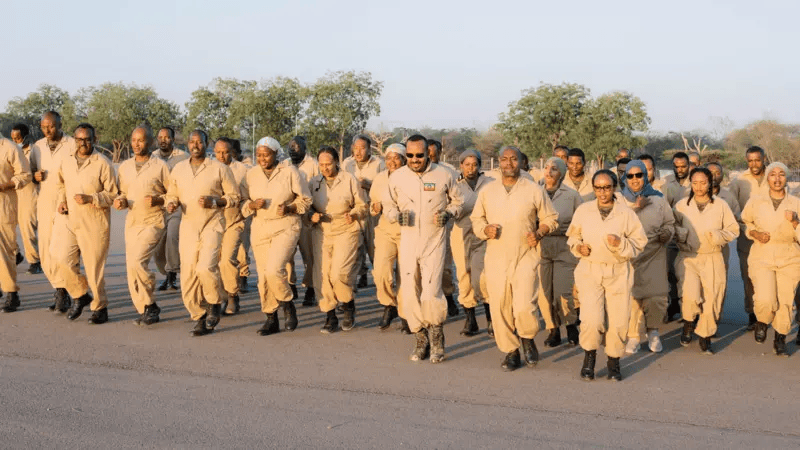
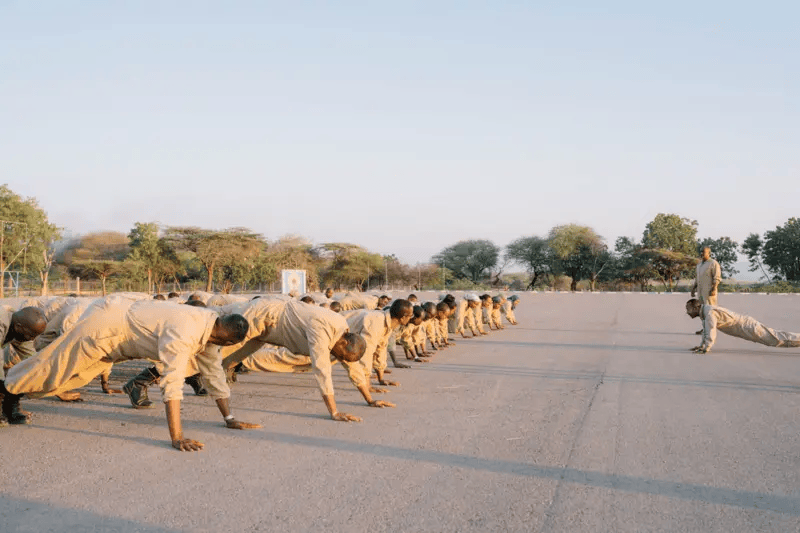
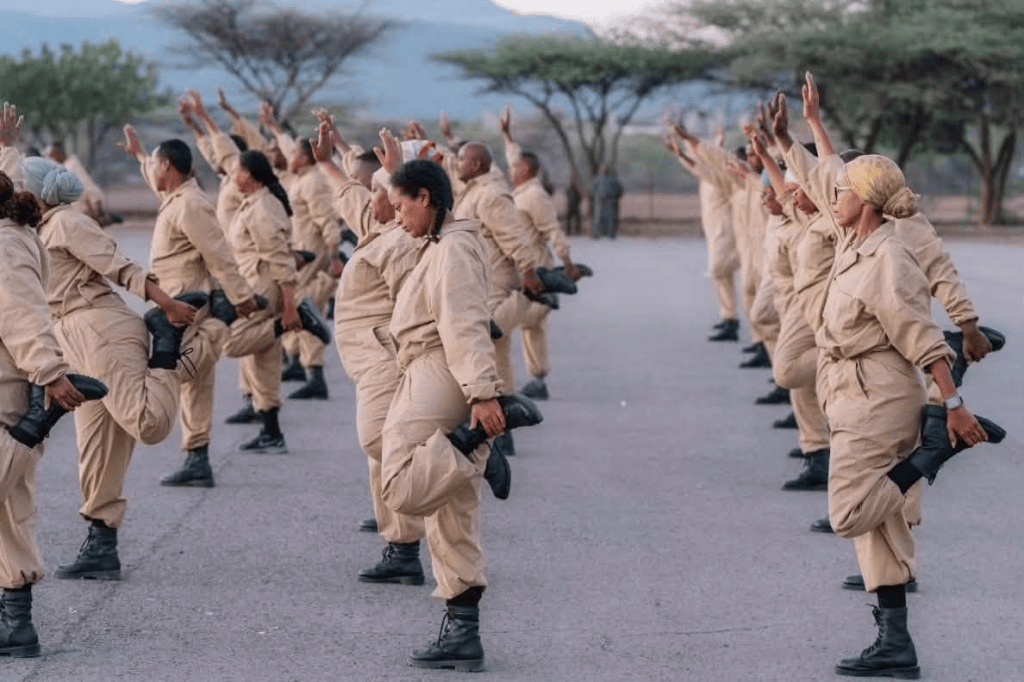
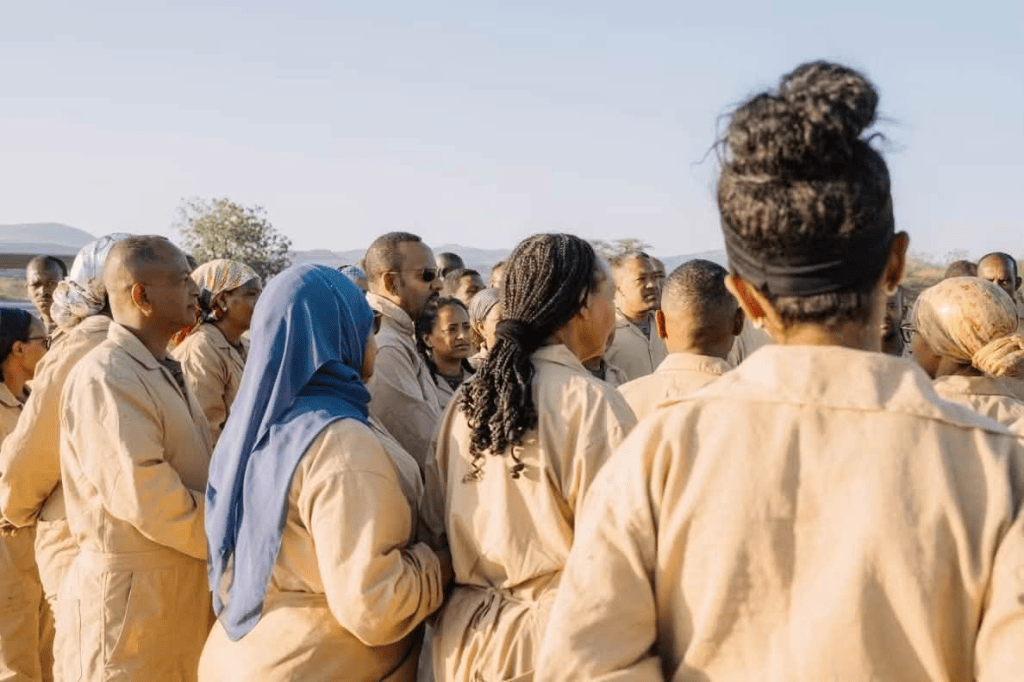
ADDIS ABABA — In a striking image that has circulated widely across Ethiopian social media, Prime Minister Abiy Ahmed stands shoulder to shoulder with his cabinet members and senior officials, not in the dark suits of governance but in the olive-green fatigues of military trainees. The photographs, shared on the Prime Minister’s own social media pages on Saturday, October 31, 2026, reveal a government preparing for war—and framing that preparation as a strategic necessity.
A Cabinet in Uniform
Among those pictured in military training gear at the Hurso facility were Mufrihat Kamil, Speaker of the Federation Council; Dr. Fitsum Assefa, Minister of Finance; and Dr. Mekdes Daba, Minister of Health. They were not observing exercises from a distance. They were participating in them.
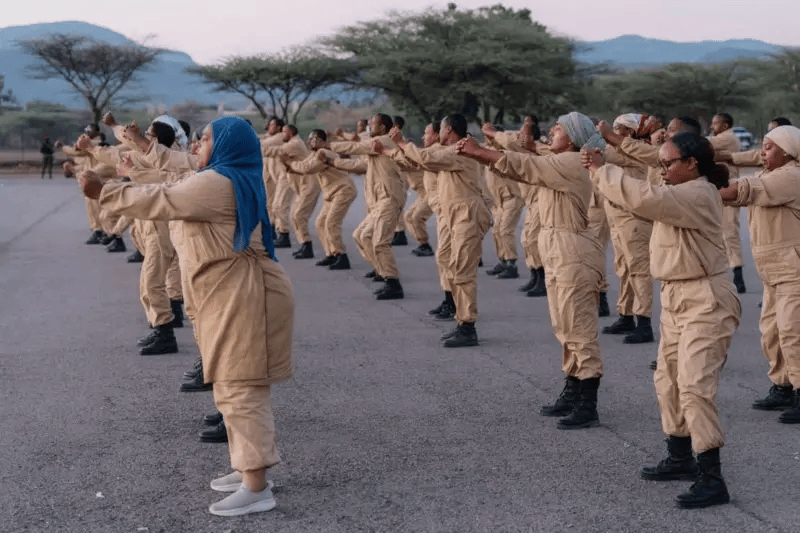
According to the Prime Minister’s statement, the officials are undergoing military training at Hurso, a site that has become synonymous with the government’s increasingly militarized approach to statecraft. The training, Abiy explained, is designed to help officials “properly understand and implement” the ideas contained in what he calls the “Great Strategy of Additive Civilization” (Ye Medemer Siltenie Talaku Strategy).
The “Additive Civilization” Doctrine
The strategy, as articulated by the Prime Minister, contains principles that read as much like a wartime manifesto as a governance blueprint: “ensuring national security at all times,” “building a strong country that cannot be bent by anyone or anything,” and “mobilizing the structure from bottom to top for a national purpose.”
Military science, Abiy wrote, “has no competitor in shaping the purpose and humanity of a person.” He described it as a discipline that makes people “physically, spiritually, morally, and in execution disciplined.” The knowledge, skills, and experience drawn “from military science and life,” he argued, are essential to implementing the strategy.
“Leaders of the Additive government are taking military training at the Hurso military training camp,” Abiy wrote. “Soldiers have targets; civilians have objectives. The goal of both is to register victory. By combining both disciplines, we will create a generation that hits the target and achieves the objective.”
The Context: A Region on Edge
The timing of the training is not incidental. It comes as the Ethiopian National Defense Force (ENDF) has moved closer to the border with Eritrea, amid mounting fears that the two countries—locked in a diplomatic freeze over accusations of supporting insurgents and a dispute over sea access—could be drawn into war. The two nations have severed diplomatic relations, and the threat of renewed conflict hangs over the Horn of Africa.
The training also comes as the government continues to consolidate its military posture. This week, during a visit to Russia, Prime Minister Abiy announced that Ethiopia had received Su-35 fighter jets—advanced aircraft that would make Ethiopia the first sub-Saharan African nation to operate them. The delivery represents a significant escalation in the country’s aerial capabilities.
The Prime Minister has repeatedly stated that strengthening Ethiopia’s military capacity across all sectors is among his objectives. The images of his cabinet in uniform are not merely symbolic; they are a signal that the government’s approach to governance has become inseparable from its approach to war.
A Government at War with Itself?
The photographs raise uncomfortable questions. A finance minister in fatigues, a health minister in combat gear—what does it mean for a government to train its civilian leadership for battle? The Prime Minister’s framing suggests a belief that military discipline is the antidote to the indiscipline of civilian governance, that the battlefield’s clarity of purpose should be brought to the messy work of running a state.
But critics may see something else: a government that has increasingly turned to military solutions for political problems. The training at Hurso, the procurement of advanced fighter jets, the escalating rhetoric—all of this unfolds against a backdrop of internal conflict, including renewed fighting with forces in northern Ethiopia and ongoing unrest in Oromia.
The government has not disclosed when the training began or how long it will last. What is clear is that the image of a cabinet in uniform is intended to convey a message: Ethiopia’s leadership is preparing for something. Whether that something is defense, deterrence, or the prosecution of war remains to be seen.
The Image That Speaks
In a region where symbols carry enormous weight, the photograph of Abiy and his officials in military fatigues is more than a social media post. It is a declaration of intent. The “Great Strategy of Additive Civilization” is being taught at a military camp, to a cabinet, in a country on the brink. The soldiers have targets; the civilians have objectives. And the Prime Minister has made clear that he expects both to hit them.
As Ethiopia navigates a precarious moment in its history, the sight of its leaders in uniform offers a glimpse of how they see the road ahead: not as a path of diplomacy and civilian governance, but as a campaign to be won.
Source: EBC (Ethiopian Broadcasting Corporation) and the Prime Minister’s official social media pages.






