Category Archives: family violence

The World Looks Away: Western Oromia’s Cry for Justice

As violence escalates in Western Oromia, a leading advocacy group warns that silence is complicity and calls for urgent international intervention.
—
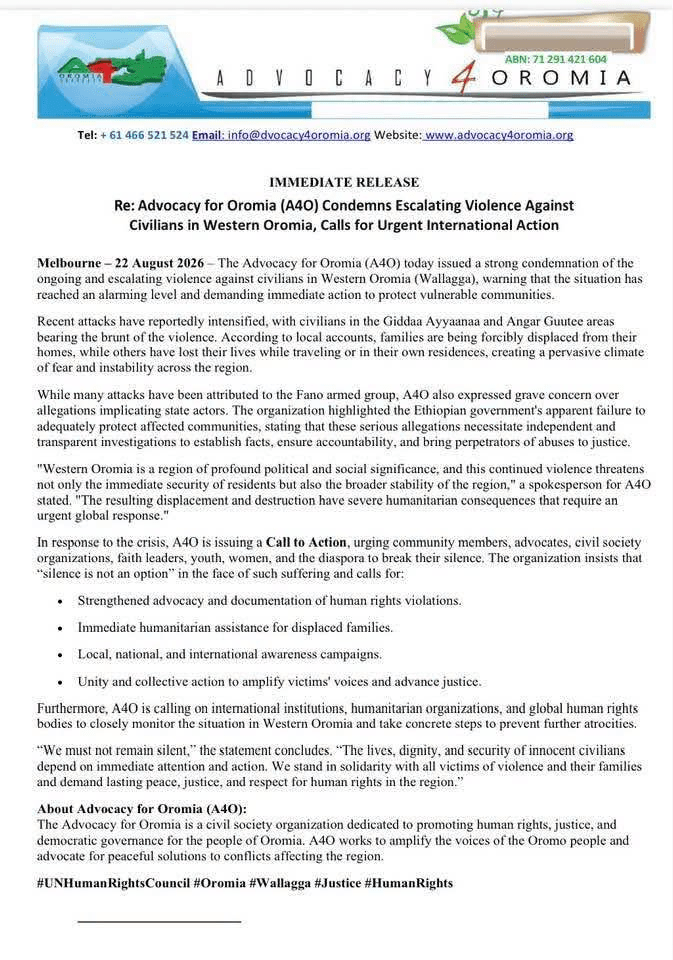
Melbourne – August 22, 2026 – The Advocacy for Oromia (A4O) has issued a stark warning that the escalating violence against civilians in Western Oromia (Wallagga) has reached an alarming level, demanding immediate action to protect vulnerable communities. In a powerful statement released today, the organization condemned the intensifying attacks that have reportedly displaced families, claimed lives, and created a pervasive climate of fear across the region.
The violence, concentrated in the Giddaa Ayyaanaa and Angar Guutee areas, has targeted civilians in their homes and while traveling, according to local accounts. Families are being forcibly displaced, their lives upended by a campaign of terror that shows no sign of abating.
A Crisis of Complicity
While many attacks have been attributed to the Fano armed group, A4O has expressed grave concern over allegations implicating state actors. The organization has accused the Ethiopian government of failing to adequately protect affected communities, a failure that demands independent and transparent investigations.
“Western Oromia is a region of profound political and social significance, and this continued violence threatens not only the immediate security of residents but also the broader stability of the region,” an A4O spokesperson stated. “The resulting displacement and destruction have severe humanitarian consequences that require an urgent global response.”
The government’s apparent inaction raises difficult questions about accountability and the protection of civilians. A4O insists that these serious allegations necessitate thorough investigations to establish facts, ensure accountability, and bring perpetrators of abuses to justice.
A Call to Break the Silence
In response to the unfolding crisis, A4O has issued a Call to Action, urging community members, advocates, civil society organizations, faith leaders, youth, women, and the diaspora to break their silence. The organization insists that “silence is not an option” in the face of such suffering.
The call outlines several key priorities:
· Strengthened advocacy and documentation of human rights violations to ensure that the world bears witness to the atrocities.
· Immediate humanitarian assistance for displaced families, whose basic needs remain unmet.
· Local, national, and international awareness campaigns to shine a spotlight on the crisis.
· Unity and collective action to amplify victims’ voices and advance justice.
A4O is also calling on international institutions, humanitarian organizations, and global human rights bodies to closely monitor the situation in Western Oromia and take concrete steps to prevent further atrocities.
The Cost of Inaction
The human toll of the violence is immeasurable. Families torn apart, communities shattered, and lives cut short—all while the international community remains largely silent. The displacement and destruction have severe humanitarian consequences, yet the global response has been insufficient.
A4O’s statement is a desperate plea to the world: “We must not remain silent. The lives, dignity, and security of innocent civilians depend on immediate attention and action. We stand in solidarity with all victims of violence and their families and demand lasting peace, justice, and respect for human rights in the region.”
A Call to Remember
As the violence continues to escalate, the world faces a choice: to act or to look away. A4O’s message is clear—silence is complicity, and inaction is a choice to abandon innocent lives.
The organization’s commitment to amplifying the voices of the Oromo people and advocating for peaceful solutions is a reminder that even in the darkest times, hope persists. But hope alone is not enough. It requires action, solidarity, and a collective demand for justice.
The people of Western Oromia are not merely statistics; they are mothers, fathers, children, and communities whose lives hang in the balance. Their cries for help must not go unanswered.
—
For more information, contact Advocacy for Oromia (A4O), a civil society organization dedicated to promoting human rights, justice, and democratic governance for the people of Oromia.
#UNHumanRightsCouncil#Oromia#Wallagga#Justice#HumanRights

More Than an Ancient Civilization: The Kingdom of Kush—A Powerful Empire of Land and Sea
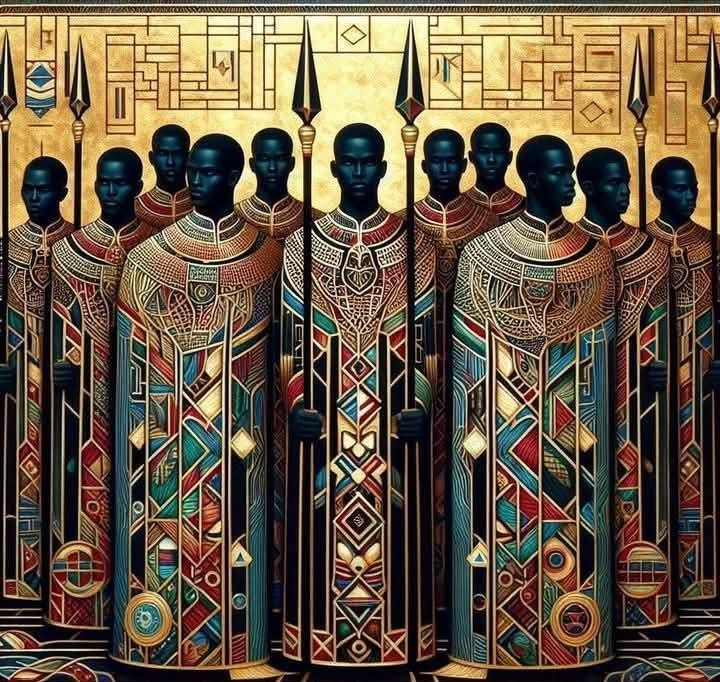
A people whose legacy challenges the very foundations of African history
When we speak of the great civilisations of antiquity, our minds often turn to Egypt, Greece, or Rome. But long before the Persian Empire rose to dominance, there existed in the heart of Africa a kingdom of extraordinary power, wealth, and sophistication—the Kingdom of Kush.
The Kingdom of Kush, with its three major cities of Meroe, Kerma, and Napata, emerged in the Nubian Desert south of Egypt along the Upper Nile River Valley from the 2nd millennium B.C. to the fourth century A.D. . For over a thousand years, Kush was a major power in the Nile valley, controlling an empire that at its height stretched from Central Sudan to the Mediterranean .
The achievements of this ancient civilisation challenge long-held beliefs that Egypt was the sole centre of advancement in the region. As renowned archaeologist Charles Bonnet’s excavations have revealed, Kush was not a mere vassal state of Egypt but a powerful and independent kingdom with its own distinctively indigenous culture . This sophisticated political state organised trade to the Mediterranean basin and built up a military strong enough to resist Egyptian forces .
The Black Pharaohs: A Legacy of Power
The Kushite rulers of Egypt’s 25th Dynasty, often referred to as the “Black Pharaohs,” represent a pivotal moment in the history of the Nile Valley. Emerging from the Kingdom of Kush at Napata in Nubia, these rulers not only unified Egypt after centuries of fragmentation but also reinvigorated pharaonic traditions .
The first major figure of this dynasty, King Piye, launched a campaign into Egypt during a period of political fragmentation known as the Third Intermediate Period. His Victory Stela records the subjugation of Delta rulers and proclaims his role as restorer of order . By 730 BCE, Piye had conquered Lower Egypt, establishing Kushite authority over both Upper and Lower Egypt .
The dynasty reached its zenith under Taharqa (690–664 BCE), whose reign is remembered for monumental building projects and ambitious foreign policy. Taharqa sponsored extensive temple construction at Karnak, Kawa, and Jebel Barkal, reinforcing his devotion to Amun and his claim to pharaonic legitimacy . He intervened in the Levant, supporting coalitions against Assyrian expansion, and is mentioned in both Biblical and Assyrian sources .
One of the most remarkable features of Meroitic civilisation was its powerful queens. The title “Candace,” meaning “sister,” was given to Kushite queens . Queens such as Amanirenas—who signed a peace treaty with the emperor Augustus—and Amanishakheto, whose treasure was looted in 1834, demonstrate the prominent role of women in Kushite society .
Kush: More Than a Footnote
The Kingdom of Kush was more than a civilisation; it was a power that commanded both land and sea. Kushite armies were formidable, and their military prowess allowed them to conquer and control Egypt itself . Kush also boasted a powerful navy, controlling trade routes along the Nile and beyond .
The economy of the ancient Kushites relied on trade in exotic African goods with Egypt and beyond. As middlemen, Kushite traders passed along ivory, ebony, incense, and other exotic goods from the South to the Egyptians, who then traded with other Mediterranean peoples . The city of Kerma, with its strategic location on the Nile River, controlled this crucial trade route .
Kush produced more gold than anywhere in the world at that time . Archaeologists have uncovered massive gold-processing operations at sites like Hosh el-Guruf, revealing the scale of Kush’s wealth . Minerals and high-quality stone were also mined for trade, and the Kushites introduced and developed iron metallurgy to the region .
A Sophisticated Society
The art and architecture of the Kushites reveal a sophisticated society of innovative craftsmen who constantly assimilated new artistic techniques from other lands . Notable architecture includes stone temple complexes such as the Lion Temple at Naqa and the steep-sided, solid pyramids found at Meroe and Jebel Barkal .
In fact, Sudan has more pyramids than all of Egypt—a testament to the grandeur of the Kushite civilisation . These tall, slender, graceful monuments bear witness to the lasting splendour of Kush .
Kushite art includes narrative tomb wall paintings and unique, eggshell-thin pottery with geometric patterns traded all over the Mediterranean . Stoic granite and bronze statues of gods and kings convey the religious beliefs of this ancient people .
The Question of Cush
The name “Kush” has been connected since at least the time of Josephus with the biblical character Cush, son of Ham (Genesis 10:6). Ham had four sons: Cush, Put, Canaan, and Mizraim (Egypt) . According to the Bible, Nimrod, a son of Cush, was the founder and king of Babylon, Erech, Akkad, and Calneh .
The Cushitic-speaking peoples, who are the ethnolinguistic groups speaking Cushitic languages natively, are today found primarily in the Horn of Africa, with minorities in Egypt, Sudan, Kenya, and Tanzania . Proto-Cushitic was spoken on the Ethiopian Highlands by 5000–4000 BC .
A Civilisation Worthy of Recognition
The Kingdom of Kush is not merely a footnote in the history of Africa—it is a testament to the power, ingenuity, and resilience of the peoples of the Nile Valley. As the American Journal of Archaeology notes in its review of The Nubian Pharaohs of Egypt, the term “Black Pharaohs” has sometimes been used to market exhibits, but the historical significance of Kush extends far beyond its interaction with Egypt . Sudanese colleagues and community members rightly resent the idea that the kings of ancient Sudan are only important because they ruled over Egypt . The Kingdom of Kush deserves to be remembered on its own terms.


The Price of Silence: A Reflection on Inaction and the Tragedy of Our People

We Knew This Was Coming — Yet We Chose to Stay Silent
By Koste Abdiisaa
If we had shown even 1% of the outrage we have expressed over the past two days three, four, or five years ago—when Fano killed hundreds of innocent Oromos in Kiramu, Hagamsa, Amuru, Alibo, Jardega-Jartee, and elsewhere—perhaps these killings would not have happened.
We knew this was coming. The signs were everywhere. The warnings were clear. Yet we chose to remain silent. We chose to look away. We chose to believe that the storm would pass us by.
But storms do not pass by those who refuse to prepare. They break over them.
The Warning Signs We Ignored
For years, the enemies of the Oromo people have been methodically preparing for this moment. While we argued among ourselves, they were opening training camps in our backyard. While we engaged in name-calling and petty divisions, they were building security structures and training hundreds of people to carry out their plans.
We saw it happening. We heard the reports. We knew that innocent farmers—our farmers—were being killed in Kiramu, Hagamsa, Amuru, Alibo, Jardega-Jartee, and countless other places. And what did we do?
We expressed outrage on social media. We posted our anger, shared our grief, and then went back to business as usual.
Our collective inaction allowed this to continue. Our silence gave them permission to proceed. Our failure to act was an invitation for more violence.
The Consequences of Inaction
This is not about hindsight. This is about foresight—and our failure to use it. We cannot pretend that these killings were unexpected. We knew what was coming. We had every warning. But we failed to act.
And now, the consequences are here.
The killing of our innocent farmers is not just a tragedy—it is a judgment on our collective failure to protect our own. It is the result of years of political naivety, misplaced priorities, and a refusal to confront the reality of the threat we faced.
We were good at crying after the fact. We were good at expressing outrage on social media after tragedies happened. But we were very poor at recognizing threats early on, listening to those who recognized them, and preparing ourselves to face them.
The Deeper Outrage
Like many of you, I am outraged by the killing of our innocent farmers. But I am even more outraged by our inaction—our lack of political awareness, our failure to recognize and respond to such cruelty for so long.
What is even more troubling is that some of our so-called political entities—those who claim to speak for us—continue to seek alignment with those responsible. They act as if there is still some humanity left in them to appeal to. They still hope for dialogue with those who have shown, time and again, that they have no interest in peace, only in domination.
This is not leadership. This is delusion.
And we, as a people, have allowed it. We have allowed ourselves to be led by those who refuse to see the enemy for what they are. We have allowed ourselves to be distracted by petty divisions while our people are being slaughtered.
The Beginning, Not the End
Let us not pretend that this is the end. This is the beginning. The attacks will continue. The killings will escalate. And if we do not act now—with unity, determination, and clarity—the tragedies we see today will seem small compared to what is coming.
I fear that we may still fail to act in a timely manner. I fear that we will continue to cry and express outrage for a week, and then return to normal life. I fear that we will continue to do what we seem to be good at: mourning after the fact, but never preparing for what lies ahead.
A Call to Look Within
If this senseless killing of our people does not make us angry enough to question our collective inaction, then perhaps we need to look within ourselves and ask: What kind of society have we become?
Have we become a people who only react after the damage is done? Have we become a people who prioritize social media outrage over real action? Have we become a people who are more concerned with who is right than with what is right?
We must ask ourselves these questions. And we must answer them honestly.
The Path Forward
We cannot change the past. The blood that has been spilled cannot be unspilled. But we can change the future. We can act now—today—to ensure that these tragedies do not continue.
This requires several things:
- Unity: We must put aside our petty divisions and unite as a people. Our enemies are united; we must be even more united.
- Awareness: We must wake up to the reality of the threat we face. We must recognize the signs and act before it is too late.
- Action: We must support those who are willing to sacrifice and risk their lives to defend our people. We must build the structures and institutions necessary to protect ourselves.
- Accountability: We must hold our political entities accountable. We must demand that they prioritize the defense of our people over their own political ambitions.
- Resilience: We must be prepared for the long fight ahead. This is not a battle that will be won in a day. It requires patience, courage, and an unwavering commitment to our people.
Conclusion: Enough Is Enough
The killing of our innocent farmers is a crime against humanity. But our collective inaction is a crime against ourselves.
We cannot afford to continue down this path. We cannot afford to remain silent while our people are being slaughtered. We cannot afford to wait until the next tragedy to express our outrage.
Enough is enough.
Let us honor the memory of those who have been killed by resolving to act—not just with words, but with deeds. Let us build a future where our people are safe, our land is protected, and our dignity is restored.
Injifannoon Ummata Oromoo!
Nagaan haa jabaatu!
This reflection is dedicated to the innocent Oromo farmers who have lost their lives, and to all those who are determined to build a future of peace, justice, and security for our people.

Prime Minister Abiy Ahmed Ali Celebrates the Energy and Potential of Young Ethiopians

By Abdi Milkessa
(Finfinne, 12 August 2026) -Ethiopia’s youth are not just the leaders of tomorrow—they are the architects of today. With the country’s demographic composition showing that young people make up the largest segment of the population, this is not merely a statistic—it is a tremendous opportunity to secure prosperity and lasting development for the nation.
Prime Minister Abiy Ahmed Ali has called on the youth to be the engine of change, the driving force behind transformation, and the solid pillars of Ethiopia’s sovereignty.
The Youth: A Force for Positive Change
In a recent message, the Prime Minister emphasized that Ethiopian youth are guided by noble goals and a clear vision for the future. They are the primary motor of transformation in our society—the unshakable pillars upon which the nation’s sovereignty rests.
Today’s youth are writing a new chapter in the history of Ethiopia. They have turned away from harmful legacies of the past—unproductive traditions, unnecessary rivalries, and destructive conflicts. Instead, they are focusing on development, progress, and the fight against poverty.
A Government Committed to Youth Empowerment
The “Prosperity Party” government is working with dedication and commitment to strengthen the comprehensive participation of youth in all spheres of life. The role of youth in leadership and decision-making is being reinforced, recognizing that the future of Ethiopia depends on the active engagement of its young people.
Key priorities include ensuring equal opportunities for all young people, strengthening youth leadership roles in governance and society, promoting comprehensive participation in economic, social, and political life, and building a nation where young people can thrive and contribute fully.
A Call to Action: Building Our National Vision Together
The Prime Minister has called upon all youth to engage actively in the development of our nation, to work with love and dedication for the prosperity of Ethiopia, to reject division and conflict while embracing unity and progress, and to embrace innovation and creativity to build a brighter future.
Conclusion: The Youth Are Our Hope
Ethiopia’s youth are the heartbeat of the nation, the hope of the future, and the strength of the present. Their energy, creativity, and commitment will shape the destiny of our people for generations to come.
Ethiopia Prevails!
Youth is Power!
Change is Now!
This feature article is dedicated to all the youth of Ethiopia—the architects of a brighter future!

The Spark That Lit a Fire: The Macha-Tulama Association and the Birth of Modern Oromo Consciousness

By Our Senior Correspondent
—
In the early 1960s, Ethiopia was a nation of silence. Political parties were banned. Open dissent was crushed. The empire of Haile Selassie I, with its ancient Amharic-speaking elite, governed through a system of centralized control that left little room for the voices of its largest ethnic group—the Oromo.
Yet, in the cramped offices of Addis Ababa, three small self-help groups began to meet. The Jibat and Macha, the Metta Robii, and the Tulama Shawa associations had been formed to provide modest social relief to Oromo communities. But in 1963, these three organizations merged into something far more significant. They became the Macha-Tulama Self-Help Association—Waldaa Wal-gargaarsa Maccaa fi Tuulamaa—and in doing so, they ignited a fire that would reshape Oromo history forever.
A Name That United a People
The association took its name from two of the major Borana Oromo clans: Machaa and Tulema. But its vision was far broader than any single clan. It was designed to embrace all Oromos, irrespective of religion or region, and even welcomed non-Oromo nationalities who accepted its objectives. Its founders were a remarkable group: Hail Mariam Gamada, a lawyer; Alemu Qixxeesa, a retired colonel; Mamo Mezemer; and others who had been educated in the imperial system but had “subsequently rediscovered their culture”.
The most prominent leader was Tadesse Birru, a former general in the Ethiopian police force and territorial army. A Shewa Oromo who had been fully integrated into Amhara culture, his Oromo origins were not apparent to many until he began to champion the cause of his people. His conversion was a powerful symbol: a man who had risen to the highest ranks of the imperial establishment, turning his back on privilege to fight for his own people.
Two Levels of Purpose
The association operated on two distinct levels. The first was practical and visible: it built schools, health clinics, roads, and water supplies across Oromia. It constructed churches and mosques for believers who had none. It provided financial and legal assistance for the disabled and unemployed.
But the second objective was political—and far more dangerous. In an era when political parties were forbidden, the Macha-Tulama Association became a vehicle for Oromo nationalism. It was the first movement to articulate Oromo grievances in a public, organized manner. It championed “the social, educational, cultural and political rights of the Oromo people”. It politicized the masses and, through its dynamic Youth Wing, produced revolutionary literature that circulated underground. Its very existence marked “the public rise of Oromo nationalism”.
The Threat to Empire
The association’s rapid growth was breathtaking. At its height, it claimed as many as 200,000 members. It expanded “very rapidly all over Oromiyaa as a Pan-Oromo movement”. It was most successful in the south, particularly in Arsi, where Oromos had been relegated to the status of tenants on their own land after being conquered by Menelik’s forces.
For the imperial government, this was an existential threat. The Ethiopian state accused the association of committing “acts of terror” in an effort to suppress the developing Oromo National Movement. The repression was swift and brutal.
The Crackdown
In 1966, the Macha-Tulama Association was banned. Its leaders were arrested, imprisoned, and some were executed. Tadesse Birru, Mamo Mezemir, Alemu Kitessa, and others were imprisoned and killed for their humanitarian and political activities. The association was banned during the imperial regime, again under the Derg, and once more in 2011 under the EPRDF regime. It was accused of “threatening Ethiopia’s unity—an unfounded claim,” according to its current president.
Yet the organization refused to die. It survived underground, and its members continued to organize. The suppression of the Macha-Tulama Association became “an immediate reason for the birth of” a more militant organization. In 1974, the Oromo Liberation Front (OLF) was formed, largely from the underground cells of the Macha-Tulama Association.
A Legacy That Endures
Today, the Macha-Tulama Association—now officially known as the Mecha and Tulema Self-Help Association—continues its work. It regained its legal status in 2019. It celebrated its 60th anniversary in 2024, a testament to its resilience.
Its current president, Diribi Damuse, has outlined the association’s ongoing humanitarian efforts: supporting internally displaced people from Western Oromia, assisting those affected by drought in Borena and Guji, and providing aid to university students and Abba Gada leaders. The association, he emphasized, “has united members from diverse backgrounds, including military, students, intellectuals, and grassroots, including non-Oromo members from Wolayita, Sidama, and other ethnic groups”.
The Unfinished Struggle
The Macha-Tulama Association’s place in Oromo history is secure. It was the first organized, mass-based expression of Oromo identity in the modern era. It bridged the gap between the rural peasantry and the urban intelligentsia. It laid the groundwork for every Oromo political movement that followed.
But its story is also a warning. The association was banned not because it committed violence, but because it united a people. Its leaders were killed not for crimes, but for the crime of demanding dignity. The imperial state, and every regime that followed, understood that a united Oromo people was a threat to centralized power.
As the association continues its work—building schools, feeding the hungry, preserving culture—it carries with it the memory of those who gave their lives. Mamo Mezemir, Tadesse Birru, Alemu Kitessa, and so many others are not just names in a history book. They are the foundation upon which modern Oromo consciousness was built.
The Macha-Tulama Association was the spark. The fire it lit continues to burn.
—
Sources: UNHCR Refugee Review Tribunal; Canada Immigration and Refugee Board; Addis Standard; Wikipedia; AfricaBib; Taylor & Francis; Advocacy for Oromia.

The Hour of Need: Forging a Resilient Future for Oromia and Its People

By Maatii Sabaa
The air in Oromia is heavy with a sense of urgency. Across the region and its surrounding areas, a silent tremor of concern is reverberating through the hearts of its people. We are witnessing a pivotal moment in our history, a time fraught with challenges that test the very fabric of our society. The question is no longer if we will act, but when—and how boldly.
As we look at the current state of affairs, it is impossible to ignore the profound anxieties that grip our communities. The safety net that once held our families together is fraying under the weight of economic strain, environmental upheaval, and political instability. We are, to put it plainly, standing on the precipice of a great ordeal. The need for a unified, robust, and relentless response—a determined stand against the tide of adversity—has never been more critical.
This is not merely a time for sorrow; it is a time for strategy. The path forward is not found in despair, but in the deliberate construction of a new paradigm. We must build a fortress of resilience, brick by brick, institution by institution. It is through the creation of resilient systems—in agriculture, education, and governance—that we can effectively combat the crises that threaten to overwhelm us. We need a “fala/ gaachanaa” (shield) that is not just reactive but proactive, designed to protect the most vulnerable and secure the borders of our collective future.
Yet, the ultimate shield for Oromia is not made of steel or stone; it is made of the mind and spirit of its youth. The young men and women of this generation are the architects of tomorrow. To leave them untrained, unmotivated, or disconnected is to invite disaster. Our imperative is clear: we must educate, energize, and organize the Oromo youth.
This is more than a call to action; it is a call to transformation. We must transform our schools into crucibles of critical thinking, our communities into hubs of entrepreneurial energy, and our political spaces into arenas of constructive dialogue. By doing so, we ensure that our youth do not become victims of circumstance, but rather, become the standard-bearers of a proud heritage. They must become the vanguard that carries the torch of Oromia forward, ready to stand as “gaachana” (champions) for their land and their people.
It is a saddening truth that the heritage of the Oromo people—a legacy of resilience, democracy, and cultural richness—is at risk of being eroded. We are custodians of a “Dhaloota qaroo” (a heritage of value), a distinct identity that has survived for millennia. To protect this inheritance is to diversify it; to bring in new voices, new ideas, and new energy. We must ensure that the narrative of our people is written not by our oppressors, but by our own hands, in our own words.
The time for deliberation is over. The foundations of a new era must be laid today. It is not enough to hope for a brighter tomorrow; we must labor for it. Starting today, we must commit to the arduous but noble task of rebuilding. Starting today, we must bridge the divides that separate us. Starting today, we must empower the next generation to take the helm.
The challenges are great, but the spirit of Oromia is greater. Let us meet this moment with the courage it demands. The hour of need is upon us, but it is also an hour of opportunity. Let us rise, unite, and forge a destiny worthy of the sacrifices of our ancestors and the dreams of our children.
The time to start is now.

Revitalizing Oromo History: Recognizing Errors and Gaps in Oromo Historiography-Part Three
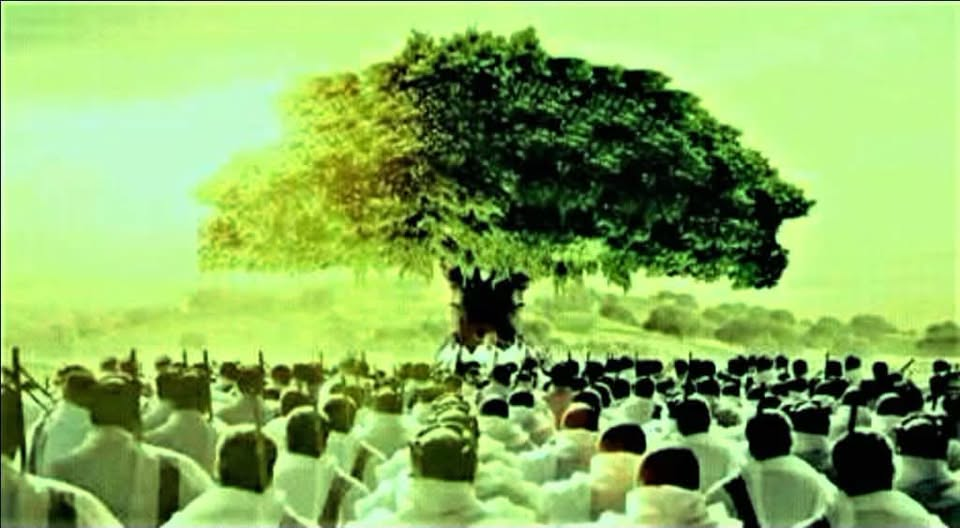
A Critical Examination of the Challenges Facing Oromo Historical Studies
By Hailu Gonfa
This article is not intended as a concluding statement, but rather as a starting point for further research and discussion. It is my hope that historians, scholars, and all those interested in Oromo history will engage with these reflections, deepen the analysis, and contribute to the vital work of revitalizing Oromo historiography.
3.1. Revitalizing History Is Not Simply About Uncovering the Hidden
When we speak of revitalizing Oromo history, the first thought that often comes to mind is uncovering what has been hidden, forgotten, or misrepresented. This is necessary and important. But the work of revitalization must also be viewed from another perspective. It requires us to honestly examine the errors, gaps, contradictions, and failures within our own historical record.
A people who selectively remember only what glorifies them, while hiding what does not flatter them, have not truly revitalized their history. A people who examine their history in its entirety—drawing strength from its achievements and learning from its mistakes—are the ones who move forward with wisdom. Revitalization is not an exercise in self-praise; it is an exercise in self-knowledge. And self-knowledge requires knowing not only what elevates us, but also what diminishes us.
3.2. Oromo History Must Not Be Written Only by Outsiders
One of the major gaps in Oromo historiography is that for a long time, much of the research and writing about Oromo history has come from external perspectives. This is not to say that outsiders should not study Oromo history—on the contrary, external scholarship has made significant contributions. However, when a people’s history is interpreted primarily by outsiders, that people risks learning about themselves only through the eyes of others.
It is therefore essential to strengthen and support Oromo historians, scholars, writers, linguists, cultural experts, Gadaa researchers, and political and legal scholars. Oromo people must research, write, and engage in scholarly debate about their own history. This is not a rejection of others—it is the assertion of one’s own voice in matters that concern one’s own identity.
3.3. The Gap in Documentation
If a people wishes to pass their history on to future generations, they must document it. The Oromo people possess a rich oral tradition—history, proverbs, poetry, songs, stories of heroes, place names, customs, and social memory are all preserved in the oral tradition. However, oral transmission is vulnerable to change, loss, and distortion over time.
The great task awaiting the current generation is the transition from oral tradition to written and digital documentation. This includes written texts, audio recordings, video documentation, photographs, maps, digital archives, and books. What we document today will be the foundation upon which future generations will build their understanding of who they are.
3.4. Blending Personal Memory and Historical Evidence
One challenge in historical research is the mixing of personal memory with evidence-based history. A person may remember what they heard, saw, or were told by their elders. But to verify that such memory constitutes accurate history, it must be cross-referenced with other sources.
Revitalized Oromo history must move from “This is what I heard” to “What is the evidence?” Evidence may include government archives, ancient manuscripts, books, university research, oral testimonies, place names, archaeological findings, documentaries, personal recollections, and both internal and external sources. All must be examined together.
3.5. History as More Than Heroism
In Oromo historiography, there is sometimes an excessive focus on heroes and heroism. Heroes are important. A people must know and honour their heroes. But to build a people’s history solely around heroes is to impoverish it. A people’s history includes farmers, mothers, youth, teachers, professionals, traders, elders, artists, scholars, health workers, soldiers, and all the diverse builders of society.
A revitalized Oromo history must be a history of the people, not merely a history of heroes. Heroism belongs to a few; history must embrace the many.
3.6. Avoiding the Narrowing of Oromo History to the Struggle for Liberation
Another gap that sometimes appears in Oromo historiography is the tendency to define Oromo history primarily, or even exclusively, through the lens of political and armed struggle. The struggle is an important part of Oromo history, but it is only one part.
The Oromo people possess a rich Gadaa system, a deep philosophy, social institutions, culture and ethics, language, agricultural expertise, economic practices, conflict resolution mechanisms, environmental knowledge, and a vibrant literary and oral tradition. A revitalized Oromo history must ask not only “Who did the Oromo fight?” but also “How did the Oromo live? How did they govern themselves? How did they resolve conflicts? What did they create?”
3.7. The Danger of “We Are Always Right, They Are Always Wrong”
One of the great pitfalls in national historiography is the tendency to view oneself as always right and others as always wrong. This approach prevents genuine learning from history. The Oromo people have had relationships with many communities—relationships of cooperation, conflict, exchange, intermarriage, political alliance, and cultural borrowing.
To reduce all of this to a simple binary of “good versus evil” is to distort history and impoverish our understanding. A revitalized history must ask “What happened? Why did it happen? Who did what? What was the outcome?” This is the transition from myth-making to historical inquiry.
3.8. The Gap of Historical Context
Every historical event must be examined within its own time and place. It is a mistake to judge the past by the standards of the present. What a people thought, did, and believed a hundred years ago may have been shaped by conditions very different from our own. A proper understanding of Oromo history requires examining events within their own political, economic, social, environmental, and relational contexts.
3.9. Internal Diversity Within Oromo History
The Oromo people are spread across a vast territory with diverse regions, clans, dialects, cultures, and experiences. Sometimes, the history of one group is presented as the history of all Oromo, or the history of one group is separated from others. A revitalized historiography must avoid both errors: it must not minimize the history of any region, and it must not deny the diversity that exists. The correct path is to acknowledge our diversity while building a shared history.
3.10. Distinguishing Between Struggle and Its Mistakes
A struggle may have a just cause, but that does not mean every action taken in its name is just. This is an important and mature insight. In revitalizing Oromo history, we must distinguish between the goal, the method, and the outcome. The goal may be just, but the method chosen to achieve it may be flawed. This requires us to ask: What succeeded? What failed? What can we learn? What must we not repeat?
This is not about condemning individuals or groups—it is about learning from the past so that future generations do not repeat the same mistakes.
3.11. The Gap of Women in Oromo History
When writing Oromo history, it is easy to focus on those who held political or military power. But Oromo women have played a vital role in social, economic, cultural, family, educational, and peacebuilding life. A revitalized history must ask: “Where are the Oromo women in our history?” It must document the stories of mothers, farmers, teachers, professionals, artists, scholars, leaders, and community participants. Without women, the history of the Oromo people is incomplete.
3.12. Youth’s Role in History-Making
History often focuses on the elders and heroes of the past. But the younger generation also plays a role in history. Oromo youth must not only learn history—they must also research, write, and document it. Using digital technology, they can create digital archives, podcasts, documentaries, short videos, historical maps, e-books, websites, and research papers. Oromo history must move from the library and the academy into the digital age.
3.13. The Gap of Language and Translation
It is essential to write and document Oromo history in Afaan Oromoo, because the language carries the culture, thought, ethics, and worldview of the people. But it is also important to translate Oromo history into Amharic, English, other Ethiopian languages, and international languages. This ensures that Oromo history is not only for Oromo people, but is accessible to neighbours, scholars, and the wider world.
3.14. Separating History from Contemporary Politics
Historical research is sometimes influenced by the politics of the present. People may interpret the past in ways that serve their current political interests. This can distort historical scholarship. Oromo historiography must strive to be free from political manipulation and based on rigorous social science research. History should not be written simply to praise or attack a particular individual, group, or government. It should be written to provide truth, evidence, and lessons for future generations.
3.15. Learning from Errors Is Not Weakness
When a people openly acknowledges its historical errors, that is not a sign of weakness. On the contrary, it is a sign of maturity. A people who learn from their mistakes are less likely to repeat them. Hiding our failures does not strengthen us—understanding them does. Let us honour our heroes, but also learn from their errors. This is the foundation of mature historiography.
3.16. New Principles for Revitalizing Oromo History
If we are to revitalize Oromo history, we must agree on several guiding principles:
- Evidence-Based: What we say must be supported by evidence, or we must seek it.
- Balanced: We must not mix good and bad indiscriminately, but examine both.
- Self-Critical: We must not fear criticizing ourselves.
- Comparative: We must examine multiple sources and compare them.
- Respectful of Diversity: We must include the histories of diverse regions, clans, genders, and generations.
- Independent of Political Agendas: History should not serve the political interests of a single moment.
- Generational: We must not only research history but pass it on in an understandable way.
- Forward-Looking: We must learn from the past and use it to build the future.
Conclusion: Revitalization as Self-Knowledge
Revitalizing Oromo history is not simply about uncovering what has been hidden. It is about looking at everything—what brings us pride and what brings us shame, what strengthens us and what weakens us, what succeeded and what failed. A people who only praise their history do not know themselves. A people who only condemn their history lose confidence in themselves. But a people who know their history honestly, draw strength from what is good, learn from what is wrong, and build for the future—that is a mature people.
A revitalized Oromo history must move from self-praise to self-knowledge, from self-knowledge to self-criticism, from self-criticism to learning, from learning to renewal, and from renewal to building the future.
By openly examining the errors and gaps in Oromo history, we do not diminish the Oromo people. We do not flee from historical truth. Because a people who know their history honestly are the only ones who can guide their history toward a path of growth and modernity.
In the next section—Part Four: “Oromo History in the Construction of Ethiopia” —we will explore what role the Oromo played in Ethiopian history, what they contributed, what they lacked, and what they must build.
Injifannoon Ummata Oromoo!
Seenaan Oromoo haa haaromfu!
Dogoggora keenya irraa haa barannu!
This feature article is based on the reflections of Hailu Gonfa and is dedicated to all those committed to the honest, rigorous, and balanced revitalization of Oromo history.

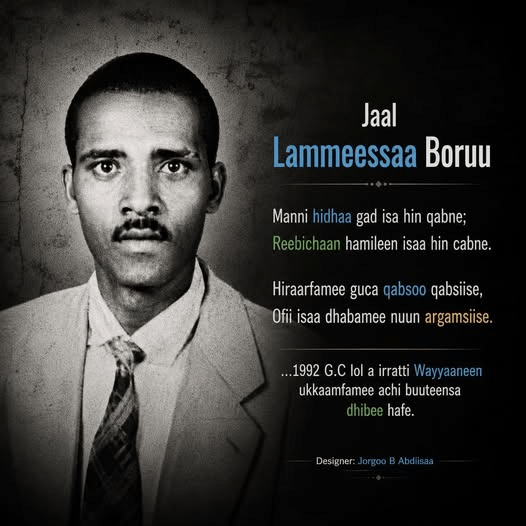
The Lion Who Fell Fighting: Remembering Jaal Lammeessaa Boruu (1943–1992)
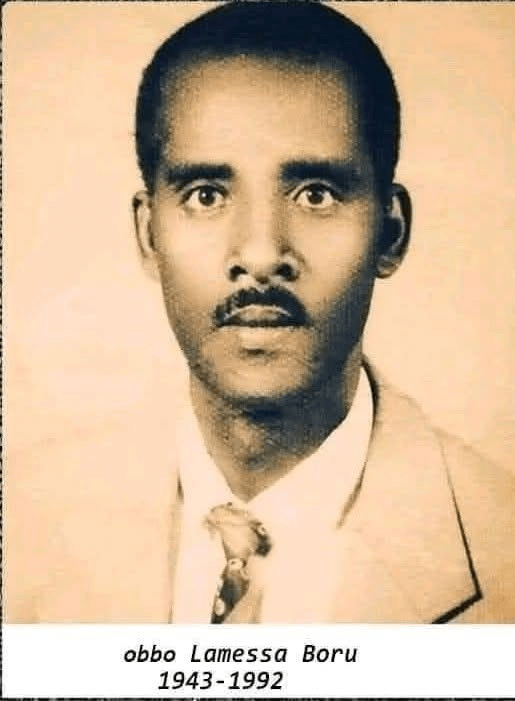
By Daandii Ragabaa (Adapted into a feature story based on various sources)
His name means “Lion” in Oromo. And like a lion, Jaal Lammeessaa Boruu lived with courage, fought with conviction, and died with his boots on—somewhere in the forests of western Oromia, in 1992. Three decades later, his grave remains unknown. But his story, carried by oral tradition and fragmentary records, refuses to be buried.
A Humble Beginning in Wallagga
Jaal Lammeessaa Boruu was born in 1943 in Billo, a town in the Bonayya district of East Wallagga, within the Waamaa region. According to those who knew him, he grew up in a typical Oromo farming community, at a time when the imperial government of Haile Selassie exercised firm control over the land and its people.
As a young man, he left his birthplace and moved to Finfinnee (Addis Ababa), where he lived for about 15 years as an adolescent. There, he entered school. But his education was interrupted by a different calling.
The Soldier with the Striking Physique
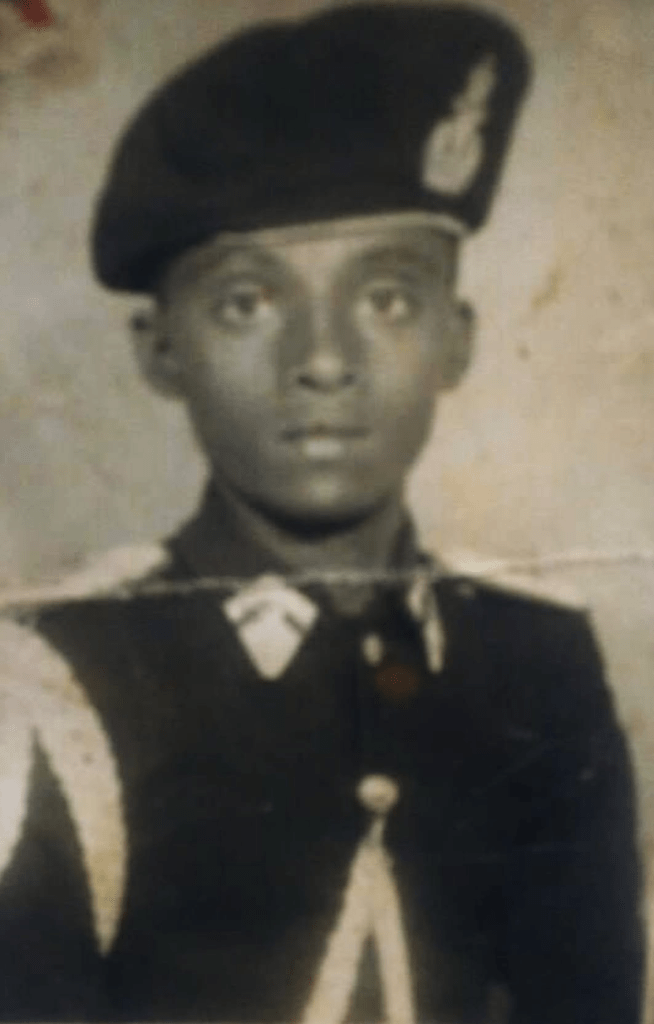
Contemporary accounts describe Jaal Lammeessaa as tall and physically impressive. It was this very stature that drew the attention of military recruiters. Under the imperial regime, he was selected to join a special unit known as “Kubur-Zabanya” and “Faxino-Darash” (likely special police or commando forces). Within the latter, he became known as “Faxino-Daraash Shalaqaa” and served under the command of General Tadesse Birru.
He proved to be an exceptional soldier. His superiors reportedly praised his dedication, and he rose to become a respected non-commissioned officer.
Joining the Machaa Tulema Association
The Machaa Tulema Association was founded as a development and civic organization, but it quickly became a political vehicle for Oromo nationalism. General Tadesse Birru was one of its key leaders. When the association began recruiting members, Jaal Lammeessaa was among those selected.
Initially, the organization’s goal was to work within the system—to address Oromo grievances through legal means. But as General Tadesse and others concluded that the imperial regime had no intention of recognizing Oromo rights, they shifted toward a more radical path. Jaal Lammeessaa became a trusted operative within the association’s secret military wing.
The Failed Plot Against Emperor Haile Selassie
On October 23 (Ethiopian calendar), the Emperor’s birthday, a plot was hatched to assassinate Haile Selassie during the annual celebrations at the site known as “Addabaaba’ii Minlik” (Menelik Square). General Tadesse Birru assigned four commandos to carry out the attack, selecting them for their courage and loyalty.
The four were:
· Lammeessaa Boruu (from the Faxino-Darash unit)
· Camadaa Sobbooqaa
· H/Mariyam Diimaa (from Kubur-Zabanya)
· Fixumaa Hiikisaa
They prepared extensively. But the plot was betrayed. Informants within the government learned of the plan just before it could be executed. The commandos were arrested.
When Jaal Lammeessaa was searched, a bomb intended for the Emperor was found on him. He was tortured severely. According to surviving members of the Machaa Tulema Association, his ribs were broken, and he suffered long-term disability from the interrogation. Despite the brutality, he refused to betray the organization’s deeper secrets—though under extreme duress, some information was extracted.
First Imprisonment and Release
Following the failed plot, General Tadesse and several others were sentenced to death. Jaal Lammeessaa received a five-year prison sentence. After serving his term, he was released. Upon release, he immediately rejoined his former commander, General Tadesse Birru, who had been transferred to Galamso in eastern Oromia. There, they continued to discuss the struggle for Oromo self-determination.
The Cinema Bombing and Second Arrest
As the Machaa Tulema Association continued its activities, the regime grew more determined to crush it. On December 10, 1959 (Ethiopian calendar), a bomb exploded inside a cinema in Addis Ababa where the film Zorba the Greek was being shown. Thirty-six people were wounded.
The government immediately blamed the Machaa Tulema Association. Propaganda claimed that a member named Maammoo Mazaamir had planted the bomb. The incident was used as a pretext for a massive crackdown. Jaal Lammeessaa was arrested again—this time as part of a sweeping roundup of Oromo nationalists.
He was among nine senior Machaa Tulema figures sentenced to long prison terms, while General Tadesse Birru and Maammoo Mazaamir received death sentences (later commuted or carried out, depending on the account).
Life Under the Derg and the Fourth Arrest
Jaal Lammeessaa spent more than 12 years in prison under the Derg regime that overthrew Haile Selassie in 1974. He was held in police stations and military camps, subjected to repeated interrogations. Yet even in detention, he remained committed to the Oromo cause.
After the Derg fell in 1991, Jaal Lammeessaa was released. He joined the Oromo Liberation Front (ABO – a reference to the OLF) and became a member of its central committee, working in the economic department. He lived in Wajjira Gullaallee, continuing his activism.
The Final Battle and Disappearance
In 1992, following a split within the transitional government of Ethiopia (the “Ce’umsaa” or transitional period), Jaal Lammeessaa and other Oromo fighters moved toward western Oromia. They joined ongoing armed confrontations against government forces (referred to as “Wayyaanee” – a term for the Ethiopian military or allied militias).
According to the source, Jaal Lammeessaa Boruu fell in battle near the Jimma Horroo area in Wallagga region. He was killed in armed combat. His body was never recovered, and to this day, the exact location and circumstances of his death remain unknown.
Legacy: The Unknown Grave, the Known Sacrifice
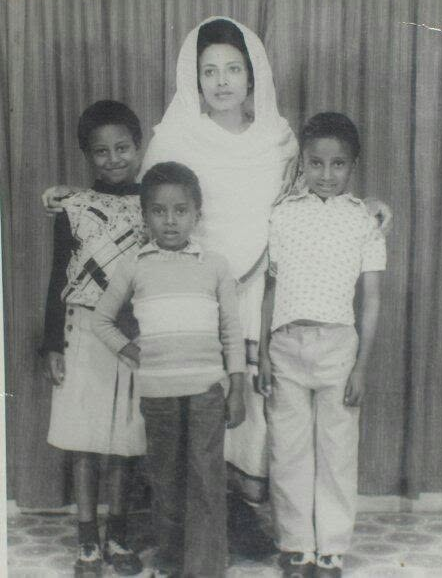
Jaal Lammeessaa Boruu was 49 years old when he died. He left behind three children: Mosisa Lamessa Boru, Lense Lemessa Boru and Tsegaye Lemessa Bouru. He is remembered as a devoted fighter who gave his entire adult life to the Oromo national struggle. From the imperial era through the Derg and into the transitional government, he never wavered.
The biography ends with a poetic refrain:
“The fighter may fall. He may pass away. But Jaal Lammeessaa’s blood was not shed in vain. He has grown for us the plant of freedom.”
His grave may be lost to history. But for those who keep his memory, Jaal Lammeessaa Boruu remains one of the lions of Oromo resistance—a man who turned his back on personal safety and government favor, and chose instead the uncertain path of the forest and the battlefield.
—
*This feature story is based exclusively on various sources of the Oromo-language biography written by Daandii Ragabaa. It is presented as a journalistic adaptation of that source and does not constitute an endorsement of armed struggle or any political organization. The factual claims rest with the original author.

Wealth Creation Strategies for Indigenous Oromians
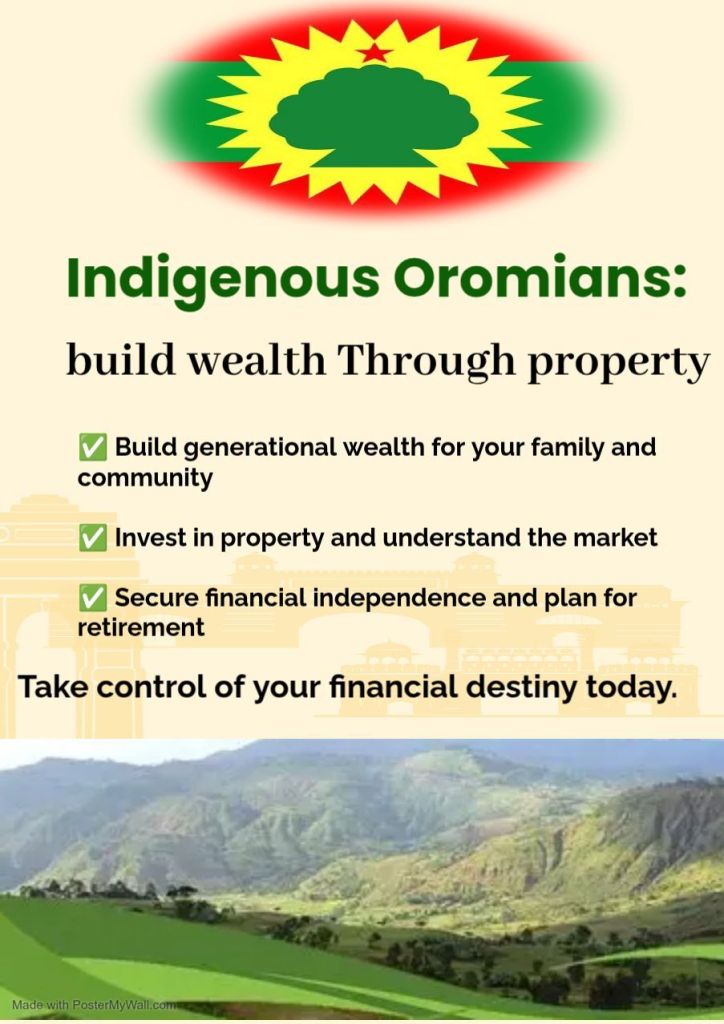
Taking Control of Your Financial Destiny
Join the growing movement of Oromo people taking control of their financial future. Are you an Indigenous Oromian looking to build wealth and secure a future for your family? Struggling to navigate the complexities of property investment, finance, and long-term savings? Imagine having tailored insights that guide you on the path to financial independence and generational wealth—For Indigenous Oromias, By Indigenous Oromias.
Why Wealth Creation Matters Now
The Oromo people have historically been excluded from economic opportunities across Ethiopia. Successive regimes systematically prevented Oromos from building economic assets, with more than 60% of Ethiopia’s exportable commodities, over 60% of staple food, 70% of industrial raw materials, and 80% of hydro power coming from Oromia—yet no Oromo has been able to qualify among the top 10 richest people in the country. This is not a coincidence; it is the result of deliberate economic marginalization.
But the Oromo people have always had the tools for economic resilience. The Gadaa system contains powerful economic principles that our ancestors used to build and sustain wealth: hard work, planning, mutual assistance, and community-based resource management. The proverb “Tuulamanii taa’anii, Waaqa ofii hin komatan” reminds us: “It is not right to blame God for not working hard.” Hard work and commitment are the sources of wealth.
What Indigenous Wealth Offers
Indigenous Wealth is a 100% Oromo-owned and operated consultancy dedicated to helping our people build generational wealth and achieve financial independence. Our team understands the unique challenges Oromo people face—and we have the strategies to overcome them.
Our Services Include:
Property Investment: We help you gain access to quality investment properties, connect you with finance professionals, and guide you through the property market to build long-term wealth.
Finance & Loans: We connect you with mortgage professionals who can assist with tailored home loans, equipment and business loans, as well as competitive finance for rural Oromo communities.
Wealth Strategy: We create personalized wealth-building plans designed specifically to help you achieve your financial goals.
Our Proven Results
We have successfully supported Oromo people across Ethiopia in achieving financial independence. Across similar models in other communities, Indigenous-owned wealth consultancies have helped create over 110 new property investors in just four years, with a goal of building a community of millionaires .
The Gadaa Foundation for Wealth
Our approach is rooted in the economic wisdom of the Gadaa system:
Hard Work and Planning
“Jabaatan jabaa nyaatu, laafan foxxoqxuu nyaatu” — “The strong eat the strong, and the weak eat the weak.” This proverb reminds us that hard work is mandatory in daily life, and that everyone needs to plan to work hard and secure their future.
Community Support Systems
Traditional Oromo institutions like dabo (labour cooperation) and daadoo (mutual work groups) demonstrate the power of collective effort. When communities work together, they achieve more than individuals working alone. We apply these same principles to modern wealth building.
Guddifachaa (Adoption)
The Oromo practice of guddifachaa demonstrates the belief that children are assets and the community shares responsibility for their welfare and education. This is the foundation of generational wealth—investing in the next generation’s education, skills, and economic opportunities.
Hard Work and Self-Reliance
The Gadaa system emphasizes that people should not wait for others to solve their economic problems. “Hojii hojjechuu isa malee gaafa du’aa hin galus” — “Without work, the day does not end.”.
How It Works: Your Free Wealth Strategy
Take advantage of our No-Obligation, Completely FREE Wealth Strategy. This isn’t just another generic report—it’s a highly personalized plan where you’ll receive unique suggestions on how to:
✅ Build generational wealth for your family and community
✅ Invest in property and understand the market
✅ Secure financial independence and plan for retirement
No cost, no commitment—just a clear path forward.
Real Stories: Oromo Success
Across Ethiopia, Oromo people are already building wealth through determination and community:
Fedhi Gudina Community Saving for Investment in Agribusiness Group: Founded in 2019 with just $141 raised by 20 members (15 women), this Oromo group grew their savings to $28,530 through strategic investment in crop cultivation and processing. They now operate a grain milling service that serves their entire community.
Safiya, an Oromo entrepreneur: Forced to flee Ethiopia, she built a successful business making traditional Oromo beadwork in Nairobi. Her handmade designs are sold for special occasions like weddings, and she now supports her family independently. She says: “I have hope in what I am making with my hands. I believe in it, I believe in myself.“.
Reach for Change Entrepreneurship Training: In April 2025, 83 Oromo women in Me’so, Babile, and Chinaksan woredas participated in entrepreneurship training designed to turn ideas into viable businesses. They are building off-farm businesses that sustain livelihoods and create economic independence.
Taking the First Step
The Oromo people have always been resilient. Despite centuries of oppression, forced displacement, and economic exclusion, we have survived—and now it is time to thrive.
Start your journey today. Complete our quick survey and begin taking control of your financial future. Whether you are looking to invest in property, start a business, or build generational wealth, Indigenous Wealth is here to guide you every step of the way.
Indigenous Wealth — 100% Oromo-owned and operated.
For Indigenous Oromias, By Indigenous Oromias.
Take control of your financial destiny today.

Revitalizing Oromo History: The Gadaa System as a Source of Democratic Thought
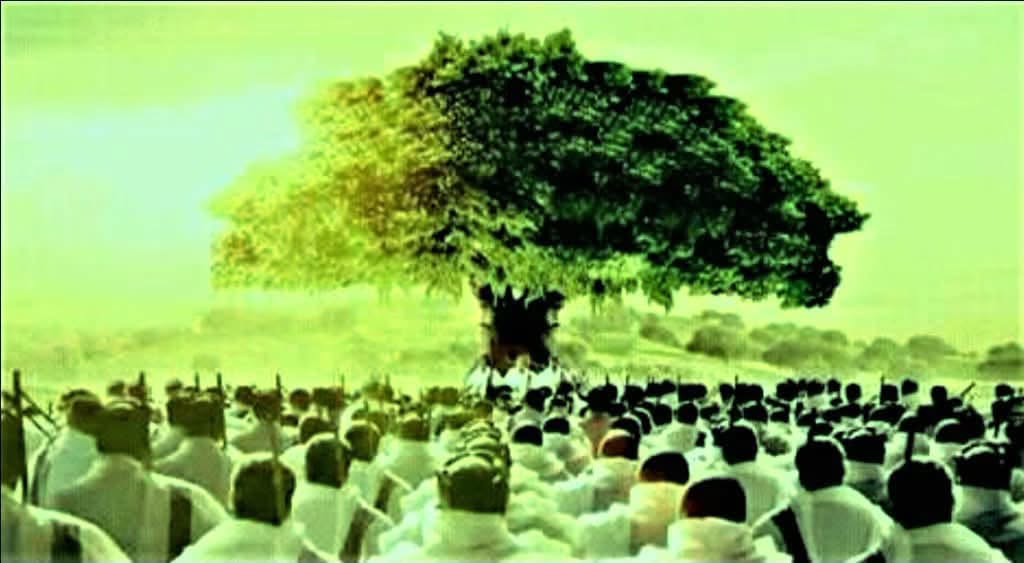
Beyond Culture — Gadaa as a Living Philosophy of Governance, Accountability, and Coexistence
By Hailu Gonfa
As I promised in the first part of this series on “Revitalizing Oromo History,” this second installment delves deeper into the Gadaa system—not merely as a cultural artifact, but as a profound source of democratic principles, governance, and social philosophy that holds invaluable lessons for the Oromo people today.
For too long, Gadaa has been reduced to folklore, song, dance, and ceremonial dress. But to confine Gadaa to the realm of culture alone is to miss its essence. Gadaa was—and remains—a system of governance, law, power-sharing, accountability, and conflict resolution. It is a philosophy of life that offers timeless wisdom on how to organize society, distribute power, and build lasting peace.
2.1. Gadaa Is Not Just Culture
When we speak of Gadaa, we often reduce it to traditional clothing, songs, ceremonies, or rites of passage. These are indeed elements of Gadaa, but they represent only a fraction of its meaning. To see Gadaa only as culture is to miss the forest for the trees.
Gadaa was a comprehensive system of governance that encompassed:
- Leadership and administration — How society was organized and governed.
- Law and justice — How rules were made, interpreted, and enforced.
- Power-sharing — How authority was distributed and transferred.
- Accountability — How leaders were held responsible for their actions.
- Deliberation and decision-making — How collective decisions were reached.
- Conflict resolution — How disputes were mediated and peace restored.
- Resource distribution — How resources were allocated and managed.
To study Gadaa is not merely to study Oromo history; it is to study a sophisticated political and social system that functioned for centuries. It raises fundamental questions: How did a people organize governance long before modern states? Who ruled? How were rulers checked? How were laws made? How was power transferred? How were conflicts resolved?
These are questions that remain relevant today.
2.2. What Is Democracy?
Democracy is often reduced to elections. But elections are only one part of democracy. True democracy encompasses:
- Public participation — The involvement of citizens in decision-making.
- Deliberation — The exchange of ideas and arguments.
- Consensus-building — The search for common ground.
- Accountability — The responsibility of leaders to the people.
- Rule of law — The supremacy of law over individuals.
- Human rights — The protection of fundamental freedoms.
- Limits on power — The prevention of tyranny and abuse.
When we examine Gadaa through this lens, we find striking parallels. Gadaa featured public deliberation, collective decision-making, accountable leadership, and a system of checks and balances. It offered a model of governance that, while distinct from modern democracy, shared many of its core principles.
However, we must be cautious. Gadaa is not identical to modern democracy. And not all modern democracy is derived from Gadaa. The two systems emerged in different historical contexts and reflect different societies. But the parallels are significant enough to merit serious study.
The goal is not to claim that Gadaa was “better” or “worse” than modern democracy, but to understand its principles, learn from its strengths, and apply its lessons to the challenges of today.
2.3. Power Was Never Concentrated in One Person
One of the greatest dangers in any political system is the concentration of power in the hands of a single individual or group. Power, when unchecked, tends to corrupt. When held too long, it becomes tyranny.
In Gadaa, power was never absolute.
Power was distributed, limited, and transferred regularly. It was tied to:
- Time — Power was held for a fixed period.
- Law — Power was exercised within legal boundaries.
- Social roles — Power was shared among different groups and institutions.
- Collective responsibility — Leaders were accountable to the community.
This is a profound lesson: Good governance does not depend solely on good leaders; it depends on a good system. A system that limits power, distributes authority, and holds leaders accountable is more important than the personal qualities of any individual leader.
The Gadaa system understood this. It did not rely on the virtue of a single ruler; it created institutions and processes that prevented the abuse of power.
2.4. Limiting Power: A Lesson from Gadaa
True democracy asks a fundamental question: “Who checks the one who holds power?”
If the answer is “no one,” then democracy is in danger. The Gadaa system offers a powerful answer: power was checked by time, law, social roles, and collective institutions.
- Power was temporary. Leaders served for a fixed term and could not extend their rule arbitrarily.
- Power was bound by law. Even the most powerful leaders were subject to the laws and customs of the community.
- Power was shared. Leadership was distributed among different groups and generations, preventing domination by a single faction.
- Power was accountable. Leaders were expected to answer to the community and could be removed if they failed.
The lesson is clear: Power is not a personal possession; it is a public trust. It carries responsibility, not privilege.
2.5. Deliberation Is the Foundation of Decision-Making
In any society, decisions made without deliberation—without discussion, debate, and the exchange of ideas—may be executed quickly, but they often lack legitimacy and sustainability.
In Gadaa, deliberation was central to decision-making.
- Issues were discussed openly.
- Diverse opinions were heard.
- Consensus was sought.
- Decisions were made collectively.
But deliberation is not just about speaking. It is about listening. It is about considering different perspectives, seeking common ground, and building collective ownership of decisions.
This is a vital lesson for today: Democracy is not just about majority rule; it is about listening to minorities. The loudest voice is not always the right one. The smallest voice deserves to be heard.
2.6. Consensus: From Democracy to Peace
In any society, the existence of diverse opinions is not a problem. The problem arises when diversity of opinion becomes conflict, and conflict becomes chaos.
In Gadaa, reconciliation, deliberation, consensus, and peace were central values. The system understood that unity is not the absence of disagreement, but the ability to manage disagreement peacefully.
Consensus is not a sign of weakness; it is a sign of political maturity. It requires patience, listening, compromise, and a commitment to the common good.
The lesson is clear: Victory is not measured by defeating an enemy, but by bringing that enemy into a relationship of mutual respect and coexistence.
2.7. The Supremacy of Law
Good governance is not defined by the quality of the ruler, but by the supremacy of the law. When the law is applied differently to rulers and to the ruled, injustice prevails.
In Gadaa, law, ethics, and accountability were intertwined. Law was not a tool of the powerful; it was a framework for justice that applied to all.
The lesson is profound: Freedom is not the absence of limits; it is the presence of just limits. True freedom exists within a framework of law, accountability, and mutual respect.
2.8. Reconciliation and Justice
Conflict is inevitable in any society. The question is how it is resolved.
In Gadaa, reconciliation was central to conflict resolution. It was not about forgetting or ignoring harm; it was about:
- Acknowledging the truth — Recognizing the harm that was done.
- Seeking accountability — Holding those responsible to account.
- Repairing relationships — Restoring trust and social bonds.
- Preventing recurrence — Addressing the root causes of conflict.
This is a powerful model for today: reconciliation is not a soft option; it is a demanding process that requires truth, justice, and a commitment to rebuilding relationships.
2.9. Leadership and Accountability
A leader is not merely someone who holds power; a leader is someone in whom the people have placed their trust. This trust is not unconditional.
In Gadaa, leaders were expected to:
- Listen to the people
- Respect the law
- Be accountable for their decisions
- Use power for the public good
- Step down with dignity at the end of their term
The lesson is clear: Leadership is a service, not a privilege. A good leader is not someone who commands obedience, but someone who earns trust and exercises power with accountability.
2.10. The Transfer of Power
One of the greatest challenges in any political system is the peaceful transfer of power. When leaders cling to power as if it were personal property, they create instability.
In Gadaa, the transfer of power was institutionalized and ritualized. It was seen not as a loss, but as a natural and necessary part of the political cycle.
The lesson is clear: Power is not for individuals; it is for the community. The ability to transfer power peacefully is a sign of a mature political system.
2.11. Participation and Inclusion
Governance cannot be separated from the people. People are not passive subjects; they are active participants in their own governance.
In Gadaa, participation was not limited to elites. Different groups—families, clans, age sets, and leaders—had roles and responsibilities in the system.
The lesson is clear: Democracy is not just something that happens in parliament; it must be practiced in families, schools, communities, and every sphere of life.
2.12. A Critical Examination of Gadaa
To revive Oromo history, we must not romanticize Gadaa. We must examine it critically.
- What were its strengths? Its participatory governance, accountability mechanisms, and peaceful conflict resolution.
- What were its limitations? The exclusion of certain groups, particularly women, from full participation in decision-making.
A critical examination of Gadaa does not diminish its value. On the contrary, it gives us a more complete and honest picture of our history—and a richer source of lessons for today.
2.13. Gadaa as a Source of Ideas
The danger is that Gadaa becomes a symbol, a flag, or a costume—something we wave but do not think about. If we want to learn from Gadaa, we must ask the hard questions:
- How do we limit power?
- How do we hold leaders accountable?
- How do we make decisions through deliberation?
- How do we resolve conflicts through reconciliation?
- How do we transfer power peacefully?
- How do we make law supreme?
- What do we pass on to future generations?
These are not just historical questions. They are questions for today and tomorrow. Gadaa offers a starting point for answering them.
2.14. Gadaa and Modern Democracy
We should not isolate Gadaa from the world, nor should we uncritically adopt foreign models. The way forward is to combine:
- Our own experience — The wisdom of Gadaa.
- Global knowledge — Insights from democratic theory and practice.
- Scientific inquiry — Rigorous research and analysis.
Gadaa + Global Democracy + Scientific Inquiry = A Path Forward.
2.15. Is Gadaa Oromo Property or Human Property?
This is a profound question. Gadaa is Oromo history and heritage. But the values embedded in it—deliberation, reconciliation, accountability, limits on power—are universal human values.
Gadaa is Oromo heritage. But its lessons are not for Oromo alone. And at the same time, universalizing Gadaa does not erase its Oromo identity.
The challenge is to honor Gadaa as Oromo history while sharing its wisdom with the world.
2.16. A Message to the New Generation
To the Oromo youth of today:
Do not reduce Gadaa to song, dance, or costume. Carry its ideas.
- See power as accountability, not privilege.
- See deliberation as strength, not weakness.
- See consensus as victory, not surrender.
- See diversity as wealth, not conflict.
- See law as supreme, not individual will.
- See leadership as service, not domination.
- See history as learning, not nostalgia.
If you do this, Gadaa will not be a relic of the past; it will be a living guide for the future.
Conclusion: Revitalizing History, Building the Future
Gadaa is not just about remembering the past. It is about engaging with the questions of today and tomorrow. Oromo history is not a museum; it is a living source of ideas, values, and lessons.
The new generation of Oromo must carry Gadaa forward—not as a heritage to be preserved in isolation, but as a philosophy to be applied in the modern world.
Let us not worship our history; let us study it critically. Let us not only celebrate our heroes; let us also learn from their accountability. Let us not only remember our victories; let us also learn from our defeats.
This is how we revitalize Oromo history. This is how we build the future.
Injifannoon Ummata Oromoo!
Gadaan haa jabaattu!
Seenaan Oromoo haa haaromfu!
This feature article is based on the reflections of Hailu Gonfa and is dedicated to all those who are committed to revitalizing Oromo history, studying the Gadaa system with honesty and rigor, and applying its lessons to the challenges of today.






