Category Archives: family violence

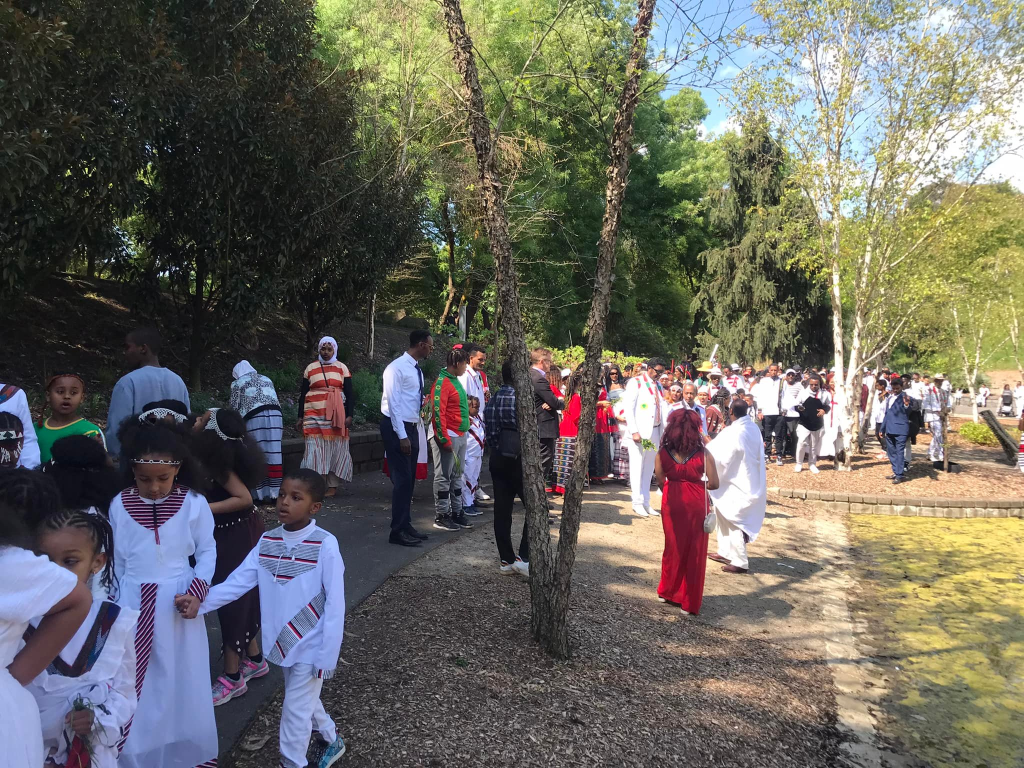
What are 10 interesting facts about Irreechaa?
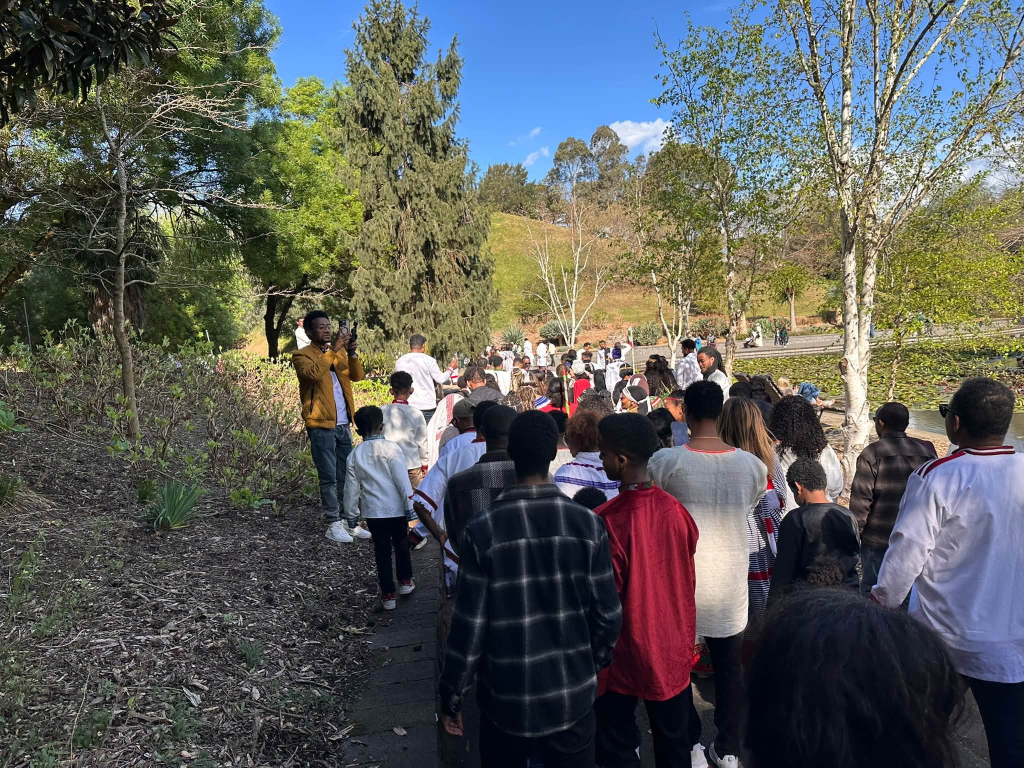
Here are 10 interesting facts about Irreechaa, drawn from its ancient origins, spiritual practices, and growing global reach.
1. It’s Not Just One Festival — It’s Two
Irreechaa is celebrated twice a year, marking two distinct seasonal transitions. The main festival, Irreechaa Malkaa, is held in autumn (September/October) at rivers and lakes to mark the end of the rainy season. The second, Irreechaa Tulluu (or Arfaasaa), is celebrated in spring on hilltops and mountains to welcome the rainy season .
2.  Its Roots Go Back Over 6,000 Years
This is not a recent tradition. Irreechaa is rooted in over 6,000 years of Cushitic civilization, making it one of the oldest continuous thanksgiving traditions in the world. It predates both Christianity and Islam in the region .
3.  It’s Recognized by UNESCO
The festival is intimately tied to the Gadaa system, the traditional Oromo governance structure. The Gadaa system was inscribed by UNESCO as an Intangible Cultural Heritage of Humanity, giving Irreechaa international recognition as a vital part of global cultural heritage .
4.  You Can’t Attend with a Grudge
One of the most striking rules of Irreechaa is that you cannot participate if you are holding resentment or hatred toward others. Disputes must be settled before the festival. It is believed that Waaqa will not accept the prayers and songs of those who come with unresolved conflict .
5. 👩🏾🤝👨🏾 Women Lead the Procession
In a powerful cultural tradition, women walk at the front of the Irreechaa procession, ahead of the Abbaa Gadaa (Gadaa leaders) and elders. If the women stop walking, the entire procession stops. Nobody passes before them. This is rooted in the Siinqee institution, which symbolizes women as sacred and as agents of peace .
6.  The Grass and Flowers Are Sacred Symbols
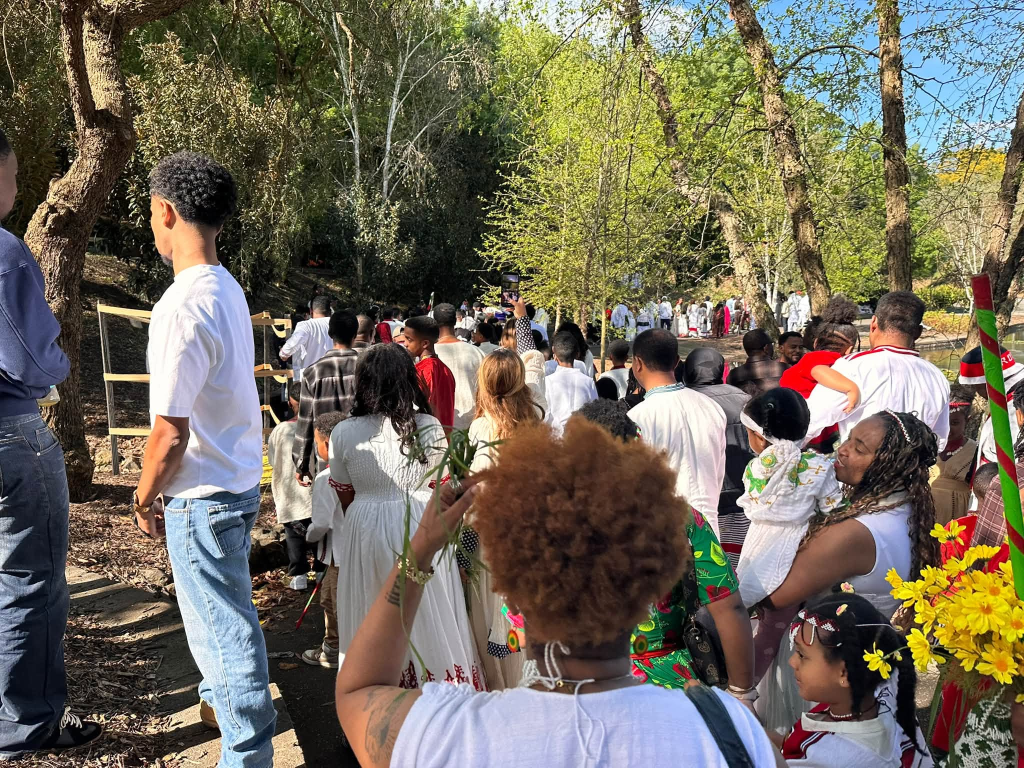
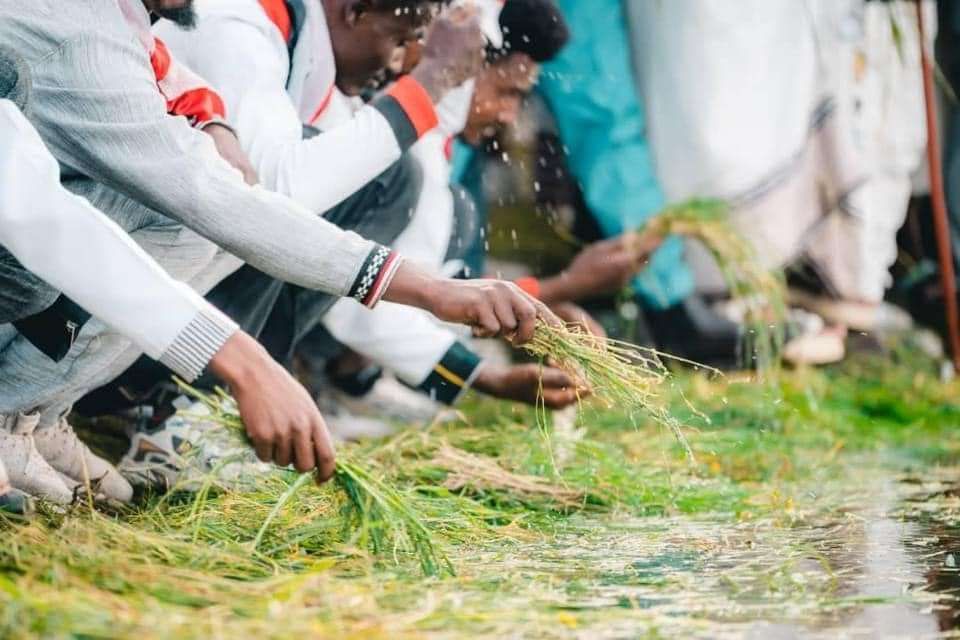
Participants carry fresh green grass and yellow daisies (daraaraa keelloo) to the water’s edge. The grass symbolizes life, fertility, and renewal, while the yellow flowers bloom specifically during the Birraa (spring) season. Dipping them into the water is an act of purification and gratitude .
7.  It’s Africa’s Largest Outdoor Gathering
The main celebration at Hora Arsadi in Bishoftu is one of the largest annual human gatherings in Africa, attracting millions of people. International media like the BBC, Al Jazeera, and CNN have covered the massive scale of the event .
8.  It Returned to Finfinne After 150 Years
In 2019, Irreechaa was celebrated at Hora Finfinne in Addis Ababa for the first time in 150 years. Under previous regimes, public celebrations had been banned. Its return to the capital was seen as a powerful act of cultural reclamation and identity .
9.  It’s a Global Diaspora Tradition
Irreechaa is not confined to Ethiopia. Oromo communities in the United States, Canada, Germany, Australia, the UAE, Saudi Arabia, and the UK organize their own celebrations. In cities like Melbourne, Washington D.C., Toronto, and Berlin, the diaspora gathers in parks and community centers to maintain their traditions and pass them to the next generation .
10.  It’s a Platform for Peace and Unity
Beyond thanksgiving, Irreechaa is a peace-building event. Scholars describe it as a festival that “sermonizes peace, reconciliation, and unity.” It brings together people of all ages, genders, religions, and social statuses, reinforcing the values of equality and social harmony.

A Trailblazer Honoured: Dr Melika Sheikh-Eldin Inducted into the Victorian Honour Roll of Women
By Dhabessa Wakjira
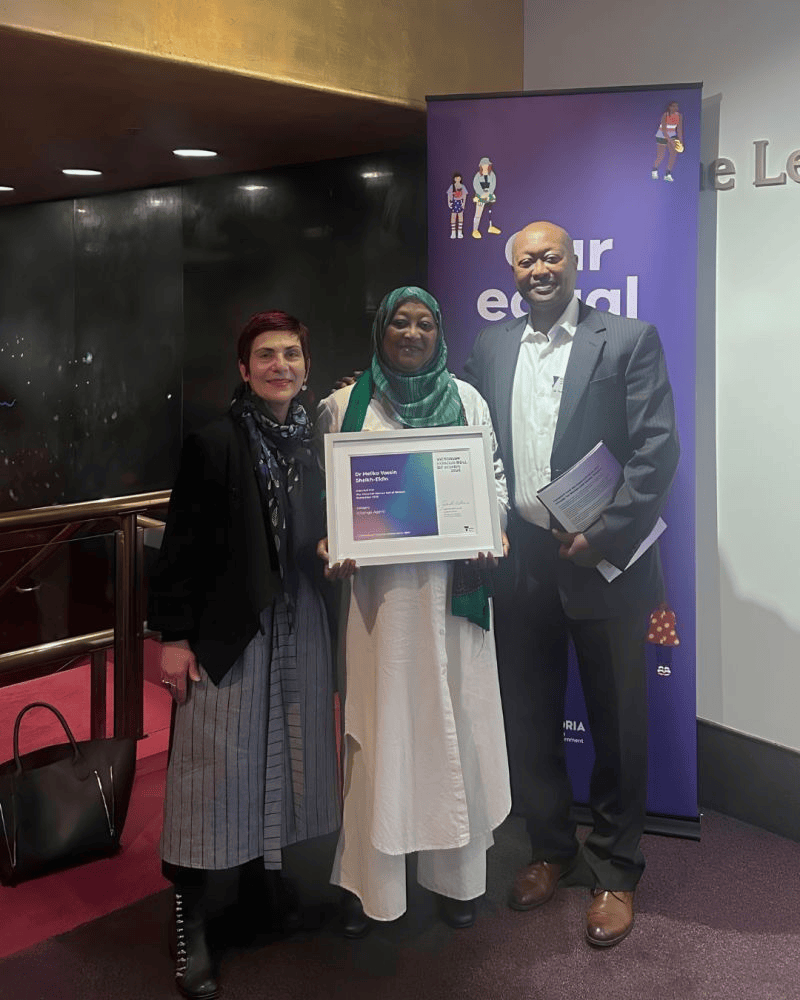
In a moment that celebrates both personal achievement and the power of lived experience, Dr Melika Sheikh-Eldin — Manager of International and Community Development at AMES Australia — has been inducted into the Victorian Honour Roll of Women, one of the state’s most prestigious recognitions of women’s contributions to their communities and the nation.
The announcement was met with pride and joy across AMES Australia and the broader settlement sector, where Dr Melika has been a guiding force for more than two decades.
“Congratulations to Dr Melika Sheikh-Eldin, our Manager of International and Community Development, on being inducted into the Victorian Honour Roll of Women,” AMES Australia shared in a statement. “This well-deserved recognition celebrates Melika’s outstanding leadership and commitment to creating opportunities for multicultural communities.”
A Journey from Refugee to World-Leading Innovator
Dr Melika’s story is one of remarkable transformation — and of turning personal hardship into a force for systemic change. She fled war in Eritrea in the late 1970s, volunteering in Sudanese refugee camps and in Cairo for organisations including the United Nations High Commissioner for Refugees (UNHCR) , the Red Cross, and Save the Children. She resettled in Australia in 1992.
Since joining AMES Australia in 2001, she has dedicated her career to settlement, community development, capacity building, and advocacy. Her work has helped thousands of new arrivals settle successfully in Australia and has influenced settlement policy and practice both nationally and internationally.
At the Victorian Honour Roll of Women ceremony, it was recognised that Dr Melika Sheikh-Eldin has transformed her lived experience as a refugee into world-leading approaches to community integration and social cohesion.
Three World-Leading Models
Dr Melika’s impact at AMES Australia is perhaps best illustrated by the innovative programs she has led — programs that have become blueprints for others:
1. The Nhill Rural Settlement Project
In western Victoria, the small town of Nhill was facing economic decline. Dr Melika’s project settled Karen refugees in the community, revitalising the town’s economy and creating a model now considered a global blueprint for rural settlement.
2. The Werribee Park Gardening Program
Engaging isolated Karen women in gardening, this program addressed critical issues of isolation and mental wellbeing. Its success was so evident that the model has been adopted by other organisations.
3. The Community Guides Program
Perhaps her most influential innovation, the Community Guides Program recruits former refugees to use their lived experience to assist new arrivals. Dr Melika has travelled to Sweden, New Zealand, and Japan to help international organisations establish programs based on this model.
Challenging Stereotypes, Championing Two-Sided Education
Throughout her career, Dr Melika has disrupted gender stereotypes and challenged the public perception of what refugees can achieve. Central to her philosophy is the concept of “two-sided education” — the idea that both host communities and new arrivals must learn about one another for true integration to occur.
This mutual learning, she explains, helps mitigate the fear of the unknown — the anxiety that so often fuels resistance to newcomers. It is a simple but profound insight: integration is not something done to refugees, but something built with them, and with the communities that receive them.
A Scholar and a Mother
Dr Melika’s achievements are all the more remarkable given the circumstances in which she pursued them. While raising three children as a refugee in a small Australian town, she completed a PhD in aquatic science — a testament to her intellectual rigor and her refusal to be defined by the limitations others might have placed upon her.
Since 2007, she has also sat on the board of the Refugee Council of Australia and represented the nation as a “Refugee Voice” at annual UNHCR consultations in Geneva, advocating for policy shifts that recognise refugees as stakeholders rather than recipients of aid.
A Well-Deserved Recognition
The Victorian Honour Roll of Women celebrates women who have made exceptional contributions to Victoria and beyond. Inductees are recognised for their leadership, courage, and lasting impact on their communities.
Dr Melika’s induction places her among a distinguished group of women who have shaped the state’s social, cultural, and political landscape. For the Oromo community and for refugees and migrants across Australia, her recognition is a moment of immense pride.
“Congratulations, Melika. We are incredibly proud of you,” AMES Australia said. 💙
Learn More
To read Dr Melika Yassin Sheikh-Eldin’s full profile on the Victorian Honour Roll of Women, visit:
🔗 https://www.vic.gov.au/dr-melika-yassin-sheikh-eldin
#AMESAustralia #AMES #Award #VictorianHonourRoll

Preserving the Sacred: Why Irreechaa Needs Correction, Not Just Celebration
By Dhabessa Wakjira
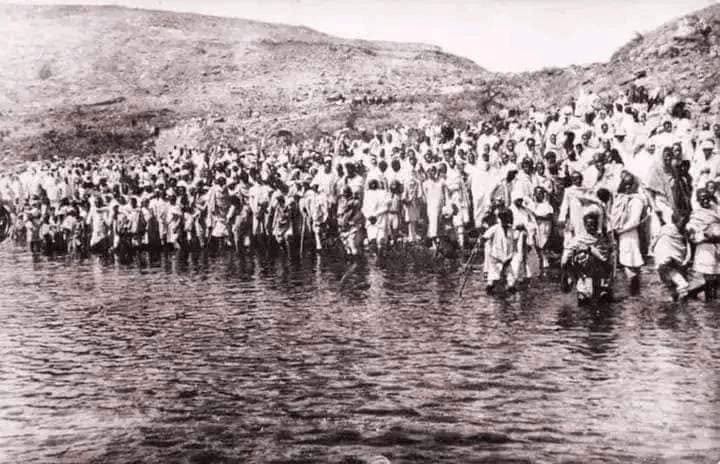
Irreechaa is more than a festival. It is a sacred covenant between the Oromo people and Waaqa — a day of thanksgiving, reconciliation, and renewal that has survived centuries of suppression. But as the celebration grows in size and visibility, so too does the need to protect its spiritual integrity.
A recent community message, circulated among Oromo elders and youth, raises urgent concerns about practices that have crept into modern Irreechaa celebrations — practices that, while perhaps well-intentioned, risk distorting the festival’s deep cultural and spiritual meaning. The message is not an attack on the celebration. It is a call to return to the duudhaa — the sacred customs and traditions — that give Irreechaa its power.
The concerns can be grouped into four key areas that, according to the message, must be corrected.
1. The Time of Irreechaa Malkaa Must Not Be at Night
The first concern is about timing. According to Oromo tradition, Irreechaa Malkaa should not be performed at night. The Oromo people have their own natural sense of time, rooted in family life and community rhythms. A person rises, tends to their household, prepares coffee, and then proceeds to the water’s edge for Irreechaa — honoring the customs passed down through generations.
The tradition describes how participants should approach the water: carrying fresh grass and flowers, singing the sacred songs of Mareyoo, and moving with reverence. Elders sing “Araaroo yaa araari hoo / Ararsaa waaqatu jalaataa / Nuuf Ararami hoo” — calling for peace and blessing from Waaqa. The youth accompany the elders respectfully, and upon reaching the Malkaa, no one should make noise or ululate until the Irreechaa ceremony at the water is complete.
This is a call to restore the solemnity and order that should define the procession. Irreechaa is not a chaotic gathering; it is a structured, reverent spiritual journey.
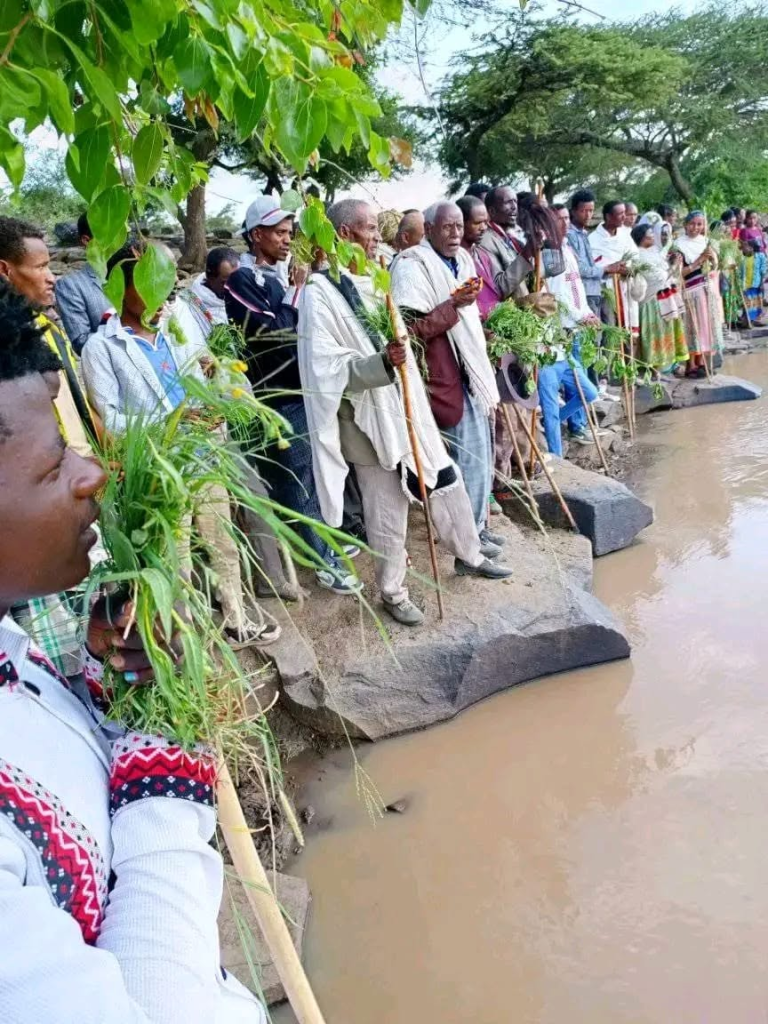
2. The Water Ritual Must Follow Tradition
The second concern addresses how the water ritual is performed. According to the message, sprinkling water on oneself and others — or turning back before reaching the designated Irreechaa site — is not part of Oromo duudhaa. The practice of indiscriminately splashing water, the message warns, resembles a “cuubbaa” (baptismal) ritual rather than the traditional Oromo offering.
The Abbootii Gadaa (Gadaa leaders) are called upon to correct this. The water of Irreechaa is sacred — it is meant for purification and blessing in a specific, reverent manner, not for casual splashing. The distinction matters because Irreechaa is rooted in Waaqeffannaa, the traditional Oromo faith, and its rituals must remain true to that origin.
3. Vehicles Must Not Obstruct the Path to the Malkaa
The third concern is practical but deeply important: the overuse of vehicles on Irreechaa day is obstructing access to the Malkaa. While some vehicles are genuinely necessary — for security, emergency services, or for elderly and disabled participants — the message argues that too many cars are being used for entertainment and convenience, narrowing the roads and blocking the path for those who wish to walk.
The message specifically notes that artists and well-known figures should walk with the community rather than being driven, closing roads and causing hardship for ordinary participants. The image of last year’s Irreechaa, where celebrants struggled because roads were blocked by vehicles carrying notable figures, is still fresh in memory.
Irreechaa is a communal pilgrimage. Walking together — as one people, regardless of status — is part of what makes it sacred. Vehicles should be limited to genuine necessity, not convenience or display.
4. Respect for the Spiritual Boundaries of Irreechaa
The fourth concern is perhaps the most sensitive. The message observes that people of other faiths are attending Irreechaa and engaging in practices that contradict its spiritual purpose — including singing, preaching, and distributing religious materials at the Malkaa that promote beliefs other than Waaqeffannaa.
The message does not say that non-Waaqeffannaa participants are unwelcome. Irreechaa is a national and cultural celebration, and all Oromos are invited to share in it. But the Malkaa is a sacred space with its own spiritual rules. Those who come should respect the boundaries of the tradition they are joining. Proselytizing at the water’s edge — whatever the faith — is not part of Irreechaa and does not honor its purpose.
The message calls on those who engage in such practices to reflect on their actions, and on the Abbootii Gadaa to safeguard the spiritual integrity of the festival.
The Call to the Abbootii Gadaa
The message concludes with a direct appeal: the Abbootii Gadaa and community elders must take the lead in correcting these practices. Specifically, they are asked to address:
- Celebrations at 10 PM that should not be happening
- The sprinkling of water that departs from tradition
- The obstruction of roads by unnecessary vehicles
- The introduction of foreign religious practices at the Malkaa
These are not minor details. They are the difference between a festival that honors its ancestors and one that drifts into something unrecognizable.
Irreechaa Is Peace, Reconciliation, and Blessing
The message ends with a reminder of what Irreechaa truly is:
“Irreechi Nagaa, Araara, Milkii fi quufa. Baga geenye!”
“Irreechaa is Peace, Reconciliation, Blessing, and Abundance. Welcome!”
This is the heart of the matter. Irreechaa is not a party. It is not a parade. It is not a platform for personal recognition or religious outreach. It is a sacred act of gratitude to Waaqa, a communal reconciliation, and a prayer for peace and abundance in the year to come.
If the celebration is to remain meaningful for future generations, it must be practiced with the same reverence, order, and fidelity to tradition that has kept it alive for centuries — through persecution, suppression, and diaspora.
The message is a wake-up call. And it is one that deserves to be heard.

From Refugee to Trailblazer: How Dr Melika Yassin Sheikh-Eldin Is Reshaping Australia’s Approach to Settlement
By Dhabessa Wakjira
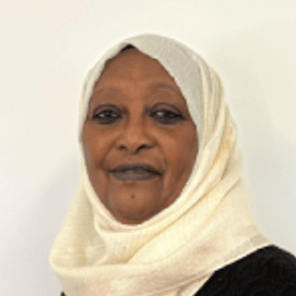
When Dr Melika Yassin Sheikh-Eldin fled war in Eritrea in the late 1970s, she could not have known that her journey would one day help shape how an entire nation welcomes its newest arrivals. But that is precisely what happened. Over four decades, Melika has transformed her lived experience as a refugee into world-leading models for community integration and social cohesion — models now studied and adopted far beyond Australia’s shores.
She has helped thousands of new arrivals settle successfully. She has disrupted gender stereotypes and challenged public perceptions of what refugees can achieve. And she has done so while raising three children, completing a PhD, and representing Australia on the global stage as a “Refugee Voice” at United Nations consultations in Geneva.
Her story is not simply one of personal triumph. It is a blueprint for what is possible when refugees are recognized not as recipients of aid, but as stakeholders, leaders, and architects of their own futures.
A Journey Forged in Service
Melika’s path to Australia was neither short nor simple. After fleeing Eritrea, she volunteered in Sudanese refugee camps and later in Cairo. Her dedication drew the attention of some of the world’s most respected humanitarian organizations. She volunteered for the United Nations High Commissioner for Refugees (UNHCR) , the Red Cross, and Save the Children — gaining frontline experience that would later inform her professional approach.
She resettled in Australia in 1992, bringing with her not only the scars of displacement but also an unshakeable commitment to service. That commitment found its home at AMES Australia, where she has been a pivotal leader since 2001 and has served as Manager of Settlement Support Services since 2006.
Since 2007, she has sat on the board of the Refugee Council of Australia and represented the nation as a “Refugee Voice” at annual UNHCR consultations in Geneva. In that role, she has advocated relentlessly for policy shifts that recognize refugees as stakeholders rather than passive recipients of aid — a principle that has guided every project she has led.
Three World-Leading Models
Melika’s work at AMES Australia has produced initiatives that are now considered global blueprints for settlement and integration. Three stand out in particular.
1. The Nhill Rural Settlement Project
In western Victoria, the small town of Nhill was facing economic decline. Melika’s project settled Karen refugees in the community — and the results were transformative. The town’s economy was revitalized, and the model is now regarded internationally as a global blueprint for rural settlement. It demonstrated that refugee settlement is not a burden but an opportunity — for the newcomers and for the host community alike.
2. The Werribee Park Gardening Program
Isolation and mental wellbeing are critical challenges facing many refugee women, particularly those who arrive without established community networks. Melika’s program engaged isolated Karen women in gardening at Werribee Park. The initiative directly addressed these challenges, and its success was so evident that the model has since been adopted by other organizations.
3. The Community Guides Program
Perhaps Melika’s most influential innovation is the Community Guides Program, which recruits former refugees to use their lived experience to assist new arrivals. The logic is elegant: those who have walked the path themselves are uniquely positioned to guide others along it. The program has proven so effective that Melika has traveled to Sweden, New Zealand, and Japan to help international organizations establish programs based on the AMES Community Guides model.
Challenging Stereotypes, Championing Two-Sided Education
Melika’s impact extends beyond program design. She has been a powerful voice in disrupting gender stereotypes and challenging the public perception of what refugees can achieve. At a time when refugee women are often portrayed as passive or dependent, Melika’s leadership — and the leadership she cultivates in others — tells a different story.
Central to her philosophy is the concept of “two-sided education.” Integration, she argues, is not a one-way process. Both host communities and new arrivals must learn about one another for true integration to occur. This mutual learning, she explains, helps mitigate the fear of the unknown — the anxiety that so often fuels resistance to newcomers.
It is a simple but profound insight: integration is not something done to refugees, but something built with them, and with the communities that receive them.
A Scholar and a Mother
Melika’s achievements are all the more remarkable given the circumstances in which she pursued them. While raising three children as a refugee in a small Australian town, she completed a PhD in aquatic science — a testament to her intellectual rigor and her refusal to be defined by the limitations others might have placed upon her.
Her academic background in science may seem distant from her work in settlement, but both reflect the same qualities: careful observation, systematic thinking, and a commitment to understanding complex systems — whether ecosystems or communities.
A Legacy Still Being Written
Dr Melika Yassin Sheikh-Eldin’s story is a reminder that refugee experiences are not only stories of loss. They are also stories of contribution, innovation, and leadership. Her work has reshaped how Australia approaches settlement, and her models continue to influence practice internationally.
But perhaps her most enduring legacy is the principle she has championed throughout her career: that refugees are not problems to be solved, but partners to be engaged. They are not merely recipients of aid, but stakeholders in their own futures — and, as Melika’s own life demonstrates, architects of the futures of others.
From a young woman fleeing war to a world-leading voice in settlement and integration, Melika’s journey is a testament to what becomes possible when refugees are given the opportunity — and the respect — to lead.
Dr Melika Yassin Sheikh-Eldin is the Manager of Settlement Support Services at AMES Australia and a board member of the Refugee Council of Australia.

How to celebrate Irreechaa in Australia?
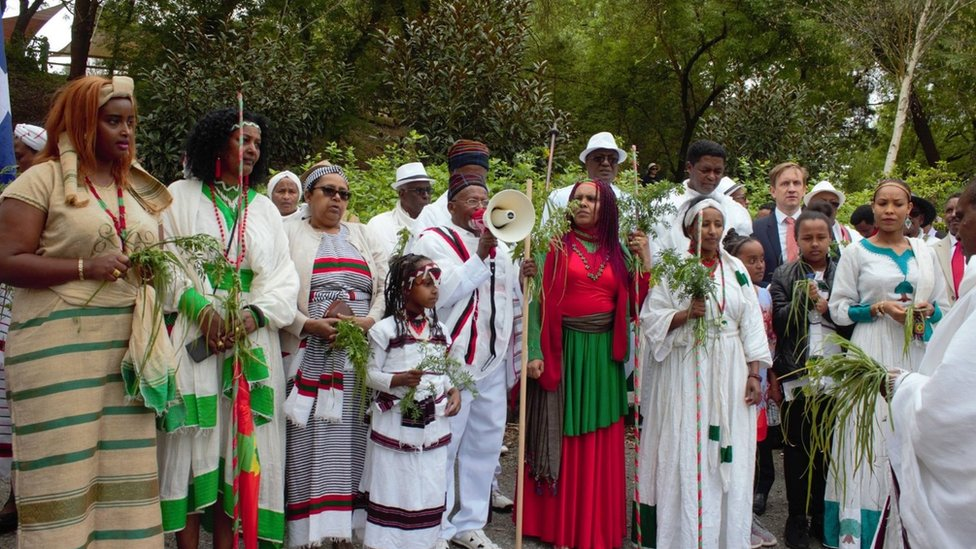
Celebrating Irreechaa in Australia means participating in a vibrant, adapted version of the traditional Oromo thanksgiving festival. While the core spiritual intent remains the same—giving thanks to Waaqa (God) for blessings and renewal—the setting and specific activities are tailored to the Australian environment and the needs of the diaspora community.
The celebrations are primarily organized by community associations and the non-profit Irrecha Australia, with major events held in cities like Melbourne.
📍 Where and When to Celebrate in Australia
The location is chosen to reflect the traditional importance of nature and water in Irreechaa. In Australia, this often means gathering at parks with lakes, rivers, or scenic natural settings.
- Common Locations: In Melbourne, past celebrations have been held at Wilson Botanic Park in Berwick, Dandenong Mountain (Tulluu Dandenong), and Footscray Park.
- Timing: The festival is typically celebrated in September or October for Irreechaa Malkaa (the main thanksgiving at the water’s edge), and sometimes in April for Irreechaa Arfaasaa (a spring celebration).
🌿 How to Participate: Key Activities and Rituals
Participating in Irreechaa in Australia involves engaging in both traditional rituals and communal cultural activities.
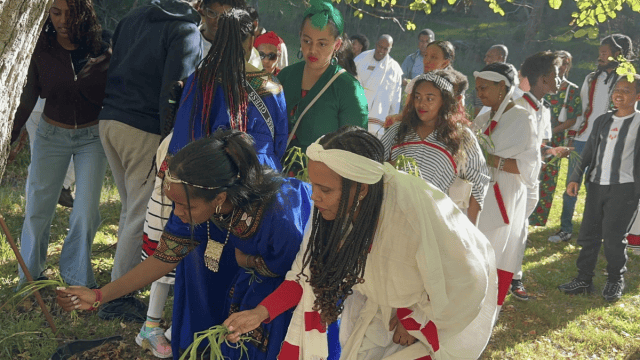
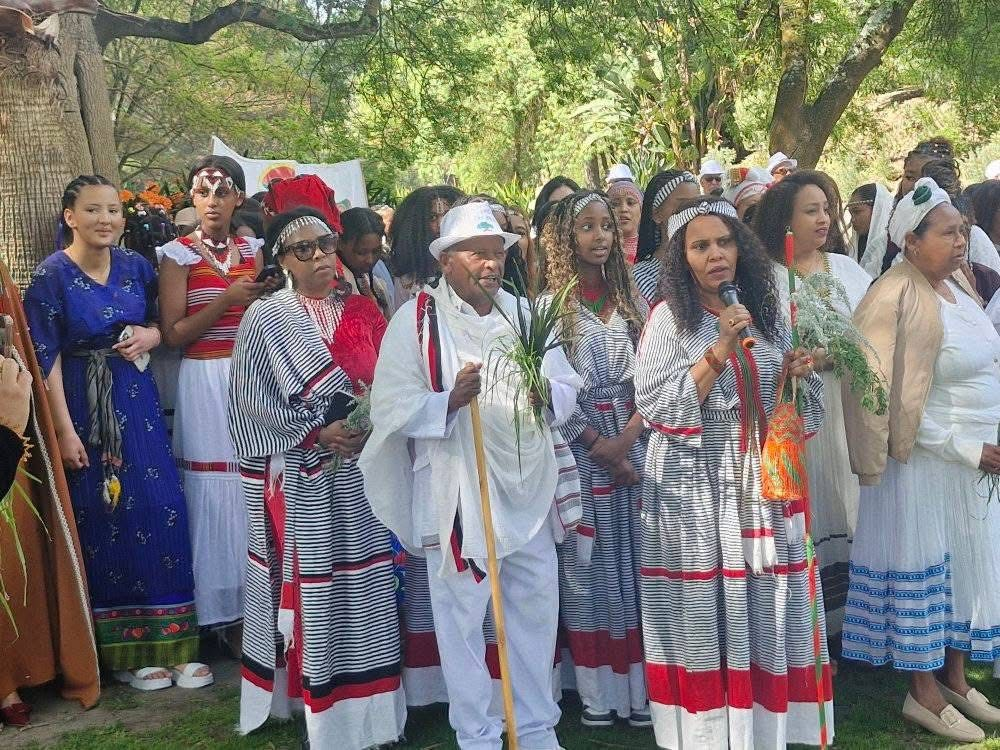
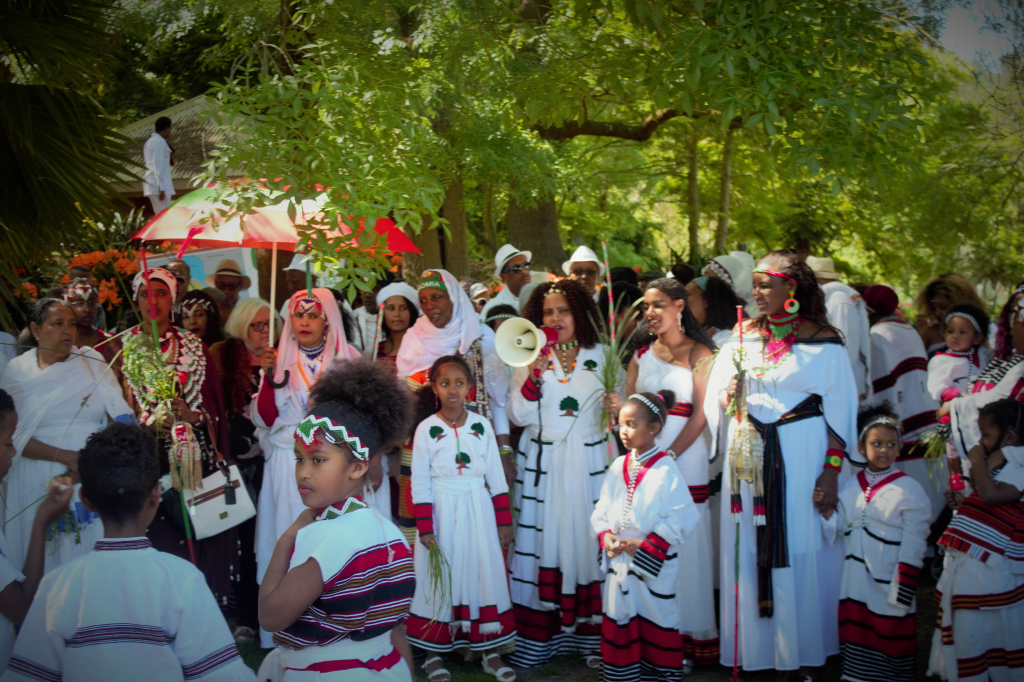
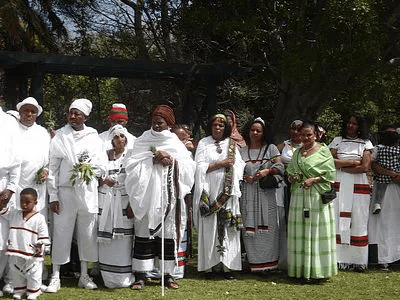
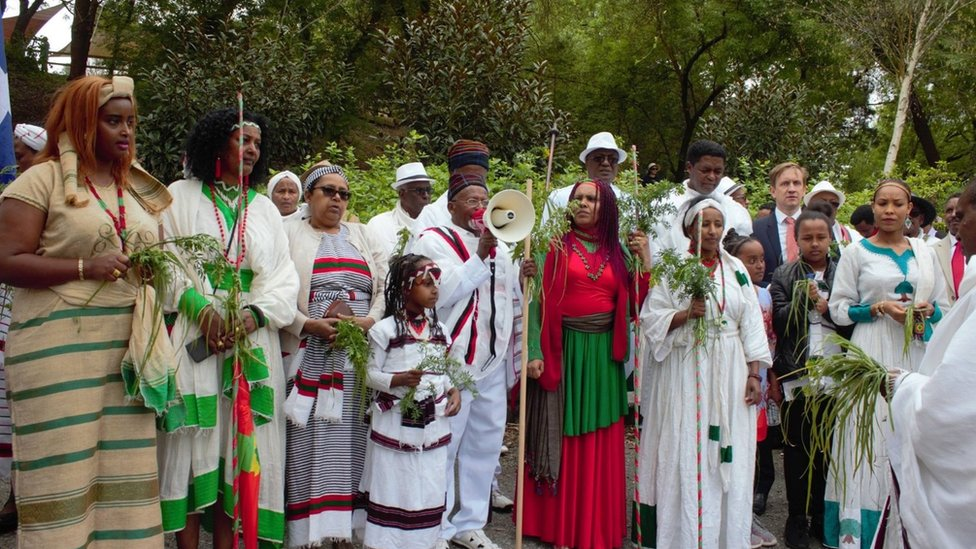
- Wear Traditional Attire: Attendees are strongly encouraged to wear traditional Oromo clothing. The vibrant colors and styles are a visual statement of cultural pride and identity, especially for younger generations.
- Join the Blessing and Prayer: The event typically begins with blessings and prayers led by community elders. These blessings focus on peace, prosperity, and remembering those who sustained the tradition.
- Participate in Symbolic Rituals: Follow the tradition of carrying and dipping fresh green grass and yellow flowers into water (if available at the venue) as a symbol of gratitude, purification, and renewal.
- Enjoy Cultural Performances and Food: The celebration features traditional Oromo music, songs, and dances (such as the Siiqqee and Gumii dances). It is also a time to share communal meals with traditional Oromo food.
- Connect with Community: Irreechaa in Australia is a vital social event. It is a time for the diaspora to unite, strengthen bonds, and for younger generations to learn about their heritage from elders.
🤝 A Note on Inclusivity
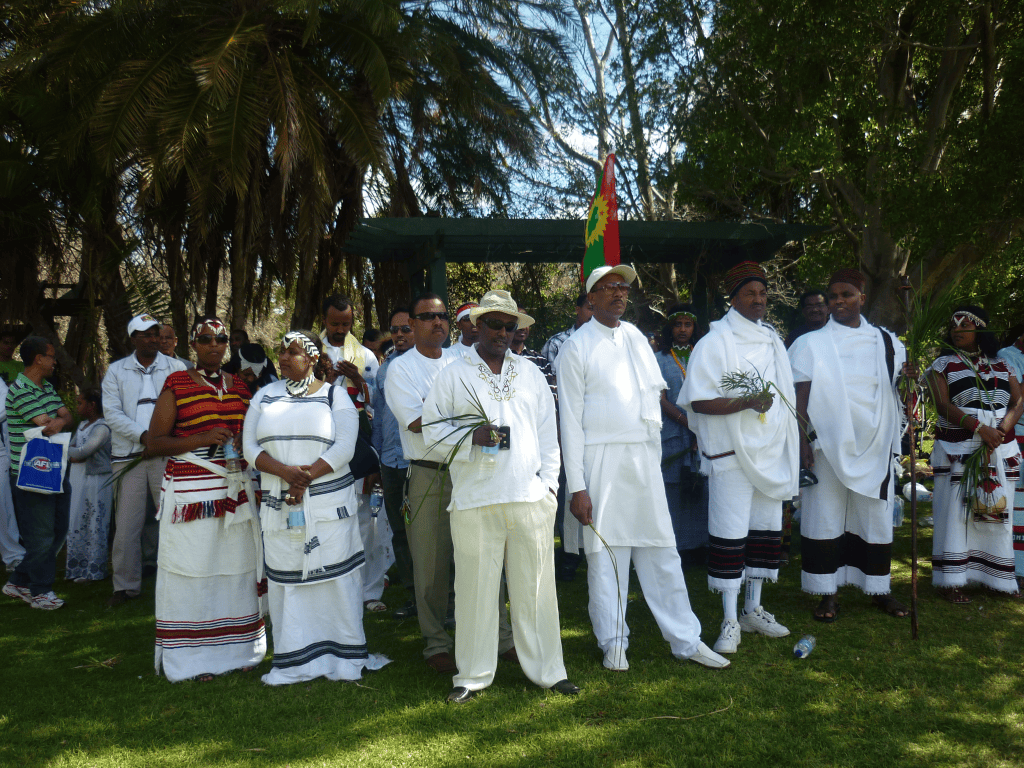
While Irreechaa has deep spiritual roots in Waaqeffannaa (the traditional Oromo faith), the celebrations in Australia are also cultural festivals that welcome everyone. Organizers often invite local government officials, multicultural organizations, and curious residents to foster mutual respect and intercultural exchange. As one attendee noted, it is a unifying cultural practice that transcends religious boundaries.
💡 Practical Tips for Attendees
- Check for Event Details: Look for announcements from Irrecha Australia or local Oromo community associations on social media for the exact date, time, and location of the next event in your city.
- Respect the Environment: Organizers emphasize the importance of respecting the natural surroundings and leaving no waste behind, reflecting the core Oromo value of caring for nature.
- Bring What’s Needed: Some event notices suggest bringing water, flowers (for the ritual), and a spirit of gratitude.
In essence, celebrating Irreechaa in Australia is about actively participating in a living tradition that adapts to a new home while staying true to its core values of gratitude, community, and cultural pride.

Why is Irreechaa celebrated in Australia?
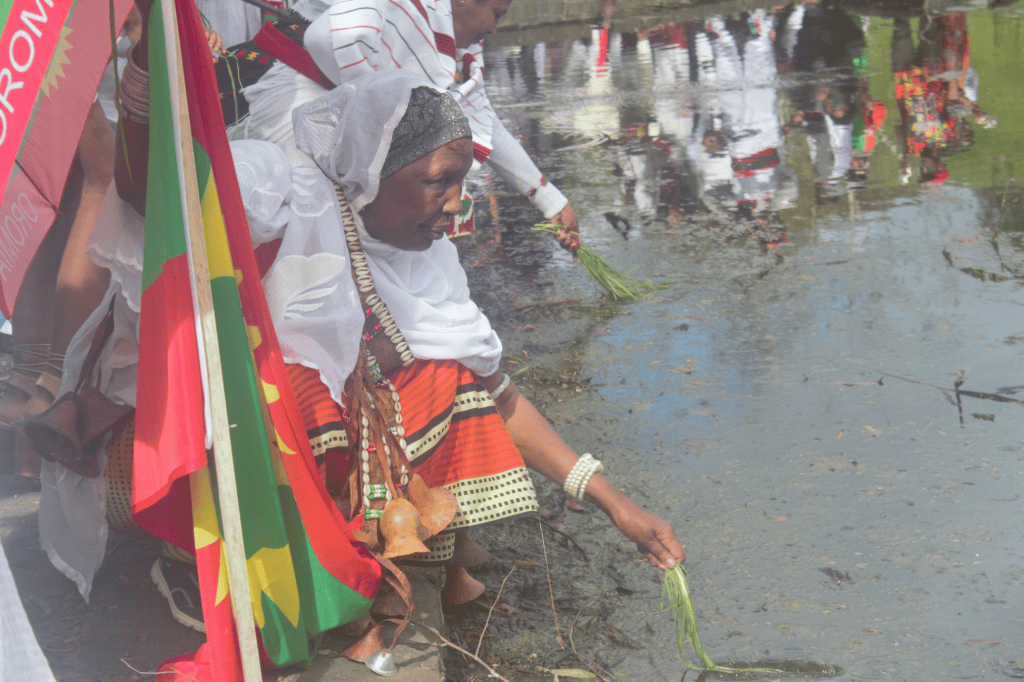
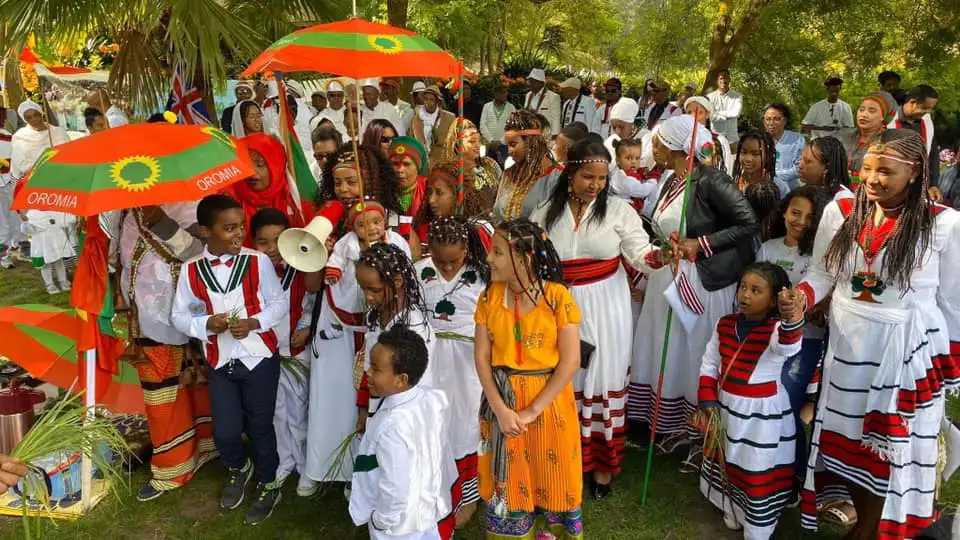
Irreechaa is celebrated in Australia because it serves as an essential cultural anchor and a vital tool for preserving Oromo identity for the diaspora community. For Oromos living far from their homeland, the festival bridges the physical distance, allowing them to maintain a profound connection to their heritage, land, and community.
🌏 Maintaining Connection to Homeland
For the Oromo diaspora in Australia, Irreechaa is not merely a tradition but a spiritual and cultural lifeline. As community members explain, the festival creates a “cultural ambiance that connects the people to Oromo land and the creator, Waaqa”. It serves as a powerful bridge, reinforcing the bond between those living abroad and their ancestral roots, ensuring that their connection to Oromia remains strong despite the geographical separation.
🎶 Preserving Identity Across Generations
The celebration plays a critical role in fostering Oromummaa (Oromo identity) in a new environment. By organizing these events, the community ensures that younger generations born or raised in Australia can learn about and embrace their heritage. The festival includes traditional blessings by elders, cultural performances like the Siiqqee and Gumii dances, and communal meals, all of which educate and immerse participants in Oromo traditions. This active practice is vital for intergenerational learning and instills a sense of pride in Oromo culture among the youth.
🤝 Building Community and Belonging
Irreechaa provides a crucial opportunity for the Oromo diaspora to unite and strengthen their communal bonds. In cities like Melbourne, the celebration brings together families and individuals to share in a collective expression of gratitude, peace, and solidarity. The festival has been held annually in Australia since 2009, growing steadily in participation. It serves as a platform to build a sense of belonging and mutual support within the community, creating a home away from home.
🌉 Bridging Cultures
The celebration also acts as a cultural bridge to the wider Australian society. Many Irreechaa events invite local government officials, multicultural organizations, and curious residents, encouraging mutual respect and intercultural exchange. By sharing their traditions openly, the Oromo community not only sustains its own cultural practices but also contributes to the vibrant multicultural fabric of Australia.
In essence, Irreechaa in Australia is a dynamic and necessary adaptation of a sacred tradition. It allows the Oromo diaspora to give thanks, celebrate their shared history, and ensure their culture continues to thrive and be recognized for generations to come.

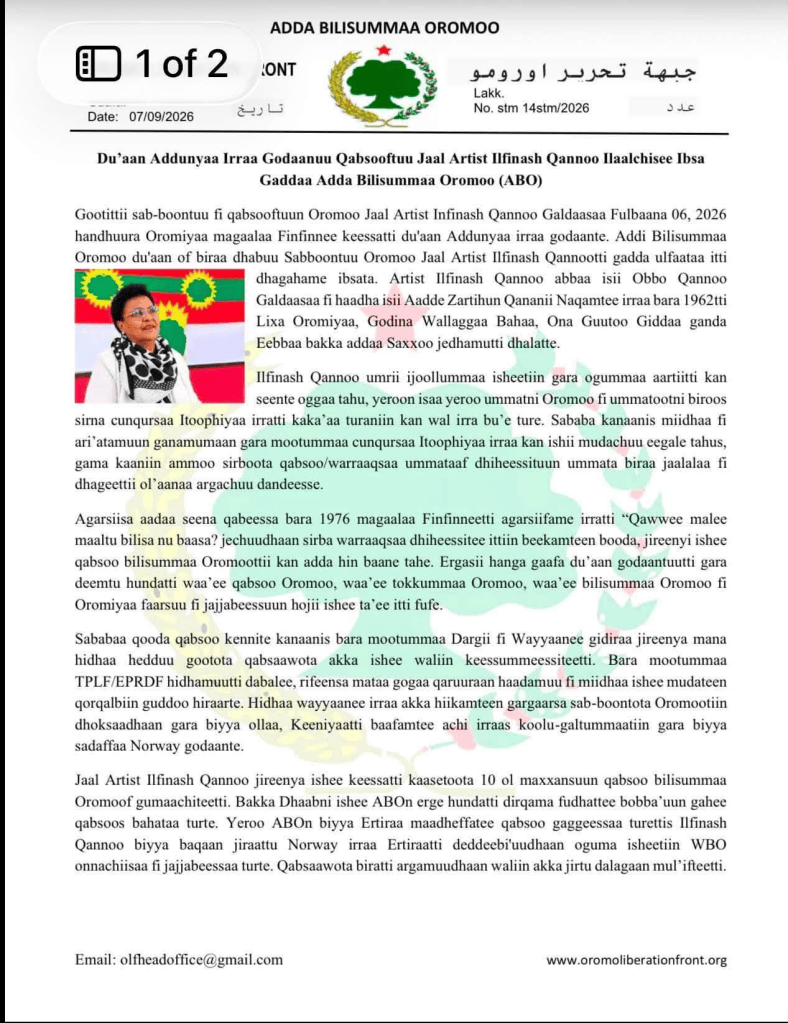
On the Departure of Beloved Artist and Freedom Fighter Ilfinash Qannoo
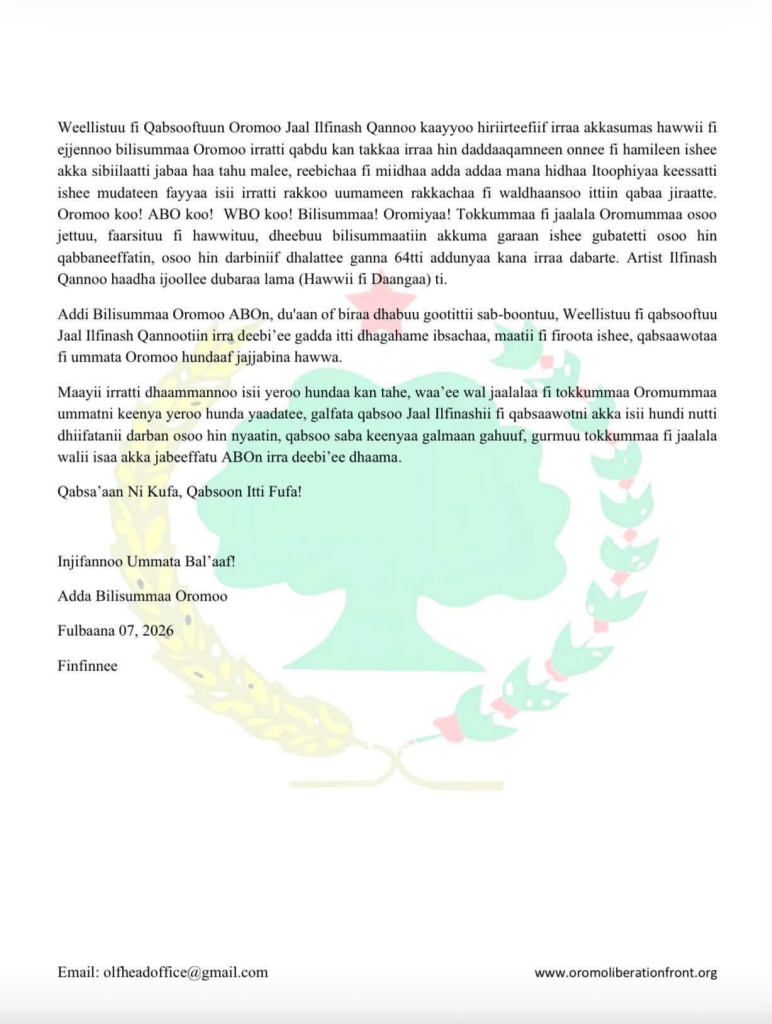
The official press release from the Oromo Liberation Front (OLF/ABO) regarding the passing of beloved artist and freedom fighter Ilfinash Qannoo:
OFFICIAL FEATURE STATEMENT
On the Departure of Beloved Artist and Freedom Fighter Ilfinash Qannoo
Issued by the Oromo Liberation Front (OLF/ABO)
Fulbaana 07, 2026 | Finfinnee, Oromia
A Great Heroine Has Fallen
The Oromo Liberation Front (OLF/ABO) announces with profound grief and a heavy heart the passing of the great Oromo heroine, patriot, and freedom fighter – Beloved Artist Ilfinash Qannoo – who departed from this world on Fulbaana 06, 2026, in the heart of Oromia, at Finfinnee.
Her loss is not merely the loss of an artist. It is the silencing of a voice that sang freedom for over six decades. It is the emptying of a heart that burned with love for Oromia. It is the falling of a flag that inspired millions to rise against oppression.
Roots of a Revolutionary
Artist Ilfinash Qannoo was born in 1962 to her father, Obbo Qannoo Galdaasaa, and her mother, Aadde Zartihun Qananii, in the town of Saxxoo, located in Eebbaa district, East Wallagga Zone, Western Oromia – a region that would later become the cradle of many liberation struggles.
From her childhood, she was drawn to the arts. But her coming of age coincided with a period of intense political awakening across Ethiopia – a time when the Oromo people and other nations rose against the oppressive system. It was this environment that shaped her destiny and transformed her from a simple performer into a voice of the voiceless.
The Song That Shook the Throne
Her path to fame – and to persecution – began in 1976 at a historic cultural performance in Finfinnee. There, she posed the revolutionary question that would become an anthem of resistance:
“Qawwee malee maaltu bilisa nu baasa?”
(“Without the gun, what will set us free?”)
From that moment onward, her life became inseparable from the struggle for Oromo liberation. She dedicated every song, every performance, and every breath to:
- Glorifying the Oromo struggle
- Preaching Oromo unity
- Dreaming of Oromo freedom
- Empowering the Oromo people
Her stage became a battlefield. Her microphone became a weapon. Her lyrics became a declaration of war against injustice.
The Price of Resistance
For her unwavering commitment to the Oromo cause, she paid a heavy price. Under both the Derg regime and the later Woyanne (TPLF/EPRDF) government, she endured long years of imprisonment alongside countless other freedom fighters.
Her suffering did not end there. During her incarceration under the Woyanne regime, she was subjected to brutal torture – including having her scalp forcibly shaved with broken glass – resulting in deep and lasting physical and psychological wounds.
Upon her release, with the help of Oromo patriots, she was secretly taken to neighboring Kenya, and later granted asylum in Norway, where she continued her work from exile.
A Lifetime of Contribution
Throughout her life, Artist Ilfinash Qannoo produced over 10 albums, each one a powerful contribution to the Oromo liberation movement. Wherever the OLF/ABO had a presence, she was there – answering the call, lending her voice, and rallying the people.
Even during the period when the OLF was hosted in Eritrea and waging its armed struggle, Ilfinash – though living in exile in Norway – traveled repeatedly to Eritrea to inspire and strengthen the fighters. Her presence among the combatants was proof of her unwavering dedication; she did not simply sing about the struggle – she lived it.
Her Final Days – Fire That Would Not Die
Her love for Oromia and her commitment to the cause never wavered. Her heart and spirit remained as strong as steel, untouched by compromise or despair. But the years of imprisonment, torture, and exile had taken a toll on her health. The physical and emotional wounds inflicted upon her in Ethiopian dungeons finally caught up with her.
In her final moments, even as her body weakened, her spirit burned bright. Her last words were not of regret, but of love:
“Oromoo koo! ABO koo! WBO koo! Bilisummaa! Oromiyaa! Tokkummaa fi jaalala Oromummaa…”
(“My Oromo! My OLF! My Oromo Liberation Army! Freedom! Oromia! Unity and love of Oromummaa…”)
She passed at the age of 64, still singing, still hoping, still burning for freedom – until her very last breath.
Artist Ilfinash Qannoo leaves behind her two beloved daughters, Hawwii and Daangaa.
A Call to Honor Her Sacrifice
The Oromo Liberation Front (OLF/ABO) extends its deepest condolences to her family, her relatives, her fellow freedom fighters, and the entire Oromo nation.
We call upon our people to remember her message of unity and love – which was her eternal legacy. We urge all Oromos to carry forward the torch she lit, and to not let the sacrifice of Ilfinash and countless other heroes be in vain.
Let us strengthen our unity. Let us reinforce our love for one another. Let us complete the struggle they began – so that Oromia may be free.
Final Salute
Her memory will forever be etched in our hearts. Her songs will forever echo in our struggles. Her spirit will forever march beside us.
Rest in power, Beloved Ilfinash Qannoo.
You did not die – you were promoted to immortality.
“Qabsa’aan ni kufa, qabsoon itti fufa!”
(“The fighter may fall, but the struggle continues!”)
Glory to the Broad Victory of the People!
Issued by:
Oromo Liberation Front (OLF/ABO)
Fulbaana 07, 2026
Finfinnee, Oromia
#IlfinashQannoo #OLF #ABO #Oromia #Bilisummaa #HeroineNeverDies #StruggleContinues

UNDERSTANDING THE TRAUMA TREE
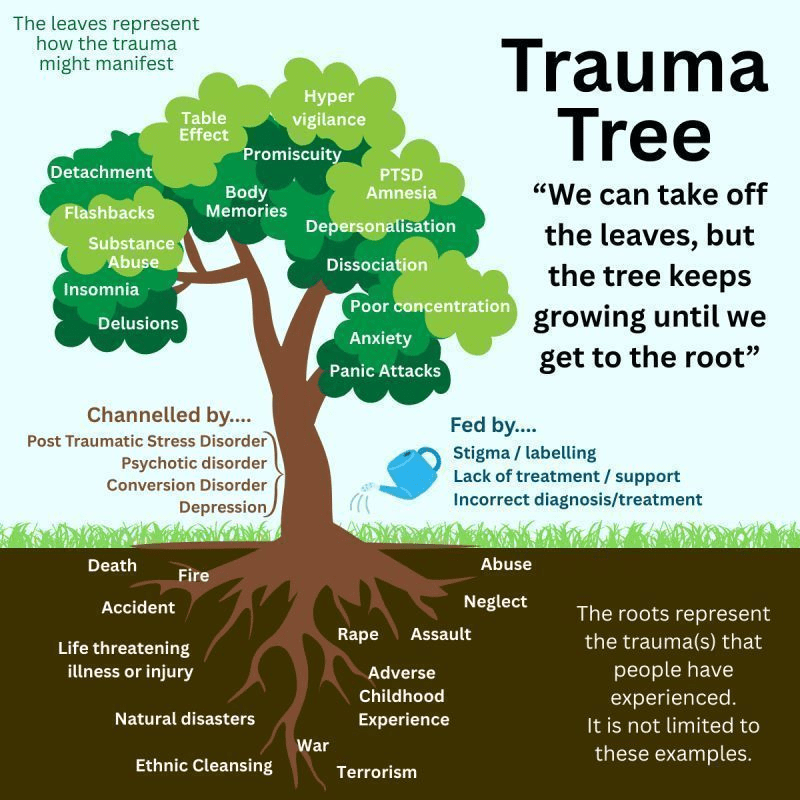
Why Addressing Symptoms Alone Isn’t Enough
🌳 “We can take off the leaves, but the tree keeps growing until we get to the root.”
This powerful metaphor reveals a truth that modern mental health care is only beginning to fully embrace: that true healing from trauma requires more than just managing symptoms. It demands that we dig deeper—right down to the roots.
The numbers tell a sobering story. Research shows that 70% of individuals experience trauma at some point in their lives. Yet for far too many, the path to recovery remains frustratingly elusive. Why? Because we have been treating the leaves while ignoring the roots.
THE LEAVES – HOW TRAUMA MANIFESTS
Trauma does not announce itself with a single, obvious signal. Instead, it manifests in a tangled canopy of symptoms that can be as bewildering as they are debilitating.
Hypervigilance and anxiety – The body remains on high alert, scanning for danger even in the safest environments. The nervous system, once triggered, struggles to return to calm.
Flashbacks and nightmares – The past refuses to stay in the past. Traumatic memories intrude without warning, forcing the individual to relive moments of terror again and again.
Panic attacks and dissociation – The mind and body disconnect. Some feel as though they are watching themselves from outside their own body. Others experience overwhelming waves of terror that seem to come from nowhere.
Depression and emotional numbing – Feeling nothing becomes a defence mechanism. The heart hardens to protect itself, but in doing so, it also loses the capacity for joy, connection, and hope.
Substance abuse and insomnia – Sleep becomes a battleground. Substances offer a temporary escape, but they also deepen the wound, creating a cycle of dependency that further obscures the underlying pain.
These are the leaves. They are visible. They are painful. And they demand attention.
But treating symptoms alone leads to temporary relief—not true healing. The leaves may be trimmed, but the tree continues to grow, fed by hidden forces beneath the surface.
WHAT FEEDS THE TREE – BARRIERS TO HEALING
If the leaves are symptoms, what nourishes the tree and keeps it alive? What prevents healing from taking root?
Stigma and labelling – Society often reduces trauma survivors to their symptoms. “You’re just anxious.” “You’re depressed.” “You need to get over it.” These labels, however well-intentioned, can become self-fulfilling prophecies. They define the person by their struggle rather than their resilience.
Lack of trauma-informed treatment – Many therapeutic approaches still focus on managing behaviour rather than understanding its origins. Without a framework that acknowledges the pervasive impact of trauma, treatment can feel like rearranging deck chairs on the Titanic.
Misdiagnosis and limited support – Trauma symptoms often mimic other conditions. Depression, anxiety disorders, and even ADHD can be misdiagnosed when the root cause—trauma—remains unidentified. Limited access to appropriate mental health services compounds the problem, leaving many to navigate their recovery alone.
These are the soil conditions that allow the trauma tree to thrive. Change the soil, and you change the tree.
THE ROOTS – ORIGINAL TRAUMA
To truly heal, we must go where the pain began.
Childhood abuse and neglect – The earliest wounds often cut the deepest. When a child’s developing brain is exposed to chronic stress or betrayal, it shapes the architecture of their nervous system, setting patterns that persist into adulthood.
Accidents and medical trauma – A single moment can change everything. Car crashes, serious injuries, and terrifying medical procedures can leave lasting psychological scars that are often overlooked.
War, terrorism, and violence – For survivors of conflict, the trauma is not a single event but a sustained assault on the sense of safety and humanity. The effects ripple across generations.
Natural disasters and grief – Loss on a massive scale, whether through earthquake, flood, or pandemic, shatters the illusion that we are safe in our world. Grief becomes complicated when it is intertwined with collective trauma.
Systemic oppression and discrimination – For marginalised communities, trauma is not an isolated experience but a chronic reality. Racism, sexism, homophobia, and other forms of oppression create ongoing wounds that demand healing at both the individual and societal levels.
These are the roots. They are deep. They are tangled. And they are often hidden from view.
But evidence shows trauma-informed interventions address both the symptoms AND the root causes, leading to real recovery and improved wellbeing for those struggling with PTSD, anxiety, and depression.
THE PATH TO ROOT-LEVEL HEALING
True healing requires a shift in perspective. It means moving from “What is wrong with you?” to “What happened to you?” It means recognising that symptoms are not weaknesses but adaptations—the mind’s way of protecting itself from overwhelming pain.
Trauma-informed care offers a different approach. It asks:
- Safety first – Healing cannot begin without a sense of physical and emotional safety.
- Choice and control – Trauma strips away agency. Recovery restores it.
- Collaboration – Healer and client walk together, not as expert and patient, but as partners.
- Trustworthiness – Transparency and consistency rebuild the trust that trauma shattered.
- Empowerment – The goal is not to fix the person but to help them reclaim their strength.
READY TO FINALLY ADDRESS TRAUMA AT THE ROOTS?
The journey to healing is not easy. It is not linear. But it is possible.
For those ready to begin, the “You Are Not Broken” Trauma Healing Workbook for Beginners offers a gentle, evidence-based guide to genuine emotional healing. Designed by trauma therapists, this workbook provides:
- Practical exercises for understanding trauma responses
- Grounding techniques for managing symptoms
- Guided reflections to explore the roots of pain
- A compassionate framework for self-discovery and recovery
The leaves can be trimmed. The soil can be nourished. The roots can be healed.
Start your journey today.
#TraumaHealing #TraumaInformedCare #MentalHealthRecovery #PTSD #EmotionalHealing
Image Credit – Unknown
📖 Featured Article
Understanding the Trauma Tree: A Clinical Perspective
The metaphor of the trauma tree is more than poetic imagery—it is grounded in neuroscience and clinical practice. When trauma occurs, it impacts the brain’s fear circuitry, particularly the amygdala, hippocampus, and prefrontal cortex. The “leaves” we see—hypervigilance, flashbacks, dissociation—are direct expressions of this rewired nervous system.
Treating only these symptoms without addressing the underlying trauma is like repeatedly taking painkillers for a broken leg. The pain may temporarily subside, but the bone remains unhealed.
Trauma-informed therapy, by contrast, works to rewire the brain’s response to threat. Through approaches such as EMDR, somatic experiencing, and cognitive processing therapy, individuals can process traumatic memories, integrate them into their life story, and reduce their power over the present moment.
The “roots” of trauma often lie in attachment wounds—relationships that should have been safe but were instead a source of danger. Healing these roots involves rebuilding the capacity for trust, connection, and self-compassion.
Remember: You are not broken. You are wounded. And wounds, with the right care, can heal.
This article is part of a series on trauma-informed mental health care. For more resources, follow our page and join the conversation on trauma recovery, resilience, and healing.

A Cry for Justice: The Unfolding Crisis in Oromia
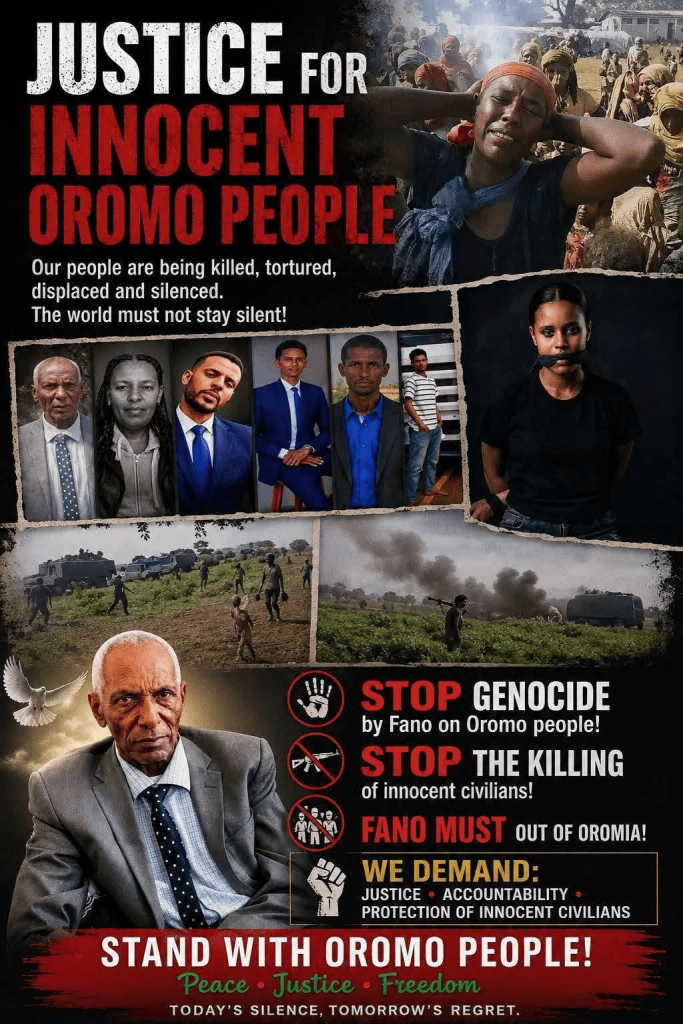
As violence escalates in Ethiopia’s most populous region, a growing chorus of voices is demanding accountability, protection, and peace for the Oromo people.
The plea is urgent and uncompromising: “Stop the killing of Oromo civilians! Stop violence against the Oromo people! Fano must leave Oromia!” These calls reflect a deep-seated crisis that has gripped the Oromia region, where civilians find themselves caught in the crossfire of multiple armed conflicts.
The Human Toll of Conflict
Recent reports paint a harrowing picture of the violence unfolding across Oromia. The Ethiopian Human Rights Commission (EHRC) has documented atrocities including killings, bodily injuries, abductions, displacement, and destruction of property in the Arsi Zone of Oromia . The violence is not isolated—it reflects a broader pattern of human rights abuses across multiple regions, including Amhara and Tigray .
In one particularly devastating incident, armed men killed more than 20 civilians in Oromia. Local civil servants reported that Fano militants attacked civilians “with swords and guns” in the Nono district, approximately 110 kilometers southwest of Addis Ababa, resulting in 25 deaths including women and children, with four more later dying in hospital . A regional security official confirmed that Fano militants had been active in the region for four years, “taking advantage of opportunist moments to launch attacks against civilians and loot property”.
The Humanitarian Crisis
The violence has created a severe humanitarian crisis. The United Nations reports that 3.2 million children are out of school due to the conflict . Hospitals and clinics have been attacked—in 2023, the International Committee of the Red Cross reported that “almost all” of 42 health posts in Oromia’s Beji area had been looted or destroyed . Aid organizations have struggled to distribute supplies, leading to severe malnutrition .
Civilians describe a terrifying reality. One woman from Oromia’s Shewa region told of her family facing constant harassment and extortion from armed groups, with her uncle detained until a 100,000 Ethiopian birr ransom was paid . A coffee farmer from Wollega has been unable to return home for three years due to the security situation, with his harvest stolen by armed fighters .
A Call for Justice and Peace
The demands for justice and protection are clear. As one civil servant noted, the situation “has worsened in recent years” . The Red Cross has warned that the current clashes have “devastating consequences” for civilians, particularly in remote areas, noting that “Oromia doesn’t make the headlines, yet civilians continue to be deeply affected by violence” .
The call for Fano to leave Oromia reflects the reality that multiple armed groups are active in the region, each contributing to the suffering of civilians. For the Oromo people, the demand is simple but profound: protection, justice, and accountability for those who have committed atrocities.
Without decisive action, the cycle of impunity and violence will continue to erode Ethiopia’s stability and legitimacy . The international community, regional bodies, and Ethiopian authorities face a critical choice: allow the violence to continue, or take meaningful steps to protect civilians and bring perpetrators to justice.

Slaughter in the Shadows: The Unfolding Horror in East Wollega
As the world looks elsewhere, Ethiopian civilians are being burned alive, and a desperate plea for help rises from the ashes.
In the quiet villages of Ethiopia’s Oromia region, a summer of horror is drawing to a close. While global attention remains fixed on other crises, the International Oromo Women’s Organization (IOWO) has released a desperate appeal documenting an escalating campaign of violence that has turned the East Wollega Zone into a graveyard of professional promise and a testament to human cruelty .
The reports paint a picture of systematic terror allegedly perpetrated by Amhara Fano armed groups. Beginning in July and intensifying throughout August 2026, the violence has centered on the Gida Ayana Woreda—including the communities of Andode Dichoo, Angar Gute, and Tullu Lenca—as well as Kiramu and Horro Guduru. The testimonies describe not merely a conflict, but a targeted attempt to dismantle the very fabric of civilian life.
A Targeting of Hope
What distinguishes these atrocities is the chilling precision of the attacks. Among the dead are not just anonymous civilians, but the very pillars of the community. On August 19, the violence claimed Mr. Lamessa Mangistu, the branch manager of Awash Bank in Gida Ayana, and Mr. Mamush Maru, a banker at the Oromia Cooperative Bank. Their crime? Providing essential financial services to their community .
In Angar Gute, armed men reportedly burned Sister Liktu Amanu, a midwifery and nursing professional, while she was carrying out emergency duties. Just days earlier, 65-year-old Amanu Hirpha Bidu was reportedly burned alive inside an active ambulance during a patient transfer—a blatant violation of the fundamental protections afforded to medical transport under international humanitarian law . The attack on Mr. Olika Sagni, a local teacher, represents another devastating blow, stripping the community of its educators and the promise of future generations.
“We as mothers and sisters, cannot stand the endless brutal actions against civilian human beings,” writes Dinknesh D. Kitila, IOWO’s Board Director, in the appeal . Their plea is directed at the UN Security Council, the Human Rights Council, the U.S. Secretary of State, the EU, and governments worldwide: act before more innocent lives are extinguished.
Scorched Earth and Silence
The destruction is not limited to lives. The IOWO report details widespread arson targeting public offices, private homes, and transport vehicles, displacing families and paralyzing local economies. The group has released harrowing images of vehicles and property consumed by flames, emphasizing that the campaign is as much about erasing community infrastructure as it is about inflicting casualties. The targeted destruction of the Angar Gute area, including a special attack on Tullu Lenca, points to an attempt to force a demographic change or to punish communities for their identity .
This violence is part of a broader pattern of instability in Ethiopia. Travel advisories from various embassies currently designate East Wollega as a “red” or “extremely high-risk” area, warning citizens to avoid the region due to the presence of armed groups and the risk of attacks on civilians . The international community, while aware, has often been slow to act as the crisis deepens.
The World’s Response
The IOWO appeal calls for two immediate actions: emergency civilian protection for vulnerable populations in the affected woredas, and accountability for the perpetrators of these unlawful killings.
As the appeal letter was signed on August 24, the silence from the international community remains deafening. The documented cases of targeted killings of professionals, the use of ambulances as instruments of death, and the burning of entire communities demand more than a passing glance.
The mothers and sisters of East Wollega are not asking for charity; they are demanding the basic right to live. The charred remains of a midwife’s ambulance and the empty desks of murdered teachers are a stain on the conscience of humanity, a stark reminder that the cost of inaction is always counted in lives.






